


Changan DEEPAL C385 and EPA 1 Platform: A Technical Deep Dive
At the Changan Global Partner Conference on April 13, Zhu Huarong, chairman of Changan Automobile, announced that the final name for its new energy vehicle brand is DEEPAL. The brand plans to launch eight new energy products in 2022. Among them, the mid-size C385 is the first model under the Changan DEEPAL brand, built on the new EPA 1 platform and offering pure electric, extended-range, and hydrogen fuel cell powertrains.
Today, at a technical briefing on the DEEPAL brand, Changan not only unveiled the C385 but also provided a detailed explanation of the EPA 1 electric drive platform, which was five years in the making.
Before diving into the technical highlights of the EPA 1 platform, let’s look at the key information revealed by the C385 debut.
01C385 Debut
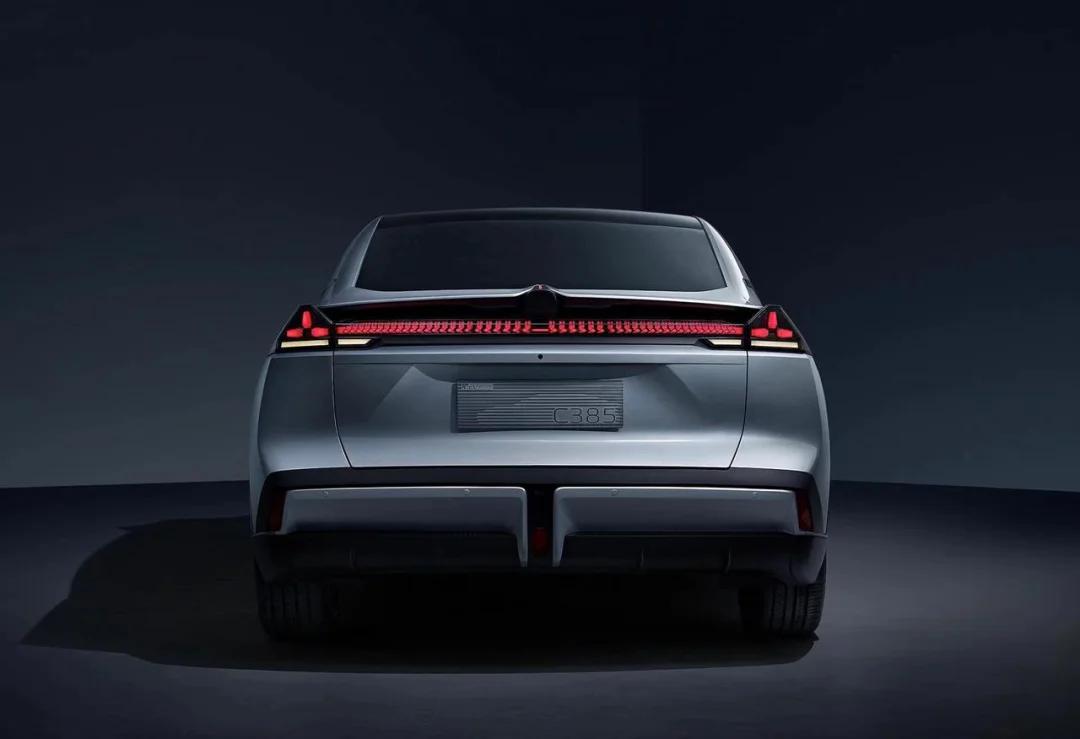
The focus of this event was on introducing the technical highlights of the EPA 1 platform, so the presentation on the C385 was relatively brief. The main details about the car are as follows:
Dimensions: 4,820 x 1,890 x 1,480 mm; wheelbase: 2,900 mm;
Features frameless doors and a hatchback design with hidden door handles.
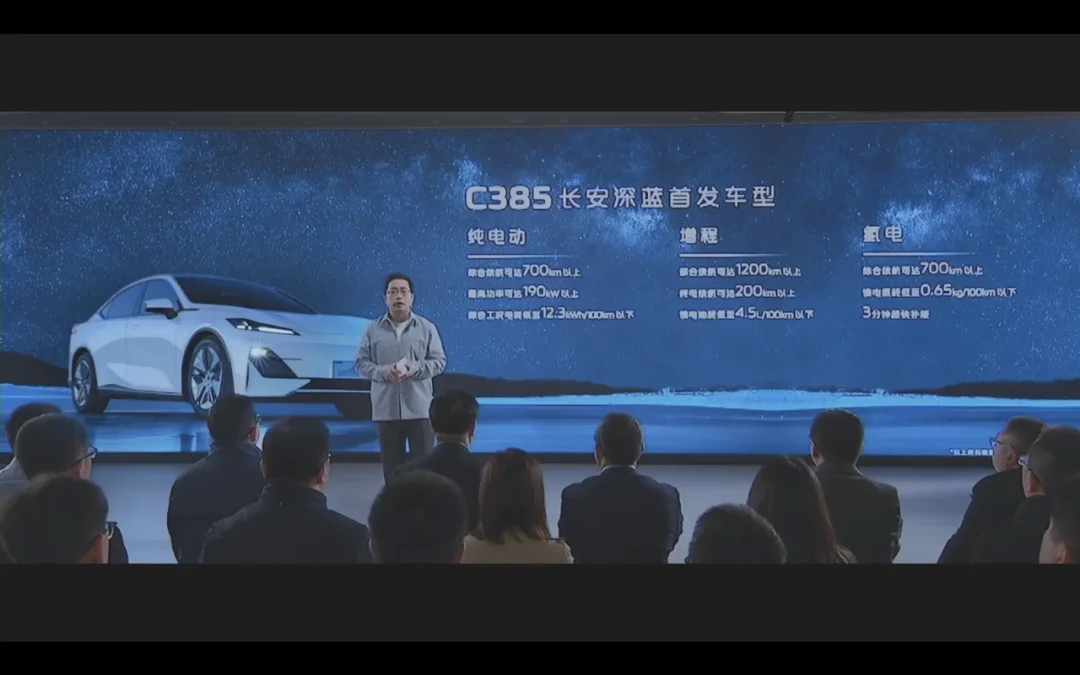
Rear-wheel drive with a single motor, maximum power 190 kW, acceleration from zero to one hundred kilometers per hour in 5.9 s;
Official CLTC range exceeds 700 km, with a comprehensive CLTC energy consumption of 12.3 kWh;
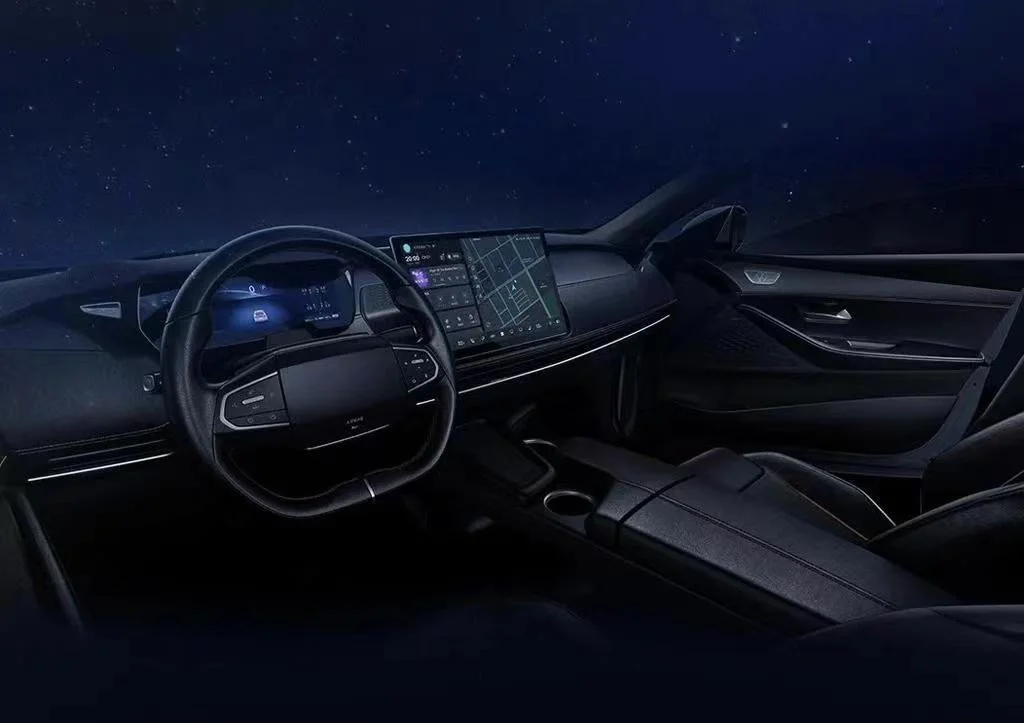
Interior features a 14.6-inch large screen.
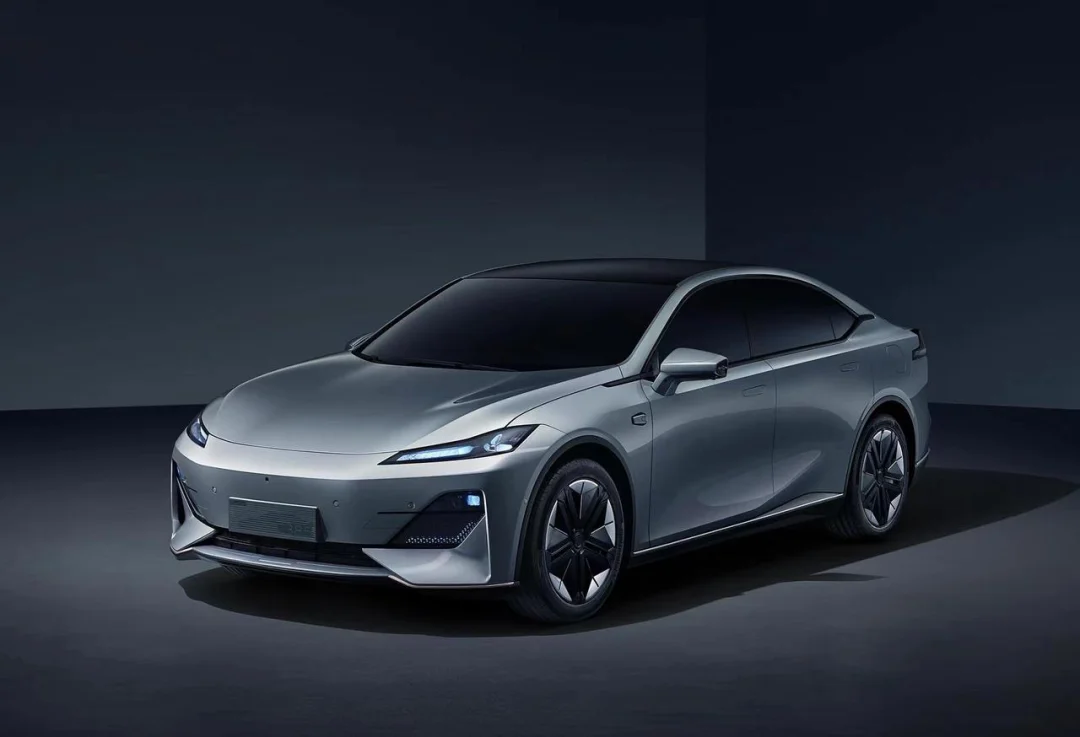
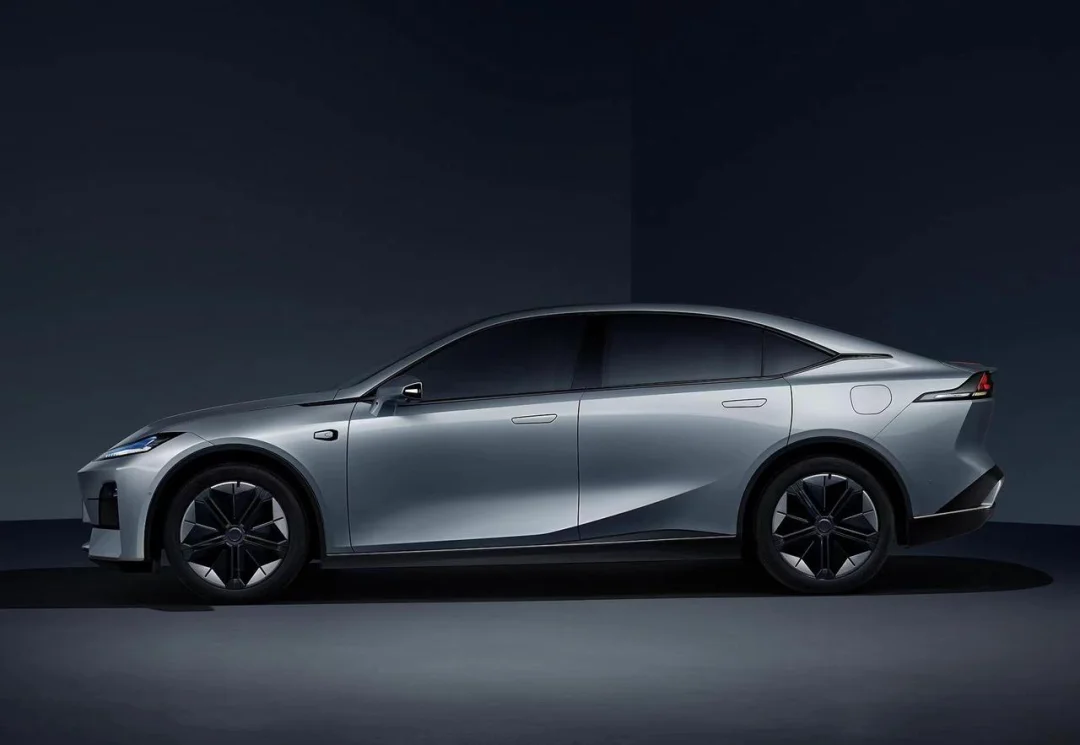
Notably, the range-extended and hydrogen-electric versions of the C385 were also unveiled. The range-extended model offers an all-electric range of more than 200 km, a combined range of 1,200 km, and a fuel consumption of 4.5 L/100 km when the battery is depleted.
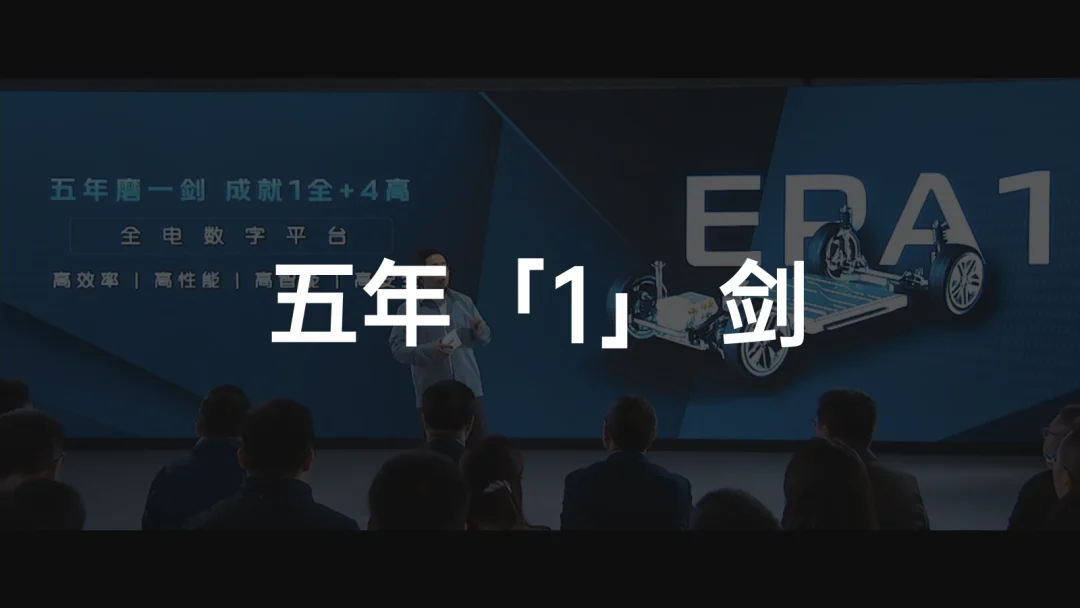
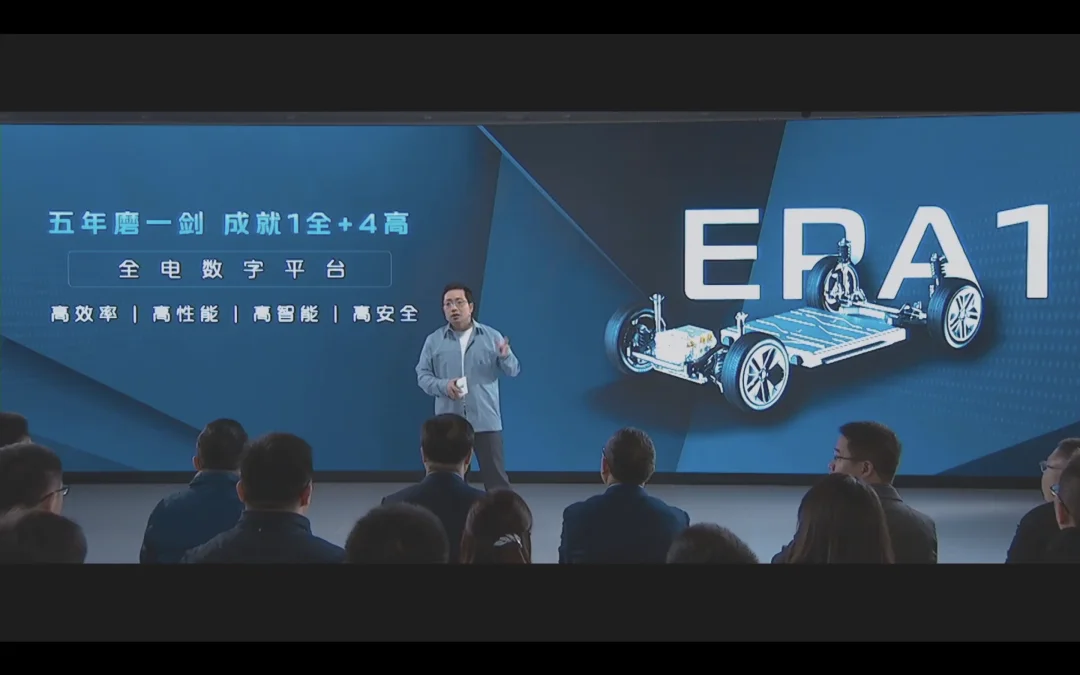
To understand the underpinnings of the C385, one must look at Changan's EPA 1 platform, which was developed over a period of five years. Changan DEEPAL defines the EPA 1 platform with the concept of "1 Full and 4 Highs": a fully electric digital platform, high efficiency, high performance, high intelligence, and high safety. The expression is straightforward, avoiding the obscure terminology often used by other manufacturers. Abstract concepts alone make it difficult to uncover the secrets; next, we will examine the technical highlights of the EPA 1 platform.
02Efficiency First
Overall efficiency is good
Changan New Energy CEO Deng Chenghao first introduced the concept of "powertrain electrical efficiency" in this section, calculated as the net useful work output of the electric drive system divided by the power consumed from the grid. Unlike the method used in motor sales calculations, which divides output power by input power, "powertrain electrical efficiency" can be understood as the proportion of electricity drawn from the grid that is actually converted into output at the motor.
Under the standard proposed by Changan, the calculation process must account for numerous factors, including the efficiency of the charging system, the charge/discharge efficiency of the battery system, the efficiency of the electric drive system, and the efficiency of the energy recovery system. Within this framework, high or low efficiency represents a comprehensive assessment of the entire powertrain. Changan states that the electrical efficiency of its EPA 1 platform can reach 78%, surpassing the industry average of 70% to 75%.
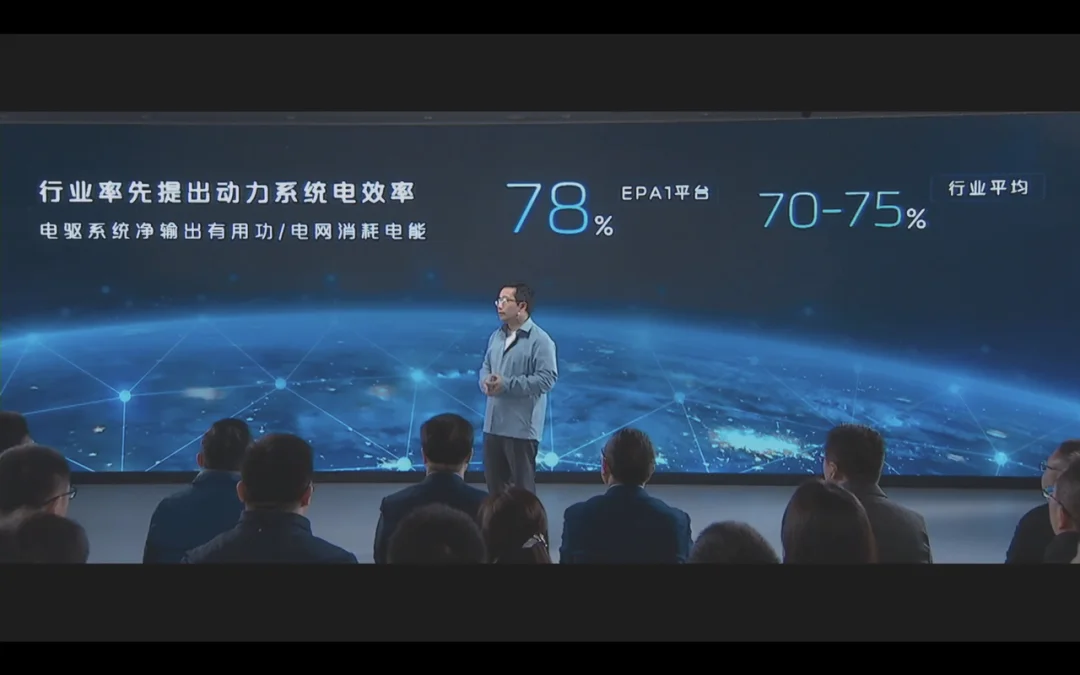
Since this is a technical briefing on an electric-drive platform, demonstrating the comprehensive efficiency of the entire battery, electric motor, and electronic control systems is indeed quite intuitive. The EPA 1 platform was designed from the outset to accommodate both range-extended and hydrogen fuel cell powertrains; therefore, Changan showcased the drive efficiency of the EPA 1 platform under these two power modes.
Here, Changan measures the efficiency of integrating the drive system and power generation system by "the amount of electricity output per unit weight of fuel or hydrogen." Under the EPA 1 platform, the sedan's range-extender system consumes 1 L of oil to generate approximately 3.3 kWh of electricity, while the hydrogen fuel cell system achieves a power generation efficiency of 20.5 kWh per 1 kg of hydrogen, enabling hydrogen refueling in 3 minutes.
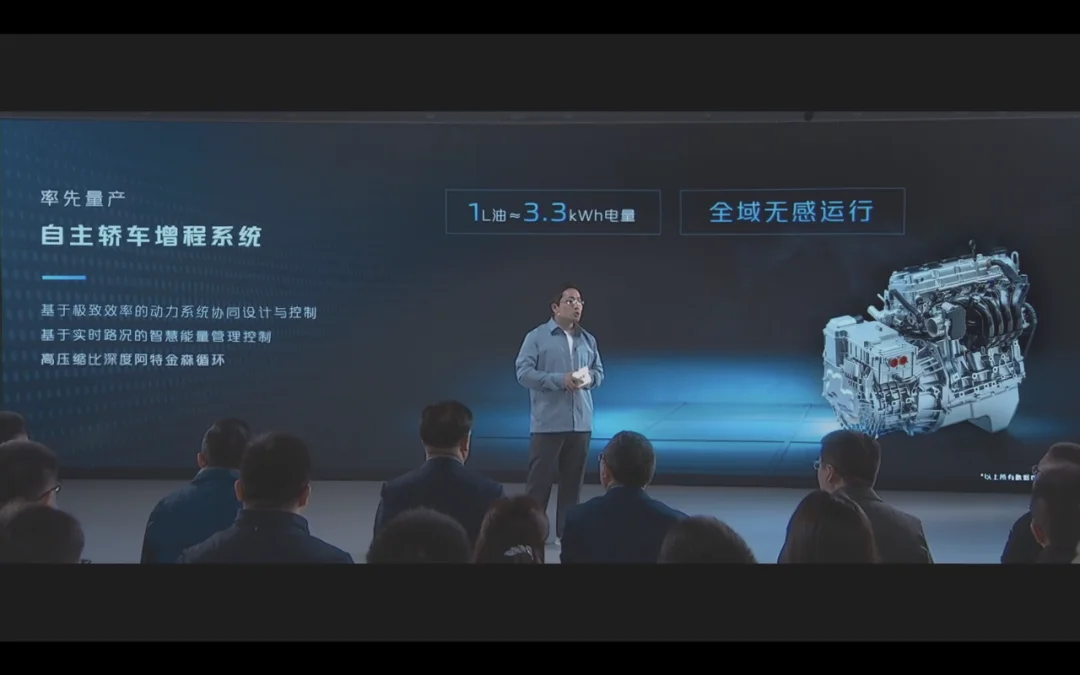
We do not yet know which engine will be used in this range-extended system, but images from the launch event suggest it is likely a four-cylinder engine.
Electric Drive Efficiency of 95%
Changan’s technology briefing was very much engineering-focused: they did not simply dump final results on you. Instead, the briefing interspersed many interesting details about the R&D process.
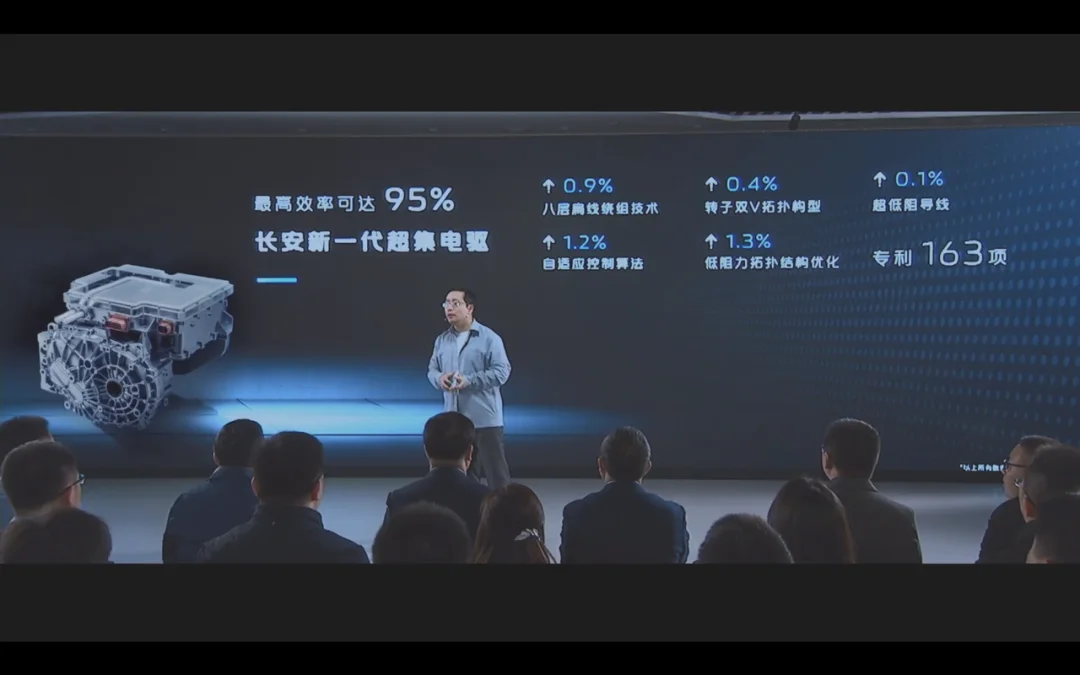
For instance, the highly integrated motor on the EPA 1 platform reaches a peak efficiency of 95%. However, Changan explained that 8-layer hairpin windings contributed 0.9%, low-resistance wires contributed 0.1%, and adaptive control algorithms contributed 1.2%. Although electric motors can easily achieve over 90% efficiency compared to internal combustion engines, like ICEs, once a certain threshold is reached, every additional 1% requires significant effort in structure, algorithms, and materials.
Deng Chenghao noted that during the R&D of a specific detail—the lubrication flow scheme for the reduction gear—engineers performed over 1,000 topology optimizations to finally identify a design compatible with both lubrication and efficiency.
Changan’s EPA 1 platform features complete independent intellectual property rights and was developed from scratch. Consequently, Deng Chenghao carefully highlighted Changan’s patent accumulation in each field while introducing every technical module. In the electric drive sector, Changan holds 163 patents.
Pulse Heating Technology Enhances Winter Experience
The EPA 1 platform leverages the characteristic of lithium-ion batteries not undergoing lithium plating—which affects safety and lifespan—during high-frequency positive-negative switching at low temperatures. By rapidly switching large currents via the fast on-off operation of IGBTs, the system utilizes the battery’s high internal resistance in cold conditions to quickly heat the battery pack.
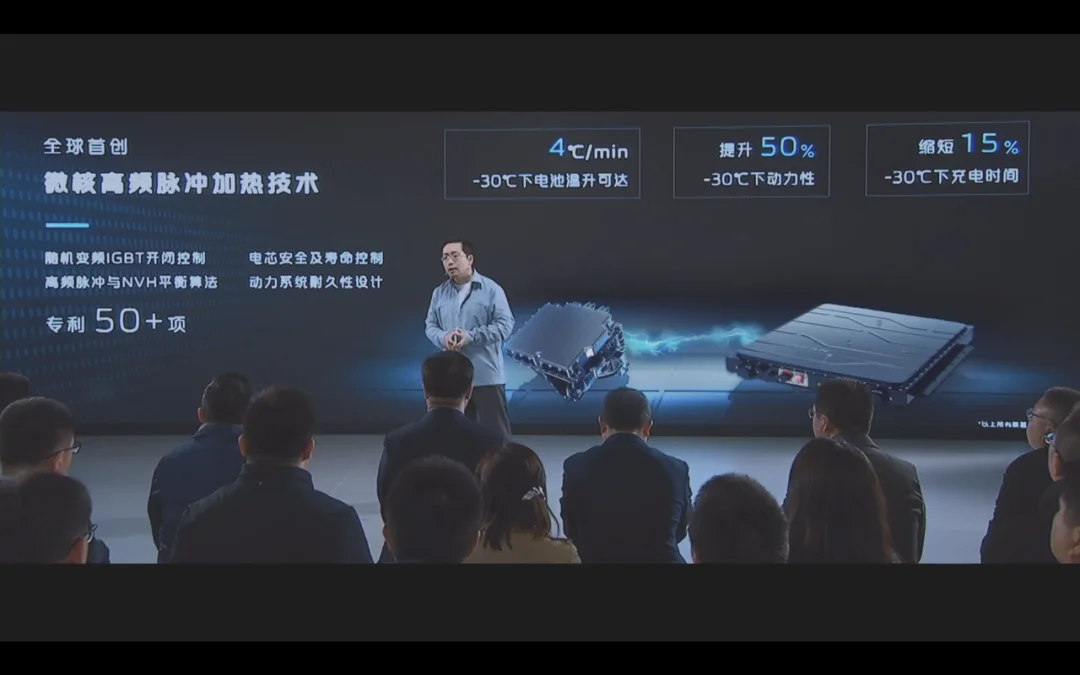
IGBTs are voltage-driven power semiconductor devices offering advantages such as high voltage withstand capability, low conduction voltage drop, fast switching speed, and low drive power. After applying pulse heating technology, the EPA 1 platform enables the battery temperature to rise by 4°C per minute in environments as low as -30°C, reducing low-temperature charging time by 15% and improving performance in cold conditions.
03Rear-Wheel Drive Primary, With Four-Wheel Drive Option
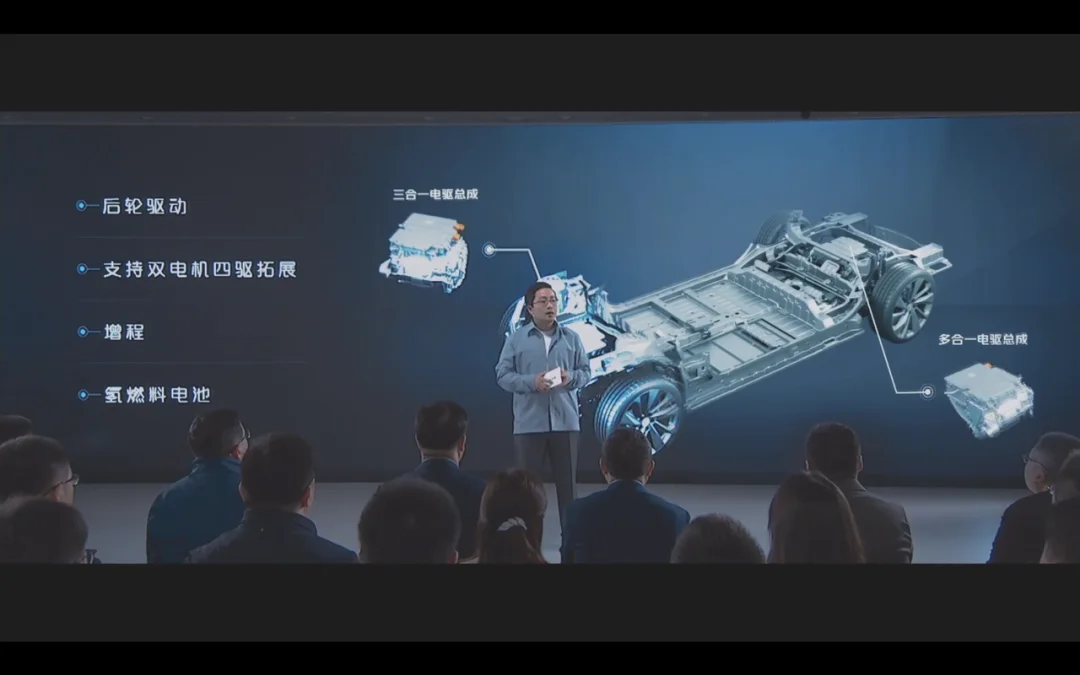
Deng Chenghao introduced the Changan EPA 1 platform, which is based on rear-wheel drive but can accommodate four-wheel drive. The C835, using the EPA 1 platform and equipped with a single motor on the rear axle, has a maximum power of 190 kW and a zero-to-100 km/h acceleration time of 5.9 seconds. For a mid-size pure electric vehicle with a single motor, this performance is basically on par with its competitors.
In terms of handling, the EPA 1 platform features a 50:50 front-to-rear axle weight distribution. The front suspension structure is not specified but is expected to be MacPherson strut, while the rear suspension uses a multi-link independent setup. Deng Chenghao stated that the EPA 1 platform offers both comfort and sport modes. In sport mode, the electric drive system builds pressure faster, helping to improve power response, and the regenerative braking intensity increases to reduce braking distance.
The EPA 1 platform also made significant efforts in optimizing the NVH of its electric drive system. The internal components of the electric drive system have various tiny clearances. Under rapid switching between positive and negative torque, these clearances can cause parts to impact each other, leading to issues such as abnormal noises and jerking. How to reduce noise in the electric drive system while enhancing instantaneous power response has become a critical problem to solve.
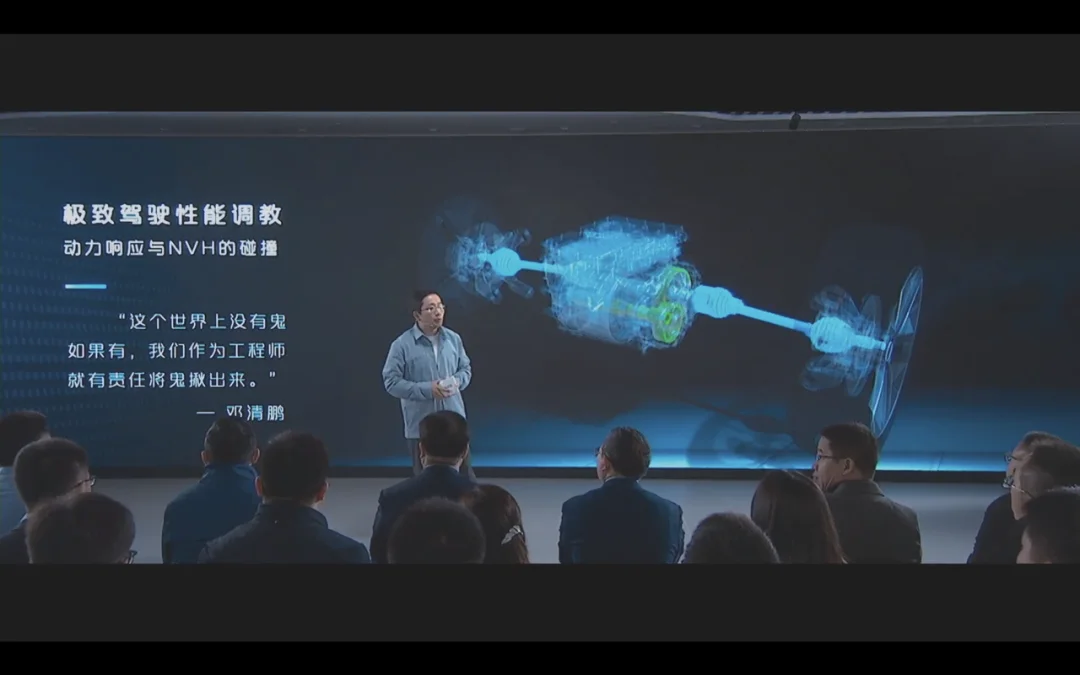
Deng Chenghao explained that after several months of intensive work, Dr. Deng Qingpeng, who leads the team responsible for this section, stationed engineers at the test site and ultimately resolved the issue. Currently, new vehicles on the EPA 1 platform achieve powertrain gap-rattle noise levels that lead the industry's top tier while ensuring zero power delivery lag.
04Three Domain Controller Architecture & Support for SOA Service Expansion
Before discussing this section, let's first cover some basics of electronic and electrical architecture.
Previously, most vehicles used a distributed architecture. Simply put, each ECU corresponded to a specific function. For example, pressing a window button would communicate with the relevant ECU and send a direct command. However, as autonomous driving and smart cockpits demand increasingly higher hardware computing power and communication speeds, traditional ECUs and standard wiring harnesses can no longer handle the ever-expanding data volume.
This is where "unification" becomes essential: evolving from a distributed architecture to a domain-centralized one, which is the current industry direction.
SOA (Service-Oriented Architecture) unifies the underlying software aspects, including interoperability (standardized encapsulation), software reuse, and loose coupling. Previously, most hardware-software communication relied on point-to-point data transmission via CAN and LIN buses. The massive volume of information throughput and real-time collaborative communication can no longer be satisfied by simply upgrading basic communication wiring harnesses.
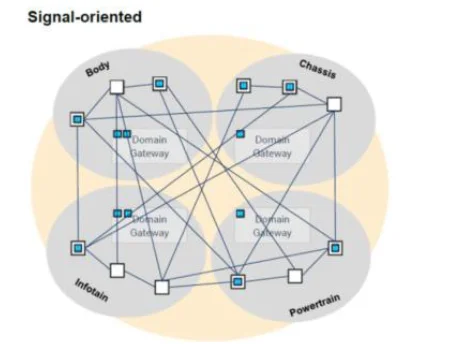
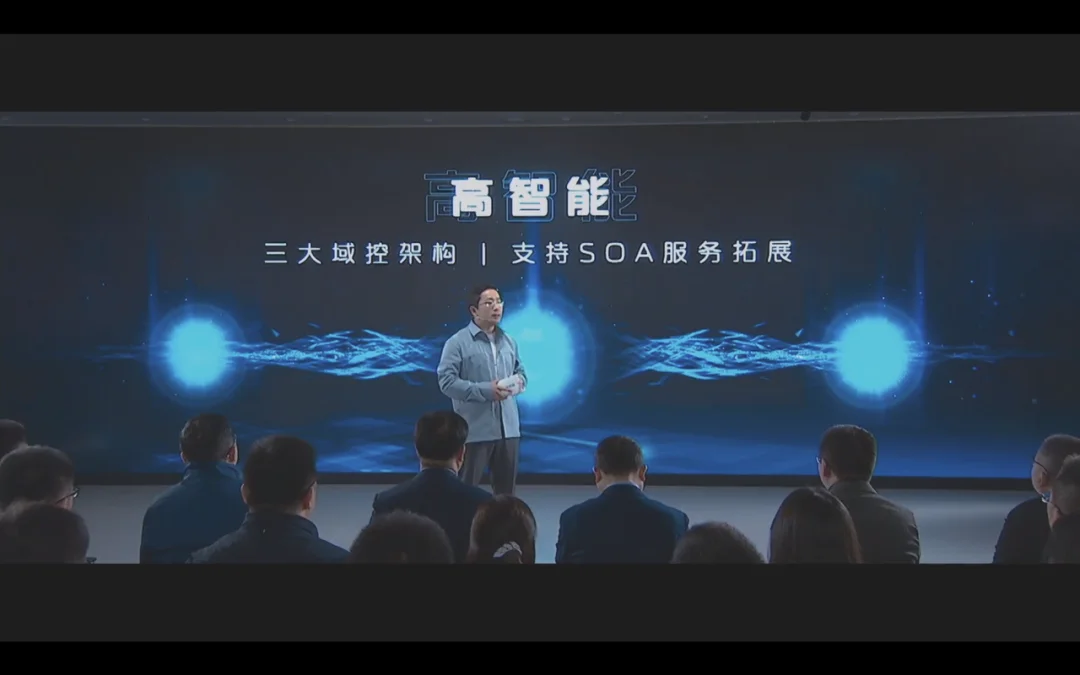
The EPA 1 platform adopts the latest generation of electronic and electrical architecture, featuring three major domain control functions: vehicle control, cockpit, and intelligent driving, while supporting the expansion of SOA services.
Support for Full-Vehicle OTA, Upgrade Speed in 3 Minutes
Based on its three-domain electronic and electrical architecture, the EPA 1 platform supports full-vehicle OTA, enabling over-the-air updates for all node controllers across the car. By leveraging API platforms for in-vehicle communication technologies such as Ethernet, it significantly optimizes transmission bandwidth and processing speed between controllers.
The EPA 1 platform has reduced OTA time from dozens of minutes to under 3 minutes, essentially achieving seamless OTA. According to Deng Chenghao, during the development of the EPA 1 platform, their research revealed that many vehicles currently face a common issue during OTA updates: the vehicle must remain stationary, and excessively long waiting times disrupt users' daily plans.
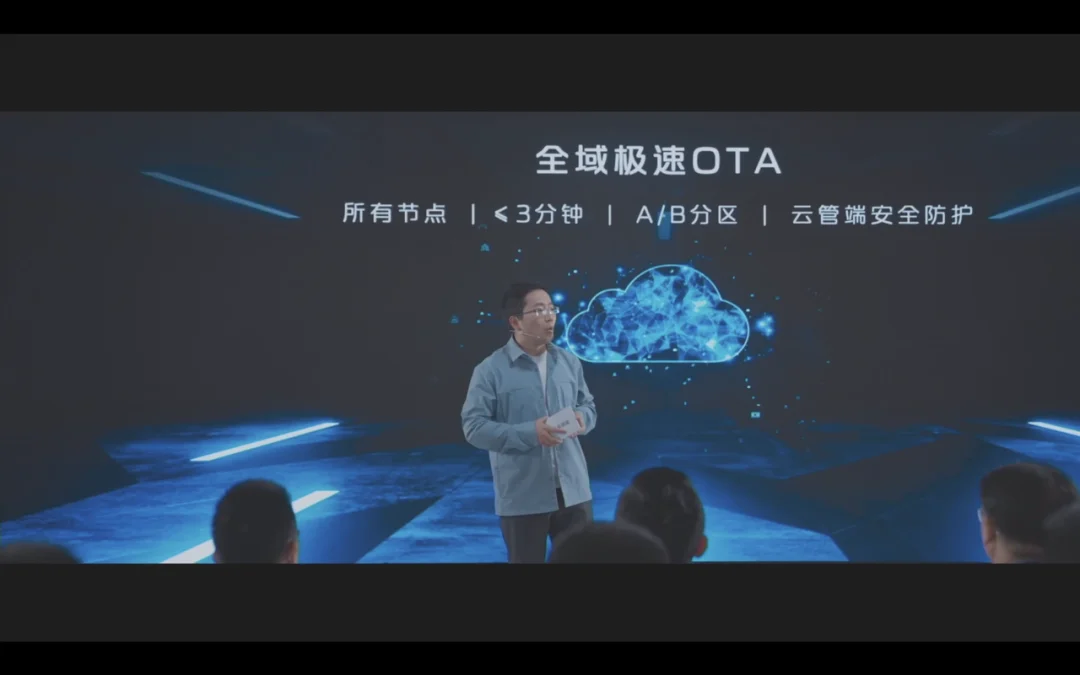
During development, the EPA 1 platform was designed to support rapid over-the-air (OTA) updates. Changan engineers evaluated more than 30 architecture options and ultimately integrated modules such as connectivity, storage, and gateways into a single design. By using direct chip-to-chip connections, the team significantly improved data transmission efficiency and reduced OTA update times.
The EPA 1 cockpit domain also features dual-partition upgrade technology. Modern cockpit domains serve not only as entertainment hubs but also as vehicle control terminals; a failed software update could leave the vehicle stranded. Dual-partition upgrades allow software updates to complete without disrupting normal driver use, thereby mitigating the risk of the vehicle breaking down due to update failures.
Three Major Domain Controllers
The purpose of the vehicle domain controller is to connect cloud, network, and edge devices. Changan’s first-generation intelligent vehicle domain controller, the 'Changan Wisdom Star,' integrates seven control modules, including the VCU gateway, Ethernet gateway, and T-Box. The gateway and Ethernet gateway act as the central processing and switching hub for edge data, the vehicle control unit serves as the control nexus at the edge, and the T-Box is a critical component for network connectivity.
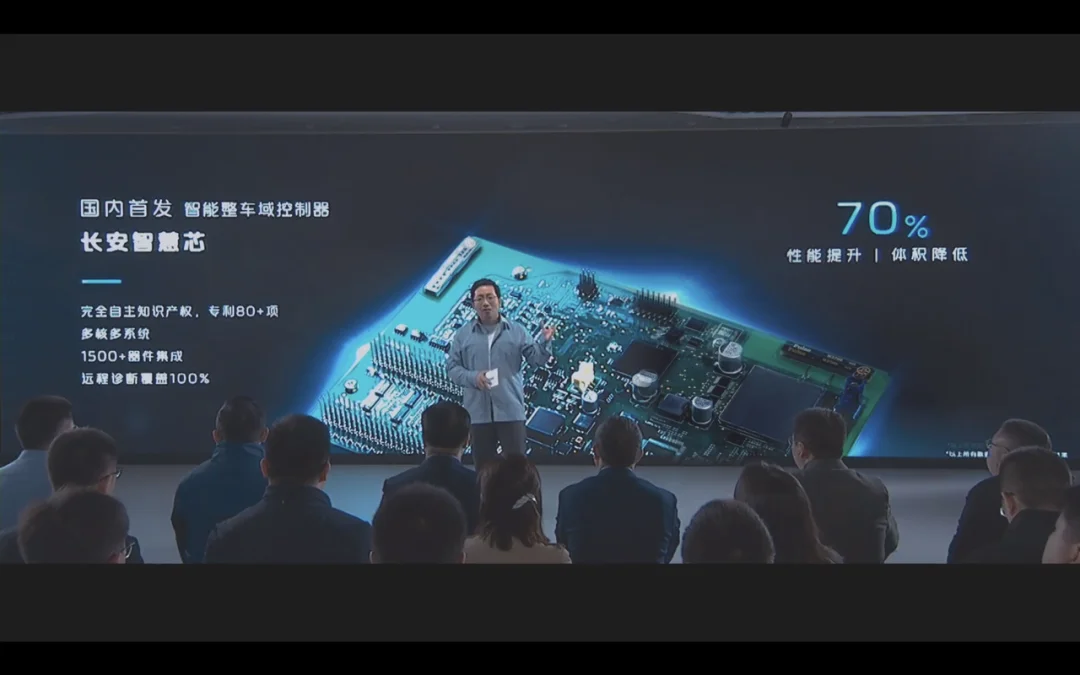
This controller possesses full independent intellectual property rights, backed by more than 80 patents. Compared with separate controllers, it delivers a 70% performance increase while reducing volume by 70%.
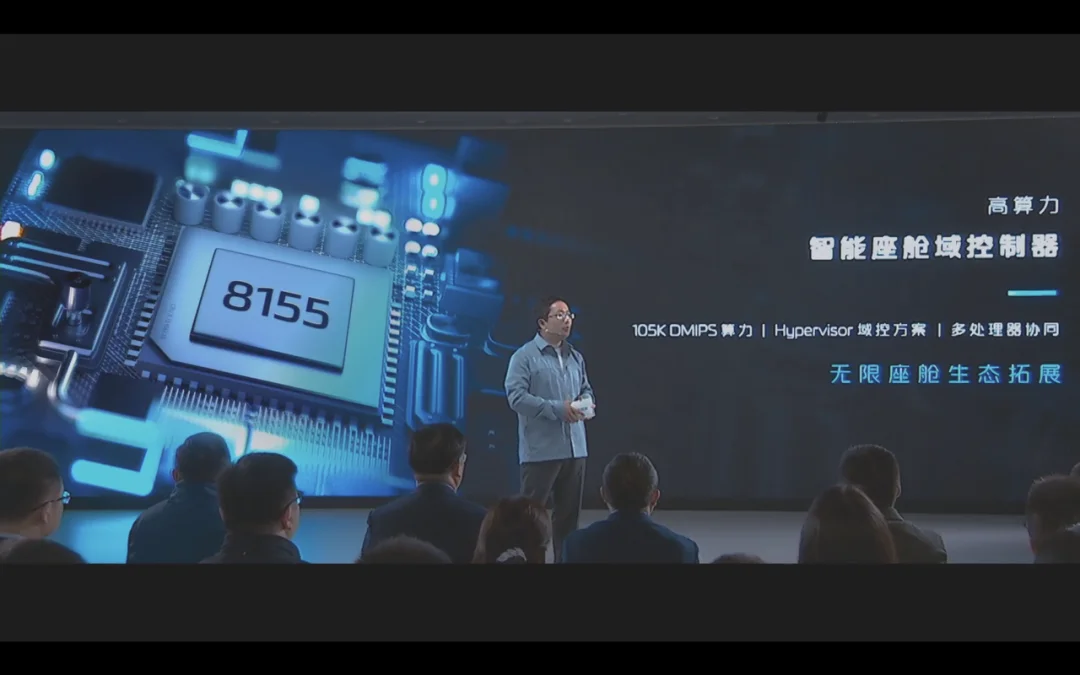
The EPA 1 cockpit domain controller utilizes the Qualcomm Snapdragon 8155 chip. Surrounding the 8155, multiple processors are deployed to work in coordination, ensuring optimal resource allocation for the system.
The EPA 1 intelligent driving domain controller employs a multi-chip redundant design, capable of collecting data from 27 perception components across the vehicle. Additionally, the EPA 1 intelligent driving domain features redundancy in power supply, braking, steering, and system architecture.
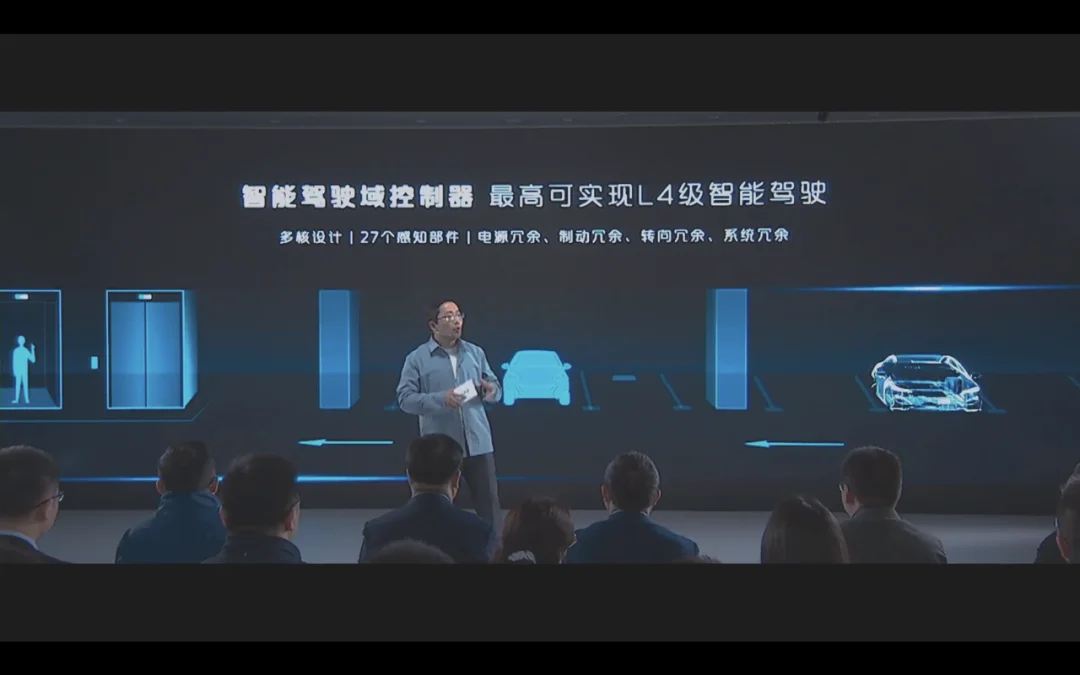
Deng Chenghao introduced that the EPA 1 platform can achieve navigation-based assisted driving using high-precision maps, covering scenarios such as automatic lane changes, on-ramp and off-ramp navigation, and automatic car following. Regarding automated parking, in structured parking lots, the EPA 1 platform can achieve memory-path parking and remote summoning, as well as high-precision map-based automated parking and remote summoning.
05Chip, Vehicle, and Cloud Ensure Platform Safety
Changan’s approach to ensuring the safety of the EPA 1 platform relies on three pillars: chip, vehicle, and cloud.
"Cell" refers to the battery cell. Based on the EPA 1 platform, Changan developed iBC Shuzidianchiguanjia, which effectively prevents thermal runaway in battery packs. Deng Chenghao explained that during development, the battery team initially claimed they could meet a target where no pack-level thermal runaway would occur within one hour after active triggering of cell thermal runaway. However, this goal was raised: Deng Chenghao required that even if cells are actively triggered into thermal runaway, the entire pack must remain stable. The EPA 1 platform ultimately achieved this goal.
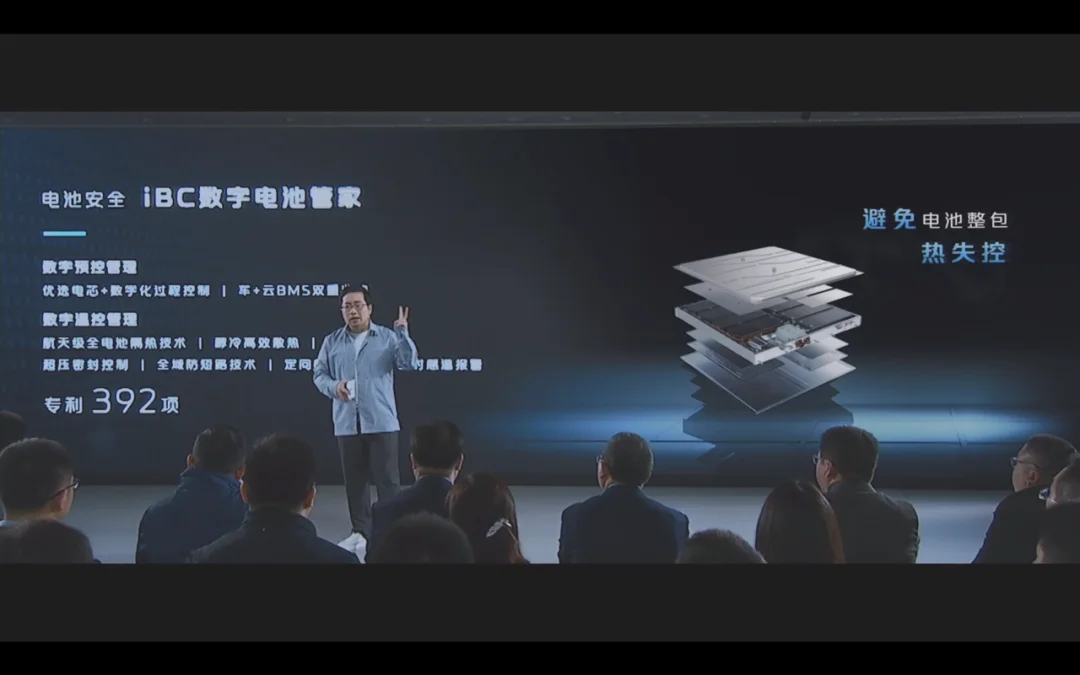
The EPA 1 battery pack employs cloud-connected BMS monitoring for active safety to detect anomalies in advance. For passive safety, technologies such as "alcohol-based cold cooling" ensure that even under extreme thermal runaway conditions, the risk of a full-pack thermal runaway is effectively mitigated.
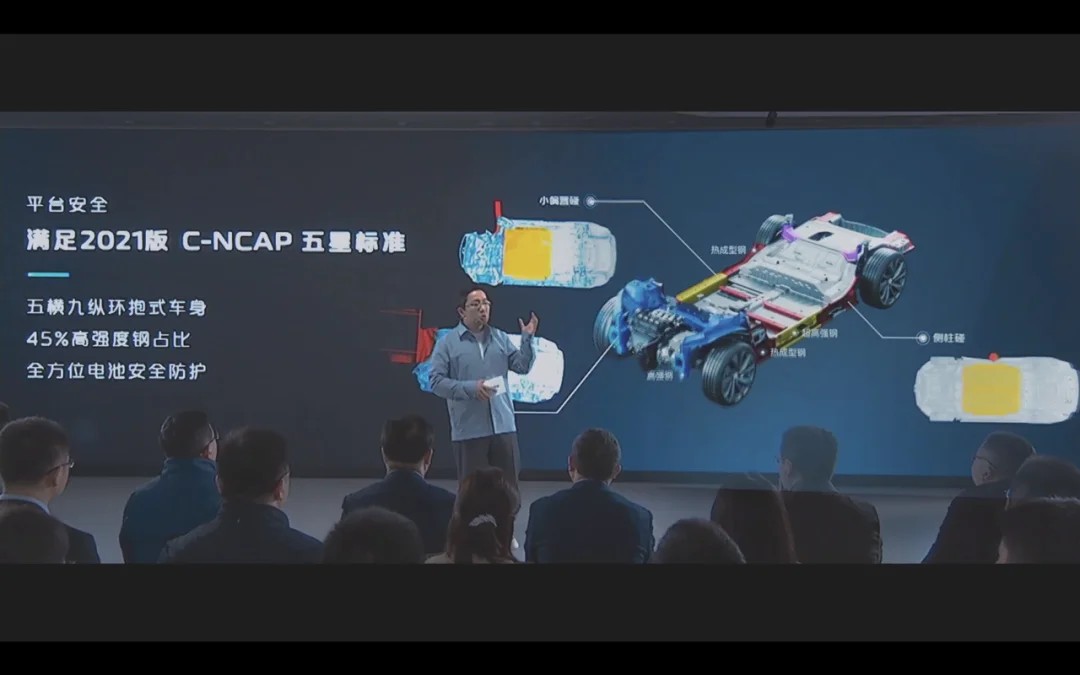
The "car" refers to body safety. The EPA 1 adopts a five-cross, nine-longitudinal ring-shaped body design, with high-strength steel accounting for more than 45 percent, ensuring the platform meets C-NCAP five-star safety standards. This high body strength also provides protection for the battery pack.
"Cloud" refers to network privacy and security. The EPA 1 privacy protection strategy covers the vehicle, cloud, and mobile endpoints. Images from the launch event reveal that the EPA 1 platform adopts a prismatic battery packaging solution, which is currently the mainstream format in China. In terms of structural safety, prismatic battery packaging is safer than pouch cells.
06Final Thoughts
In 2017, Changan proposed the "Xianggelila" plan to invest RMB 100 billion across the new energy vehicle sector; five years have now passed. At this technical deep-dive briefing for Changan DEEPAL, I was pleasantly surprised to see that EPA 1, as Changan's first electric drive platform, demonstrates solid maturity in overall efficiency, electrical and electronic architecture, and the battery, electric motor, and electronic control systems.
The 95% electric drive efficiency and pulse-heating cells reveal the "efficiency-first" philosophy of the EPA 1 architecture. The independent development of three domain controllers—the vehicle control, cockpit, and intelligent driving domains—demonstrates Changan's R&D strength during its electrification transition. Additionally, Deng Chenghao's statement that "the probability of battery thermal runaway is basically zero" underscores the emphasis placed on safety by the EPA 1 architecture.
The first new model based on the EPA 1, the C385, is most likely targeting the Model 3 and BYD Seal. Since the price and detailed battery information have not yet been released, this article will not analyze them in depth. Offering pure electric, extended-range, and hydrogen-electric modes to some extent enhances the competitiveness of the C385.
I am very much looking forward to seeing whether highlights mentioned at this technical exchange, such as 'rapid OTA updates,' 'navigation-based assisted driving using high-definition maps,' and 'automatic parking,' can be equipped on the C385.
Written by: Ming Ming Edited by: Daji