


Jidu Auto’s Dual-Hood Lidar Layout Sparks Debate With Li Auto’s Xiang Li
On April 18, Jiduqiche announced the latest progress on its first model. Images reveal a full-width light strip and ADAS status indicators on the wheel arches, with two prominent lidar units mounted on the hood.
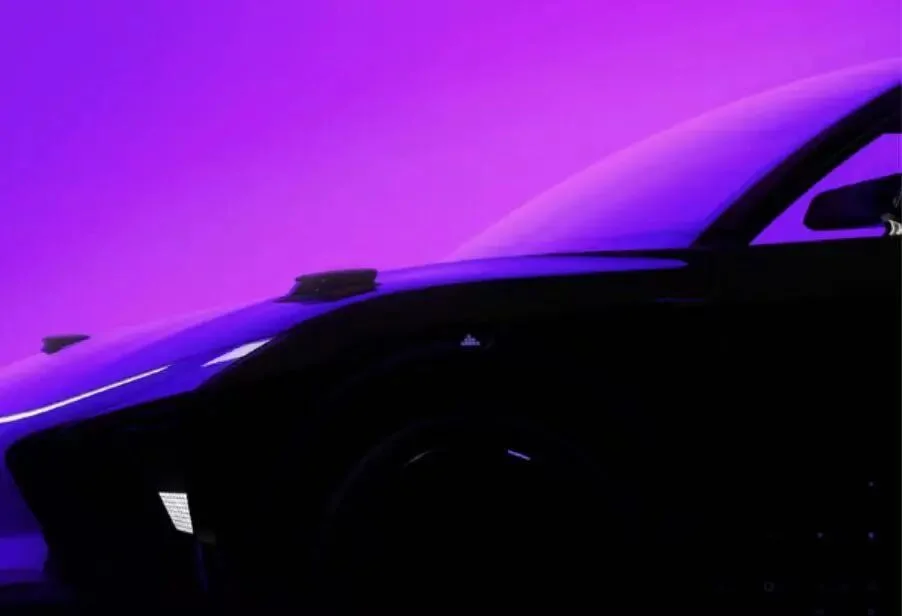
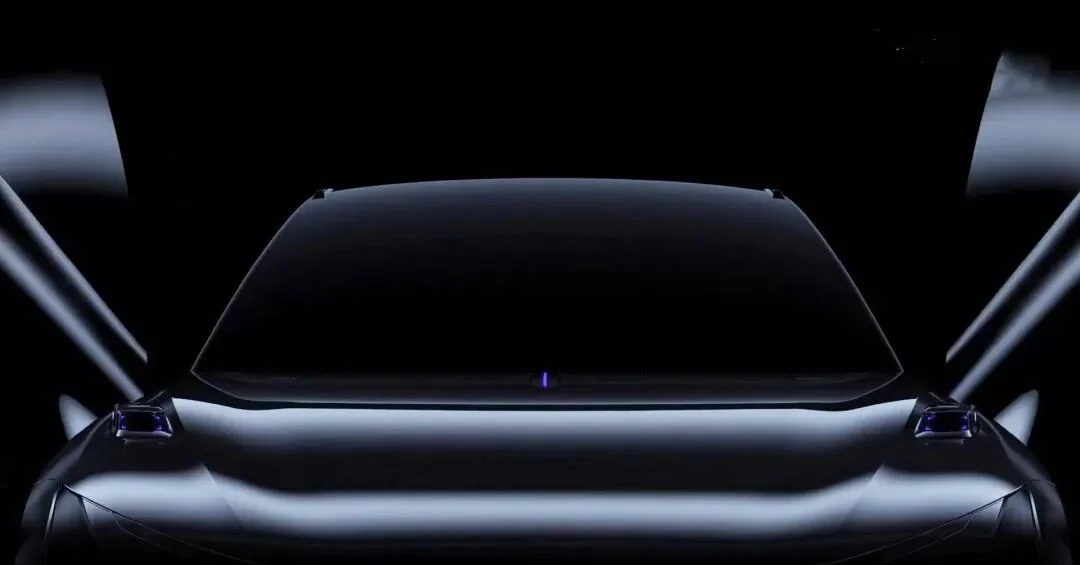
During the briefing, Jiduqiche confirmed that the lidar units are Hesai AT128 models featuring a retractable design.
Shortly after the layout was revealed, Li Auto founder Xiang Li shared his perspective in a comment under 42HOW Auto's Weibo post:
"Placing one unit on the roof versus two on the hood or bumper makes no difference in performance; in fact, a single rooftop unit may perform better. However, for pedestrian collision safety, maintenance costs, and vibration control (relative to the main vehicle body), the roof is the optimal choice. The only issue is styling: the rooftop lidar's appearance requires adaptation because it looks too much like a mobile suit from Gundam."]}

Shortly after, Jiduqiche CEO Xia Yiping replied to the comment, stating:
"There is still a difference. A 120-degree field of view (FOV) and a 180-degree FOV are not the same; they address different corner cases. Therefore, there are differences in product capability, user experience, and even safety."

At the juncture when lidar is entering mass adoption, we have seen multiple automakers propose various mounting layouts, including on the roof, hood, and bumper. This provides an opportunity to review these choices and explore what their underlying implications are.
01Examining Jidu's Solution
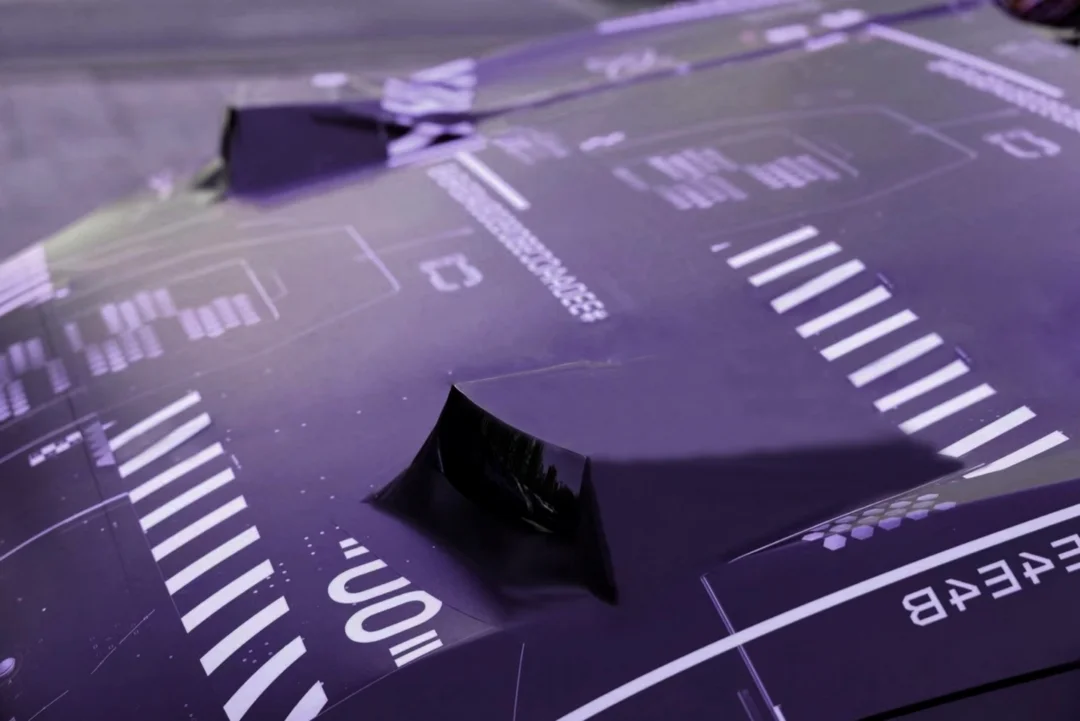
As shown in the image, Jidu’s two lidars are positioned at the left and right ends above the front bumper. This layout, pioneered by Jidu, features a retractable design.
The two sensors achieve 180° detection coverage across the front of the vehicle, while also providing 60° dual-lidar coverage over the central core area.
From Jidu's official website documents, we have summarized three key advantages:
The dual lidar units at the front of the vehicle provide a horizontal 180° field of view (FOV), which enhances the ability to identify pedestrians or obstacles crossing from the sides in scenarios such as "ghost probes" (sudden appearances) and when there are obstructions on either side;
Within the 60° FOV directly in front of the vehicle, the dual lidars achieve doubled overlap, resulting in more point cloud data on target objects and higher recognition accuracy;
The dual lidar setup serves as a safety redundancy for each other, offering greater reliability than single-lidar solutions.
First, compared to a 120° detection angle, the 180° angle reduces visual blind spots by 30° on each side. The reduction in physical blind spots inevitably improves detection capabilities in scenarios like "ghost probes."
Moreover, this Jidu lidar covers both the side and front areas of the vehicle, allowing a single unit to monitor the entire cutting-in trajectory of vehicles merging into the lane.
Here is a typical example of a "ghost probe": A vehicle parked on the right side of the road blocks the right lidar's detection. However, the left lidar, positioned further outward, gains a better vantage point and can clearly see the area in front of that vehicle.
It is similar to human vision: if your right eye is blocked, the larger viewing angle of your left eye still allows you to see parts of the right eye's blind spot.
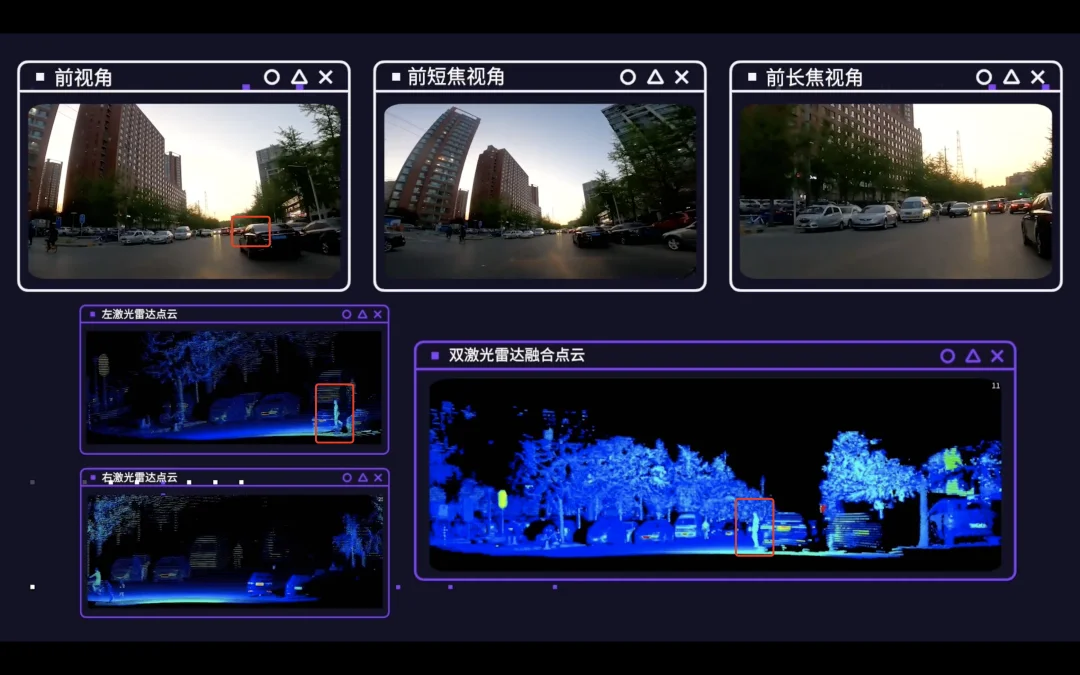
The camera and right LiDAR failed to detect pedestrians in the blind spot, while the left LiDAR did. The second advantage is the 60° dual-LiDAR perception coverage in the central area. Compared with using only a single LiDAR, this setup provides denser point cloud information, leading to more accurate perception results.
However, achieving more accurate perception results requires robust LiDAR data fusion algorithms. The outputs from the two LiDARs must be highly consistent.
The third point is redundancy, which has two layers of meaning. Jidu's official statement reads: "The dual LiDAR setup provides mutual safety redundancy, offering greater reliability than a single LiDAR solution."
This is beyond doubt. When one LiDAR fails, the other can continue to operate, providing a certain level of redundancy. This is similar to how dual-motor EVs use their two motors for mutual redundancy.
The second layer of redundancy is at the system level. Jidu officially stated: "The pure vision and LiDAR autonomous driving solution currently under testing and development in the SIMUCar 2.0 phase consists of independent dual systems, enabling 'true redundancy' after mass production. Compared with traditional solutions, Jidu's two autonomous driving systems serve as backups for each other and complement one another; both can drive efficiently on their own and collaborate effectively."
So at the system level, vision and LiDAR are two separate systems that can work together or independently.
I will cautiously speculate here that Jidu, like Mobileye, will have a radar system that can continue to ensure the normal operation of the vehicle after a failure in the visual system. In other words, the ADAS relying on vision can work independently, and the one relying on LiDAR can also work independently.
However, this view has faced opposition from industry leaders. Su Jing, former head of Huawei ADS, responded to a media inquiry regarding a claim that "a leading autonomous driving company proposed true redundancy: treating LiDAR as one subsystem and pure vision as another, conducting independent tests, and multiplying their takeover rates to reduce the statistically required testing mileage."
"Frankly, I suspect that statement was written by their marketing team, not their R&D engineers. If it were from R&D, I would question their engineering capabilities. The takeover rate is determined not just by your perception system, but significantly more by your planning and control systems—perhaps even more so than by perception. Do these systems lack what you call 'true redundancy'?
Second, for most difficult edge cases, adding 80 times the number of sensors will not solve them. I'm willing to bet on that. Therefore, the logic of using multiplication algorithms for statistical reduction is absurd.
'True redundancy' is a marketing term. To improve perception, you should implement sensor fusion, not redundancy. Redundancy represents a severe waste of sensor resources. Their technical level is certainly not based on such principles."
Thus, we remain watchful regarding the concept of second-layer redundancy.
Overall, the combined performance of Jidu's two LiDAR units is decent, but Xiang Li expressed some differing views.
02Conflicting Perspectives
Xiang Li stated: "Placing one unit on the roof versus two units on the hood or bumper makes no difference in performance; in fact, a single rooftop unit may perform better. However, the roof position is optimal for pedestrian collision safety, repair costs, and vibration control (relative to the main vehicle body). The only issue is that the rooftop LiDAR's design requires adaptation, as its appearance resembles a Mobile Suit Gundam too closely."
This brief statement reveals the six dimensions Xiang Li considered when deciding on the lidar placement:
Detection performance
Number of radars
Pedestrian collision safety
Maintenance costs
Vibration control
Exterior styling
Car makers are racing to equip their vehicles with lidars primarily to enable higher-level driver assistance systems, making performance the top priority.
Mounting the lidar on the roof offers a clear advantage: superior detection performance. Just as a watchtower built higher provides a wider field of view, the same principle applies to lidars.
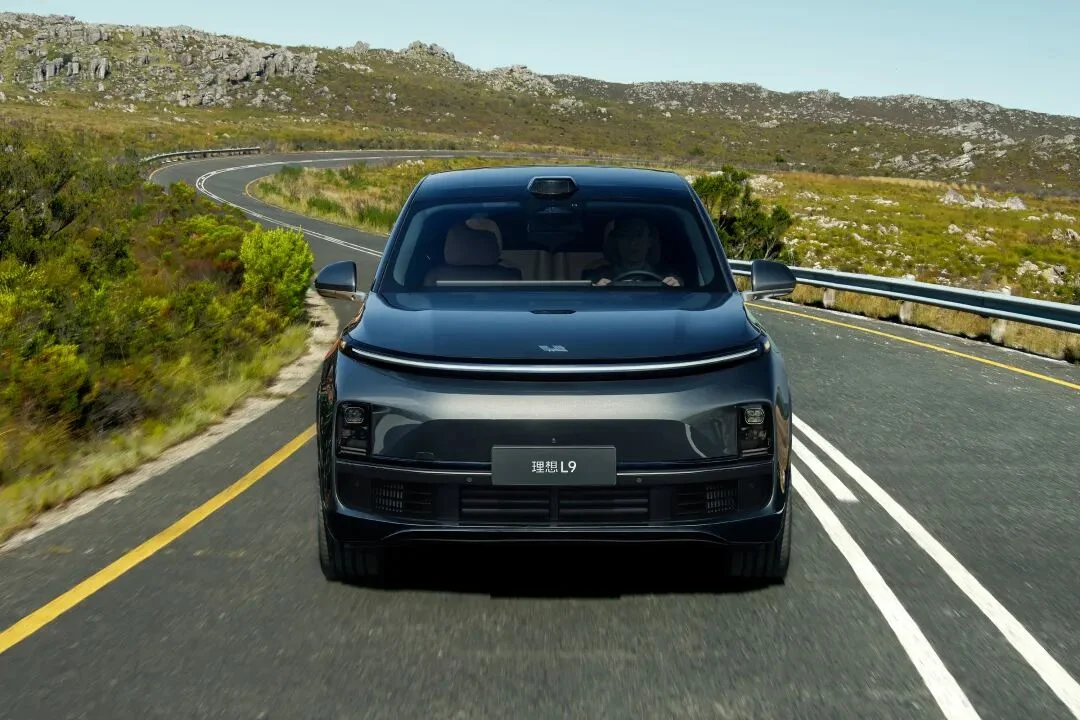
From a functional perspective, within reasonable limits, the higher the lidar is positioned, the better its detection performance. Therefore, mounting it on the roof is undoubtedly the optimal solution. The hood comes in second, and the bumper third.
However, Xiang Li’s core argument here is that: 'Having one unit on the roof versus two units on the hood or bumper makes no difference in performance; in fact, the single unit on the roof may perform even better.'
This implies that under the layout schemes of the Li L9 and Jiduqiche, height matters more than quantity.
Coincidentally, the Li L9 also uses Hesai’s AT128 lidar. This allows us to rule out differences in sensor performance and focus directly on how position and quantity affect detection capabilities.
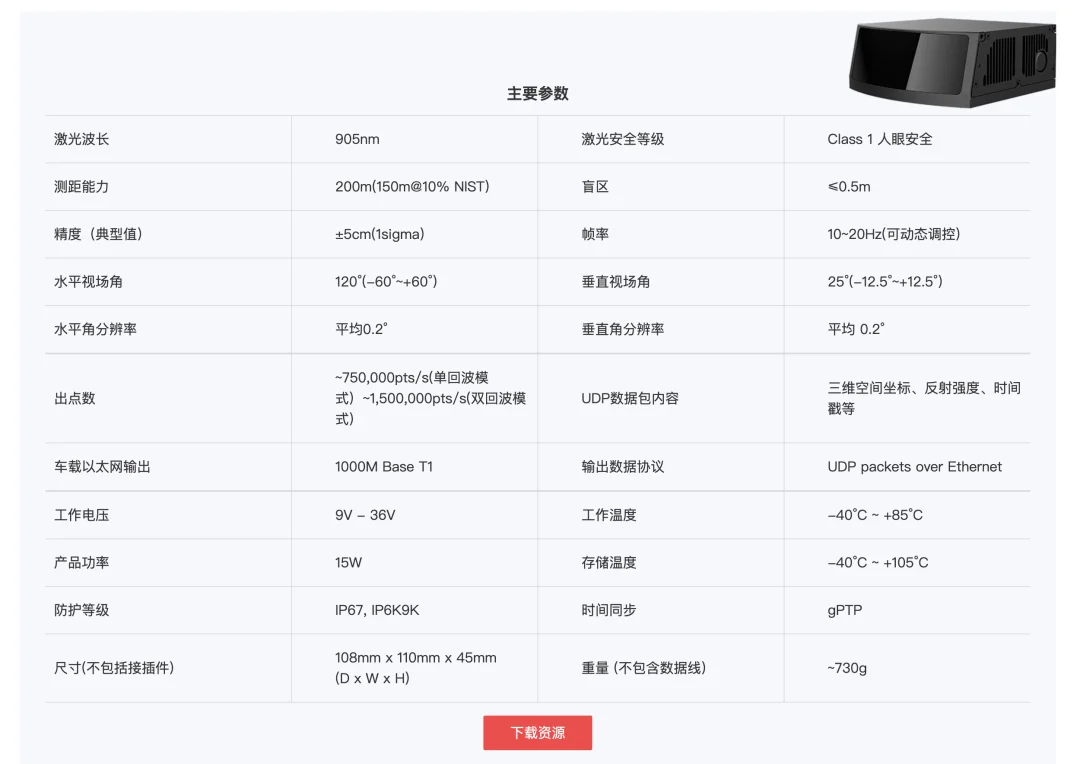
Subsequently, Jiduqiche CEO Xia Yiping replied: 'There are still differences. A 120-degree field of view (FOV) differs from a 180-degree FOV, addressing different corner cases. Consequently, there are distinctions in product capability, user experience, and even safety.'
The core argument is that a wider detection angle yields stronger capabilities, resolves more corner cases, and enhances safety.
Clearly, the two executives were discussing different aspects. Xiang Li stated: 'My sensor is mounted higher; one unit of mine equals two of yours.' Xia Yiping countered: 'My two sensors provide a wider field of view, offering better performance in extreme scenarios and improved safety.' However, both parties appear to be leveraging their respective advantages to highlight the merits of their products.
It is clear, however, that a higher mounting position will inevitably result in better detection performance. The size of the detection field of view (FOV), on the other hand, largely depends on how automakers balance the additional 60° of detection angle, the achievement of safety redundancy, and the doubled cost of lidar units.
Another undeniable advantage of mounting the lidar on the roof is lower repair costs, easier compliance with pedestrian safety collision standards, and superior mechanical stability.
Currently, a significant number of vehicles on the market mount their lidars on the grille or bumper. The Audi A8, which featured the first mass-produced lidar, as well as the new Audi A7L and Mercedes-Benz S-Class, have continued this design approach. Among new energy vehicle startups, models from XPENG, AVATR, Jihu, and Shalong have also adopted this configuration.
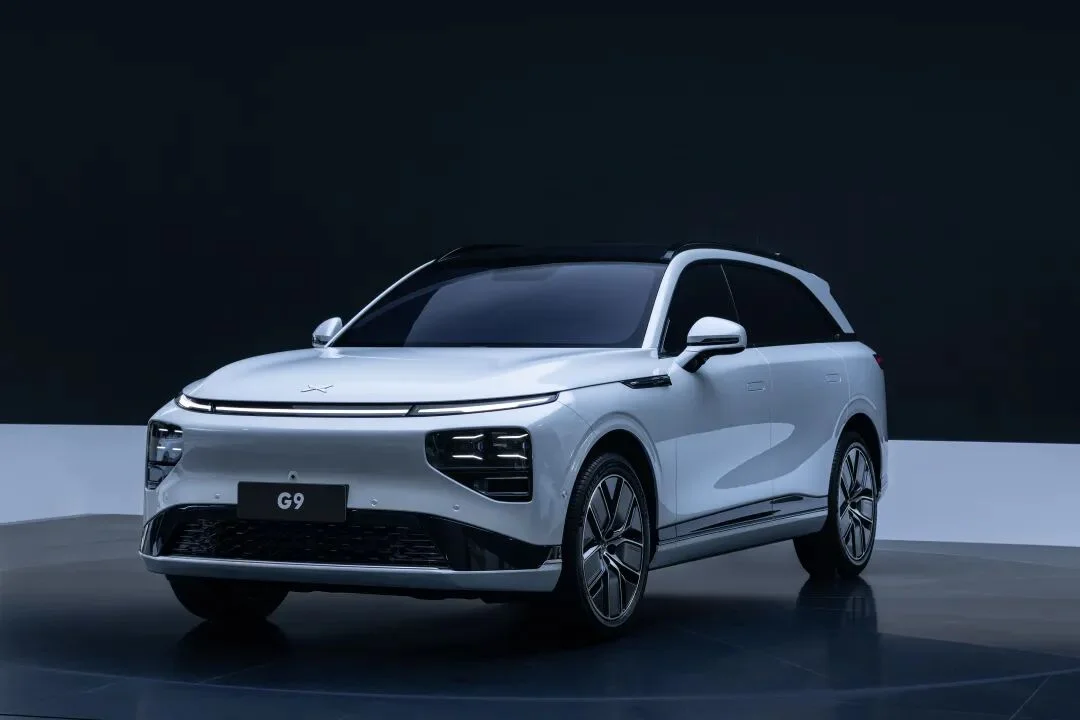
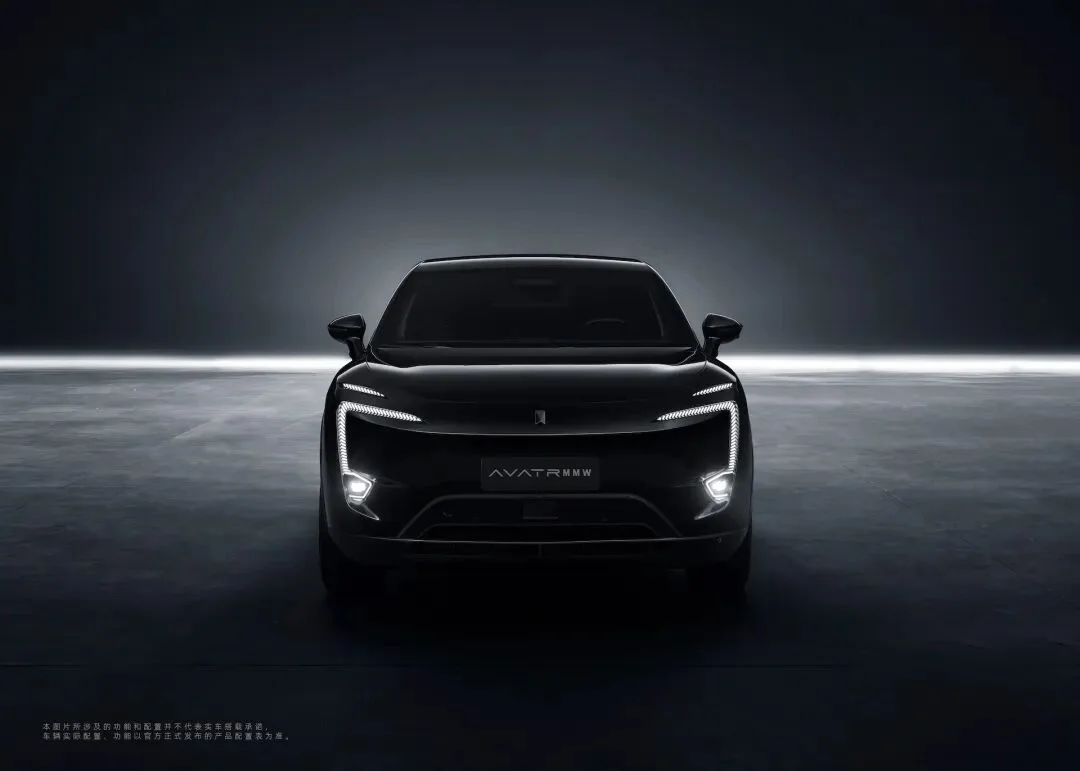
However, bumpers are designed primarily to protect the vehicle body. Their greater flexibility and lower manufacturing cost help reduce repair expenses in the event of minor accidents.
Placing expensive LiDAR sensors inside the bumper clearly contradicts the goal of reducing repair costs, meaning these models will incur extremely high repair expenses in rear-end collisions.
Mounting the sensor on the roof largely avoids this issue; by the time an accident is severe enough to deform the roof, the vehicle is likely beyond repair.
The second concern is pedestrian safety. As automotive crash standards become increasingly stringent, requirements for pedestrian protection are rising. Vehicle design must fully account for pedestrian collision safety, posing greater challenges for bumper and sensor layout.
Furthermore, as a high-precision sensing component, LiDAR is sensitive to its environment. Given that vehicles operate in harsh conditions, elevating the sensor can mitigate the impact of mud, debris, and vibration on the device.
03Are there only advantages to mounting LiDAR on the roof?
Not at all.
The biggest drawback of roof-mounted placement is 'user acceptance.' The presence of LiDAR disrupts traditional vehicle styling, often appearing awkward or unattractive at first glance.
Controversy peaked when NIO launched the ET7, the first production car to feature a roof-mounted LiDAR. While some users accepted the roof 'horn,' a larger segment could not accept it.
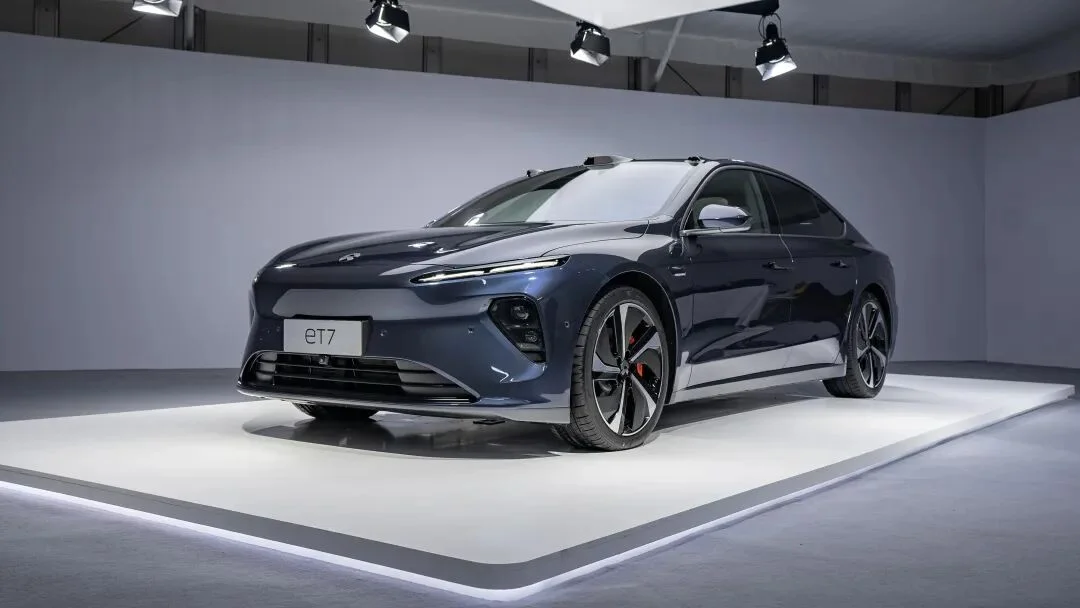
In NIO's view, the LiDAR mounted on the roof serves as a badge of "advanced driver assistance," much like a rear spoiler signifies a performance car.
Li Auto, Feifan, Guangqi, and Weima also place their LiDARs on the roof. Judging by these designs, NIO has invested significant effort into integrating the sensor seamlessly into the bodywork to minimize its visual intrusion.
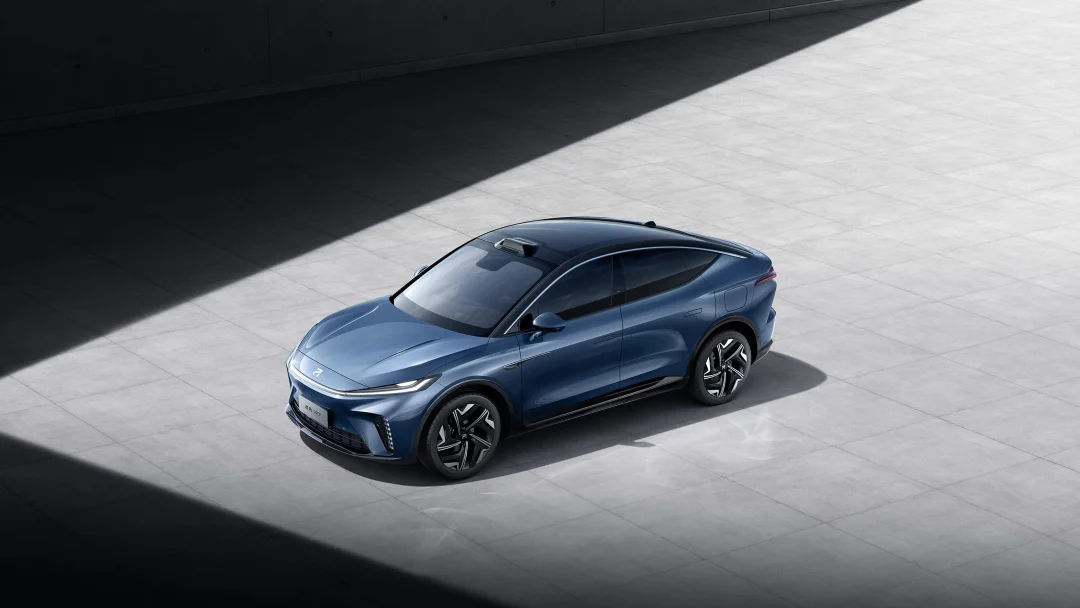
Placing the LiDAR in the bumper area significantly reduces its visibility.
Conversely, mounting it on the roof increases the vehicle's drag coefficient, leading to greater wind noise and imposing higher demands on NVH (Noise, Vibration, and Harshness) performance.
04Conclusion
The placement of LiDAR ultimately depends on how automakers balance four factors: sensing performance, aesthetic appeal, cost, and collision safety along with repair costs.
To maximize the utility of LiDAR, manufacturers typically mount it on the roof. However, this often compromises aesthetic harmony. In contrast, XPENG’s G9 relies less heavily on LiDAR for its autonomous driving system, using the sensor primarily for blind-spot detection. This allows XPENG to prioritize exterior design over sensor placement.
Jidu appears to have combined the advantages of both approaches: it maintains strong detection capabilities while preserving a harmonious exterior design. However, drawing final conclusions may be premature. Alternatively stated, Jidu’s solution shares two common drawbacks with other implementations.
Finally, the presence of LiDAR does not equate to superior driver assistance capabilities, nor does optimal placement guarantee performance strength. LiDAR is merely a hardware component; the actual user experience depends on more core software algorithms.
Written by: Liu San Edited by: Liu San