


BMW Targets 1 Million EV Deliveries in 2021; Musk Dismisses Tesla Espionage Claims
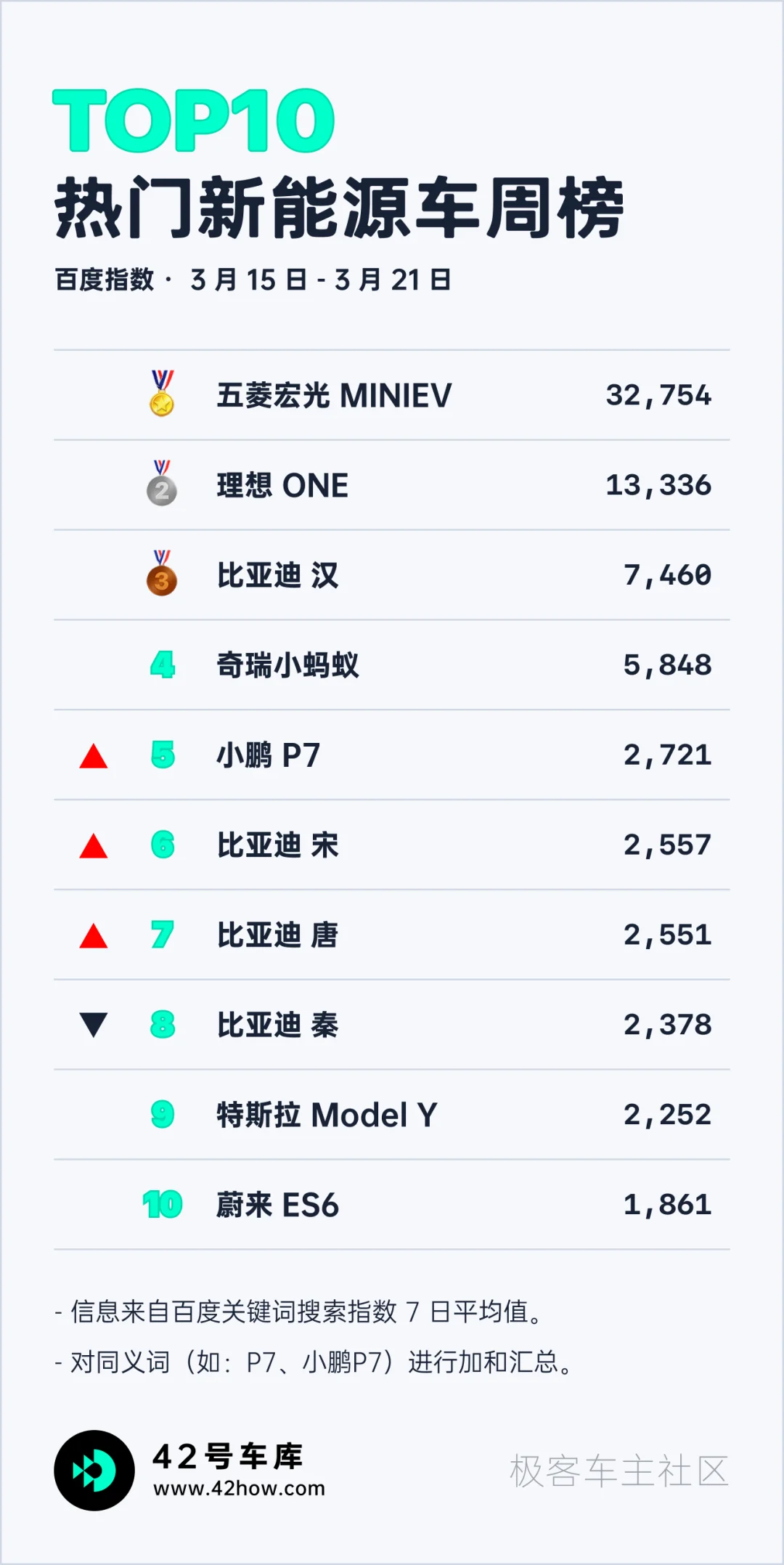
01Weekly Index
02Weekly News
BMW Group Media Day 2021: Delivering 1 Million Electric Vehicles in 2021
On March 17, BMW held its online Media Day 2021 to unveil its electrification roadmap. Among its brands, MINI will become the first fully electric brand under BMW, with its last internal combustion engine model scheduled for release in 2025. Laosilaisi will also introduce fully electric products. Additionally, BMW stated it plans to launch a small-batch production of hydrogen fuel cell vehicles next year.
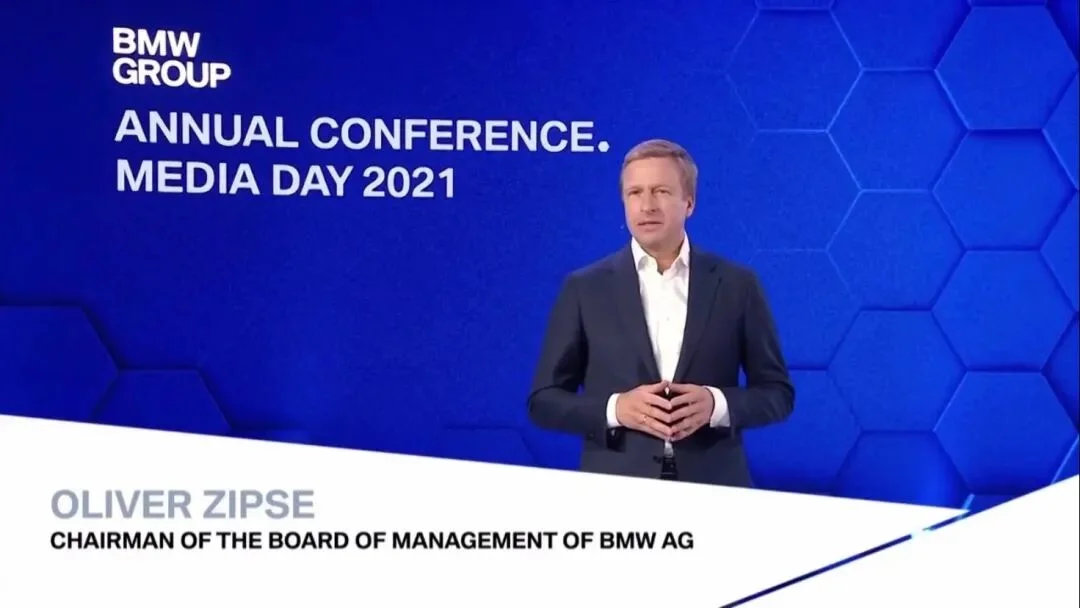
According to the plan, BMW will deliver 1 million electric vehicles in 2021 and launch 13 pure electric models by 2023, aiming to deliver 2 million electric vehicles by 2025. Regarding carbon emissions, BMW plans to reduce average carbon emissions per vehicle by 80% in the production process, 20% in the supply chain, and 40% during use by 2030.
Quick Review:
Coincidentally, Volkswagen CEO Herbert Diess previously revealed that Volkswagen’s sales target for pure electric vehicles in 2021 is 1 million units. At its Power Day event, Volkswagen stated that its annual sales of pure electric vehicles in the Chinese market would reach 4.75 million by 2025, supported by the launch of 15 MEB-based models. In China, Volkswagen aims to achieve over 2 million pure electric vehicle sales by 2025.
Also in February this year, Li Auto indicated in an internal letter that it aims to capture 20% of the Chinese smart electric vehicle market share by 2025, corresponding to a sales volume of 1.6 million units.
Elon Musk: Tesla Has Strong Confidentiality Willingness; No Espionage
On March 20, Elon Musk participated in the 'China High-Level Economic Summit 2021' via online means, engaging in a dialogue on the topic of 'The Next World-Disrupting Innovation' with Xue Qikun, an academician of the Chinese Academy of Sciences and President of Southern University of Science and Technology. During the conversation, Musk discussed topics including artificial intelligence, 3D tunnels, and higher education.
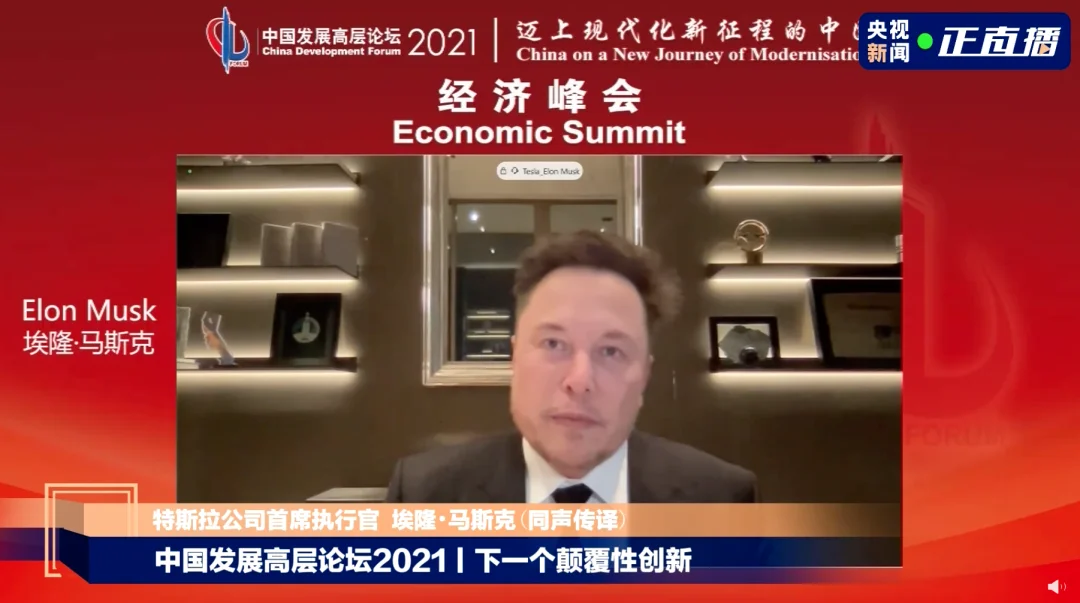
Elon Musk also stated that if a commercial enterprise were indeed engaging in espionage, it would have a significant negative impact on the business. For example, if Tesla were conducting espionage through its products in China, it would be unable to operate effectively. Tesla has a strong desire for confidentiality; otherwise, the company could be shut down. He emphasized that commercial enterprises place great importance on secrecy and expressed hope for a future built on mutual trust.
Quick Review:
Leveraging his remote participation, Elon Musk addressed prior reports that Tesla's vehicle cameras might lead to user data leaks. He also noted that concerns over commercial espionage have arisen; for instance, the U.S. had considered banning Douyin, which he characterized as an unnecessary worry on the American side, and expressed hope for a future built on mutual trust.
Preparing for Cybertruck Production, Tesla Orders World's First 8,000-Ton Die-Casting Machine
Recently, Italian die-casting technology company Idra announced that a "globally leading new energy vehicle manufacturer" has ordered the world's first 8,000-ton casting machine. Elon Musk had previously stated that Tesla is seeking to purchase the world's largest die-casting machine for Cybertruck production.
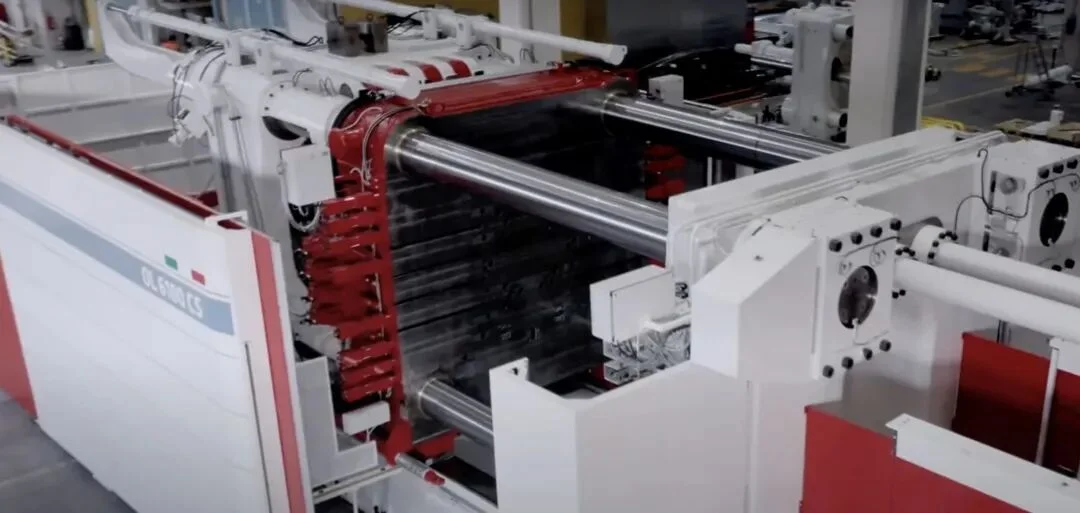
All of Tesla's four-seat gigafactories have installed 6,000-ton die-casting machines to produce the integrated die-cast rear body for the Model Y. This manufacturing method reduced the number of parts in the rear body from seventy to one, lowering production costs and improving efficiency.
Quick Review:
Greater die-casting clamping force enables the production of larger and more structurally complex components. Currently, die-casting machines used in the automotive industry range from 1,000 to 4,000 tons, capable of producing relatively small structural parts. Tesla pioneered the introduction of a 6,000-ton die-casting machine. To produce the larger components required for the Cybertruck, Tesla has once again taken the lead by introducing an 8,000-ton die-casting machine.
Foxconn Plans to Acquire VinFast Electric Vehicle Production Line in Vietnam
According to a Reuters report on March 19, Foxconn is in negotiations with Vietnamese automaker VinFast regarding cooperation on battery and auto parts manufacturing. Foxconn intends to acquire VinFast’s electric vehicle production line, but VinFast prefers a cooperative partnership.
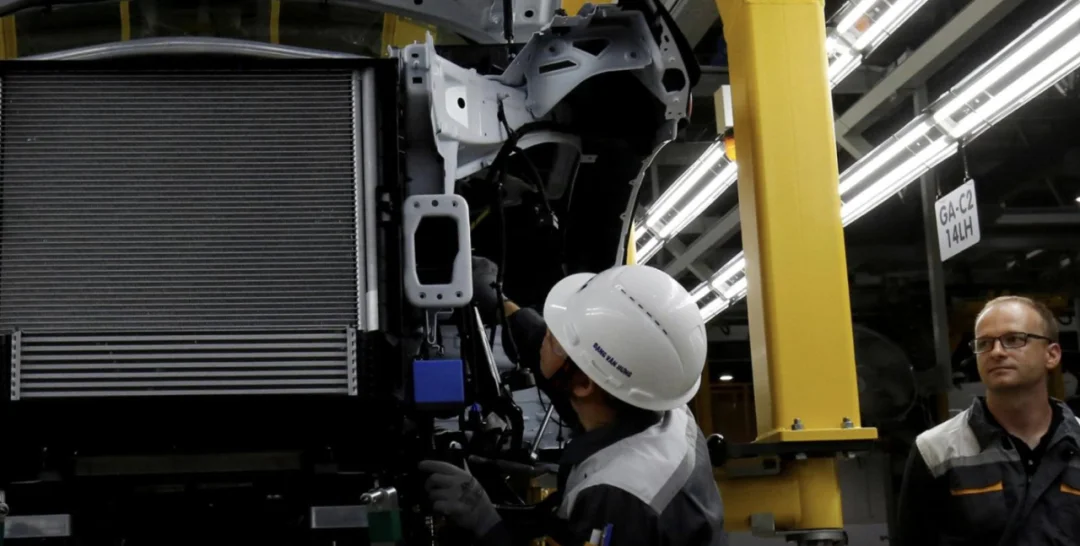
Previously, Foxconn had planned to provide parts or services for 10% of global electric vehicles by 2025.
Quick Review:
In recent months, Foxconn has been increasingly active in the vehicle manufacturing sector. 1 In January, Foxconn signed a strategic cooperation framework agreement with Baitengqiche (Byton) and the Nanjing Economic and Technological Development Zone, stating it would accelerate the mass production of Byton’s first model, the M-Byte, aiming to achieve mass production before the first quarter of 2022. Subsequently, Foxconn signed a strategic cooperation agreement with Geely Group to establish a joint venture providing contract manufacturing services. 2 In February, Foxconn announced a collaboration with Fisker to build cars, with production expected to begin in the fourth quarter of 2023. As a supplier to Apple, when Apple eventually begins its own vehicle manufacturing efforts, Foxconn is likely to have accumulated substantial experience in electric vehicle production.
Zhijiqiche to Feature Momenta’s Intelligent Driving Technology
On March 19, Shangqijituan participated in the joint lead investment of autonomous driving startup Momenta’s Series C funding round and announced that Zhijiqiche would become the first smart electric vehicle brand to adopt Momenta’s technology. According to previously released information from Zhijiqiche, its first mass-produced model will feature a visual perception solution equipped with fifteen cameras, five millimeter-wave radars, and twelve ultrasonic radars as standard, enabling "city smart navigation + highway smart navigation + centimeter-level high-precision fixed-point automatic parking."
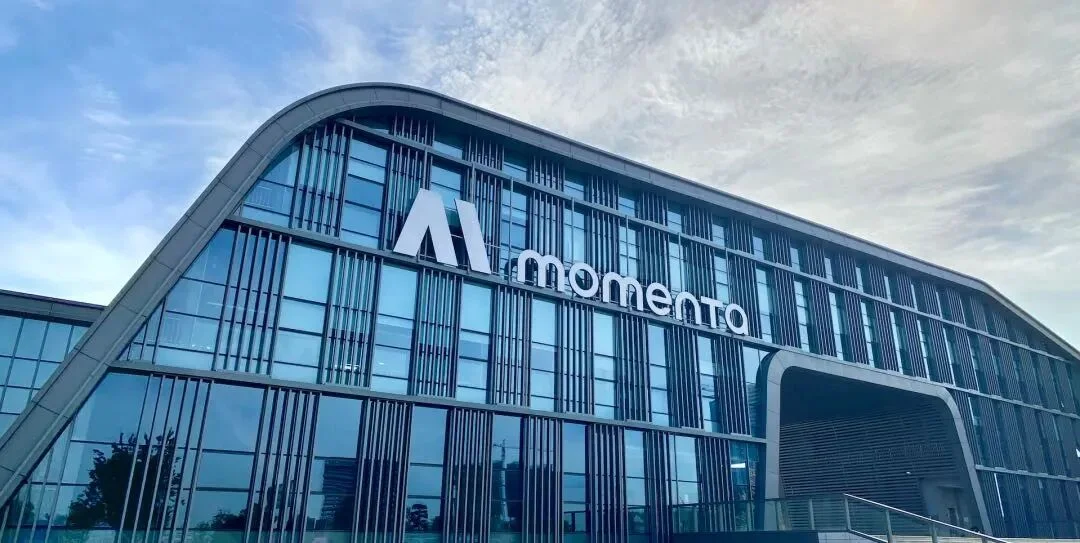
Momenta’s autonomous driving solution for mass-produced vehicles is named Mpilot, primarily targeting autonomous driving on highways, urban ring roads, parking scenarios, and city streets.
Quick Review:
Momenta currently pursues two main business models: one is Mpilot, providing autonomous driving mass-production solutions for automakers; the other is Robotaxi, which is set to begin trial operations in the second half of this year. The technical route of Mpilot differs from that of domestic automakers such as NIO and XPENG at the current stage, aligning more closely with Tesla by using 2D images captured by cameras and visual SLAM to achieve intelligent driving across various scenarios.
The completed Series C funding round has made Momenta the Chinese autonomous driving company with the highest single-round funding amount since 2021, helping Momenta simultaneously advance its B-end and C-end businesses, thereby laying the foundation for attracting further financing.
Shangqijituan Holds R-TECH Launch Event
On March 18, Shangqijituan held the R-TECH launch event in Shenzhen, unveiling the new ES33 model and the R-TECH technology brand.
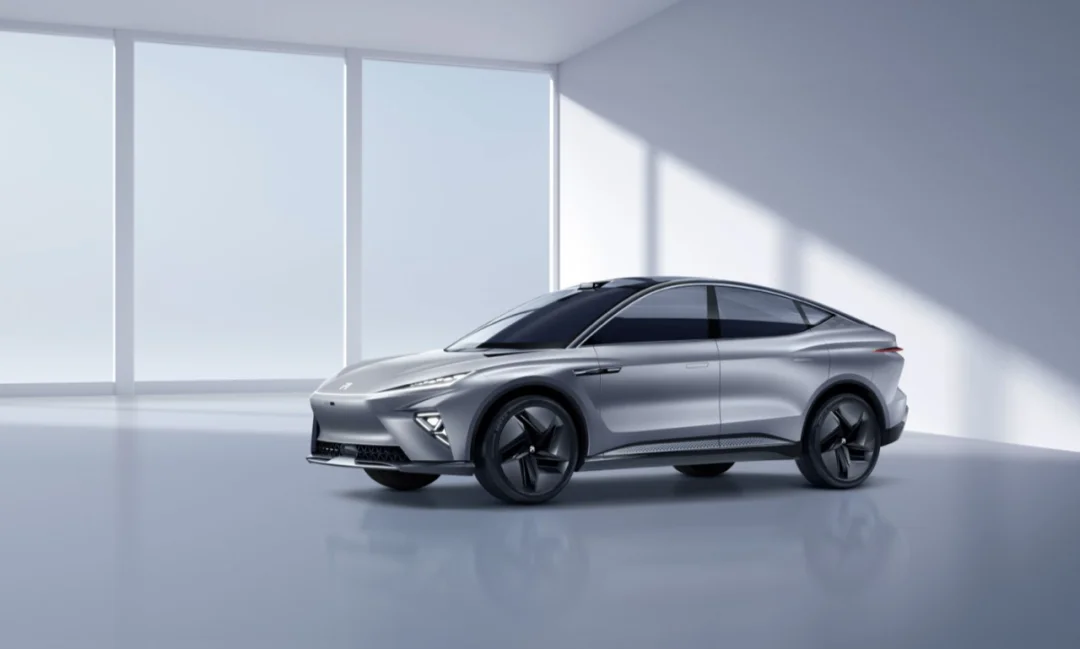
The ES33 is scheduled for a global launch in the second half of next year. It will be manufactured at a new digital factory in Shanghai Lingang and equipped with the PP-CEM fully self-developed high-level autonomous driving solution.
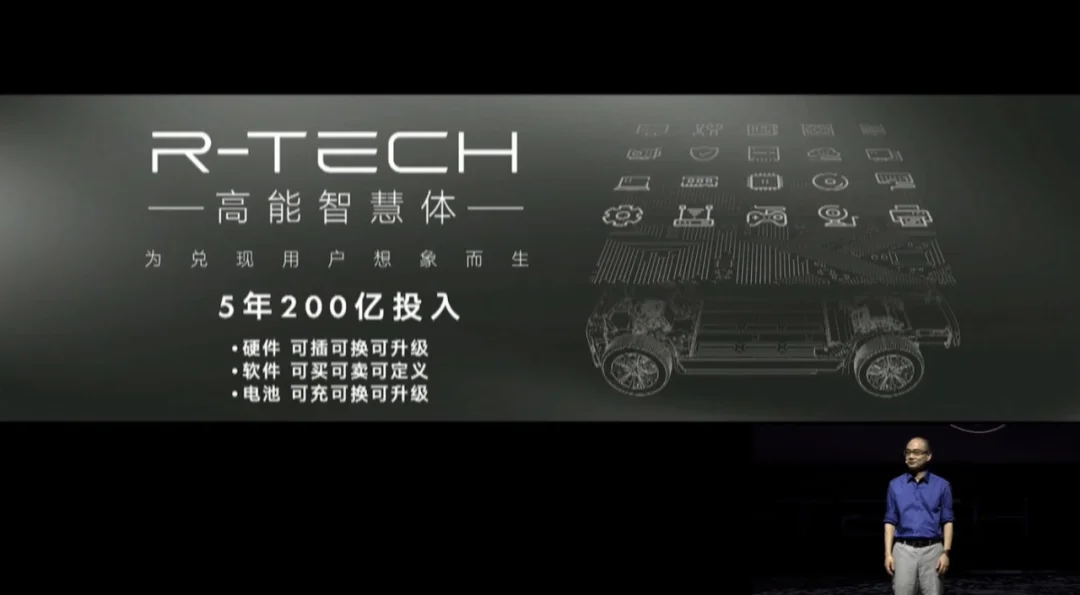
PP-CEM serves as the core of R-TECH. Its perception capabilities are built on six components: one Luminar 1550nm lidar, two 4D imaging radars, six long-range point cloud radars, twelve cameras, twelve ultrasonic radars, 5G-V2X connectivity, and high-definition maps.
Quick Review:
From a hardware perspective, R-TECH boasts impressive specifications. However, real-world performance depends heavily on software capabilities. The key challenges lie not only in visual perception but also in multi-sensor fusion.
The ES33, equipped with the PP-CEM fully self-developed high-level autonomous driving solution, is expected to officially launch in the second half of next year. This timeline is tight for development. From a market standpoint, numerous products from both new EV startups and traditional automakers are slated for release in the second half of 2022, suggesting that early 2023 may become a critical period for L4 autonomous driving competition.
By Niki, Edited by Liu San