


"Life is Exhausting? Try the 'Bach Cabin' Instead"
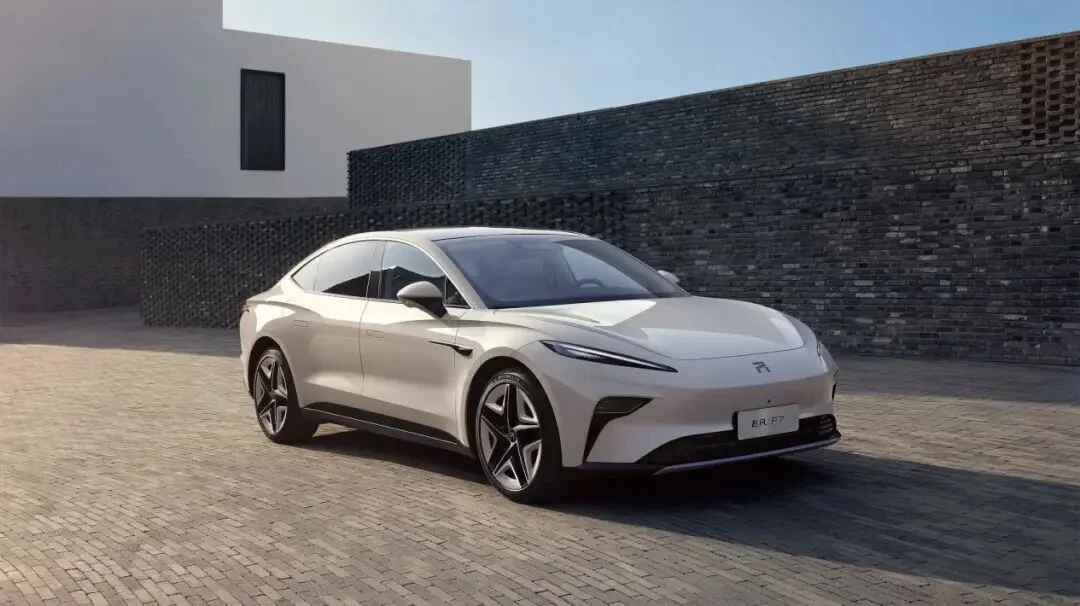
The Feifan F7 was officially launched today with its pricing announced:
The entry-level 66 kWh LFP version is priced at RMB 209,900;
77 kWh Advanced Edition: RMB 229,900;
77 kWh Advanced Pro: RMB 249,900;
90 kWh long-range version (single motor) RMB 249,900;
90 kWh long-range Pro version (single motor) RMB 269,900;
The 90 kWh Performance Pro version (dual-motor) is priced at RMB 301,900.
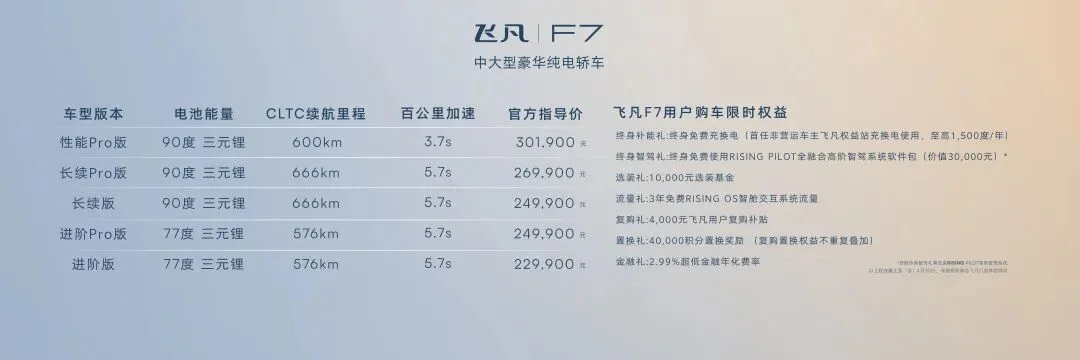
In terms of benefits, the Feifan F7 offers a limited-time promotion including up to 1,500 kWh per year in "lifetime energy replenishment"; a free lifetime package for advanced autonomous driving software; a RMB 10,000 selection fund; and three years of free data traffic.
If you opt for the battery leasing plan, the entry-level version with a 77 kWh battery costs only RMB 145,900. For a mid-to-large sedan, the Feifan F7's pricing is highly competitive. Moreover, its standard equipment is generously equipped:
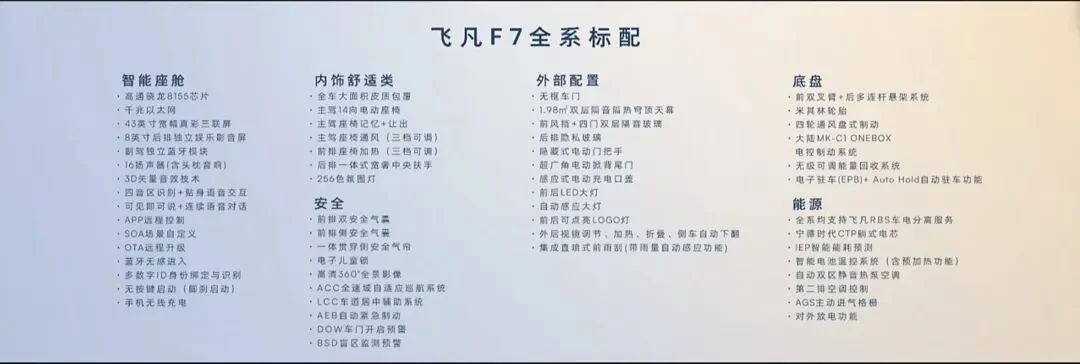
Aside from the price, which was somewhat surprising at the end, the first half of the Feifan F7 launch event brought back a sense of excitement I hadn't felt in a while: there were no dumps of obscure data or rankings. The Feifan F7 returned to the original intention of a car:
How to build the most comfortable mid-to-large sedan in the RMB 300,000 price range.
01Lie Flat in the "Bach Cabin"
If Beethoven's music represents the grandeur of individual heroism and Mozart's embodies the elegant spirituality of light, agile dance, then Bach's musical style is defined by rational harmony.
Within the framework of a simple piece under Bach's movements, a neat and rigorous order is endowed, full of "rational beauty." In the melody, the harmony part is symmetrical and well-structured; the melody appears in complex themes and variations. This musical technique is analogous to how an automotive cabin is crafted: creating an emotional space with rational thinking within limited space, and obtaining maximum freedom through constraints.
Within the logic of the Feifan F7's positioning as the "Bach Cabin," comfortable experiences are provided to users in perceptible areas such as the entertainment system, acoustic system, and seat design; while rational thinking is applied to less perceptible aspects, such as noise insulation engineering and chassis performance, to allow for greater imaginative space within the cabin.
To create a theater-like environment inside the vehicle, three core elements are essential: the entertainment value provided by large screens, the immersive experience from the audio system, and the comfort offered by the seats.
Buy a Car, Get a Theater
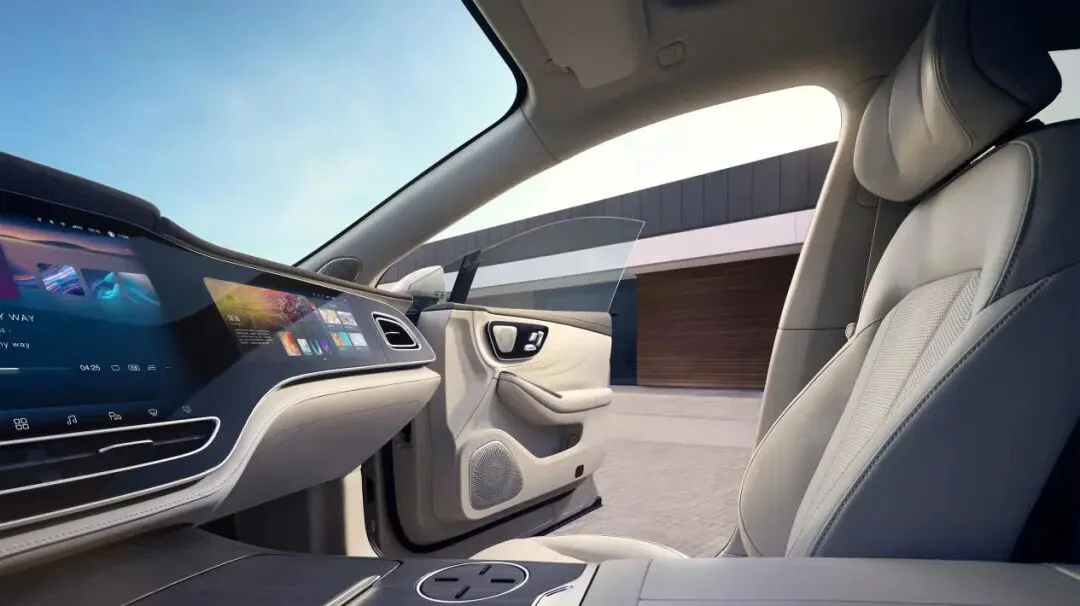
In terms of screen configuration, the Feifan F7 is identical to the R7, featuring a 43-inch triple-screen setup in the front row. Judging from both materials and resolution, the quality of these three screens is leading:
Instrument display: 10.25-inch, 1,920 × 720 resolution, Mini LED material;
Central control screen: 15.05-inch, 2.5K resolution, OLED flexible material;
Passenger screen: 12.3 inches, 1,920 × 720 resolution, Mini LED material.
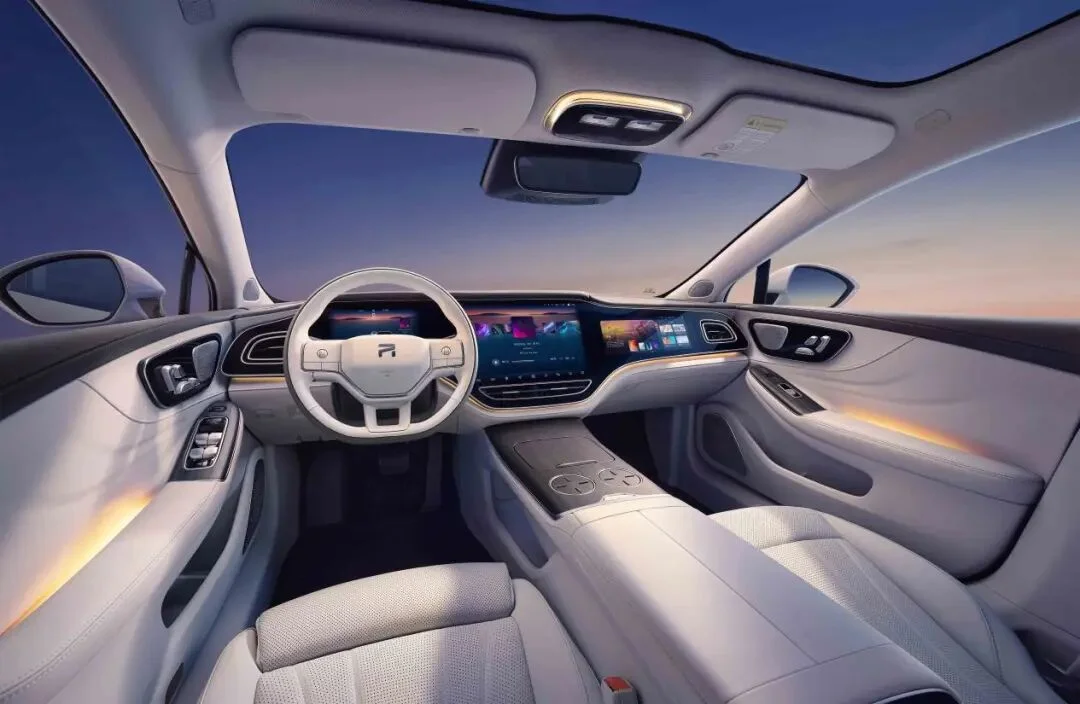
Many overlook that Feifan’s RISING OS is visually striking. Behind the common layout of a bottom Dock bar, a right-side map, and left-side quick-access cards, Feifan uses light and dark background gradients to highlight core information while creating a sense of depth and artistry. The darkened corners on all four sides help the three screens blend seamlessly into the cabin atmosphere.
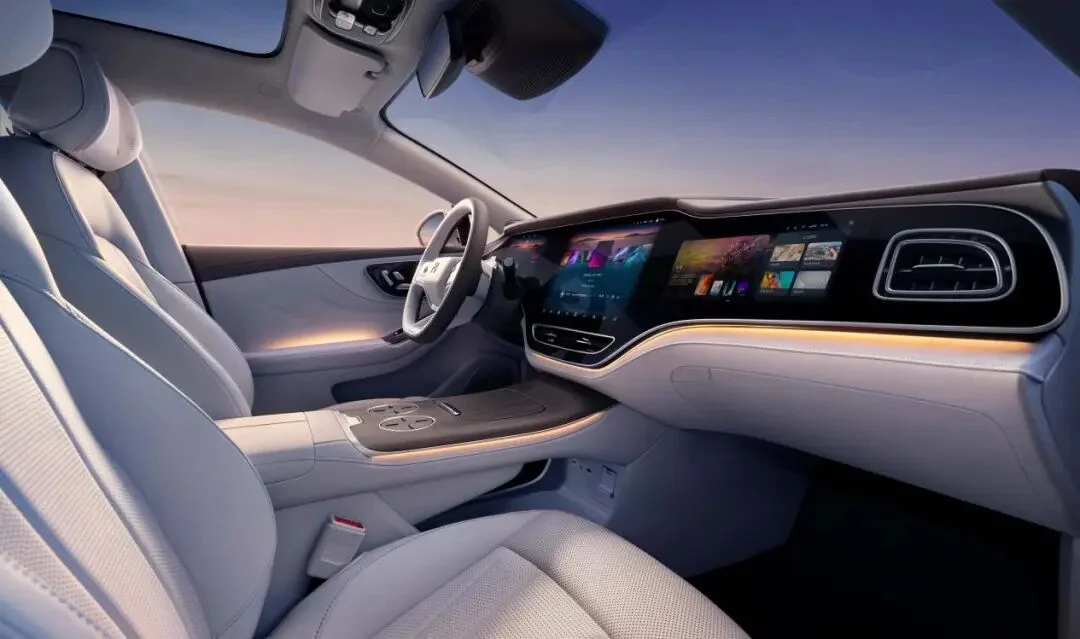
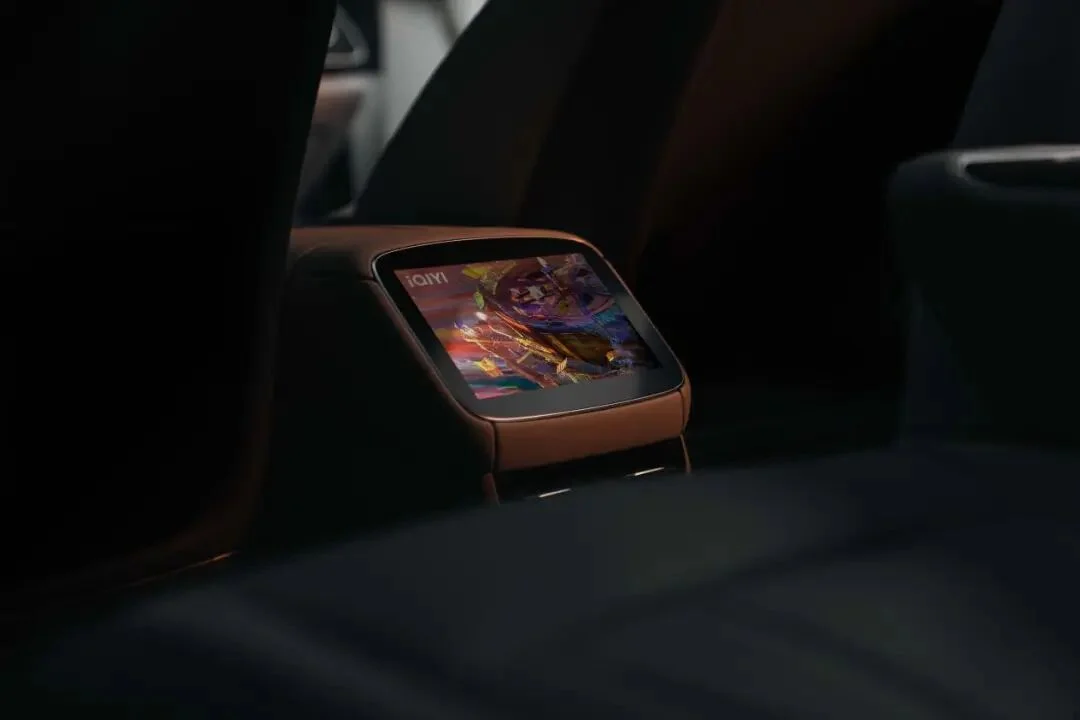
In the rear, the Feifan F7 adds an 8-inch entertainment screen. This screen provides vehicle control functions for adjusting the rear air conditioning, ambient lighting, and audio, as well as entertainment features using apps like Kuwo, NetEase Cloud Music, and iQiyi. The regrettable aspect is that although the 8-inch size is decent, its low position may cause rear passengers to "look down" while watching content.
Complementing the screens is the audio system, which offers an innovative approach in the Feifan F7: interactive sound. If you have experienced Dolby Atmos, you will easily understand the experience this feature provides. By calibrating speakers at different positions within the cabin, the Feifan F7 creates a three-dimensional soundscape, bringing "sound-based positioning" interaction from headphones into the cabin.
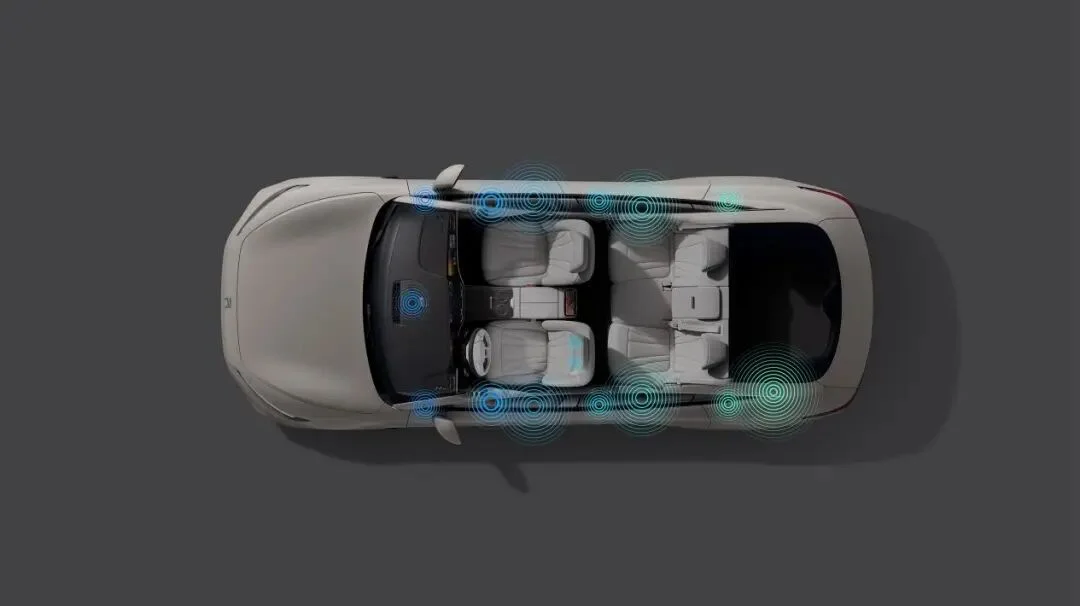
For example, when a left turn is required, navigation prompts are broadcast from the speaker on the driver’s left, allowing the driver to keep their visual focus on the road rather than shifting it to the screen. Similarly, during reversing, the Feifan F7 uses auditory feedback to indicate the distance to obstacles. When the driver uses the "three-finger swipe" gesture to share content from the central control screen to the passenger side, directional cue tones moving from left to right provide a more intuitive and immersive interaction.
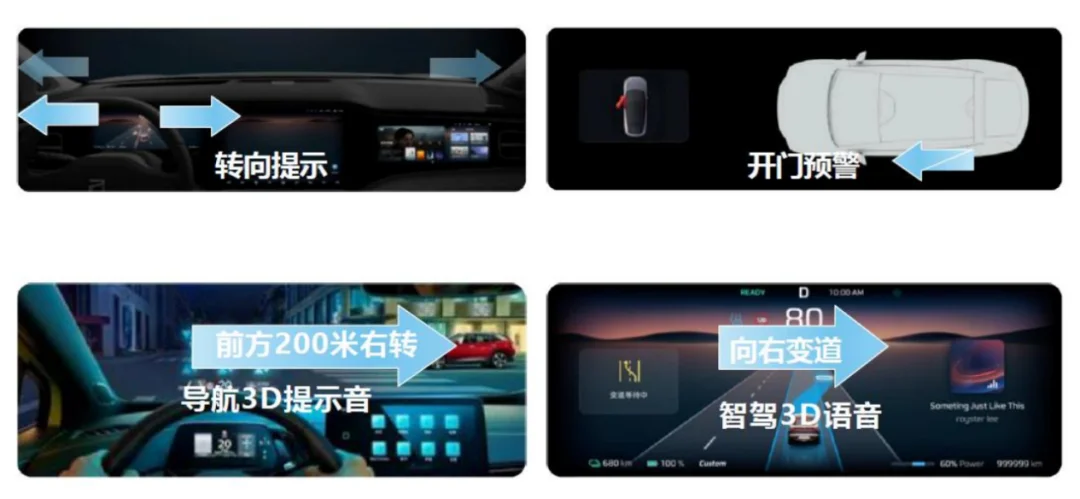
In rest scenarios, the Feifan F7 can integrate directional audio with natural sounds such as wind, bird songs, insect chirps, waves crashing, and raindrops. Perhaps in the future, amidst the pressures of fast-paced work and life, we can retreat into the car for a three-dimensional ASMR experience.
For sound effect design, the Feifan F7 features special tuning and optimization for 'concert hall' and 'theater modes.' By adjusting the ratio of reflected sound and reverb parameters within the cabin, it recreates the immersive experience of these venues inside the vehicle.
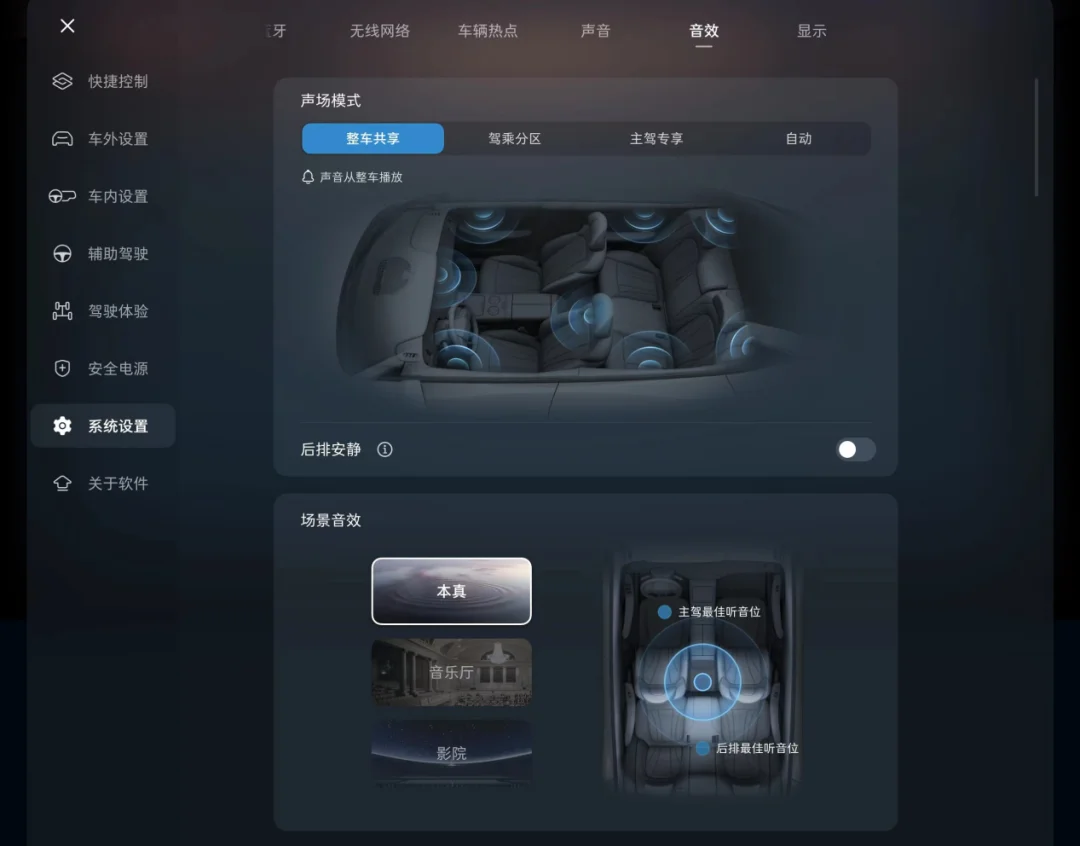
Behind these diverse features lies the Feifan F7's robust audio hardware configuration. The Feifan F7 was the first to activate the Qualcomm Snapdragon 8155 DSP in the cabin, freeing up 1.5 G of audio computing power. By leveraging the SoC's built-in DSP module, the Feifan F7 significantly enhances data transmission capabilities between itself and upper-layer software, enabling synchronous interaction with 112 audio channels—ten times that of traditional architectures.
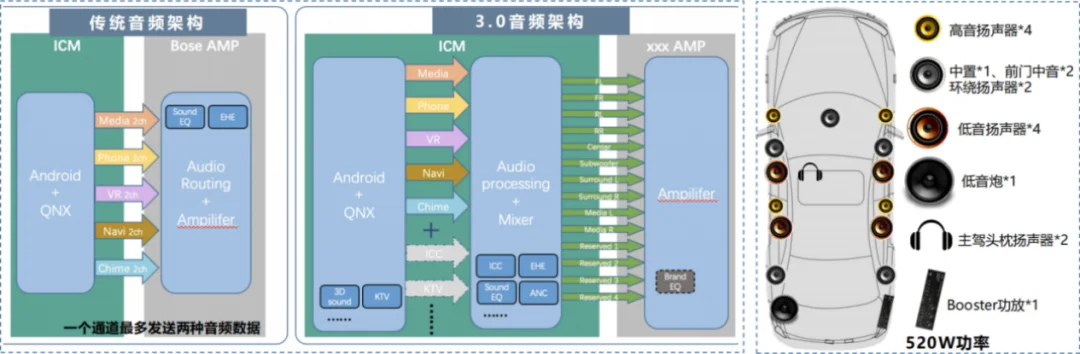
Additionally, the Feifan F7 employs a separate ADI DSP as hardware supplementation. This combined architecture supports a 5.1/7.1 channel audio system composed of 16 speakers. Connecting the DSP with the cabin domain controller allows the Feifan F7 to facilitate audio data interaction across all local and cloud applications, providing rich sound effects for functions such as in-car karaoke, movies, and gaming.
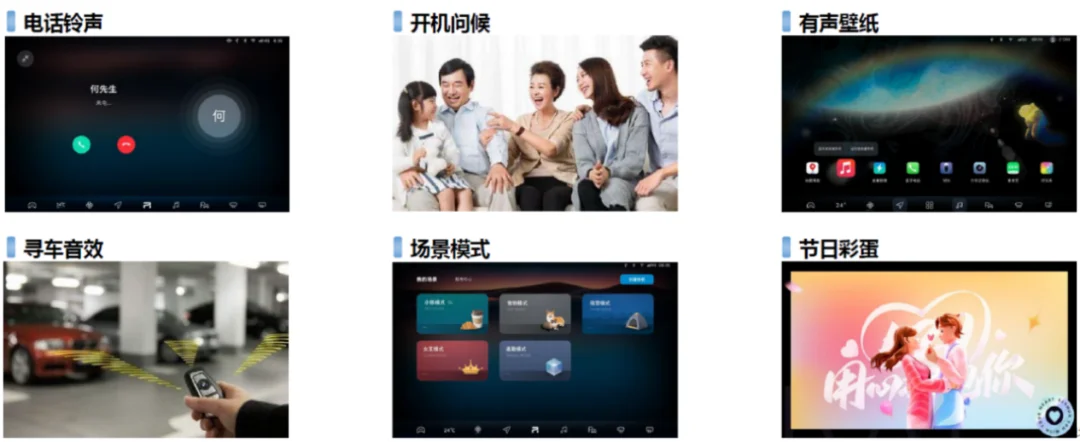
With the 'Sound Workshop,' you can also explore how to customize this audio system. You can define the sound effects for entering the car, the wallpaper transition sounds, and the holiday greeting sounds. Through two external speakers, you can further customize a 'car-finding sound effect.' You can even route in-car media audio through the external speakers, turning the vehicle into a 'giant speaker' during camping scenarios.
Lying Flat: These Seats
We actually noticed Feifan's exceptional performance in human-machine ergonomics and seat comfort after test-driving the Feifan R7. On the Feifan F7, this advantage is amplified once again.
Before discussing seats, let's look at the hidden lumbar health concerns of office workers who sit for long periods and stay deep within urban CBDs: The number of people suffering from lumbar spine diseases in China has exceeded 200 million. Among young adults aged 25–39, the detection rate for lumbar disc herniation is as high as 13.93%, and 37.6% of professionals are troubled by lumbar or spinal conditions.
As a 'second living room,' the car cabin relies on seats as the most direct support for passengers and drivers. However, after driving many cars, my deepest realization is that it is rare to find a seat that balances support and wrapping, conforms to body curves, and prevents lower back pain during long drives.
There are two reasons for this. For new energy vehicle startups, a car with mature ergonomic design requires extensive accumulation of anthropometric and engineering data. For traditional joint-venture automakers, most of their data comes from European and American consumers, which does not suit Chinese body types.
Therefore, Feifan F7 spent three years conducting sampling across major regions nationwide targeting driver groups, collecting over 3,000 participants' data, scanning body contours, and establishing China's first full-indicator database of Chinese anthropometric characteristics. During development, this database became the core metric for optimizing the seating experience for Chinese users in the Feifan F7.
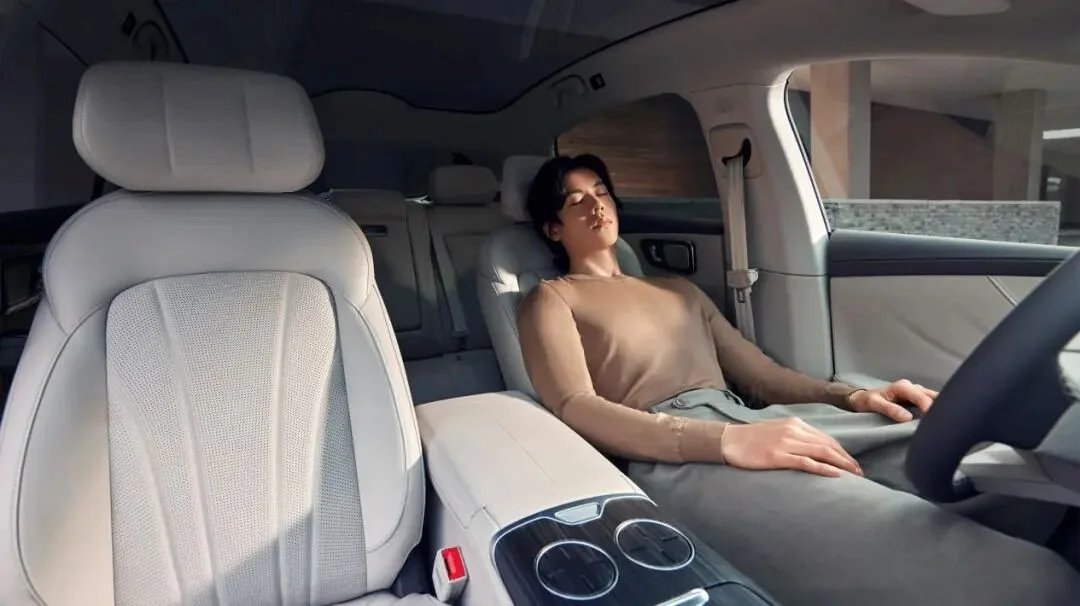
In practice, so-called "zero-gravity" seats require systematic optimization of components such as the backrest and cushion. For instance, increasing the cushion's support area reduces pressure on the lower back; additionally, a four-way lumbar adjustment ensures the seat perfectly matches the natural curve of the spine, aligning with the backrest to support both the forward convexity and rear contact points.
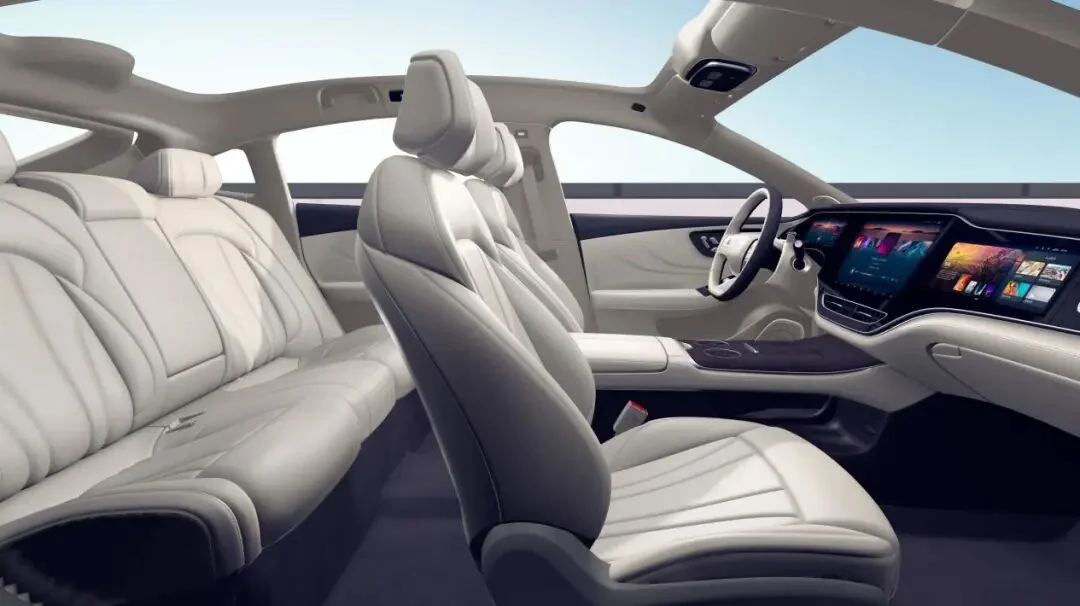
Data shows that the Feifan F7’s front seats feature a 65 mm soft foam layer for lumbar support and the longest cushion in its class at 580 mm for the hips. The cushion thickness has been increased to three layers totaling 70 mm. The front passenger is also equipped with a leg rest, which Feifan even added heating functionality to—a highly detailed touch.
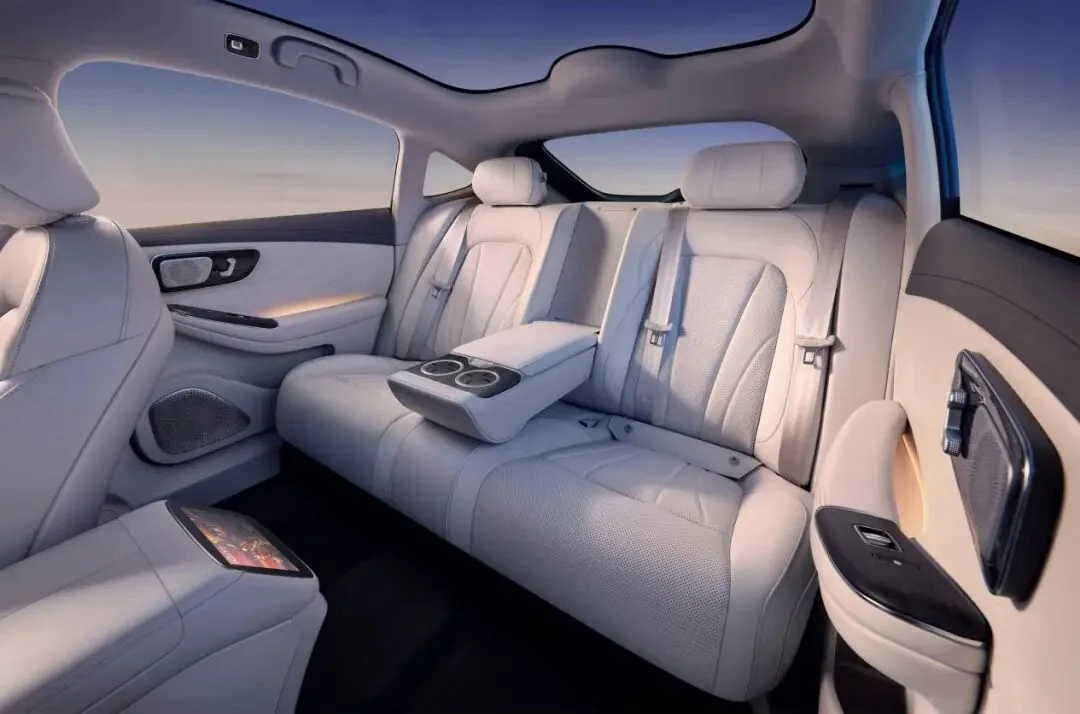
In the rear, the Feifan F7 offers a 496 mm cushion length and a maximum padding thickness of 110 mm, both ranking first in their class.
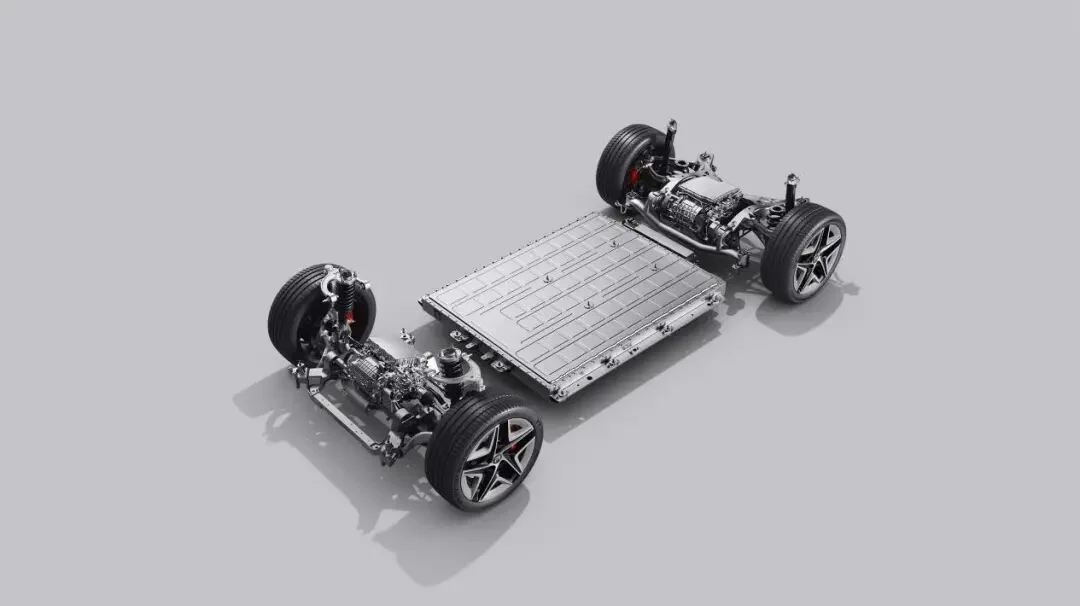
Many current electric vehicles suffer from excessively high floor tunnels, causing passengers' thighs to hang in the air and creating a "squatting on a stool" sensation. The Feifan F7 addresses this through "lying-type" battery cells, reducing the battery pack thickness by 30 mm and lowering the seating height by 28 mm. This preserves longitudinal interior space while avoiding the "squatting" issue common in pure EVs.
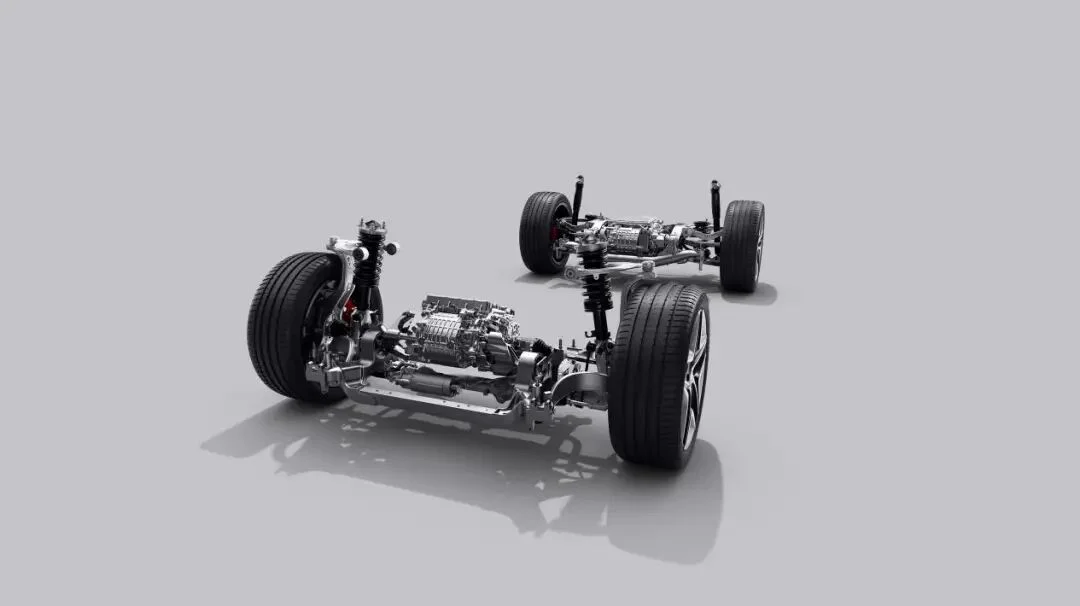
These designs focus on static comfort, but vehicles must also ensure consistent experience during driving. Therefore, avoiding resonance caused by vibrations transmitted through the "road–suspension–seat" path to the human body is critical. During development, the Feifan F7 used virtual simulation to analyze weak points, optimize structures, and reinforce components, ensuring the seat's vibration frequency avoids the human discomfort range.
I have never seen a new car launch event dedicate such extensive detail to the explanation of seat R&D. As the factor most impacting ride comfort, this section may lack the buzz of flashy tech features, but Feifan’s willingness to invest heavily in human-machine engineering is a sincere and correct decision.
Adding Four Wheels to a Theater
The Feifan F7 aims to be "the most comfortable sedan in the 300,000 RMB price bracket," making its NVH (Noise, Vibration, and Harshness) performance an indisputable indicator of luxury and quality.
According to Feifan data, its noise levels at 60 km/h, 80 km/h, and 120 km/h are comparable to the NIO ET7 and surpass those of the Zeekr 001, BYD Han, and XPENG P7. At 120 km/h, noise is just 64.8 dB.
For wind noise optimization, the Feifan F7 targets ten key areas prone to turbulence, including hood seams, wipers, the windshield, front quarter windows, and the liftgate tail door. It continuously refines seam alignment, positional accuracy, and DTS to reduce drag and wind noise. Using A-pillar wind noise as an example, the comparison below clearly shows that optimized airflow adheres better to the surface with significantly reduced turbulence.
In terms of glazing, the Feifan F7 equips the windshield, panoramic roof, four side windows, and four quarter windows with double-laminated glass. The windshield and roof are thickened to 5 mm, while the side window glass reaches 6 mm.
Regarding the hardware configuration of the battery, electric motor, and electronic control systems, the Feifan F7 did not compromise on power in pursuit of comfort. The rear-wheel-drive version is equipped with a 250 kW motor producing 450 N·m of torque, achieving a zero-to-hundred-kilometers-per-hour acceleration time of 5.7 seconds, which is impressive for a single-motor rear-wheel-drive setup.
The all-wheel-drive model adds a front axle motor rated at 150 kW and 250 N·m, bringing total system output to 400 kW and 700 N·m, with a zero-to-100 km/h time of 3.7 seconds. The AWD variant also includes a front axle clutch, allowing it to switch to pure rear-wheel drive under low load to extend range.
In terms of range, the Feifan F7 is equipped with 77 kWh and 90 kWh battery packs:
77 kWh rear-wheel-drive version with a CLTC range of 576 km;
The 90 kWh rear-wheel-drive version has a CLTC range of 666 km;
The 90 kWh four-wheel-drive version has a CLTC range of 600 km.
Based on our practical charging experience with the R7, it takes only 40 minutes to charge from 5% to 80%, and 57 minutes to charge from 5% to 95%. Under the same test conditions, the Feifan R7's charging speed ranks second in our 42Test charging test leaderboard, surpassed only by the XPENG G9.
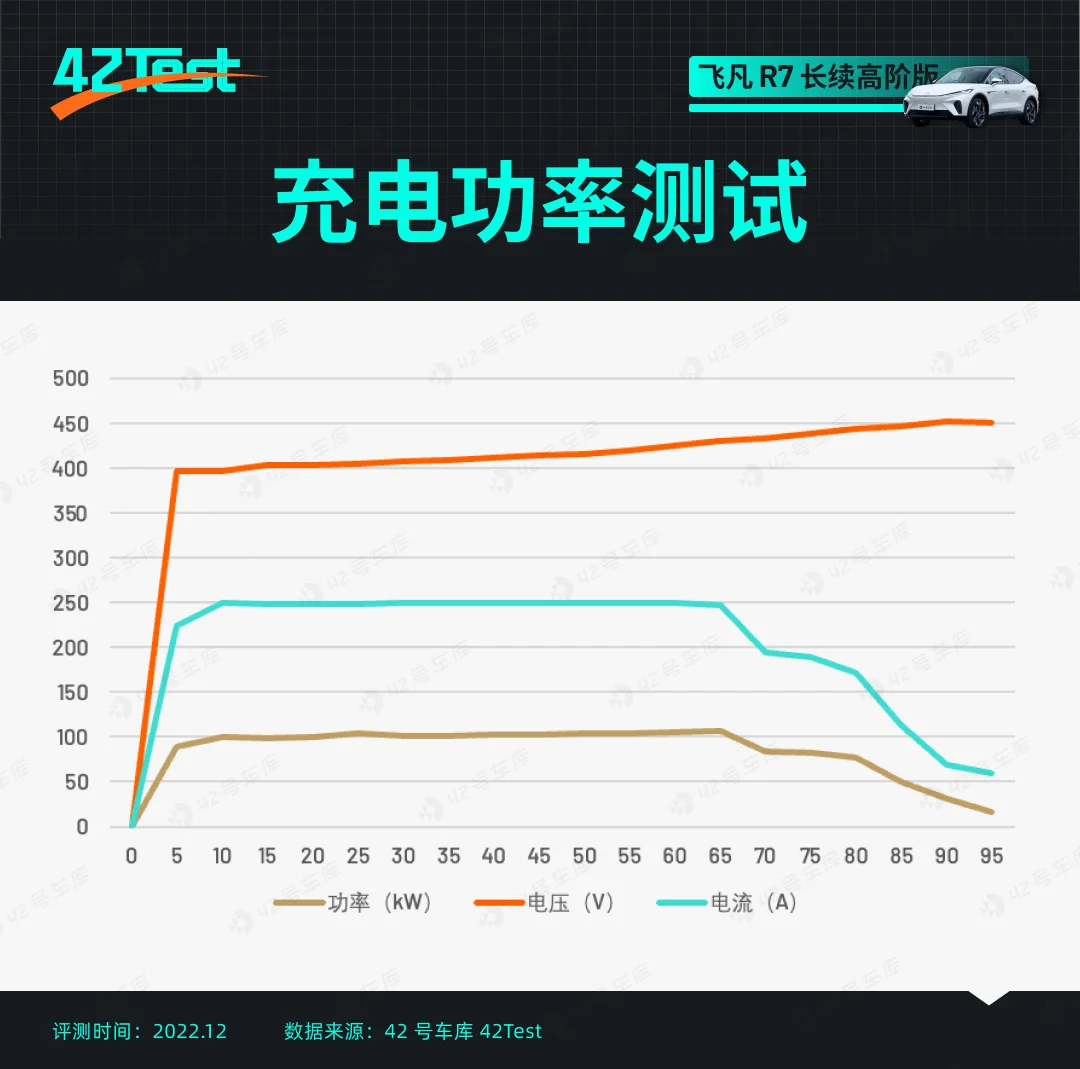
Believe that the Feifan F7 will also inherit this advantage. And don't forget, the Feifan F7 also has battery swapping capability, which can be completed in just 2 and a half minutes. Meanwhile, during the battery swapping process, the small battery is not switched off throughout, allowing the use of the in-car entertainment screen and fans, which is indeed a superior experience.
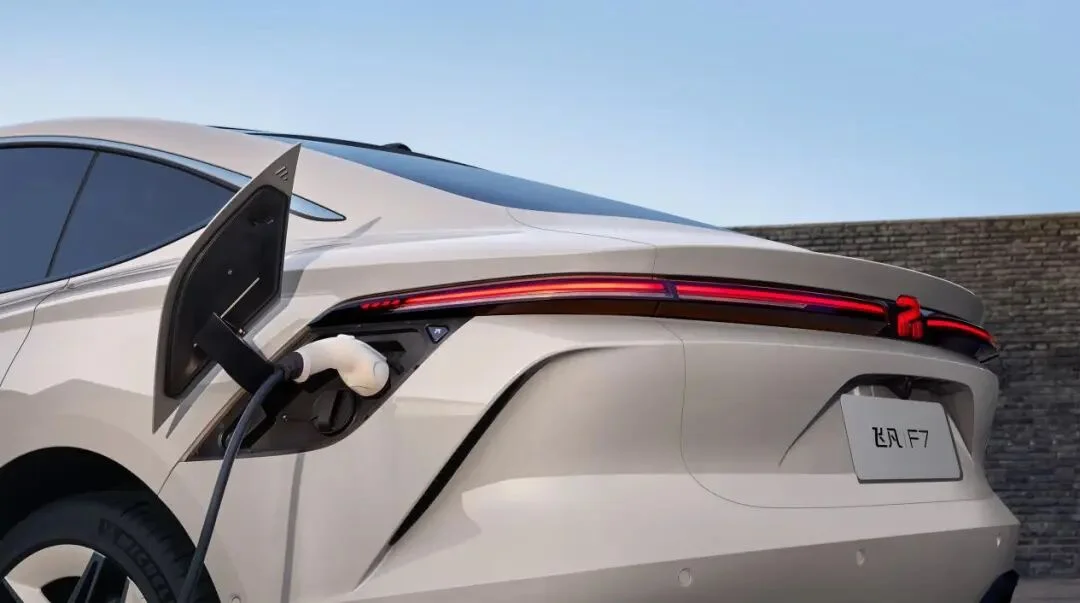
More importantly, with battery swap support, users no longer need to bear the risk of battery degradation, which is also highly significant for the vehicle's resale value.
Another detail from the launch event: many new energy vehicle users have reported feeling motion sickness in electric cars. To address this, the Feifan F7 features a dedicated "Motion Sickness Relief System." This system optimizes five senses—vision, hearing, touch, balance (via power response, brake pedal feel, and regenerative braking), and proprioception (via seat vibration frequency, pressure distribution, and head support)—to reduce the motion and environmental stimuli experienced by passengers, thereby alleviating motion sickness.
Taking comfort considerations to this level is indeed a matter of detail.
02Exterior & Driver Assistance
Here’s a bit of trivia: The Feifan F7 has a drag coefficient of just 0.206, making it the Chinese-brand production car with the lowest drag coefficient certified by CATARC. However, its exterior design did not become like a "big mouse" similar to the Mercedes-Benz EQ series in order to compromise for aerodynamics.
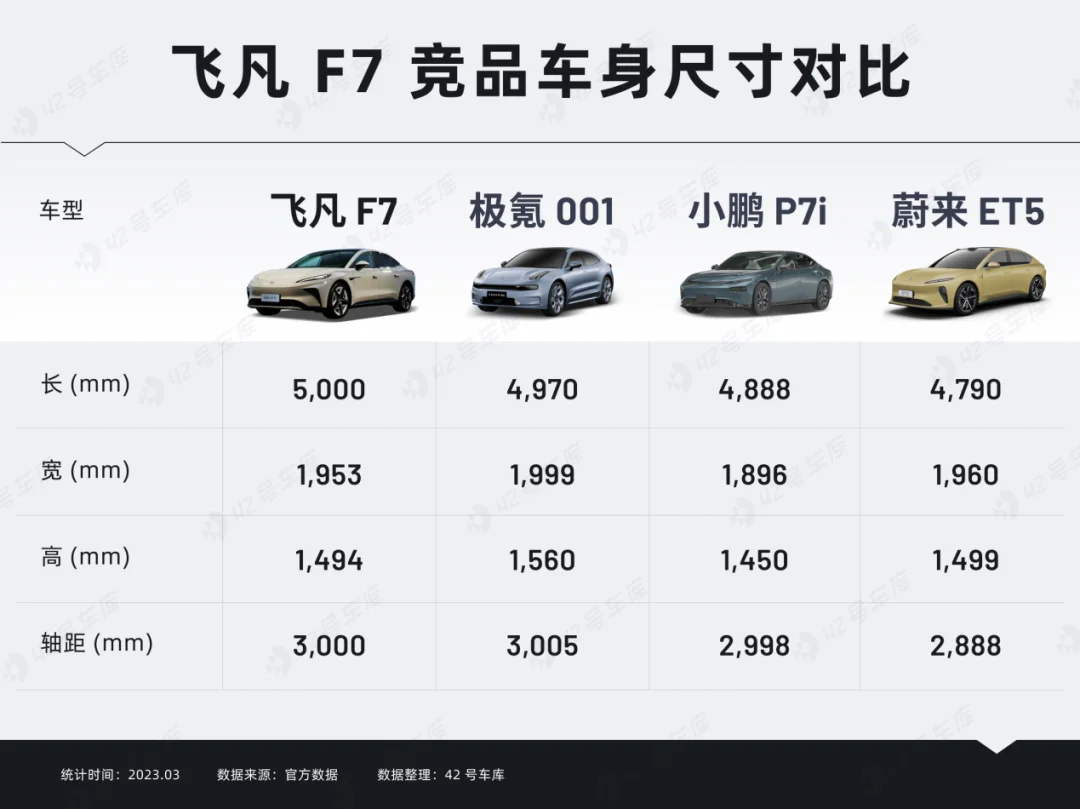
In terms of dimensions, the Feifan F7 measures 5,000 x 1,953 x 1,494 mm in length, width, and height, with a wheelbase of 3,000 mm. Compared to its competitors, the Feifan F7 is longer than the Zeekr 001, XPENG P7i, and NIO ET5. Thanks to ultra-thin battery cells, the Feifan F7 is even lower in height than the XPENG P7i.
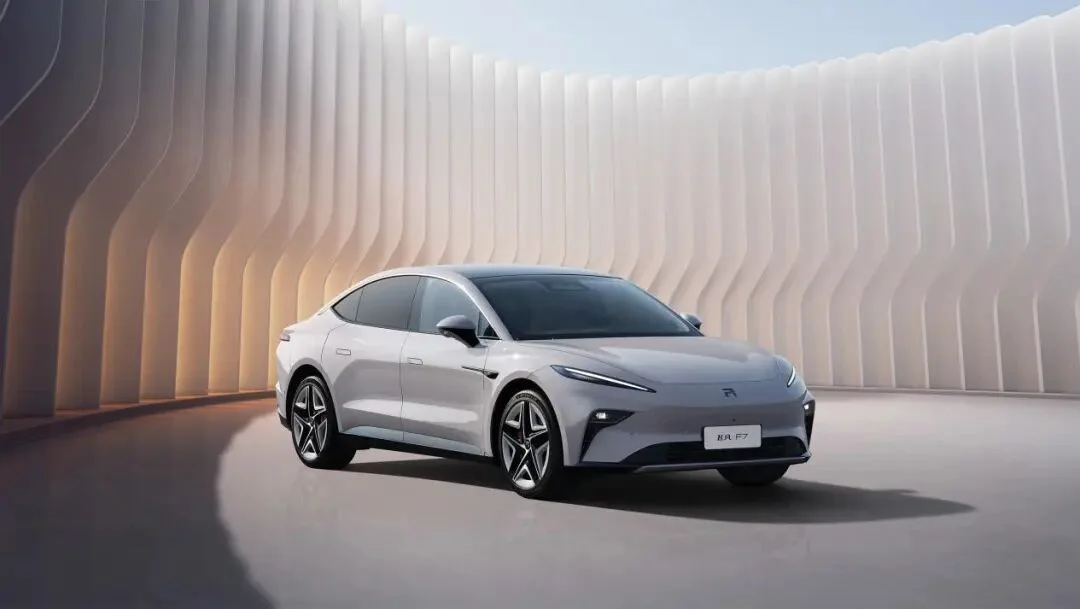
The front fascia features a lowered profile, with split headlights and sharp lines creating a sleek, sporty aesthetic. A short front overhang, long rear overhang, window proportions that taper from top to bottom, and an elongated hood ensure the visual stance remains compact rather than bulky; low wheel arches paired with large wheels, along with the reduced height afforded by 'lying-type' battery cells, further enhance the car's aggressive, low-slung posture.
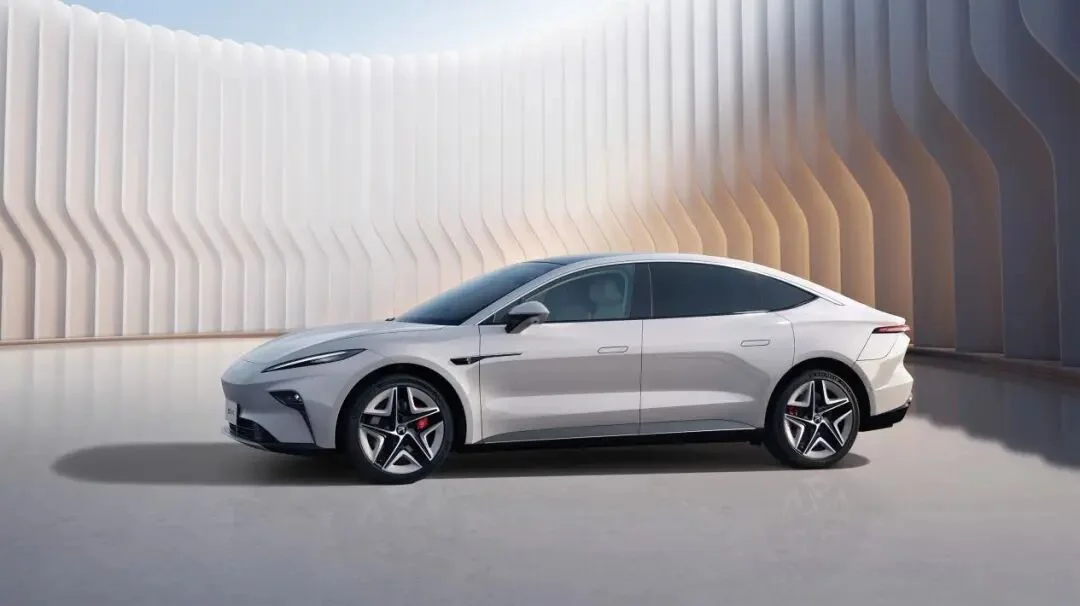
The Feifan F7 also incorporates frameless doors and four-door electric soft-close mechanisms.
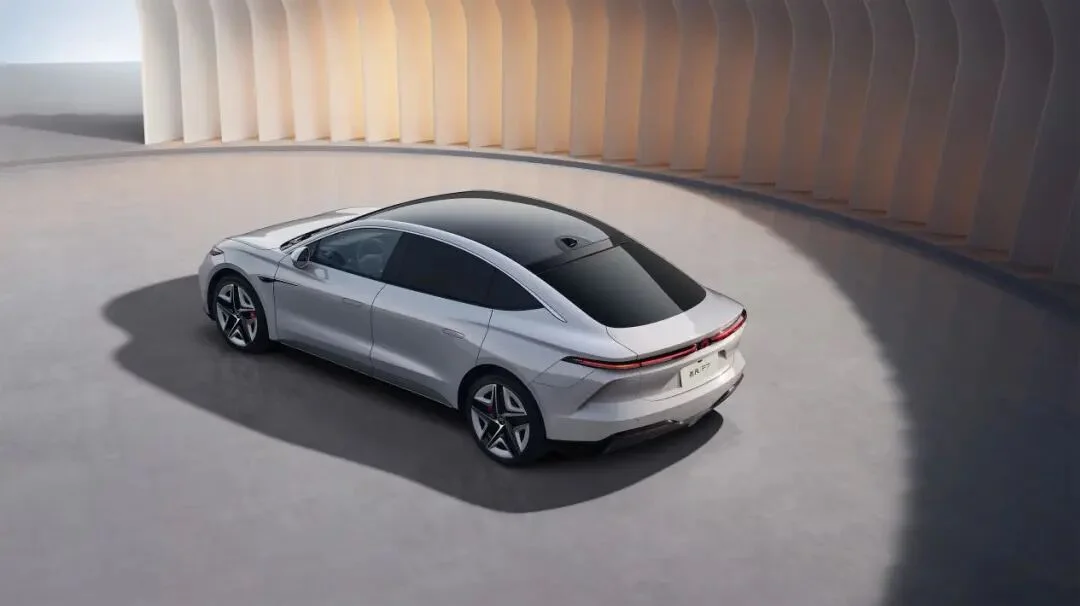
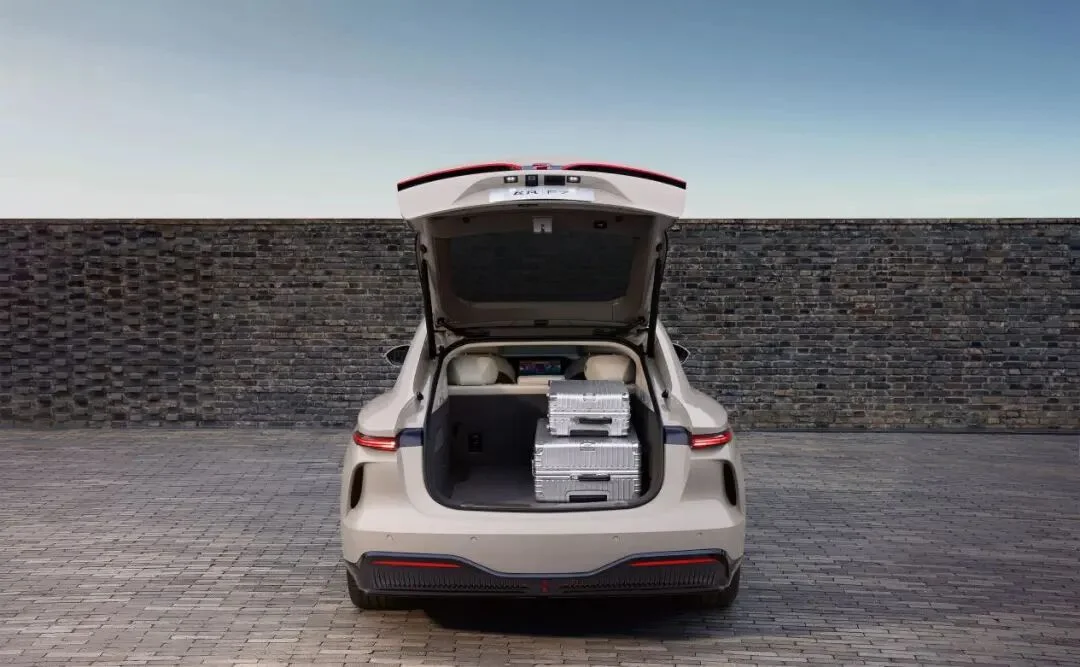
The full-width taillight bar and side diffusers enhance the sporty character, creating a contrast with the warm interior ambiance. The Feifan F7 features a hatchback tailgate, offering greater practicality and expandability.
On the hardware for driver assistance, the Feifan F7 matches the R7 with top-tier specifications:
LiDAR (optional), Premium 4D imaging radar, an 8-million-pixel camera, Orin X chips, Hella-enhanced long-range point-cloud corner radars, ultrasonic radars, and high-definition maps.
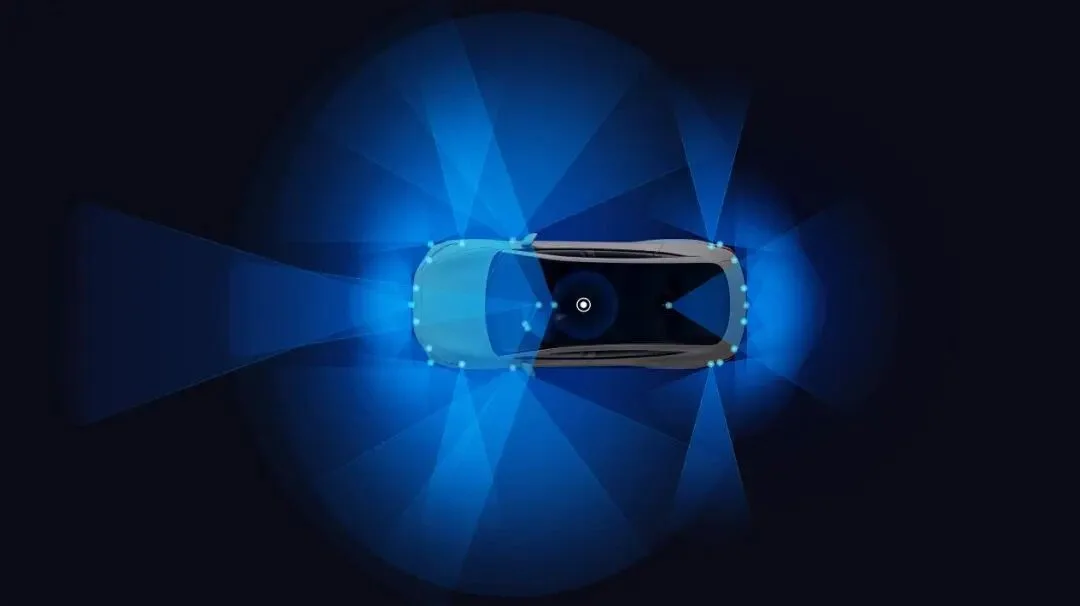
Based on our real-world testing of the R7’s driver assistance system, this setup performs very steadily in basic assistance functions (ACC, LCC, LKA). Both lateral lane control and longitudinal distance control are comfortable and mature. On roads covered by high-definition maps, the NoA performance is also commendable.
According to Feifan’s plan, NoA coverage will expand to 33 highways across 22 cities in the first half of this year, further increasing its usability.
03Forget Stereotypes: It’s Not Just About "Cost-Effectiveness"
Many people emphasize the "cost-effectiveness" of Feifan products. However, stereotypes suggest that cost-effective products often involve compromises or shortcomings in certain areas. The launch event for the Feifan F7, however, revealed a vehicle with a clear positioning—maximizing comfort. At the same time, it is a product where you cannot fault its battery-electric systems, intelligent driving capabilities, or design.
For a new product, the greatest taboo is trying to have it all. With limited costs, budgets, and time, aiming for everything results in mediocrity. The Feifan F7 wisely chose a strategy of breaking through in one area and eliminating shortcomings.
After a tiring day at work, who still wants to wrestle with the car? At least for me right now, I really just want to lie down in the Feifan F7. This proves that, in a sense, the car has established a memory anchor, generated buzz, and created a genuine point of interest.
So, don't be greedy. Capturing consumers in a specific niche means you're halfway to success.
Written by: Mingming Edited by: Mingming