


This Is the Cheapest Car With Huawei ADS You Can Buy
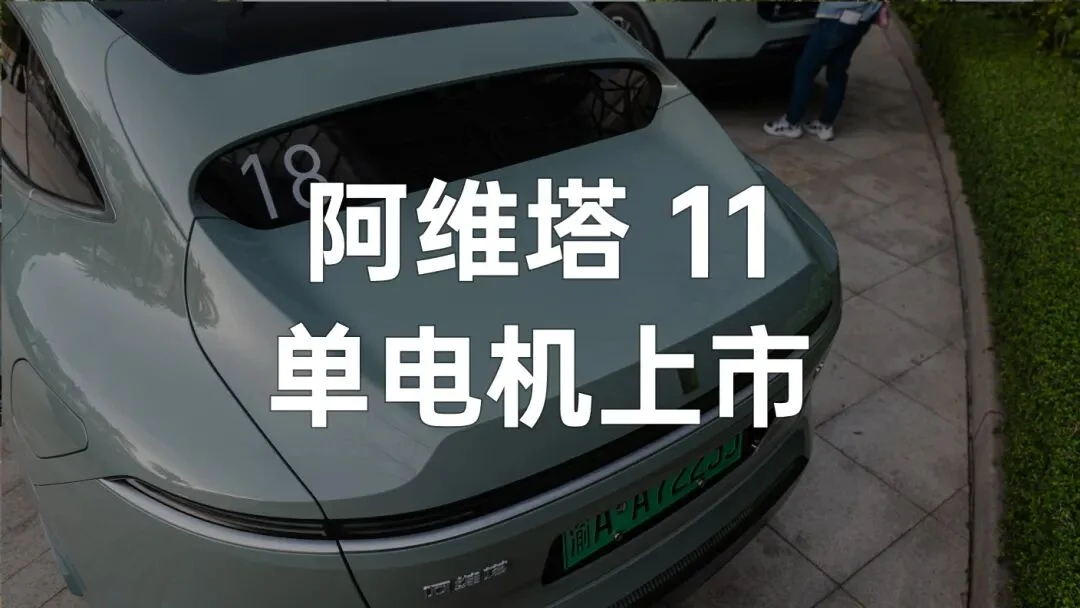
On the evening of March 24, the AVATR 11 single-motor version was officially launched with a starting price of RMB 319,900; the version equipped with a 116 kWh battery is priced at RMB 349,900.
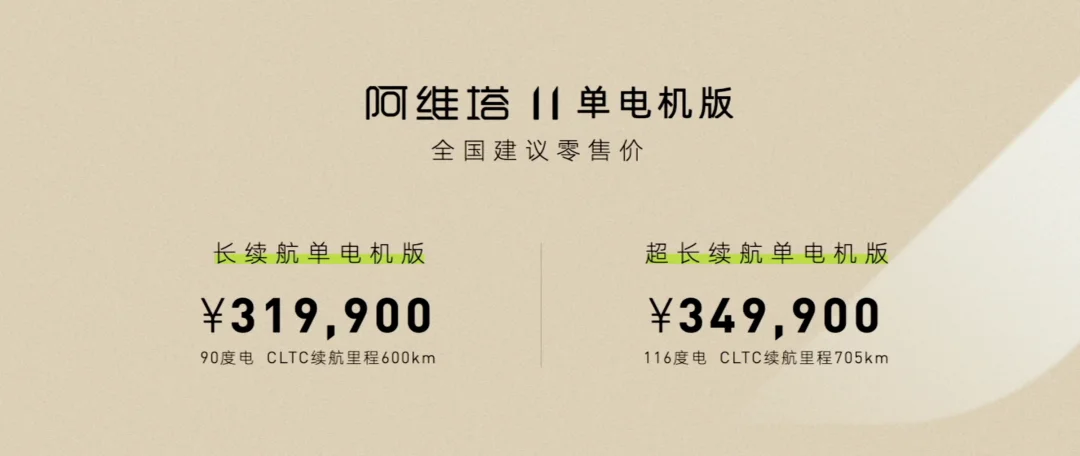

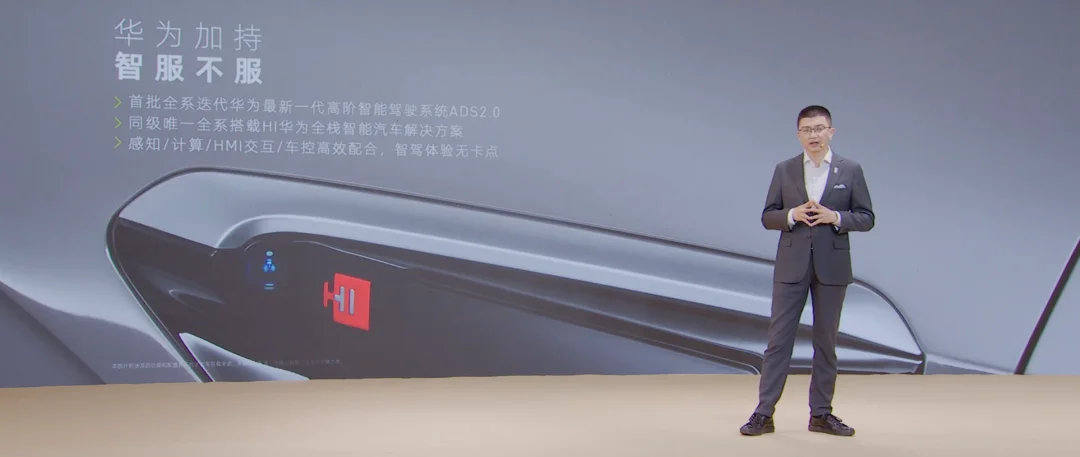
What’s surprising is that even the entry-level trim of the single-motor AVATR model comes standard with Huawei’s intelligent driving assistance system, meaning the threshold for accessing this technology has dropped to under 320,000 yuan.
At the launch event, Tan Benhong stated that AVATR would be among the first brands to receive an OTA update for the Huawei ADS 2.0 assistance system.
Prior to the launch, we conducted an in-depth test drive of the AVATR 11 single-motor model in downtown Shenzhen. This marked our first experience with NCA (Navigation Cruise Assist) urban navigation-assisted driving on the AVATR 11, so we begin by examining its assistance capabilities.
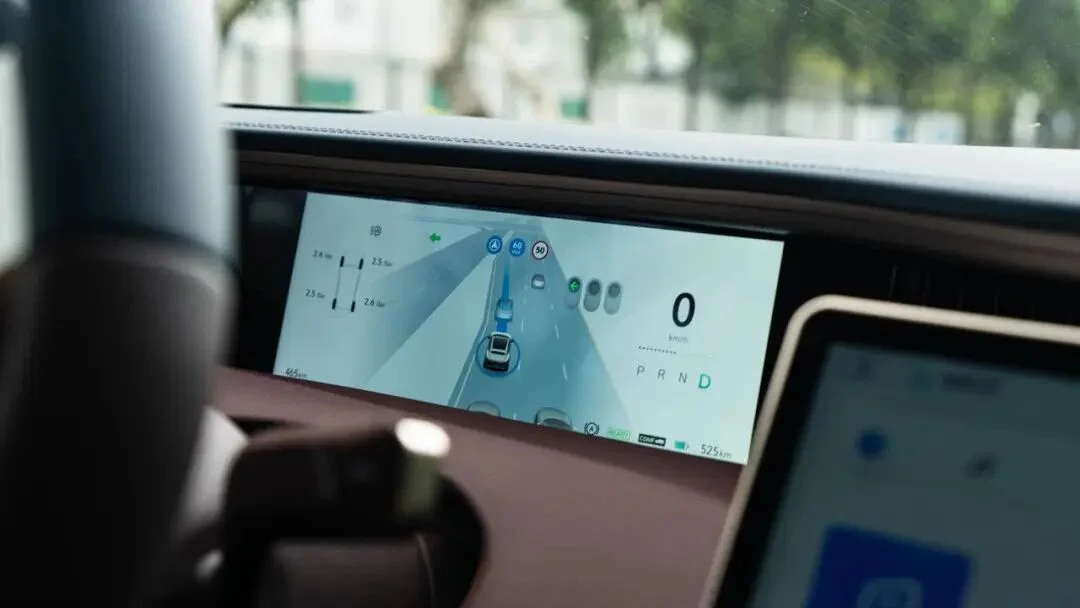
01 What Is the Level of AVATR’s Driver Assistance?
The driver assistance system in the AVATR 11 utilizes Huawei’s ADS solution. The hardware configuration is as follows:
LiDAR x 3
Millimeter-wave radar x 6
Ultrasonic radar x 12
ADAS cameras x 9
Surround-view cameras x 4
DMS driver monitoring camera x 1
MDC central computing unit x 1
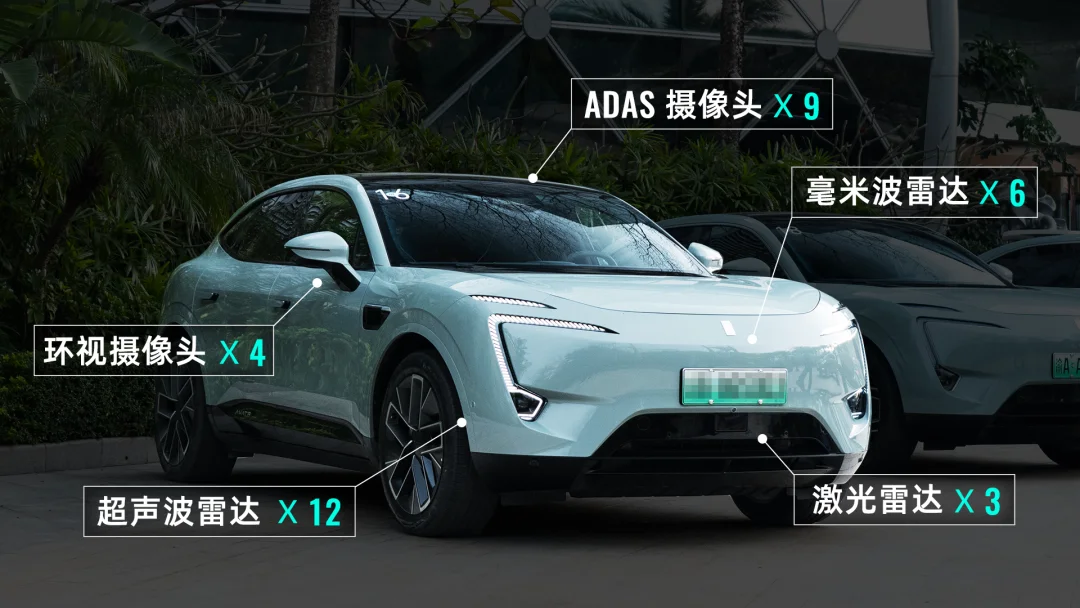
In terms of hardware layout, cameras and millimeter-wave radars cover 360° perception around the vehicle body, while the LiDAR covers 300° perception at the front.
Starting in 2021, to achieve higher-level intelligent driving capabilities, more automakers began equipping vehicles with cameras covering the entire body to enhance lateral perception.
In other words, cameras covering the entire vehicle body are the foundation for urban navigation-assisted driving. If only forward visual perception is available, urban navigation-assisted driving cannot be achieved.
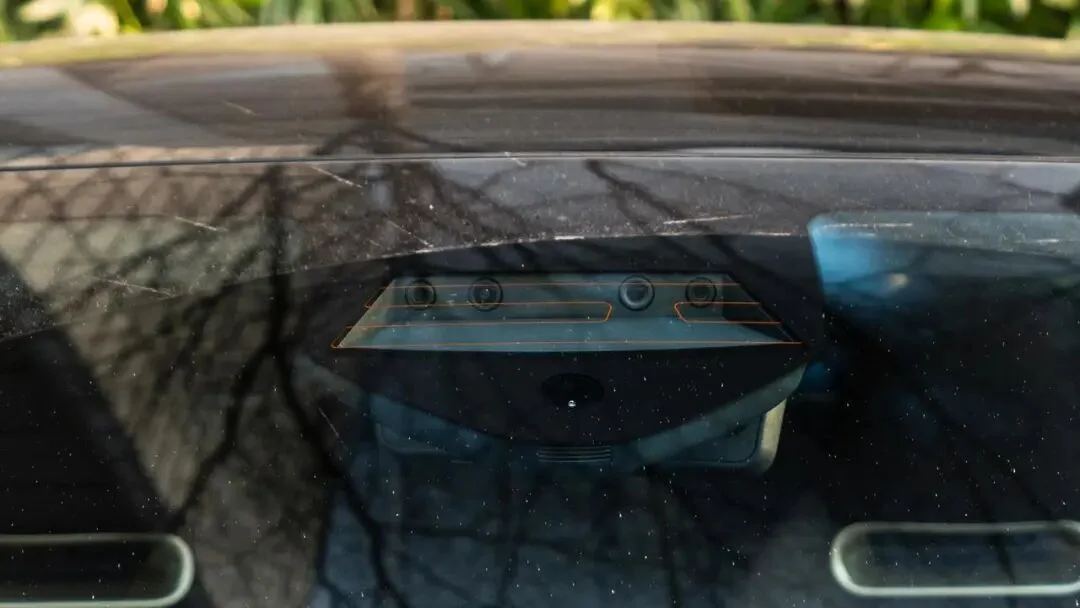
The AVATR 11 features a total of nine ADAS cameras. The forward-facing setup includes one wide-angle camera, one telephoto camera, and a binocular camera group. Both the wide-angle and telephoto cameras have 5.4-megapixel resolution. The wide-angle camera handles close-range object detection, while the telephoto camera detects objects at high speeds and long distances.
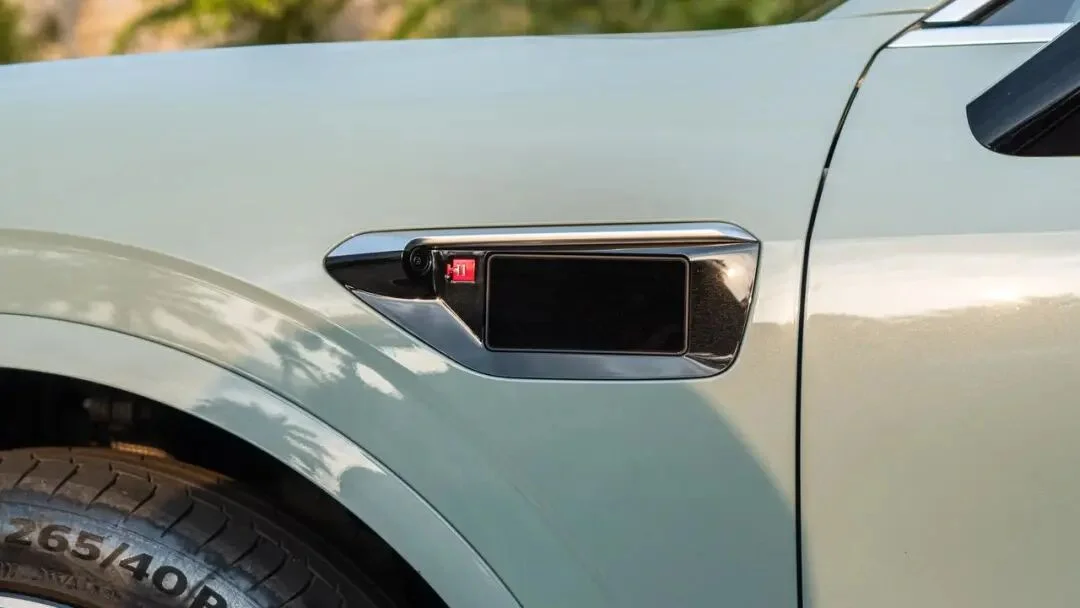
Cameras are also mounted below the side mirrors and on the side skirts, with two units each on the left and right sides, to provide perception for the front-side and rear-side areas.
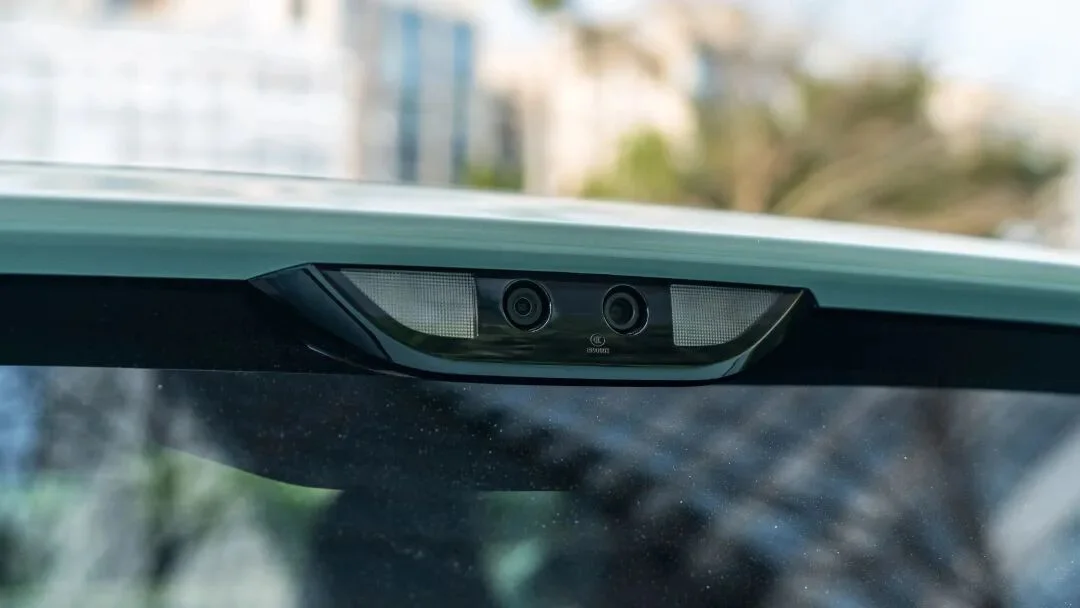
A rear-facing camera is positioned at the back of the vehicle to cover perception behind the car.
Among all perception hardware, cameras are the most critical. Their advantage lies in high resolution and a high upper limit for recognition capabilities; however, this upper limit depends on the performance of the perception algorithms. Tasks such as lane line detection, traffic light recognition, and identification of other road users all require camera input.
The disadvantage of cameras is their susceptibility to environmental weather conditions. Perception capabilities are limited during nighttime, heavy rain, or dense fog.
However, AVATR representatives stated at the event that the AVATR 11 utilizes cameras with 3.0-micrometer large pixels and an F/1.6 large aperture to enhance detection capabilities in low-light environments.
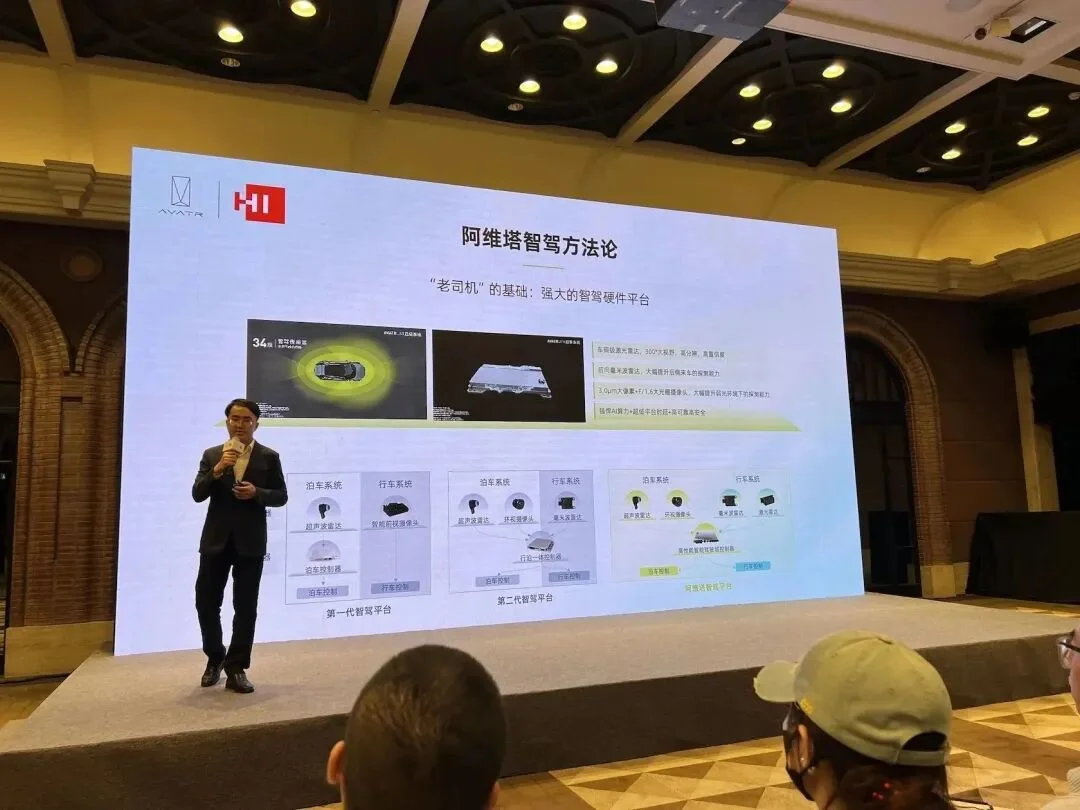
In addition to cameras, the AVATR 11 is equipped with six millimeter-wave radars. The advantage of millimeter-wave radar lies in its higher energy, which provides stronger penetration, making it a sensor capable of delivering stable perception results even in heavy rain or fog.
However, the disadvantage of millimeter-wave radar is its lower resolution and weaker perception accuracy.
Beyond the cameras and millimeter-wave radars covering the entire vehicle, AVATR has also positioned three LiDAR units at the most critical locations: the front center and the left and right sides of the front bumper.
The placement of these three LiDAR units was carefully considered. Unlike solutions that mount them on the roof, AVATR chose to place them on the bumper and side fender areas.
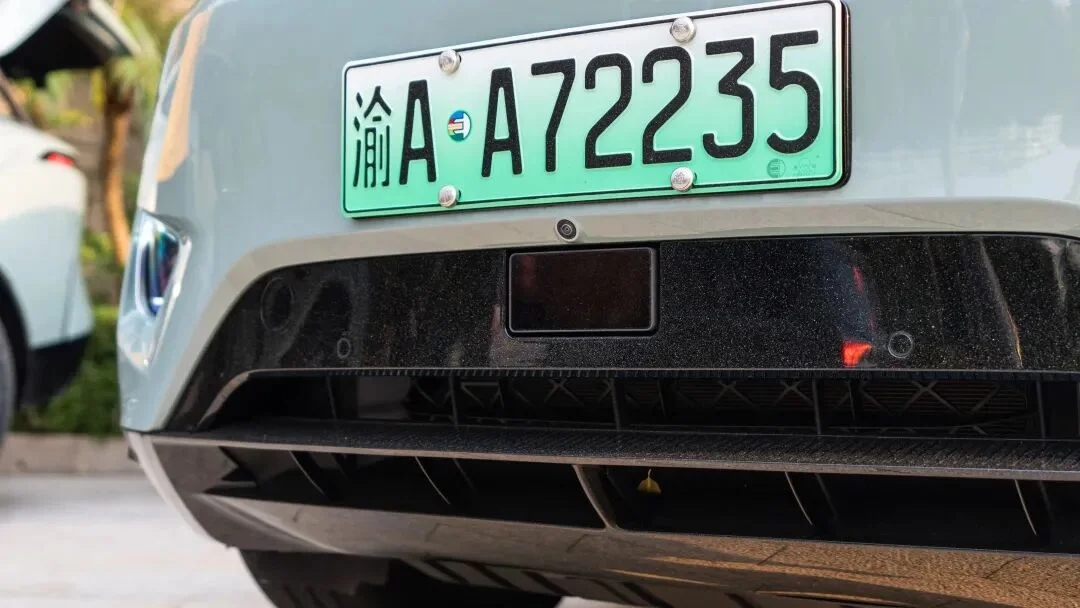
Mounting LiDARs on the roof offers better long-range detection capabilities and reduces the risk of damage during rear-end collisions or impacts, resulting in lower repair costs.
However, this approach has drawbacks: the detection angle is limited to 120°, leaving the areas on both sides of the front bumper uncovered, and creating perception blind spots in close proximity to the vehicle.
Placing them on the bumper provides broader coverage and smaller close-range blind spots, enhancing perception capability in urban environments with high traffic density, mixed pedestrian-vehicle flow, and close-quarters interactions. However, this position makes them more susceptible to damage from bumps.
By examining the placement of LiDAR units, we can infer the hardware design priorities of each autonomous driving team.
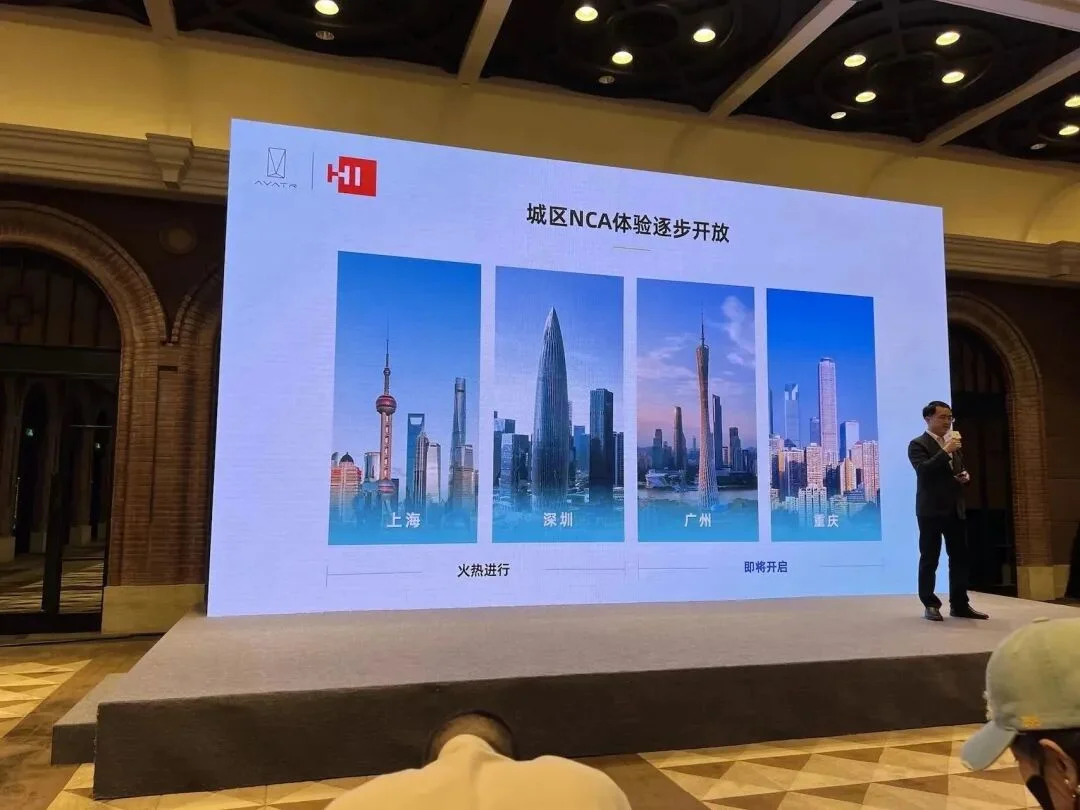
Functionally, the AVATR 11 has already enabled NCA (Navigation Cruise Assist) for highway navigation nationwide. In-store test drives for urban NCA are available in Shanghai, Shenzhen, and Guangzhou, with Chongqing set to launch soon.
Next, I will analyze the strengths and areas for improvement of AVATR 11 in two scenarios: highways and urban roads.
Highway Scenario
Highway navigation assist has been developing for nearly five years. The core function remains point-to-point assistance on sections covered by high-definition maps, featuring automatic lane changes, overtaking, ramp entry/exit, and speed limit adjustment.
Compared to open city streets, highways are enclosed environments without unpredictable pedestrians or non-motorized vehicles, and lane markings are clearer. Therefore, this scenario is not considered particularly difficult at present.
However, with more powerful hardware, AVATR 11 outperforms other navigation assist systems in several key areas:
Low-Speed Traffic Jam Comfort
Low-speed traffic jam comfort is a foundational capability of driver assistance systems. When executed well, it significantly reduces driver fatigue in congested conditions; when poorly executed, the feature offers no practical value.
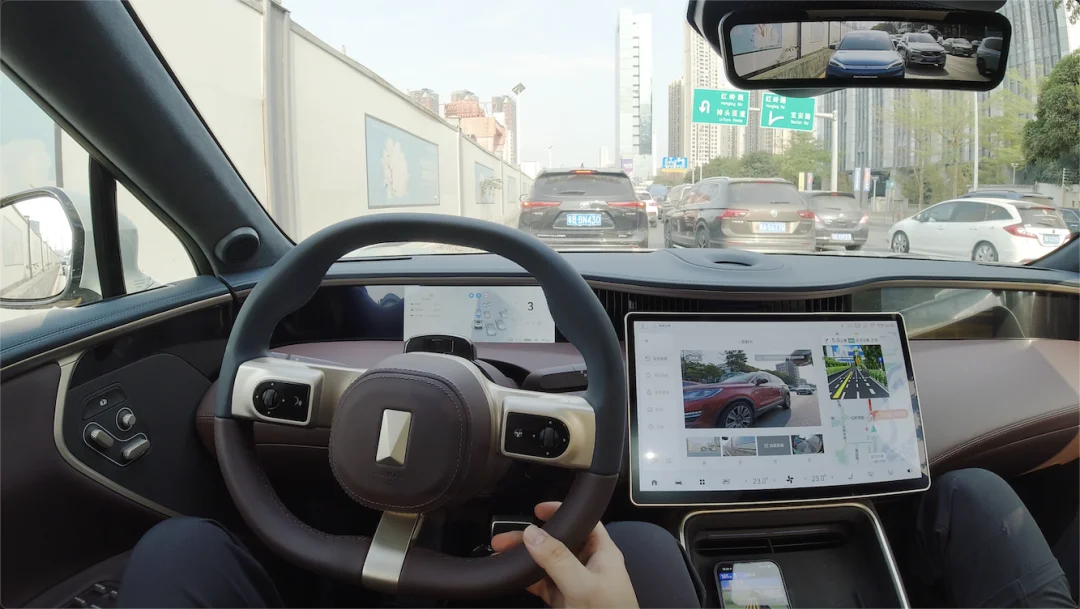
In stop-and-go traffic, the AVATR 11 accelerates promptly upon starting, making it difficult for other vehicles to cut in. Its braking response to decelerating lead vehicles is precise: it avoids braking too early (which would create excessive gaps) and prevents harsh emergency braking.
During Friday evening rush hour in Shenzhen, the intelligent driving system operated stably, allowing the driver to remain relaxed.
Ramp Navigation Stability
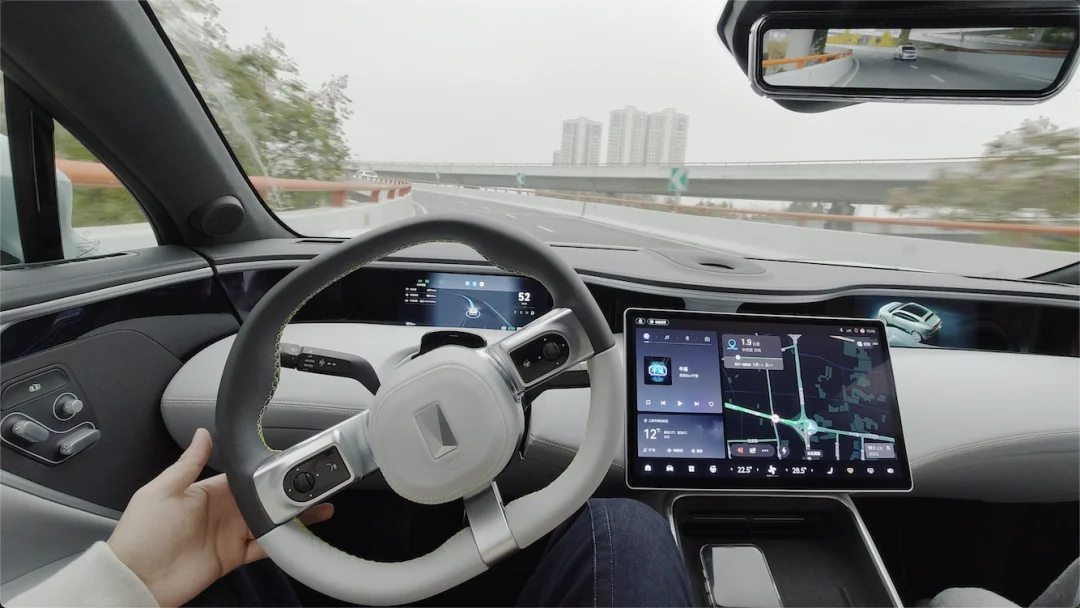
Ramp navigation is a scenario heavily reliant on high-definition maps. The stability of ramp traversal largely depends on map quality. In our testing, the AVATR 11 navigated all tested ramps with consistent stability.
A key advantage over other models is the AVATR 11’s ability to maintain speeds exceeding 50 km/h on sharp-curvature ramps. Compared to most vehicles limited to around 40 km/h, this higher throughput improves efficiency and reduces pressure from following drivers.
Lane-Change Capability
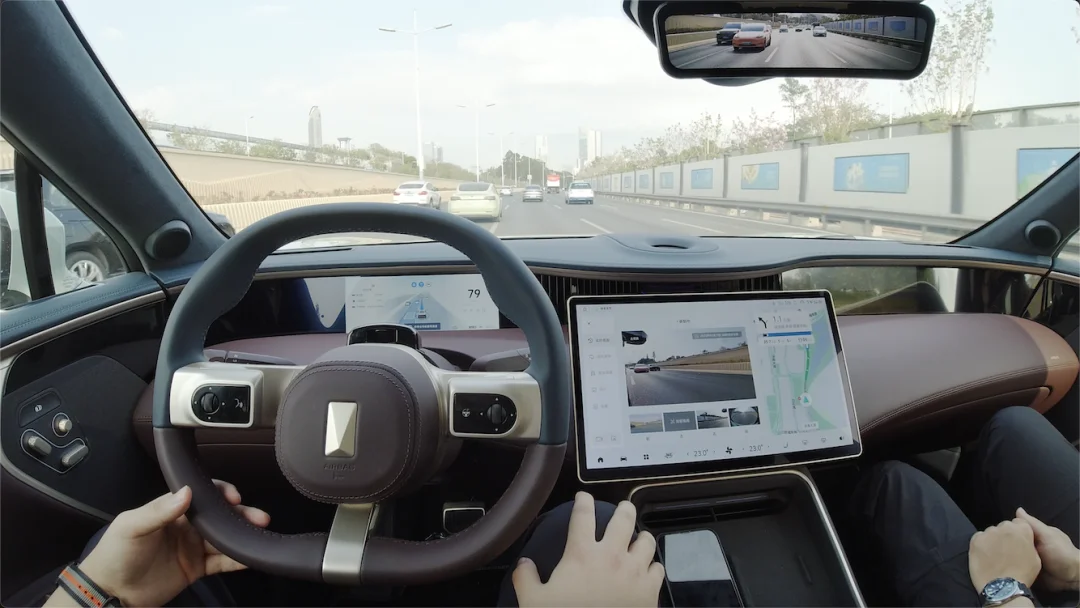
Lane-change capability is a foundational feature of navigation-guided driving. Early models equipped only with millimeter-wave radar for rearward sensing could perform lane changes via turn signals or automatically.
However, limited by the weaker perception capabilities of millimeter-wave radar, these systems are more sensitive to vehicles approaching from behind. This results in a slightly lower success rate for lane changes. To mitigate risks associated with frequent maneuvers, the lane-change strategies tend to be more conservative.
A more conservative approach may result in prolonged following of slower vehicles, an inability to change lanes during high-traffic periods, or initiating lane changes as early as 2.5 km before an exit ramp to ensure smooth entry, leading to a mediocre actual user experience.
The AVATR 11 benefits from visual sensors providing rearward perception, combined with advanced perception algorithms. This allows for more precise detection and prediction of vehicles approaching from behind.
As a result, even in high-traffic scenarios, the AVATR 11 maintains strong lane-change capability. This enables Navigation Guided Driving (NCA) to achieve traffic flow efficiency closer to that of experienced drivers.
Predicting and Avoiding Obstacles
In the era of low computing power, systems could only adjust their own speed based on the position, speed, and lane changes of traffic participants within the same lane. This limitation often resulted in low recognition rates or abrupt braking when other vehicles cut in.
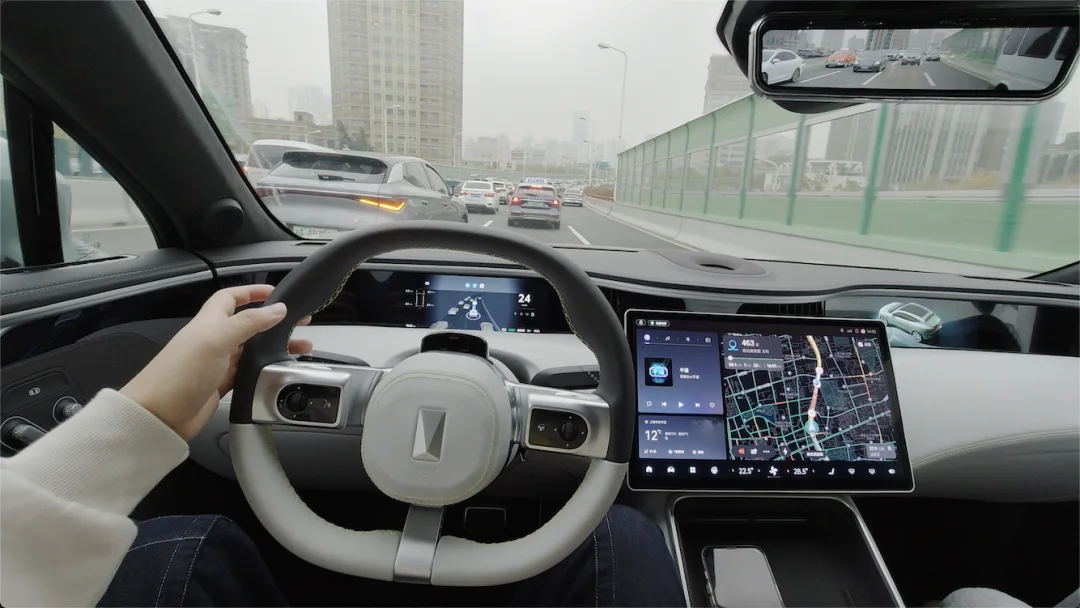
However, with greater computing power and enhanced lateral perception capabilities, the AVATR 11 can simultaneously monitor vehicles in adjacent lanes. If it detects that a vehicle in the neighboring lane intends to cut in, the system will proactively accelerate to create space and avoid a collision.
This is where the AVATR 11’s navigation-assisted driving capability surpasses that of many other systems currently available on the market.
Urban Scenarios
Urban environments present more variable lane conditions, including numerous areas with unclear lane markings. Additionally, there are more pedestrians and non-motorized vehicles, making urban scenarios significantly more challenging than highway driving.
To address these complex conditions, we can break down the capabilities of our Urban NCA (Navigation Cruise Assist) into three parts.
The first part is determining the driving route.
The principle here is the same as on highways: after setting navigation on the vehicle’s infotainment system, the system generates a path based on high-definition maps. If there are no interventions, the system simply follows this route.
However, urban roads are not always clear, so the system must have the ability to drive along the predetermined route.
The second part is how to follow the predetermined route.
On highways, following the set route requires the system to handle automatic lane changes and ramp navigation. In urban areas, it also needs to manage automatic lane changes and navigating intersections with traffic lights.
In the AVATR 11, we experienced features including traffic light recognition, unprotected left turns, unprotected right turns, and straight-through intersection passage.
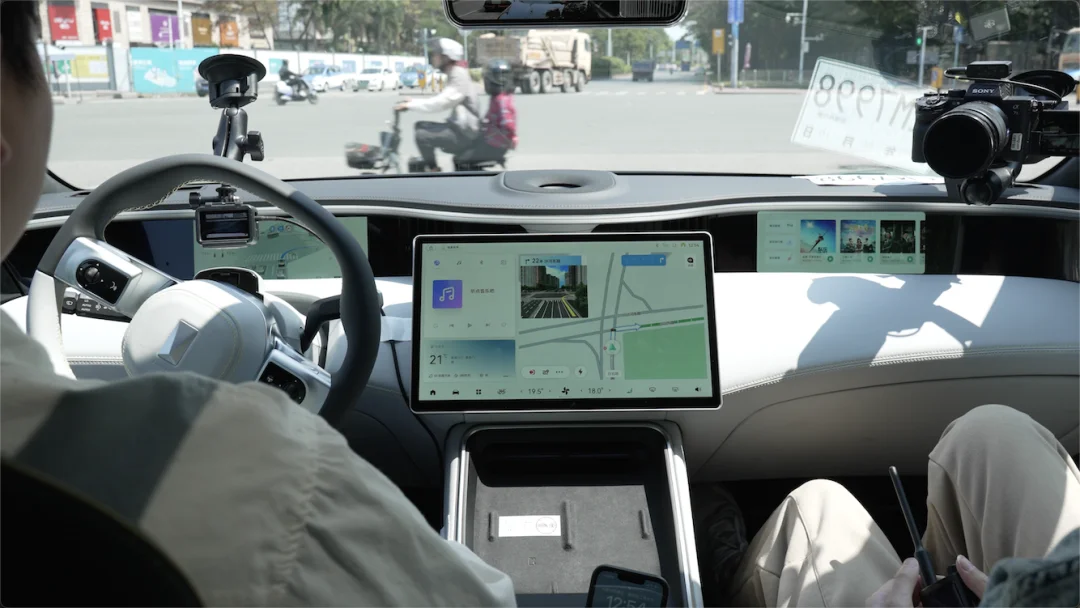
The greatest challenge for unprotected left and right turns lies in the fact that when the system executes a steering maneuver, the vehicle essentially encroaches on another party’s right of way. For example, a left turn must account for oncoming straight-moving vehicles, while a right turn must consider pedestrians crossing the street. Therefore, ensuring absolute safety during such encroachments is the system’s primary test.
Equipped with visual cameras covering its entire body, millimeter-wave radars, and three LiDAR units providing 300-degree coverage at the front, the AVATR 11 system can identify large numbers of pedestrians and non-motorized vehicles at intersections. Its perception capability is comparable to that of an experienced driver.
However, in terms of strategy, unlike human drivers, the AVATR 11 adopts a more conservative approach, prioritizing yielding. It only proceeds actively after interfering pedestrians or vehicles have passed.
The third part addresses how to handle sudden situations.
In urban areas, ride-hailing cars stopping temporarily on the roadside or non-motorized vehicles driving in motor vehicle lanes are common.
In such scenarios, experienced drivers typically steer around obstacles early. The AVATR 11 also possesses this ability. When encountering vehicles occupying the lane, the system identifies them very quickly. Instead of foolishly braking behind the obstacle and then triggering a lane change, it detects the obstruction from a distance and maneuvers around it with minimal impact on driving speed.
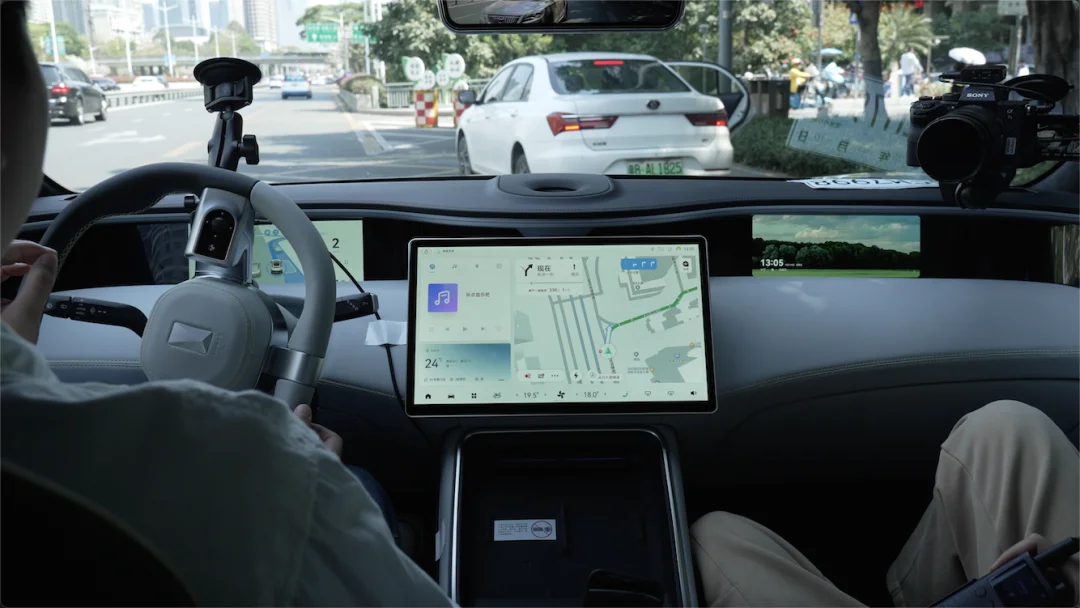
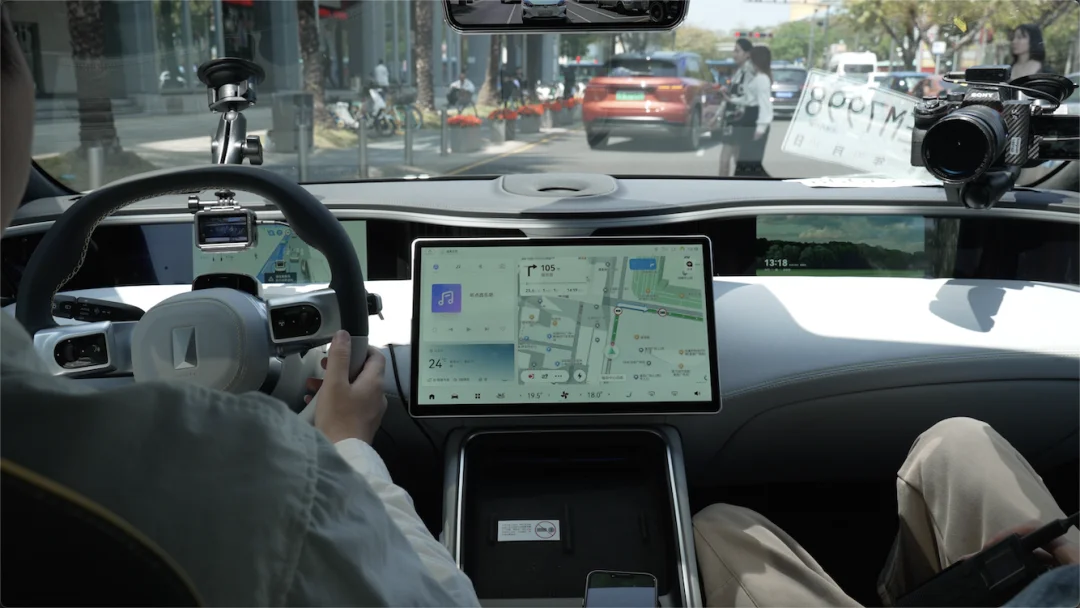
This maneuvering capability requires the system to have strong forward and lateral perception and sufficient computing power to execute such coordinated avoidance actions.
To summarize the urban performance: under normal traffic conditions, AVATR 11’s driver assistance system is fully usable. However, in scenarios involving severe congestion combined with a high volume of pedestrians and non-motorized vehicles, the system’s handling is not as proficient as that of an experienced human driver.
02Final Thoughts
The collaboration between AVATR and Huawei endowed the AVATR 11 with industry-leading-tier driver assistance capabilities right from its launch. Looking ahead, based on this powerful hardware platform and Huawei’s thousands-strong R&D team, along with hundreds of millions of RMB invested annually in research, the AVATR 11’s driver assistance capabilities are expected to continue improving.
AVATR has lived up to these strong capabilities by squeezing the total cost of ownership for this driver assistance system down to within RMB 320,000.
In the first three weeks of March 2023, the AVATR 11 recorded 1,443 insured units. Within the niche segment of China’s premium pure electric SUVs, the AVATR 11 secured the top spot.
For the AVATR 11, merely ranking first in the premium pure electric SUV segment in China is clearly insufficient. Therefore, the single-motor variant, which offers a more compelling price-to-performance ratio, has taken on the responsibility of boosting sales. By capturing a larger share of the market now, AVATR ensures a more stable future.
Huawei also needs AVATR to sell more vehicles; only with greater data feedback can it continue to optimize this driver assistance system. Written by: Liu San Edited by: Liu San