


42Test: AITO M5 EV Range and Charging Performance Fall Short of Expectations
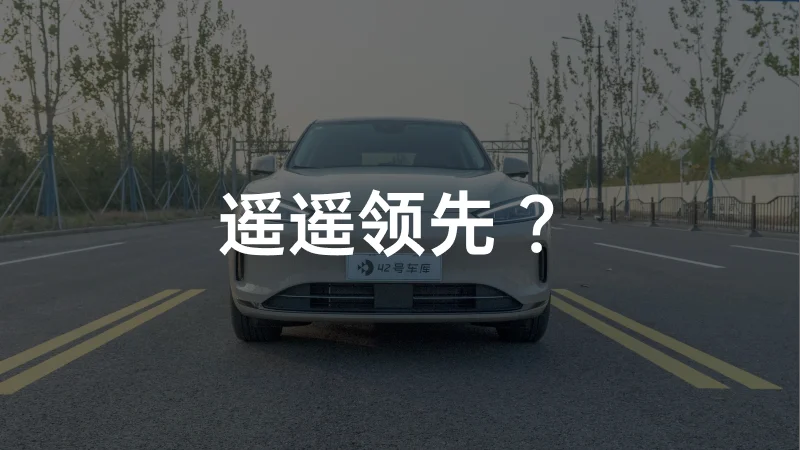
On September 6, Huawei officially unveiled the AITO M5 EV at its autumn new product launch event. This marks the first fully electric model in the AITO lineup.
As a key component of Huawei’s Hongmeng ecosystem in the automotive sector, the AITO M5 EV features the Hongmeng infotainment system like other AITO models, enabling connectivity with other Huawei smart devices. Additionally, it is the first to incorporate Huawei’s self-developed HUAWEI DriveONE pure electric drive intelligent platform and the HUAWEI DATS dynamic adaptive torque system.
According to descriptions presented at the launch event, the HUAWEI DATS dynamic adaptive torque system not only enhances vehicle handling and ride comfort but also further extends driving range.
During the event, Richard Yu proudly declared that this is the most beautiful pure electric SUV globally, significantly ahead of competitors in its class.
So, was Richard Yu telling the truth this time, or was he exaggerating again? After receiving the vehicle, we conducted a detailed test immediately. Let’s take a look at the results below.
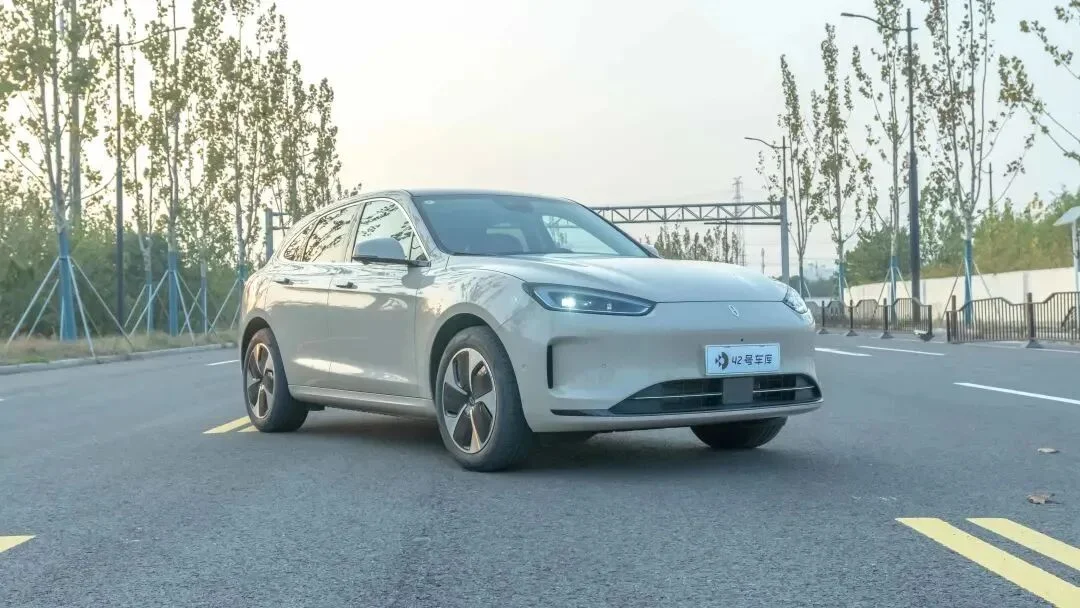
01Range Test: Over 600 km—Why Is There Still Range Anxiety?
The AITO M5 EV tested in this 42Test session is the Standard Edition, equipped with an 80 kWh lithium iron phosphate battery and a manufacturer-rated CLTC combined range of 620 km.
According to 42Test standards, the range test is divided into two parts: "highway conditions" and "urban conditions." Can Huawei's self-developed HUAWEI DriveONE pure electric drive intelligent platform and the HUAWEI DATS dynamic adaptive torque system eliminate range anxiety for the M5 EV as claimed at the launch event? Let's take a look at its actual performance.
Highway Range: Below Expectations
The highway route began with a full charge from our office garage on Beizhai Road, proceeding along the Outer Ring Expressway onto the G60 Shanghai–Kunming Expressway toward Jinhua. After exiting at the Zhuji interchange, the vehicle immediately returned to Shanghai via the same route.
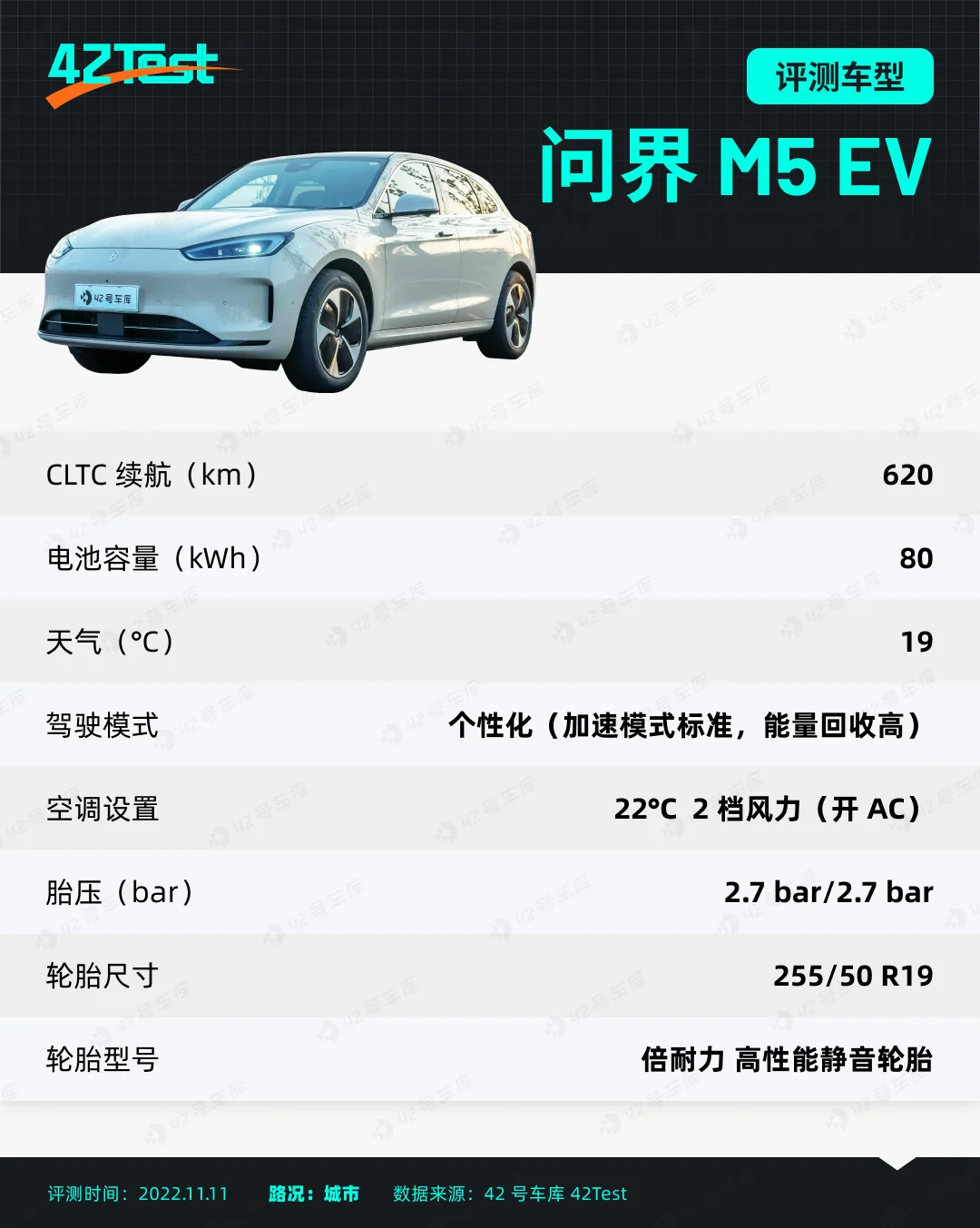
On the test day, November 9, the temperature was 25 °C. The air conditioning was set to summer standard: 22 °C, fan speed level 2, with AC enabled. Tire pressure was maintained at 2.7 Bar for both front and rear wheels. Because Comfort (Standard) driving mode does not allow adjustment of regenerative braking intensity, we used Custom driving mode, setting acceleration to Standard and energy recovery to High.
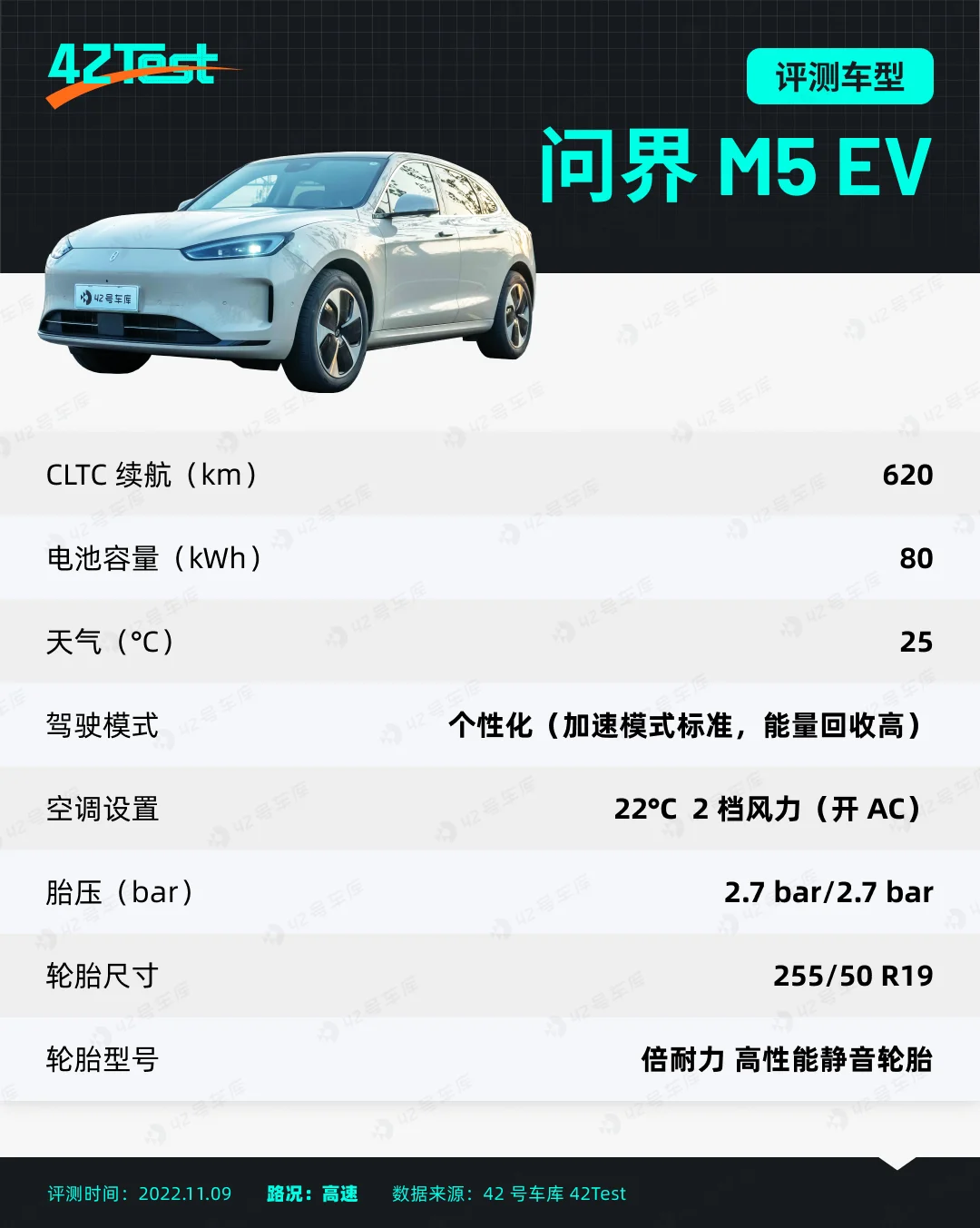
The AITO M5 EV displays comprehensive remaining range rather than CLTC-specific figures, which better reflects actual vehicle performance. Therefore, all displayed range figures throughout the test refer to this comprehensive metric.
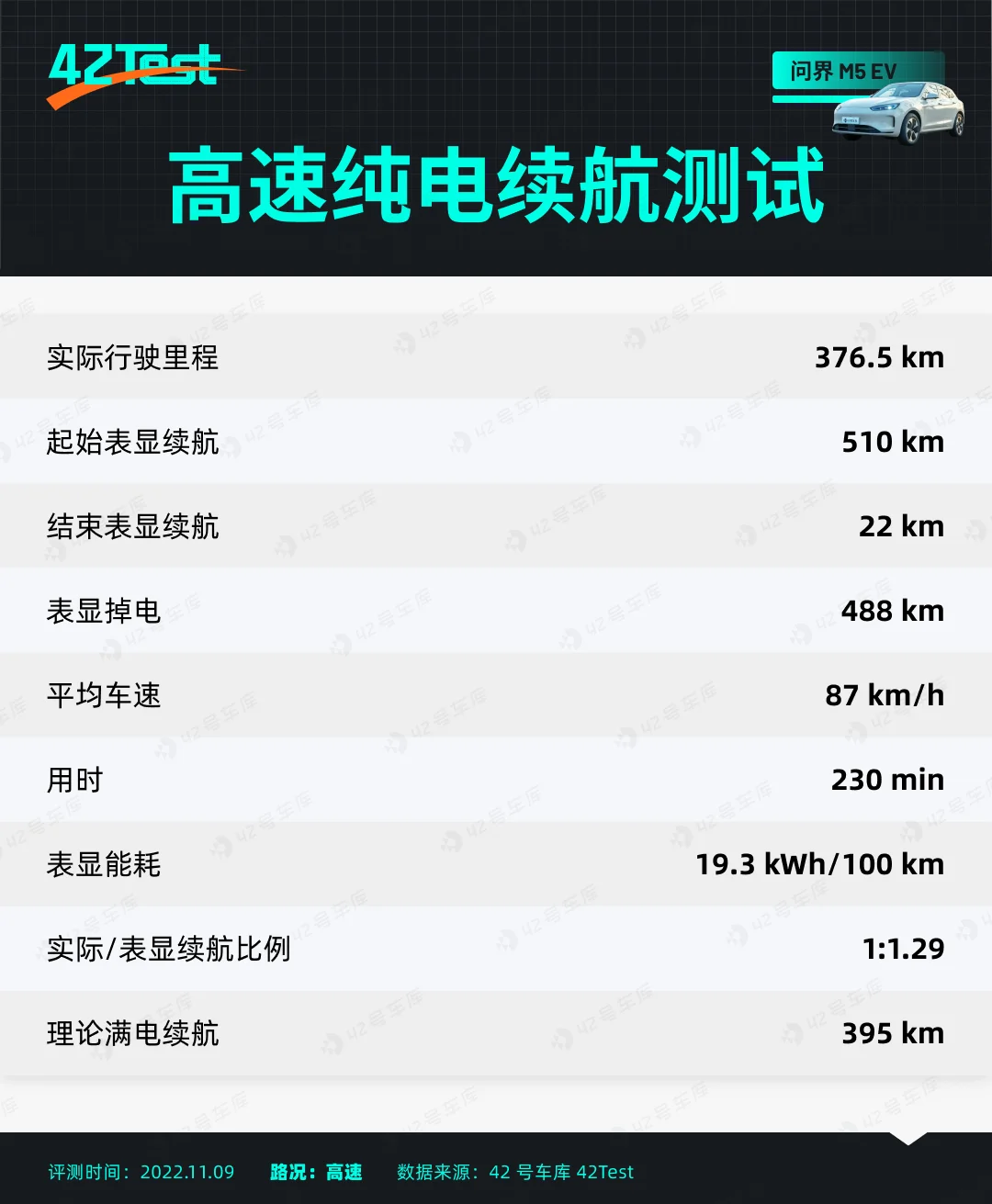
After a full charge, the display showed a comprehensive range of 510 km. After traveling 376.5 km on the highway, the remaining displayed range was 22 km. Traffic conditions were relatively smooth during the first half of the test, allowing average speeds exceeding 105 km/h. During the return trip, traffic density increased, causing congestion on certain sections. The entire test took 3 hours and 50 minutes, resulting in an average speed of 87 km/h.
The M5 EV's energy consumption under highway conditions is 19.3 kWh, with a ratio of 1:1.29 between the displayed range and actual energy depletion. Based on this data, the standard AITO M5 EV with an 80 kWh battery has a theoretical full-charge highway range of 395 km.
Analysis of energy depletion every 10 km throughout the test reveals that in the first half, under relatively smooth traffic conditions, the vehicle consumed approximately 14 km of displayed range for every 10 km driven. In the second half, where speeds were lower, the depletion ratio approached 1:1.
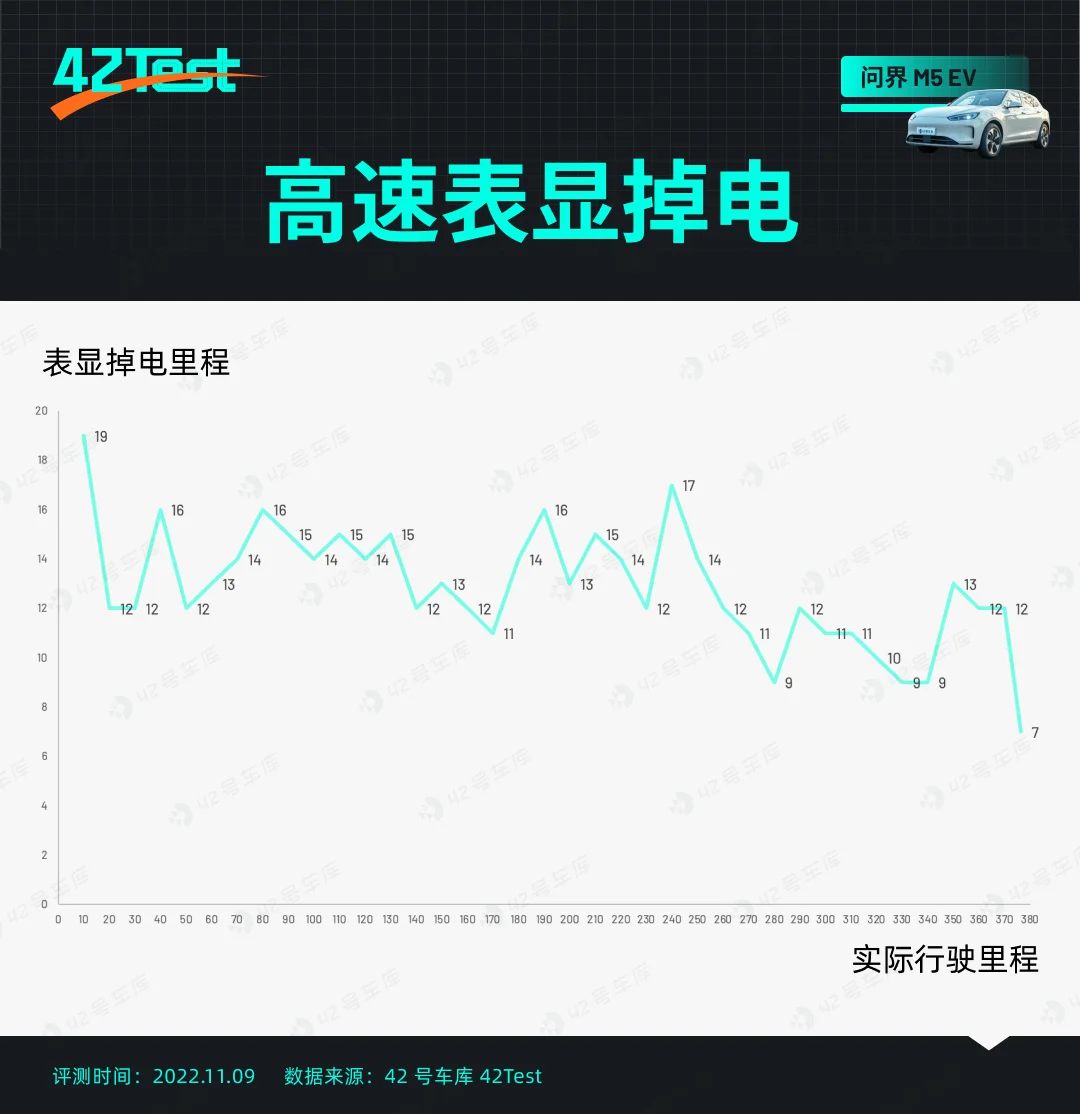
This range performance fell somewhat short of our expectations. As a single-motor variant, we had anticipated an actual range of 420–430 km before departure. However, the vehicle failed to reach 400 km, forcing us to skip our usual charging stop at the G60 Fengjing Service Area and instead rest at the Jiaxing Service Area.
Urban Range: Decent Performance
If the M5 EV's highway range does not meet your expectations, then its actual urban driving range performance may better align with what you anticipate.
According to 42Test’s testing standards, the urban range test consists of two parts: a 50 km ground segment passing through major roads such as Dingxi Road, Century Avenue, Xuhui Riverside, and the Wukang Building; followed by one lap around the Outer Ring Expressway, which is characterized by frequent large trucks and complex traffic conditions, totaling 100 km.
On the test day, November 11, the temperature was 19°C. The vehicle’s air conditioning was set to summer standards: 22°C, fan speed level 2, with AC on. Tire pressure was maintained at 2.7 Bar for both front and rear wheels. Using a personalized driving mode, acceleration was set to Standard and energy recovery to High.
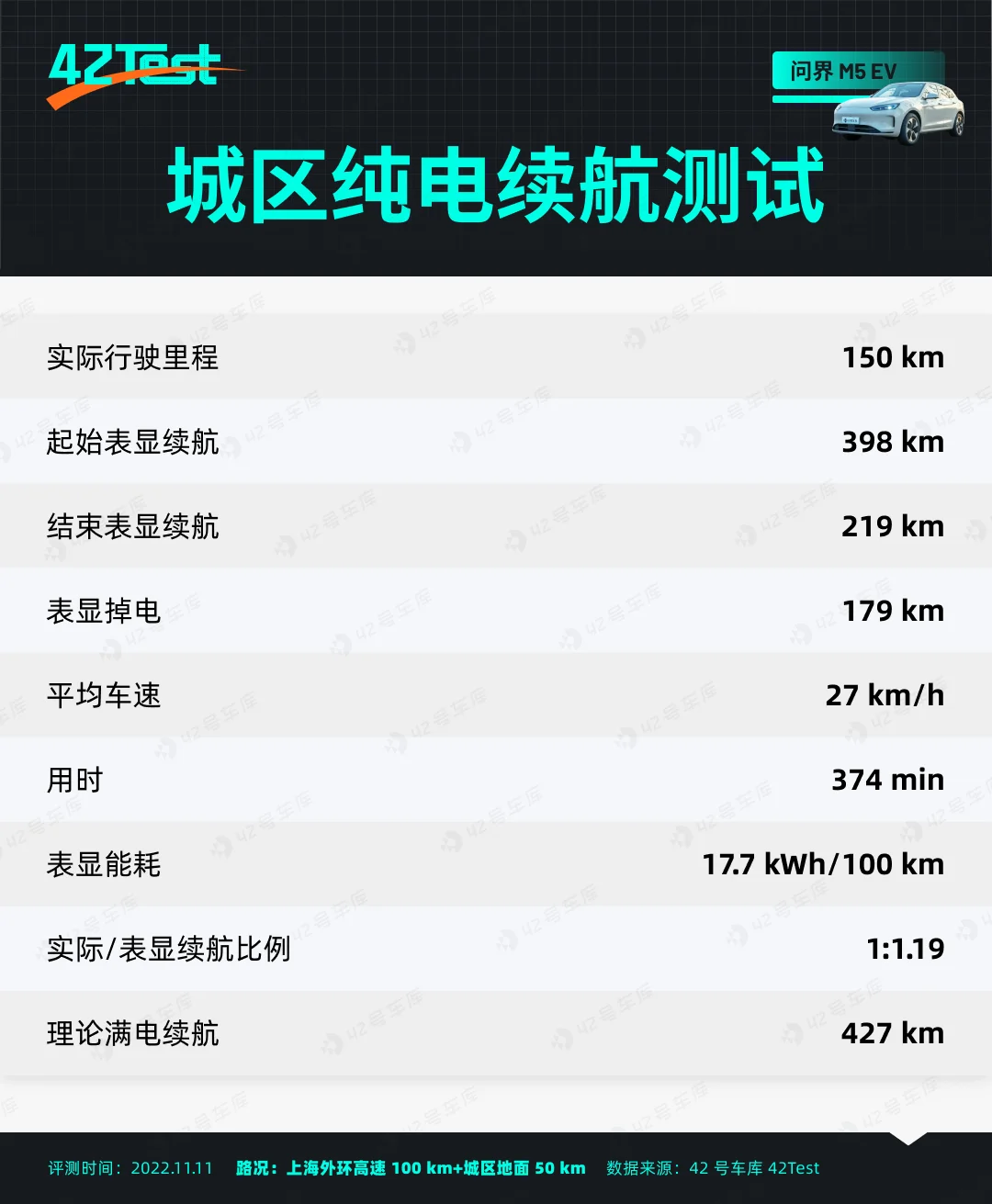
During the urban range test, we drove an actual distance of 150 km, taking a total of 6 hours and 14 minutes. Due to heavy traffic and frequent stops at numerous traffic lights in the city road segment, the average speed for the entire test journey was only 27 km/h.
The AITO M5 EV’s displayed range decreased by 179 km. On the outer ring roads, the average energy consumption was approximately 17 kWh/100 km. However, under frequent stop-and-go conditions on urban surface streets, average consumption reached 19 kWh/100 km, exceeding 20 kWh/100 km during peak congestion. The ratio of displayed range loss to actual battery depletion was 1:1.19, based on a theoretical full-charge range of 427 km.
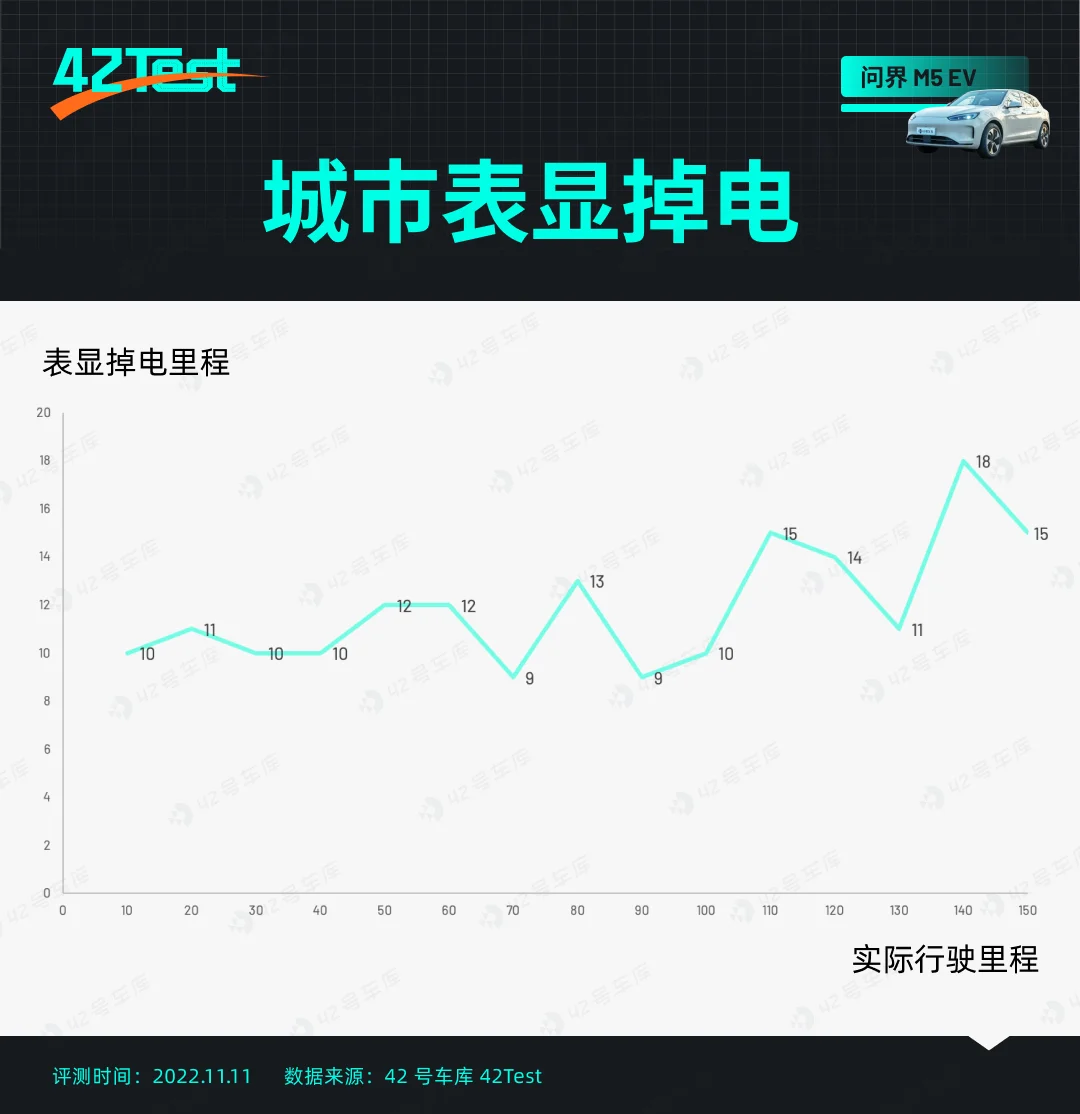
We placed the 100 km outer ring test first. Analysis of the range loss every 10 km showed that due to relatively smooth traffic flow, the range loss ratio remained close to 1:1 for most of the initial 100 km.
But for the latter 50 km, we encountered heavy Friday traffic and took nearly 3 hours and 30 minutes to complete the 50 km. In traffic congestion, the vehicle's rate of range depletion was no less than that during high-speed highway driving.
In summary, as a single-motor mid-size SUV, the AITO M5 EV Standard Edition shows disappointing range performance under highway conditions. At speeds of 110–120 km/h, energy consumption can reach as high as 20 kWh/100 km.
However, its range performance in urban conditions is quite good, sufficient to meet the weekly commuting needs of most people for five workdays. The only exception is during traffic jams, where energy consumption also remains high at 20 kWh/100 km.
02Charging Test: Charges at a decent pace, but don't charge it fully
Since AITO does not operate its own charging stations, we conducted the AITO M5 EV charging test at a Xiaojie (Little Orange) charging station with a maximum charging power of 120 kW.
Although this is a dual-gun charger rated for 120 kW, the other charging gun was not in use during the test, so there was no power reduction due to sharing.
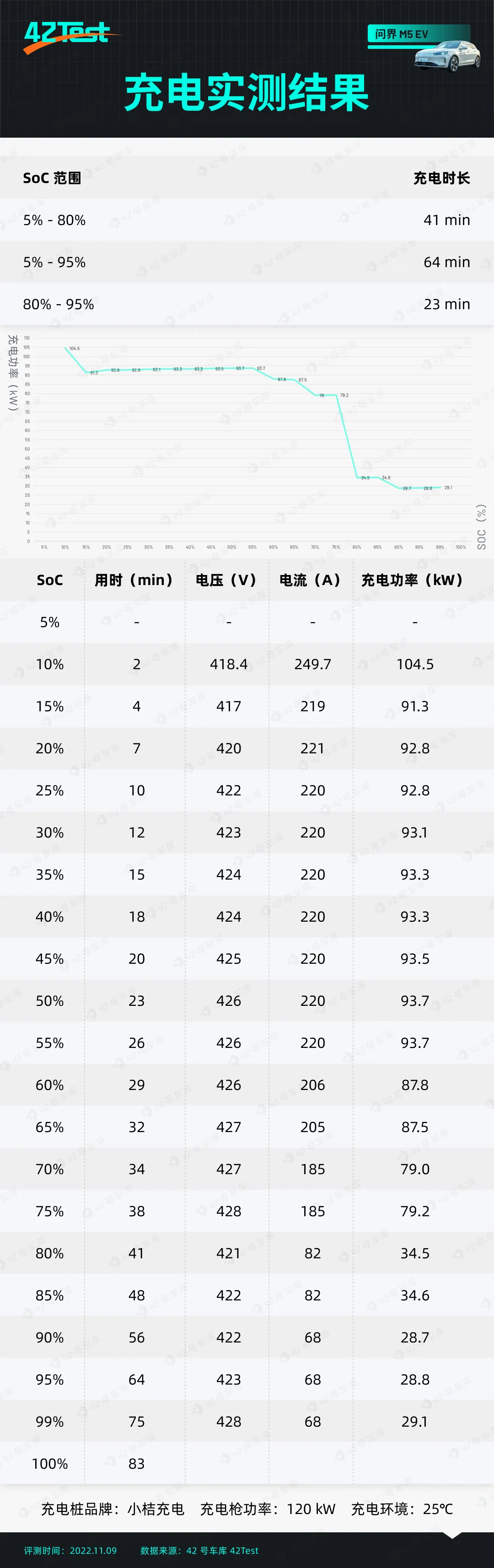
We began charging from an SOC of 5%. The initial charging power exceeded 100 kW. During the SOC 10–55% stage, the power remained steady at around 93 kW. As the SOC approached 60%, the power dropped to 87 kW, and when approaching 70%, it fell below 80 kW. The fast-charging phase up to 80% SOC performed well.
However, once the SOC reached 80%, the charging power plummeted sharply, dropping directly from nearly 80 kW to 34–35 kW, significantly increasing the charging time for the latter half. It took 23 minutes to charge from 80% to 95%, and another 19 minutes to go from 95% to 100%. In other words, charging from 80% to full required a lengthy 42 minutes.
Overall, the AITO M5 EV’s charging performance aligns with expectations for a 400 V platform, delivering rapid energy replenishment during fast-charging stages up to 80%. However, charging speed drops significantly beyond 80%, becoming notably sluggish after reaching 95%.
If long-distance travel is not a regular requirement, it is advisable to charge only to 80–90% in daily use; otherwise, the time spent on trickle charging becomes excessive.
03Performance and Driving: The Most Sporty AITO
Driving Impressions
This AITO M5 EV is the single-motor standard version. Let's briefly go over the mechanical parameters:
Rear-mounted 200 kW permanent magnet synchronous motor, with a maximum power output of 200 kW and peak torque of 360 N·m, achieving an acceleration time from zero to 100 km/h of 7.1 seconds;
Front double wishbone and rear multi-link suspension.
HUAWEI DATS Dynamic Adaptive Torque System.
Compared with the AITO M7, the M5 features smaller overall dimensions and a double-wishbone front suspension instead of the M7’s MacPherson strut, making it noticeably more engaging to drive.
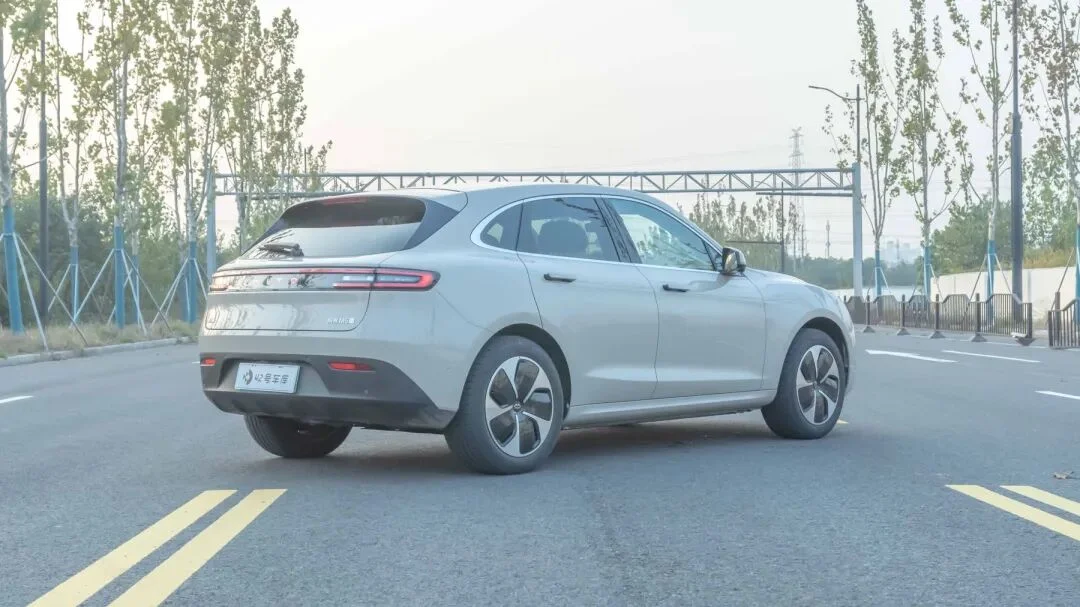
The M5 EV is tuned with a sporty SUV character, offering significantly better chassis and suspension composure than the M7. Whether navigating speed bumps at low speeds or road imperfections at high speeds, the suspension avoids excessive body movement.
However, the steering feel of the AITO M5 in Standard mode is noticeably light. Switching to Sport mode makes it heavier, but it remains lighter than that of other sporty SUVs, which can undermine driver confidence during aggressive lane changes. Steering feel adjustments are only available in Personalization mode; in all other modes, they are locked to the selected driving mode.
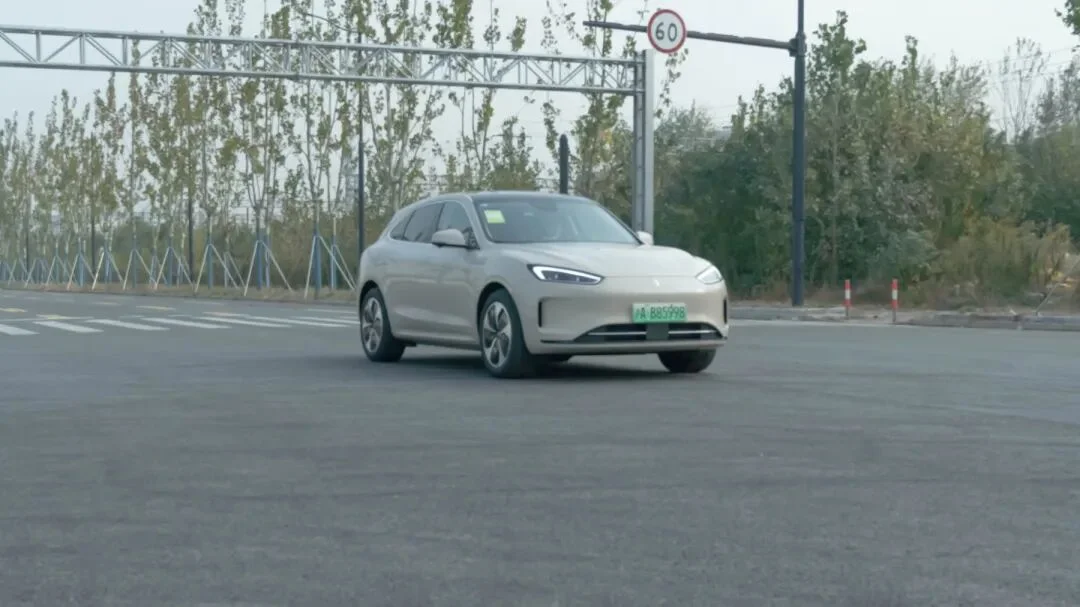
Notably, the M5 EV’s regenerative braking is nearly imperceptible in Standard mode when lifting off the accelerator, closely mimicking the coasting behavior of an internal combustion engine vehicle.
In the strongest setting, however, regenerative braking intensity increases significantly at low and medium speeds, becoming very similar to Tesla’s system. Even experienced EV drivers may find this adjustment challenging. Despite the strong regeneration, fully releasing the accelerator does not bring the vehicle to a complete stop; it slows to approximately 3 km/h and creeps forward slightly before requiring the driver to apply the brake pedal to halt.
Additionally, the AITO M5 EV offers only two adjustable levels for regenerative braking. Adding a middle setting would be advisable to provide a balance between overly strong and weak regeneration.
Acceleration and Braking
As per convention, our 42Test performance evaluation continues to use the "single-driver scenario." For this test, the AITO M5 EV Standard Edition had a remaining battery level of ninety-five percent, the ambient temperature was twenty-seven degrees Celsius, and the driving mode was set to "Sport." In a closed environment, we conducted ten consecutive zero-to-one-hundred kilometers-per-hour acceleration tests and ten consecutive zero-to-one-hundred kilometers-per-hour braking tests. The specific results are as follows.
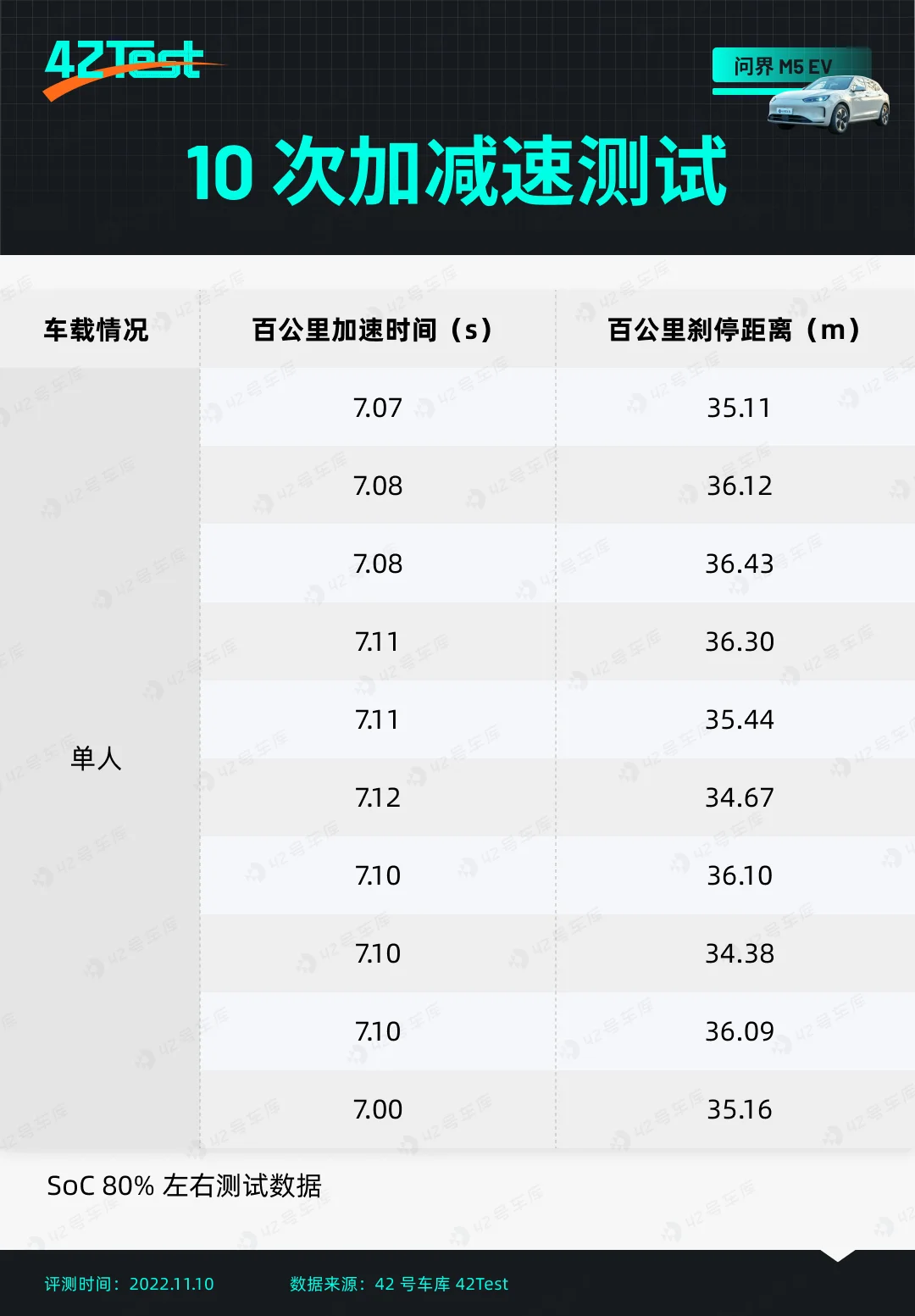
As can be seen, the M5 EV's 100-kilometer test results were relatively stable, with test data basically all around 7.1 s, consistent with official data, and the fastest single result was 7.0 s.
When the AITO M5 EV accelerates fully, the initial power delivery is not particularly strong, so the vehicle does not exhibit significant nose lift. The power output in the mid-to-late stages becomes noticeably stronger, which may reflect the control logic of the HUAWEI DATS (Dynamic Adaptive Torque System).
Braking performance from 100 km/h showed some inconsistency. The shortest stopping distance was 34.38 meters, while the longest was 36.43 meters—a difference of more than 2 meters between the two extremes. Notably, the best result occurred later than the worst one. Since both tests were performed consecutively on the same stretch of road, brake fade can be ruled out as a cause.
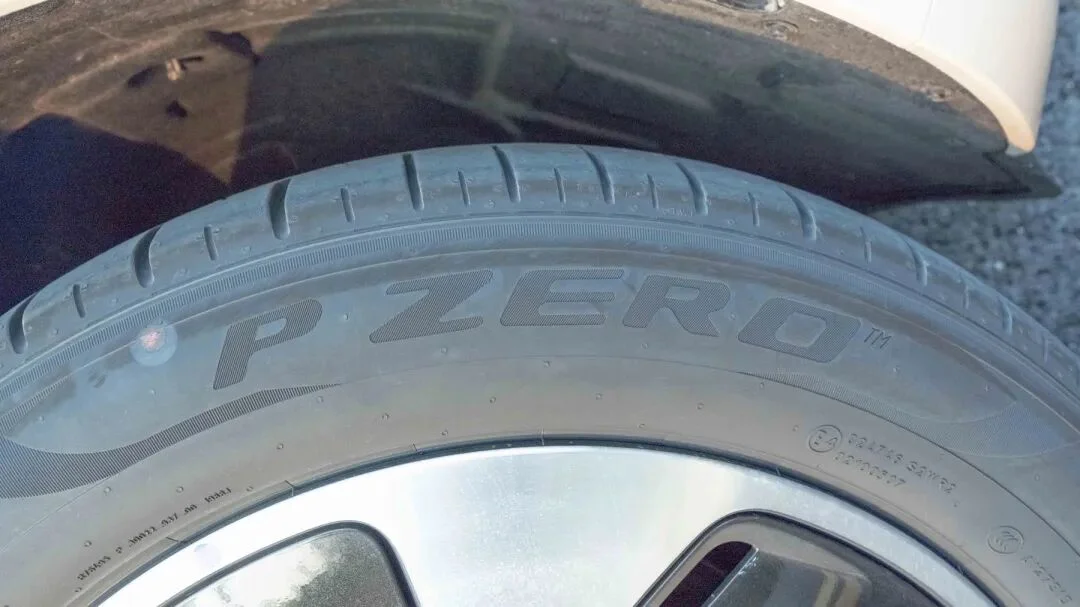
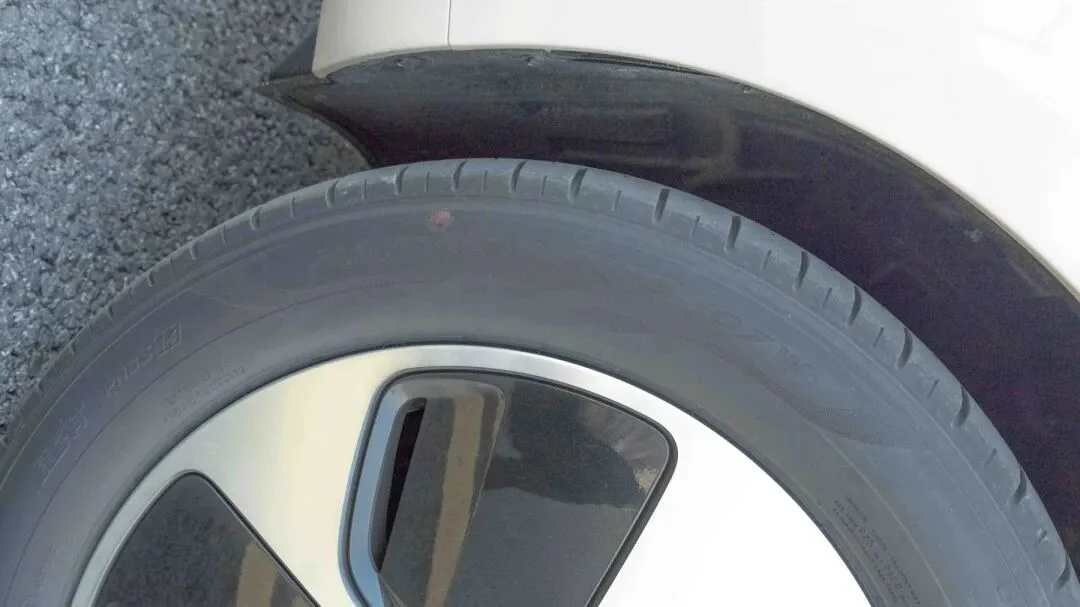
This vehicle is equipped with front and rear 255/50 R19 Beinaili P ZERO tires, which offer excellent dry-weather grip. However, due to the use of low-drag closed-design wheels, it was not possible to visually confirm the brake caliper configuration.
Does Laminated Glass Equal Good NVH?
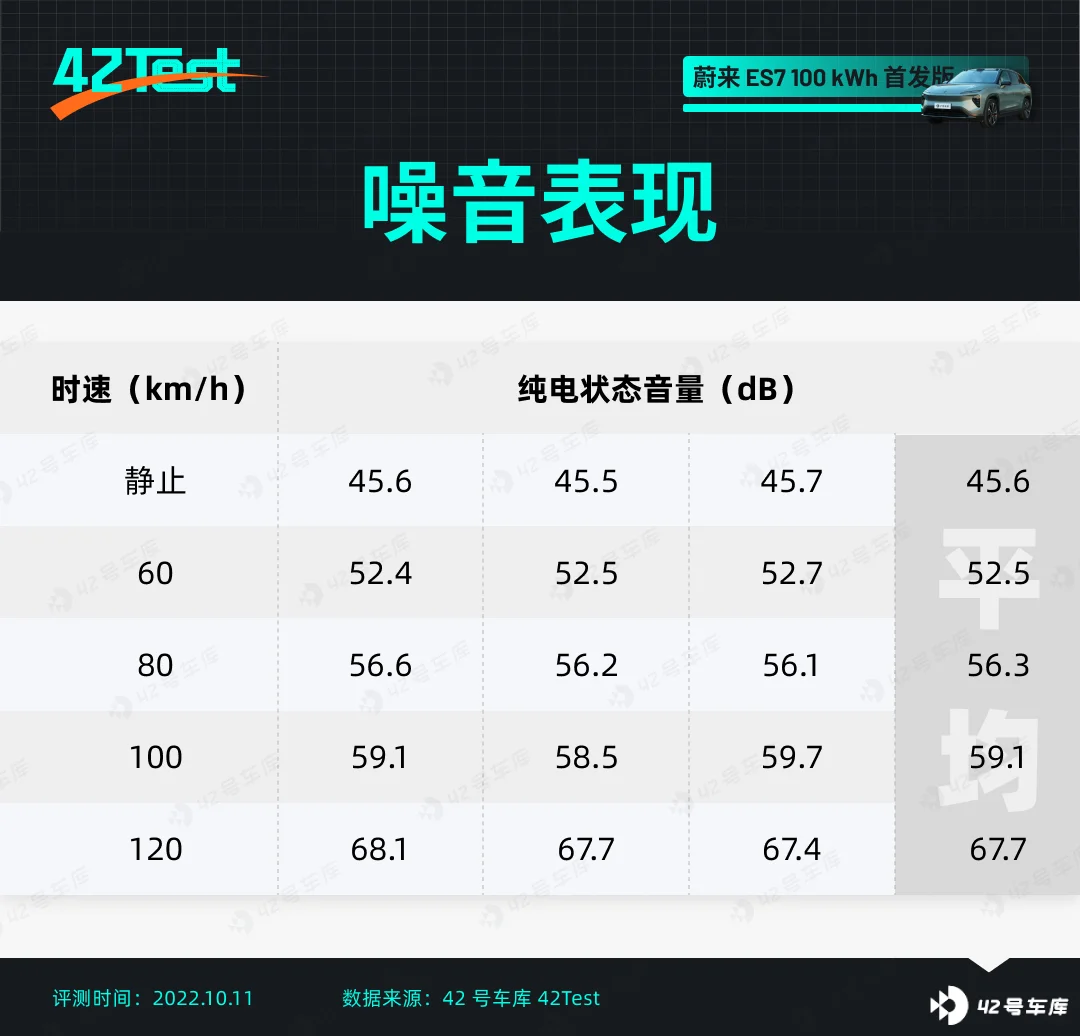
During the noise measurement test, we turned off all sound-producing functions including windows, air conditioning, audio system, and seat massage, while clearing the vehicle of any items that could affect the results. We then drove on a closed track at speeds of 60, 80, 100, and 120 km/h, collecting three noise samples near the driver’s ear at each speed to calculate an average. The specific results are as follows.
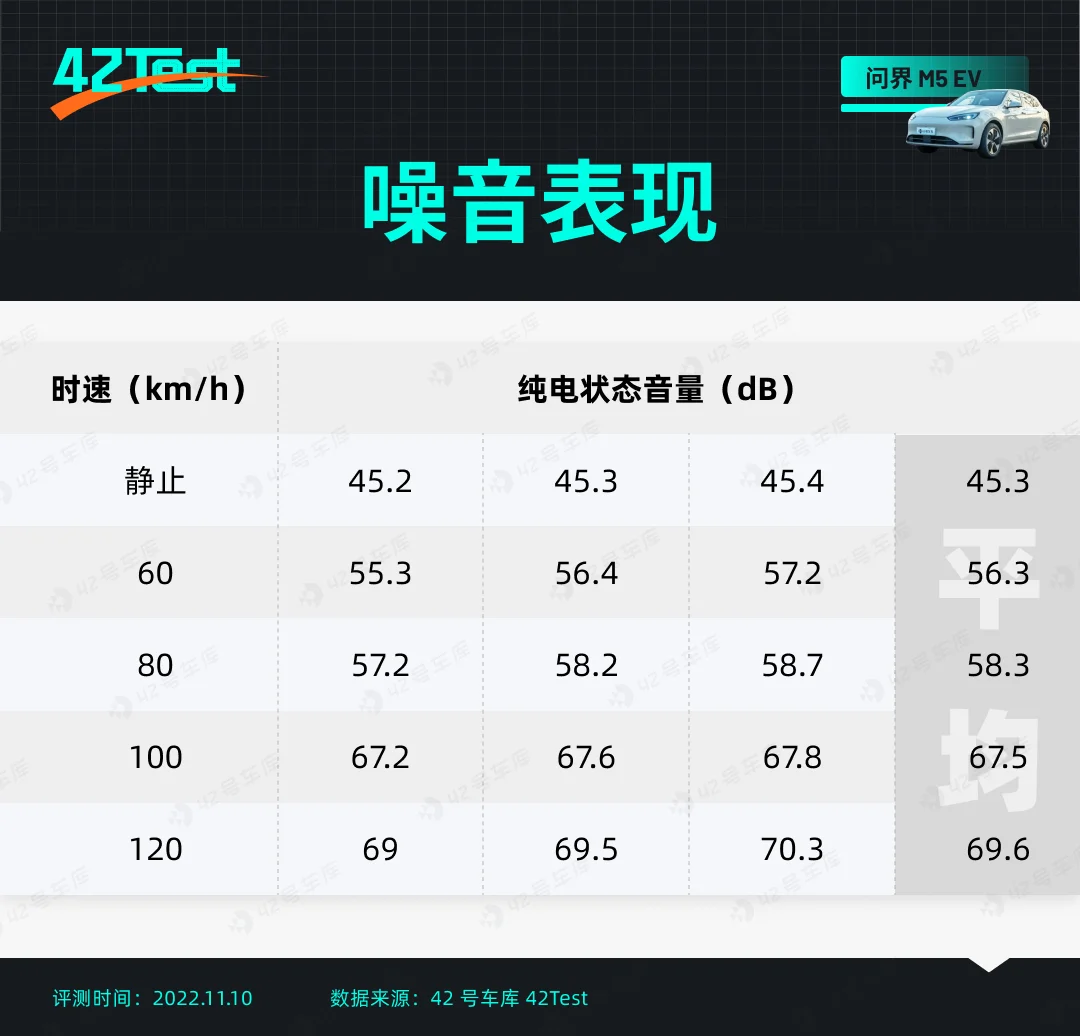
As expected, thanks to the laminated glass, the AITO M5 EV performs reasonably well in terms of noise insulation at speeds below 100 km/h.
However, when speeds exceed 100 km/h, noise levels increase significantly, reaching nearly 70 dB at 120 km/h, which is somewhat loud.
If these figures are hard to visualize, I’ll use the noise data from the ES7 for comparison. The ES7 also features laminated glass and framed doors. As you can see, the ES7 is quieter at all tested speeds, with a particularly significant advantage at 100 km/h.
04Exterior and Interior: Growing Youthfulness
The AITO M5 EV has been officially on the market for over two months, and show cars are already available in dealerships. Those interested in this vehicle have likely seen it in person.
Below, I will discuss some interesting aspects of the car’s exterior and interior, as well as details that may have been overlooked.
Exterior: Appealing More to Women
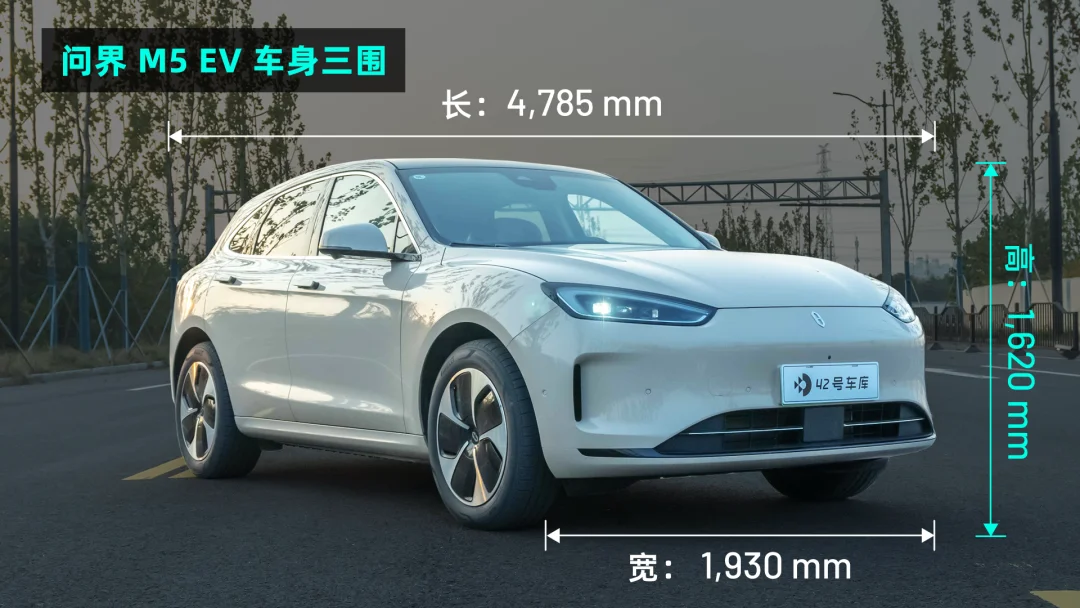
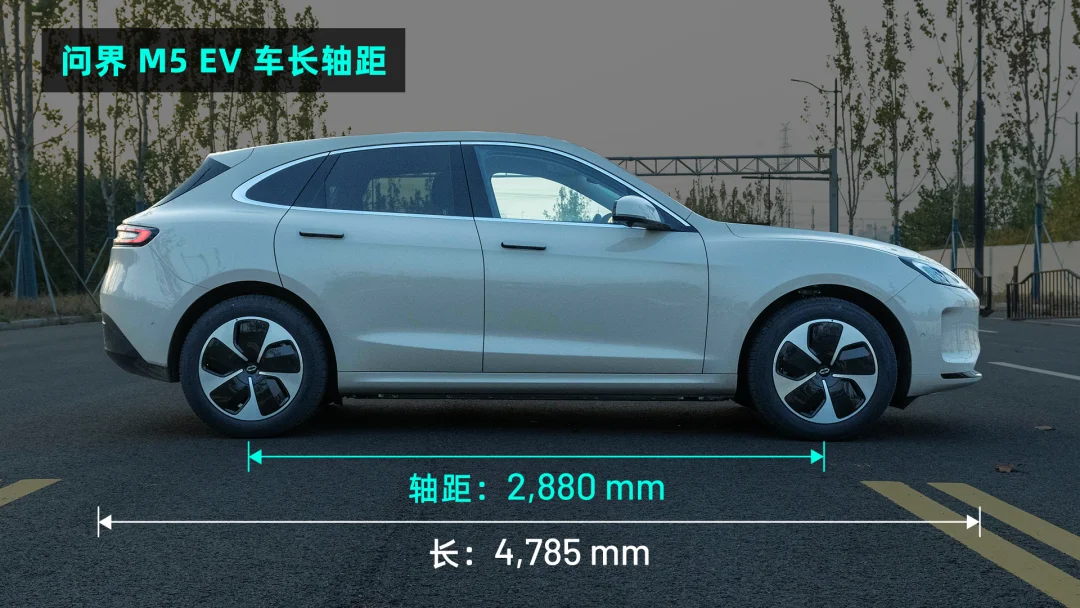
As shown in the diagram, the overall dimensions and wheelbase of the AITO M5 EV are comparable to those of the Model Y, another mid-size SUV.
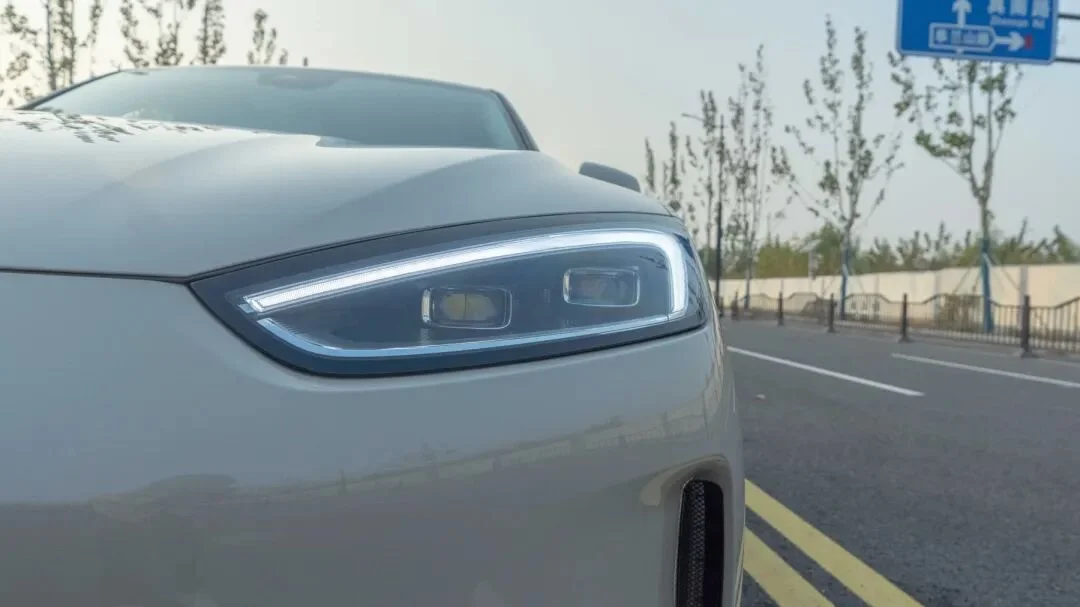
Viewed from directly ahead, the only difference between the M5 EV and the extended-range version is the removal of the large central grille, replaced by a seamless, closed-off front fascia.
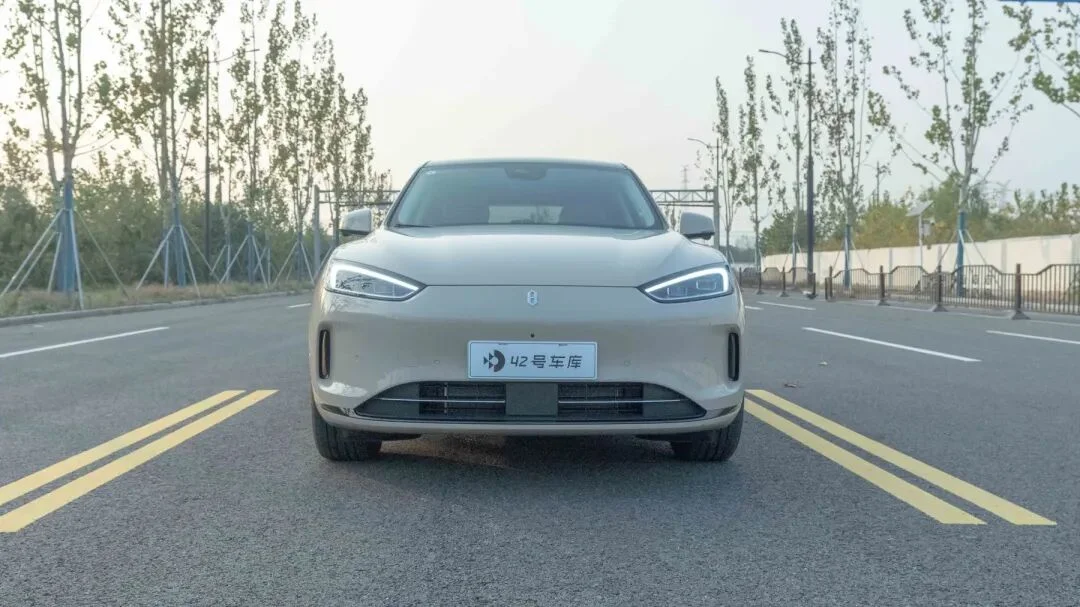
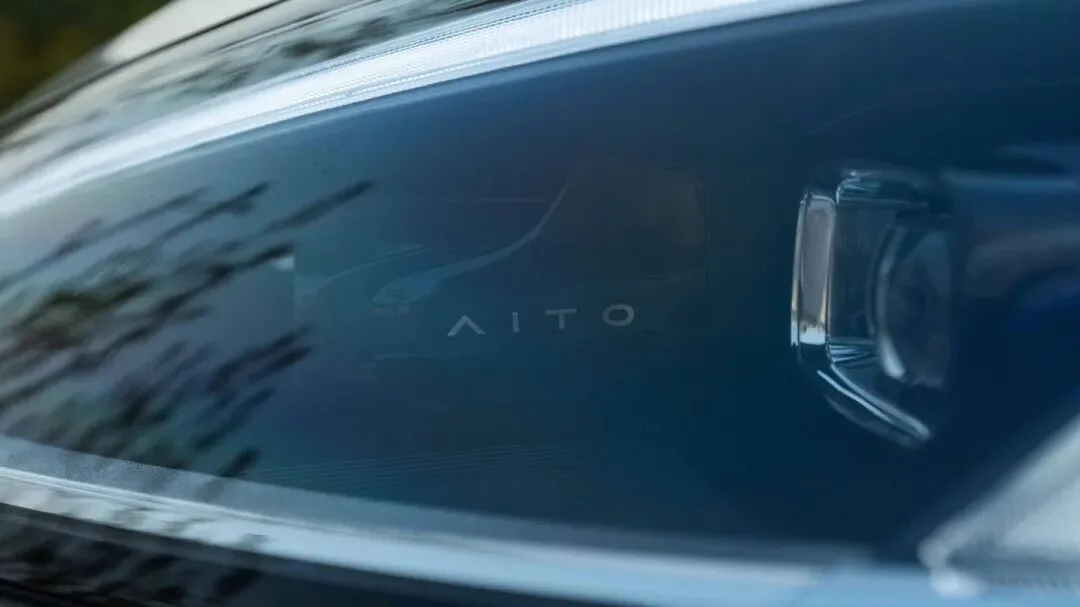
At a distance, the headlights appear identical to those on the extended-range model, but closer inspection reveals that the EV version uses a dual-bulb design with 'AITO' lettering embossed on the side.
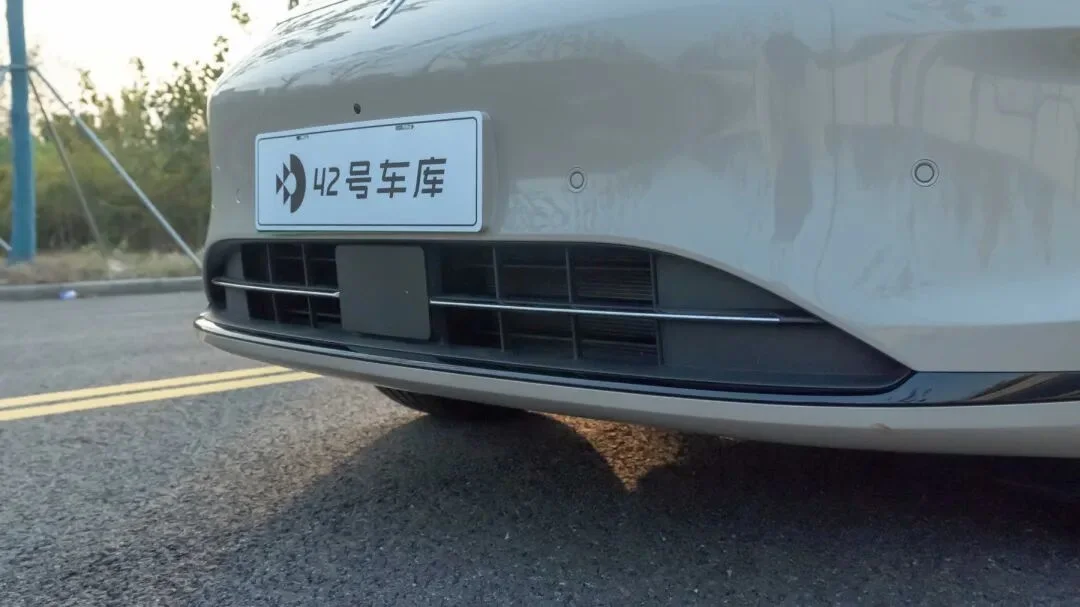
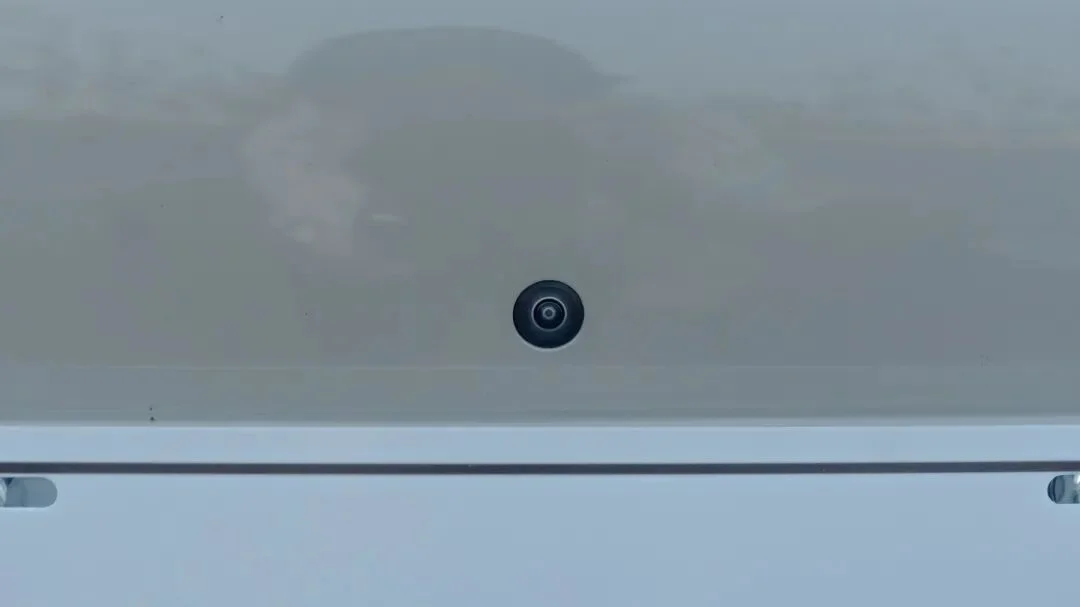
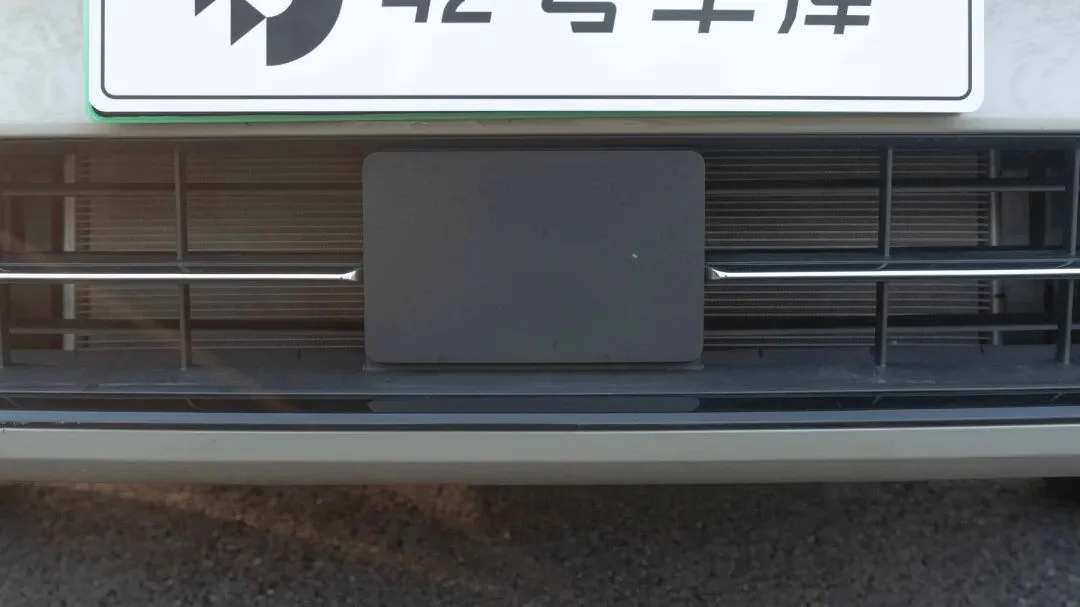
The air intake below the license plate has been reduced to the standard size for pure electric vehicles. The forward-facing surround-view camera is now mounted above the license plate area.
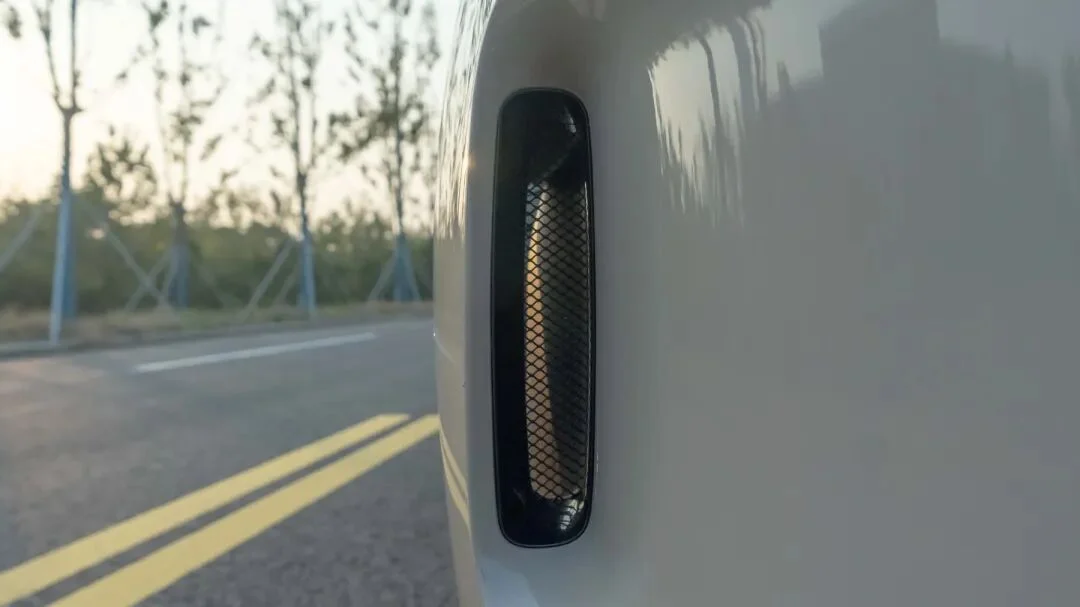
The air curtains on both sides are not merely decorative; they are functional, through-flow ducts designed to reduce aerodynamic drag.
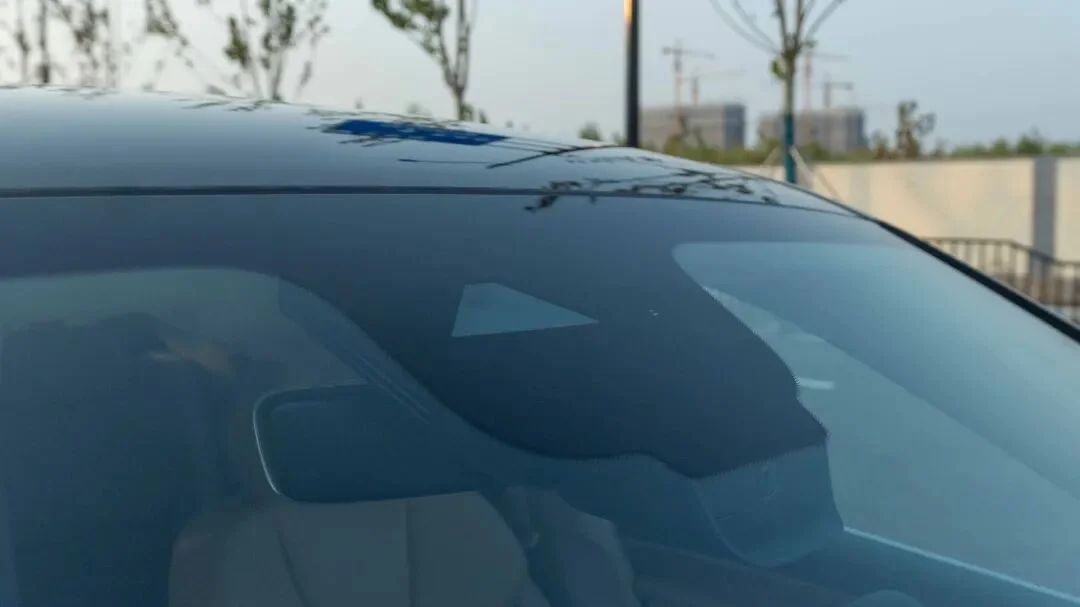
The driver assistance system remains consistent with other AITO models, utilizing a single-camera and front millimeter-wave radar solution sourced from Bosch.
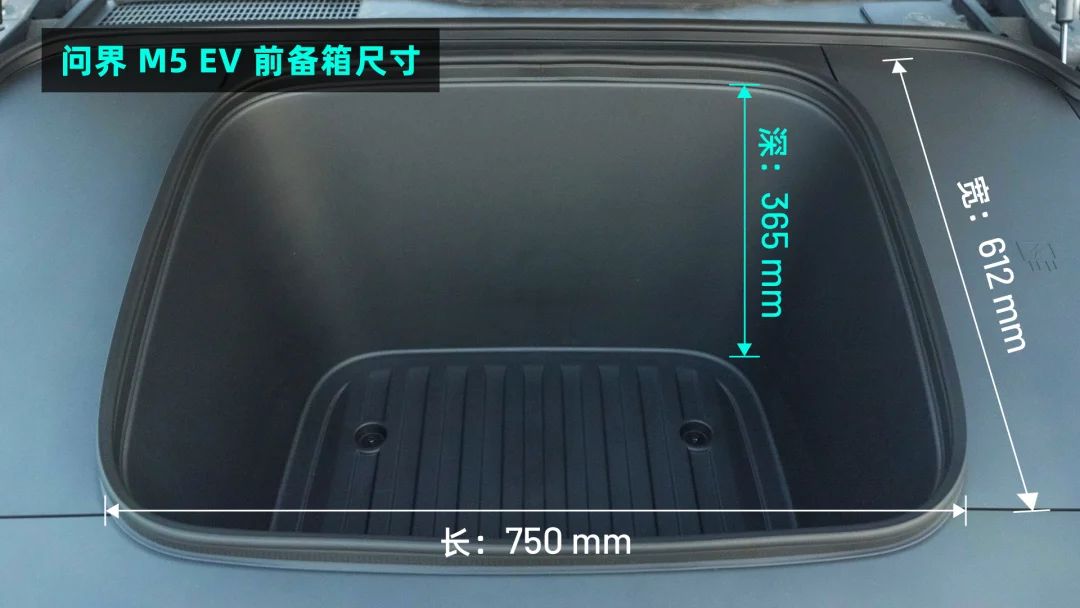
The AITO M5 EV features a frunk of substantial size, capable of holding most items purchased during a typical supermarket trip. However, due to its roughly square shape, it cannot accommodate a 20-inch carry-on suitcase. Additionally, the frunk lacks a physical release handle and can only be opened via the central infotainment screen.
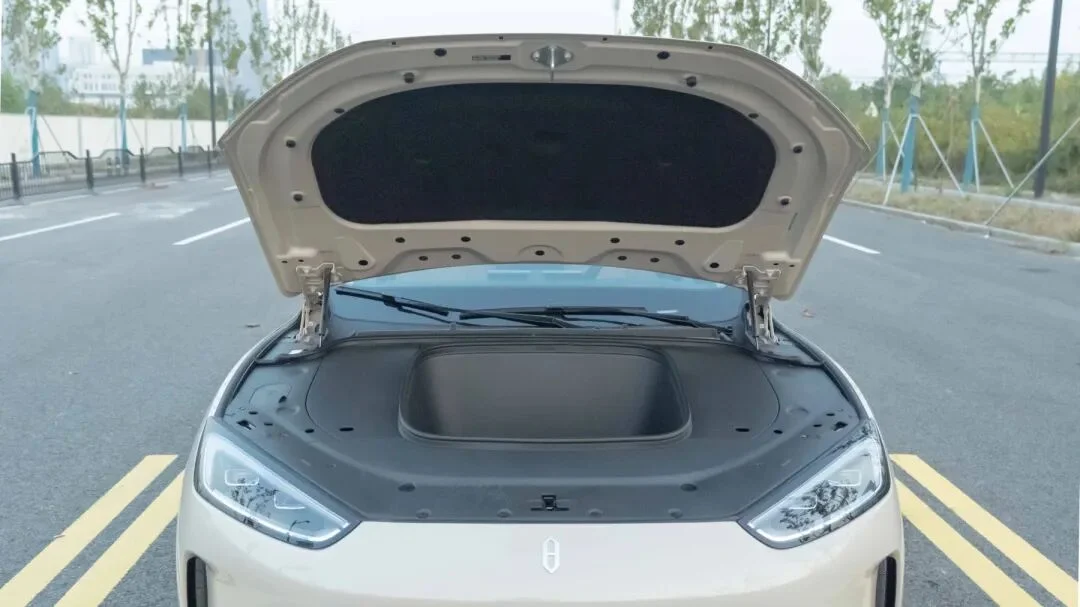
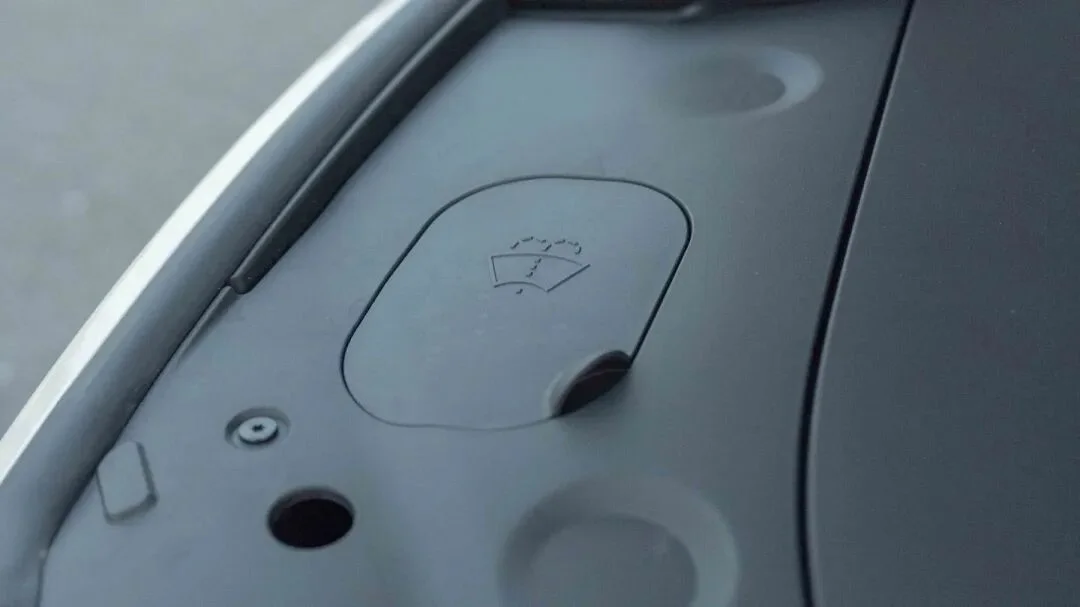
The washer fluid filler neck is located on the left side of the front compartment, requiring the removal of a cover panel for access.
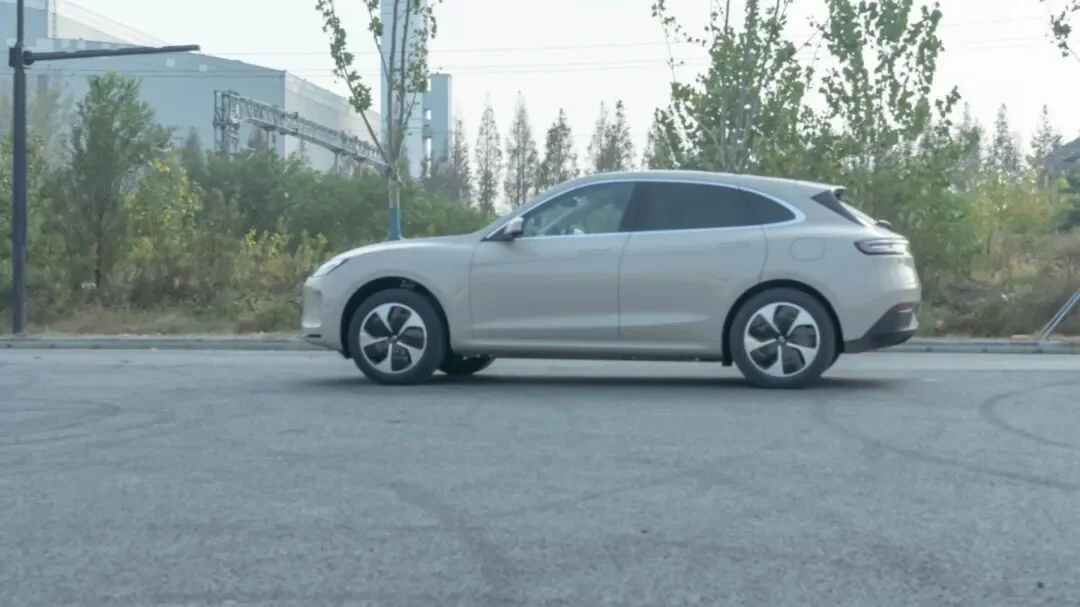
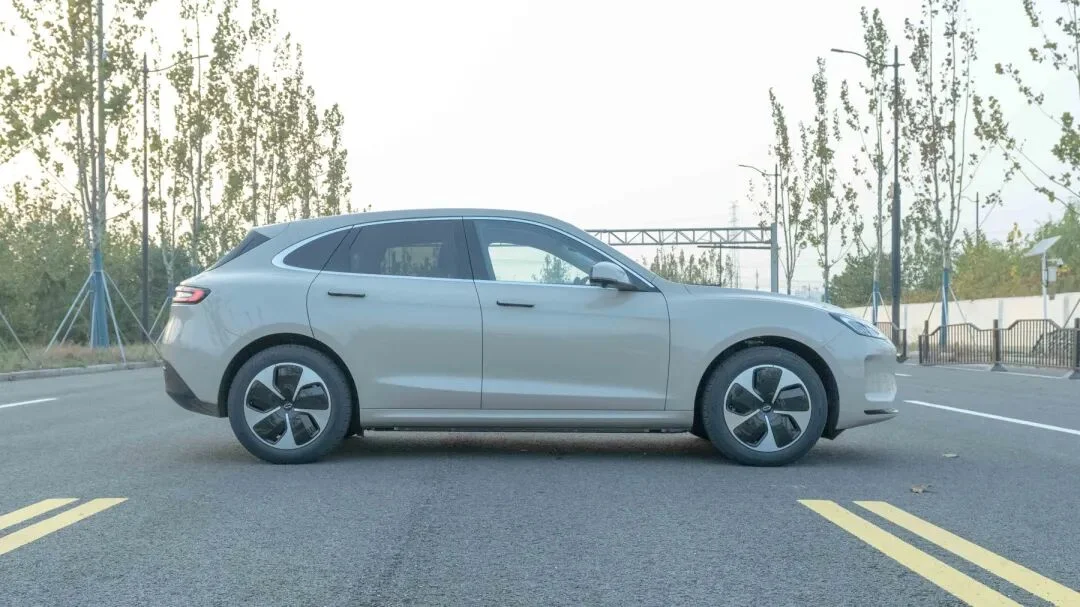
From the side profile, the AITO M5 EV features a notably long front end, occupying nearly one-third of the vehicle's total length. The roofline begins to slope downward before reaching the B-pillar, but at a gentle angle that preserves adequate headroom for rear passengers.
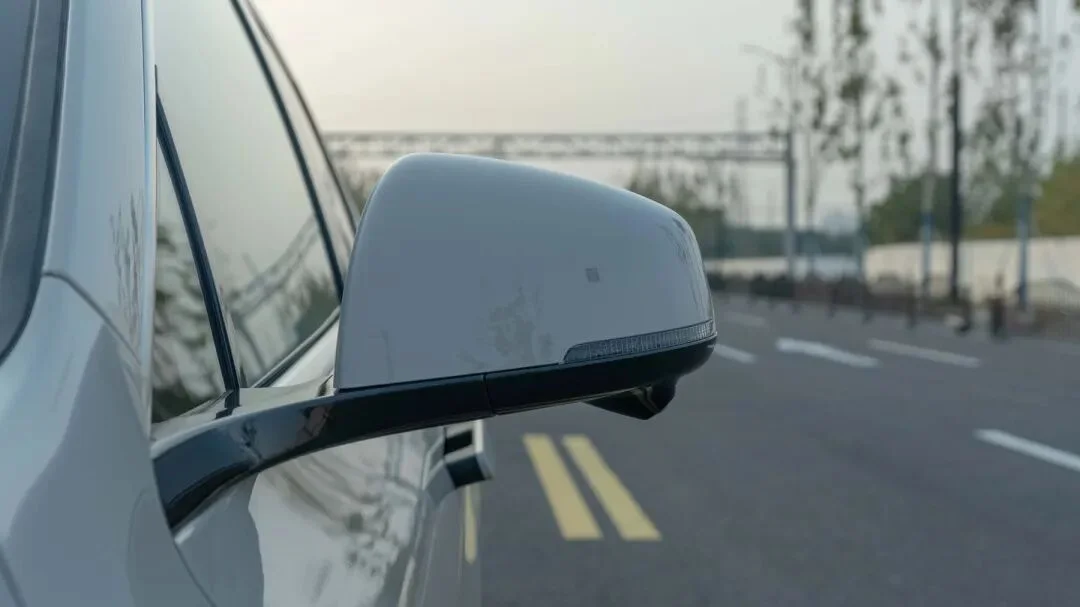
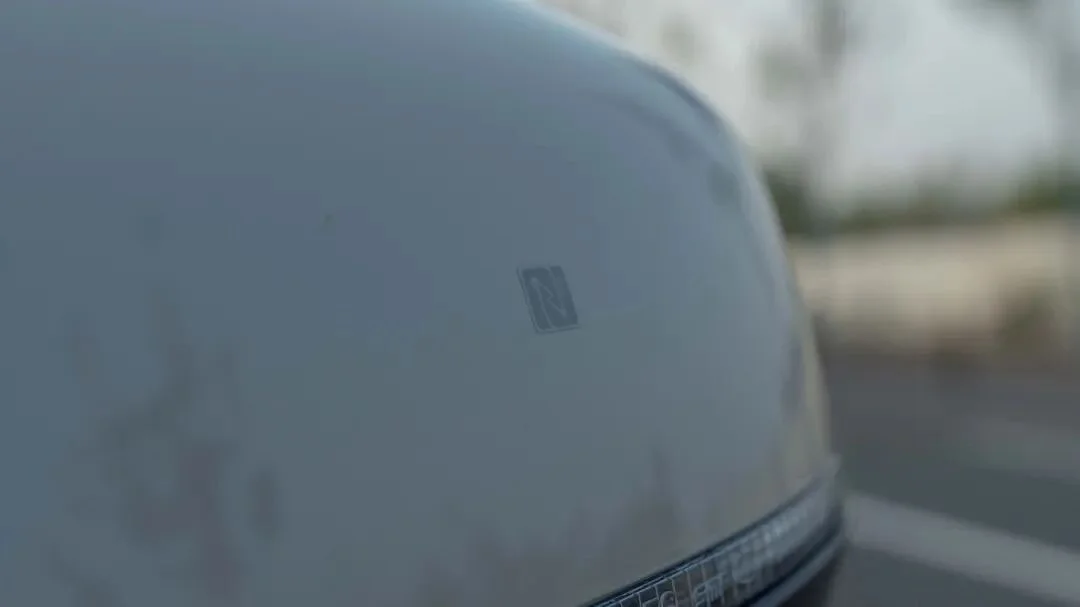
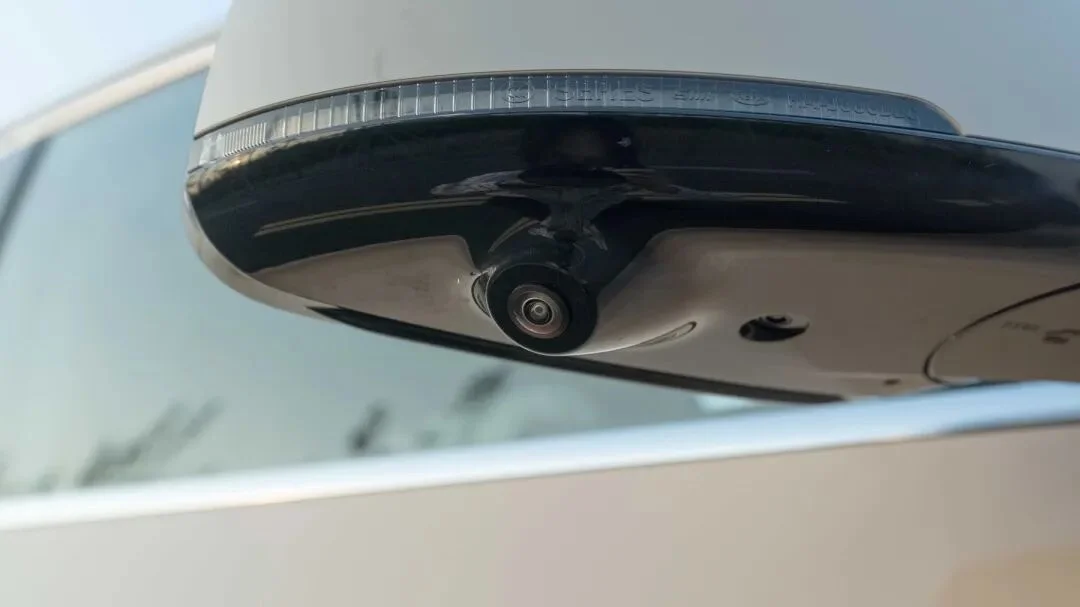
The NFC sensing module is placed on the left-side exterior mirror of the driver's seat, and the side surround-view camera is positioned below the mirror.
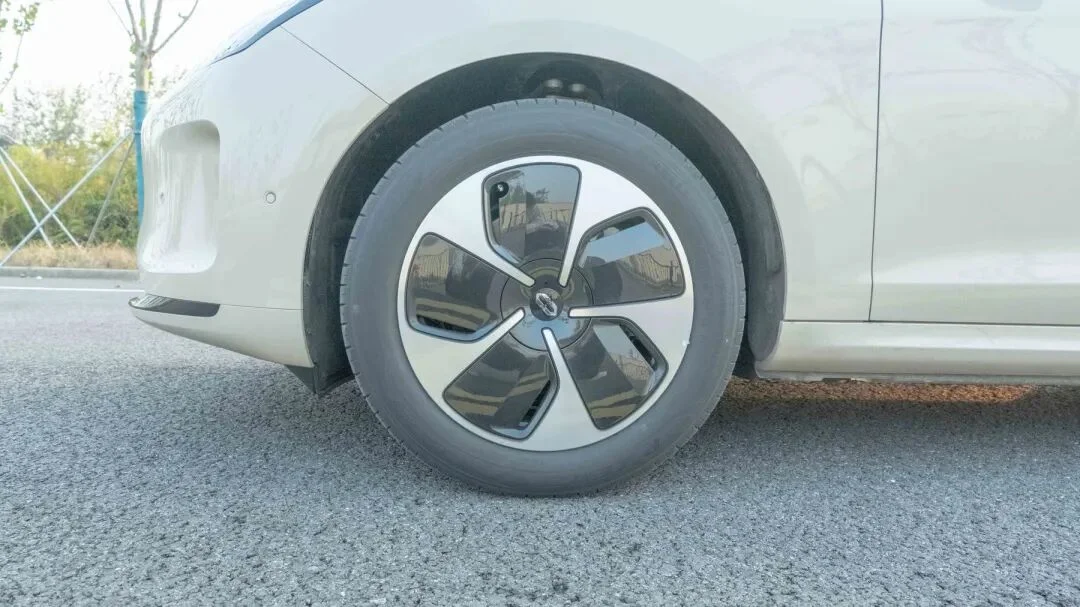
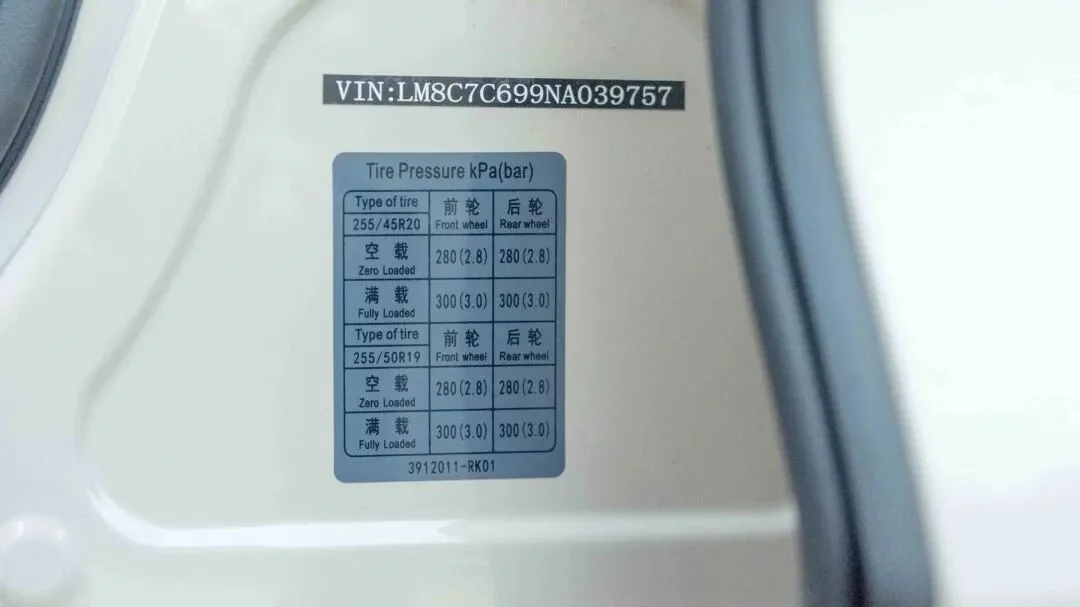
The wheels are low-drag designs, but with a five-spoke petal shape distinct from the extended-range version. The recommended tire pressure is 2.8 bar.
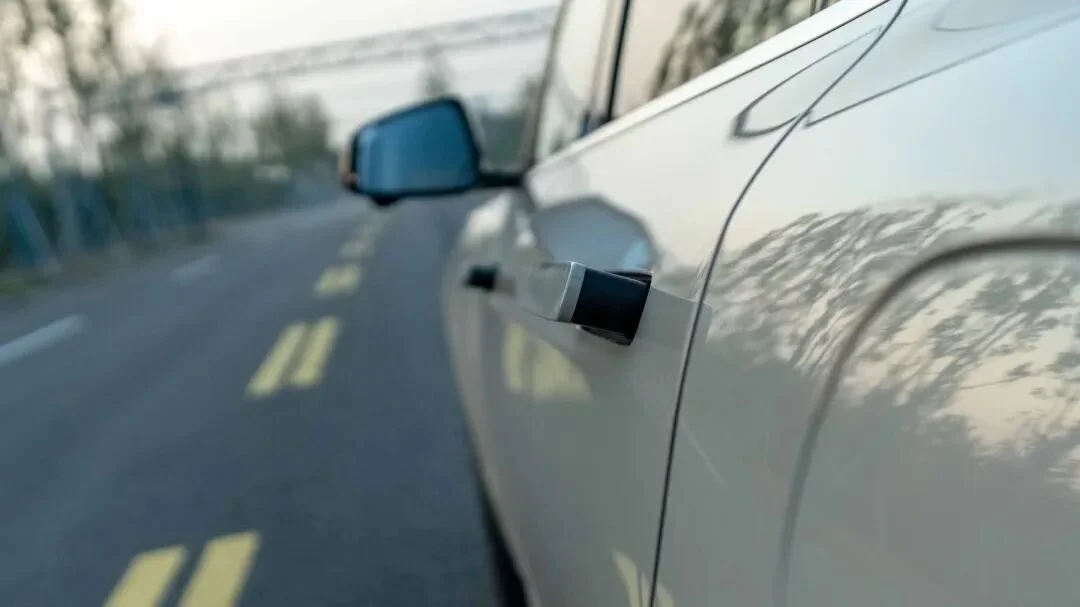
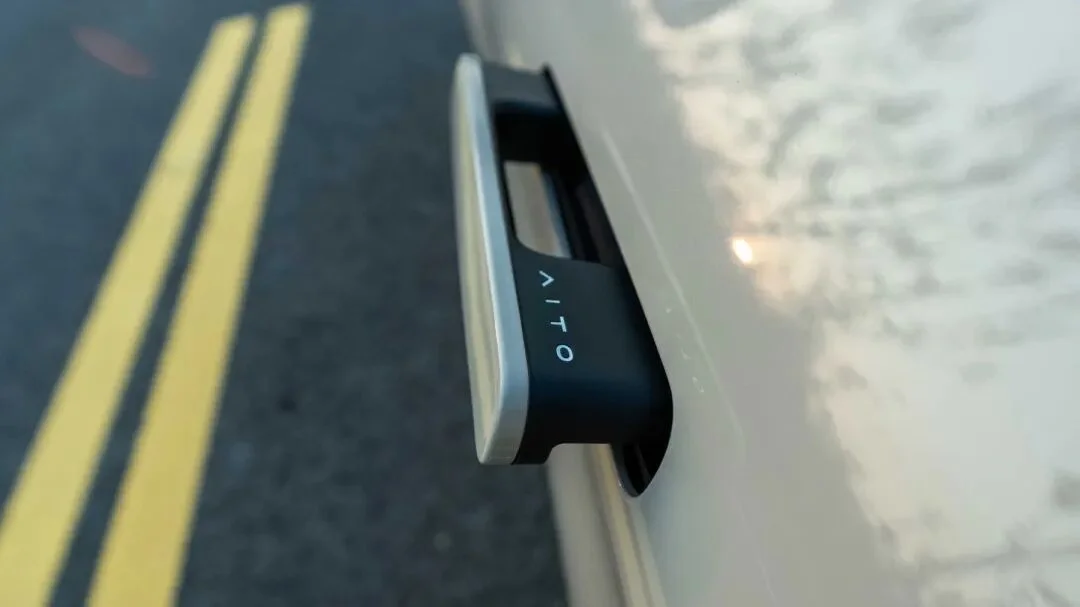
The door handles feature a hidden pop-out design, with "AITO" lettering embossed on the interior surface.
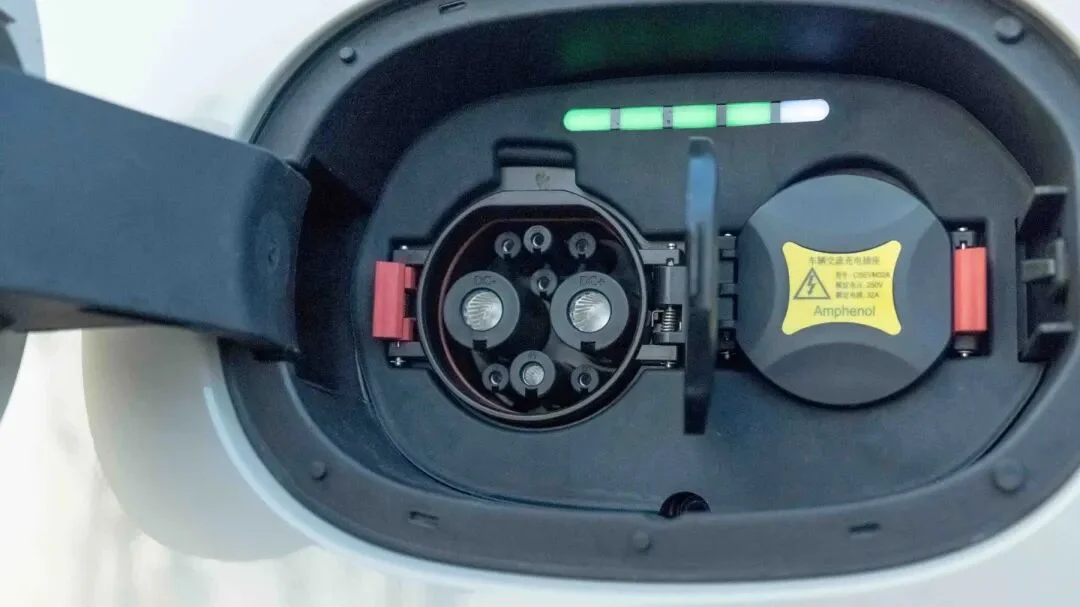
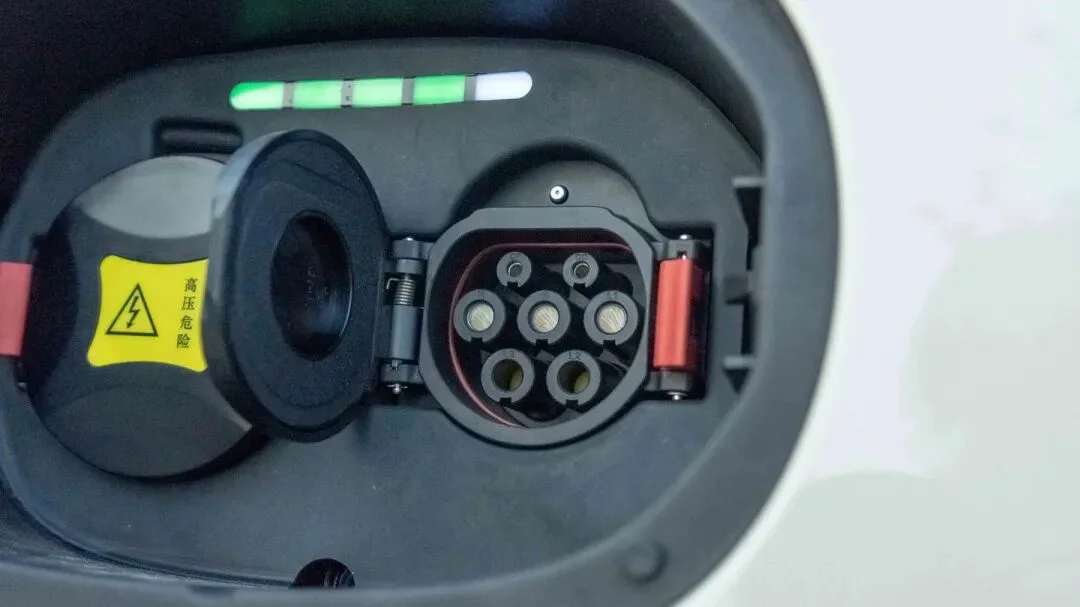
Both charging ports are located on the rear left side, protected by covers. An energy indicator light above the ports displays the approximate battery level. The ports cannot be opened manually from the outside; they must be unlocked via the central infotainment system.
Let me show you the waistline on the C-pillar.
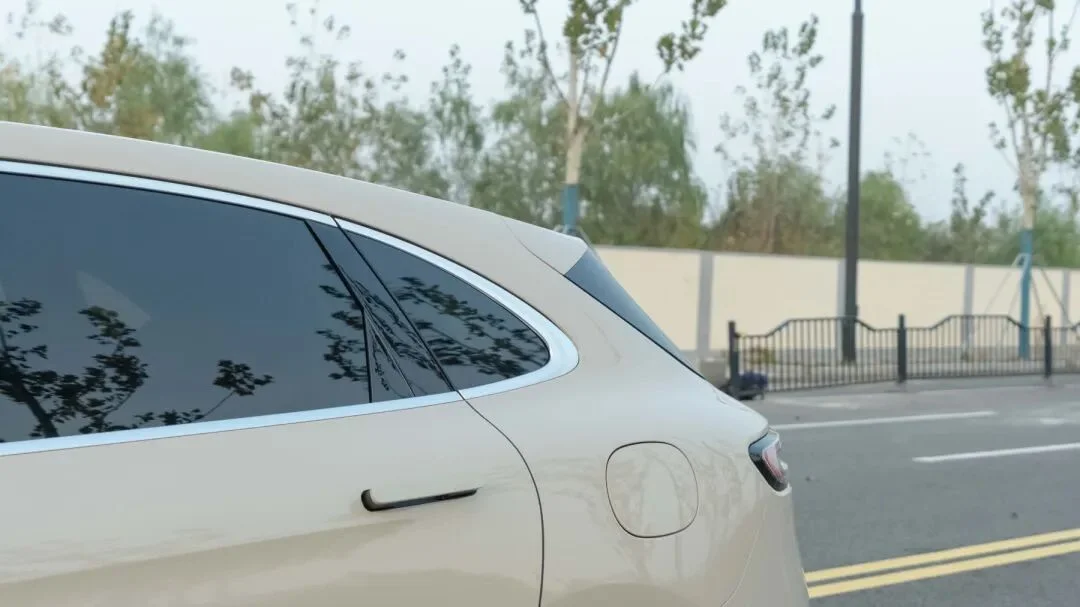
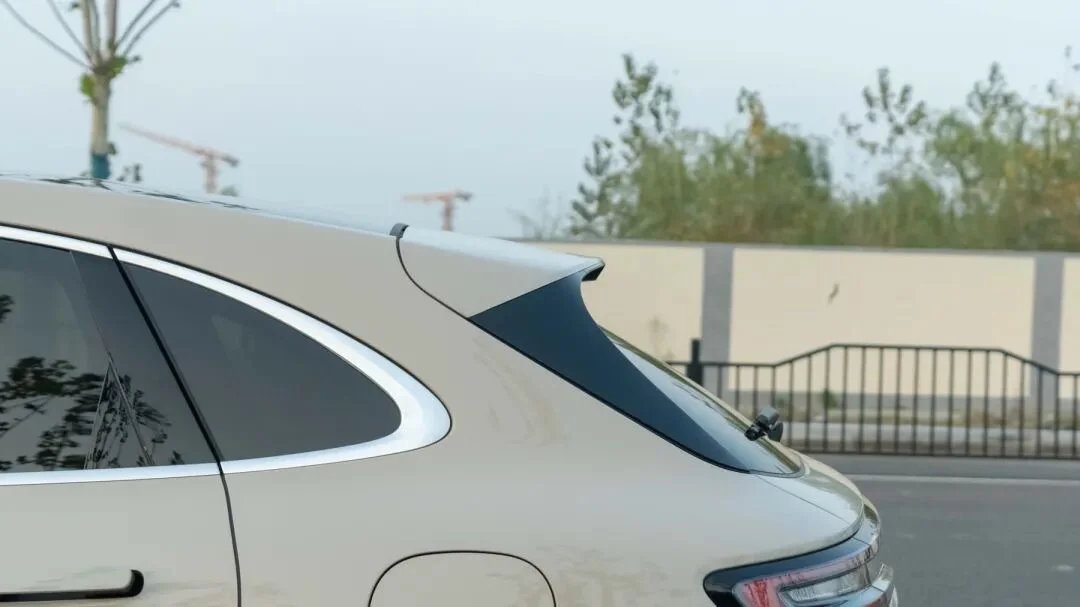
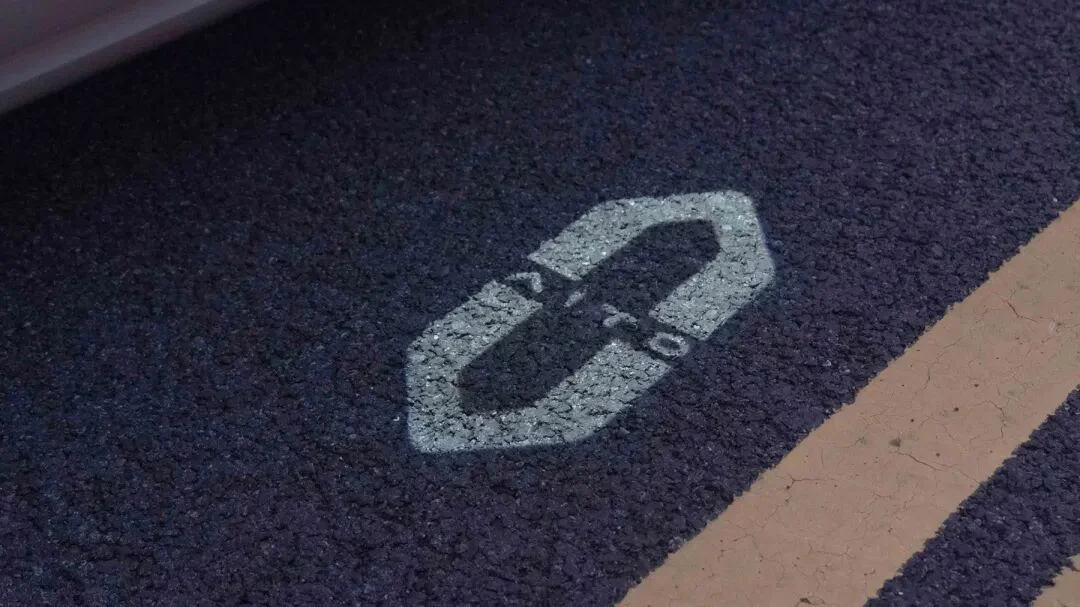
When unlocking and approaching the vehicle, welcome lights projecting the AITO logo illuminate on both sides, adding a sense of ceremony.
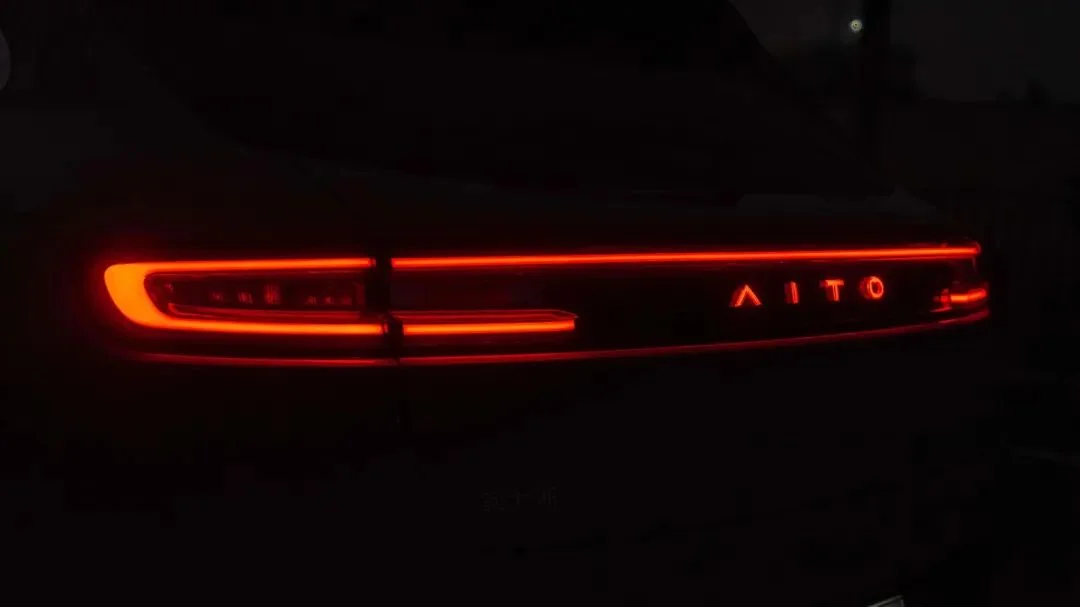
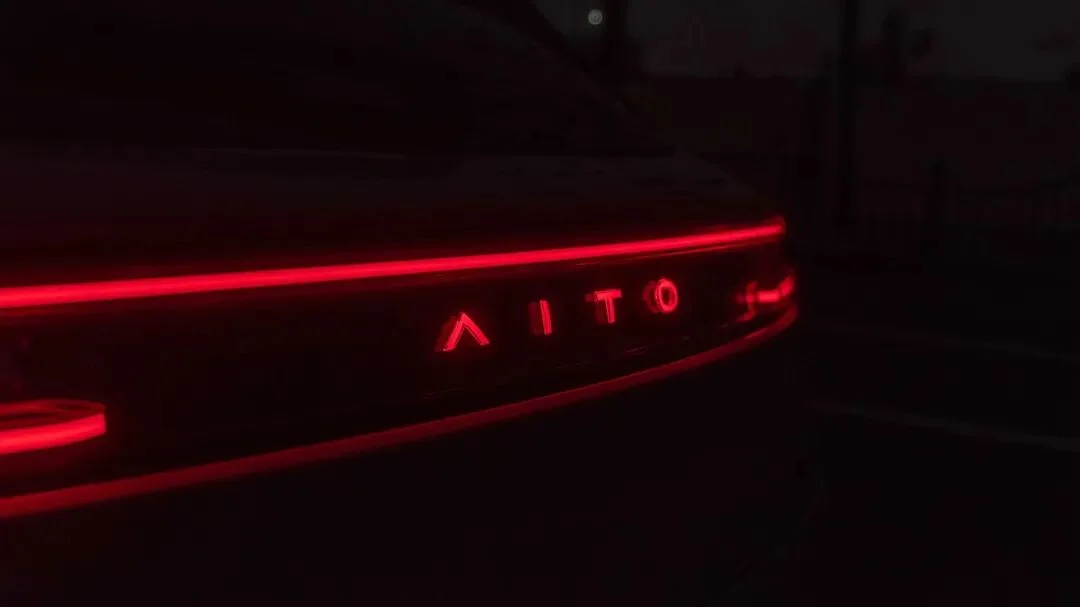
At the rear, the most prominent feature is the full-width taillight, with the "AITO" lettering integrated into the light bar.
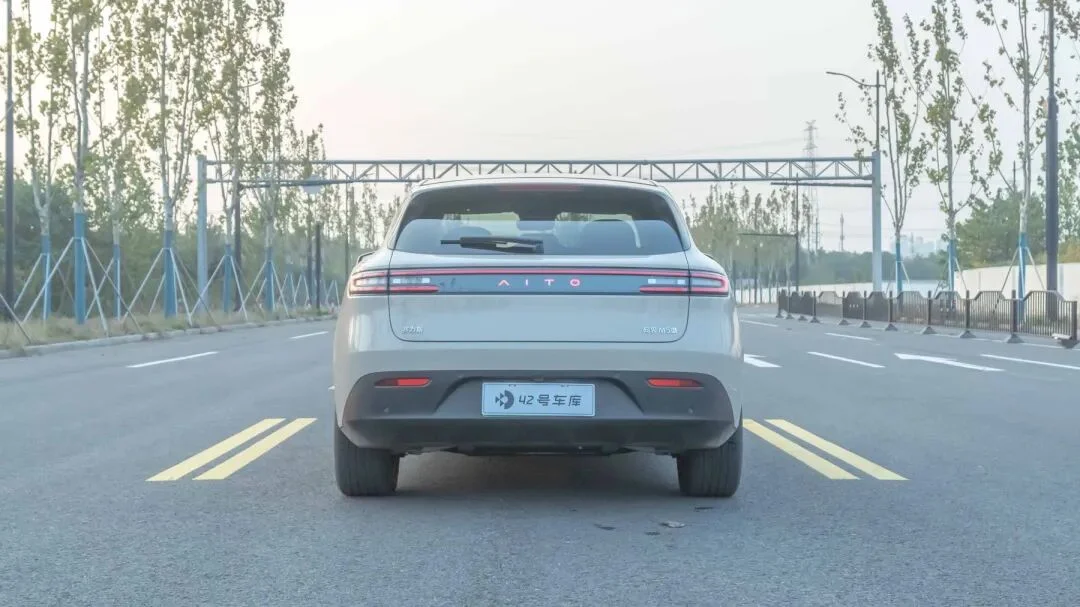
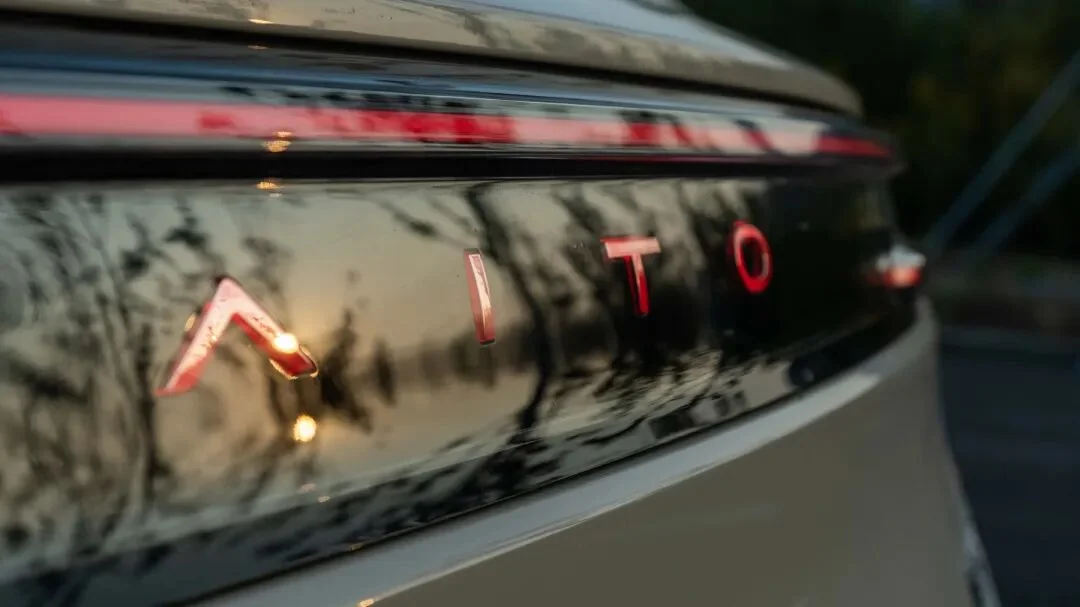
We took some photos of the taillights after dark for you to enjoy.
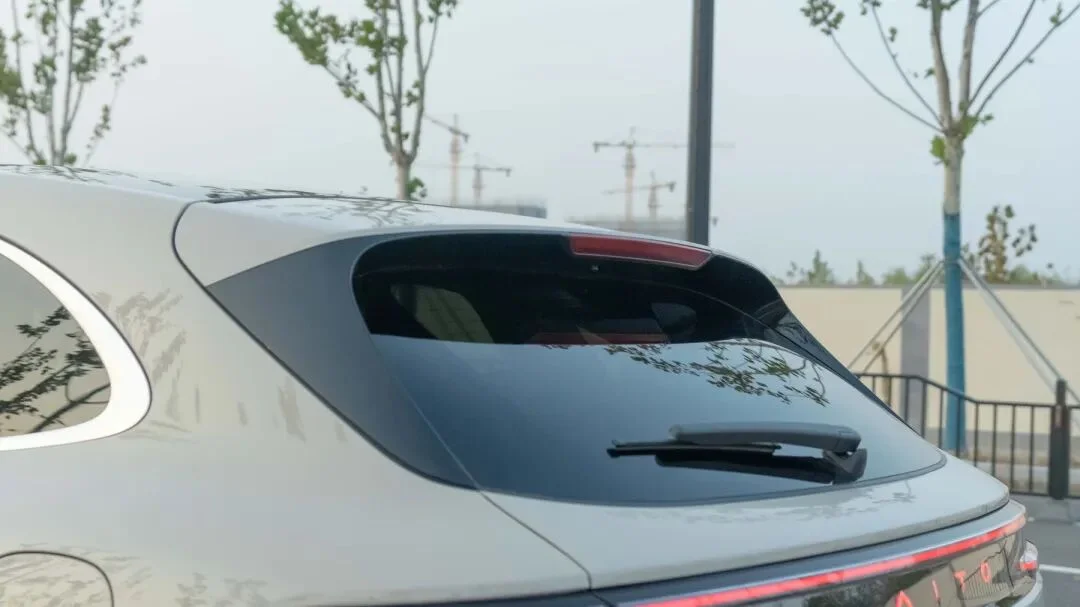
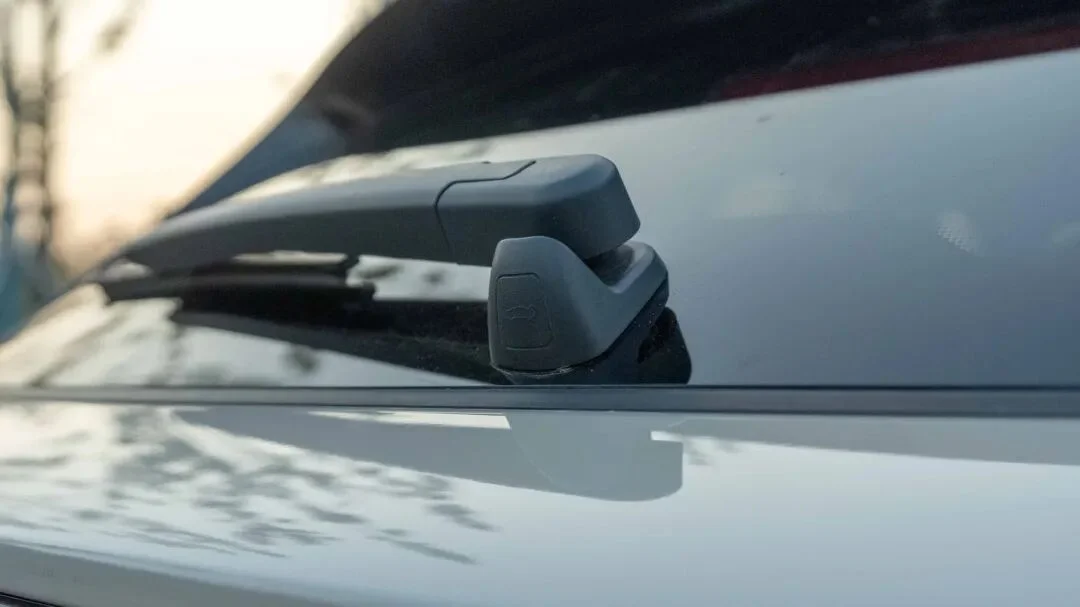
The rear wiper is not hidden in the spoiler; it remains in its conventional position. The trunk release is also not in the usual spot but located at the base of the rear wiper.
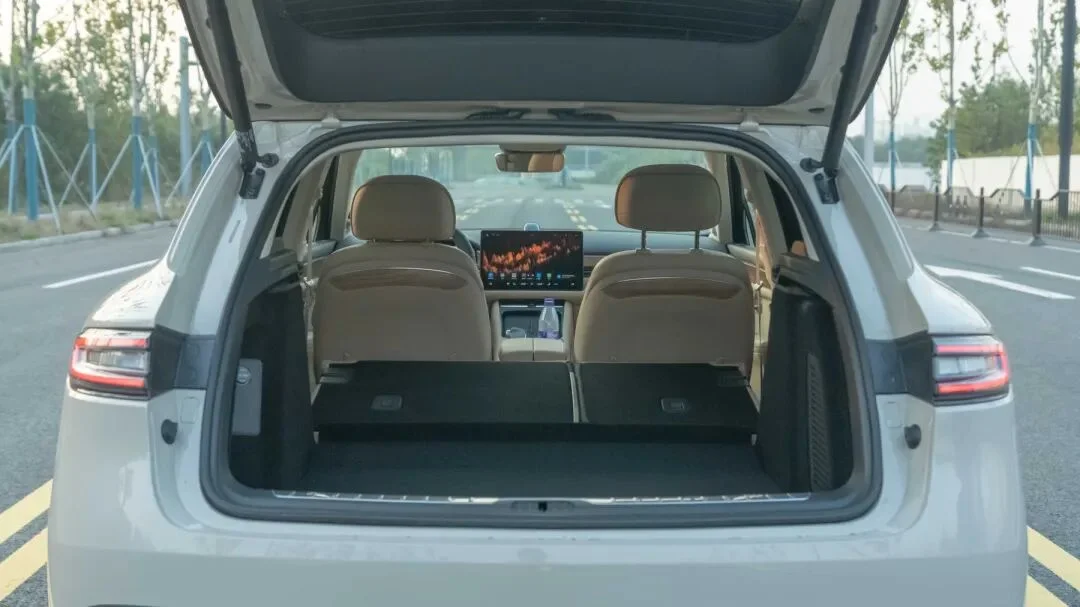
Opening the trunk reveals a liftgate design with a removable cargo cover.
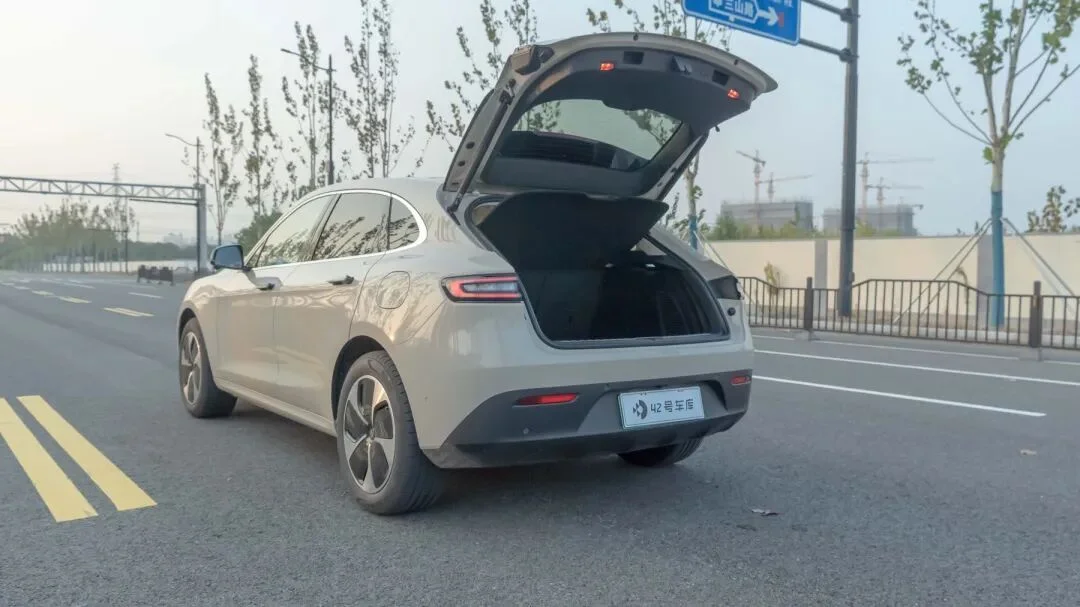
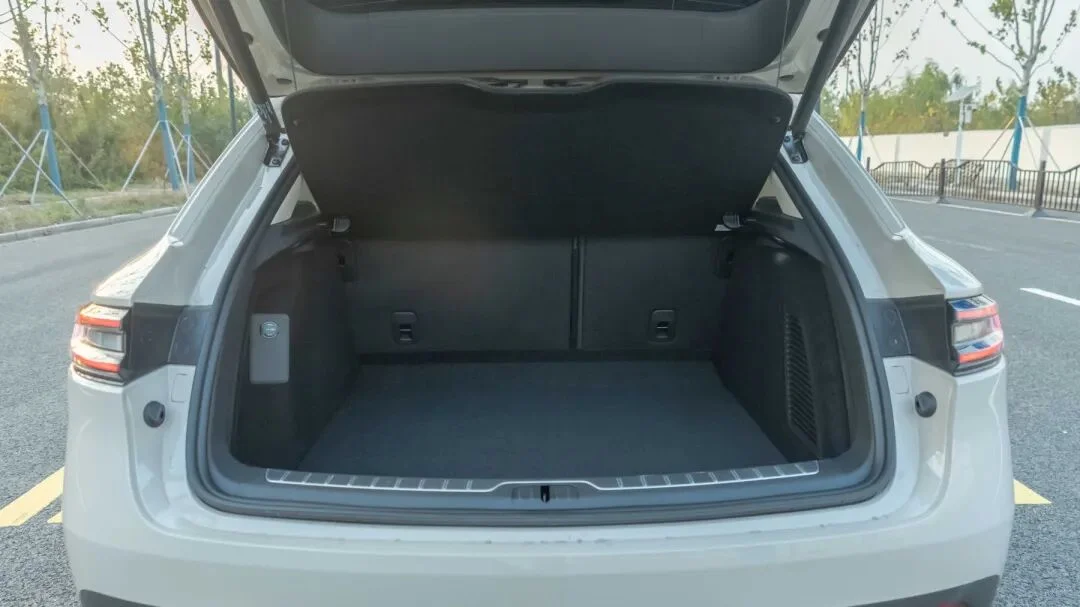
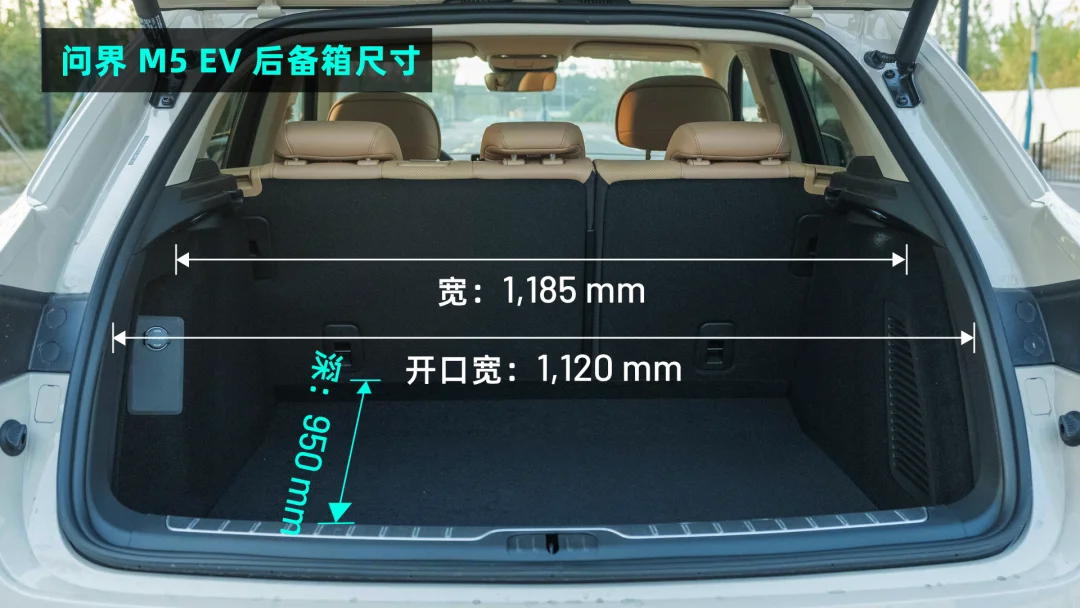
The trunk dimensions we measured are as follows.
On the left side of the trunk, there is a 120 W maximum car fast-charging port and an air vent; on the right side, there is only an air vent.
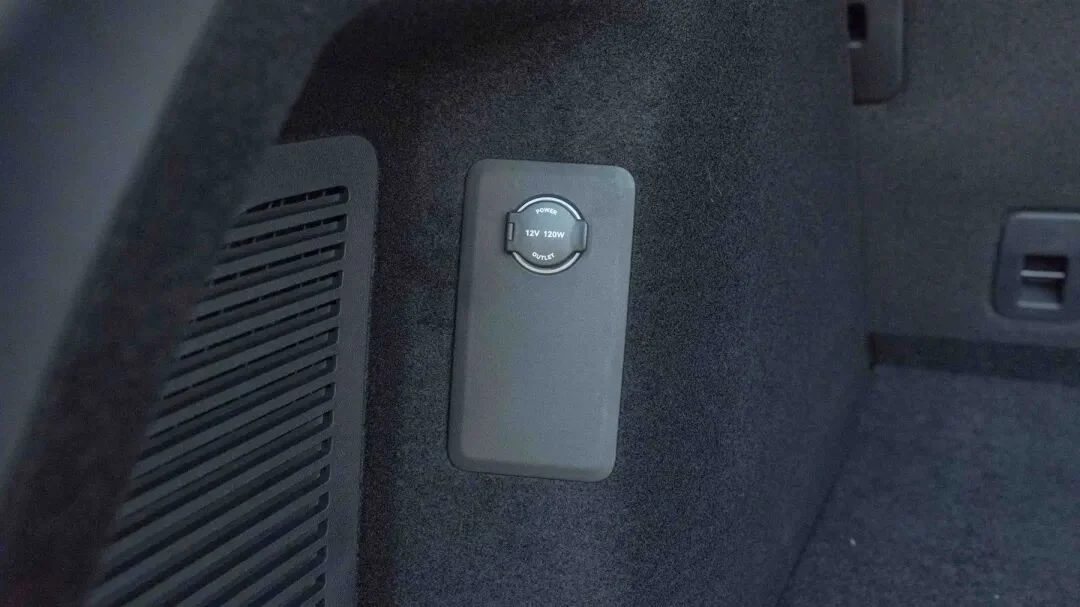
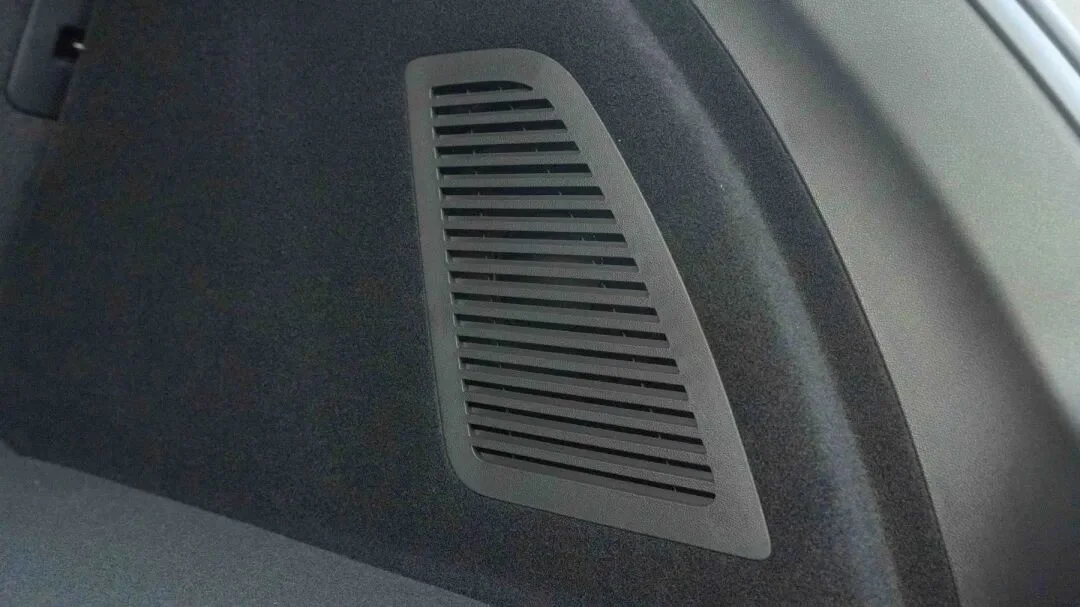
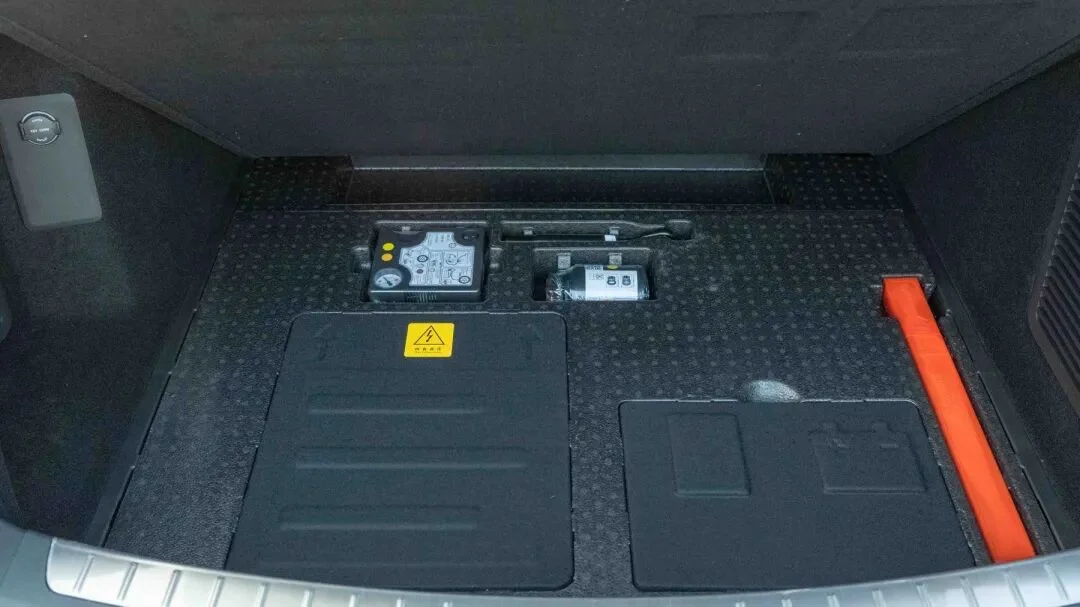
Lifting the trunk floor panel reveals various tools provided with the vehicle, but no additional space remains for extra items.
Removing the cargo cover further expands the trunk space, and the rear seats also support 4/6 split folding.
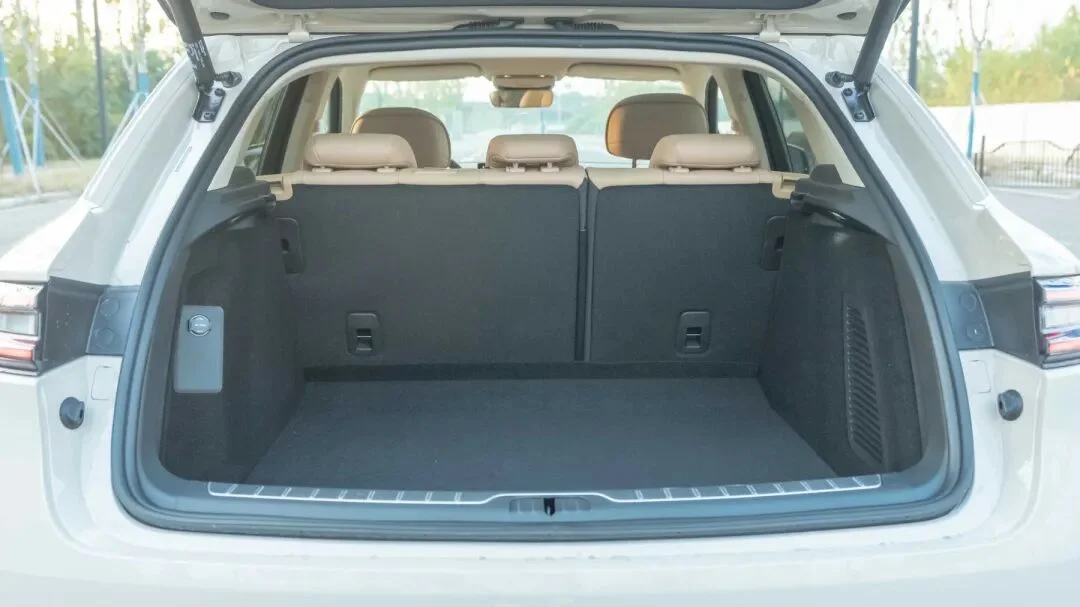
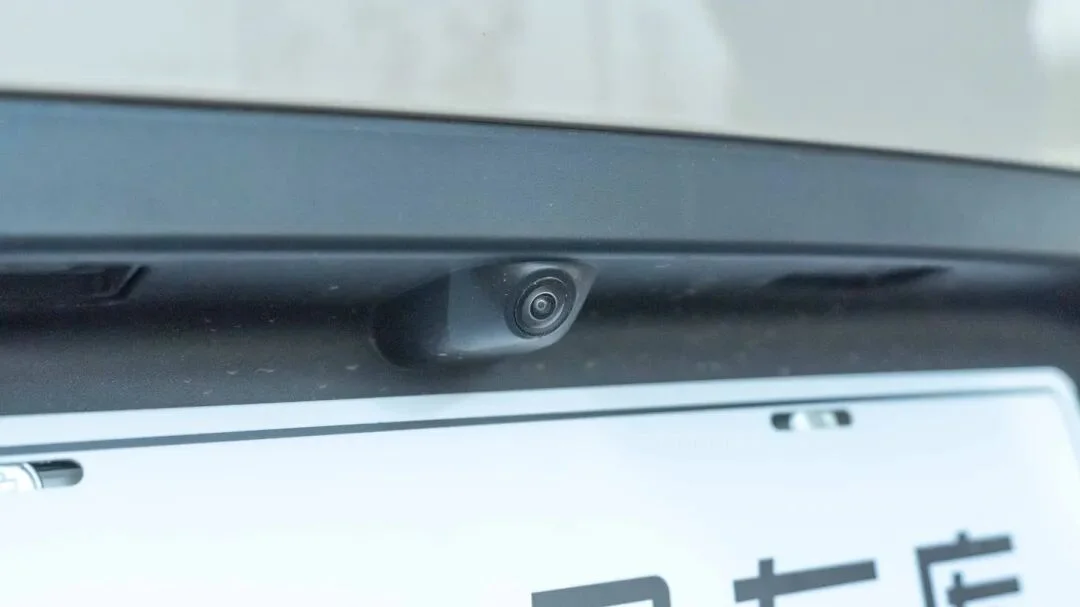
The rearview camera is positioned above the license plate; because it sits relatively low to the ground, it may require frequent cleaning to keep the backup camera image clear.
That covers the exterior. Let’s get inside to see what has changed in the interior.
Interior: Still Smart, But Brown Isn’t My Style
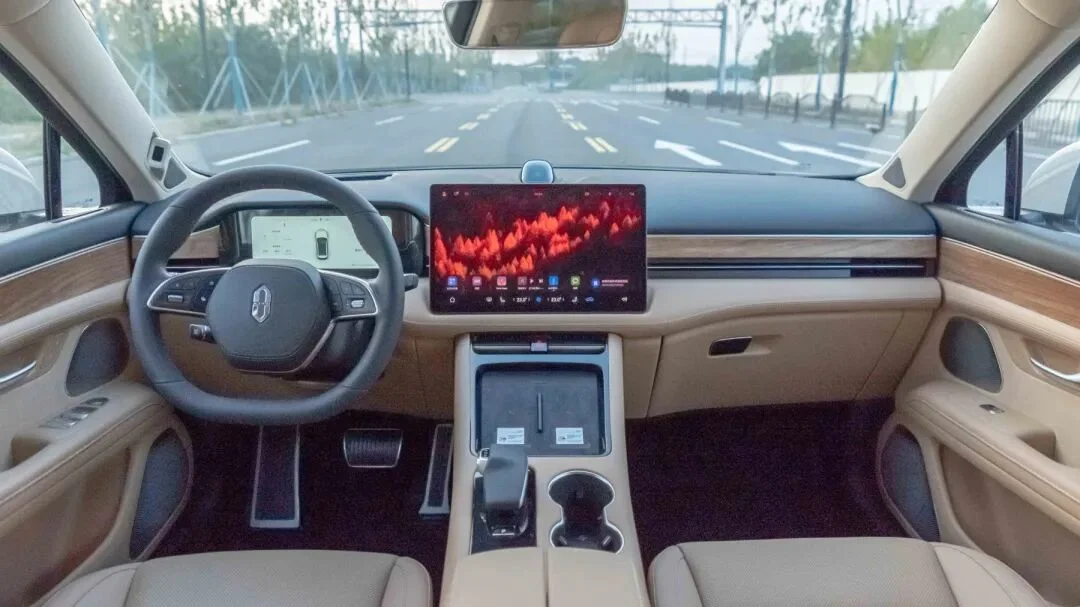
Let’s start with the interior. Our test car features a brown trim, which I personally wouldn’t choose; an apricot hue would likely appeal to more buyers.
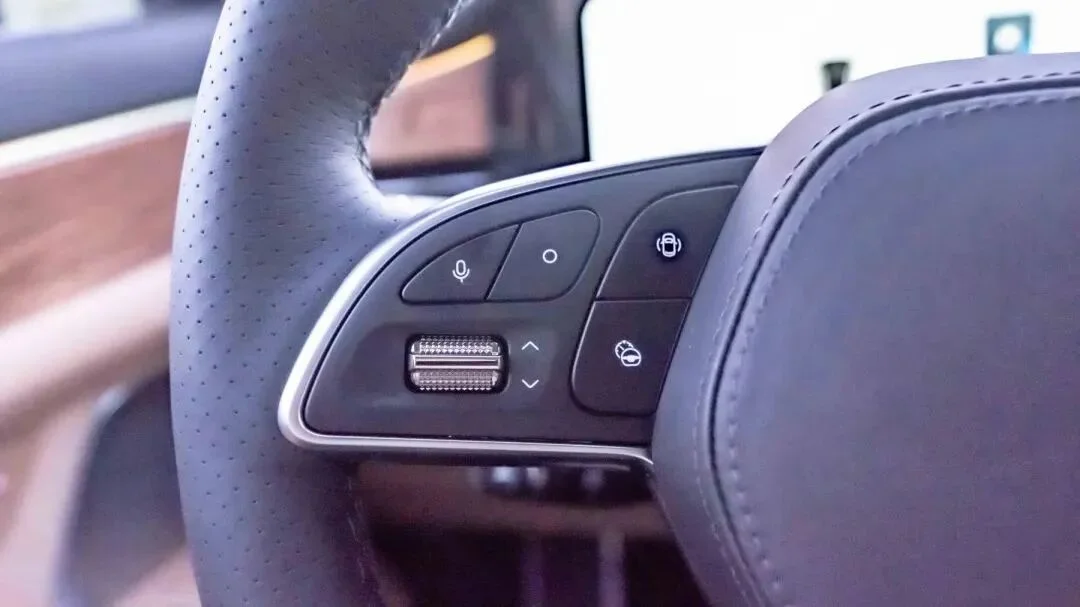
The steering wheel adopts the two-spoke design popular in electric vehicles. On the left side are the voice command button, a customizable shortcut key, a stalk for adjusting the instrument cluster display, the automatic parking button, and the driver-assistance controls.
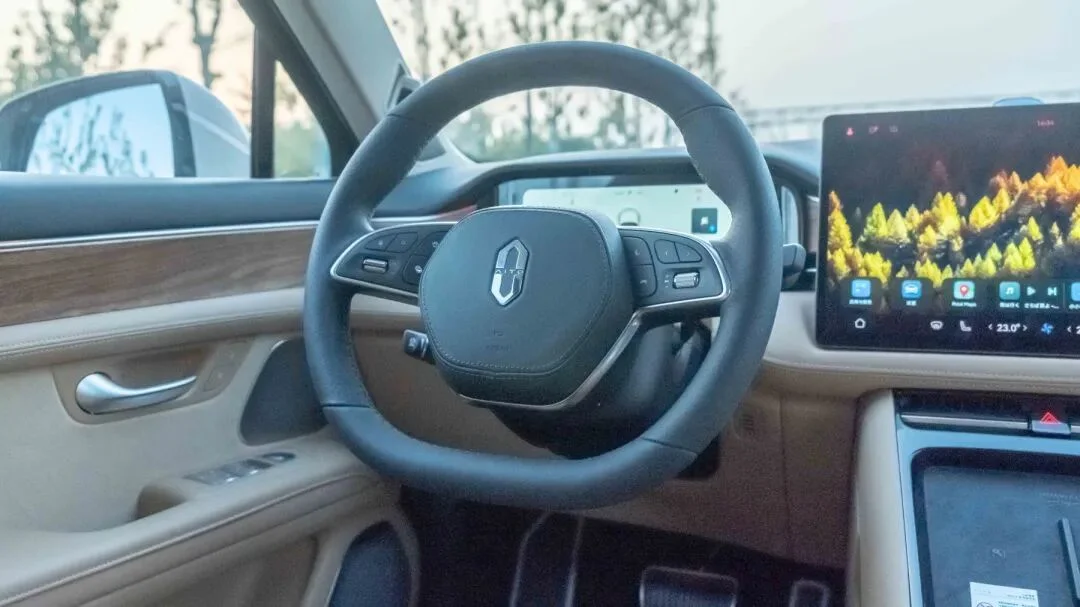
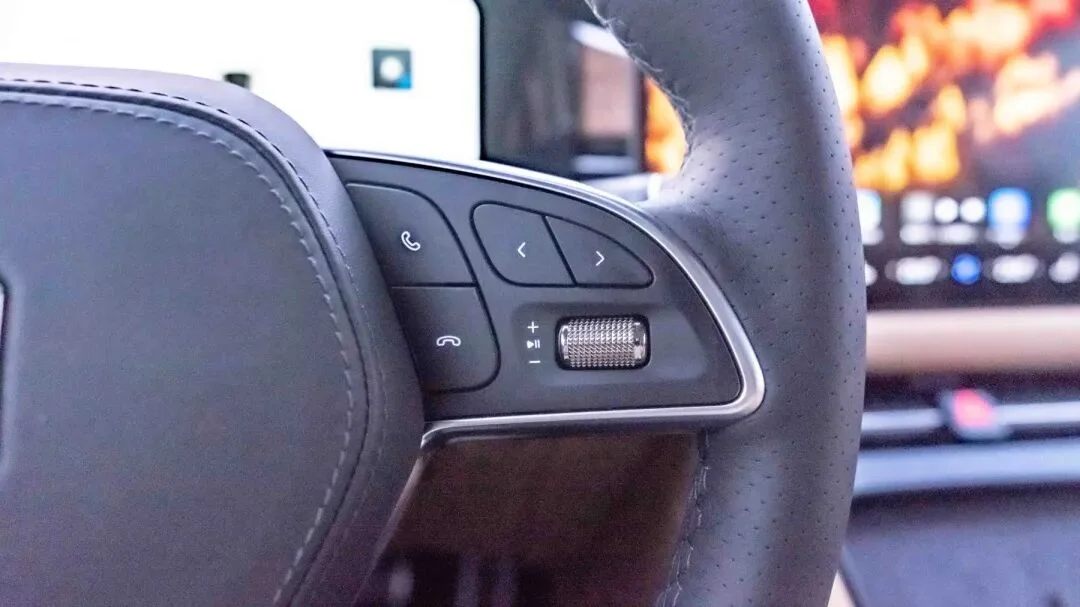
On the right side are buttons for answering and ending calls, left and right directional keys, and a scroll wheel for media playback control and volume adjustment.
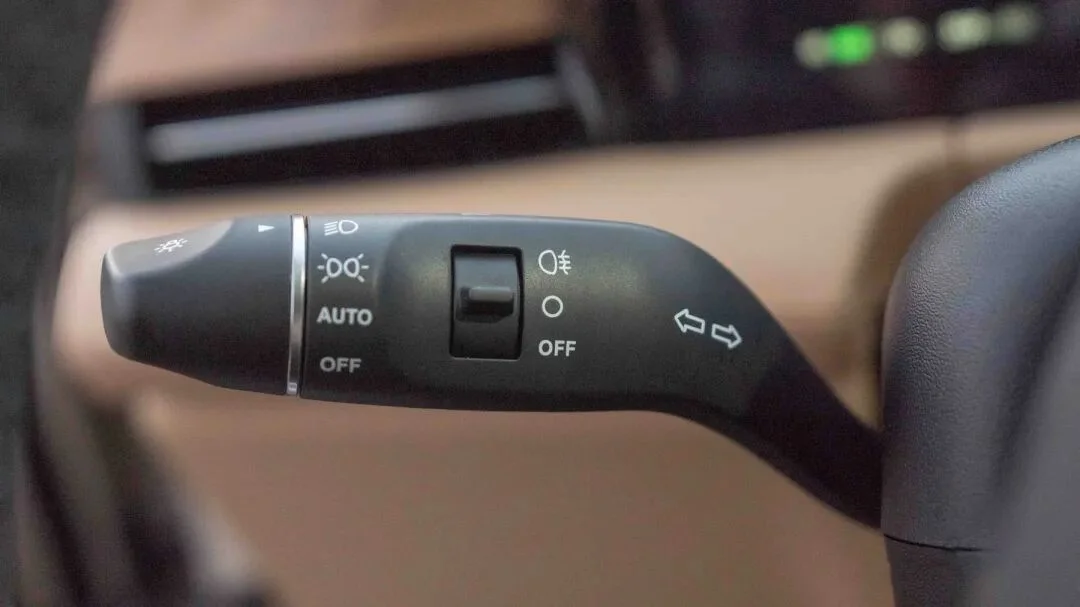
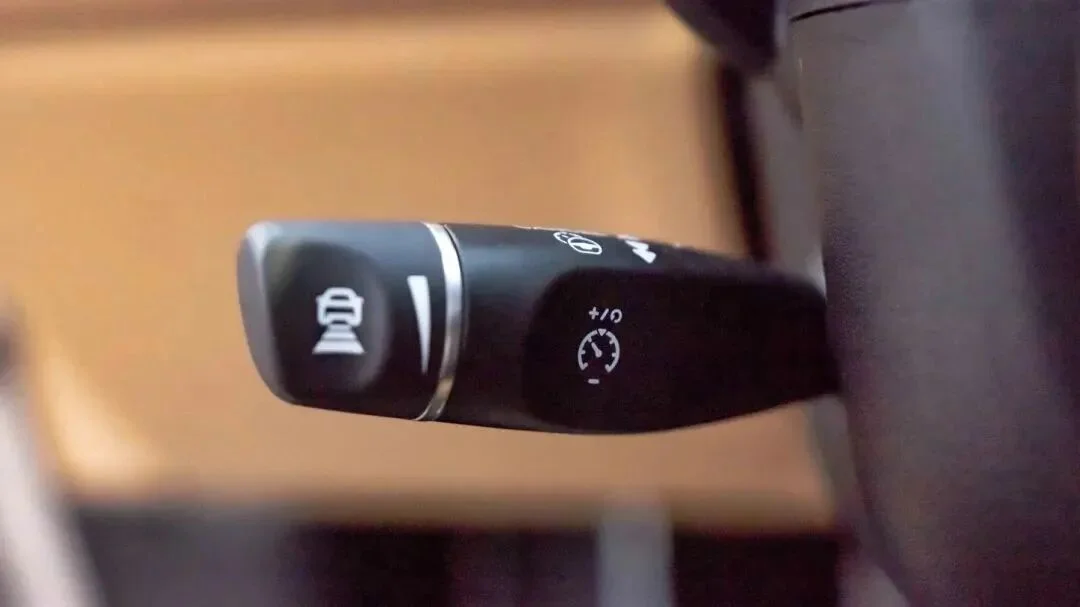
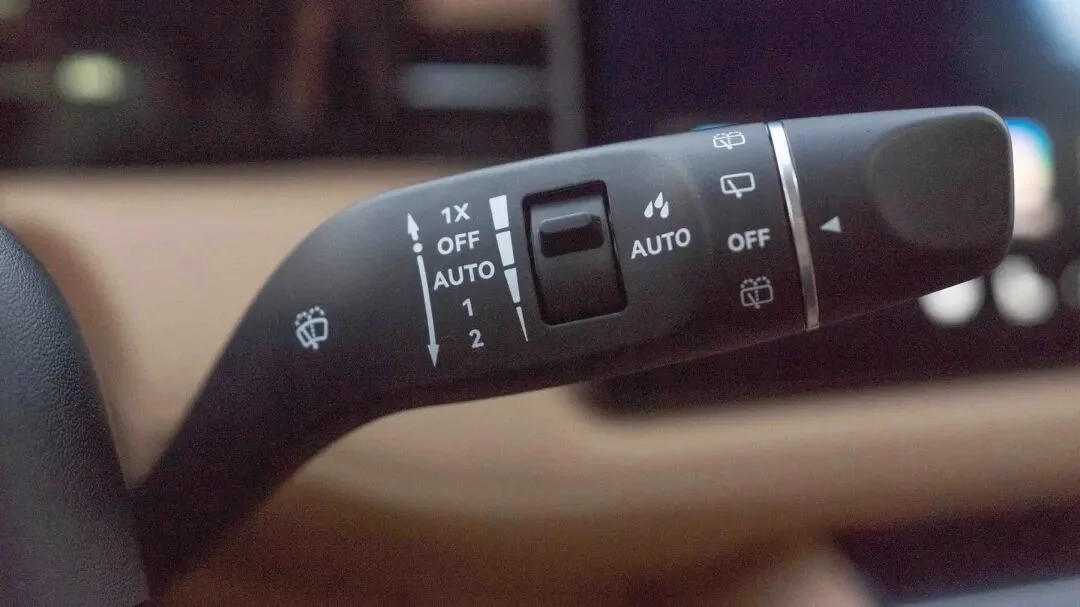
Above on the left is the light-control stalk, below it is the driver-assistance control stalk, and on the right is the windshield wiper control stalk.
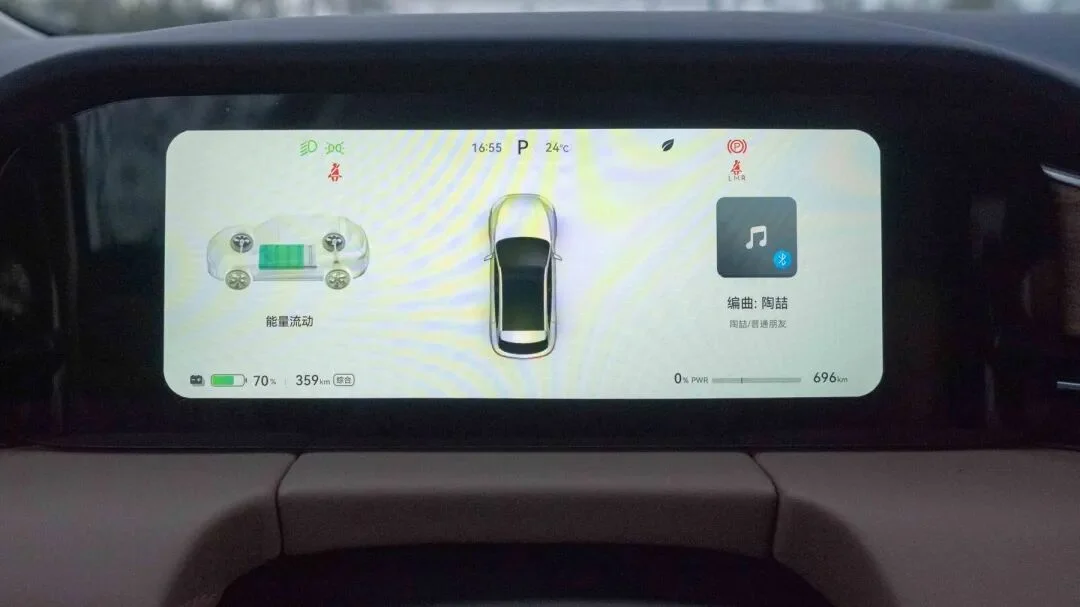
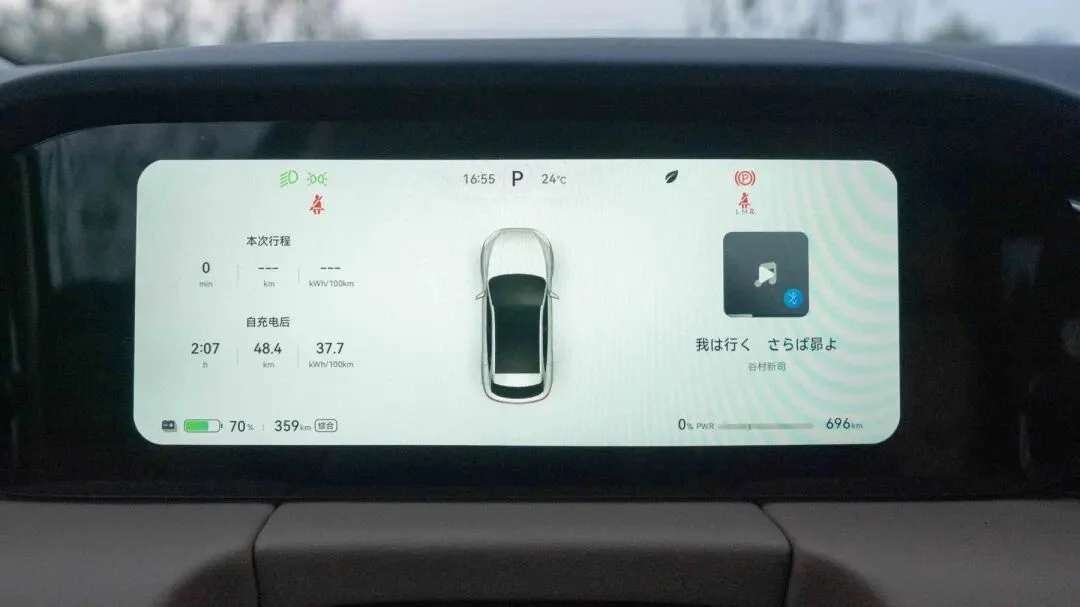
The left side of the instrument cluster allows customization of five display interfaces: charging and discharging status, trip information, navigation details, tire pressure readings, and energy recovery data.
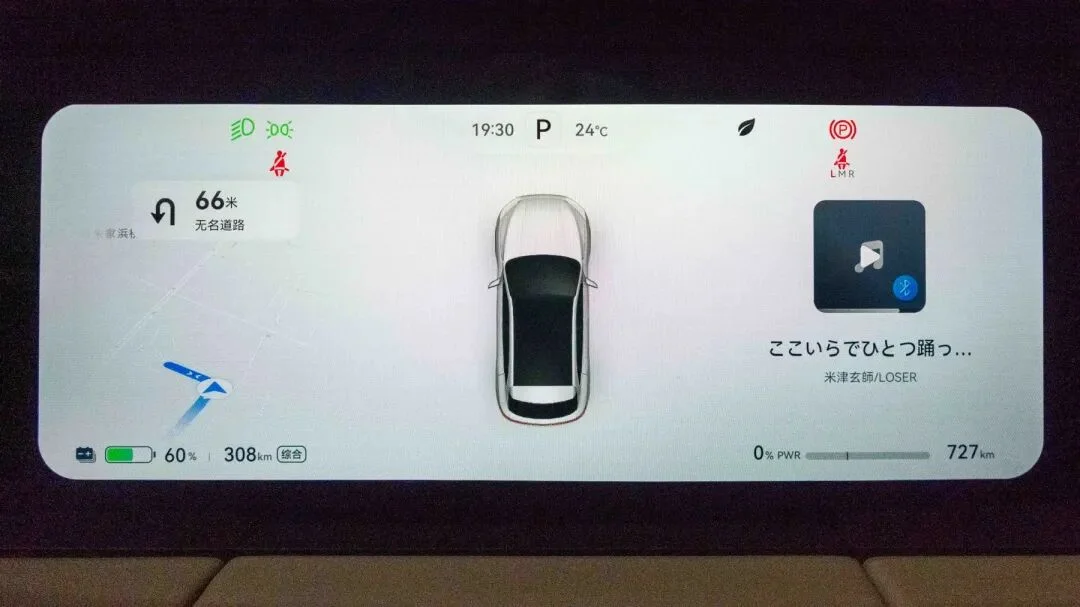
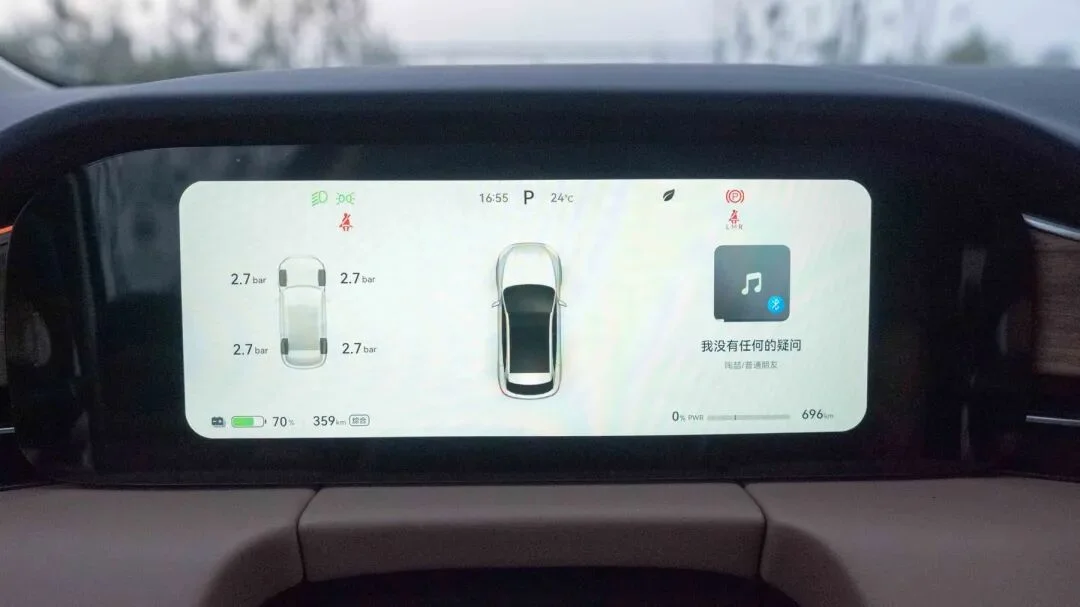
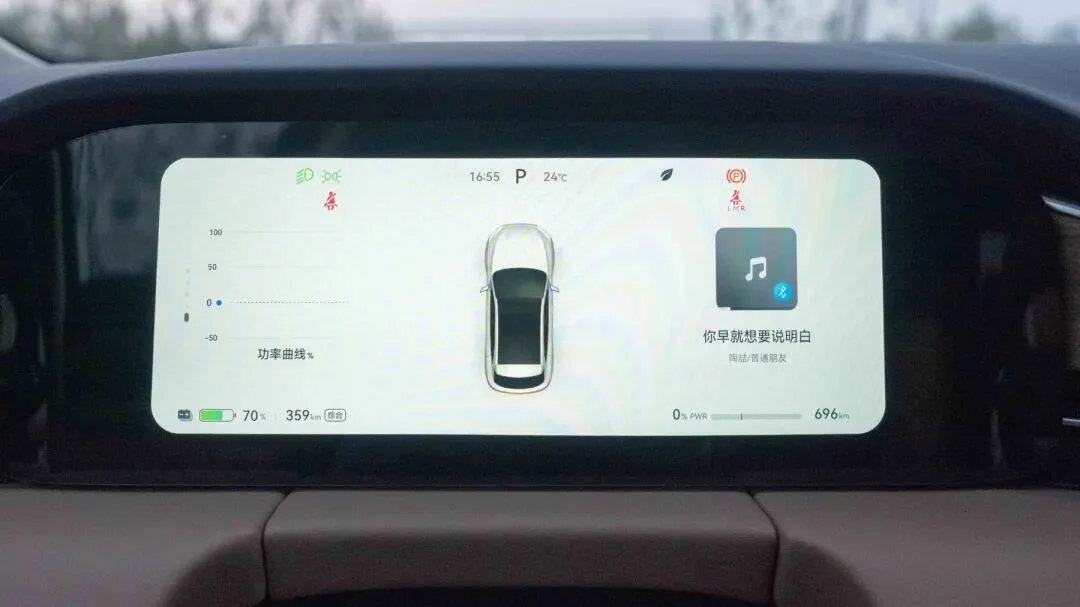
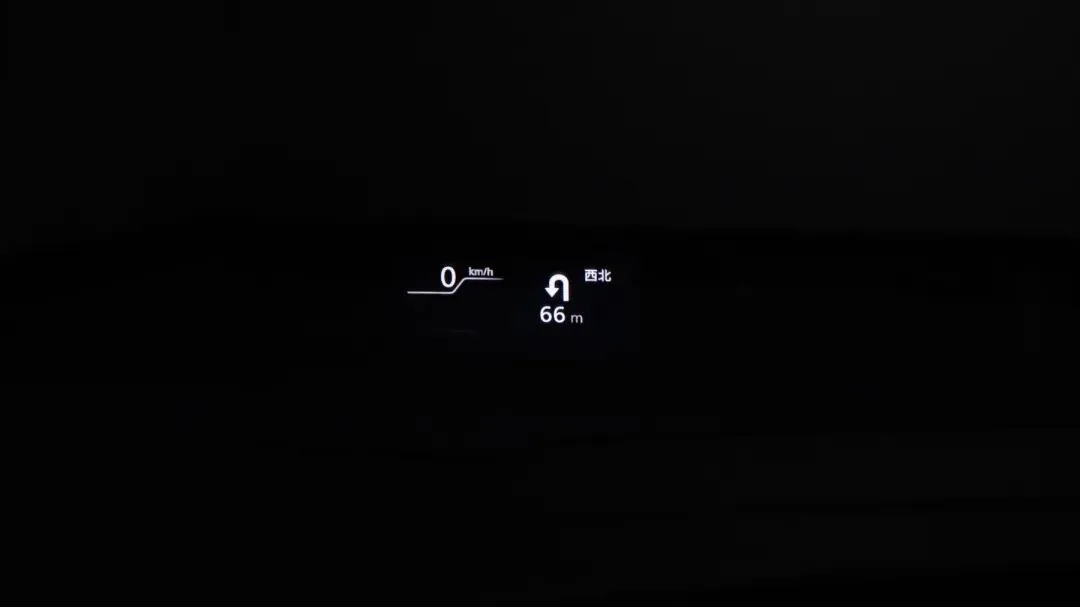
Additionally, the M5 EV’s HUD displays not only speed but also navigation information and the status of driver assistance features.
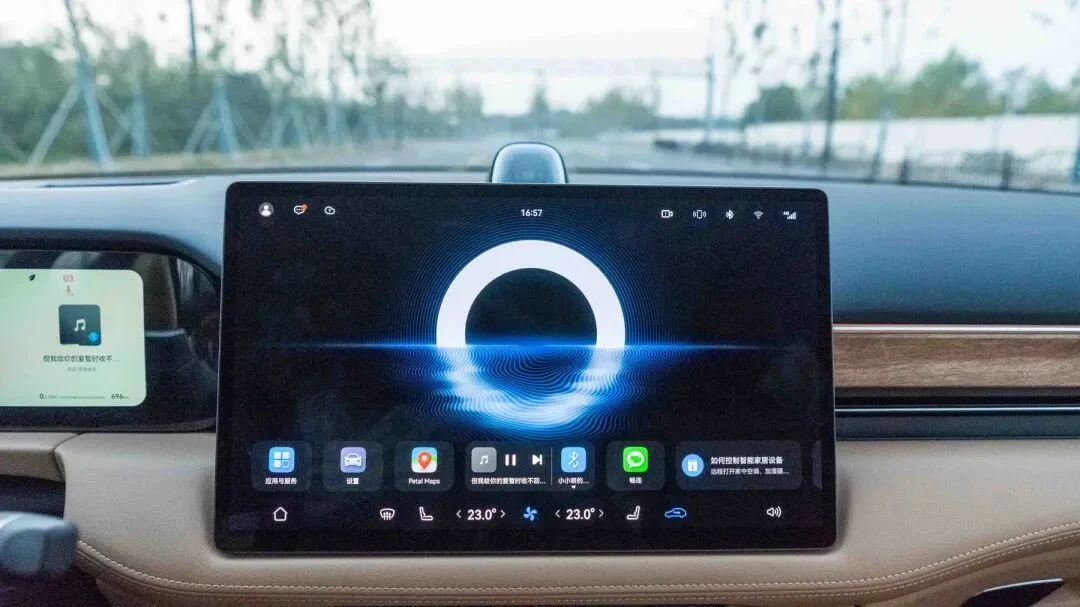
The center console screen remains a tablet-style display running the latest Hongmeng OS; below are some interface screenshots. As smart cockpit evaluation is not part of the 42Test testing protocol, please follow our upcoming 42Mark smart cockpit comparison program.
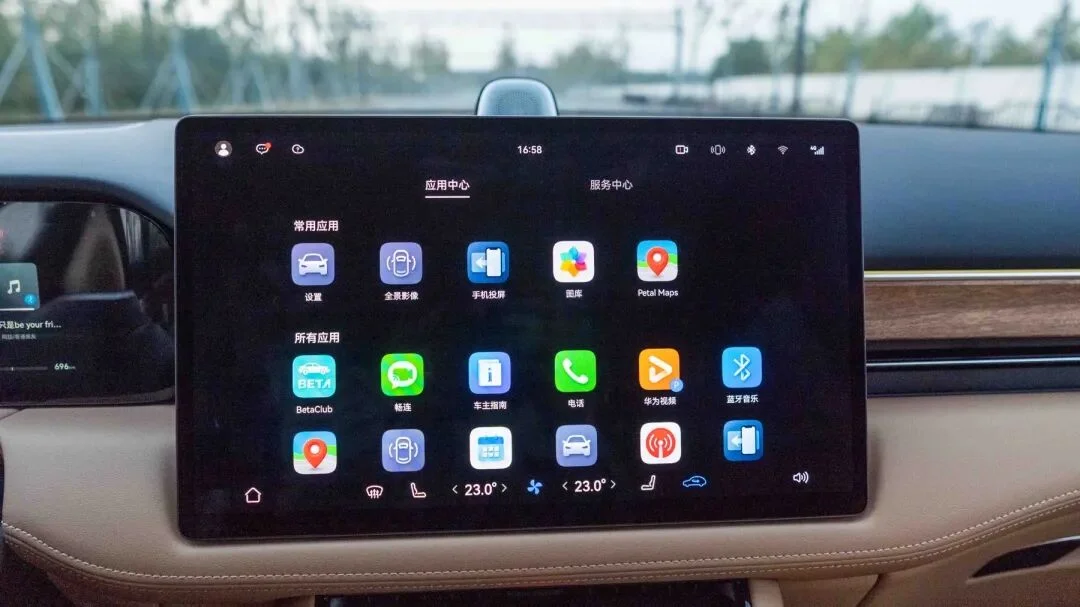
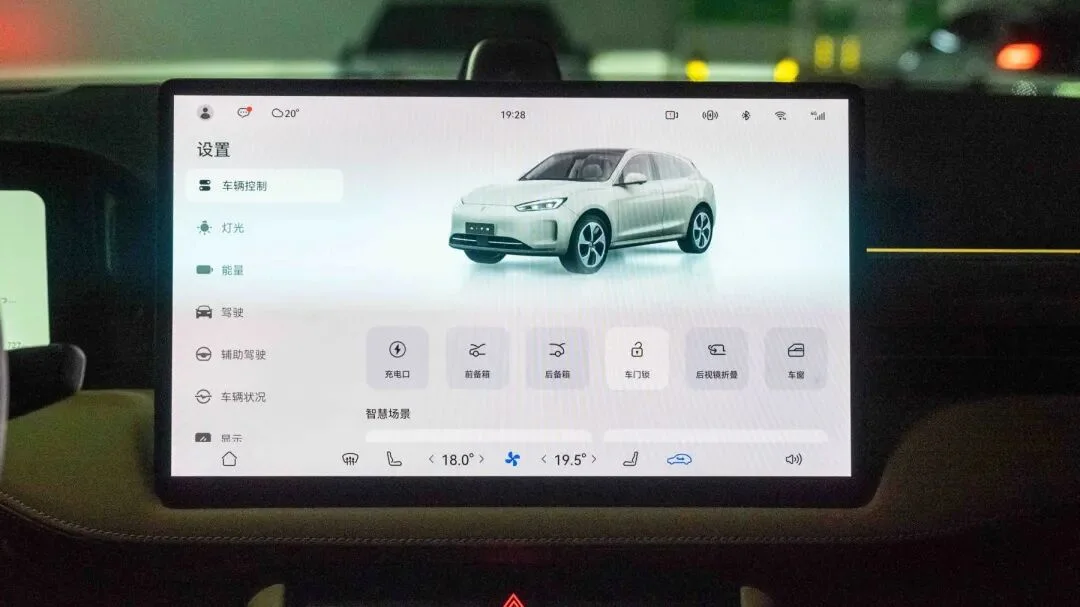
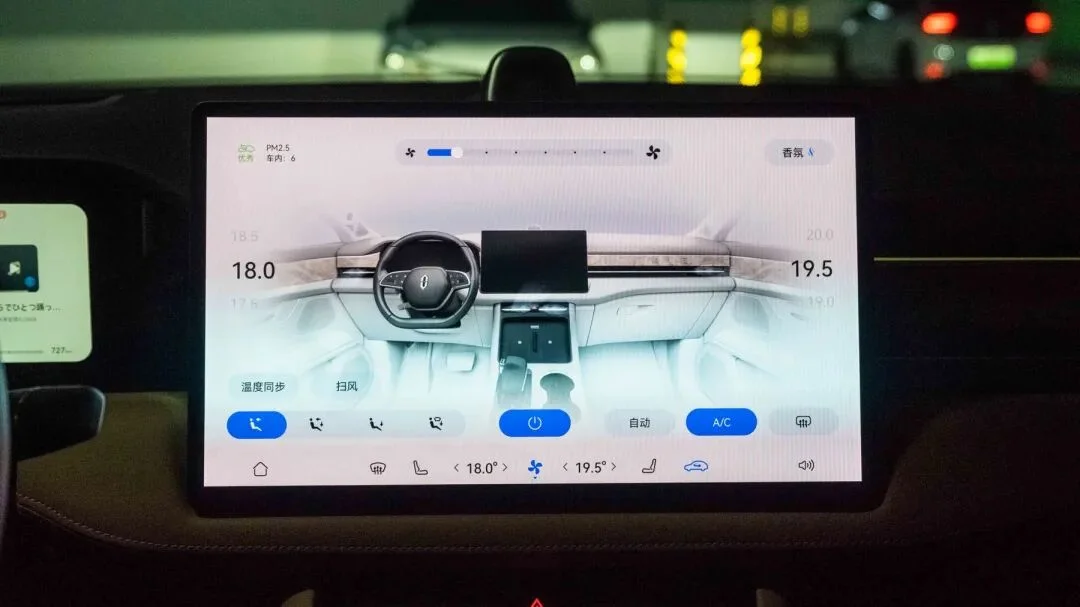
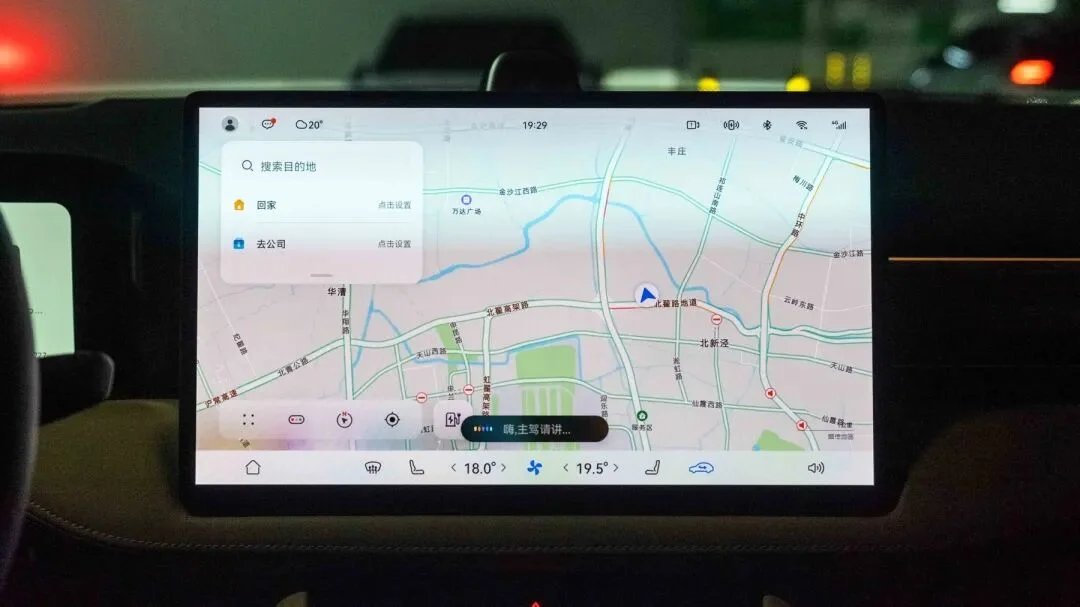
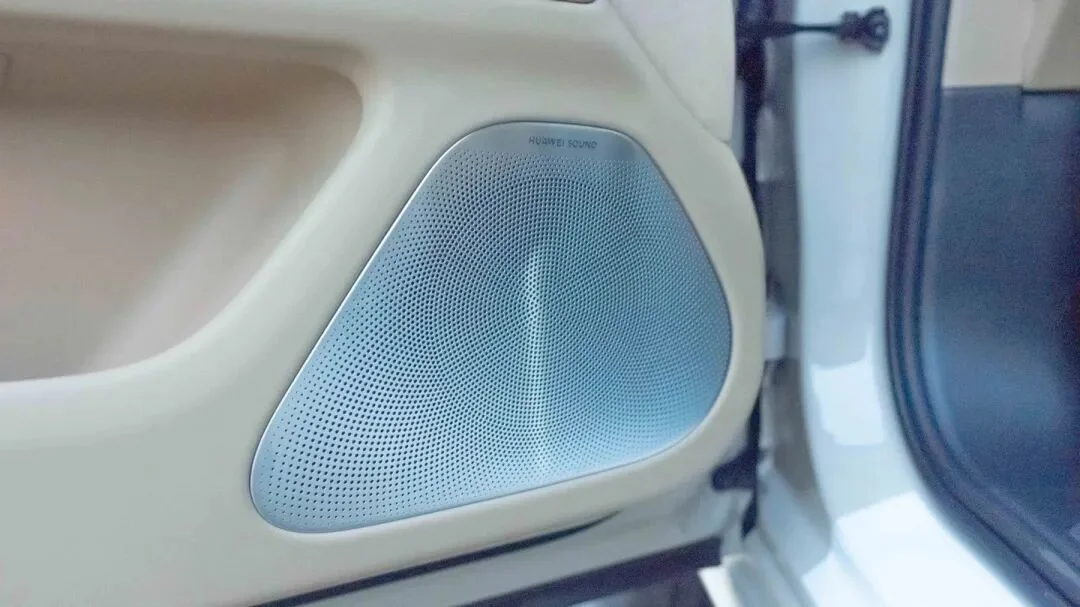
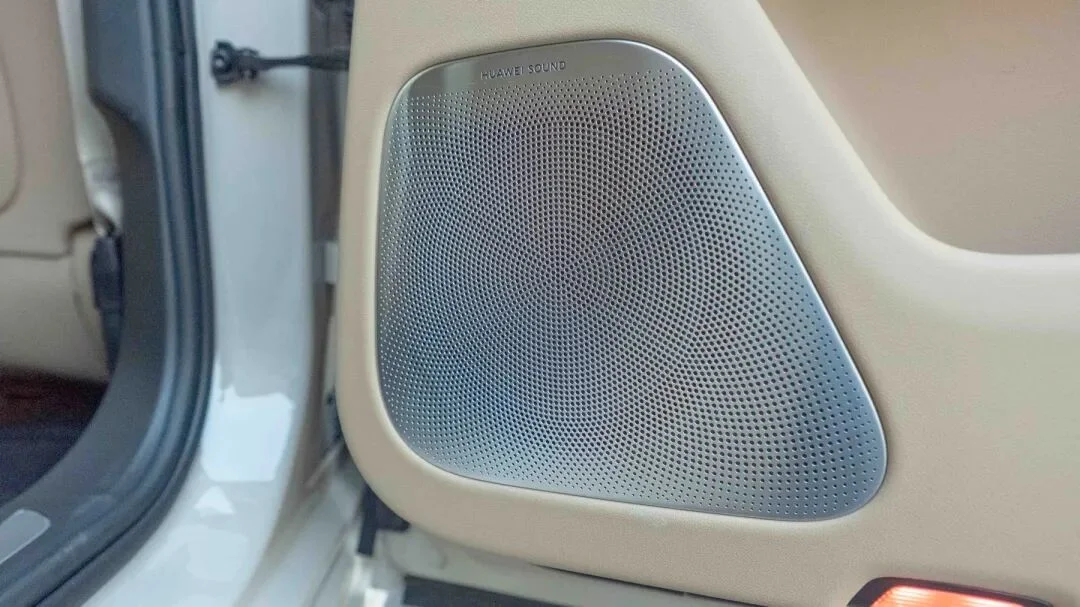
The doors use a framed design with double-laminated glass. Each door contains two speakers, one more than in typical vehicles.
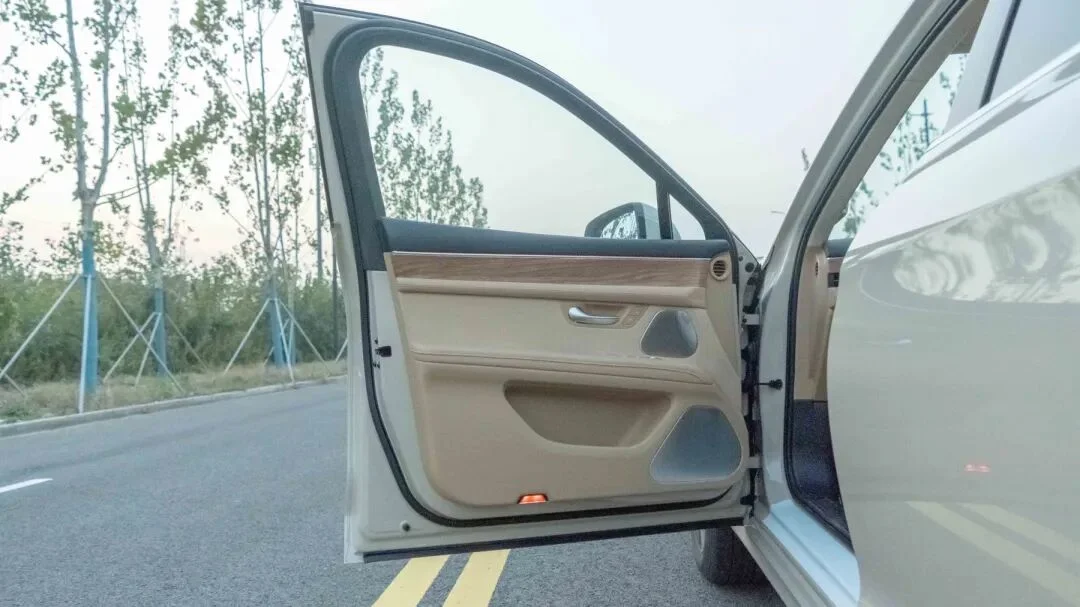
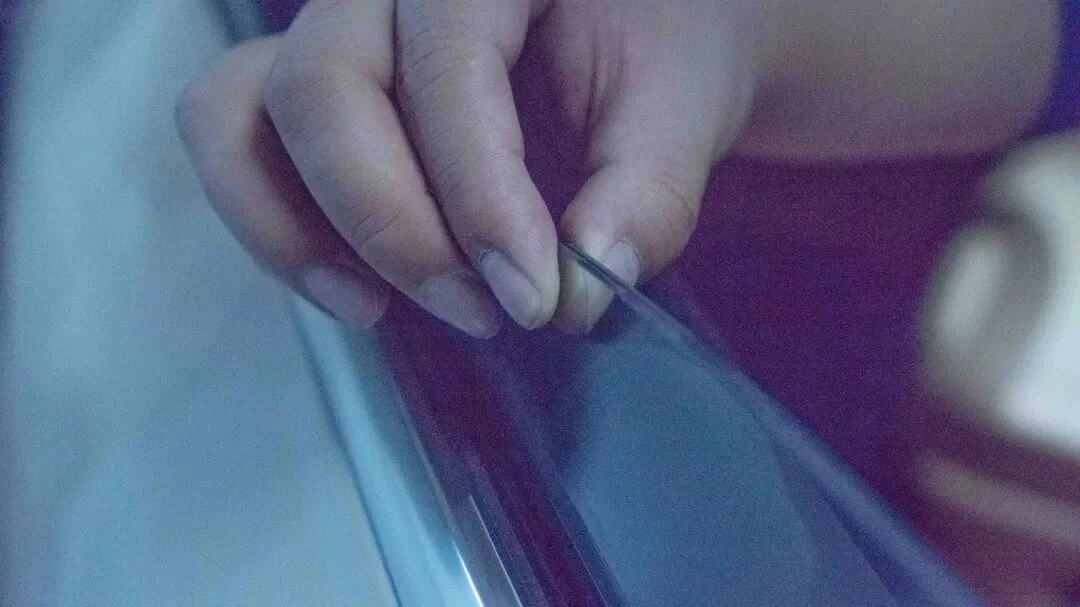
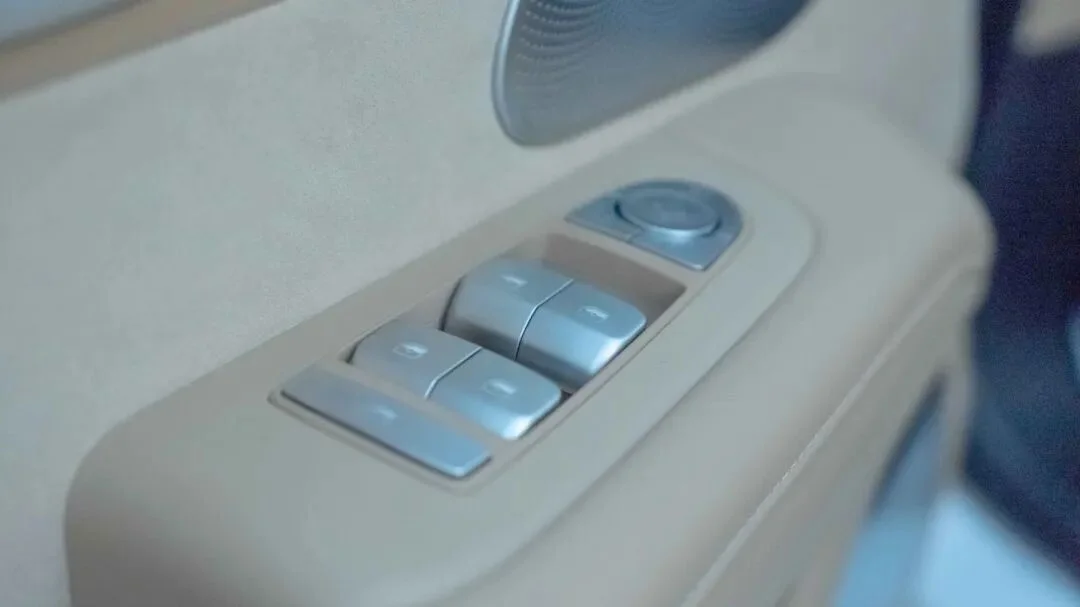
In addition to window and door controls, the door panel retains mirror adjustment buttons, making it more convenient for drivers who frequently need to adjust their side mirrors.
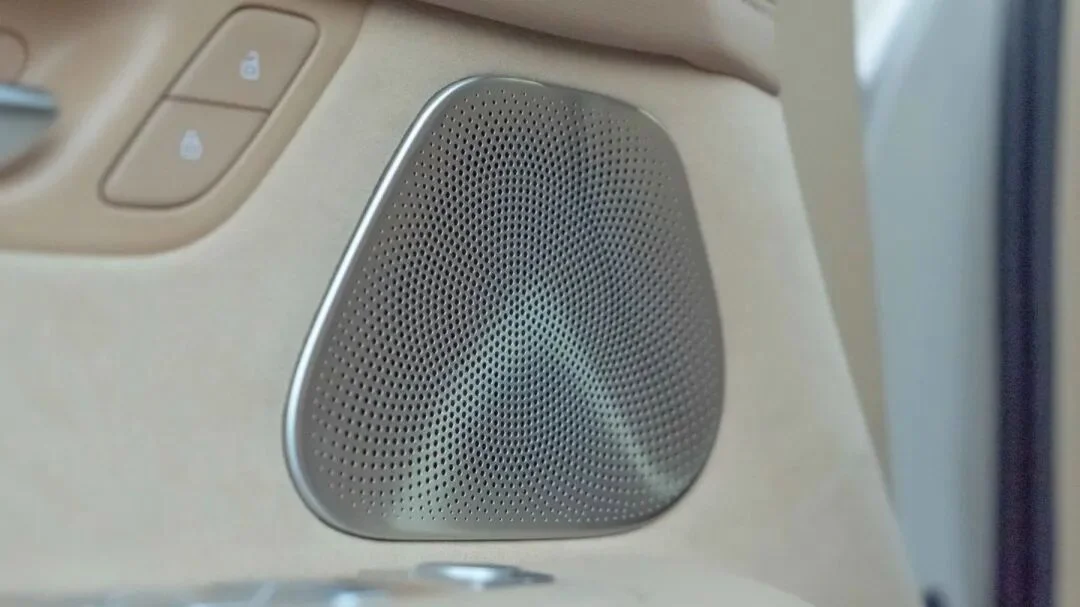
Both speakers in each door are fitted with metal speaker grilles.
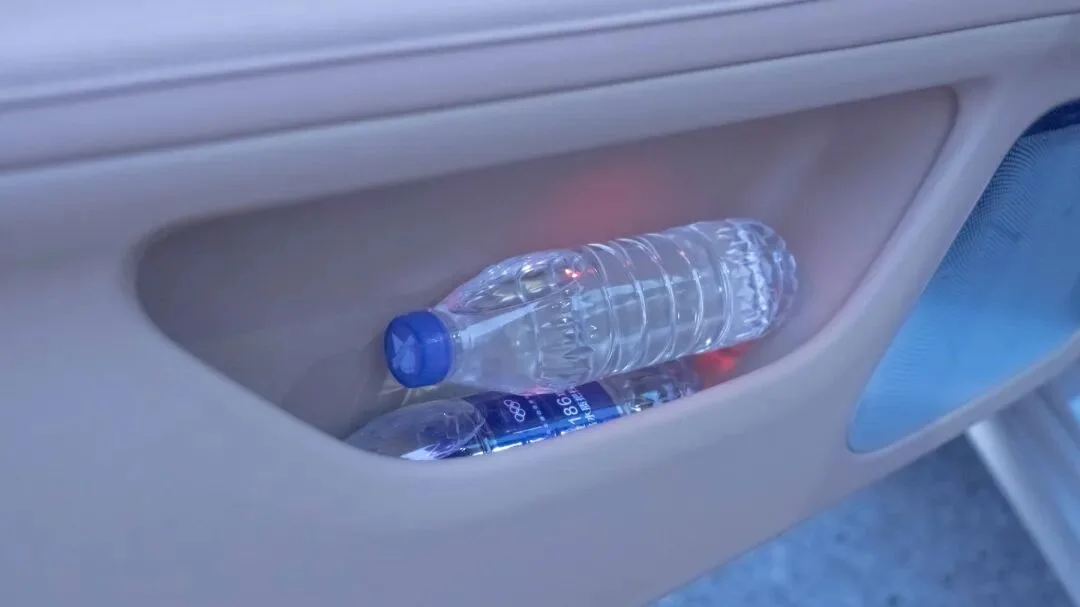
The storage space in the front door panel can hold approximately three bottles of mineral water.
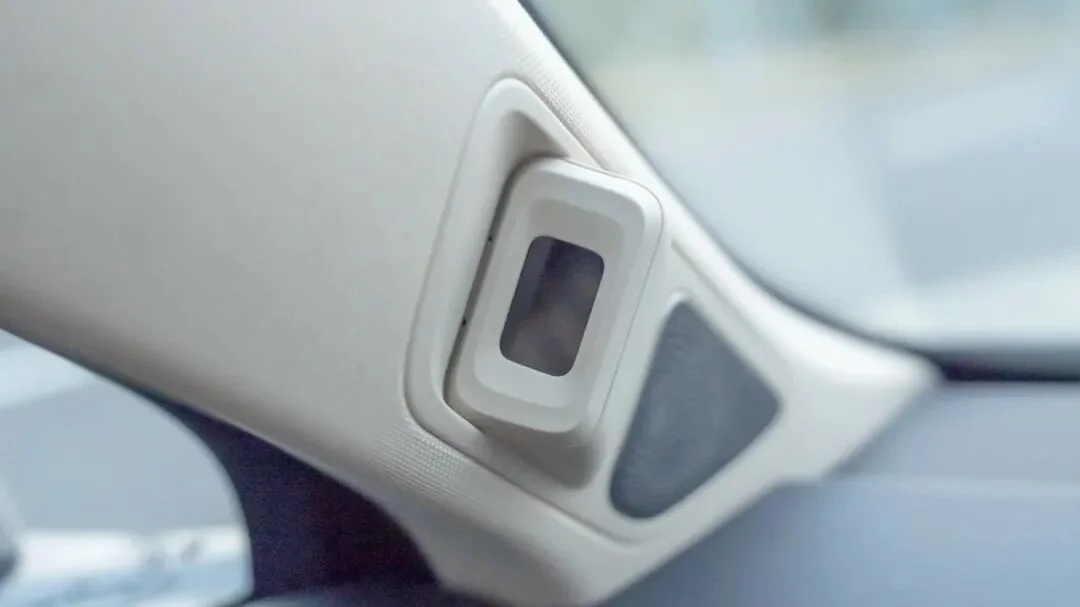
A DMS (Driver Monitoring System) camera is mounted on the A-pillar on the driver’s side, supporting facial recognition to quickly load personalized vehicle settings.
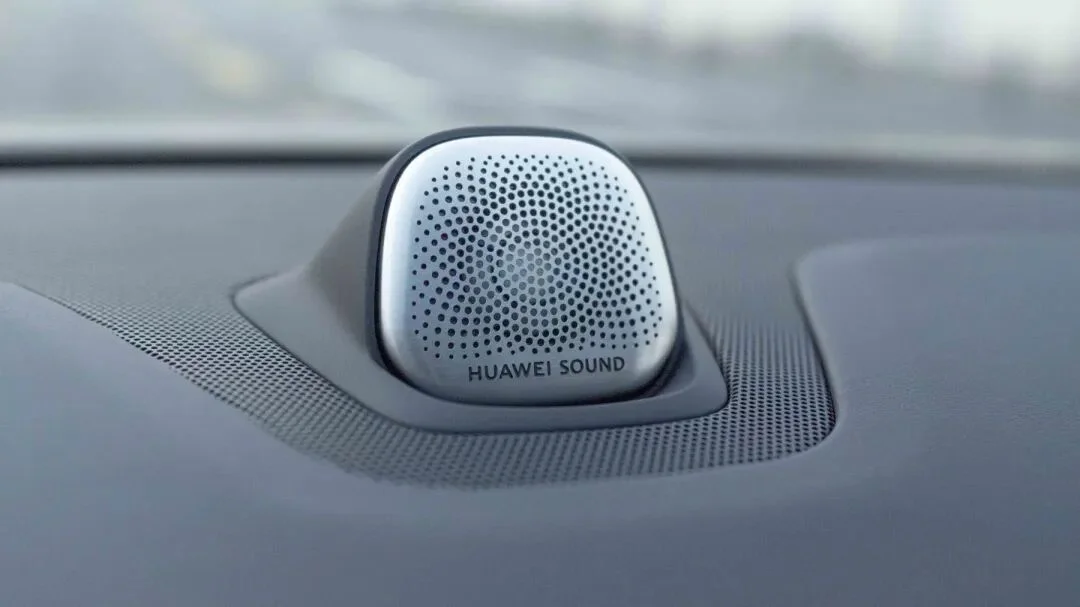
A tweeter is positioned in the center of the dashboard; a closer look reveals petal-like textures. While the Huawei SOUND audio system in the AITO M5 EV lacks substantial bass, it delivers exceptionally clear vocals.
The gear selector is wrapped in leather and uses push-button controls on the left for shifting, while retaining a dedicated P (Park) button.
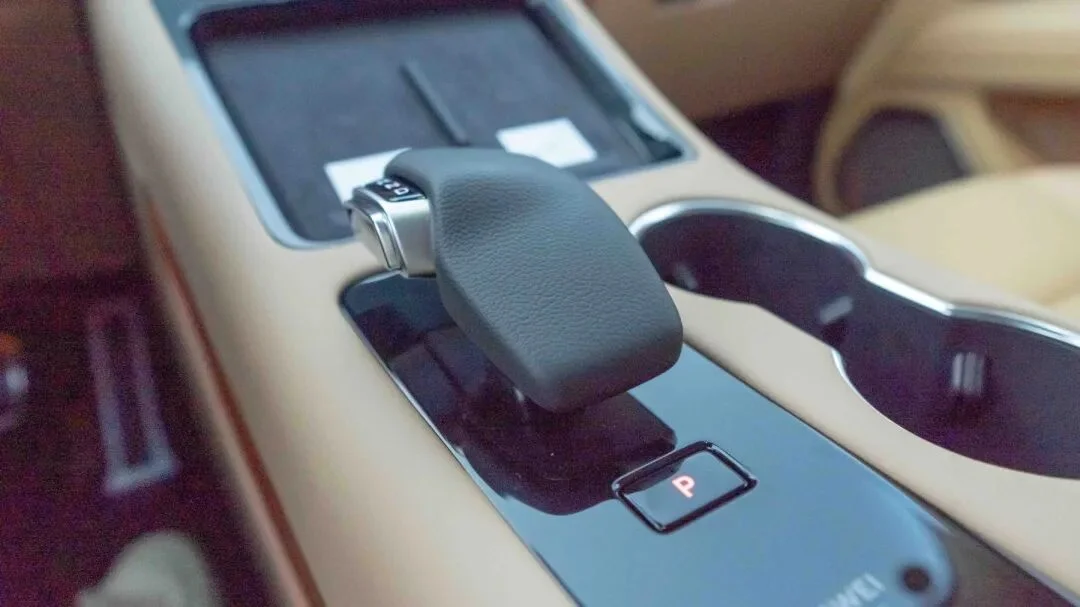
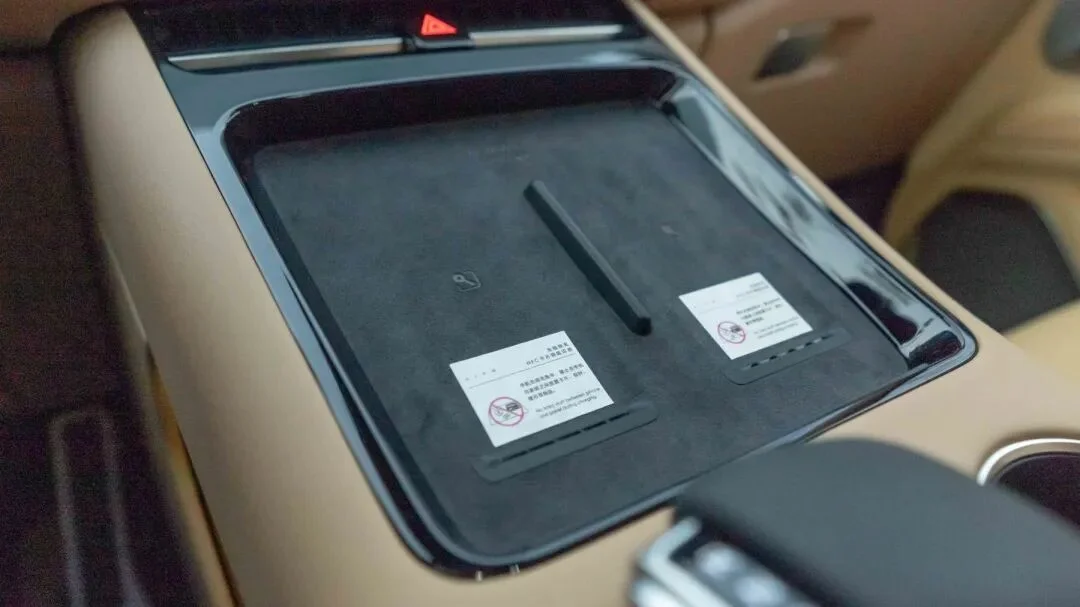
Two wireless charging pads are located ahead of the gear selector, supporting 40 W wireless charging for Huawei phones; in testing, charging speeds for other phones were also good. Additionally, because an air conditioning vent is positioned below, heat generation during wireless charging is noticeably lower than in other models.
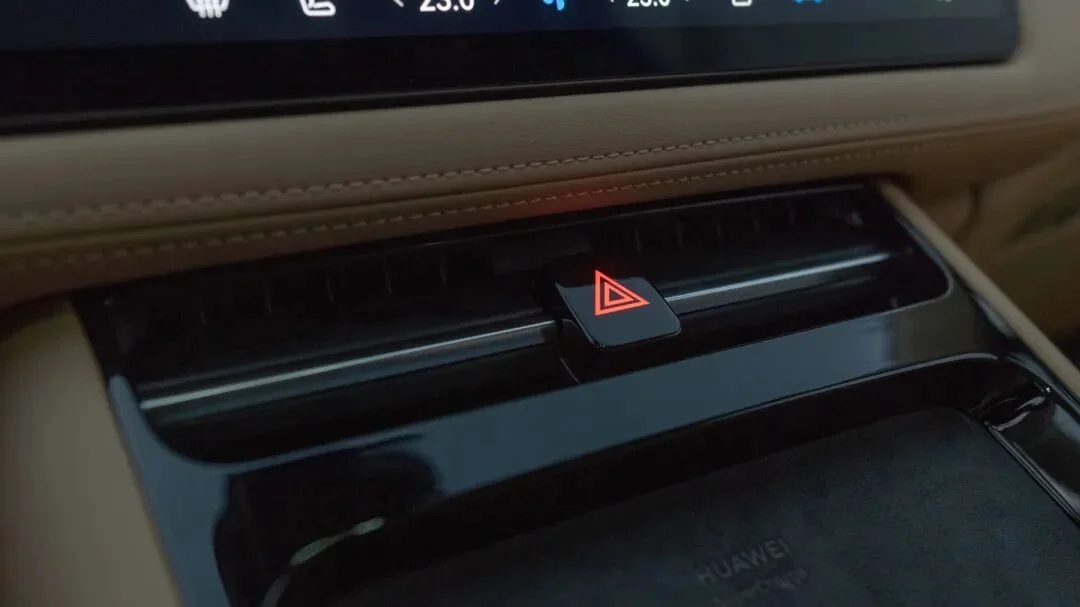
The hazard light button is placed at the front of the wireless charging pad, with air conditioning vents on either side. These vents do not support physical adjustment of airflow direction and can only be controlled via the central touchscreen.
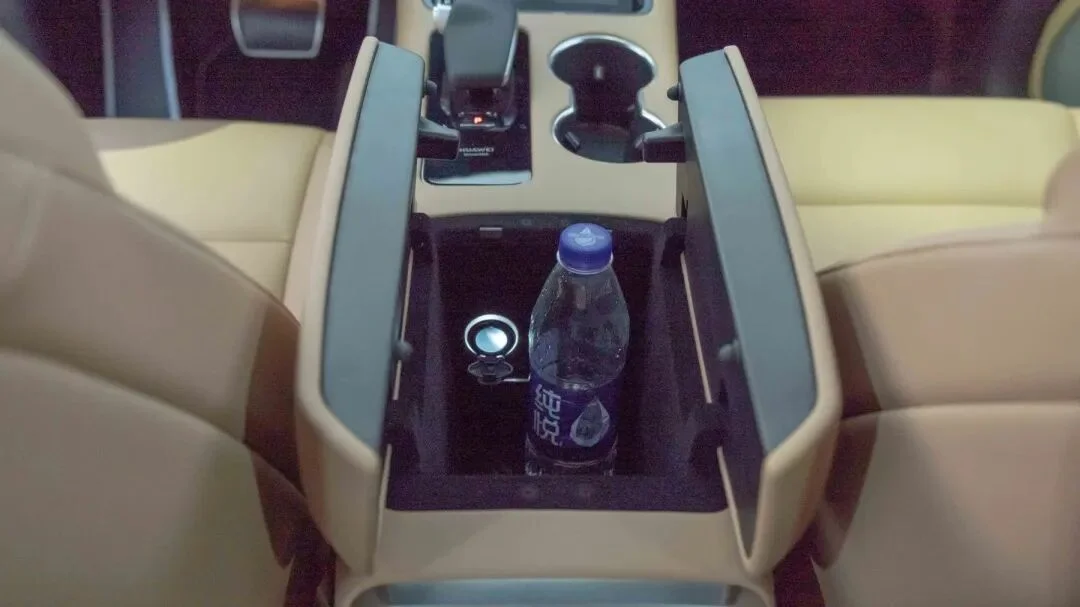
The center console armrest box is of average size; its depth is insufficient to hold a 500 ml water bottle. A 120 W car fast-charging port is also located inside.
The air conditioning vents for both the driver and front passenger seats do not support physical adjustment of airflow direction. Wood-grain trim and ambient lighting are positioned above them.
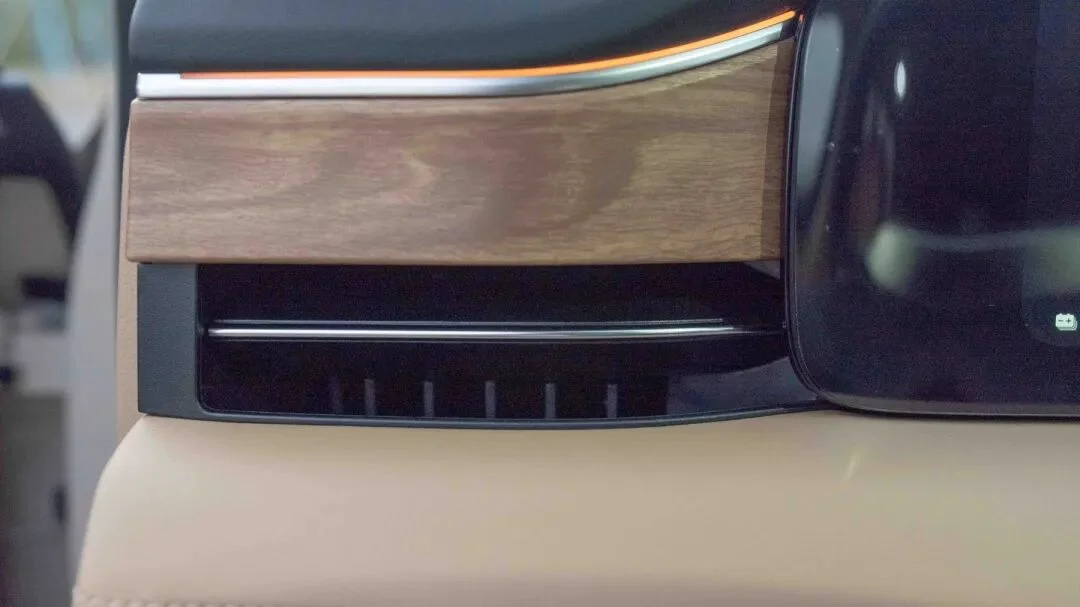
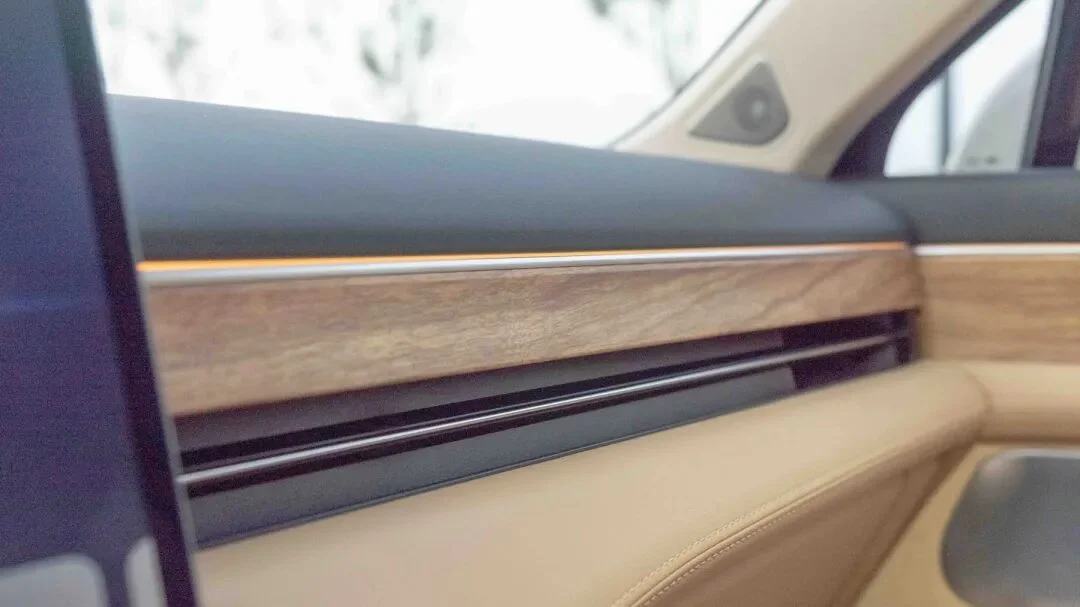
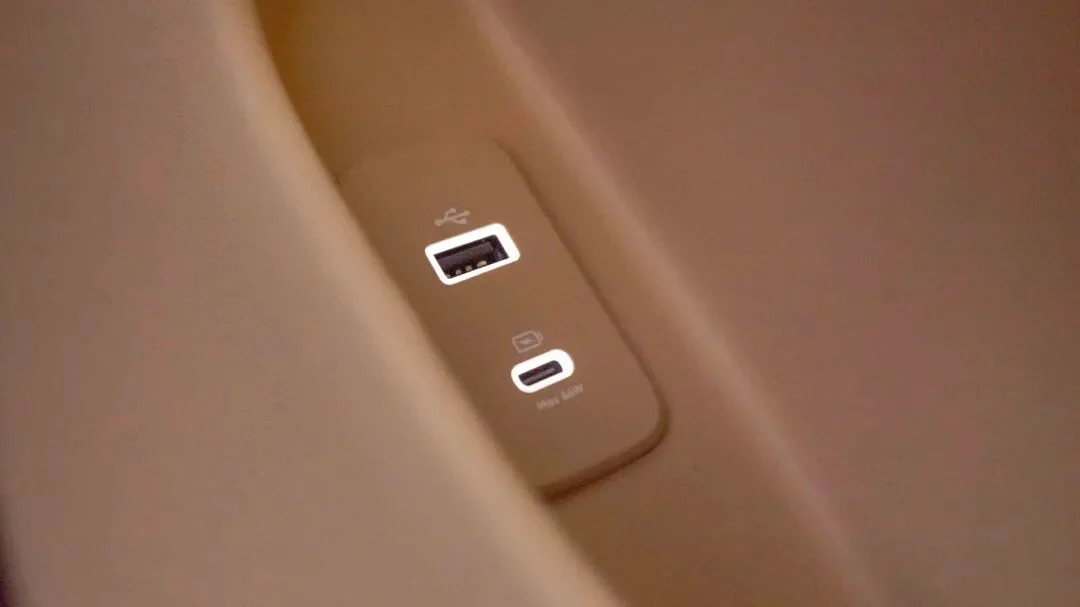
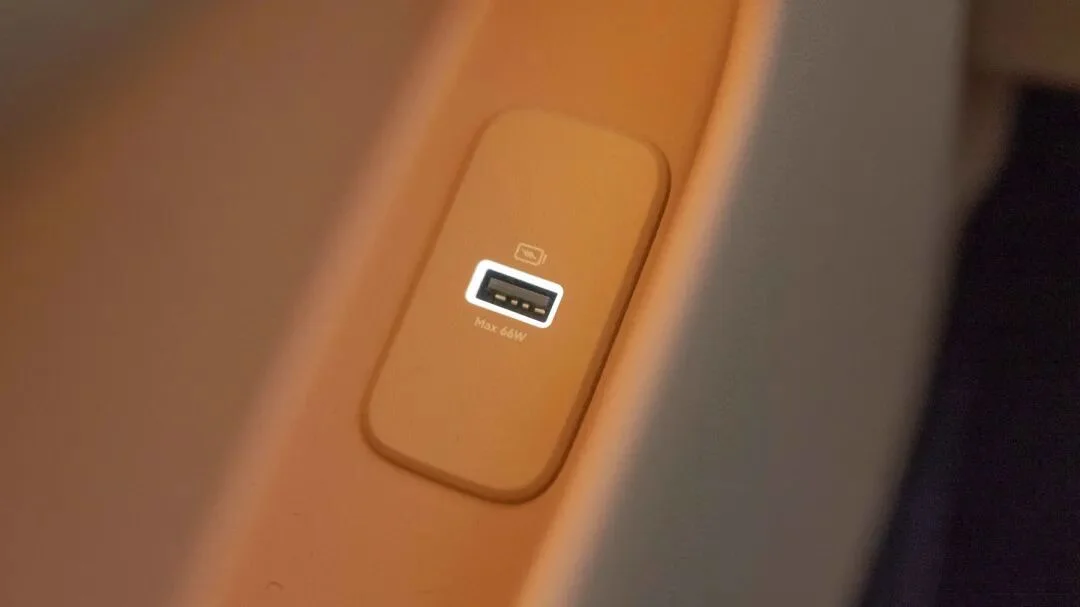
The center console area is not fully open; instead, it features small cutouts on the left and right sides, suitable only for storing small items. The driver’s side includes a USB Type-A port for data transfer and a USB Type-C port supporting up to 66 W fast charging, while the passenger’s side has a USB Type-A port also supporting up to 66 W fast charging.
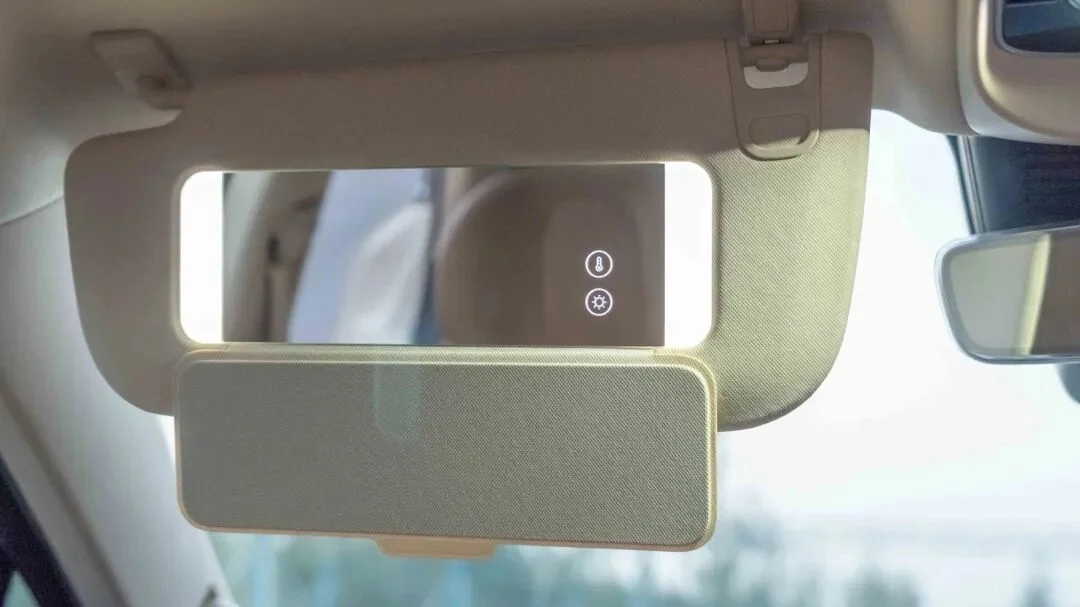
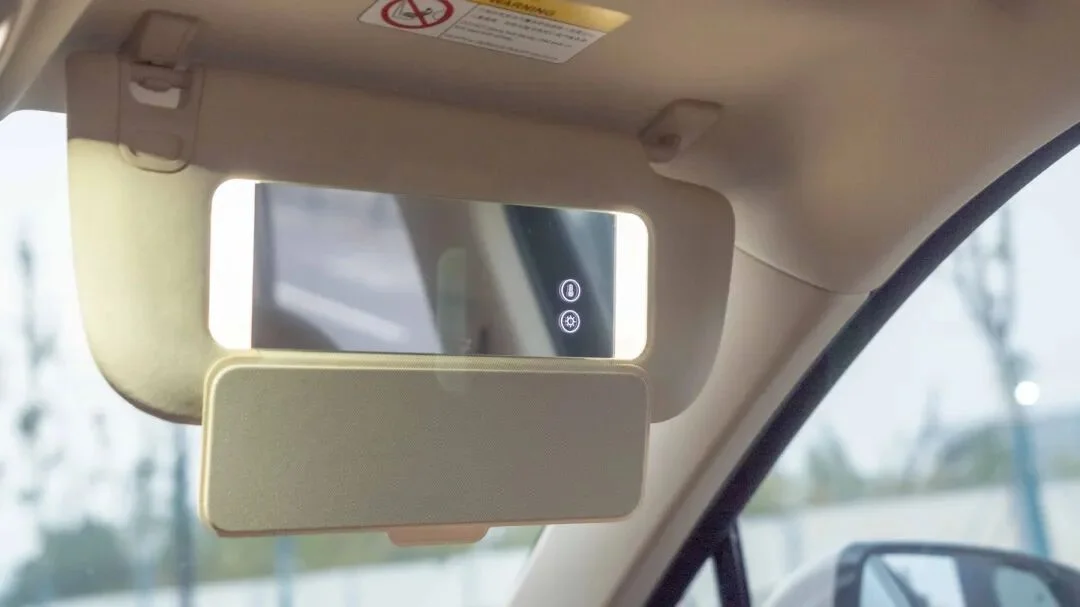
Both the driver and front passenger seats are equipped with vanity mirrors featuring adjustable brightness and color temperature, catering to users’ needs for makeup application inside the vehicle.
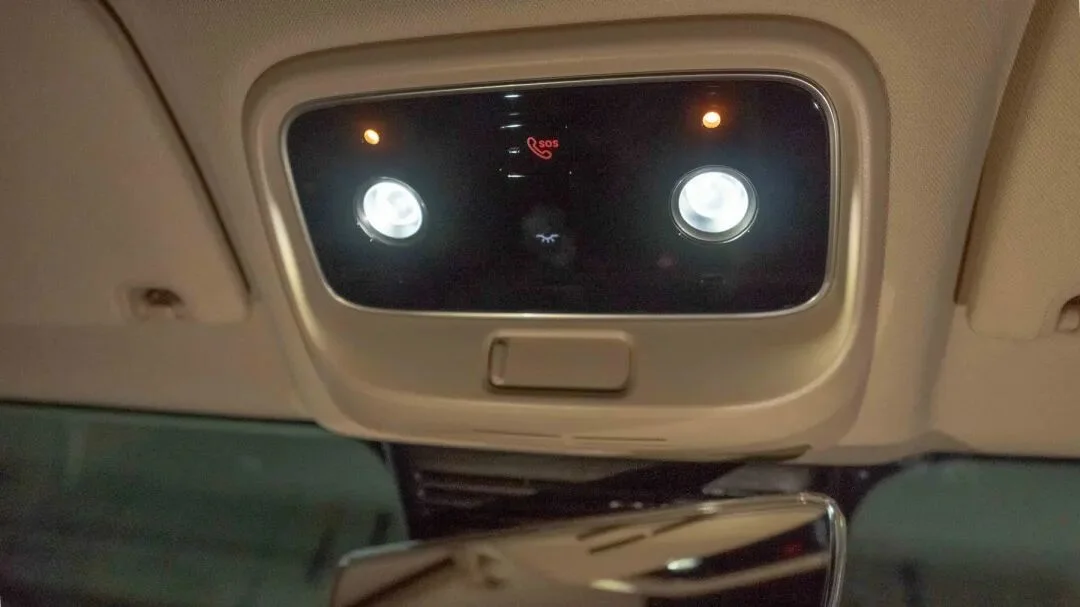
The overhead console features touch-activated reading lights, a dual-button toggle to turn both on simultaneously, an emergency alarm button, and a physical switch to disable the interior camera.
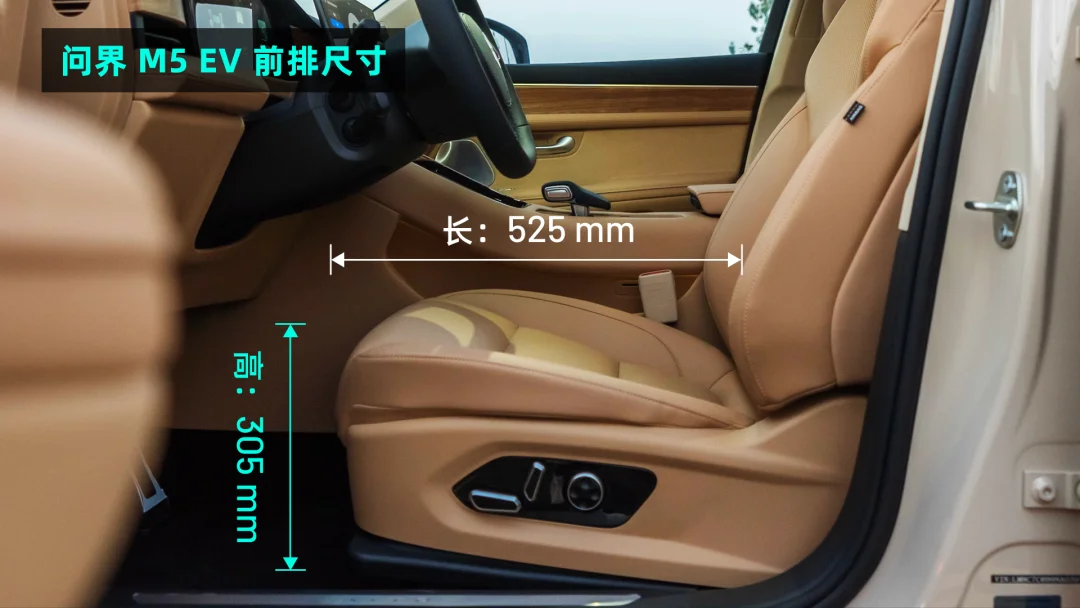
With the driver’s seat adjusted to its lowest position, we measured the following seat dimensions.
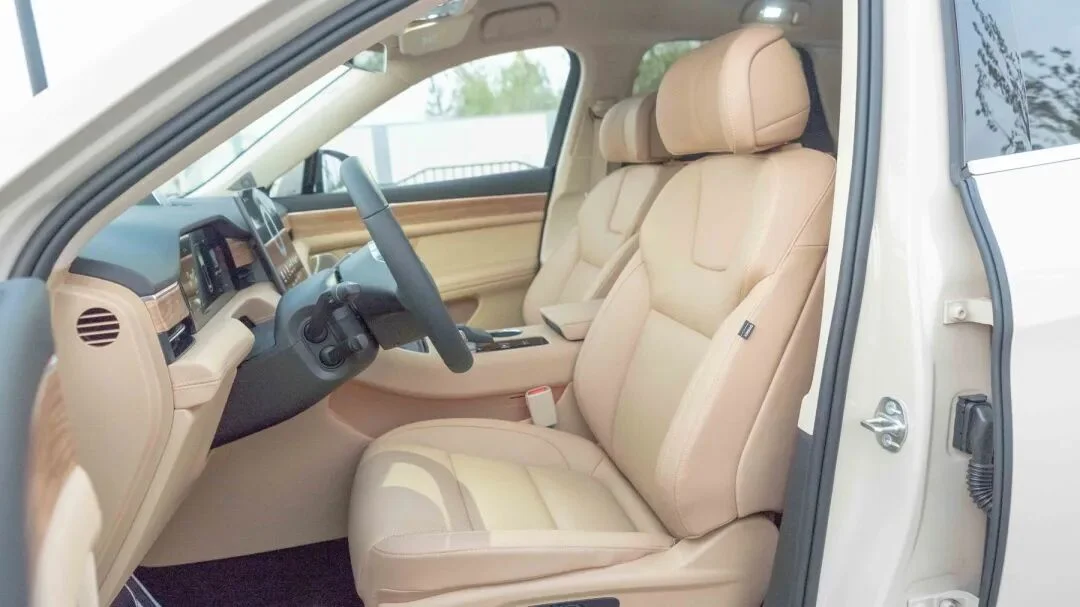
At 176 cm tall and weighing 100 kg, I adjusted the front passenger seat to match my driving posture. In this seating position, I have approximately two fists of headroom.
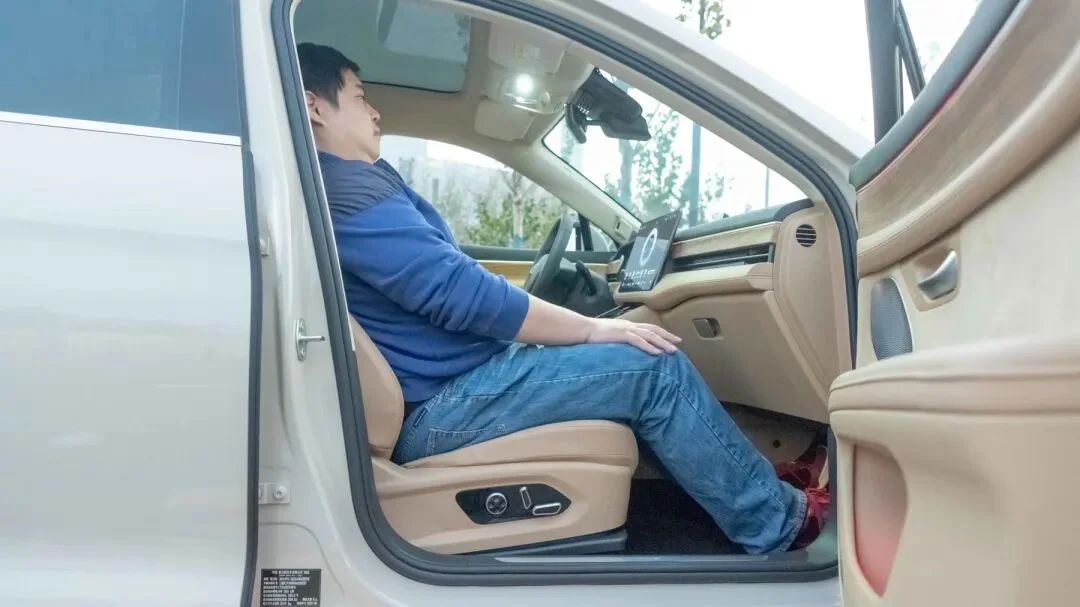
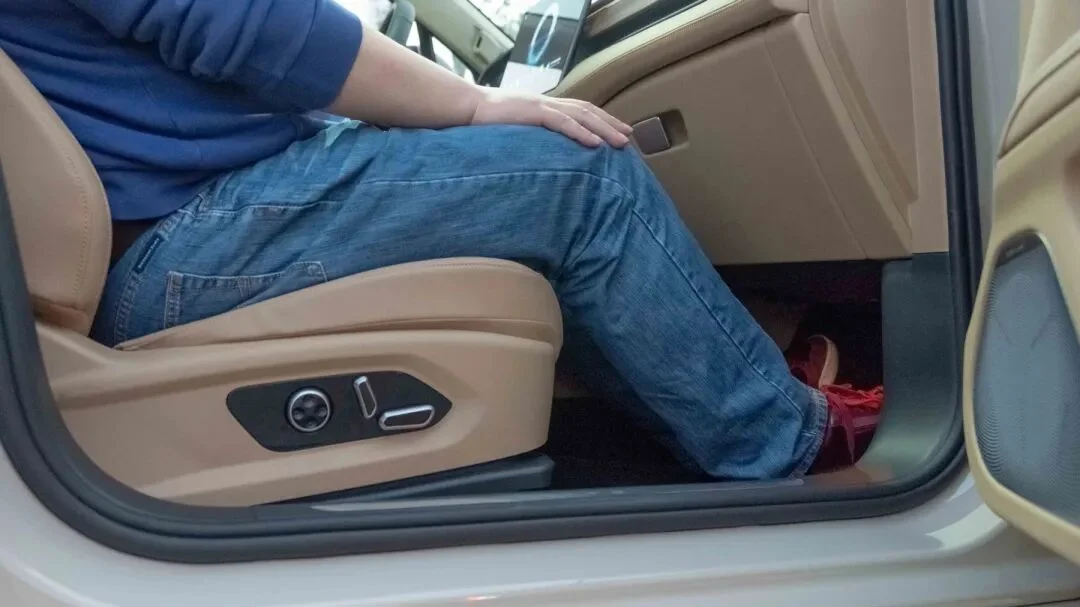

The seats feature perforated leather and include ventilation, with a moderate firmness level in the cushions.
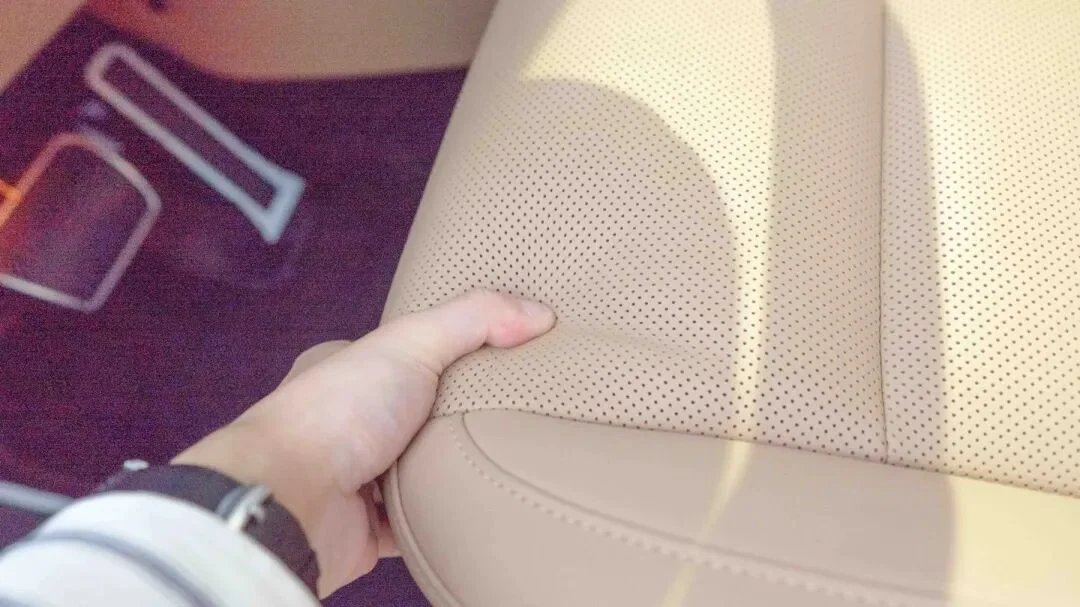
However, the backrest padding is firmer, which can lead to some back pain during long drives. The headrests are wide, providing better head support.
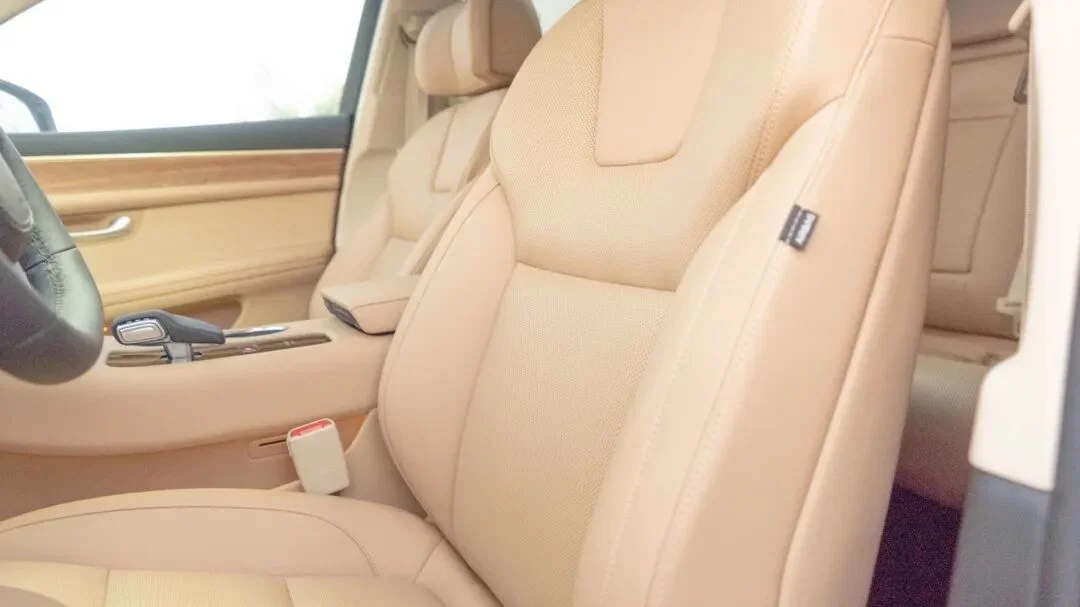
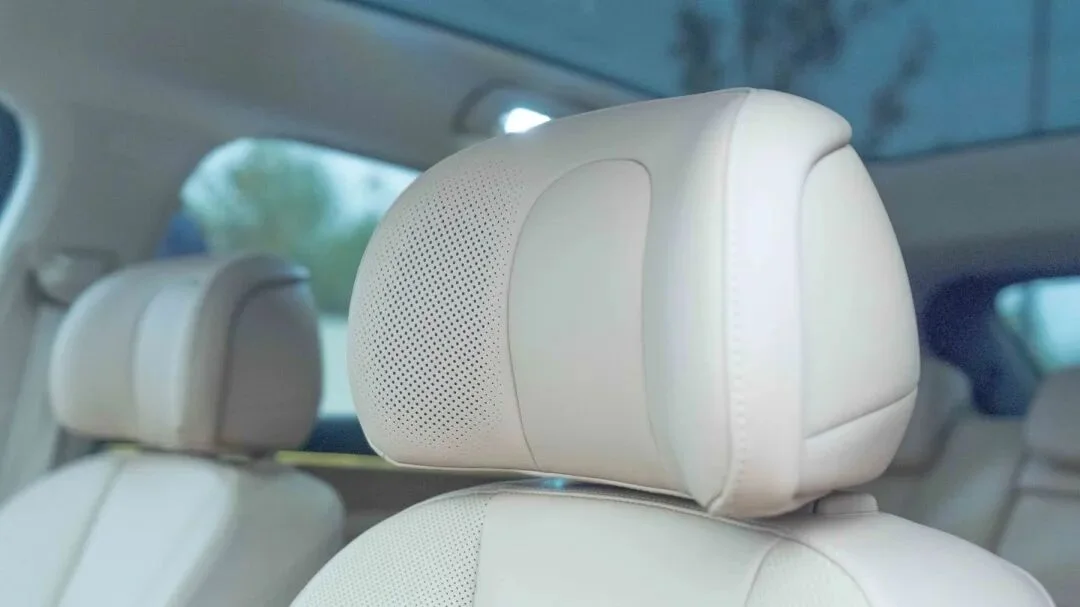
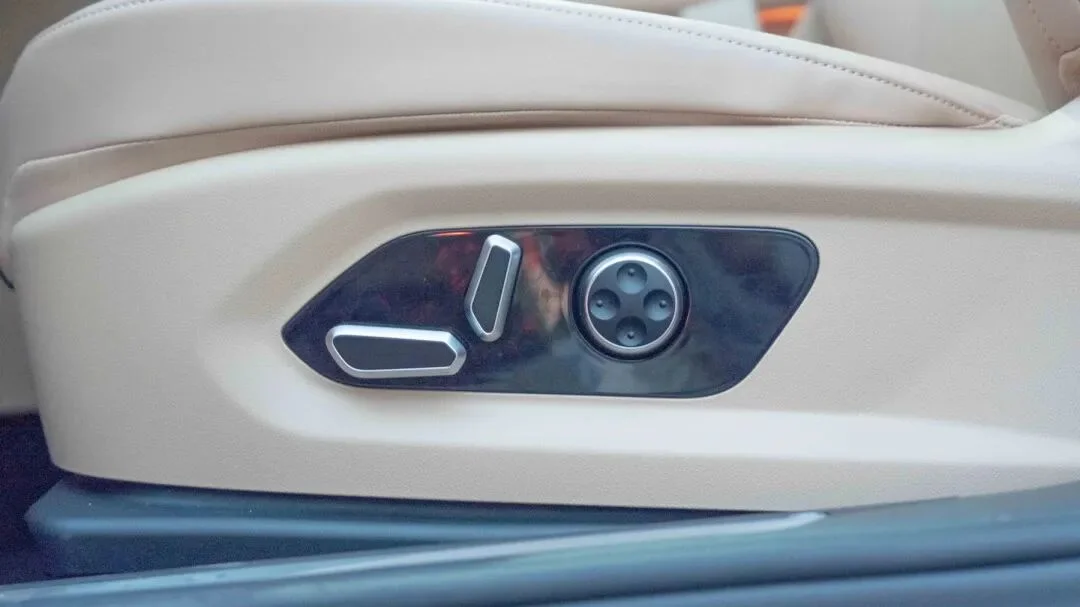
The front seats offer 12-way power adjustment, along with ventilation and heating. Seat massage is an optional extra.
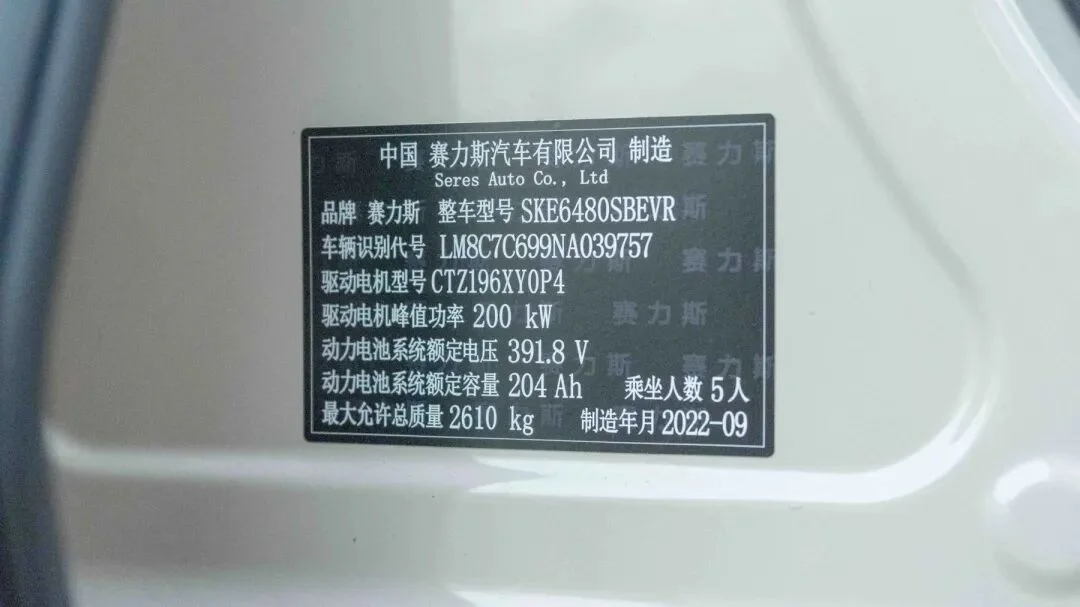
A nameplate on the passenger side indicates the vehicle's key specifications.
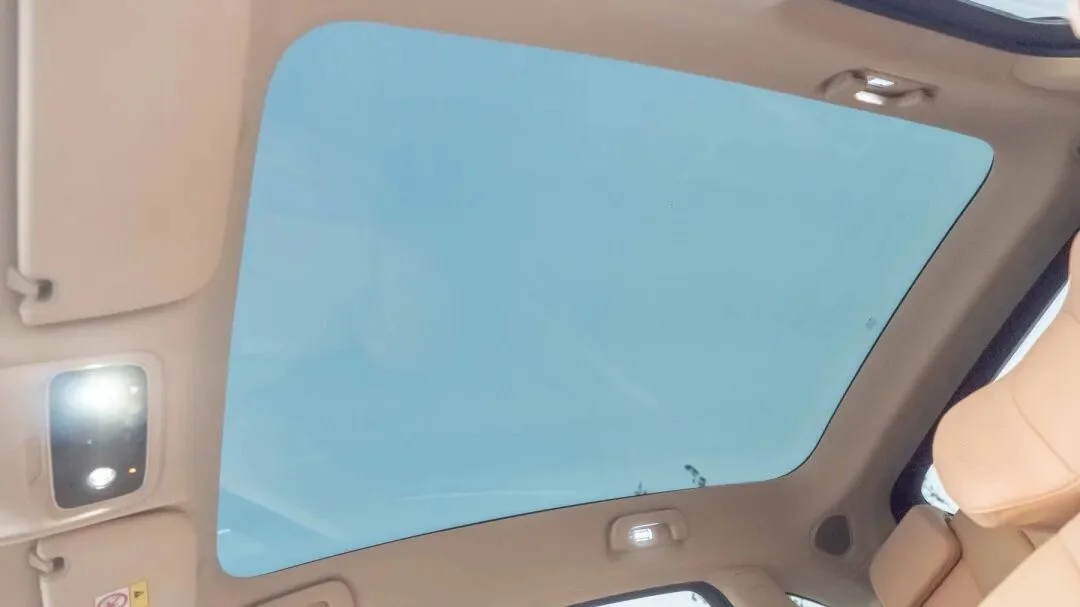
The panoramic sunroof consists of a single pane of glass; judging by its transparency, it will likely feel hot in summer, so installing a custom sunshade is recommended.
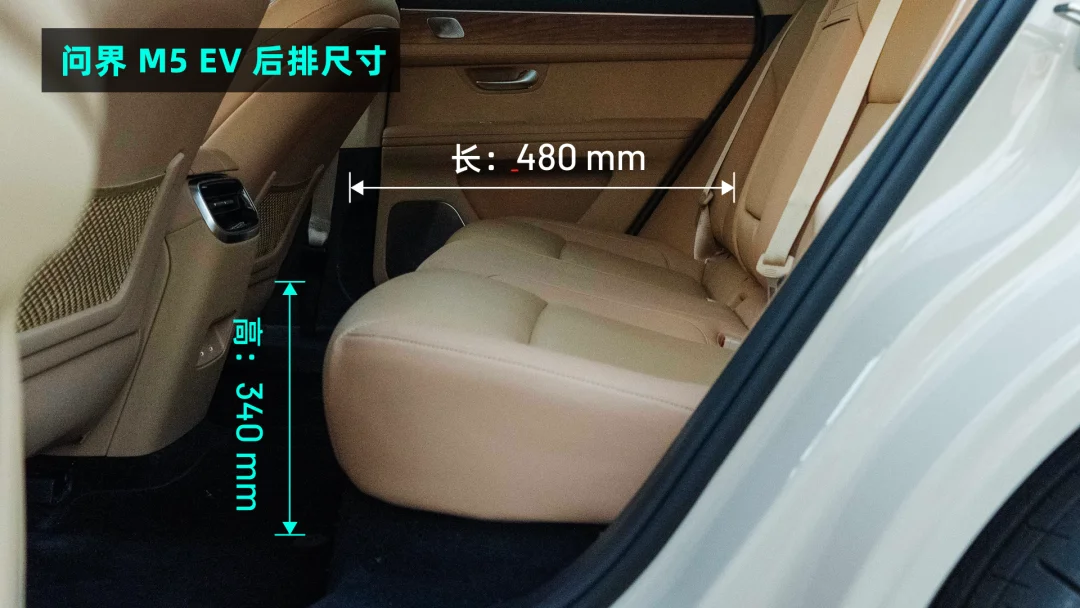
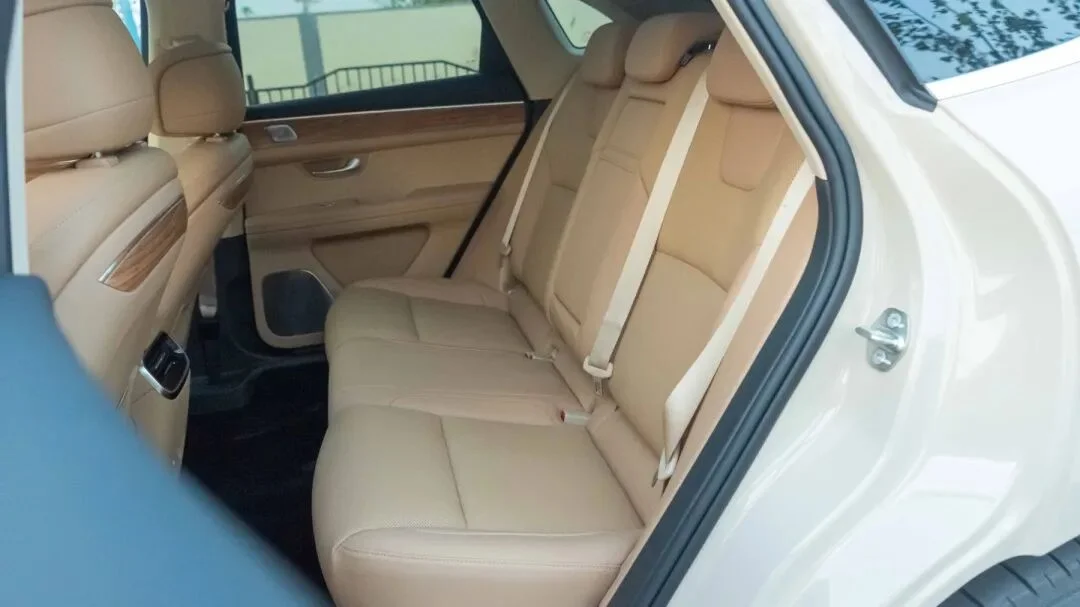
Moving to the rear seats, they are non-adjustable. The measured dimensions are as follows.
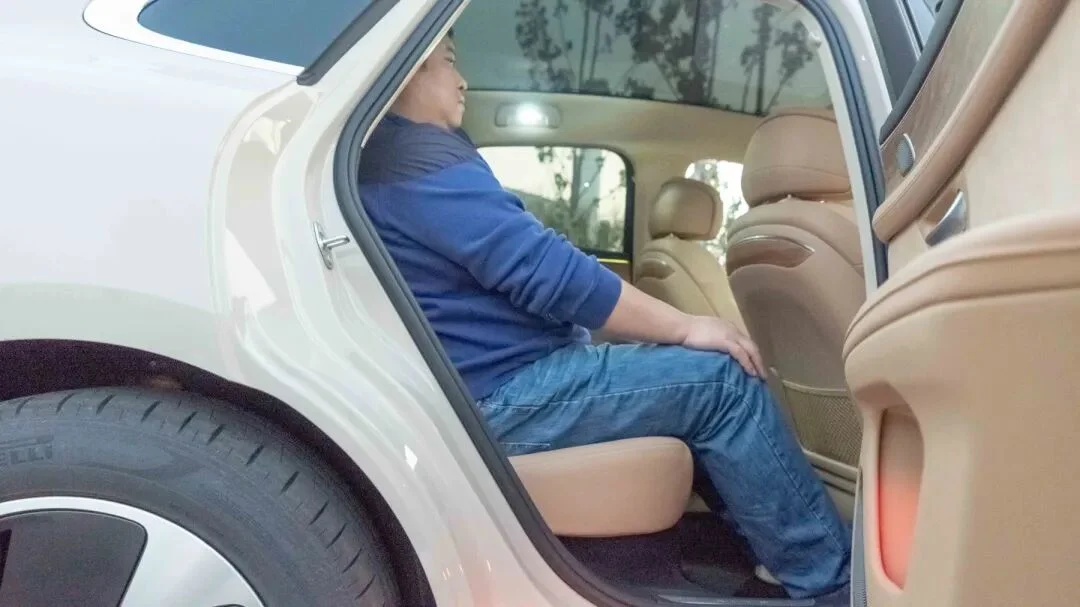
With my driving position set correctly in the front seat, my seating posture in the rear is as shown. At this position, I have one fist and three fingers of legroom, and one fist and two fingers of headroom.
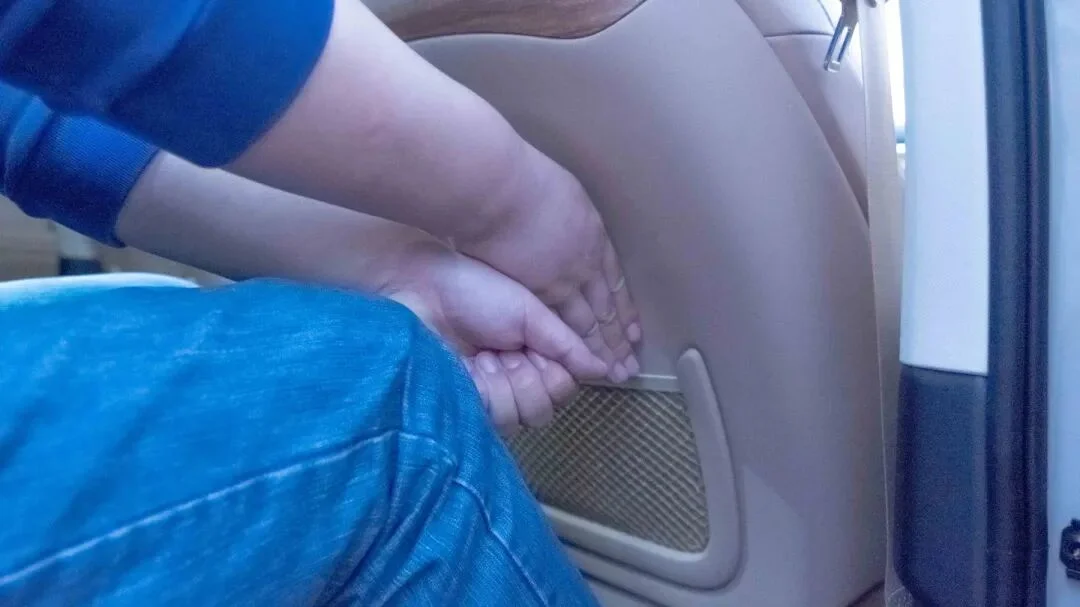

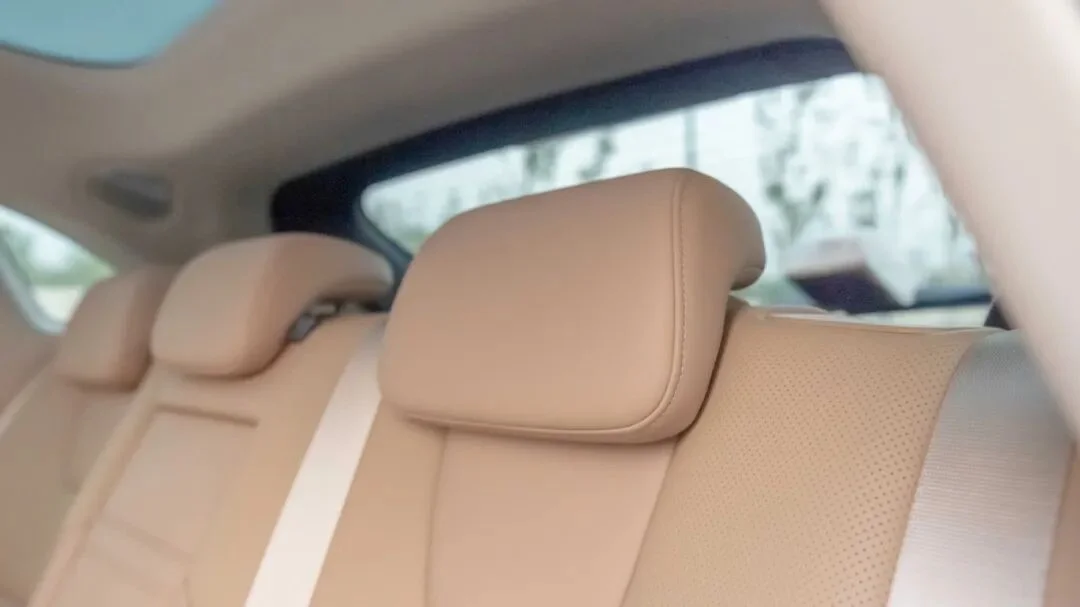
The rear seat cushions remain moderately firm and soft, with the exception of the middle seatback, which is quite stiff. All three headrests are adjustable vertically.
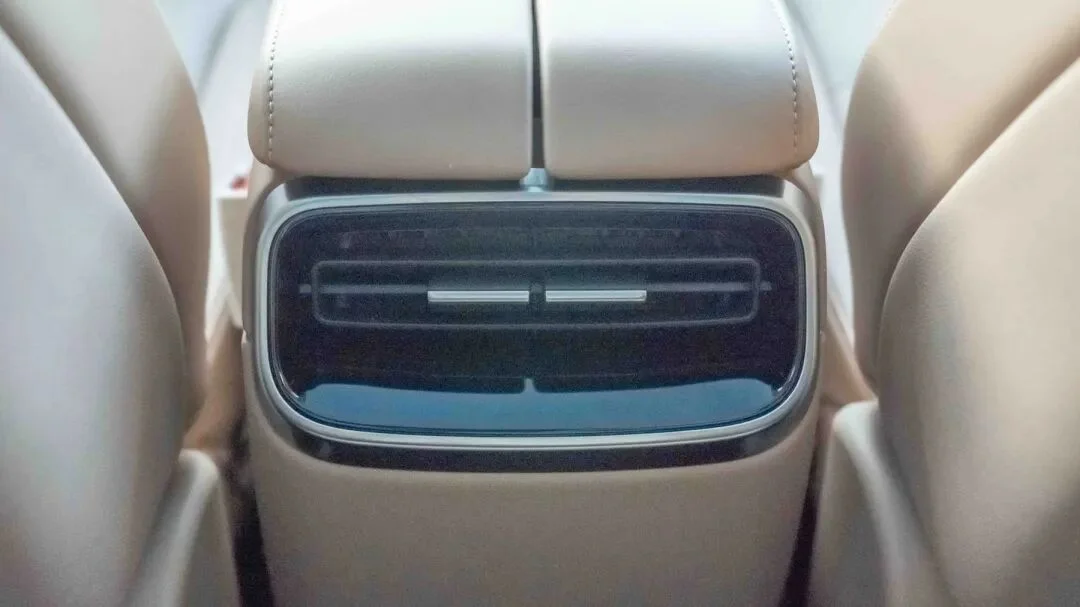
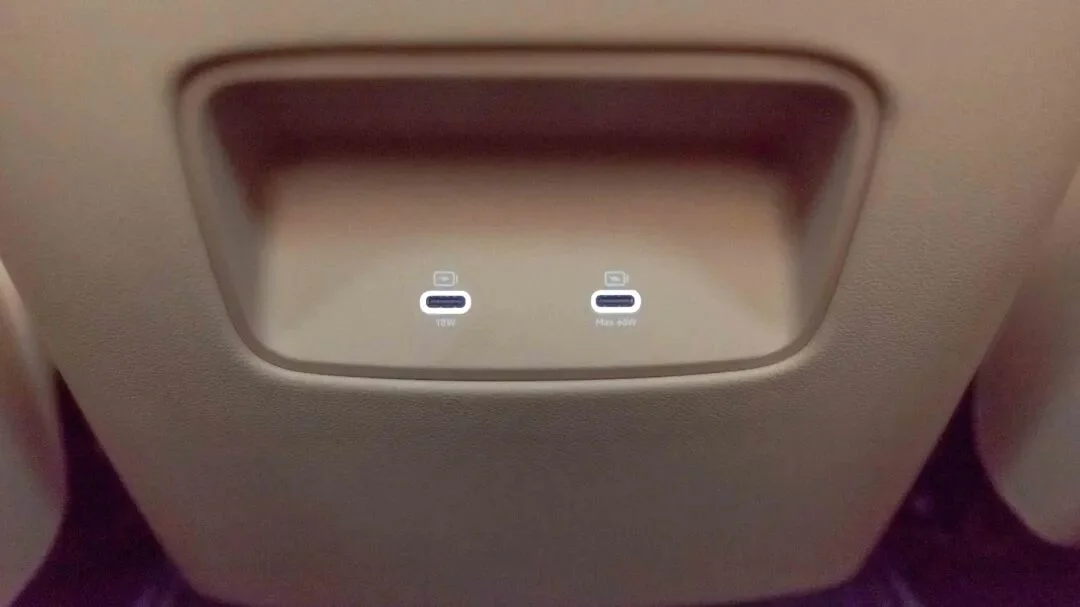
Behind the rear armrest box, there are two air vents with physical adjustment controls, located above two USB-C ports with maximum power outputs of 66 W and 18 W respectively.
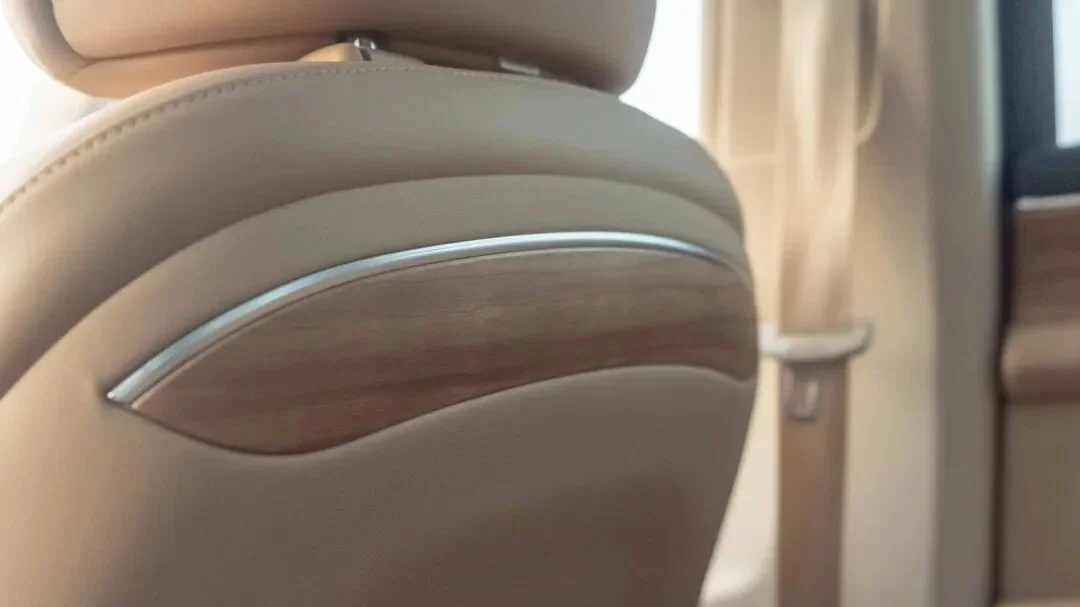
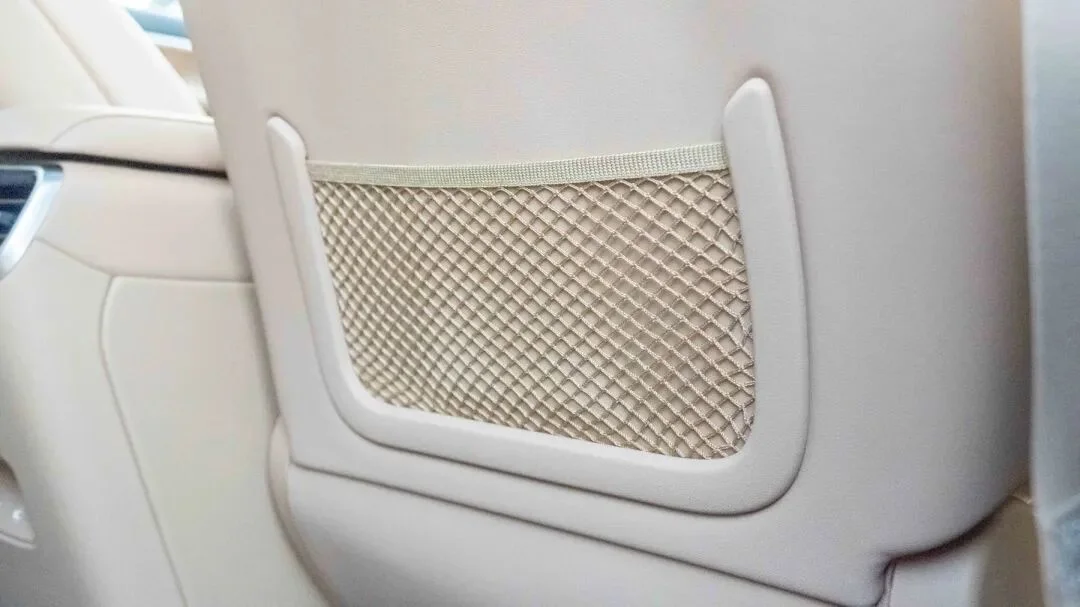
The rear of the front seats also features wood-grain trim, a design choice that underscores AITO’s apparent fondness for this material. Each seatback includes a storage net below for small items.
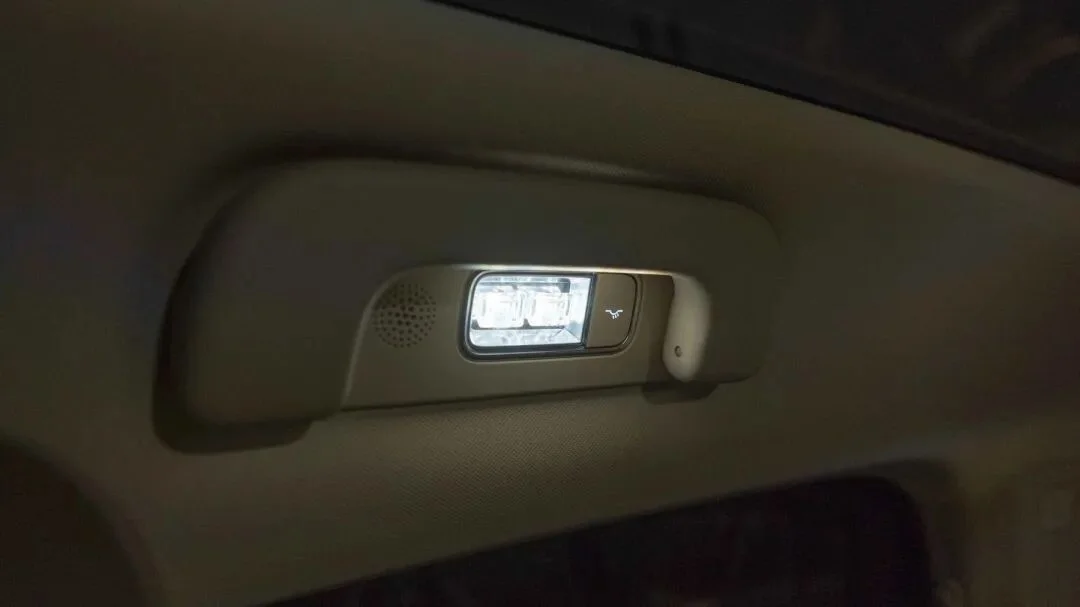
The rear cabin’s overhead reading light is equipped with a physical switch, positioned next to the voice recognition microphone.
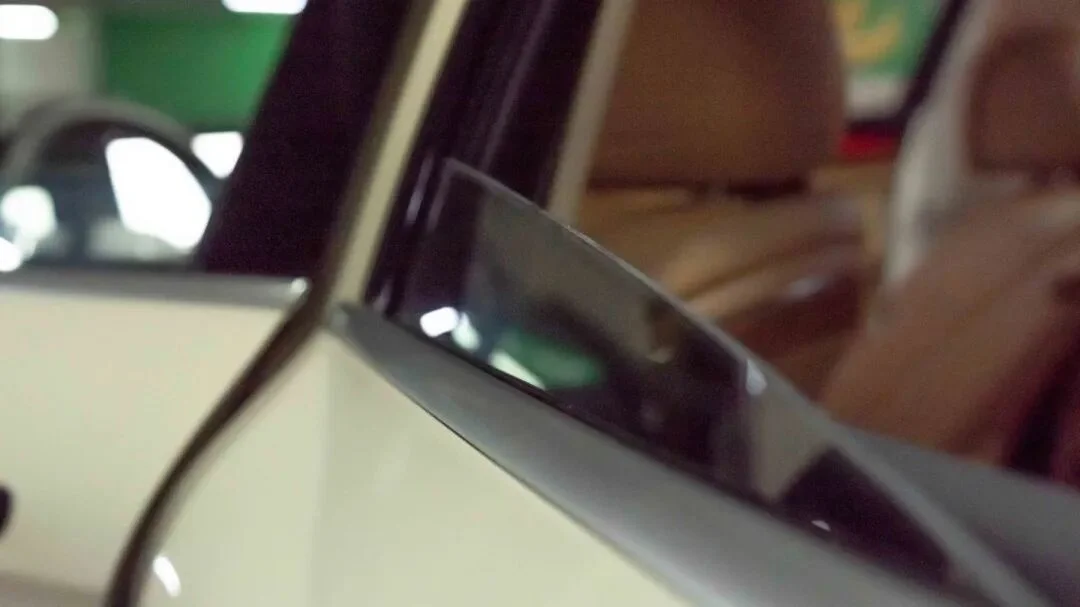
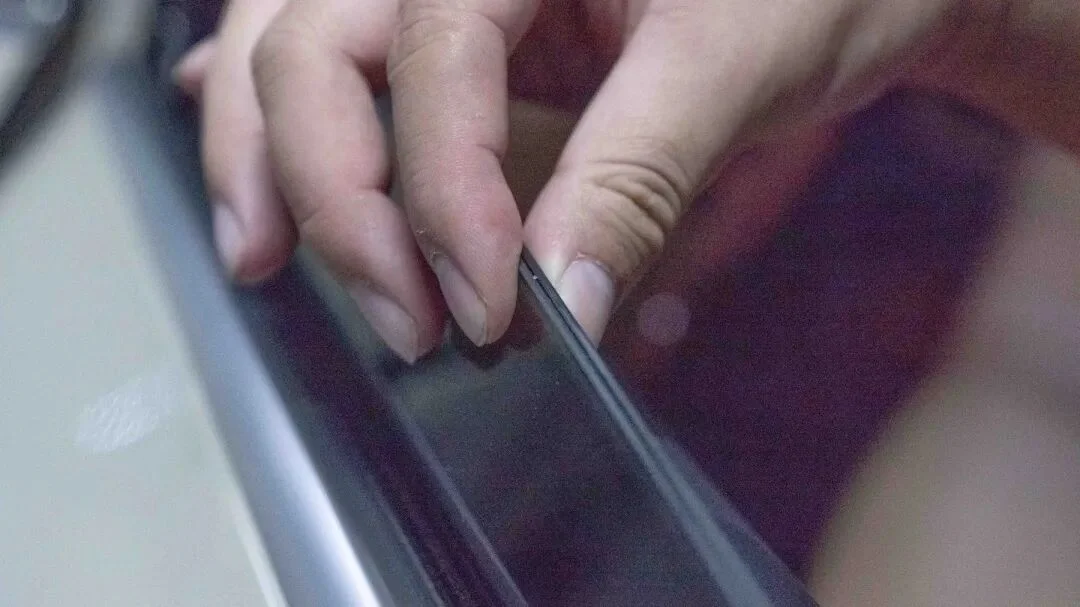
The rear windows are fitted with double-layer laminated privacy glass; however, they do not roll down completely.
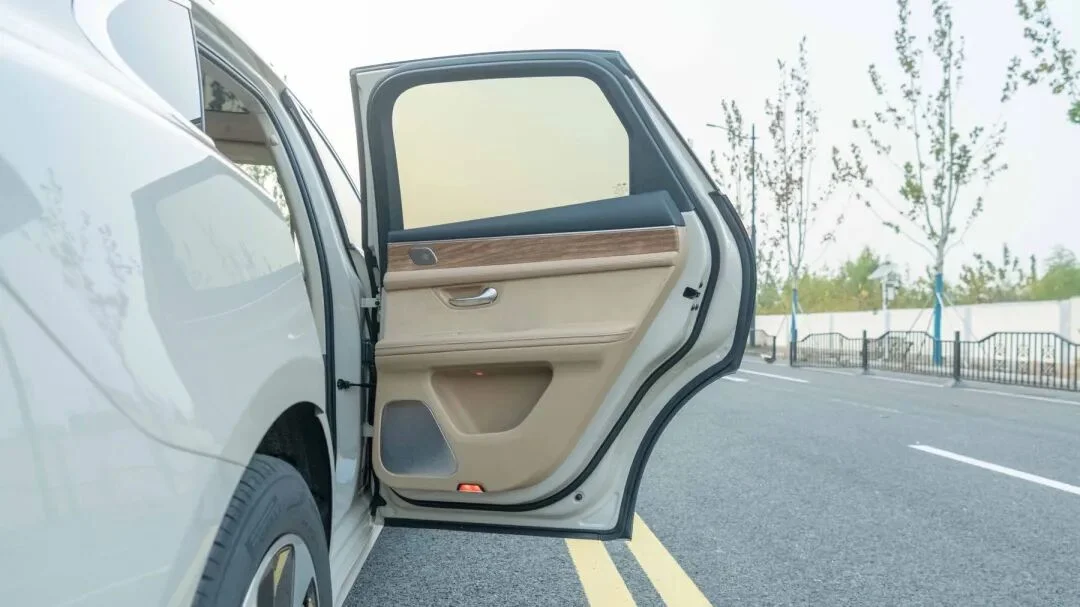
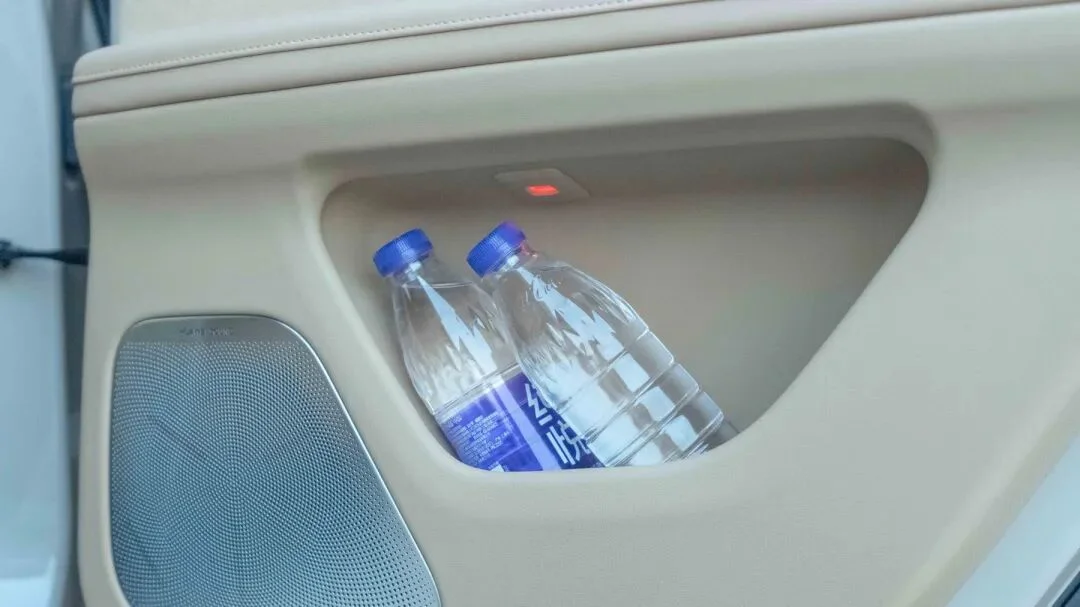
The rear door panel storage can hold two bottles of mineral water, while still accommodating two speakers on the panel.
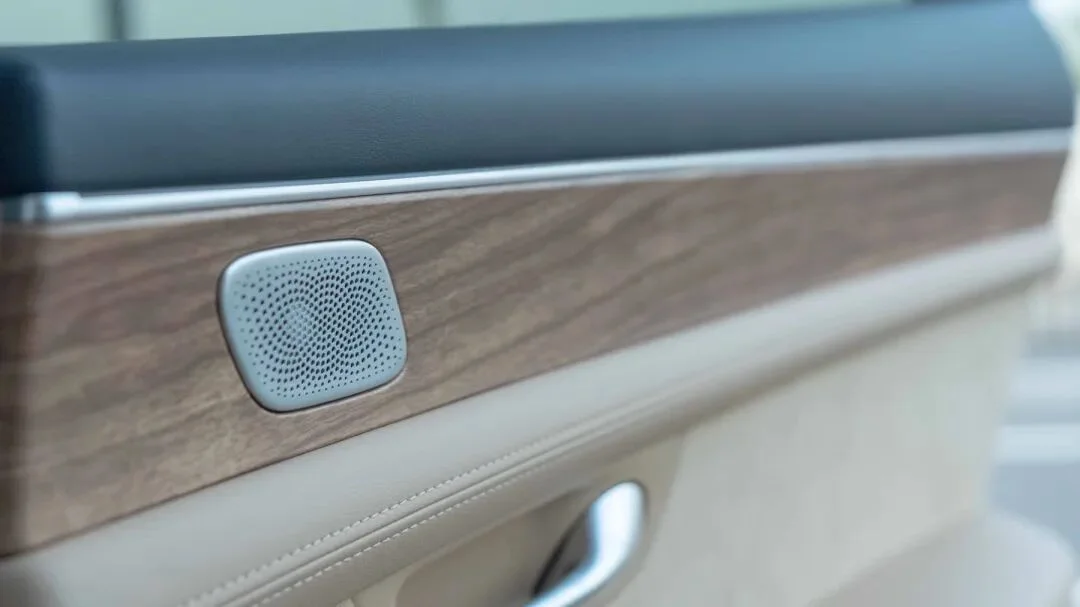
The ambient lighting in the M5 EV is relatively dim; even at maximum brightness, it is barely visible except at night. Here are some real shots for reference.
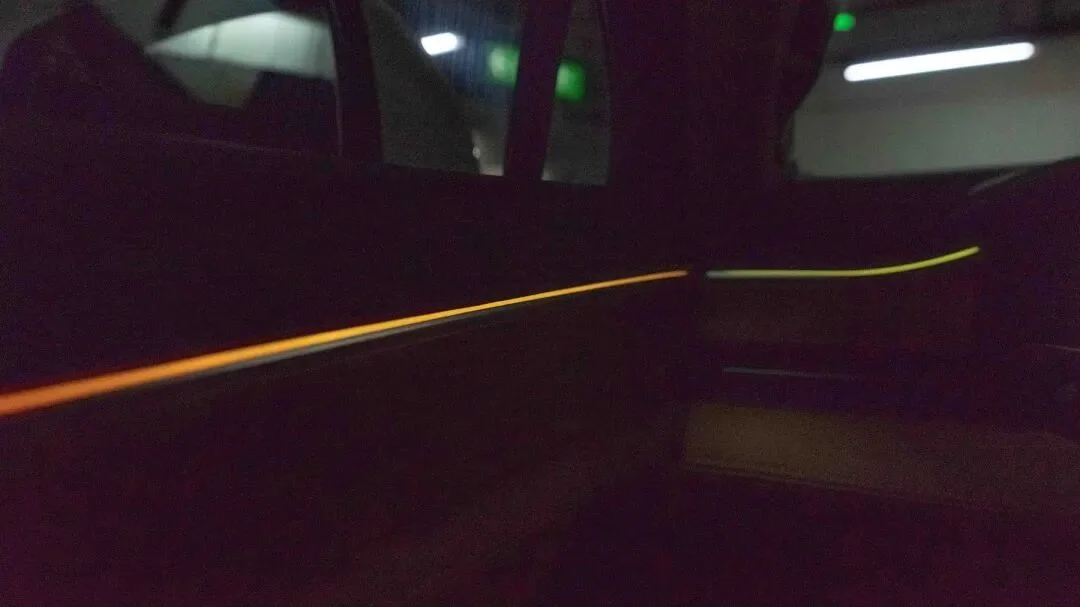
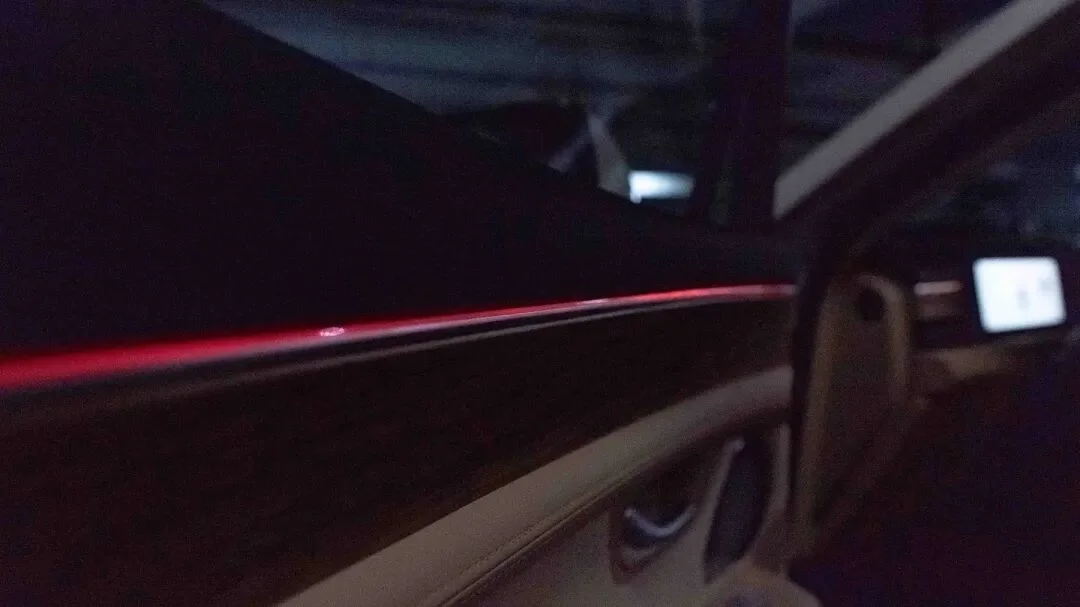
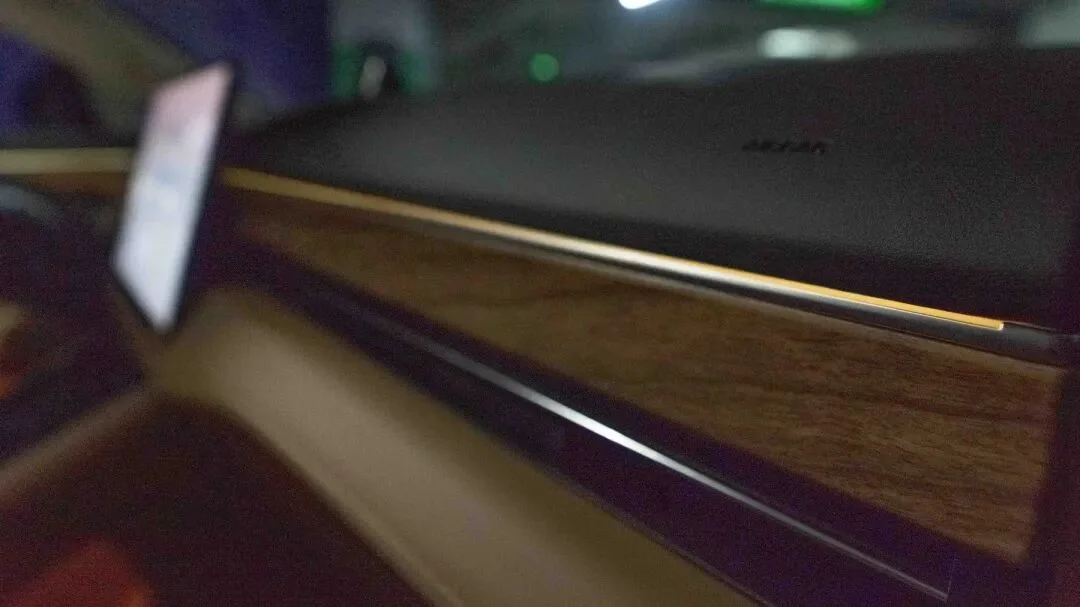
The interior review is now complete. In summary, while the M5 EV’s exterior design may appeal more to young female buyers, this brown interior feels somewhat dated; switching to a different color might improve its youthful appeal.
05Driver Assistance: Functional, but Not Intuitive
During the launch event, Richard Yu briefly mentioned that the AITO M5 EV comes standard with L2-level driver assistance across all trims. This was because, like other AITO models, the M5 EV relies on Bosch’s single-camera and front millimeter-wave radar solution.
Consequently, I did not hold high expectations for the vehicle’s driver assistance performance once on the road. However, its actual performance proved to be commendable.
The AITO M5 EV's driver assistance is activated by pressing the steering wheel icon button on the left side of the steering wheel. A single press first engages Adaptive Cruise Control (ACC). After driving for a period, when the vehicle detects lane markings, it enters Lane Centering Control (LCC) mode.
The driver assistance settings are located below the turn-signal stalk on the left side of the steering wheel. The operation method is as follows:
[Up] increases speed by 5 km/h per press; [Down] decreases speed by 5 km/h per press.
[Forward] sets the speed to the current vehicle speed; [Back] exits the assisted driving state.
Rotating the left knob forward one click brings the following distance closer by one level; rotating it backward moves it further away. The following distance has four levels in total.
Since 42Test does not conduct detailed assisted-driving tests like 42Mark, I will discuss the assisted driving performance observed during the range test.
First, after enabling LCC, the vehicle's lane-keeping capability is relatively stable, ranking among the top in assisted driving systems using Bosch solutions. It is described as 'relatively stable' because even when driving straight, there is a noticeable slight left-right correction of the steering wheel from time to time.
Regarding cornering ability, maintaining a speed below 100 km/h through curves with small curvature on ring roads and highways is generally no problem. However, do not attempt to challenge high-curvature curves within ramps; many vehicles using NVIDIA solutions cannot handle them well.
There are more complaints regarding longitudinal control. First, even when the following distance is set to the closest Level 1, the distance to the vehicle ahead remains quite large in low-speed car-following mode, visually estimated at least 6 meters, making it very easy for other vehicles to cut in.
Additionally, when the current vehicle comes to a stop, if it is still relatively far from the car ahead, it will brake firmly at a distance of approximately 6 meters before gradually closing in to about 3 meters. The braking control is poor, with multiple instances of harsh, unnecessary braking that significantly degrade the experience and would cause considerable discomfort to any passengers on board.
Longitudinal control also has a highlight: if a vehicle changes lanes in front of the current vehicle at a higher speed, even if the distance is relatively close, the system can recognize that the leading vehicle is moving faster and will not apply brakes.
In summary, the driver assistance system on the AITO M5 EV can be used on highways with light traffic, offering a basic experience and reasonable safety assurance. However, its use is not recommended on busy urban expressways or in congested conditions, as it is prone to being cut off by other vehicles or requiring repeated hard braking, resulting in a poor user experience.
06Final Thoughts
At this point, it is time to draw a conclusion on the AITO M5 EV. It continues the consistent advantage of the AITO series in smart cockpits, and the Hongmeng ecosystem undoubtedly makes it most favored by Huawei users.
The HUAWEI DriveONE pure-electric intelligent drive platform and the HUAWEI DATS dynamic adaptive torque system did not yield any significant improvements in range based on real-world test data, raising concerns about the range performance of the dual-motor variant.
Mechanical refinement has never been AITO's strong suit, but the M5 EV achieves its best level to date. Its sporty tuning keeps the chassis and suspension well-balanced, yet the steering feel falls just short, making the car feel less sporty than intended.
I can't say for sure if the exterior looks good, but our garage's overall evaluation is quite positive. The Warm Nebula color should attract many female users. However, the brown interior color scheme feels a bit dated; younger users would likely prefer other interior colors.
For driver assistance, it’s worth waiting for the AITO M9 rumored to feature Huawei’s full suite of ADAS solutions next year.
The AITO M5 EV undoubtedly ranks in the first tier for smart cockpit technology, but is it a vehicle that is 'far ahead' in every aspect? Clearly not.
Written by: JOJO Edited by: Kai Xiang