


GWM’s Four-Year Localization Strategy in Thailand
Logistics must precede military operations.
On February 17, 2020, after lengthy negotiations, GWM announced a significant move in its overseas strategy: the acquisition of Meiguotongyongqiche's manufacturing plant in Rayong Province, Thailand. At that time, GWM had not yet officially entered the Thai market, but this acquisition itself represented a massive investment.
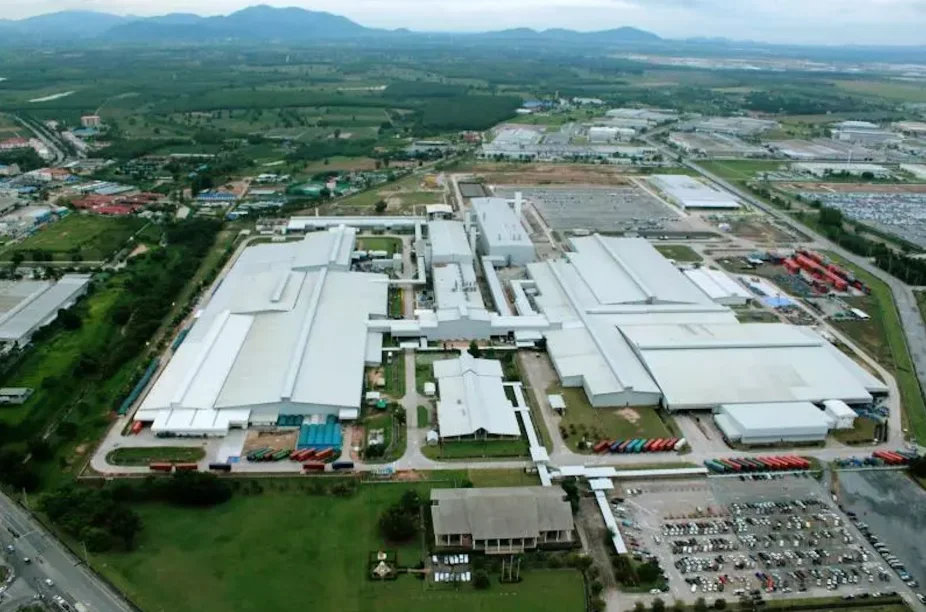
With this costly acquisition, GWM formally began its steps into the Thai automotive industry and local market, demonstrating a determination to make a long-term and firm commitment there. If calculated from this point, GWM's layout in the Thai market has actually exceeded four full years.
So, how has GWM developed in the Thai market over these four years?
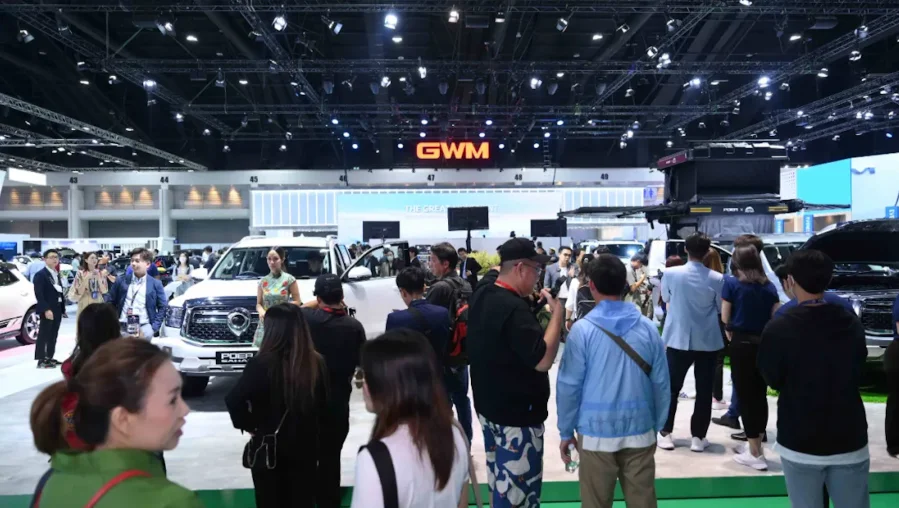
Carrying this question, we visited the GWM booth at the 45th Bangkok International Motor Show, conducting an in-depth inspection of GWM's production and manufacturing, brand building, and sales channels in Thailand. From this, we observed a typical case of a Chinese automaker laying out its overseas market under the wave of new energy vehicles.
Completing Full-Category Layout Through Pickup Trucks
During the Bangkok International Motor Show, GWM’s most significant move in its market layout was officially entering the Thai pickup truck segment, thereby achieving a full-category presence in Thailand.
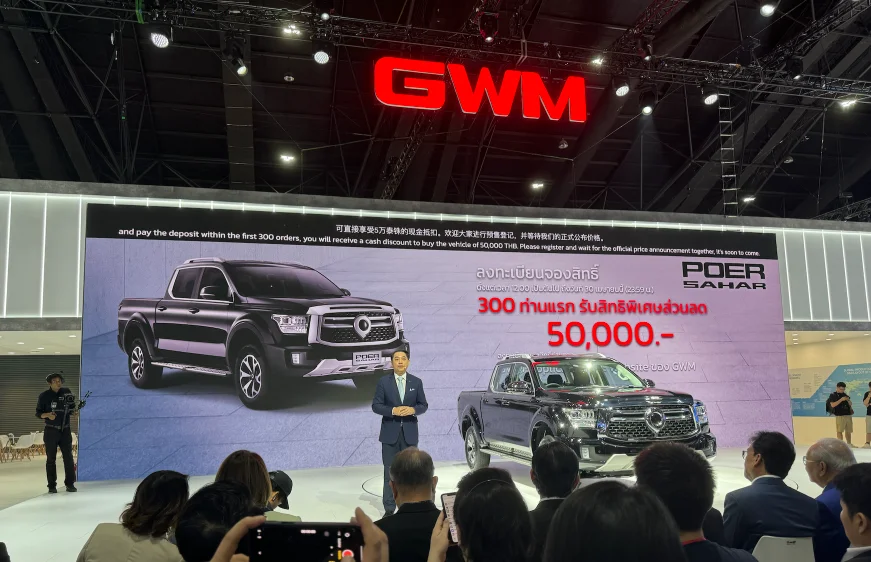
Specifically, GWM launched pre-sales for the Shanhaipao HEV in the Thai market.
The right-hand-drive Shanhaipao HEV (locally named SAHAR) that began pre-sales in Thailand is not only GWM’s debut model in the Thai pickup segment but also the country’s first hybrid pickup and the first new energy pickup currently on sale. In Thailand, HEVs are classified under the new energy vehicle category.
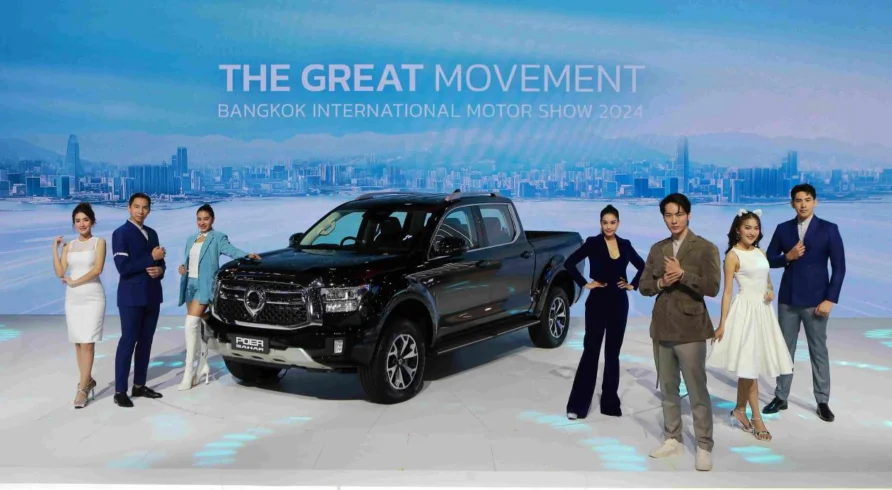
In terms of product features, beyond size and powertrain specifications, the vehicle includes comfort amenities such as customizable leather electric seats with heating, ventilation, and massage functions, alongside intelligent features like a 14.6-inch central control touchscreen.
Notably, pickup trucks have long been the largest segment in Thailand’s automotive market, accounting for 50% of total sales; Thailand is also the largest pickup market in Southeast Asia.
Consequently, GWM, which has already established a dominant position in China’s pickup sector, had long targeted this field. It has elevated its product capabilities with the goal of surpassing Japanese competitors in this segment.
However, despite these efforts, GWM’s head of operations in Thailand stated that upon initially entering the Thai pickup market, GWM intended to pursue a mid-to-high-end strategy. Thus, it introduced the Shanhaipao HEV, which carries a certain entry threshold. Future models may be launched to cover a broader price range.
For GWM’s presence in the Thai market, the launch of the Great Wall Poer marks the preliminary completion of its full-category lineup in Thailand’s new energy vehicle (NEV) sector, covering sedans, SUVs, and pickup trucks.
At the Bangkok International Motor Show, in addition to the Shanhai Poer, GWM showcased several key models from HAVAL, TANK, Ora, and other brands. These include the HAVAL H6 HEV, TANK 300 HEV, TANK 500 HEV, Oulahaomao, and Oulashandianmao—all new energy vehicles already available in Thailand and contributing significant sales to GWM’s local new energy business.
Chong Baoyu, General Manager of GWM Thailand Sales, noted that the HAVAL H6 has held the championship position in Thailand’s SUV segment for 12 consecutive months, totaling 18 months since its launch. Meanwhile, as the first true pure electric vehicle launched in Thailand, the Oulahaomao exceeded 10,000 orders within a week of its release.
Regarding GWM’s development in Thailand, Chong Baoyu stated that over the past three years, consumer awareness and acceptance of the brand have grown significantly. Thai consumers generally believe that Chinese brands like GWM hold advantages in technological innovation and offer better cost-performance ratios.
He also emphasized that GWM’s growth in Thailand benefits from supportive local policies for new energy vehicles. The Thai government consistently supports the new energy vehicle industry, and imported Chinese electric vehicles enjoy zero tariffs, enabling rapid growth for Chinese brands including GWM.
Chong Baoyu emphasized GWM’s competitive advantages in the Thai market, noting that it is currently the only automaker with a complete product lineup covering all new energy categories—from HEV and PHEV to BEV. This comprehensive coverage helps GWM maintain a competitive edge in Thailand’s saturated market environment.
Beyond Local Manufacturing: Local R&D
GWM’s comprehensive product lineup in Thailand is rooted in its local manufacturing operations.
As noted at the beginning of this article, GWM initiated its local production layout in Thailand through an acquisition in 2020, completing the purchase of its Rayong factory in November 2020. Subsequently, GWM invested nearly RMB 5 billion to renovate the Rayong facility, which began formal production in June 2021 with the HAVAL H6 HEV as its first model.
Notably, before launching its first model in the local market, GWM unveiled the GWM brand in February 2021, becoming the first Chinese automaker to enter the Thai automotive market with wholly-owned operations.
For GWM, establishing local manufacturing in Thailand involves more than just introducing complete vehicle assembly processes.
Alongside the renovation of the Rayong factory, GWM also brought core component suppliers such as Jinggong and Mande into the Thai market, supporting the improvement and diversification of Thailand’s automotive supply chain.
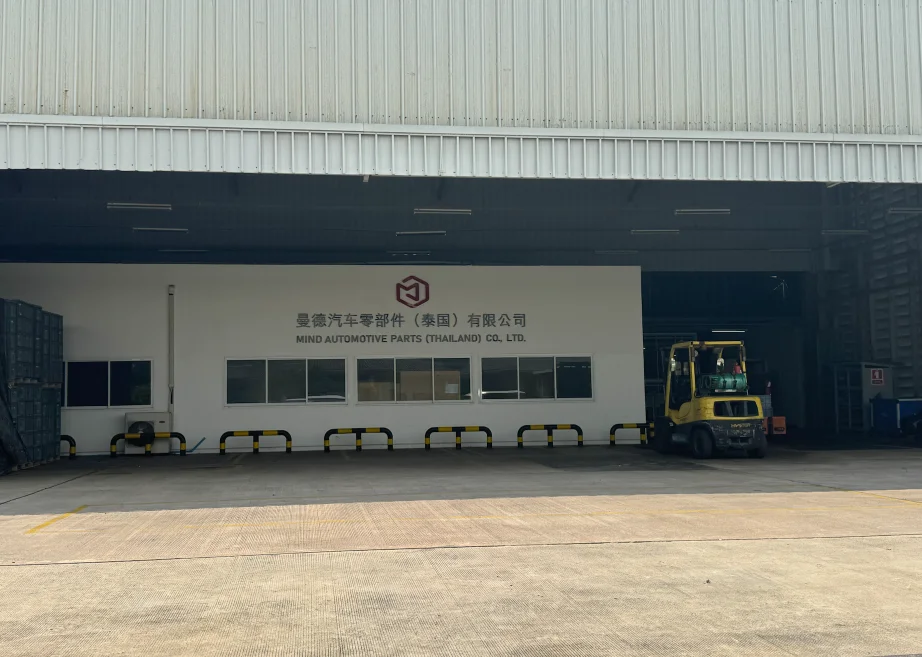
Furthermore, against the backdrop of the new energy vehicle (NEV) market, GWM has expanded its pure electric vehicle (BEV) layout in Thailand. On July 5, 2023, it established its battery business, Fengchaonengyuan, in the country. This marks the first complete vehicle BEV assembly project by a Chinese automaker in Southeast Asia, further solidifying GWM’s position in Thailand’s NEV sector.
While actively integrating its own industrial capabilities, GWM has also worked to strengthen supply chain resilience and traceability by collaborating with local parts suppliers within the framework of Thailand’s automotive policies. To date, GWM’s local content rate for components in the Thai market has exceeded 50%. This not only reduces overseas manufacturing costs, improves delivery cycle control, and enhances management transparency, but also drives the development of Thailand’s automotive industry.
It is worth emphasizing that GWM has introduced a series of smart manufacturing elements at its Rayong plant in Thailand.
For instance, the facility widely employs advanced intelligent equipment such as smart robots and computer control systems to boost production efficiency. Forty-seven FANUC robots play a key role in welding high-strength steel body panels. These robots work in coordination to deliver each section of the car body to assembly stations, ensuring a smooth and efficient production process.
Additionally, in the painting process, the factory also employs advanced equipment and intelligent technologies to ensure the product's finish is both refined and durable.
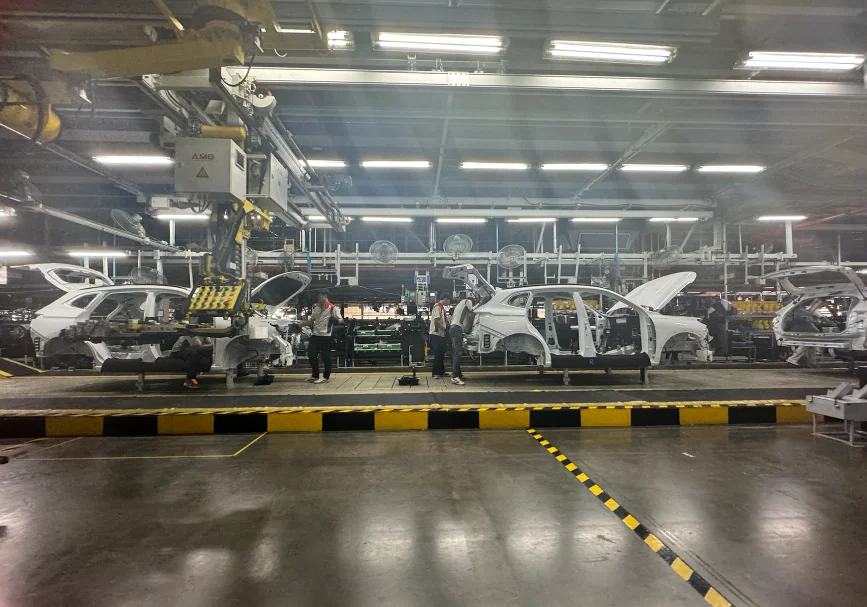
Notably, at the GWM Rayong plant, we also observed that GWM has brought in employees from China and introduced management systems and working methods from its domestic factories to the Thai site. These are communicated to local staff in Chinese, Thai, and English to further enhance efficiency.
According to reports, after a series of strategic layouts, the GWM Thailand Rayong plant now possesses complete automotive manufacturing processes including stamping, welding, painting, and final assembly. It can co-produce new energy vehicles—hybrid electric vehicles (HEV), plug-in hybrid electric vehicles (PHEV), and battery electric vehicles (BEV)—alongside traditional internal combustion engine models. This makes it the only factory in Thailand with full manufacturing capabilities for HEV, PHEV, and BEV models.
Looking at specific models, the HAVAL H6 HEV and PHEV, HAVAL JOLION HEV, TANK 300 HEV, and TANK 500 HEV have all achieved local production. Oulahaomao also officially started mass production on January 12, 2024, marking the first locally produced mass-market electric vehicle in the history of Thailand’s automotive industry.
Additionally, beyond manufacturing, the GWM Thailand market representative informed us that GWM has also established a local R&D team of over 60 people in Thailand.
Currently, these teams are primarily responsible for localizing products to suit the Thai market. This includes tuning driving dynamics, adjusting chassis systems and structures to meet local consumer usage patterns, as well as localizing infotainment and intelligent systems, language adaptation, and product certification.
Focusing on Differentiation: Competing with Japanese Brands
For GWM, the manufacturing system at its Rayong factory serves as the backend for deep cultivation in Thailand. On the consumer-facing side, however, it faces a fiercely competitive market.
This is especially true given the entrenched dominance of Japanese automakers in this market.
It is understood that from the beginning of entering the Thai market to now, Japanese brands represented by Toyota and Bentian have been laid out in the Thai market for more than sixty years. Their long-term market share has reached as high as 80% to 90%, and they have thus established very strong trust and brand loyalty in the minds of consumers.
Consequently, the Thai automotive market has long been dominated by Japanese brands.
In this context, GWM did not choose to compete head-on with Japanese brands in the traditional internal combustion engine (ICE) vehicle segment when entering the Thai market. Instead, it adopted a differentiation strategy. A clear manifestation of this approach is its focus on the new energy vehicle (NEV) track from the outset. In addition to hybrid electric vehicles (HEVs) and plug-in hybrid electric vehicles (PHEVs), GWM was the first to launch the Ora Good Cat (Oulahaomao) pure electric vehicle in the Thai market.
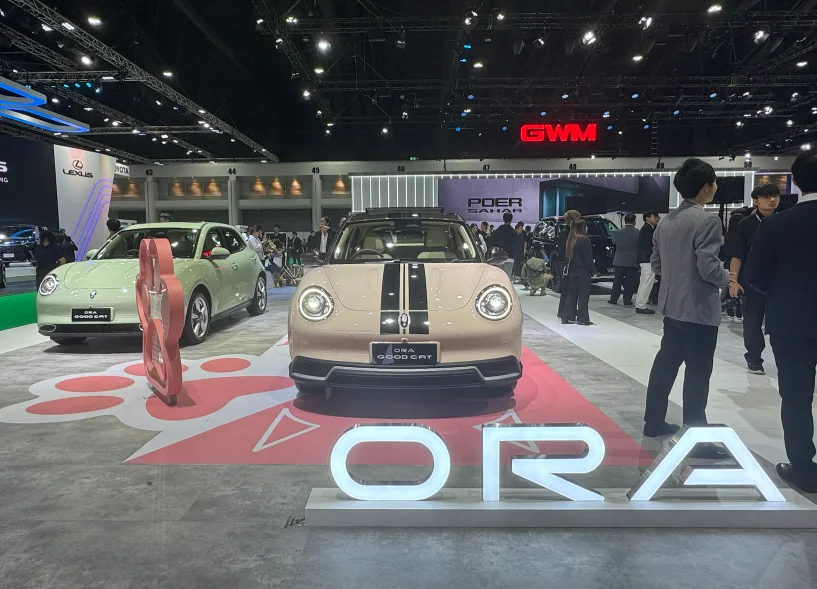
In terms of intelligence, GWM has localized its infotainment system to suit Thai consumers' habits and needs, including language support and integration of popular local online streaming apps like Spotify. Additionally, GWM has introduced innovative features through a super app that incorporates vehicle control, usage services, points mall, and community interaction modules, marking the first such offering in Thailand.
Of course, beyond product differentiation, GWM has adopted a sales model distinct from traditional 4S dealerships, utilizing a hybrid network of direct operations and authorized partners, along with transparent pricing and a sales partner concept.
A GWM sales executive told us that after entering the Thai market, GWM proposed a policy of nationwide uniform pricing and unified promotions. This made GWM the first automotive brand in Thailand to adopt such a policy, thereby changing the previous practice of price competition among different dealerships.
Under this policy, customers at all GWM stores across Thailand now pay deposits and vehicle prices directly to GWM. The partners responsible for opening and operating these stores only assist GWM in 'proxy delivery' to customers. This reduces their operational burden, allowing them to focus more on customer experience, such as facilitating test drives and enhancing terminal-level experiences.
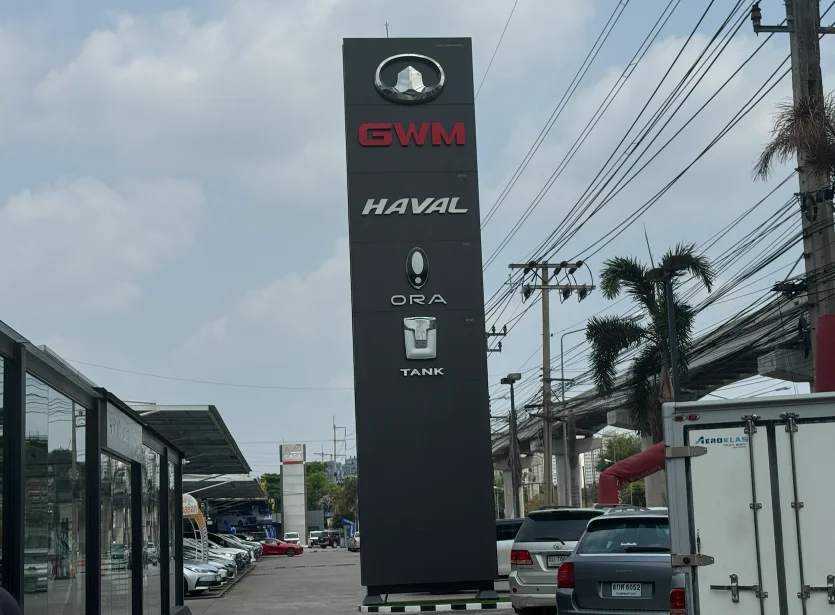
What is very interesting is that, unlike the Chinese market, GWM adopts a multi-brand co-sales strategy in the Thai market. This means selling models from multiple brands, including HAVAL, TANK, and ORA, within the same store, which is related to the scale and consumption habits of the Thai market itself.
Meanwhile, in terms of user experience, GWM also pays close attention to creating differentiated experiences in areas that are highly perceptible to users.
For example, during the pandemic, GWM's offline stores launched services similar to 'home delivery.' At the same time, users can schedule after-sales service appointments via the GWM Thailand mobile app. Throughout the vehicle repair process, all maintenance and service progress is updated in real time on the app. Users can also use the app to view live feeds from workshop cameras, monitoring their vehicle's repair status in real time.
Additionally, to engage with users on a brand level, GWM established a dedicated Thailand User Committee, the first of its kind in the Thai automotive industry. This organization facilitates interaction between the brand and users while enabling "user co-creation" through regular direct communication with management and participation in the formulation of brand strategy and product planning.
GWM has also spared no effort in interacting with Thai users on social media.
Overall, to win over more consumers, GWM has pursued a differentiation strategy in the Thai market distinct from Japanese automakers. Beyond new energy vehicles, it is driving new breakthroughs in the Thai automotive market by leveraging labels such as "new intelligence" and "new experience," which foster closer relationships with users.
In Conclusion
For GWM, expanding into Thailand represents a significant step in its ASEAN and global layout.
In fact, when GWM announced the acquisition of a manufacturing plant in Rayong Province, Thailand, in February 2020, it explicitly stated that Thailand would serve as the center for radiating products throughout the ASEAN region, with exports to other ASEAN countries and nations such as Australia. Entering the Thai market was a key move for GWM’s expansion into ASEAN and an important component of its global strategy.
For example, 60% of the cars produced by GWM in Thailand are sold locally, while 40% are exported to other overseas markets. From a production perspective, Thailand has become a crucial production base for GWM’s overseas layout.
Of course, whether viewed from the production or market side, GWM’s layout in Thailand is long-term in nature.
During the Q&A session, a GWM Thailand representative told us that while GWM is still in the investment phase in Thailand, it is approaching the point of entering a positive cycle. He emphasized that GWM approaches its operations in Thailand with an industrial mindset, guided by the core value of "in Thailand, for Thailand." Only with this attitude can a company truly establish itself in a competitive existing market; furthermore, GWM aims to become a global automotive brand deeply rooted in the Thai market.
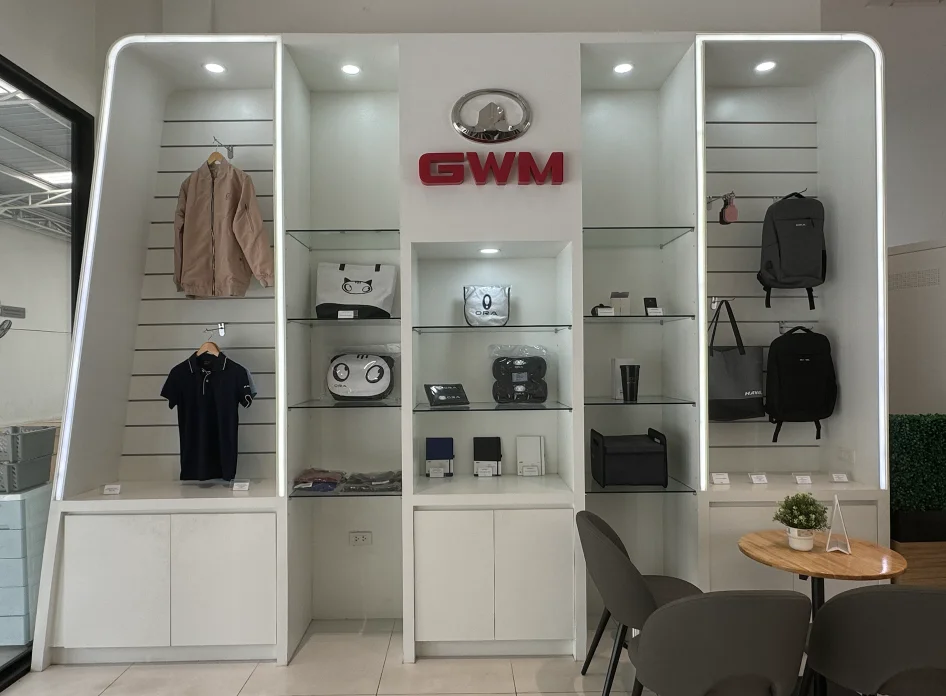
"GWM's presence in Thailand is actually a microcosm of Chinese automakers' globalization," the representative said.
From a broader perspective, GWM's series of moves in Thailand are set against the backdrop of new energy vehicles. This involves not only bringing its extensive industrial accumulations in China's automotive sector—particularly in electrification and intelligence—to overseas markets, but also introducing new changes in branding, channels, marketing, and corporate thinking. Through these efforts, GWM engages in fierce competition with established rivals.
Clearly, going global is a necessary step for Chinese automakers like GWM, but it is not something that can be achieved overnight, nor will the process be smooth. On the journey toward globalization, Chinese automakers need to make greater investments and accumulate more experience in products, services, technology, and localization. They also require greater resolve and patience. The road ahead is long, and players must strive relentlessly to secure their place in the global market.
Written by: 308 Edited by: 308