


DENZA D9 EV: Dual-Gun Charging, Faster Than 800V Systems Today?
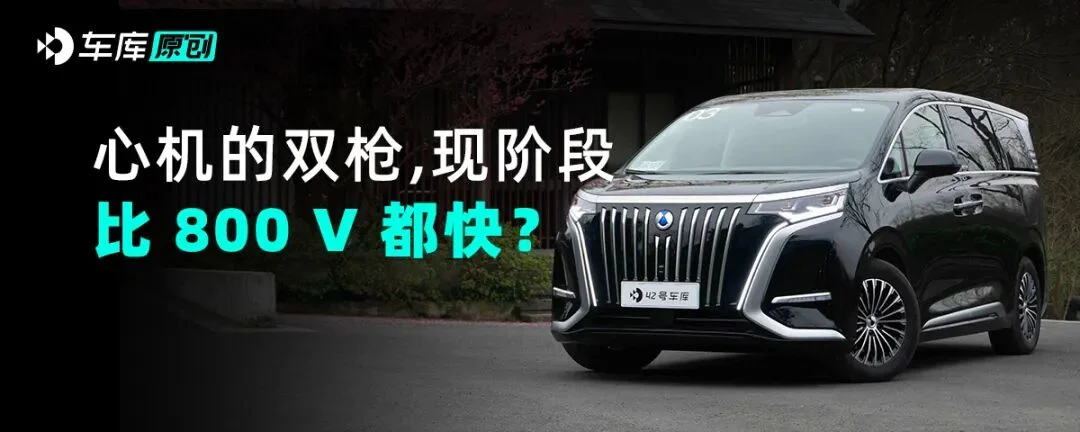
When I first encountered new energy vehicles, I naively wondered if using both AC and DC charging guns simultaneously could boost charging power.
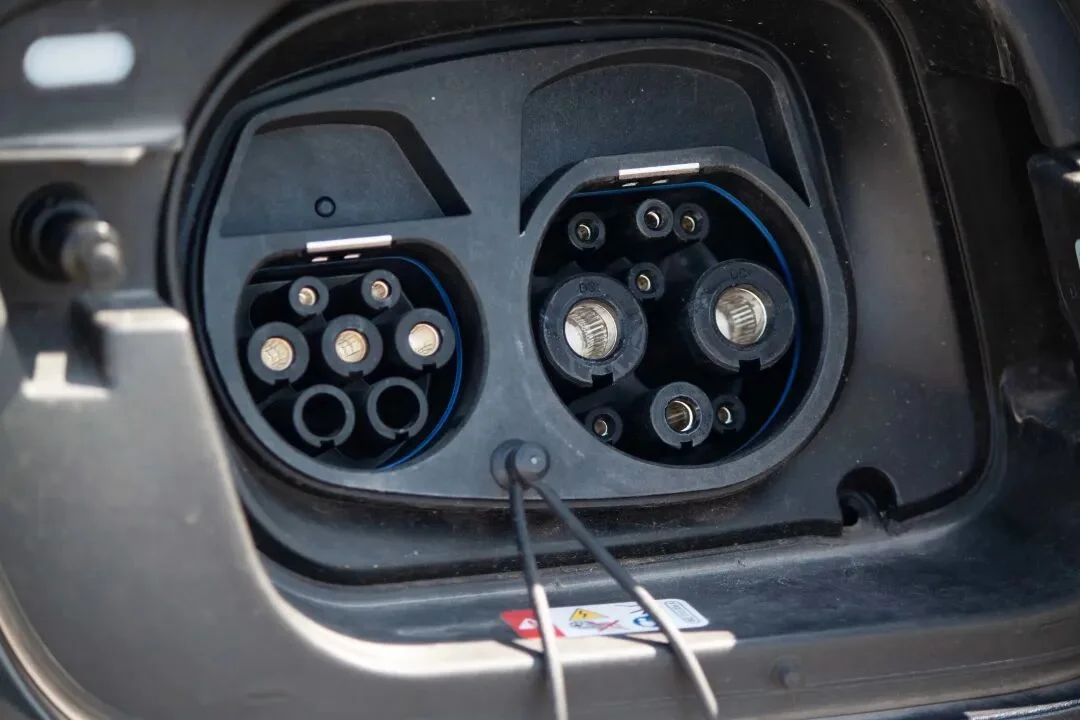
It wasn't until I majored in new energy vehicles at university that I learned AC power must be converted to DC by the onboard charger (OBC) before it can charge the battery pack. In contrast, during DC fast charging, the charging station converts AC to DC on its end, allowing direct charging via the Battery Management System (BMS). Therefore, simultaneous charging is theoretically impossible.
From a practical standpoint, the maximum power for AC charging is only 11 kW, typically around 7 kW, so even if simultaneous use were possible, the benefit would be negligible.
Later, I discovered that BYD's commercial electric buses and mixer trucks could charge using two DC guns simultaneously. Now, BYD has brought this technology down to the DENZA D9 EV. We have already fully experienced the DENZA D9 DM-i; those interested in space and driving dynamics can click here: "The Path of Domestic Luxury MPVs: A 10,000-Word Analysis of the DENZA D9 | 42Test". This article focuses more on the experience of dual-gun fast charging, as well as the exterior and dynamic performance of the pure electric version.
01Dual-Gun Charging: Technology Downward Transfer
Dual-gun charging is hardly a new technology, but the DENZA D9 EV is among the few passenger vehicles to feature it. In this article, I will examine the technology from three perspectives—charging efficiency, user experience, and the technical implementation of dual-gun charging—to evaluate its real-world advantages.
Can It Top the Charging Efficiency Rankings?
Previously, the DENZA D9 DM-i’s 40 kWh battery pack achieved a charging power exceeding 2C (90 kW) at a rated voltage of 614.4 V, which was already impressive. The DENZA D9 EV features a larger 103 kWh battery pack with a rated voltage of 608 V. According to official specifications, the maximum charging power reaches 166 kW whether using the right-side main port, the left-side auxiliary port, or both guns simultaneously. This allows for a 30%–80% state of charge (SOC) in just 30 minutes.
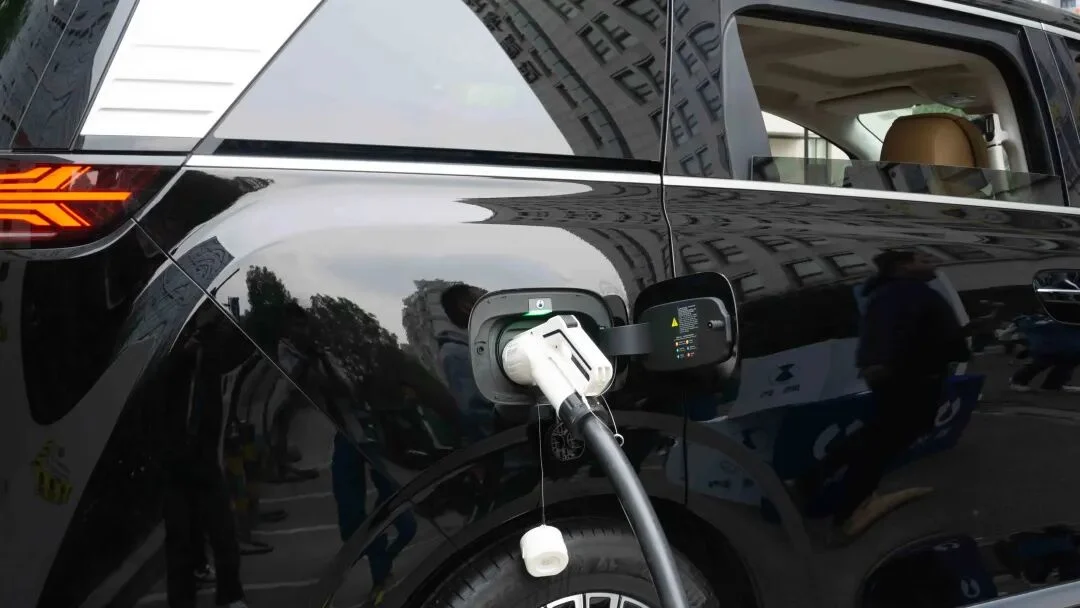
Let’s first look at our testing conditions. We used Xiaojuchongdian chargers at an outdoor station where the temperature was approximately 9°C. The vehicle had not undergone battery preheating before charging began.
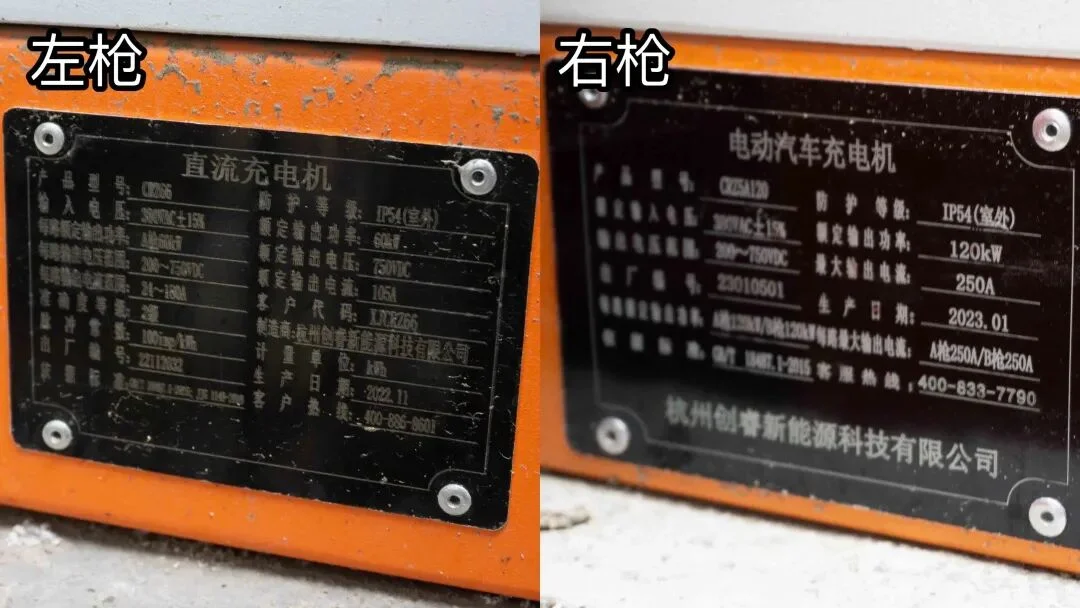
For the test, we connected a single-gun 60 kW charger (rated output: 750 V, 105 A) to the left gun and a single-gun 120 kW charger (rated output: 750 V, 250 A) to the right gun. Our measurements showed that charging from 8% to 95% SOC took only 43 minutes, and reaching 100% required just 58 minutes. Additionally, the left gun disconnected automatically once it reached 95% SOC. The right gun, likely due to its connection to the main charging port, continued charging until it hit 100% before disconnecting.
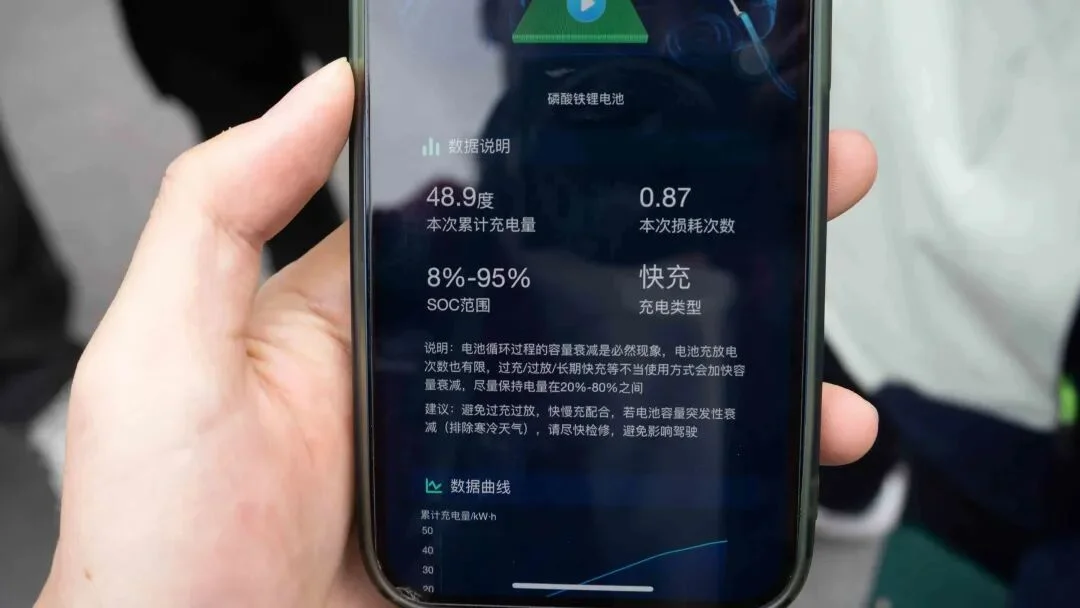
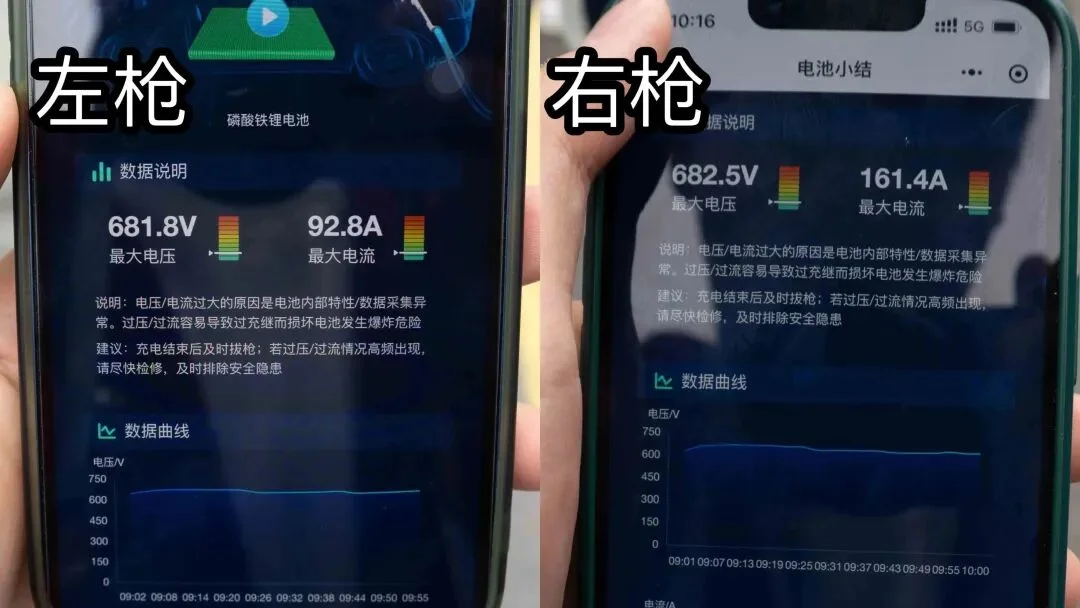
During charging, the left connector had a rated power of 60 kW, with a measured maximum current of 98.2 A and a maximum voltage of 681.8 V, reaching a power output of 66.9 kW. The right connector had a rated power of 120 kW, with a measured maximum current of 161.4 A and a maximum voltage of 682.5 V, reaching a power output of 110.2 kW. The combined maximum power of both connectors reached 177.1 kW, exceeding the official claim of 166 kW. Moreover, peak power of 167 kW was achieved when the state of charge (SOC) was at 25%. The measured efficiency is impressive and holds significant value for the large 103 kWh battery.
Currently, the top spot on our charging leaderboard belongs to the XPENG G9. The 800 V platform G9 reached 121.6 kW on a 120 kW Xiaojuchongdian charger, completing a 5%–95% charge in 53 minutes. Based on DENZA D9’s 43-minute time, this could become the new leader on the 42Test charging list, although that would be somewhat unfair.
High Power Doesn’t Care About Piles, But Does the Phone?
According to data statistics on the distribution of public DC chargers, those below 150 kW account for 71% (60–120 kW: 23%; 120–150 kW: 37%), while those above 150 kW account for 29% (150–180 kW: 18%; above 180 kW: 11%). This shows that even with an 800 V platform vehicle, excluding proprietary piles, the upper limit of the 800 V platform mainly depends on the charger’s capacity.
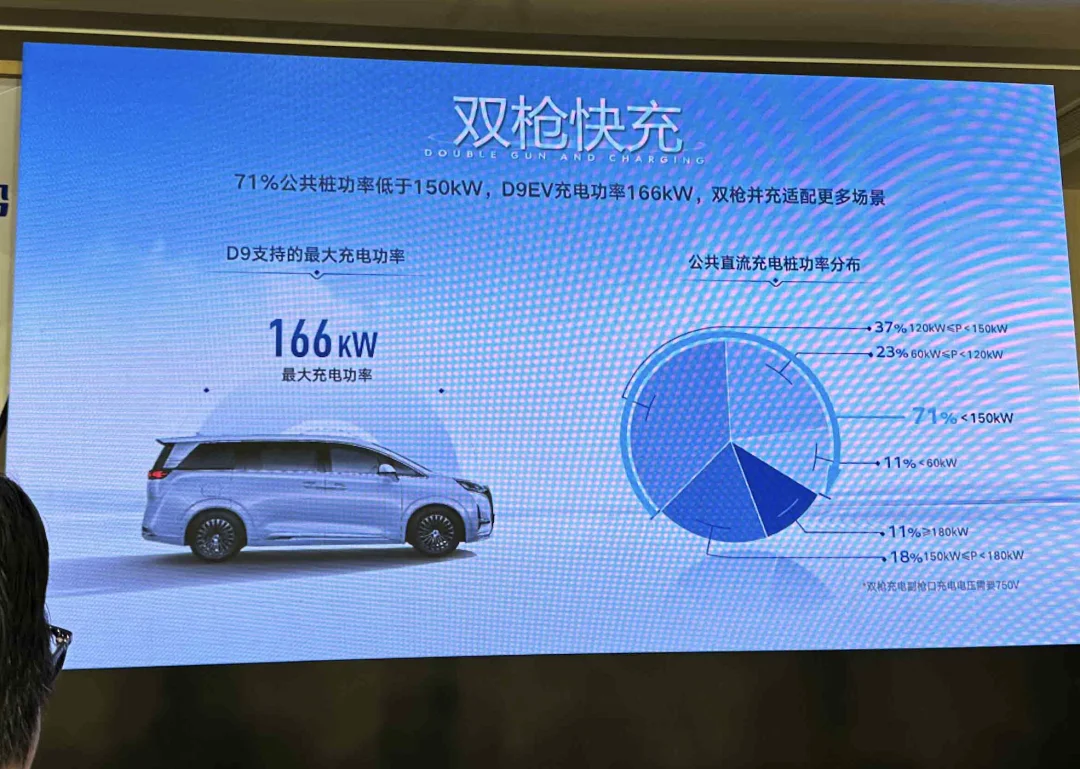
For the DENZA D9, dual-connector fast charging means that even if the charger’s power limit does not reach the vehicle’s potential, plugging in two connectors simultaneously for replenishment offers a more obvious effect through this straightforward method.
Every coin has two sides, and the same applies to the DENZA D9 EV’s dual-connector charging.
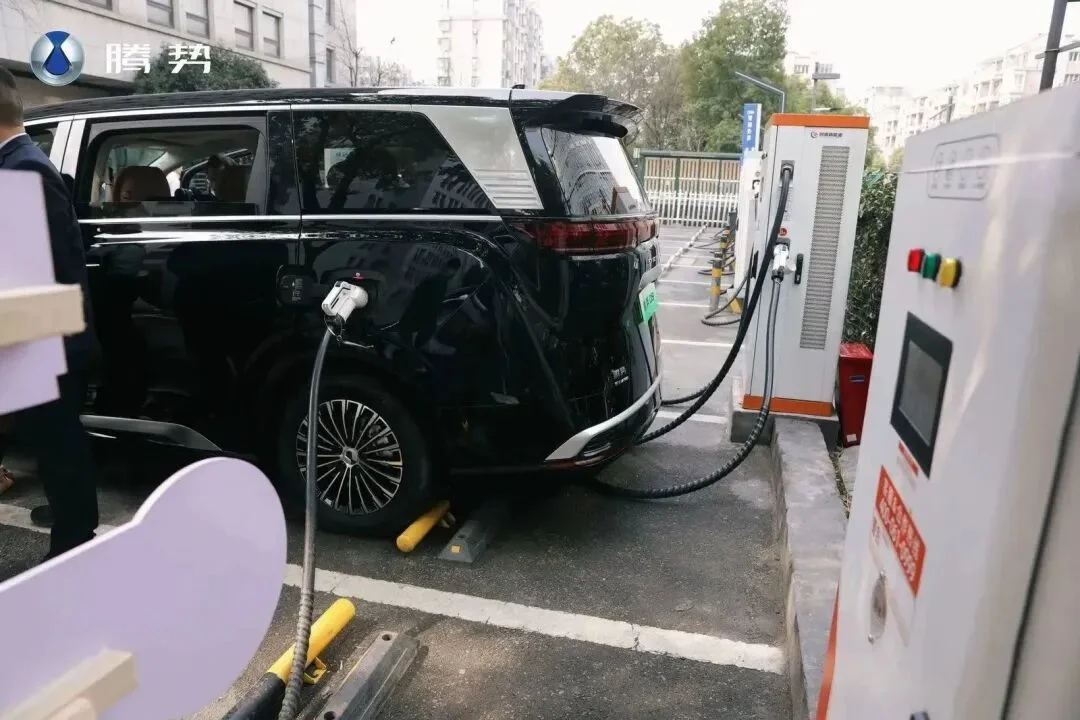
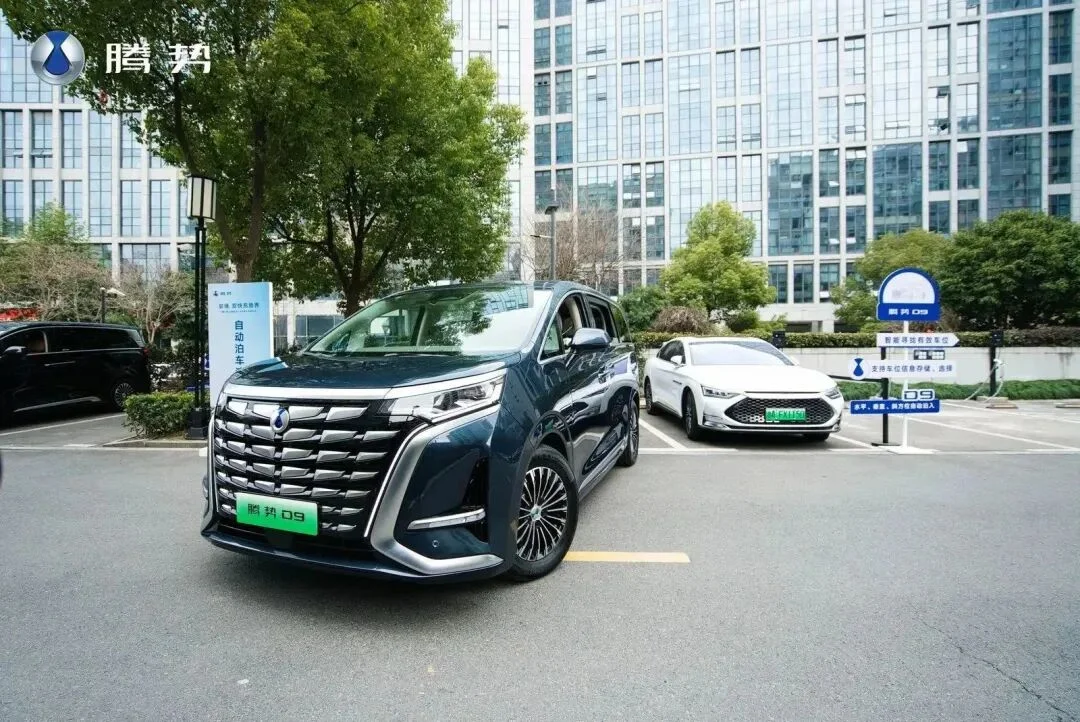
166 kW can be achieved on most third-party charging piles with 120 kW and 750 V conditions, provided you have two piles. Aside from single-pile, single-gun setups, to avoid being split up, we need to find two additional piles for recharging on dual-gun piles (refer to the vehicle parking positions in the figure below). If the station has a high vacancy rate, it's fine; but if space is already tight, it feels quite awkward.
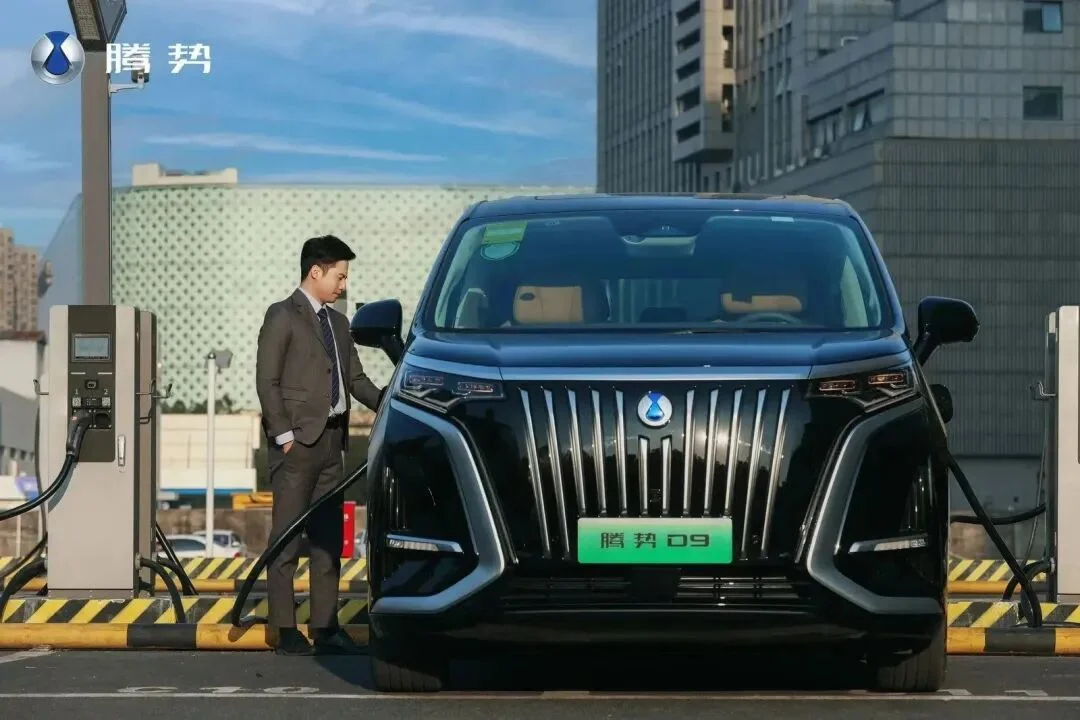
Excluding placeholder factors, some charging software and mini-programs do not support multiple simultaneous orders. Our research shows that Xiaojuchongdian and the Jiadian App cannot handle multiple orders at once. Xingxingchongdian and Telaidian allow up to three concurrent orders, while Guojiadianwang's e Chongdian has no numerical limit. Therefore, high-power chargers are not picky about the pile, but the phone is. Fortunately, most mainstream charging brands support multiple orders.

If you truly find yourself with only one phone, there is still a workaround: use two apps simultaneously to scan the QR codes for charging, which can resolve the issue.
Commercial Vehicle Technology Driven Downward: The Engineering Isn't Hard
Dual-gun charging first appeared on commercial pure electric buses. Pure electric buses over 8 m in length generally support a battery charging current of more than 250 A. However, for large buses with batteries of 200 kWh or 300 kWh, a single-gun DC charging current capped at 250 A is no longer sufficient to meet daily mileage requirements. Thus, dual-gun charging was born and has become the preferred method for reducing charging time for pure electric buses. This approach also holds clear practical significance for the DENZA D9 EV with its 103 kWh battery.
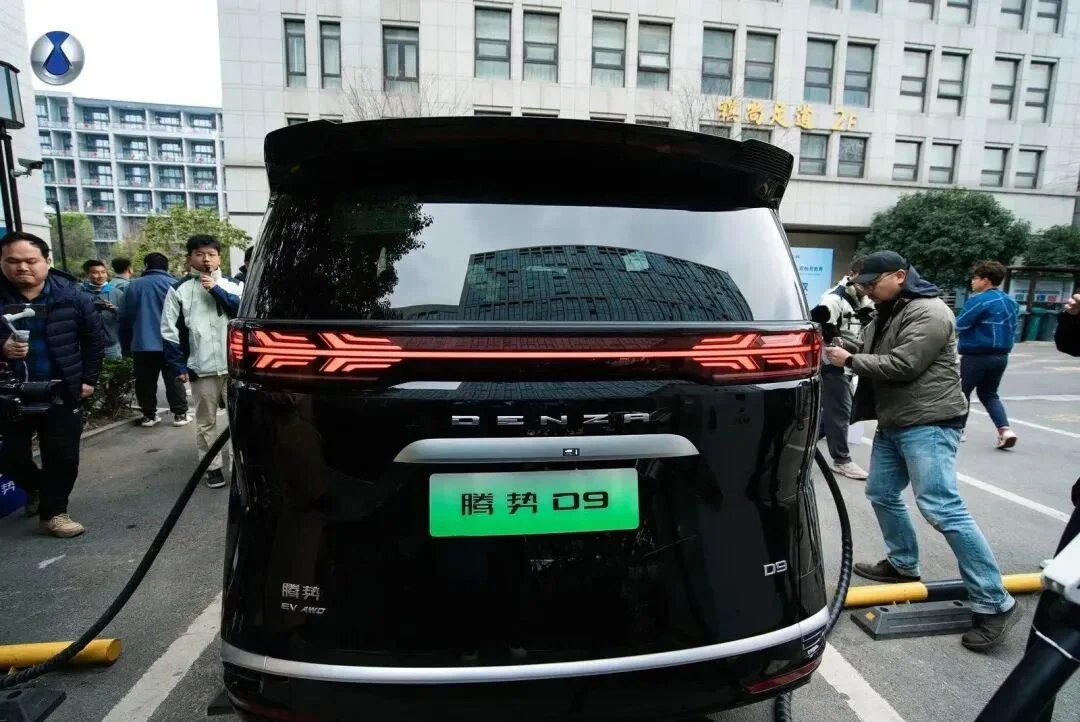
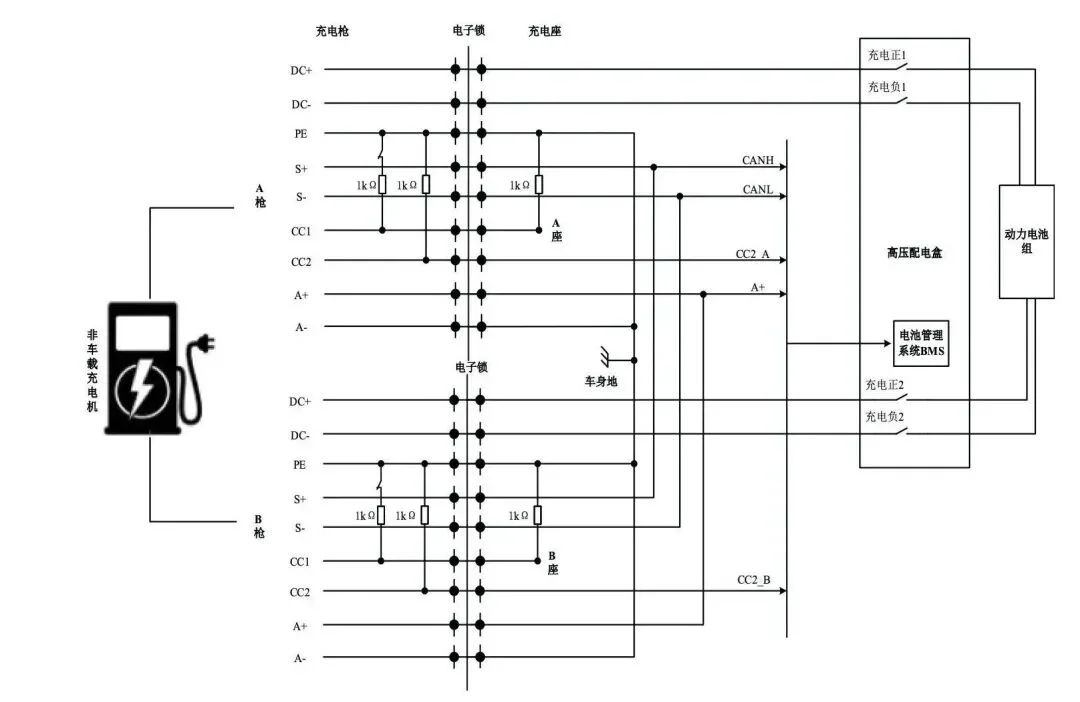
However, in principle, dual-gun DC charging is not a cutting-edge technology. The key control steps for dual-gun DC charging consist of only four phases: plug-in initiation, identification and locking, the charging process, and termination. This workflow is nearly identical to that of single-gun charging.
The Battery Management System (BMS) still relies on the physical connection signal CC2 for connection detection, with an additional CC2 signal used to identify whether single-gun or dual-gun charging mode is active. After signal recognition, dual-channel communication enables asynchronous operation of the two guns. Current from any combination of DC guns is merged within the high-voltage distribution box to recharge the battery pack. This allows for current increase beyond the original 250 A, thereby boosting power output.
Compared to the current market, 800 V vehicles and charging infrastructure remain costly and scarce. DENZA D9 EV’s dual-gun DC charging requires minimal additional technical investment; it primarily involves managing heat generation and dissipation in the Blade Battery under high-current conditions. Zhao Changjiang stated that while costs increase by approximately RMB 10,000 compared to single-gun setups, this delivers a high-power replenishment experience at present.
02Dynamics: Does the 120 kg Weight Increase Matter?
We previously conducted an in-depth review of the DENZA D9 DM-i version, where its comfortable and premium suspension performance left a strong impression. The EV 600 Dual-Motor Flagship model replaces the range extender with a 103 kWh large-capacity battery, increasing the vehicle weight by 120 kg—equivalent to the weight of two adults.
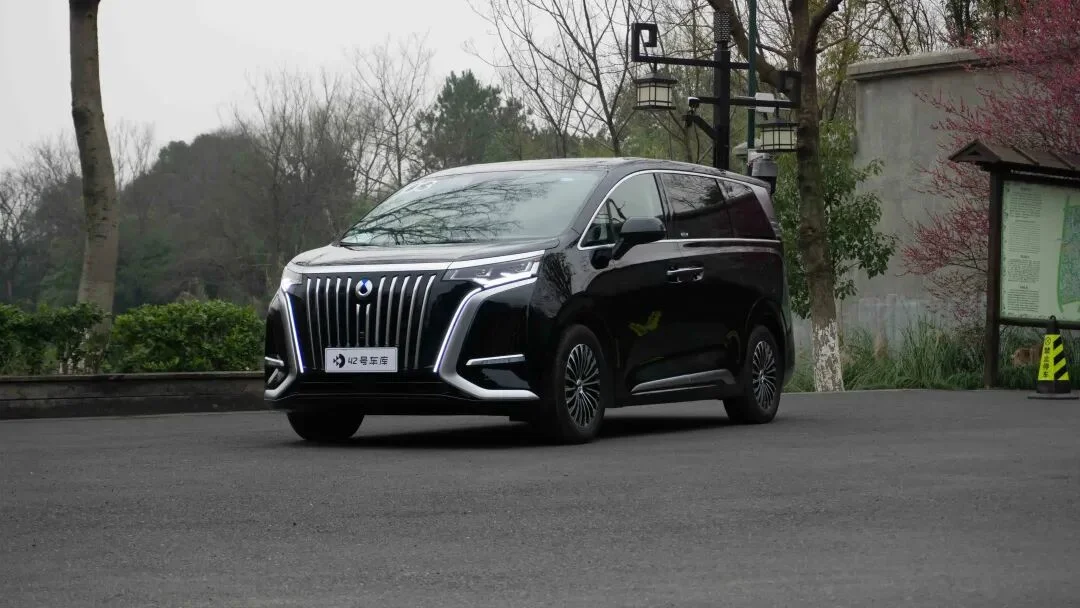
The powertrain parameters are also more aggressive, with the combined output of the dual motors reaching 275 kW (an increase of 60 kW for the front motor) and total torque rising to 470 N·m (an increase of 20 N·m), bringing the zero-to-100 km/h acceleration time down to 6.9 seconds. So, with the increased weight and stronger power, will there be any changes in the dynamic driving behavior of the DENZA D9 EV?
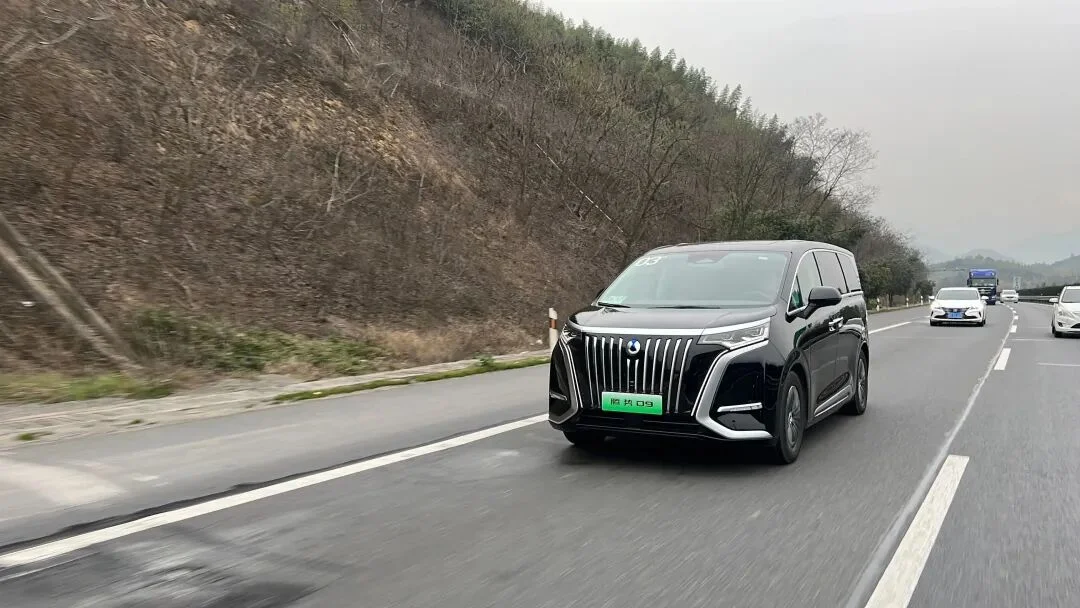
In real-world driving, with the internal combustion engine off in the DM-i model, there is virtually no difference between the two vehicles. The DENZA D9 EV features steering and accelerator/brake pedals that feel heavy, lacking a light or agile sensation; it clearly conveys the feeling of driving a large vehicle.
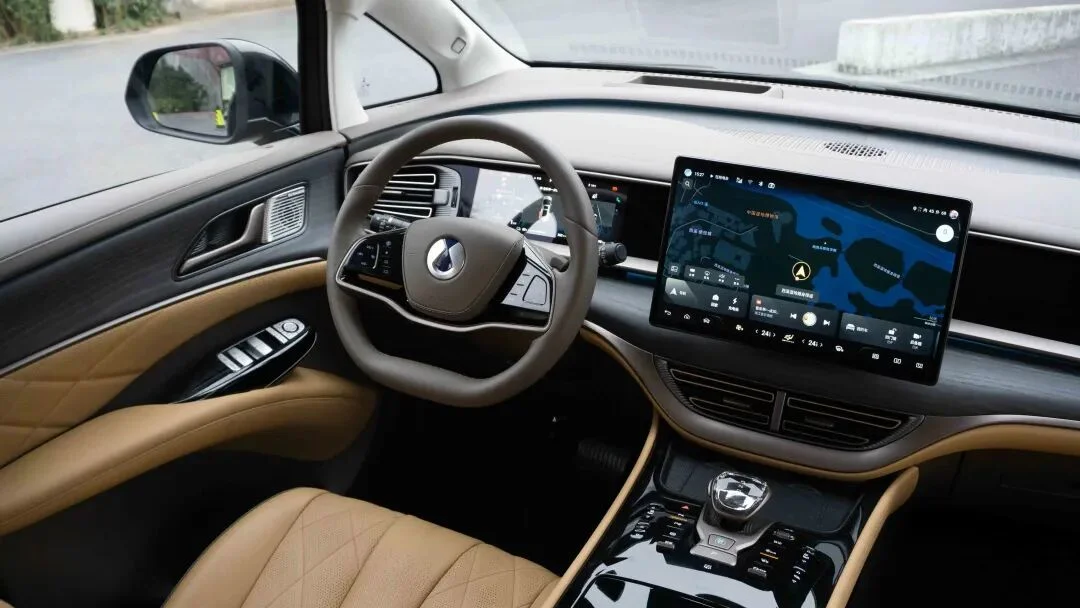
Regarding steering feel, the electronic resistance on the steering wheel is substantial, often requiring both hands to turn it in most scenarios. There is also noticeable dead zone within the central 15 degrees. However, the steering wheel’s self-centering torque is strong, making return to center very active whether performing U-turns or navigating bends. This combination of heavy feel and central dead zone offers tuning advantages: the vehicle remains stable without excessive swaying during motion, allowing for relatively easy achievement of a comfortable ride.
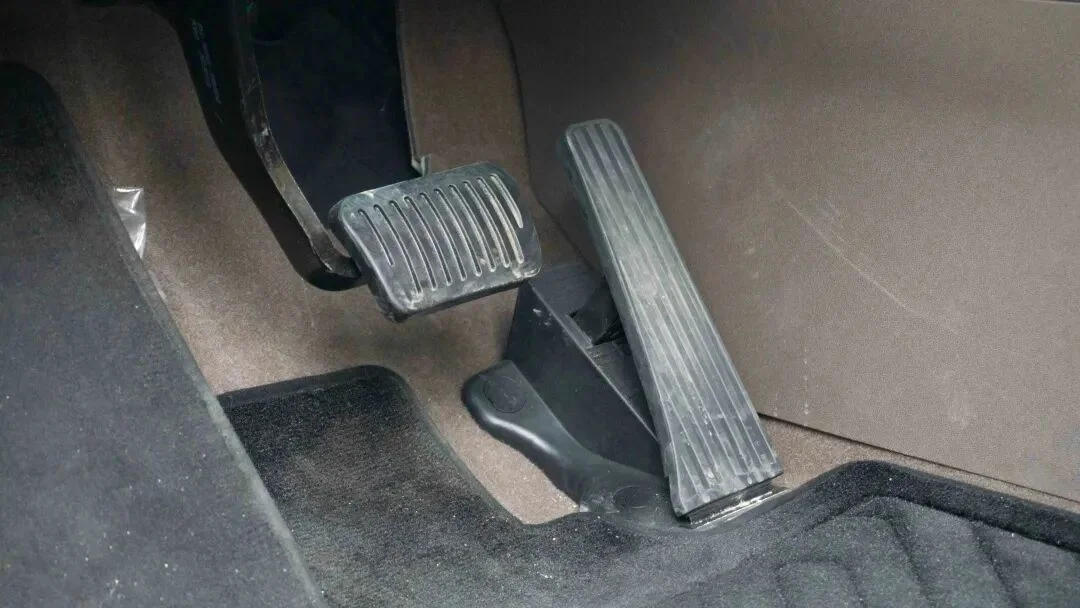
The accelerator and brake pedals exhibit similar characteristics. Their heavy footfeel combined with long pedal travel enables precise control over acceleration and deceleration. The system settings offer numerous adjustments for the intelligent chassis. Brake assist provides two selectable modes: Comfort mode delivers soft initial braking feedback, while Sport mode significantly increases initial feedback, enhancing confidence in high-speed braking.
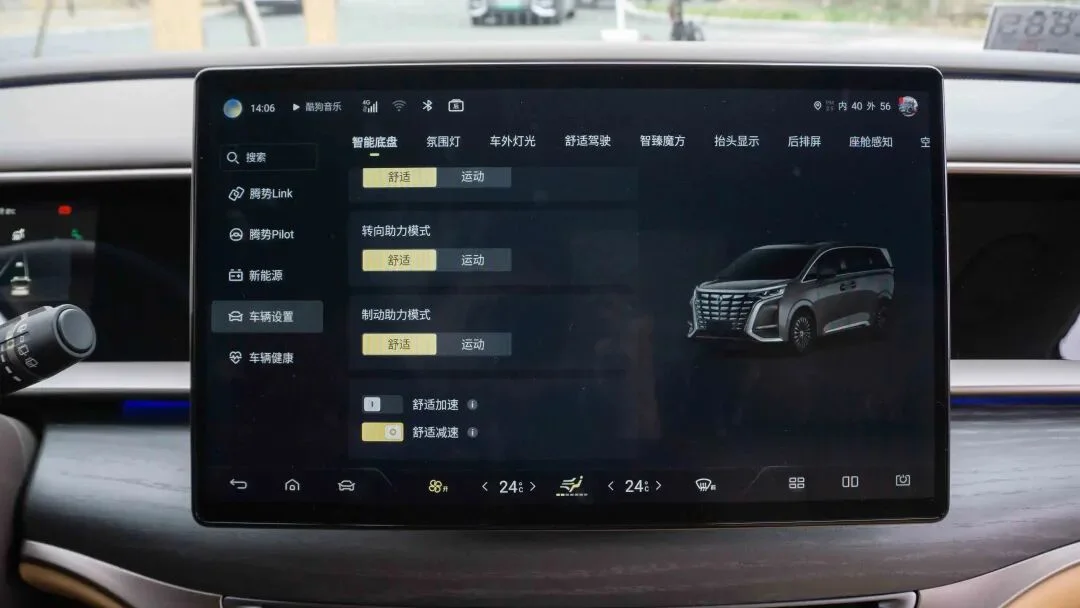
Additionally, Comfort Acceleration and Comfort Deceleration are available as options. The principle involves adjusting the DiSus-C intelligent damping suspension to suppress the vehicle's nose-up during acceleration and nose-down during braking. With the switch enabled, because the vehicle's 6.9-second acceleration is indeed potent at this level, the nose-up phenomenon remains clearly perceptible. However, the suppression of nose-down during braking is significantly more pronounced; notably, after releasing the brake pedal, the vehicle does not rock back and forth.

As an MPV, the DENZA D9 EV is inherently designed for comfort. With electronic suspension added to the mix, further refinement was needed to distinguish it, resulting in a ride that smooths out bumps with exceptional grace. The long-travel suspension setup effectively absorbs and isolates most road imperfections, characteristic of a soft, compliant tuning approach.
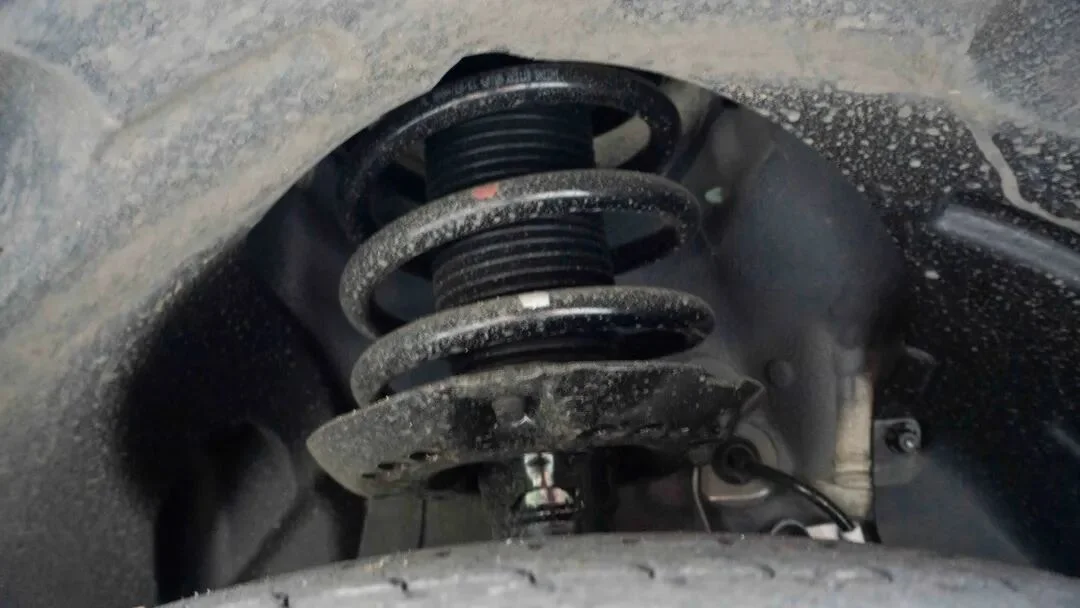
The extended travel also ensures that even deep potholes do not transmit harsh impacts directly into the cabin. Under extreme conditions, however, the vehicle still exhibits some vibration—a common trait among MPVs. Compared to its peers, the DENZA D9’s handling is notably superior, and its long wheelbase contributes to a more premium feel.
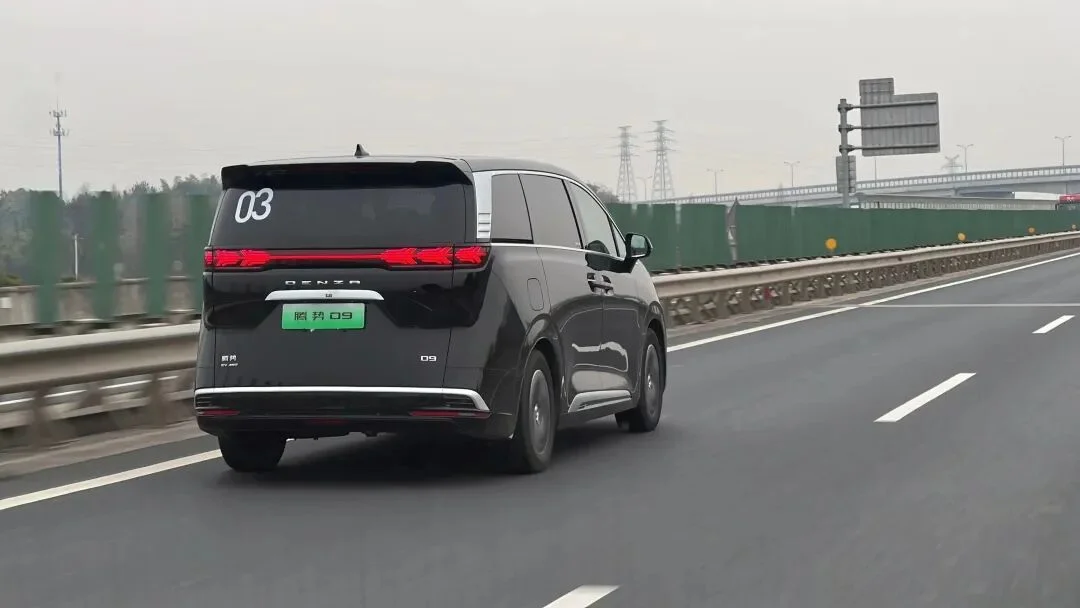
On fine, fragmented bumps, the DENZA D9 EV strives to eliminate feedback as much as possible, but isolation on such surfaces is not absolute. Some vibration from broken pavement reaches the cabin, though this is primarily noticeable if you are critically evaluating the ride quality as I am.
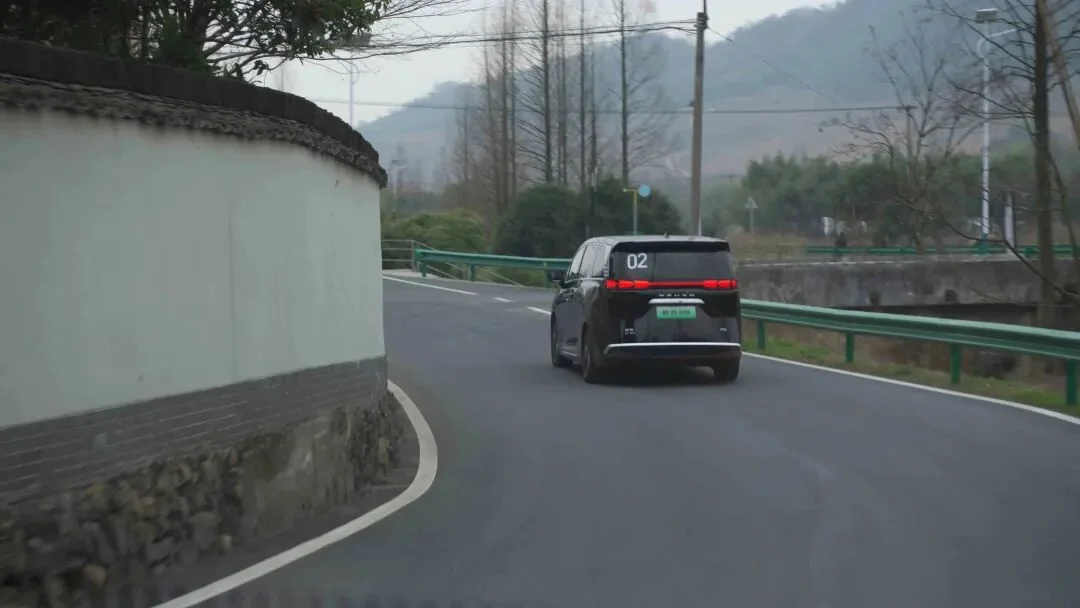
Overall, on dynamic road surfaces, the DENZA D9 EV delivers a highly comfortable experience, matching or exceeding same-class competitors. Compared to the DM-i variant, the removal of the internal combustion engine has improved vibration and noise levels. Coupled with effective isolation of wind noise, tire noise, and vibrations, the DENZA D9 EV offers a distinct sense of premium quality.
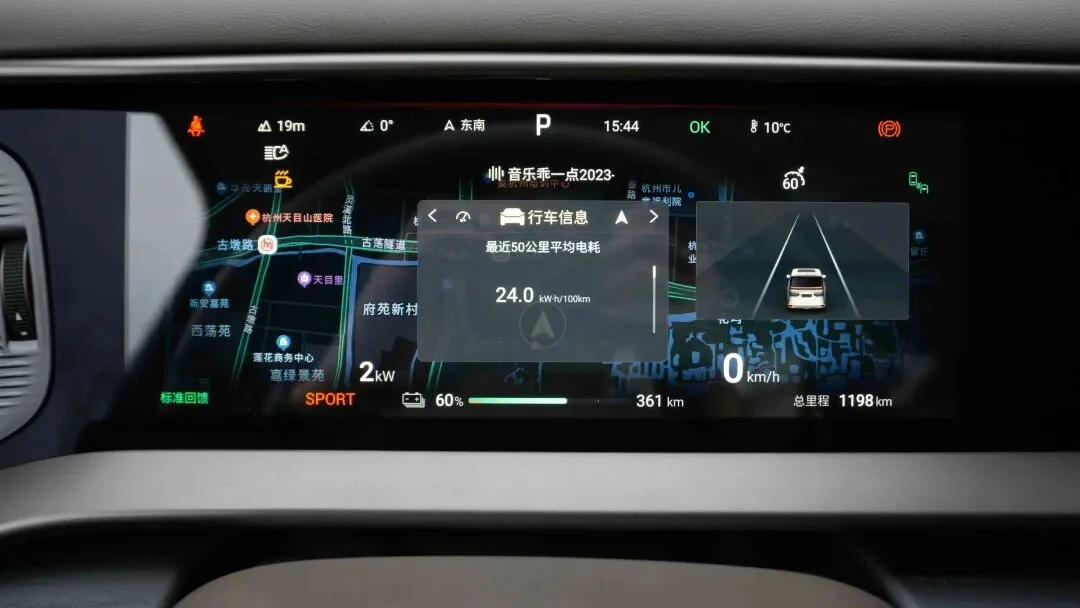
One more note on energy consumption: over the nearly 50 km driven, I kept the air conditioning at 22°C with two passengers, traveling at a steady 120 km/h on the highway. The dashboard displayed an average energy consumption of 24 kWh/100 km. With the state of charge (SOC) at 60%, the dynamic range estimate showed 361 km remaining. For a four-wheel-drive MPV, this performance is commendable. A rough calculation suggests a theoretical full-charge range of 429 km, sufficient for a round trip between Shanghai and Hangzhou on a single charge. This meets the needs for short-distance travel involving family or business purposes.
03Exterior: A New Front-Face Style
Finally, let’s look at the exterior changes on the DENZA D9 EV.
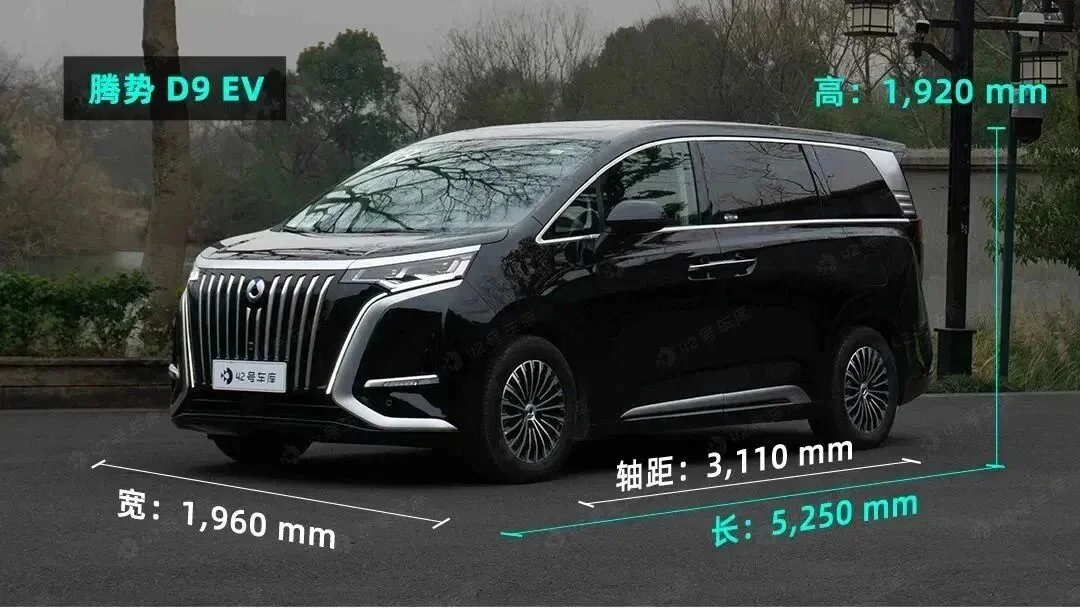
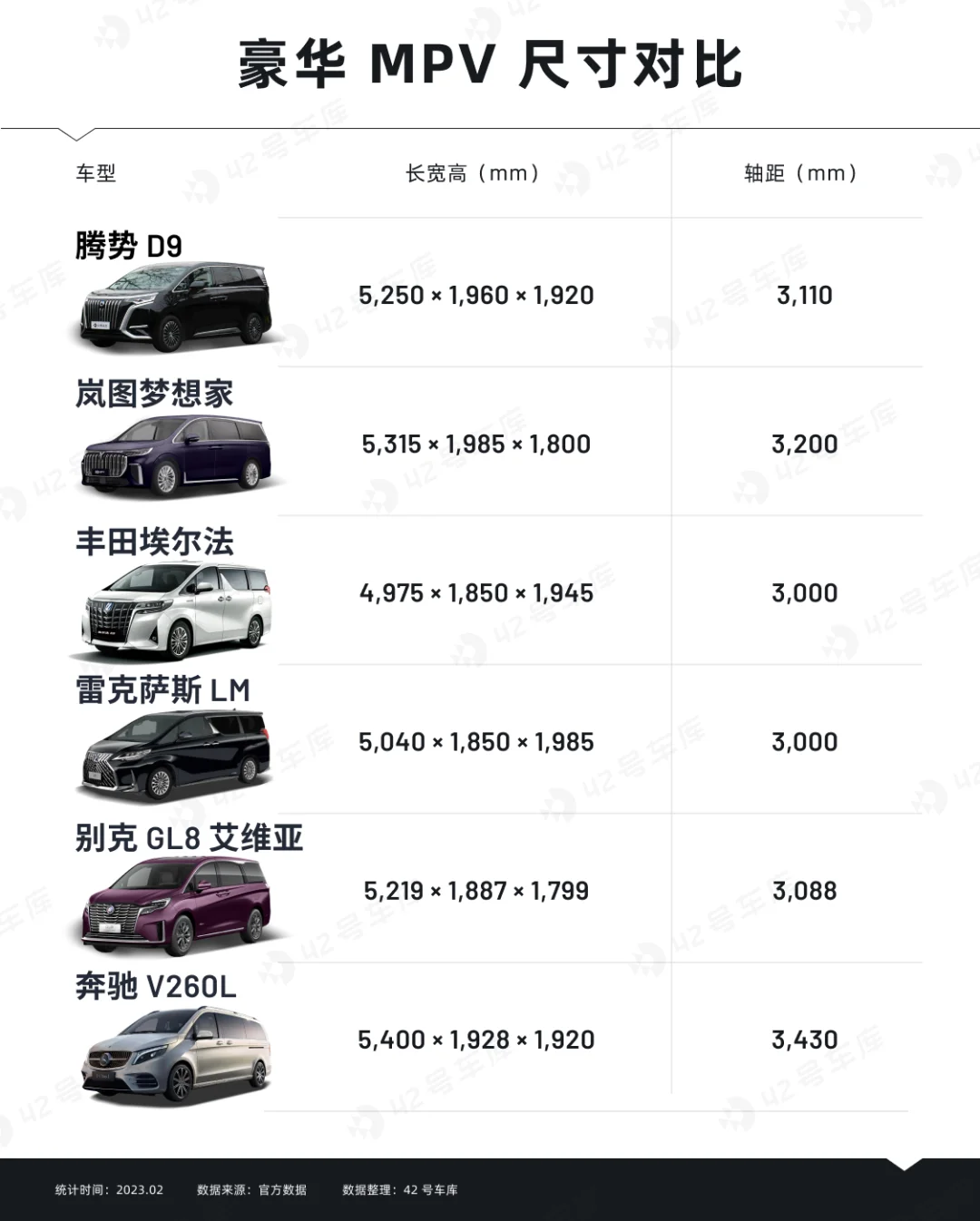
The dimensions of the all-electric version are identical to those of the DM-i plug-in hybrid version: length, width, and height measure 5,250 × 1,960 × 1,920 mm, with a wheelbase of 3,110 mm. These dimensions make it one of the largest vehicles in the MPV segment.
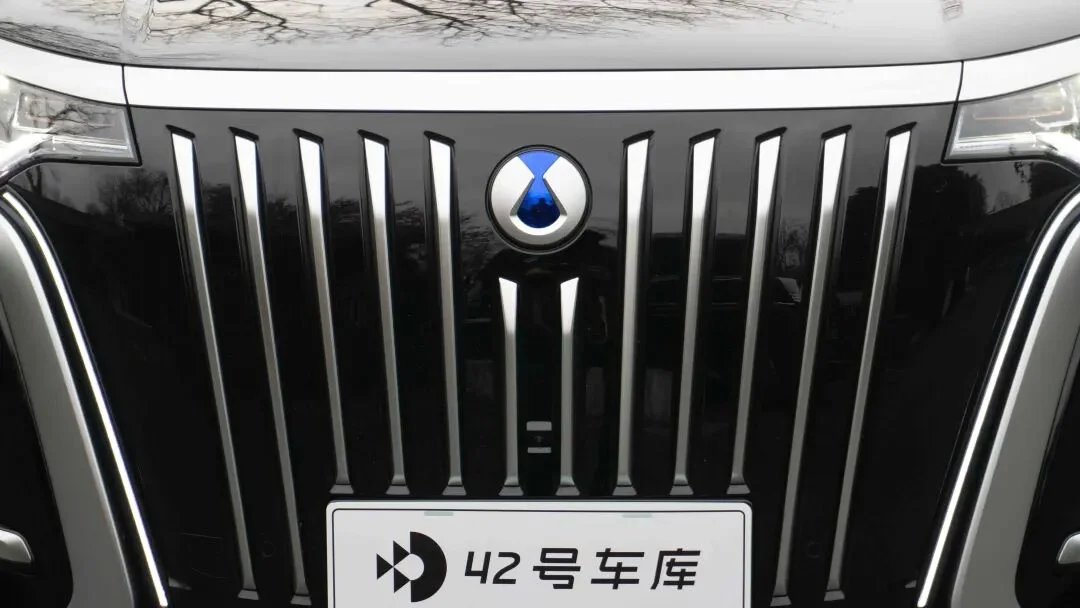
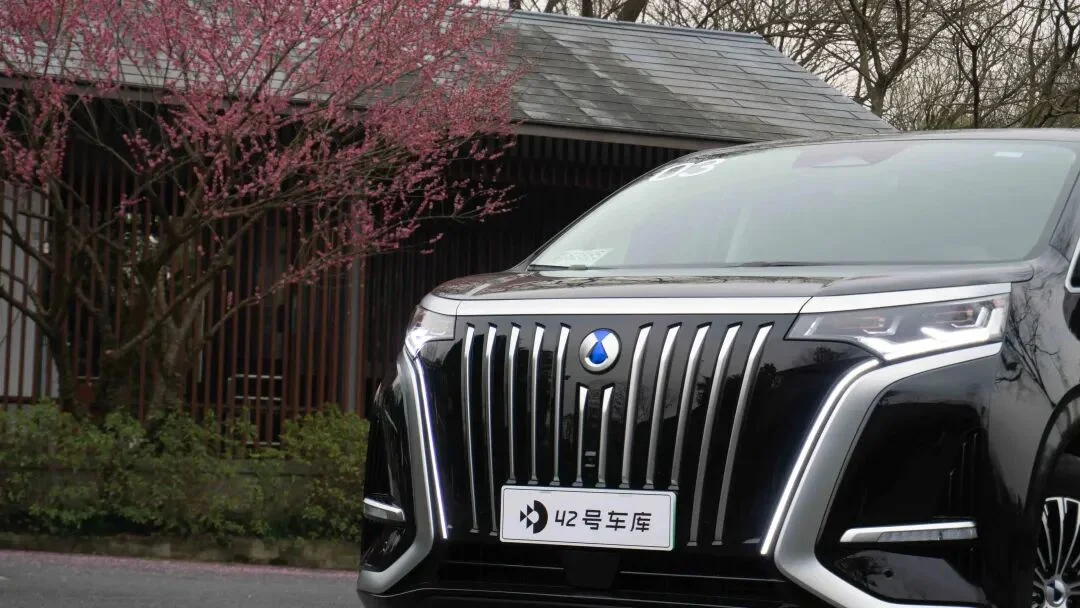
The most significant change between the EV and DM-i versions of the DENZA D9 lies in the front grille design. The DM-i features a more complex grille with individual chrome accents that resemble steel watch bands, projecting a strong presence. In contrast, the EV version is much simpler. Its front end adopts a closed-off design, decorated solely by 12 vertical slats arranged in a waterfall pattern. While this may project slightly less imposing presence than the DM-i, the clean lines better align with the identity of an electric vehicle.
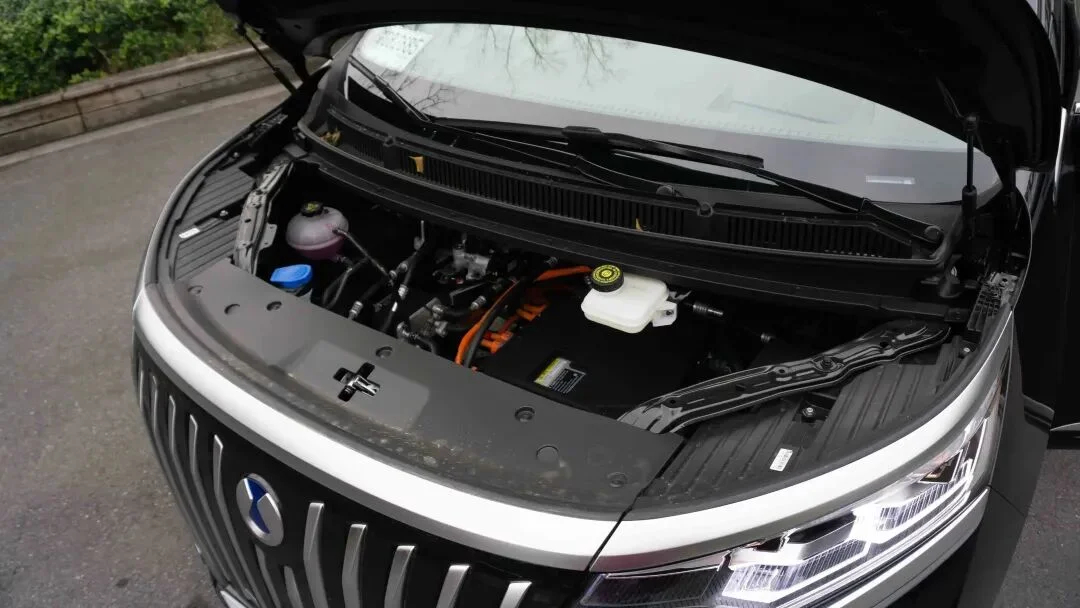
After removing the internal combustion engine, I expected to find a front trunk (frunk) in the engine bay. Opening it revealed an empty space. The reservoirs for brake fluid, windshield washer fluid, and coolant have been positioned higher up to facilitate routine maintenance and replacement. Located below are standard high-voltage controllers and the electric motor. If a small frunk could be added to the upper space in the future, it would enhance practicality.
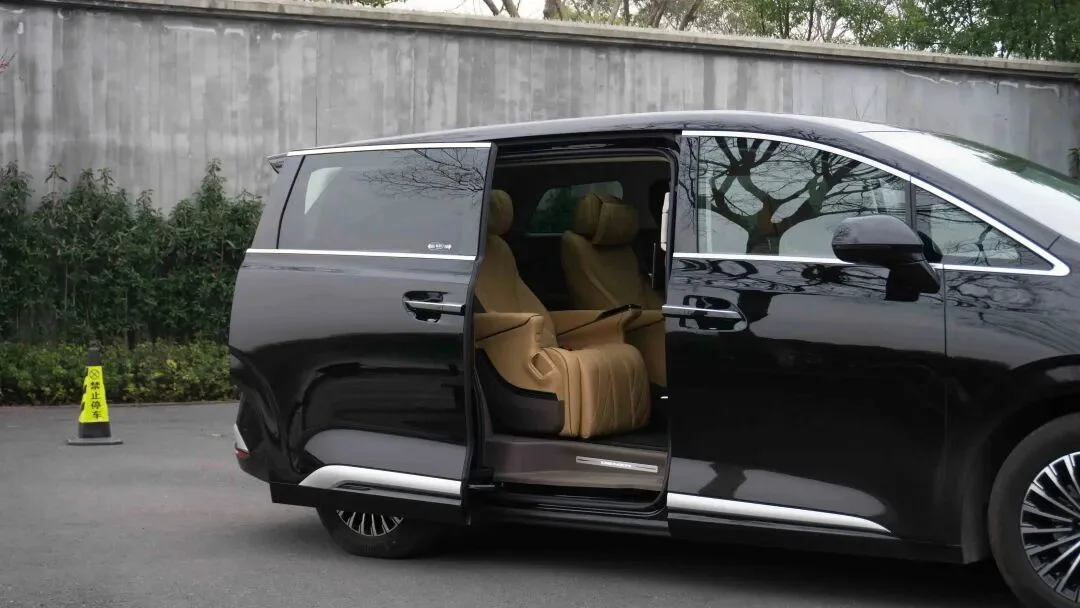
The vehicle comes standard with dual power sliding doors on the sides. Notably, during dual-gun charging, both rear power sliding doors are locked and cannot be opened. Therefore, if rear passengers need to exit before charging begins, they should do so in advance and take all personal belongings with them. Once dual-gun charging starts, accessing items in the rear becomes difficult.
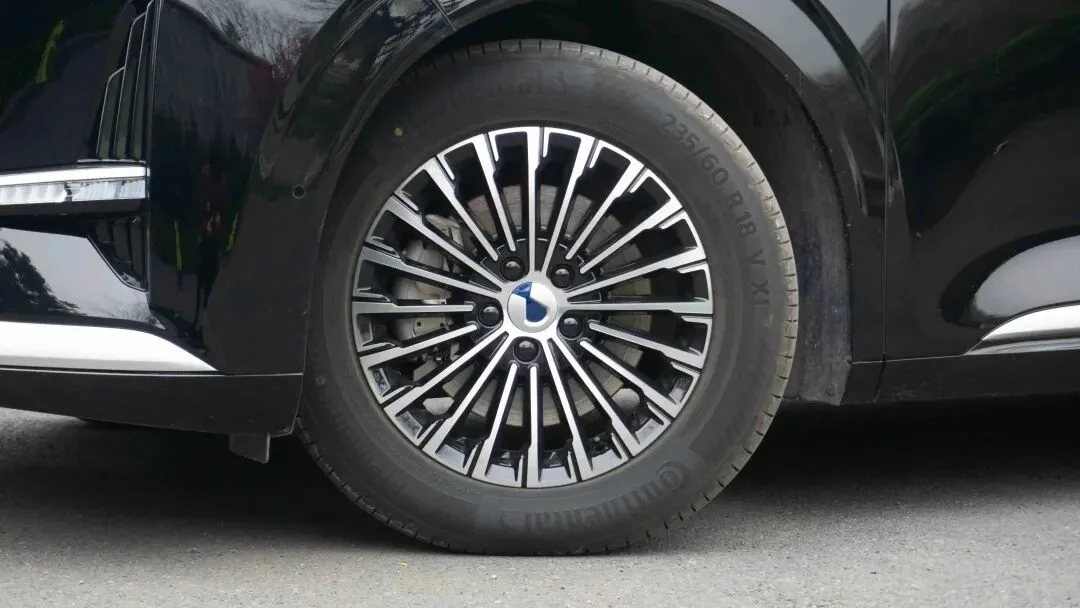
Additionally, the tire brands for the DENZA D9 EV match those of the DM-i version: Michelin e·PRIMACY and Continental PremiumContact C. The Michelin e·PRIMACY focuses on energy efficiency, offering rolling resistance approximately 2 kg/t lower than similar tires while maintaining adequate grip. Even during full-throttle acceleration, the DENZA D9 does not experience wheel slip that triggers ESP intervention. The Continental PremiumContact C, by contrast, prioritizes performance and handling characteristics.
Both the EV and DM-i versions use 235/60 R18 tires. The thick sidewalls are a key factor in ensuring ride comfort. Top-tier models include self-sealing technology; if punctured by a nail, the tire can continue to operate normally after the object is removed, provided the damage is not severe. This feature offers significant convenience and peace of mind.
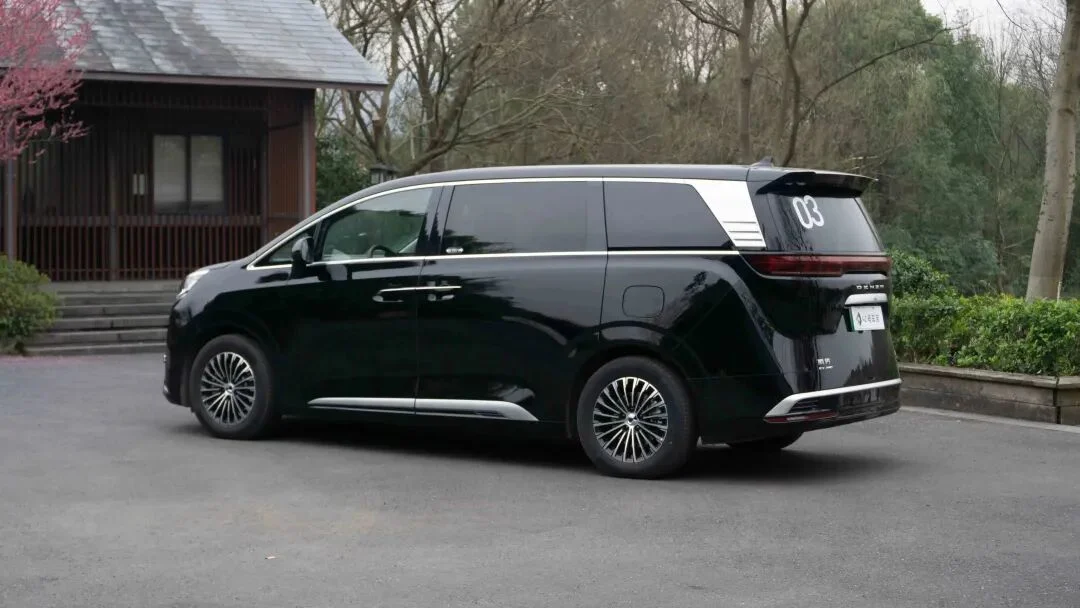
The rear of the EV version has undergone almost no changes, with nothing more than an "EV" badge on the tail. It maintains a boxy design, and the addition of a rear spoiler helps optimize airflow to reduce drag.
04OTA: Driver Assistance Is the Focus
During this presentation, DENZA also showcased the next OTA update, which will add 14 items and optimize 23 user experience aspects. The main highlights of this OTA focus on driver assistance, APA automatic parking, and Link smart interaction.
In terms of driver assistance, the system adds Intelligent Cruise Control (ICC), Emergency Lane Keeping Assist (ELKA), Interactive Lane Change Assist (ILCA) (lever-actuated lane change), and Lane Departure Warning (LDW). LCC enables lane centering control at speeds up to 130 km/h, while ACC provides adaptive cruise control at speeds up to 150 km/h. Additionally, a large vehicle avoidance function is available for speeds between 60 and 130 km/h. These features are capable of meeting most cruising scenarios.
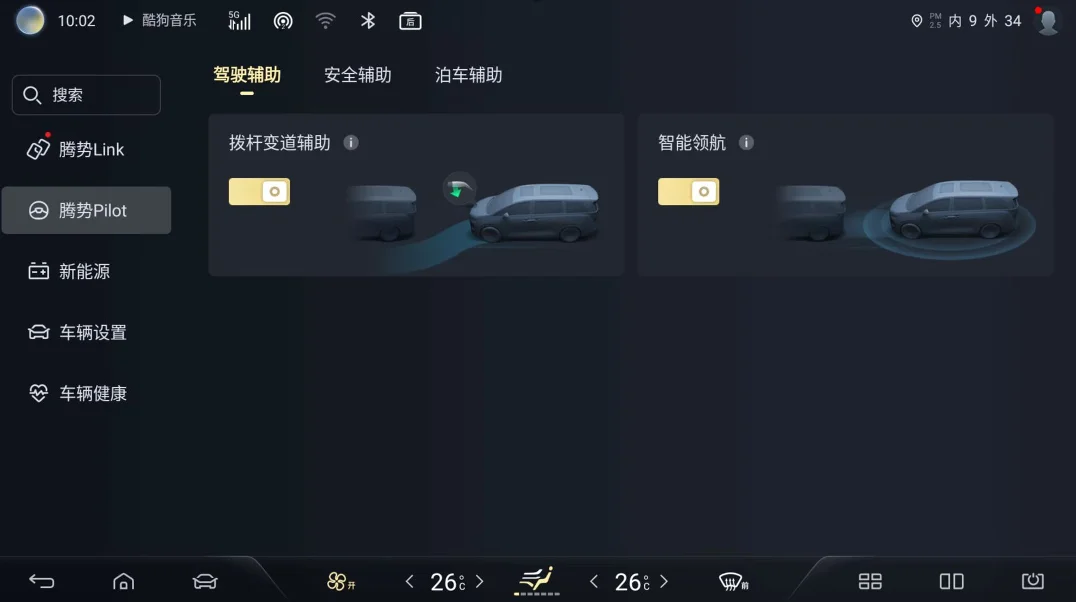
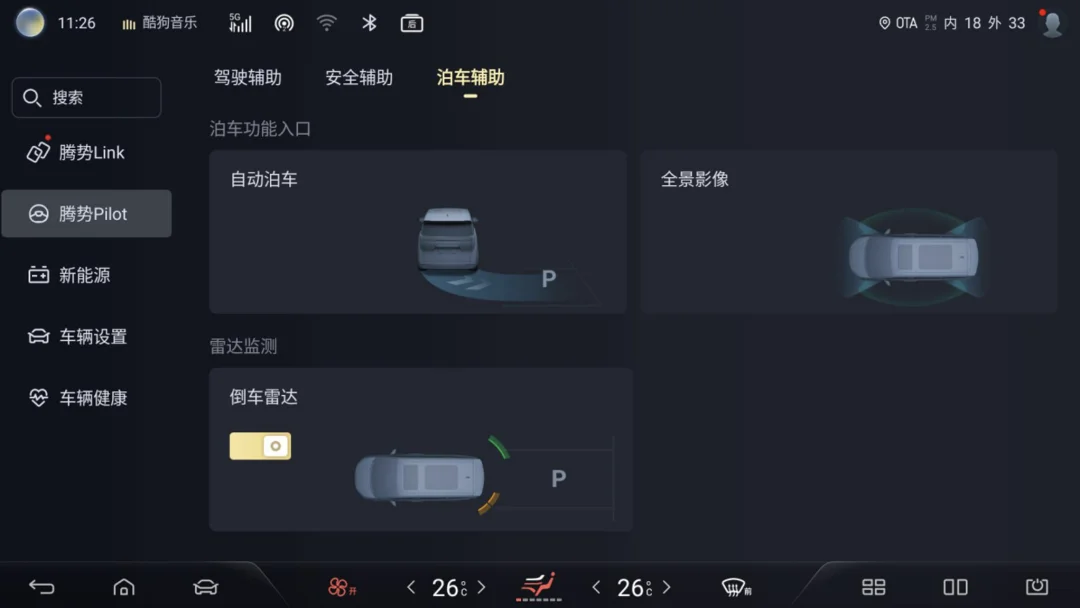
In terms of APA intelligent parking, new features include finding valid parking spaces, storing and selecting parking space information, horizontal automatic parking, vertical automatic parking, diagonal automatic parking, automatic exit, and fully automatic parking. When the vehicle speed is within 25 km/h, it automatically searches for parking spaces around the vehicle at a distance of 0.5 to 1.5 meters and provides up to six selectable parking spaces for the driver to choose from. This also meets the daily usage needs of automatic parking.
DENZA Link’s smart interface now adds front-and-rear seat theme synchronization, dynamic wallpapers, and karaoke features. These specific details were not experienced on the current EV model. If you are highly interested in DENZA D9’s driver assistance, automatic parking, and infotainment updates, we will produce a separate episode dedicated to the next OTA version to meet your expectations.
05Conclusion
From the DM-i hybrid to the all-electric EV, the DENZA D9 caters to a vehicle with high practicality and charging needs. Both versions leverage their best available technologies to provide tailored solutions.
Based on measured charging power and the widespread distribution of current charging infrastructure, equipping this 103 kWh battery with dual-gun fast charging is meaningful. It allows the vehicle to draw double the power from the charger or reach its maximum 166 kW rate without being picky about the charger type, achieving rapid replenishment. As 180 kW fast chargers become more common, the DENZA D9 EV can also achieve its maximum 166 kW charging efficiency using a single gun, which is a notable advantage.
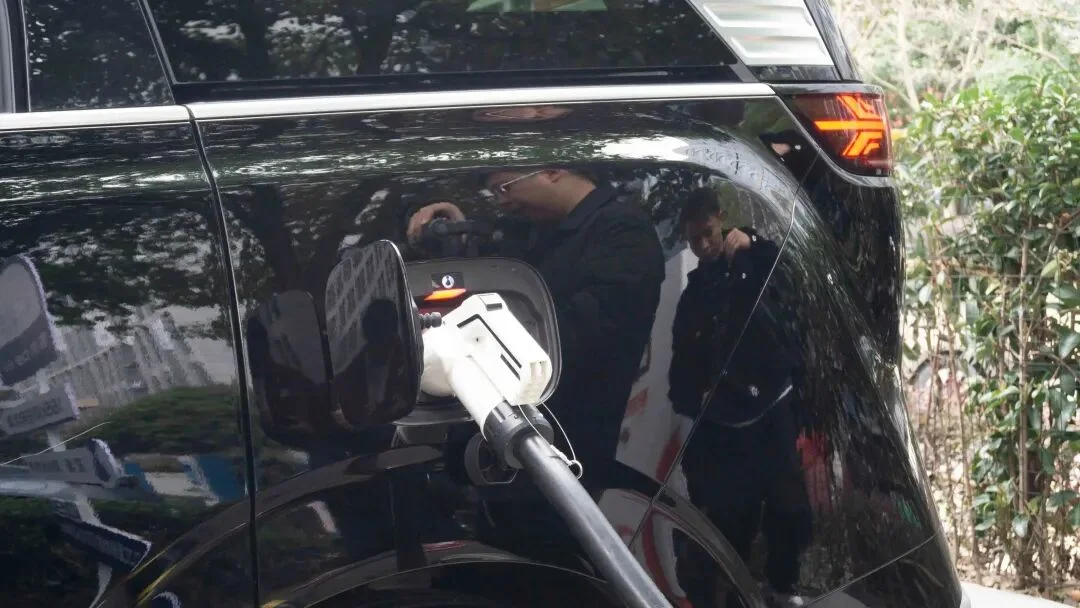
In terms of user experience, most software applications and mini-programs allow multiple orders to run simultaneously. For those in a hurry to charge and depart, briefly “borrowing” a spot from the owner’s perspective is an effective way to solve urgent needs.
Looking ahead a few years, 800 V high-voltage platforms will become increasingly common, and charging infrastructure will be comprehensively upgraded. When facing charging powers of 400 kW or more, the advantage of dual-gun charging will disappear. At that point, the industry will return to single-gun high-voltage, high-current methods. Therefore, we are even more eager for the widespread adoption of 800 V high-voltage platforms and high-current supercharging; this is the true transformation driven by technological advancement.
Written by: Jiang Xiaohei Edited by: Bo Bo