


NIO ES8 and Other New Models Appear in MIIT Filings; Zeekr OS 4.0 Officially Released; Steam Launches on Tesla Infotainment | Weekly Highlights
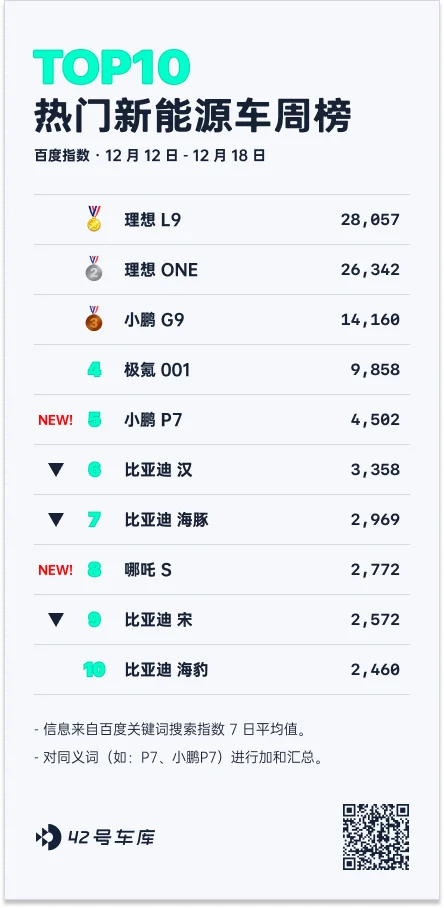
01Weekly Index
02Weekly Highlights
NIO ES8 and Other New Models Appear in MIIT Listings
On December 14, the new NIO ES8, Lutesi Eletre, Changan DEEPAL SUV, and Nezha sports car were all featured in the 366th batch of the "Announcement of Road Motor Vehicle Manufacturers and Products" released by the Ministry of Industry and Information Technology (MIIT).
New NIO ES8
At this year's NIO Day, the new ES8 and another new model will be unveiled. Through the MIIT declaration for this batch, we have an early look at the true appearance of the ES8 built on the NT 2.0 platform.
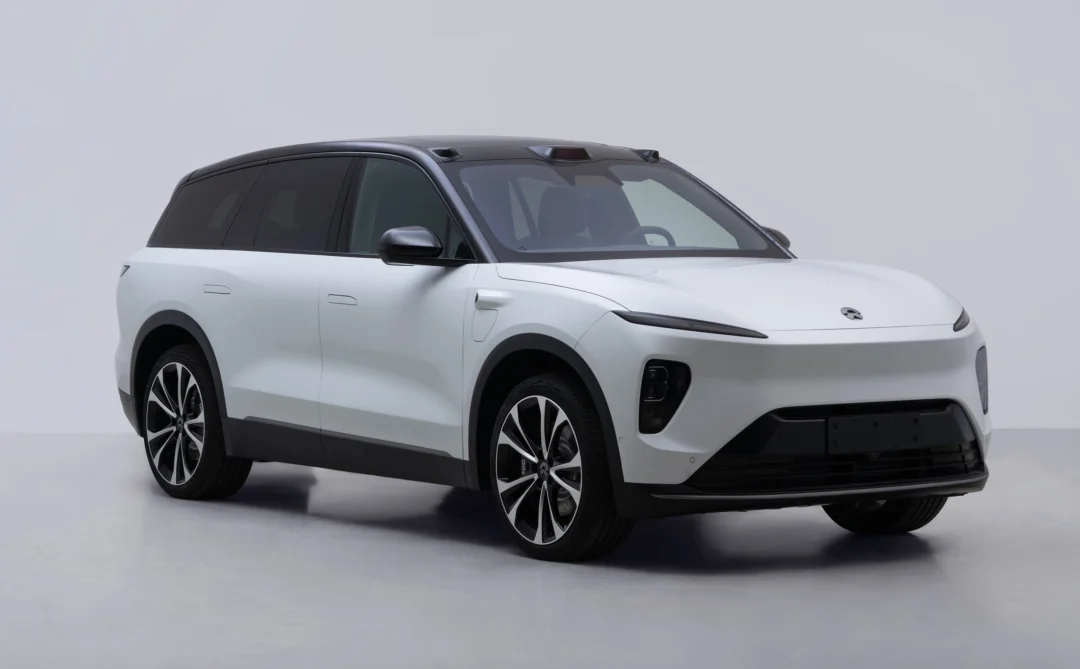
The new ES8 measures 5,099 mm in length, 1,989 mm in width, and 1,750 mm in height, with a wheelbase of 3,070 mm. Aside from being 0.6 cm shorter in height than the previous model, its length, width, and wheelbase are all larger than those of the old eight.
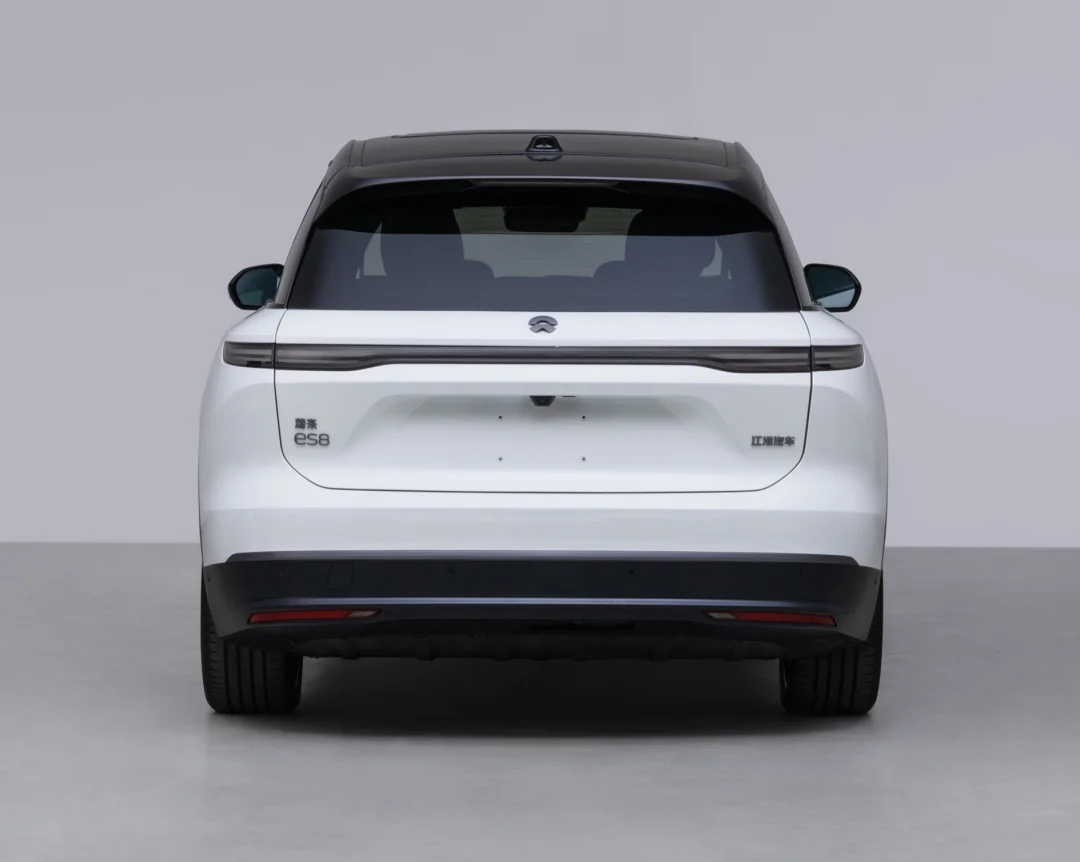
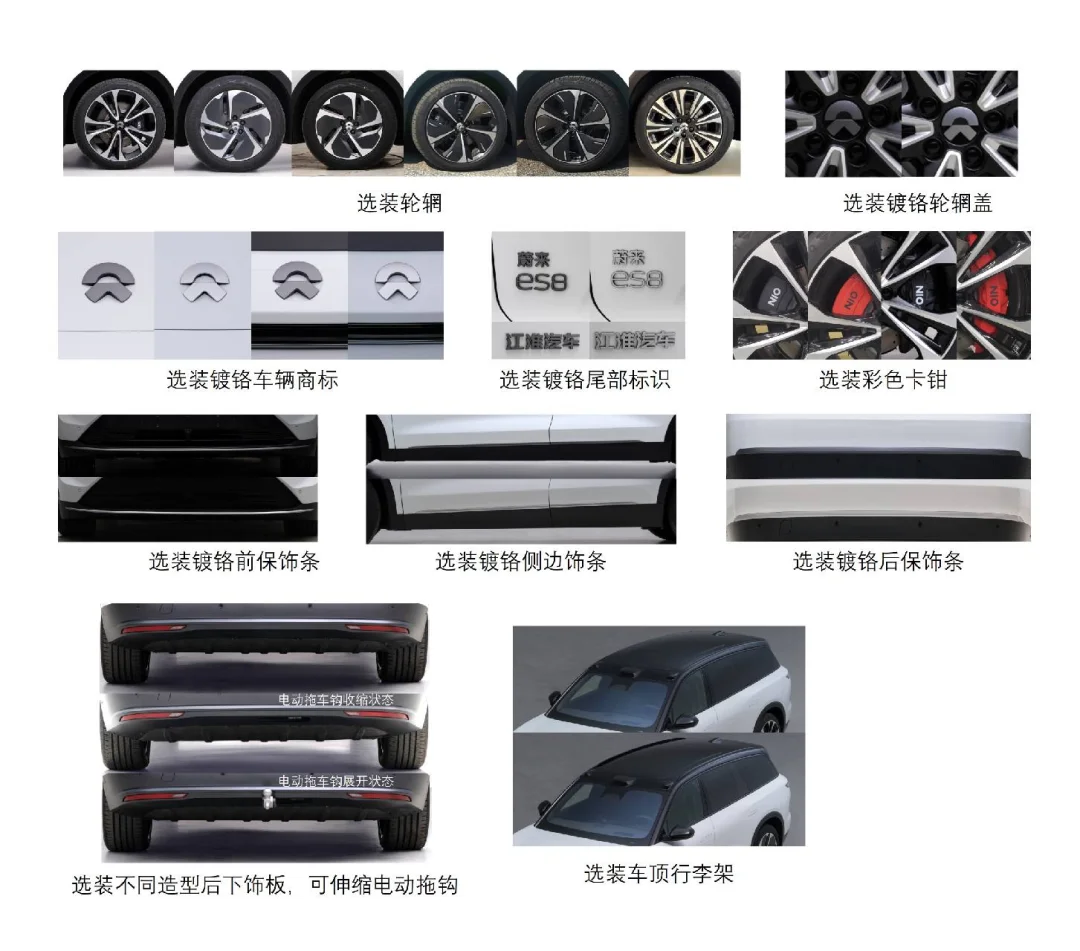
In other details, unlike the ES7 which places its side-rear cameras on the wheel arches, the new ES8 positions them above the charging port. Additionally, a tow hook has been included as a feature on the new ES8.
Lutesi Eletre
Six variants of the Eletre, featuring two powertrain configurations, have been submitted for declaration to China's Ministry of Industry and Information Technology (MIIT). The first is the Eletre S+ (Sport version), equipped with 225 kW motors on both the front and rear axles. It delivers a maximum output of 450 kW, accelerates from 0 to 100 km/h in 4.5 seconds, has a MIIT-rated top speed of 258 km/h, and a curb weight of 2.495 tons.
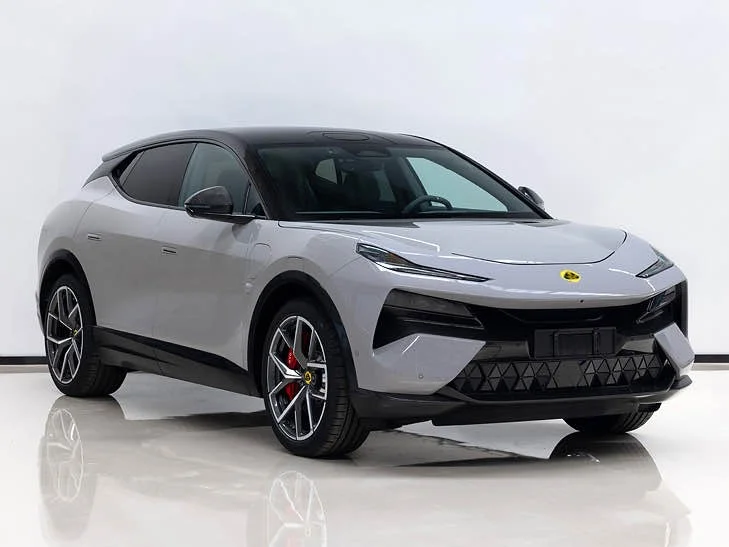
The vehicle starts at RMB 828,000 and deliveries are scheduled to begin in March 2023.
The second powertrain configuration pairs a 225 kW front motor with a 450 kW rear motor, matched with a two-speed transmission on the rear axle. This setup produces a peak power of 675 kW, achieves 0–100 km/h acceleration in 2.95 seconds, and reaches a MIIT-certified top speed of 265 km/h.
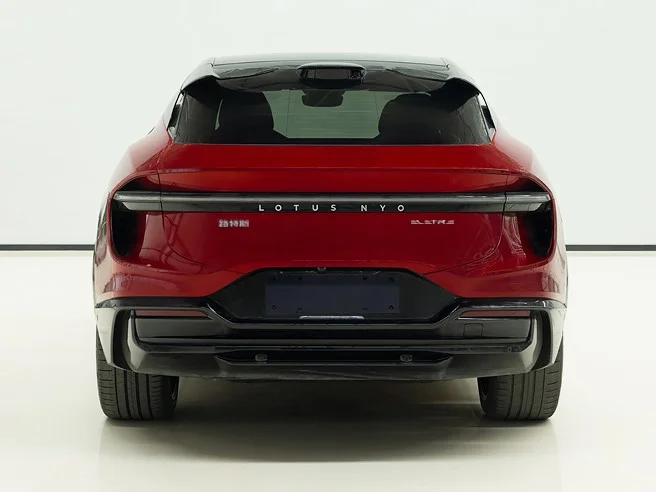
Deliveries for this variant are expected to commence in May 2023.
DEEPAL S7
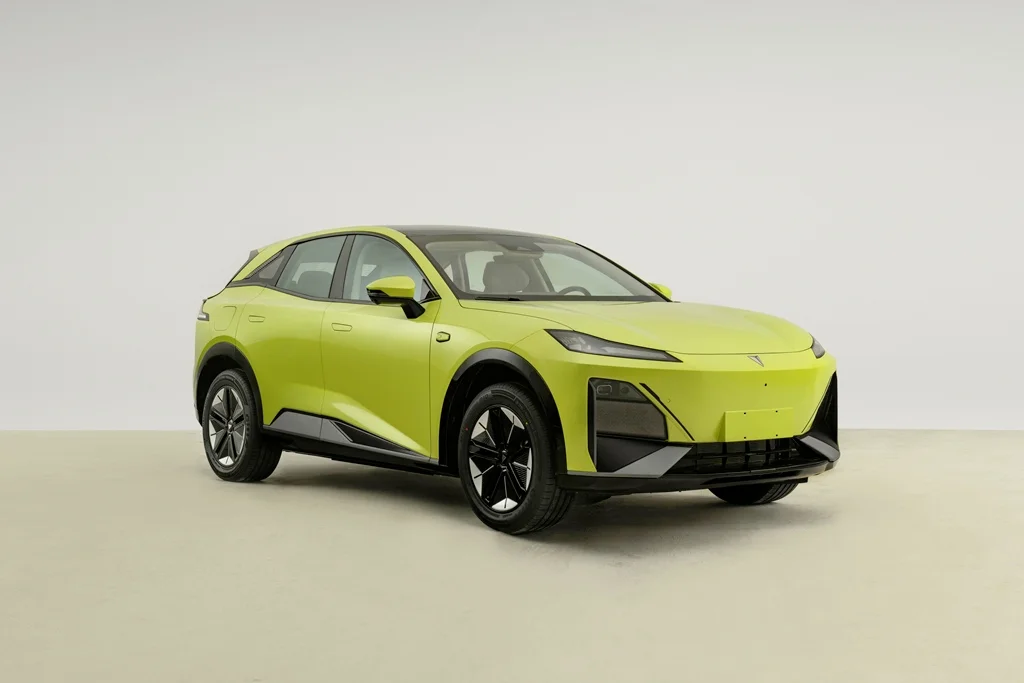
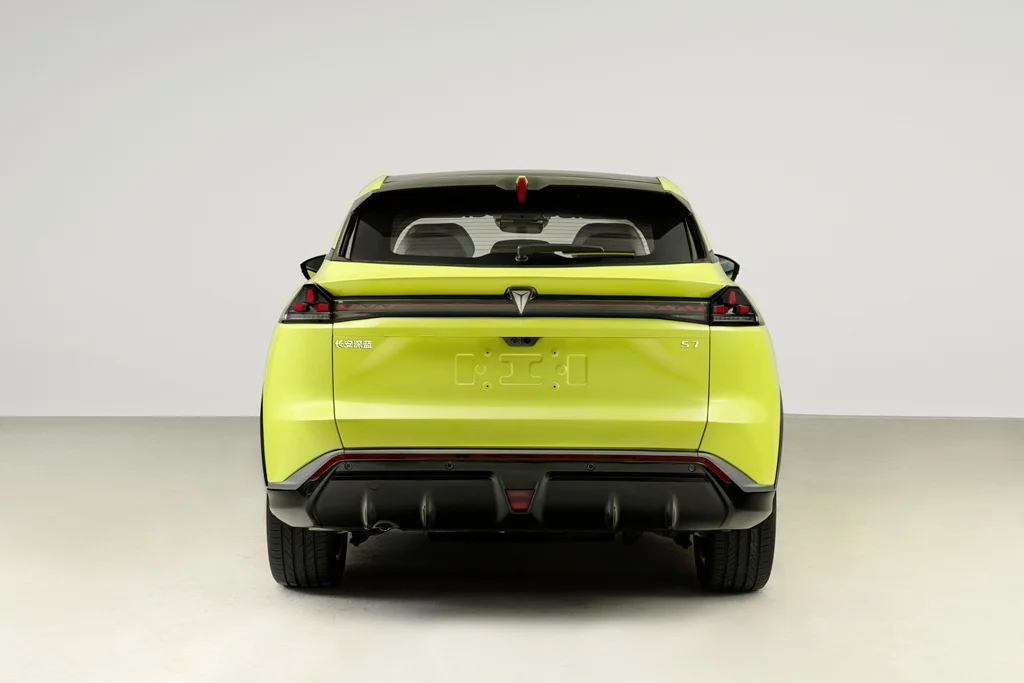
DEEPAL S7, the SUV sibling of the DEEPAL SL03, has been officially named as such according to information from the Ministry of Industry and Information Technology (MIIT).
The DEEPAL S7 measures 4,750 mm in length, 1,930 mm in width, and 1,625 mm in height, with a wheelbase of 2,900 mm, positioning it as a mid-size SUV. It will be available in both extended-range electric vehicle (EREV) and pure electric versions.
The pure electric variant features a motor with a maximum output of 190 kW and a curb weight of 1,950 kg.
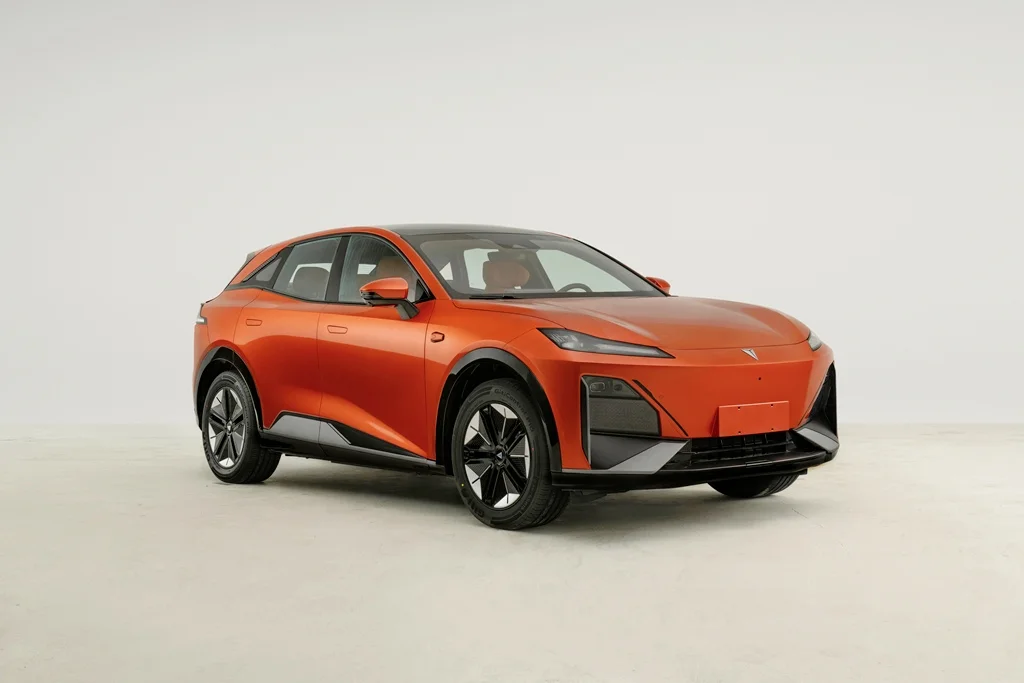
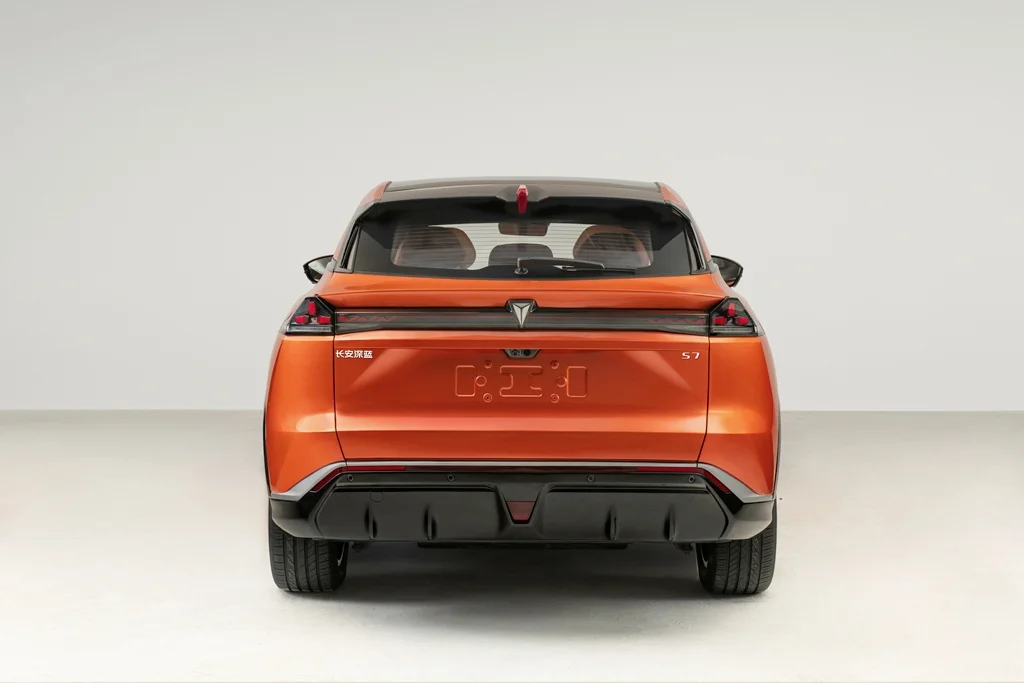
The EREV version is driven by a motor with a peak power of 175 kW, powered by a 1.5-liter naturally aspirated range extender engine producing 70 kW, resulting in a slightly higher curb weight of 1,990 kg.
Pure-Electric Sports Coupe: Nezha E
The second model built on the Nezha Shanhai platform, the "Nezha E," has officially been listed with the Ministry of Industry and Information Technology (MIIT). Nezha describes it as a "new creation for the brand." The dual-motor version of the Nezha E will also become the brand's second vehicle to join the "three-second club," following the Nezha S.
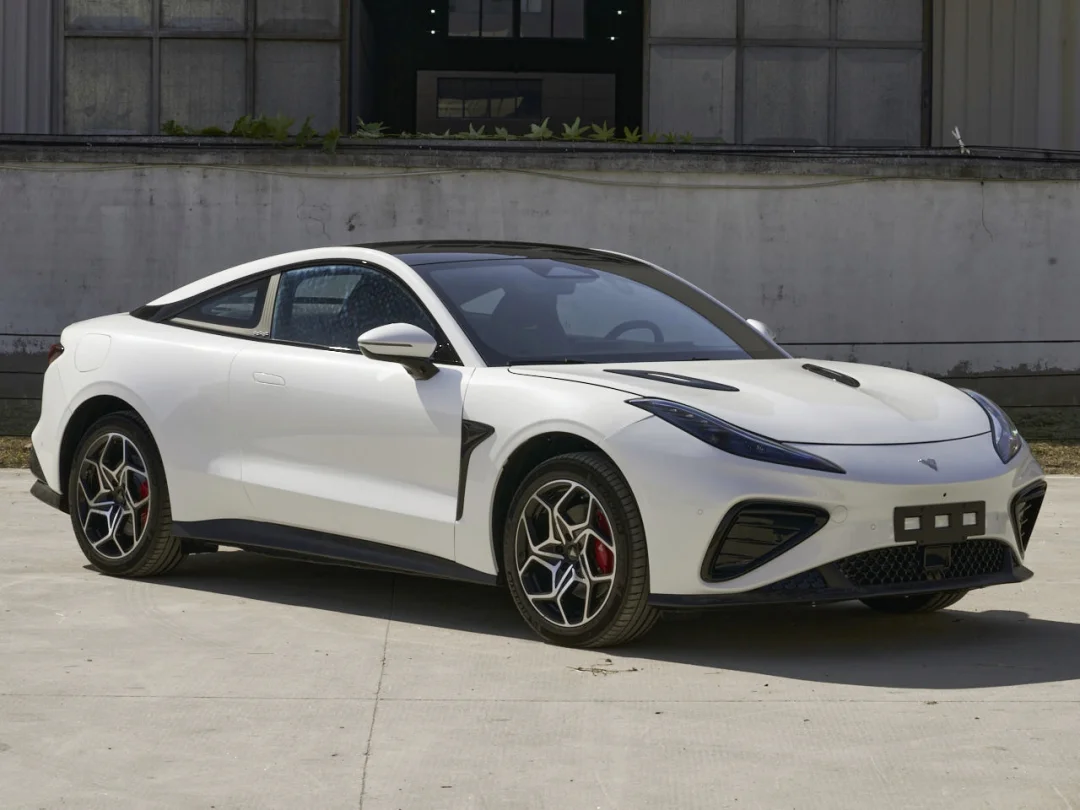
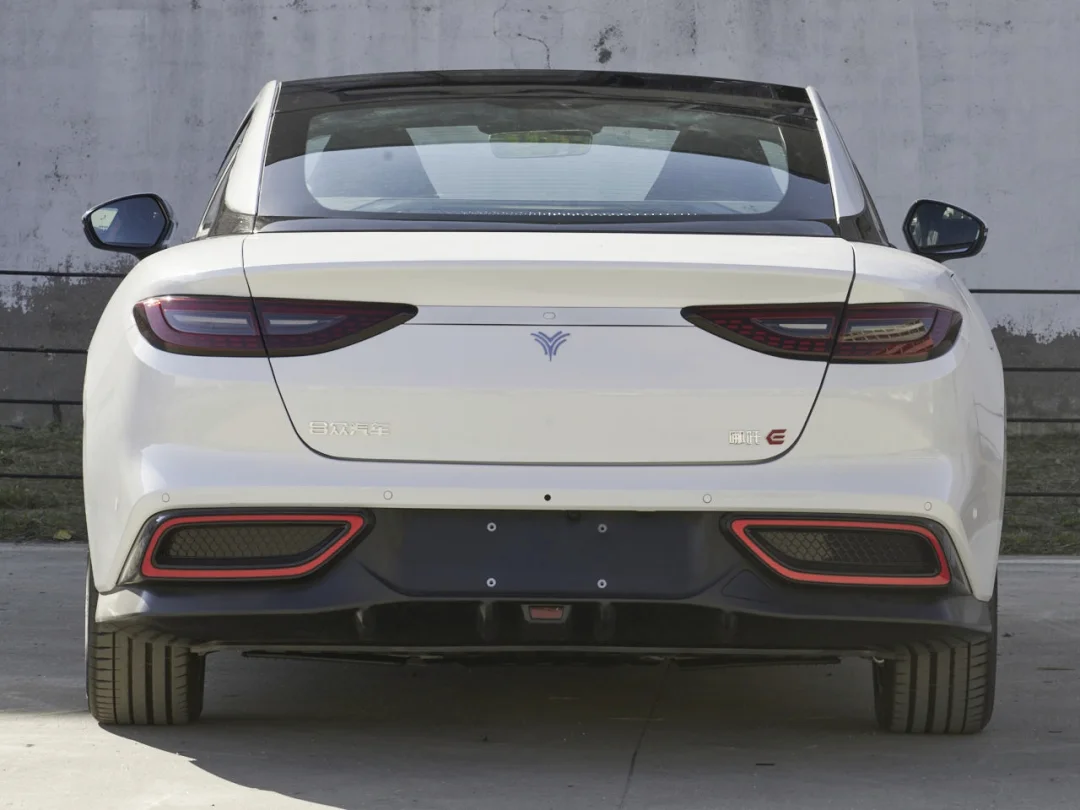
As a three-door, four-seat sports coupe, its dimensions are 4,715 × 1,979 × 1,415 mm, with a wheelbase of 2,770 mm. The Nezha E is available in single-motor and dual-motor variants:
The single-motor variant features rear-wheel drive with 170 kW power;
The dual-motor variant delivers 170 kW each at the front and rear, for a combined maximum power output of 340 kW.
Regarding range, the Nezha E will initially be offered with two different battery sizes. Nezha’s strategy is to equip the single-motor version with a smaller battery and the dual-motor version with a larger one, aiming to keep the driving range of both variants roughly comparable.
CLTC range of 560 km for single-motor variants;
CLTC range of 580 km for dual-motor versions.
Nezha also stated that the Nezha E will have a 660 km range version later, but it is currently kept in reserve and will not be released.
Quick Review:
The new ES8 adopts the same design language as the ES7, with the signature X-bar officially discontinued. It is foreseeable that the X-bar design will not appear on any new NIO models, becoming a thing of the past. Although built on the NT 2.0 platform, the vehicle's innovation is mainly reflected in its electronic and electrical architecture, which explains why the charging port remains on the front fender.
For the all-new ES8, it will target a user base very similar to that of the ES7, but the new ES8 is expected to be a 6/7-seater, whereas the ES7 is positioned as a large five-seater.
For Lutesi Eletre, the rear badge features the Chinese characters for Lutesi, indicating that this is a purely domestic model and marking the birth of a benchmark player in the high-performance pure electric SUV market. As a refreshed work for the brand, Eletre has been given high expectations.
Lutesi plans to launch three new vehicles over the next four years: in 2023, it will release an E-class pure electric intelligent four-door coupe codenamed Type 133; in 2025, a new car codenamed Type 134; and in 2026, a pure electric sports coupe codenamed Type 135.
For the DEEPAL S7, the introduction of an SUV model further diversifies the brand's product lineup. Based on speculation, the DEEPAL S7 is expected to be priced 20,000–30,000 RMB higher than the DEEPAL SL03. For a mid-size vehicle, the DEEPAL S7 still offers solid cost-effectiveness and competitiveness.
Nezha did not choose to facelift its best-selling Nezha U and Nezha V models; instead, it opted to launch the small sports car "Nezha E," which came as somewhat unexpected. According to Nezha's official product concept, they believe that currently available sports cars start at a minimum price of 300,000 RMB, with the average price for other brands mostly exceeding 450,000 RMB. Nezha describes these competitors as "expensive and niche."
Therefore, there is reason to believe that the Nezha E will enter the price range below 300,000 RMB.
Zeekr OS 4.0 Officially Released
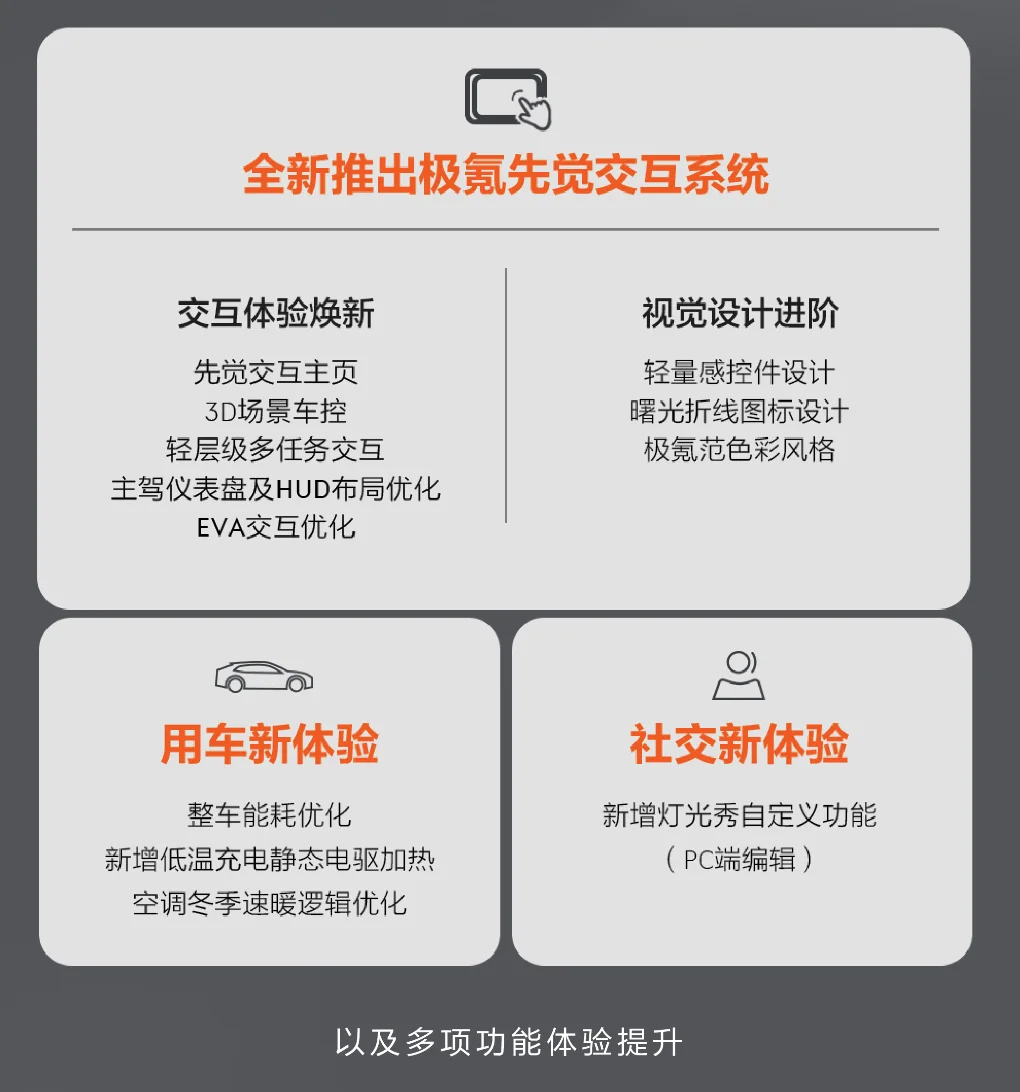
On December 16, Zeekr officially released its new infotainment system, Zeekr OS 4.0, with updates scheduled to be pushed to users in the near future.
As a major version update, Zeekr OS 4.0 has introduced interface changes to both the central console and the instrument cluster, particularly the central touchscreen. The system now features a completely new interface, accompanied by significant revisions to its menu logic.
The most prominent change to the central console interface lies in the home screen. The new version utilizes the Unity engine to create a 3D visual interactive interface as the main display. Users can control corresponding modules by tapping floating interactive widgets overlaid on the vehicle body. For example, versions equipped with optional electric doors can directly control the opening and closing of the doors, tailgate, or rear electric charging port via the vehicle control home screen.
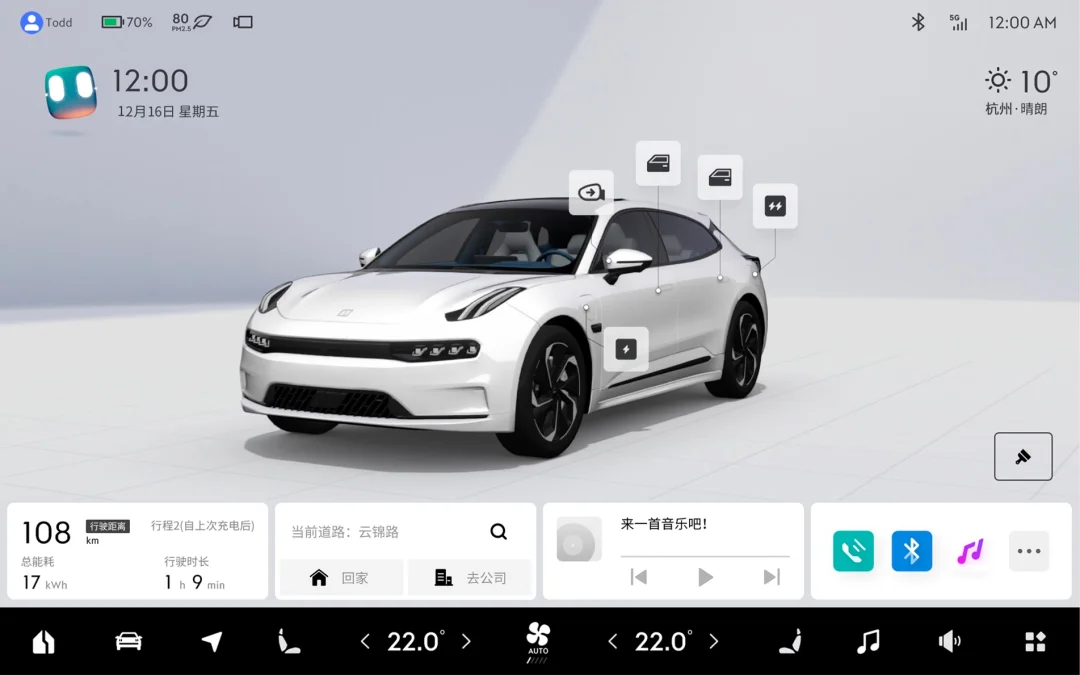
Below the 3D interactive interface, four customizable information cards float, which can display navigation, driving data, music, and other content.
In the upper-left corner of the screen, the visual avatar of the voice assistant EVA and the time continue to be displayed as before.
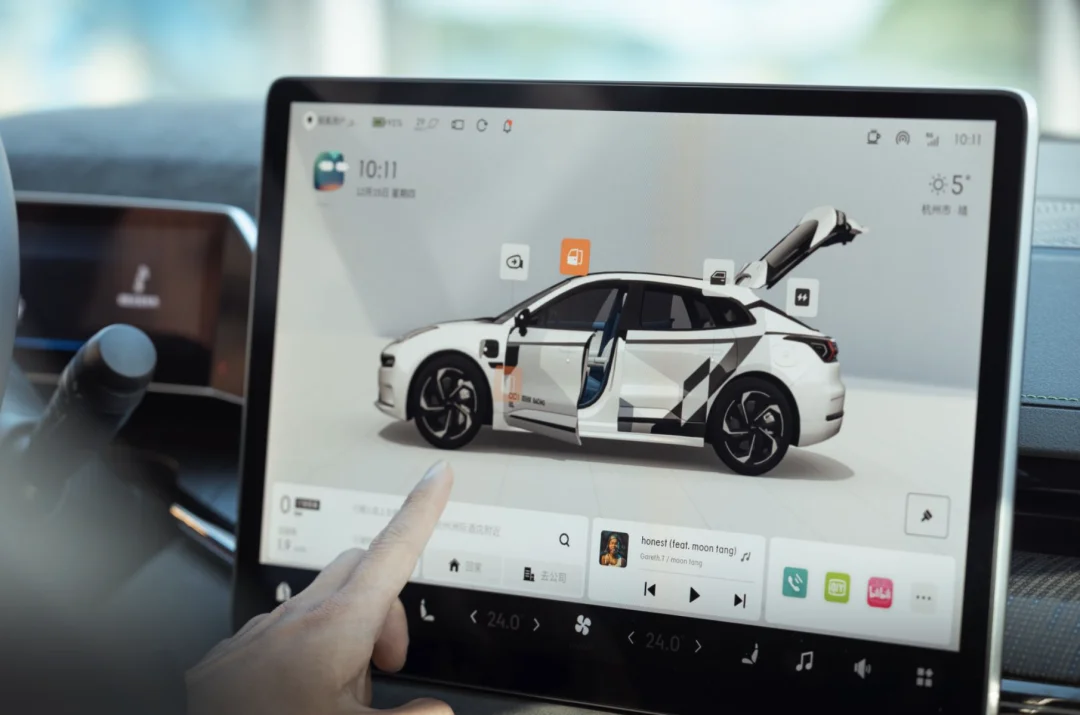
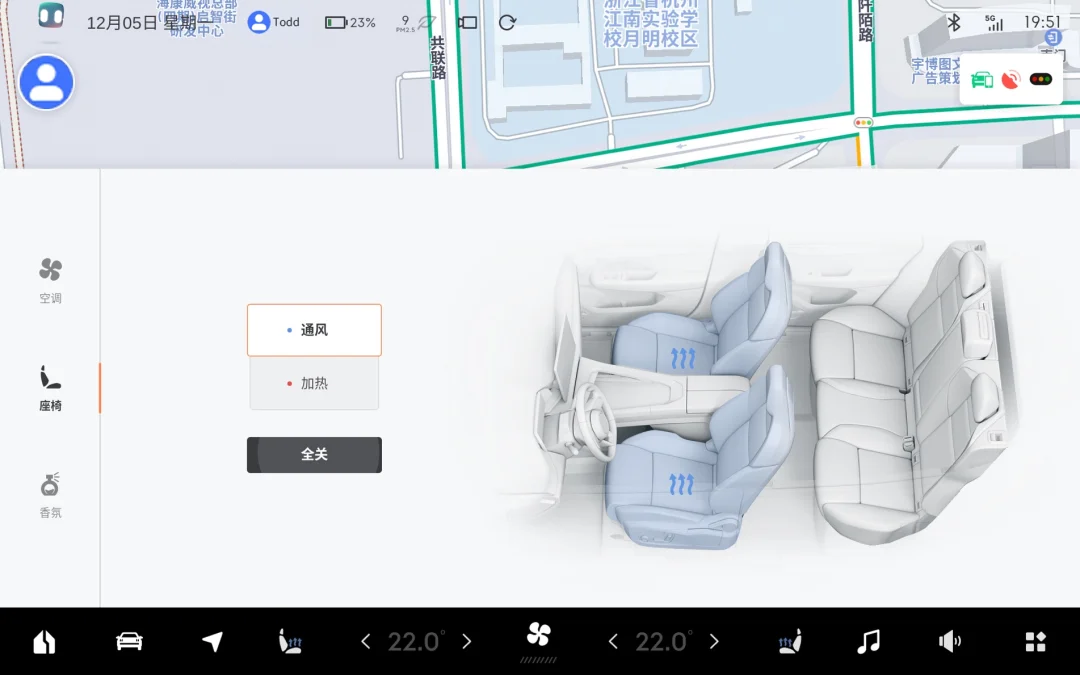
To further enhance the interaction experience, high-frequency applications such as air conditioning, seat heating/ventilation, and fragrance settings have been redesigned with a lightweight half-screen layout. This allows multiple function adjustments to be aggregated on a single screen without obstructing primary information displays.
Quick Review:
Beyond the main interface, the instrument cluster has also undergone layout adjustments. The speed display has been moved to the left, freeing up some space for autonomous driving visualization. In addition to these interaction upgrades, Zeekr OS 4.0 includes optimizations for range estimation, charging, and cabin heating.
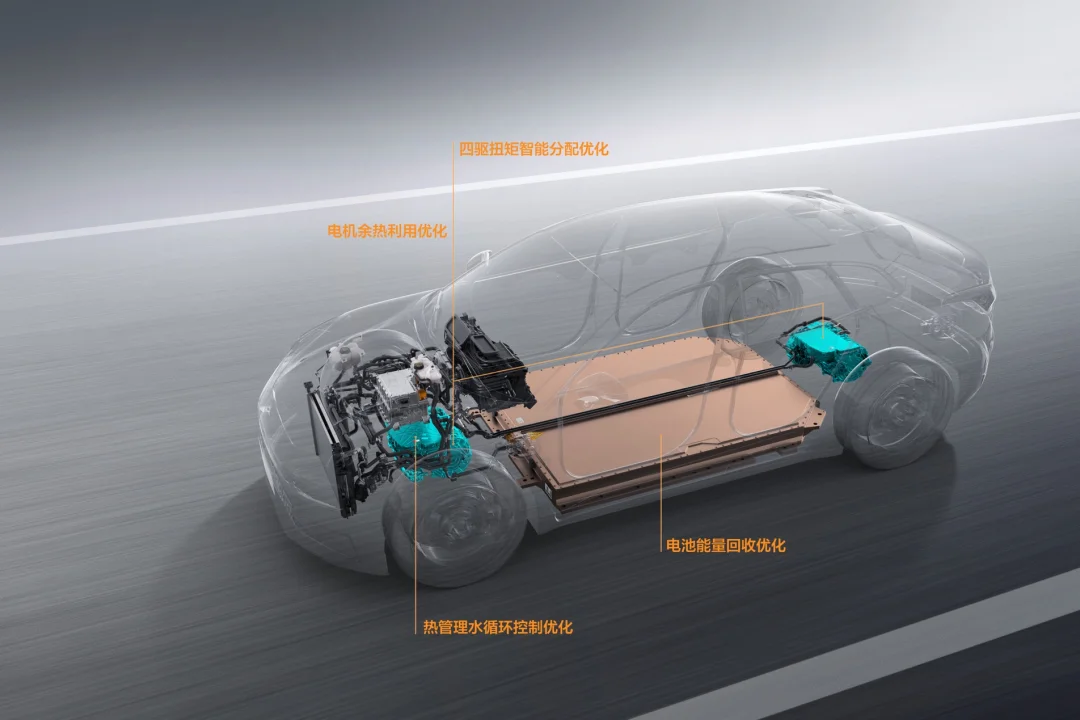
By optimizing the thermal management and intelligent drive systems, the CLTC range of the Zeekr 001 has been increased by 6 to 10 kilometers. In terms of charging, a new low-temperature battery preheating function accelerates battery warming in cold conditions, ensuring stable charging power.
Overall, the changes introduced in ZEEKR OS 4.0 are comparable in magnitude to the upgrade from version 2.0 to 3.0, with a primary focus on enhancing user experience and interface aesthetics. The interaction design also appears to have deeply leveraged the computing power of the existing 8155 hardware, delivering a notably effective 3D interactive interface.
Steam Arrives on Tesla Infotainment System
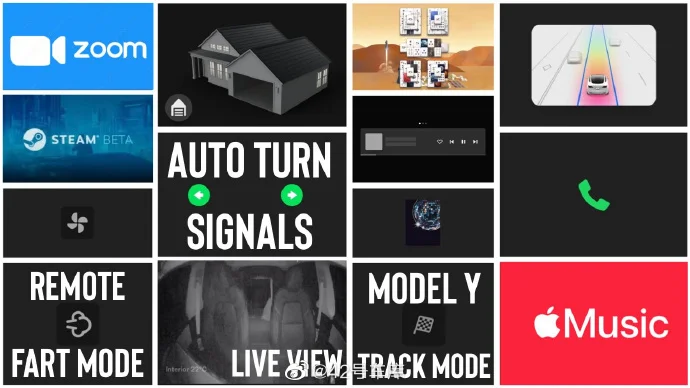
On December 14, Tesla rolled out its Christmas holiday update in the United States. Key features include:
Apple Music arrives as scheduled;
Steam library support for Model S and Model X;
Addition of Mahjong Solitaire game;
Model Y adds track mode;
Added Zoom meetings;
Added the MyQ garage door control system;
The rainbow road interface remains displayed in AP mode;
The turn signal automatically resets after an automatic lane change;
Prank passengers remotely via the app with fart sounds;
Contact search and call transfer confirmation;
Reserve the light show feature;
Adjusts fan speed when the air conditioning is set to Auto.
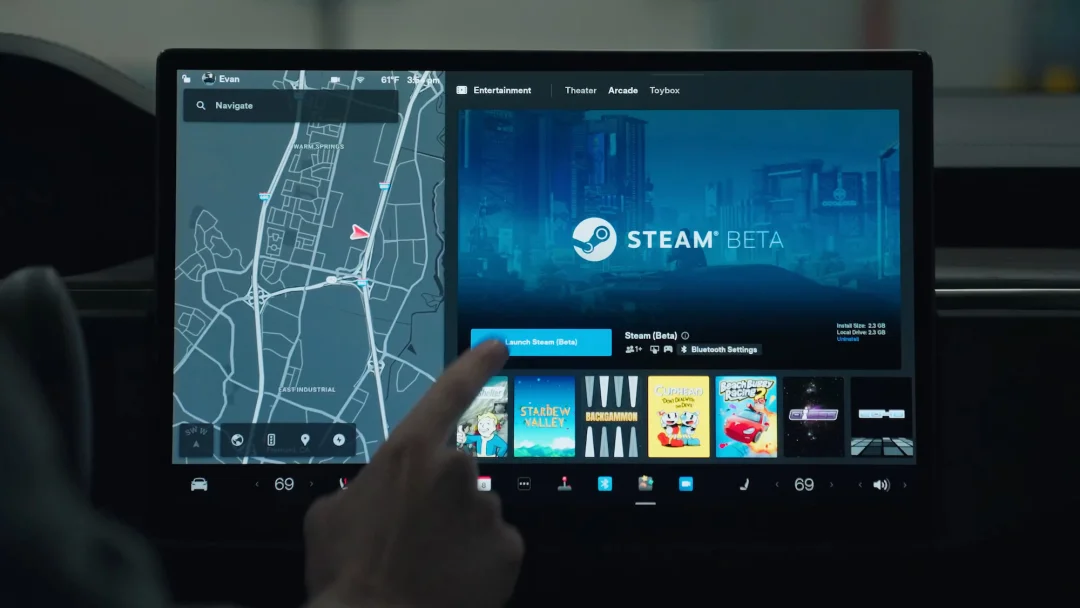
The Steam experience on the vehicle's infotainment system is undoubtedly what everyone is most concerned about. It is speculated that users with AMD chips, both domestic and international, will receive the update in due course, while those with Atom chips are unlikely to be able to use Steam. However, these users can try playing via 'cloud PC' services.
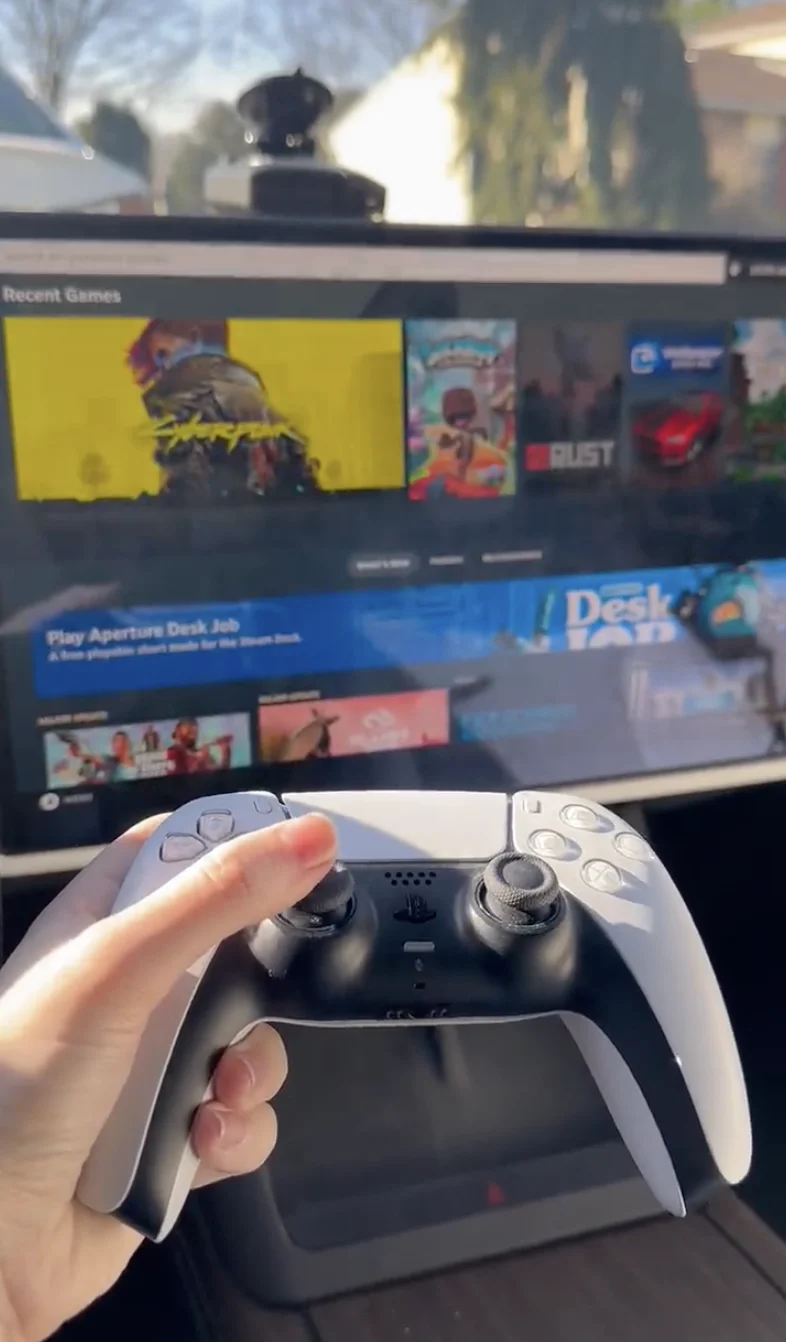
According to sharing from overseas users, a PS5 wireless controller can connect to the Model S infotainment system via Bluetooth to control Steam; therefore, logically, any wireless controller that supports Bluetooth connection should be compatible.
However, since the available memory on the infotainment system is only 78.2 GB, Tesla has also launched an official external hard drive priced at USD 350.
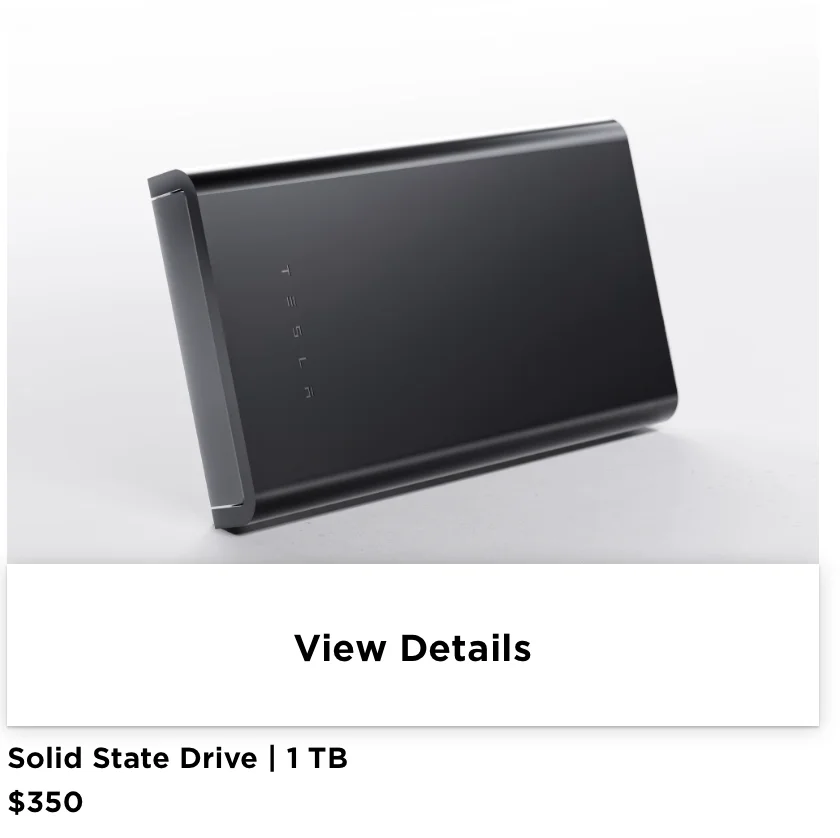
Steam is a large software platform where developers can theoretically sell their applications. With Steam’s integration into Tesla vehicles, supporting a wide range of PC software could potentially drive a significant leap in the Tesla infotainment ecosystem.
Quick Review:
As noted in previous articles, software ecosystems are the next battleground after hardware competition in vehicle infotainment systems.
Although Tesla currently offers fewer third-party applications compared to leading Chinese automakers, its hardware and software architecture clearly places it ahead of all other carmakers.
Tesla customizes infotainment hardware directly with AMD and standardizes it across all models. Leveraging this high-performance hardware platform, Tesla has integrated Steam to ensure extensive application support.
This approach may pose a considerable challenge for domestic manufacturers.
VOYAH Zhuiguang Launches
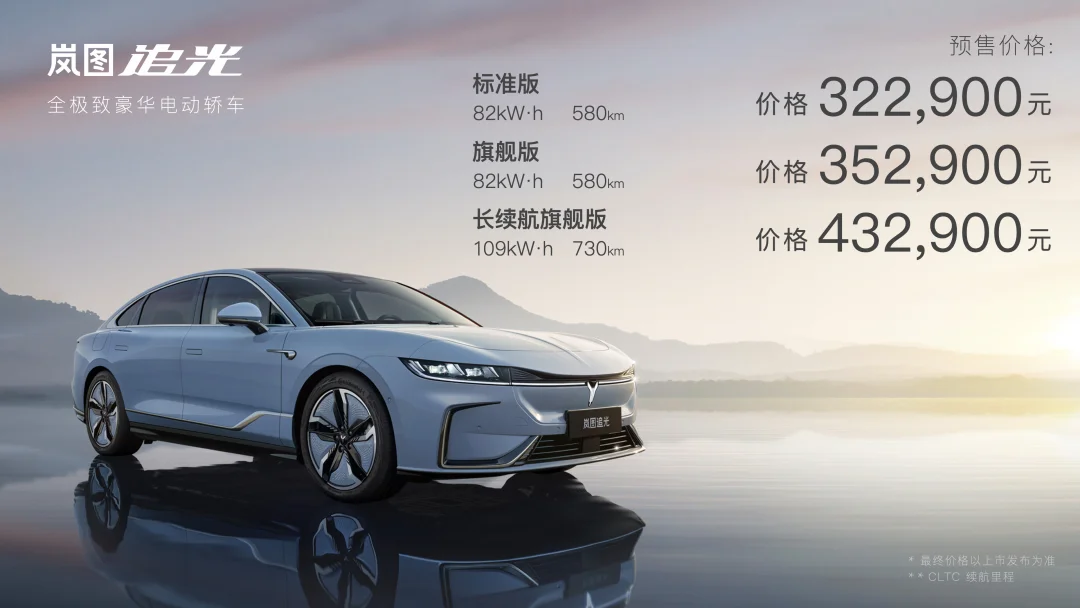
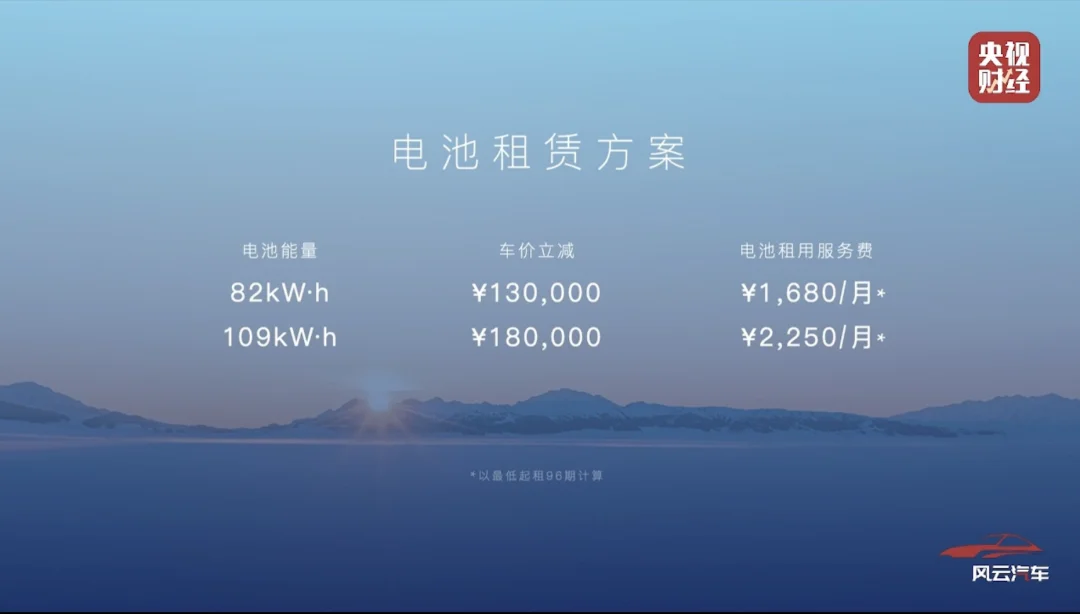
On December 15, VOYAH Zhuiguang officially launched, announcing pre-sale prices. Under the battery leasing scheme, the 82 kWh version reduces the vehicle price by RMB 130,000, with a monthly battery lease fee of RMB 1,680; the 109 kWh version reduces the vehicle price by RMB 180,000, with a monthly battery lease fee of RMB 2,250.
The 82 kWh standard version has a pre-sale price of RMB 322,900, or RMB 192,900 with battery leasing.
The 82 kWh flagship version has a pre-sale price of RMB 352,900, or RMB 222,900 with battery leasing.
The 109 kWh long-range flagship version has a pre-sale price of RMB 432,900, or RMB 252,900 with battery leasing.
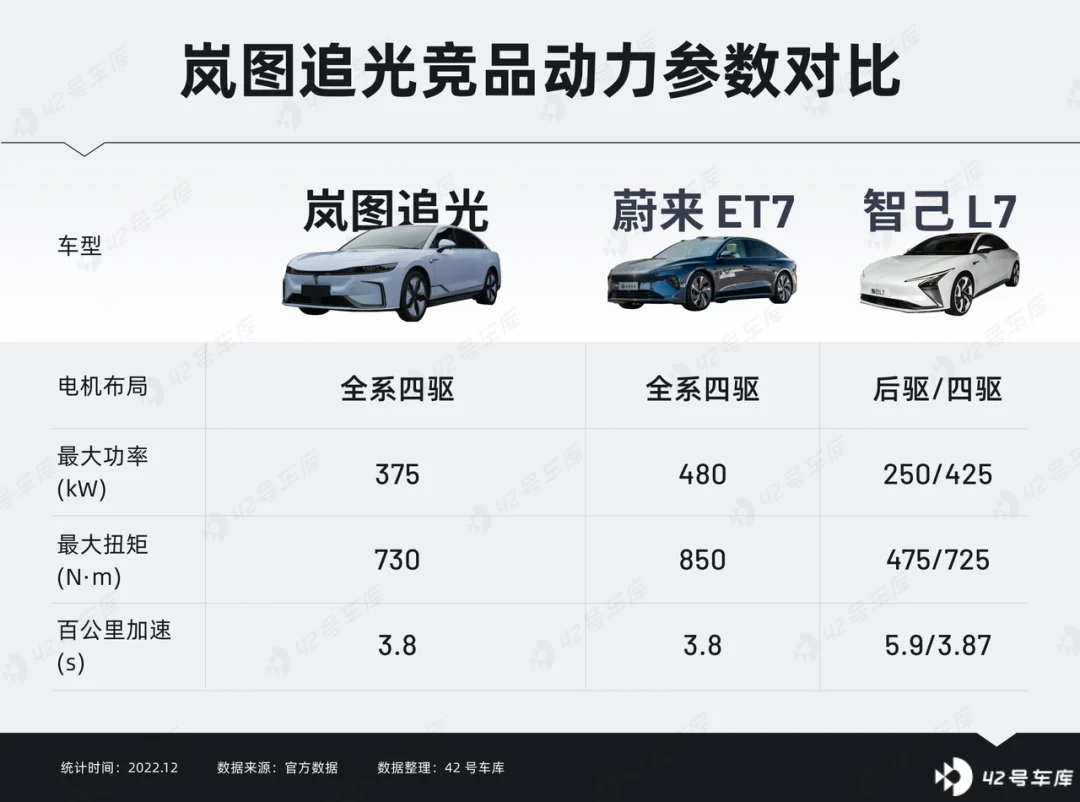
In terms of powertrain, the entire VOYAH Zhuiguang lineup comes standard with dual-motor all-wheel drive, delivering a maximum output of 375 kW and a peak torque of 730 N·m. Although the VOYAH Zhuiguang does not hold a significant advantage in maximum power compared to the NIO ET7 and L7, its official 0–100 km/h acceleration time remains 3.8 seconds.
With all-wheel drive across the lineup, the Zhuiguang 82 kWh version provides a CLTC range of 580 km, while the 109 kWh version reaches 730 km.
From a comparative standpoint, this battery pack configuration is highly pragmatic. For most consumers, the demand for pure electric vehicles falls into two categories: one where range suffices for urban use and battery capacity is balanced; the other prioritizing maximum range to replace internal combustion engine vehicles entirely.
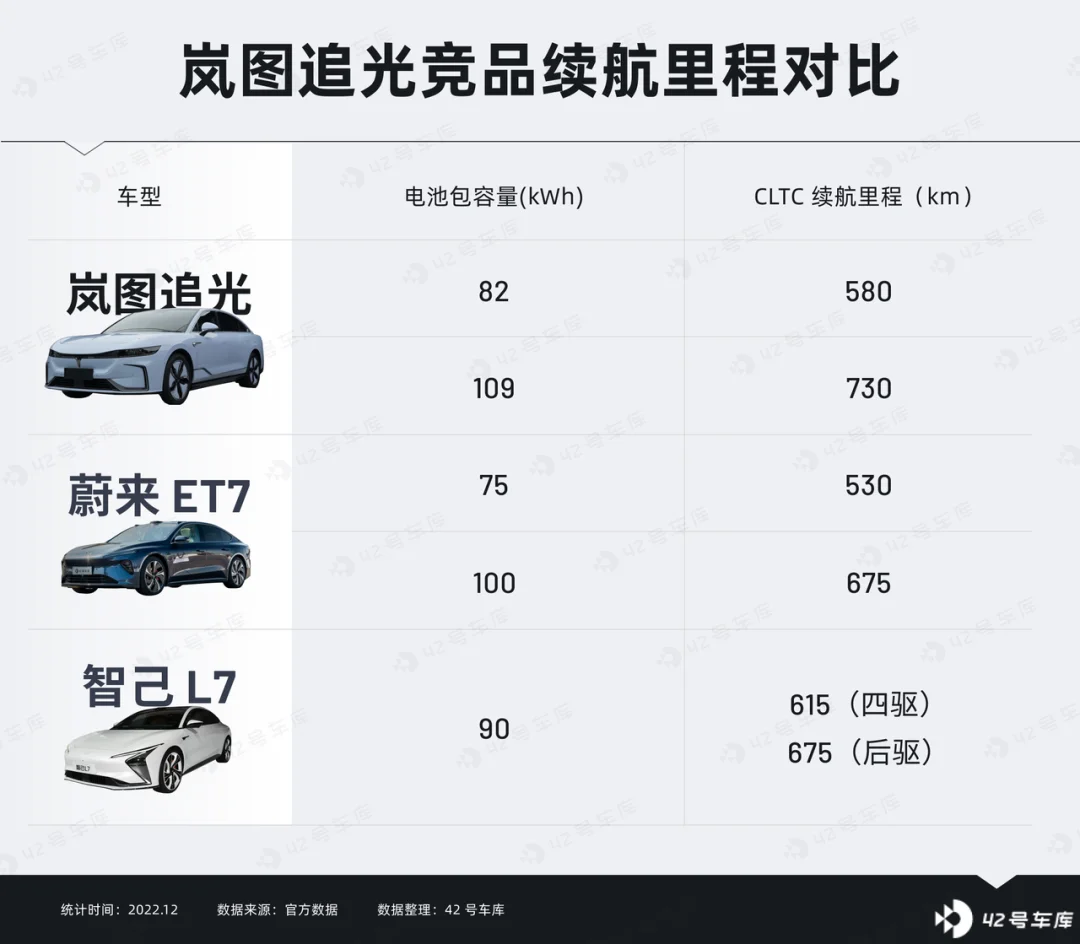
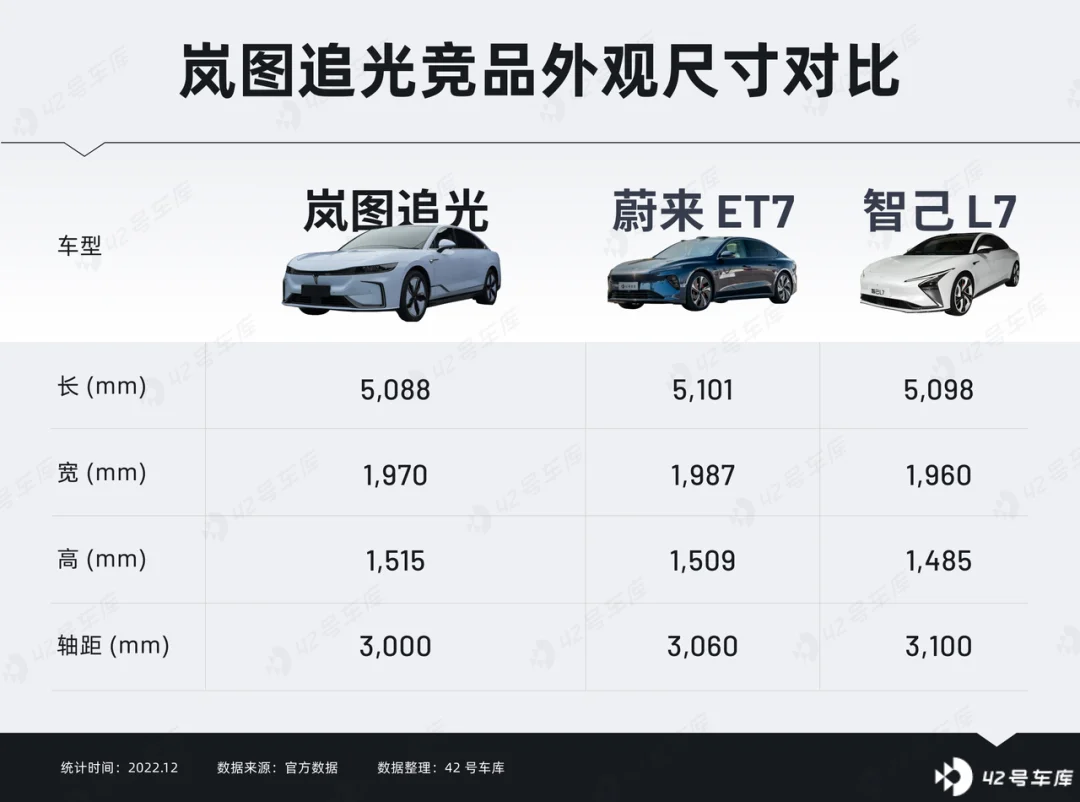
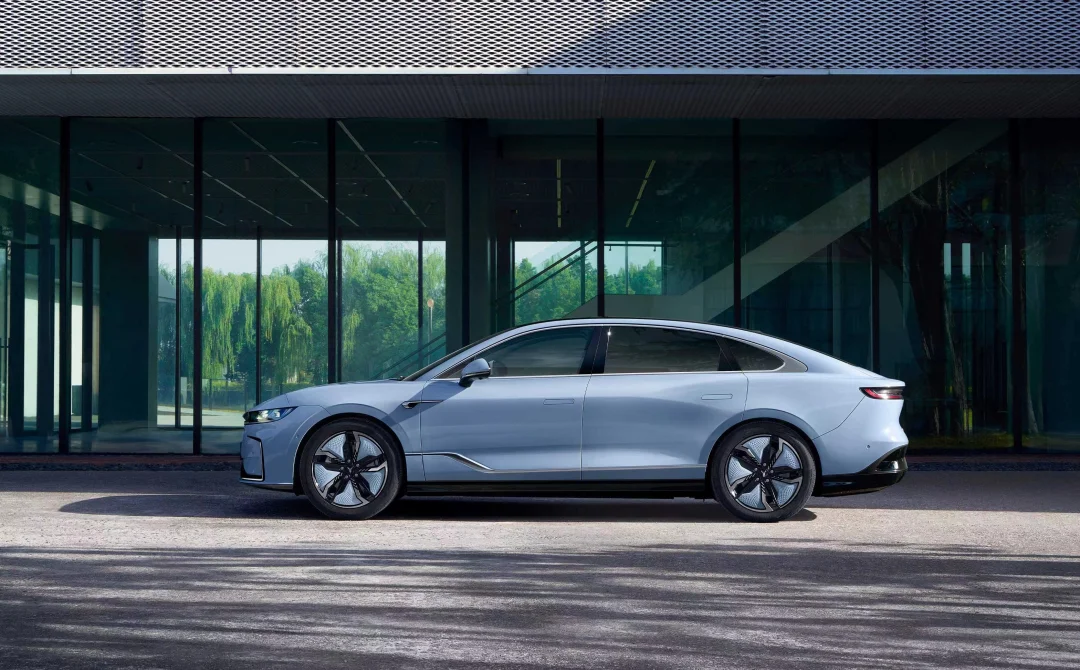
In terms of exterior dimensions, VOYAH Zhuiguang aligns with NIO ET7 and IM Motors L7. A length exceeding five meters and a wheelbase of three meters provide a solid foundation for interior space. The short rear overhang design yields an internal cabin width of 1,940 mm; for reference, the Mercedes-Benz EQS measures 1,938 mm.
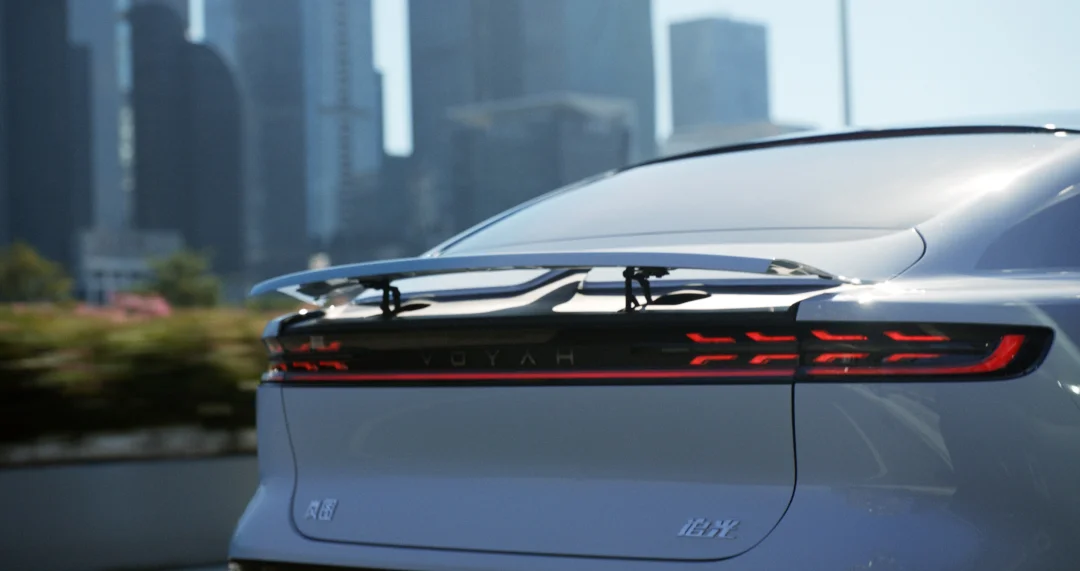
Unlike the sporty aesthetics of the ET7 and L7, Zhuiguang presents a more composed visual character. Retaining the design language of the VOYAH i-Land concept car, it features a continuous headlight strip. The large front grille seen on the FREE and Mengxiangjia has been reduced in size, while the front fascia incorporates fang-like elements on either side.
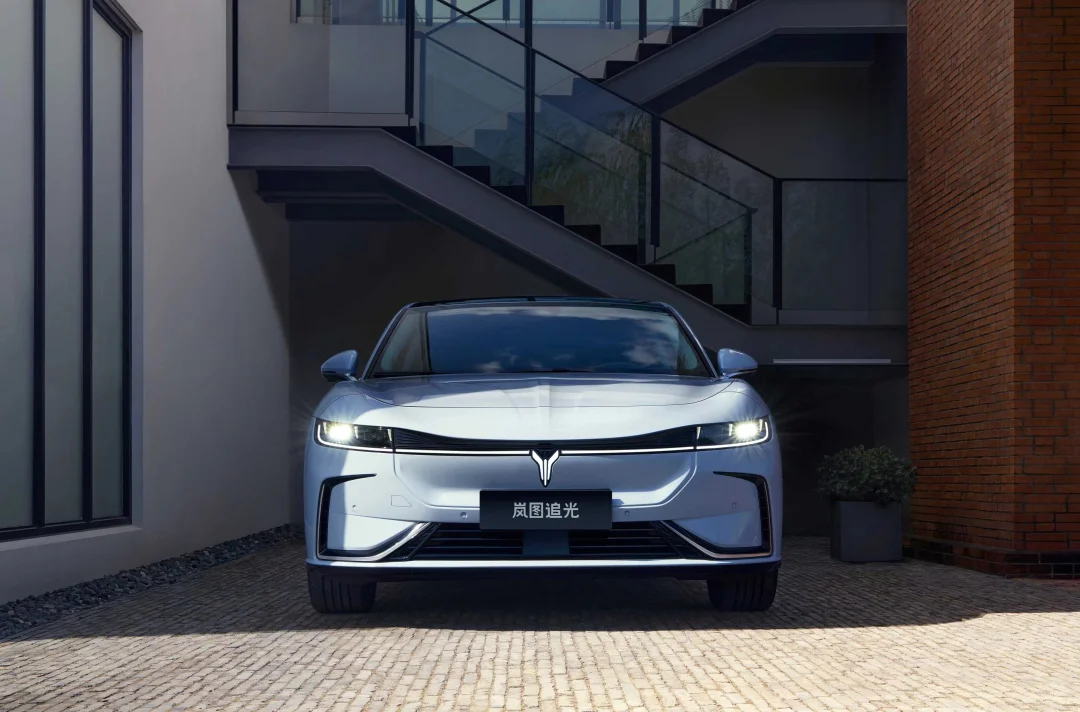
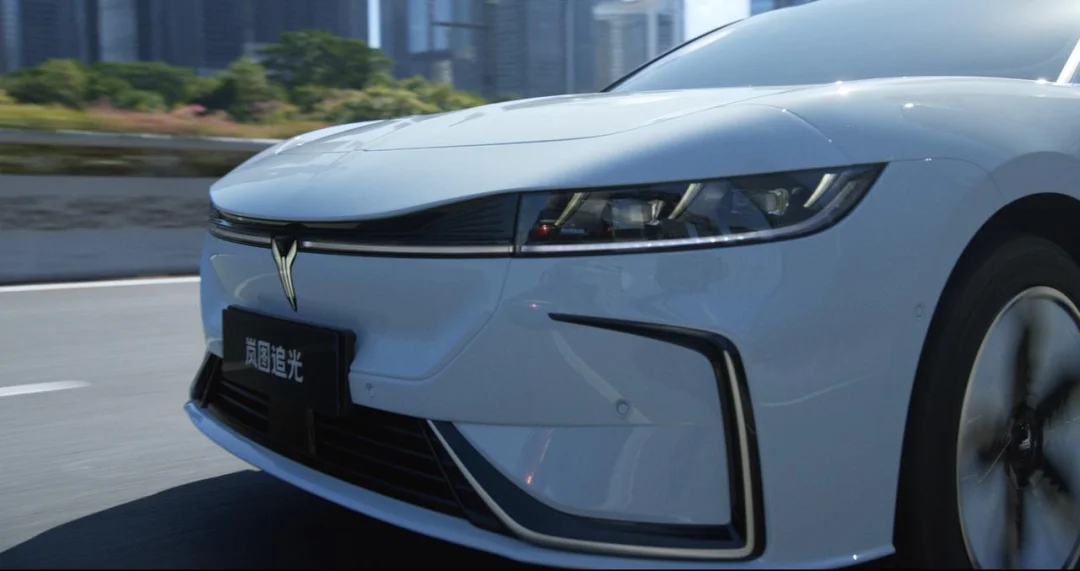
The body’s aerodynamics have been optimized to achieve a drag coefficient of 0.22, with semi-enclosed low-rolling-resistance wheels contributing to extended range. However, body-colored wheel covers appear overly conspicuous on a mid-to-large vehicle; metallic-finish wheels would offer a superior visual effect.
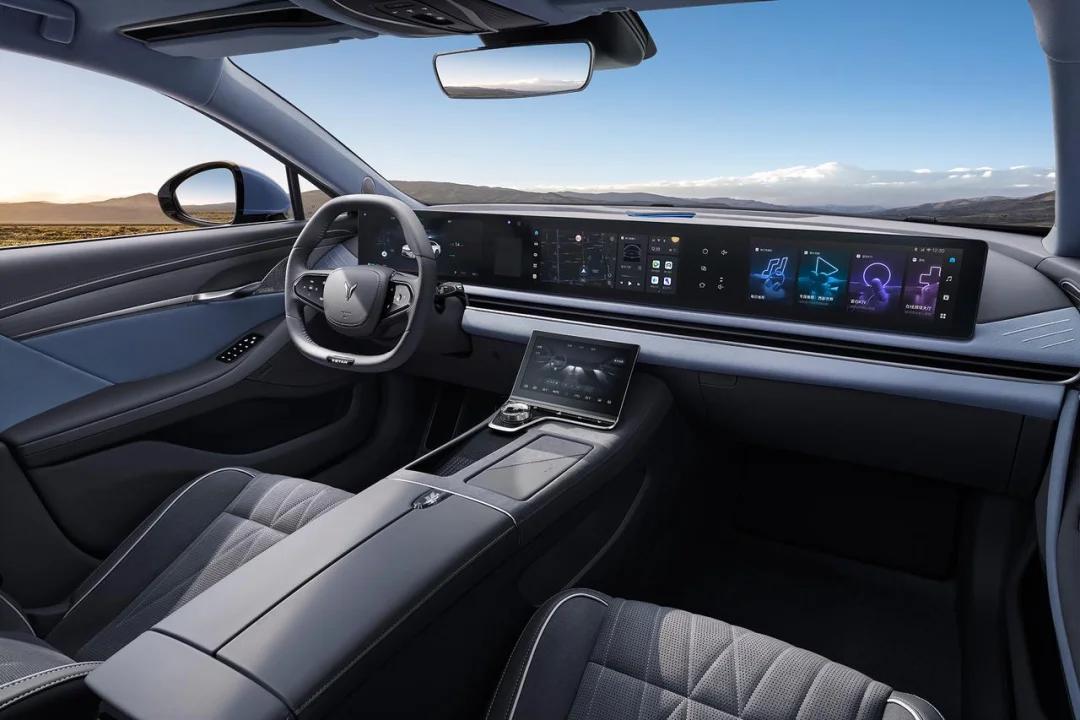
The large integrated screen in the VOYAH FREE is formed by three displays and features an embedded design within the dashboard, whereas the Zhuiguang employs a floating configuration. Equipped with a ToF camera, the Zhuiguang supports three dynamic gesture controls: left-right waving, up-down waving, and forward-backward pushing.
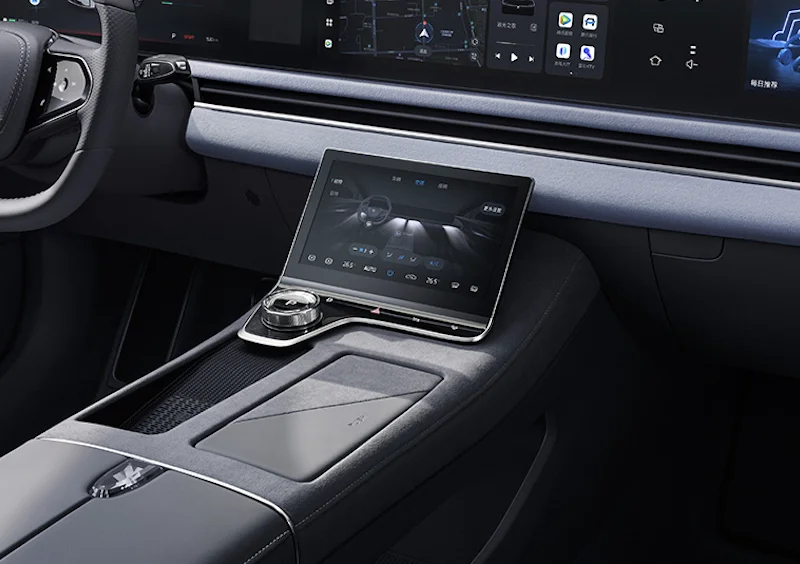
Physical buttons are nearly eliminated on the Zhuiguang. The gear selectors in both the VOYAH FREE and Mengxiangjia have been replaced with rotary dials, resulting in a cleaner overall appearance. Additionally, the Zhuiguang introduces a new control hub located below the center console to manage functions such as air conditioning.
In terms of feature definition, the Zhuiguang reflects VOYAH’s more mature engineering considerations. For instance, the 'VIP Cinema Mode' allows the front seats to fold down with a single button press, creating a continuous, comfortable sofa-like surface with the rear seats.
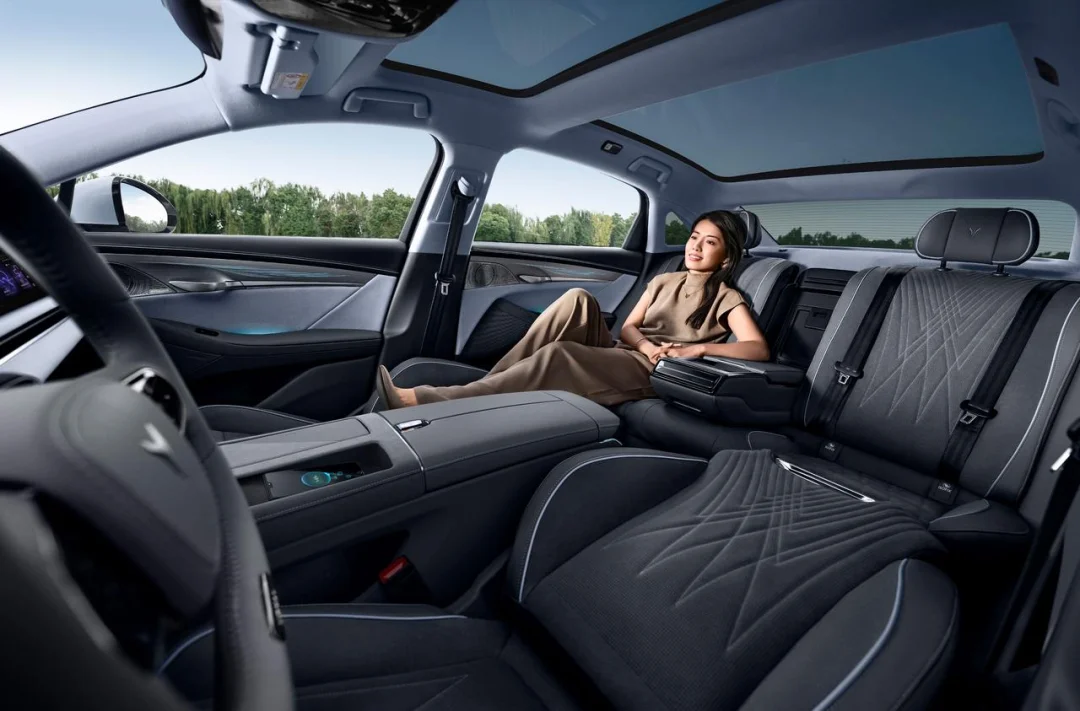
All four seats in the Zhuiguang feature heating, ventilation, and massage functions. The rear backrests offer a 7° pitch adjustment range, adjustable from 27° to 35°. A 7-inch touchscreen remote located on the rear center armrest controls audio, heating, ventilation, ambient lighting, and other features. This placement is more convenient for operation than a touch screen housed within the center armrest box.
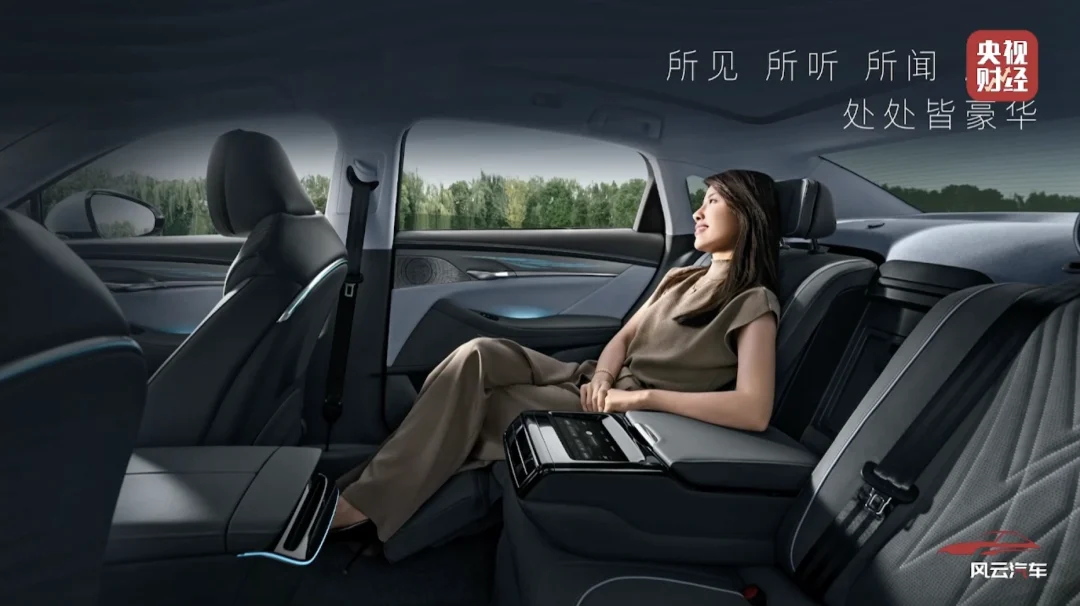
Whether it is the significantly adjustable rear backrest angles or the class-exclusive rear leg rests, the Zhuiguang has not forgotten its duties as a mid-to-large sedan while pursuing complete driving dynamics.
Quick Review:
In this fiercely competitive market, can there still be room for the VOYAH Zhuiguang?
Competitiveness cannot be discussed without considering price. We can see that the Zhuiguang with the 82 kWh battery pack is priced between RMB 322,900 and RMB 352,900, heavily overlapping with the NIO ET5. However, do not forget that this is a mid-to-large sedan with dimensions comparable to the ET7.
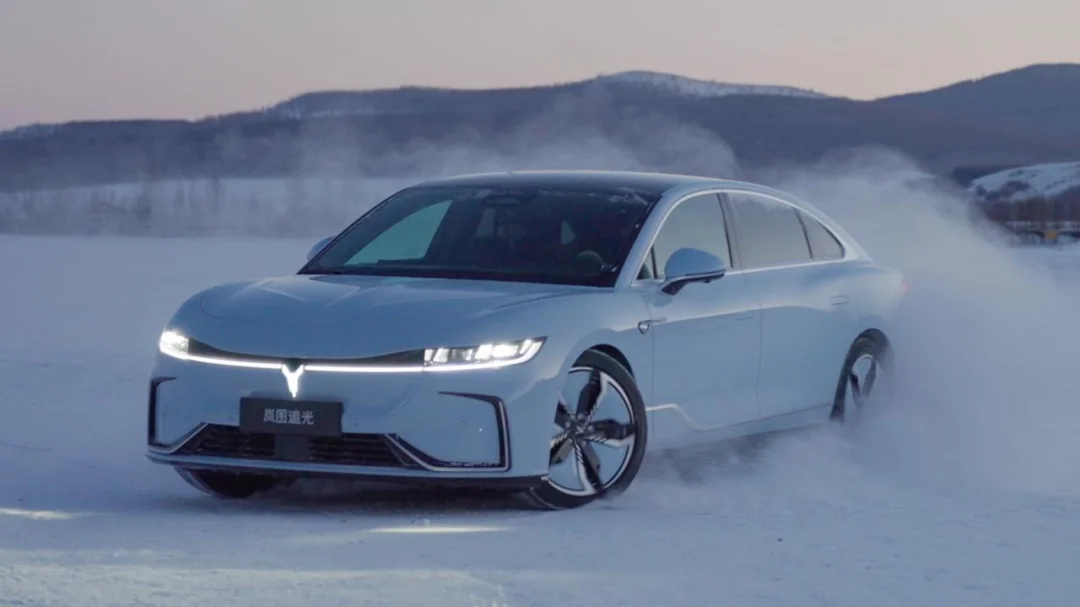
Through battery leasing options, the Zhuiguang’s price is further reduced to between RMB 192,900 and RMB 222,900. For an all-electric mid-to-large sedan equipped with standard front and rear dual motors, a 3.8-second acceleration time, and comprehensive comfort features, this price point is competitive.
And don't forget that this car is highly likely to launch a hybrid version soon, with a starting price potentially falling below the RMB 300,000 mark.
Aerbeisi, High-Speed Navigation Battery Swapping, and More: NIO's 2022 Media Face-to-Face
In the final month of 2022, we met with Qin Lihong. Looking back on the past year and forward to the new one, we engaged in an interesting and in-depth discussion covering NIO's multi-model strategy, the new brand Aerbeisi, NOP+, the European market, and other topics.
During this face-to-face conversation, Qin Lihong revealed: 'Within six months, all NIO models will be updated to the NT 2.0 platform.' The ES6, EC6, ES8, ET5 Touring, and EC7 are scheduled for release in the first half of next year. However, since Qin Lihong mentioned 'seven models updating to the 2.0 platform,' I speculate that the rollout of the EC6 or the ET5 Touring may be slightly delayed.
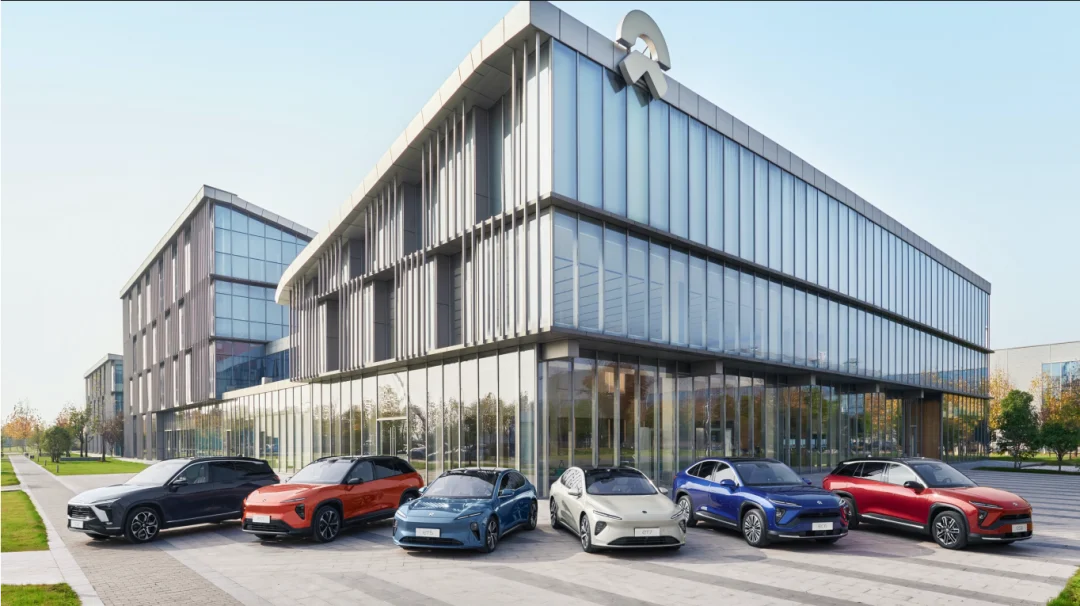
Qin Lihong also stated that it is impossible for the NIO brand to cater to both ends of the market; the ET5 will be the most affordable product in its lineup. Therefore, the task of simplifying the product line to drive volume will fall to Aerbeisi.
Qin Lihong shared that achieving cross-brand compatibility for battery swapping technology is crucial, as it forms the foundation for subsequent refined management. Based on this, it is highly likely that Aerbeisi will be hardware-compatible with NIO's battery-swapping system. If physical limitations are overcome, operational strategies can be diverse, giving Aerbeisi a 'luxury endorsement' even before its official birth.
Qin Lihong boldly projected that the future main model of the codenamed Aerbeisi brand could achieve monthly sales of 50,000 units. For a new brand born with a vast battery-swapping network, a mature intelligent platform, and stable supply chain channels, I do not doubt this figure too much.
During the discussion, Qin Lihong also revealed a major upcoming update for NOP+: highway autonomous navigation with battery swapping. While driving on the highway, once navigation is set, the vehicle will automatically plan its route and head to a battery swap station. After the swap is complete, it will depart on its own. This feature is expected to be implemented first on two mainstream highways—one running east-west and one north-south—with the goal of connecting most highway battery swap stations by next year.
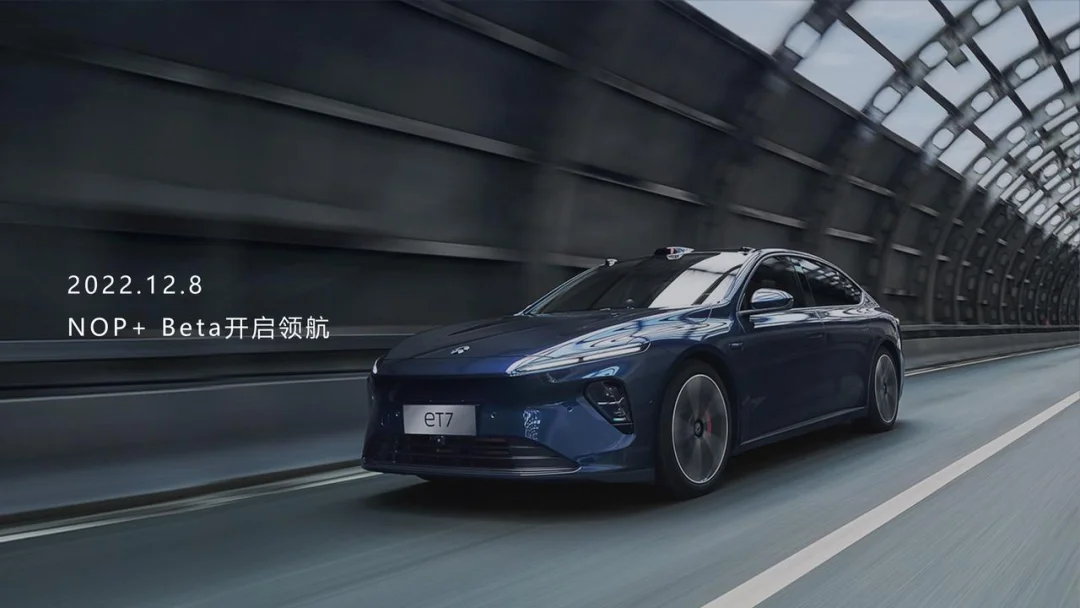
For highway service areas, complex landmark lines, congested traffic, and variable traffic conditions prevail most of the time. The difficulty of achieving automatic battery swapping in such a microcosmic scenario is evident.
High-precision map providers do not offer service area scenarios, so I am very curious and look forward to seeing how this function performs after implementation.
Qin Lihong also stated that the 'highway autonomous navigation with battery swapping' feature would be detailed at NIO Day this year.
Quick Review:
Qin Lihong stated that from 2014 to 2022, NIO's strategic direction remained unchanged over those eight years. When William Li approached him in 2014 to discuss the startup project, Qin had already planned out 80% of the content now featured in the 'NIO Competitiveness Compass.'
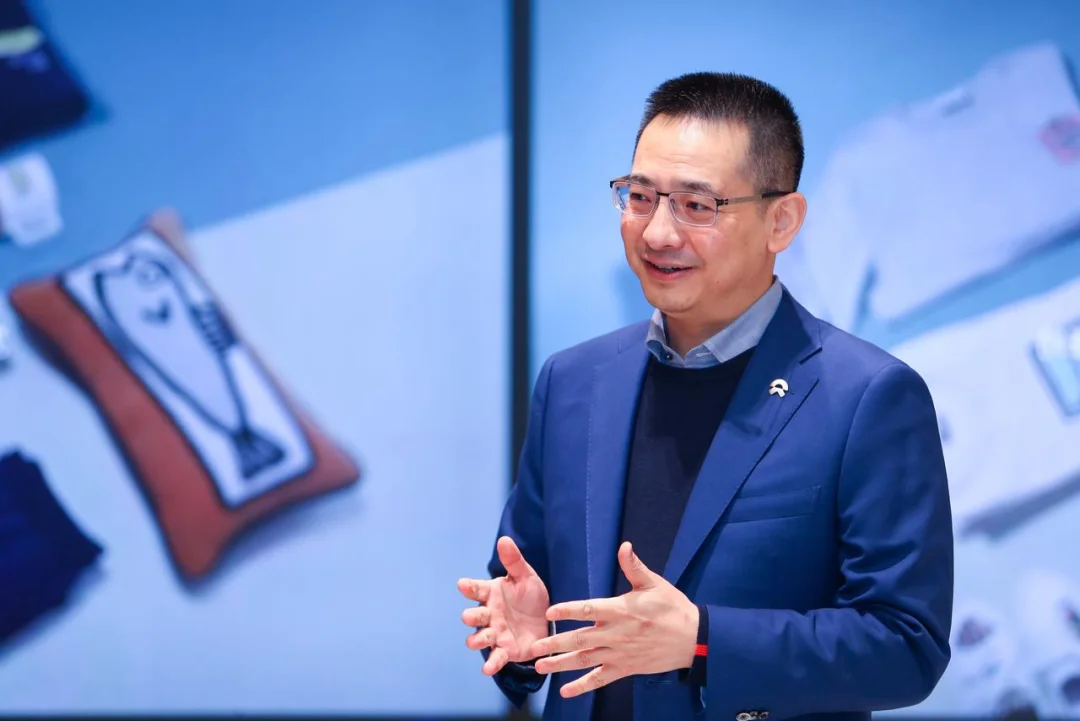
William Li even calculated the costs of battery swap stations, including electricity expenses, staffing levels per station, and projected labor costs ten years from now; he also factored in the square footage of NIO Houses, headcount, and average salaries. For these figures, at least half have an error margin of no more than 20%.
Entrepreneurship is not about taking things for granted. Although issues and tactics are reviewed and adjusted during execution, for NIO, the strategic framework was ingrained in its core from the start and has been adhered to consistently.
A week before meeting with Qin Lihong, NIO’s 300,000th vehicle rolled off the production line at its second advanced manufacturing base, accelerating the time to reach the next “100,000 units” milestone to just seven months. Beyond the growth in model production and sales, NIO’s systemic layout faces heavier pressures than other brands, yet it also possesses greater imaginative potential than its competitors.
Perhaps, as Qin Lihong stated, whether current decisions are correct can only be evaluated by looking back ten years later.
Written by: Mingming Edited by: Liu Guangding