


NIO EC7 First Drive: Coupe SUV Design, Active Aerodynamics and Interior Refinements
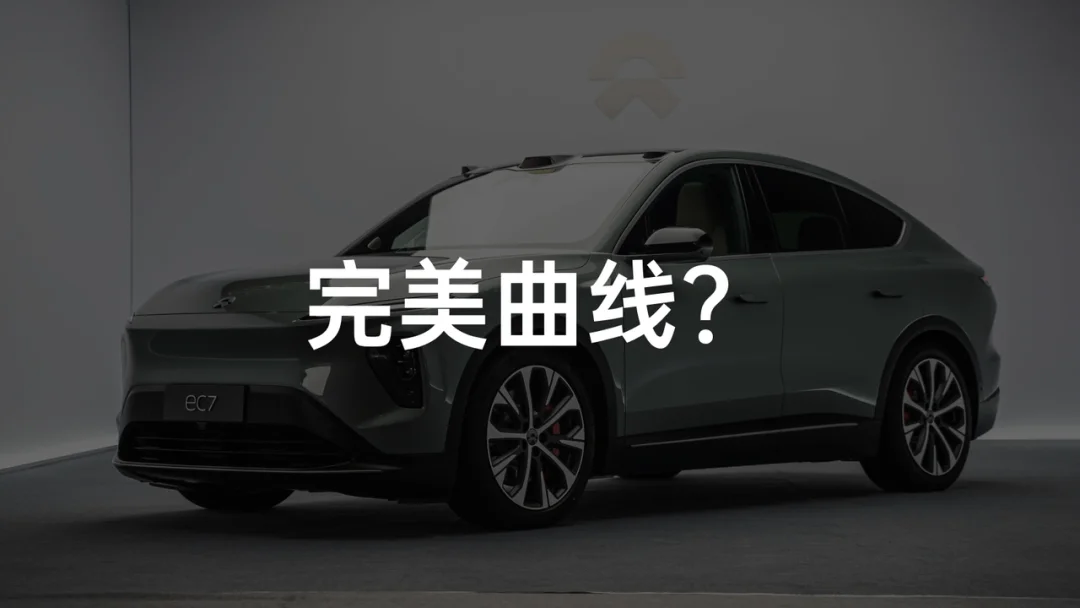
At NIO Day in 2019, NIO officially unveiled its third mass-produced model: the EC6.
The vehicle stood out for two reasons. First, it featured a fastback coupe design. Second, its pricing strategy was unconventional; William Li kept the price secret until July 2020, when it was finally announced at RMB 368,000–526,000. This range was nearly identical to that of the then-current ES6.
Previously, coupe SUVs typically commanded a significant premium over their platform-sharing siblings. For reference, the BMW X6, considered the pioneer of the segment, was priced between RMB 780,000 and 960,000. Meanwhile, the platform-mate X5, even after being stretched with a long-wheelbase option, had an official price range of RMB 600,000–770,000. BMW deliberately widened the price gap between these two sibling models by importing them.
NIO’s unconventional “democratization” strategy has been directly reflected in sales figures: at its peak, monthly sales exceeded 3,000 units, accounting for six-tenths of the ES6’s sales volume.
NIO continues to invest heavily in the coupe SUV segment. Now, the EC7—the older sibling of the EC6 and the sister model to the ES7—has finally arrived.
01How to Build a Coupe SUV?
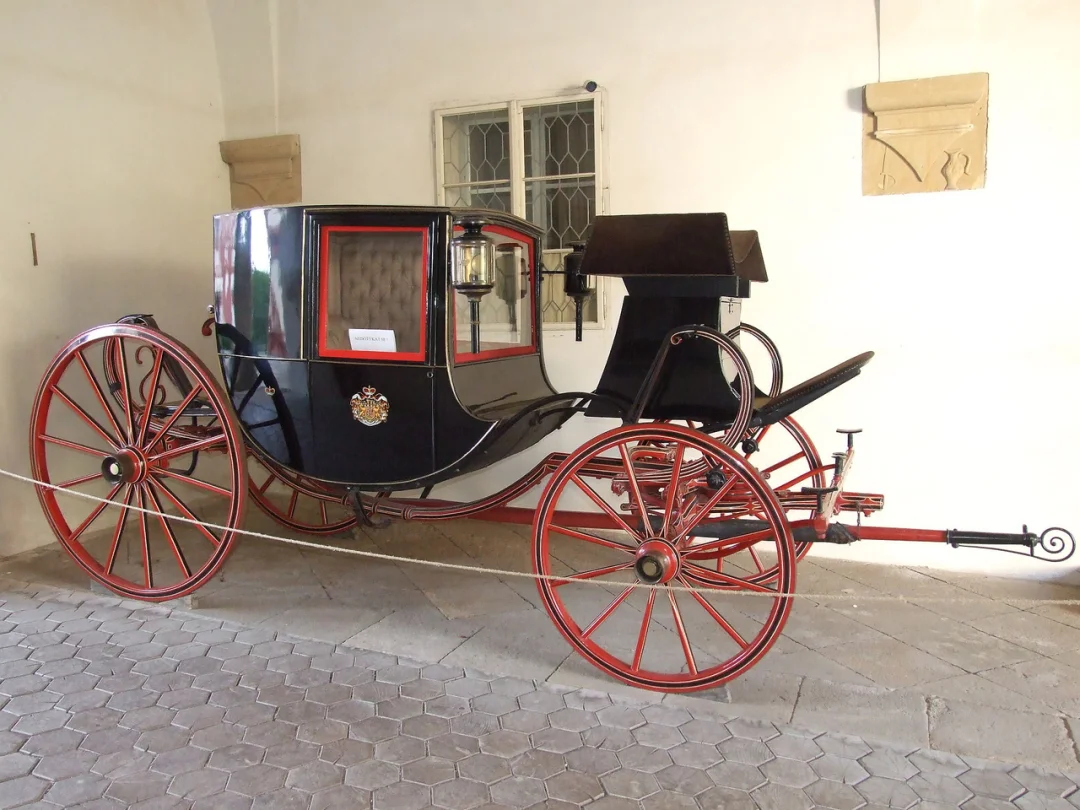
The term "coupe" originally referred to a carriage style, tracing back to the 18th-century "berline coupé." This was a lightweight carriage with rear-facing seats removed to reduce weight in the passenger compartment.
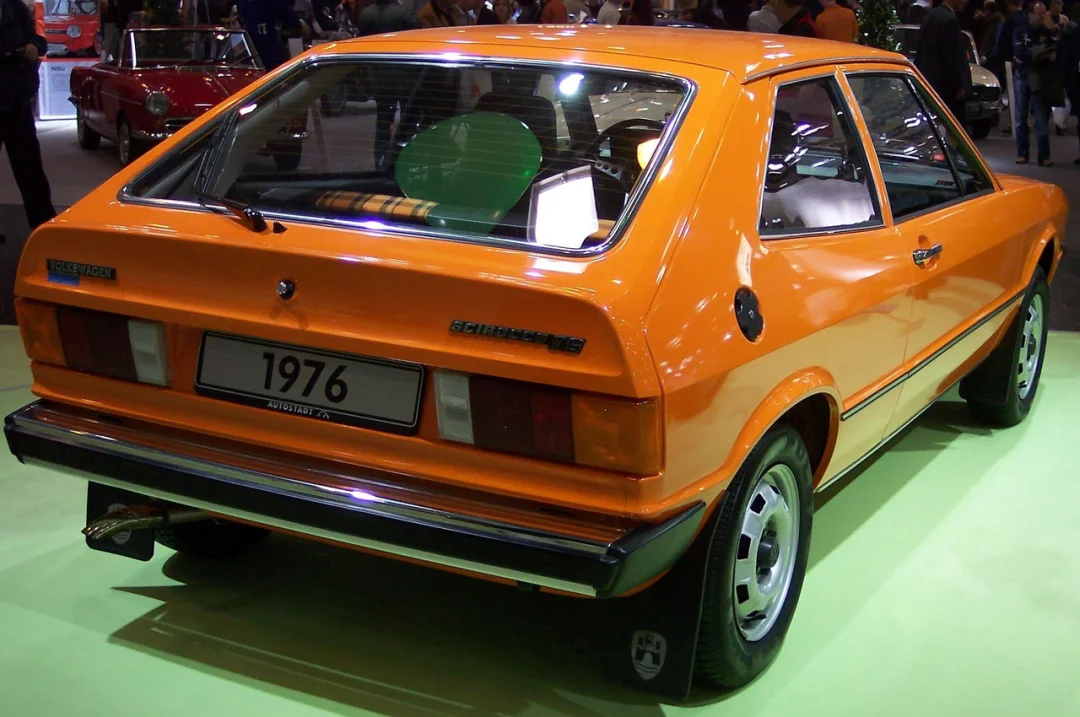
As the automotive industry rose, the term evolved to describe a sporty sedan with a fixed roof and two doors. Today, it no longer refers strictly to a specific sedan or SUV body shape but rather emphasizes the "fastback" silhouette.
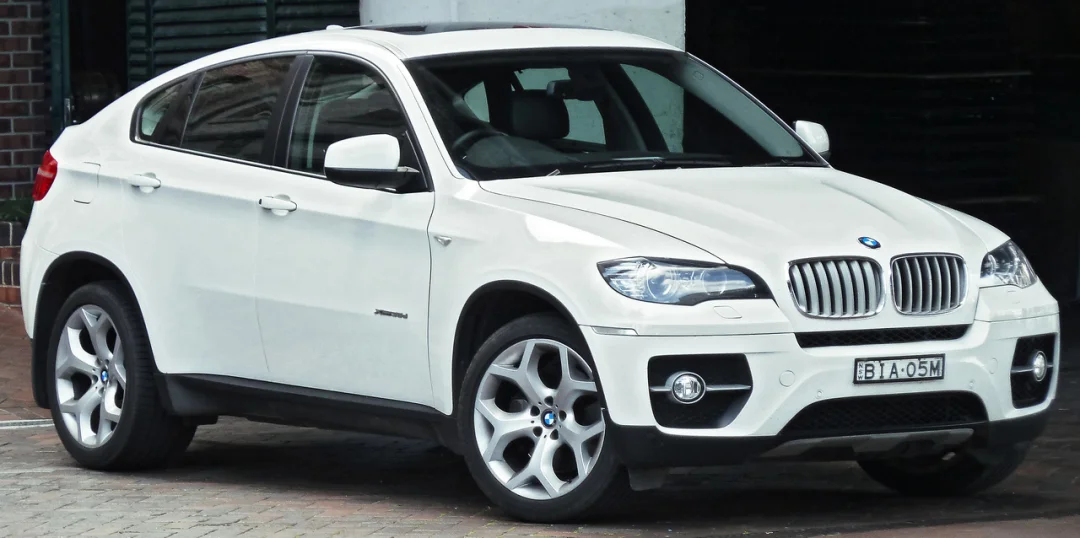
In the SUV segment, BMW's launch and success of the X6 prompted widespread imitation by other automakers. Mercedes-Benz introduced the GLE, Audi launched the Q8, and Bentian joined the trend with the Geshitu.
Following the EC6 as a precursor, NIO aimed to create the "world's most beautiful Coupe SUV" on the larger EC7 platform. For NIO, which is currently expanding internationally, this global ambition appears essential.
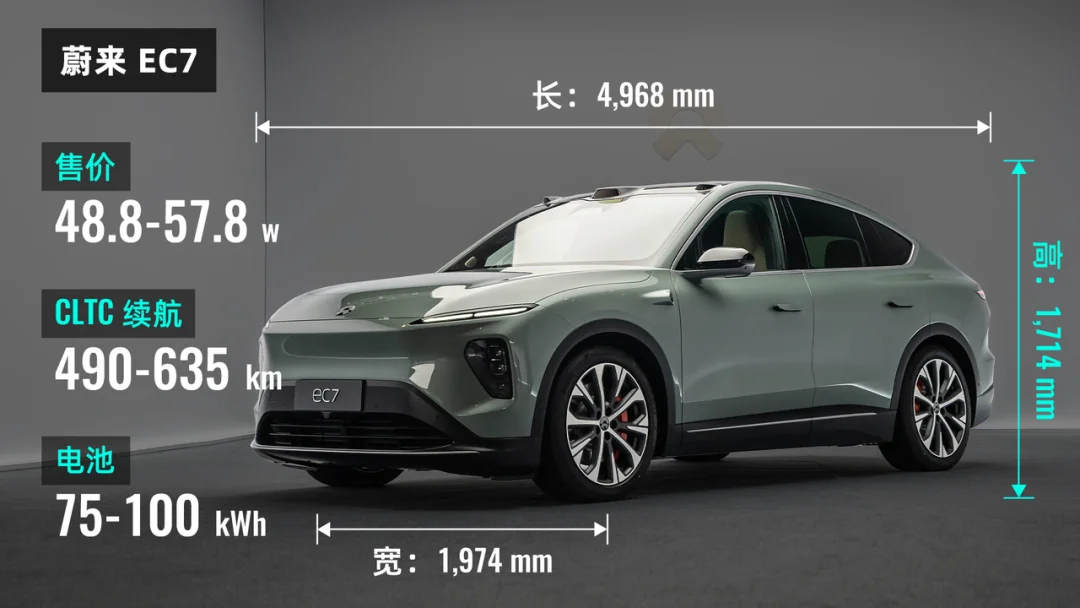
The essence of a Coupe SUV lies in its body proportions, most notably reflected in the curvature of the roofline.
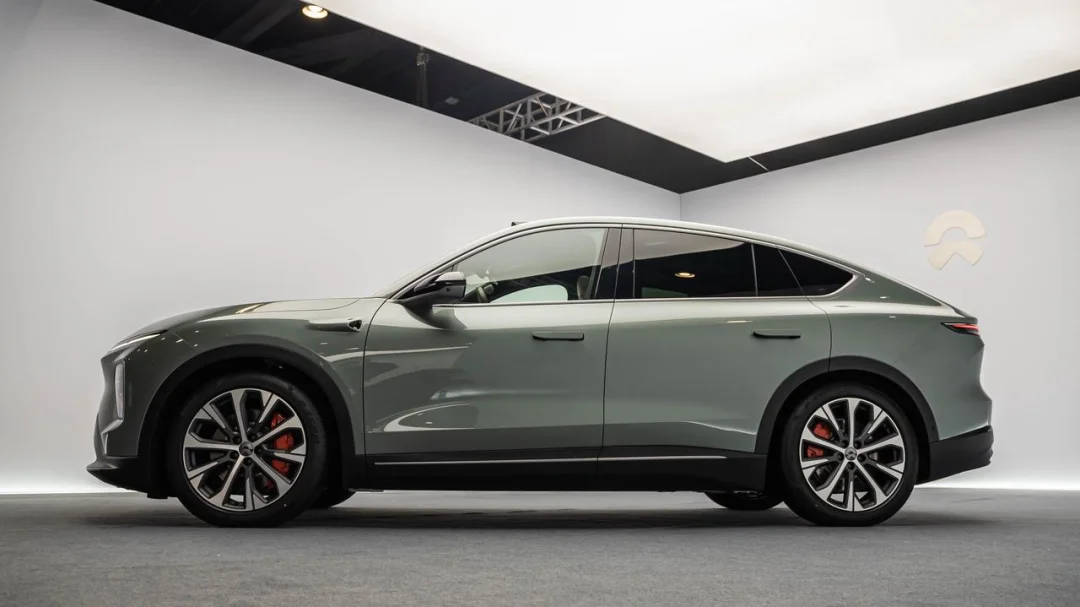
NIO went to great lengths to achieve this curvature on the EC7, with the first effort involving a forward shift of the front axle.
In the internal combustion era, traditional automakers could only boost performance by adding cylinders to increase horsepower, which often forced longitudinal engine layouts and resulted in longer hoods.
As a fully electric vehicle, the EC7 is not constrained by an engine. By shifting the cabin forward, the front compartment length is shortened. However, viewed from the side or a 45-degree angle, the profile lacks sharpness.
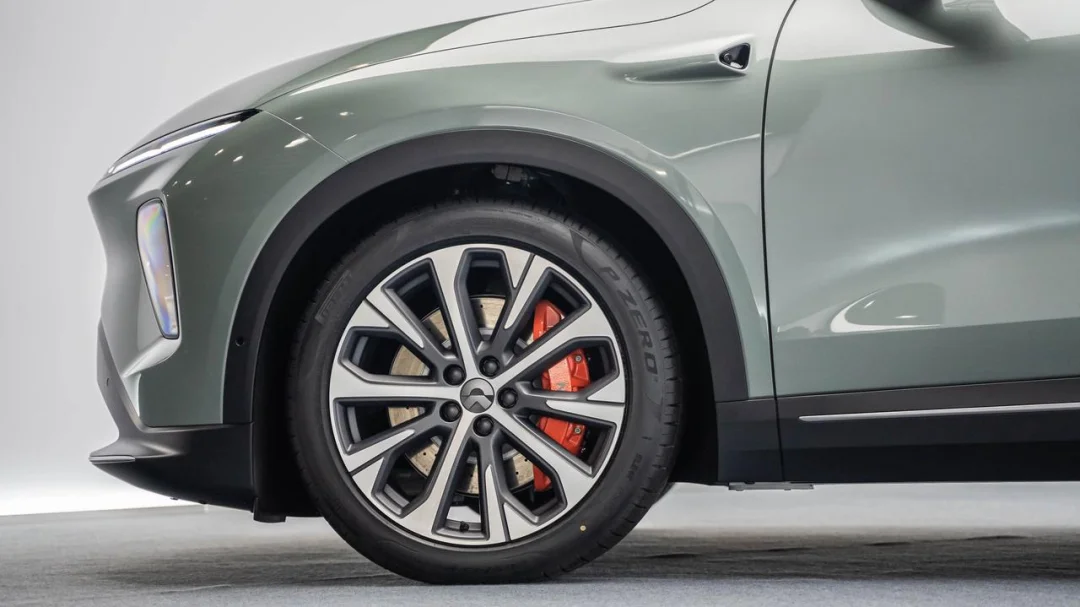
To make the front end appear more aggressive, NIO increased the hood's curvature, causing it to drop sharply toward the nose.
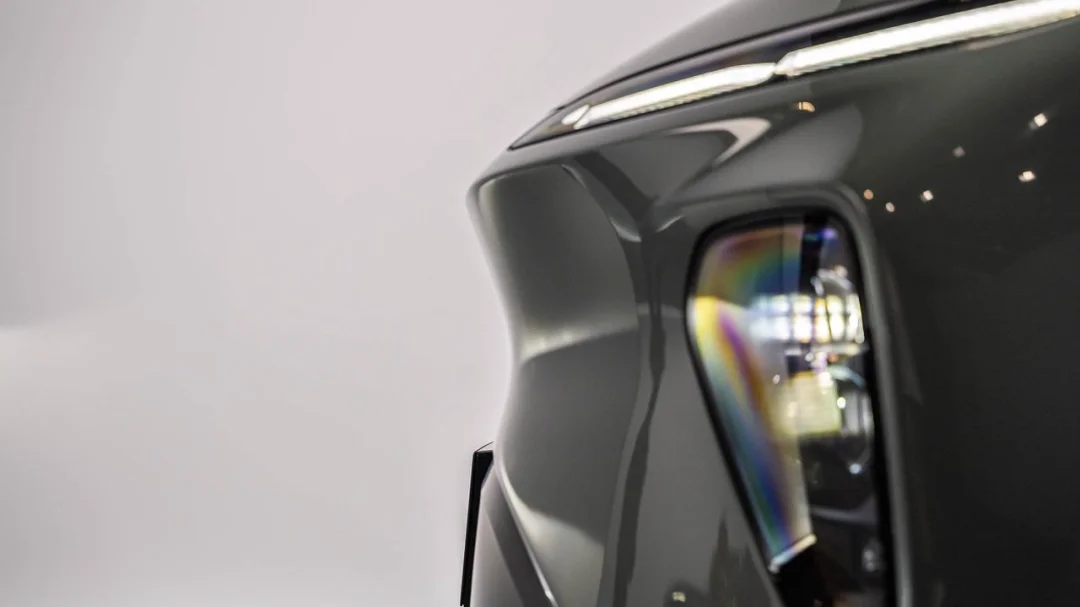
The 'Shark Nose' design also adds a sense of forward momentum to the front end. Of course, this design helps enhance EC7's wind-piercing capability and optimizes overall aerodynamic drag.
By shifting the cabin forward, passenger space was freed up, but only for the front row. The fastback design means the roofline behind the B-pillar follows a parabolic arc, curving downward from its peak.
So how do you maintain that downward curve while preserving second-row headroom?
There are two approaches. One is to push the apex of the roofline as far back as possible while maintaining the curve. However, this is less effective for absolute space than simply increasing height, which would disrupt the desired curvature.
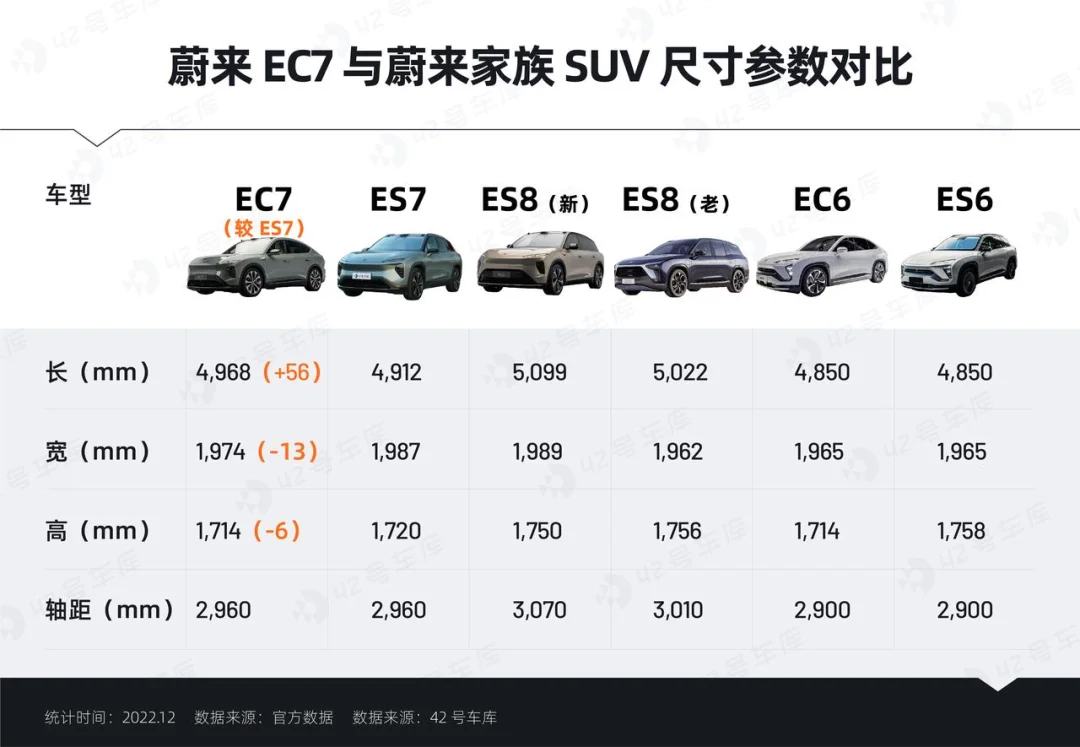
The other method is to extend the vehicle's length. Consequently, the EC7 is longer than the ES7, though slightly lower in height.
Through these measures, the roofline’s curvature finally met NIO’s aesthetic standards. To see if the second-row space is practical and whether passengers will hit their heads, we need an opportunity to test ride inside the vehicle.
02Details Make or Break
The Arctic Green paint on our test vehicle features a low-saturation finish, giving it a subdued appearance. The other car is finished in Sunlight Gold, one of NIO’s 2023 annual color options alongside the Xin ES8. While this hue looks elegant on the Xin ES8, I personally feel it lacks coordination on the EC7.
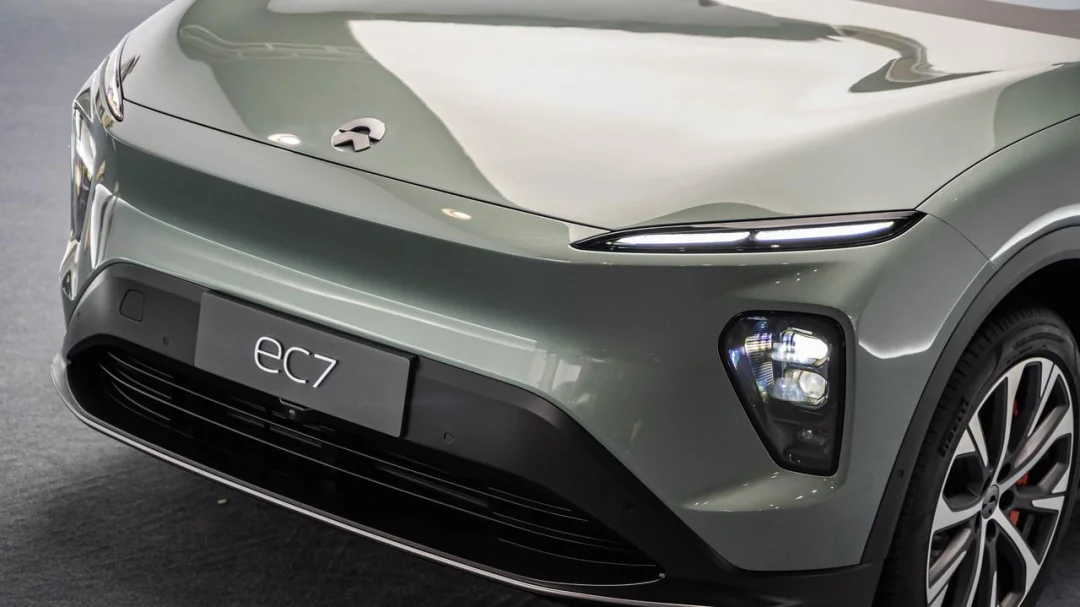
The EC7 shares its front grille design with the ES7. Its smaller opening creates a more athletic visual profile.
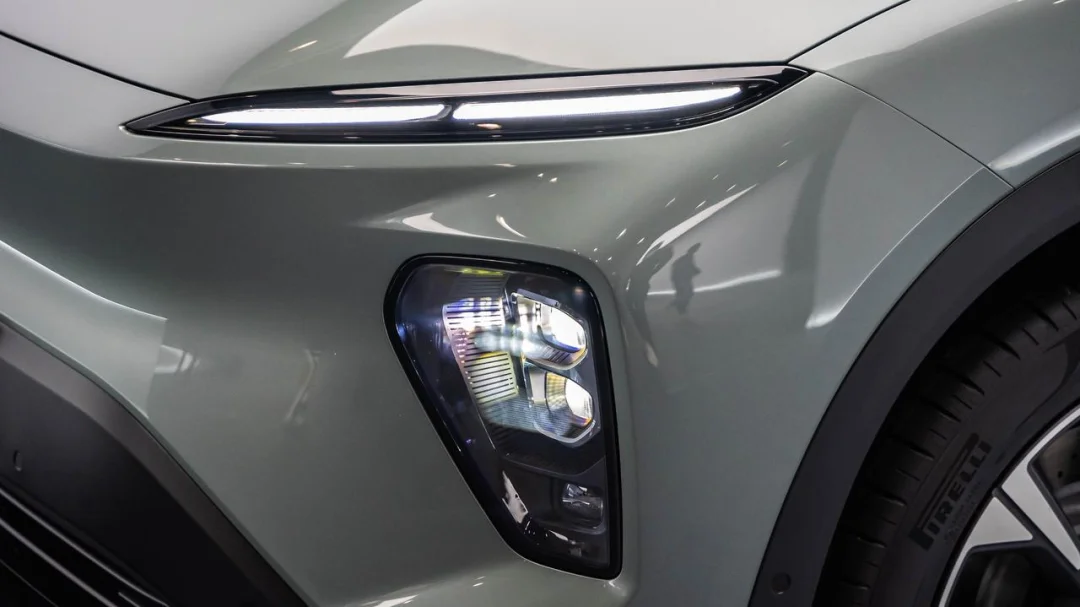
The EC7 is also equipped with the same ABD Zhinengduoguangshudadeng as the Xin ES8, featuring a pixel density of 100 pixels for intelligent switching between high and low beams and adjustable illumination ranges.
A distinctive feature of these headlights is their direct integration with the LiDAR, rather than the traditional approach of pairing them with cameras. This configuration leverages the LiDAR’s higher detection precision to enhance the accuracy of the lighting application.
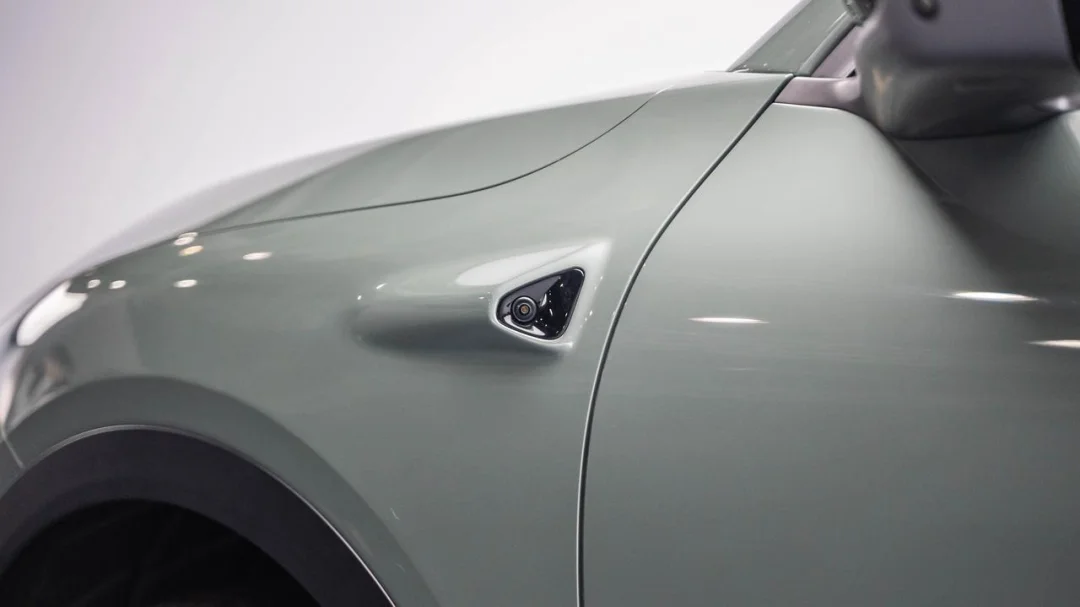
Previously, we criticized the camera placement on the wheel arch plastic trim for being too close to the tires. This positioning risks contamination from mud or precipitation in wet conditions and increases the likelihood of damage during minor collisions due to its protruding design.
Similarly, the EC7’s side-view camera has been relocated to the upper edge of the fender, just like on the Xin ES8, to avoid the aforementioned issues. The charging port remains on the front right side, which can still be somewhat inconvenient during charging.
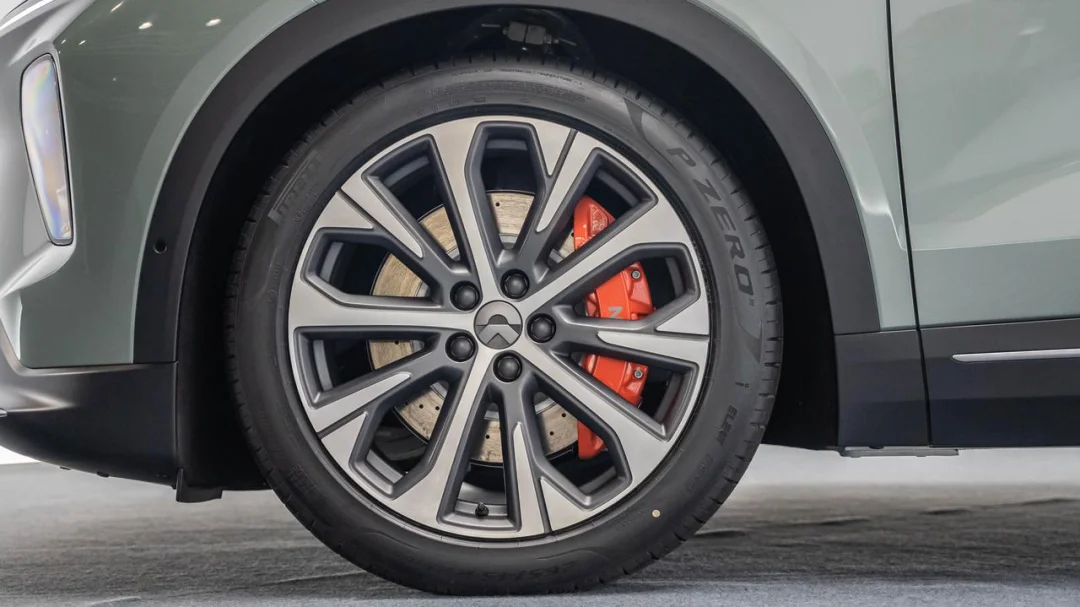
The test vehicle we photographed is equipped with 21-inch carbon fiber wheels, paired with six-piston calipers in Aurora Orange. The tires are P Zero series from Beinaili, with specifications of 265/45 R21.
Of course, on the top trim, you can have a set of 22-inch forged high-gloss wheels and tires from Dalu sized 265/40 R22.
To highlight the sportiness of the EC7, NIO directly reduced the zero-to-100 km/h braking distance to 33.9 meters! In terms of parameters alone, this is already on par with BMW's X6 (38.4 meters).
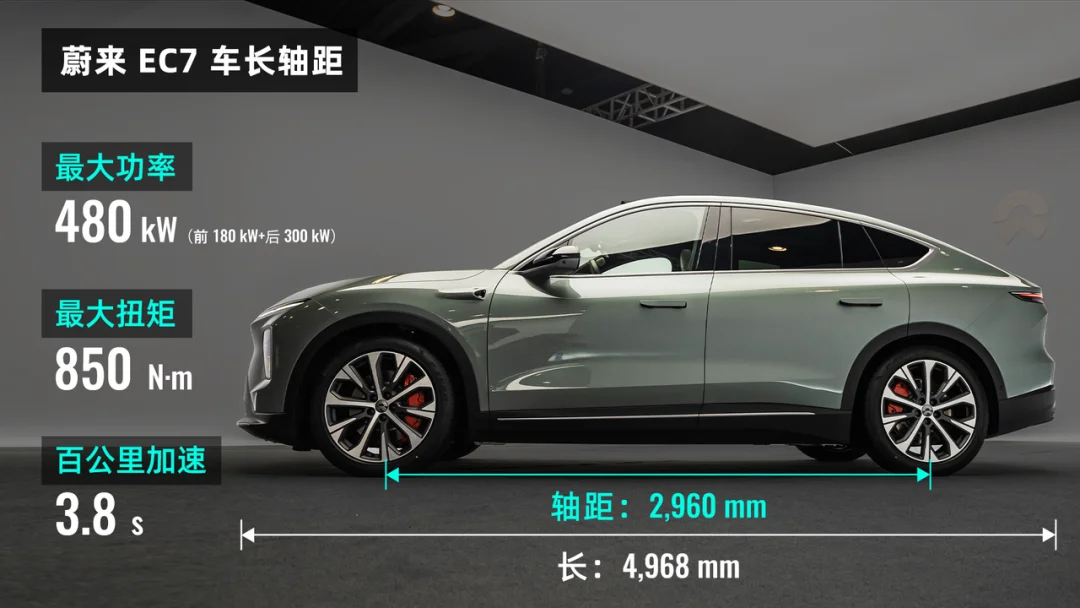
In terms of powertrain, the EC7 shares the same specifications as the Xin ES8 and ES7: a combined maximum output power of 480 kW (180 kW front + 300 kW rear) and a combined maximum torque of 850 N·m.
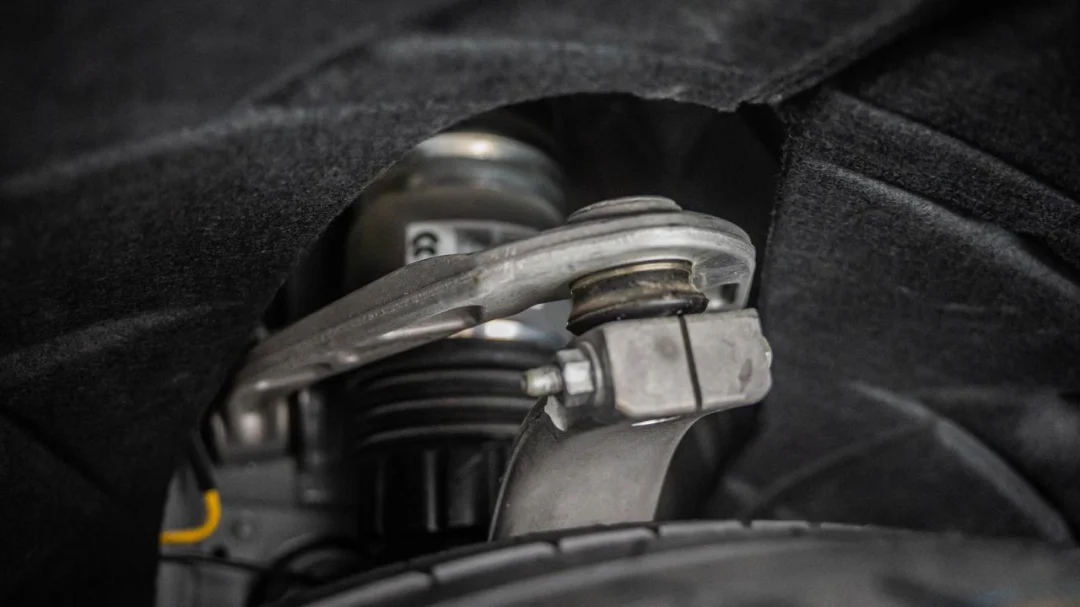
The entire running gear aligns with the Xin ES8, featuring a front double-wishbone independent air suspension and a rear H-arm multi-link independent air suspension, along with a CDC dynamic damping control system. It adopts NIO’s self-developed ICC (Intelligent Chassis Domain Controller), which is also the first of its kind in China. With a 50:50 weight distribution between the front and rear axles, I am eager to see how this Coupe SUV handles on the road.
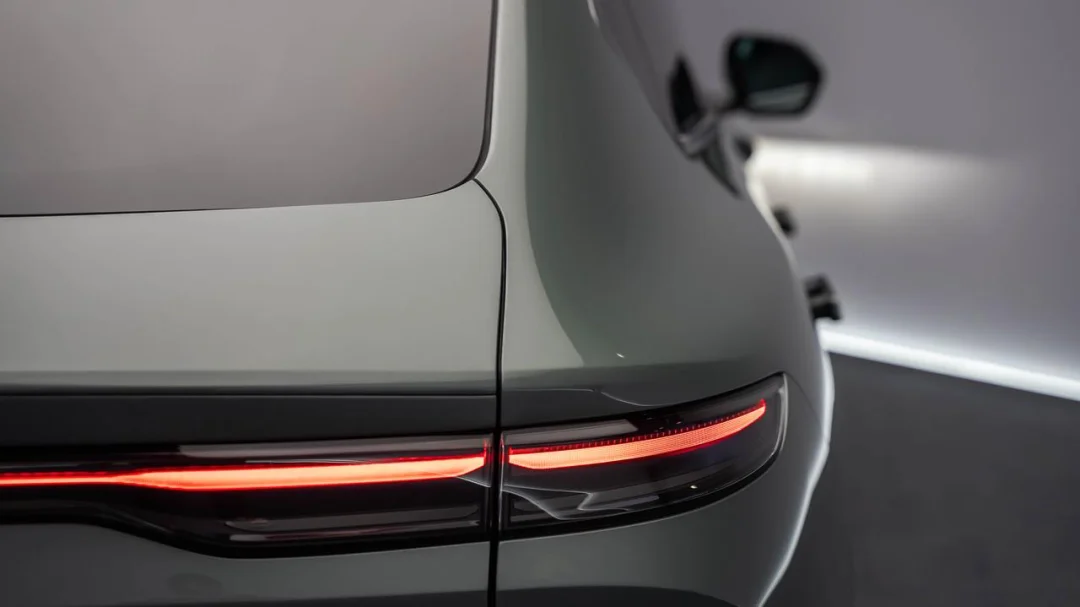
I believe the most striking feature of the EC7 is not the curvature of the roofline, but rather the bulging waistline at the rear wheel arch when viewed from the side or directly from behind; it looks exceptionally rounded and sensual.
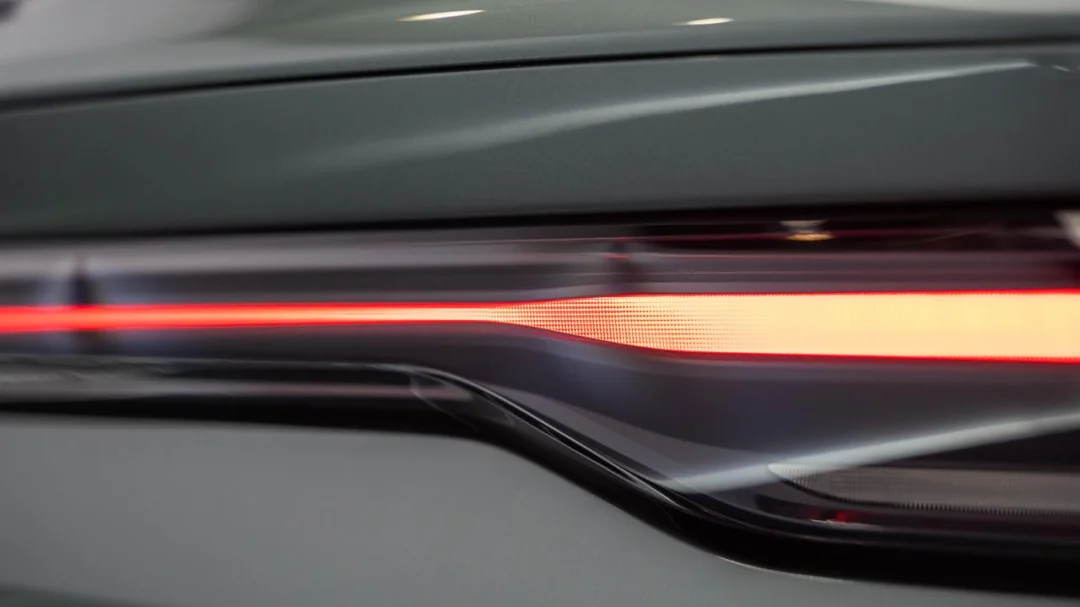
The full-width taillight in the center has been narrowed. Like the Xin ES8, it uses light-guide crystal taillights that are just 3 mm thick at their narrowest point.
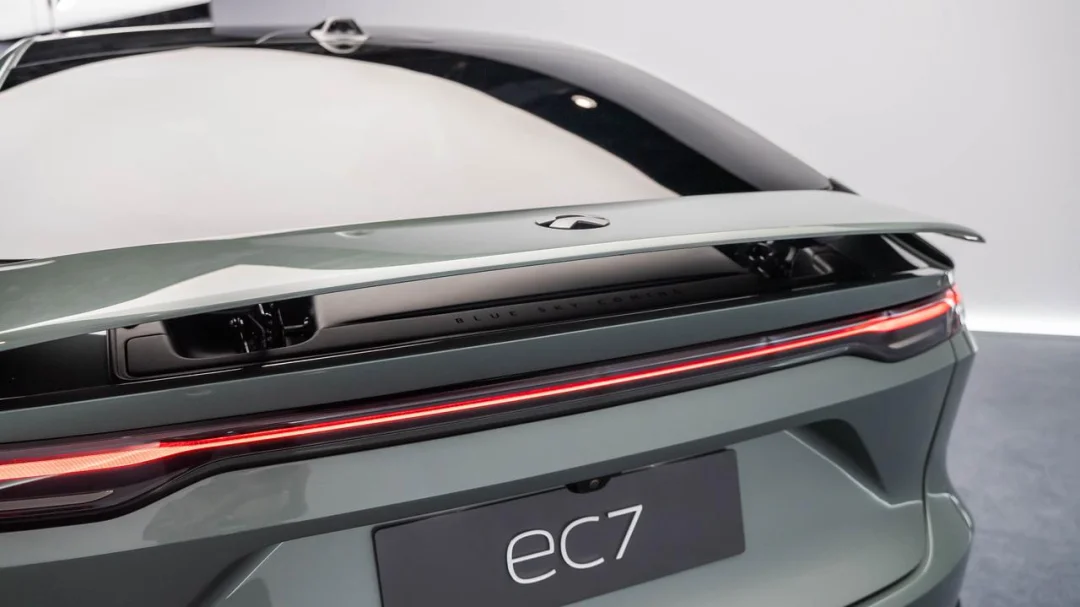
At the rear, NIO has equipped the EC7 with an active spoiler. This spoiler has two deployment positions:
Position 1 is the drag-reduction mode, which activates at 80 km/h to reduce aerodynamic drag by 4% (10 counts);
P2 Handling mode activates at 170 km/h, counteracting rear lift caused by vertical airflow differences during high-speed driving. At a speed of 200 km/h, it provides 63 kg of total vehicle downforce.
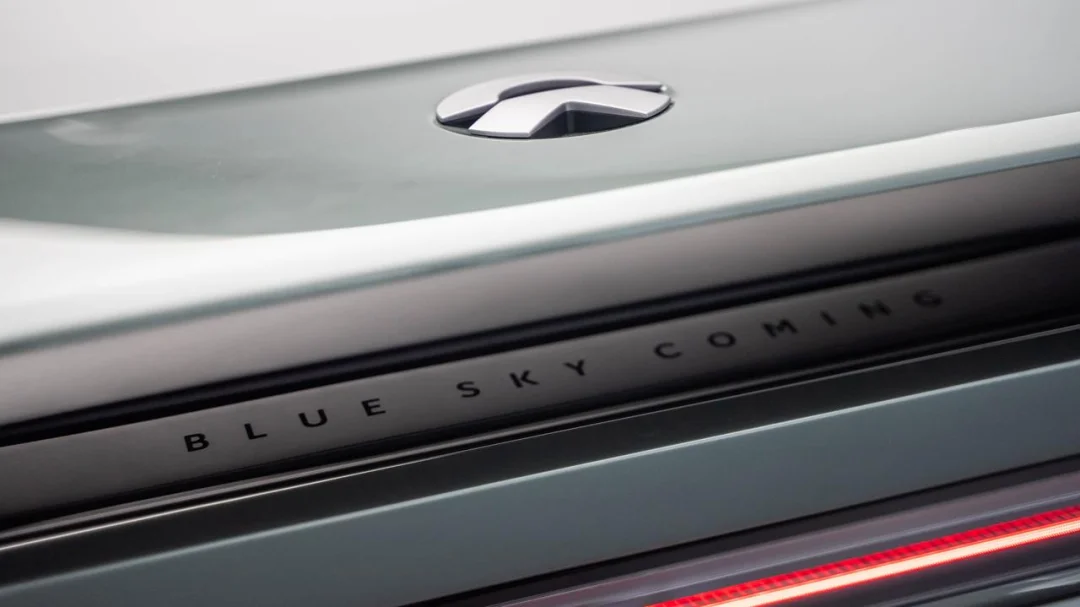
With the rear wing deployed, an Easter egg is revealed: BLUE SKY COMING.
03Interior Refines Details
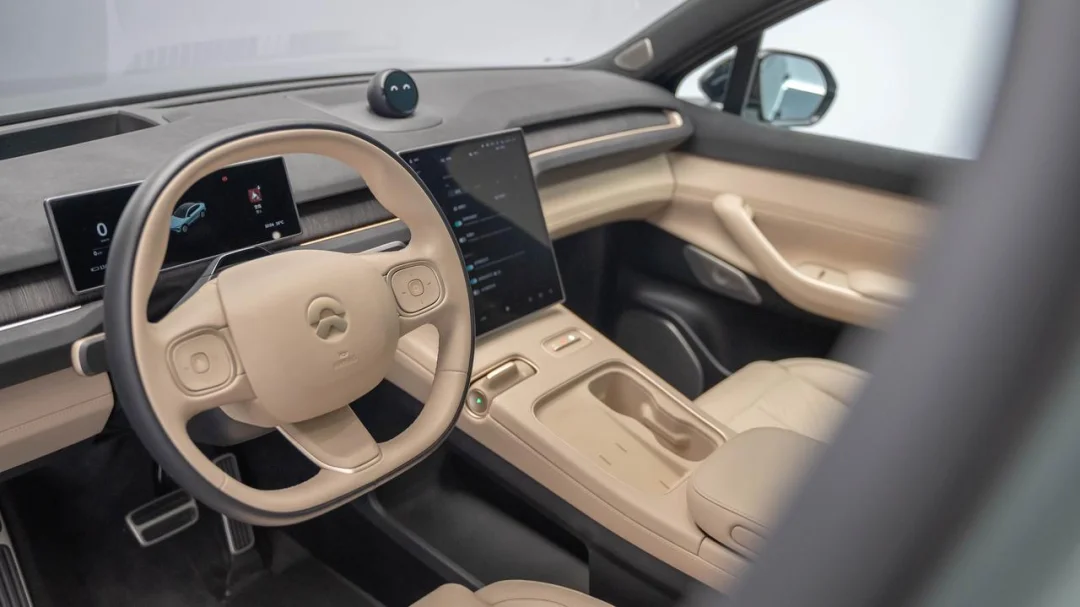
Our test car featured the Sand interior trim, a warm beige tone that largely mirrors the ES7’s layout. However, closer inspection reveals EC7’s improvements in finer details.
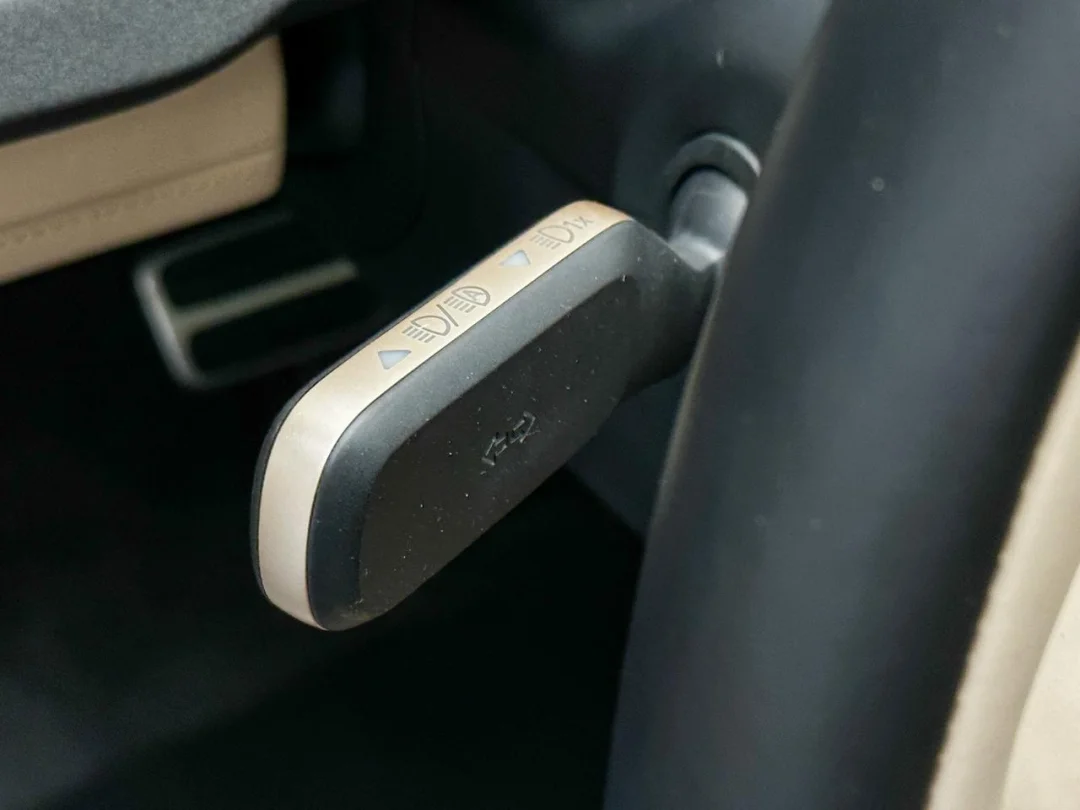
For instance, the turn-signal stalk uses a two-tone material matching the steering wheel buttons, offering significantly better tactile and visual quality compared to the all-plastic components found on the ES7.

The center armrest is not covered in rattan wood; instead, it features a trim panel in the same Golden Sand Beige color. The cup holders and wireless charging pad are grouped together.
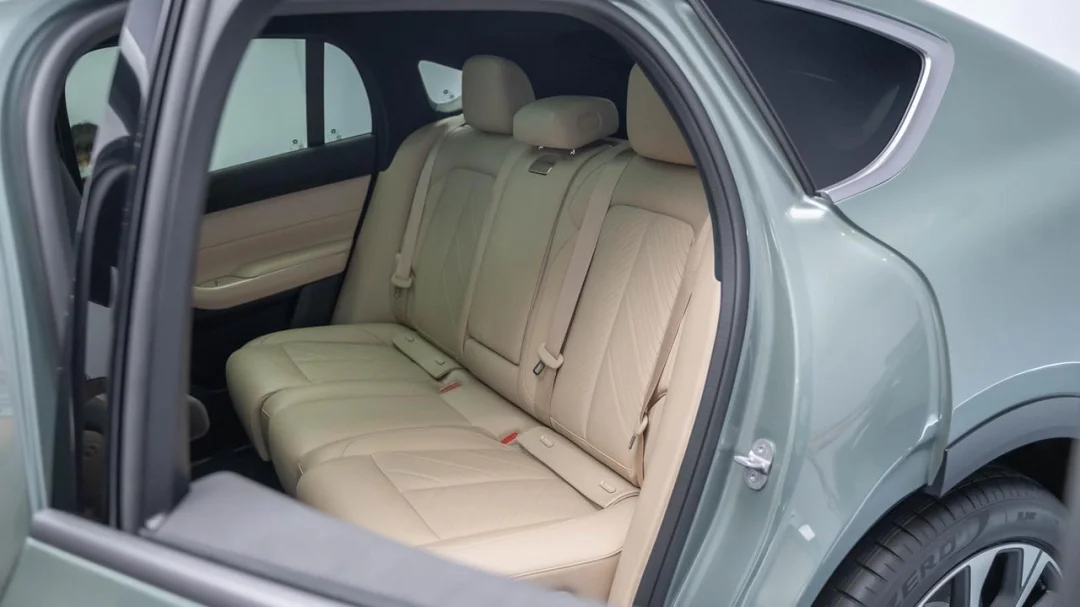
The seats also utilize NIO’s self-developed seat frame platform. They offer 16-way adjustment across six positions for the driver’s seat, 18-way adjustment across seven positions for the front passenger seat, 10-way adjustment across four positions for the rear left seat, and 8-way adjustment across three positions for the rear right seat.
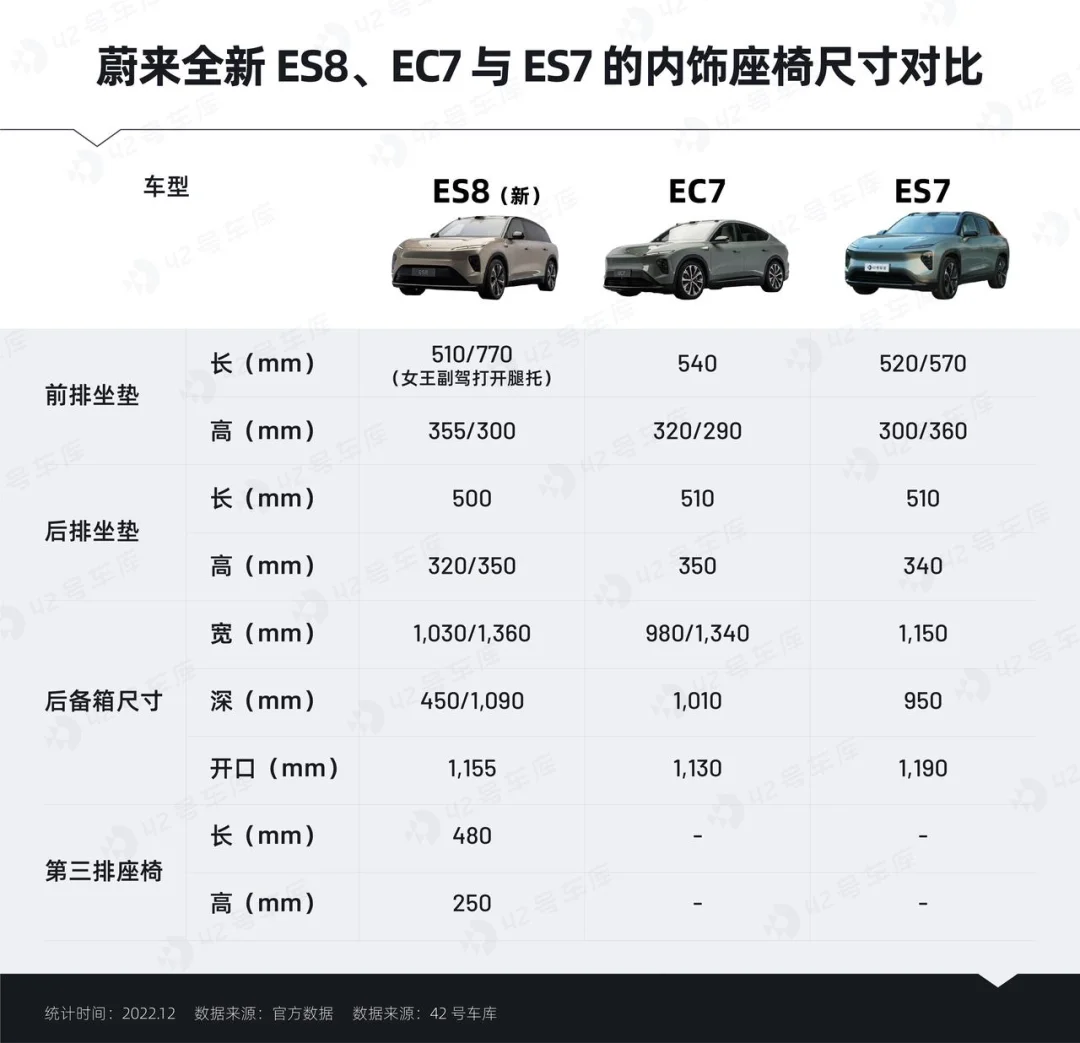
We also measured the EC7’s seat dimensions. The first-row seat length is longer than that of the Xin ES8 and ES7, which has me looking forward to the actual riding experience.
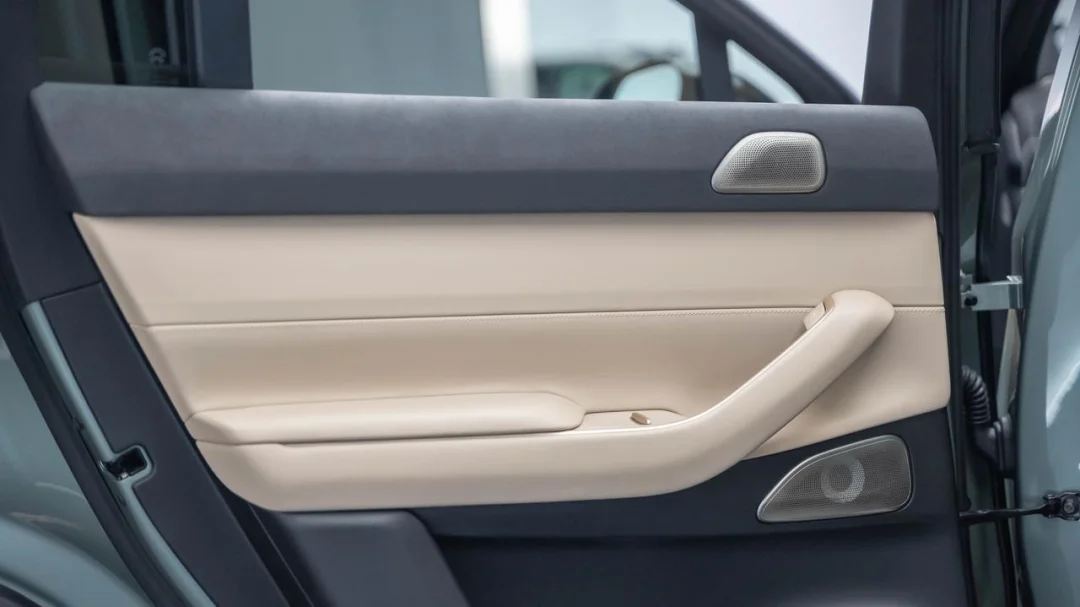
The EC7’s audio system enhances vertical soundstage performance on top of traditional flat speaker imaging. It comes standard with a 23-speaker setup, including seven tweeters, seven mid-range drivers, four woofers, one subwoofer, and four sky channels, delivering a total power output of 1,000 watts.
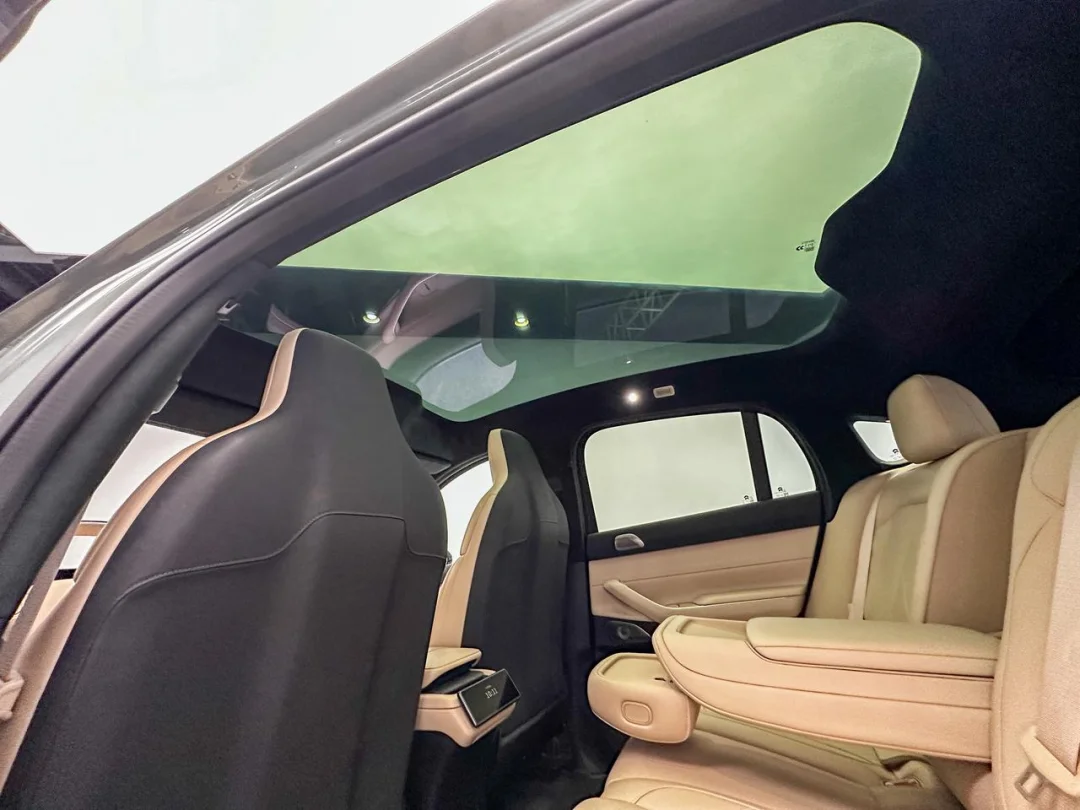
The EC7 features a panoramic glass roof, largely to maximize headroom by using thinner glass.
NIO has applied third-generation flexible electrochromic (EC) technology to this 1.94-square-meter panel. Unlike previous grey-white or blue-brown tints, this version can turn dark grey. The roof supports both manual adjustment and automatic dimming via light sensors.
Overall, the EC7's rear seat has seen upgrades in many details, but its general layout is not significantly different from the ES7. I am most curious about what the actual seating experience of NIO's self-developed seats is like.
04 Conclusion
The relationship between the ES7 and EC7 mirrors that of the ES6 and EC6, but positioned at a higher price point.
The EC7's pricing allows it to differentiate itself from the ES7 in more areas, such as the upgraded seats, interior details, and even the spoiler, all emphasizing its sportier positioning.
As for whether it is truly the world's most beautiful coupe SUV?
I believe you will have your own answer after seeing the car in person.
Written by: Liu Guangding Edited by: Liu Guangding