


Can VOYAH Zhuiguang Compete in the Pure-EV Market Above RMB 300,000?
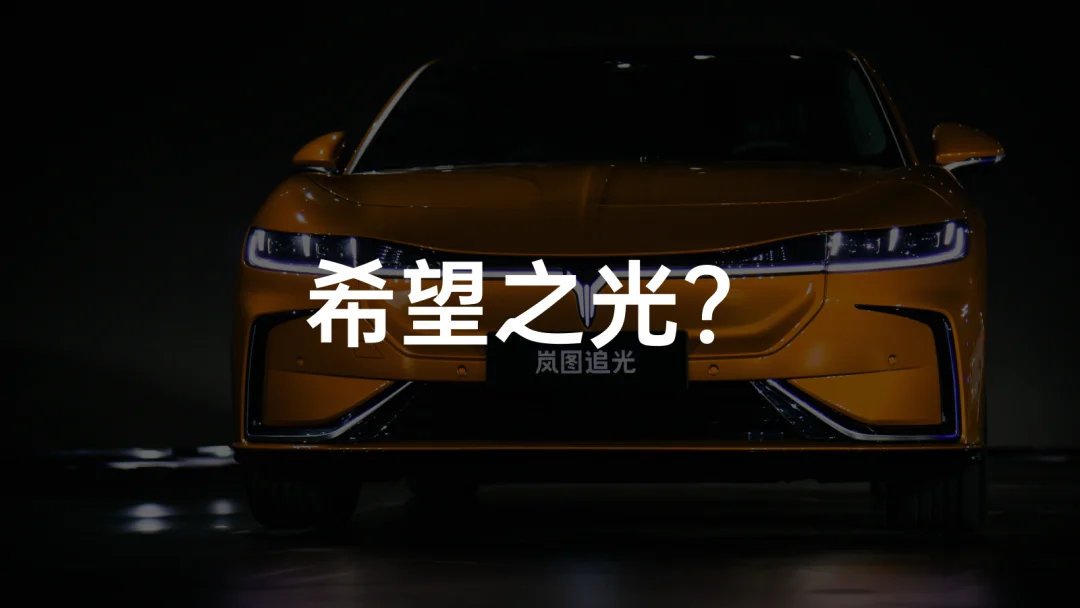
For VOYAH, 2022 marks a milestone in the brand’s development history.
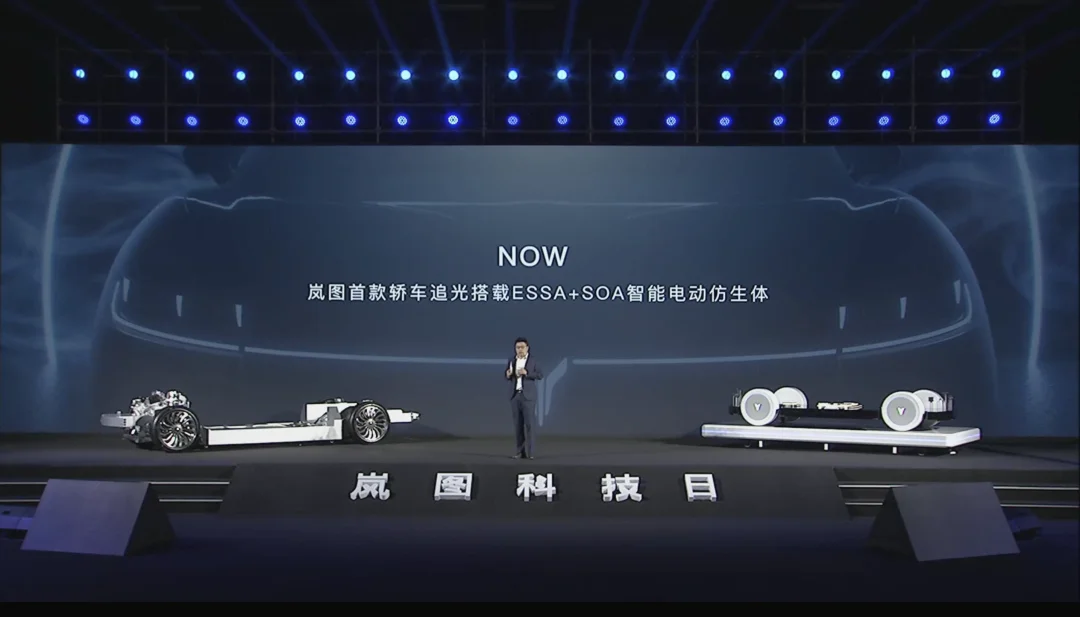
In June this year, the VOYAH FREE officially entered the European market, and VOYAH’s first overseas space opened in Norway. In November, VOYAH raised nearly RMB 5 billion in its Series A financing round, becoming the largest initial funding round to date in China’s new energy vehicle industry. Also in November, VOYAH launched the ESSA + SOA intelligent electric bionic architecture.
This signifies that VOYAH’s software architecture is leading among domestic new energy vehicles. The Zhuiguang, released last night, is the first model equipped with VOYAH’s SOA centralised electronic and electrical architecture.
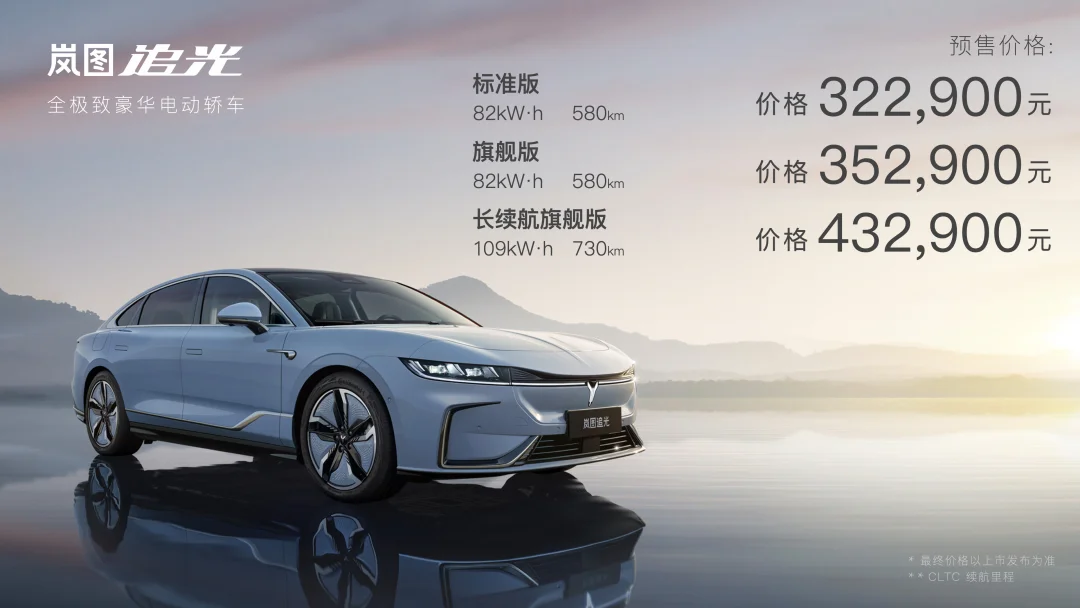
The Zhuiguang has also officially announced its pre-sale price:
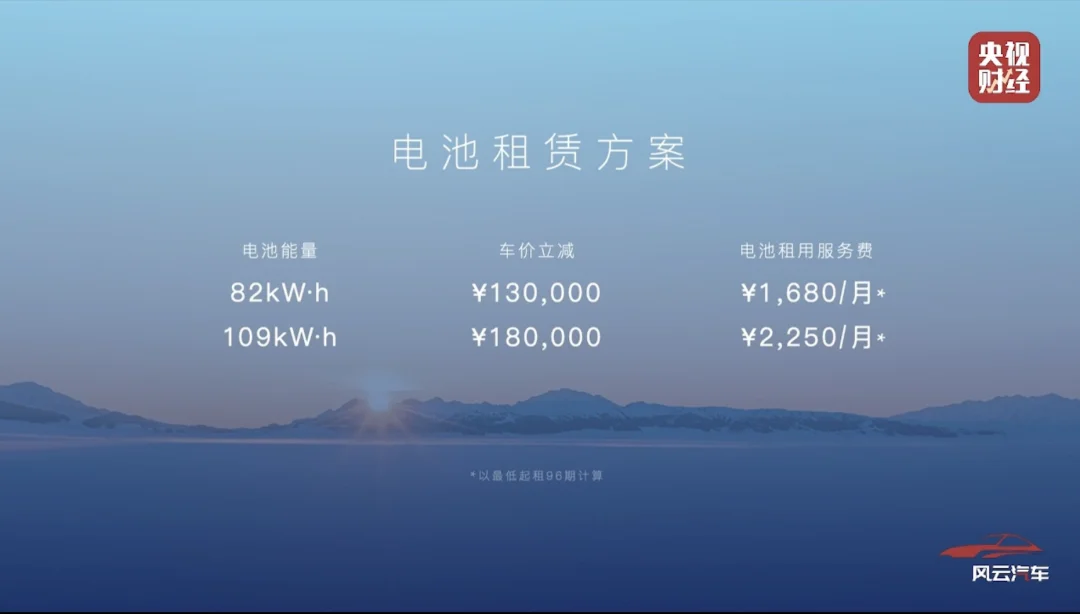
Under the battery leasing scheme, the price of the 82 kWh version is reduced by RMB 130,000, with a monthly battery rental fee of RMB 1,680; for the 109 kWh version, the price is reduced by RMB 180,000, with a monthly battery rental fee of RMB 2,250:
The 82 kWh standard version has a pre-sale price of RMB 322,900, or RMB 192,900 with battery leasing;
the 82 kWh flagship version is priced at RMB 352,900, or RMB 222,900 with battery leasing;
and the 109 kWh long-range flagship version carries a pre-sale price of RMB 432,900, or RMB 252,900 with battery leasing.
The pricing and battery leasing options clearly indicate that VOYAH Zhuiguang is expected to achieve high sales volumes.
With the launch of Zhuiguang, following the European-bound VOYAH FREE and the well-received VOYAH Mengxiangjia, VOYAH has completed the initial maturation of its product lineup.
To be honest, for a model aiming to establish itself in the luxury mid-to-large pure electric sedan market, VOYAH Zhuiguang faces significant pressure. In the RMB 300,000–400,000 price range, there is the Zhiji L7, which emphasizes handling and sportiness; above RMB 400,000, there is the NIO ET7, which focuses on luxurious design.
So, in this fiercely competitive market, is there still room for a VOYAH Zhuiguang?
01Driving Dynamics, Carrying Forward Strengths
From the VOYAH FREE, with a maximum power of 510 kW and a zero-to-100 km/h acceleration time of 4.3 seconds, to the driving-pleasure-oriented MPV VOYAH Mengxiangjia, strong driving dynamics and chassis quality are the most prominent labels for VOYAH products.
I have had in-depth experience with both the FREE and the Mengxiangjia. To be responsible, VOYAH’s products are indeed excellent and mature in terms of driving performance.
Therefore, when it comes to the Zhuiguang, it is necessary to continue to carry forward this fine tradition. Compared to the AC induction motor of the first-generation VOYAH FREE, the VOYAH Zhuiguang has been upgraded to front and rear permanent magnet synchronous motors that balance energy consumption control and power output. The two motors can deliver a maximum power of 375 kW and a peak torque of 730 N·m:
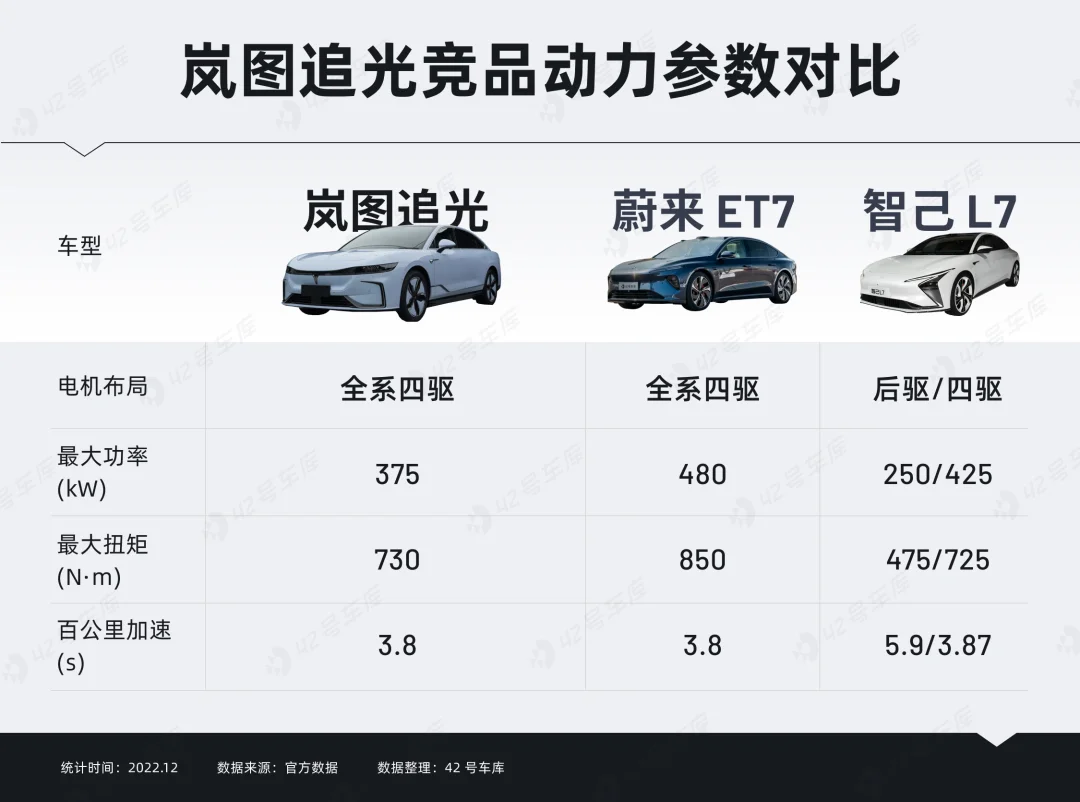
The standard all-wheel drive across the entire lineup deserves praise. Although the VOYAH Zhuiguang does not have a significant advantage over the ET7 and L7 in terms of maximum power, its officially stated 0–100 km/h acceleration time still reaches 3.8 seconds.
We will also find opportunities to test and verify this on actual vehicles in the future. If this data is true, the most likely reason is that the VOYAH Zhuiguang’s motor power output curve achieves a later decline. Optimizing the duration of maximum power output to achieve the same acceleration capability is a more efficient approach.
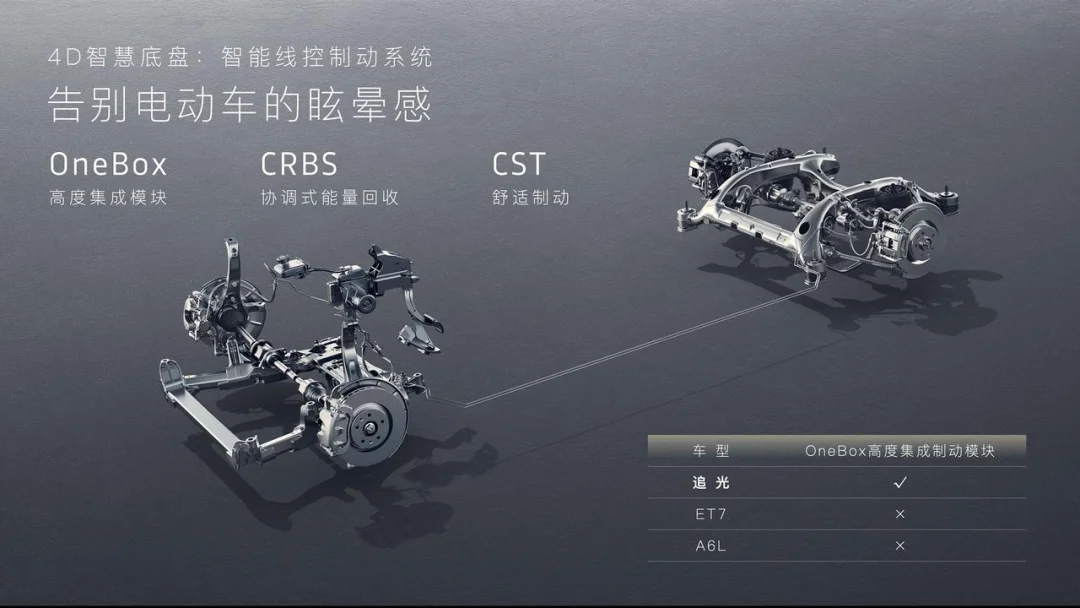
Wire-controlled braking is currently a mainstream hardware upgrade for intelligent electric vehicles. It can independently brake each wheel, significantly improving braking stability, and allows software adjustments to pedal characteristics and braking effects based on driver needs.
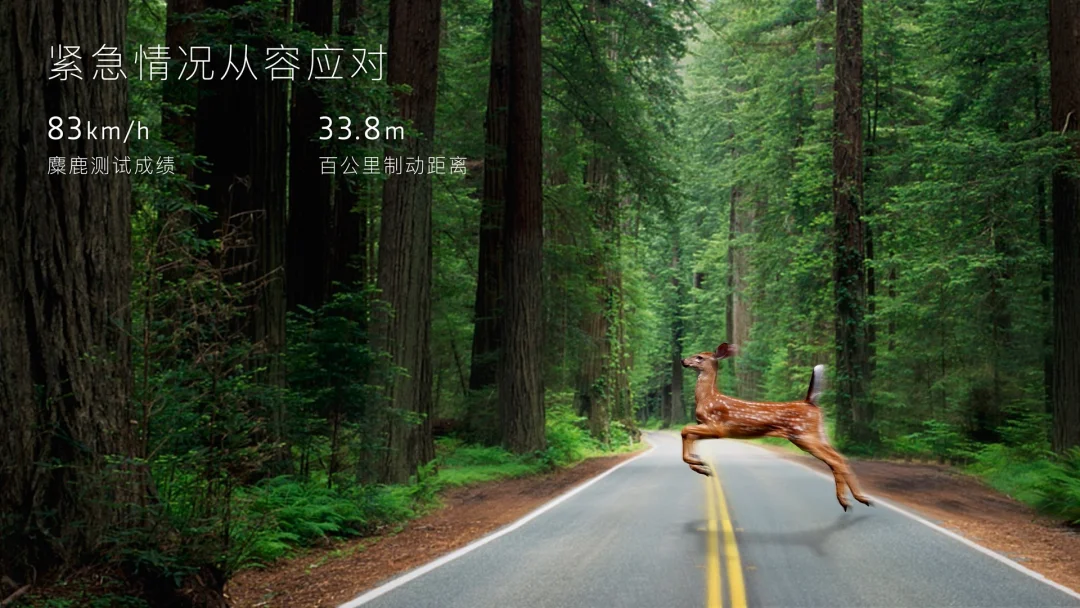
VOYAH has equipped the Zhuiguang with a One Box wire-controlled braking system, which improves response speed by 25%. In terms of data, the Zhuiguang achieves a braking distance from 100 km/h to zero of 33.8 meters. The manufacturer claims it can perform ten consecutive acceleration and deceleration cycles without any degradation in power or braking performance.
The two scenarios that truly test chassis engineering are cornering and driving over bumps.
First, hardware capabilities determine the upper limit of tuning. The Zhuiguang’s chassis features a front double-wishbone and rear five-link independent suspension structure, with an aluminum alloy usage rate exceeding 90%. Additionally, processes such as hollow casting, forging, and high-pressure casting further reduce unsprung mass.
Second, the torque distribution capability of the four-wheel-drive system enhances handling. VOYAH has self-developed IGBT power modules, marking the first domestically produced IGBT module with complete independent intellectual property rights. For electric vehicles, IGBT technology is core; its quality directly affects the speed at which power is delivered. This enables the Zhuiguang to achieve intelligent front-to-rear torque distribution from 0% to 100%, further expanding handling limits.
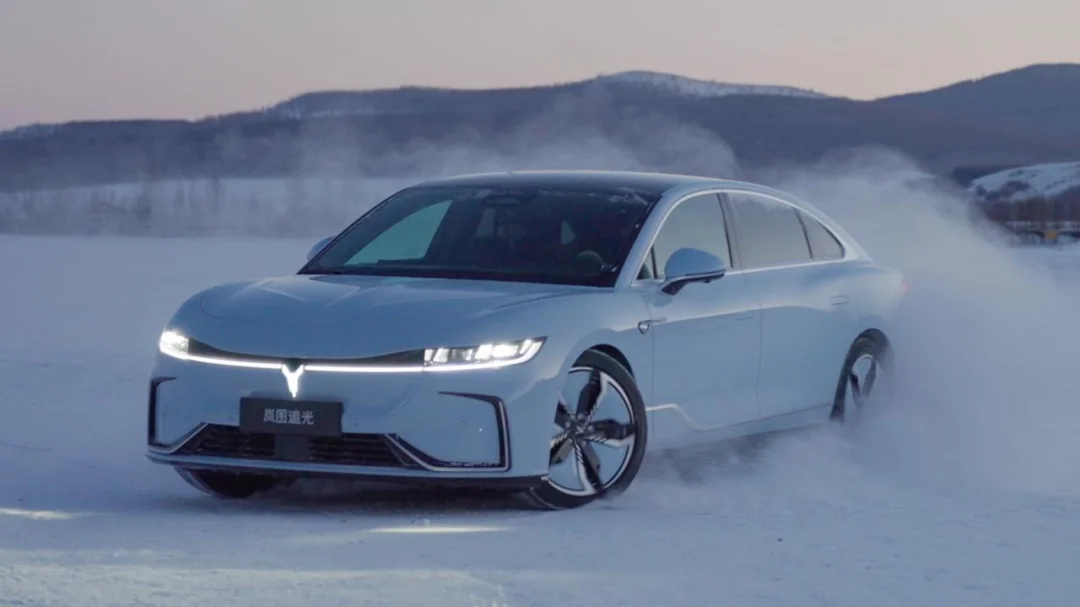
As VOYAH’s latest and most mature product, a mid-to-large sedan cannot focus solely on chassis and handling while sacrificing comfort. Therefore, the 'Magic Carpet Suspension' previously seen on the Mengxiangjia is also featured on the Zhuiguang.
Similar to the Magic Body Control system in Mercedes-Benz Maibahe, Zhuiguang’s front-facing camera scans the road surface at 30 frames per second. Meanwhile, the vehicle’s acceleration sensors monitor lateral and longitudinal acceleration as well as steering angle at a rate of 500 times per second, adjusting the damping of the CDC suspension 100 times per second during driving.
On Mengxiangjia, this system delivers an excellent driving experience for an MPV. With Zhuiguang offering a higher performance ceiling, my expectations for its implementation are even greater.
02Range of 730 km: Does Energy Management Reach the First Tier?
Zhuiguang offers two battery pack options: 82 kWh and 109 kWh. The most surprising moment at the launch event was undoubtedly when VOYAH announced Zhuiguang’s range figures.
With standard all-wheel drive across the lineup, the Zhuiguang 82 kWh version provides a CLTC-rated range of 580 km, while the 109 kWh version reaches 730 km.
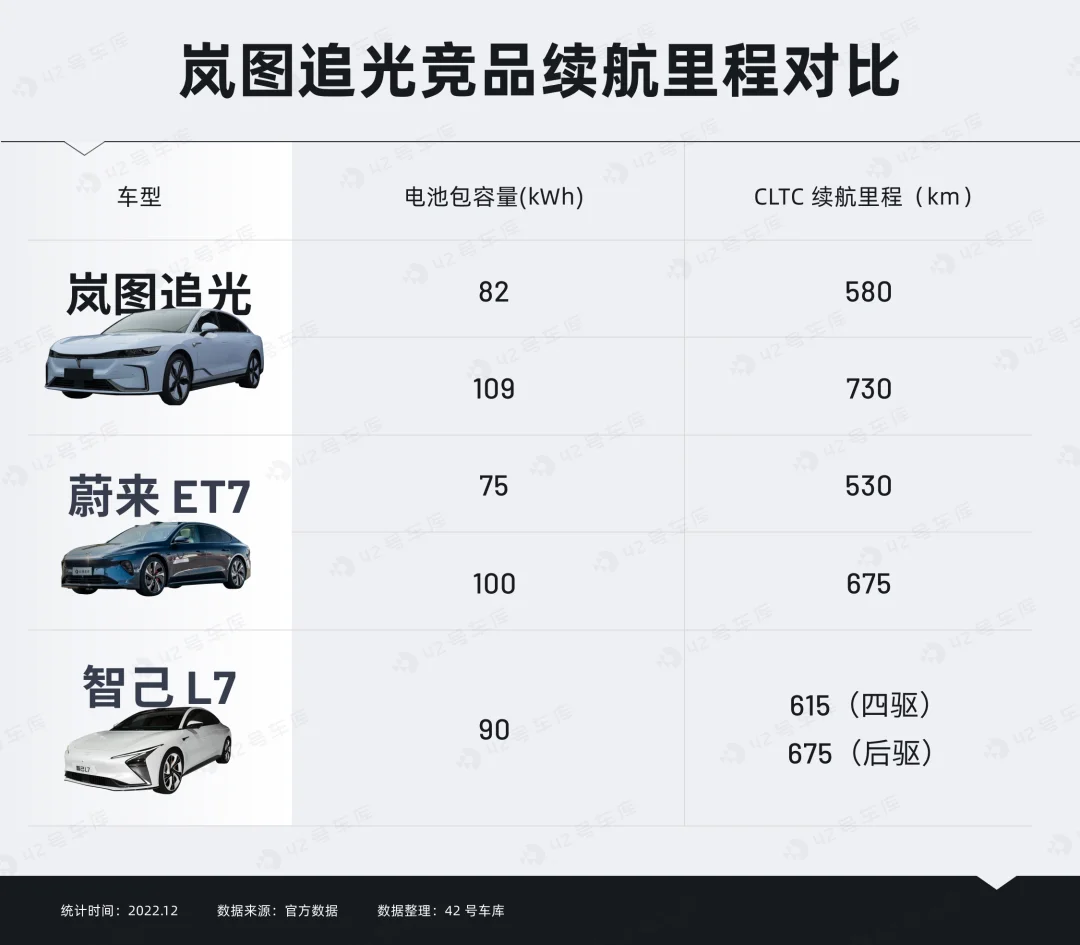
From a competitive standpoint, this battery configuration is strategically smart. Most consumers have two primary needs for electric vehicles: either sufficient range for daily city use with balanced battery capacity, or maximum range to replace internal combustion engine vehicles entirely.
VOYAH Zhuiguang’s battery offerings cater precisely to these two groups. For the first group, the combination of NIO ET7’s 75 kWh battery and 530 km CLTC range may feel somewhat limiting; by comparison, Zhuiguang’s 82 kWh battery with 580 km CLTC range strikes a more balanced compromise.
For the second type of consumer, Zhuiguang’s 109 kWh battery capacity and CLTC-rated range of 730 km are the longest among currently available mass-produced all-electric four-wheel-drive sedans, fully meeting the needs of those with long-distance travel requirements.
Regarding the issue of reduced lithium-ion battery activity in winter, VOYAH states that Zhuiguang can still maintain 90% of its battery performance release at temperatures as low as -20°C.
It is also worth noting that the 82 kWh battery pack equipped on Zhuiguang is the world’s first mass-produced semi-solid-state battery pack.
The improvement in range reflects VOYAH’s significantly enhanced energy management capabilities. Recall driving the dual-motor VOYAH FREE last year; even under smooth driving conditions, its energy consumption approached 27 kW·h per hundred kilometers, similar to NIO’s first-generation ES8 which used front and rear AC asynchronous motors. Now, with Zhuiguang switching to permanent magnet synchronous motors, the official energy consumption is only 15.6 kW·h per hundred kilometers—a result that even outperforms the ET7 (16 kW·h per hundred kilometers).
In contrast, Zhiji L7, limited by its 90 kWh battery pack, has a range 55 km shorter than Zhuiguang’s 109 kWh version even after removing one motor. This indirectly highlights the effort VOYAH has put into energy management over the past few years.
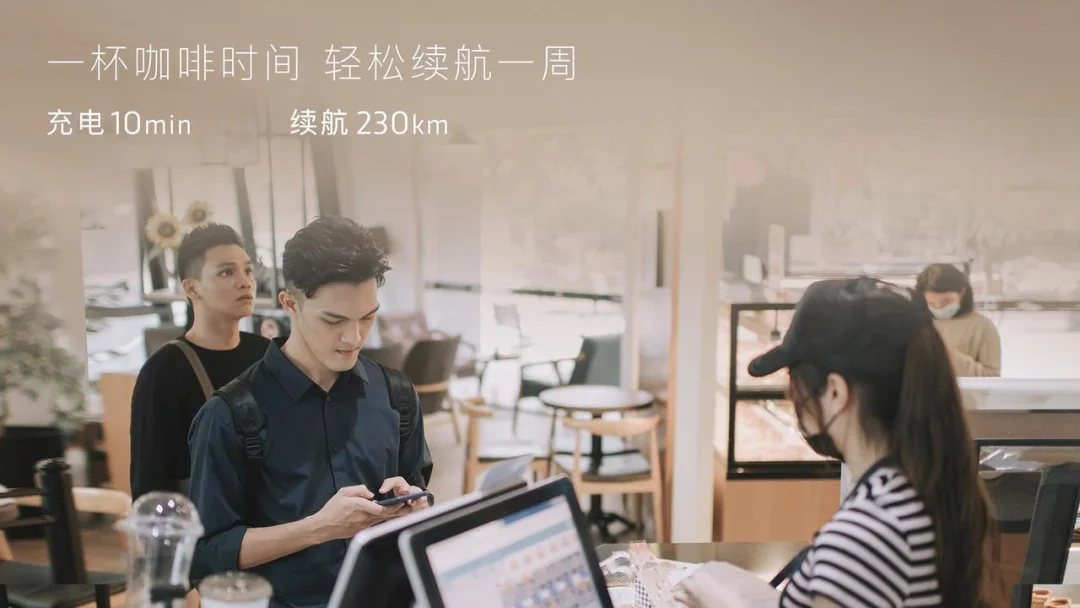
In terms of charging speed, Zhuiguang’s peak charging power is 230 kW, allowing it to add 230 km of range in just 10 minutes. Among competitors using the 400 V platform, this performance is indeed commendable.
I am genuinely curious about Zhuiguang’s dynamic performance. Once we receive the actual vehicle, we will provide real-world test data across various dimensions for Zhuiguang as soon as possible.
03VOYAH's Understanding of Eastern Aesthetics
Having read the above, you should understand that this is not a mid-to-large sedan that merely adheres to a conservative style. In a sense, VOYAH deeply understands Eastern philosophy.
Eastern aesthetics emphasize 'concealing one's edge,' avoiding obsession or extremism in any single aspect. This is also the basic logic behind Zhuiguang's design, from exterior to interior.
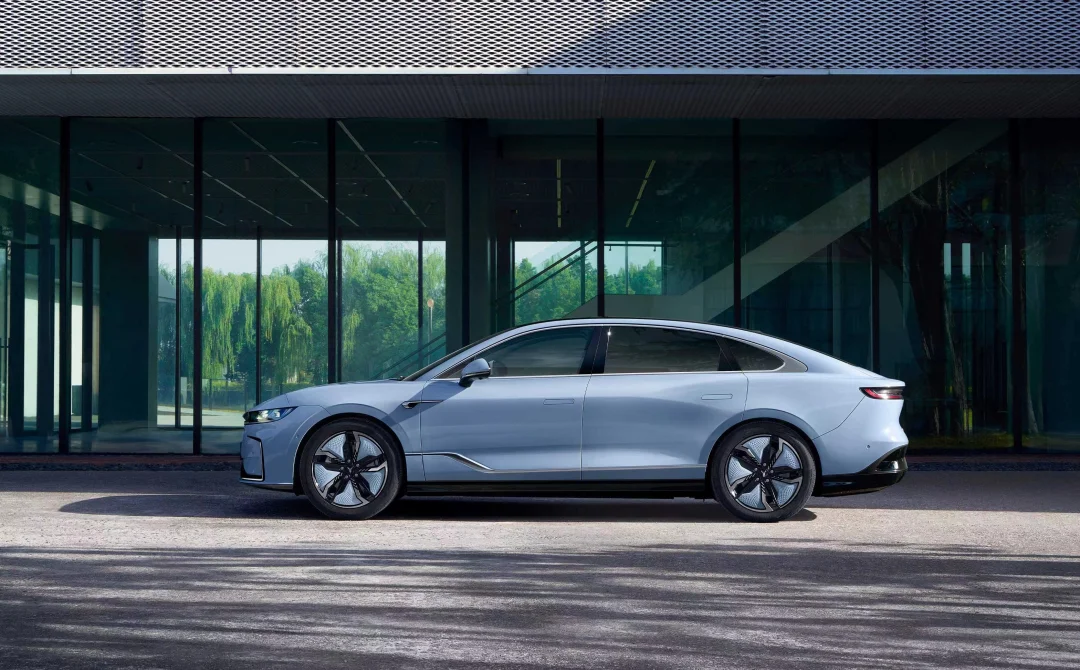
In terms of exterior dimensions, VOYAH Zhuiguang is on par with the NIO ET7 and Zhiji L7:
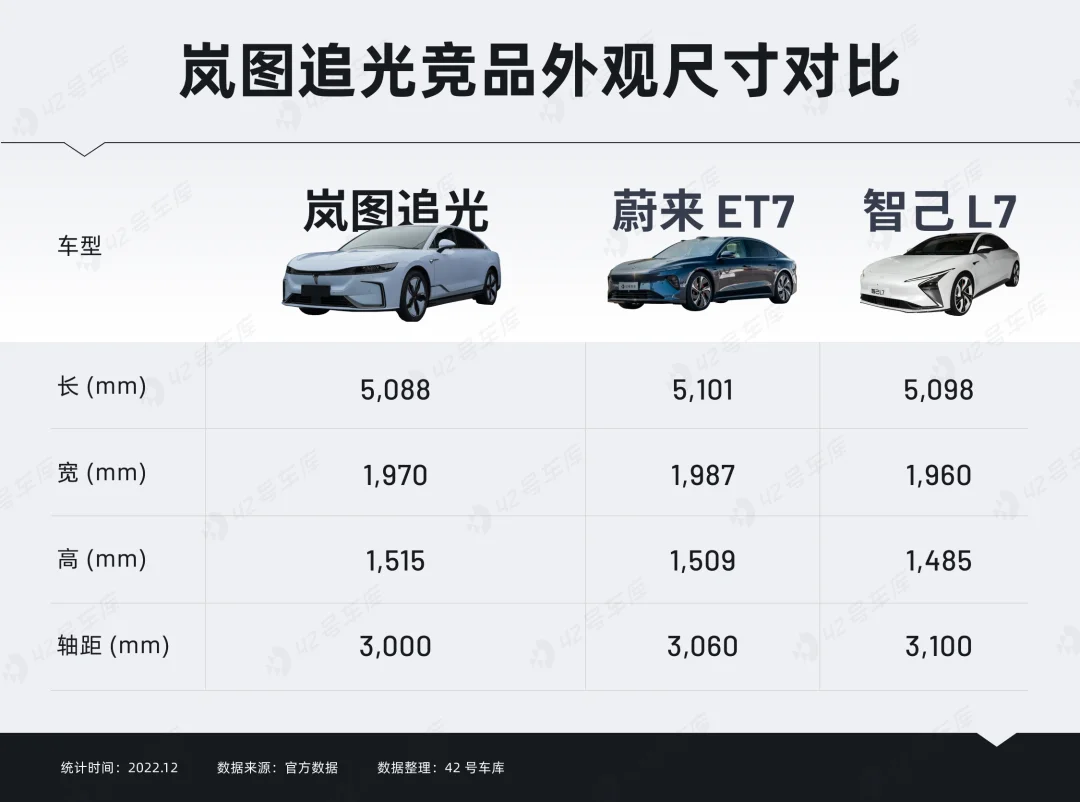
A length exceeding five meters and a wheelbase of three meters provide the foundation for interior space. The short rear overhang design allows for 1,940 mm of internal passenger space; for reference, the EQS offers 1,938 mm.
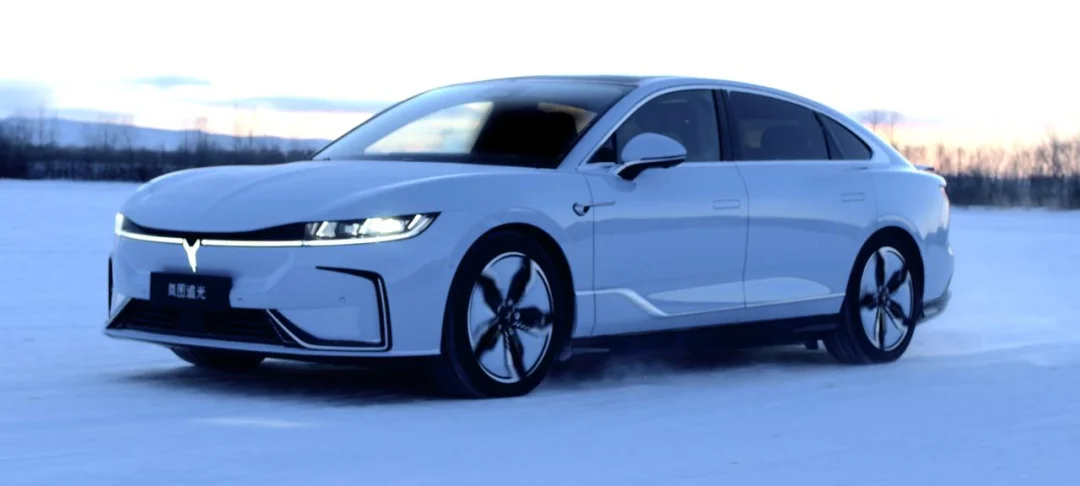
In its design, unlike the sporty styling of the ET7 and L7, Zhuiguang presents a significantly more composed visual impression. Inheriting the exterior design of the VOYAH i-Land concept car, it retains the full-width headlight strip. The large-area front grille found on the FREE and Mengxiangjia has been reduced in size, with fang-like designs flanking the left and right sides of the front fascia.
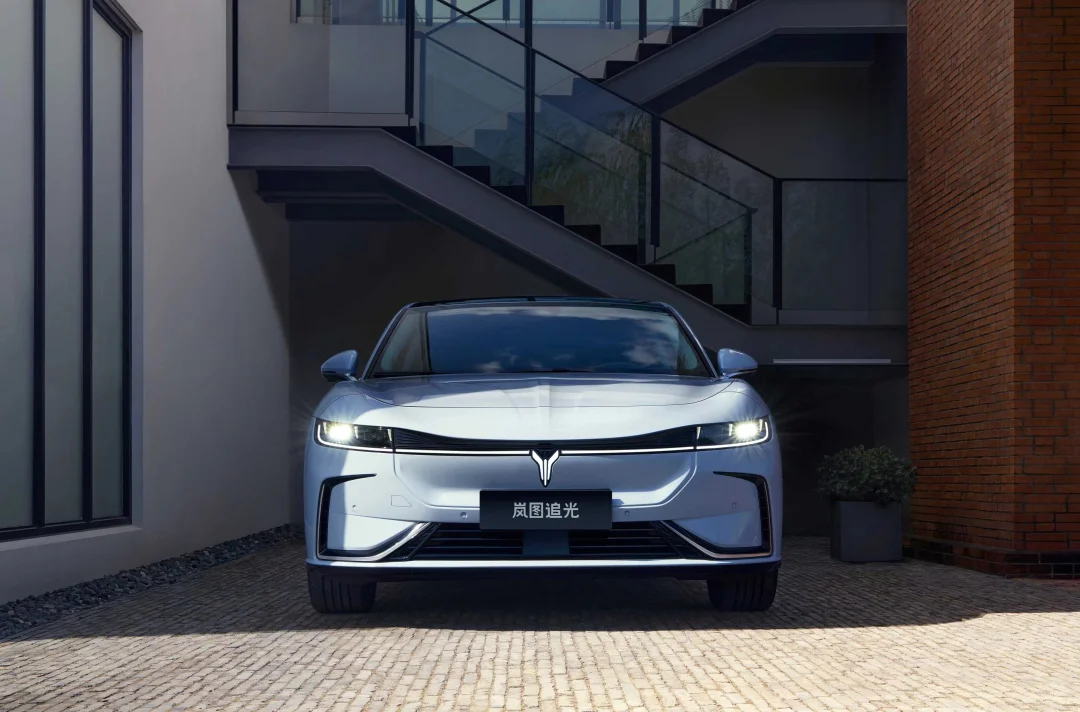
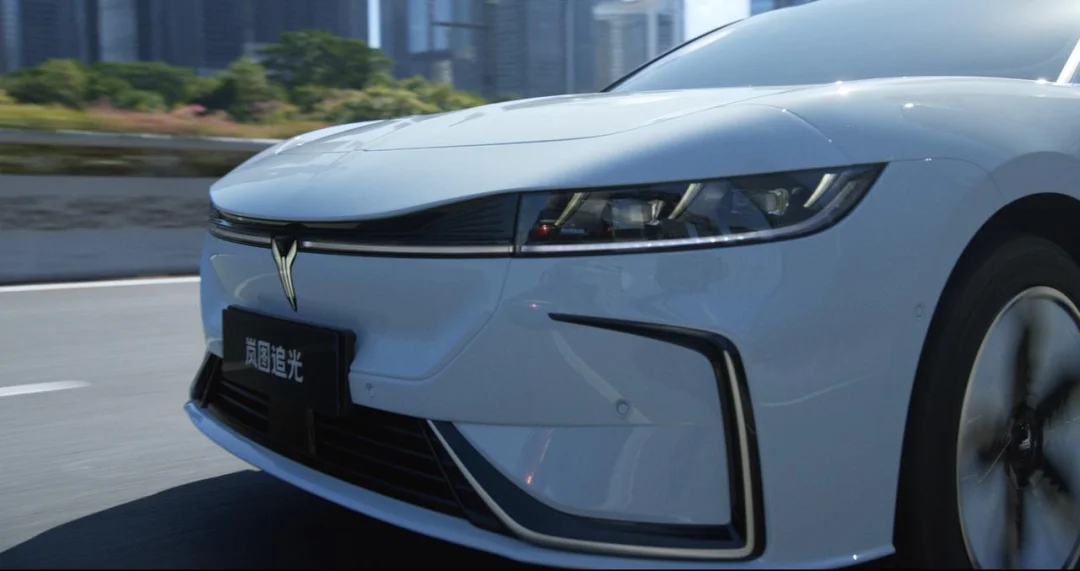
The vehicle's aerodynamic design has been optimized, achieving a drag coefficient of 0.22. The semi-enclosed low-rolling-resistance wheels contribute to range extension. However, body-colored wheel covers appear overly conspicuous on a mid-to-large size sedan; metallic-finish wheels would offer a more refined visual effect.
The full-width taillights feature a strong family design language, with sharp, arrow-shaped structures within the left and right light clusters. The electrically deployable rear spoiler is noteworthy: it serves a functional purpose rather than being purely decorative. VOYAH states the spoiler can generate up to 40 kg of downforce, enhancing stability at high speeds.
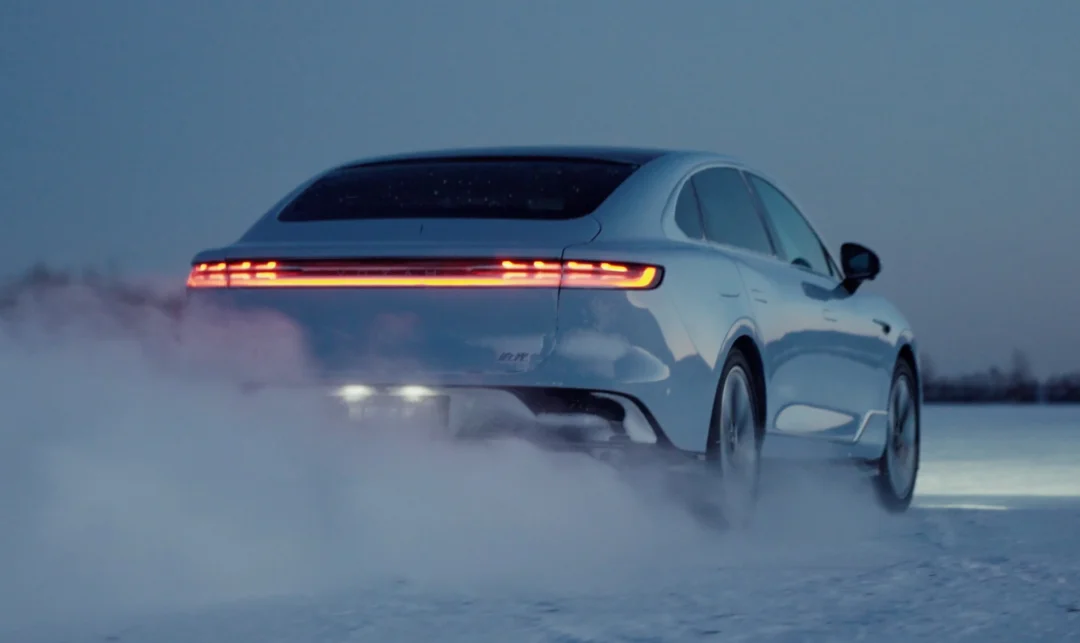
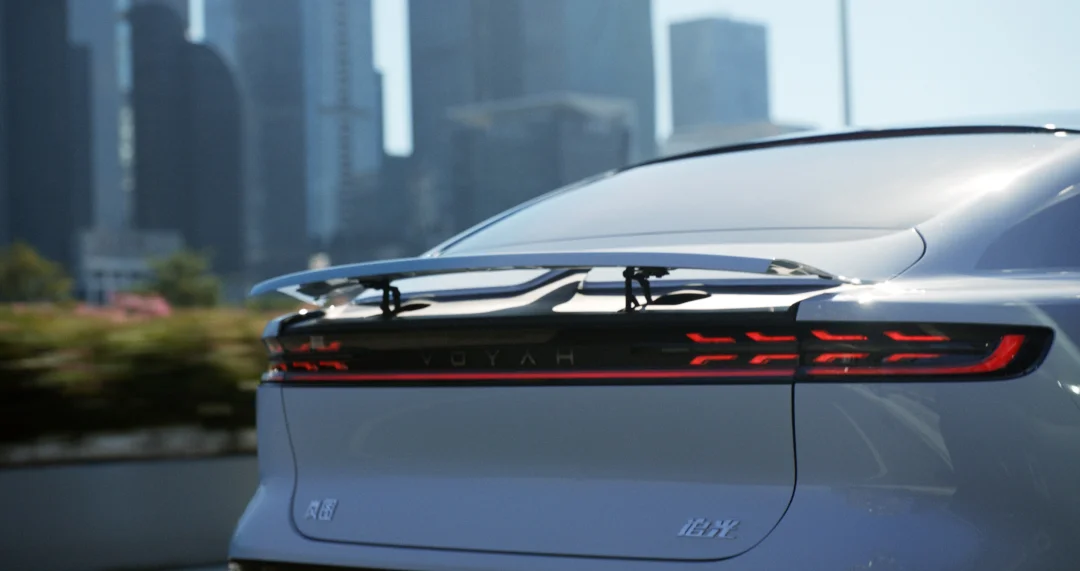
Exterior design is a subjective evaluation dimension. On the FREE and Mengxiangjia, VOYAH’s exterior design received positive feedback. On the Zhuiguang, VOYAH retained a restrained tone, adding some visual interest through an electric spoiler and a sportier front bumper.
For VOYAH’s target audience, this balanced exterior approach may be more suitable—neither too flamboyant nor too dull.
04Intelligence, One Step Further
Cabin: High Playability
Let's start with the interior design of the VOYAH Zhuiguang.
The large integrated screen, formed by three displays in the VOYAH FREE, is embedded into the dashboard. In contrast, the Zhuiguang features a floating design. Through its ToF camera, the Zhuiguang supports three dynamic gestures: swiping left and right, up and down, and pushing forward and backward.
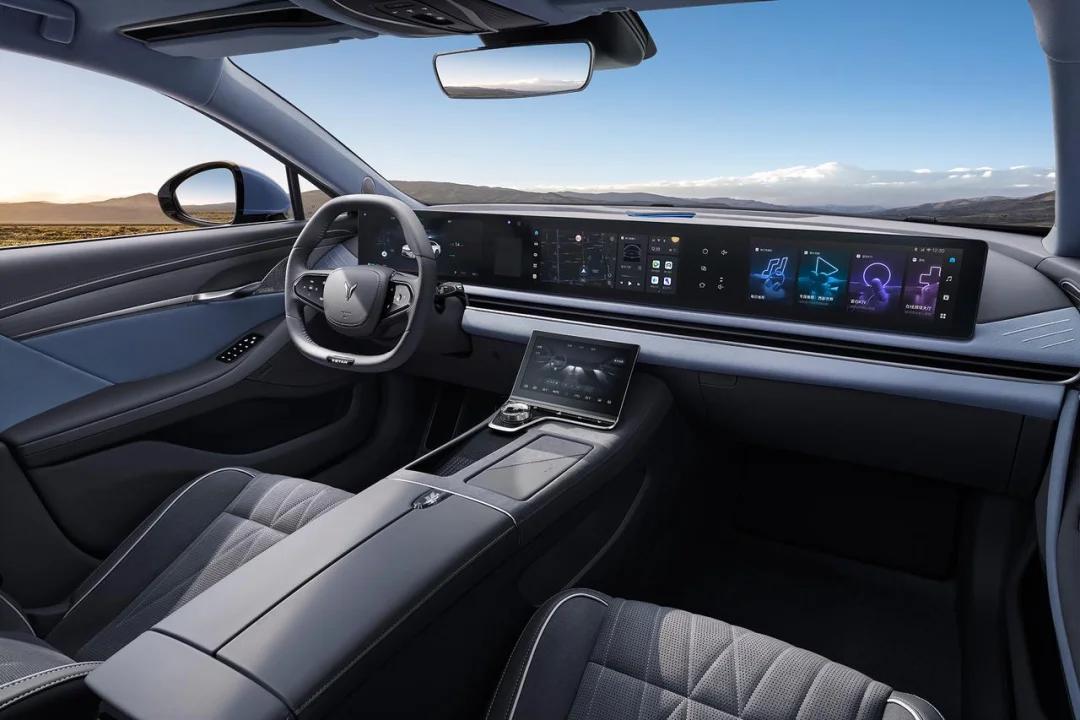
Beyond dynamic gestures, the Zhuiguang also recognizes five static hand gestures, covering common functions such as 'confirm,' 'selfie,' 'answer/decline calls,' and 'play/pause.'
The Zhuiguang's four-zone voice system supports natural language commands, context inheritance and synchronization, and the recognition of multiple semantics and mutually exclusive semantics.
Physical buttons are nearly eliminated in the Zhuiguang. The gear shifters found in the VOYAH FREE and Mengxiangjia have been replaced with rotary knobs, resulting in a cleaner overall appearance. Below the center console, the Zhuiguang adds a new control hub for managing functions like air conditioning.
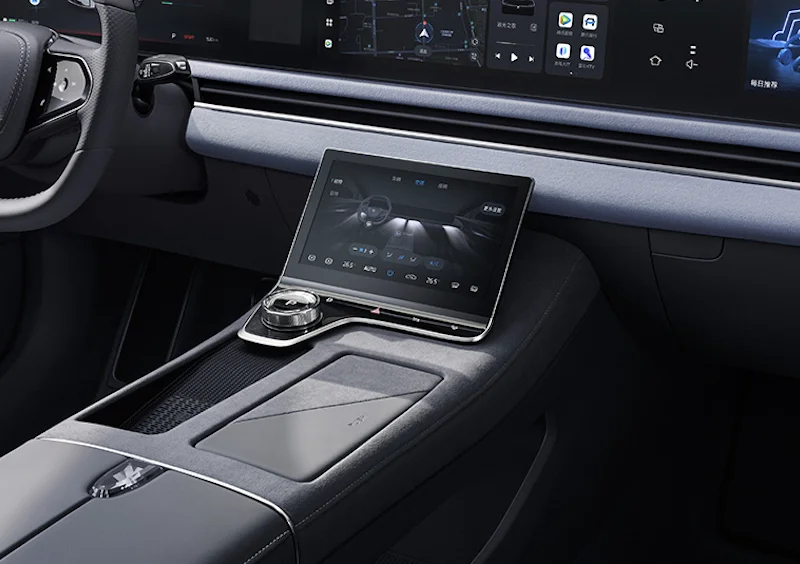
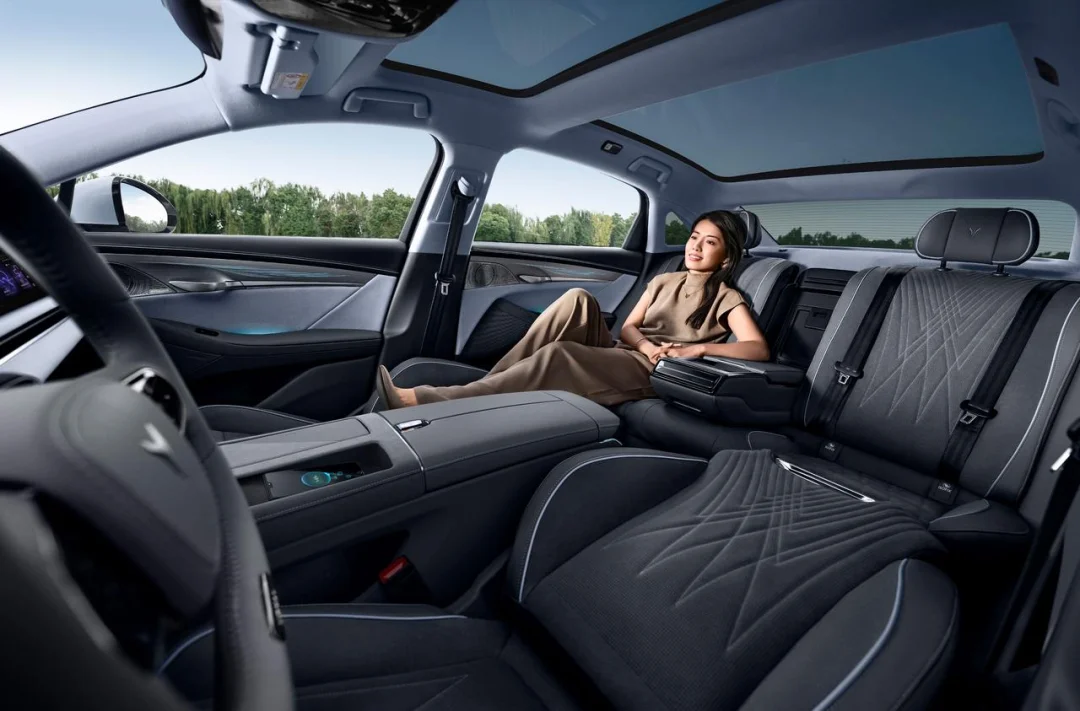
In terms of feature definition, the Zhuiguang reflects VOYAH's more mature thinking. For instance, in "VIP Cinema Mode," the front seats can be folded flat with a single button press to form a continuous, comfortable sofa with the rear seats. Additionally, the infotainment system includes Tencent Video and Bilibili, along with an integrated KTV song library. Paired with Danna audio systems and wireless microphones, this offers substantial expansion for cabin entertainment.
Based on its centralised SOA (Service-Oriented Architecture) electronic and electrical architecture, the Zhuiguang has made significant progress in decoupling software and hardware, enabling a wider range of interactive features.
As a simple example: in "World Cup Mode," entering the cabin automatically triggers a preset sequence. The seats transition to VIP Cinema Mode, the fragrance system activates, and the air conditioning adjusts to a comfortable temperature.
Depending on user settings, the ambient lighting can also activate, changing to the colours of the owner's supported team, while music synchronized with World Cup theme songs begins playing.
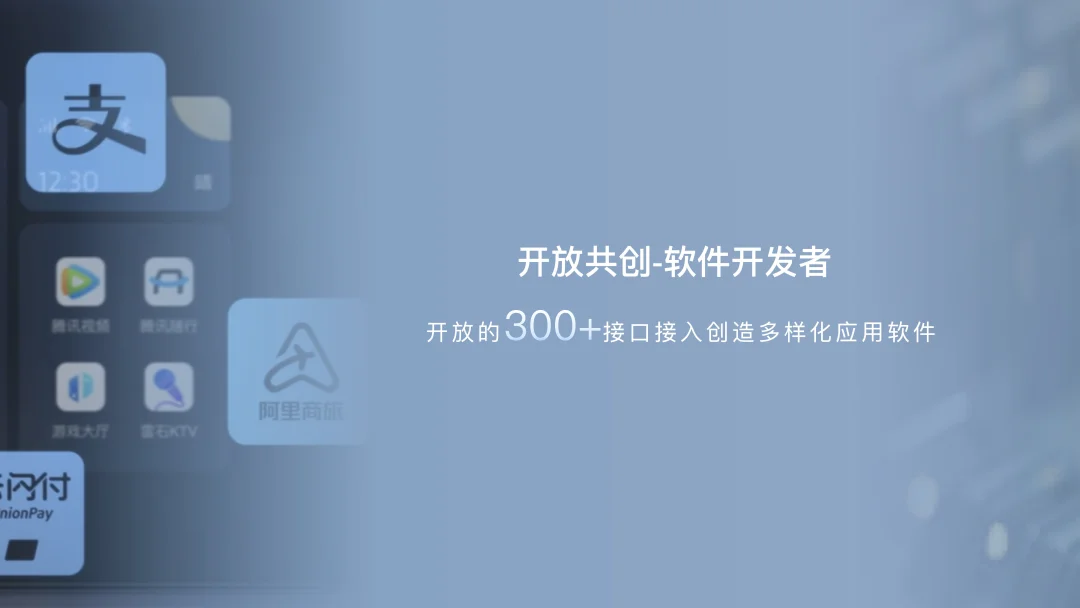
VOYAH plans to launch a developer platform in the future. Software developers and users will be able to create smart applications tailored to their needs to enhance the driving experience, and share or download them, thereby building an application ecosystem.
Intelligent features are the icing on the cake. Comfort, particularly rear-seat comfort, is clearly a fundamental requirement for mid-to-large sedans.
All four seats in the Zhuiguang feature heating, ventilation, and massage functions. The rear backrests offer an adjustable recline angle ranging from 27° to 35°, with 7° of pitch adjustment. The rear central armrest includes a 7-inch touchscreen remote that controls audio, heating, ventilation, ambient lighting, and other functions. This placement is more convenient to operate than a touch screen located inside the central armrest box.
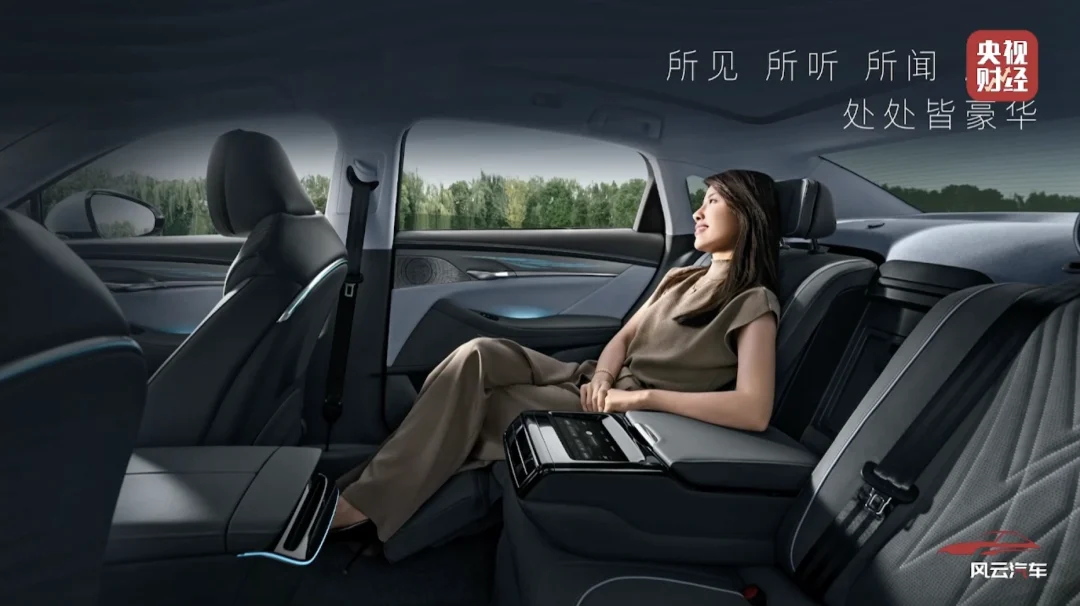
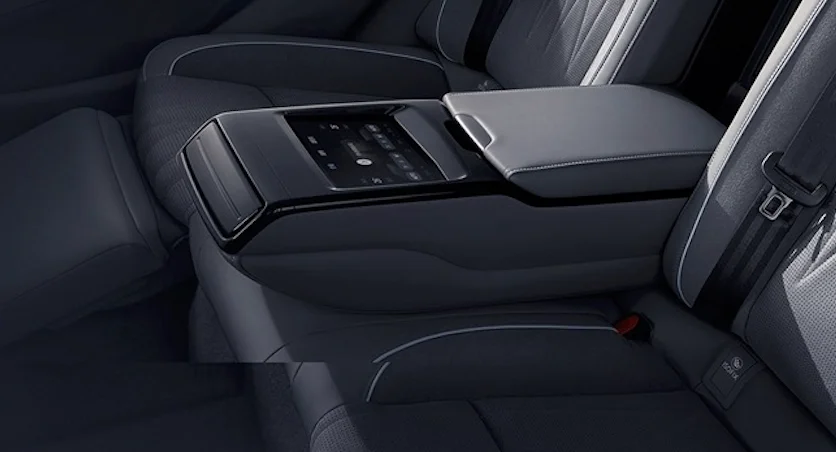
The Zhuiguang’s rear seat may currently rank among the top tier of pure electric mid-to-large vehicles. With its significantly adjustable rear backrest angles and the only leg rest in its class, the Zhuiguang has not forgotten its duties as a mid-to-large sedan while pursuing excellent driving dynamics.
Advanced Driver Assistance: More Features
The VOYAH Zhuiguang is equipped with 31 sensors across the vehicle, including 12 cameras, 5 millimeter-wave radars, 12 ultrasonic radars, and 2 high-precision positioning units.
Although it does not follow the aggressive path of adopting LiDAR, the Zhuiguang has improved its advanced driver assistance functionality through the accumulation of experience from its previous two models.
On the VOYAH FREE, the driver assistance system based on a Bosch solution is relatively basic. On the Zhuiguang, in addition to standard features like ACC and LKA, NOA (Navigate on Autopilot) has been added, offering capabilities such as parallel obstacle avoidance, road-edge avoidance, and optimal lane selection.
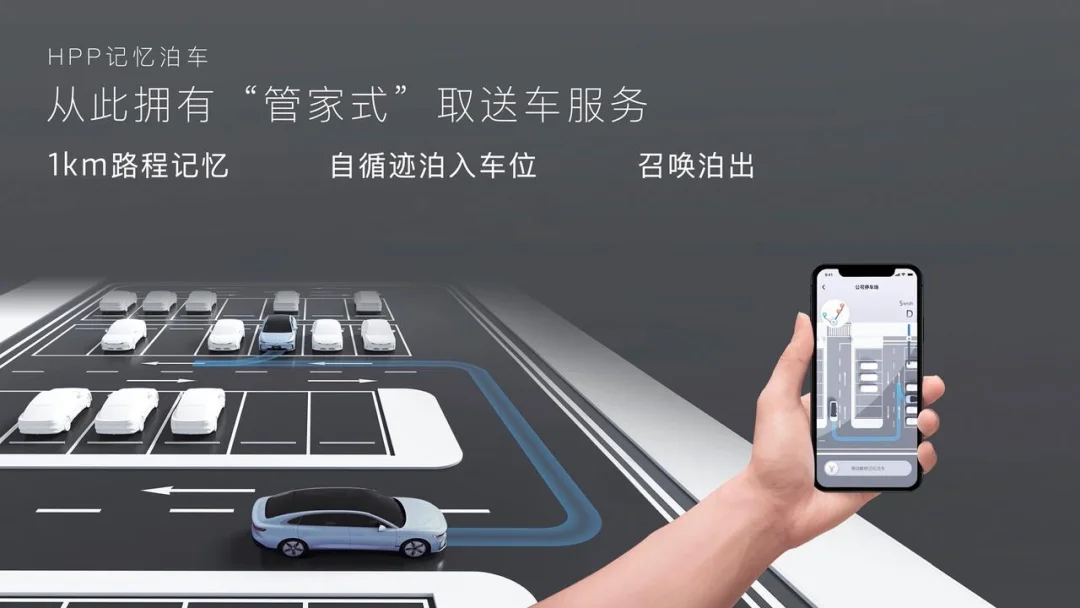
Another highlight is the Zhuiguang’s intelligent parking feature. The 'Remote Vehicle Move' function can handle self-selected parking space entry tasks with straight-line cruising up to 30 meters. In daily scenarios where someone contacts you to move the car, the Zhuiguang's 'Remote Vehicle Move' allows operation from home via network connection.
Under the 'Memory Parking' function, the Zhuiguang achieves self-tracing parking entry and summoning after just one learning run. For fixed parking spots at home or the office, this feature effectively reduces driver stress in these repetitive parking situations.
With the launch event setting the stage, I am more eager to experience the Zhuiguang firsthand. I am also curious whether it will become the brand's most mature driver assistance product.
05Conclusion
Returning to the opening question: In this fiercely competitive market, is there room for a VOYAH Zhuiguang?
Competitiveness cannot be discussed without considering price. We can see that the 82 kWh version of the Zhuiguang is priced between RMB 322,900 and RMB 352,900, heavily overlapping with the NIO ET5. However, do not forget that this is a mid-to-large sedan whose dimensions rival those of the ET7.
By offering battery installment payments, the price of Zhuiguang is further reduced to RMB 192,900–222,900. For a mid-to-large pure electric sedan equipped with standard front and rear dual motors, a 3.8-second acceleration time, and comprehensive comfort features, this pricing is competitive.
Moreover, it is highly likely that a hybrid version will be launched shortly, with a starting price potentially falling below the RMB 300,000 threshold. On Zhuiguang, VOYAH’s product definition capabilities and pricing strategy are clearly more mature than those of its previous models.
According to earlier plans, VOYAH intends to adopt a strategic layout of releasing one new model per year, expanding its lineup across SUVs, MPVs, and sedans. As the first vehicle to feature SOA’s central centralized electronic/electrical architecture, Zhuiguang has indeed set a strong precedent for future products.
Written by: Mingming Edited by: Bobo