


Changan DEEPAL S7 Static Review: A Shift from Price to Quality
ChanganDEEPAL, established in April and launching its first model in July, reached a milestone in December 2022: deliveries of its debut model, the DEEPAL SL03, surpassed 10,000 units, reaching 11,650, a 42% increase from the previous month.
With its rich features, strong value proposition, and mature design, the SL03 achieved delivery volumes exceeding 10,000 units within five months of launch, outpacing all other new EV brands including Weixiaoli. This made ChanganDEEPAL the fastest new automotive brand to reach this delivery threshold.
Capitalizing on this momentum, ChanganDEEPAL’s SUV model, the S7, began its static display yesterday as the brand’s second vehicle. Like the SL03, the S7 will be available with both pure electric and extended-range powertrains.
Starting with the exterior and interior, let's analyze the highlights and upgrades in design and functionality of Changan DEEPAL's second product.
01Exterior: Family Design Established
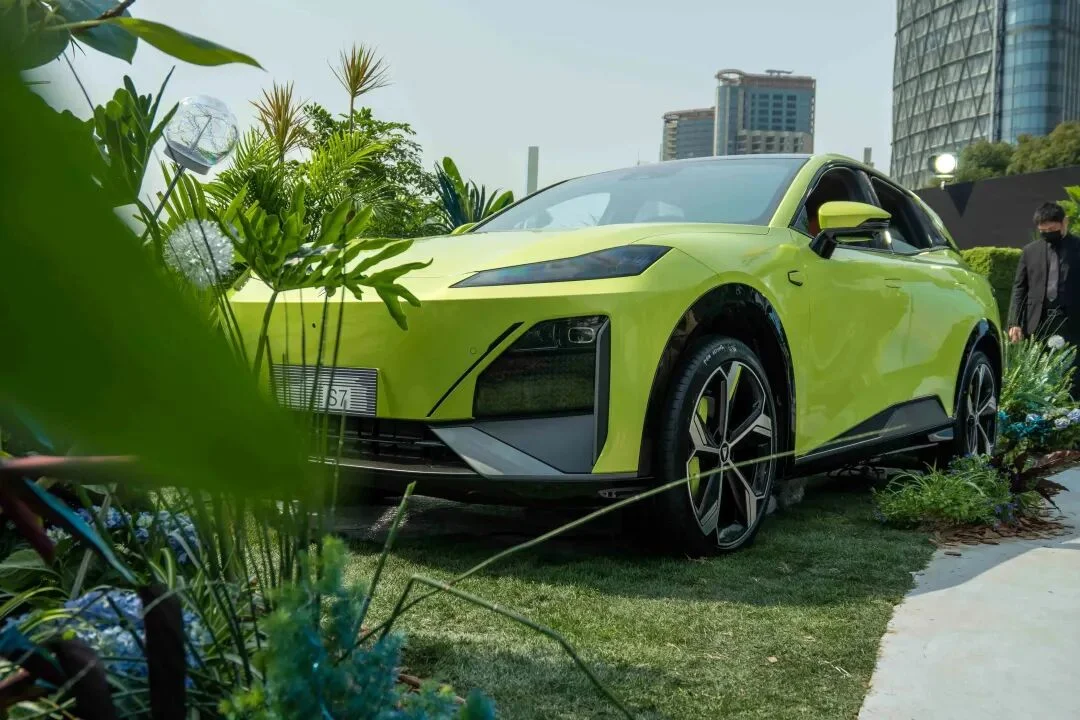
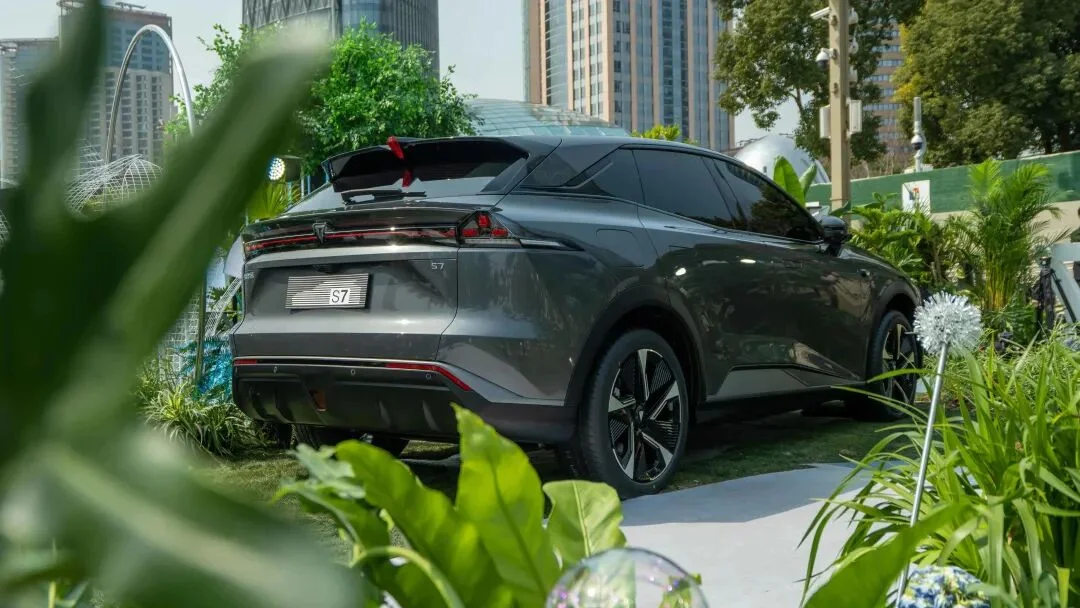
The ChanganDEEPAL S7 continues the family design language of the SL03, offering an immediate sense of familiarity. Its youthful, sporty, and aggressive front fascia sets the tone for ChanganDEEPAL’s product aesthetics. Both the pure electric and extended-range versions of the S7 feature a closed-off grille; the fluorescent yellow model shown below is the pure electric version, while the gray one is the extended-range variant.
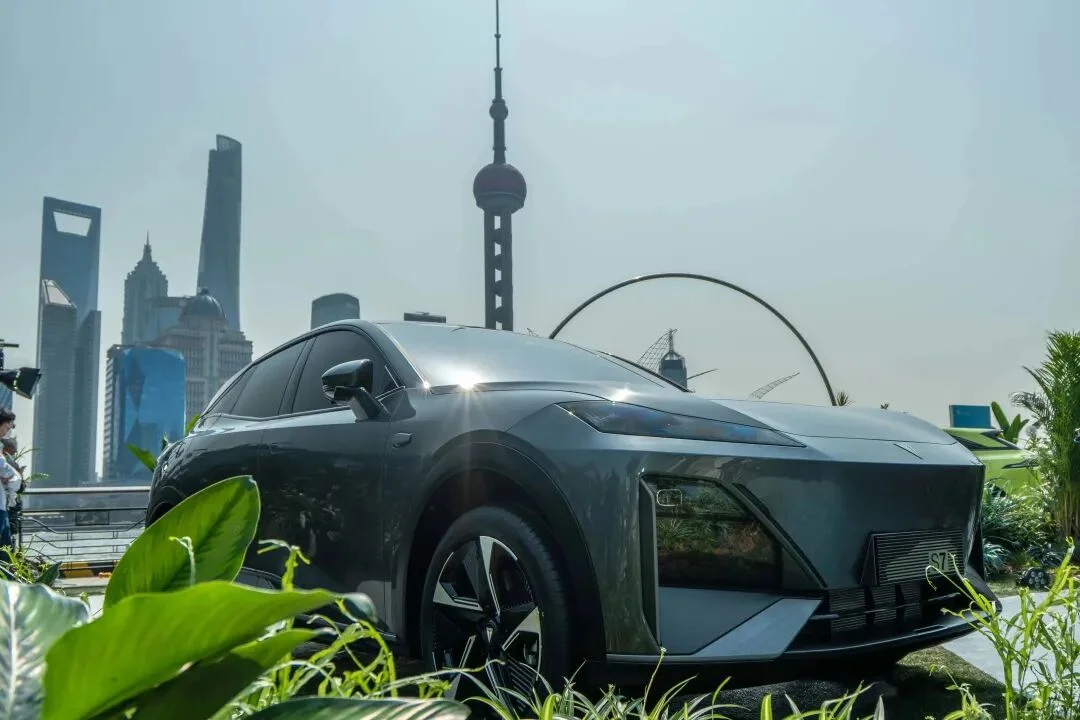
The Changan DEEPAL S7’s exterior design is quite sharp, so I feel the gray paint on the range-extended version effectively softens this somewhat "jarring" visual impact, creating a more balanced look. However, seeing the actual vehicle in person, the yellow-painted pure-electric version appears even more harmonious than the images submitted to the Ministry of Industry and Information Technology (MIIT), striking a style that is eye-catching and distinctive.
The Changan DEEPAL S7 features split headlights similar to those on the SL03. The upper LED daytime running light cluster has distinct angular lines, ensuring high recognizability.
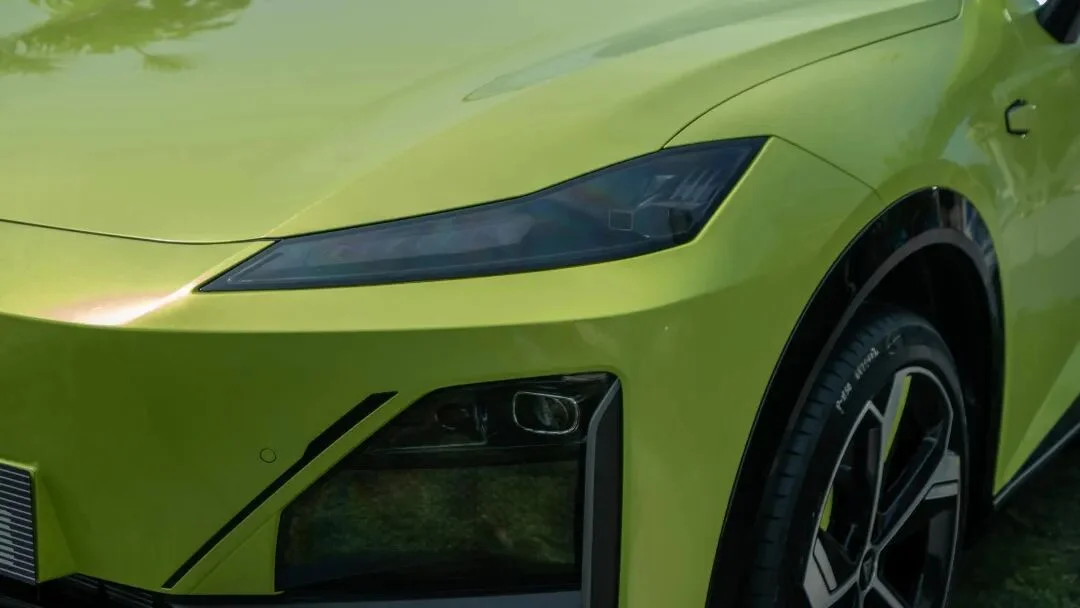
The lower light cluster hides some sophisticated details. In addition to the main headlight units, the S7 incorporates pixelated light modules capable of projecting various patterns, enabling dynamic welcome sequences and human-vehicle interaction effects.
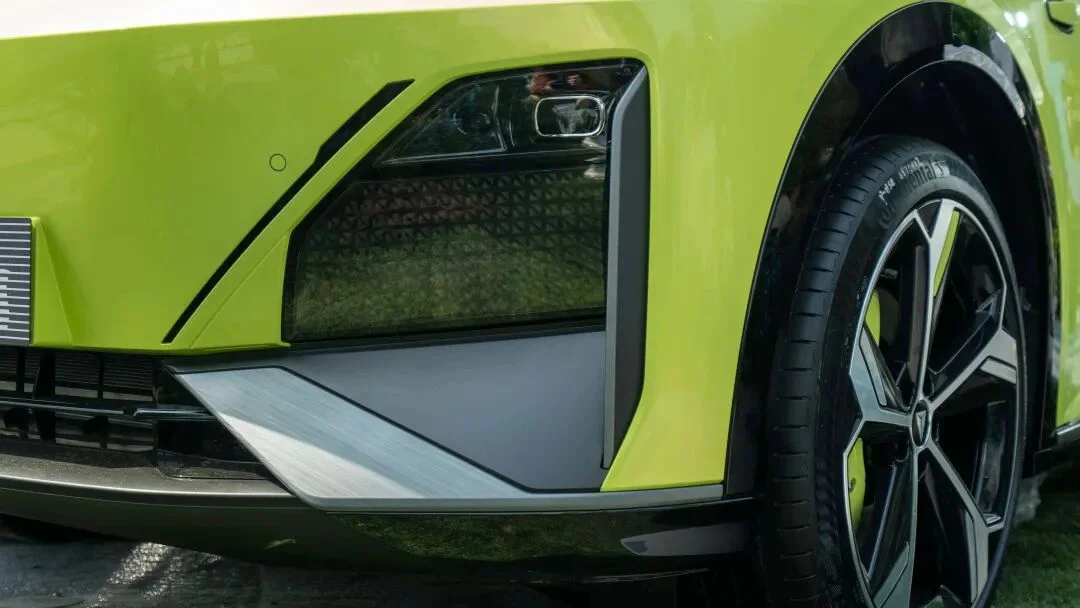
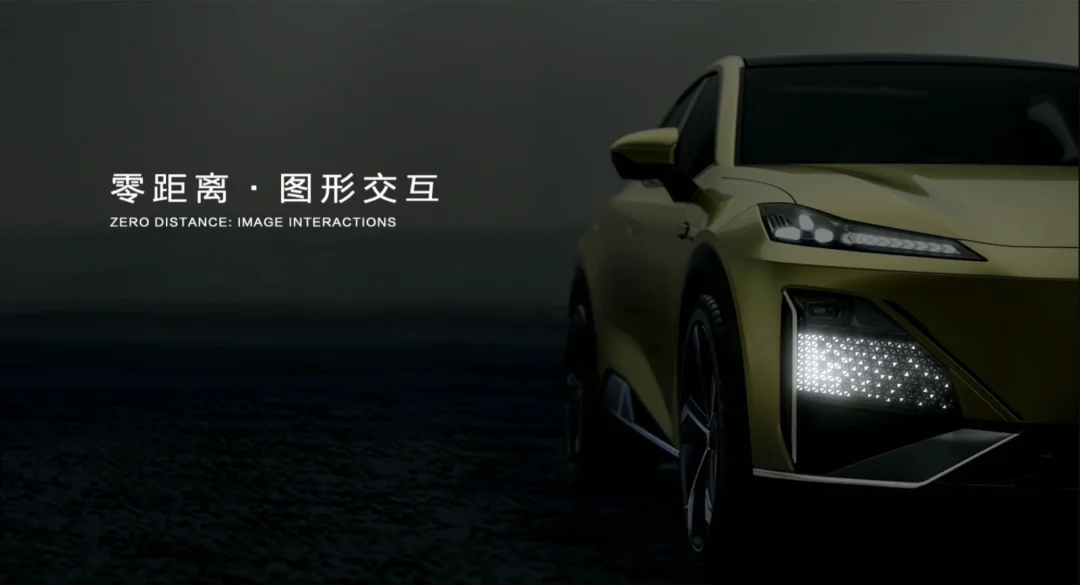
A prominent crease runs across the front face of the Changan DEEPAL S7. Combined with the black-and-gray mixed-color cladding on both sides and the matte-finish-style front splitter below, the overall visual effect tightly aligns with the "youthful and sporty" theme.
Thanks to a rapidly tapering window line, dynamic side body surfacing, contrasting black trim on different sections of the body, and slender taillights that extend along the flank, the DEEPAL S7 presents a sharp profile free of bulk or mediocrity. The yellow all-electric variant and the grey range-extended version share nearly identical exterior styling; however, the grey paint lends the S7 a more understated and reserved demeanor, creating distinctly different visual impressions between the two colors.
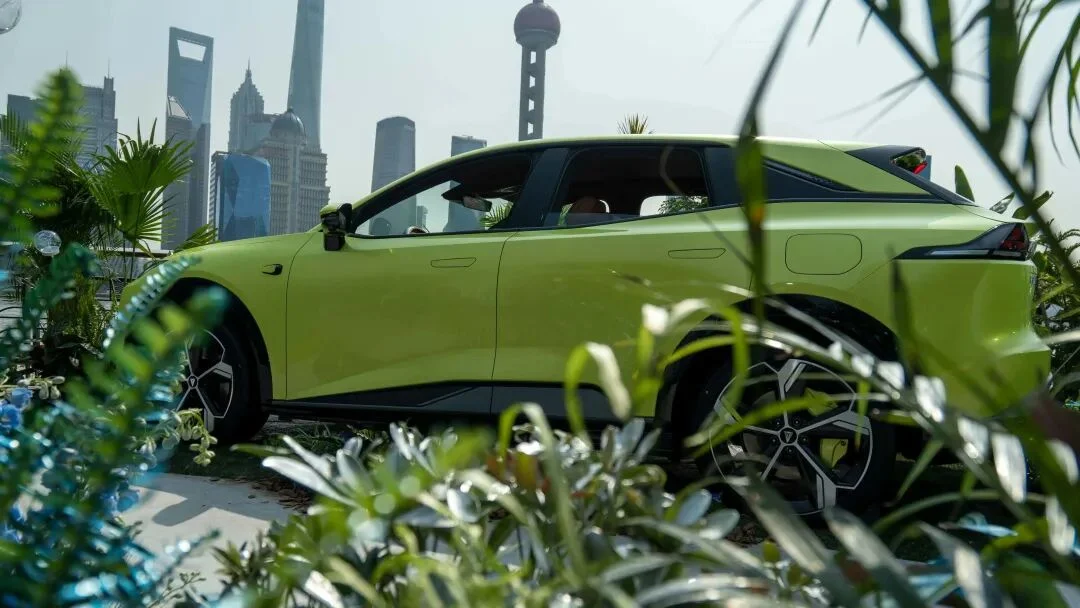
A light strip integrated into the C-pillar on the DEEPAL S7’s side is expected to enable interactive features, such as lock/unlock notifications and breathing effects during charging. This functionality was not available for testing on the static display vehicle at this event.
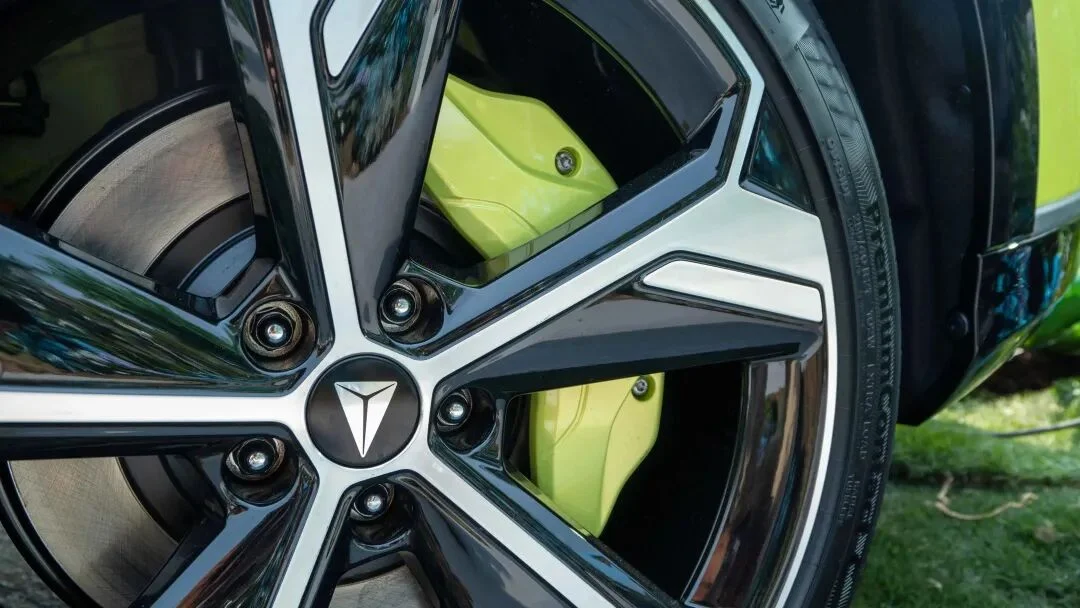
Another factor contributing to the distinct character of the two displayed models is their wheel design. The showcased all-electric S7 rides on aggressive 255/40 R21 wheels with bold styling, paired with bright yellow brake discs that match the body color for a sporty aesthetic. These are shod with Mapai PCC series tires, which prioritize silence and low rolling resistance.
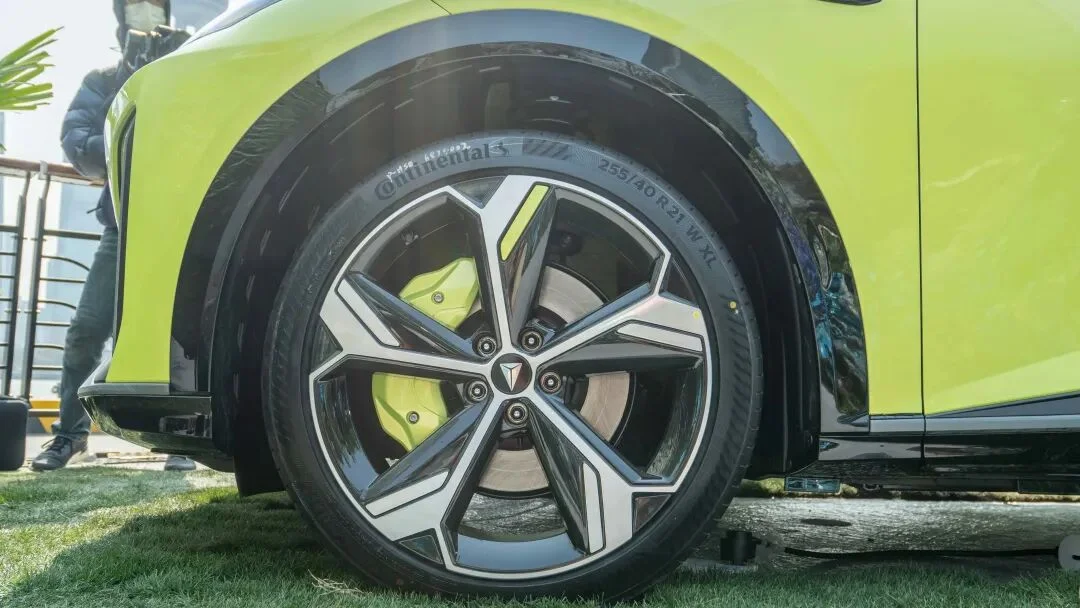
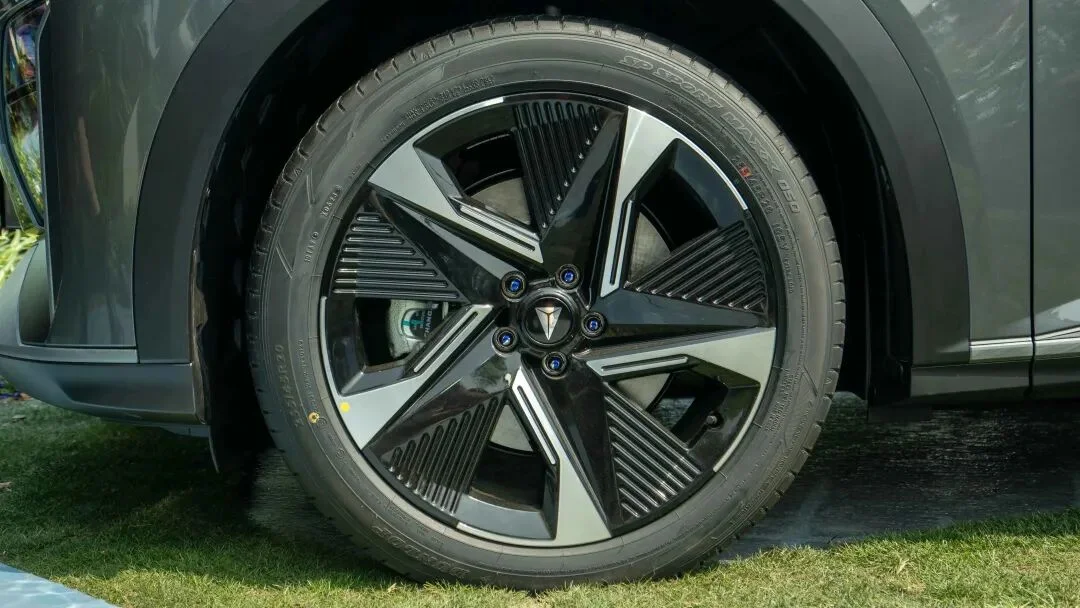
The range-extended DEEPAL S7 is equipped with low-drag wheels sized 255/45 R20, branded Denglupu. This combination gives the vehicle a more restrained appearance and helps improve its range and energy efficiency.
For ADAS hardware, we can look to the Changan DEEPAL SL03 as a reference. In February, DEEPAL announced that the optional price for the SL03’s advanced intelligent driving assistance hardware system is RMB 30,000. The hardware differences are as follows:
The number of cameras increases from six to eleven.
The number of ultrasonic radars increases from six to twelve.
The number of millimeter-wave radars increases from three to five.
In terms of functionality, the advanced ADAS hardware supports APA7.0 Yuanchengdaikeboche, which includes in-cabin parking, remote parking, remote entry and exit, trace reversing, remote vehicle relocation, and memory parking. It also supports NID 3.0 Linghangzhinengfuzhu, enabling highway NOA.
Based on previous test drives, the base-hardware SL03 performs well in lane keeping and longitudinal following control, reaching an “usable” level, though its visual information display is somewhat lacking. We anticipate that the S7 will offer consumers a choice between “base” and “advanced” ADAS hardware versions in the future. We will also provide reviews of the S7/SL03 highway NOA and other driver assistance features when possible.
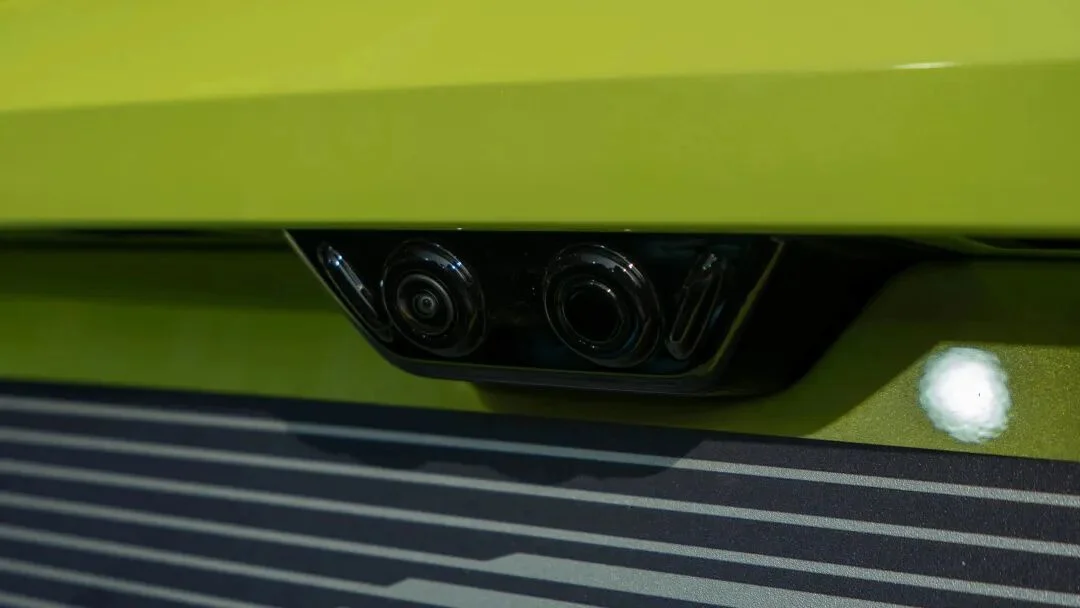
At the rear, the extended-range variant features a hidden exhaust layout, so the design differences between the pure-electric and extended-range models are minimal. The full-width taillights, officially named 'Star Flame' by Changan DEEPAL, share a similar design with the SL03, maintaining strong family identity.
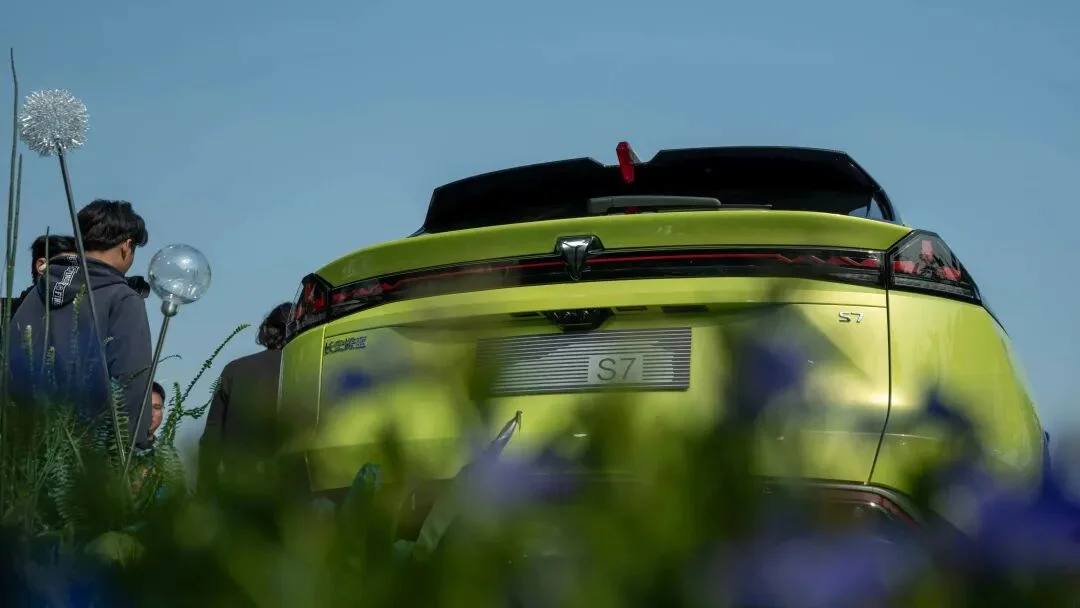
Looking from above, the Changan DEEPAL S7 is equipped with independent winglets on both sides, with the high-mounted brake light positioned centrally. Due to the sloping rear roofline and the elevated position of the taillight clusters, the S7's rear window area is not large. Viewed through the central interior rearview mirror, the driver's field of view can be somewhat restricted. However, this issue can be resolved by using a digital rearview mirror.
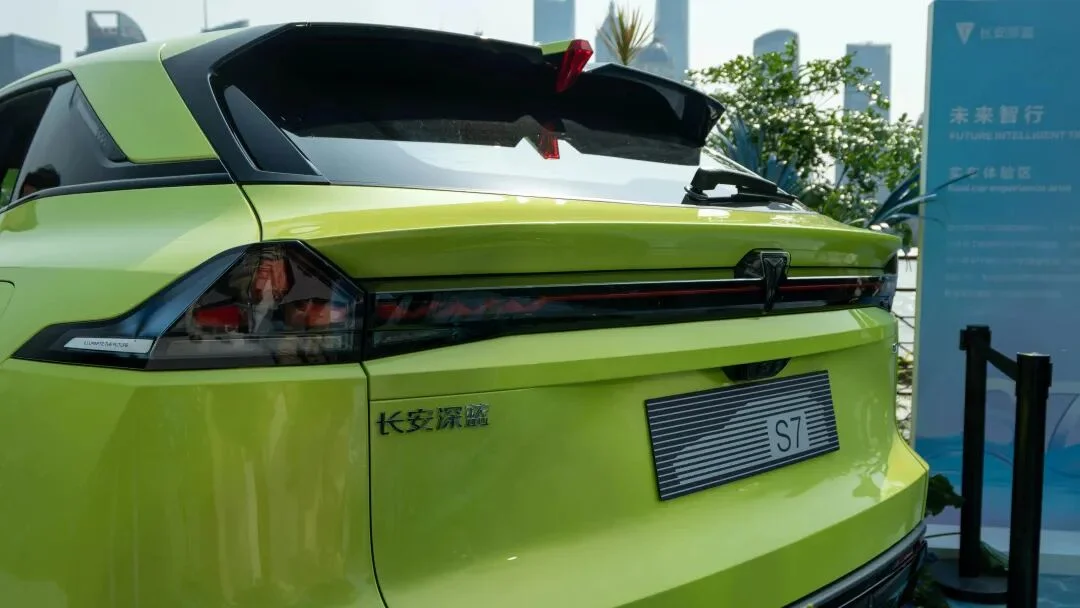
To balance the visual shift caused by the high taillights, the S7 incorporates a diffuser at the lower rear section, which also helps manage airflow. The centrally located brake light evokes a Formula 1 aesthetic.
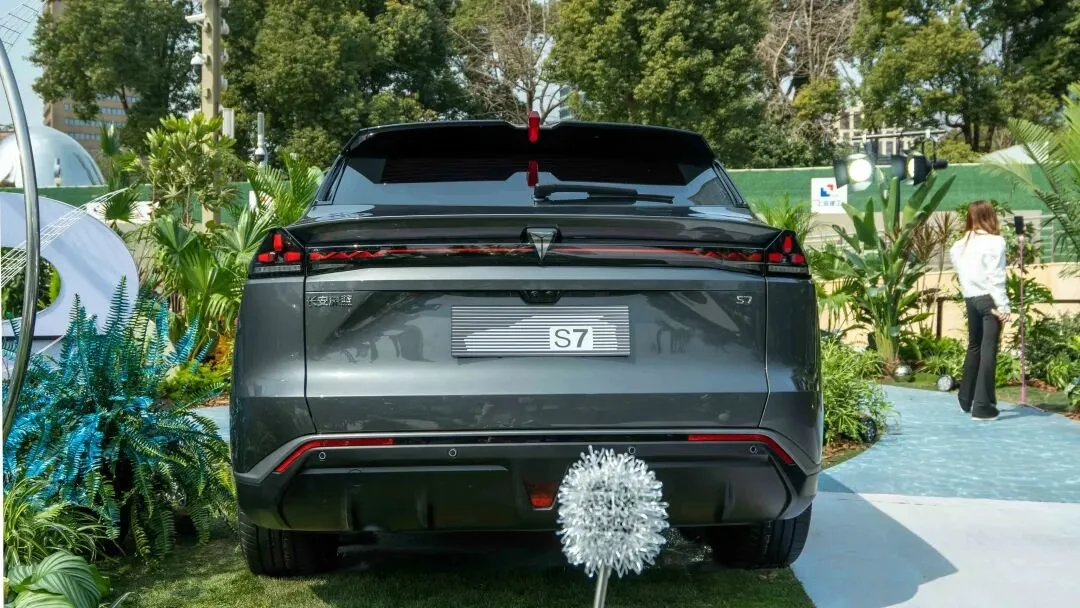
Overall, the Changan DEEPAL S7’s exterior adheres to the same design philosophy as the SL03, maintaining strong family identity while preserving a sharp and sporty visual presence.
02Interior: A Significant Leap in Luxury
The interior of the Changan DEEPAL S7 on display is undoubtedly the vehicle's greatest highlight. As a sibling model to the SL03, we initially expected only minor tweaks, but the S7 delivered results that exceeded expectations.
The orange interior featured in this shoot follows a trend that gained momentum last year, with models like the Li Auto L series, NIO, and XPENG G9 all adopting similar color schemes. However, an orange interior demands high design skill; if elements are cluttered or the design lacks rigor, the visual result can appear messy and superficial. The image below compares orange interior designs from various automakers, all of which demonstrate mature and aesthetically pleasing execution.
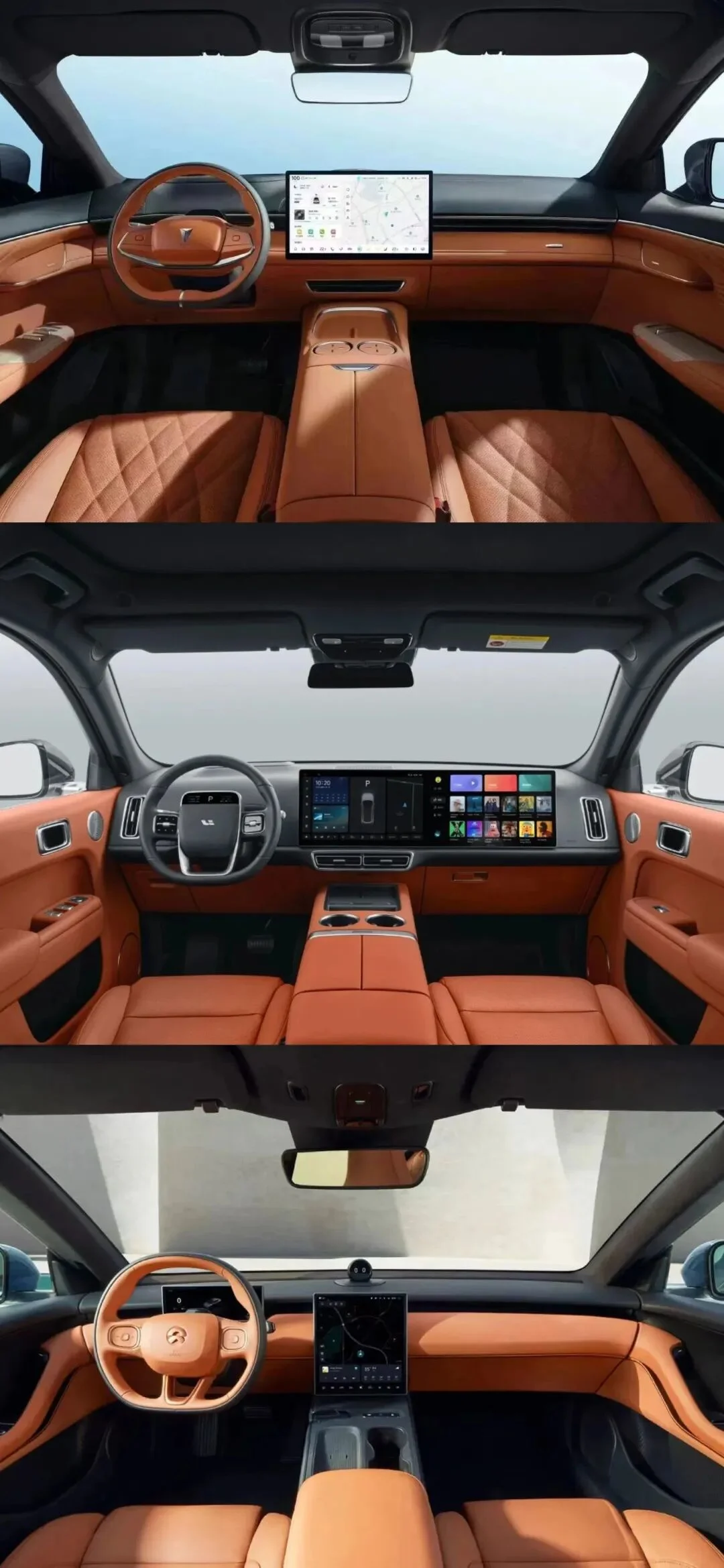
As a latecomer, the S7 clearly invested significant effort in ensuring the orange interior appears harmonious and luxurious. Features such as the black upper dashboard creating a cocooning effect, the refined tactile feel of the two-tone steering wheel, precisely placed chrome accents, the retractable cupholders, and the redesigned armrest area have all significantly elevated the interior quality compared to the SL03. DEEPAL’s ability to conduct such in-depth research on interior design and deliver a mature product in less than a year demonstrates impressive speed.
The S7’s steering wheel features subtle refinements over the SL03: it has switched from a single-color to a two-tone design; chrome trim extends further downward; the airbag/horn area is more three-dimensional; and button styles have been slightly adjusted. These changes give the S7’s steering wheel greater depth and layering, whereas the SL03’s design appears somewhat flat by comparison.
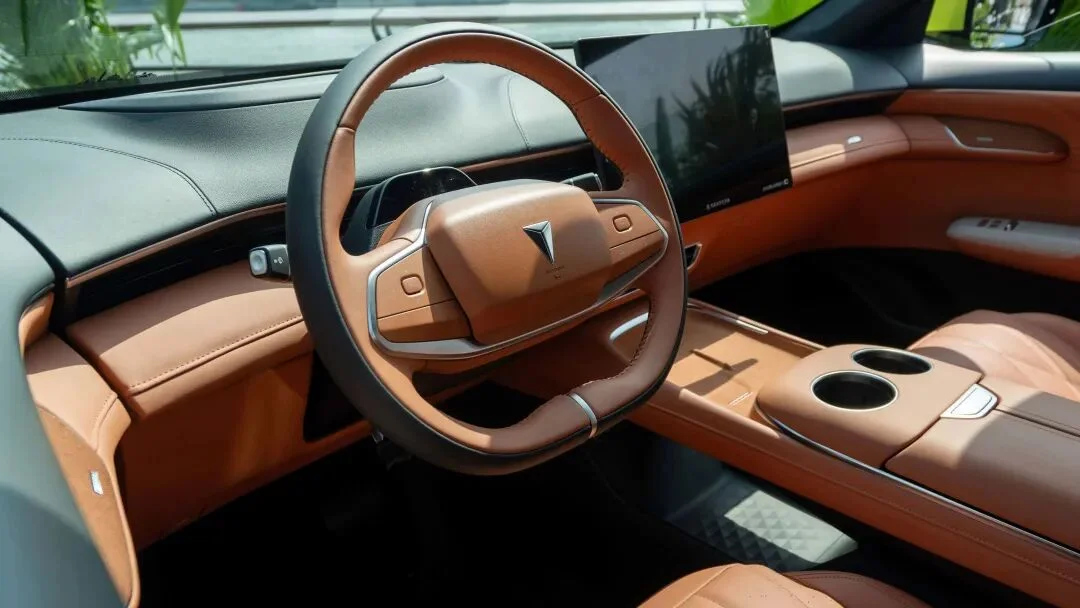
The DMS camera positioned in front of the steering wheel, along with the turn-signal stalks and column-mounted gear selector, share the same design as the SL03. The most significant change in the S7 compared to the SL03 is the removal of the instrument cluster, replaced by an AR-HUD. In practice, while the clarity of the S7's AR-HUD has improved significantly over the SL03, the projection area remains relatively small. This static review cannot fully assess the navigation projection effects; we will provide a detailed experience report during the upcoming dynamic test drive.
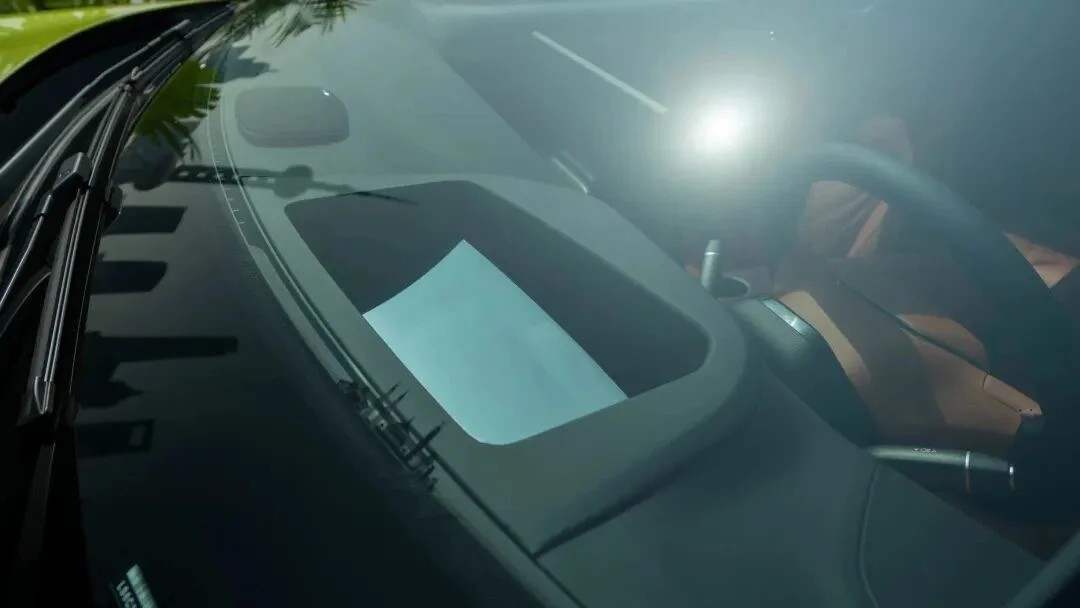
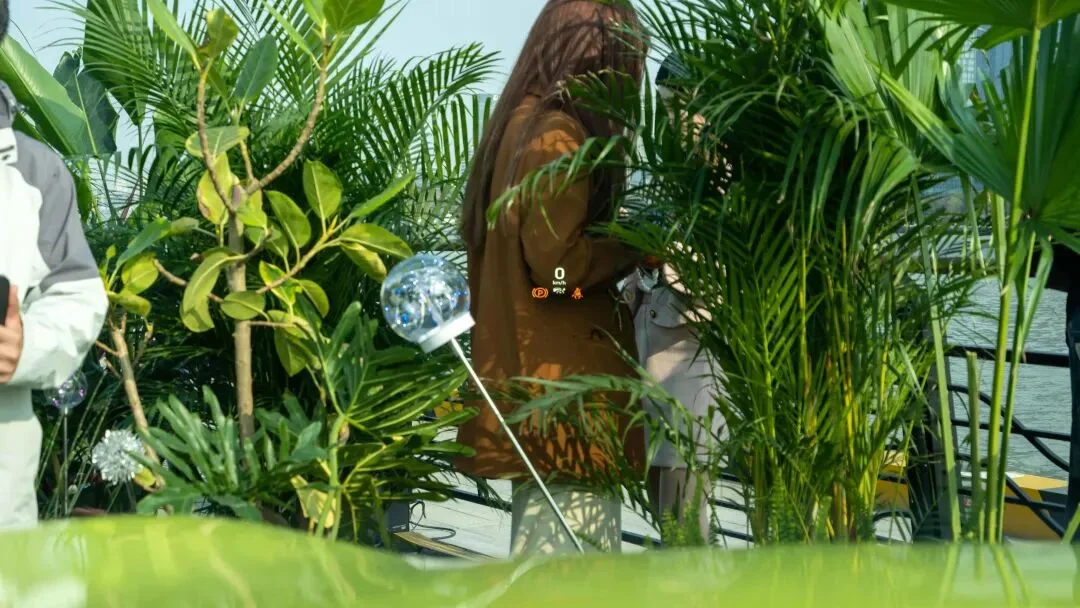
The S7 retains the 14.6-inch sunflower-shaped central touchscreen, with a UI design not substantially different from the SL03. However, to compensate for the missing instrument cluster, the left-side floating window on the center console now displays vehicle speed, gear selection, and driver-assistance information, following a logic similar to that of the Model 3/Y.
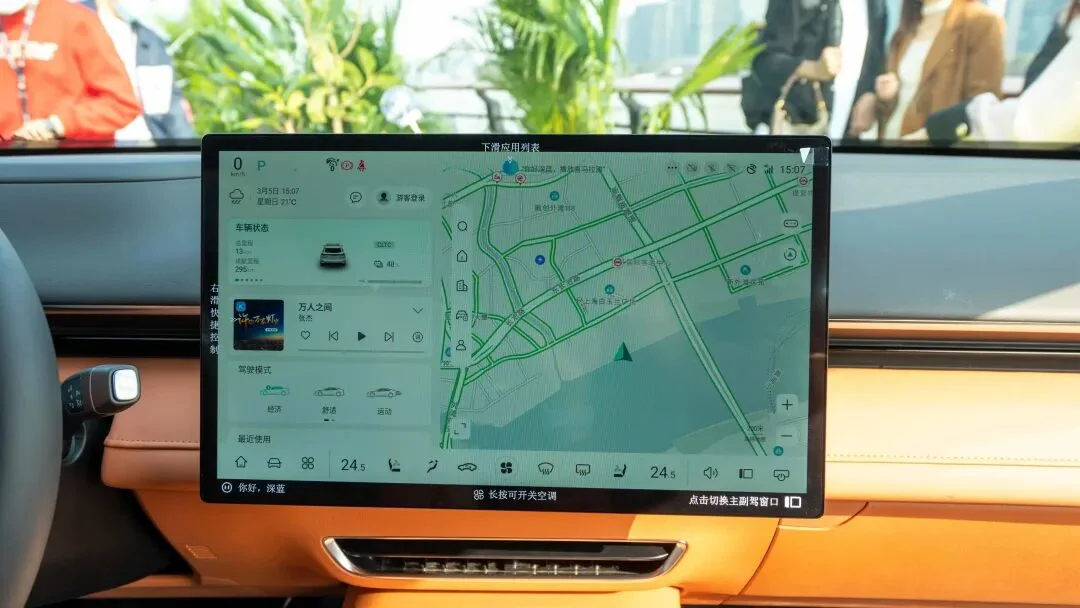
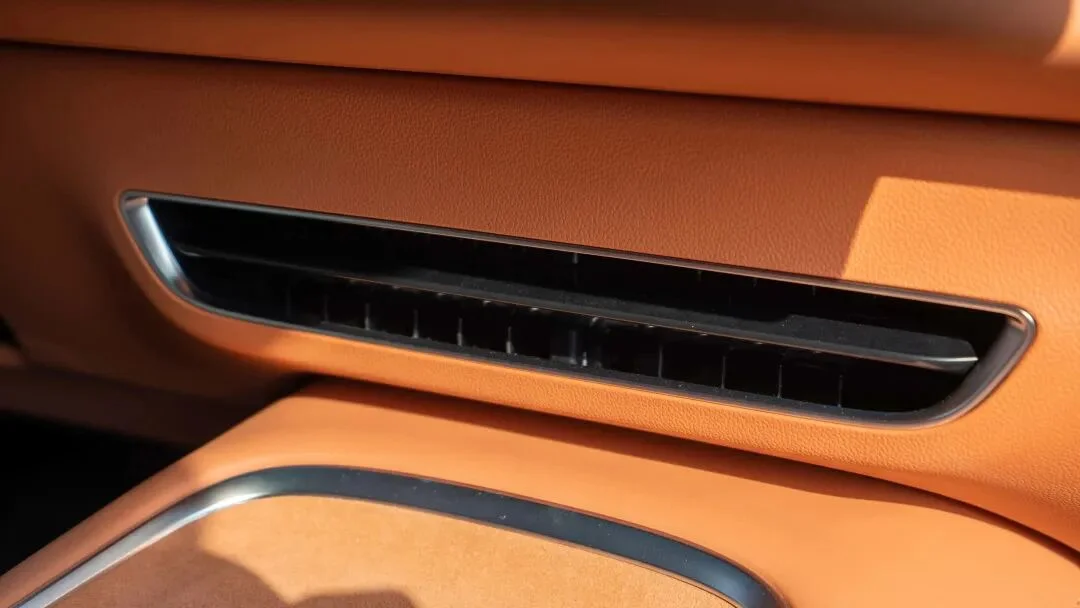
The S7's air-conditioning vent design has changed to a central through-type layout, with an additional independent vent added below the center control screen. This design significantly increases the interior's sense of layering. Coupled with extensive soft-touch wrapping, it avoids the situation on the SL03 where large areas have a predominantly hard tactile feel.
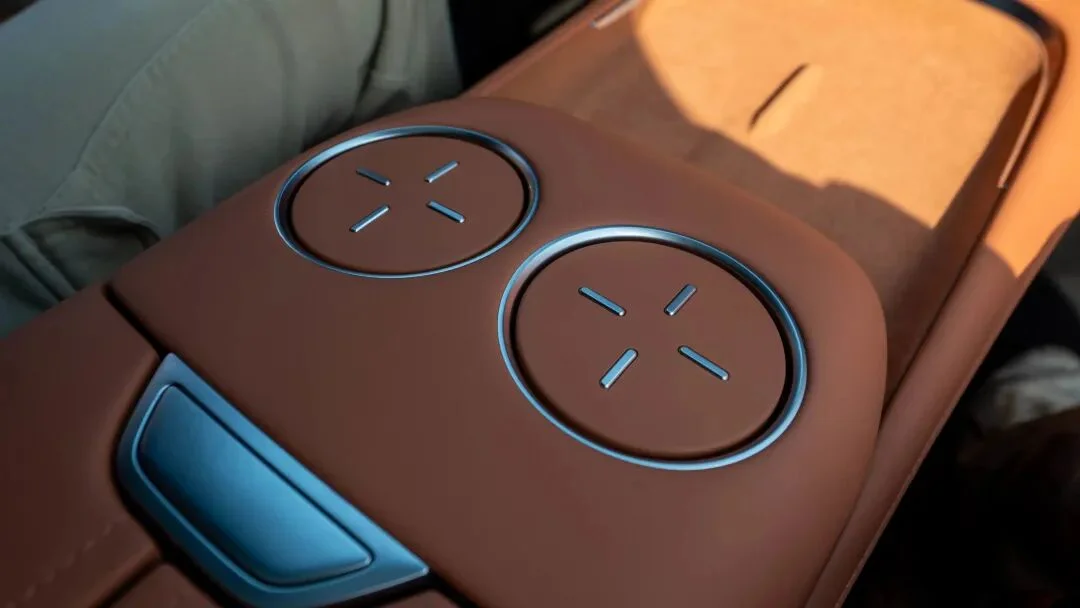
The S7's center console area has adopted a more luxurious feel. The single smartphone slot found on the SL03 has been replaced by dual left and right storage compartments in the S7, though only the left compartment is equipped with an active cooling vent.
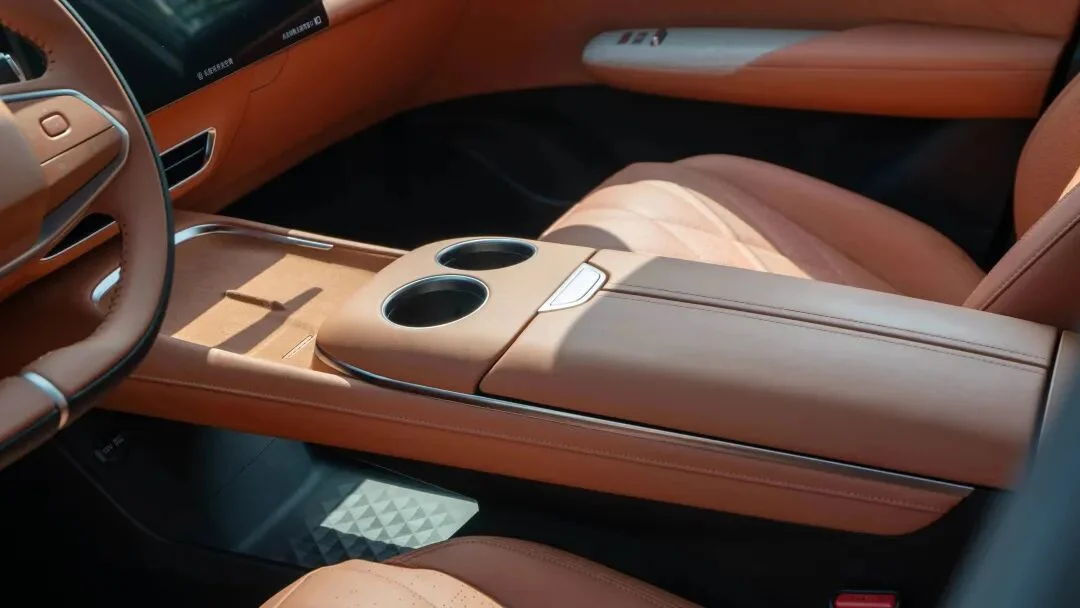
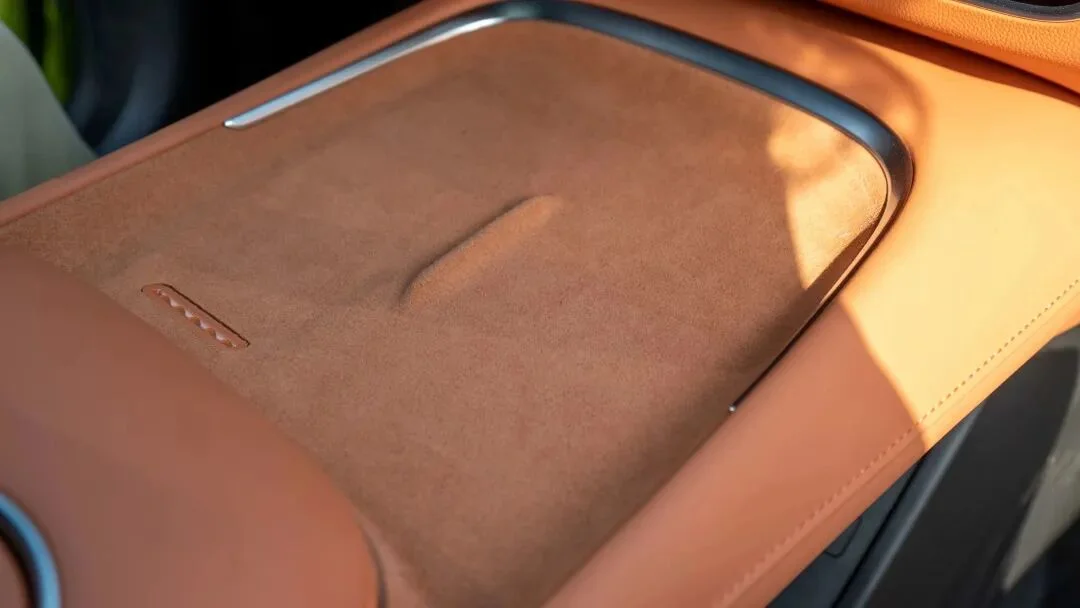
Space utilization in the S7’s center console area has improved significantly. The dual pop-up cup holders, accented with chrome trim, effectively enhance the sense of quality. It is worth noting that the S7 armrest box finally features a physical button for opening, marking an improvement over the SL03.
The S7 shows significant improvements in seat functionality and comfort. Notably, it is equipped with zero-gravity seats featuring leg rests not only for the front passenger but also for the driver.
This design is relatively uncommon.
With a driver-side leg rest, the driver can enjoy a comfortable seated position without having to move to the front passenger seat during charging, while waiting for others after parking, or when taking a nap. This is a thoughtful consideration.
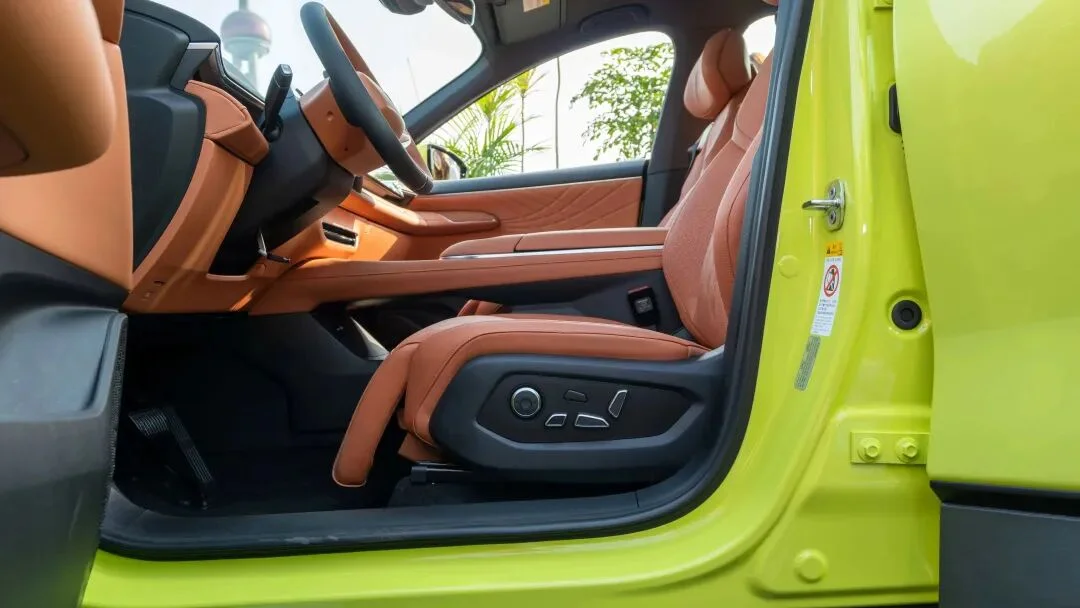
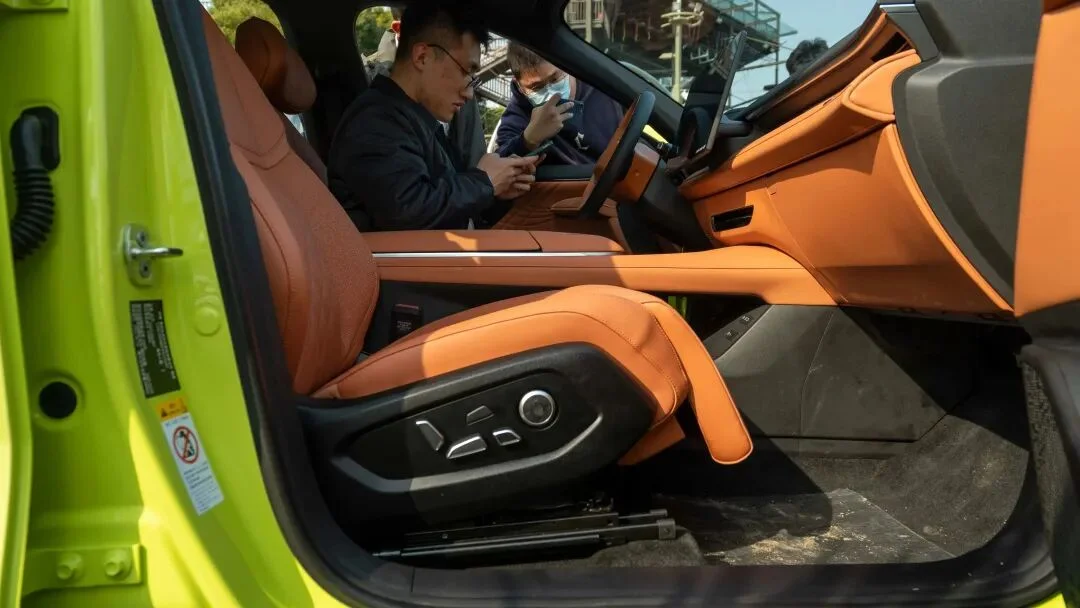
The front passenger seat integrates the seatbelt, a design choice that deserves praise. If the seatbelt were mounted on the B-pillar, it would fail to provide effective restraint when the passenger is reclining. In an emergency hard-braking situation, the passenger could easily slide forward. Moreover, the one-piece seat and seatbelt design offers greater comfort; traditional B-pillar-mounted seatbelts may not be adjustable to a suitable position when the seat is fully reclined.
Additionally, the DEEPAL S7 is equipped with headrest speakers for the front passenger, an improvement over the single driver-side headrest speaker found in the SL03.
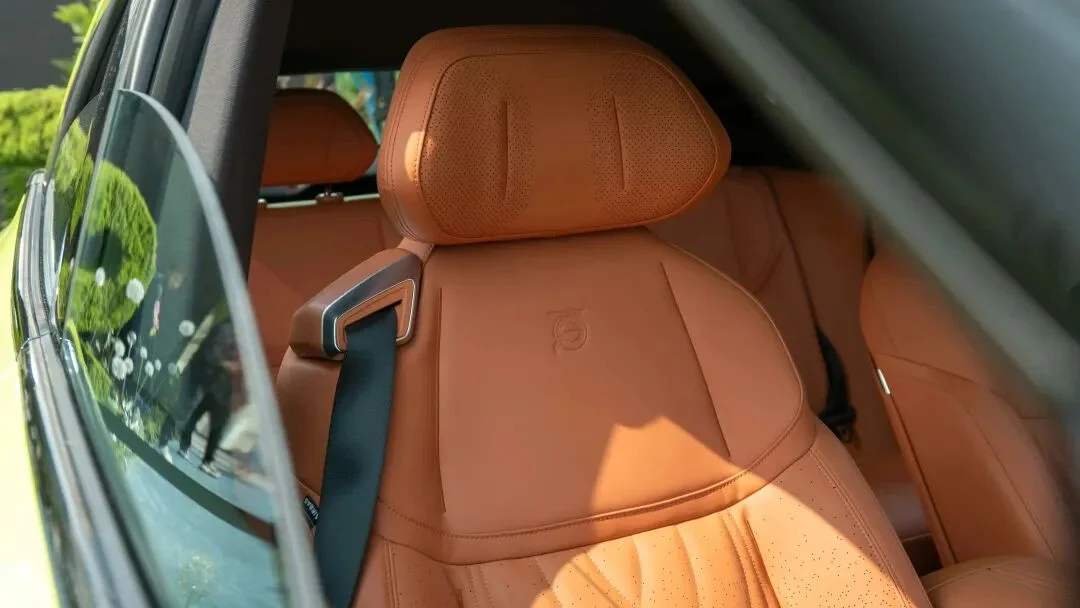
In terms of seat comfort, the S7's thicker cushioning, quilting craftsmanship, and detailed perforation process give it superior visual appeal and a better riding experience compared to the SL03. The seating feel is soft yet enveloping, and the leather has a very fine texture.
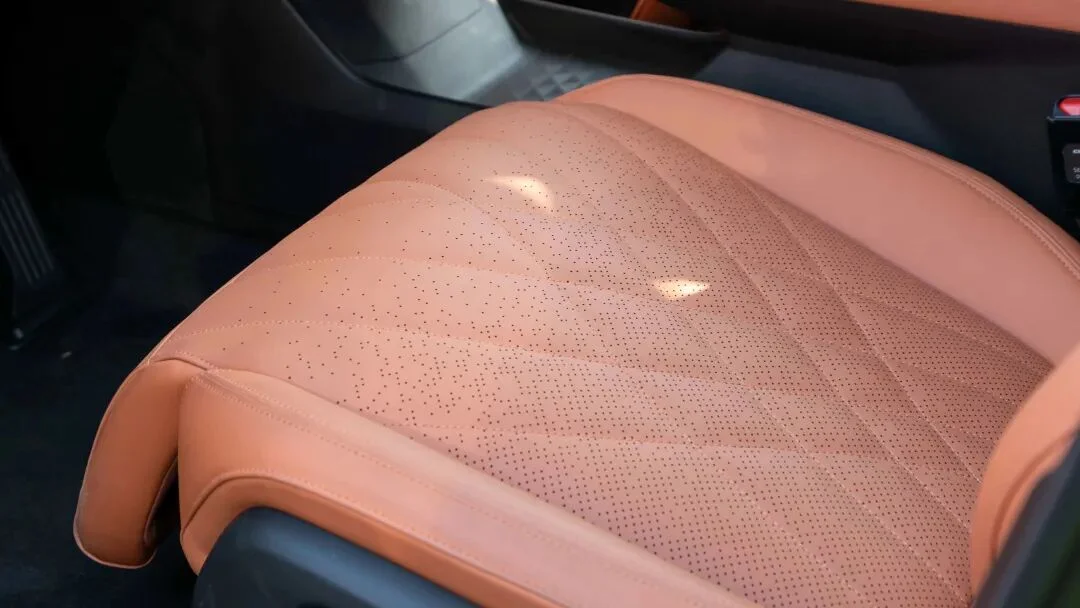
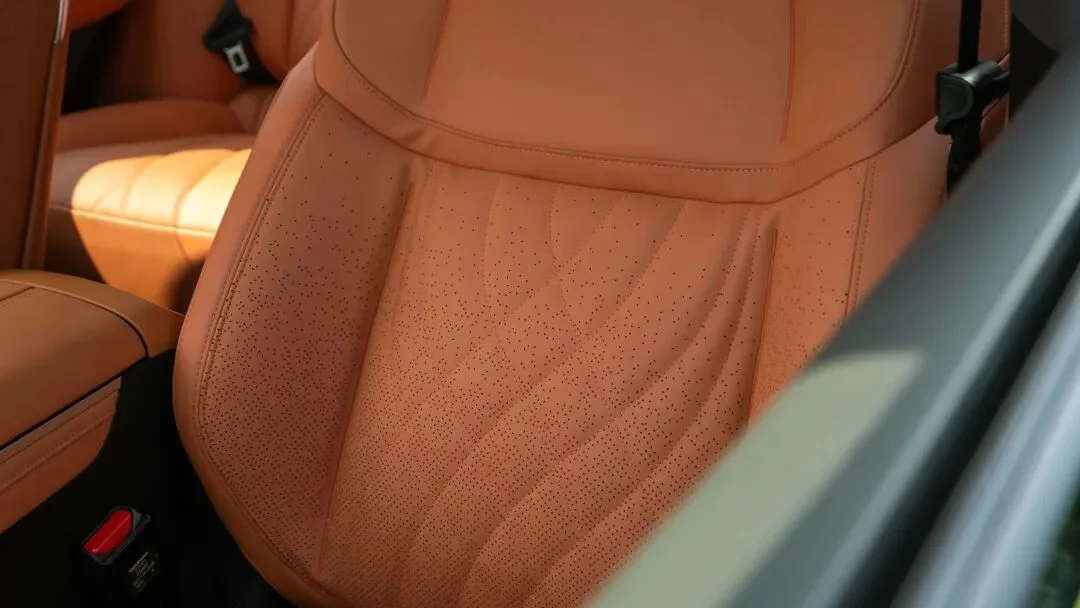
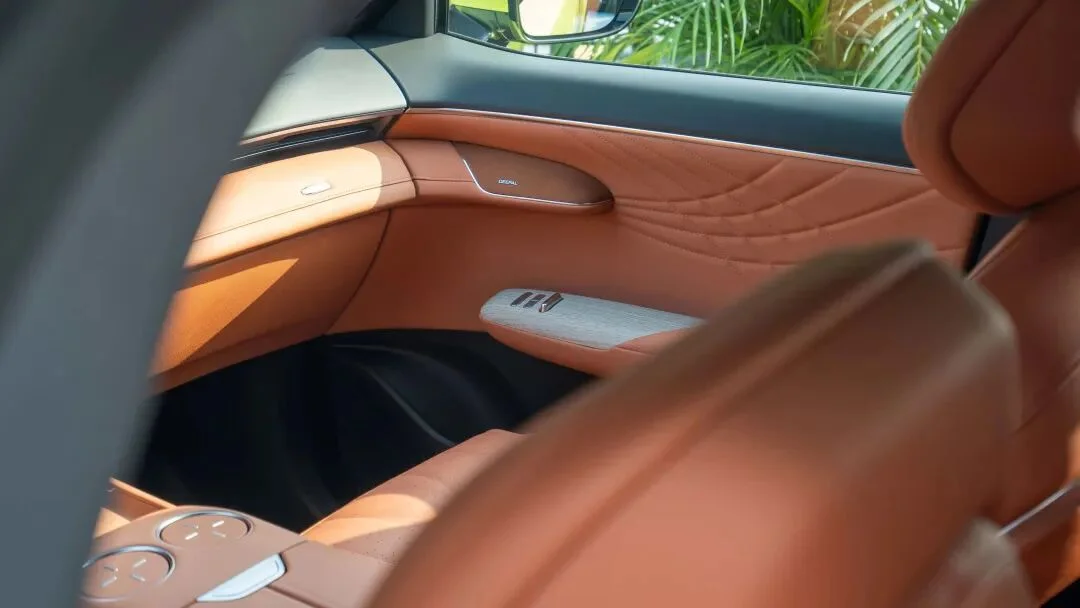
Like the SL03, the S7 features frameless doors. The front row is equipped with double-layer acoustic glass, while the rear uses single-layer glass. The door panel design on the S7 appears more mature than that of the SL03: pressed curved patterns, chrome accents around the speaker vents, and a clean, straightforward armrest area all highlight a minimalist aesthetic.

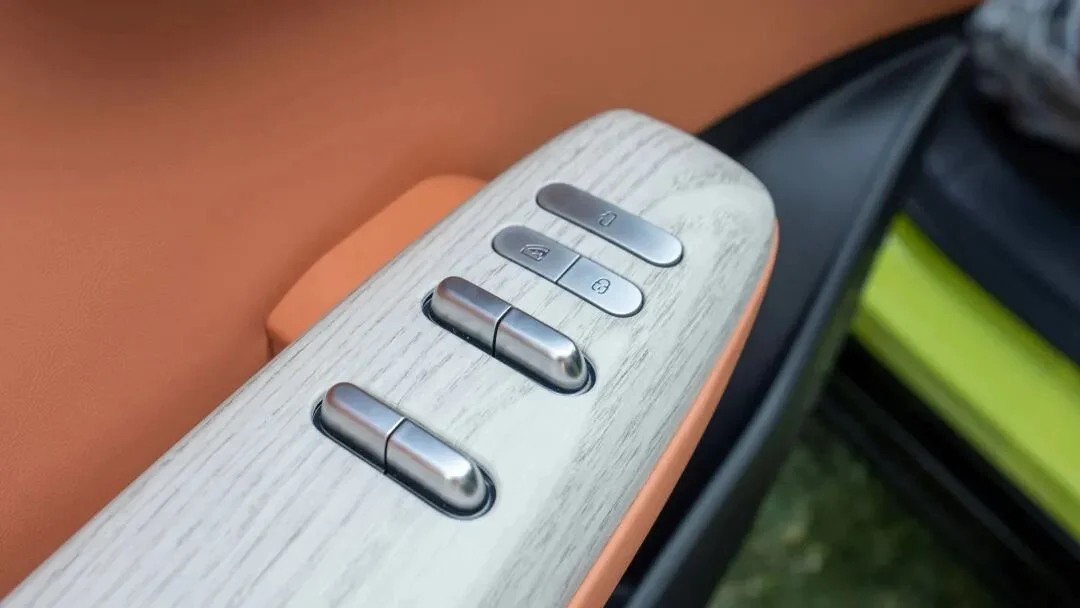
Notably, the S7 has eliminated the traditional interior mechanical door handle in favor of an electronic button unlock mechanism. Additionally, the window controls have been changed to a toggle-style lever similar to those found in NIO vehicles. The window control area features rattan-inspired decorative accents; while reminiscent of other brands, the visual effect remains appealing.
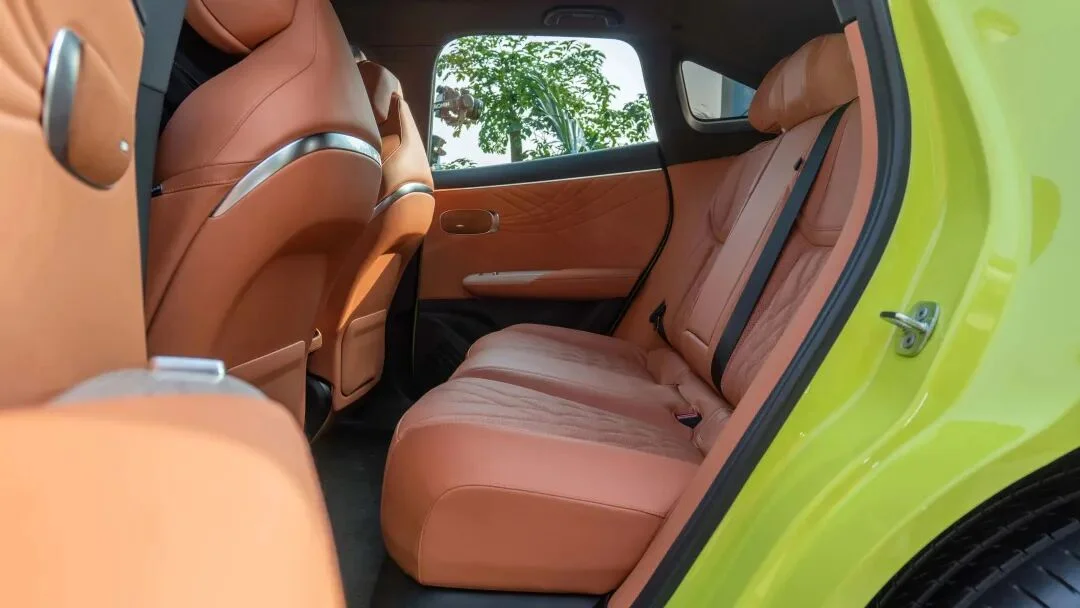
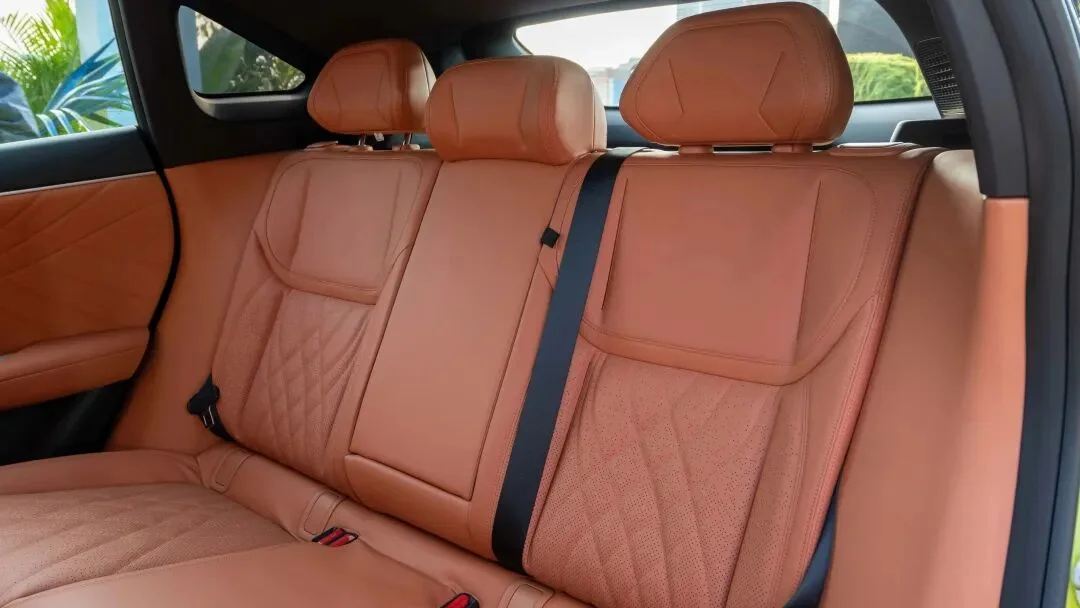
Rear-seat comfort on the S7 does not lag behind the front. The seating experience is plush and soft, and the SUV’s ample longitudinal space allows the rear seats to be positioned slightly higher, providing adequate leg support. The fine leather texture and slight sink-in feel contribute to a very satisfying rear passenger experience.
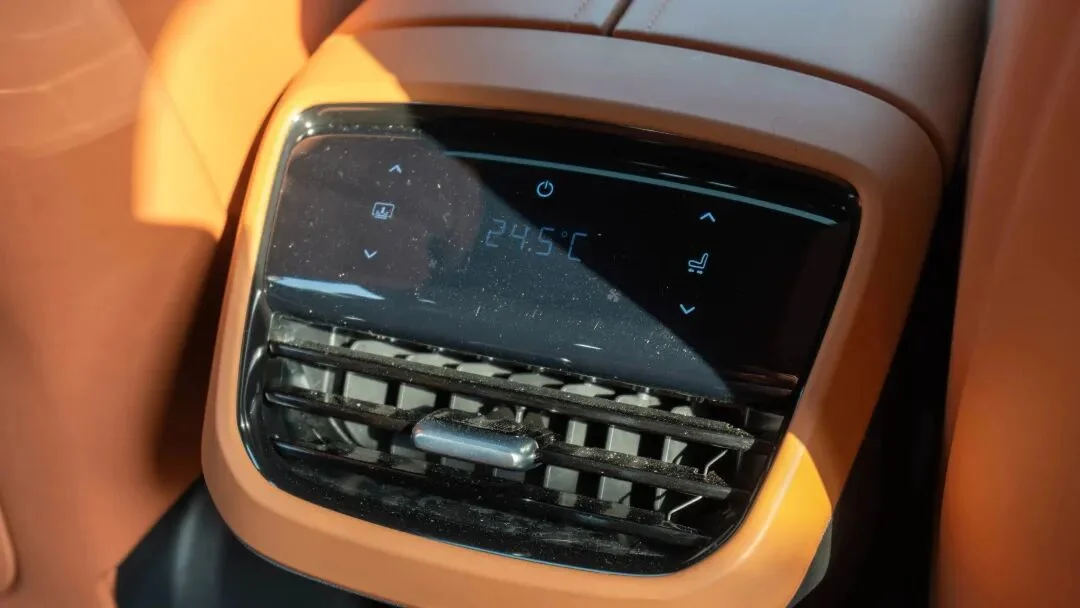
The Changan DEEPAL S7’s rear cabin includes a small control screen. Rear passengers can adjust the air conditioning, sunshades, and front seat positions, further enhancing the rear riding experience. Below the screen, there is a Type-C port; however, the limited quantity is somewhat disappointing.
To summarize the interior: The Changan DEEPAL S7 has clearly invested significant effort in creating a luxurious cabin atmosphere. The 'sparse' feel criticized by SL03 owners has been substantially improved in this model, demonstrating that DEEPAL listens to consumer feedback and translates it into product development—a practice worth praising.
However, criticism is warranted for the S7's window control and center console areas, where traces of imitation remain evident. For a fledgling brand, borrowing design cues can be an effective way to shorten development cycles and avoid pitfalls, but it risks damaging brand image and fails to provide consumers with unique memory anchors. To maintain long-term competitiveness, DEEPAL must deliver more original designs and marketing strategies to deepen consumer impressions.
03Conclusion
In less than a year since its establishment, Changan DEEPAL has secured a foothold in the market with the SL03. The launch of its second model, the S7, allows the brand to enter the highly potential SUV segment for competition.
Market feedback on the SL03 indicates that consumers are generally satisfied with Changan DEEPAL’s exterior design language. This static review confirms that the S7’s inherited family design language enhances brand recognition.
Although minor details show signs of imitation, delivering a more mature and luxurious interior design than the SL03 in such a short timeframe is impressive. It highlights the rapid response capability of DEEPAL’s engineering department, a necessary trait in today's fierce competitive landscape.
From a market perspective, the DEEPAL S7 faces formidable competitors like the Model Y, which boasts strong brand appeal.
Looking down, the DEEPAL S7 faces the newly released Leapmotor C11. Both offer dual powertrain routes of pure electric and extended-range. Leapmotor has priced the extended-range version with a 30.1 kWh battery pack at RMB 149,800; the version with a 43.74 kWh battery is only RMB 165,800. Objectively speaking, as an EREV based on an ICE architecture, the Leapmotor C11 will likely lose to the DEEPAL in terms of extended-range strategy and energy consumption control. However, consumers in this price segment are often highly sensitive to price, placing significant pressure on the DEEPAL S7.
According to prior information from the Ministry of Industry and Information Technology, the pure-electric version of the DEEPAL S7 has a battery capacity of 68.8/79.97 kWh and a range of 520/620 kilometers; the extended-range version features a 31.73 kWh battery with a pure-electric range of 160 km. In this price segment, relying solely on the card of "being cheaper" clearly does not win more chips.
From the SL03 to the S7, ChanganDEEPAL is shifting its competitive strategy. Moving from "competing on cost-effectiveness" to "competing on quality and refinement," ChanganDEEPAL has chosen a path that is difficult in the short term but beneficial in the long run.
That is enough to bring a sense of relief.
Written by: Mingming Edited by: Liu Guangding