


How the In-Car Screen Evolved From Niche Feature to Luxury Standard
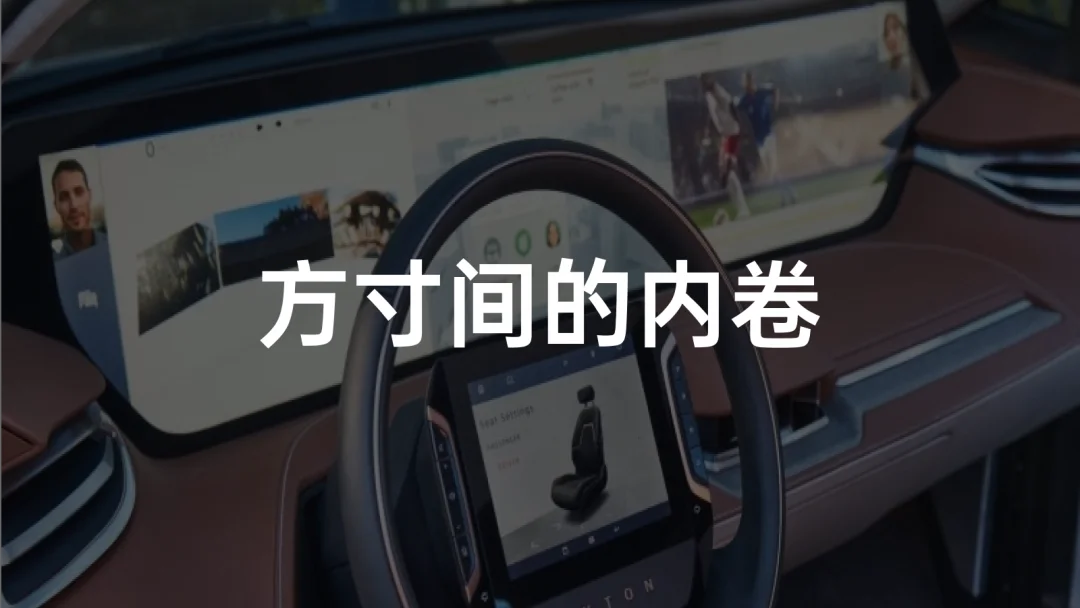
The history of cabin design is, in many ways, the history of the evolution of in-car screens.
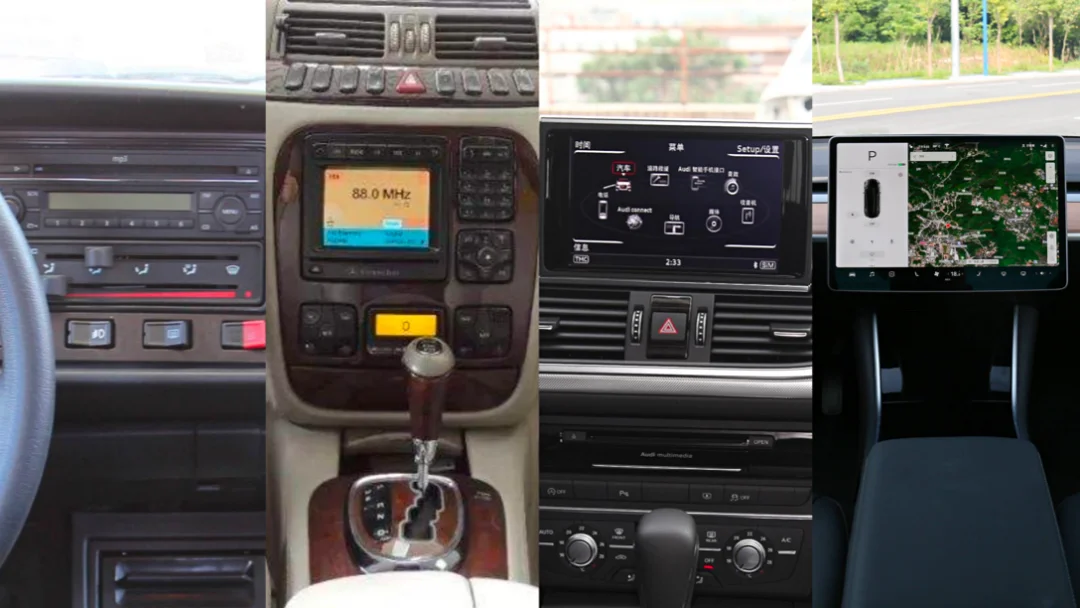
From the monochrome dot-matrix display on the older Sangtana radio to the 7-inch color LCD screen in the Mercedes-Benz W220; from the retractable folding screen in the Audi A6 to the prominent central large screen in the Model 3.
We can see that screen size and display quality have continuously improved, while their functional role and status within the cabin have become increasingly important.
01Bigger Is More Luxurious
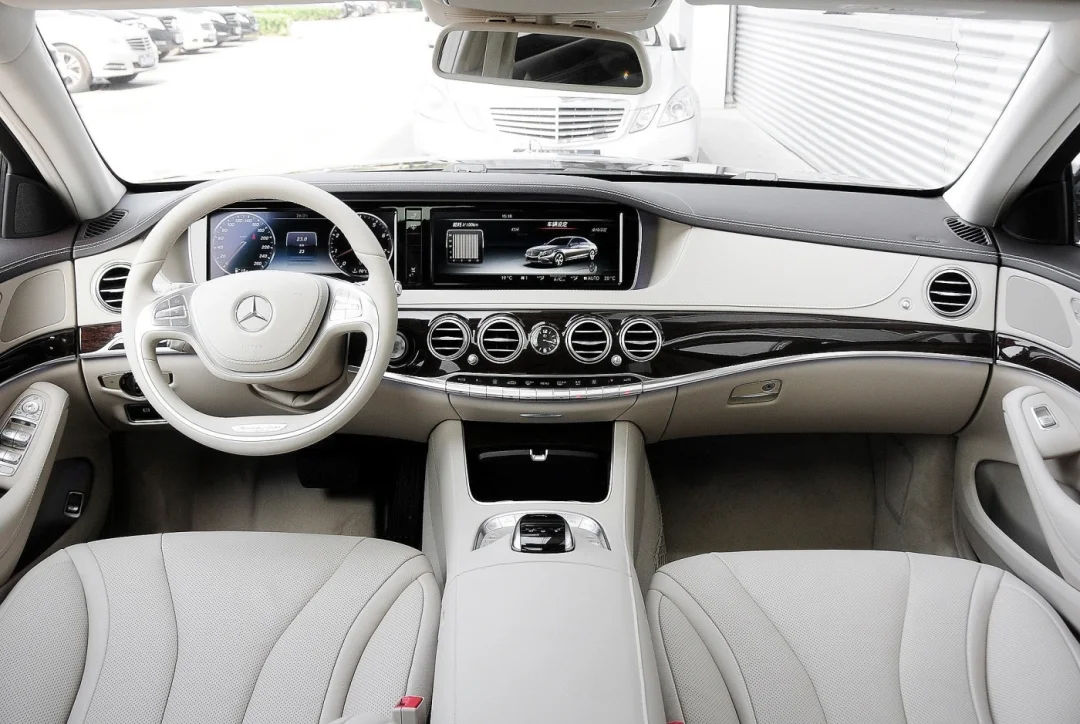
Just like televisions, consumers once believed that a larger screen in a car equated to greater luxury. In 2013, the all-new Mercedes-Benz S-Class (W222) debuted with a refreshed interior design featuring two 12.3-inch large screens, directly reshaping consumer perceptions of automotive interiors. This model helped the brand claim the top spot in global luxury vehicle sales.
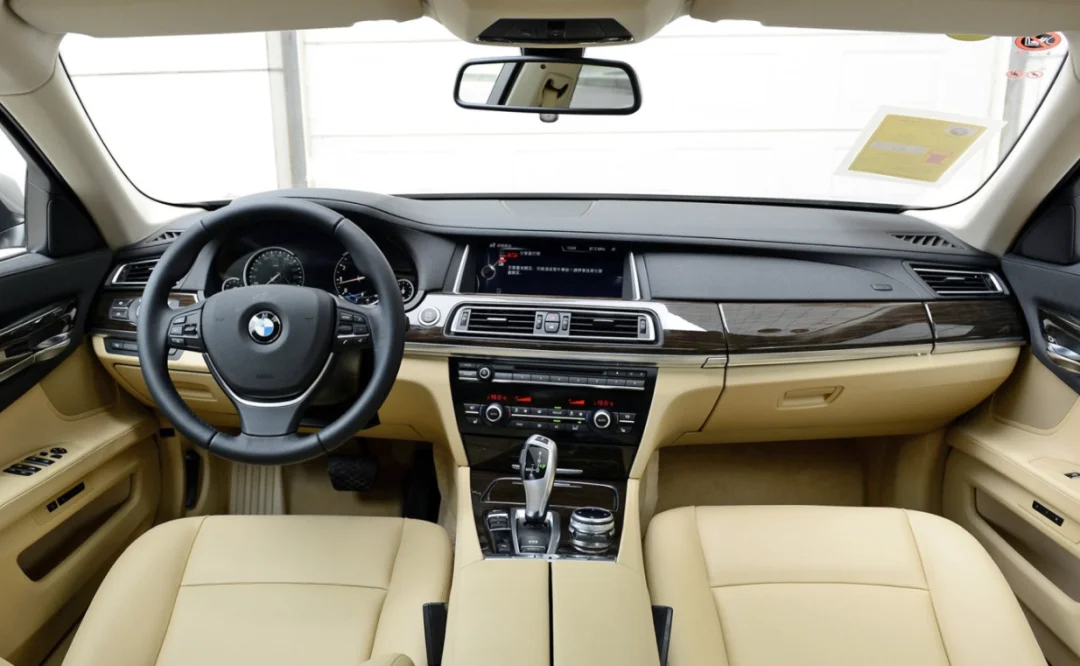
Just by looking at the interior, the same-year BMW 7 Series and Audi A8 were indeed far behind. The screen sizes of these three cars were not even in the same league.
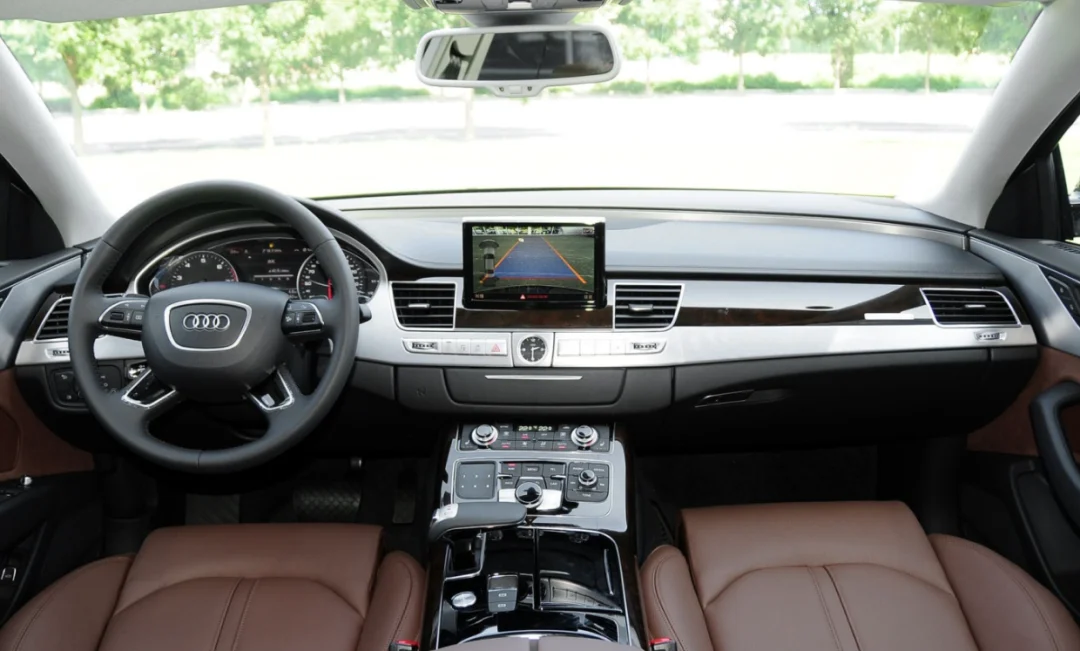
Although this cannot be entirely attributed to these two large screens, their dual-screen design was indeed regarded by consumers at the time as a symbol of luxury, attracting numerous imitators. From here on, the combination of a liquid-crystal instrument cluster and a large central control screen became standard for high-end vehicles, and the size and number of screens became key points in automakers' marketing of their products' luxurious attributes.
However, if we talk about size alone, there was an even more extreme presence back then: the Tesla Model S. This model went into production one year earlier than the W222. Looking at the interior of the 2012 Model S, while traditional automakers were still trying to gradually increase the size of in-car screens step by step, Tesla directly installed a massive 17-inch screen in the center console, equivalent to two full-sized iPads.
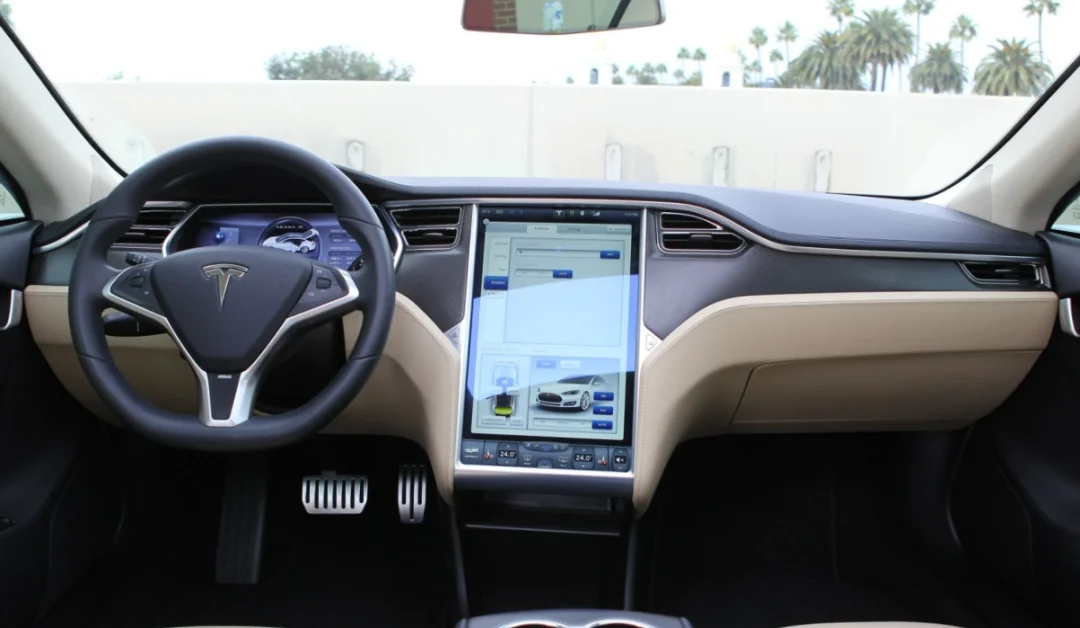
Not only in cars, but also in daily life, it was difficult for people to encounter such a large touch screen at that time. The visual impact on passengers can be imagined, and it naturally sparked huge controversy.
02Virtualization of Buttons
The controversy it sparked was driven by two factors: its then-unprecedented size, and its pioneering use of a screen to replace most physical buttons on a mass-production vehicle’s center console.
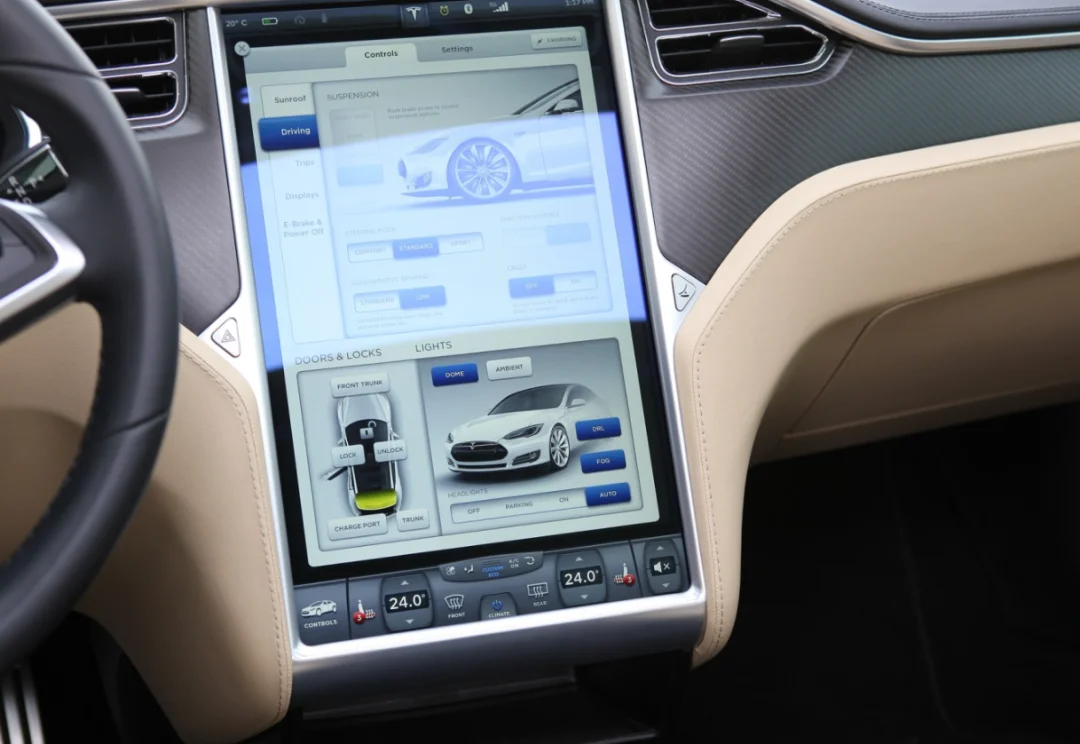
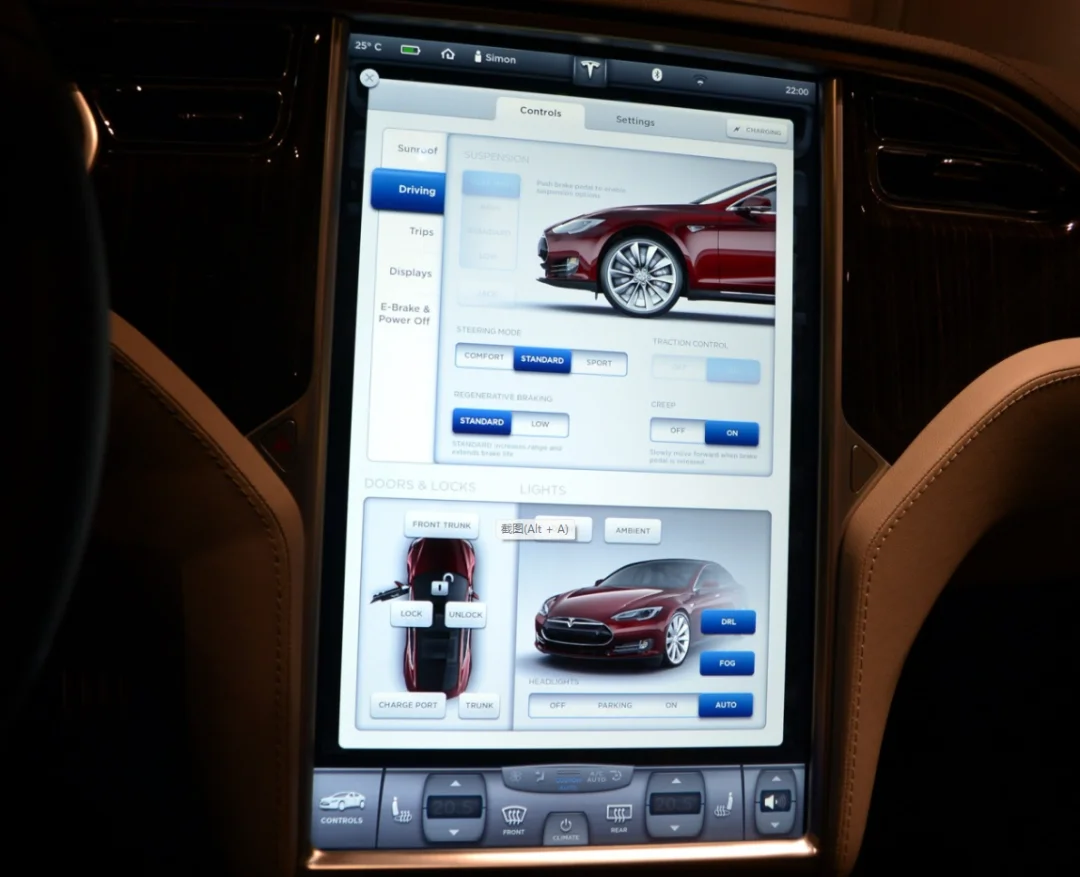
It is easy to see that the Model S features the cleanest center console design to date; a quick glance reveals only two physical buttons: one for the legally mandated hazard lights and another for opening the glove compartment.
If moving multimedia functions into cars triggered the first wave of in-vehicle screen adoption, the Model S accelerated the replacement of small screens with large ones by virtualizing physical controls.
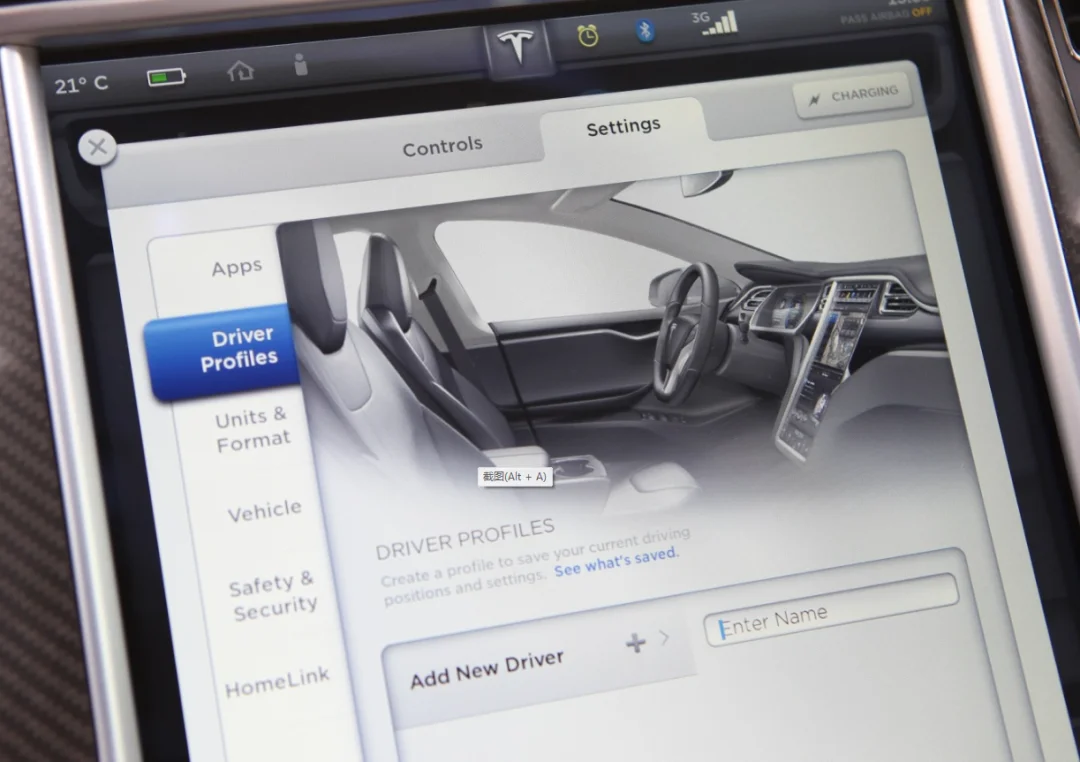
As a single screen takes on more functions, the number of control elements increases. To accommodate these elements without adding operational layers, the screen area must expand. The Model S controls far more functions than other vehicles, with 90% of its buttons integrated into the screen, making its large display a logical necessity.
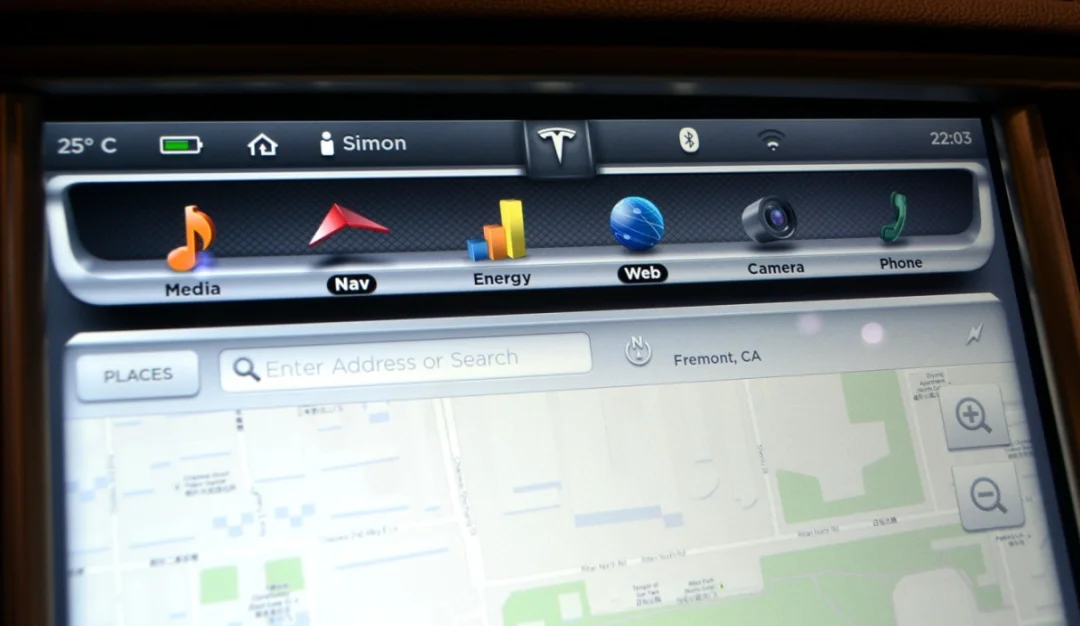
Early Tesla interfaces left almost no blank space, dedicating nearly every pixel to useful information. This underscores that using a large screen was not a whimsical decision by Tesla, but an inevitable outcome of deepening cabin intelligence.
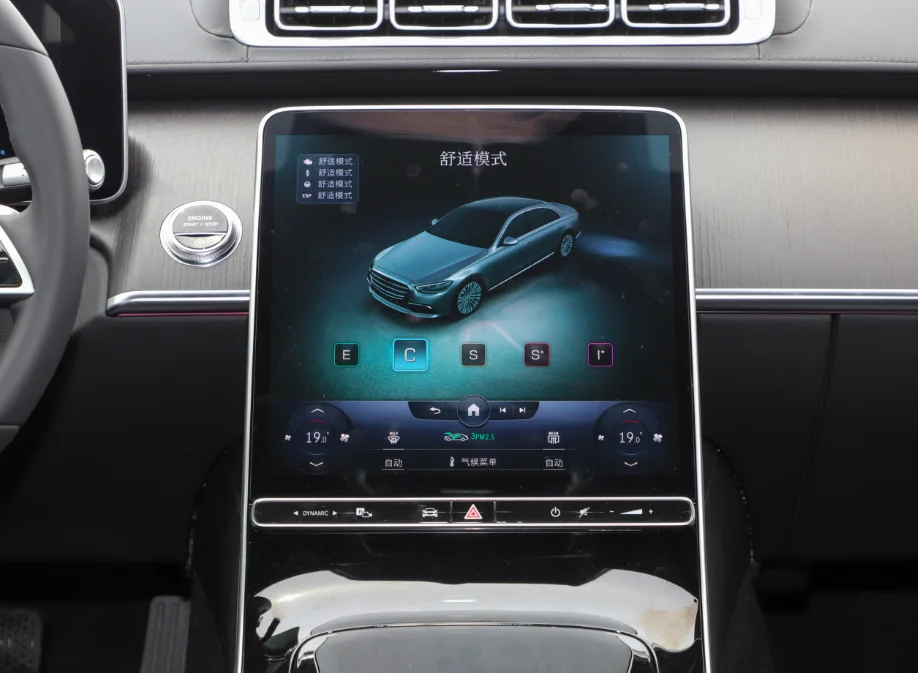
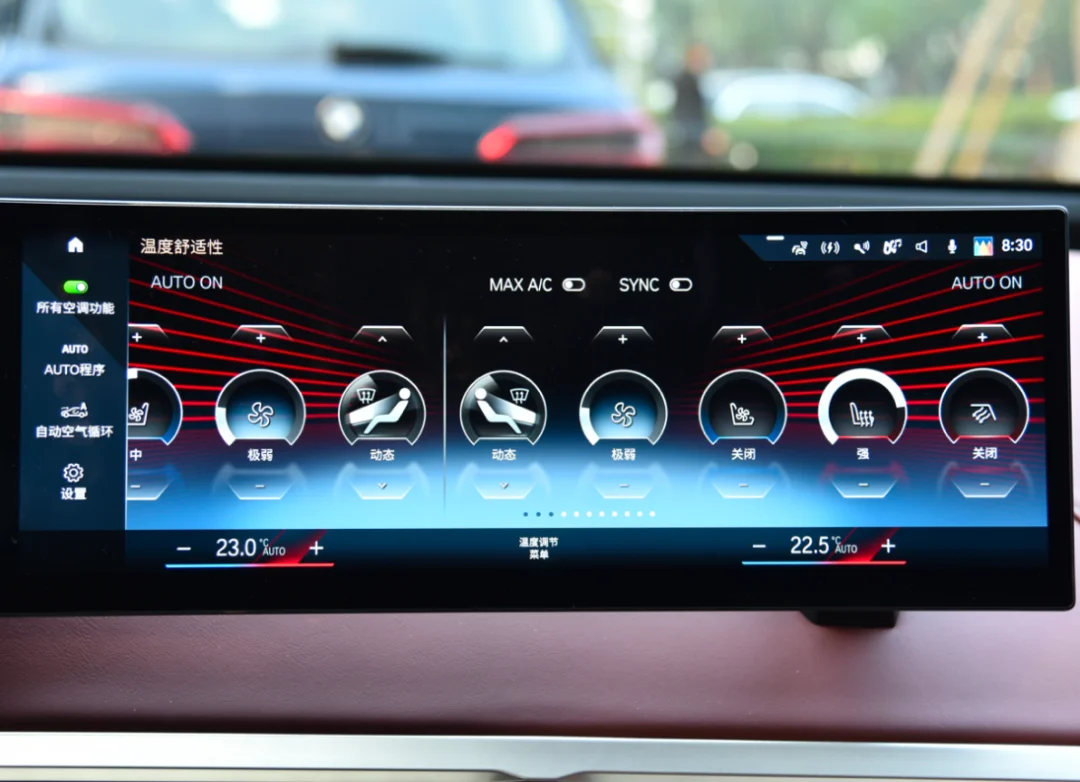
Facts show that replacing physical buttons with screens has become the mainstream approach for new products. Even traditional automakers are gradually substituting physical controls with virtual ones in their cabins. The new Mercedes-Benz S-Class (W223) is one example, and so is the BMW iX.
03The Arms Race Officially Begins
In the era of physical buttons, automakers would meticulously optimize the feel of buttons and knobs to enhance perceived quality and create differentiation. Some even carefully tuned the sound of knob rotation—the crisp, pleasing click—to ensure every user interaction was a delightful experience. The rotary controller on Audi’s MMI system, for instance, received widespread acclaim for its tactile feedback.
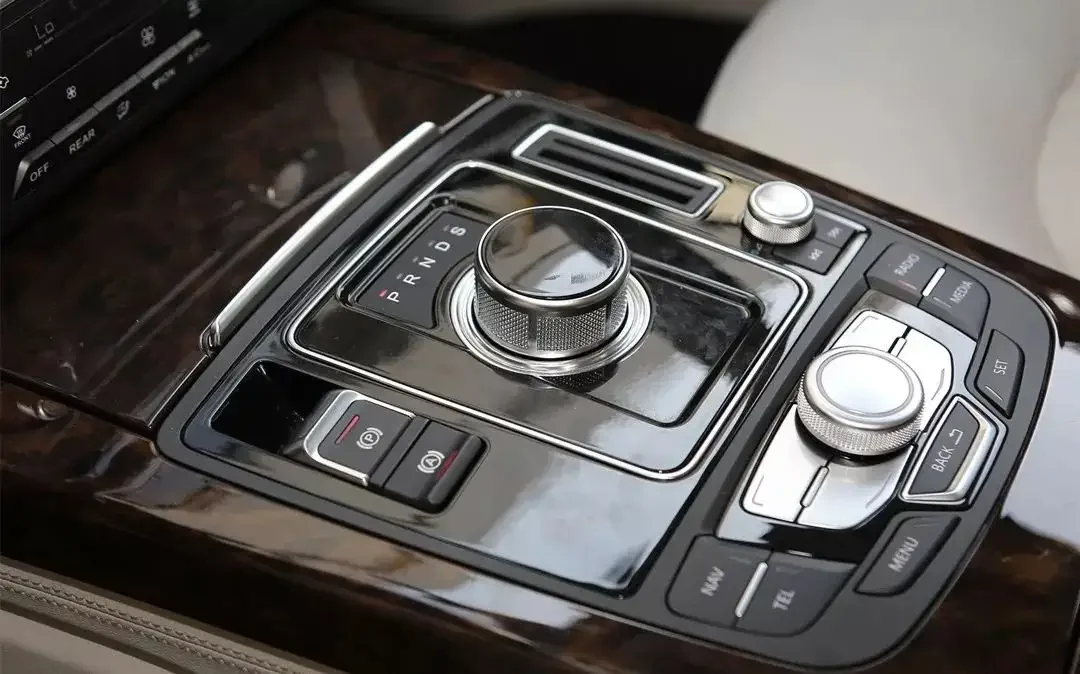
With the shift to virtual controls, where physical buttons are replaced by screens, how do manufacturers build premium quality and differentiation? The answer naturally lies in the screen itself. Thus begins an arms race within those few square inches.
Veteran drivers may still recall that car screens lagged behind mobile device screens by several years. Due to automotive-grade certification requirements and a historical lack of emphasis on screen quality, many vehicles adopted a 'good enough' approach, resulting in viewing experiences that were often disastrous: low resolution, severe color distortion, and poor viewing angles.
Now, even the screens in sub-100,000 RMB compact cars can reach a passing score of 60. Meanwhile, flagship models priced at three or four hundred thousand yuan arm every screen parameter to the teeth.
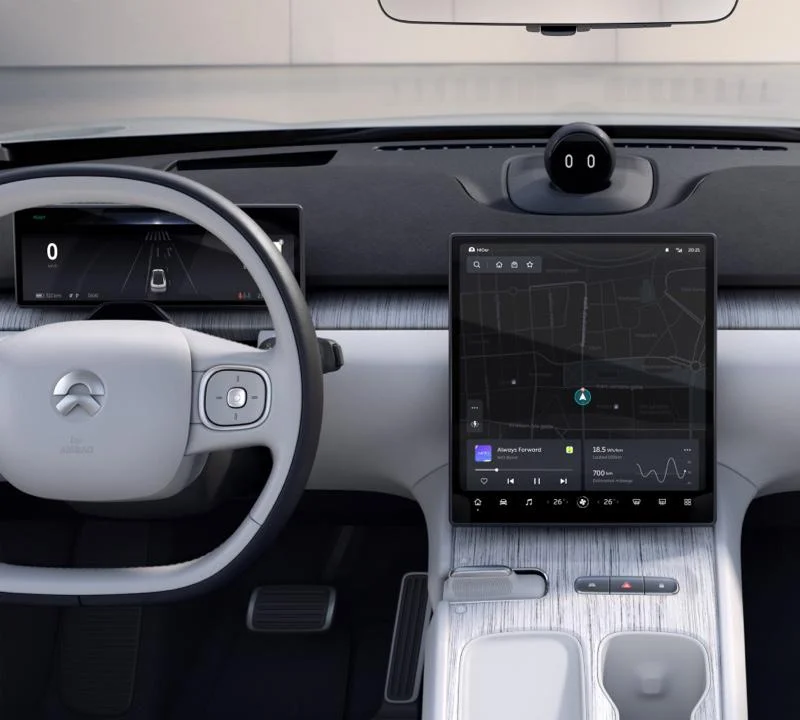
In the second half of 2022, several highly anticipated models set for delivery chose MiniLED and OLED. Amidst the screen arms race, these new display technologies have become standard in high-end vehicles, with some parameters surpassing those of mobile devices—a scenario unimaginable ten years ago.
04Why MiniLED and OLED?
To understand why everyone has chosen MiniLED and OLED, it is better to first look at the conditions that an excellent automotive screen must meet.
Visibility Under Sunlight
Given their outdoor use, car screens are frequently exposed to direct sunlight. The illuminance can reach up to 100,000 lux per square meter at peak intensity. Under such high ambient light conditions, ensuring clear visibility is not simple.

The first point is to increase screen brightness. Generally, the full-screen brightness of small-size LCD panels ranges from 80 nits to 700 nits, while MiniLED panels can easily achieve a full-screen brightness of 1,000 nits, with peak brightness exceeding 1,500 nits. Even under direct sunlight, the content displayed on the screen remains clearly visible.
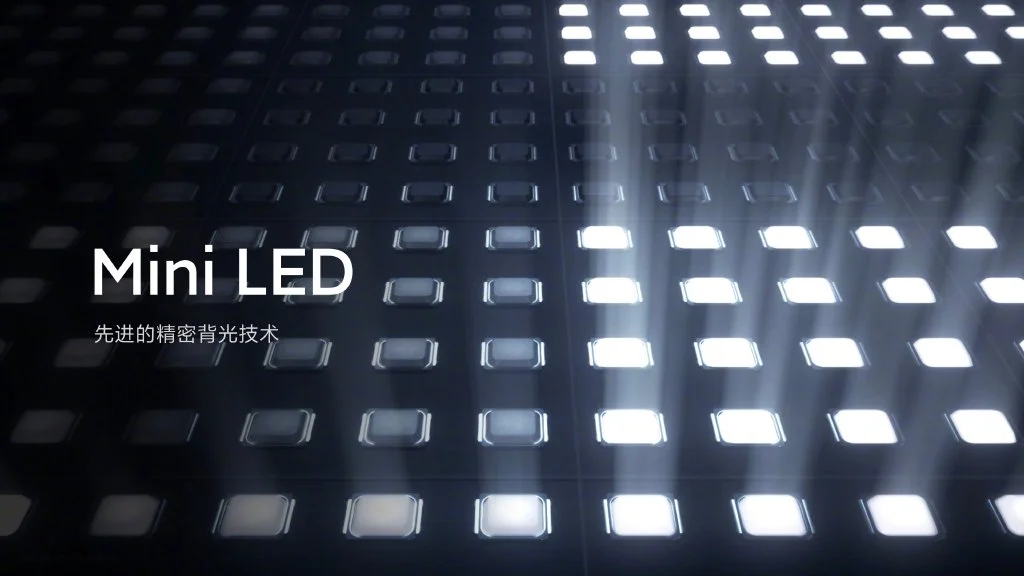
Furthermore, because it can independently turn off portions of the backlight and LED chips offer higher optoelectronic conversion efficiency than OLEDs, power consumption at equivalent display brightness is significantly lower than that of LCD and OLED screens, resulting in correspondingly less heat generation.
Under the premise of lower heat generation, MiniLED's independent small-size backlight module has higher heat dissipation efficiency than LCD under high-brightness display conditions.
In addition to meeting brightness requirements, high contrast and full-lamination technology are also essential conditions for viewing the screen clearly in sunlight. High contrast enhances the distinction between content and the background, while full-lamination technology reduces screen glare. On these two points, OLED offers greater advantages; it also provides a wider viewing angle, making it more suitable for center console screens to ensure a good viewing experience for occupants in all seats.
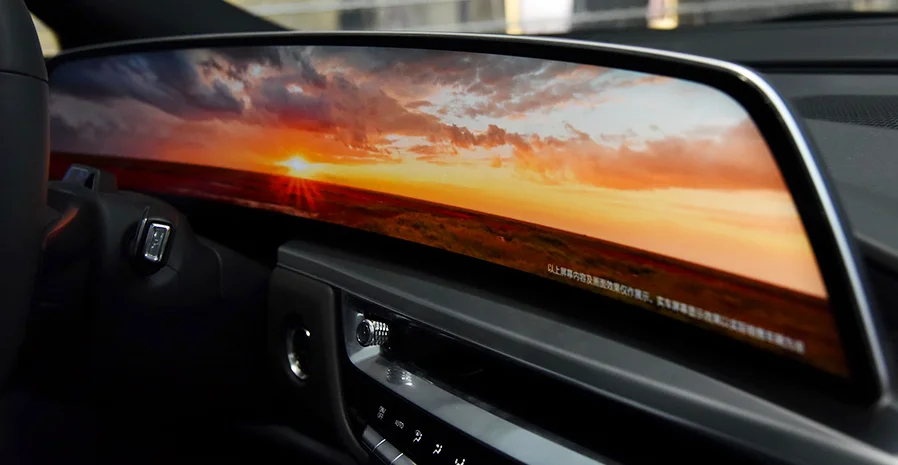
It Must Also Be Comfortable to Look At
Seeing clearly is only the first requirement. To achieve visual comfort, factors such as screen size, resolution, pixels per inch (PPI), refresh rate, and color accuracy come into play. Based on Apple’s Retina display standards and the typical viewing distances to instrument cluster and center console screens, we can estimate that an instrument cluster screen should have a PPI of at least 180, and a center console screen at least 150, to render pixelation invisible under normal viewing conditions.
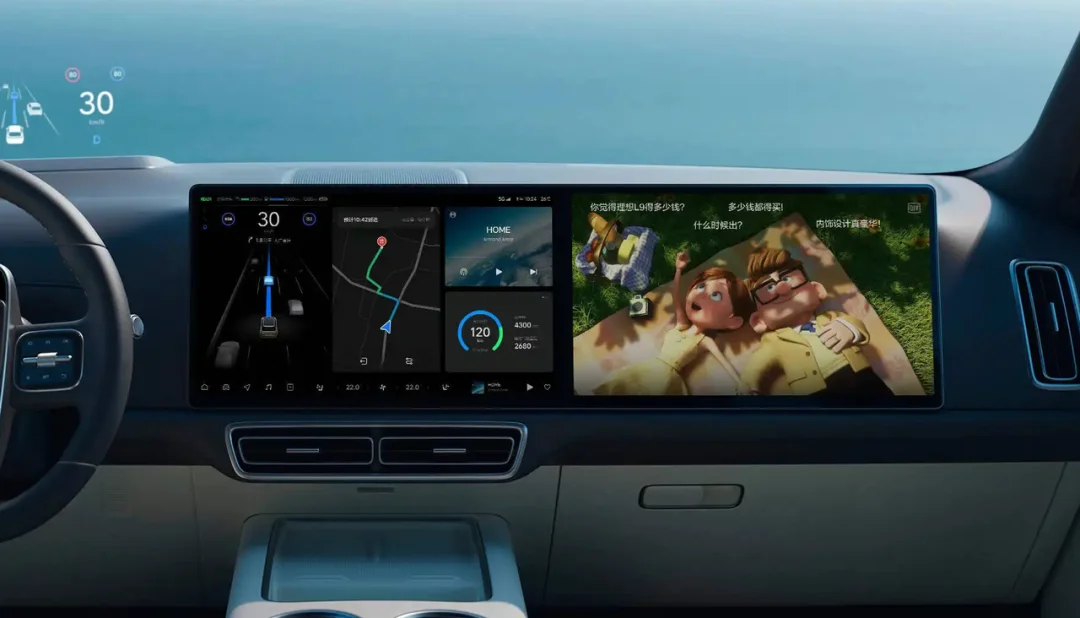
Data from the 42HOW Auto App’s vehicle database shows that several flagship models launched in 2022 met these criteria.
Having resolved the issues of resolution and PPI, the next step forward involves refresh rate and color. Refresh rate is a concept most people are familiar with; a higher refresh rate means a smoother display effect. Currently, the screen refresh rates used in the vast majority of automotive cockpits are 60 Hz. Given that they are all 60 Hz, why do some brands' 60 Hz displays feel smoother?
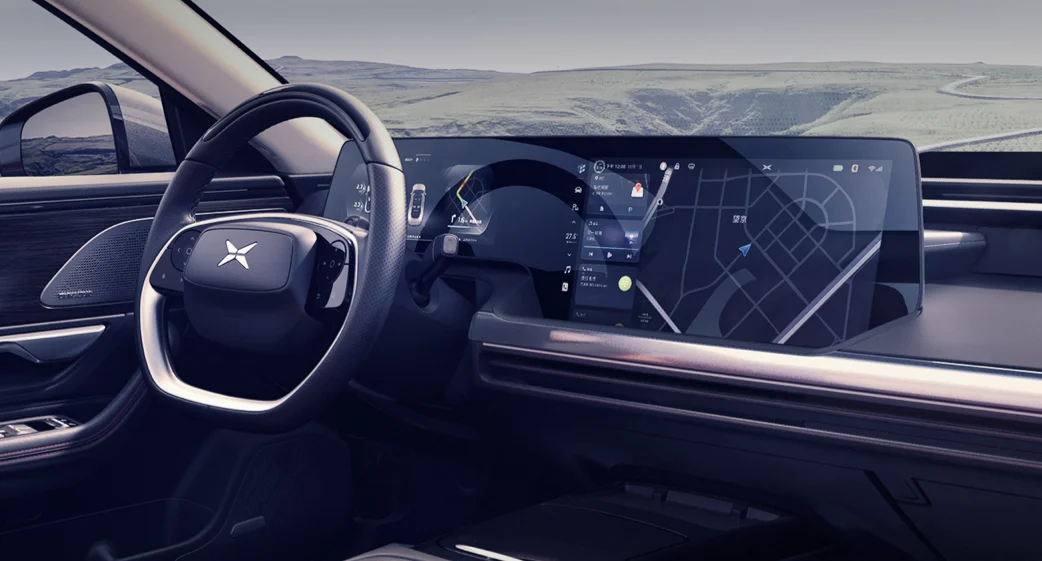
The reason lies in hardware-software synchronization. While some infotainment systems feature screens with a true 60 Hz hardware refresh rate, their system frame rates may fall short of 60 frames per second. Consequently, even though the screen is capable of 60 Hz, it is limited to displaying animations below 60 fps, resulting in a less fluid user experience.
Color performance is perhaps the most overlooked aspect of automotive infotainment screens. Historically, these screens primarily displayed functional graphics, where color fidelity was not a high priority. As a result, few automakers highlight color specifications in their marketing materials. However, as new models increasingly emphasize in-car audio-visual entertainment, the demand for superior color reproduction becomes inevitable when users watch videos.
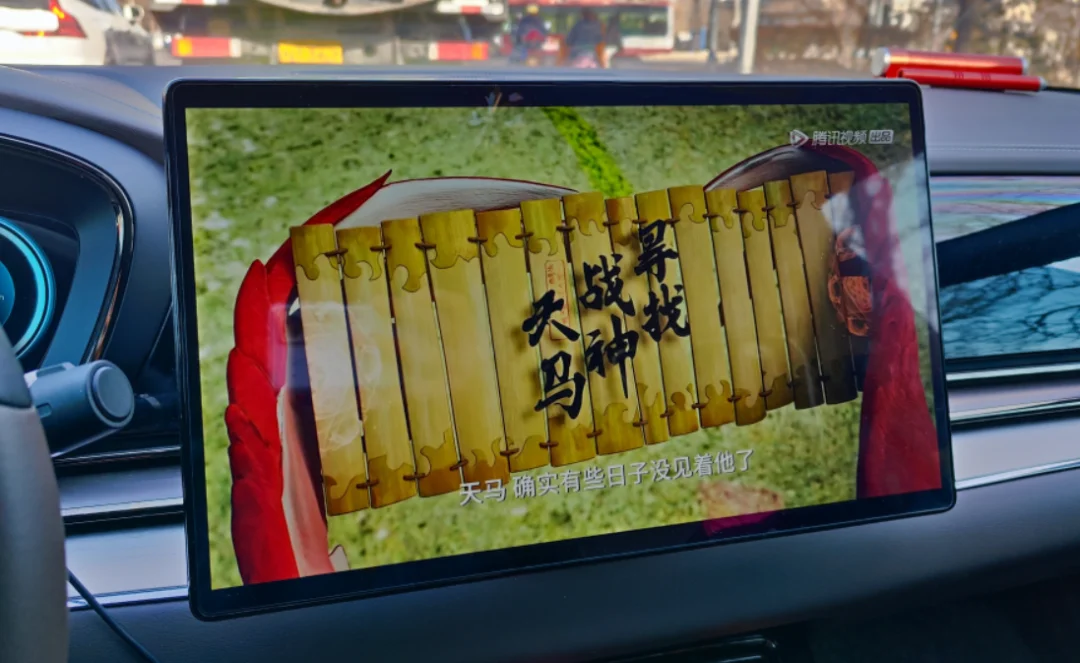
In summary, a qualified automotive display requires a peak brightness of at least 800 nits, a pixel density exceeding the Retina standard, a contrast ratio of more than 1500:1, a refresh rate of 60 Hz, and full lamination. These specifications ensure clear visibility in sunlight, sharp image quality, and smooth operation without noticeable lag.
As time progresses, screens will support an expanding array of functions, raising user expectations further. Recent products demonstrate that displays are being integrated into more locations, such as passenger entertainment screens, front-center control panels, rear-seat controls, and aisle-mounted entertainment units. As passengers adapt to the growing number of screens in the cabin, and after reaching a peak in quantity, what interactive innovations will automakers deliver through these displays?
Written by: Kaixiang Edited by: Liusan