


Tesla Opens Texas Gigafactory; NIO Raises Prices; smart #1 Debuts
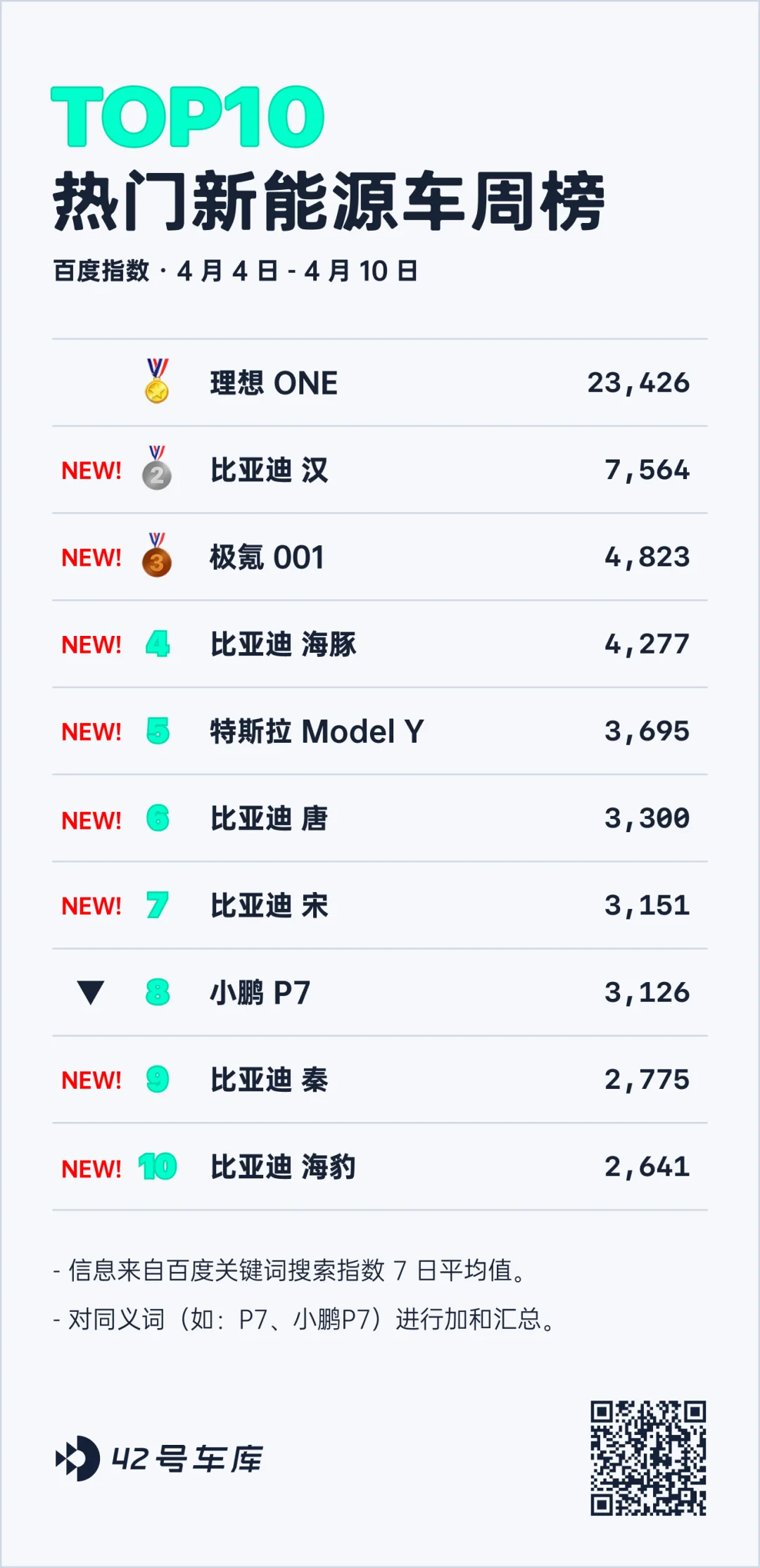
01Weekly Index
02Weekly Highlights
Tesla Texas Factory Opening Ceremony
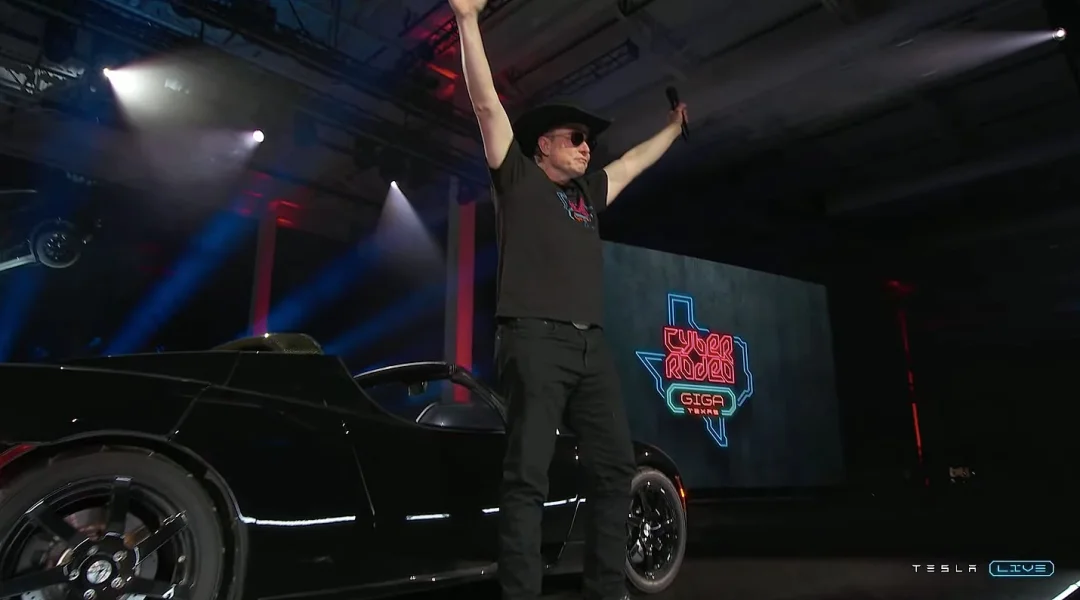
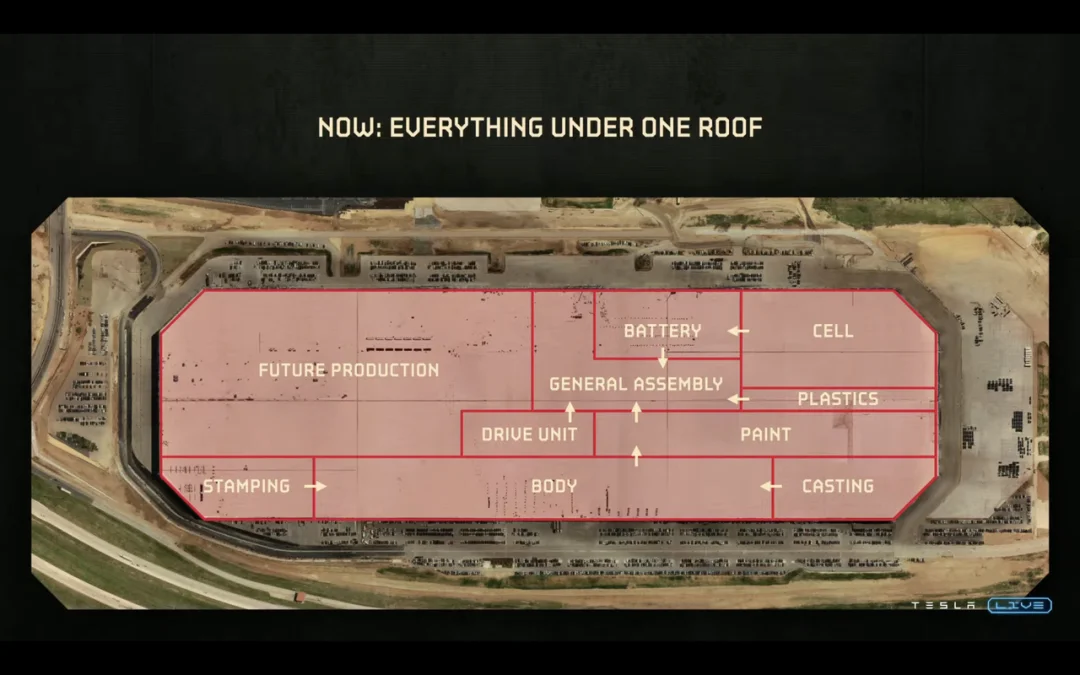
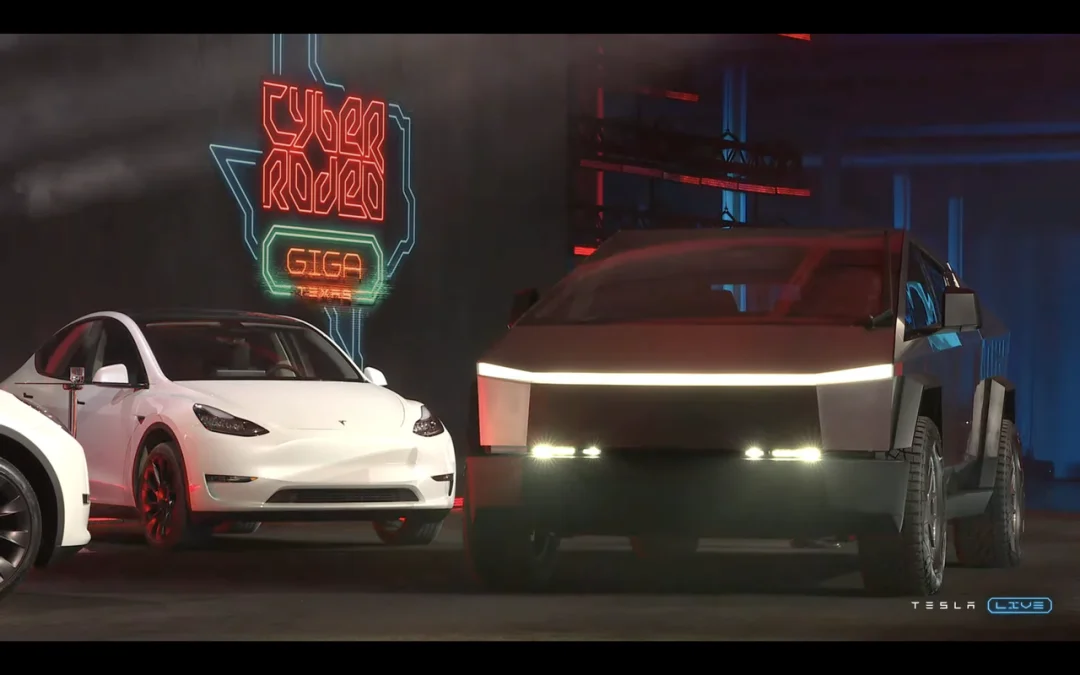
On April 7, 2022, Tesla held a grand opening ceremony at its Gigafactory Texas, inviting numerous media outlets and users to the new facility for the Cyber Rodeo celebration. Elon Musk described the Texas factory as a "machine that builds machines," noting that all vehicle production processes—including drivetrain components, body structures, and battery packs—are integrated and completed within a single site.
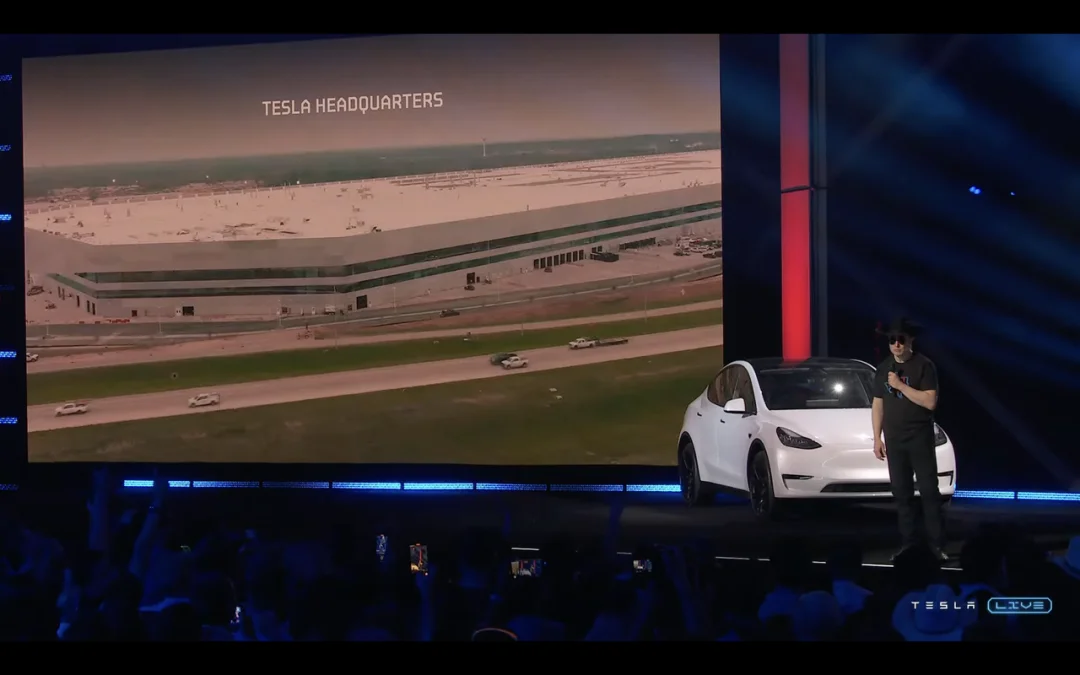
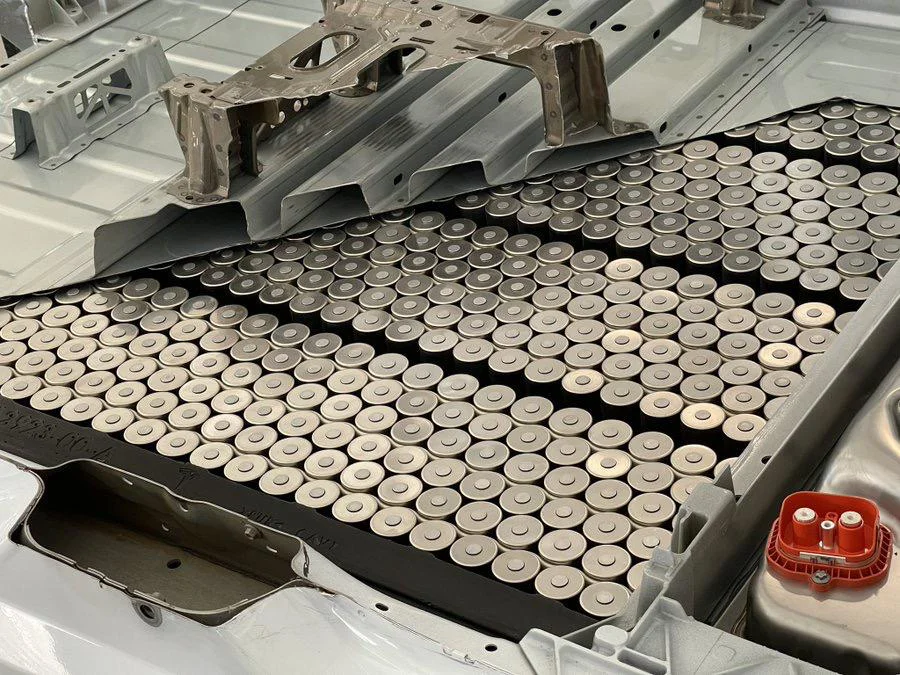
To celebrate the new facility's completion, Tesla also showcased the new 4680 battery pack-equipped Model Y on-site.
Inside the event venue, Tesla demonstrated how the 4680 battery integrates with the chassis via Cell-to-Chassis (CTC) technology, maximizing space utilization.
During the presentation, Elon Musk announced that Tesla would mass-produce three new models in 2023: the Cybertruck, Semi, and Roadster 2. The company also plans to launch a Robotaxi featuring an "unbelievable design."
Editor's Take:
Recall Elon Musk’s 2019 boast: he declared the Model S, launched in 2012, the world’s best electric vehicle. Seven years later, he maintained that no competitor could come close.
In the rapidly evolving automotive industry, only a handful of manufacturers have the capability to create such enduring models. This is even more true in the EV sector. This achievement underscores Tesla’s high standards and comprehensive forward-looking capabilities in long-term product strength, scale production, and overall industrial design.
This is why Tesla can go three years without launching any new vehicles after the Model Y, yet still ranked first among all manufacturers in new energy vehicle sales in 2021 with 936,172 units sold.
With the Berlin and Texas factories now operational, the Model Y has officially begun its charge toward becoming the world’s top-selling single-model vehicle annually. A $60,000 "electric deity" aiming to dethrone Toyota’s legendary Corolla from its top spot is what we are witnessing today—a milestone we may well see realized within the next two years. This process will accompany revolutionary changes in automobile manufacturing while simultaneously driving the global transformation of the automotive and energy industries.
NIO Announces Price Increases for Vehicles and BaaS
NIO announced on the 10th that, due to the sustained and significant rise in global raw material prices this year, it will adjust the prices of its vehicles appropriately starting May 10, 2022. The specific adjustments are as follows: The starting prices for all versions of the ES8, ES6, and EC6 will increase by RMB 10,000; the starting prices for the ET7 and ET5 remain unchanged.
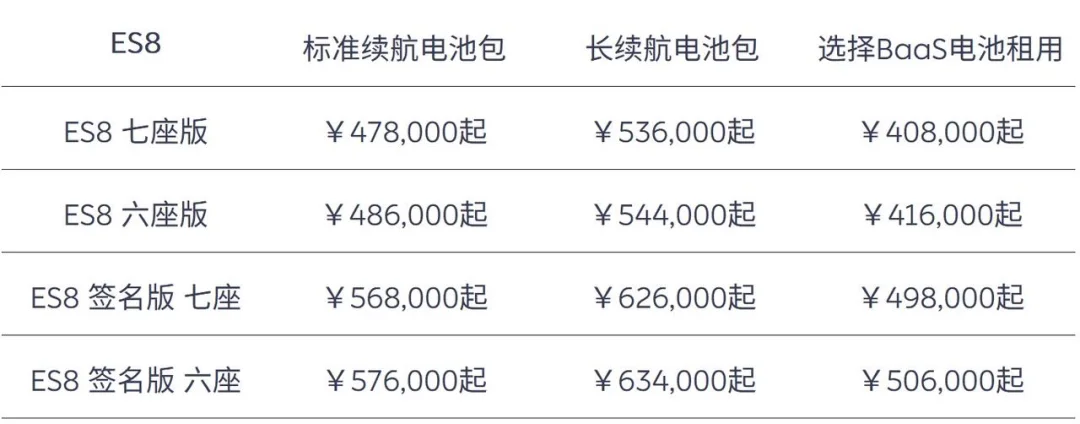
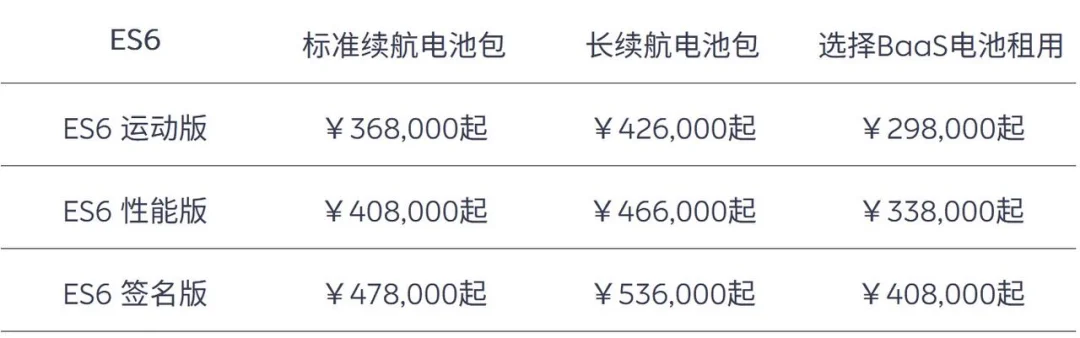
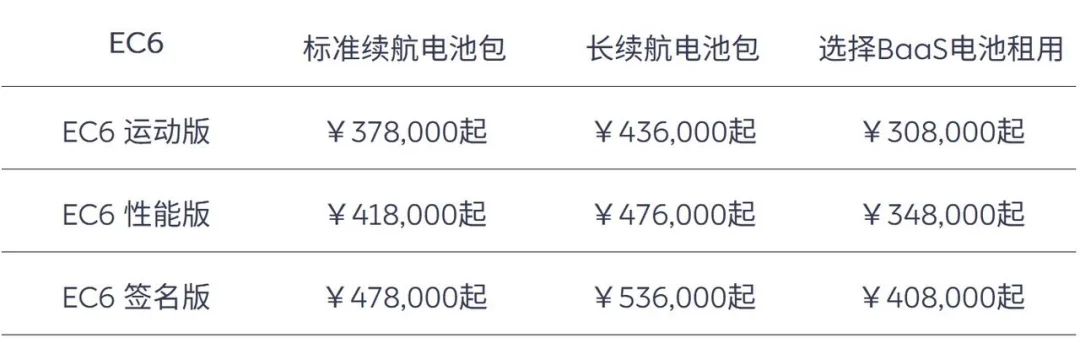
Meanwhile, the monthly battery-as-a-service (BaaS) fee for the long-range battery pack has been adjusted from RMB 1,480 to RMB 1,680, an increase of RMB 200 per month. The BaaS fee for the standard-range battery pack remains unchanged at RMB 980 per month. Existing customers are not affected by this adjustment.

Additionally, the annual price for flexible upgrades to the long-range battery pack has been adjusted to RMB 9,800 per year; the monthly flexible upgrade price remains unchanged at RMB 880.
Customers who paid deposits for the ES8, ES6, EC6, or ET7, or reservation deposits for the ET5 on or before May 9, 2022, are exempt from these pricing adjustments for vehicle purchase and battery rental services.
NIO announced yesterday that due to the pandemic, suppliers in Jilin, Shanghai, Jiangsu, and other locations have been intermittently halting production since March and have not yet resumed operations. As a result, NIO’s complete vehicle production has been suspended.
Due to the above reasons, vehicle deliveries for some users will be delayed. NIO stated that it will work with suppliers to resume production and restore vehicle manufacturing and deliveries as soon as possible, while complying with epidemic prevention requirements.
Editor's Comment:
In the first three months, dozens of automakers including Tesla, XPENG, Lixiang, BYD, and Jihu announced price increases for their new energy vehicles, with hikes ranging from several thousand to tens of thousands of yuan. The main reason is the rise in battery and raw material costs. This is evident from lithium carbonate prices. According to reports, battery-grade lithium carbonate prices broke through RMB 500,000 per ton in early March, an 80% increase from the RMB 278,000 per ton quoted on January 4.
The rapid growth in global demand for new energy vehicles has created a cascading amplification effect on demand in the battery and materials sectors, which is the main reason for the significant surge in lithium carbonate prices since last year. It is expected that the supply and demand balance for lithium resources may return to normal after two to three years.
William Li, founder, chairman, and CEO of NIO, stated that raw materials, particularly those for batteries, have risen too much this year, and there are no signs of a downward trend in the near future. He had originally intended to absorb the cost increases, but the pandemic made it unsustainable. The price hike was unavoidable, and he asked for understanding.
smart #1 Launches
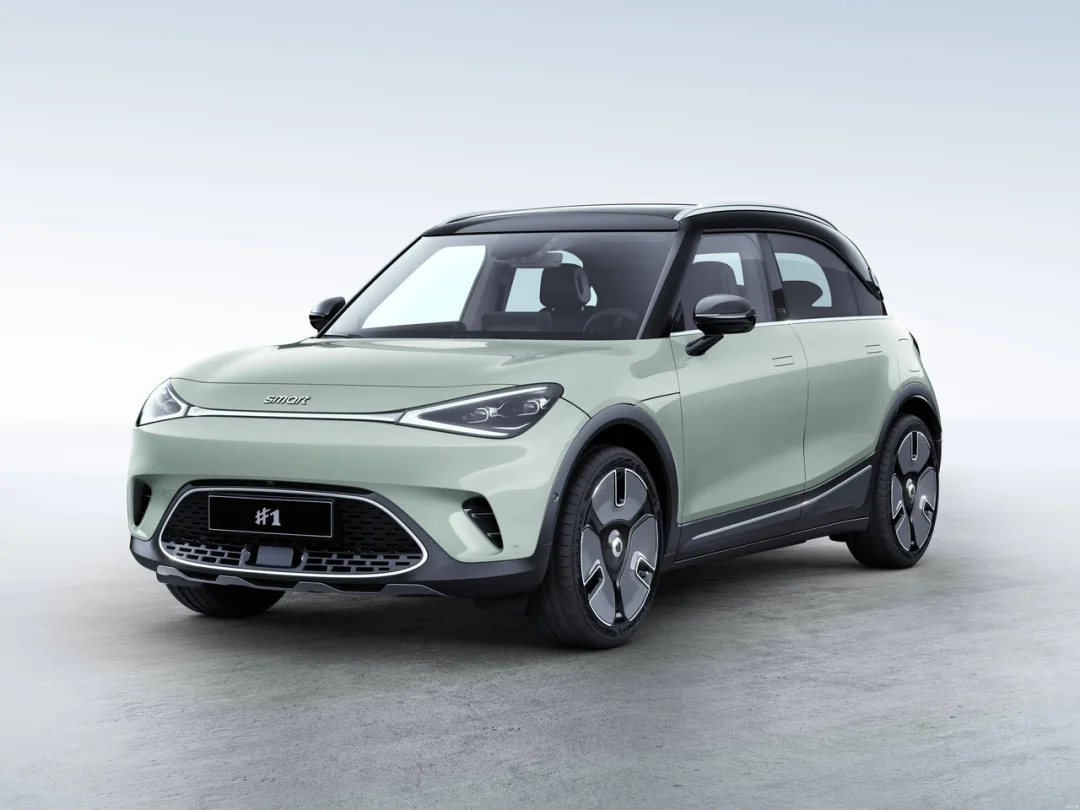
On April 8, the smart #1 was unveiled in Berlin, the capital of Germany. Positioned as a pure electric compact SUV, the model features design led by Mercedes-Benz and manufacturing by Geely, built on Geely’s SEA (Sustainable Experience Architecture) platform. The smart #1 will be produced domestically in China and exported to Europe, with official deliveries expected to begin in December 2022.
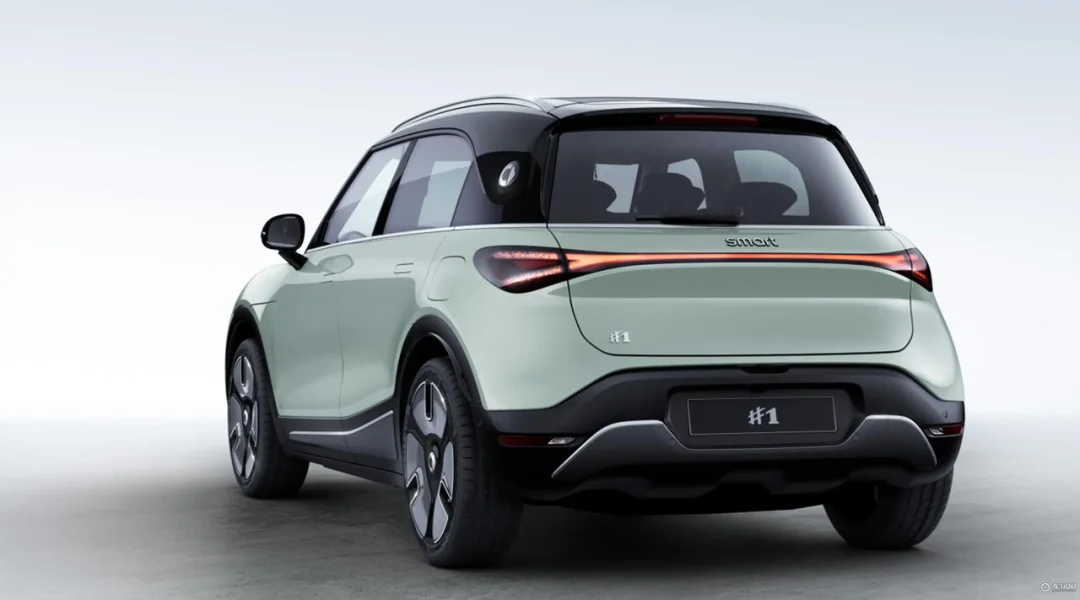
Built on the Geely SEA (Sustainable Experience Architecture) pure electric platform, it is positioned as a compact SUV.
Features include heated seats, lane-change indicators, and a head-up display.
A rear-mounted permanent magnet synchronous motor delivers a peak power of 200 kW and a peak torque of 343 N·m, enabling acceleration from zero to one hundred in 6.7 seconds;
Equipped with a 66 kWh ternary lithium-ion battery pack, it offers a maximum range of 560 kilometers under CLTC testing conditions.
Supports 7.2 kW AC slow charging, 100 kW DC fast charging, and 150 kW DC ultra-fast charging, replenishing the battery from 5% to 80% in as little as 30 minutes.
The vehicle measures 4,270 x 1,822 x 1,636 mm with a wheelbase of 2,750 mm, fitted with 19-inch wheels and tires sized 235/45 R19.
Frunk capacity is 15 liters; trunk capacity ranges from 323 to 411 liters (with second-row seats split 4/6, sliding, or folded flat) and expands to 986 liters.
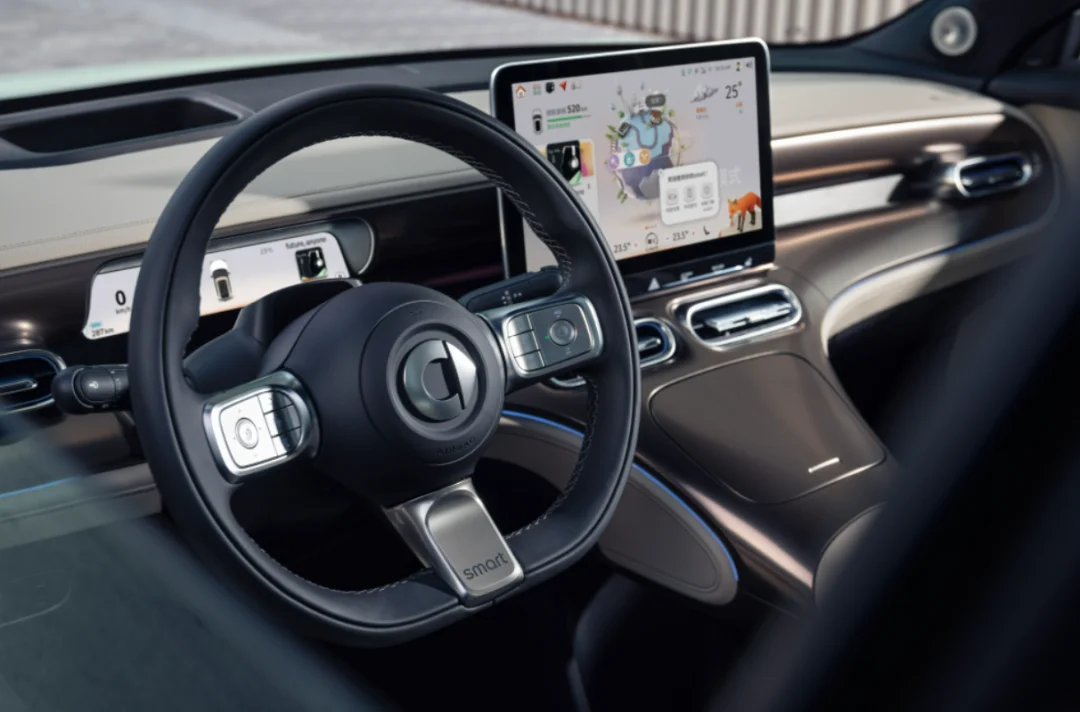
12.8-inch floating central control touchscreen with a resolution of 1,920 x 1,080; infotainment system hardware featuring 12 GB of RAM and 128 GB of storage; and a 9.2-inch full-HD digital instrument cluster.
The smart Pilot intelligent driver assistance system supports: Adaptive Cruise Control (ACC), Lane Keeping Assist (LKA), Blind Spot Detection (BSD), Traffic Jam Assist (TJA), Automatic Parking Assist (APA), and adaptive high/low beam adjustment.
Quick Take:
Joint ventures and co-developed products between different brands will bring more unique and interesting offerings to the market.
For the broader home electric vehicle market, the smart #1 is destined to target a specific niche. This makes it difficult to leverage economies of scale for cost advantages. Furthermore, given the relationship between the smart #1 and the Mercedes-Benz EQ series, it is unlikely that the smart #1’s pricing will fall below RMB 300,000.
The target audience for the all-electric smart brand may overlap somewhat with Mercedes-Benz’s recent pure electric models. Considering smart’s equity structure, how Mercedes-Benz manages the entry-level products of its EQ series in relation to smart’s product planning, pricing, and sales channels will be an intriguing development to watch.
AVATR 011 MMW Collaboration Edition Released
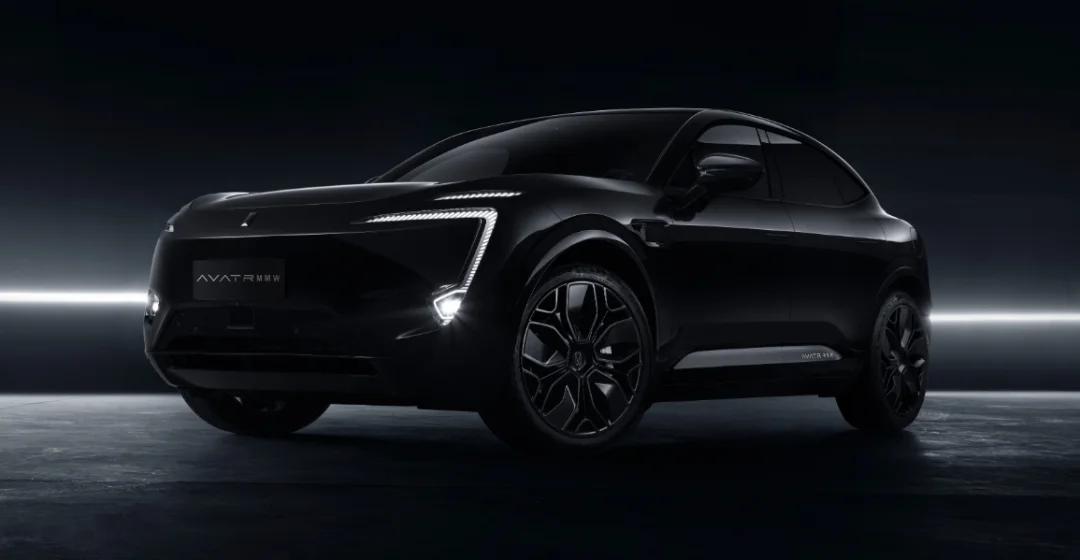
AVATR unveiled a special edition AVATR 011 in collaboration with MMW on April 8, with limited production of 500 units. MMW is the abbreviation for Matthew M. Williams, founder of the fashion brand 1017 ALYX 9SM and current creative director at GIVENCHY, who has taken over design leadership at the house.
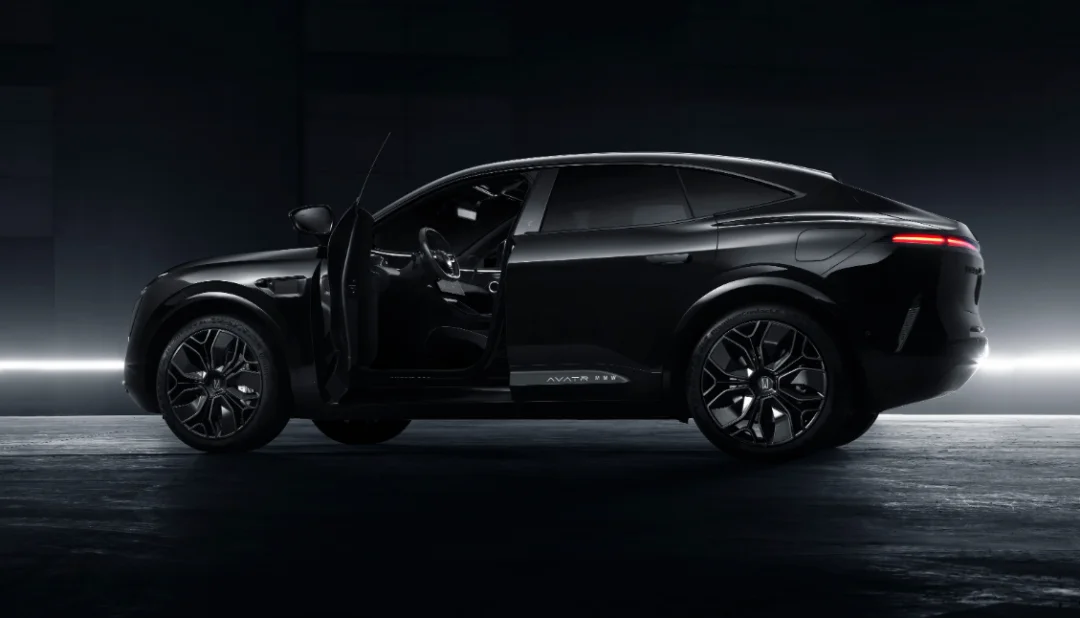
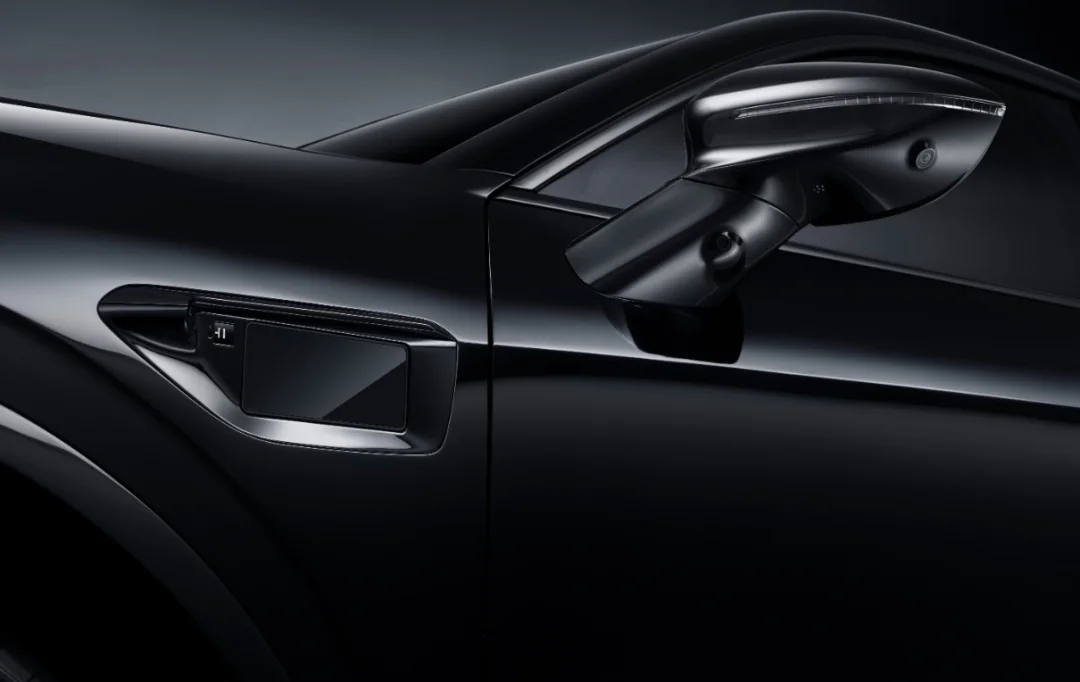
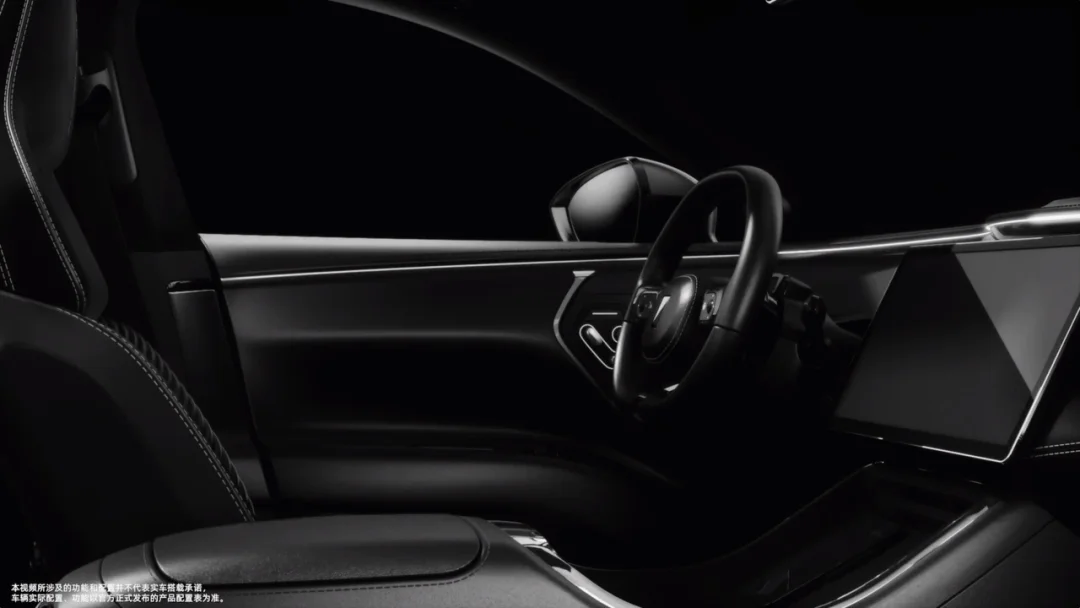
Built on the foundation of the AVATR 11, the AVATR 011 features an all-black exterior and interior color scheme. The blacking-out treatment is thorough, extending even to the red Huawei HI logo, which has been changed to black.
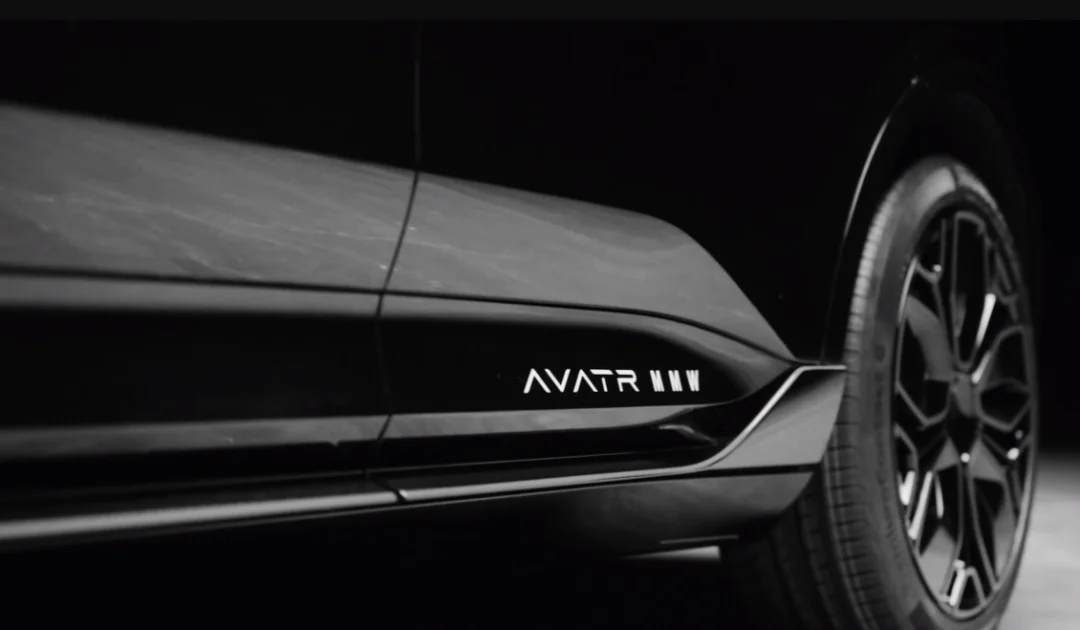
The side skirts display the MMW logo and include added aerodynamic fins.
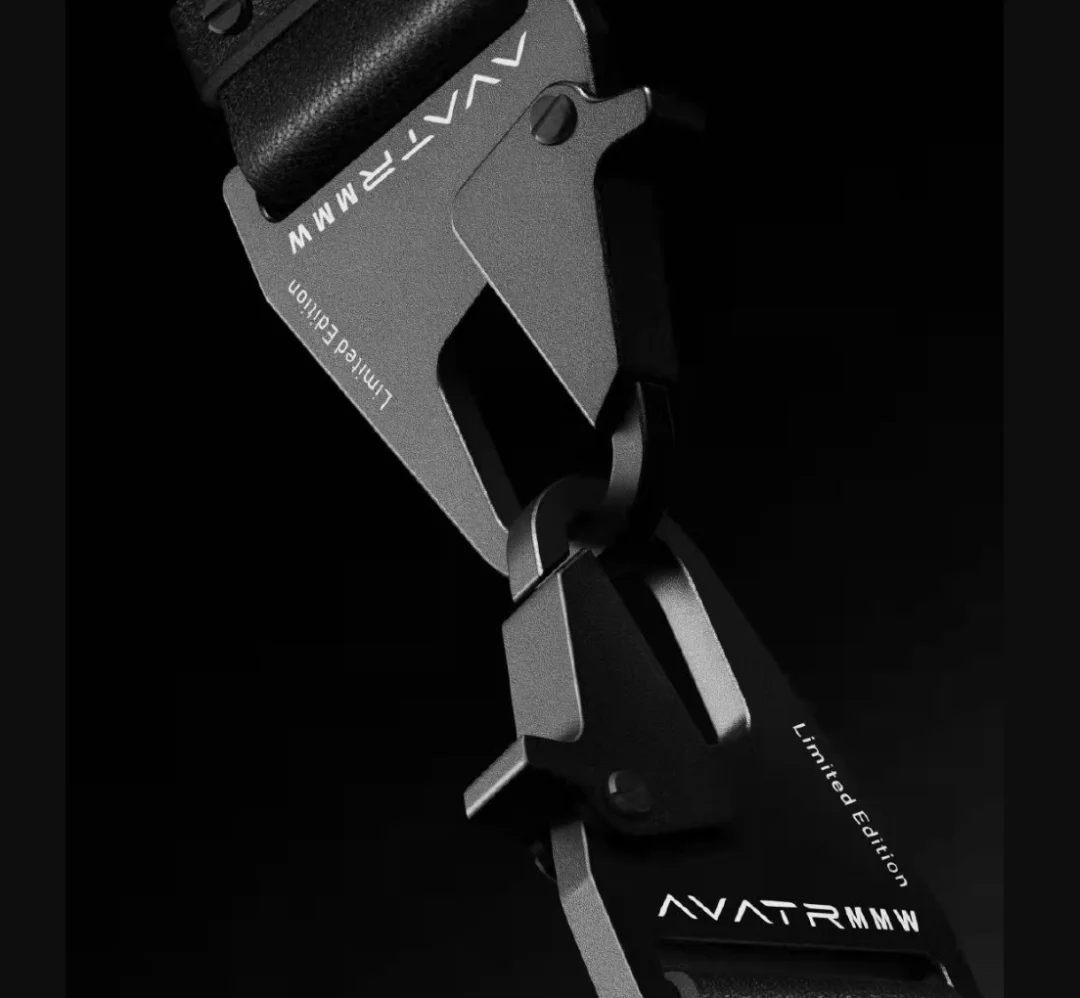
Inside, the limited-edition AVATR 011 extensively uses Nappa and Nuprima leather. The seat design echoes the vehicle's exterior styling. Buckles exclusively designed by MMW can be found on the rear of the front seats, the storage compartment below the center console, and the cargo tie-downs in the trunk.
Editor's Take:
AVATR secured its partnership with MMW largely due to the influence of Wang Lin, the brand's Chief Marketing Officer. Wang has held senior brand management roles at several globally renowned fashion companies, including Apple Retail Greater China and Chanel China, accumulating over 20 years of experience in luxury goods, technology, and lifestyle sectors. This collaboration with MMW underscores AVATR's focus on fashion and trends. Whether AVATR can truly achieve brand premiumization through such partnerships will depend on its future product strength and service capabilities.
VOYAH Dreamer Unveils Pre-sale Prices: RMB 380,000–600,000
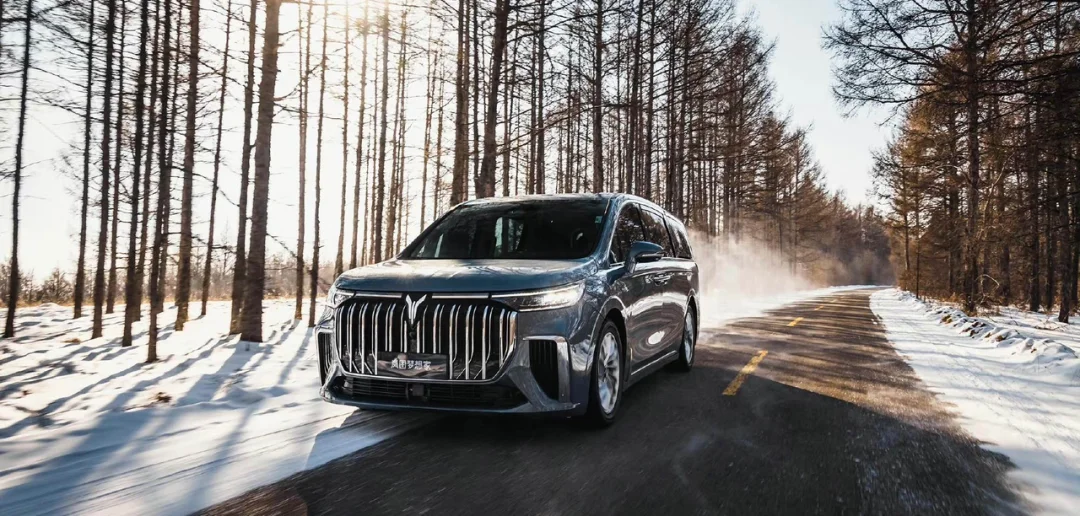
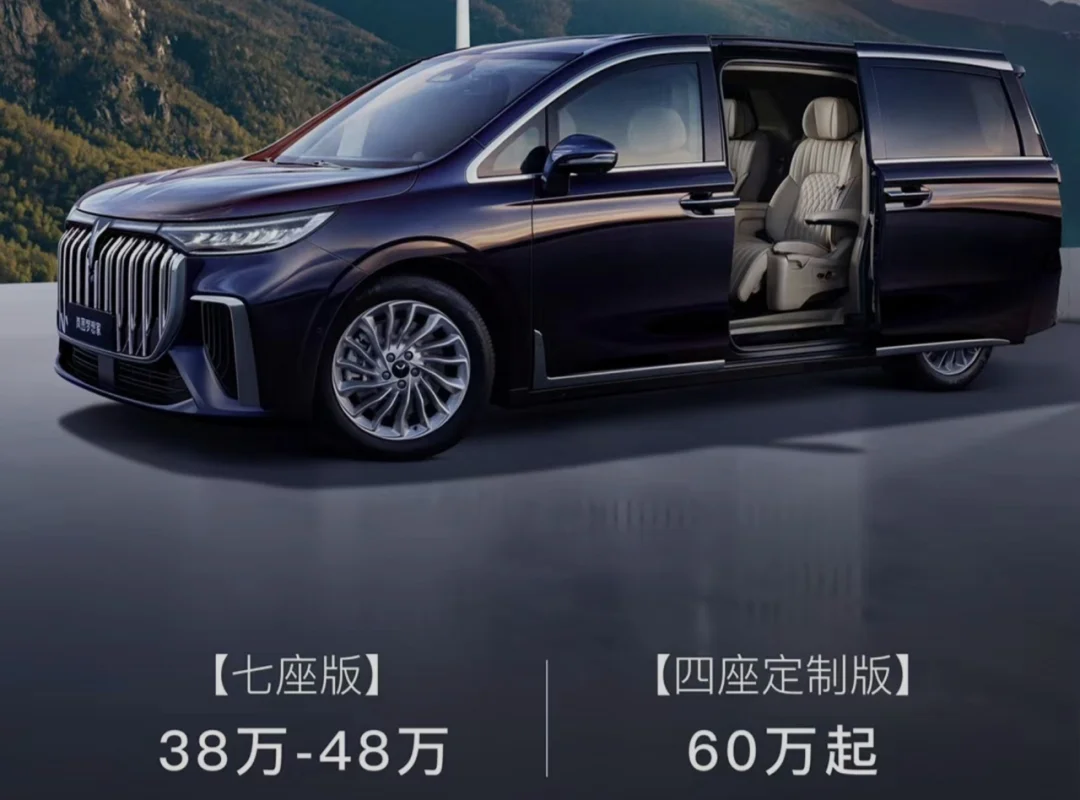
On the evening of April 7, VOYAH officially announced the pre-sale prices for the Dreamer. The seven-seater version is priced between RMB 380,000 and RMB 480,000, while the four-seat customized version starts at RMB 600,000. In terms of powertrain options, VOYAH has initially revealed both pure electric and extended-range versions, with all models featuring dual-motor all-wheel drive. Key specifications are as follows:
The pure electric version delivers a maximum power output of 320 kW and a peak torque of 620 N·m, accelerating from zero to one hundred kilometers per hour in 5.9 seconds;
The extended-range version delivers a maximum power of 290 kW and a peak torque of 610 N·m, with an acceleration time from zero to one hundred kilometers per hour of 6.9 seconds.
Both Dreamer models announced so far are equipped with air suspension and adjustable shock absorbers, featuring a front double-wishbone and rear multi-link suspension layout.
A distinctive feature of the VOYAH Dreamer is its chassis configuration: the front double-wishbone and rear five-link setup is rare among MPVs.
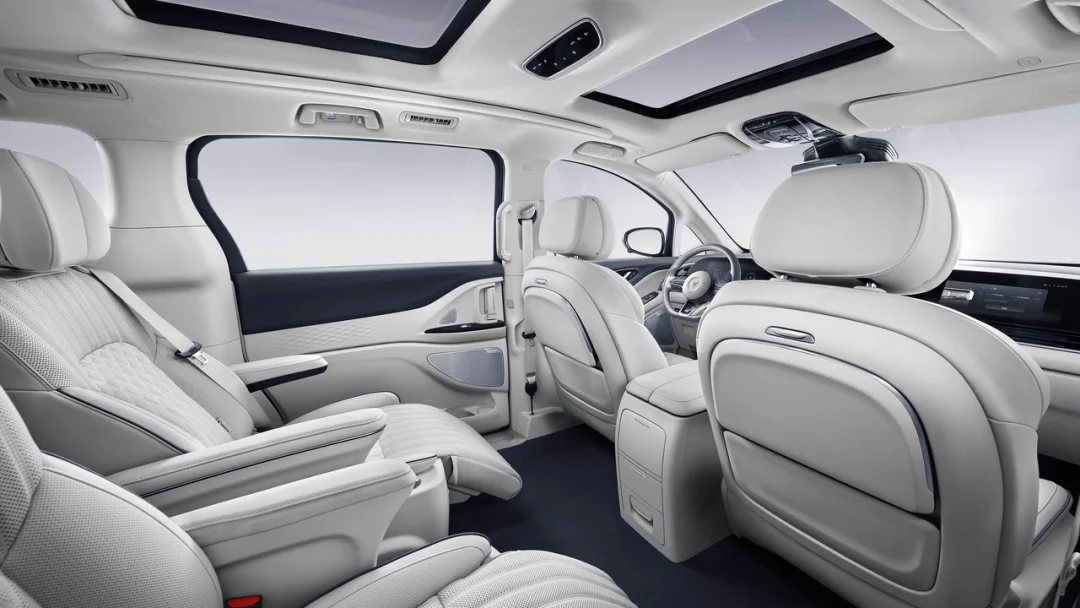
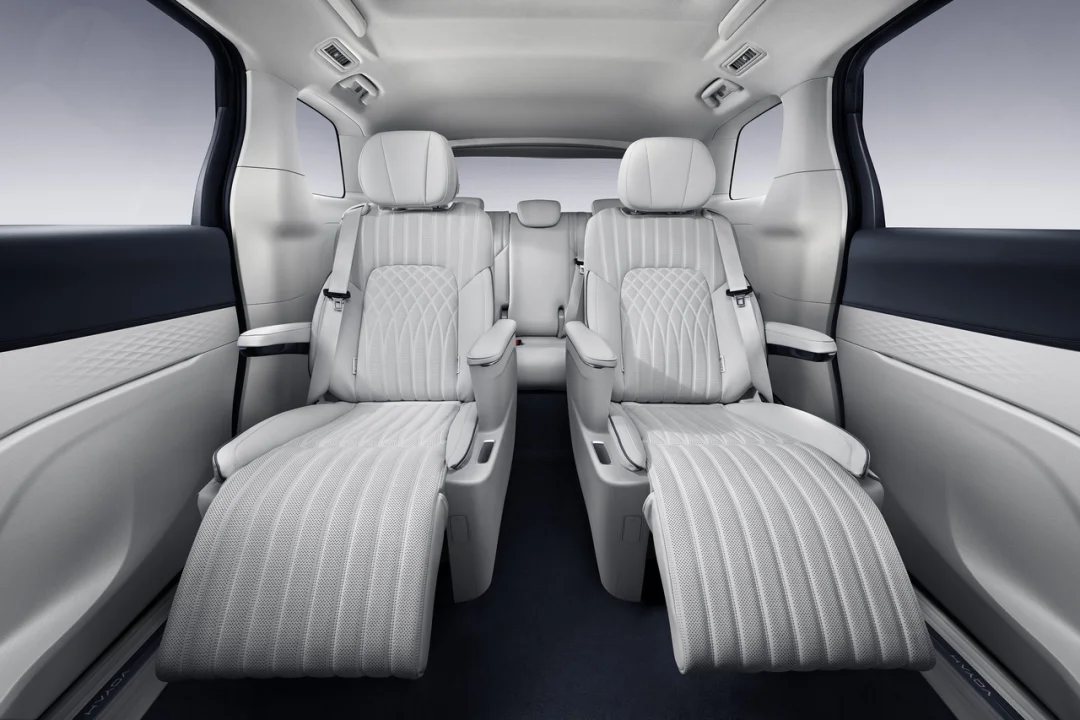
The second-row seats of the VOYAH Dreamer are consistent with current mainstream MPVs, adopting aviation-style seats that support eight-way adjustment. Additionally, the Dreamer provides massage and electric leg rest functions to further enhance comfort.
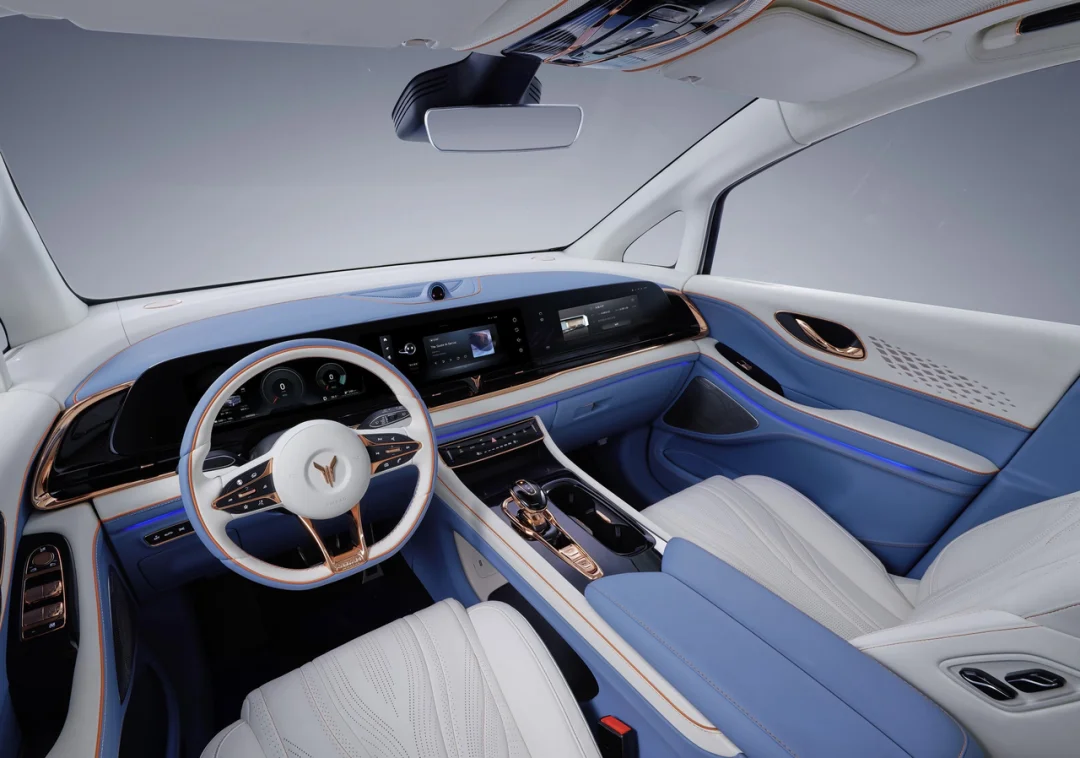
In terms of intelligent features, the Dreamer is equipped with the Qualcomm Snapdragon 8155 chip, four-zone voice recognition, L2-level driver assistance, full-scenario smart parking, and smartphone integration capabilities.
Editor's Note:
It is a pity that VOYAH did not disclose information regarding the battery pack and driving range during this launch event. Due to the pandemic, VOYAH has adjusted the market entry schedule for its Dreamer model. The battery specifications and range of the subsequent pure-electric and extended-range versions remain worth watching.
The pre-sale price range of RMB 380,000 to RMB 480,000 for the Dreamer indicates that VOYAH aims to target the high-end market segment. Its main competitors in this price bracket are well-known. The new energy MPV market currently attracts significant interest, and there are still many moves to be made by domestic brands in the premium MPV space. How the market responds to VOYAH Dreamer’s initial trial will determine its success.
Written by: Kaixiang Edited by: Liu Guangding