


Driving the ID.4 CROZZ for 1,000 km: More Trust
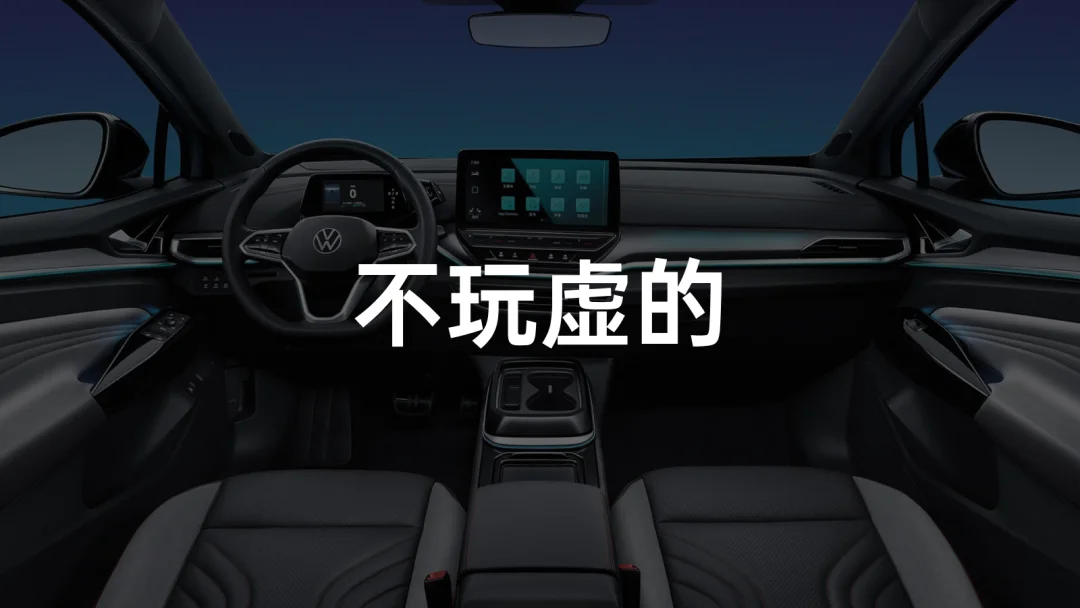
First, I would like to thank 42HOW Auto for giving me an extended period to focus on experiencing the ID.4 pure electric vehicle, which allowed me to compile this summary of my impressions.
Over four days, I drove more than 1,000 km, breaking my personal record for the longest distance covered in a single EV trip. During the drive, I assumed two roles: one as an analyst evaluating the vehicle against competitors to identify its design and technical highlights, and another as a user, prompted by 42HOW Auto to focus on the driving experience—praising strengths and critiquing weaknesses. From a consumer perspective in today’s market, my conclusion is that the ID.4 is practical and easy to use, fitting its product and brand positioning well. It may not be standout, but it certainly does not lag behind; Volkswagen has fired its opening shot accurately.
A vehicle’s most defining characteristic is essentially its key selling point, or the focus of its marketing. When I asked 42HOW Auto what the primary selling point of this car is, the response was “precise range.” This means the battery’s range management is highly accurate: it displays exactly how far you can drive, without exaggeration. This is indeed a reliable feature. When people discuss electric vehicles, particularly new-energy brands, concerns often center not only on range anxiety itself but also on the discrepancy between displayed range and actual achievable range.
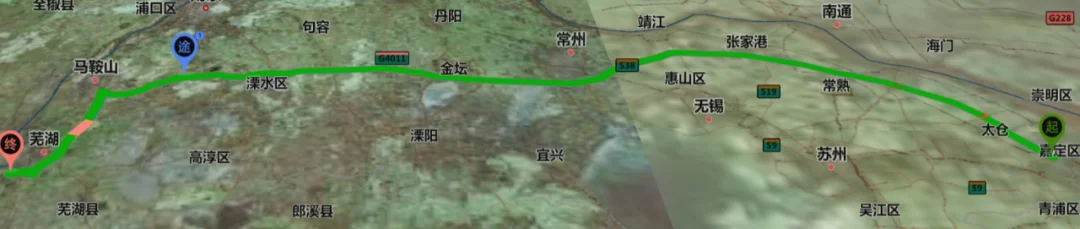
Therefore, from the moment I got into the car, I monitored the estimated range versus the actual range performance. Since the itinerary primarily involved highway driving, I focused on highway range efficiency. The route from Jiading, Shanghai, to Wuhu showed a total distance of 338 km on the map. 42HOW Auto suggested charging once midway, planning to stop at the Heyeshan Service Area in Nanjing.
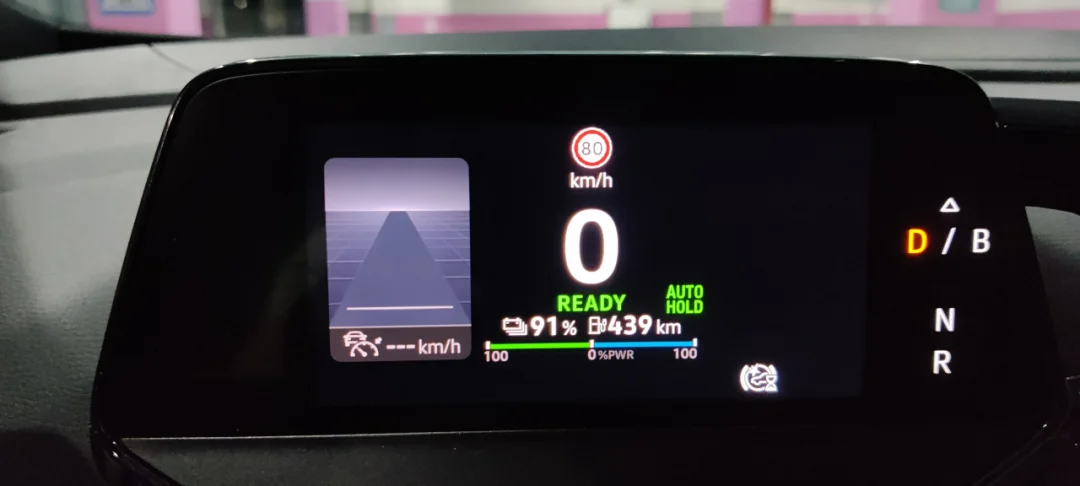
During morning charging, the fast charger reached 91%, with the display showing a remaining range of 439 km.
After charging, I headed home to pack. The display showed 89% battery and a range of 425 km. By the time I reached the highway entrance, the range had dropped to 410 km after driving 10 km. This short-trip range performance was acceptable.
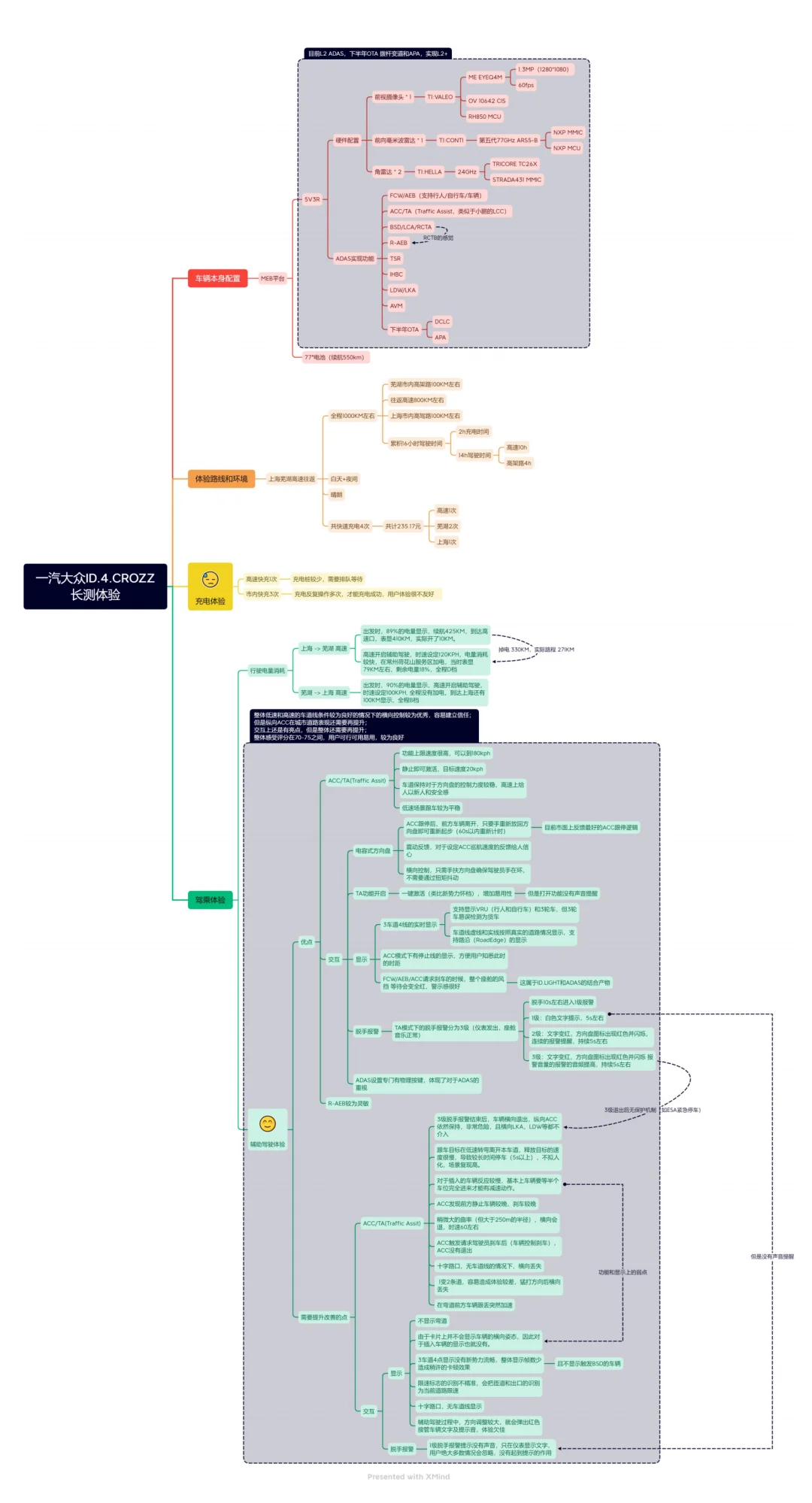
On the highway, I kept the driver assistance system active throughout, as experiencing it was the main goal. I set the speed to around 120 km/h. Volkswagen has made the system (longitudinal ACC + lateral lane keeping) easy to activate with a single button, including a dedicated steering wheel button. This undoubtedly improves usability. One-touch activation is a good design choice. Domestic new-energy brands have broken through in intelligent driving, so for an established automaker like Volkswagen to make progress here is commendable.
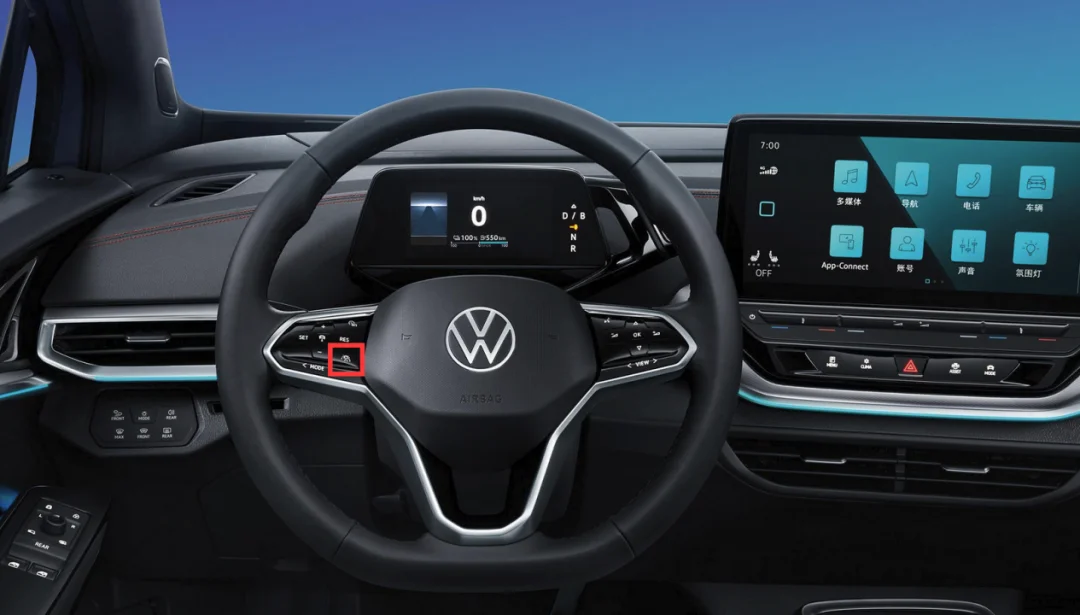
The function can be activated at any speed, even when stationary. The minimum operating speed is 20 km/h. Each press of the touch button increases the set speed by 10 km/h, with a maximum limit of 180 km/h. Don’t ask how I know this; I tested it on the highway. When the speed reached 140 km/h, I didn’t dare let the car accelerate further—it was too fast. That point feels very German. Currently, all domestic driver assistance systems have a speed cap for lateral control. Strangely, Volkswagen’s marketing did not highlight this capability. It is a testament to their technical strength.
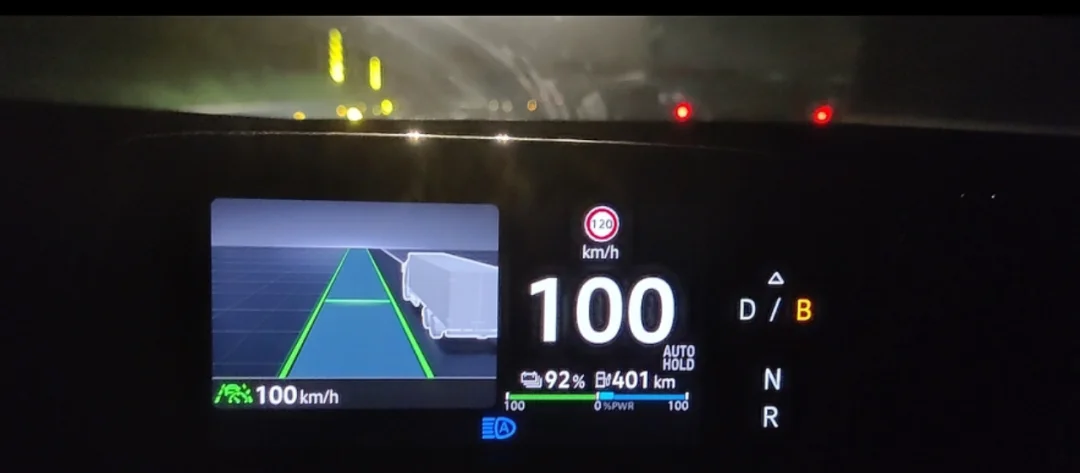
Volkswagen’s driver assistance system is called Traffic Assist. When lane markings are present, especially clear highway lines, the lane-keeping control provides steady steering input. On the highway, it inspires trust and a sense of security; this lateral control feels most similar to Woerwo’s, which is my deepest impression so far. In terms of display, the system can show three lanes and four lane lines, and it perceives and displays objects ahead to the user. This is Volkswagen’s first attempt at HMI design. Although this HMI appears slightly behind those of domestic new-energy brands, the information provided is sufficient. It lacks flashy elements but remains simple and practical. On one hand, it shows that European automakers are beginning to value interaction design; on the other, it never distracts the driver, prioritizing safety above all else.
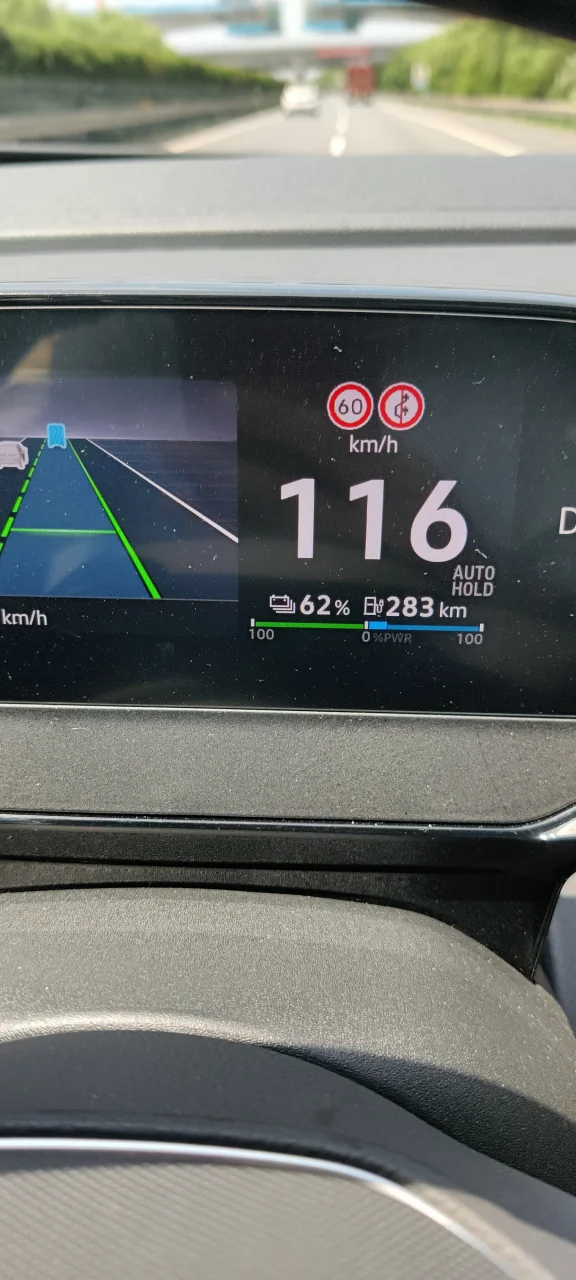
Once you build trust in the driver assistance system, you can briefly glance out the window at the scenery within a certain timeframe (perhaps just 10 seconds). This allows the journey to become more than just rushing from point A to B; it lets you experience the road itself.
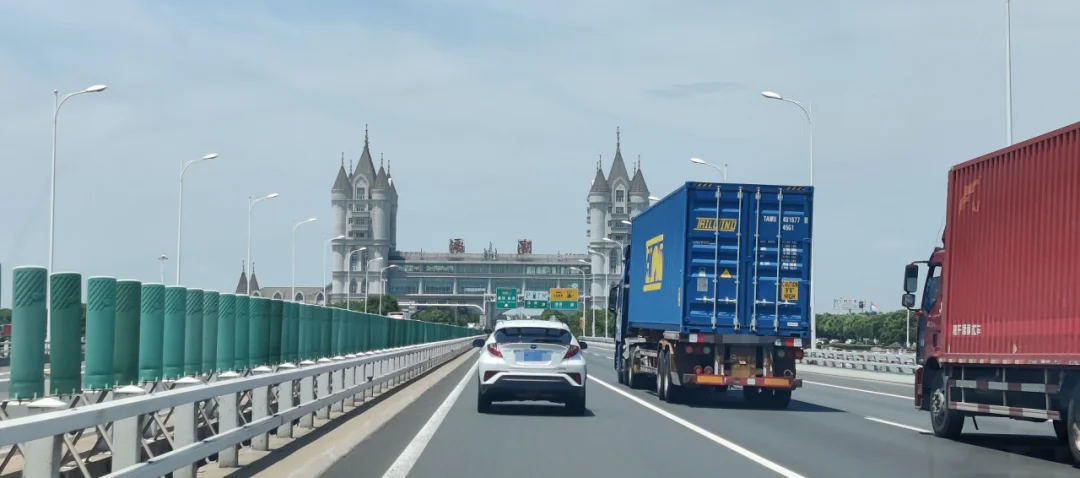
Of course, rest assured that if you remove your hands from the steering wheel for a certain period, the system will issue three levels of audio and visual warnings to remind you to keep both hands on the wheel. This process lasts approximately 25 seconds; otherwise, the system will disengage. Therefore, keeping both hands on the steering wheel is essential. This interaction design is far more comprehensive than that of ordinary driver assistance systems available on the market.
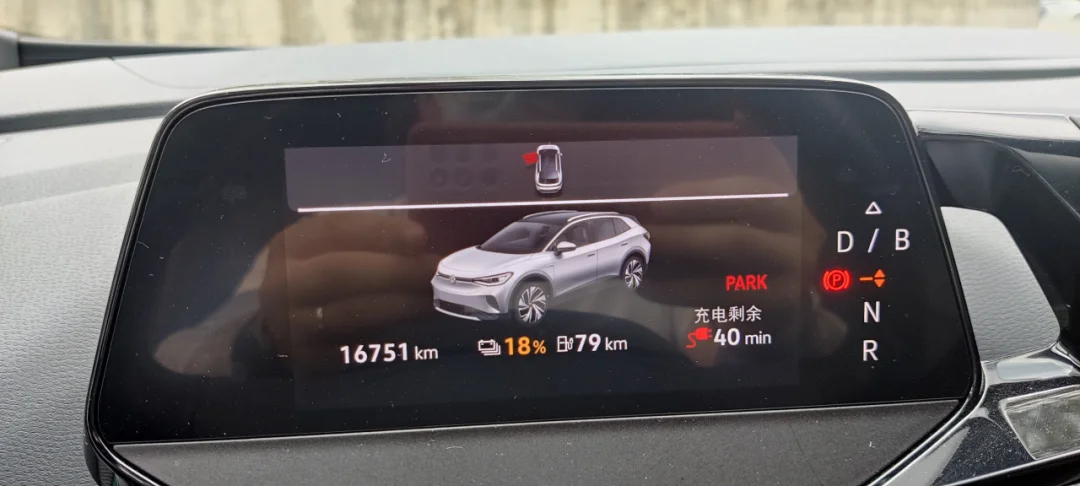
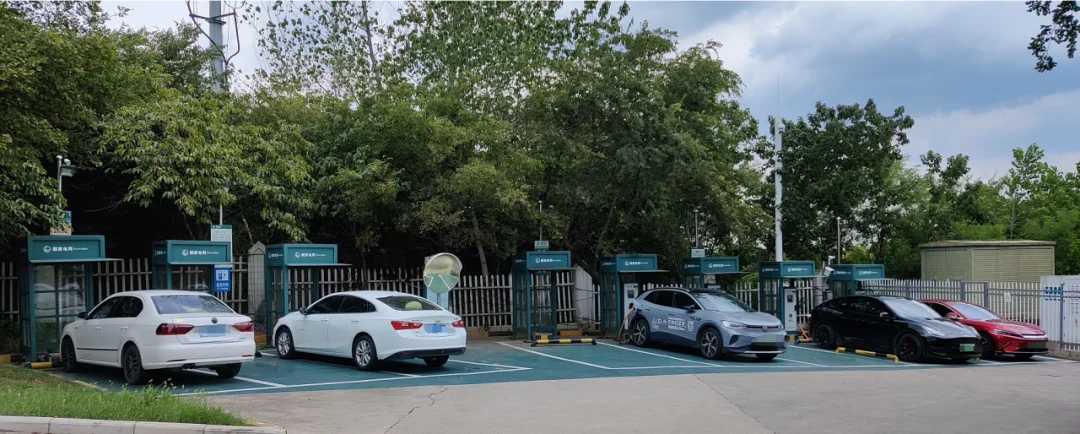
Upon arriving at the service area, the displayed range remaining was 79 km with 18% battery left, which naturally raised some concerns while driving on the highway. If I were to miss this service area, the remaining charge would have caused significant anxiety. The service area indicated eight charging piles, but only four parking spots were available, all of which were occupied. With no other option, I had to wait. Fortunately, timing worked in my favor: just as one vehicle finished charging and departed, I quickly pulled in to recharge. The total actual distance driven was 270 km, using Drive (D) mode throughout. The energy consumption equated to approximately 330 km of equivalent range, resulting in an efficiency of 82%. At an average speed of 120 km/h, this performance was quite good. However, charging itself is not always easy; this issue relates less to the vehicle and more to infrastructure. The heavy charging cables are manageable for men but difficult for women to handle. Additionally, charging failures can occur, requiring re-plugging, which detracts from the user experience.
In urban driving, several subtle details stand out. The ID.Light light strip provides navigational assistance during turn-by-turn directions and flashes fully when collision warnings are triggered, offering effective alerts. The integration of lighting and safety is a strength of Volkswagen, especially since the ID.Light is a highlighted feature promoted by the brand.
The capacitive steering wheel left a deep impression on me. I frequently use Adaptive Cruise Control (ACC), particularly in city traffic where stop-and-go conditions are common. Most systems require the driver to press the accelerator or brake pedal manually after a certain time to resume following. Volkswagen does not require this action. Within a specific timeframe (less than one minute), once ACC has brought the car to a stop, if the vehicle ahead departs, simply placing your hand back on the steering wheel allows the car to resume motion automatically (the timer resets if the hand is returned within 60 seconds). This makes the ACC function seamless. Furthermore, the haptic feedback from the buttons when setting the cruise speed instills confidence, letting the driver clearly perceive the system’s response. For lateral control, merely resting your hand on the steering wheel is sufficient to confirm driver presence, unlike some competing systems that require active shaking or movement of the steering wheel to prove control.
As usage increases, minor shortcomings in the intelligent driving features become apparent. When the target vehicle exits the current lane during low-speed turns, the system releases tracking very slowly, leading to prolonged stops (over 5 seconds). This behavior feels unnatural and occurs frequently in similar scenarios. For example, even when a taxi was clearly stopped on the roadside, the ACC braked the car to a halt and remained stationary until I manually pressed the accelerator to move forward, creating an awkward situation.
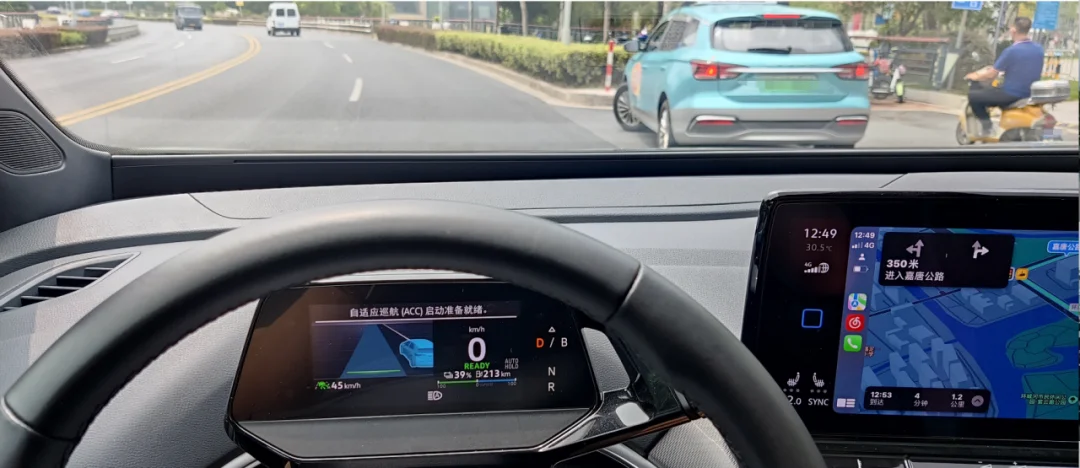
Another issue is the system’s slow reaction to vehicles merging into the lane. The vehicle typically waits until the gap ahead is sufficiently occupied before initiating deceleration. In Chinese road scenarios, this needs further optimization. Additionally, on curves, when the vehicle ahead is lost from detection, the system may suddenly accelerate; drivers must discover these operational limits through personal experience.
There are also some interesting quirks. In Wuhu, tricycles frequently use elevated roads, and the system often misidentifies them as large trucks. Since this system was developed by foreign engineers, such vehicles are likely rare in their home markets.
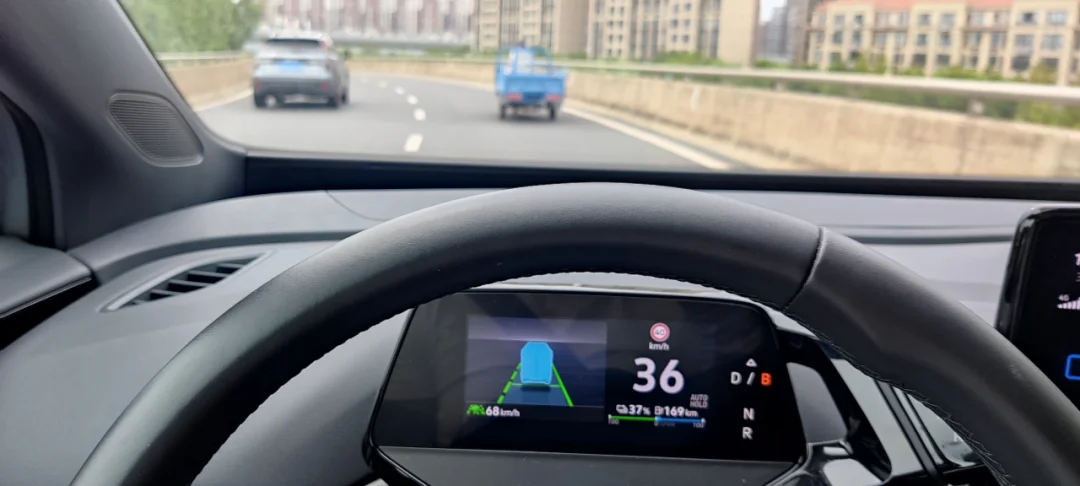
On the highway back to Shanghai, with the battery charged to 90%, I learned from previous mistakes: I maintained a speed of 100 km/h throughout, kept the driver assistance system active, and used B mode (with regenerative braking) for the entire trip. I did not need to add charge at all, and upon arrival in Shanghai, the display still showed 100 km of range remaining. This saved me time searching for charging spots and waiting, making it the point where I felt most confident in the advertised accurate range estimate. That is how trust is built.
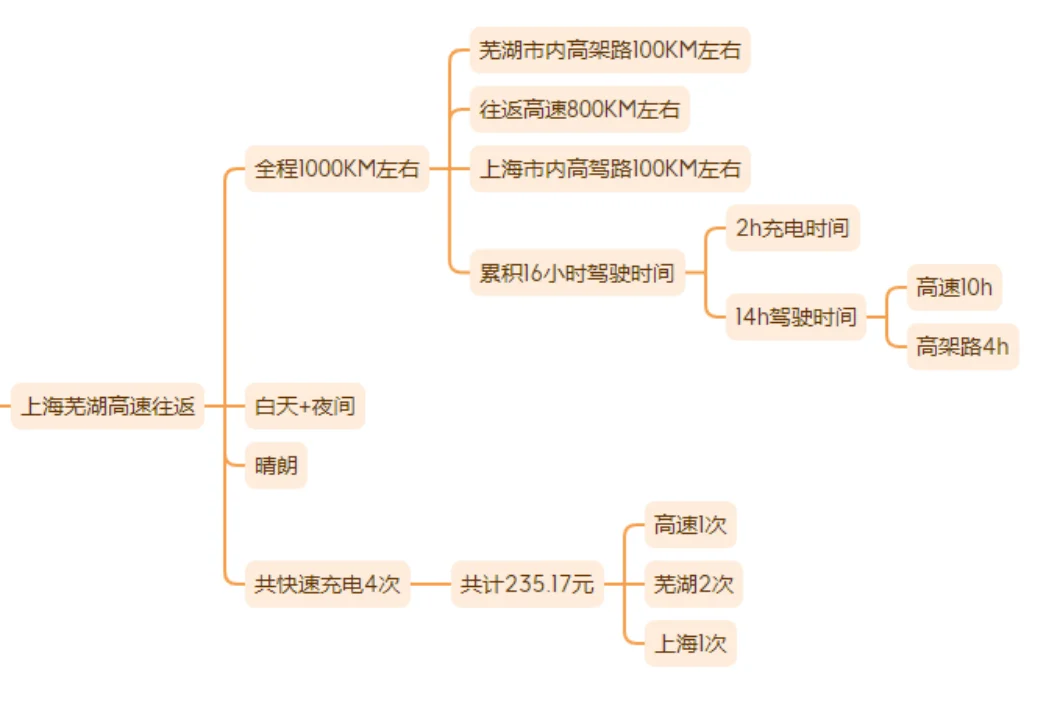
To summarize, over four days, the main route was round-trip between Shanghai and Wuhu. We charged four times, spending approximately RMB 235 in total. For a distance of 1,000 km, the cost per kilometer was indeed very low.
Regarding driver assistance, lateral control is excellent under good lane-marking conditions at both low and high speeds, which helps build trust. However, longitudinal ACC performance on urban roads needs improvement. While the interaction design has highlights, the overall system requires further refinement. The overall rating falls between 70 and 75, aligning with 42HOW Auto’s assessment: practical, usable, and easy to operate—a genuinely user-friendly vehicle.
This sales volume, neither high nor low, accurately reflects the actual product strength of Volkswagen’s first two pure electric vehicles. While it may not be a direct competitor to new energy brands in China’s tech-driven market, its daily usability and driving experience are free of flaws and even commendable. The vehicle’s overall performance proves that Volkswagen did not miss the mark with its initial push into electrification; Herbert Diess’s decisions and execution were correct. However, Volkswagen must now focus on how to iterate quickly, as intensifying industry competition means cars without standout features will ultimately be overlooked by consumers.
We look forward to the OTA update before year-end, which will bring APA automatic parking and lever-based lane changing.
Appendix: To provide more details on the vehicle’s driver assistance technology, I created a mind map to help readers explore the system from a technical perspective. This offers a comprehensive overview and ensures the review experience is worthwhile.
Written by: Winter Is Coming Edited by: Jiang Xiaohei