


Jidu ROBO-DAY Review: Misaligned Expectations and Missed Focus
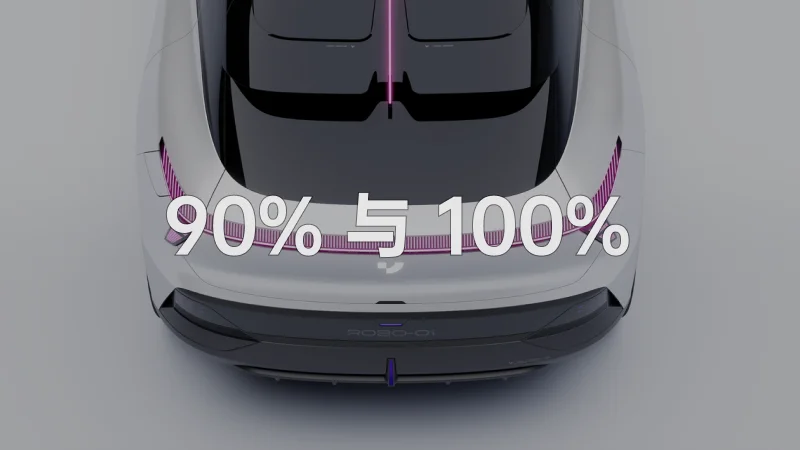
Last Wednesday, Jidu became a hot topic in the industry.
I watched the entire press conference from start to finish. Regarding the event itself, my impressions were similar to those of most attendees. When Jidu staff later asked for feedback on the press conference, I drafted a lengthy response but hesitated before sending it, eventually deleting half of it.
My attitude toward this "metaverse press conference" stemmed from the fact that it was packed with information and featured a new car with genuine highlights. However, the format and certain overproduced segments caused the audience's focus to drift. This situation resembled this year's Oscars, where Will Smith's altercation dominated headlines, overshadowing almost all other information from the film industry event.
This is a pity. Since it is a new car launch, the vehicle should be the main protagonist.
Therefore, I will be direct: while there will be more criticism of the metaverse concept and Jidu's presentation style, the core of this article remains what we always prioritize—the car and its intelligent features.
01What Is Most Important at a Press Conference?
If asked what the most critical segment of an automotive press conference is, I would give two answers. One is revealing the price so consumers know how much the product costs. The other, more important segment is unveiling the long-awaited new car so everyone can see what it looks like.
The title "Unveiling the Veil" reflects my view that a major product's first meeting with consumers should resemble a wedding: complete with a grand ceremony, carefully cultivated mystery, and the "bride" making her debut in the spotlight, presented in her most prepared and beautiful state.
A launch event that generates excitement and anticipation often marks the beginning of a product's success. Returning to Jidu's event, the "bride" itself possessed this quality.
The Seller's Showcase That Should Have Appeared
Jidu's ROBODAY was previewed as a concept car launch, meaning pricing details were absent. The focus was undoubtedly on the new vehicle's design reveal. Here is what Jidu's new car, the ROBO-01, looks like:
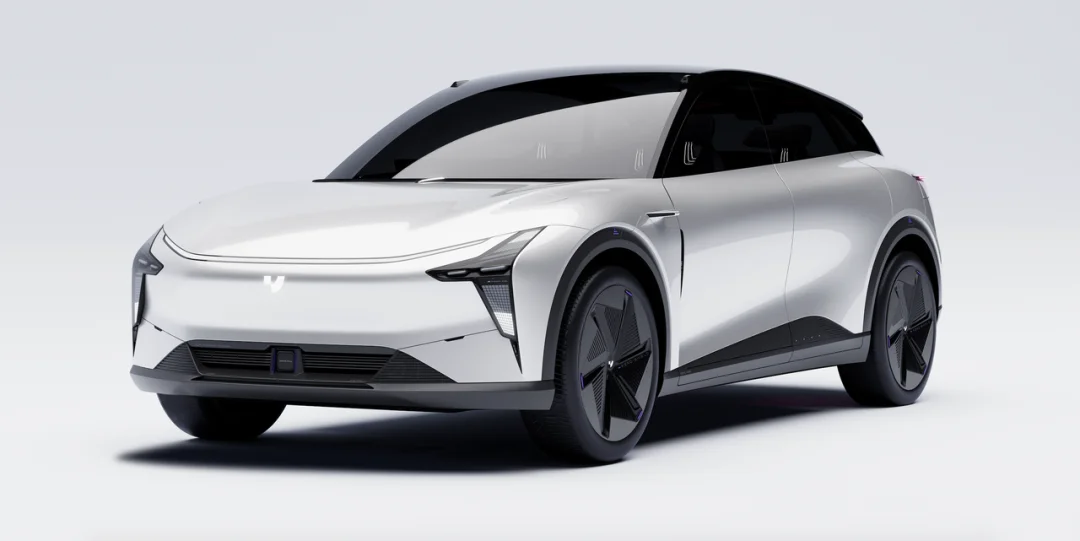
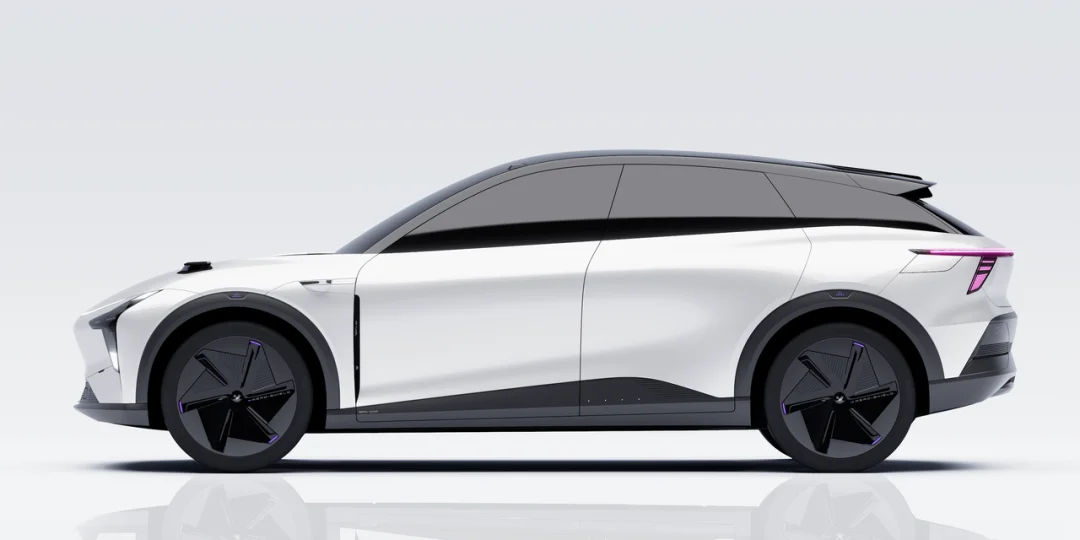
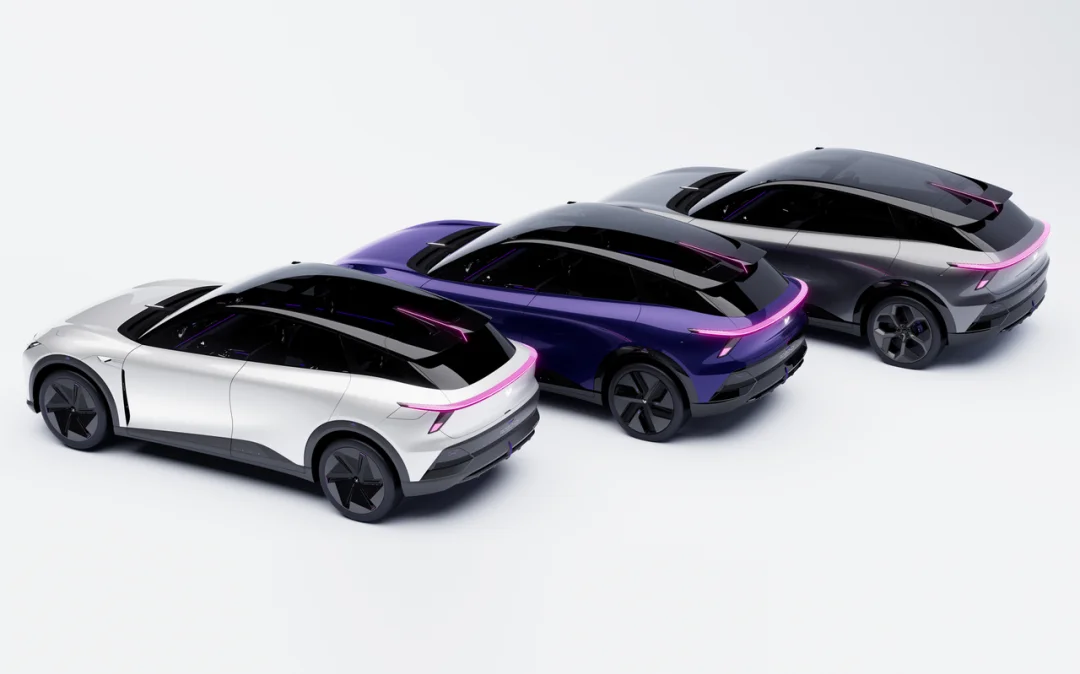
The actual appearance of the ROBO-01 concept car is as follows:
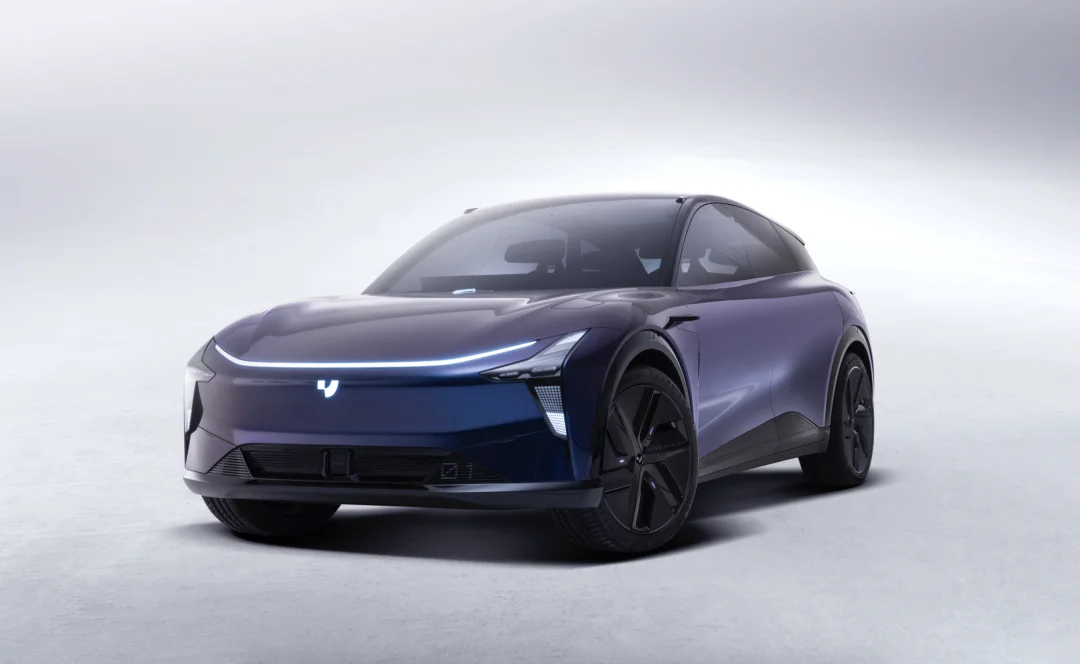
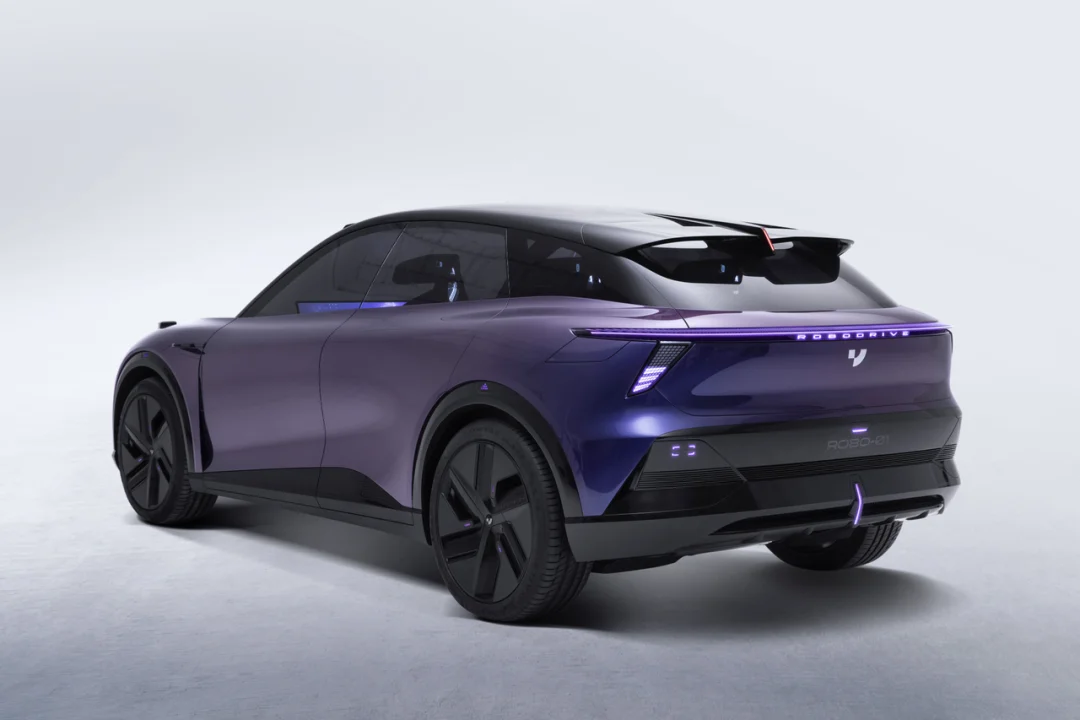
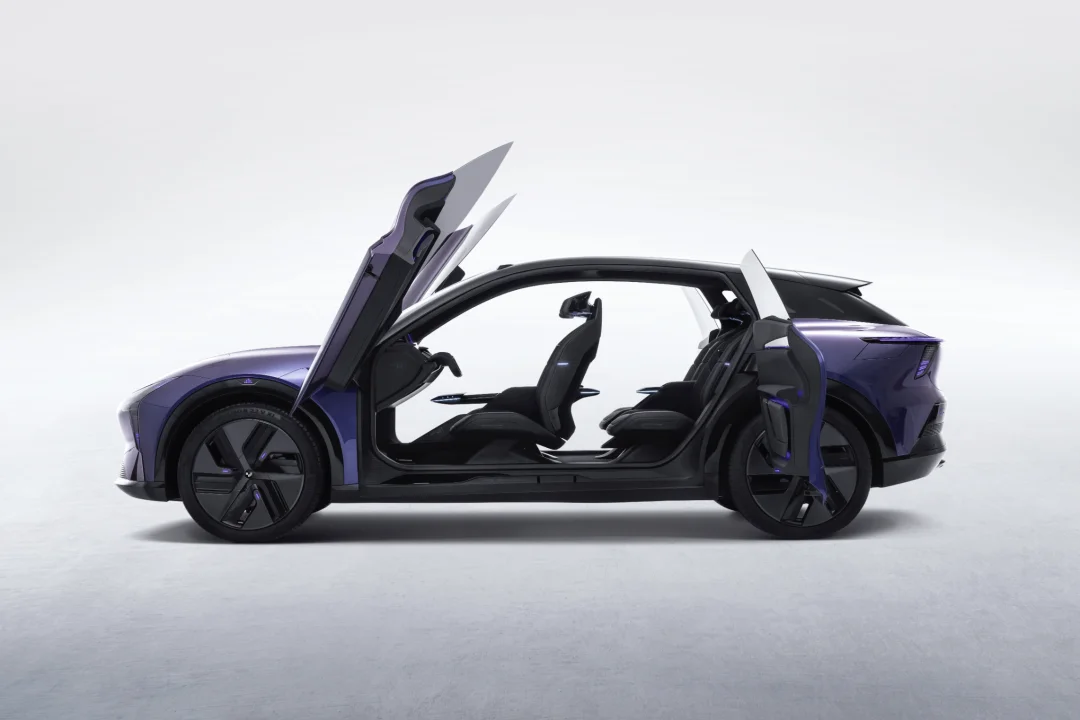
The image clearly shows that the ROBO-01 follows a design route currently popular among new EV brands: clean lines, low drag coefficients, and a high-tech aesthetic.
As the saying goes, appearance reflects inner character; this holds true for automotive design. When elements such as a closed-off front fascia, a full-width light bar, aerodynamic wheel covers, flush door handles, and electronic side mirrors come into view, readers who haven't seen the car before can likely guess it is a pure electric vehicle just from its exterior.
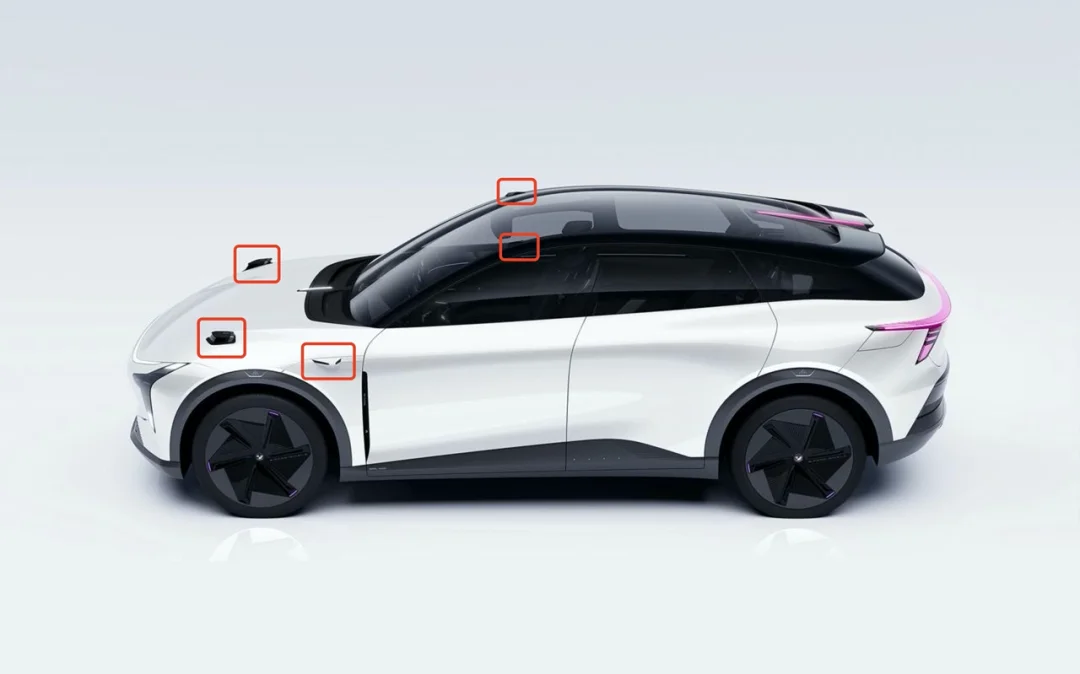
Look closer, and you will spot the lidar on the hood, the rearview camera modules on the fenders, and cameras atop the A-pillars. These details should hint at the car's advanced autonomous driving capabilities.
If you haven't noticed anything unusual by now, Jidu has achieved its first design goal: minimizing the visual impact of exposed autonomous driving hardware on the vehicle's overall aesthetics. Xia Yiping mentioned this in a subsequent interview, noting that this principle was implemented within a framework balancing aerodynamics, technical feasibility, and mass production readiness. The engineering and design teams at Jidu collaborated closely throughout this development phase.
The ROBO-01 concept car makes a strong visual impression. Its overall proportions, color scheme, wheel design, and rear styling are all above average. Even the Jidu logo, which had previously drawn negative public criticism, blends well into the vehicle’s design when integrated.
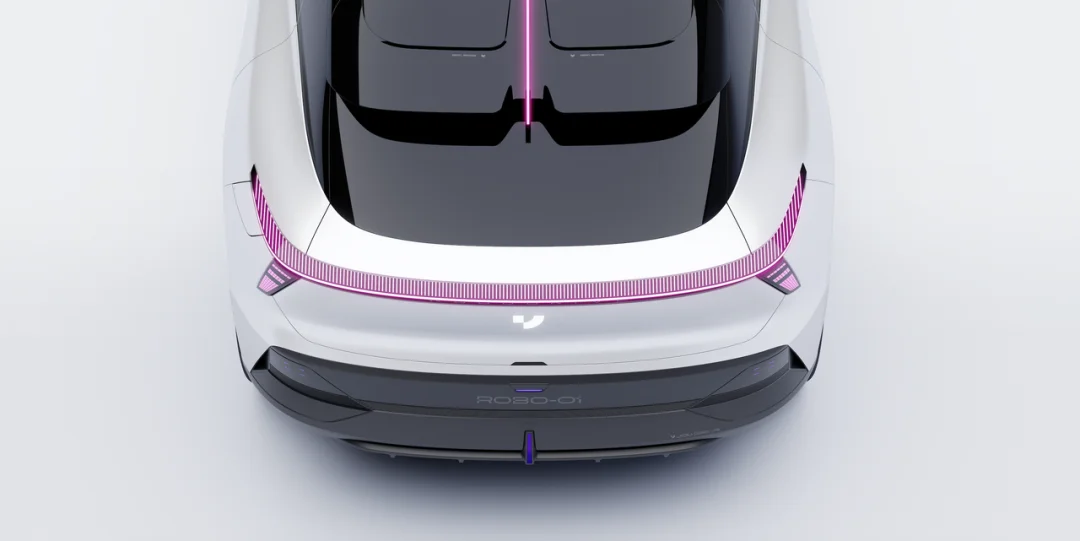
Local features such as taillight-like elements, a high-mounted vertical brake light, a split two-stage rear spoiler, and lower door skirt lines not only look good on their own but also support the vehicle’s overall design theme, creating a cohesive sense of unity.
Setting aside subjective aesthetic preferences for various design styles, the ROBO-01 remains an SUV with a refined character and attractive exterior.
What leaves me less satisfied is that the front-end design still falls into the "two cups of poison" dilemma that few electric vehicles (EVs) can escape today. High-visibility elements like headlights and front grille shapes are becoming rapidly homogenized across the EV sector. This is because different manufacturers’ design logic shares similar considerations regarding aerodynamic drag, safety regulations, and other factors. The differences between solutions ultimately come down to how each company prioritizes these constraints. As the industry matures, this trend toward homogenization intensifies.
Consequently, later entrants have less room to differentiate their designs. They must either compromise on brand recognition to meet engineering, regulatory, and aerodynamic requirements by joining the "homogenized design" circle, or forge a unique identity at the cost of greater effort and challenges in other areas. Additionally, they must work hard to convince consumers, already accustomed to homogenized designs, to accept this "unfamiliar" look.
Looking back at recent new models, fellow latecomers Zhiji and AVATR chose the second option—forging a distinct identity—while Jidu opted for the first—prioritizing engineering and regulatory compliance over distinctive styling.
However, this was not the main reason Jidu faced criticism last night.
The Physical Vehicle Is Necessary
In fact, the high-quality render images and real-vehicle photos shown earlier were not part of the presentation materials. What viewers saw in the Xirang App during the live broadcast looked more like this:
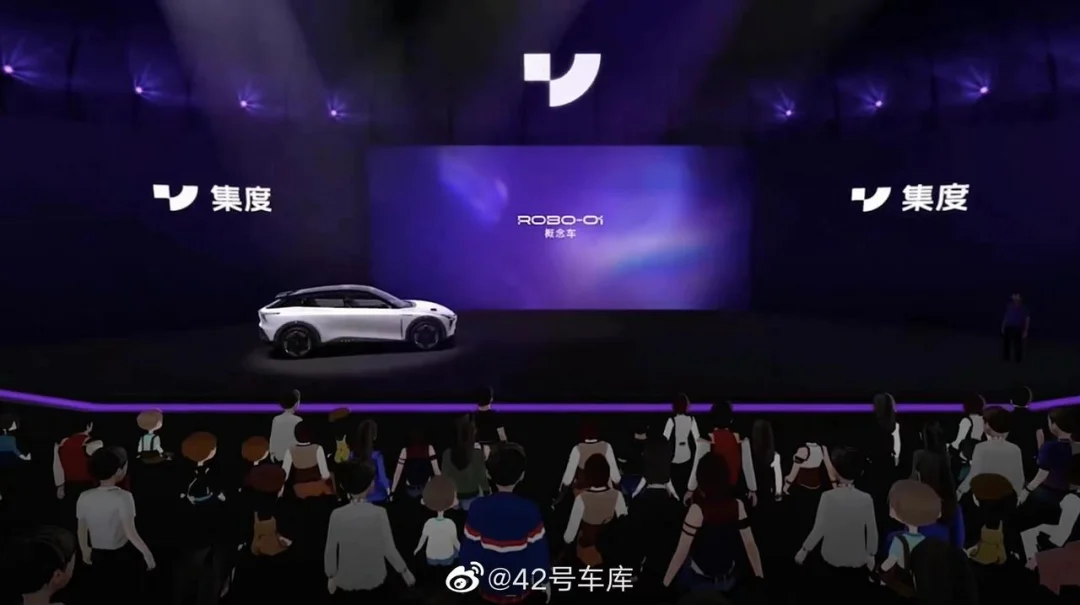
Like this:
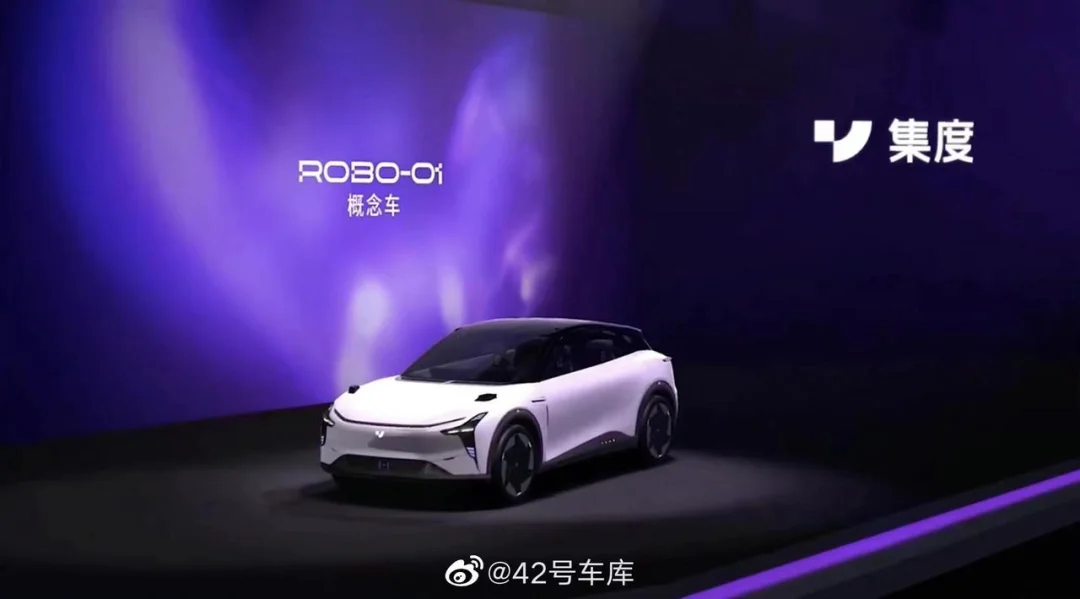
And also like this:
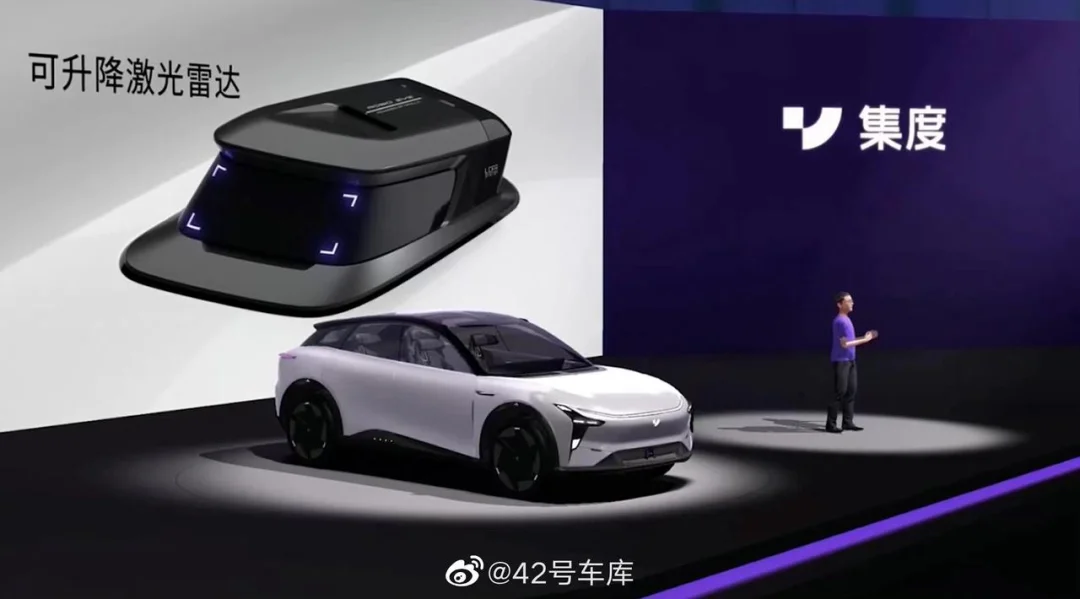
The most significant "unveiling" moment of the entire press conference featured a 3D render of the ROBO-01. The visual effect was likely comparable to what viewers see on the center screens of Tesla Model 3 and Y vehicles, with the two screenshots shown here representing the best selections from that set.
The small purple figure standing next to the car is Xia Yiping's metaverse avatar during the press conference.
During the launch event, live-stream viewers saw a digital model lacking the unique charm of an actual vehicle. Public opinion was blunt: without the physical car on stage, the metaverse modeling failed to provide the feedback that interested parties needed, such as the real car's size, paint reflections, three-dimensional styling, and overall stance.
While renders and modeling might have been more refined given more time, it is undeniable that the lack of tangible visual feedback from a physical object was one of the primary sources of the problem.
Mass Production vs. Non-Mass Production of the Interior
Now that everyone understands why the Jidu launch event faced criticism, I will continue to use rendering images and other materials with an aspirational feel to introduce the ROBO-01 interior.
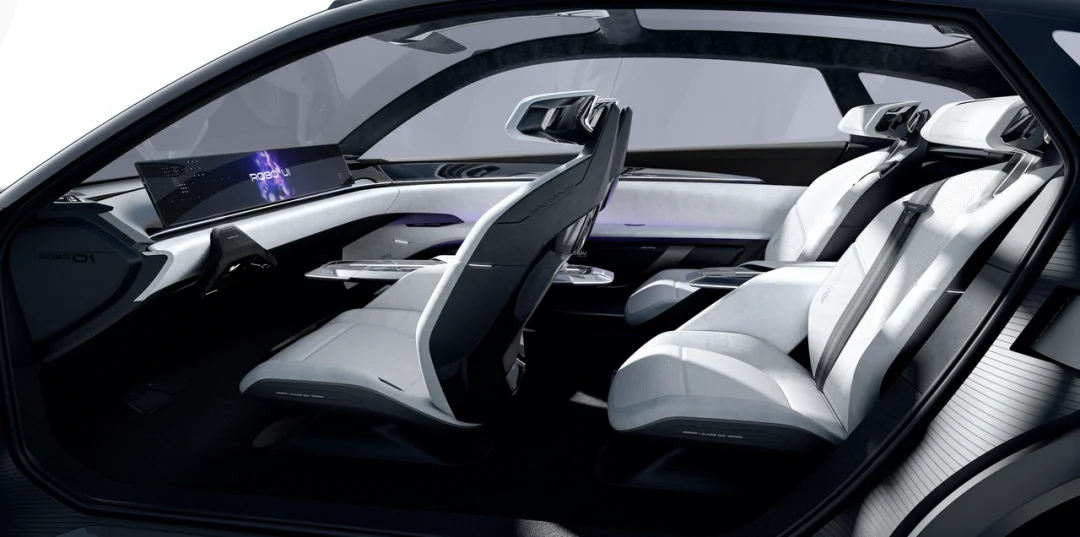
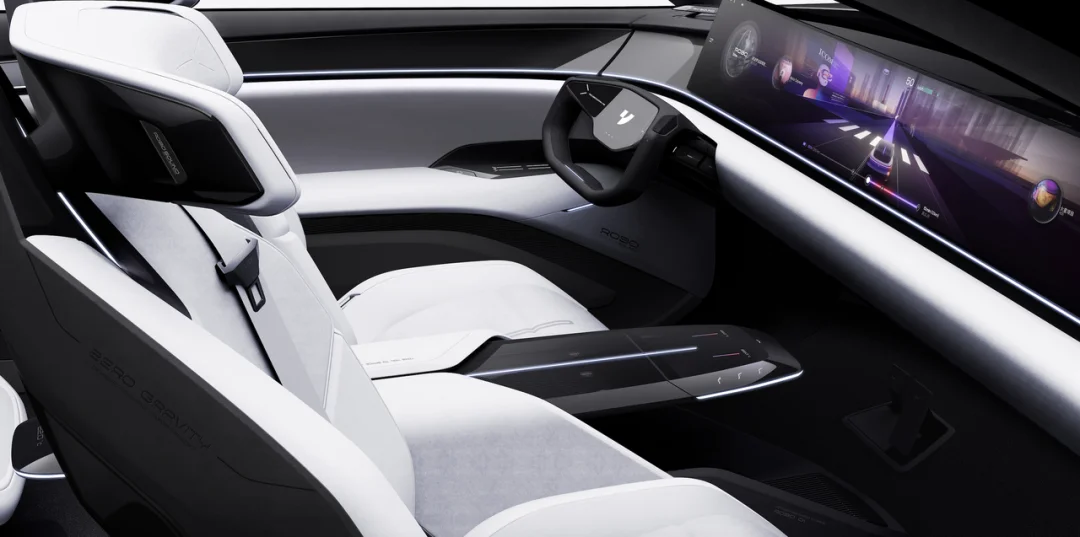
Compared to the exterior, the interior of the ROBO-01 concept car features many design elements that immediately suggest they are intended only for display models. The most discussed of these is the B-pillar-less structure, which was thrust into the spotlight by Xia Yiping’s statement at the press conference that “the production version of the ROBO-01 will share more than 90% similarity with the concept car.”
Frankly, the resulting controversy surprised me, as this styling has appeared on countless concept cars before and is considered a “standard solution” within the concept car community.
The reason behind this is simple: soft-tooling vehicles used for styling displays require less effort without a B-pillar, and the B-pillar-less opposite-door opening design facilitates easier exhibition of the vehicle’s interior.
Other examples, such as the single-pillar connection mechanism between the seats and the body, and the special-shaped center console armrest without cup holders, are common concept display features that automotive media can quickly identify. These elements can be understood as “plating pieces” for show cars.
Generally, discussions about whether a car will enter mass production do not include concept-stage display content like door structures, since some concept car exhibits cannot even open their doors. Therefore, the “90%” context mentioned by Xia Yiping primarily refers to the overall vehicle styling. Regarding the interior of the ROBO-01, there are only three key points related to the “90%” claim:
Screens
Steering wheel
Disappearance of physical buttons
Regarding the screen showcased at the launch event, here is a direct quote from Xia Yiping’s interview:
The large display in the concept car is virtually identical to the design intended for the production model.
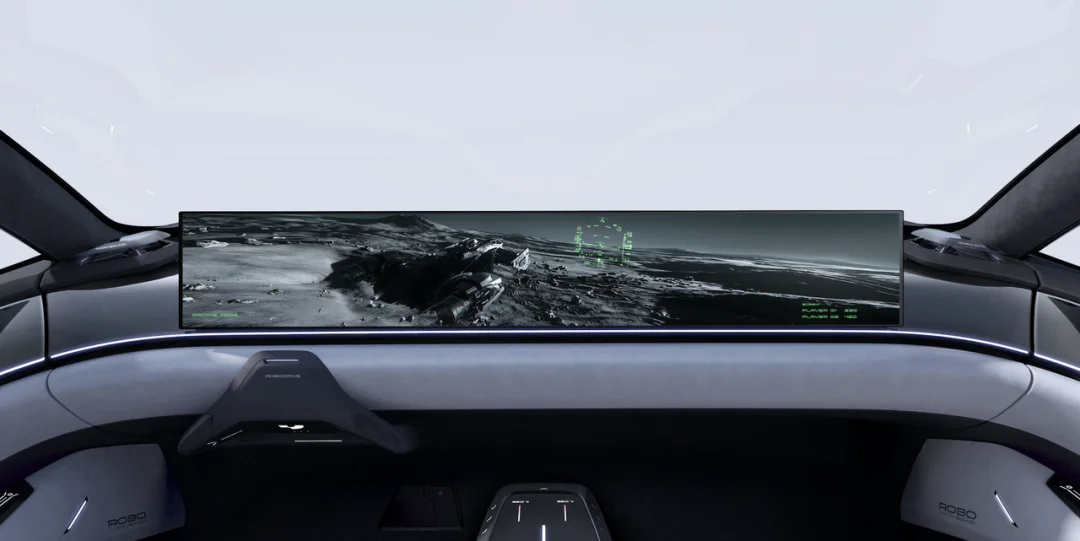
I was quite surprised to hear this statement. While similar solutions have been featured on numerous concept cars over the years, Jidu appears to be the first to commit to mass-producing this specific configuration.
Integrating such an extended screen into the manufacturing process carries significant costs. Adding the requirement for "automotive-grade" specifications only amplifies the challenges I anticipate the screen and its suppliers faced during development at Jidu.
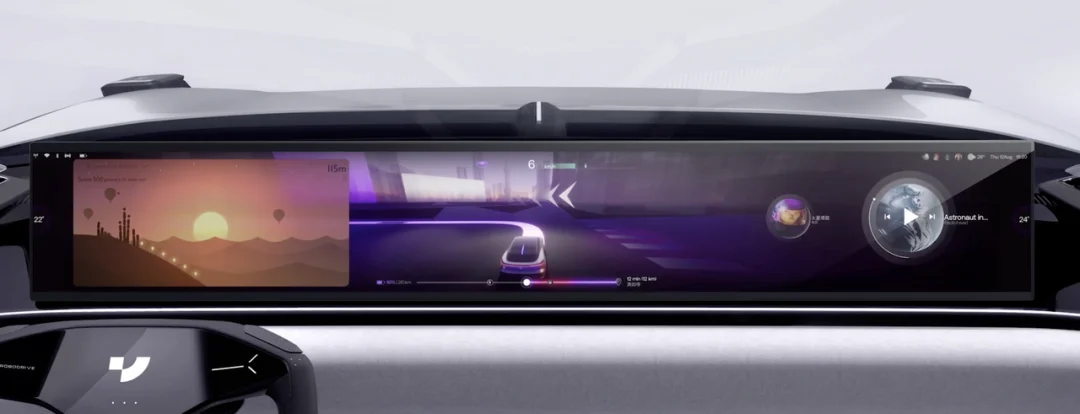
The philosophy behind this screen is straightforward: it merges the currently popular triple-screen setup—comprising the instrument cluster, center console, and passenger display—into a single, seamless unit without visible gaps. Apple recently presented a similar conceptual design during its WWDC keynote. This bezel-minimized, edge-to-edge approach not only maximizes effective display area but also offers a significantly more aesthetically pleasing visual experience. As Xia Yiping stated during the launch event, "A connected screen with wide borders that could race horses is not what Jidu pursues."
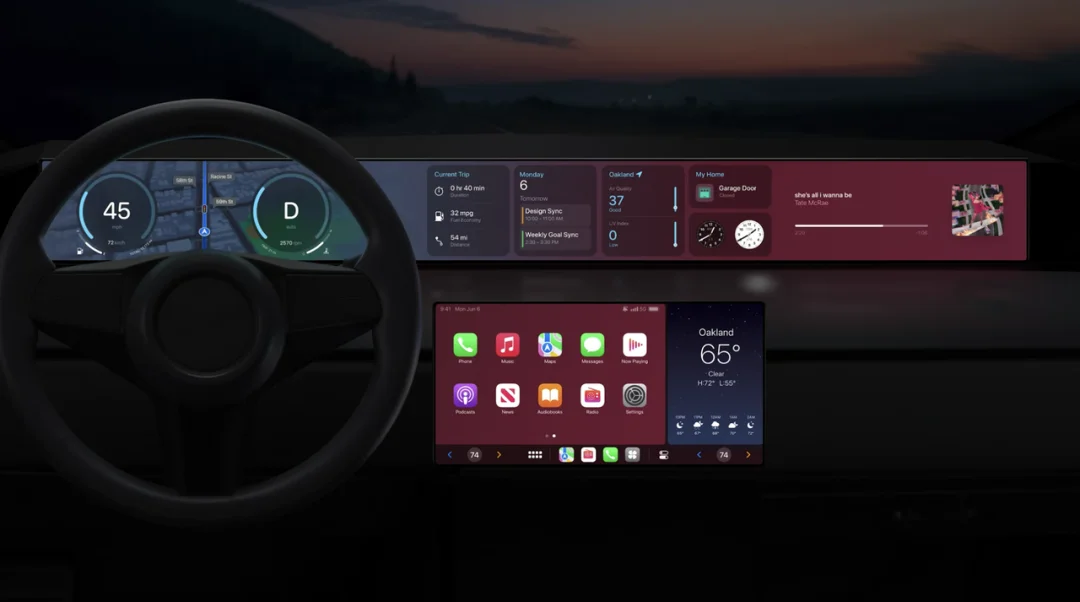
However, there is one detail in Apple’s image that might frustrate those with obsessive-compulsive tendencies: the upper portion of the steering wheel obscures the sides of the instrument cluster. This brings us to the second key focus of the ROBO-01 interior segment: the half-moon steering wheel.
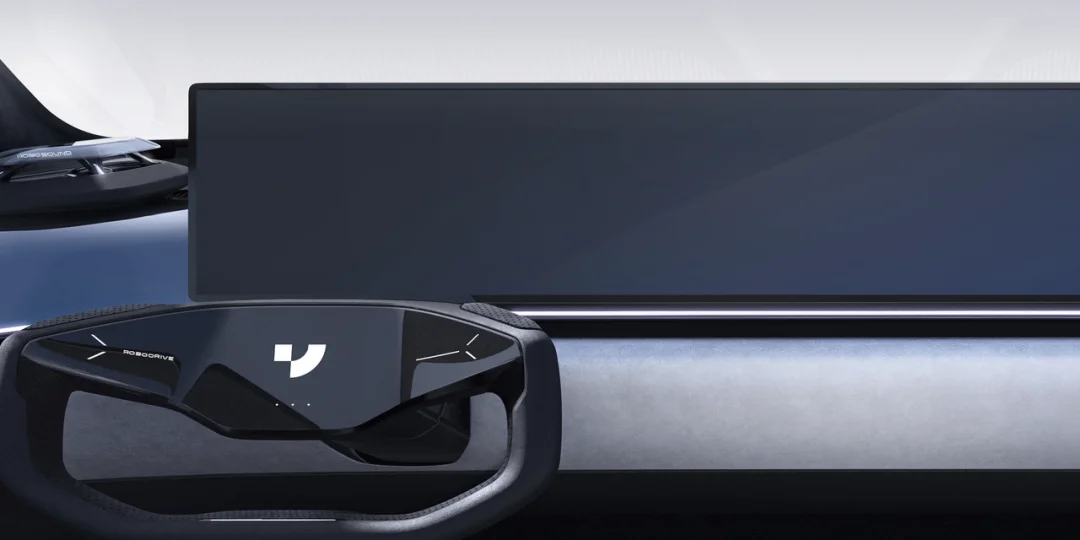
Before diving in, let’s address a common question: Is this type of steering wheel legal? The answer is that current domestic regulations impose no restrictions on steering wheel design. If mass-produced, regulatory compliance would not be a concern.
Among vehicles featuring yoke-style steering wheels, the Tesla Model S and Model X are the most prominent. Compared to conventional circular wheels, the primary drawback of this unconventional design is the inconvenience during large-angle maneuvers. Without a variable-ratio steer-by-wire system, drivers must gradually adapt their habits to accommodate it.
Xia Yiping installed a 'Yoke' steering wheel on his Tesla. After using it for several months, his experience aligned with that of many other users: while the yoke offers a better driving field of view, it sacrifices operational convenience in low-speed scenarios.
Xia Yiping shared an interesting anecdote: His wife initially complained about what she perceived as an anti-human design when using the yoke for the first time. However, after a week of use, when Xia switched her back to a circular steering wheel, she found herself preferring the yoke again.
This case effectively hints at what the production ROBO-01’s steering wheel will look like.
The Leikesasi RZ is currently equipped with a variable-ratio, steer-by-wire yoke steering wheel. During interviews, Jidu officials stated that this represents the next-generation solution already in preparation, which aims to improve the steering experience and integrate with advanced autonomous driving capabilities.
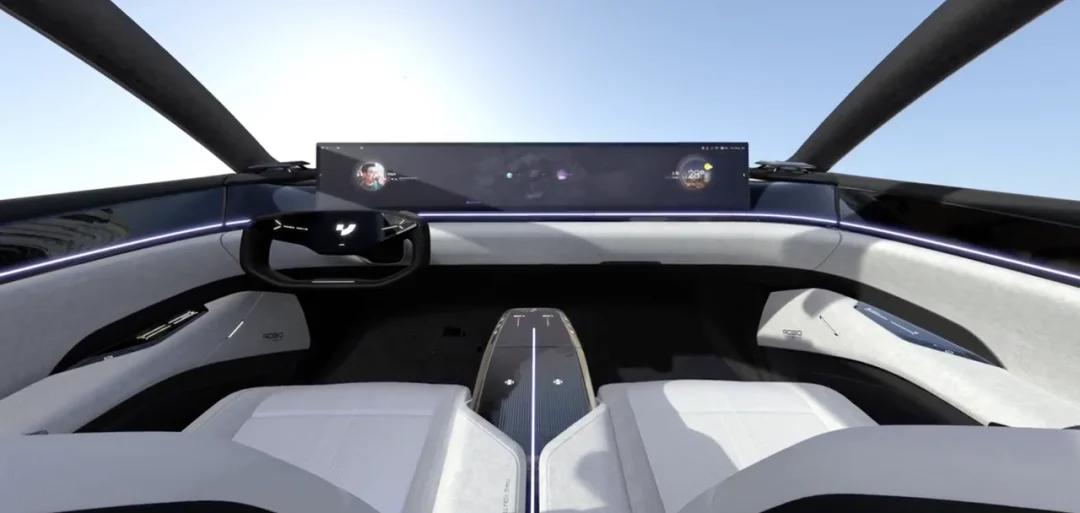
The final interior element to disappear is the physical button. In new-energy vehicles where screen UI and touch interactions are well-executed, a lack of physical buttons is no longer unusual. Voice interaction has also become standard for users of these brands, so Jidu’s presentation of this concept did not excite me.
However, Jidu took it a step further by introducing fully offline voice control.
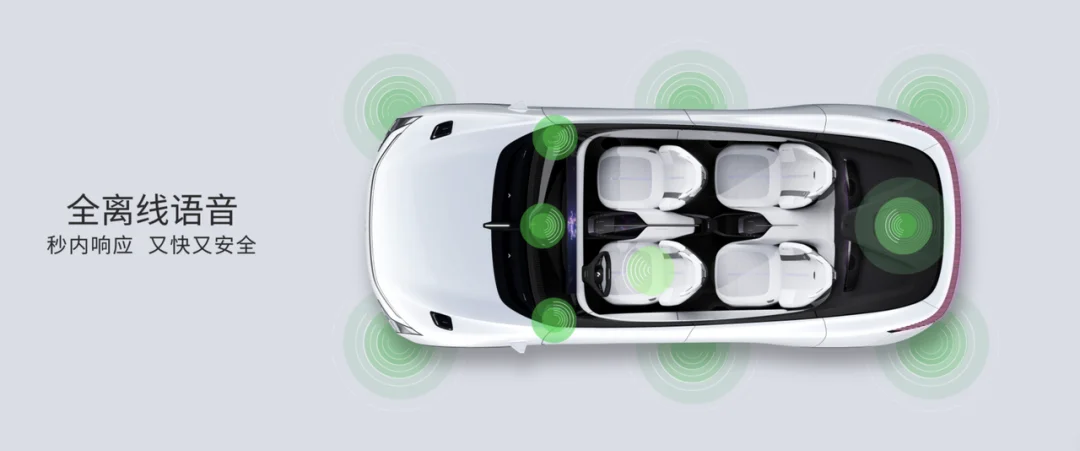
Users who have encountered scenarios with no signal, such as underground garages or tunnels, understand the value of this feature. While other manufacturers offer offline voice capabilities, Jidu’s implementation provides second-level response times across all conditions—a significant leap in performance.
With the aforementioned integrated panoramic screen, semi-split steering wheel, and fully offline voice assistant, ROBO-01's interior fares much better than its exterior in terms of the "homogenization" issue, with its design continuing a minimalist and tech-savvy style.
I initially doubted Jidu’s aesthetic judgment when viewing the metaverse-style visuals from the launch event. However, after reviewing the renderings and participating in the post-launch interview segment, Jidu’s official responses to questions regarding interior and exterior design and user experience alleviated my concerns. The CEO’s willingness to personally test the semi-steering wheel and use his wife as a "control group" indicates a leader who embraces innovation and prioritizes real-world feedback in product development.
02Jidu, LiDAR & Aboluo
Intelligent driving is undoubtedly a strategic priority for China’s smart automotive industry. Its capabilities serve as a key evaluation factor for C-end consumers during purchase decisions and act as a crucial showcase of corporate strength.
The Jidu website describes the company as follows: "Jidu is a car robot startup founded by Baidu and strategically invested in by Geely." For consumers, however, Baidu and Geely are best understood through two key elements: Aboluo and the SEA Haohanpingtai.
Regarding Aboluo, there is no need to elaborate; it serves as Jidu's core endorsement in the field of autonomous driving. Regarding the differences between Aboluo's autonomous driving and mass-production vehicle development, Xia Yiping stated:
You can understand it this way: we have utilized Baidu's core atomic technologies, including those for voice, maps, intelligent driving, and Robotaxi. However, the key is how to leverage these core atomic capabilities by making localized technical adjustments—such as altering the sequence or combination of algorithms in autonomous driving—to better craft a product experience tailored for C-end consumers. This is what we are working on.
Returning to the ROBO-01, we continue to examine several key points based on information revealed at the launch event.
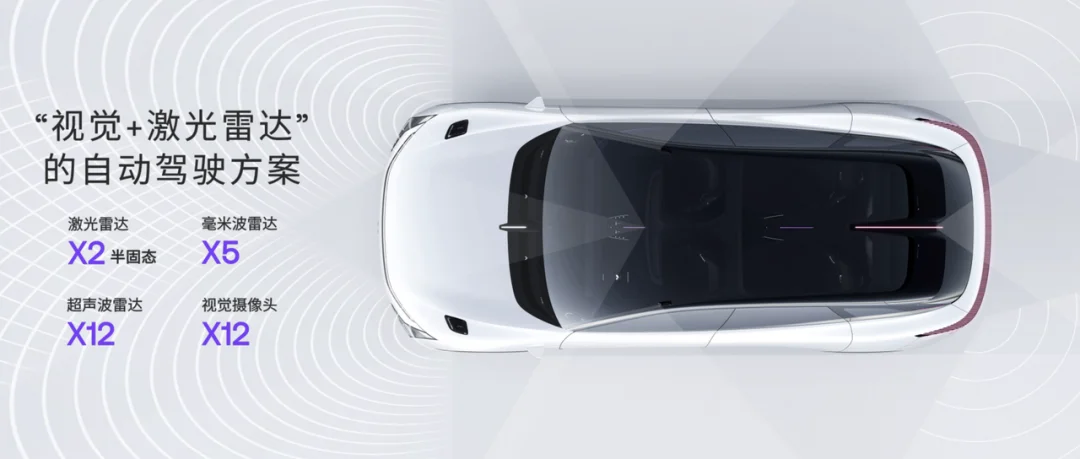
In terms of hardware specifications, the core content of ROBO-01 includes the following:
2 Orin-X chips;
2 Hesai AT128 semi-solid-state LiDARs;
A vision system comprising seven 8-megapixel cameras, four 3-megapixel cameras, and one 2-megapixel camera;
five millimeter-wave radars.
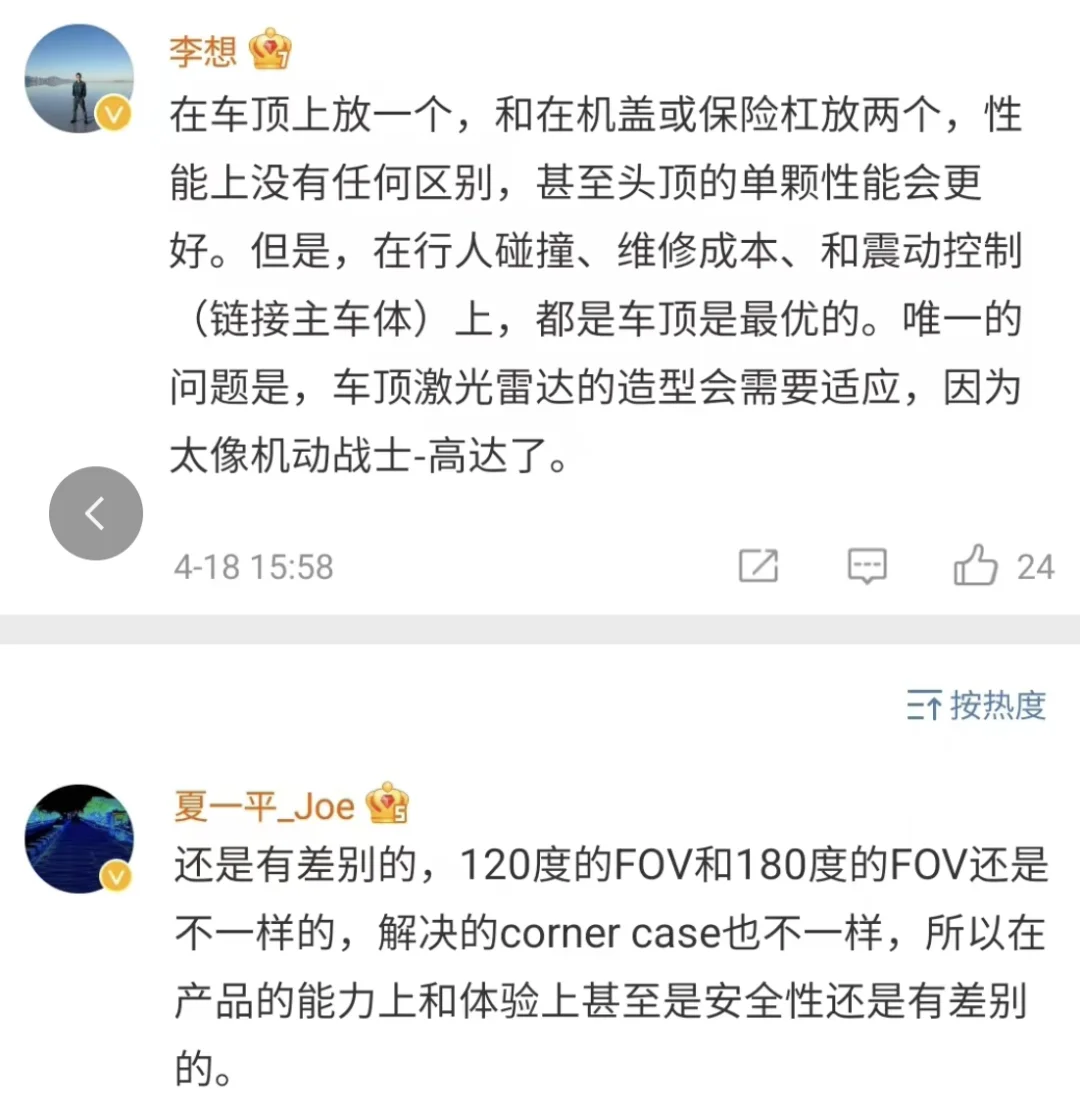
The configuration of the surround-view ADAS system, computing chips, and LiDAR ranks among the top tier for recent new vehicles. The Hesai AT128 is also used on the Li L9. Regarding the placement of the LiDAR, Xiang Li and Xia Yiping previously expressed differing opinions in the comments section of our Weibo account; Xia Yiping raised this issue again during the interview.
Why Two Units
The horizontal field of view (FOV) of the Hesai AT128 is 120°. The two AT128 LiDARs on the ROBO-01 combine to create a horizontal FOV of 180°. They are mounted on the vehicle’s front hood. In addition to the aesthetic considerations mentioned earlier, Xia Yiping stated that a key reason for this placement is to enhance the vehicle’s perception capability in “ghost probe” scenarios—where pedestrians or obstacles suddenly emerge from blind spots.
Imagine your car is parked in a scenario with pillars on both sides. Without a 180° FOV LiDAR helping you monitor traffic approaching from several meters away on the left and right, it is impossible to achieve true autonomous parking within a parking lot from a safety perspective. It simply cannot be done because the safety level would not meet the requirements.
Compared to roof-mounted solutions, the disadvantages of mounting the LiDAR on the front hood have been explained by Xiang Li in the screenshot above. One additional difference is that the vertical viewing angle of the hood-mounted LiDAR is flatter, whereas the roof-mounted solution angles slightly downward. This gives the hood-mounted configuration an advantage in maximum detection distance.
About the Integrated Architecture
The three main scenarios for intelligent driving are typically highway, urban, and parking. Due to the significant differences between these scenarios, many manufacturers develop them separately. One of the most significant technical announcements at Jidu's launch event was the commitment that the ROBO-01 would be delivered with "three-domain connectivity" for intelligent driving upon mass production.
Xia Yiping stated that Jidu had already achieved the integration of urban and highway scenarios in December 2021, but the system was not yet ready for media test drives at that time.
Jidu's ultimate goal is to achieve intelligent driving from parking spot to parking spot.
Regarding the vehicle's electronic and electrical architecture, Jidu named the system on its new car "JET Pingtai," which includes:
VDDM Vehicle Motion Controller
BGM Whole-Vehicle Domain Controller
CDC Vehicle Intelligent Cockpit Controller
ACU Vehicle Intelligent Driving Controller
This four-domain control system employs gigabit Ethernet for in-vehicle communication in the ROBO-01, offering stronger Service-Oriented Architecture (SOA) capabilities. If you wish to bypass these technical terms, the essential takeaway is that the vehicle features a high degree of software definition, enabling more over-the-air (OTA) updates and allowing for greater computer-controlled customization. Hardware components can collaborate more effectively; for instance, as demonstrated at the launch event, the 3D visualization UI for driver assistance on the ROBO-01’s infotainment screen is rendered by the performance of the intelligent driving chip.
Another example provided by the company is that although the Snapdragon 8295 chip was not yet available during the development of the intelligent cockpit, the team could begin development on the 8155 architecture and later migrate the content once the hardware arrived. Indeed, the ROBO-01 will be equipped with the 8295 infotainment chip.
03Final Thoughts
Readers who have made it this far are likely more interested in this car than in the metaverse. The sudden onset of the pandemic this year caused numerous auto industry launch events to be postponed—so many that they could be counted on two hands.
Jidu was among them. As the company’s CEO, Xia Yiping should logically and emotionally have been the main speaker at the brand’s first new car launch. However, due to pandemic isolation, the original launch plan fell through. During the quarantine, Xia Yiping was alone at home, even rushing to buy groceries. After the emergency revision of the launch plan, he even filmed his own video segments using a mobile phone at home.
It is true that Jidu failed to live up to the high expectations conveyed during the pre-heating phase. But to some extent, unexpected changes in the broader environment did lead to some regrettable outcomes.
However, another noteworthy point emerged during the post-event interviews: regarding the vehicle's progress, Xia Yiping stated that despite the pandemic, the team managed to steer clear of major setbacks, maintaining its R&D milestones from March last year to the present with Jidu losing virtually no development time.
The article concludes by addressing a more consumer-centric question: how competitive is the ROBO-01?
On the mechanical side, Geely’s SEA platform capabilities have been evident in the Zeekr 001, so there is little cause for concern about the slightly smaller ROBO-01. In terms of design, the concept car’s styling was largely accurate, and the production model revealed in the final-stage easter egg showed high fidelity. The cabin and autonomous driving features, which are theoretically this car’s strongest points, also represent its highest barriers and require rigorous real-world validation.
I have not experienced or referenced these systems myself, but Xia Yiping offered this assurance:
"I can assure everyone that the intelligent capabilities discussed in the latter half of our presentation—including the first Chinese launch of the Gaotong 8295 chip and the deployment of advanced autonomous driving across multiple scenarios—are features that will be available at the time of the product’s market release. We guarantee that all intelligent functions announced today will be delivered to consumers at 100% of the advertised specification."
If these claims hold true, I remain optimistic about the production version of this vehicle. However, I urge Jidu to avoid holding future press conferences in the metaverse.
Written by: Reinhardt Edited by: Reinhardt