


Li L8 and Feifanjiaoche F7 Listed in MIIT; AITO M5 EV Launched; NIO Q2 Earnings Released
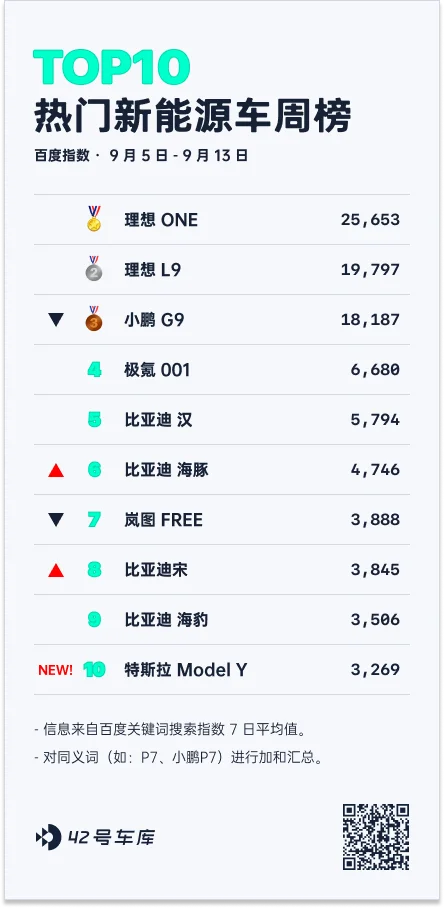
01Weekly Index
02Weekly News
Li L8 Debuts at Gongxinbu
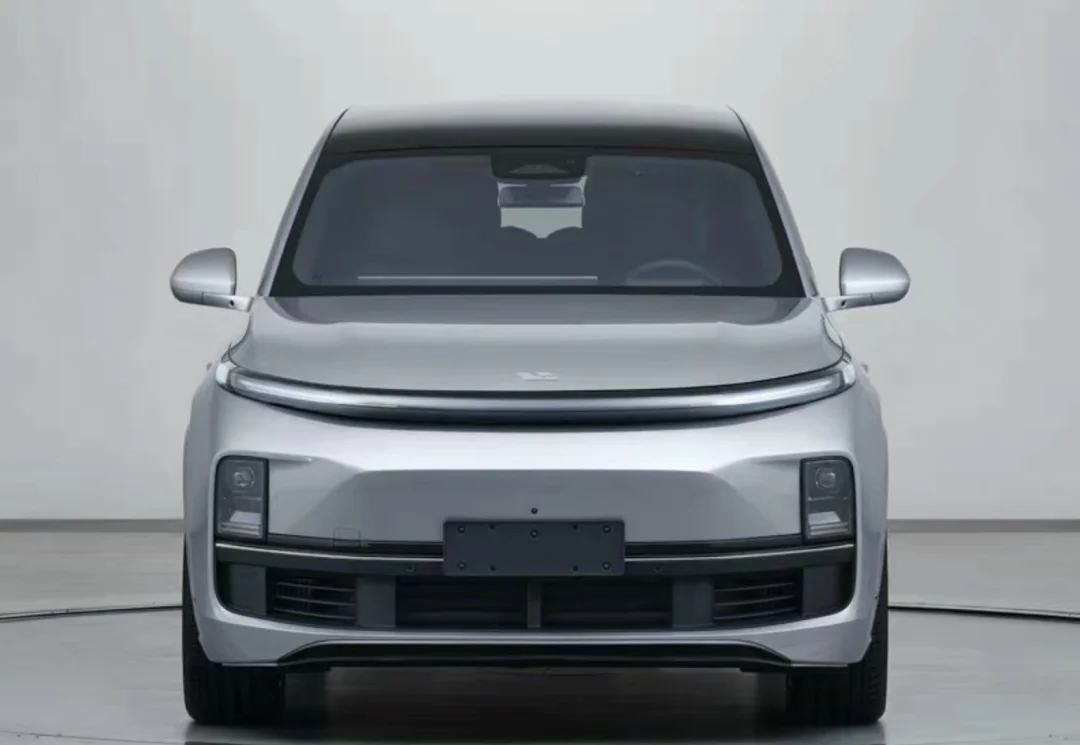
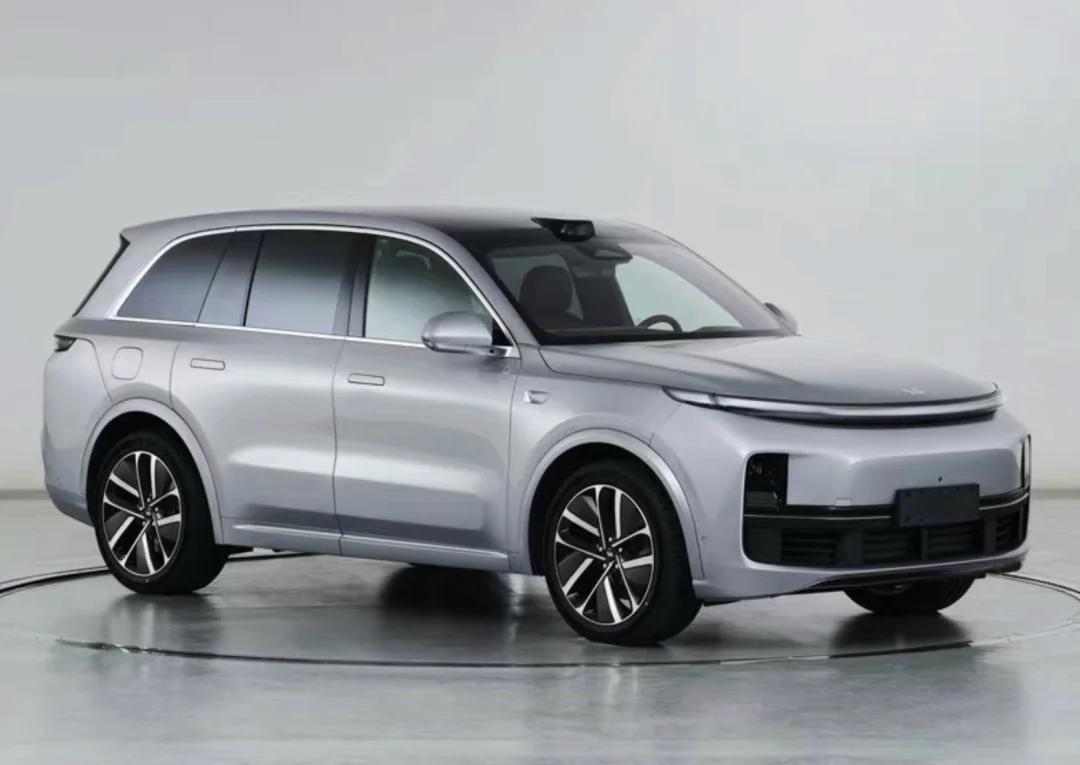
On September 9, the Li L8 was listed with Gongxinbu. Dimensions: 5,080 × 1,995 × 1,800 mm; wheelbase 3,005 mm; curb weight 2,480 kg.
Compared to the Li L9, the primary difference is a wheelbase reduction of more than 10 cm. In the mid-to-large SUV segment, the Li L8 remains on the larger side, with dimensions also increased compared to the Li ONE.
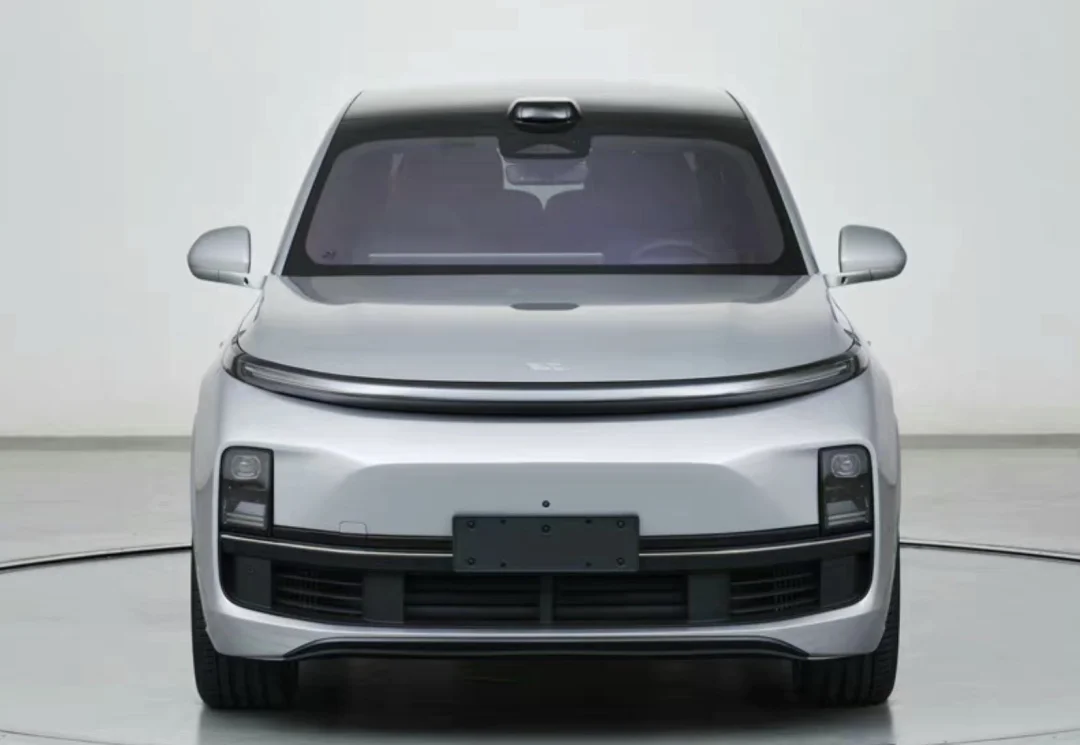
In terms of configuration, the Gongxinbu listing shows that the Li L8 has several reductions compared to the Li L9:
The 21-inch wheels are now an optional extra;
The LiDAR sensor is now an optional extra;
The battery capacity has been reduced to 40.9 kWh;
WLTC pure-electric range of 168 km.
However, in terms of power, the L8 retains the 330 kW dual-motor configuration of the L9, with a zero-to-100 km/h acceleration time of 5.3 seconds.
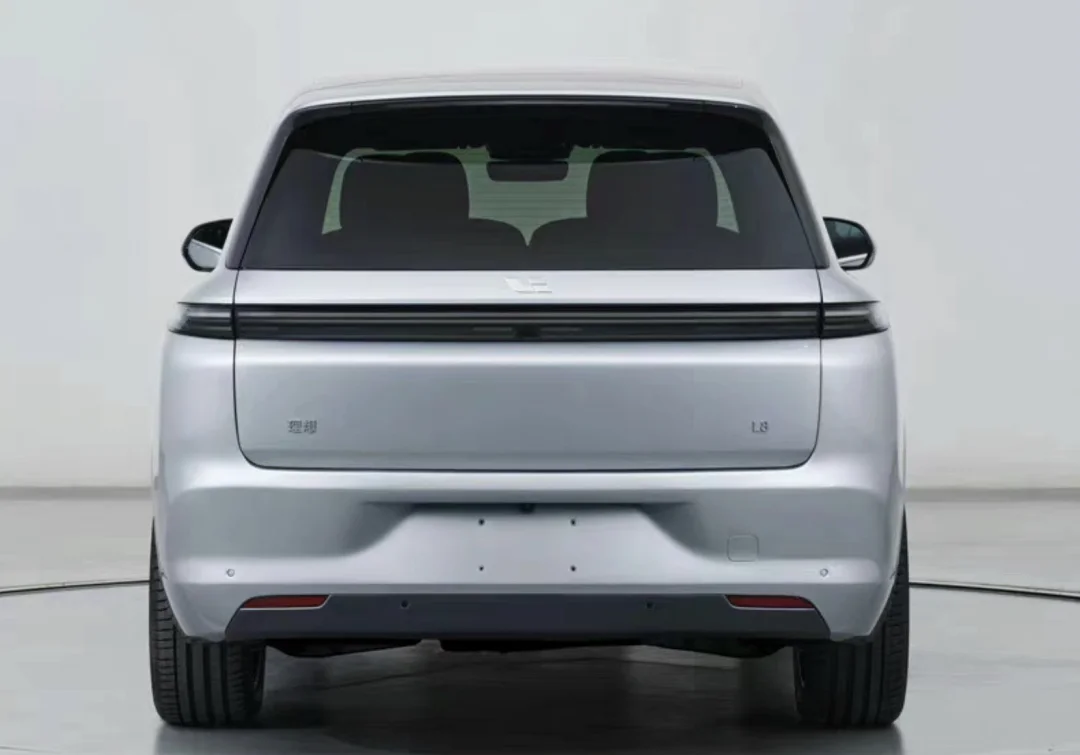
Quick Review:
According to earlier Weibo posts by Xiang Li, four versions of the L8 will be launched, available in both five-seat and six-seat configurations. Intelligent features will include Max and Pro trims; the Max version will feature dual Orin-X chips and a lidar sensor, while the Pro version will not have lidar and is likely to be equipped with Dipingxianzhengcheng 5.
Additionally, there may be differences in interior screens and rear entertainment systems between the Max and Pro models. Based on previous information, the Li L8 is scheduled for release in November this year, with deliveries beginning in the same month.
AITO M5 EV Launch
At the Huawei Autumn 2022 launch event, the AITO M5 EV was officially released. The AITO M5 EV is available in two trims: Standard and Performance, priced at RMB 288,600 and RMB 319,800 respectively.
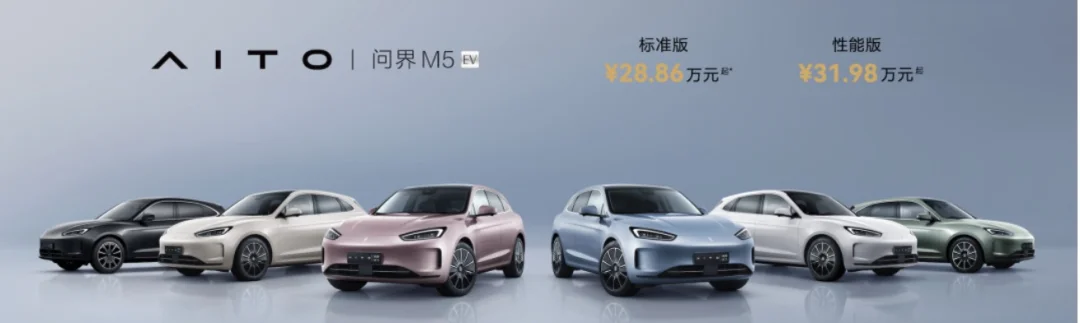
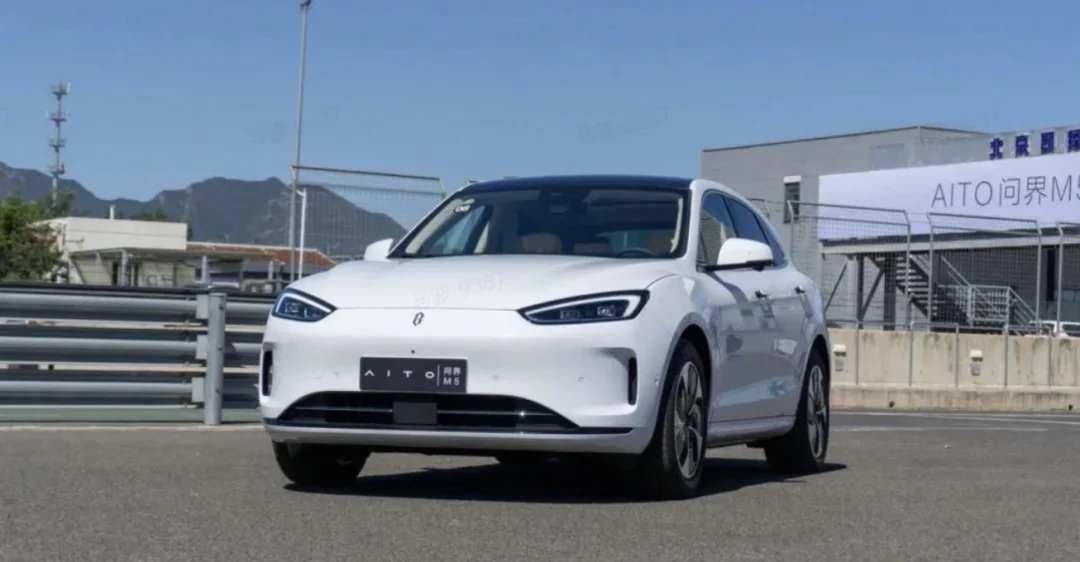
Compared to the range-extended M5, the most obvious and fundamental change in the EV version is the switch to a closed-off front grille design. This reduces the 'Macan-like' aesthetic and strengthens the 'electric' feel.
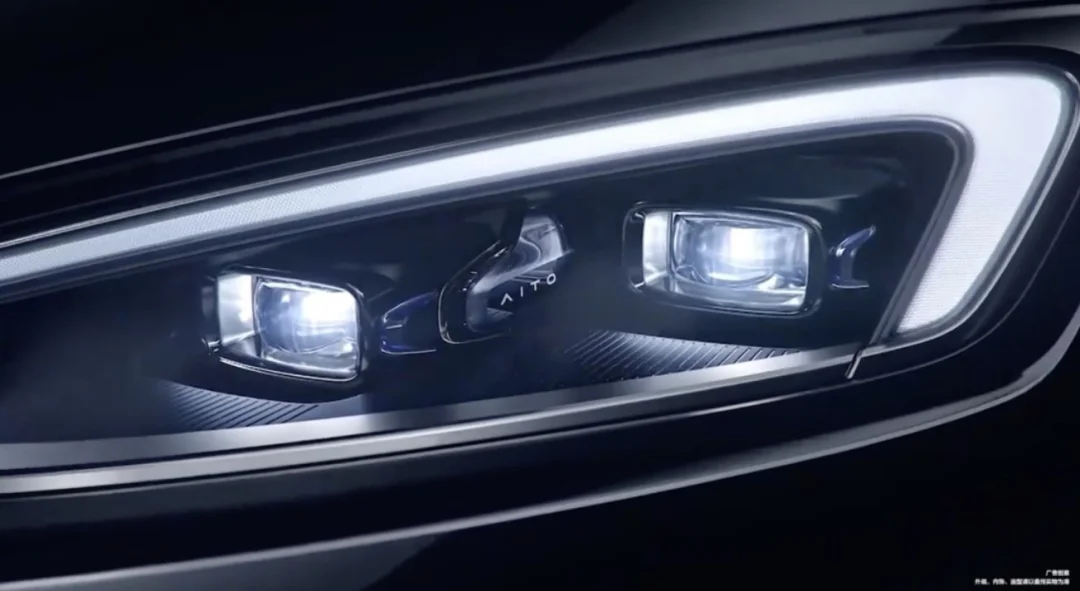
While the headlight outline remains largely unchanged, the interior now features lenses, giving the lights a more 'alert' appearance. Functional changes are minimal; the turn signal function has been integrated into the 'hook'-shaped LED light strip.
The AITO M5 EV introduces two new exterior colors compared to the range-extended model: Dawn Pink and Warm Nebula Cloud. Four interior color options are available.
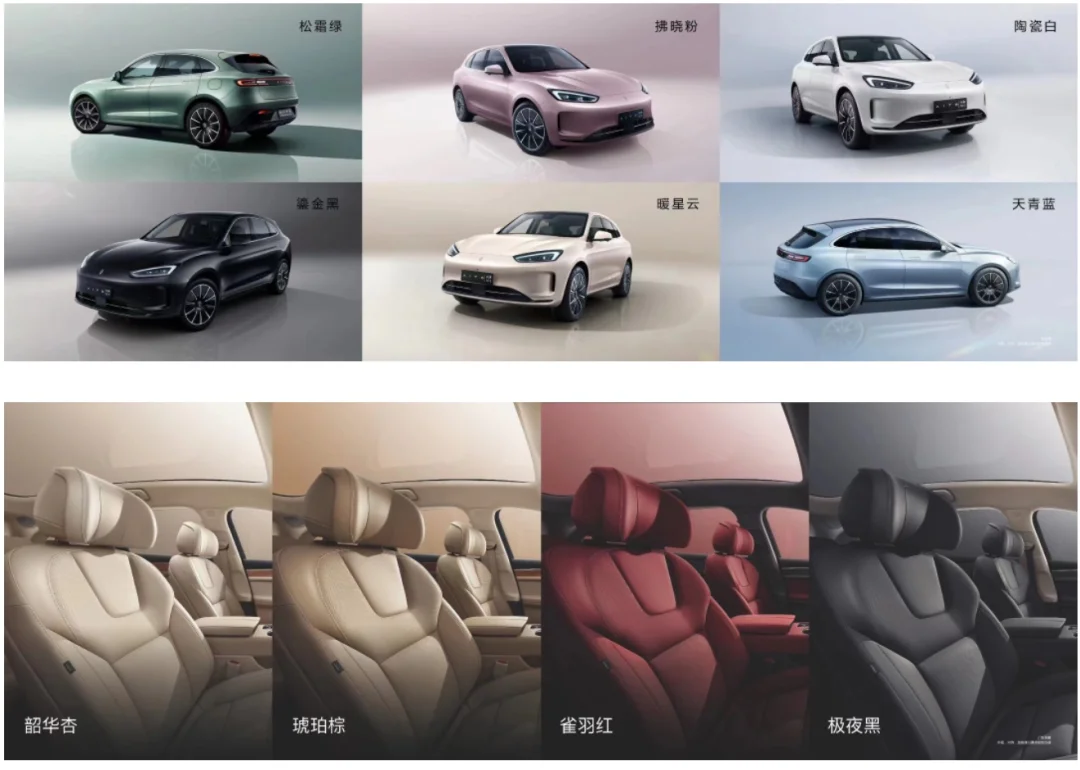
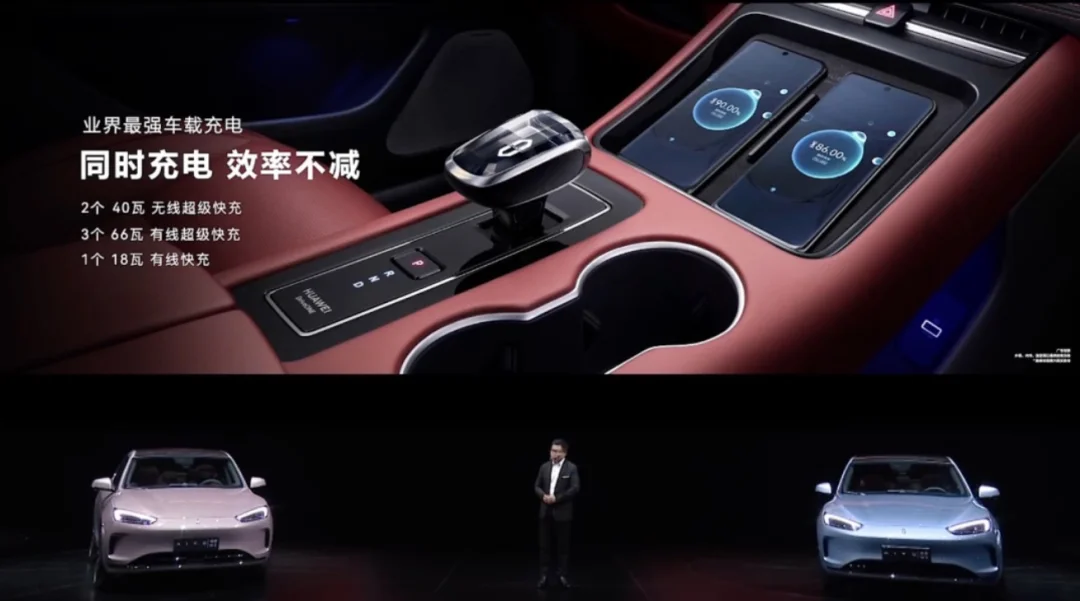
The interior design remains largely unchanged, but several pain points from the M5 EREV version have been addressed. For instance, the M5 EV now features dual cup holders and dual 40W wireless charging pads, along with three 66W wired fast-charging ports and one 18W wired port.
The AITO M5 EV four-wheel-drive model uses a combination of a front AC asynchronous motor and a rear permanent magnet synchronous motor. The front motor is 165 kW, the rear motor is 200 kW, and the total power for the four-wheel-drive model is 365 kW; the rear-wheel-drive model is 200 kW. On paper, the dual-motor power slightly outperforms the Model Y Performance. The four-wheel-drive model accelerates from zero to one hundred kilometers per hour in 4.5 seconds, while the rear-wheel-drive model takes 7.1 seconds.
Both M5 EV variants are equipped with 80 kWh lithium iron phosphate (LFP) batteries, offering CLTC-rated ranges of 620 km and 552 km, respectively.
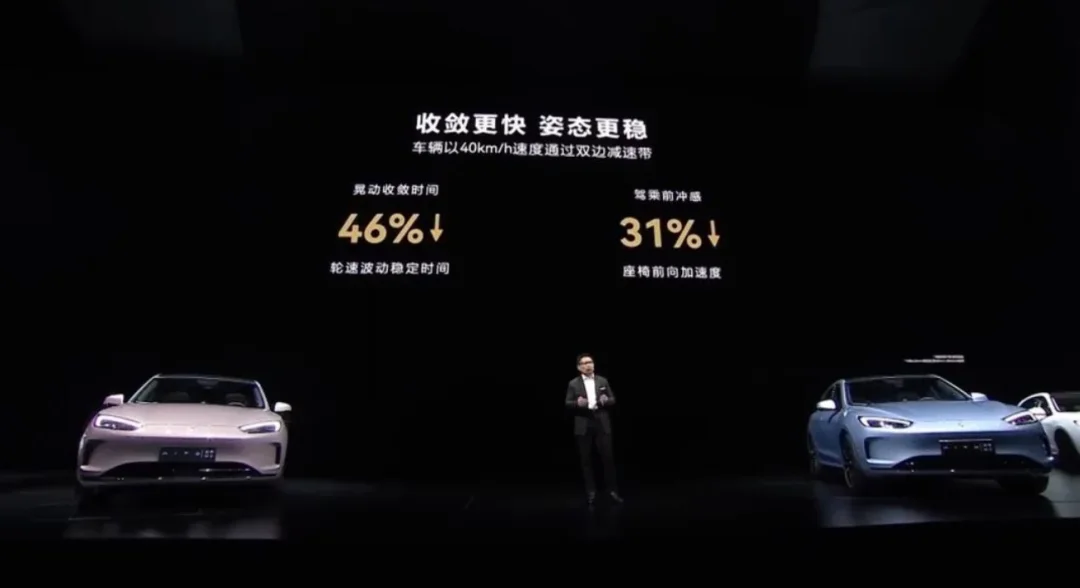
The AITO M5 EV utilizes a fully aluminum chassis, featuring a double-wishbone front suspension and an H-arm multi-link rear suspension. These materials and configurations match those of the M5 EREV. Notably, despite the use of a full-aluminum chassis, the curb weight of the M5 EV still reaches 2,235 kg.
Quick Review:
The AITO M5 EV aims to build upon its current monthly delivery volume exceeding 10,000 units across its two models, seeking further growth. It targets users who prefer the Huawei ecosystem and seek a high-spec, luxury pure-electric SUV in the RMB 300,000 price segment.
The 300,000 RMB segment of the pure electric mid-size SUV market is not yet fully saturated, and available options remain limited. AITO has presented two answers with the AITO M5: the first has achieved solid results, while the question remains whether the second can maintain its strength as more competitors enter the field. This is worth watching, given that AITO has stated it will pursue a dual-strategy of extended-range and pure-electric vehicles.
NIO Q2 Financial Results Released
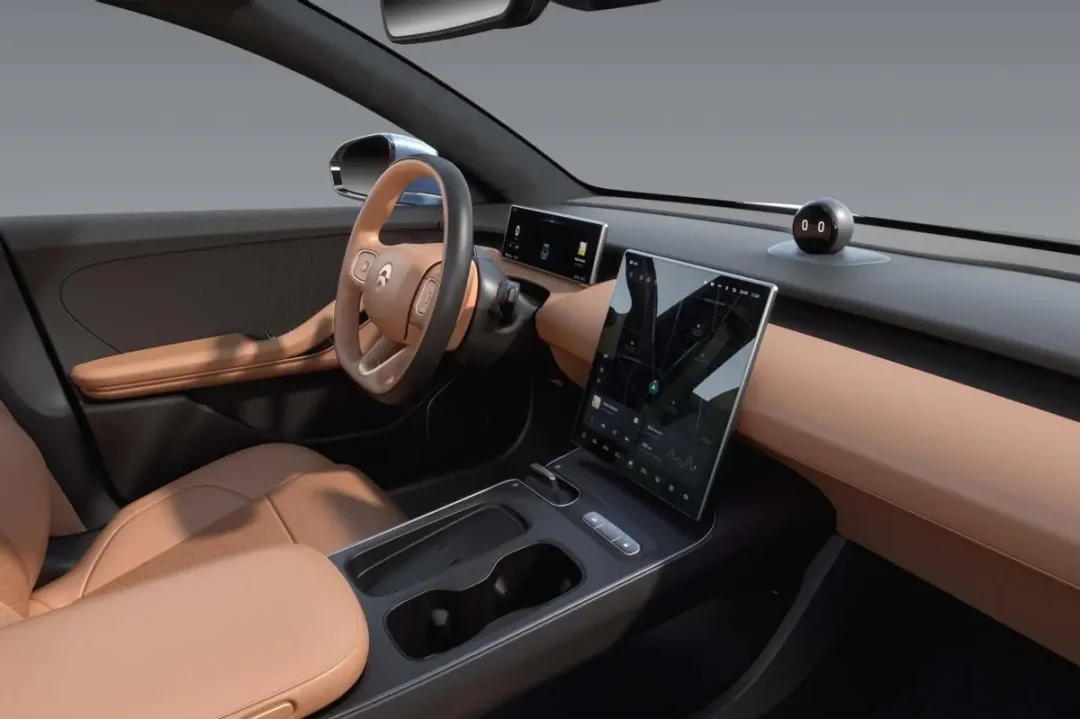
On September 7, NIO released its financial report for the second quarter of 2022. In terms of performance, NIO’s second-quarter revenue reached RMB 10.29 billion, a year-on-year increase of 21.8%, setting a new quarterly record; gross margin from vehicle sales was 16.7%; R&D expenditure amounted to RMB 2.15 billion, up 143.2% year-on-year, also marking a new single-quarter high; and cash reserves stood at RMB 54.4 billion.
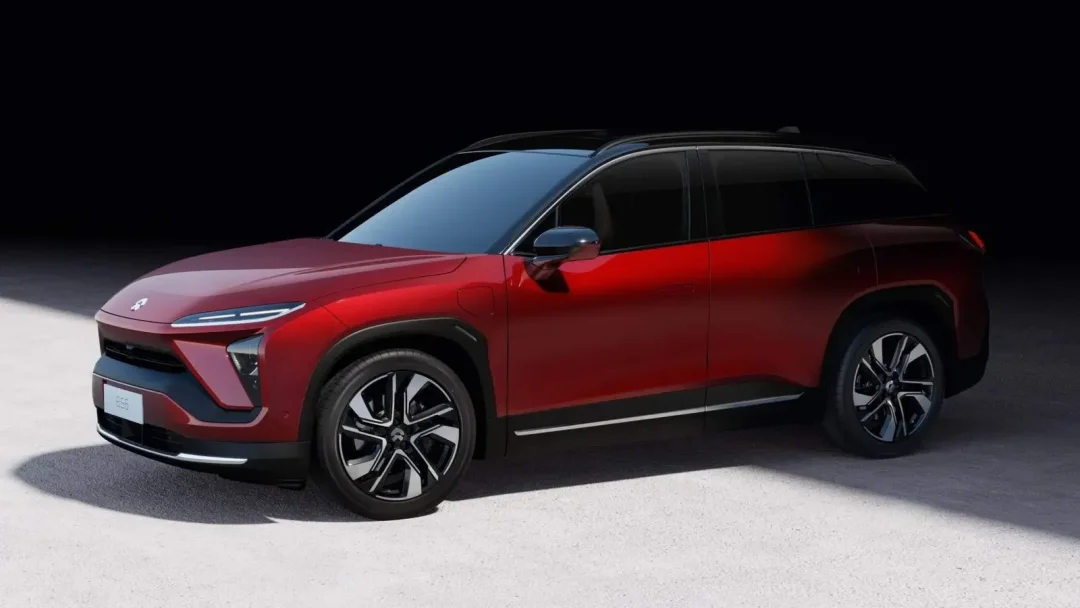
Beyond these standard figures, NIO addressed several questions of interest to the public:
R&D progress is proceeding according to plan. The mass-market brand following the Volkswagen partnership will utilize NT3 technology and will be launched alongside NT3 products.
ET5 deliveries are expected to exceed 10,000 units in December, with preparations in all areas being thorough; internal targets are higher than 10,000. Record-breaking monthly deliveries are anticipated throughout Q4, with December undoubtedly representing the peak. By October, supply chain and production capacity issues for both ET7 and ES7 will be significantly alleviated, and ET5 production will begin to ramp up. Specific capacity forecasts are difficult due to numerous uncontrollable limiting factors, but the company is clear on how to maximize output under such conditions. We are confident in our Q4 production capabilities.
ET5 enthusiasm continues to rise, with very high user expectations; ET5 is poised to become a highly popular product. More new models, including facelifted versions, will be released next year. Existing 866-platform vehicles will transition to the NT2 platform next year.
Despite significant supply chain and delivery pressures in the fourth quarter, NIO had already begun active preparations in the third quarter. The Xinqiaogongchang factory started commissioning in Q3, initially producing only the ET5, which has significantly lower complexity;
NIO stopped releasing order figures early on. Orders for the ET7 and ES7 were very strong, with the ES7 exceeding expectations. The ET5 will undoubtedly require a longer wait. The main recent issue has been supply chain capacity constraints. Overall, there is strong confidence in demand.
The United States' export policies on chips to China will have no short-term impact on NIO's operations, as they do not involve vehicle-related chips. Current chip computing power is already sufficient to support AD training needs, and NIO continues to collaborate with NVIDIA. NIO will further evaluate technical solutions across various aspects and expand cooperation with more chip companies. The chip policy will not have a practical impact on the company's long-term strategy. In core technology areas, including chips, NIO aims to establish full-stack in-house R&D capabilities. Core R&D capabilities help mitigate risks from industrial policy changes and also enhance gross margins and technological competitiveness.
The US market has been considering this for a long time, and over the past five years, it has conducted thorough certifications in various aspects, including products, user experience, and business models. The situation is becoming increasingly clear, and preparations are underway.
Quick Review:
Financial reports show that despite NIO's continuous launch of new products, the company's financial situation has not improved but rather worsened. Although revenue broke through the RMB 10 billion mark for the first time, the net loss reached RMB 2.745 billion, compared to a loss of RMB 659 million in the same period last year. Affected by this news, NIO's pre-market US stock price dropped by 6%.
The issue lies in gross margin. In Q2, due to rising battery costs, NIO's overall vehicle gross margin fell to 16.7%, a decline of approximately two percentage points from 18.1% in the first quarter. Additionally, R&D expenses increased by 143.2% compared to the same period last year, reaching RMB 2.149 billion.
However, the all-new NIO ET5 is set to begin deliveries in late September. As NIO’s most affordable model, it has seen strong order momentum. As the brand’s version of the Tesla Model 3, can it help NIO emerge from its losses?
Feifanjiaoche F7 Gongxinbu Exposure
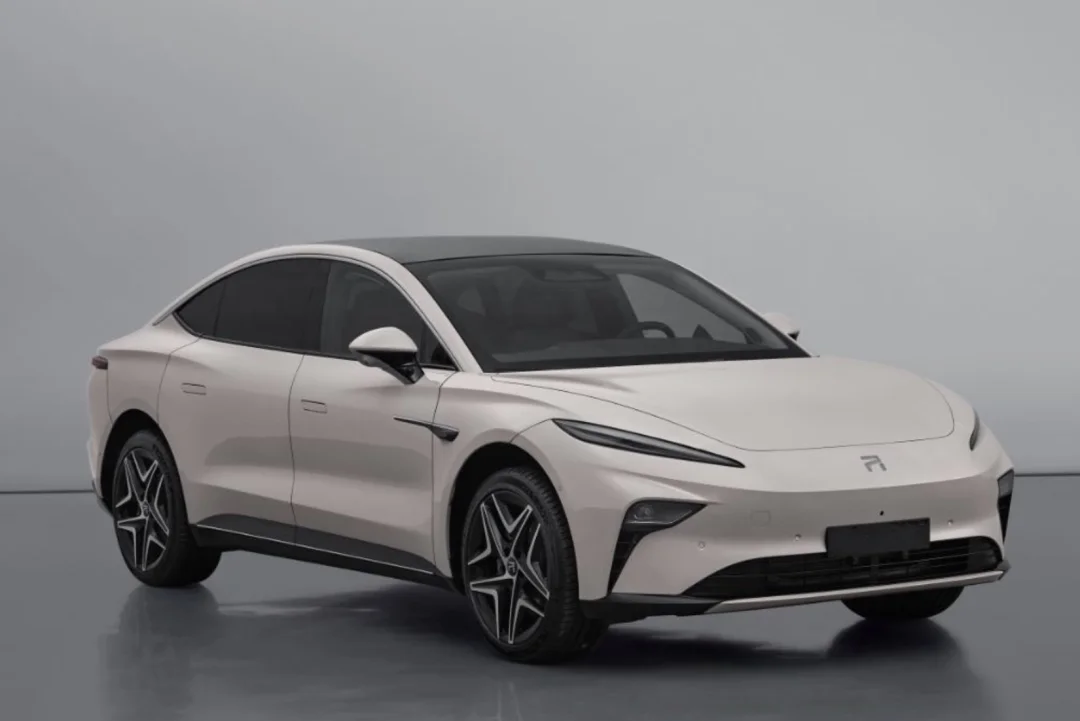
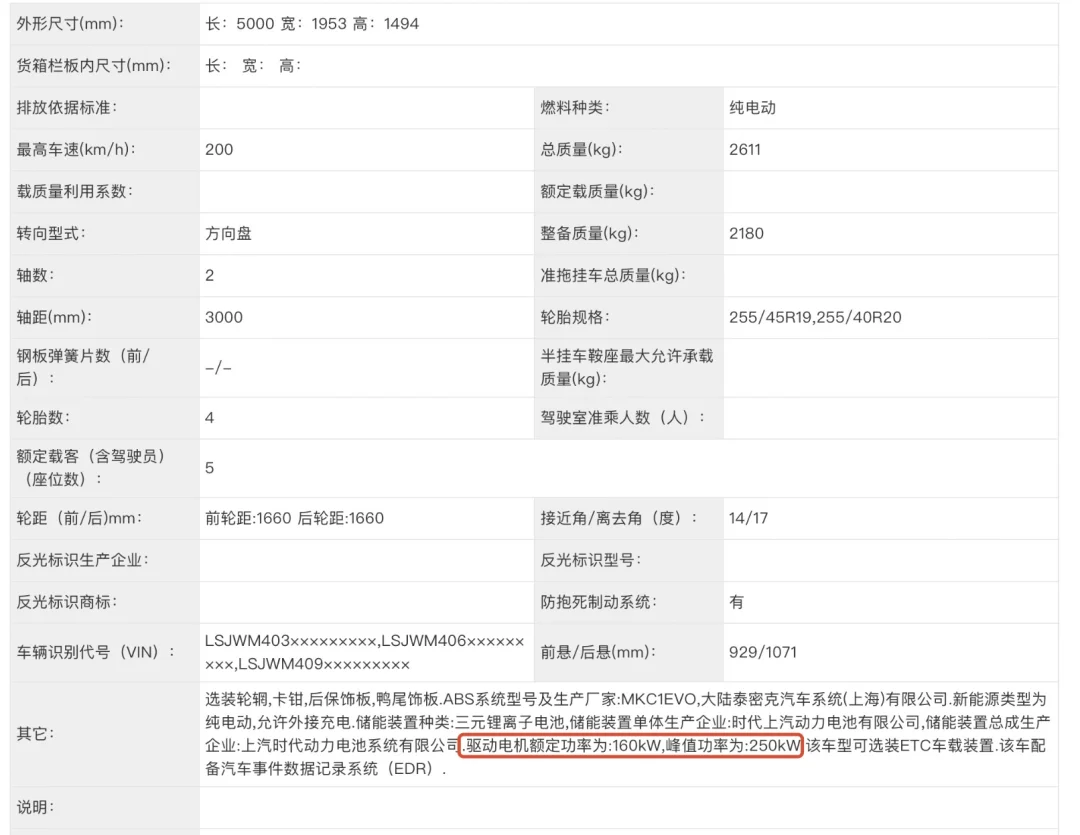
The new Feifanjiaoche F7 measures 5,000 × 1,943 × 1,454 mm with a wheelbase of 3,000 mm and a curb weight of 2,180 kg.
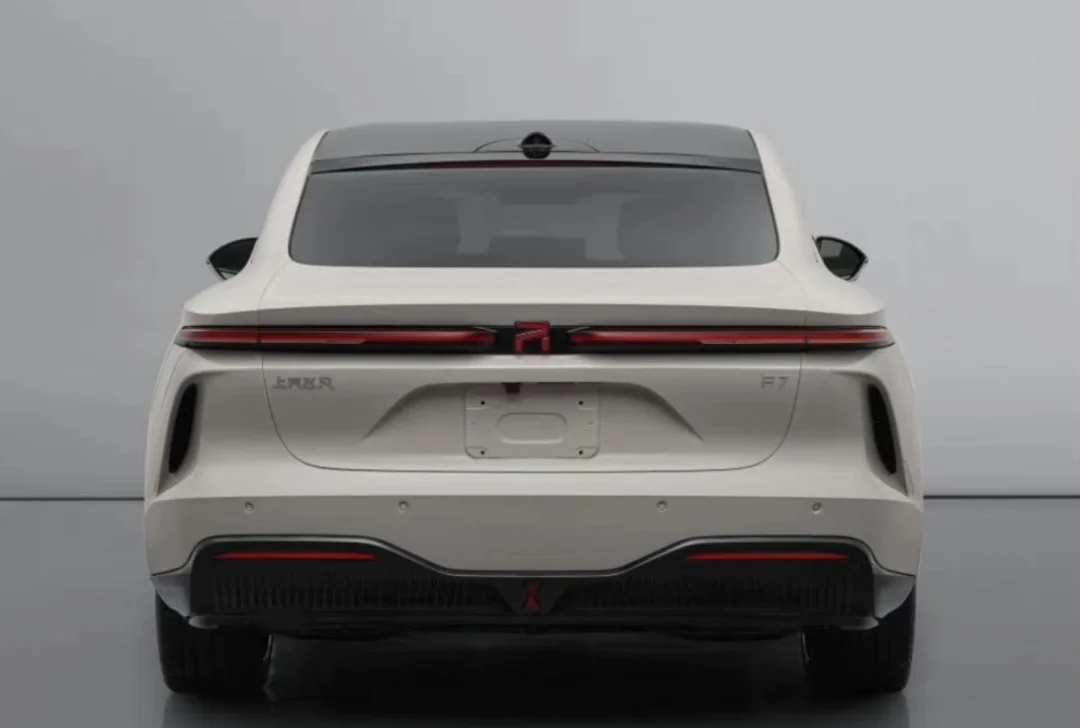
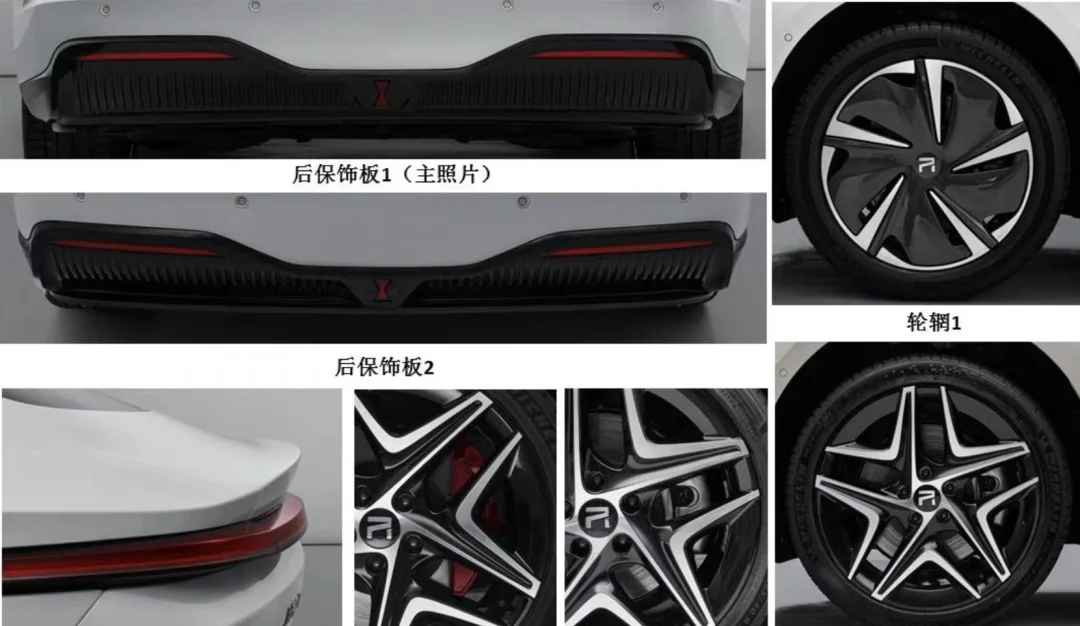
The vehicle features rear-wheel drive powered by a 250 kW permanent magnet synchronous motor. It is expected to share the same 90 kWh flat-lying battery pack as the R7, with a CLTC range likely exceeding 700 km. The rear cabin is also anticipated to maintain the R7’s generous vertical headroom.
Editor's Pick:
The currently declared Feifan F7 does not feature a roof-mounted LiDAR. Given that the declaration is for a rear-wheel-drive model, it remains possible that high-spec four-wheel-drive variants will include LiDAR in the future.
Feifan has previously stated multiple times that its battery-swap layout is under preparation. The company’s self-developed bolt-style swap technology can complete a swap in approximately two and a half minutes during the testing phase, and this technology may also be applied to the new F7 model.
Written by: Kaixiang Edited by: Liu Guangding