


Why Cost Efficiency Drives Single-Chip Cockpit-Driving Integration
Over the past few months, "cockpit-driving integration" has become a buzzword in the smart vehicle sector, driven largely by product announcements from two chip companies.
These are NVIDIA and Heizhima.
Let's start with the industry giant, NVIDIA.
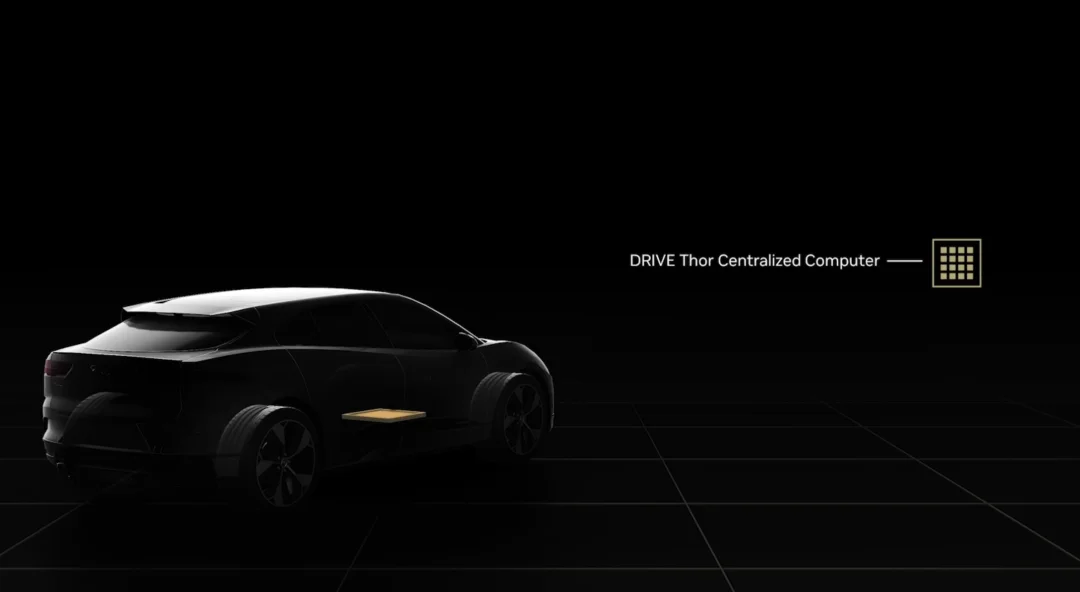
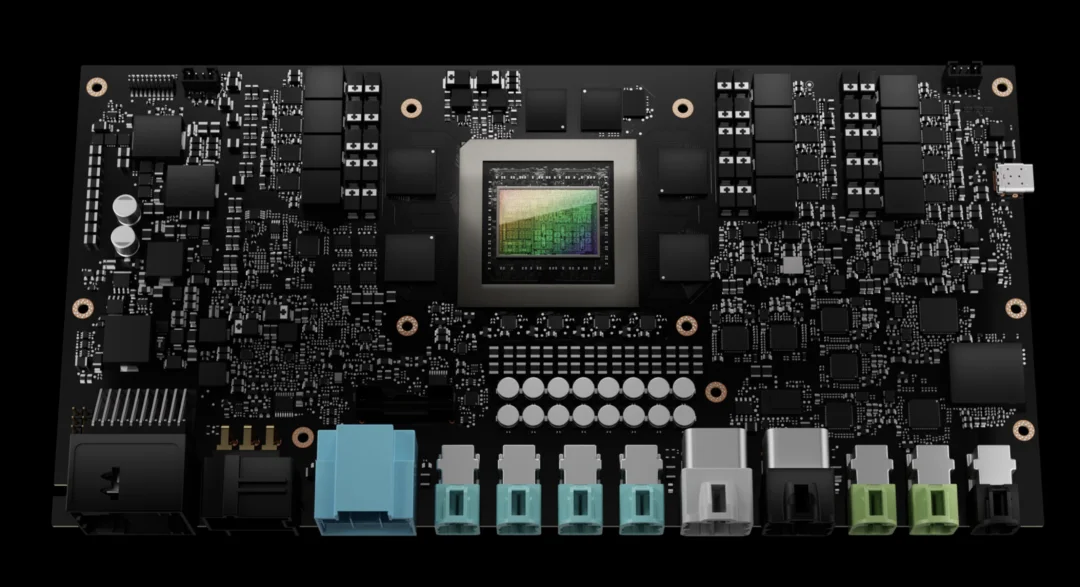
On September 20, 2022, NVIDIA unveiled the DRIVE Thor, a chip boasting 2,000 TOPS of computing power. Its key feature is its ability to handle multiple functions on a single SoC: autonomous driving, driver assistance, parking, occupant monitoring, digital instrument clusters, and infotainment.
NVIDIA founder and CEO Jensen Huang described the DRIVE Thor as being "born for the central computing architecture of automobiles."
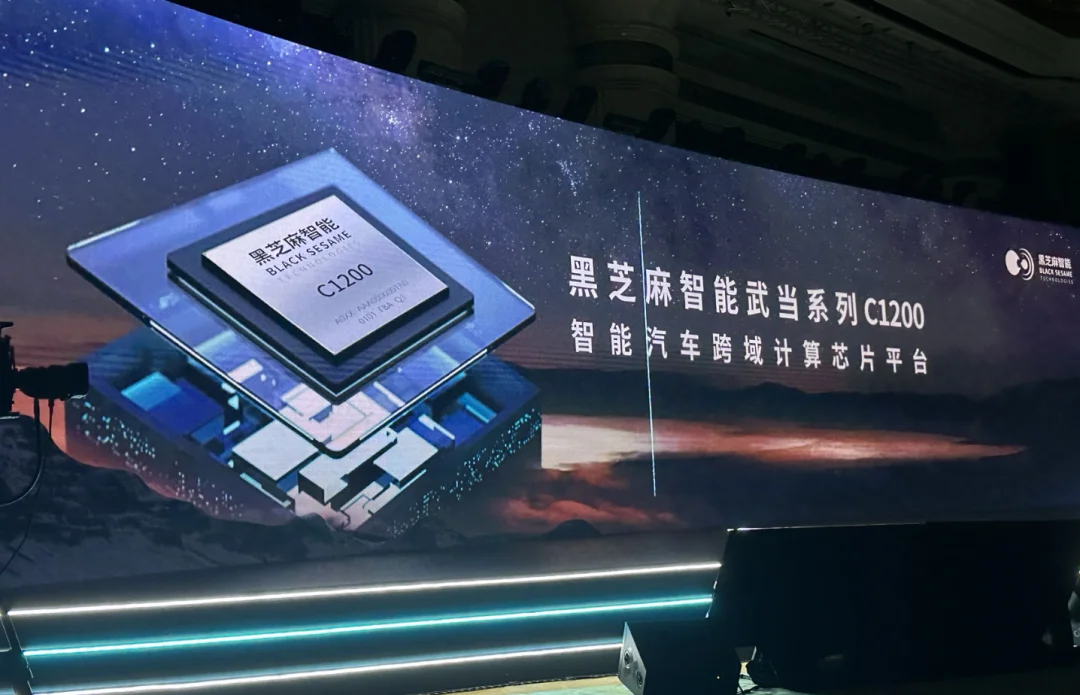
In contrast, chip startup Heizhima took a more measured approach. At its strategy launch event on April 7, 2023, it introduced its latest chip, the C1200, defining it as an "intelligent automotive cross-domain computing chip platform." By emphasizing cross-domain computing, the C1200 also targets cockpit-driving integration.
Yet, another label for this chip is cost-effectiveness.
From Autonomous Driving to Cross-Domain Computing
For Heizhima, the C1200 represents significance that extends beyond that of a mere "cross-domain computing" chip.
After all, throughout its years from founding to the present, Heizhima has long been deeply engaged in the autonomous driving sector. It has already launched the Huashan series of chips tailored for autonomous driving scenarios; notably, the Huashan No. 2 A1000 chip can effectively support the latest BEV algorithms, meet the requirements for L3 and below autonomous driving scenarios, and achieve commercial deployment.
Moreover, according to Heizhima’s timeline, the next-generation A2000 chip is also under intensive development—in short, Heizhima has made significant strides in accumulating expertise in autonomous driving and continues to deepen its focus in this area.
In this context, the release of the C1200 serves as a major milestone in Heizhima’s strategic transformation.
According to the three-step plan for Heizhima’s intelligent strategy positioning announced by Heizhima’s founder and CEO Shan Jizhang, after achieving commercial product deployment in the field of autonomous driving, the company aims to move to the "second step": expanding its product line to cover more computing nodes within the vehicle, in alignment with the development trends of automotive electronic and electrical architectures, thereby forming a portfolio of multiple product lines.
Of course, the backdrop for Heizhima taking this "second step" is that, with the development of intelligent connected vehicle technologies, automotive electronic and electrical architectures are evolving from distributed systems to domain controllers, and showing a trend toward more highly integrated central computing architectures.
In this context, Heizhima has even upgraded its entire company positioning, shifting from a "leader in autonomous driving computing chips" to a "leader in smart vehicle computing chips."
Accompanying this positioning adjustment, Heizhima launched a product series named "Wudang," calling it the "world's first cross-domain computing chip platform for smart vehicles." According to official statements, the Wudang series targets cross-domain computing scenarios, covering the needs of multiple different domains within smart vehicles such as the cockpit and intelligent driving, possessing multi-domain integration capabilities.
The first chip product in the Wudang series is the C1200—let's look at some key specifications for this chip:
Built on a 7nm process technology;
Adopts Arm's latest generation automotive-grade CPU core A78AE (with performance of 150K DMIPS) and automotive-grade GPU core G78AE;
Features a self-developed DynamAI NN automotive-grade low-power neural network acceleration engine, supporting NOA scenarios;
Integrates an Audio DSP module and a next-generation self-developed NeuralIQ ISP module capable of processing 1.5 gigapixels online per second;
Provides 32K DMIPS of MCU computing power;
Capable of simultaneously processing inputs from more than 12 high-definition cameras, supporting high-speed MIPI interfaces;
Supports the access and forwarding of multiple CAN data streams, Ethernet interfaces, multi-screen output, and multi-channel 4K capabilities; supports dual-channel LPDDR5 memory to meet bandwidth requirements after cross-domain integration;
Features an ASIL-D Safety Island and Security modules compliant with China’s Grade II National Cryptography standards and EVITA Full, meeting the highest automotive-grade reliability requirements.
Notably, the C1200 implements a hard-isolated independent computing subsystem with separate rendering and display functions, satisfying the high security and fast boot-up requirements for instrument cluster screens; this subsystem can also be flexibly applied to autonomous driving, HUD (head-up display), and other scenarios requiring independent computing systems.
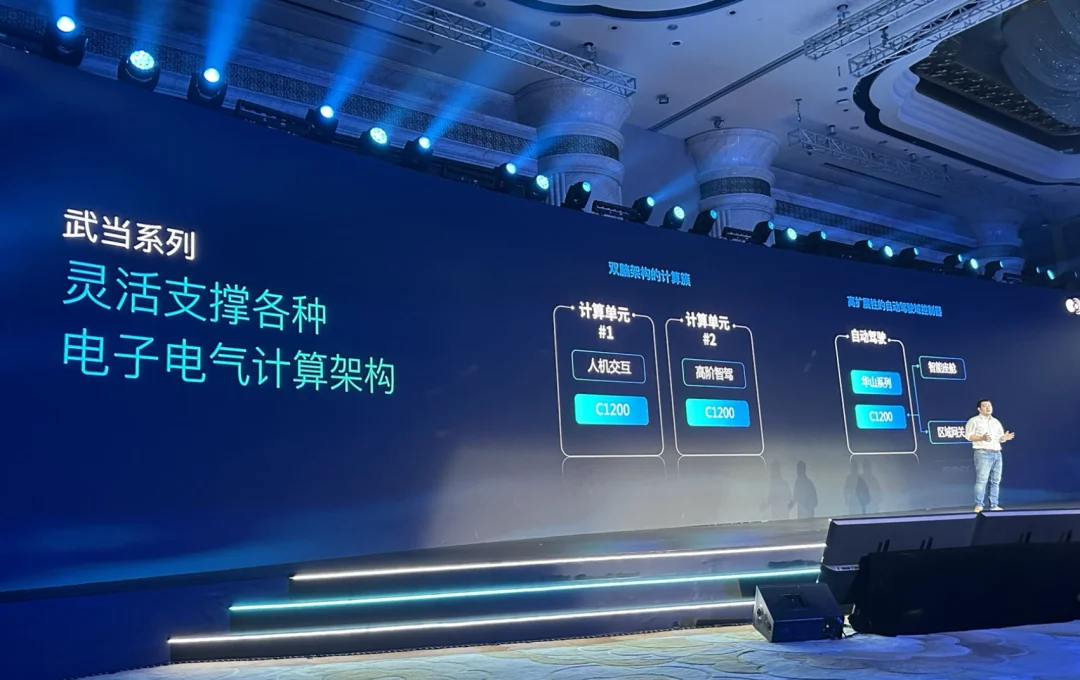
According to official statements from Heizhima, the C1200 can flexibly support various current and future architectural combinations in the industry. A single chip can satisfy cross-domain computing scenarios including CMS (electronic rearview mirror) systems, integrated driving and parking, vehicle-wide computing, infotainment systems, smart headlights, and cabin perception systems.
Additionally, Heizhima stated that sample chips of the C1200 are expected to be provided to OEMs and Tier 1 partners within 2023.
With this, Heizhima and NVIDIA have become the two industry players that have explicitly adopted a single-chip approach for cockpit-driving integration and released products.
Cockpit-Driving Integration Targets 2025
Naturally, companies aiming to achieve cockpit-driving integration through a single chip are not limited to NVIDIA and Heizhima.
42HOW Auto notes that prior to the release of its C1200 chip, Heizhima’s chips had participated in another company’s cockpit-driving integration strategy back in March. Specifically, Yikatong unveiled a central computing platform named “Automotive Brain” at its Technology Ecosystem Day, which utilized Heizhima’s A1000 chip for intelligent driving capabilities.
It is important to note that Yikatong’s Automotive Brain integrates a smart cockpit chip from Xinqingkeji, known as “Dragon Eagle No. 1,” alongside a smart driving chip from Heizhima, aiming to deliver competitive cockpit-driving integration features. Essentially, this represents a dual-chip solution for cockpit-driving integration.
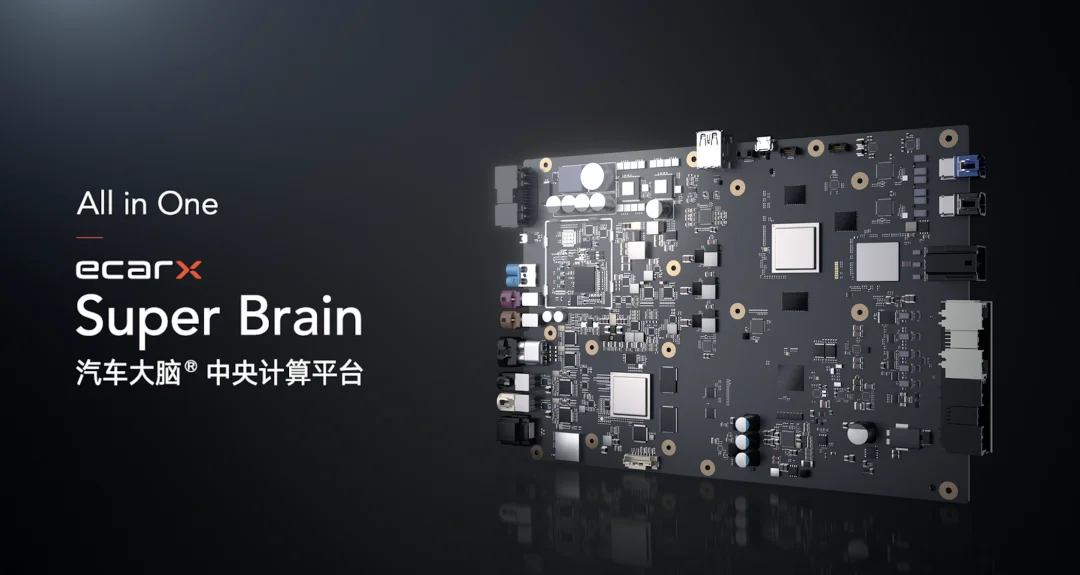
However, regarding the future of cockpit-driving integration, Yikatong Chairman and CEO Shen Ziyu (who also serves as Chairman of Xinqingkeji) believes that a single-chip solution is the optimal choice.
When responding to questions from 42HOW Auto, Shen Ziyu stated:
The primary challenge of "cockpit-driving integration" lies in the difficulty of finding a single SoC that can simultaneously meet the demands of both smart cockpits and smart driving. NVIDIA has already released the DRIVE Thor, which represents a correct direction, but it is not yet in production vehicles. The future industry trend is for an SoC designed at the system level to integrate different capabilities using a unified I/O and virtualization architecture, thereby reducing costs.
According to 42HOW Auto, Xinqingkeji is also developing its own autonomous driving chip. Achieving computing power support for both smart cockpits and autonomous driving through a single SoC is precisely the direction Yikatong and Xinqingkeji are striving to advance.
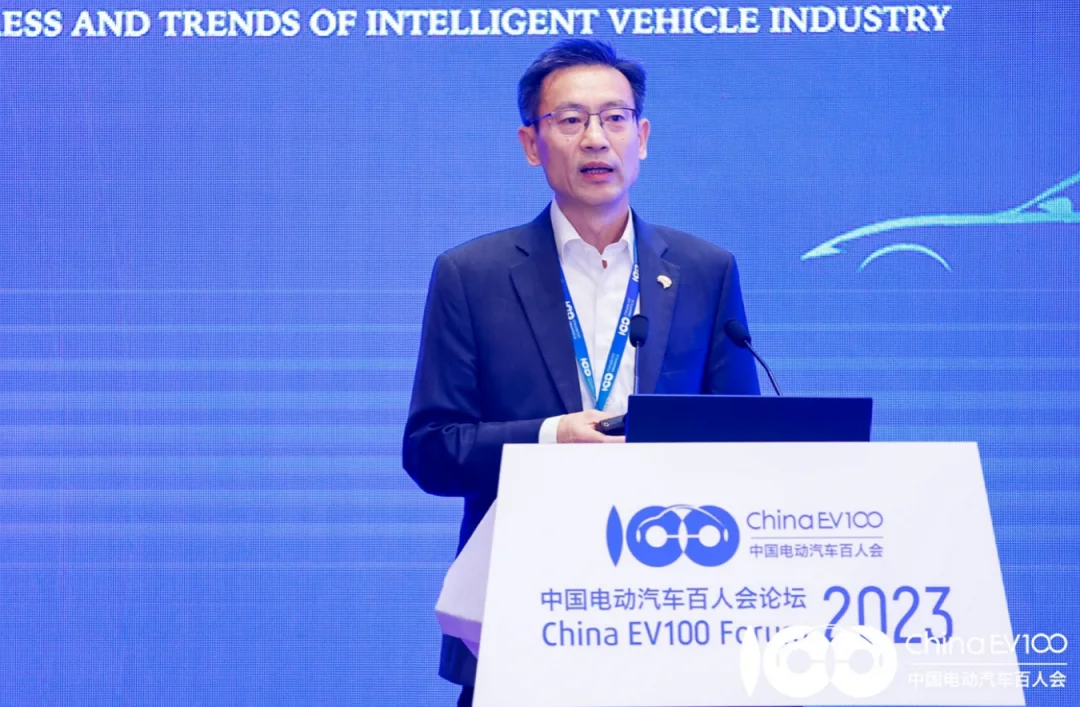
Furthermore, at the 2023 China Electric Vehicle Hundred People Forum, Dipingxian President Chen Liming stated in an interview that the entire electronic and electrical architecture is evolving from distributed systems to domain controllers, and ultimately to central controllers. Therefore, everyone hopes to implement more functions within a single controller rather than relying on multiple controllers.
Consequently, Chen Liming noted that encapsulating chips from different domains into one large chip is a trend that will inevitably occur within the industry.
It is evident that chip companies have already reached a consensus on achieving "cockpit-driving integration."
In fact, their consensus extends beyond just the judgment of this major trend; they also agree on the specific timeline for implementation—specifically, the year 2025.
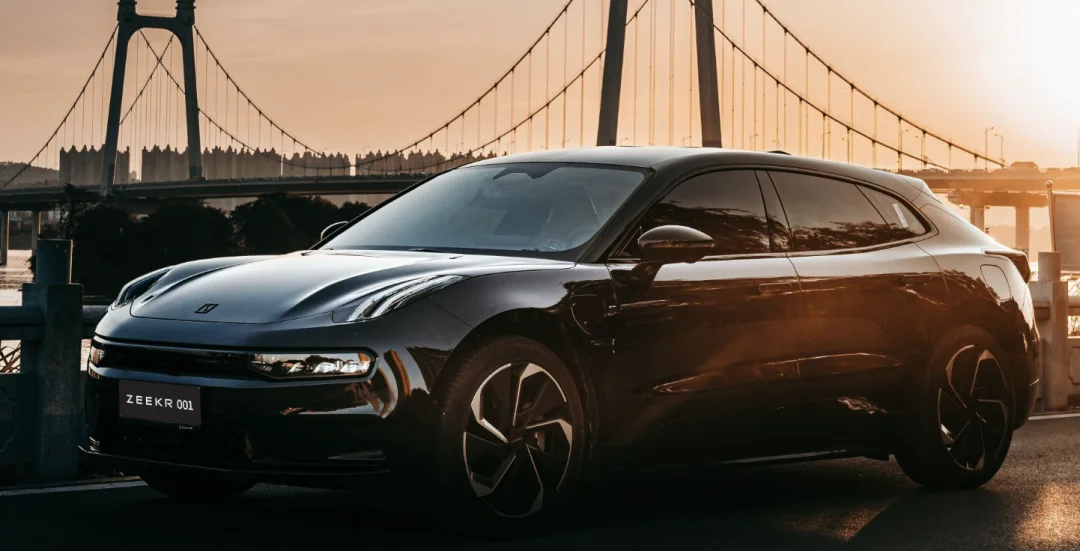
Previously, when launching the DRIVE Thor chip, NVIDIA explicitly stated that mass production would begin in 2024. Zeekr was announced as NVIDIA's first partner to adopt this chip, with deployment scheduled for 2025.
At the 2023 China Electric Vehicle Hundred Person Summit, Yang Yuxin, CMO of Heizhima, told 42HOW Auto that he expected mass production of "cockpit-driving integration" to arrive in 2025.
Additionally, Dipingxian, another domestic autonomous driving chip company, officially announced a partnership with Shangqijituan and Lingshukeji last July. The two sides stated that vehicles equipped with their jointly developed domestic "cockpit-driving integration" computing platform are expected to enter mass production in 2025.
However, regarding the implementation of single-chip "cockpit-driving integration," a senior industry insider told 42HOW Auto that while NVIDIA DRIVE Thor has gained prominence due to its high performance, achieving "cockpit-driving integration" requires looking beyond just "performance." More attention should be paid to "functionality," because intelligent driving and intelligent cockpits belong to different domains and have distinct requirements for safety, stability, and real-time performance.
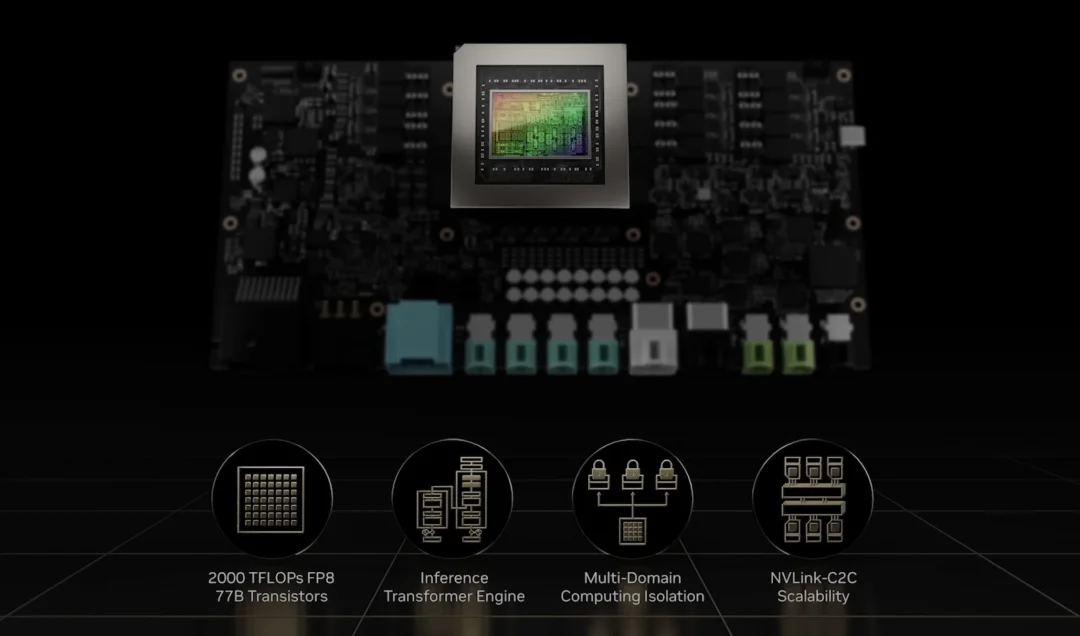
Therefore, supporting different vehicle electronic domains with a single chip requires overcoming numerous technical challenges inherent to the chip itself.
Furthermore, for "cockpit-driving integration" chips to reach the market, they must engage in deep cooperation with automakers. For automakers to achieve "cockpit-driving integration," they must restructure their vehicle's electronic and electrical architecture. This also implies that car companies must embrace change not only in software and hardware but also in talent and organizational structures.
"This is actually a more difficult task," the aforementioned industry insider said.
Regarding the future development of "cockpit-driving integration," another industry source told 42HOW Auto that it should not be viewed as an end goal, but rather as a process. As automotive electronic and electrical architectures gradually move toward central computing, more integrations between different domains will continue to occur.
"But how many domains are involved and how they are integrated requires chip companies to work with OEMs," the industry insider said.
Cost is a Core Issue
However, any high-tech product must confront a core challenge on its path to commercialization: cost.
This holds true even for single chips that enable cockpit-driving integration.
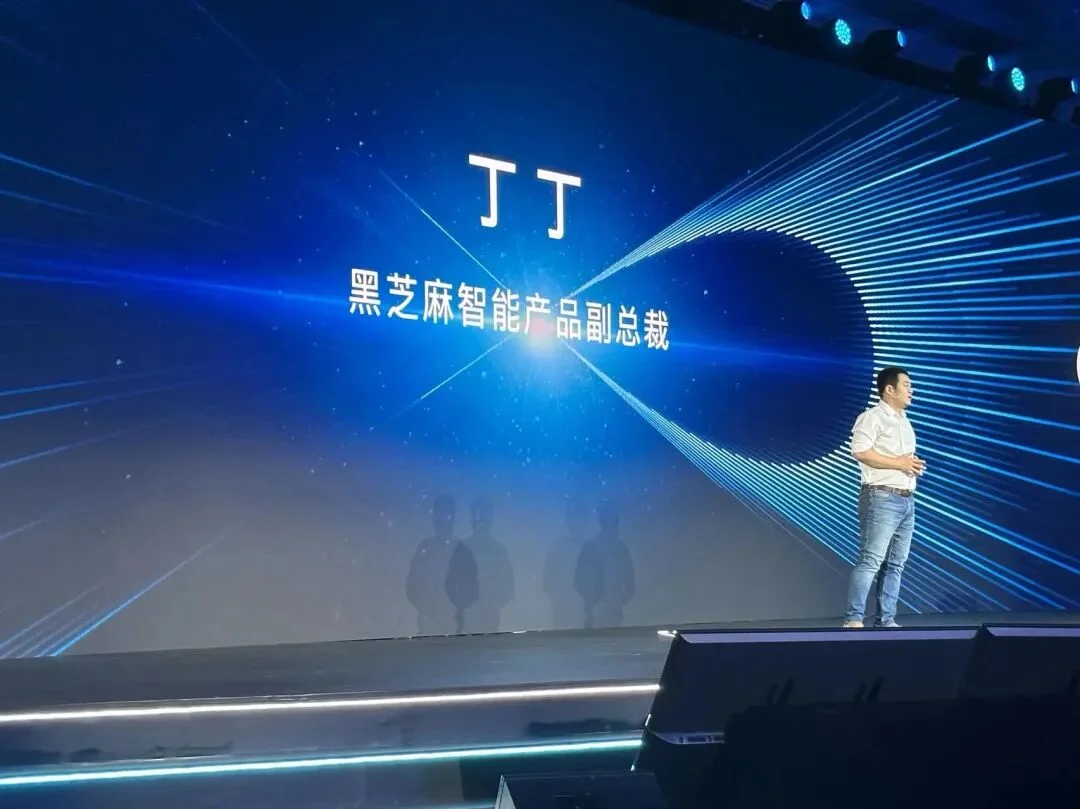
42HOW Auto observed that "cost-effectiveness" and "cost" were repeatedly emphasized at the Heizhima launch event. Ding Ding, Vice President of Smart Products at Heizhima, stated in an interview that the company's primary considerations for chip development are performance, power consumption, and cost—with cost taking precedence.
Similarly, Chen Liming, President of Dipingxian, noted in public remarks that beyond autonomous driving and smart cockpits, the industry is also developing functions such as combined parking and driving, integrated cockpit and driving, or integrated cockpit and parking. Some customers have requested these solutions, emphasizing the need to return to business fundamentals by providing highly cost-effective products.
Chen Liming added that integrating controllers from multiple domains will inevitably result in lower costs.
So why is cost such a critical concern for single-chip solutions that integrate cabin and driving functions?
An analyst told 42HOW Auto that this is ultimately determined by the strength and status of domestic chip companies; after all, chip firms such as Dipingxian and Heizhima do not possess the strength and status of international giants like NVIDIA and Qualcomm to dictate what customers should do, nor do they have pricing power comparable to these giants, so cost becomes a more critical factor.
A second possible reason is that in the automotive industry, OEMs have always been sensitive to supply chain costs; at the chip level, these cost pressures are even more severe.
An automotive industry insider told 42HOW Auto that the launch of "cockpit-driving integration" chips is actually an inevitable result of vehicles in different price segments gradually defining their functional roles as they move toward intelligence.
He stated that for models priced above RMB 300,000, high-end configurations are essential for both the intelligent cockpit and autonomous driving, with particular emphasis on not compromising autonomous driving performance. Typically, dual chips are used for the intelligent cockpit and autonomous driving systems, although brand considerations also play a role.
For vehicles priced below RMB 300,000, particularly in the mainstream segment of RMB 100,000 to RMB 200,000, requirements for intelligent cockpits are stringent, while those for intelligent driving are less demanding. For instance, features such as automatic parking and ACC lane keeping are expected, but there is no higher demand for high-cost assisted driving functions like urban NOA. This makes this price range more suitable for "cockpit-driving integration."
This is precisely why Junlianzhixing Chief Architect Wang Haowei has judged that integrating the cockpit and intelligent driving into a single SoC chip is undoubtedly the general trend. However, driven by cost considerations, this solution is likely to emerge first in mid- and low-end vehicle models.
It is evident that, given a brand's insufficient strength, relying on a single chip for "cockpit-driving integration" is akin to walking a tightrope across cost, performance, and effectiveness. It represents an extremely difficult balancing act.
Additionally, there is a background that must be considered: automotive intelligence has become a standard feature in mainstream market vehicles.
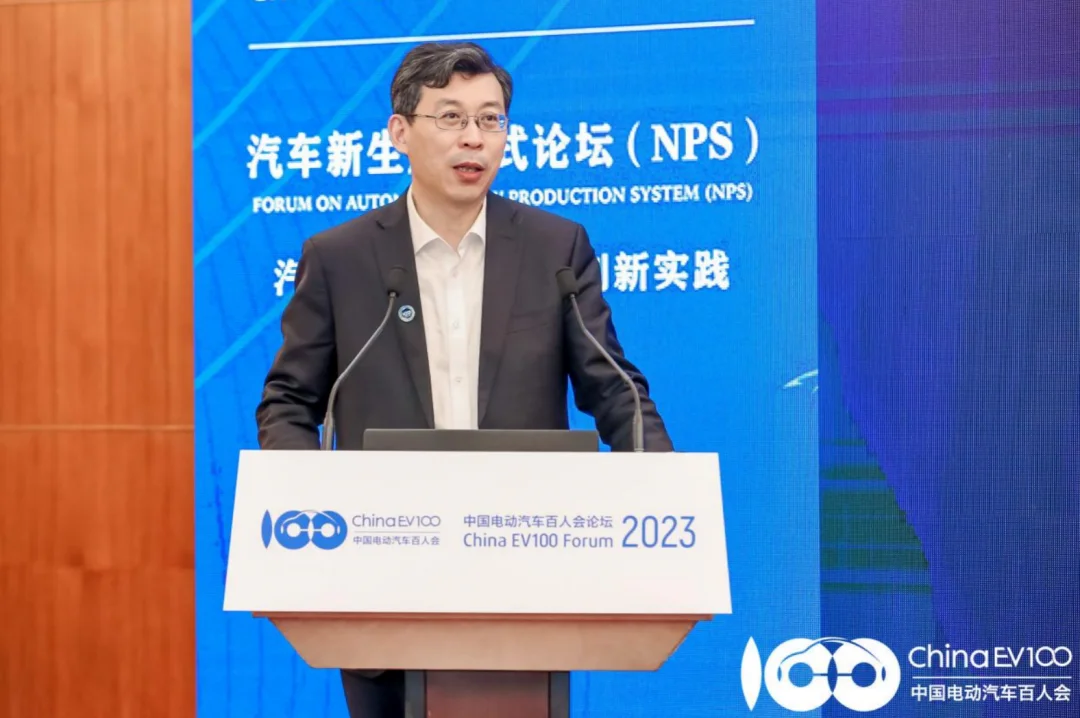
According to data released by Zhang Yongwei, Vice Chairman and Secretary-General of the China Automotive Energy Conservation and New Energy Vehicle Development Advisory Committee (CAEVC), the penetration rate of automotive intelligence in China exceeded 30% in the first half of 2022.
He believes that the level of intelligence has become a key factor determining the driving experience. Technologies such as driver assistance and automated parking have become thresholds for consumers when choosing a car, while smart cockpits will also become standard equipment across all vehicles. A company's distinctiveness and differentiation will therefore lie in the quality of its driving and cockpit integration.
In this context, for automakers aiming to achieve high sales volumes in the RMB 100,000 to 200,000 price segment, "cockpit-driving integration" has become a necessary configuration. However, this comes with the prerequisite that costs must remain controllable. Therefore, chip companies pursuing this technology—particularly those that are not well-capitalized tech giants—must strictly control costs to facilitate volume production alongside mainstream models, thereby amortizing their own R&D expenses.
This reflects a more rational and pragmatic approach from chip manufacturers.
It is worth noting that the recent price war dominating the automotive industry has inevitably spilled over to chip companies.
Regarding the price wars in recent months, Yang Yuxin, CMO of Heizhima, stated that the current situation for automakers is intensely competitive, with rivalry extending to features, pricing, platforms, channels, and even the supply chain. Consequently, helping automakers reduce costs has become an important consideration dimension for Heizhima when launching products.
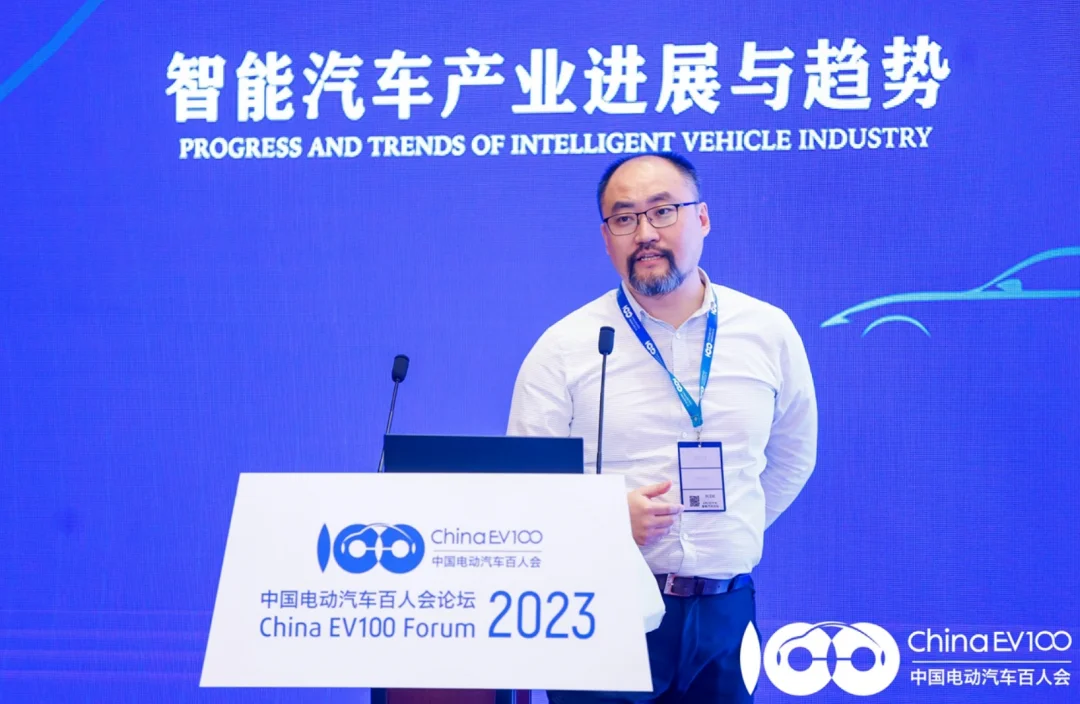
During the interview, Chen Liming, President of Dipingxian, told 42HOW Auto that the automotive industry is indeed highly competitive, with rivalry extending into autonomous driving and chip sectors. Consequently, Dipingxian’s chip design strategy no longer focuses solely on high computing power but also emphasizes cost-effectiveness.
In fact, even NVIDIA DRIVE Thor may face challenges in widespread adoption due to its high costs.
A senior industry insider told 42HOW Auto that the NVIDIA DRIVE Thor chip appears more aimed at establishing a premium benchmark for 'cockpit-driving integration,' driven by strong brand amplification goals rather than mass-market volume sales. Simply put, its implementation effect in cockpit-driving integration may not be optimal, but its cost is certainly very high.
Zeekr’s partnership with NVIDIA on DRIVE Thor clearly aims to pursue high-end brand effects.
Therefore, the industry insider noted that DRIVE Thor is not merely about showing off capabilities. After NVIDIA establishes this benchmark, it can continue to sell lower-cost cockpit-driving integration products to automakers; the two strategies do not conflict at all.
Moreover, the key issue is that with DRIVE Thor setting a higher-dimensional price anchor, other relatively affordable single-chip cockpit-driving integration products from NVIDIA will appear even more cost-effective.
Title: Why Is 'Cost-Effectiveness King' the Only Way to Achieve Cabin-Driving Integration with a Single Chip? By: 308 Edited by: 308