


Li L7 and Zhiji LS7 Officially Launch; Hesai US IPO | E-Week Highlights
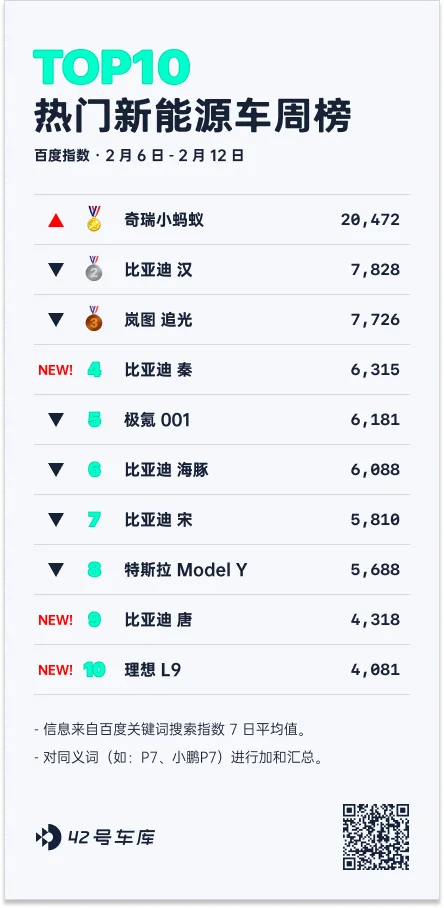
01Weekly Index
02Weekly News
Li L7 Officially Launched
February 8, 2023: Li Auto officially launched its first five-seat model, the Li L7.
The third model of the Li L7—the Li L7 Air—was also released today. It adopts a more cost-effective battery pack and comes standard with CDC continuously variable damping shock absorbers, Li Auto Intelligent Driving AD Pro, and Li Auto Smart Space SS Pro. The unified national retail prices for the Li L7 Air, Li L7 Pro, and Li L7 Max are RMB 319,800, RMB 339,800, and RMB 379,800, respectively.
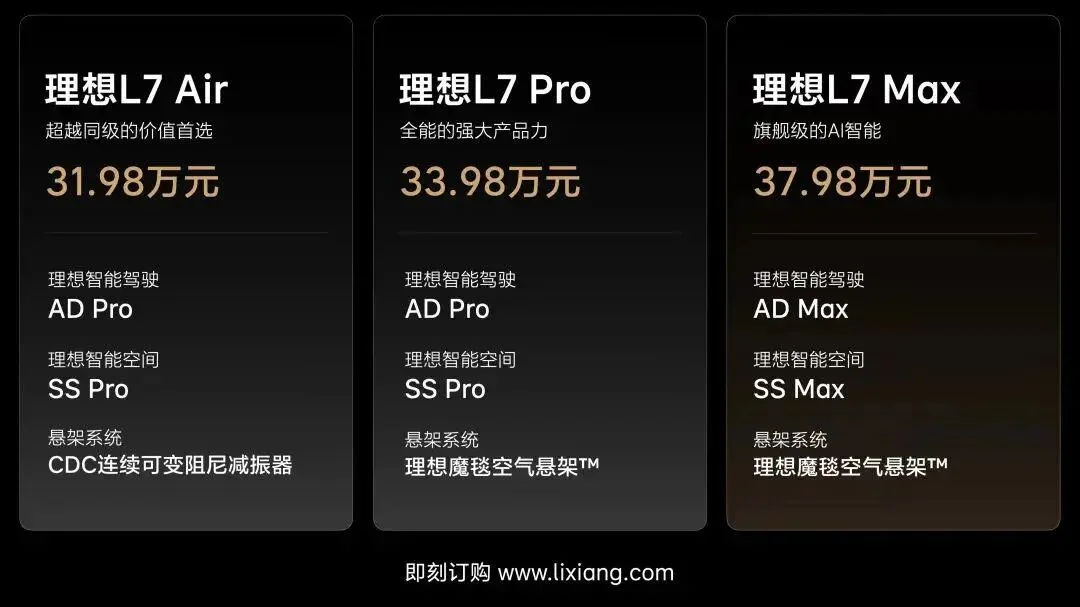
The Li L8 Air also comes standard with CDC continuously variable damping shock absorbers, Li Auto Intelligent Driving AD Pro, and Li Auto Smart Space SS Pro, priced at RMB 339,800 nationwide. With this, the Li L8 Air, Li L8 Pro, and Li L8 Max models will better meet the travel needs of family users in the RMB 300,000 to 400,000 price range.
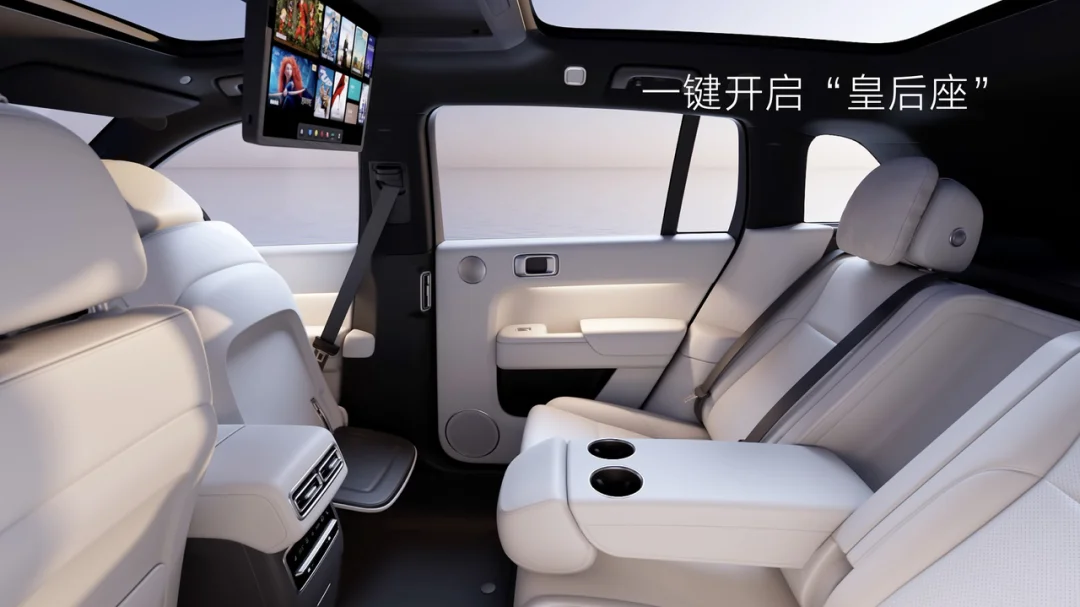
As the first mid-to-large five-seat flagship SUV under Li Auto, the Li L7 has a length of 5,050 mm, width of 1,995 mm, height of 1,750 mm, and wheelbase of 3,005 mm. The Li L7 also features a one-touch second-row "Queen Seat" mode, which is composed of an electric soft footrest, nearly 1.2 meters of second-row legroom, a second-row backrest that can be continuously adjusted from 25 to 40 degrees, and a 270-degree wraparound design.
In terms of performance, the Li L7's self-developed front five-in-one and rear three-in-one intelligent electric four-wheel-drive system delivers a peak power of 330 kW and a peak torque of 620 Nm, with an acceleration time from zero to one hundred kilometers per hour of 5.3 seconds.
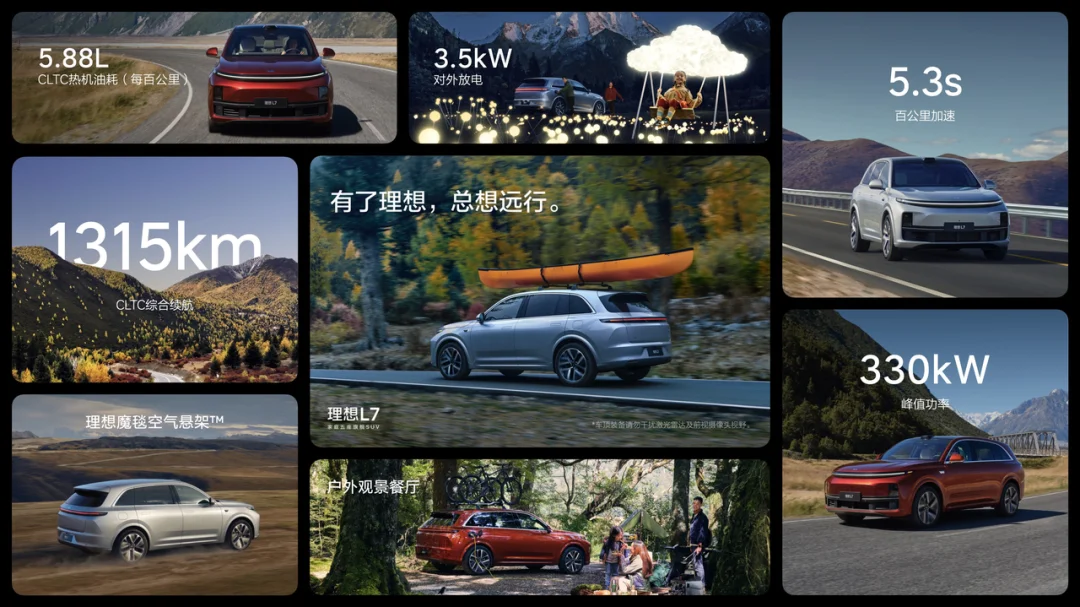
Regarding range, the Li L7 features a 42.8 kWh battery pack, delivering a CLTC pure-electric range of 210 km and a WLTC combined range of 1,100 km, along with 3.5 kW external discharge capability.
Quick Take:
When the Li ONE was the flagship model of the Li Auto lineup, many domestic automakers used it as a benchmark to measure against. However, from the Li ONE to the Li L8, no vehicle has yet emerged that can defeat Li Auto in its core market segment.
However, it is becoming increasingly apparent that skepticism toward extended-range electric vehicles (EREVs) is waning. More automakers are launching EREV models, some with slightly divergent positioning, aiming to offer new EREV options to consumers. Products like the AITO M7, which directly competes with the Li ONE, intend to carve out a share of Li Auto’s market. Some automakers even attempt to mimic Li Auto’s drive systems and marketing strategies.
Once a product becomes a benchmark, being targeted by competitors becomes its fate. Superior product performance and intelligent capabilities are precisely what allow Li Auto to defend its position.
Zhiji LS7 Officially Launched
On the evening of February 10, the Zhiji LS7 was officially launched. Its configurations and pricing are as follows:
Elite Rear-Wheel Drive Edition: RMB 329,800;
Elite AWD at RMB 349,800;
Lux RWD at RMB 379,800;
Lux AWD at RMB 399,800;
Top-spec Pro at RMB 459,800.
In the final "One more thing" segment, Zhiji also announced an entry-level LS7 model: the Pure version equipped with a 77 kWh battery pack, priced at RMB 309,800.
The Zhiji LS7 measures 5,049 mm in length with a wheelbase exceeding three meters at 3,060 mm. The entire LS7 lineup features a five-seat configuration. When the zero-gravity seat mode is activated, the front passenger seat folds away and tucks under the center console into the space originally occupied by the glove box. The rear seats then slide forward, while the cushion and leg rest lift up. At this point, the backrest of the front passenger seat serves as a footrest, allowing rear passengers to recline comfortably.
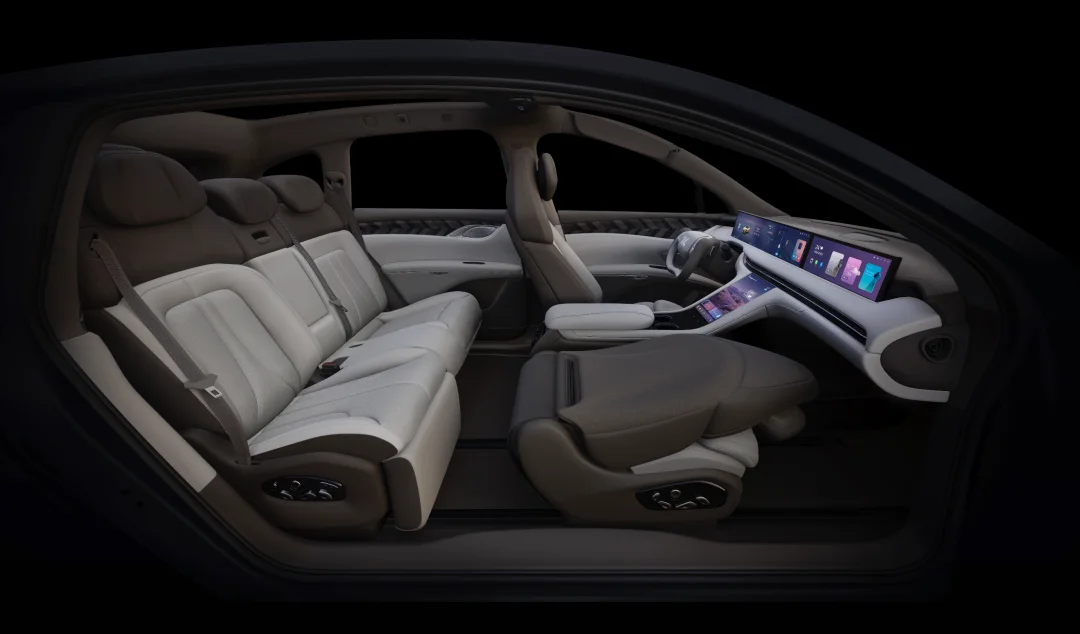
In other respects, the Zhiji LS7 is equipped with a semi-rim steering wheel named YAT. Additionally, the LS7 features a large panoramic windshield with an area of 1.63 square meters; the manufacturer claims this glass expands the forward field of view for front-seat occupants to 106 degrees. Meanwhile, Zhiji pioneered a triple-layer silver-coating technology to ensure effective heat insulation.
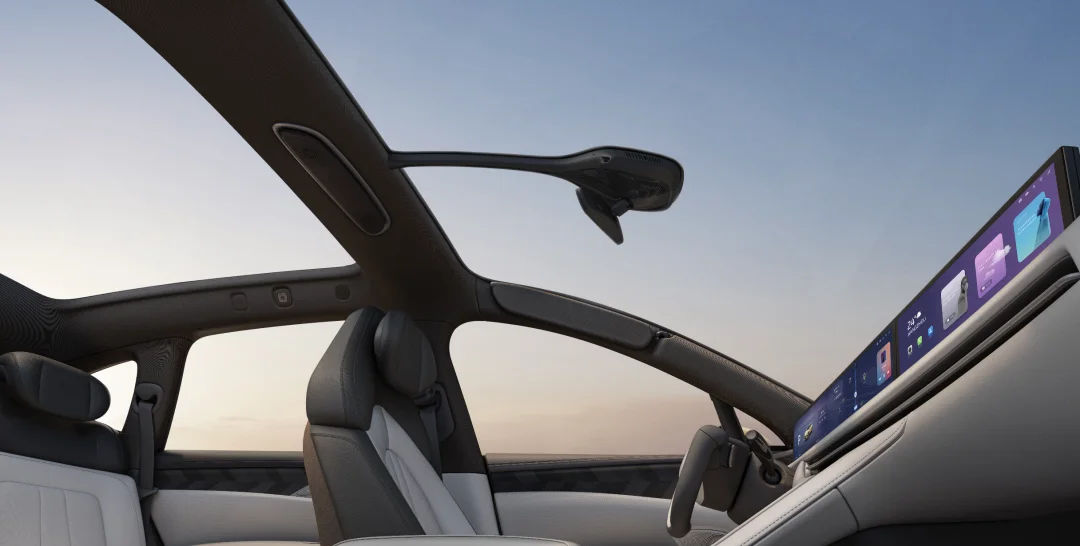
In terms of interior design, the LS7 features narrower screen bezels compared to the Li L7. The instrument cluster and central control screen measure 26.3 inches, while the passenger display is 15.5 inches. Although the size of the combined instrument and central control screens remains unchanged from the Li L7, the passenger screen has increased by 3.2 inches. Additionally, unlike the floating design of the Li L7, the LS7’s control panel is integrated into the center console as a single unit.
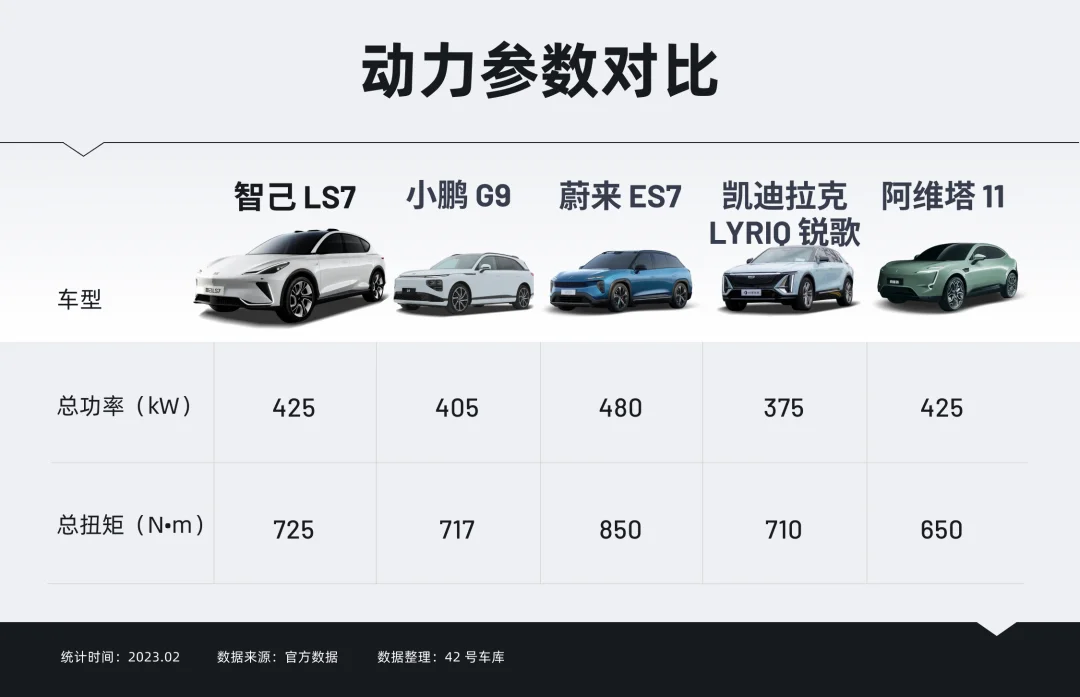
Regarding powertrain performance, the LS7 aligns with the mainstream standard for dual-motor models in its class:
During the launch event, Liu Tao, Co-CEO of IM Motors, revealed the subsequent R&D roadmap for the IMAD driver-assistance system. Highway Navigation Guided Pilot (NOA) is being rolled out progressively in popular cities. By the end of this year, IM Motors will open public beta testing for urban NOA.
Quick Take:
In the fiercely competitive mid-to-large pure electric SUV market, survival requires distinct strengths. This segment includes products positioned specifically as family-oriented vehicles, those firmly committed to intelligent driving, and brands that build barriers through service excellence. Attempting to break through by directly competing on competitors’ strengths is rarely the optimal strategy.
Instead, 'uniqueness' may be the defining label for IM Motors.
Leapmotor Launches C11 Range-Extended Version, Highlighting Cost-Effectiveness
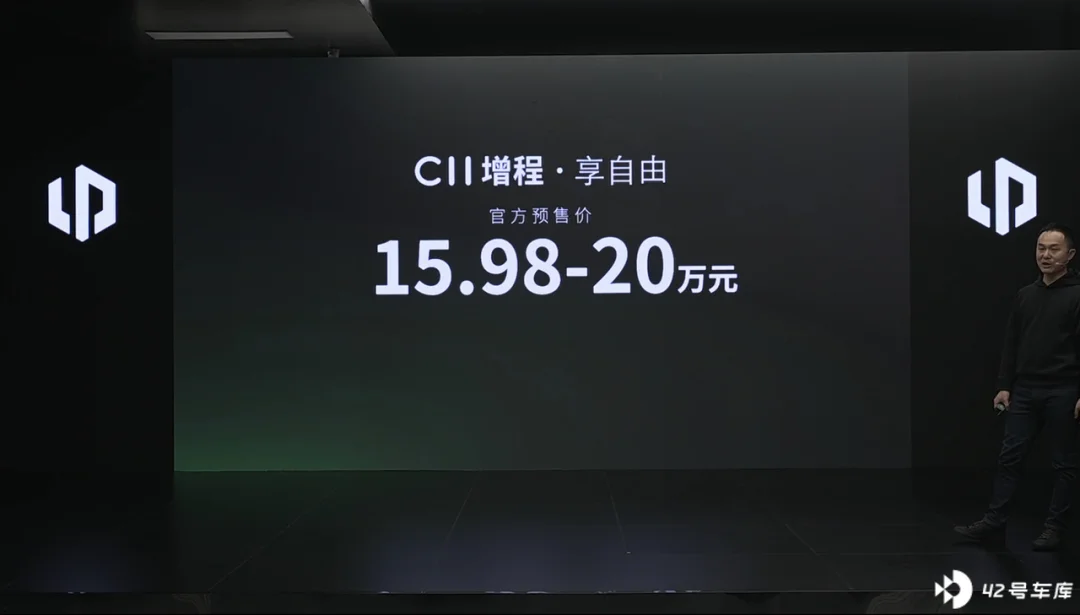
On February 9, 2023, nearly a year and a half after the initial launch of the Leapmotor C11, Leapmotor introduced the C11 range-extended version (EREV) alongside its pure electric variant. The pre-sale price ranges from RMB 159,800 to RMB 200,000.
Detailed specifications for the Leapmotor C11 EREV have not yet been released. However, it is expected that the primary differences across the RMB 159,800–RMB 200,000 price spectrum will lie in the battery and motor configurations.
The entry-level Leapmotor C11 EREV will be equipped with a 30.1 kWh battery pack, delivering a CLTC pure-electric range of 180 km. It will feature the same 200 kW rear motor found in the pure-electric C11, positioning it as the most affordable range-extended vehicle on the market.
Higher-trim C11 EREV models will utilize a larger 43.74 kWh battery pack, extending the CLTC pure-electric range to 285 km. These trims will retain the 200 kW rear motor, while the top-tier model may offer a dual-motor setup with a combined output of 400 kW. Regardless of the trim level, all C11 EREV variants will include both AC and DC charging ports.
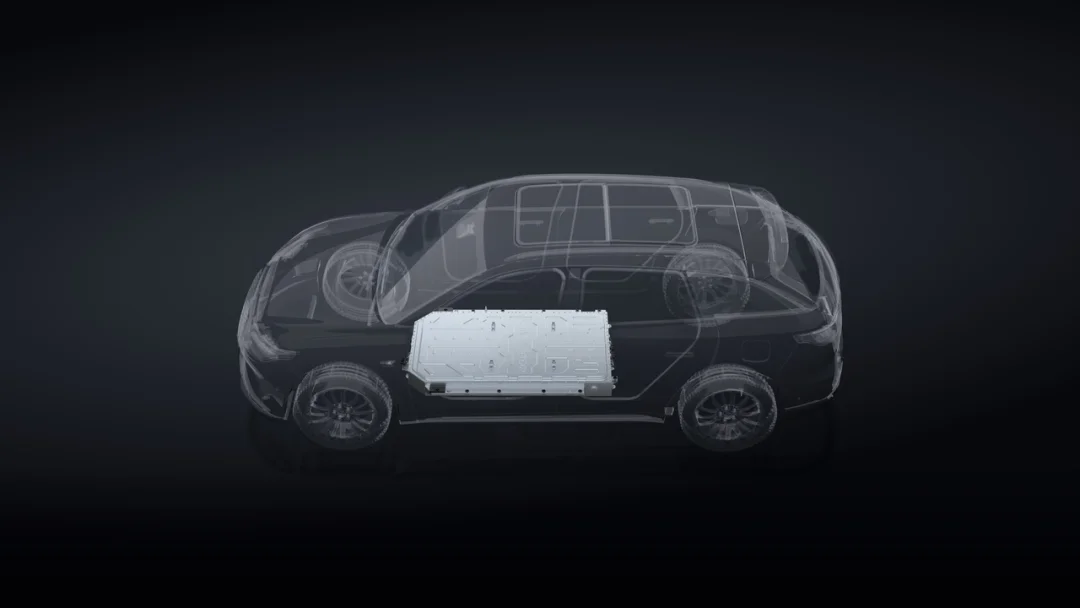
The range extender is a 1.2 T unit from Dongandongli, the same company that supplies the 1.2 T three-cylinder range extender in the Li ONE. The maximum net power of this range extender in the Leapmotor C11 is 96 kW, with a maximum speed of 5,500 rpm; its parameters are identical to those of the Li ONE.
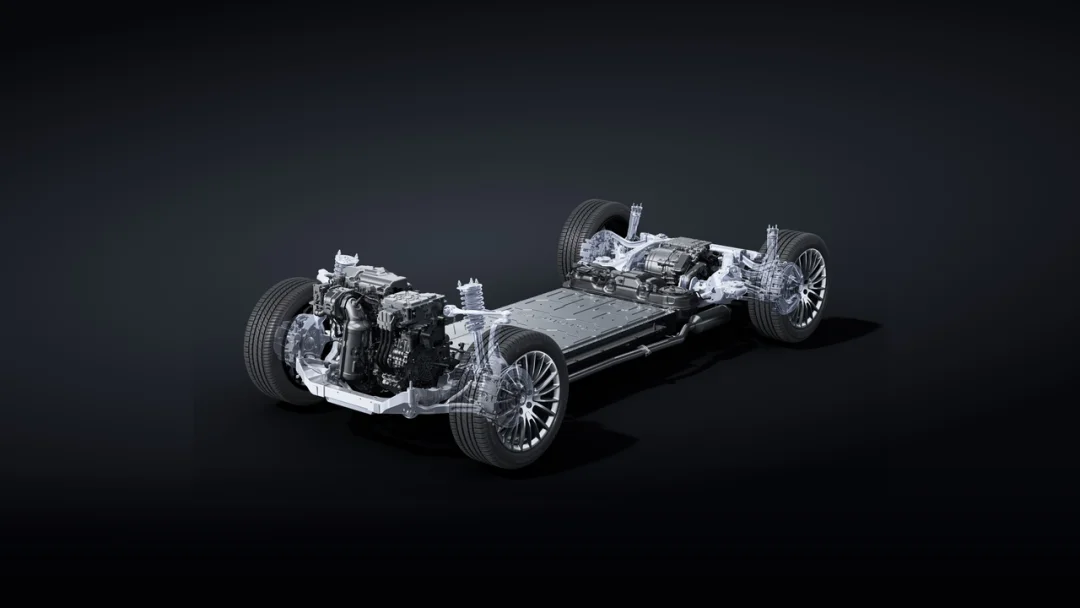
According to Leapmotor, the C11 extended-range electric vehicle (EREV) achieves a fuel consumption of 6.8 L per 100 km under WLTC conditions and can run on 92-octane gasoline. Its electricity consumption is 19.7 kWh per 100 km. With a 47-liter fuel tank, the CLTC combined range for the fully fueled and charged C11 EREV reaches 1,024 km.
Quick Take:
As for why Leapmotor chose the extended-range strategy, Zhu Jiangming provided his reasoning: "Among Leapmotor's 160,000 owners, only 3.4% drive at speeds above 80 km/h; even excluding micro cars like the T03, that figure is just 10%. More than 68% of users have a daily driving distance of less than 50 km, and approximately 70% have home charging access."
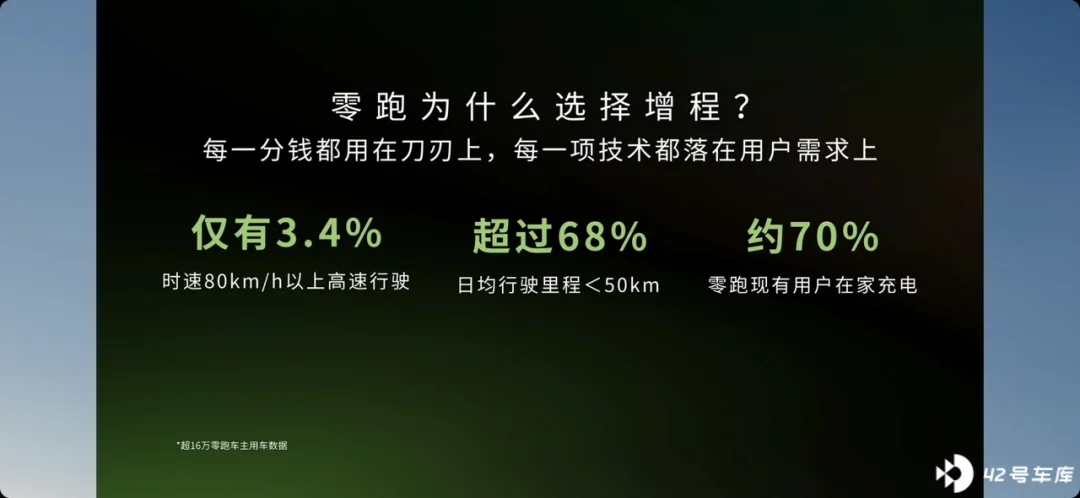
The C11 EREV’s pure-electric ranges of 180 km and 285 km are sufficient for most users, while also helping to control battery costs compared to the all-electric version.
In terms of strategic layout, the Leapmotor C11 EREV is expected to begin deliveries in mid-March, followed by the C01 EREV in July and August. The company will unveil its B-series all-electric products at the Munich Motor Show in mid-year.
To be honest, if looking solely at the price, the pre-sale price of RMB 159,800–200,000 for the Leapmotor C11 EREV is highly competitive. Setting aside brand factors, the C11 offers advantages in battery size, vehicle class, and chassis materials over the BYD Song PLUS DM-i, making it currently the most affordable extended-range product on the market.
Hesai's U.S. IPO
On February 9, 2023, Hesai Group, a developer of sensor technology for autonomous driving vehicles, raised USD 190 million through its initial public offering (IPO), becoming the largest Chinese company to list in the United States since 2021.

Founded in 2014 by David Li, Sun Kai, and Shaoqing Xiang, Hesai focuses on developing and manufacturing lidar systems for advanced driver assistance systems (ADAS), autonomous driving, and robotaxi services.
According to a statement released on Thursday, the Shanghai-based startup sold 9 million shares at a price range of USD 17 to USD 19 per share. The final pricing was set at USD 19 per American Depositary Receipt (ADR), with a total offering of 10 million ADRs. Based on the IPO price, Hesai's market capitalization stands at approximately USD 2.4 billion.
Quick Take:
This marks the largest fundraising event by a Chinese issuer in the U.S. market since 2021. Hesai's listing not only signals some Wall Street investment banks returning to cross-border transactions between China and the U.S., but also suggests that Chinese companies seeking to raise funds in the United States may gradually increase in number.
From 2017 to December 31, 2022, Hesai delivered more than 103,000 lidar units in total, with over 80,400 units sold cumulatively in 2022 alone. It has become the first company globally to deliver more than 10,000 lidar units per month, with current monthly delivery volumes exceeding 20,000 units.
According to filings submitted by Hesai to the U.S. Securities and Exchange Commission, its sales have grown steadily over the past three years to nearly USD 112 million, while net losses for the nine months ended September 30 shrank to USD 23 million. Strategic investors include domestic companies Baidu, Xiaomi, and Meituandianping, as well as the German engineering group Bosch.
Zeekr Announces Investigation Results into Vehicle Fire Incident
On the evening of January 19, 2023, a fire broke out in a Zeekr 001 in Yueqing, Wenzhou. No occupants were in the vehicle at the time, and the incident caused no injuries or casualties.
Following the accident, Zeekr staff immediately arrived on site to communicate with the user, provide a replacement vehicle, and established a special task force to cooperate with local fire departments in investigating the cause.
On February 7, the Yueqing Fire Rescue Brigade determined that the fire was caused by debris from fireworks igniting combustible materials under the vehicle’s chassis. During the fire, the vehicle’s high-voltage power system, low-voltage power system, and battery-electric-motor-electronic-control systems all functioned normally, with no electrical short circuits detected.
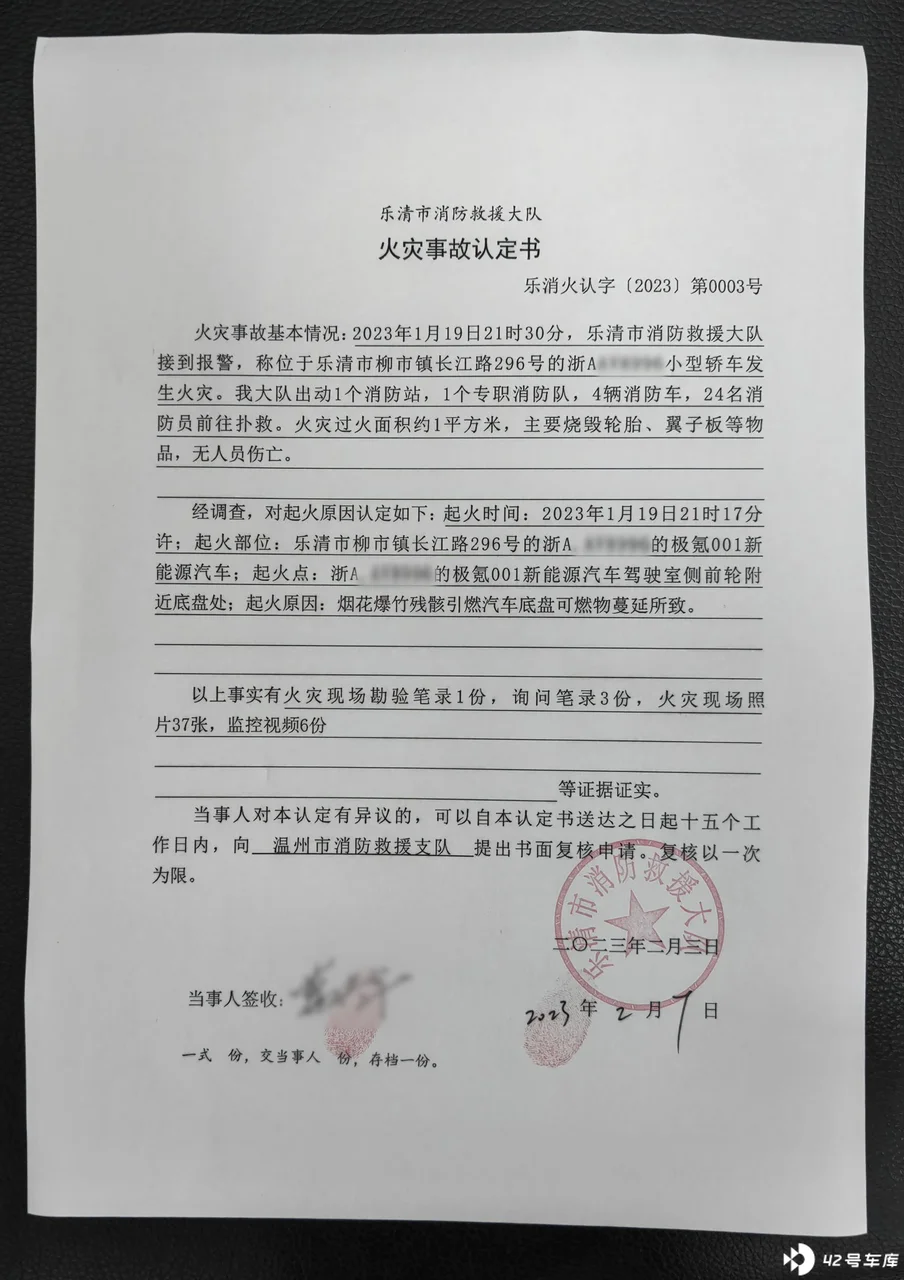
The front headlights remained illuminated and the alarm system operated correctly during the fire and after it was extinguished, indicating that the battery, fuse box, and related wiring harnesses were functioning properly and the vehicle’s low-voltage warning system experienced no failures.
Quick Take:
Although the fire was triggered by external factors, Zeekr stated that, adhering to its user-centric service philosophy, it will maintain communication with customers. Beyond providing a replacement vehicle and cooperating with damage assessment and compensation, the company will actively assist in follow-up remedial work and offer additional care and support as needed.
Despite the vehicle fire being caused by external forces, Zeekr’s response was swift and appropriate. Fortunately, there were no casualties in this incident.
Written by: Mingming Edited by: Bobo