


Chuangweiqiche HT-i Review: BYD DM-i Powertrain in a Mediocre Package
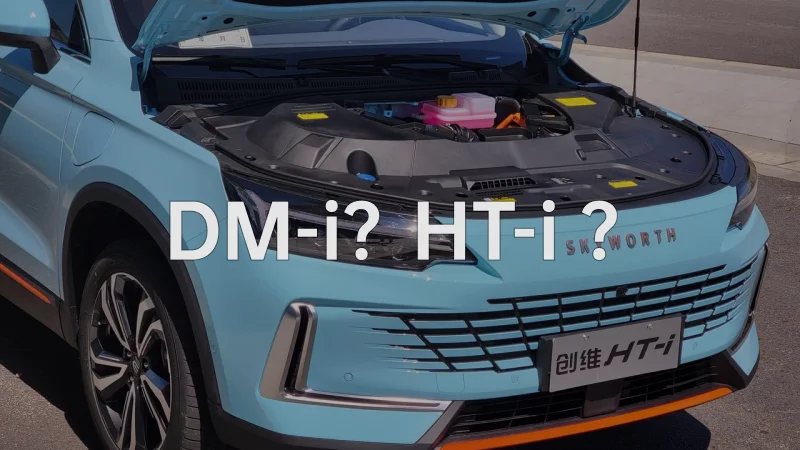
Chuangweiqiche has been involved in vehicle manufacturing for quite some time. In 2010, Chuangweijituan founder Huang Hongsheng established Kaiwoxinnengyuanqichejituan in Nanjing. The following year, in 2011, it acquired Nanjingjinlongkeche, beginning its operations in the new energy bus sector. Therefore, when official representatives at the launch event for the HT-i stated that Chuangweiqiche possesses twelve years of manufacturing experience, I found this claim credible.
However, Chuangweiqiche added a caveat to this pedigree: "Unlike other new automotive entrants, Chuangweiqiche understands vehicle manufacturing better."
I am less convinced by this assertion. The competitive dynamics differ significantly between commercial vehicles and passenger cars; the former relies heavily on corporate administrative and business capabilities, while the latter is driven by market competition centered on product strength. Consequently, the logic suggesting that 12 years of commercial vehicle experience equates to greater manufacturing expertise than that of new EV startups is somewhat flawed.
Furthermore, earlier that morning, before the HT-i launch event, I had test-driven the new model. Overall, its performance was unremarkable, with few standout features. Among the key selling points designed to resonate with average consumers and justify purchase, one stands out prominently: a dual-motor hybrid system sourced from Fudi supplier. Within BYD's nomenclature, this technology is known as "DM-i".
01What is the Chuangweiqiche HT-i?
The name HT-i bears a phonetic resemblance to DM-i and shares a similar structural format, but it does not refer to a powertrain system. Instead, HT-i is the designation for the new model itself.
The exterior of the HT-i appears as follows:
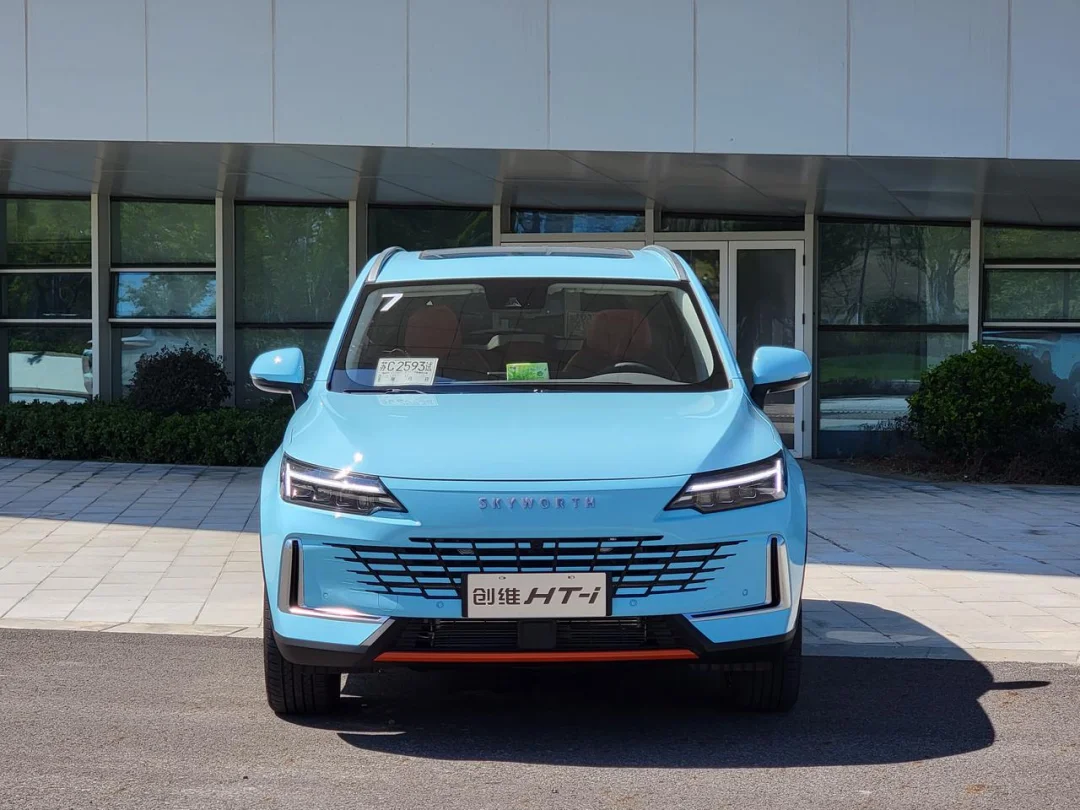
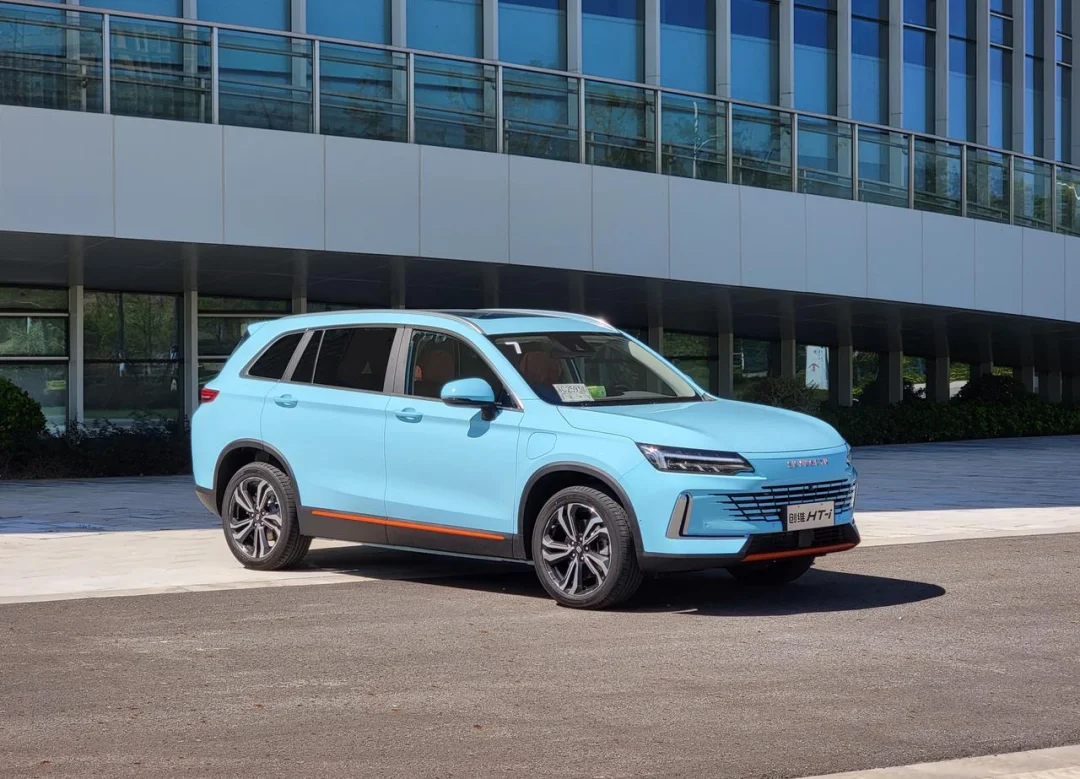
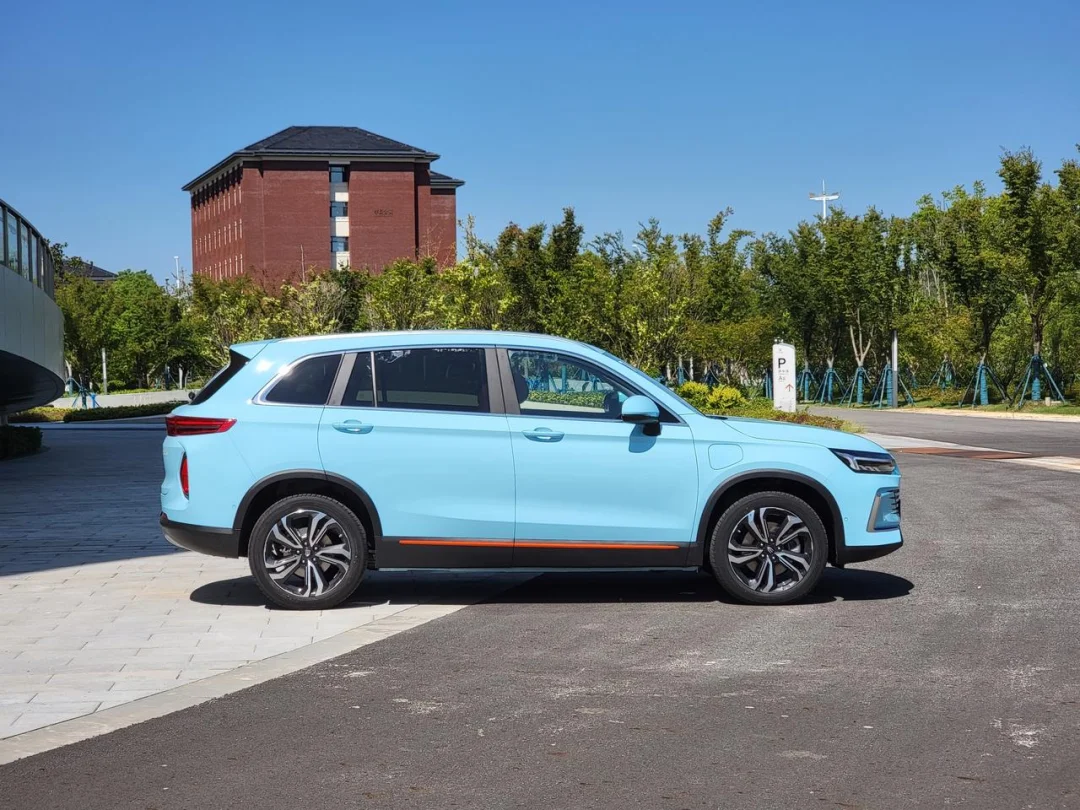
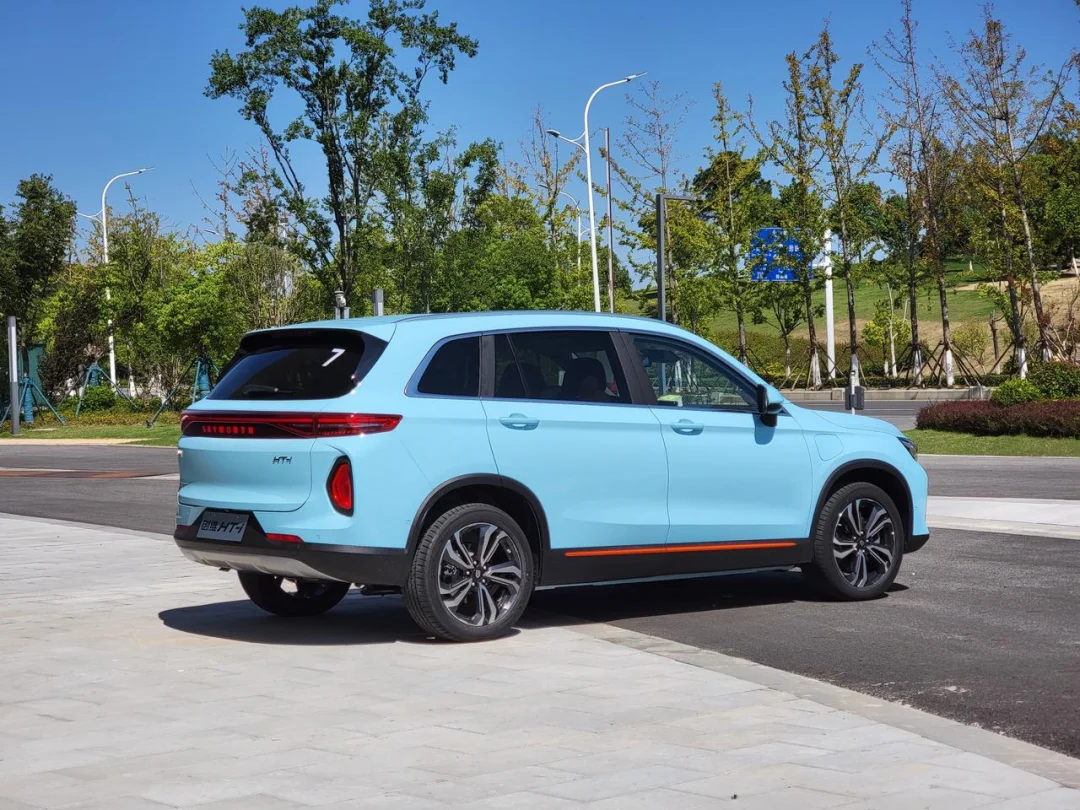
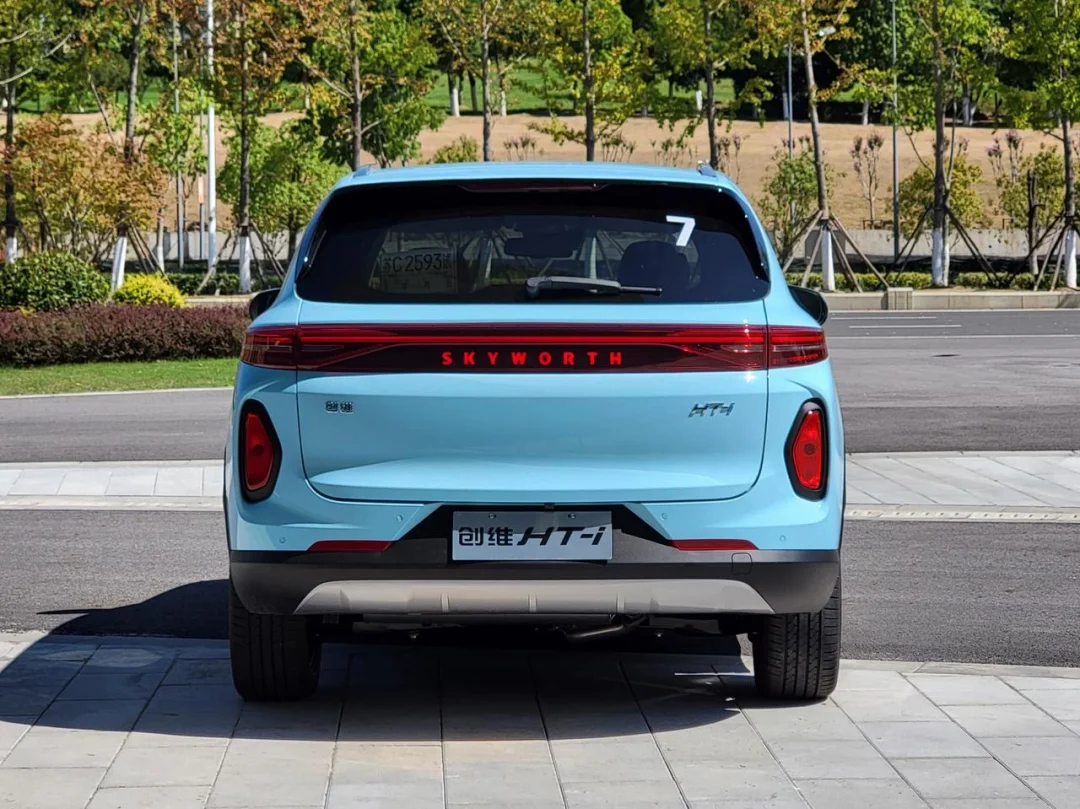
After a full walkaround, the HT-i’s front, side, and rear profiles offer no strong visual impact. While this design avoids immediately deterring buyers with aggressive styling, it lacks visual distinctiveness. In an automotive market increasingly characterized by indistinguishable designs, the HT-i risks being easily forgotten.
The Logic and Illogic of the Three Hatches
A detail in the image may have escaped your notice: the HT-i features three side access panels—two on the left (one front, one rear) and one on the right front.
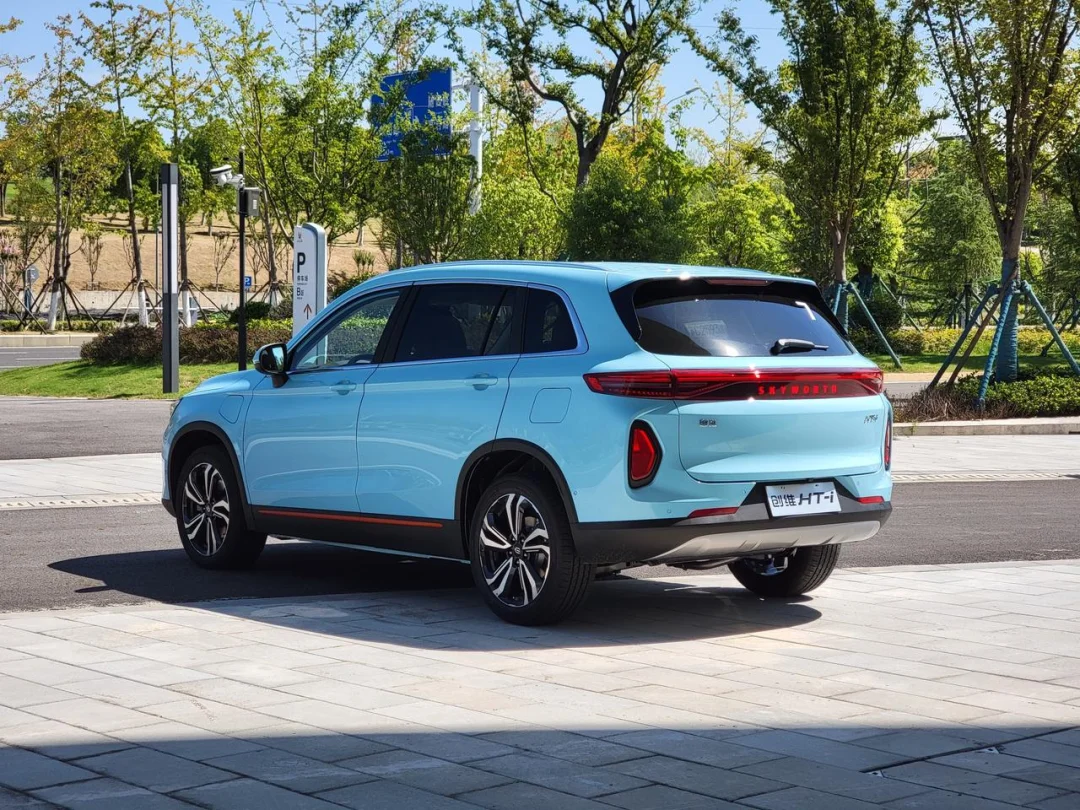
Of the three covers, the one on the rear left is the fuel tank cap, the front left is the slow-charging port, and the front right is the fast-charging port. With this layout, some readers might already be cursing. After all, placing charging ports at the front of a vehicle offers a noticeably inferior user experience in China’s current public charging environment compared to rear placement, and having fast and slow chargers on opposite sides further increases the inconvenience.
But consider this: SUVs that support both refueling and fast charging are still rare in China. Compared to small-battery plug-in hybrid electric vehicles (PHEVs) that cannot or do not offer fast charging, Chuangweiqiche HT-i at least addresses the critical need for fast charging; the suboptimal placement of its charging ports becomes a secondary concern.
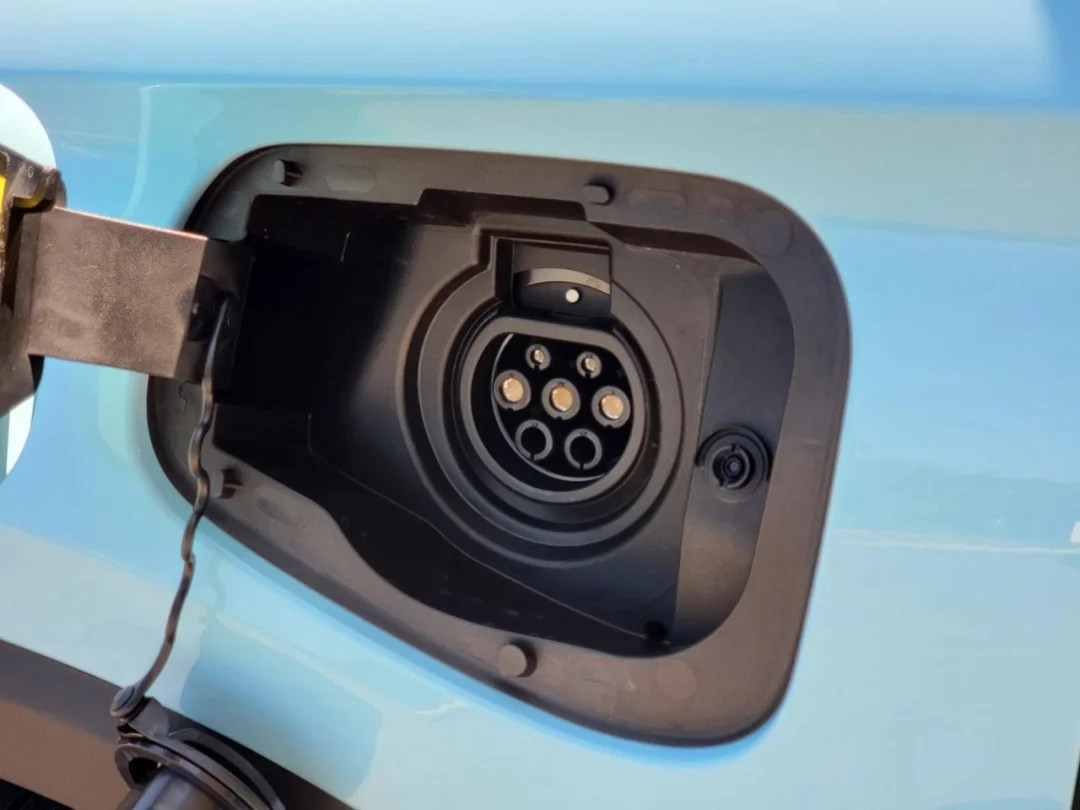
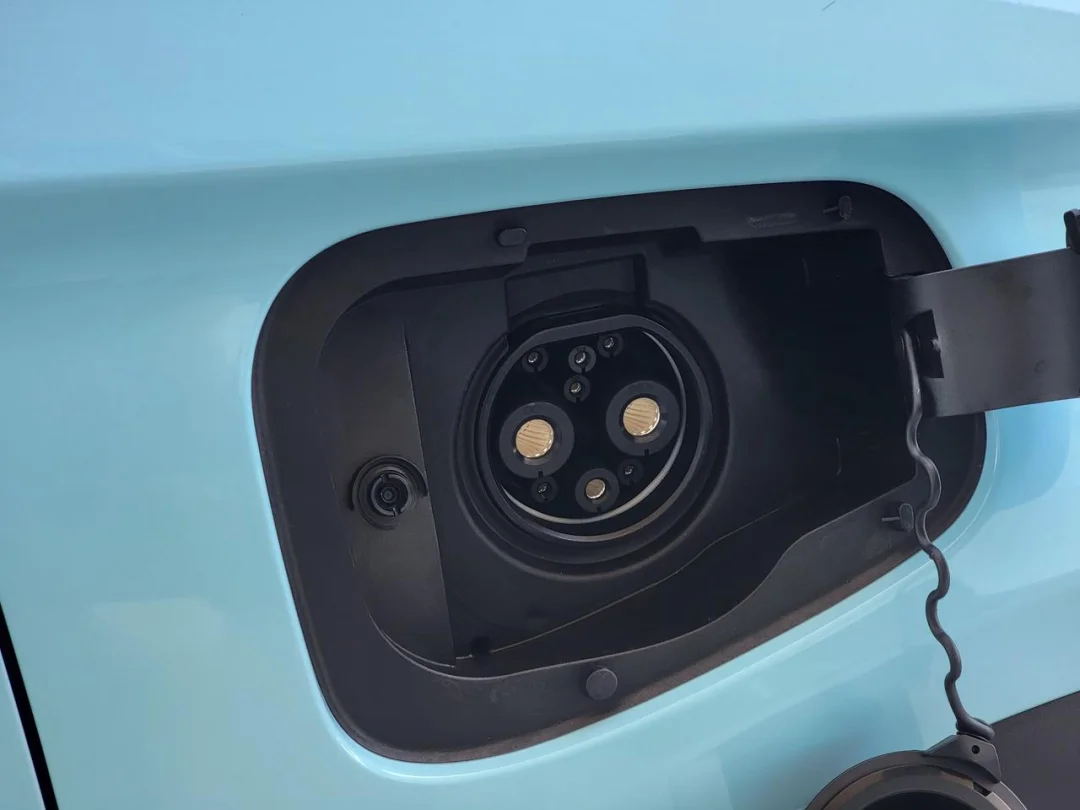
The issue of charging port placement extends to a broader divergence between manufacturers’ and users’ perspectives on whether PHEVs should include fast-charging capabilities. Manufacturers reason that if a PHEV’s onboard battery is inherently small, even with fast-charging support, the overall replenishment speed will not differ significantly from slow charging. In such cases, the additional cost and wiring complexity of fast charging may not yield a sufficient return on investment.
Users’ logic is simpler: they care less about replenishment speed and more about accessibility. Without a fast-charging port, they cannot use DC fast chargers at public stations and would need to specifically seek out stations equipped with AC slow chargers, drastically reducing charging convenience.
So how does this relate to the HT-i? This seemingly unremarkable vehicle is equipped with the second-largest battery among PHEVs priced under RMB 200,000, with a capacity of 32.6 kWh and a fast-charging current of up to 100 A. Therefore, the HT-i’s fast charging serves not only as a compatibility measure but also delivers tangible efficiency gains enabled by its large battery. For comparison, the top-trim Song PLUS DM-i features a lithium iron phosphate (LFP) battery with a capacity of 18.3 kWh.
In my view, this large battery is the most important and valuable feature of the vehicle, aside from its hybrid powertrain. To add a detail: it is a ternary lithium-ion battery.
The Difference in Hybrid Systems Is Actually...
Introducing HT-i's powertrain is actually quite simple: it uses the same system as BYD's DM-i. Not only are the hardware components identical, but even the logic for forced charging is the same as BYD models—holding the brake pedal firmly while in P gear.
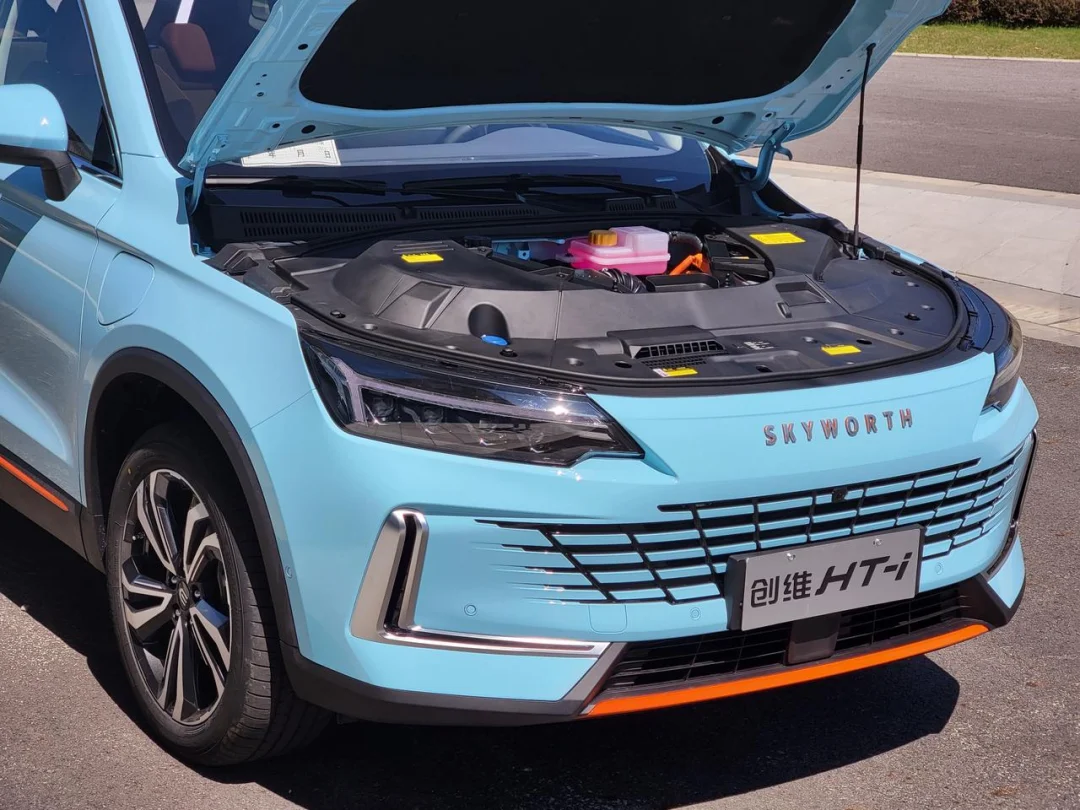
The actual on-road driving experience feels very familiar. HT-i demonstrates the smoothness and low vibration characteristics typical of dual-motor series-parallel hybrid vehicles, with power delivery quality performing above average.
Perhaps to highlight this family-oriented character, HT-i's throttle calibration is quite conservative. Power output in the initial part of the pedal travel is gentle but lacks punch; the powertrain becomes more assertive only after the throttle is pressed past the halfway point.
During steady-speed cruising, there is a perceptible difference between pure electric mode and when the engine intervenes, but it remains entirely within acceptable limits. After several hours of contact, the most noticeable condition for feeling HT-i's internal combustion engine vibrations was idling while generating electricity.
After several hours of experience, I found the powertrain to be very similar in feel to DM-i models. During the workshop, Chuangweiqiche officials frequently used the term 'ultra-long combined range' when introducing this system, stating a total range of 1,267 km combining both electric and fuel capabilities.
To be honest, discussing the combined range of a plug-in hybrid vehicle is not particularly meaningful. What consumers actually care about are the pure electric range, energy consumption, and fuel consumption in hybrid mode. It is easy to guess that this is also how the Chuangweiqiche team deliberately differentiates its technical messaging from BYD's.
I also noted these figures for the actual vehicle: before resetting the trip meter, the combined fuel consumption over 203 km was 4.5 L/100km, with an average energy consumption of 18.1 kWh/100 km.
During the test drive, we also used the "forced battery preservation" mode for 5 km, which is the fuel-priority mode found in other models. This 5 km was normal urban expressway driving, with a displayed energy consumption of 18.3 kWh and fuel consumption of 8.1 L/100km.
In terms of powertrain, the HT-i’s real-world driving performance is comparable to that of BYD DM-i models. Its electric-drive characteristics stand out for their smoothness and quietness. It features a notably large battery that supports 100 A fast charging. If you buy a PHEV primarily to use as a pure EV for daily commuting, the HT-i’s long electric range and charging efficiency will provide a good experience.
The following sections will discuss what this car does well and where it falls short.
02Effort was made, but not everywhere
I personally pay close attention to functional details in a car, so during this test drive I specifically focused on this SUV from a manufacturer with '12 years of automotive experience.' I have already stated my conclusion in the heading.
Seats Can Fold Down, But Not at All
For instance, the HT-i’s trunk offers not only ample depth but also a detachable, retractable cargo cover, making it both practical and convenient.
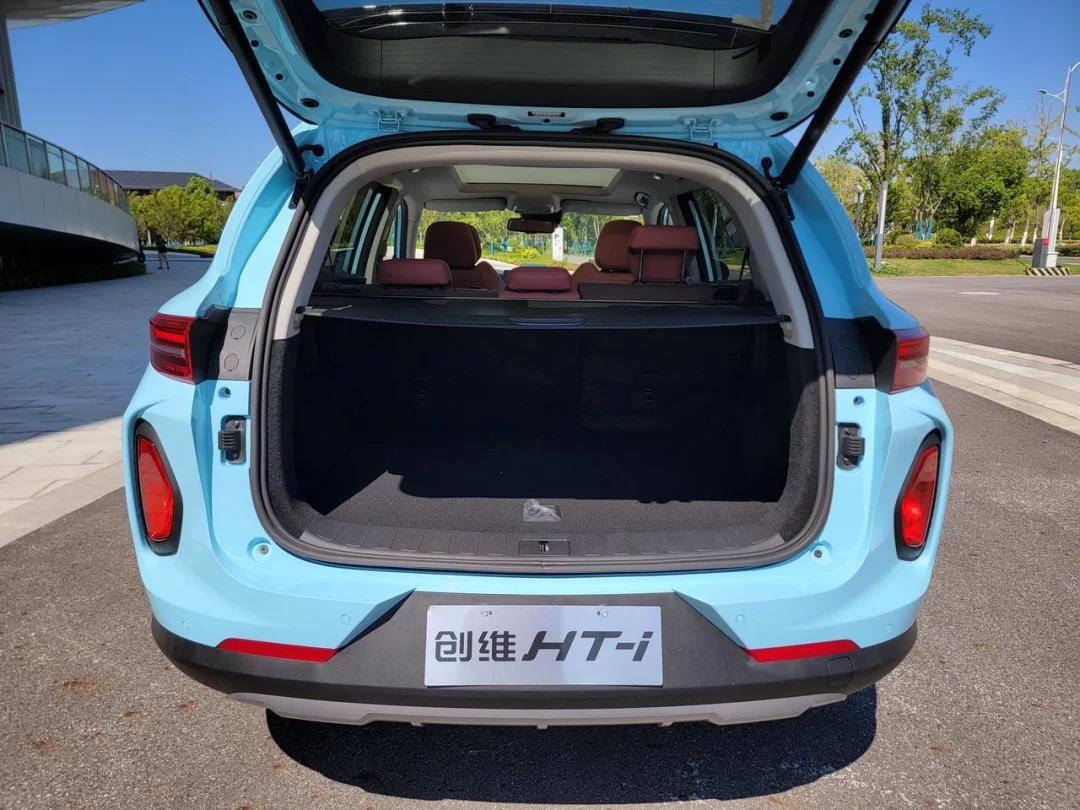
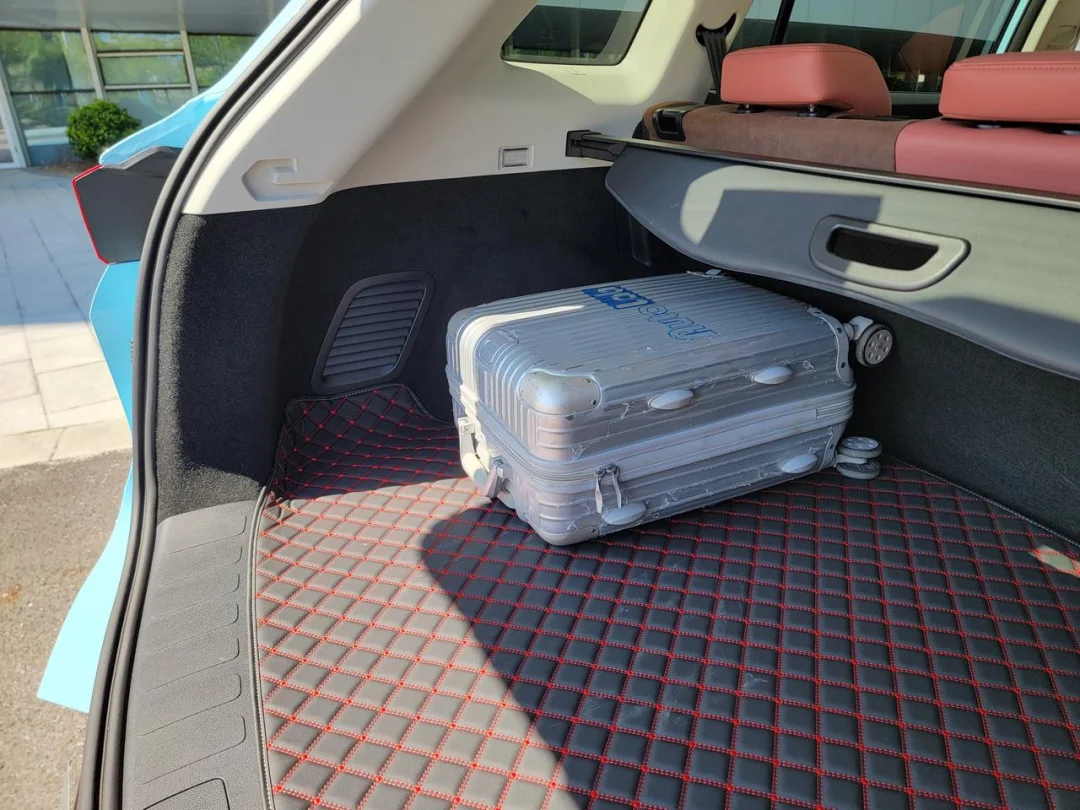
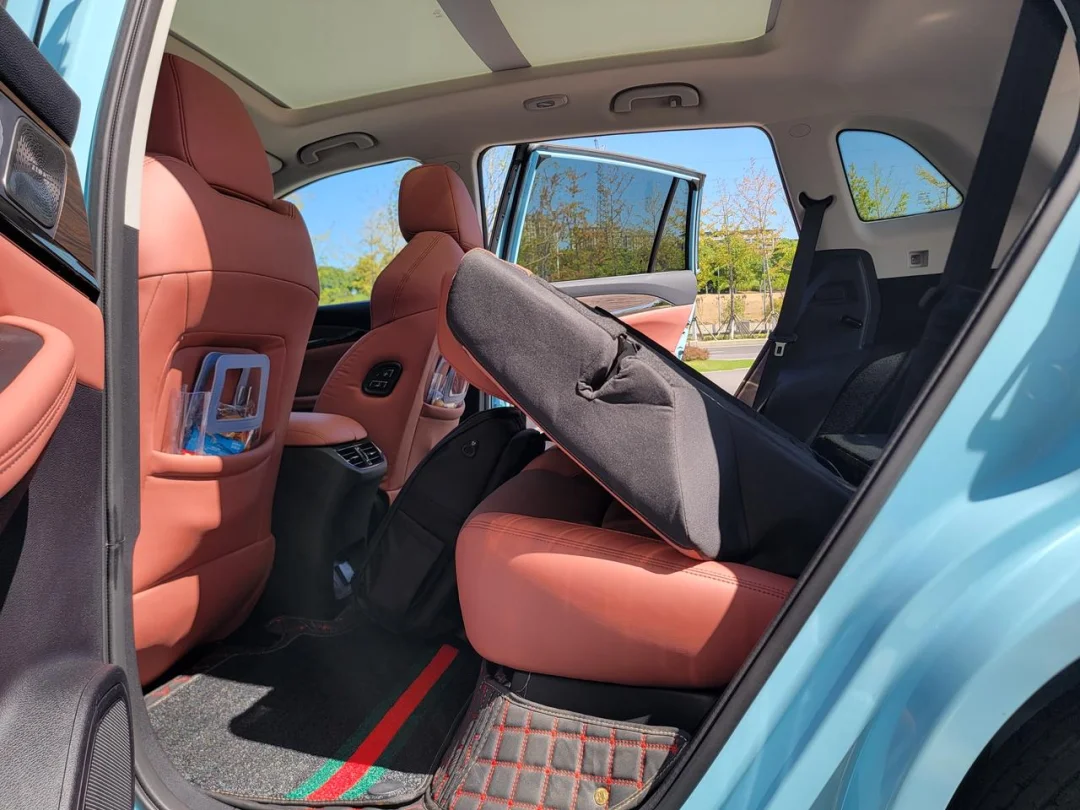
However, an awkward situation arose when I attempted to fold down the rear seats: the image shows the maximum recline angle for the HT-i rear seats.
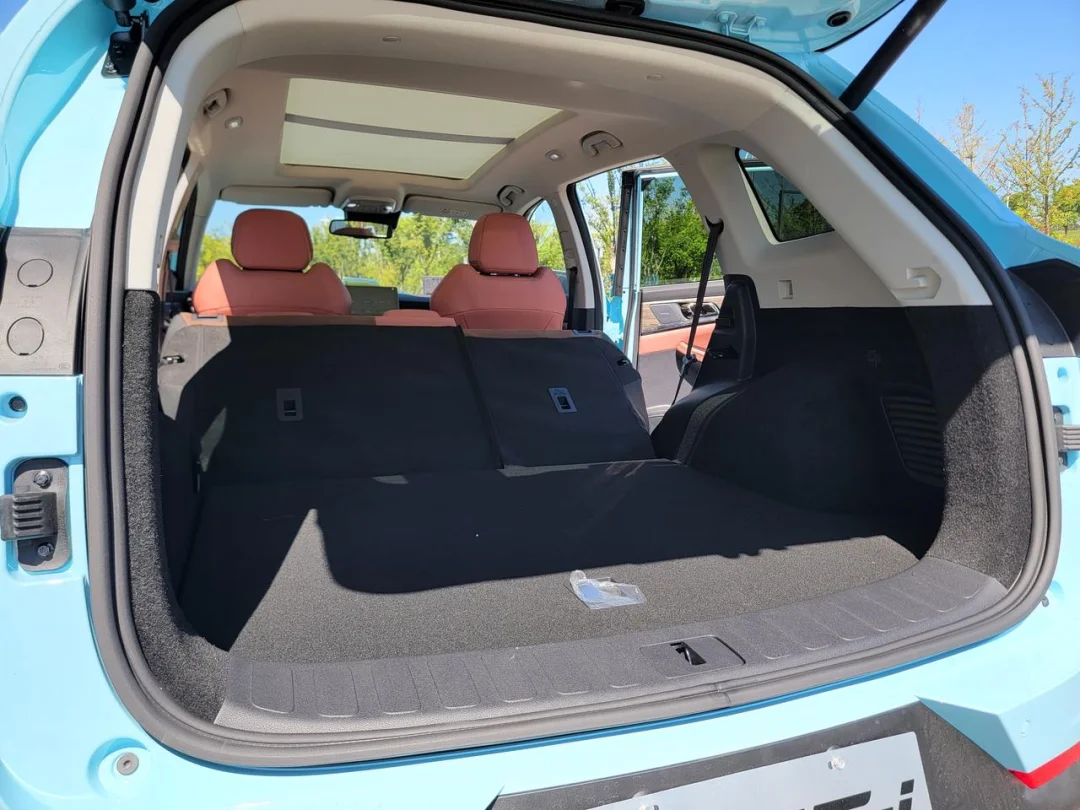
Opening the rear door reveals significant interference at the hinge point between the backrest and the seat cushion during folding. The inability to lay flat is not due to limit stops on the seat hinges; rather, the backrest gets pushed up by the seat cushion upon contact, restricting further movement. At this limited angle, the utility of folding the rear seats is diminished by approximately 80%. Considering the potential for seat damage, I did not attempt to force it further under heavy load to see how much lower it could go.
Rear Seat Space and Surprises
The HT-i’s second-row seats do recline, and the overall seating comfort remains adequate. With the backrest adjusted to a more reclined position, my 180 cm frame still has head and leg room appropriate for this class. However, the common issue of high seat bottoms persists in the HT-i; taller occupants lack proper thigh support. Fortunately, you can tuck your feet under the front seats to improve leg angle.
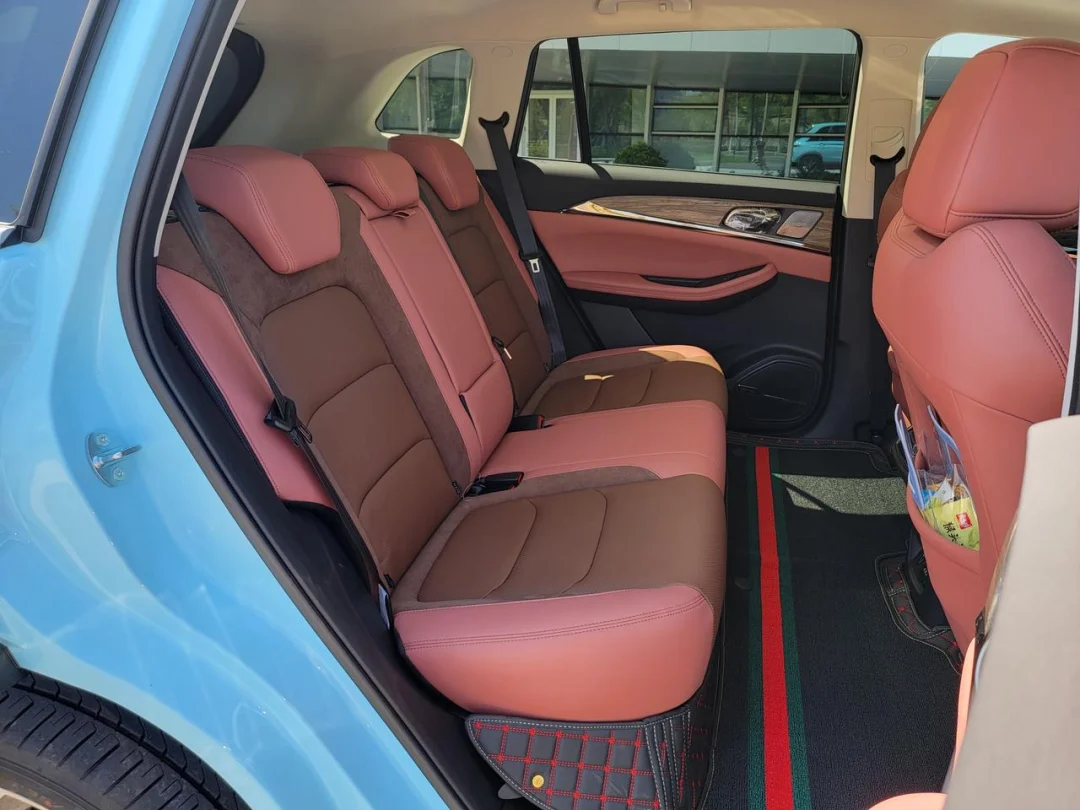
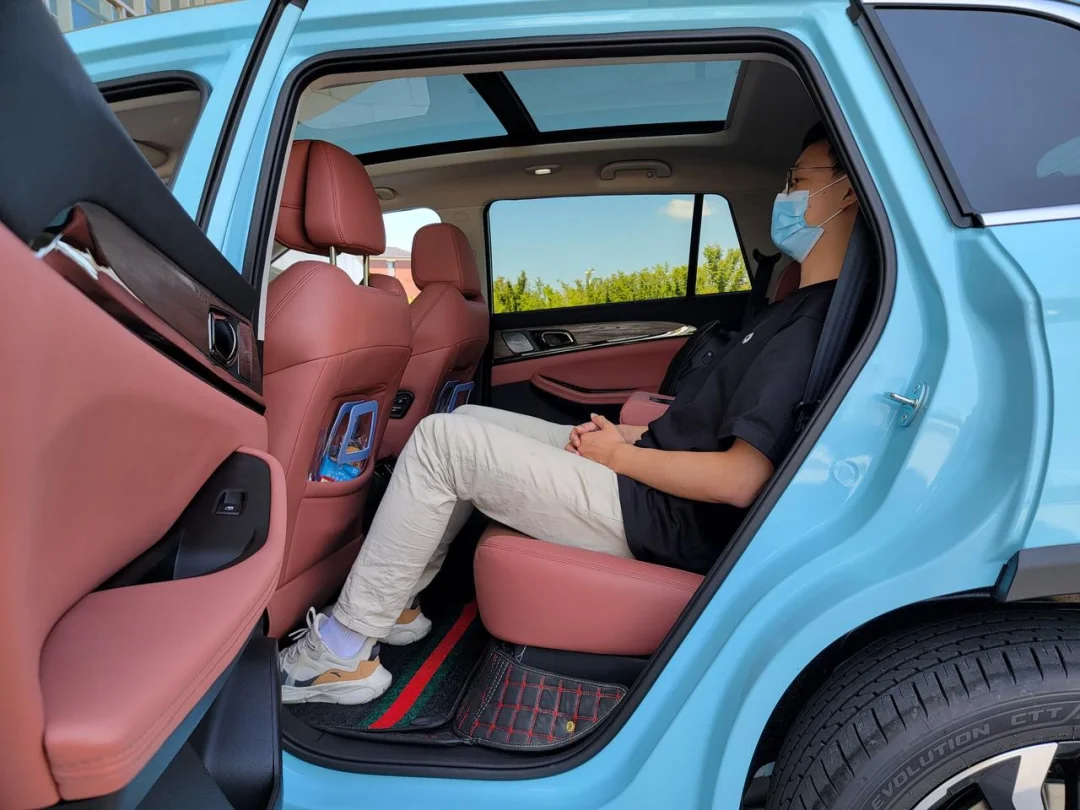
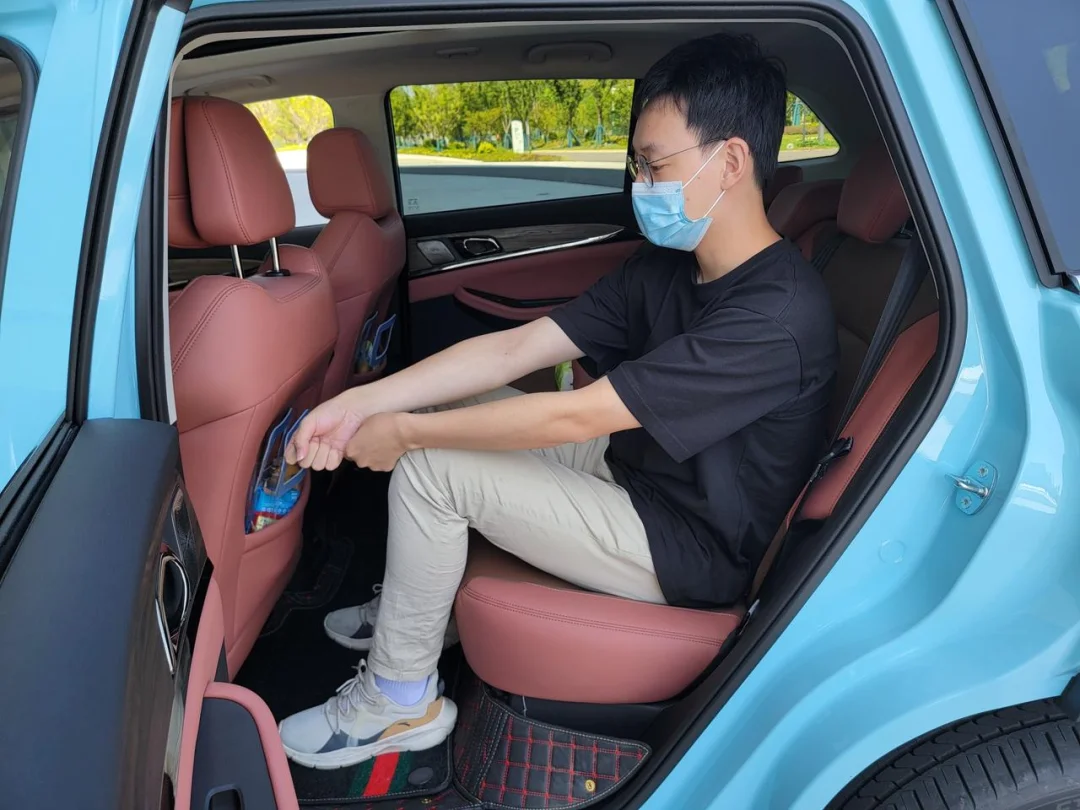
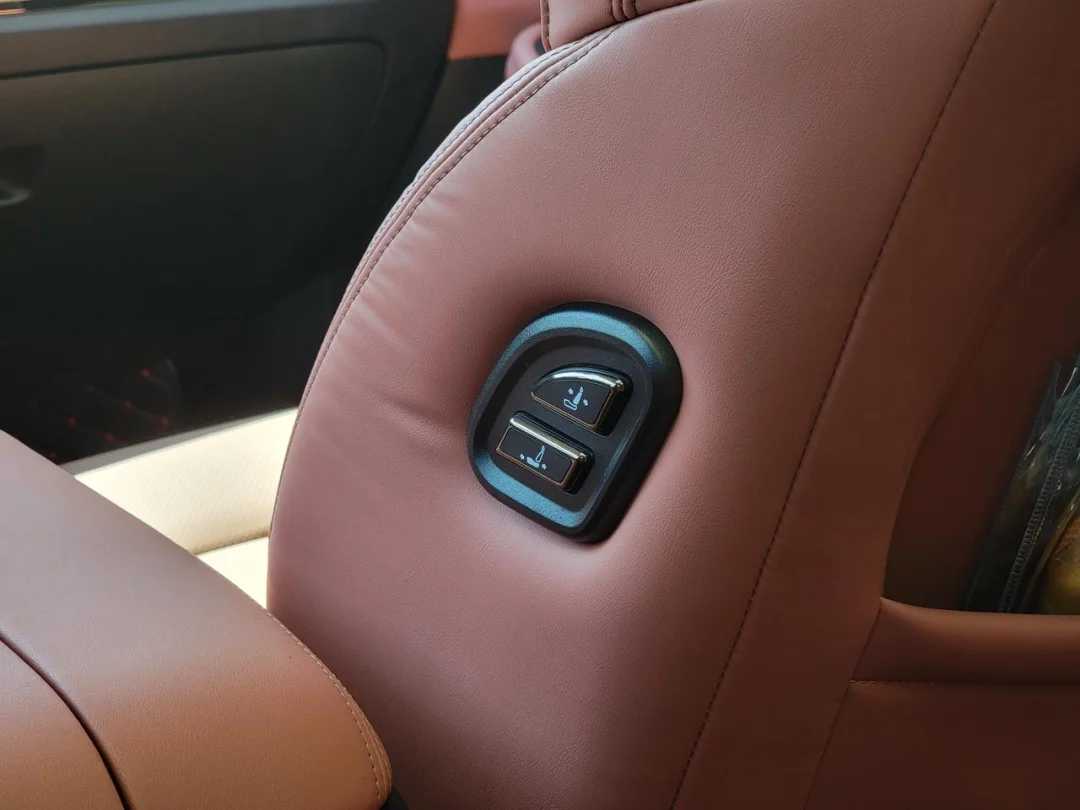
What surprised me about the rear is that the front passenger seat is equipped with a 'boss key' (one-touch driver seat adjustment). This feature is rare at this price point and in this segment. Even if the rear passengers aren't 'bosses,' it serves as a convenient access aid for users installing child safety seats.
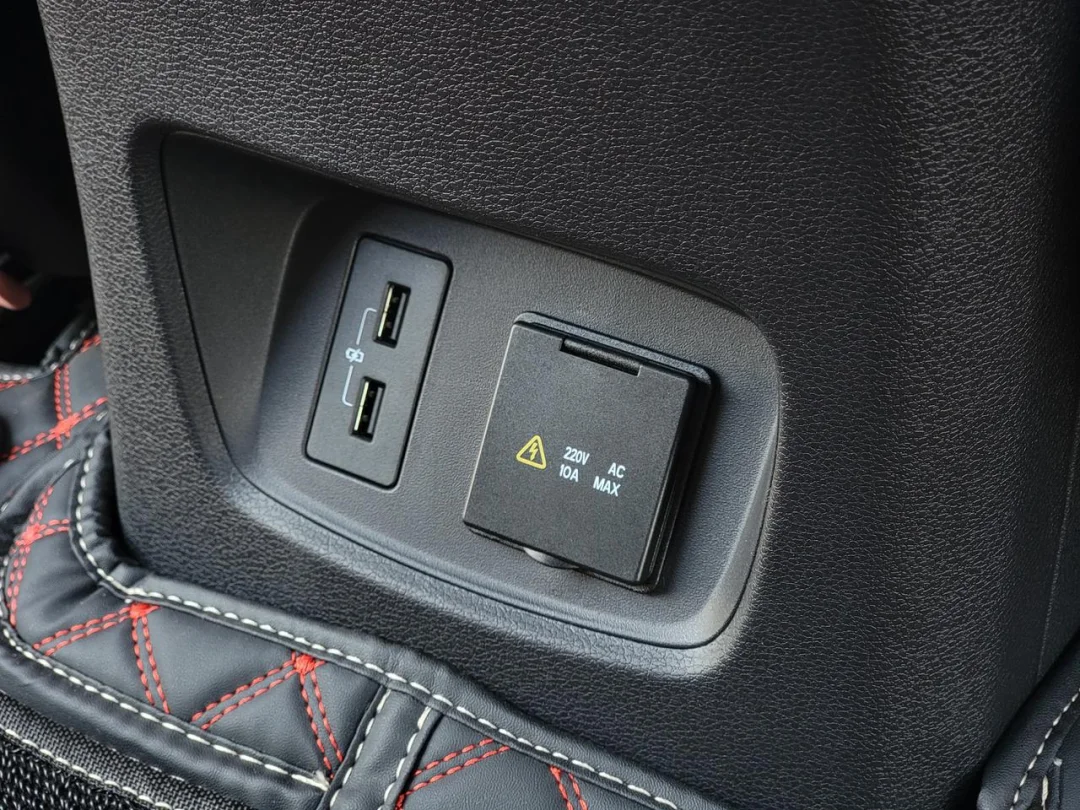
What’s more surprising about the second row of the HT-i is the 220 V in-car power outlet located below the air vents. Not only does the socket face the driver, but it also supports a maximum current of 10 A, equivalent to a maximum power output of 2,200 W. Forget laptops and car refrigerators; you can even plug in a power strip to run camping equipment like induction cooktops and small air conditioners—it’s quite impressive.
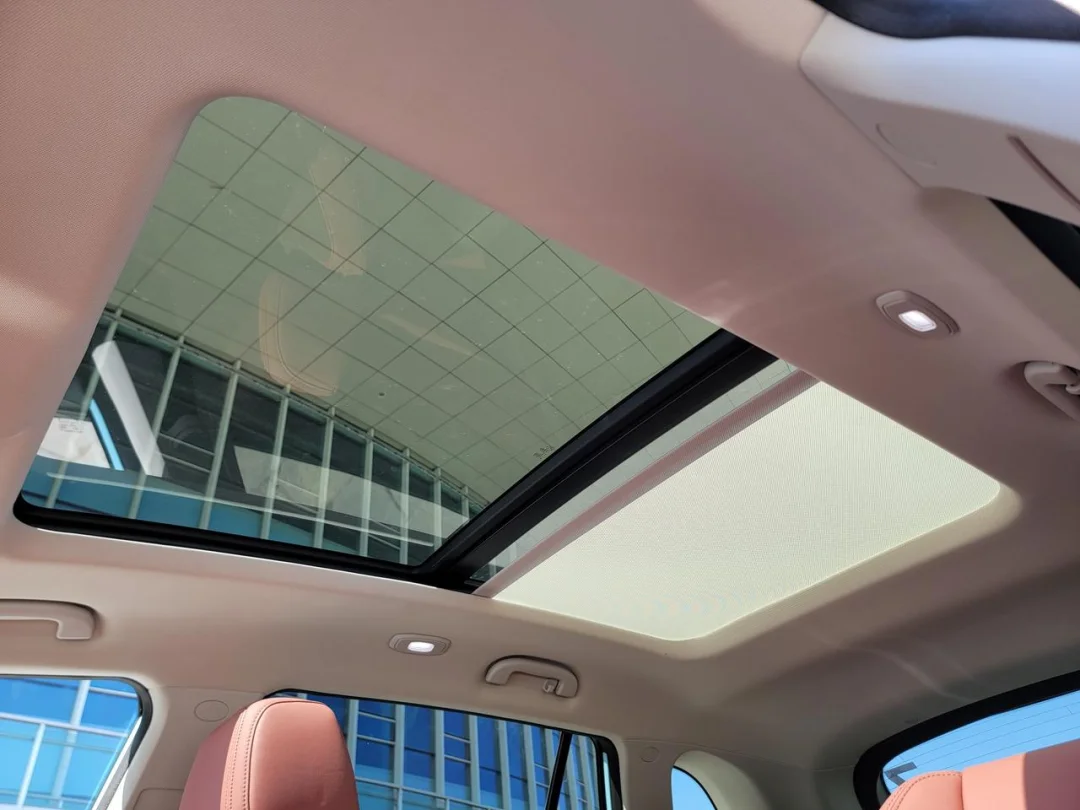
Looking up, the HT-i’s roof features a panoramic sunroof that can be opened, paired with an electric sunshade. There is another detail regarding the shade's opening area: after pressing the button, the first stage of travel stops at the position shown in the image. I initially thought the sunroof was malfunctioning when the shade stopped there, but after multiple attempts, I realized this was intentional by Chuangweiqiche.
At the position shown, the lighting effect for front-seat passengers is hardly different from when the sunshade is fully open, while rear-seat passengers remain under the shade. Therefore, whenever the front needs light, regardless of whether there are passengers in the back, only one operation of the sunshade button is required.
Safety Considered, But What About Convenience?
The front-seat space in the Chuangweiqiche HT-i remains average for its class, but it has more notable drawbacks than the rear.
First, the steering wheel does not extend far enough. Tall drivers may feel the distance to the wheel is too great when holding it with both hands. To make their hands more comfortable, they either have to straighten the seatback, straining their lower back, or push the seat forward, straining their legs.
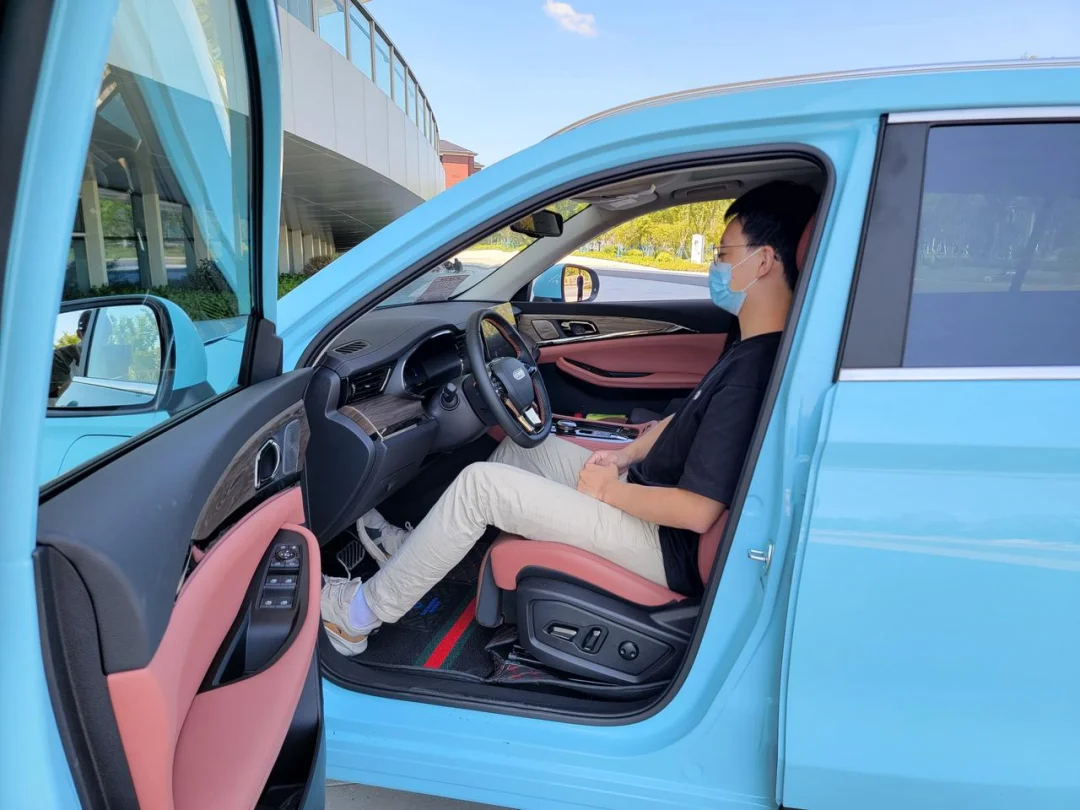
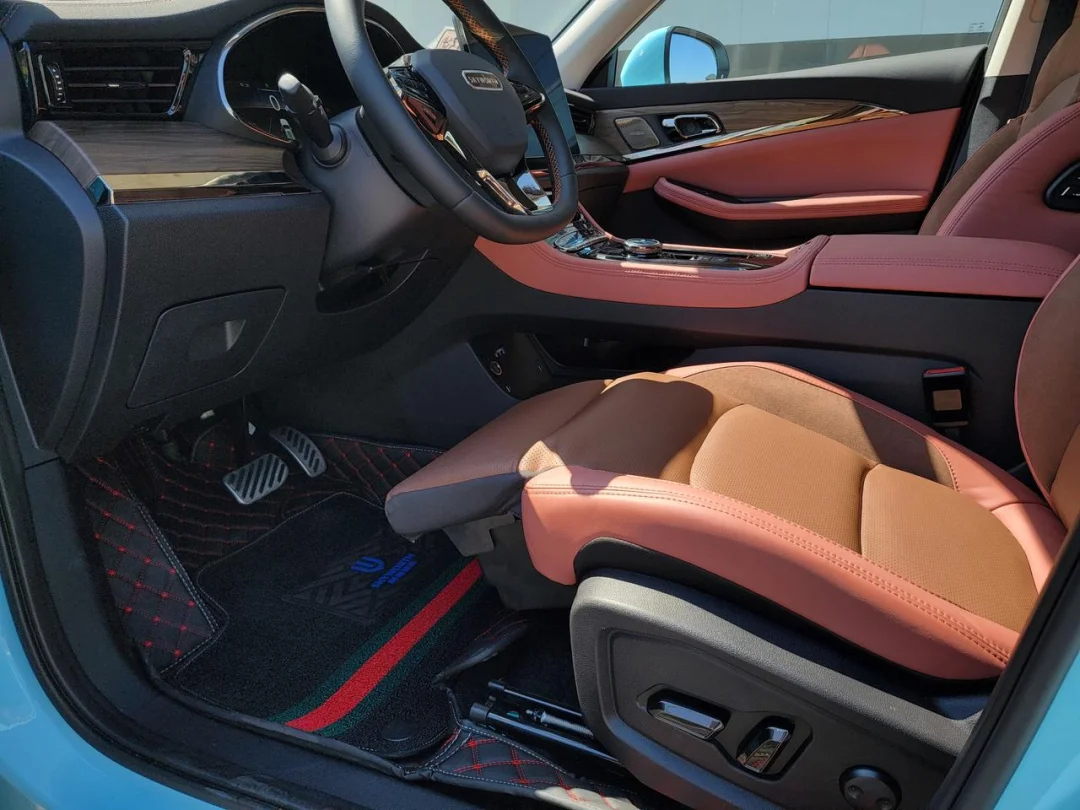
The HT-i I test-drove features a driver’s-seat leg rest, an uncommon addition. However, its usability is significantly limited: it can only be deployed when the vehicle is powered on, in Park, and with the brake pedal pressed. Given these constraints, I believe such a static leg rest—offering very low usage coverage—would be better placed on the front passenger seat.
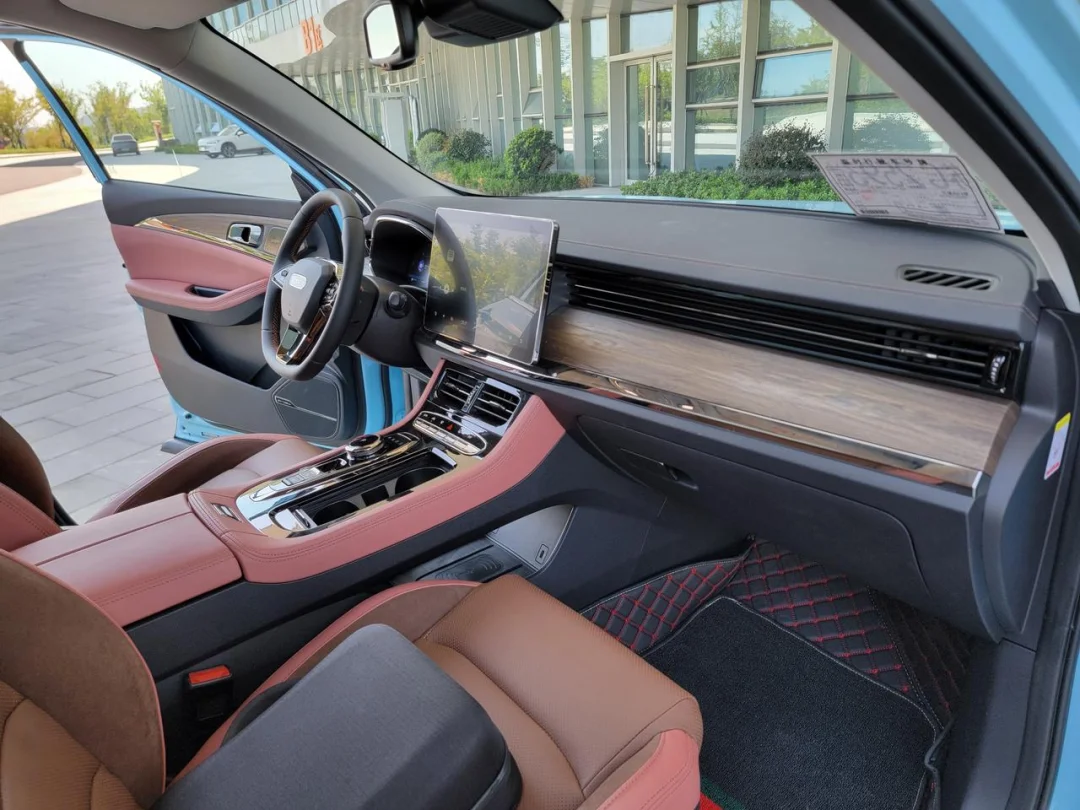
When it comes to the front passenger seat, the HT-i's footwell on that side suffers from significant wheel-arch intrusion. Stepping there reveals that the right foot sits noticeably higher than the left, which has a fairly obvious negative impact on leg comfort. Rather than adopting this uneven posture with one leg shorter than the other, I would prefer raising the seat height so that both feet can rest flat on the floor.
No Refrigerator, but the Air Conditioning Has Clever Touches
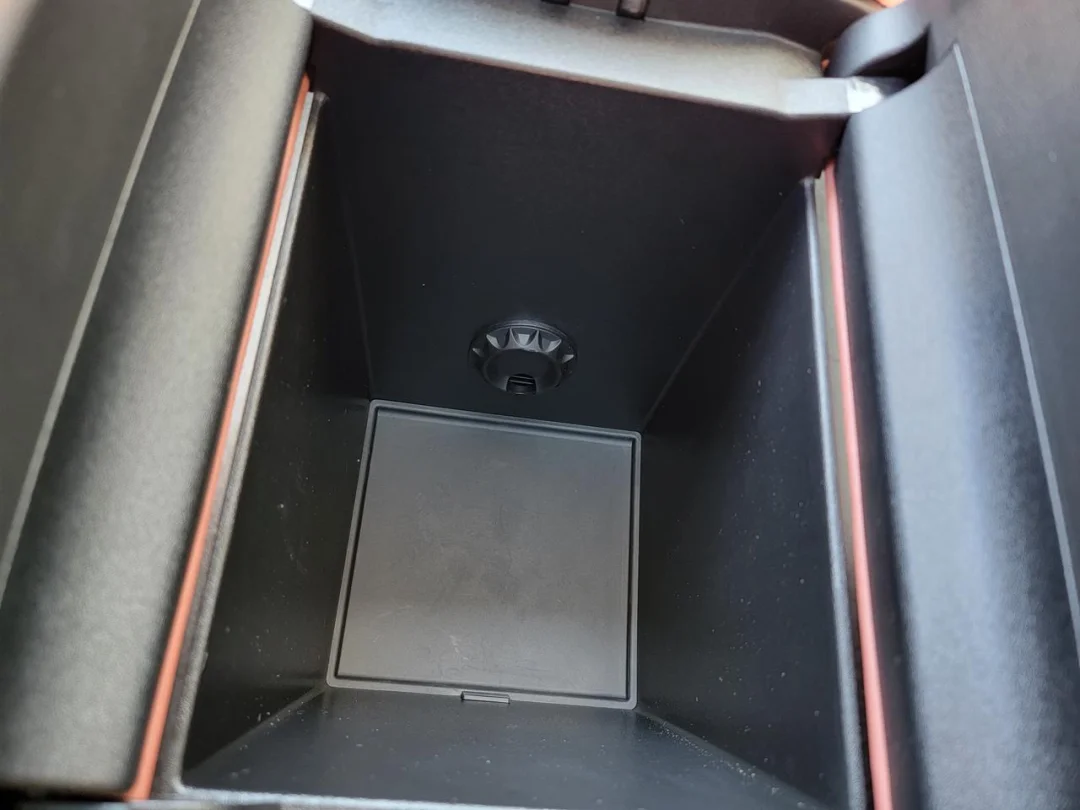
HT-i cleverly incorporates an air vent in the center armrest box, which delivers substantial airflow. After driving several dozen kilometers with the cooling mode active, four bottles of mineral water stored in the armrest—though not as cold as they would be in a dedicated refrigerator—dropped significantly below the ambient cabin temperature.
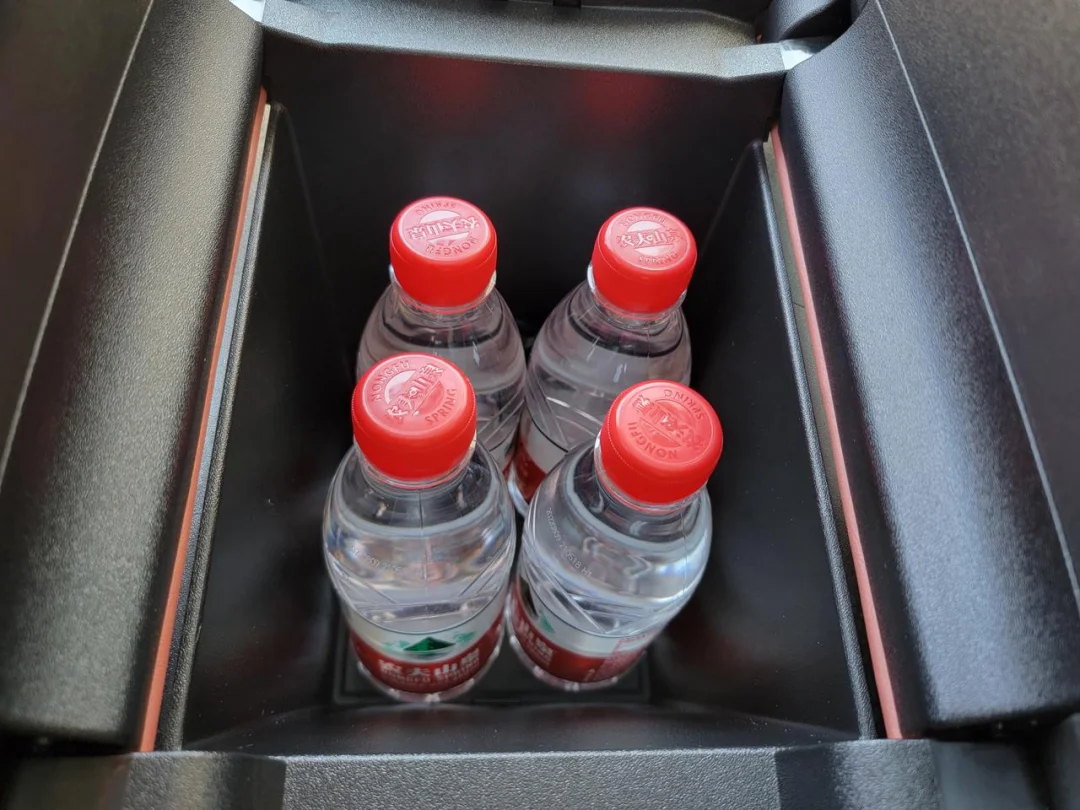
These are just some of the details I noticed during my experience of less than half a day; due to limited time, my observations were not exhaustive. The HT-i’s interior gives a somewhat disjointed impression: while certain details feel thoughtful and user-centric, its handling in broader areas and key aspects resembles that of a novice. Amidst this interplay of disappointment and pleasant surprises, I felt a sense of fatigue mixed with regret.
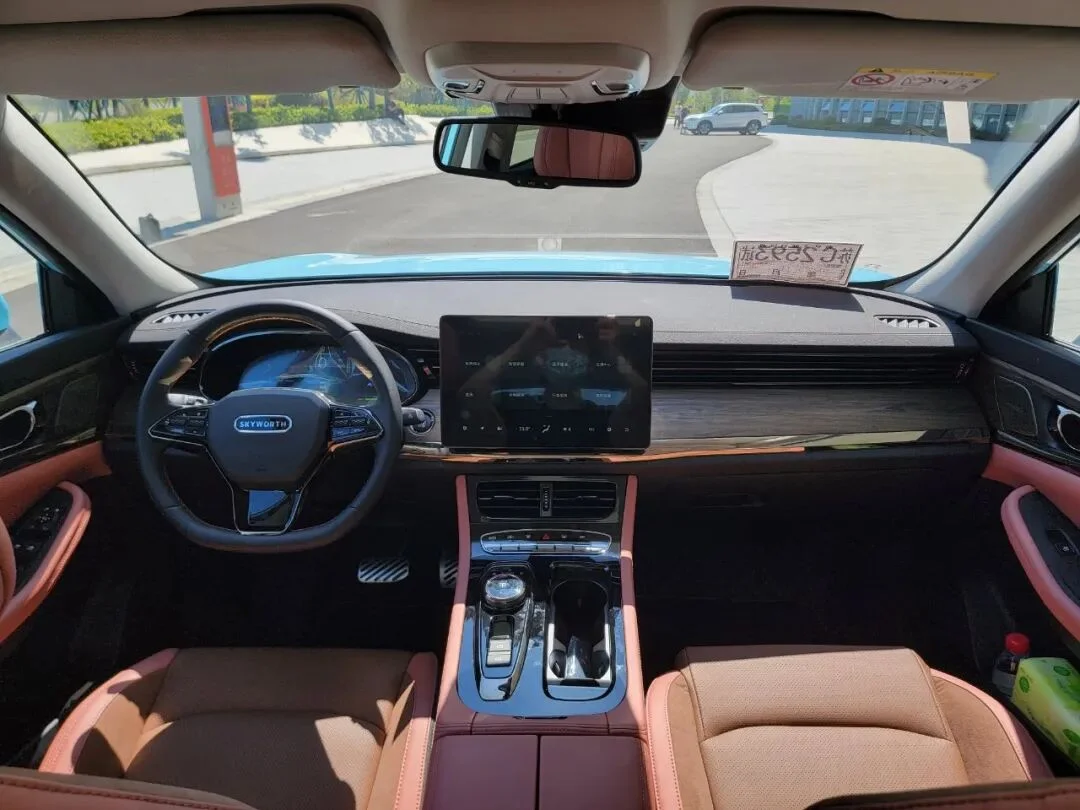
I didn’t discuss the infotainment system earlier because its experience offered almost no highlights. The system’s fluidity, UI design, and touch interaction performance were merely at the level of an average traditional automaker. The voice command execution efficiency was low, and the system would automatically switch to full-screen navigation upon entry. In short, the vehicle’s overall intelligent performance was disappointing, though it met expectations.
03Final Thoughts
I had not paid much attention to the Chuangweiqiche brand for a long time prior to this test drive. My most recent awareness came from seeing 'Chuangweiqiche' appear in the MIIT's new vehicle listings.
For this home appliance company that crossed over into automotive manufacturing, I still have many unanswered questions.
On the technology front, Chuangweiqiche's core competitiveness, according to official statements, lies in its intelligent chassis technology. It plans to develop more advanced steer-by-wire chassis technology in the future, with the subsequent 'Steer-by-Wire Chassis 3.0' supporting L5-level autonomous driving requirements.
Regarding software, Chuangweiqiche claims that its Kukaixitong has been developed for many years, boasting numerous active users and data points. These are all independently developed by Chuangweiqiche, and the current Chuangweiqiche vehicles represent a secondary development based on this foundation.
In terms of product definition, Chuangweiqiche, like many other new energy vehicles today, promotes the concept of a 'third space.' However, beyond features such as a mobile office, living room, and conference room depicted in their presentations, Chuangweiqiche envisions a 'mobile hospital.' Vehicle health functions are intended to be Chuangweiqiche's point of differentiation, with official promotional language stating: 'Active health technology, aiding a century-long life.'
For the HT-i, Chuangweiqiche identifies its target user profile as "entrepreneurs," reasoning that the company's mission resonates with the spirit and temperament of this group.
In terms of sales channels, Chuangweiqiche has adopted Huawei's approach to "cross-industry car sales" by leveraging its home appliance distribution network to sell vehicles, using smart home-vehicle integration features to attract customers. The company currently operates approximately 20,000 to 30,000 home appliance stores. Its domestic automotive channel layout already includes 324 locations, with plans to integrate these networks to achieve coverage within a 10-kilometer radius. Internationally, Chuangweiqiche aims to expand into 44 countries and regions initially, eventually reaching more than 80.
During an interview following the launch event, Huang Hongsheng noted that current new-energy vehicle manufacturers are suffering from severe losses, making their survival uncertain. He expressed respect for BYD, citing its commitment to in-house R&D and large-scale vertical integration as a powerful competitive advantage—a path Chuangweiqiche hopes to follow. Chuangweiqiche has completed its Series A financing round; a subsequent Series C round of RMB 5 billion is planned, followed by preparations for an IPO.
After reviewing the available information, it is evident that Chuangweiqiche is genuinely committed to the automotive business and harbors ambitious goals. However, its current operational status and understanding of both the industry and consumers still show some deviations, many of which are relatively critical.
Regarding the most critical aspect of the HT-i product—pricing—the launch event announced the following figures:
The 205 km pure electric range version is priced between RMB 162,800 and RMB 199,800.
The 115 km pure electric range version is priced between RMB 146,800 and RMB 172,800.
The exclusive custom model is priced at RMB 242,800.

Before its launch, the HT-i secured 14,718 orders. For 2023 sales targets, Chuangweiqiche set a goal of "guaranteed 100,000 units." Currently, in addition to the HT-i, Chuangweiqiche has another sibling model on sale, the EV6. Relying solely on these two models to achieve next year's sales target would undoubtedly place immense pressure on the company.
The challenges here are not price, but brand and product.
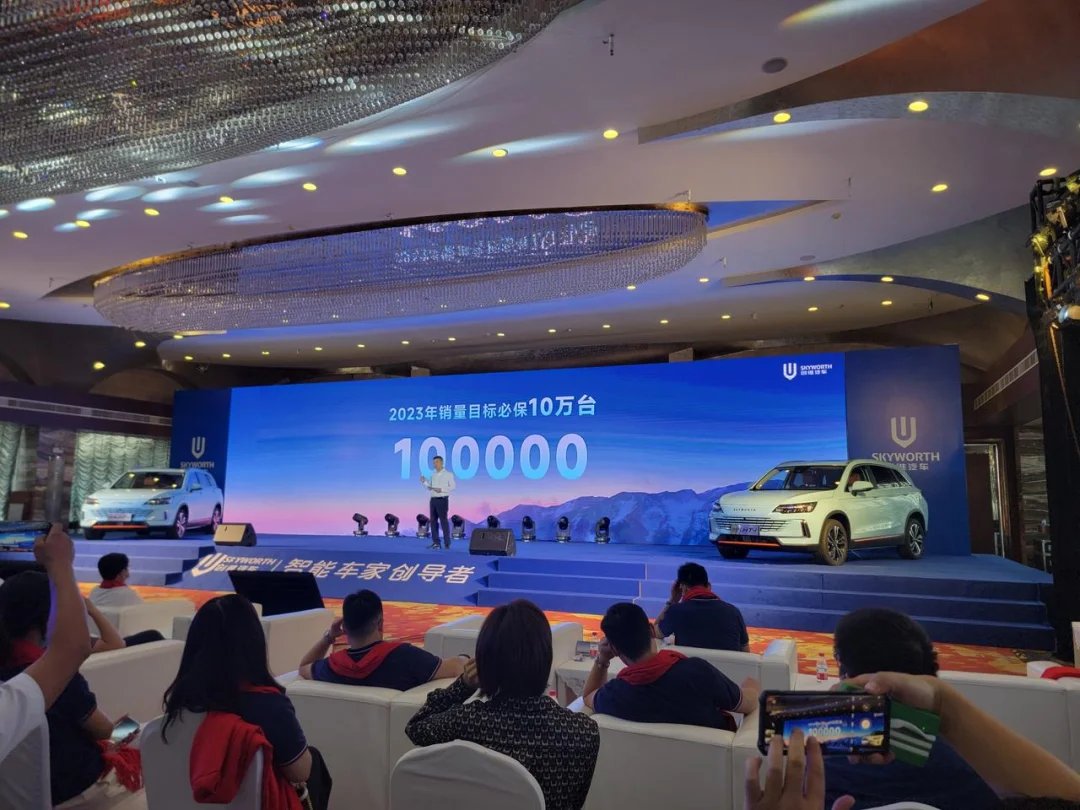
During the launch event, Huang Hongsheng described his expectations for Chuangweiqiche: "I hope that many years from now, when I travel abroad for business by plane to all parts of the world, our dealers will be there to pick me up in Chuangweiqiche vehicles."
Written by: Lai Yinhate Edited by: Lai Yinhate