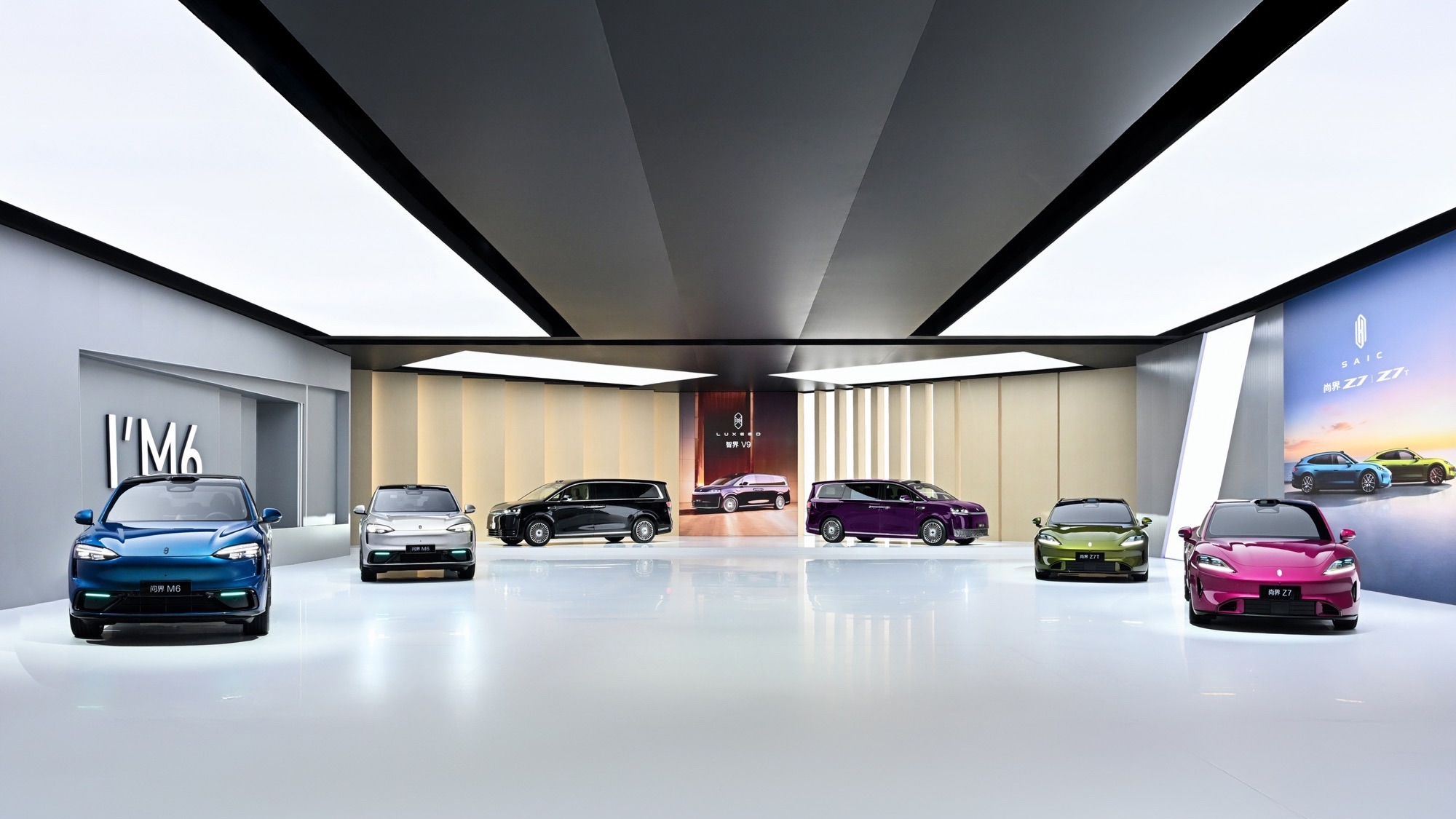
After assembling its “five realms,” Huawei’s new car releases are as frequent as dumplings being dropped into boiling water.
On the afternoon of February 23, new car releases were made in four of the five realms of HarmonyOS Smart Mobility. Unlike the previous “single explosive hit” approach, this time HarmonyOS Smart Mobility seems like a systematic play—releasing multiple new cars, renewing the entire product line, updating channels and delivery data simultaneously. The information is dense, but the core logic is clear: it’s the beginning of a comprehensive rollout.
Let’s start with the most intuitive aspect – the product level.
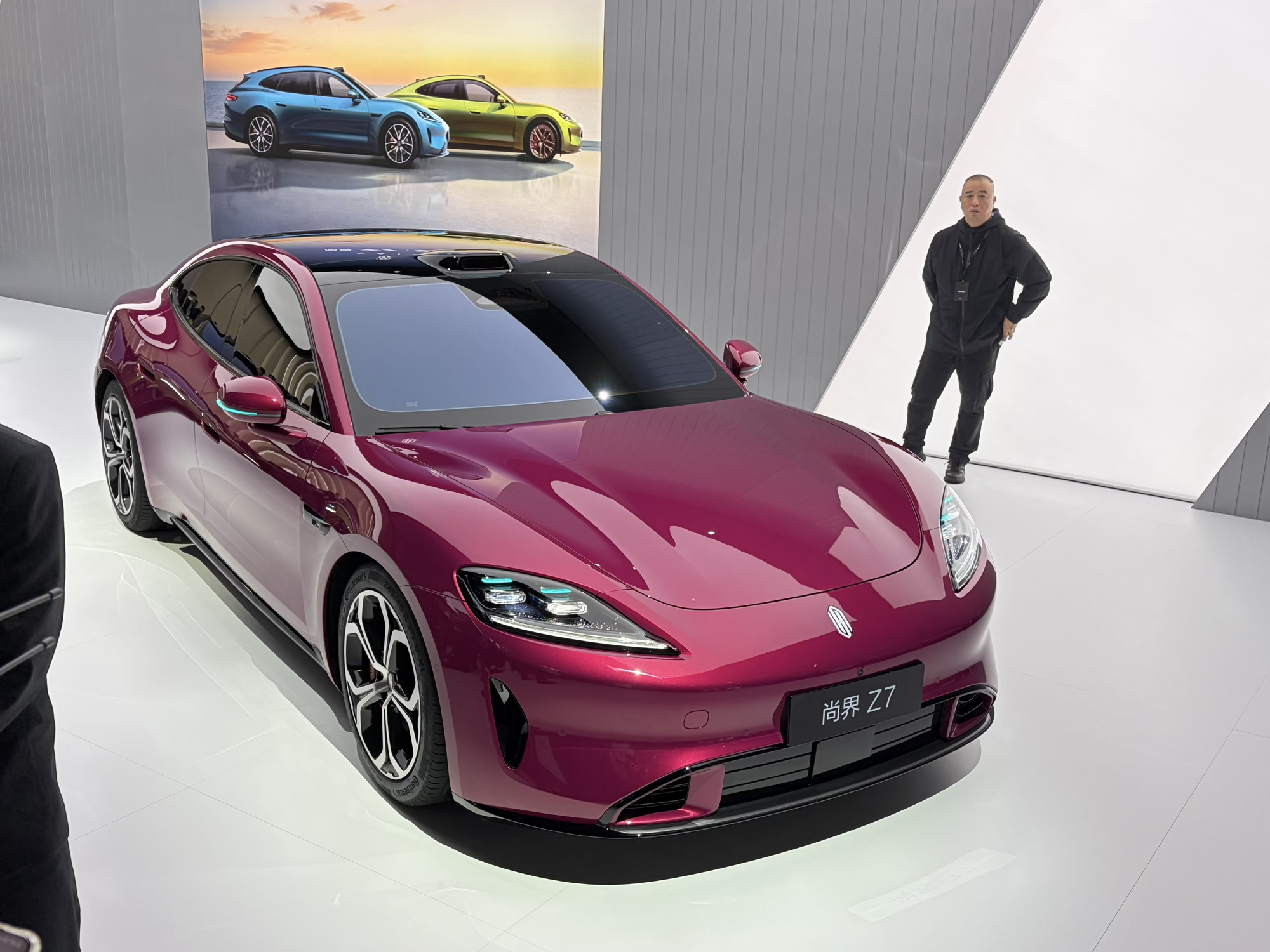
At this event, the LUXEED Z7 and Z7T officially opened for reservation, with pre-sale prices of 229,800 yuan and 239,800 yuan, respectively, positioned as youthful tech coupes. The design, color scheme, and cabin ambiance are noticeably geared towards younger users, but more crucial than good looks is the strategy of configuration—including core capabilities like 896-line LiDAR, the Turing platform, and the 800V high-voltage battery platform, which are all standard across the lineup.
This signifies one thing: Intelligent and performance features, previously only found in high-spec or high-end models, are being swiftly scaled down to more mainstream price ranges.
The same logic applies to the AITO M6.
This mid-sized SUV starts at a pre-sale price of 269,800 yuan, with size and space hitting the core range for mainstream family vehicles. On one hand, it emphasizes personalization through design, color schemes, and details like the “versatile front passenger seat,” while on the other, it maintains standardization in basic capabilities such as driver assistance hardware and passability. Essentially, it’s tasked with a more practical mission—enter more voluminous price ranges and expand the user base.
If the Z7 and M6 are pushing “downward,” another line is raising the “overall bar.”
Including the LUXEED S9/S9T, the new R7/LUXEED S7, and the AITO M7, M8, this round has seen almost all models renewed in unison. The focus of the upgrades is highly consistent:
Firstly, on the hardware front, there’s a comprehensive shift towards 896-line LiDAR;
Secondly, in terms of software and experience, there’s the introduction of more advanced driver assistance capabilities and a healthy cabin system;
Thirdly, capabilities related to safety are continually strengthened, with repeated emphasis on both the structure and active safety data.
The significance of this unified upgrade is that HarmonyOS Smart Mobility is transforming past differentiated advantages into systematic foundational capabilities. As the hardware progressively aligns, the subsequent software capabilities, especially urban driver assistance, are primed for scaled deployment.
A repeatedly mentioned phrase at the launch was—”Safety is the ultimate luxury.”As of now, HarmonyOS Intelligent Travel has avoided over 3.7 million potential collisions. Behind such data lies a more tangible expression: compared to abstract intelligence, safety is more easily understood by users and more likely to build trust.
Let’s consider the system’s capabilities.
Currently, HarmonyOS Intelligent Travel has delivered over 1.3 million vehicles, completing a million deliveries in 43 months, placing it in the top tier among new forces. Meanwhile, the pace of channel expansion is evident — with 1,835 existing sales stores and 946 service stores, it is expected that by the end of the year these numbers will exceed 2,459 and 1,459, respectively, further increasing city coverage.
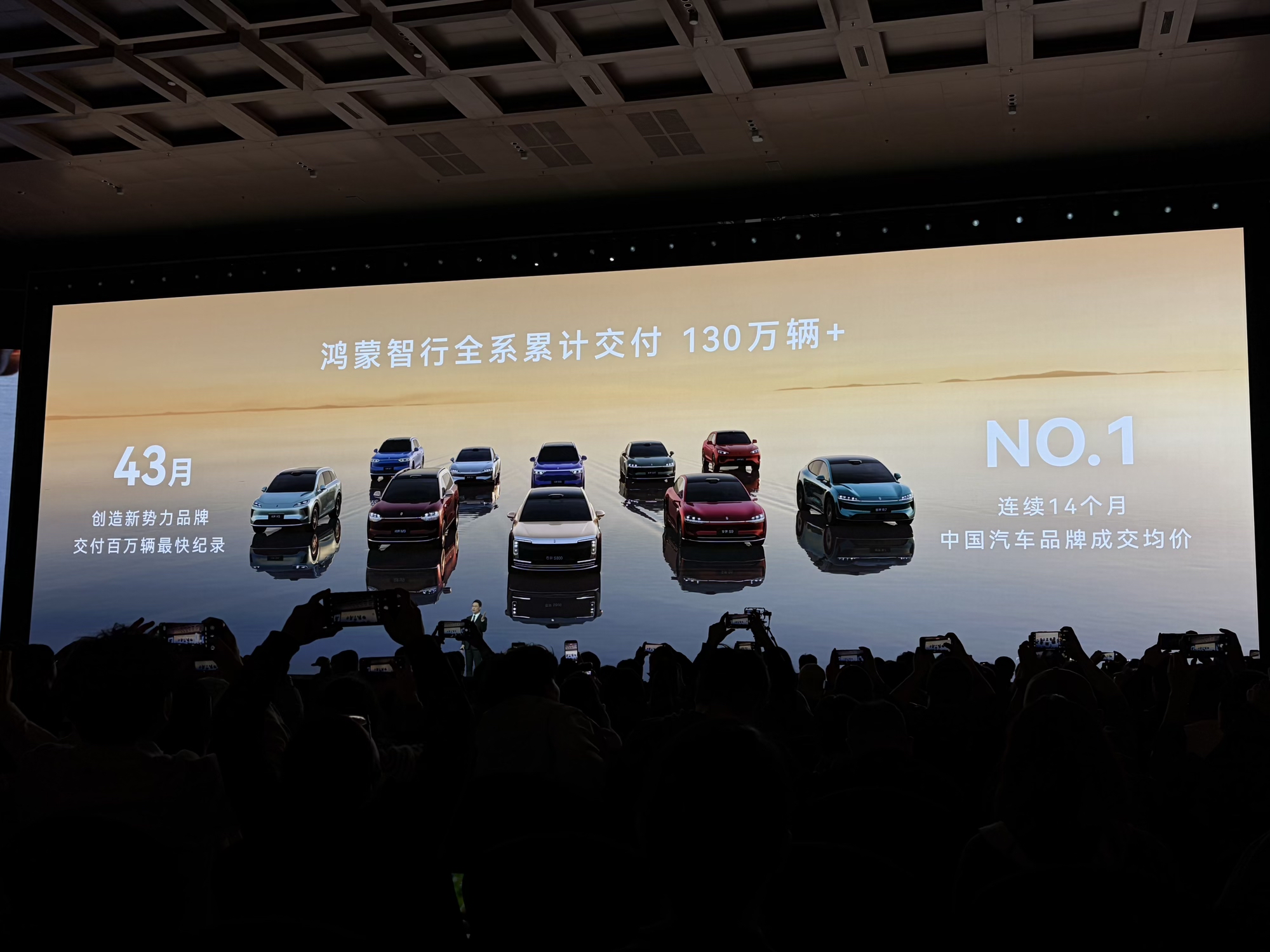 This sends a clear signal: HarmonyOS Intelligent Travel is transitioning from “product-driven” to a stage of simultaneous scale-up in product, channel, and service.
Finally, there’s one more noteworthy variable—the upcoming LUXEED V9.
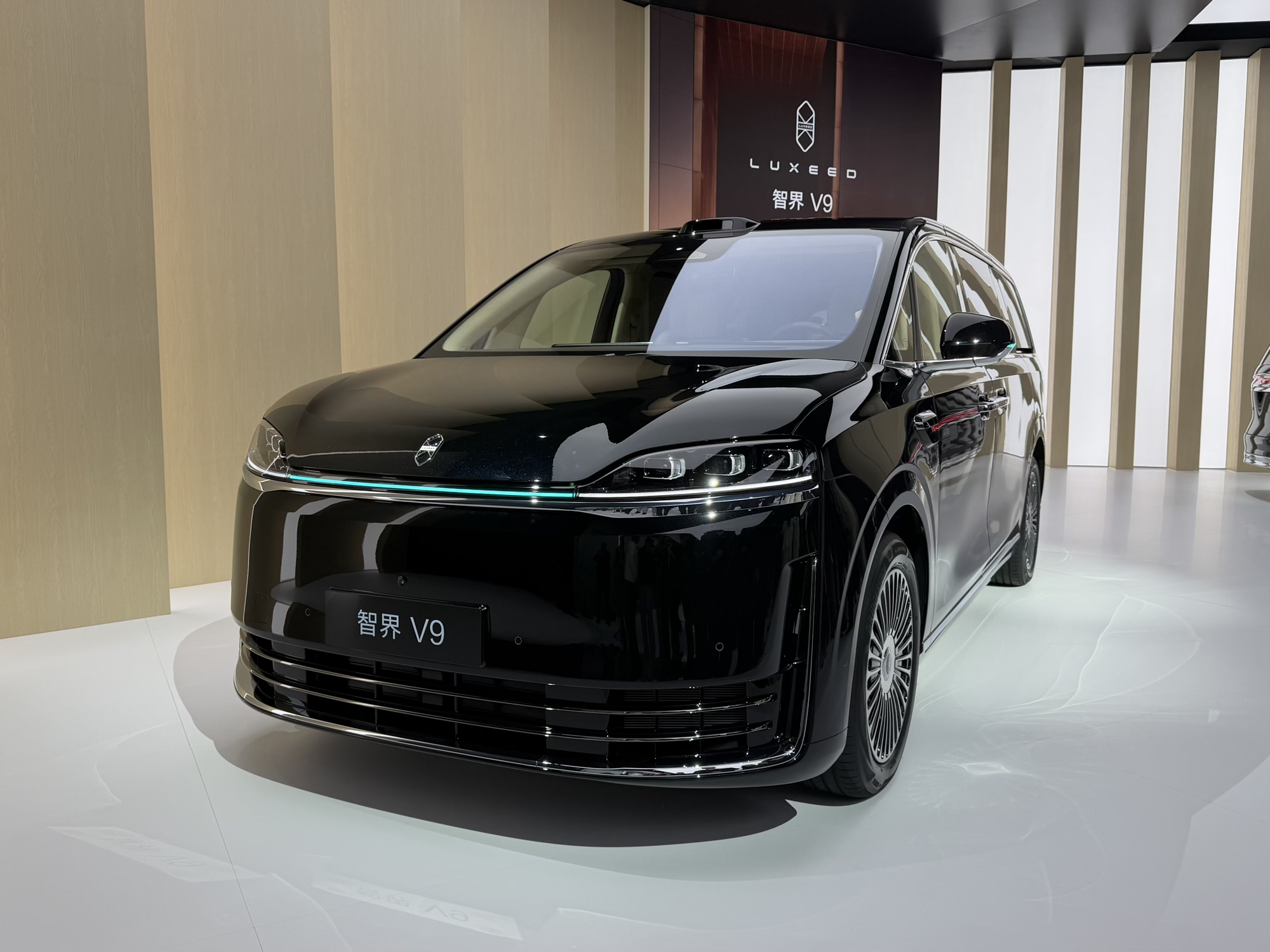
As the first MPV model of HarmonyOS Intelligent Travel, it features rear-wheel steering, rotating second-row seats, and zero-gravity seats, leaning towards high-end family and business scenarios. If this product line proves successful, it means HarmonyOS Intelligent Travel’s reach will extend from sedans and SUVs to the MPV market.
Overall, though the press conference conveyed a lot of information, it can be summarized with three keywords: Penetration, Unification, Expansion.
On one side, deploying new models like the Z7 and M6 to push core capabilities into lower price ranges;
On the other side, renewing the entire lineup to make technological capabilities standard;
And further expanding channels to truly bring these products to a broader market.
For HarmonyOS Intelligent Travel, this could be a watershed moment—shifting from having standout models to achieving scalability.
This article is a translation by AI of a Chinese report from 42HOW. If you have any questions about it, please email bd@42how.com.