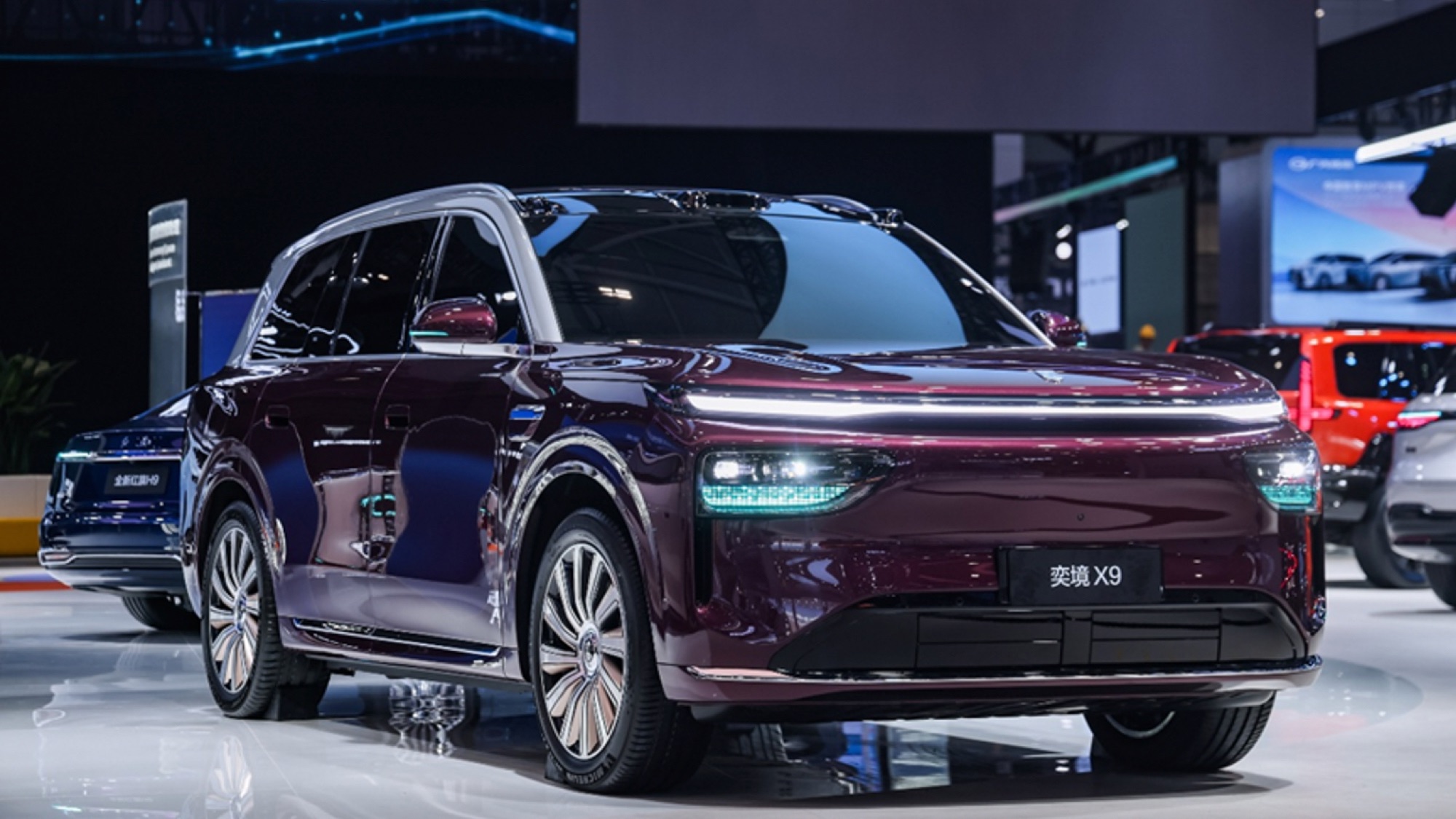
In the past two years, large six-seater SUVs have become the most crowded and constantly evolving segment in the new energy vehicle market.
Almost all major new energy vehicle enterprises are attempting to enter the large six-seater SUV submarket. We are witnessing increasingly massive body sizes and more extravagant hardware configurations.
In such a market environment, for a brand new large six-seater Series 9 flagship to truly break through the homogenization impasse and be remembered by the market and users, it actually faces a greater challenge.
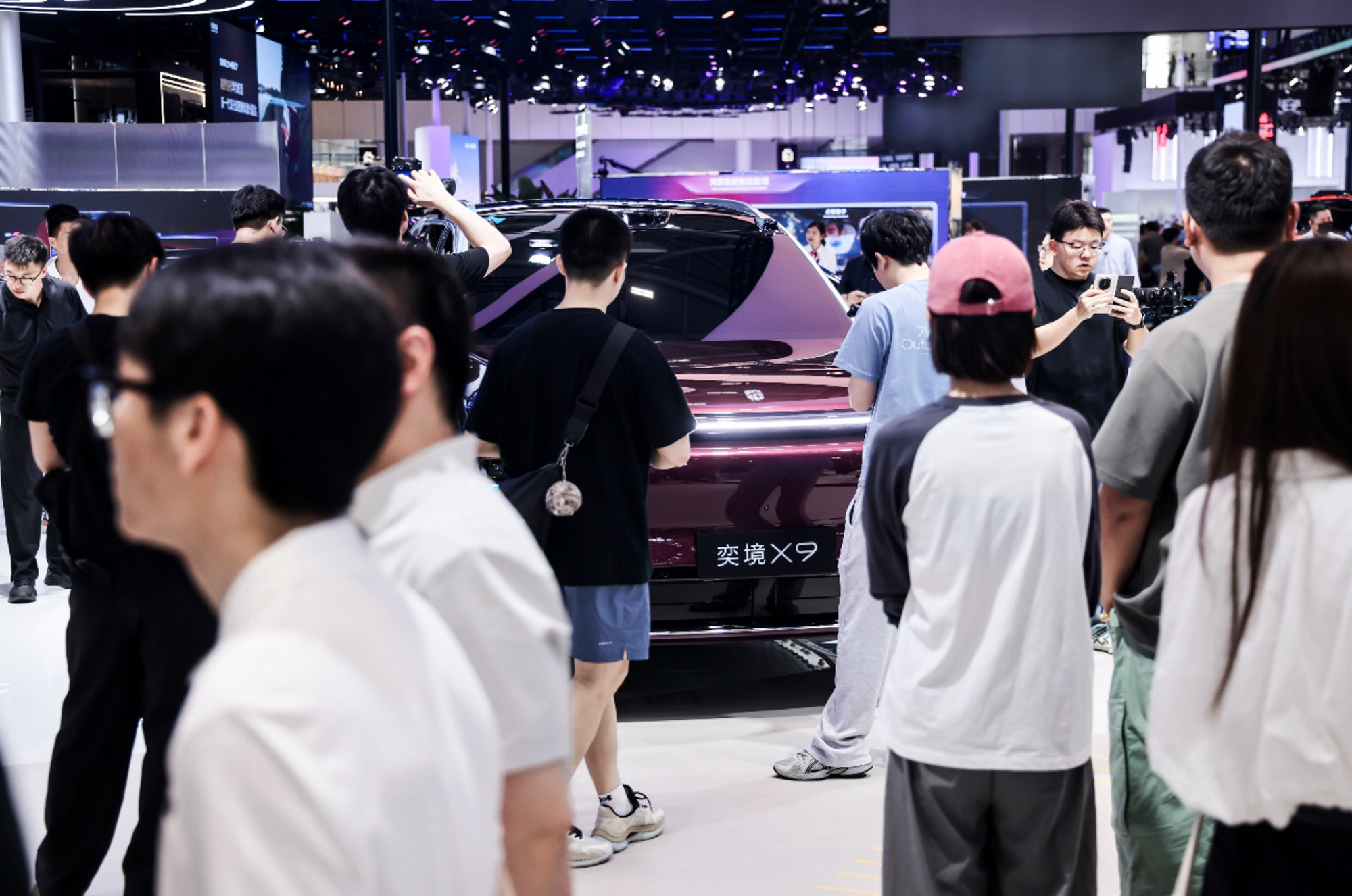
However, during this year’s Greater Bay Area Auto Show, the Yijing X9 displayed at Huawei’s QianKun booth can be considered a new option brought to family users seeking high-quality travel.
Positioned as a Series 9 flagship, with dimensions exceeding 5.3 meters, integrated with Huawei’s QianKun Intelligent Vehicle Solution, standard-equipped with a 896-line LiDAR and Huawei’s QianKun Intelligent Driving ADS 5, from a hardware perspective, the Yijing X9 indeed stands out. Moreover, it balances assisted driving, digital chassis, and overall vehicle experience.
For today’s large six-seater SUV market, this might well be a new direction.
Precisely Positioned at 5.3 Meters for Large Six-Seater
To understand Yijing X9’s breakthrough reasoning, one must first examine the current competitive landscape of the large SUV market.
According to the latest data released by the Passenger Car Association, from January to April this year, sales of new energy C-class SUVs reached 197,000 units, with a year-on-year growth rate of 112.5%, leading the entire market. Facing the fierce competition in the domestic new energy vehicle market, this year almost all mainstream car companies are making a massive push in the large six-seater SUV sector, particularly the Series 9 flagship, which symbolizes the technological pinnacle of the brand and has become another growth opportunity for companies to showcase their strength and attract high-net-worth users.
Today’s users not only need a spacious and comfortable space but also require the vehicle to be easy to drive and park in the city, possess high intelligence capabilities, and provide a detailed, emotional experience that caters to the entire family’s needs. The large six-seater segment is precisely the all-rounded category that tests a car company’s fundamental engineering capabilities, intelligence reserves, and systematic vehicle-manufacturing prowess.
In terms of size, steering a large six-seater product with a vehicle length controlled around 5.2 meters is indeed a crowded track, and due to physical size constraints, users still need to compromise between passenger space and luggage space; while aiming for absolute internal space, moving upmarket and extending vehicle length beyond 5.4 meters for larger behemoth models poses an even greater challenge to the daily driving, underground parking maneuvering, and standard parking space accommodation for the majority of city families, with many car owners fearing large cars.
In this industrial backdrop, Yijing X9 chooses a vehicle length of 5.3 meters, which is a precisely strategic position, filling the market gap between 5.2 meters and 5.4 meters.
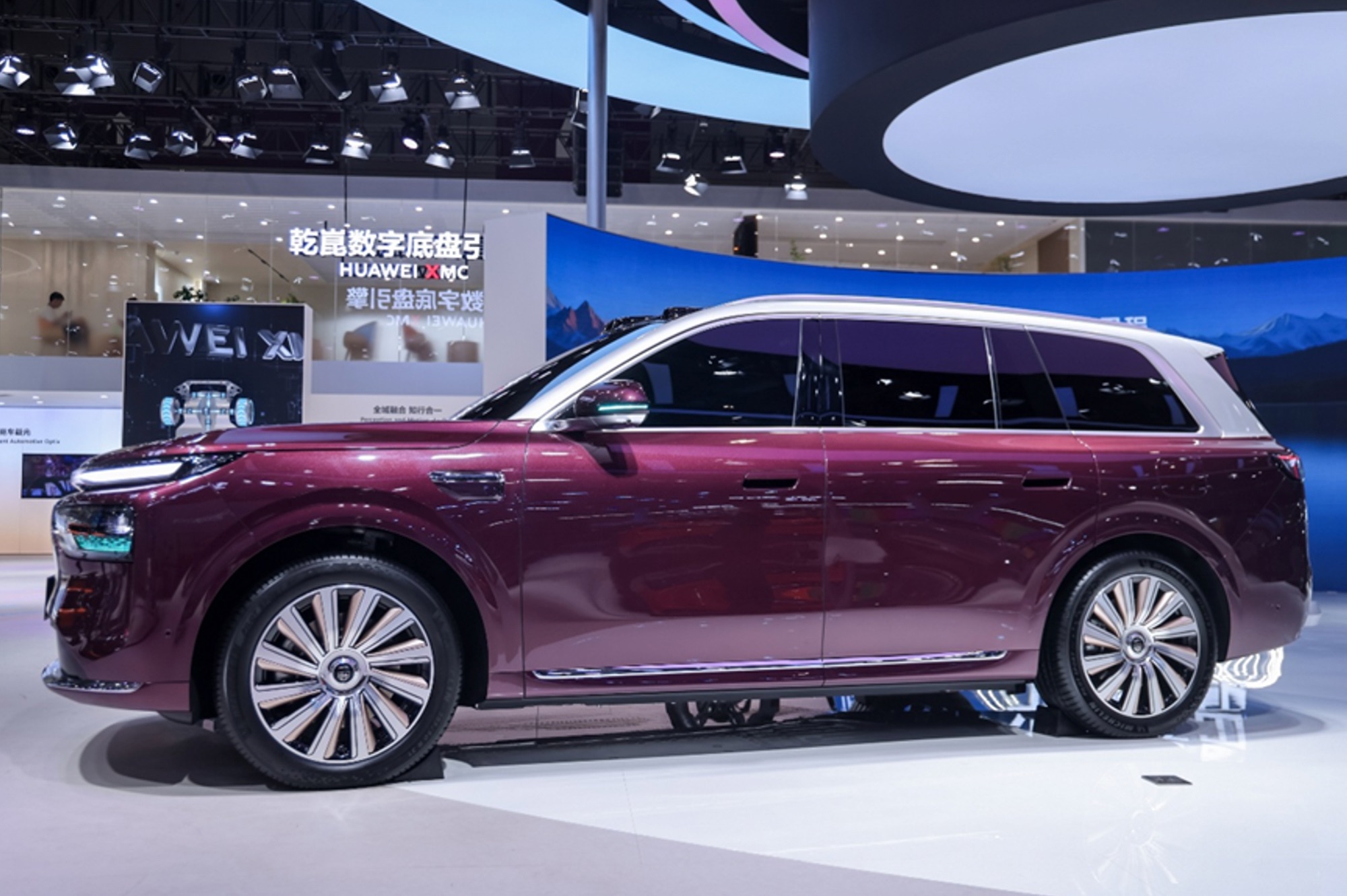 In terms of exterior design language, the Yijing X9 adds a touch of restrained elegance to its grand presence. The Yijing X9 cleverly utilizes the 0.618 golden head height ratio, combined with a high-demand flat water-cut design, which not only reduces the vehicle’s drag coefficient and high-speed wind noise but also allows the side body lines to be smooth and flowing.
Such styling is highly suitable for high-net-worth family users, maintaining the aura of a family flagship while embracing youthful aesthetics.
In terms of detail quality and safety, the Yijing X9 also brings more advanced feel.
- Lighting Interaction: At the front, the most eye-catching feature is the 1.83-meter-long starry stream of flowing lights, a continuous daytime running light strip. Unlike common thin light strips, it has no breakpoints in the middle and is thin in the center and thick on the sides, giving the front more character. More importantly, the split headlights below are equipped with HUAWEI XPIXEL million-pixel intelligent projection headlights, which can achieve high-precision ADB (Adaptive Driving Beam) anti-glare shielding, protect oncoming vehicles, and project a light carpet guiding route on the road in real-time. It can even project videos from the car system onto exterior walls during camping. Combined with the auxiliary driving-specific small blue light and pixelated tail light pattern customization, it endows the vehicle with “senses” that interact with the outside world, providing emotional interaction value beyond practical use.
- Million-grade 5C2B Paint Process: The texture of the exterior greatly depends on the paint. The Yijing X9 uses a 5C2B (5 coatings, 2 curings) paint process, exhibiting excellent performance in color uniformity and consistency. With the dual-tone body color scheme, this flagship texture is visible to the naked eye.
- Use of 2,400 MPa Ultra-High Strength Steel: An excellent flagship must excel not only in the exterior but also in the interior. In passive safety, the Yijing X9 employs ultra-high-strength steel with a tensile strength of up to 2,400 MPa in the key body structure parts. Compared to the current mainstream 1,500 MPa to 2,000 MPa hot-formed steel applications, the 2,400 MPa material is a higher standard.
It can be said that in terms of physical infrastructure, visual appeal, and passive safety baseline, the precisely-positioned Yijing X9 fills the current high-end market product gap.
Equipped with Huawei Qian Kun Full-Stack Solution
If the solid automotive manufacturing heritage and engineering strength of the automotive central enterprises over nearly 60 years provide the Yijing X9 with a strong physique, then the deep empowerment of Huawei’s Qian Kun Intelligent Automotive Solution gives it a smarter “brain”, a more sensitive “nervous system”, and a higher-level intelligent experience.
Standardized 896-Line LiDAR and ADS 5: Ending Large Vehicle Driving Anxiety
In terms of stacking exterior perception hardware, the most critical part is the universally equipped 896-line LiDAR on the roof.
While the industry is still generally at the stage of using 128-line or 192-line LiDAR, 896 lines mean that its generated three-dimensional point cloud density is higher, and the resolution can be increased fourfold. It can identify small targets at a height of 14 cm from 120 meters away while improving recognition distance for low reflectivity targets (such as car tires) by 190%, and perception recognition distance for irregular obstacles by 77%.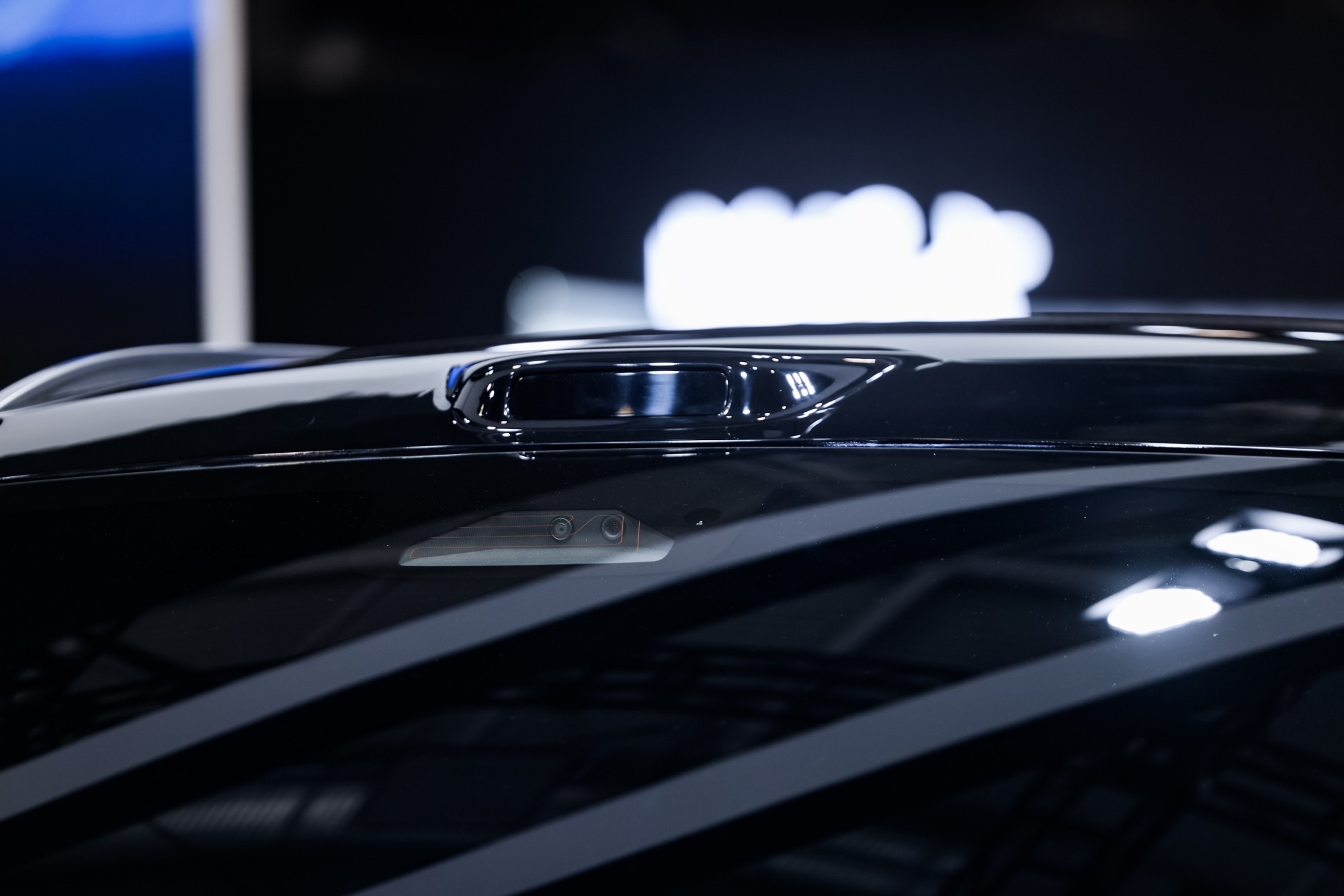
Complementing this hardware is the Huawei QianKun Zhijia ADS 5, an undoubtedly leading driver assistance solution currently available on the market.
In the past, navigating a large SUV through the city during rush hour was an exhausting physical task. Now, ADS can smoothly manage traffic following, unprotected left turns, and even precise maneuvering and avoidance on narrow village roads. When faced with tight parking spaces or restricted garages that once troubled owners of large vehicles, it adeptly parks like a seasoned driver.
More importantly, auxiliary driving is not just about ease but also about safety. The latest data indicates that Huawei QianKun Zhijia’s cumulative assisted driving mileage has surpassed 11.4 billion kilometers. In the Yijing X9, ADS 5 not only lowers the usage threshold for large vehicles but also fundamentally provides an active safety defense system for the family’s travel.
HarmonySpace 6: An Intelligent Cockpit That Understands You Better
In terms of cockpit experience, the Yijing X9 introduces the HarmonySpace 6.
Hardware-wise, it features new butterfly twin screens with a soft light version in the front, coupled with a rear on-board laser projection system, meeting the needs of every occupant.
But this is just the foundation. Nowadays, users care about the “warmth of interaction.” They no longer see vehicles as mere cold transportation tools but expect them to evolve into smart spaces for family travel. This shift means that AI algorithms, multimodal interaction, and the emotional value a vehicle can provide become critical differentiators.
The voice assistant in Yijing X9 is fully upgraded to the new generation HarmonySpace intelligent assistant, deeply integrated with the in-cabin AI multimodal perception system (AMS), capable of rear-seat anti-pinch and forgotten reminder functions.
HUAWEI XMC QianKun Digital Chassis: Redefining Stability for Large Vehicles
For a 5.3-meter vehicle, balancing chassis comfort and handling has always been an insurmountable gap in traditional mechanical engineering. The solution provided by Yijing X9 is the standard installation of the HUAWEI XMC QianKun digital chassis engine on the ChiTu platform.
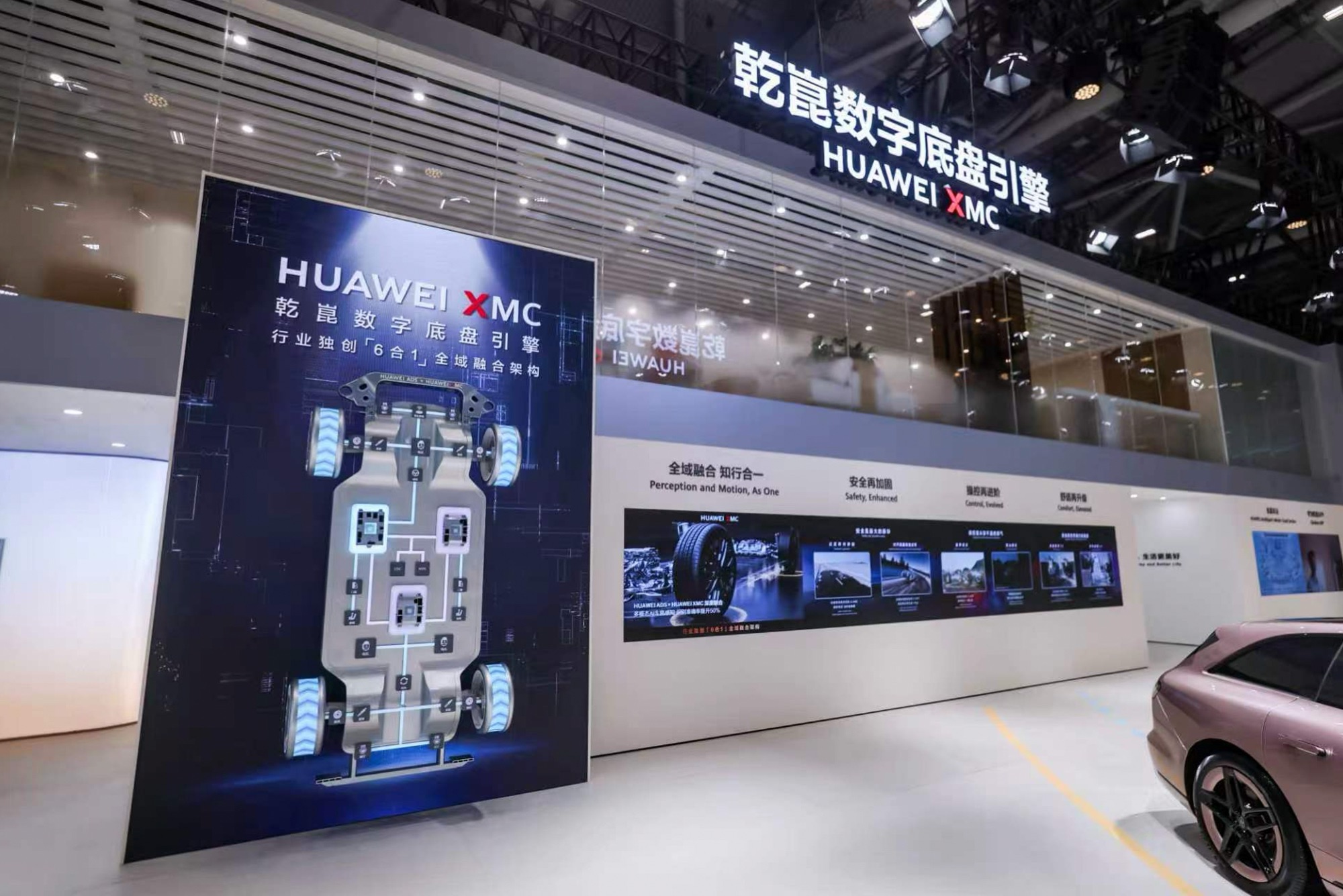
Equipped with the HUAWEI XMC QianKun digital chassis engine, the ChiTu platform precisely senses road conditions, adjusts vehicle posture, and jointly enhances the driving experience with an all-aluminum chassis and tuning, allowing Yijing X9 to glide seamlessly, making it both comfortable and enjoyable to drive.
Deep Collaboration Between Huawei QianKun and Dongfeng
Reflecting on the history of the Yijing brand, this new high-end brand has developed rapidly: the DH project team was officially established in 2024, the brand was launched in November 2025, and by April 2026, the real vehicle debuted. Behind this swift development is the profound manufacturing heritage of Dongfeng Motor spanning nearly 60 years and the full-stack technological support of Huawei QianKun.Behind the YiJing X9, it’s not just the empowerment of Huawei’s QinKun full-stack intelligent technology. More importantly, Huawei’s QinKun systematically introduces two core management systems—IPD (Integrated Product Development) and IPMS (Integrated Product Marketing and Sales)—into the collaboration between the two parties.
Among them, IPD is responsible for research and development, from 0 to 1, ensuring the right products are made and delivered efficiently and with high quality, essentially “building a good car.” IPMS handles marketing services, from 1 to N, ensuring the products are sold well and users are continuously engaged, essentially “selling a good car.”
The workflows of IPD and IPMS are interlocked and form a closed loop. Huawei QinKun systematically integrates its intelligent solutions, process systems, and quality management experience with the goal of jointly creating a successful model, rather than a one-time transaction. From product definition to final launch and user service, Huawei QinKun’s deep collaboration with YiJing is not only reflected in technology and solutions but also in full-process support and deep empowerment.
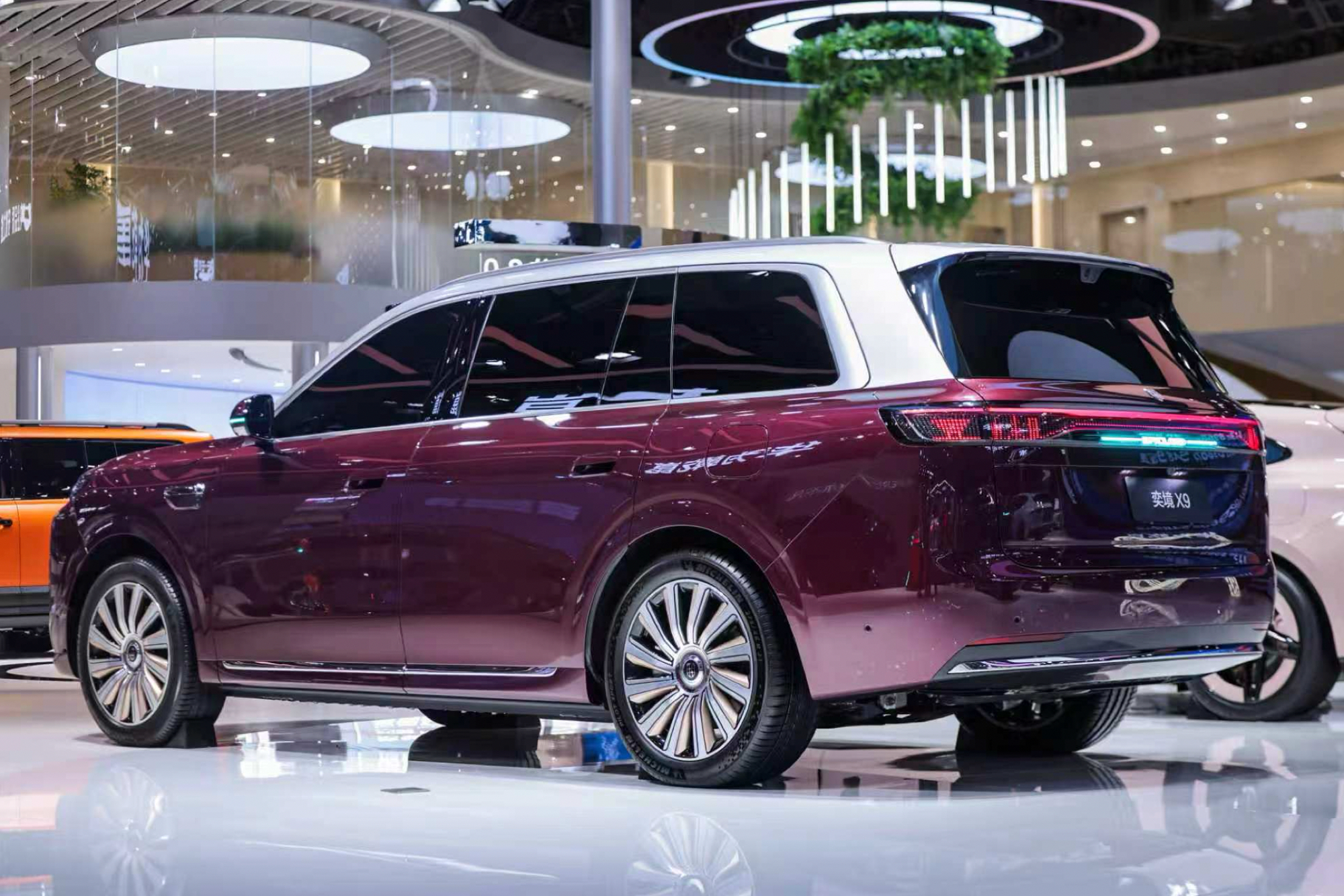
In this sense, the combination of YiJing and Huawei QinKun is a “mutual race.” It uses Huawei QinKun’s full-stack technical capabilities to craft the experience of the 9-Series flagship.
Breaking down each of Huawei QinKun’s technologies, the end result in the YiJing X9 is elegant design, enhanced driver assistance features, a smarter cabin system that understands you better, and fundamentally, a vehicle that’s enjoyable to drive and ride in.
In today’s six-seat market, competing on size and configuration is an outdated approach. The focus now is whether automotive companies can precisely meet the real needs of users. The YiJing X9, perhaps with the empowerment of Huawei QinKun, may become a new benchmark in the industry.
This article is a translation by AI of a Chinese report from 42HOW. If you have any questions about it, please email bd@42how.com.