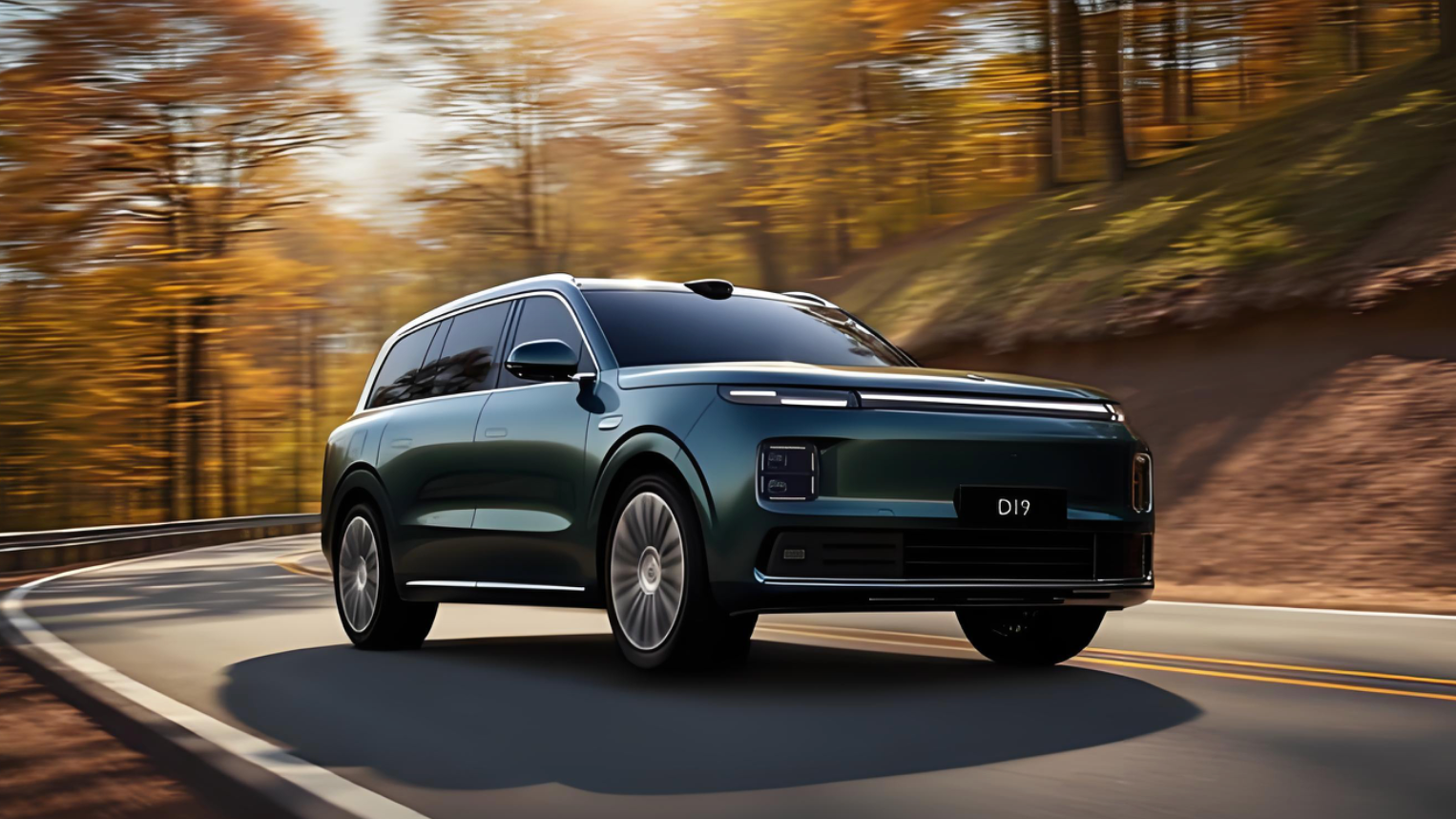
Today marks LEAPMOTOR’s 10th anniversary. With nearly 600,000 annual sales and projected annual profit, founder Zhu Jiangming described this year in his internal letter as “LEAPMOTOR’s most fruitful year.”
If we extend the timeline, this year is not just fruitful for LEAPMOTOR but also serves as a critical turning point.
Externally, it was long seen as a follower of LI, even being labeled as “Mini LI,” but this label has started to lose its accuracy this year. LEAPMOTOR no longer needs to “imitate” LI; it has established its own foothold.
Beginning from the third quarter of this year, LEAPMOTOR achieved consecutive quarterly profits, with a cumulative net profit of 180 million Yuan in the first three quarters; delivered 70,327 units in November alone, marking nine consecutive months of growth and achieving the year-beginning 500,000-unit sales target ahead of schedule. Once struggling on the brink of life and death, then seen as a mimic, this automaker is suddenly beginning to demonstrate the momentum of a leading company.
Only now do we realize, “imitation” might have been its smokescreen, granting it ticket to the entrance. The real drivers reshaping its growth curve are those seemingly invisible capabilities.
When a company uses imitation to establish a foothold and then utilizes innovation and systemic efficiency to open new growth curves, it starts truly becoming itself. 2025’s LEAPMOTOR stands at this inflection point.
Next year, LEAPMOTOR aims for a net profit of 5 billion on the foundation of achieving one million annual sales.
In today’s internal letter, Zhu Jiangming remarks that the past ten years have been life or death, and they have just crossed the subsistence line, far from a time for celebration. “We can no longer position ourselves as ‘newcomers in the market’ but must hold ourselves to the standards of a sustainable, world-class, respected automaker.”
No longer being the “Mini LI” or “newcomer,” how far is LEAPMOTOR from achieving “one million sales annually” and becoming a “world-class automaker”?
LEAPMOTOR Has Emerged From Its “Imitation Phase”
If we rewind to 2024, many shadows of LI could indeed be seen in LEAPMOTOR.
The two models, C10 and C16, which later became the pillars of LEAPMOTOR’s sales, mirrored LI L7 and L8’s proven paths from size to product positioning and range-extended route choices.
These included the preference for mid-to-large SUV sizes, family-oriented spatial narratives, range-extending technology as the core route, comfort configurations like “fridge, TV, and big sofa,” and marketing rhetoric emphasizing the second-row experience and long-distance travel scenarios.
For LEAPMOTOR at that time, such a product path was sensible and realistic, helping escape the lukewarm reception of C11, C01, and T03, avoiding a fate of insignificance.
Before the launch of C10 and C16, LEAPMOTOR’s situation was not this favorable. Ten years ago, this company was unassuming at its inception. The 2019 launch of its first two-door coupe, S01, did not become an instant hit, with sales lingering in the hundreds, eventually quietly exiting the scene.In 2020, LEAPMOTOR almost relied solely on the T03, a small car priced under 100,000 RMB, to support monthly sales of over 3,000 units. After the launch of the C11 in 2021, LEAPMOTOR truly entered the mainstream battlefield of 100,000 to 200,000 RMB. Sales briefly exceeded 10,000 units in 2022, seemingly on track, but suffered a steep decline at the beginning of 2023 due to not following the industry’s price-cutting trend, instead raising prices, dropping from 10,000 units directly to just over 1,000.
Fortunately, the adjustment was swift. By the end of 2023, LEAPMOTOR regained its footing with a monthly sales level of 18,000 units thanks to a revived product lineup. However, the brand’s momentum remained insufficient, and the product images of C11 and C01 were not fully established. From 2021 to 2023, the company experienced repeated fluctuations from monthly sales of hundreds, thousands, to ten thousand, and then back to the bottom, never forming a stable growth curve.
What truly brought a turning point for LEAPMOTOR were the successive launches of C10 and C16 in 2024. This was the first time LEAPMOTOR had developed mature core models capable of stable, large-scale production.
The change in sales was almost immediate. After the launch of the C10 in February 2024, LEAPMOTOR’s monthly delivery volume, which had hovered at over 10,000 units, was quickly pulled up to around 30,000. When the C16 joined in the mid-year, this figure officially surpassed 30,000, and by the end of 2024, it pushed LEAPMOTOR’s monthly sales to 40,173 units, a height LEAPMOTOR had never reached before.
At that time, the nickname “Little Ideal” was quite common. LEAPMOTOR’s senior management did not reject this notion. At the 2024 Guangzhou Auto Show, LEAPMOTOR’s Senior Vice President Cao Li said during an interview that LEAPMOTOR did not reject the “Little Ideal” title but also did not wish to be labeled, as LEAPMOTOR is still LEAPMOTOR.
In the logic of technology-driven consumer products, there is a significant gap between early adopters and the early majority. Failing to bridge this gap means failure. For a new company without a hit product to rely on, exploring new markets may seem challenging but creating a product accepted by the mass market is even harder. Following a path that has already been validated was the most effortless way for LEAPMOTOR to cross the phase of user distrust at that time.
Perhaps only those who have tasted failure understand that seeking steadiness is better than expansion, and this mindset was ingrained in LEAPMOTOR’s essence, influencing its later decisions on technical routes such as smart driving.The facts have proven that this strategy was extremely effective. “Imitation” serves as a passport for mainstream markets and is particularly unimpeded in the Chinese market, which naturally welcomes “alternatives.” The C10 and C16 almost overnight turned LEAPMOTOR from a fringe player into a preferred choice for many users, quickly establishing a foothold in the 100,000-200,000 yuan price range, capturing the segment of family users that LI couldn’t reach.
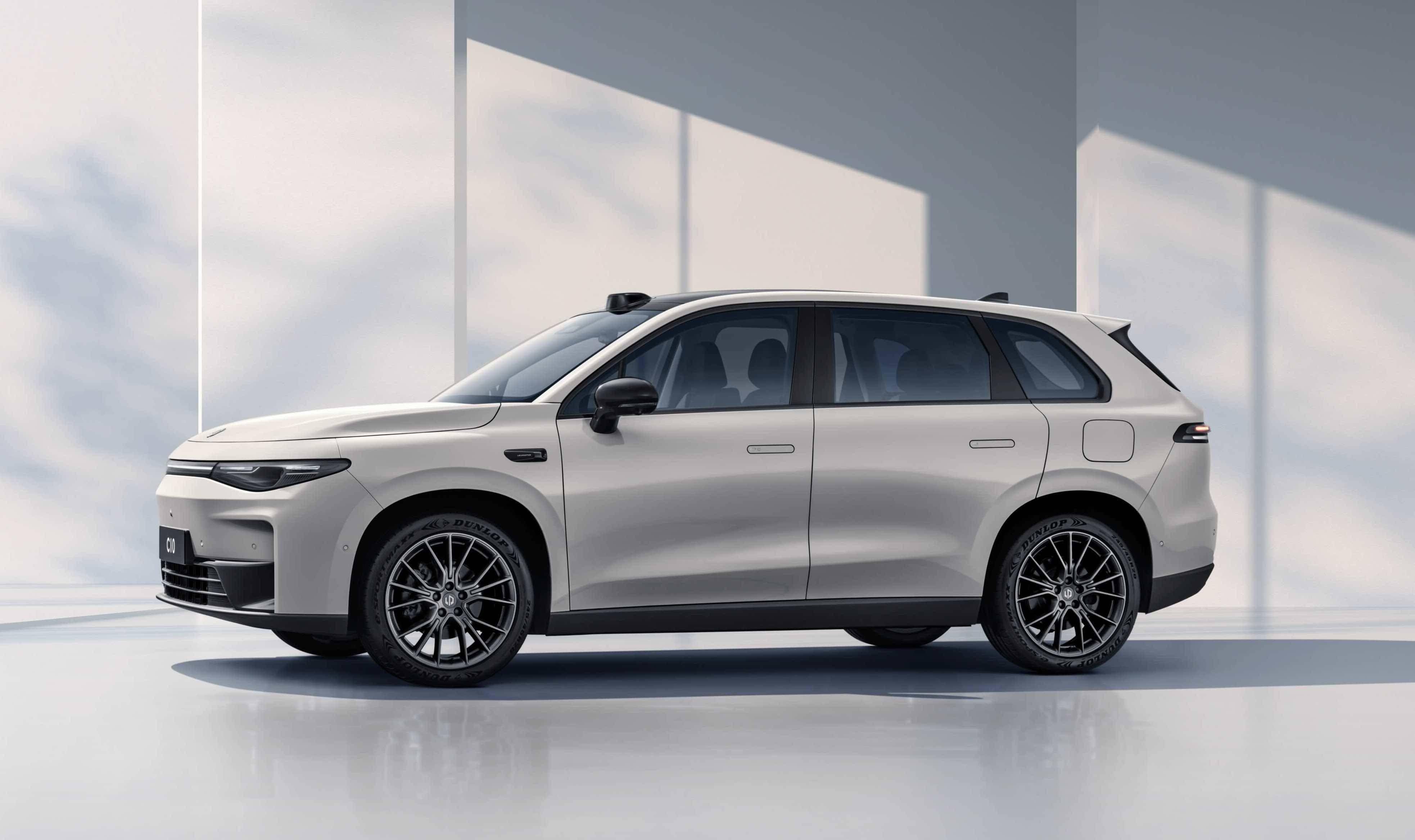
The sales trend tells the whole story: After entering 2025, LEAPMOTOR maintained growth for nine consecutive months, with deliveries surpassing 70,000 units in November alone. Over a longer timeframe, the C10 and C16 became key milestones in propelling LEAPMOTOR from thousands to tens of thousands and then hundreds of thousands of units.
However, in the gradually rising sales trend from the launch of the C10 and C16, it can also be seen that although imitation reduced the cost for users to understand the LEAPMOTOR brand, the driving forces behind the sales were ultimately its product strength and reputation.
Nevertheless, starting in 2025, the “relationship” between LEAPMOTOR and LI underwent a fundamental change. When configurations and product routes that attract users are no longer secrets, the competition in the new energy industry has quietly shifted from choosing product routes to contests of efficiency, scale, and globalization, and imitation cannot replicate systematic capability. It was at this stage that LEAPMOTOR’s growth trajectory began to diverge from LI.
The most typical example is the explosion of the B series pure electric sedan. LI never ventured into this field, but LEAPMOTOR turned a pure electric sedan into a hit in the highly competitive and cost-structure-testing 100,000-120,000 yuan range—the B series reached monthly sales of 24,000 in September this year, accounting for nearly 40% of the entire series’ sales. The B01, launched in July, achieved 12,600 units in September monthly sales, and by December 1st of this year, LEAPMOTOR B01 had cumulatively delivered over 60,000 units. This result cannot be attributed to imitation.
The differences in globalization paths between LEAPMOTOR and LI are equally evident. LI had previously been quite hesitant about its overseas route, previously relying mainly on parallel exports, which, with recent tightening policies, have seen sharp declines in overseas sales. This year, LI finally clarified its direction for going abroad, completing the layout of four overseas markets and establishing R&D centers in Germany and the United States.
As early as 2023, LEAPMOTOR accepted investment from Stellantis, and the two parties established a joint venture named LEAP International in 2024, with LEAPMOTOR providing product technology and Stellantis Group providing global market resources and influence. Through binding in funding, products, and channels with Stellantis, LEAPMOTOR accelerated its entry into Europe, the Middle East, and South American markets. Presently, models such as the B10 and Lafa5 are being launched globally, with LEAPMOTOR’s international layout leading the new forces, showcasing an ability that a follower cannot possess.These indicate that Leapmotor is leveraging a mature system capacity to shape a new growth curve. Imitation helped it cross from 0 to 1, but now it aims to leap from 500,000 to millions, and then to 4 million in larger scale. This step cannot be achieved through any imitation.
Why Must Leapmotor Move Beyond Imitation?
After declaring an annual sales target of one million for next year, Leapmotor revealed a bigger ambition during an interview at this year’s Munich IAA: to become a mainstream global automotive enterprise with the benchmark of an annual sales of 4 million vehicles.
Zhu Jiangming stated, “Overseas strategy for Leapmotor is a long-term pursuit. Automakers must globalize. Four million units was originally a threshold for fuel vehicles; I believe it could be higher for future electric vehicles, with possibly greater concentration than fuel vehicles.”
Why can’t imitation solve the leap from 500,000 to 4 million?
Firstly, the competitive logic in the new energy industry has fundamentally changed. Today’s market is no longer about a single product definition or technical route, but a comprehensive competition involving efficiency, scale, profitability, and globalization.
Whether a car company can continuously lower its cost structure, whether it can dilute R&D and manufacturing expenses through platforming and high reuse, and whether it can replicate a stable supply chain system in different markets are determining if a company stagnates at a 500,000-vehicle platform or has the potential to scale up to 4 million vehicles.
Leapmotor’s ability to solidify its position in this round of competition ahead of most peers is mainly because it recognized the changes in rules earlier and shifted its focus from individual products to system capabilities.
On December 24, 2024, in a company-wide letter marking the ninth anniversary of its founding, Zhu Jiangming outlined four keywords for 2025: brand, technology cost reduction, explosive products, and internationalization. These four dimensions were well-practiced in 2025, and achieving technology cost reduction through self-research and manufacturing is the foundation and prerequisite for achieving the other three keywords.
In the freshly released tenth anniversary internal letter, to challenge the annual sales target of one million next year, Zhu Jiangming emphasized core capabilities: continuous innovation in technology, achieving utmost quality, accelerating overseas market expansion, and maintaining high organizational efficiency and agility. Leapmotor’s emphasis on self-developed technology is evident.
In terms of cost reduction, automakers have different paths to choose from. The most direct approach is to do subtraction in configuration or materials; another is to continuously press the suppliers on price through scale advantage; and a different path is to reclaim more core elements internally, reducing long-term costs through self-research and self-manufacturing.LEAPMOTOR has chosen a different path, taking more control into its own hands.
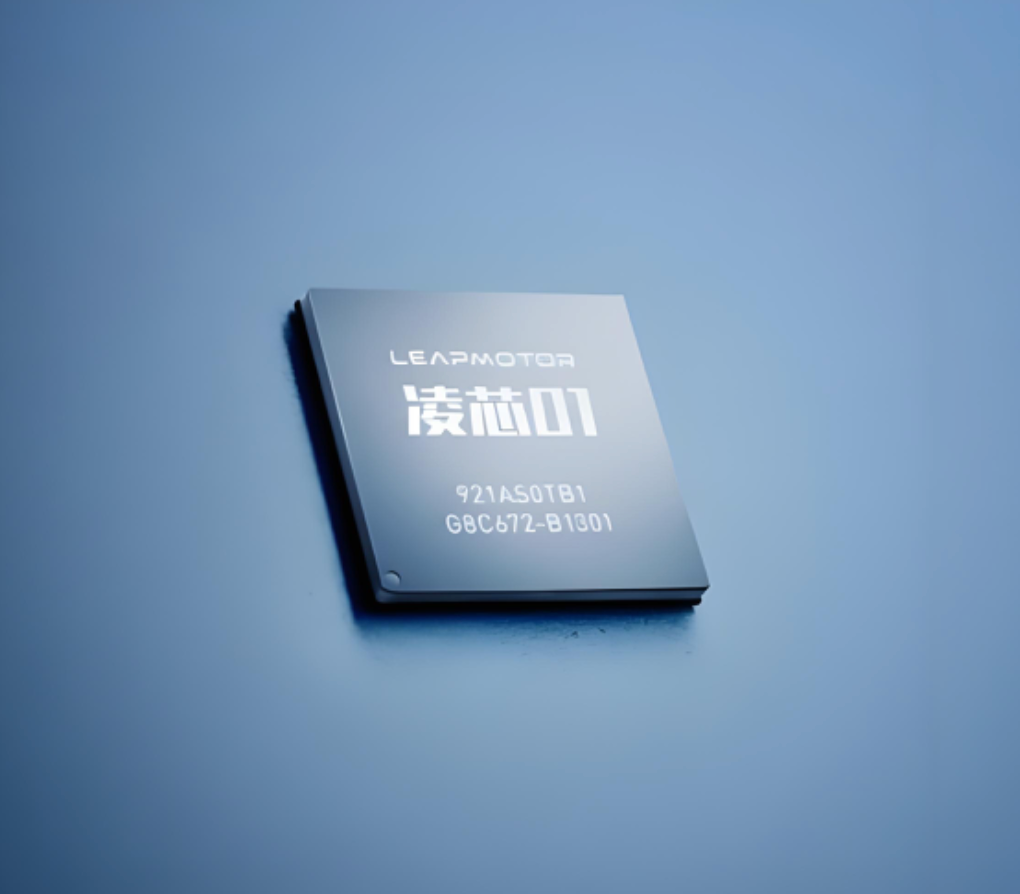
LEAPMOTOR began researching core components independently very early on. The auxiliary driving chip Lingxin 01 in the first generation C11 was jointly developed by LEAPMOTOR and Dahua Technology, where Zhu Jiangming was once a co-founder. This chip was later used in models such as the B10. By December 2024, Lingxin 01 had been installed over 100,000 times, making LEAPMOTOR one of the few car companies that mastered intelligent driving chip technology.
In recent years, LEAPMOTOR has continuously increased the proportion of self-developed and self-manufactured core components. The coverage has expanded from battery packs, motors, and electronic controls to controllers, smart cabins, smart driving in the electronic and electrical architecture, and then to high-frequency, high-cost components like car lights, seats, bumpers, and air conditioning compressors. Currently, LEAPMOTOR’s rate of self-development of core components exceeds half, which is key to equipping lidar on 120,000 yuan level models while lowering prices as configurations continue to enhance.
Moreover, LEAPMOTOR’s investment in self-research is maximally restrained. The self-research of the most core battery, electric drive, and electronic control by LEAPMOTOR cost only 3.6 billion yuan, less than half of other new forces. In the first half of 2024, LEAPMOTOR’s R&D investment was 1.22 billion yuan, which is 43.2% of Xpeng’s and 20.3% of LI’s.
By September 2025, LEAPMOTOR’s self-research proportion had exceeded 65%, higher than NIO’s approximately 50% and Xpeng’s 60%. This proportion indicates that cost, pace, and pricing power are returned to the car company and not in the hands of suppliers. On this basis, Zhu Jiangming stated in an interview after the launch of Lafa 5 at the end of November this year: “Ultimately achieving 80% self-research is relatively appropriate, and if possible, going higher is not a problem.”
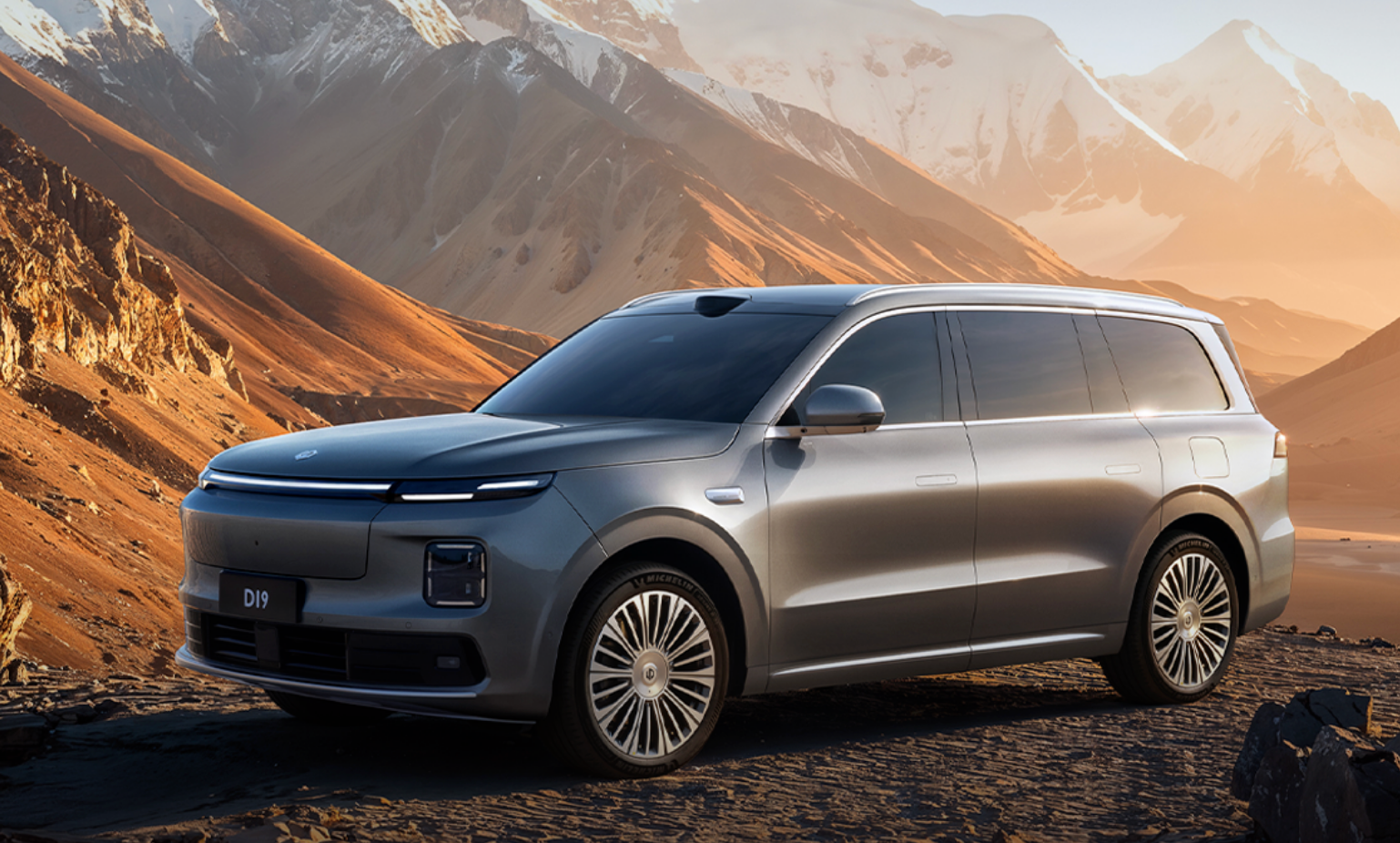
LEAPMOTOR’s platformization is also rapidly improving. As early as the Q3 2024 results communication, Zhu Jiangming revealed that 70% – 80% of the components in models C10 and C16 were interchangeable. In the first half of this year, LEAPMOTOR intensively launched two new models on the B platform and three major new products on the C platform, followed by the launch of Lafa 5 and D19 in the second half of the year. All these models are based on self-developed technical architectures.
The highly unified architecture translates directly into real, quantifiable cost advantages. The more centralized the platform, the higher the reuse rate of components, and the lower the marginal cost. Taking LEAPMOTOR’s CTC technology as an example, by integrating the battery pack with the chassis structure, the cost per vehicle can be reduced by nearly 1,500 yuan in one go.The same logic is applied to the battery sector. During this year’s third-quarter earnings call, LEAPMOTOR’s management provided a representative answer to the issue of rising battery raw material prices: by reducing the variety of battery cells, the risk of fluctuations due to rising raw material costs becomes controllable.
“With the increase in LEAPMOTOR’s volume and our scientific planning on battery cells, we have a minimal variety of cells, and our platformization of battery cells is well-executed. So, even though our sales this year are around 600,000 vehicles, our battery cell variety is significantly less than that of our peers. Having fewer cell varieties is highly beneficial for manufacturers’ production, significantly increasing overall capacity utilization and eliminating the issue of frequent line switching. This greatly enhances our battery production efficiency and reduces the overall battery manufacturing costs.”
This kind of refinement in internal capabilities cannot be achieved merely through imitation.
More importantly, once this system is in place, the competitive boundary is no longer limited to the domestic market but naturally holds the potential to reach global markets. Efficiency, cost, and scale advantages are, in themselves, the strongest passports for Chinese new energy vehicle companies in the international market.
On October 23, Zhu Jiangming also explicitly mentioned in an interview with the media: “The industrial chain advantage of China’s new energy vehicles is already globally leading, not only in terms of the entire vehicle but also in all core components, which hold advantages in scale, quality, and cost.”
Meanwhile, continuing to follow LI’s path is gradually becoming impractical. From 2024, LI faced growth bottlenecks with its range-extending route, with sales and profits significantly under pressure by the third quarter of 2025. The scale effect of range-extending vehicles is difficult to further expand.
Looking at the broader market, LI’s encounter is not an isolated incident but a result of changes in the overall market structure. Data from the China Automobile Dealers Association shows that domestic gasoline vehicle retail sales in October fell by 10% year-on-year, while pure electric vehicle sales grew by 20%. Range-extended vehicle sales dropped by 7.7%, and plug-in hybrid vehicle sales declined by 10.3%. Within the new forces’ camp, the change in power structures is even more dramatic, with the ratio of pure electric to range-extended vehicles rapidly widening from last year’s 49%:51% to 74%:26%.
External market data also confirms this trend. According to statistics from Automobility, although plug-in hybrid models still maintain year-on-year growth in absolute shipment volumes, their share within the overall new energy sector has been declining for several months, falling below 35%, significantly lower than the mid-2024 peak of over 44%.
In other words, the market is more clearly choosing pure electric, while the space for range-extended and plug-in hybrid vehicles is becoming increasingly limited.
This year, LI has also started gradually launching products like the i8 and i6 to complete its pure electric product line, but this transition still requires time to prove itself. For LEAPMOTOR, continuing along a highly reliant single technological growth path may not support a larger scale target and may prematurely encounter a ceiling, facing limitations in cost, pace, and product flexibility.The longer-term pressure stems from the industry’s structure itself. The concentration within the new energy market is rapidly increasing. According to foreign media statistics, BYD’s market share in China’s new energy sector is still close to 30%, with the top six car companies accounting for over 60% of sales, and the top ten companies nearly 80%.
This indicates an intensifying Matthew effect in the market, with sales rapidly converging at the top. If a car company cannot build its own system capabilities to continuously launch profitable products across multiple price ranges and markets, it risks being squeezed out of existence.

In response, LEAPMOTOR internally concludes that relying on single-hit products is not enough; long-term scalability is necessary. In an interview after the LEAPMOTOR D platform technology release and D19 global debut in October, Vice President Cao Li stated: “Our goal is to become a world-class new energy vehicle company, and we must work towards this step by step, focusing on long-term development.”
In the same interview, when asked how it feels to be a “big brother,” Zhu Jiangming quoted Huawei’s Ren Zhengfei, reflecting his own perspective: “I never turn a blind eye to success; what I see are challenges and difficulties.” He explained that NIO, Xpeng, LI, HOZON, and WELTMEISTER have all been sales leaders at some point, experiencing momentary leads but always facing competition. “But the automotive industry is a long marathon, and it’s still uncertain who will be leading in the end.”
From 500,000 to 4 million, how to achieve it?
For LEAPMOTOR, which has just completed 500,000 annual sales, considering 4 million annual sales as a short-term goal is evidently unrealistic. However, if it is viewed as a long-term direction that LEAPMOTOR is aligning with, it becomes easier to understand the company’s recent actions.
In a recent live broadcast, Zhu Jiangming mentioned that LEAPMOTOR’s next stage goal is 1 million annual sales, with a more distant vision of joining the ranks of the world’s top ten car companies, “hoping to become a giant like BYD and Geely.”
Why does LEAPMOTOR dare to aim for the million-unit scale?
LEAPMOTOR dares to set this target because its understanding of growth has changed, shifting from betting on popular models to betting on system capabilities. Currently, LEAPMOTOR’s system capabilities hold great potential for cost reduction.
This cost reduction capability is being continuously expanded through production lines and facilities. The newly established Huzhou components base already has the production capacity for battery packs, electric drives, car lights, power controllers, and more. For LEAPMOTOR, this means that costs are no longer entirely dependent on the bargaining outcomes of external supply chains but can be proactively reduced through internal manufacturing pace, platform planning, and scale expansion.
In specific products, this systematic cost reduction ability also more smoothly translates into product advantages. For example, the D19 range-extended version introduces the drive-generator integrated range-extended system for the first time, directly reducing the vehicle BOM cost by reducing the number and complexity of components.朱江明 once made a somewhat controversial statement in an interview: “As costs decrease, it will be reasonable for mid-to-large SUVs to sell for 50,000 yuan in the future.” This statement clearly articulates LEAPMOTOR’s understanding of cost boundaries: as long as efficiency continues to improve, there is room for prices to drop further.
Beyond the cost structure, LEAPMOTOR is also simultaneously adjusting its product lineup, balancing high and low ends to compensate for each other. The baton for enhancing brand value and sales has been passed to the D19 and Lafa5. Lafa5 and D19 play different roles: the former aims to expand coverage by offering discounts, while the latter seeks to prove profitability in higher price brackets. During the Q3 earnings call this year, LEAPMOTOR’s management expressed strong confidence in the D19: “The blind pre-order volume for the D series is the largest we’ve received in the same time frame among all products we’ve launched. The D19 is definitely going to be a crowd-pleaser.”
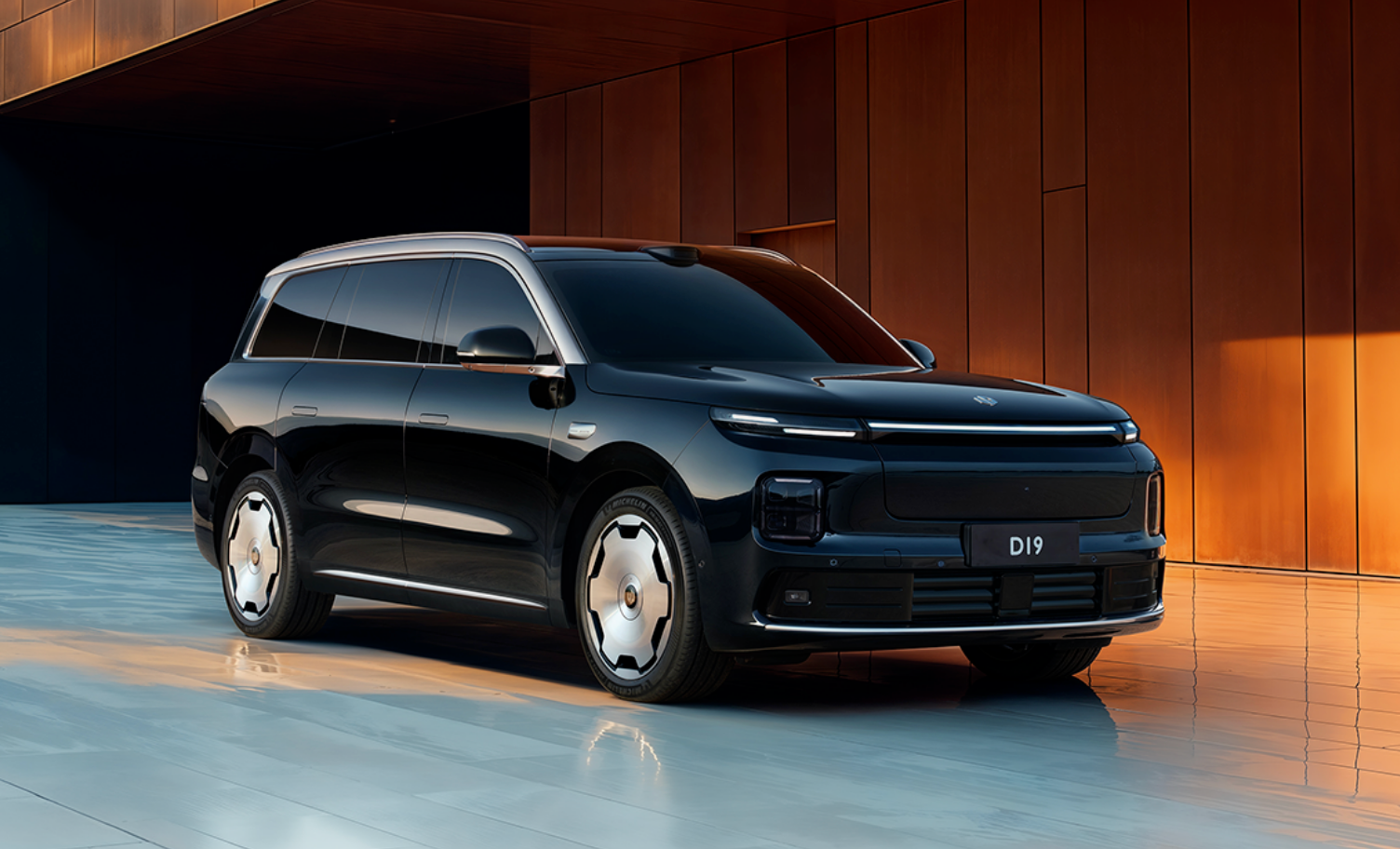
While LEAPMOTOR has paused its “imitation” in product positioning, it has chosen to continue following the technological path, opting not to be a “solo adventurer.” At least in fields like assisted driving, where investment is immense and payback periods prolonged, LEAPMOTOR has chosen a clear “follow strategy.” Leading might waste resources. Following ensures maximum efficiency and minimal cost. Zhu Jiangming also expressed candidly: “At the current stage, blindly leading does not necessarily result in an efficiency advantage.” For LEAPMOTOR, what’s more important is transforming technology into blockbuster products under matured routes with lower costs and faster speeds.
In recent times, as the cost structure and product hierarchy have become clearer, LEAPMOTOR has gradually refocused on being “seen.” In the domestic public opinion sphere, LEAPMOTOR D19 has signed with Fei Xiang, and the brand is beginning to pursue unique emotional values and fresh product routes. LEAPMOTOR executives stated during the Q3 earnings call this year: “In brand promotion and channel strategy, as well as in terminal retail, D19 will bring ideas and practices beyond the products currently for sale. We’re aiming to make it a crowd-pleaser and anticipate introducing new species in ‘27 or ‘28.”
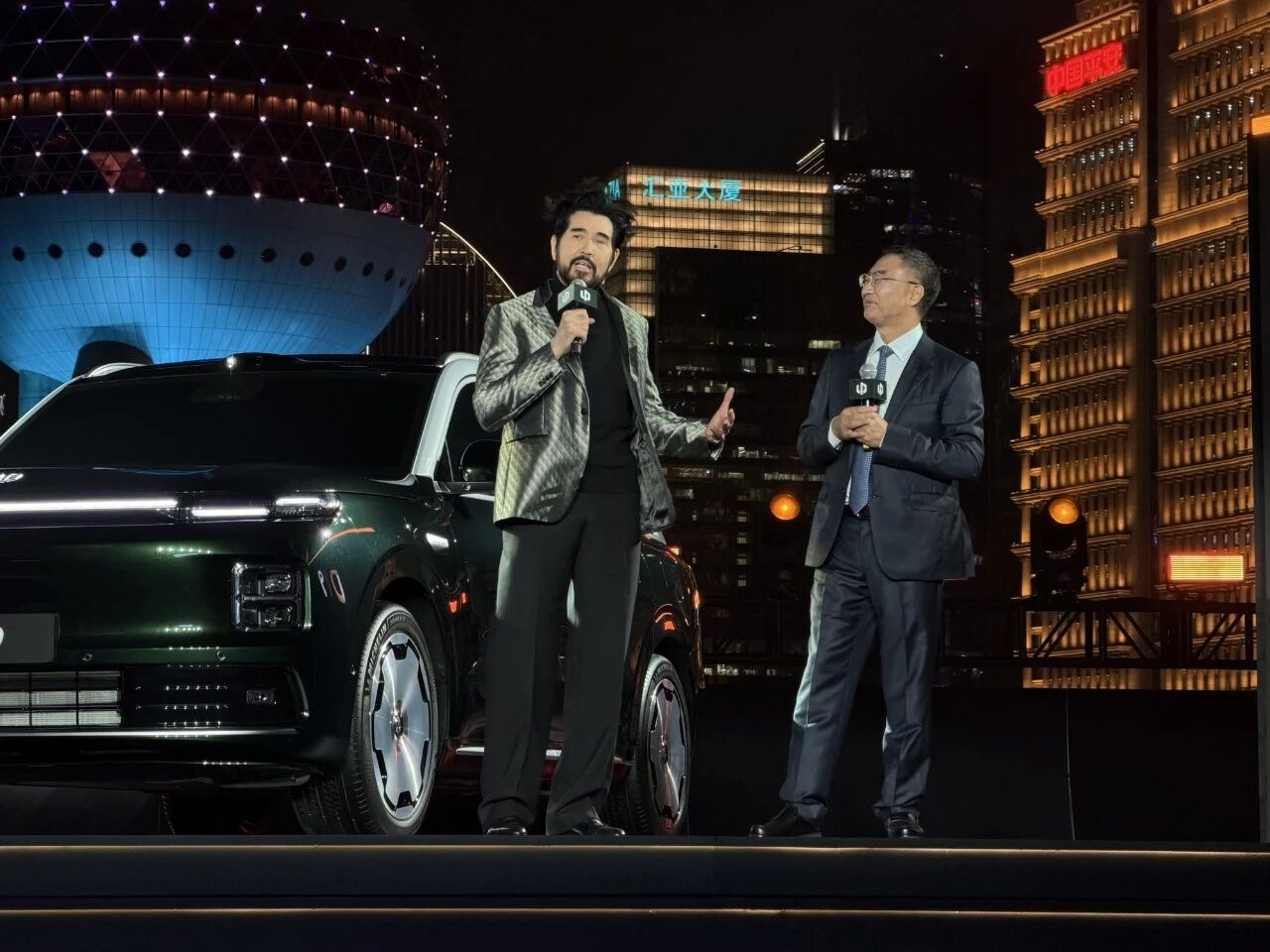
Furthermore, listing, introducing Stellantis’ capital, and promoting local production in Europe are essentially to ease the entry barriers into overseas markets. Unlike many Chinese brands that build channels from scratch, LEAPMOTOR, in its strategic cooperation with Stellantis, has directly entered its established European sales network.
Surprisingly, LEAPMOTOR and Stellantis have turned the tables. LEAPMOTOR Vice President Li Tengfei stated during the 2025 Q3 earnings call that, in terms of the new energy segment, Stellantis’s 14 brands have not performed strikingly overall, with the star in Stellantis’ new energy sector being the LEAPMOTOR brand. “Even though LEAPMOTOR is not part of the Stellantis Group, at least our joint venture overseas is controlled by them. The performance of the LEAPMOTOR brand has exceeded the expectations of many Stellantis leaders. So now, internally at Stellantis, both the Chairman and CEO are placing greater emphasis on the LEAPMOTOR brand.”In October, LEAPMOTOR secured 12,000 overseas orders. Next year, LEAPMOTOR’s overseas sales target is expected to range between 100,000 to 150,000 units.
Simultaneously, LEAPMOTOR has confirmed the establishment of its European manufacturing base at the Zaragoza plant in Spain. After renovations, it will initially produce the B series models, with the B10 planned for release in the third quarter of next year, followed by the B05 debuting at the Munich Auto Show. This model of local production combined with localized sales channels is evidently geared towards larger-scale operations, rather than merely testing the waters.
However, these efforts do not signify that LEAPMOTOR is already on the fast track to an annual sales volume of 4 million units and becoming a “world-class automaker.” On the contrary, moving from 500,000 to 1 million itself is a steep hurdle. Greater scale implies a more complex supply chain, heightened management demands, and fiercer global competition.
This path is bound to be challenging. It tests not only the product’s strength but also cost control, organizational capability, and global coordination. Whether LEAPMOTOR can genuinely reach 4 million is too early to conclude, but it is certain that the company is not lost in its current moment of glory and is preparing for a long and arduous competition.
This article is a translation by AI of a Chinese report from 42HOW. If you have any questions about it, please email bd@42how.com.