
On December 2, 2025, Harmony Mobility launched a new battery safety standard. With the development of the new energy vehicle market, battery safety has become a focal point for consumers. National policies are also gradually strengthening regulation, with the Ministry of Industry and Information Technology issuing new national battery safety standards, requiring power batteries to meet the “no fire, no explosion” criteria by July 2026. Harmony Mobility launched the Megalodon Battery Platform, meeting the new standards five years in advance.
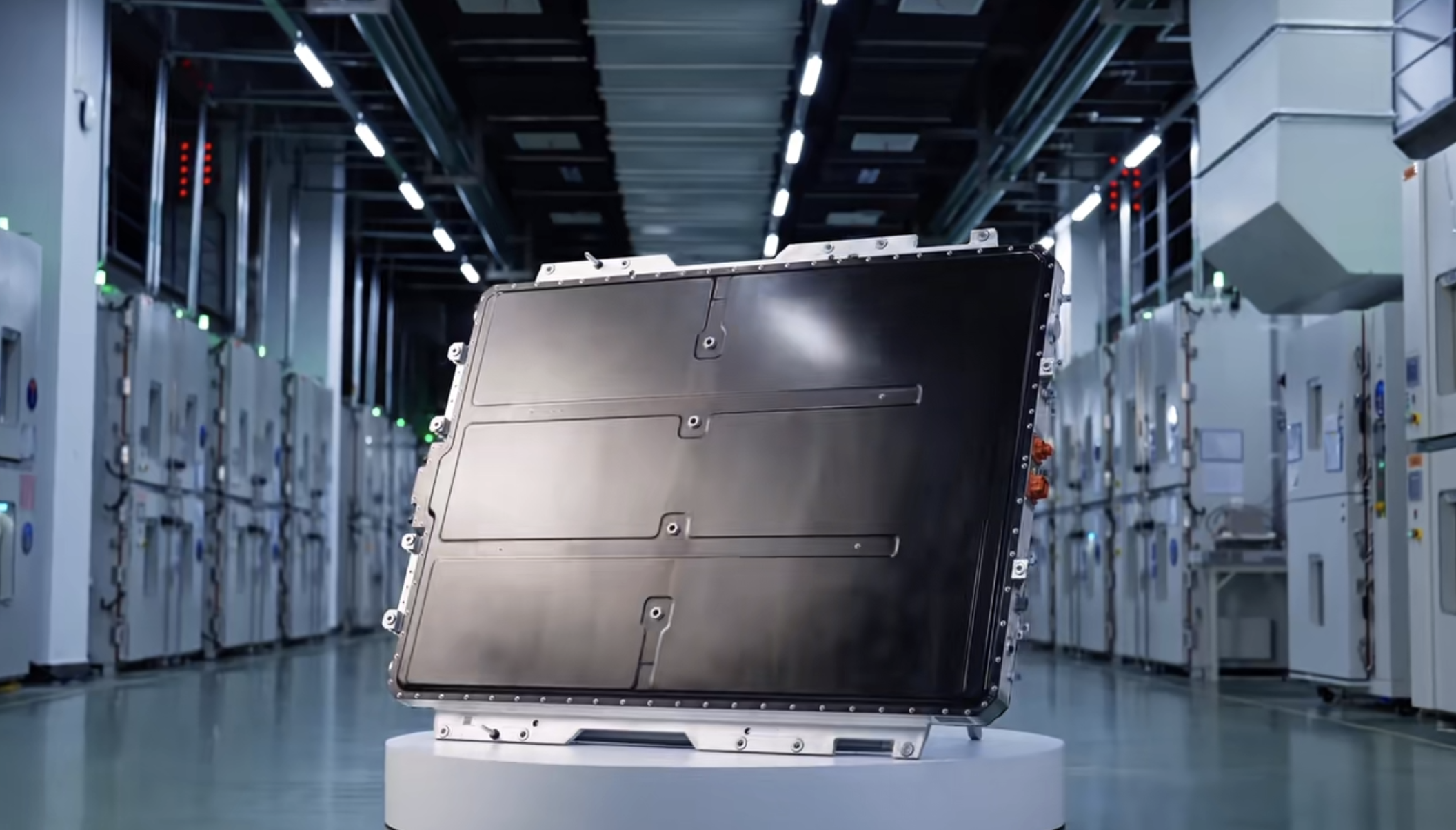
Technically, Harmony Mobility, in collaboration with partners like CATL, invested in over 200 process improvements, including 20 new AI inspection plans, ensuring battery quality and safety. Its safety design adopts protective materials such as aerogel and mica board, and utilizes fifteen-layer battery protection along with cloud BMS 24/7 monitoring technology to safeguard battery safety. Harmony Mobility leads the entire process of product definition, design, and manufacturing, advancing supply chain upgrades.
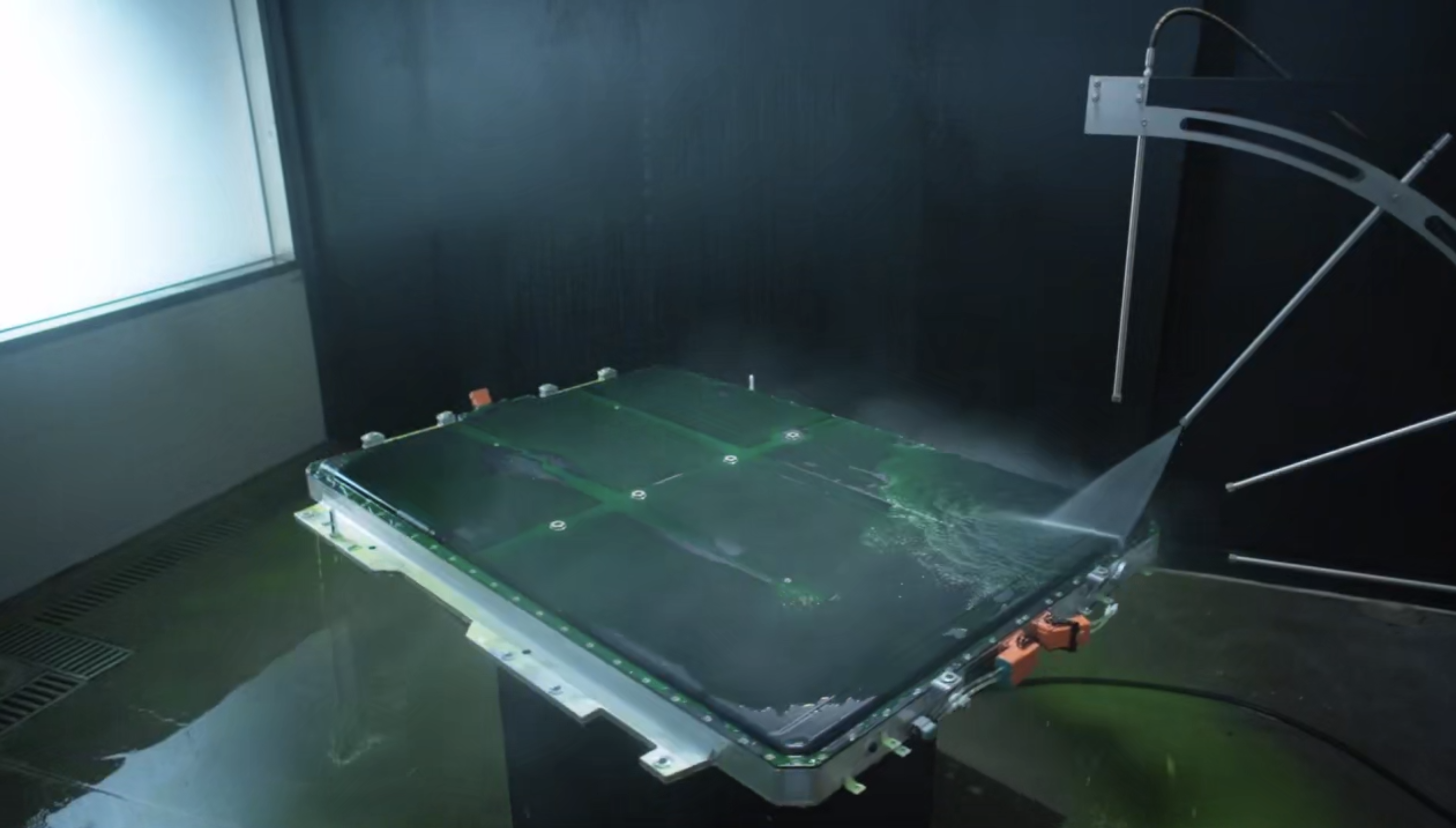
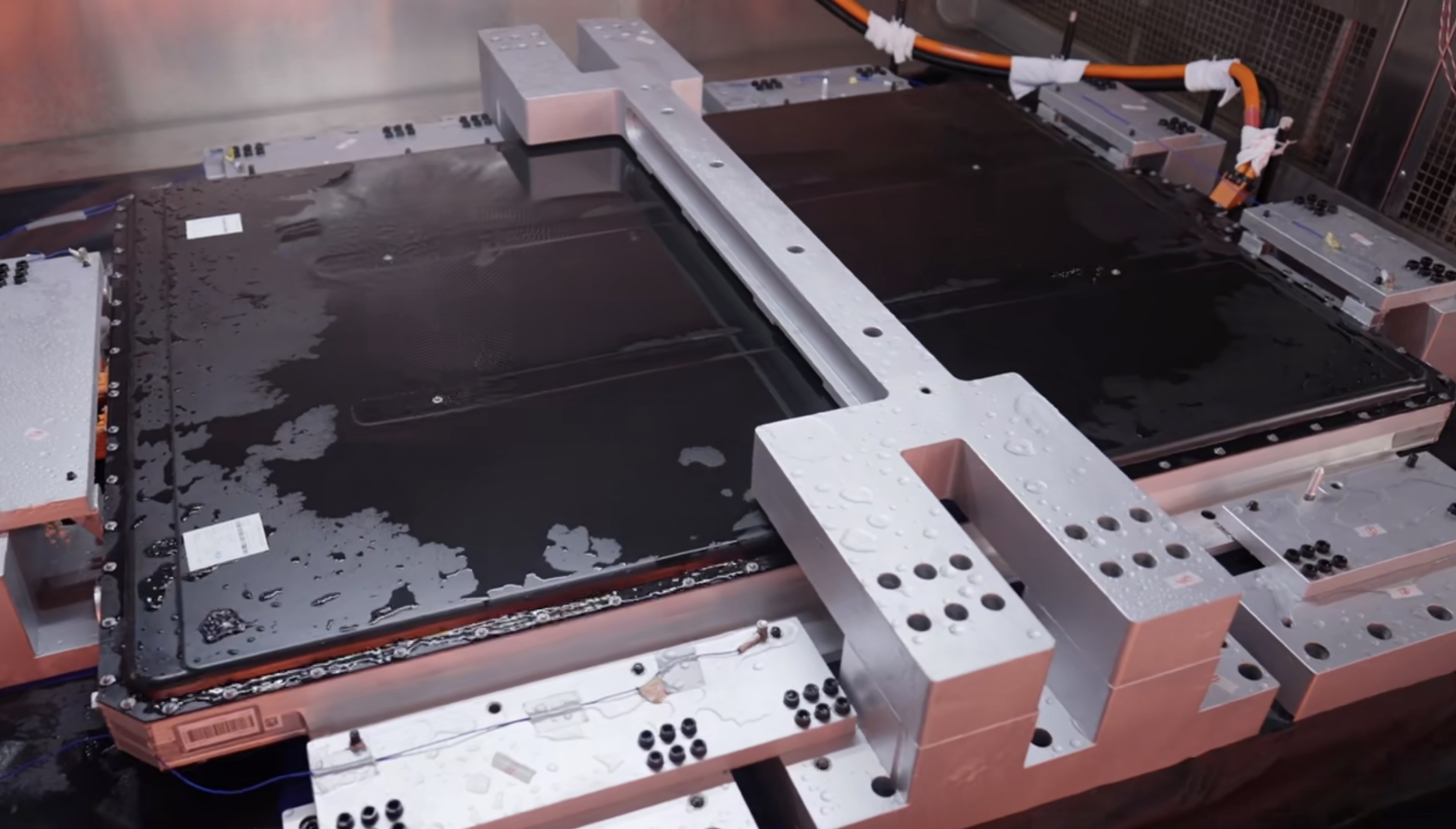
The Megalodon Battery Platform passed the 2026 new standard tests five years in advance, including bottom collision, immersion, and fire tests. Extreme tests (such as 700-1000°C high-temperature fire and puncture tests) verified “active-passive dual protection,” and real customer testimonials evidenced “batteries still passing the new standards after 5 years.”
During the content segment of the Techday, Harmony Mobility executives outlined the company’s strategy and technological achievements. The first segment, hosted by Mr. Wang, reviewed Harmony Mobility’s 2025 accomplishments and emphasized safety as the foundation of everything. The second segment, led by Wang Li, discussed creating a systematic, cross-disciplinary coordinated battery safety. The third segment, hosted by Chen Daduo, explored how intelligent connectivity safeguards battery safety.
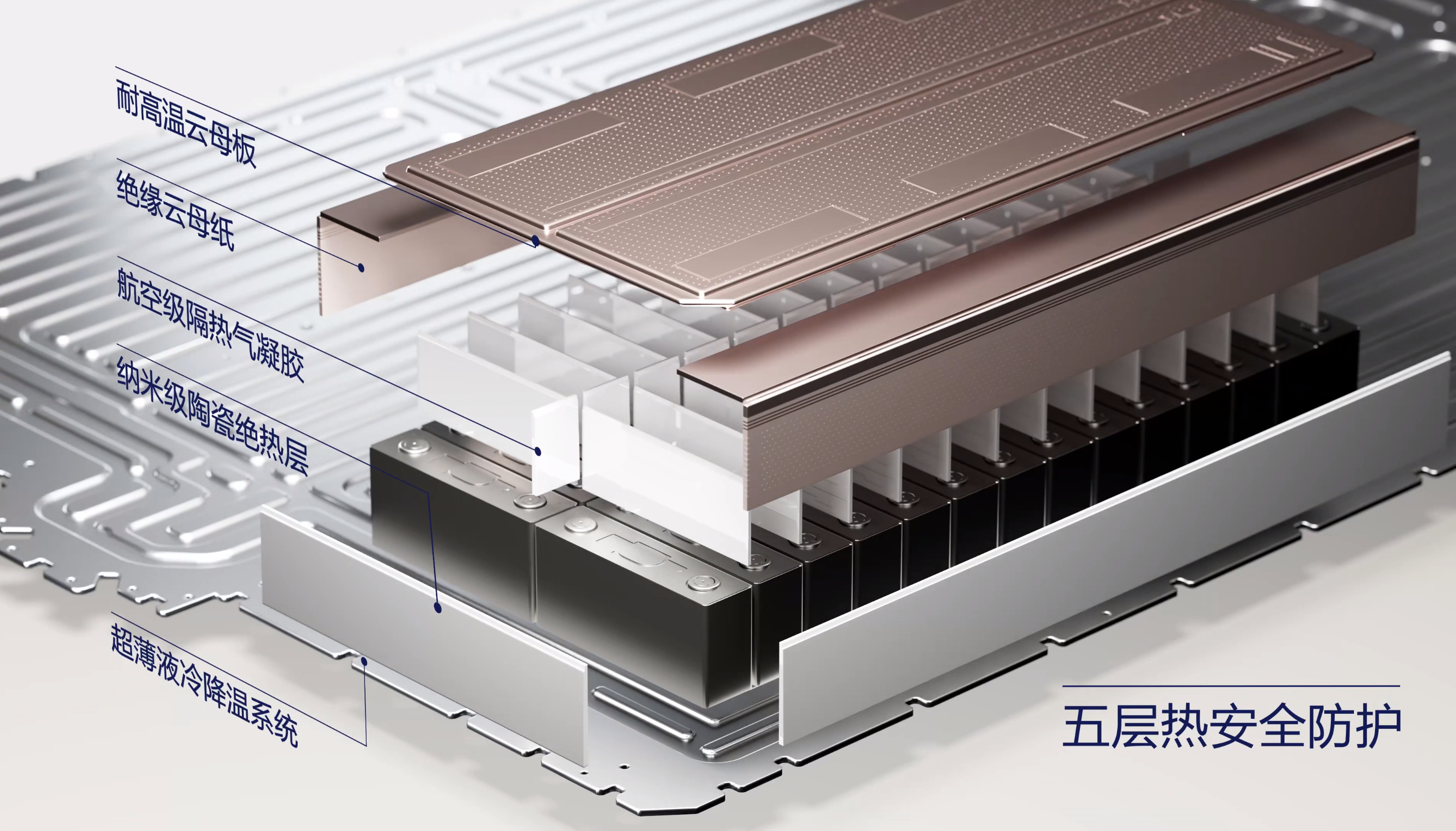
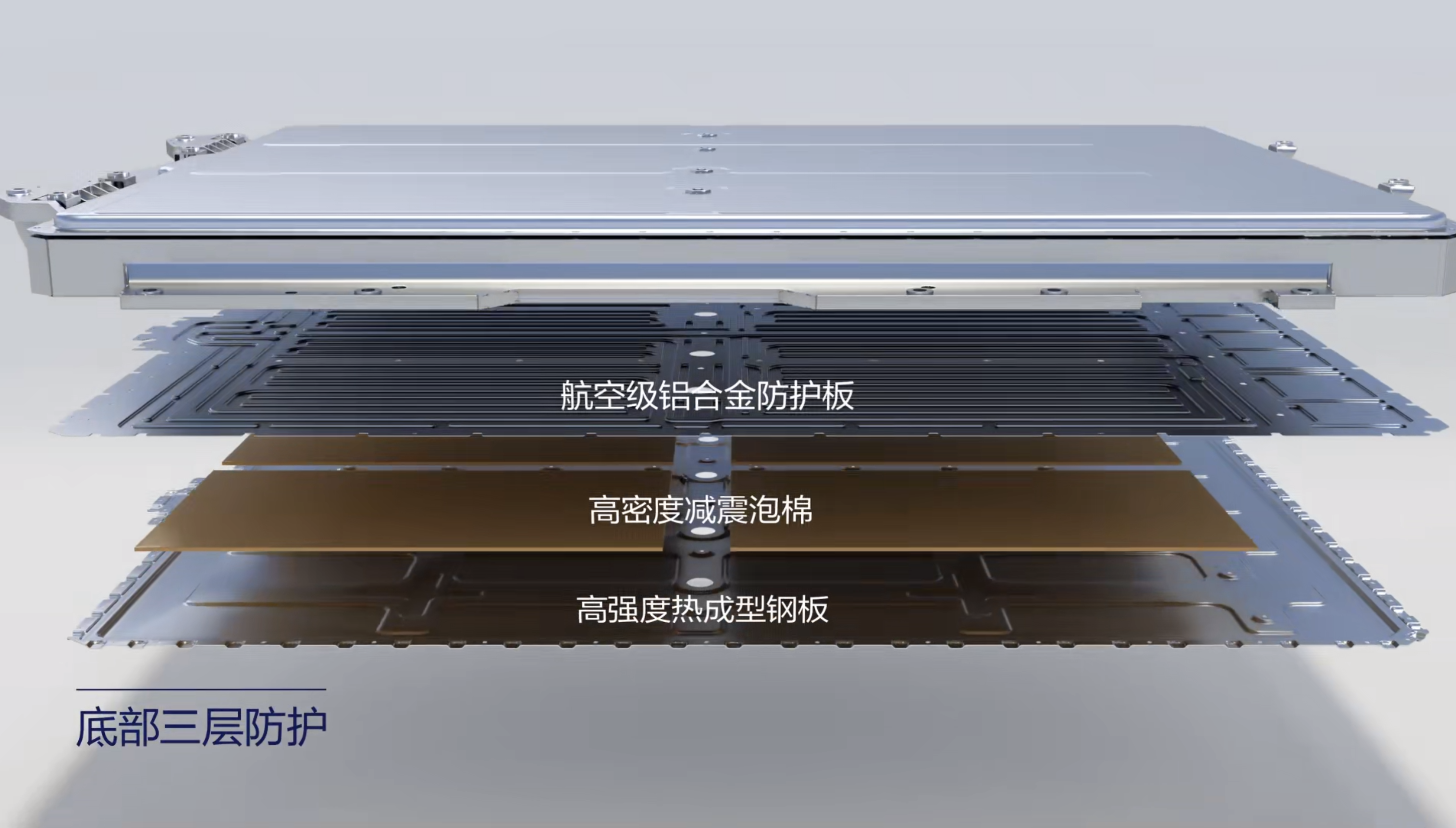
The Megalodon Battery Platform ensures comprehensive safety from structure, process, to testing. Harmony Mobility’s full-range battery packs have passed rigorous test standards and met the new national standard GB38031-2025 five years early. The protective battery pack design includes fifteen layers of battery protection, reducing insulation short circuit risks. The five-layer bottom protection design strictly prevents puncture, deformation, short circuit, high temperatures, wear, and corrosion.
 In terms of manufacturing safety, HarmonyOS Auto is the industry’s first to propose a 100% X-Ray inspection requirement for internal cell defects and to quantify the safety wrap indicators for the positive and negative electrodes of the cells. The battery pack unit has undergone over 150 tests, with the thermal diffusion test, bottom impact test, and post-fast charge cycle safety test meeting the new national standards ahead of schedule.
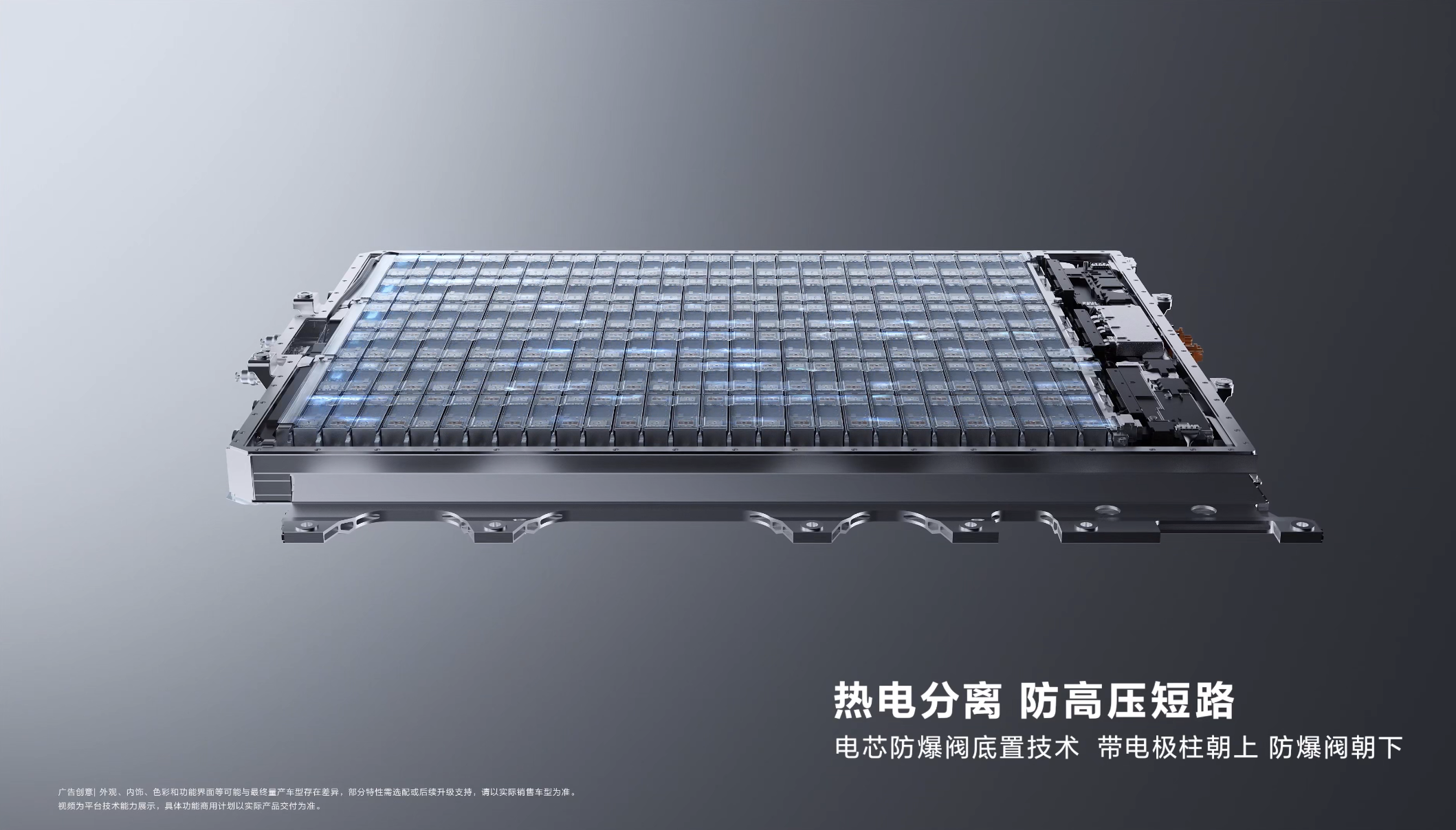
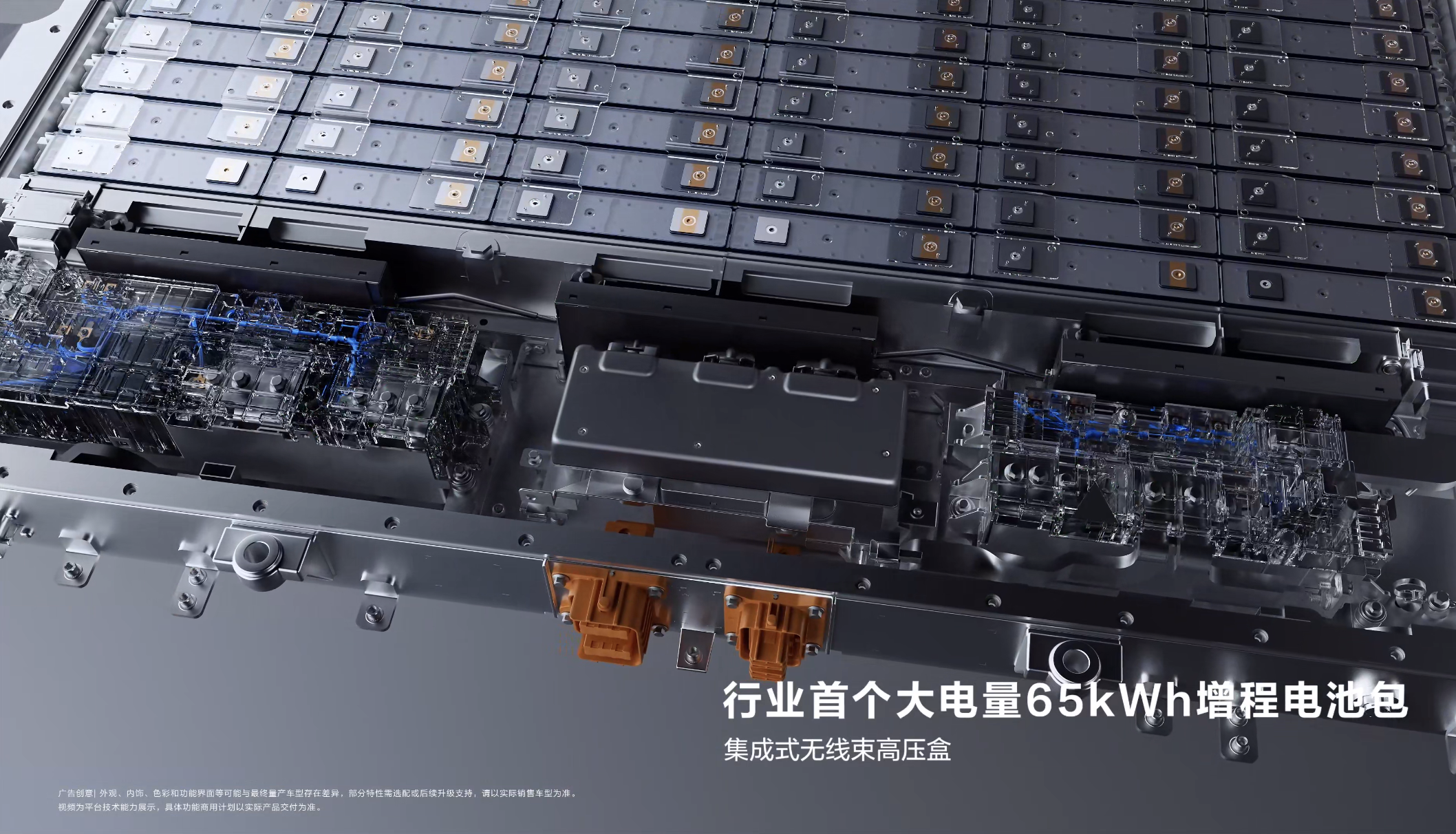
To enhance energy utilization efficiency, the Megawhale battery platform adopts high-safety thermoelectric separation technology. The core strategy places the battery cell’s burst-proof valve at the bottom, with the electrode post facing upward. In the event of thermal runaway, the valve opens under pressure to release heat. By placing the valve at the bottom, the heat is discharged downwards, separating it from the upper electrode post. Additionally, the Megawhale battery platform uses an integrated SIP design concept, switching from harness connection to bolt connection to improve range. Furthermore, the battery energy pump technology dynamically regulates vehicle power during braking, using the recovered energy to heat the PTC and motor, and employs the thermal management system to transfer heat to the battery side, enabling “thermal storage.”
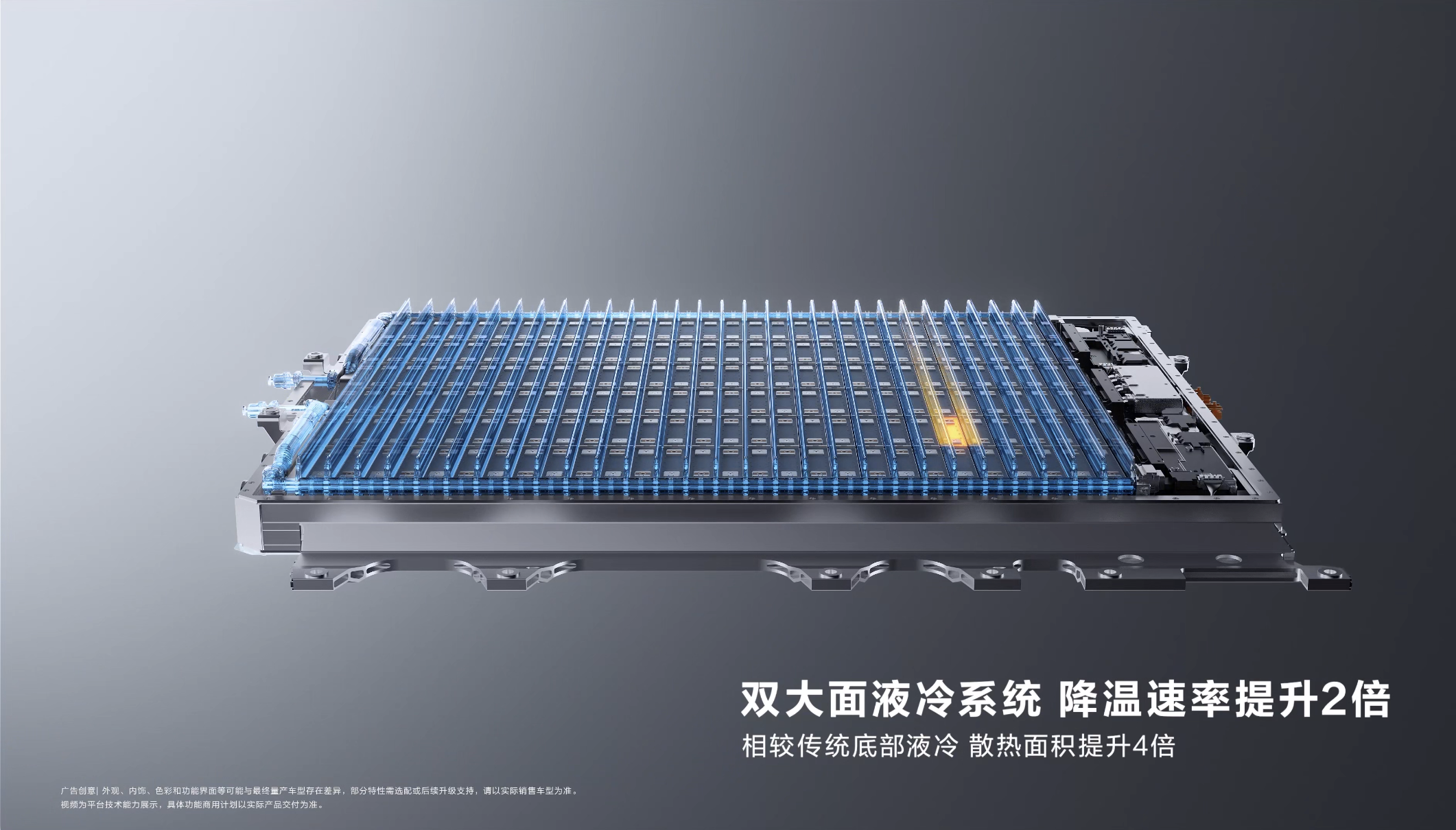
HarmonyOS Auto’s cloud-based real-time monitoring system, designed with nearly 200 intelligent sensing nodes through a smart sampling system, achieves one-core-one-sensing. The temperature, voltage, and current sampling back each other up, allowing for a more reliable sampling fault tolerance mechanism. The application of FPC direct insertion technology effectively reduces harnesses by 80%, minimizing the risk of sampling loss due to harness interference or damage. Moreover, the intelligent liquid cooling temperature control system strictly manages heat generation, providing intelligent protection from overheating.
This article is a translation by AI of a Chinese report from 42HOW. If you have any questions about it, please email bd@42how.com.