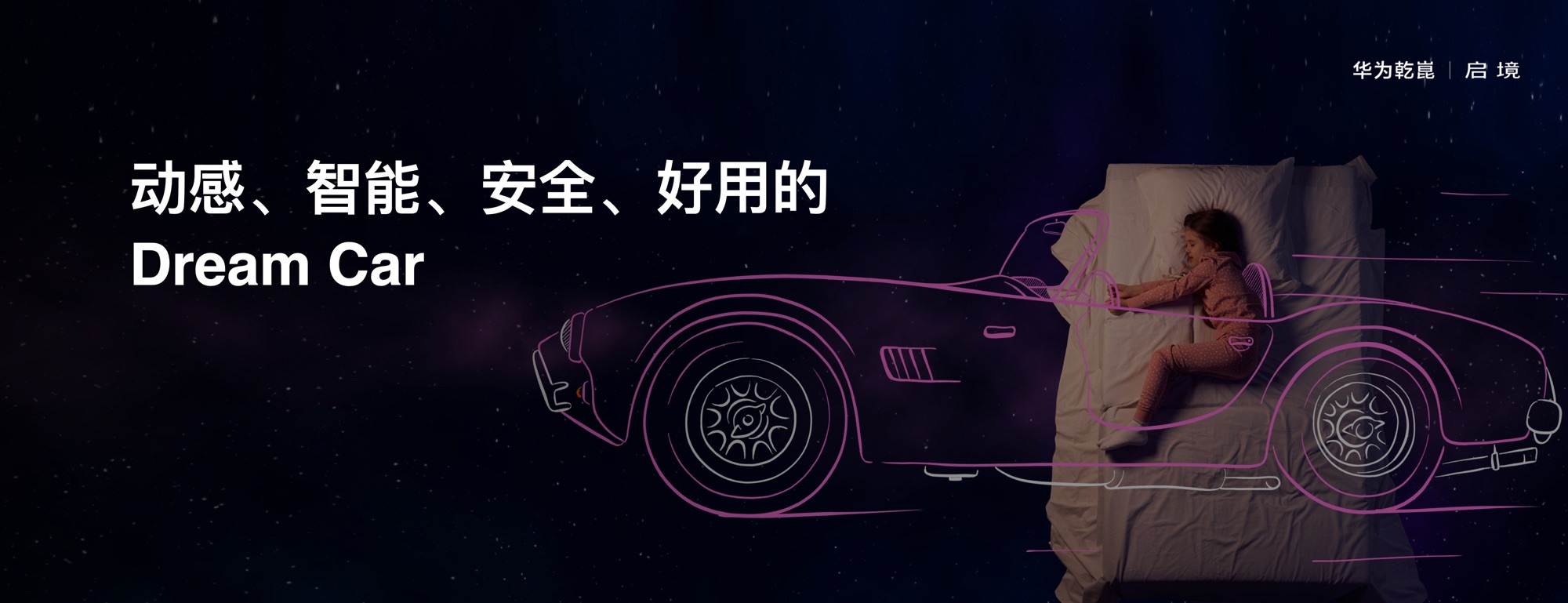
As China’s new energy vehicle penetration rate crosses the 50% watershed, industry competition is rapidly shifting from pure electrification to the deeper waters of intelligence. Against this backdrop, Huawei and GAC have jointly launched Qijie Auto, planning to introduce two models next year: the first will be a shooting brake, aiming to be a Dream Car that fulfills all needs of dynamic performance, intelligence, safety, and usability.
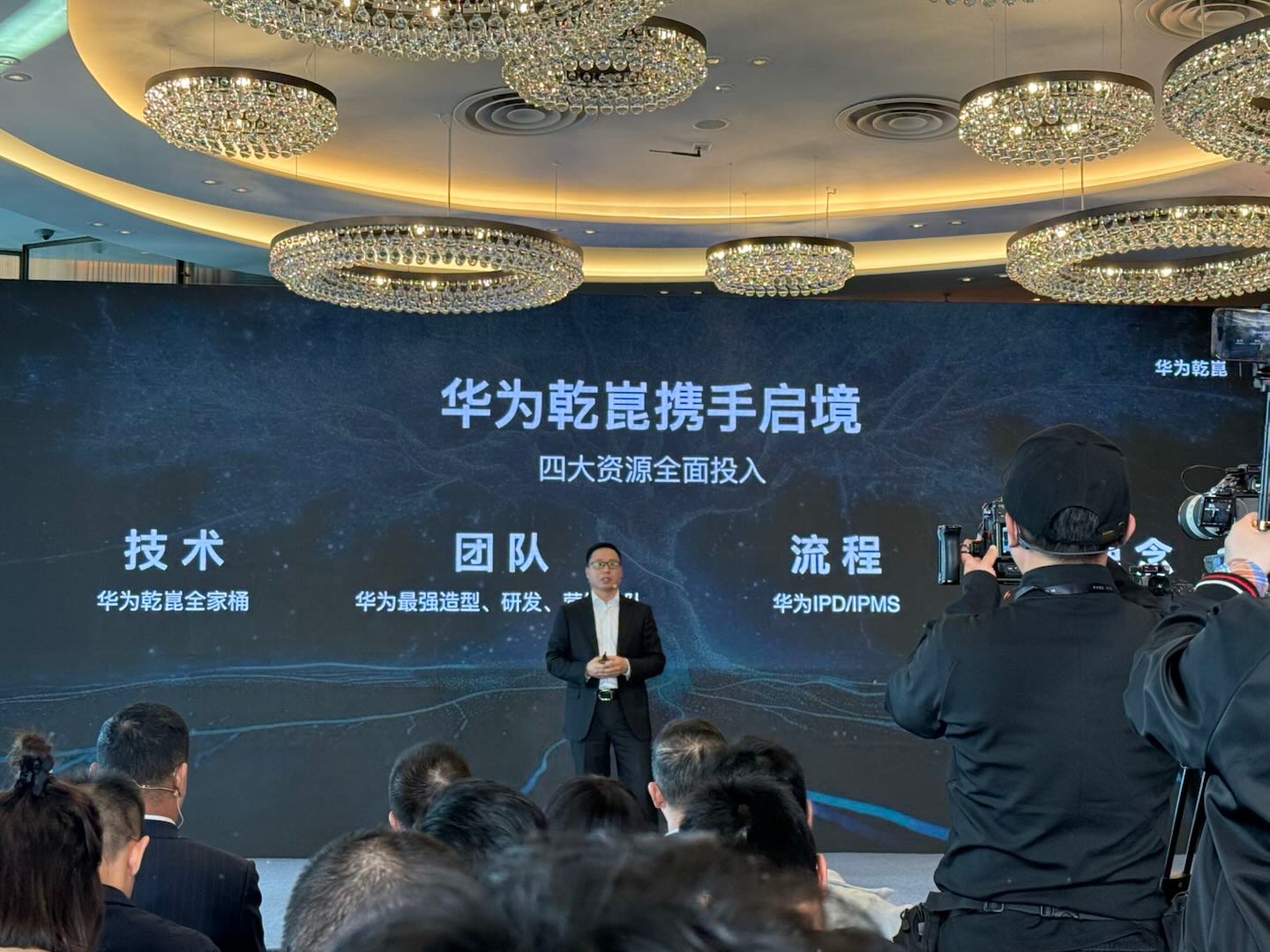
Recently, Huawei’s Smart Car Solutions BU CEO Xin Yuzhi and Qijie Auto CEO Liu Jiaming elaborated on their collaboration logic. Unlike the traditional “supplier-to-OEM” trade relationship, this partnership is more akin to a profound restructuring involving product definition, development processes, and even corporate culture. Through the forced integration of digital algorithms and mechanical quality, both parties aim to find new product definition rights in a market of fierce competition.
Beyond Electrification: From Means of Transport to Mobile Intelligences
The automotive industry has undergone three major transformations over the past century: Ford’s assembly line popularization, Toyota’s lean manufacturing efficiency revolution, and Tesla’s electrification era. However, Xin Yuzhi believes electrification is not the endpoint but a new beginning.
“Huawei’s essence is to bring intelligence to every car, transforming them from standalone products into mobile intelligences,” Xin Yuzhi points out. The future value of cars lies in replacing human drivers and becoming service assistants. The underlying support of this vision is the generational leap in safety—data shows that assisted driving safety is nearly three times human driving, and “zero accidents” will be the ultimate long-term goal for the industry.
For Qijie, the urgency of this intelligent transformation stems from insights into user pain points. Liu Jiaming mentioned that young user groups often face the “seesaw effect”: sacrificing space for styling or comfort for handling. Traditional physical engineering solutions have hit a ceiling in resolving these contradictions, while the introduction of AI and big data allows for quicker styling definitions in the development phase.
Rejecting the “Seesaw”: Deep Contest Between Digital Algorithms and Mechanical Quality
Integrating Huawei’s digital capabilities with GAC’s profound mechanical heritage is not merely a simple “1+1” physical stacking. At the communication meeting, the senior executives did not shy away from describing the fierce initial conflicts of their cooperation, even using “table-pounding” and “sparks flying” to illustrate the contest in reconciling technical routes.
The most typical case is evidenced in chassis tuning. Qijie inherits GAC’s long-standing accumulation in mechanical chassis, being involved in over 1,100 calibration indicators across vehicle, system, and component levels. However, when these mechanical experiences met with Huawei XMC’s digital chassis engine, traditional tuning logic faced challenges. Xin Yuzhi revealed that they ultimately established a division of labor: Qijie is responsible for defining the principles and hardware implementation of chassis tuning, while Huawei’s role lies in software algorithms empowerment. By unifying the X, Y, and Z axis control of power, braking, vehicle body, and chassis, they achieved comprehensive integration of mechanical quality and digital intelligence, thereby balancing aggressive handling with ride comfort.The spirit of striving for perfection also shines through in the refinement of the vehicle’s stance. To achieve a three-centimeter reduction in body height without compromising cabin space, both teams avoided the conventional approach of sacrificing headroom. Instead, they achieved engineering optimization to the millimeter by lowering the seats, optimizing the chassis space layout, reconstructing the front hood, and even increasing wheel size. This determination to have it both ways reflects their attempt to fill the market void for products that are both aesthetically pleasing and practical, meeting industrial-level precision requirements.
Process Reengineering: Establishing Safety Boundaries with “Excessive” Standards
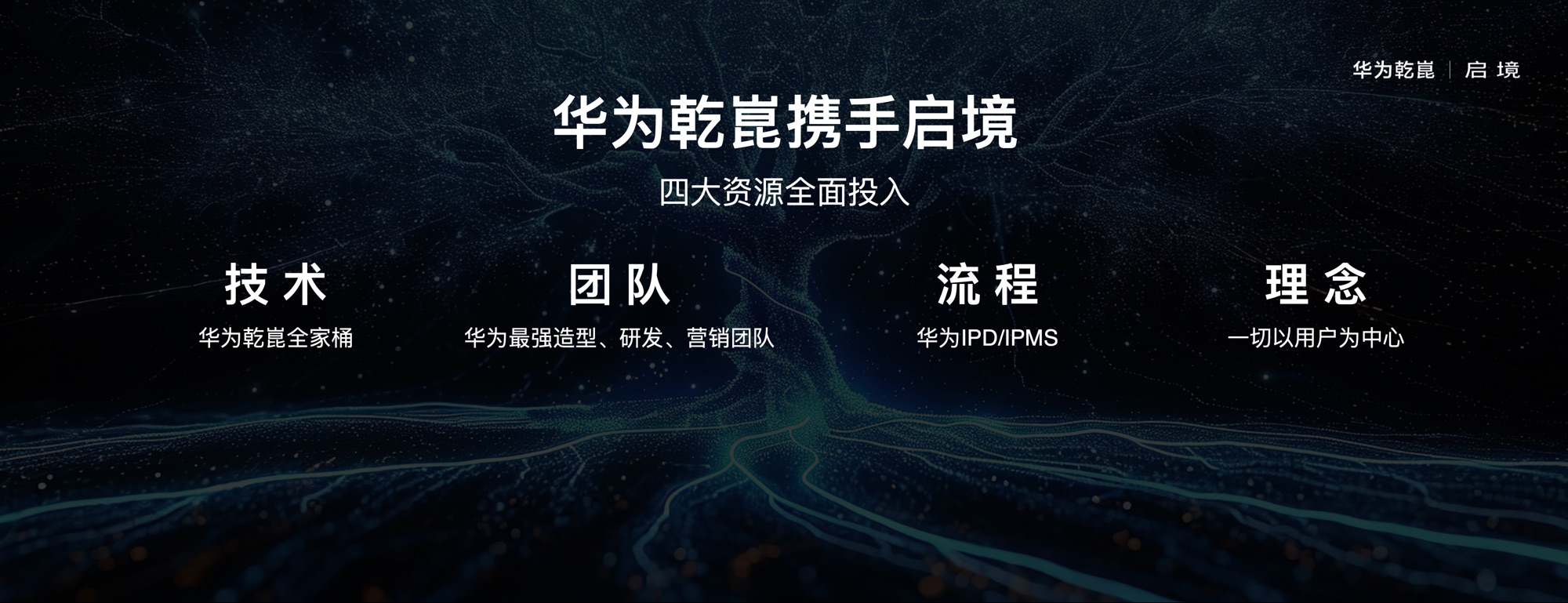
Beyond the tangible features of the product, Huawei’s significant latent contribution to Qijing lies in the systematic integration of its R&D processes and quality standards. In this collaboration, Huawei has comprehensively introduced its time-tested IPD (Integrated Product Development) and IPMS (Integrated Product Marketing Service) processes to Qijing, aiming to ensure consistency and high standards by standardizing processes.
“A car is first and foremost a transportation tool, with safety as the highest priority.” This philosophy is exemplified in the formulation of battery safety standards. According to Liu Jiaming, Qijing, while meeting the new national standards, has fully adopted Huawei’s more stringent testing system, which includes 144 safety design elements and 86 battery DV tests. This includes water ingress test standards up to 96 times the national standard, salt spray test at 5 times the national standard, and pioneering a “four-dimensional endurance test” combining alternating damp heat, high temperature and humidity, vibration, and charging and discharging scenarios.
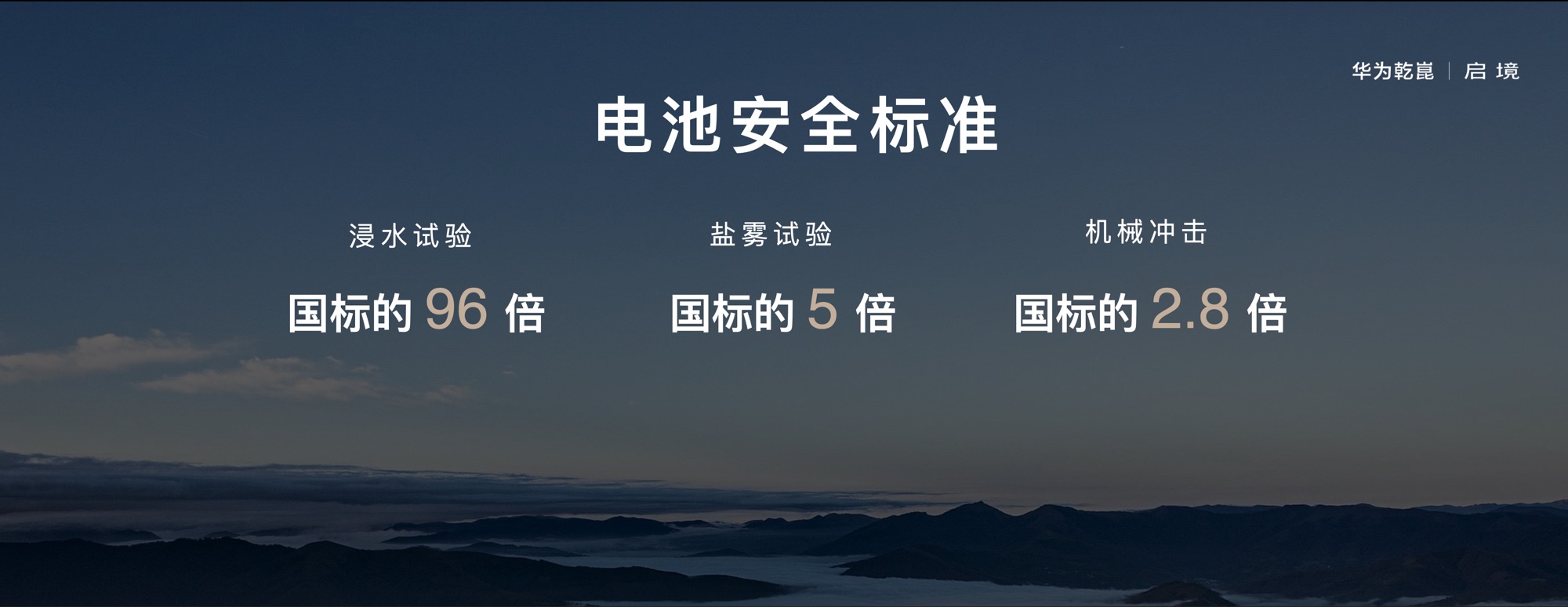
This near “surplus” safety redundancy investment reflects the consensus between the two parties in the high-end manufacturing field: in China’s highly mature automotive supply chain, true core competitiveness is no longer about merely assembling parts but about defining strict standards and exercising ultimate control over details. As Jing Yuzhi stated, for Chinese manufacturing to progress from “comprehensive” to “strong,” it must embody a precision manufacturing mindset, refining every detail to a world-class level. This might be the deep value behind the cooperation between Huawei, QianKun, and Qijing, deserving significant industry attention.
This article is a translation by AI of a Chinese report from 42HOW. If you have any questions about it, please email bd@42how.com.