
On November 21, the opening day of the Guangzhou International Auto Show, GAC Toyota unveiled its latest pure electric sedan—the Buzhi 7. This vehicle enters the 200,000 RMB-level pure electric sedan market and represents a crucial strategic move for GAC Toyota in the electric vehicle arena.
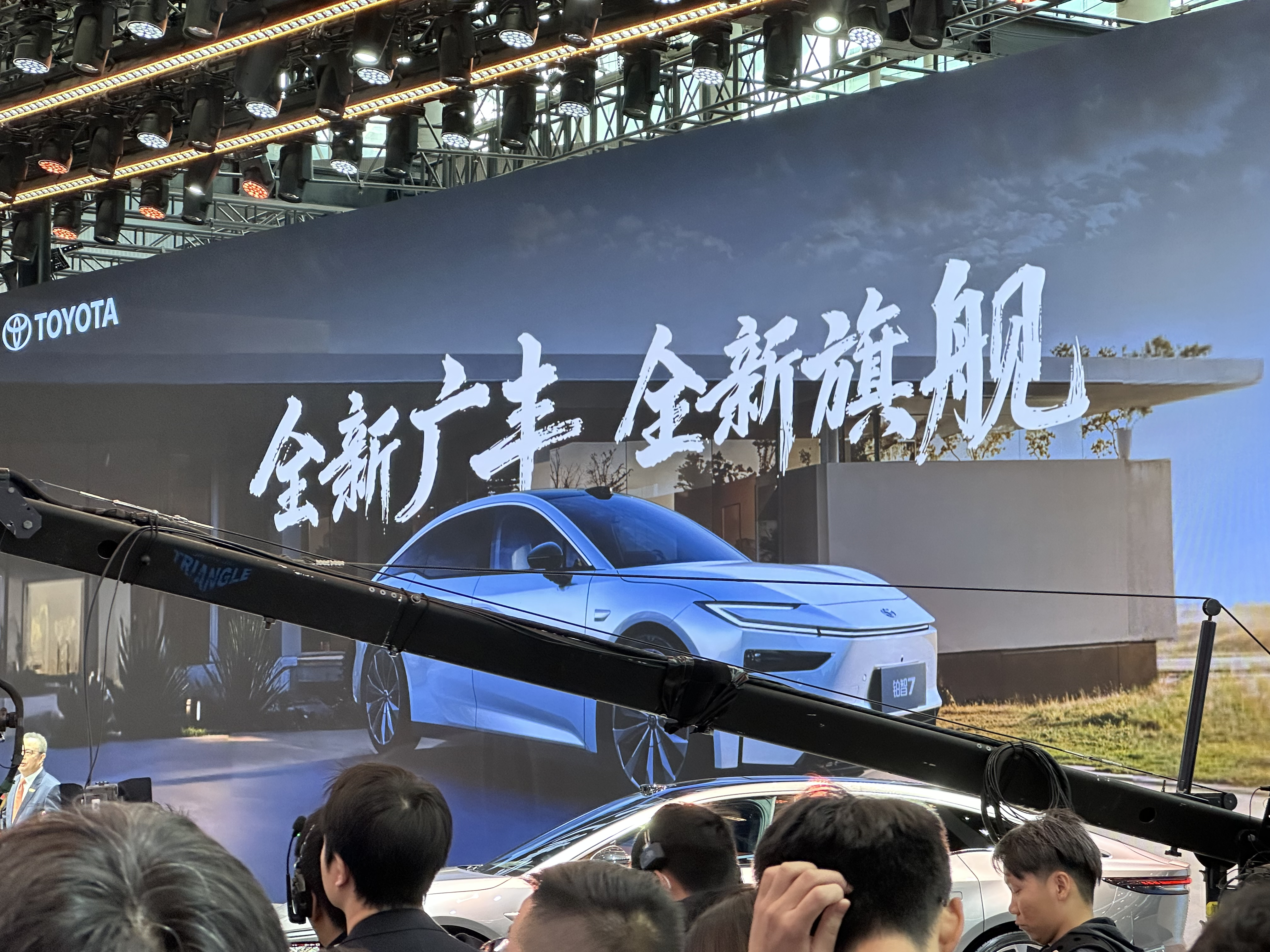
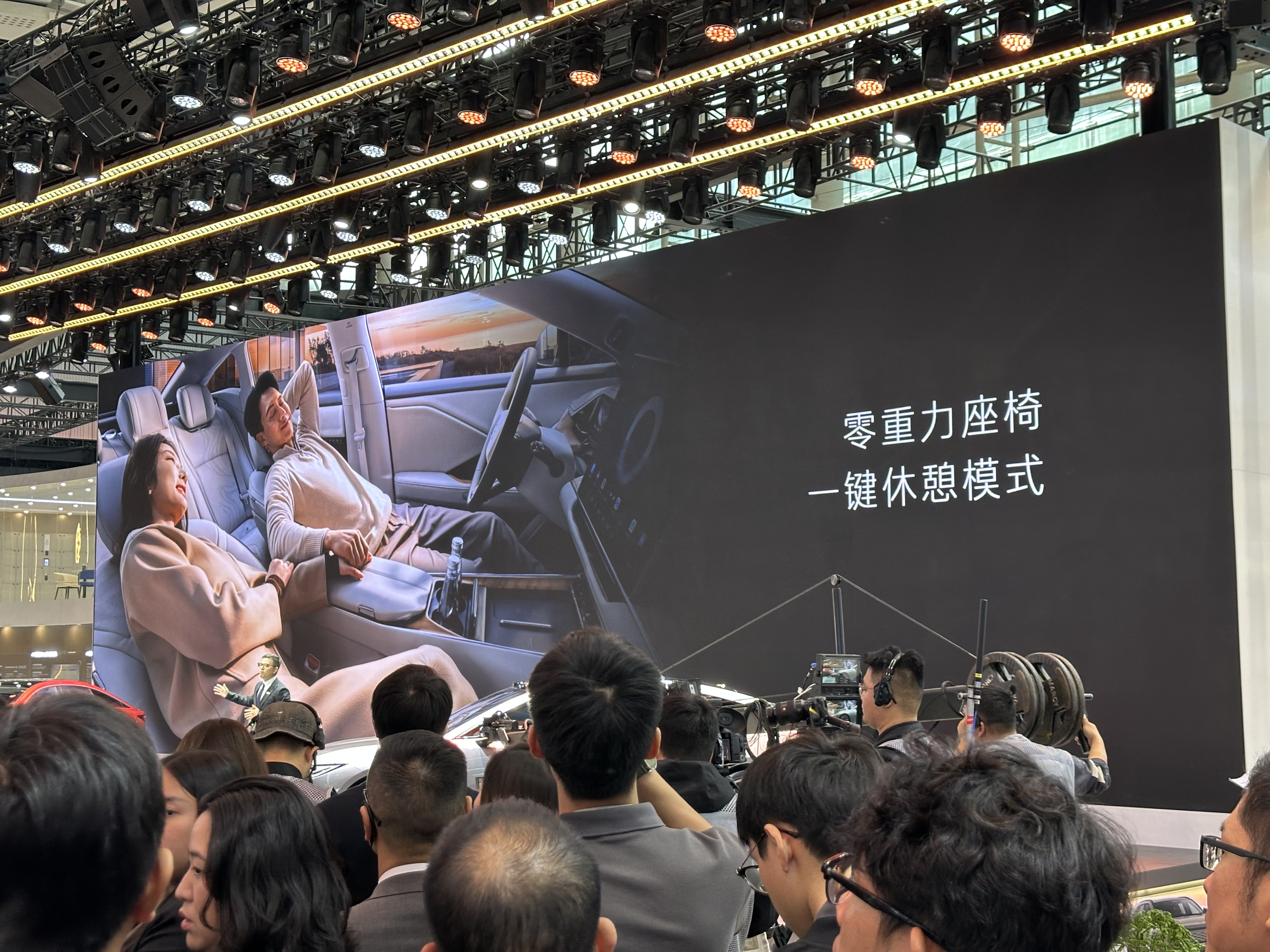
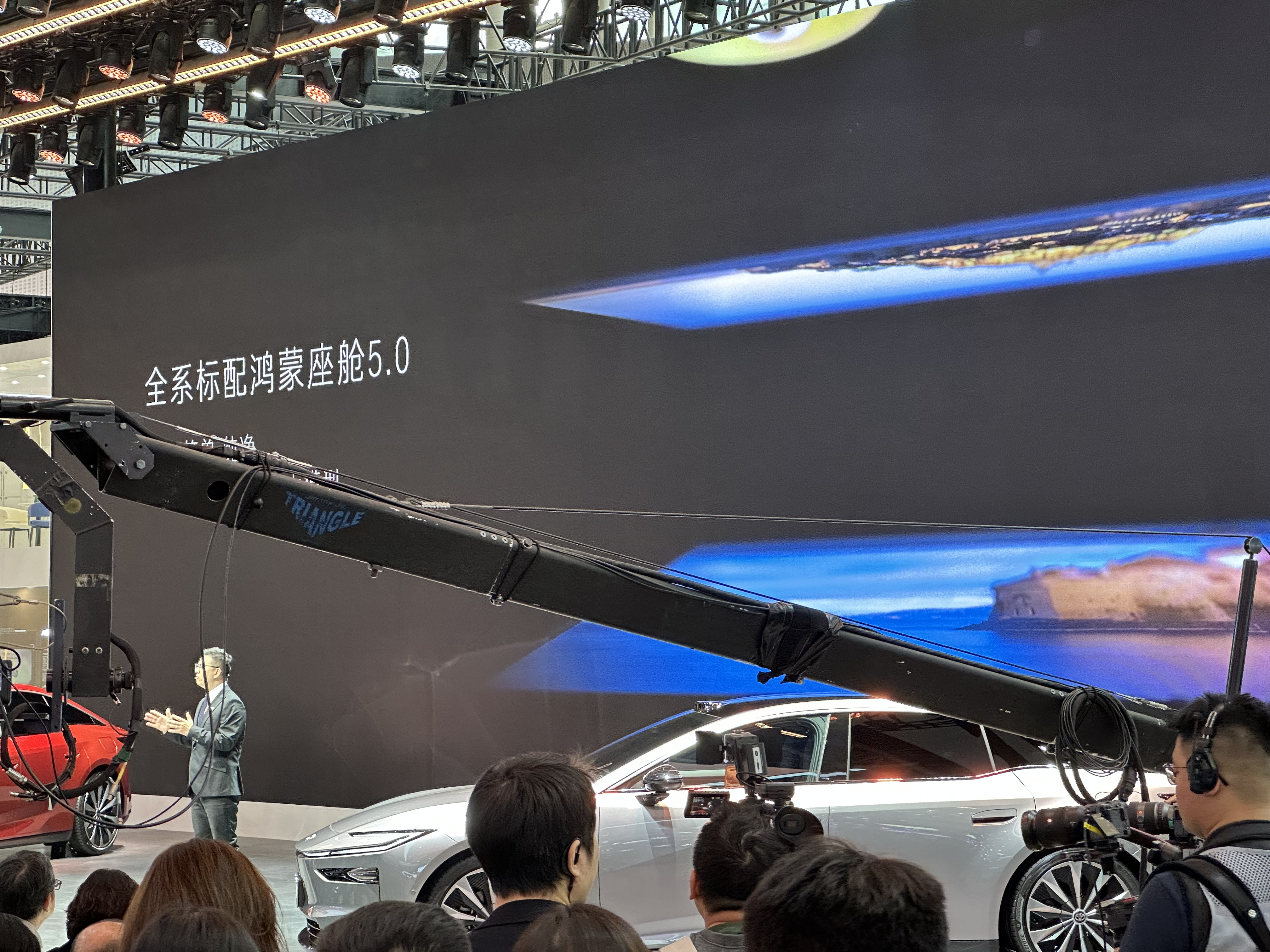
The Buzhi 7 uniquely integrates features such as dual-chamber air suspension, HarmonyOS cockpit, and LIDAR. In terms of design, it adopts a “New Oriental Aesthetics” global standard, incorporating Nappa leather, century-old white ash wood, zero-gravity passenger seats, and a surround sound field created by 23 Yamaha speakers.
Regarding safety, the Buzhi 7 offers “Six-Fold Safety Redundancy,” including dual unlocking mechanisms for interior and exterior door handles, and crash safety redundancy design of the car body. Additionally, GAC Toyota introduces the “Triple Manufacturer Liability” policy, with commitments on battery self-ignition, intelligent parking assistance accidents, and battery degradation.
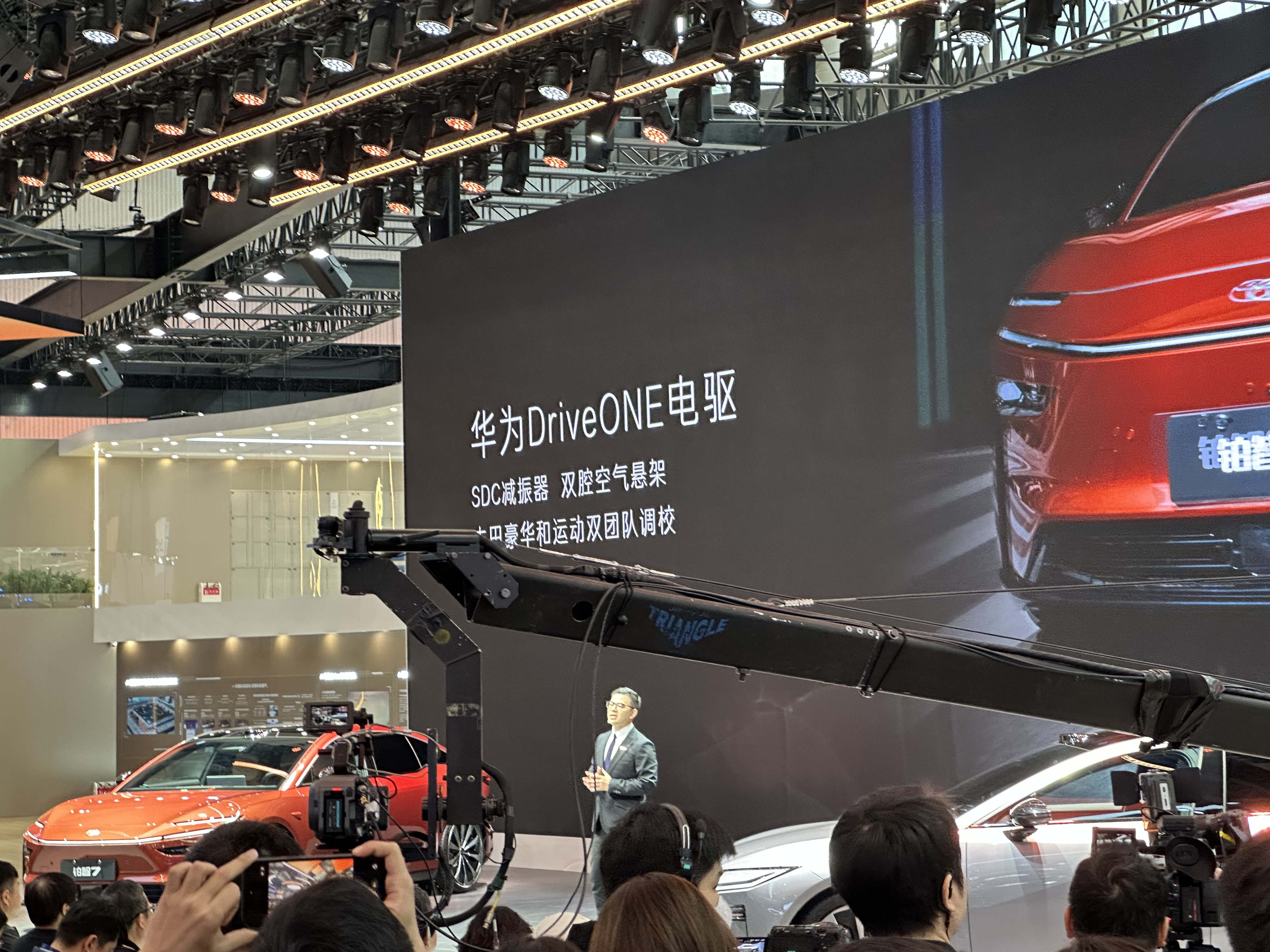
The Buzhi 7 employs “Toyota-Style Fusion,” deeply integrating Huawei’s intelligent ecosystem, Momenta’s intelligent driving algorithms, XiaoMi’s hardware ecosystem, and Toyota’s car manufacturing heritage. The core competitive edge of this fusion lies in building the best technological ecosystem integration capability.
The launch of the Buzhi 7 lays the foundation for GAC Toyota in the pure electric sedan market. Against the backdrop of new energy vehicle monthly sales surpassing total new car sales for the first time, the Buzhi 7 provides mainstream consumers with a viable option through its product strength and market positioning.
This article is a translation by AI of a Chinese report from 42HOW. If you have any questions about it, please email bd@42how.com.