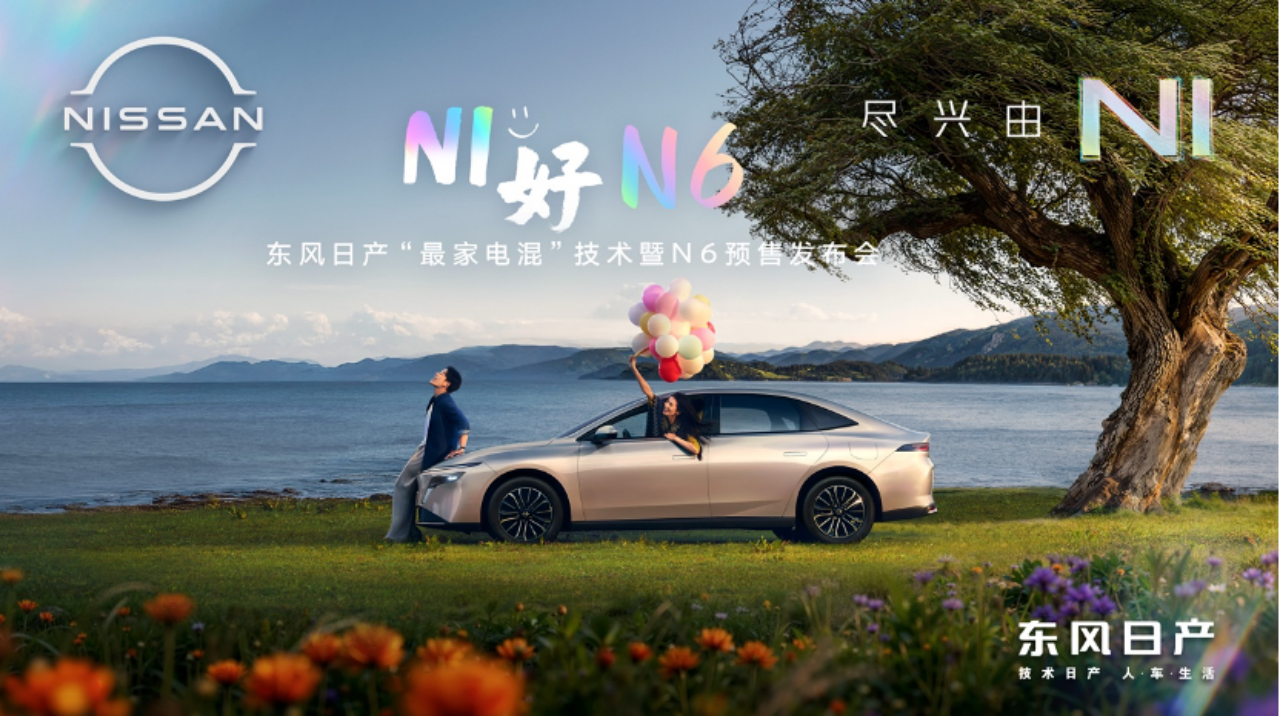
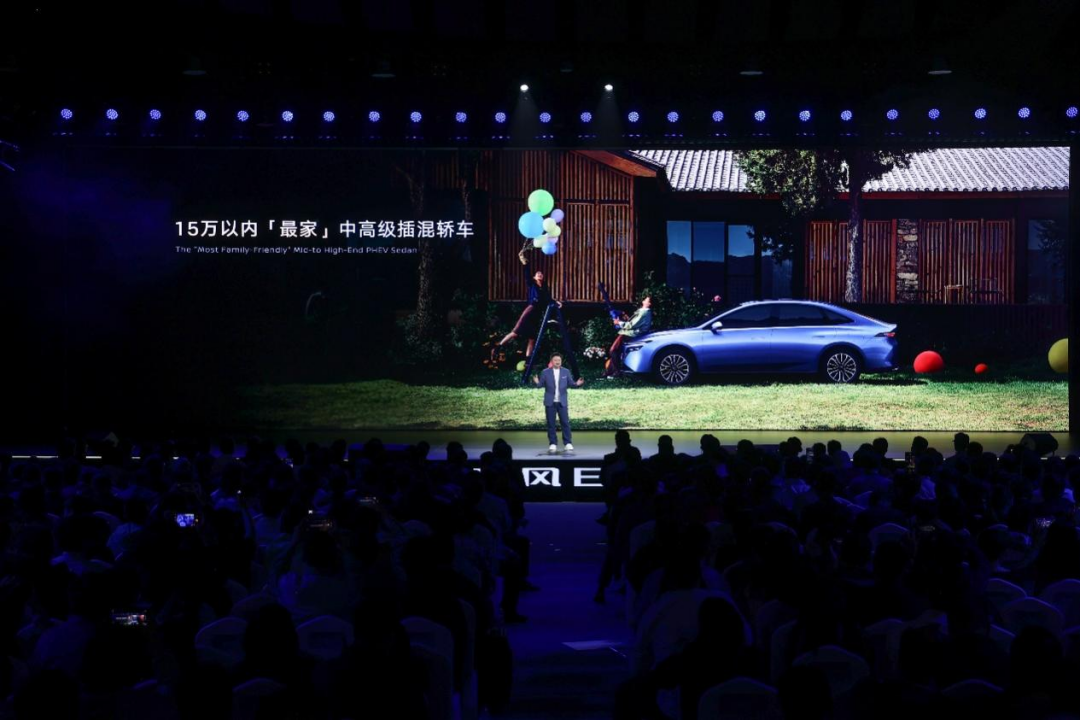
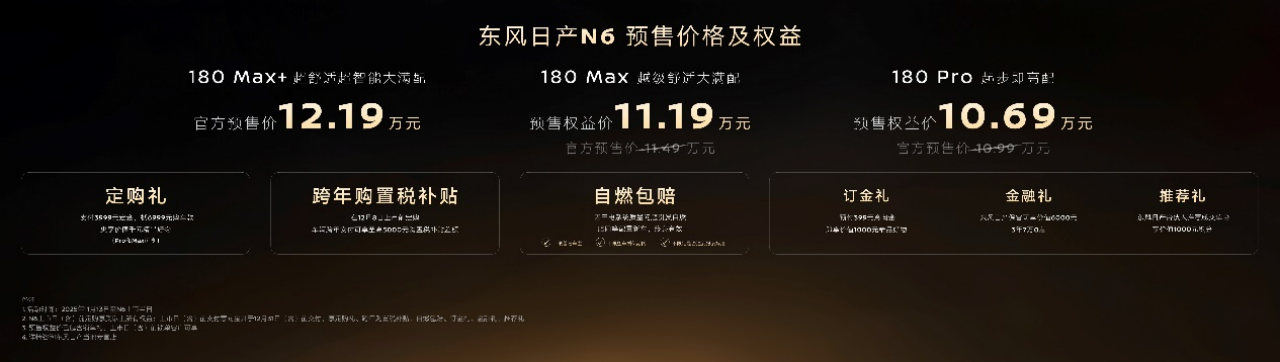
On November 13, NISSAN held a press conference in Guangzhou, introducing the world’s first plug-in hybrid car, the N6. The pre-sale price range is set between 109,900 and 121,900 yuan, with pre-sale benefits starting at 106,900 yuan. The N6 will officially launch and begin delivery on December 8.
The N6 features NISSAN’s first global passenger plug-in hybrid system, the AI Yung Engine Hybrid, combined with stall prevention intelligent control technology and Cloud Shield battery. Inspired by the NISSAN N7, it uses the fully self-developed Tianyan architecture with a large battery for extended pure electric range.

Three versions of the N6 are available for pre-sale: 180 Pro, 180 Max, and 180 Max+. The 180 Pro is priced at 109,900 yuan, with benefits pricing at 106,900 yuan, featuring the AI Yung Engine Hybrid, a 21.1 kWh large battery, and 180 km pure electric long range. The 180 Max adds a driver’s AI Zero Pressure Cloud Mat seat and memory welcome function for the front seats, priced at 114,900 yuan, with benefits pricing at 111,900 yuan. The 180 Max+ includes the Qualcomm 8775×Momenta large model cabin-drive integration solution, priced at 121,900 yuan.
NISSAN N6 launches a “Spontaneous Combustion Compensation” service policy. This policy does not restrict the first car owner, vehicle warranty period, or if the vehicle meets the scrappage criteria. In case of spontaneous combustion due to the quality issue of the electric system, compensation of a new vehicle with the same configuration will be provided without depreciation.
The N6’s AI Yung Engine Hybrid system offers three core advantages: ultra-economical energy-saving, ultra-intelligent comfort, and ultra-peace-of-mind reliability. Equipped with a 21.1 kWh large CTP battery, it achieves 180 km pure electric range and fast charging, taking only 17 minutes from 30% to 80%. The dedicated hybrid engine and efficient generator, based on AI intelligent engine control technology and intelligent dual-mode recovery control technology, enable energy-saving across all scenarios, with a low CLTC fuel consumption of just 2.79L per 100 km.
This article is a translation by AI of a Chinese report from 42HOW. If you have any questions about it, please email bd@42how.com.