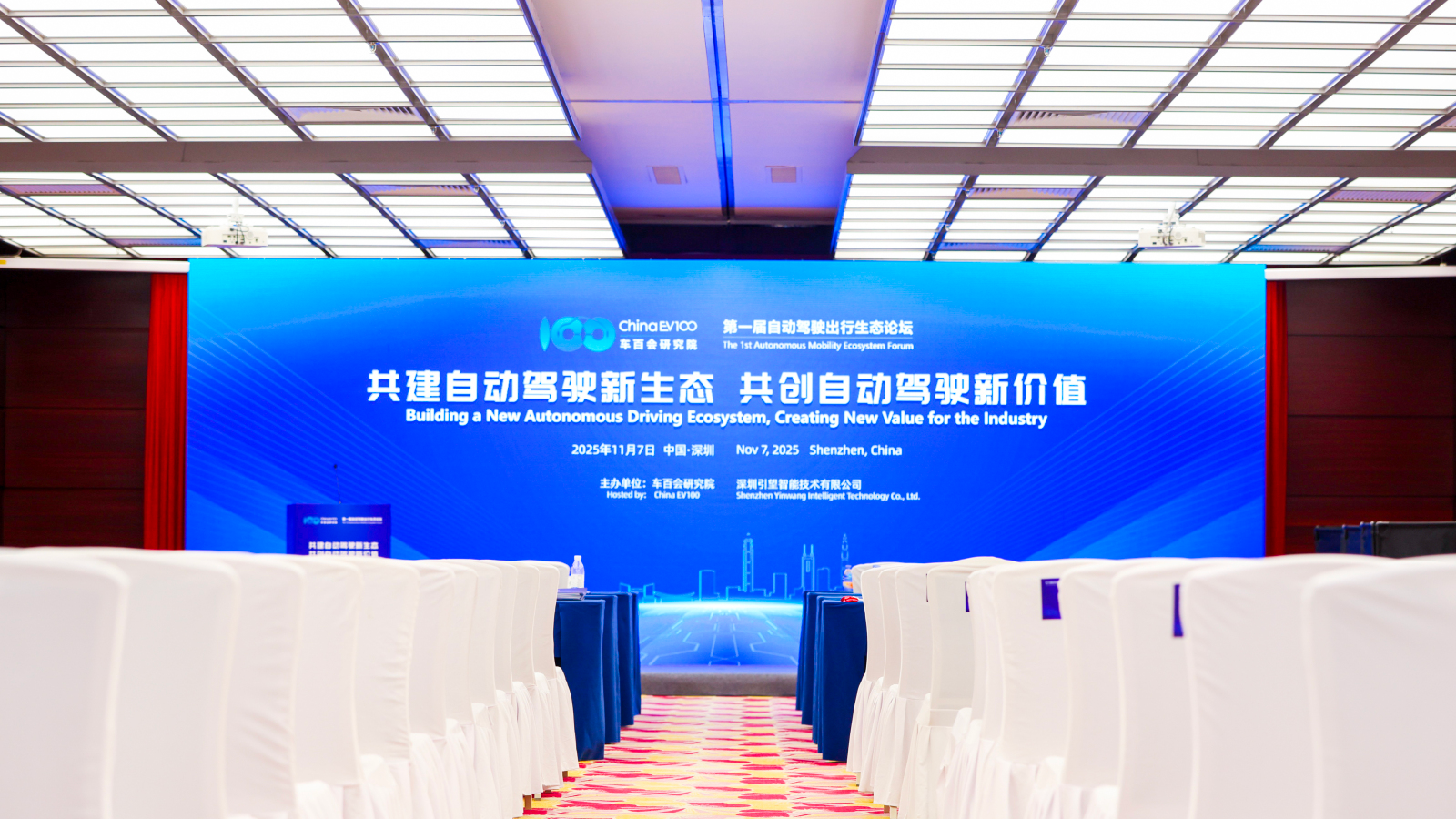
As technology continues to evolve and become integrated, cars have progressed from being mere transportation tools to becoming our intelligent mobile spaces. As manufacturing and services, along with digital technologies, intertwine deeply, the autonomous driving industry has moved beyond individual technological breakthroughs and entered a new era of ecosystem-driven development.
On November 7th, at the inaugural Autonomous Driving Mobility Ecosystem Forum, leaders from industry associations, tech companies, and service organizations gathered to envision the future of the autonomous driving ecosystem. Zhang Yongwei, president of the Car Hundred Association, proposed the “New Triangle Model of Automotive Industry Competitiveness in the Intelligent Era,” providing direction for the industry’s development. Meanwhile, Li Wenguang, President of the Yihang Intelligent Driving Product Line, presented concrete paths and practical plans for ecosystem implementation, transitioning autonomous driving mobility from concept to reality.
Industry on the Eve of a Breakthrough
The autonomous driving industry is transitioning from technology exploration to a crucial phase of scaled implementation, a perspective widely recognized during the forum. Data revealed by Li Wenguang highlighted the industry’s accelerated pace: in the first half of this year, the penetration of driver assistance in electric vehicle models surpassed 60%, a leap from last year’s 19%. In terms of usage scenarios, highway driver assistance usage exceeded 60%, nearly half of users have upgraded since the ADS 4 version release, and parking function usage reached 42%, with user acceptance and reliance on intelligent driving continuing to grow.
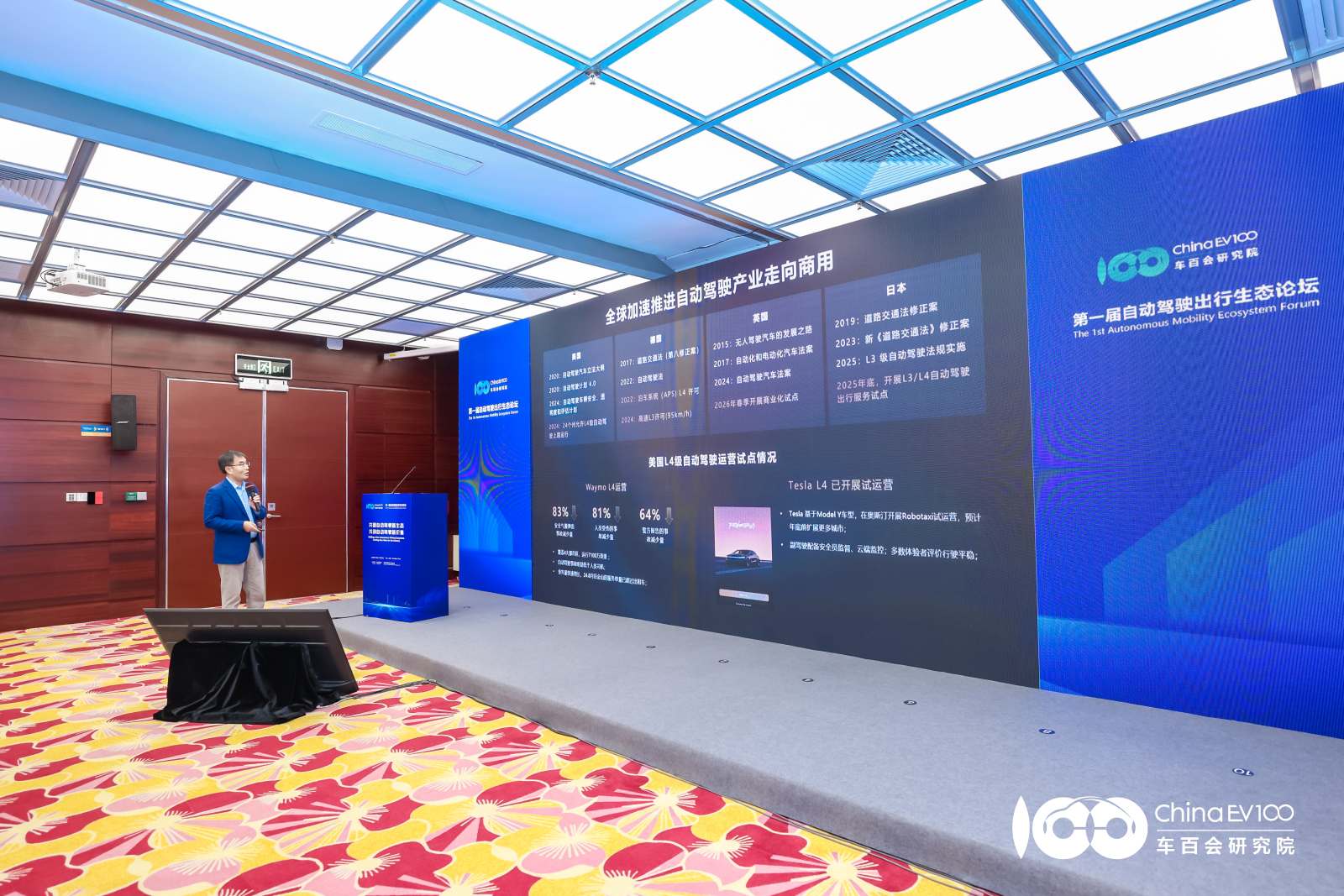
Globally, the commercialization of autonomous driving is blossoming in various regions. In the United States, 24 states permit autonomous vehicles on the road, with companies like Waymo and Tesla having accumulated over 70 million kilometers of operation, significantly reducing accident rates. Countries like Germany and Japan are facilitating the legalization of highway autonomous driving and parking functions through comprehensive regulatory frameworks. In China, guided by policy, cities like Shanghai and Shenzhen are pioneering trials, with 9 companies in 7 cities initiating L3-level access tests, and consumer-oriented commercial trials anticipated in the first half of next year.
Combining policy advancement and technology maturity, Li Wenguang outlined a projected timeline for autonomous driving implementation in China: by 2026, achieve large-scale commercial use of highway-level L3, in 2027, initiate urban L4-level commercial deployment, and by 2028, complete the commercial layout for unmanned logistic routes. This forecast is grounded in technological iteration, regulatory improvements, and ecosystem support, providing a clear roadmap for industry progress.
From Individual Technology to Full-Chain Collaboration
At the forum, Zhang Yongwei, President of the Car Hundred Association, introduced the “New Triangle of Automotive Industry Competitiveness” theory, accurately summarizing the transformative trend from technological breakthroughs in autonomous driving to ecosystem co-construction. In the era of intelligence, the competitiveness of the automotive industry has expanded from traditional manufacturing capabilities to a triangular structure of manufacturing + digital AI technology + service ecosystem, with the service ecosystem emerging as the third core competitiveness after manufacturing and technology. It is expected to form a market scale exceeding 8 trillion by 2028, becoming the “second automotive industry.”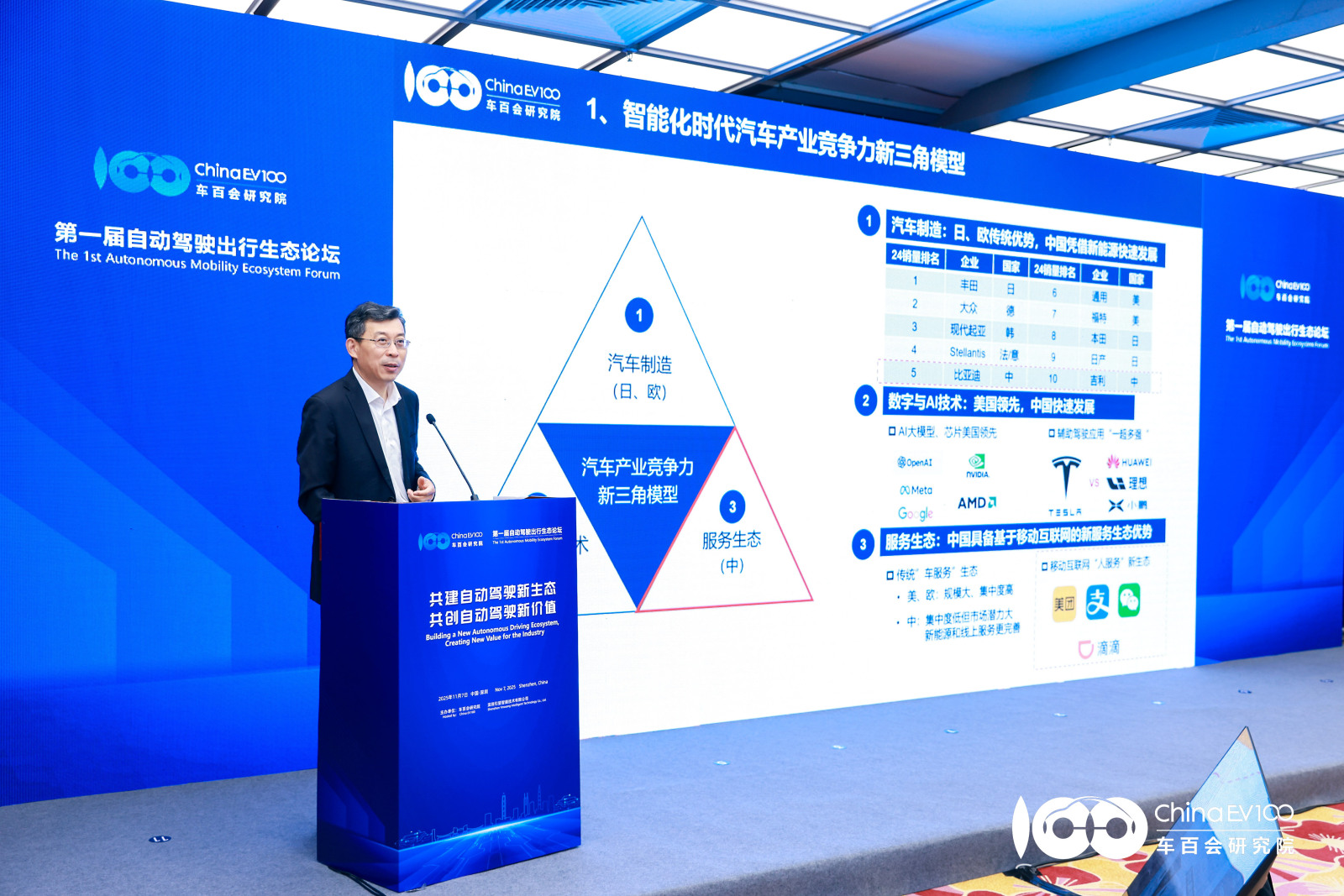
The successful implementation of autonomous driving is not a solo effort by a single company but requires cross-industry, cross-domain ecological collaboration. As vehicles acquire autonomous mobility, they will redefine traditional mobility boundaries and engender a full-chain service transformation in parking, charging, maintenance, insurance, among others. For example, in the charging scene, it is essential to address issues of fully automated processes such as self-parking, autonomous plug-in, seamless payment, and automated departure. In parking scenarios, urban-level space scheduling and unmanned valet services must be realized. In the post-vehicle service sector, building an intelligent service network of “seamless maintenance” is crucial. The successful implementation of these scenarios relies on deep cooperation among automakers, tech companies, and infrastructure operators.
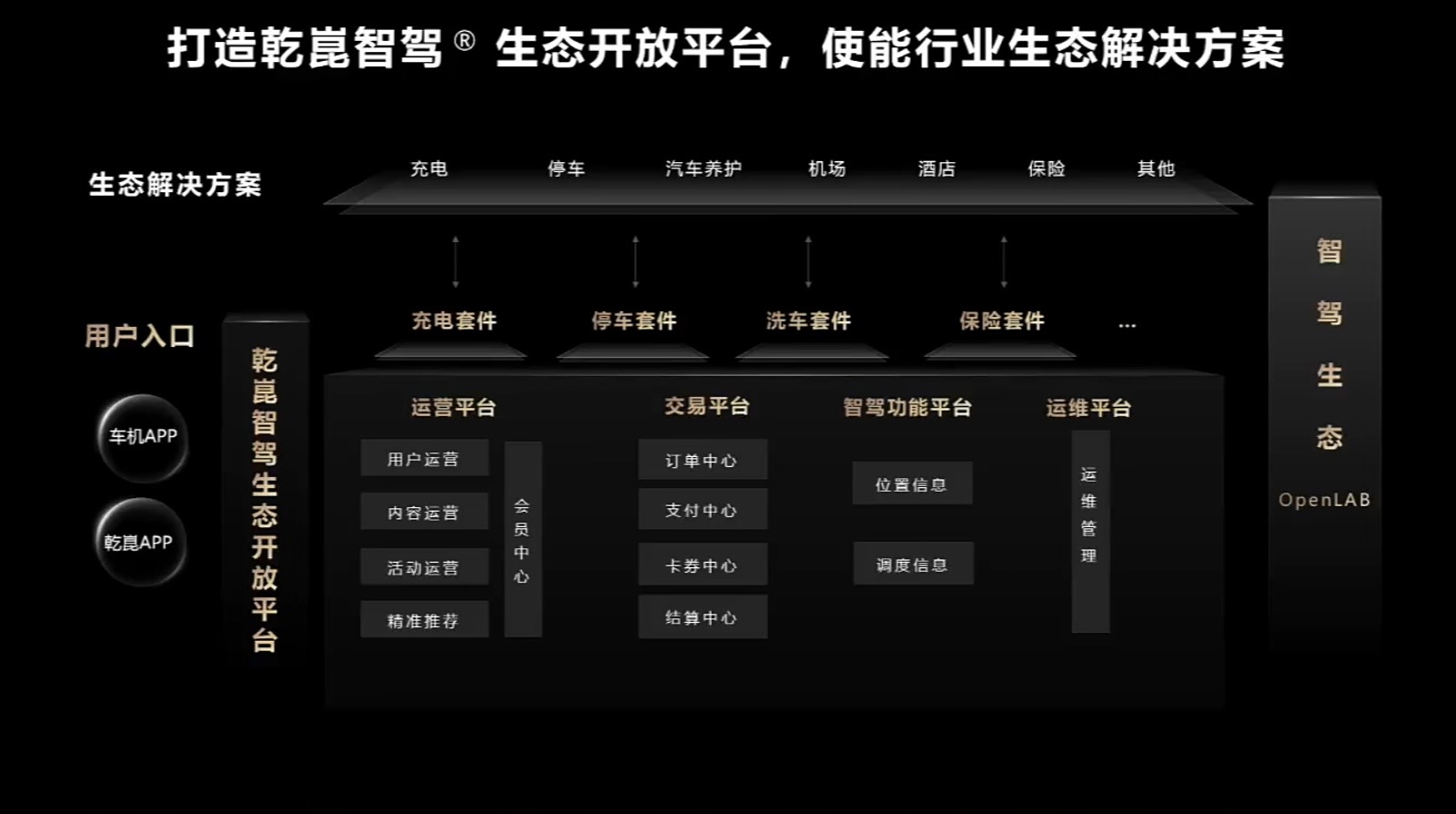
To promote ecological collaboration, Yiwang Intelligence announced the launch of the Qiankun Smart Driving Ecosystem Open Platform, which will open industry packages such as charging, parking, car washing, and insurance for ecosystem partners to integrate and develop. Simultaneously, they will establish the Smart Driving Ecosystem OpenLab to provide partners with full-process guidance and empowerment from development and testing to solution implementation. Li Wenguang stated: We aim to break down data silos between vehicles, the cloud, and the service end with a platform mindset, allowing ecological partners to connect quickly and enriching autonomous driving application scenarios together.
Restructuring the Mobility Service Value Chain
At the forum, representatives from several companies shared their practical cases, vividly illustrating the pathways to constructing an autonomous driving ecosystem. These cases address user pain points and transform technical capabilities into tangible service value, painting a clear picture of the future of mobility.
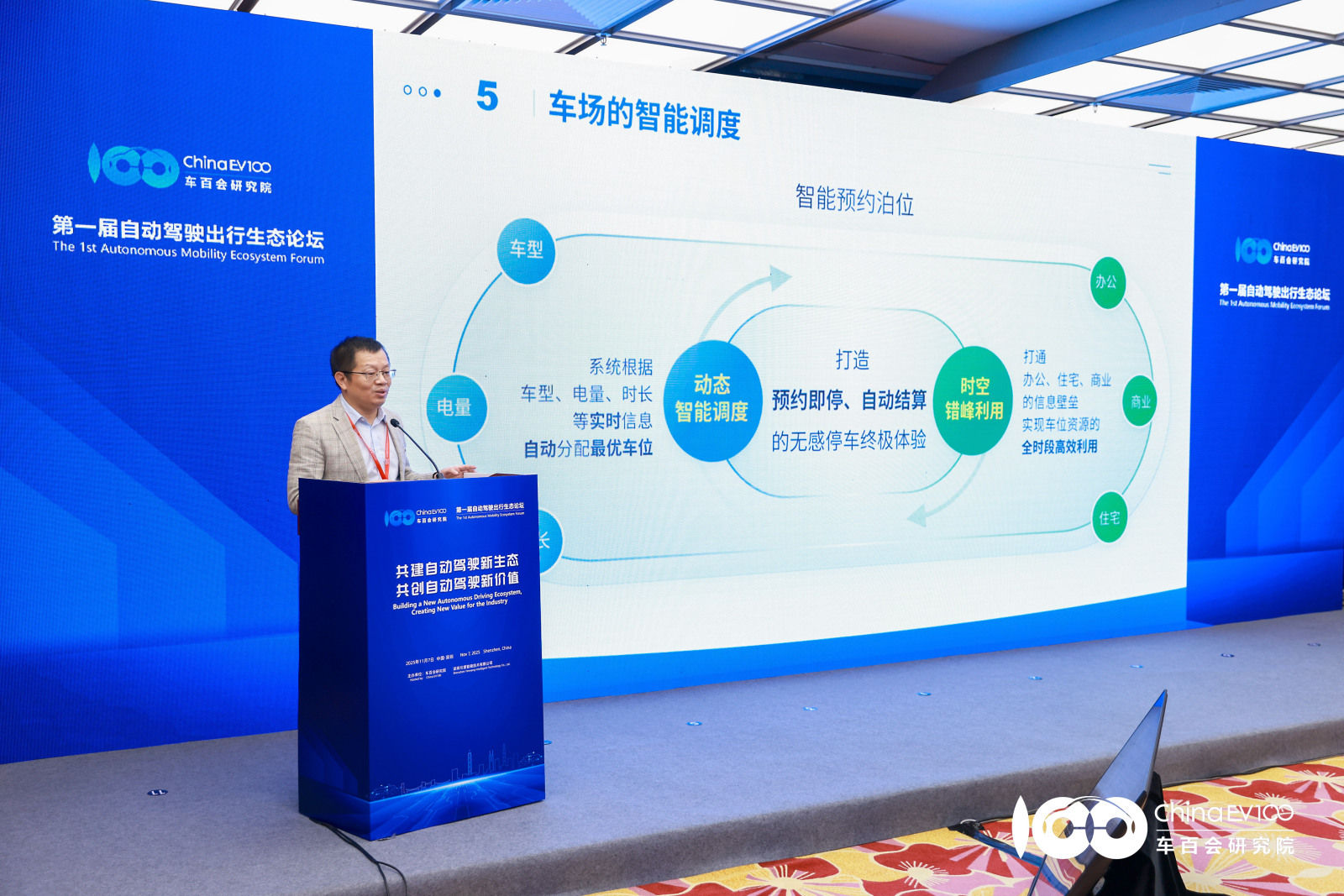
In the parking domain, the century-old issues of difficulty in finding and parking vehicles are expected to be resolved by autonomous driving. Sun Longxi, President of Ketuo Corporation, introduced that parking lots, as significant application scenarios for autonomous driving, have the inherent advantages of defined space and clear rules, making them suitable for creating unmanned implementation scenarios.
By restructuring parking spaces and upgrading systems, a service model ranging from one-click valet parking to automatic vehicle retrieval can be achieved: users alight at the drop-off area, and the vehicle autonomously drives to an available spot; upon return, users can request the vehicle via an app, with it arriving at the waiting area in advance, requiring no user intervention throughout. In the future, urban-level space scheduling will be realized, automatically reallocating overflow vehicles from hotspots like hospitals and malls to available private spots in surrounding communities, significantly enhancing space utilization.
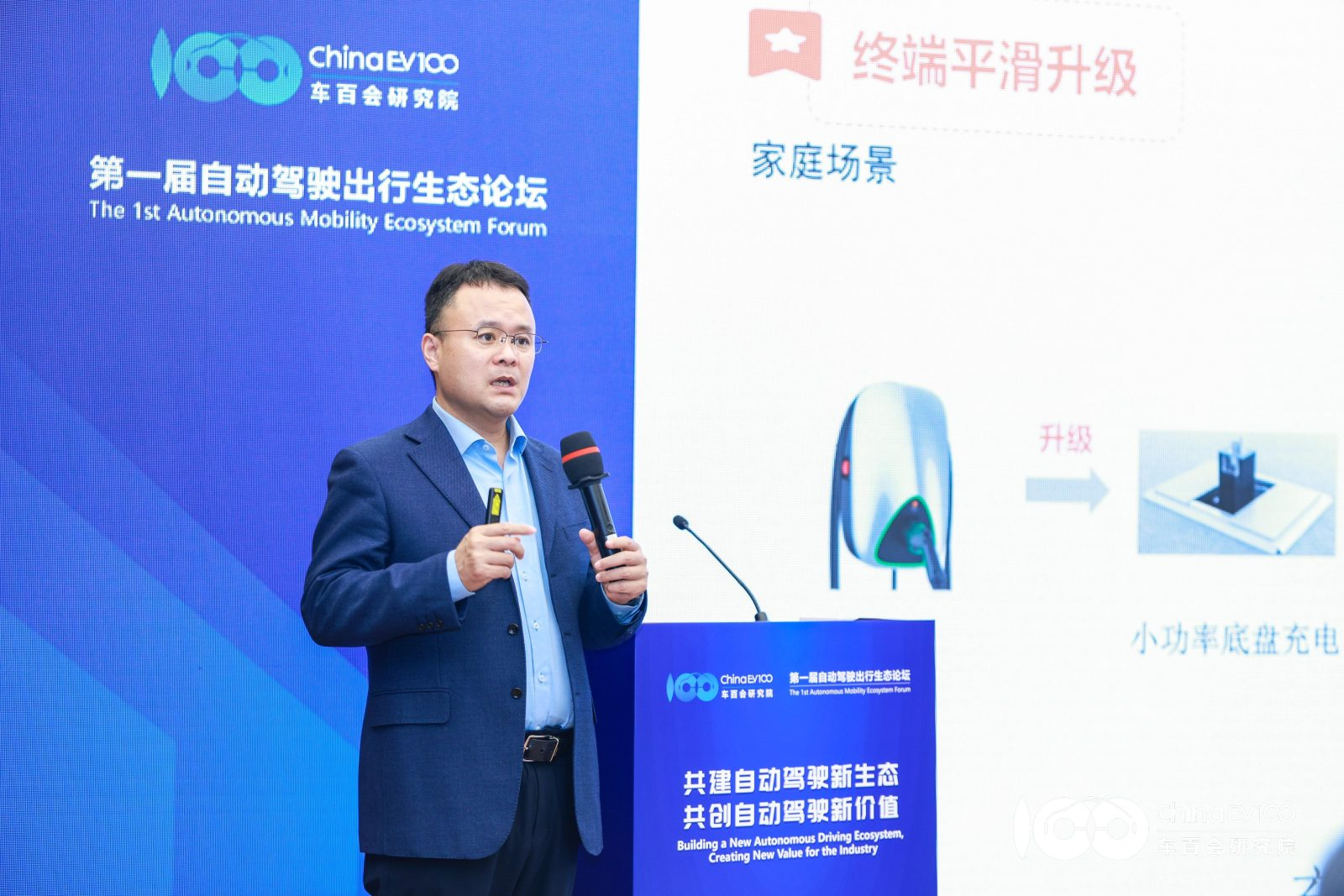
The intelligent upgrade of charging services is equally promising. Li Hongqing, CEO of Wanbang Digital Energy, stated that in the era of autonomous driving, charging services need to transition from “person seeking a charging point” to “vehicle seeking a charging point.” Currently, side automatic robotic arm charging systems and chassis charging systems have been launched, capable of achieving automatic docking within 40 seconds, supporting over 60 types of new energy vehicles on the market.Through the ecological synergy of “Car – Pile – Network – Cloud”, vehicles can autonomously reserve parking spaces, automatically park for charging, and complete payment seamlessly, thoroughly addressing the pain points of complex charging operations and difficult parking space discovery. In the future, vehicles will have the capability to autonomously travel to charging stations during off-peak electricity times, becoming mobile energy storage units and achieving a dynamic balance between the vehicle and the energy network.
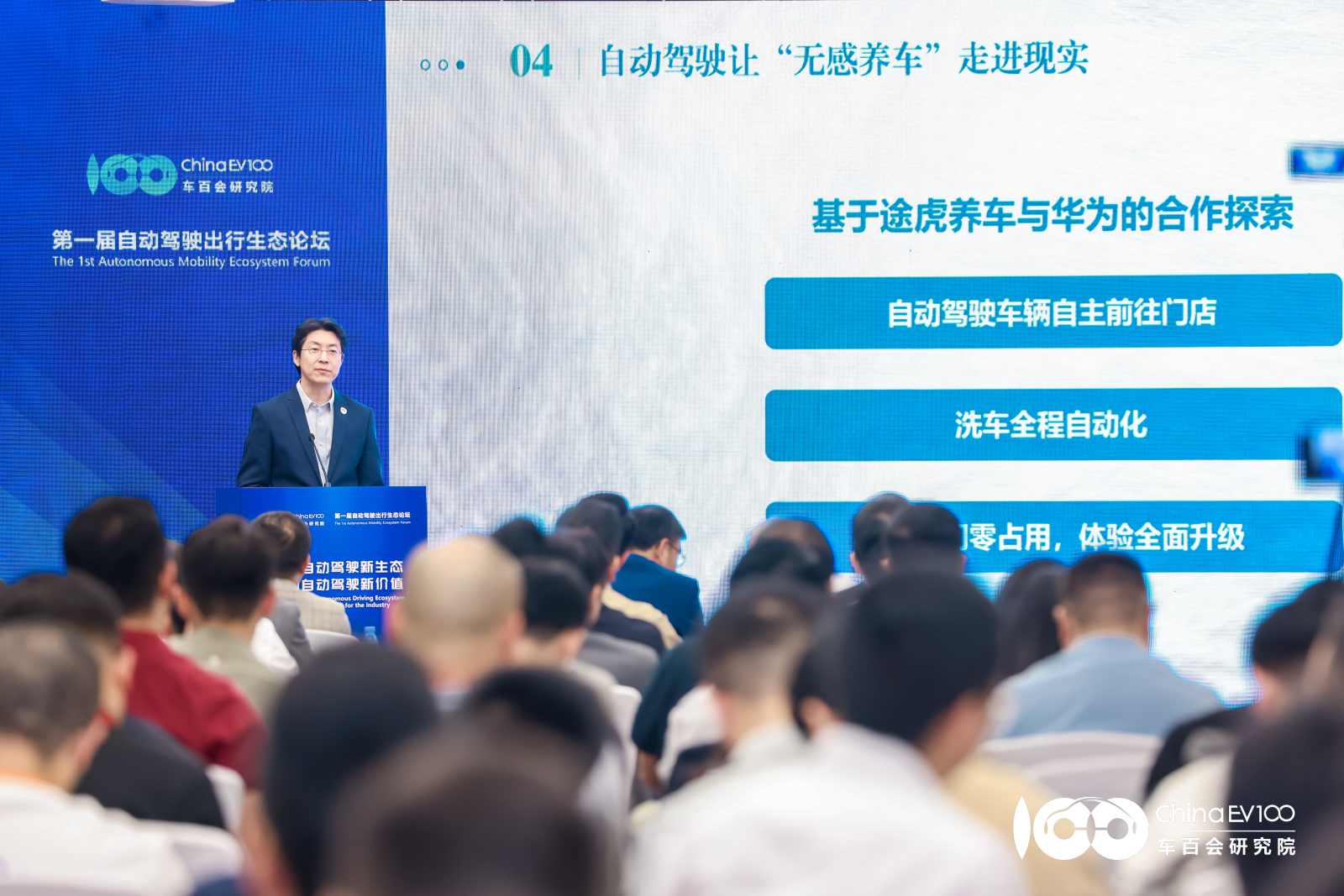
The automotive after-sales service field is undergoing a transformation from passive repair to proactive maintenance. Tiger Auto’s co-founder Hu Xiaodong reveals that, based on collaboration with Huawei’s autonomous driving technology, they have explored the “autonomous driving valet car wash” service model: After a user places an order via an app, the vehicle autonomously departs the parking spot to the nearest store, completes the wash, and returns independently, without user involvement throughout the process.
This model will expand to encompass more scenarios like maintenance and inspection, achieving “seamless car care” through data exchange between the car, cloud, and store endpoints. Accumulated vehicle driving habits and status data will enable accurate maintenance project recommendations for users, achieving service pre-positioning and customization.
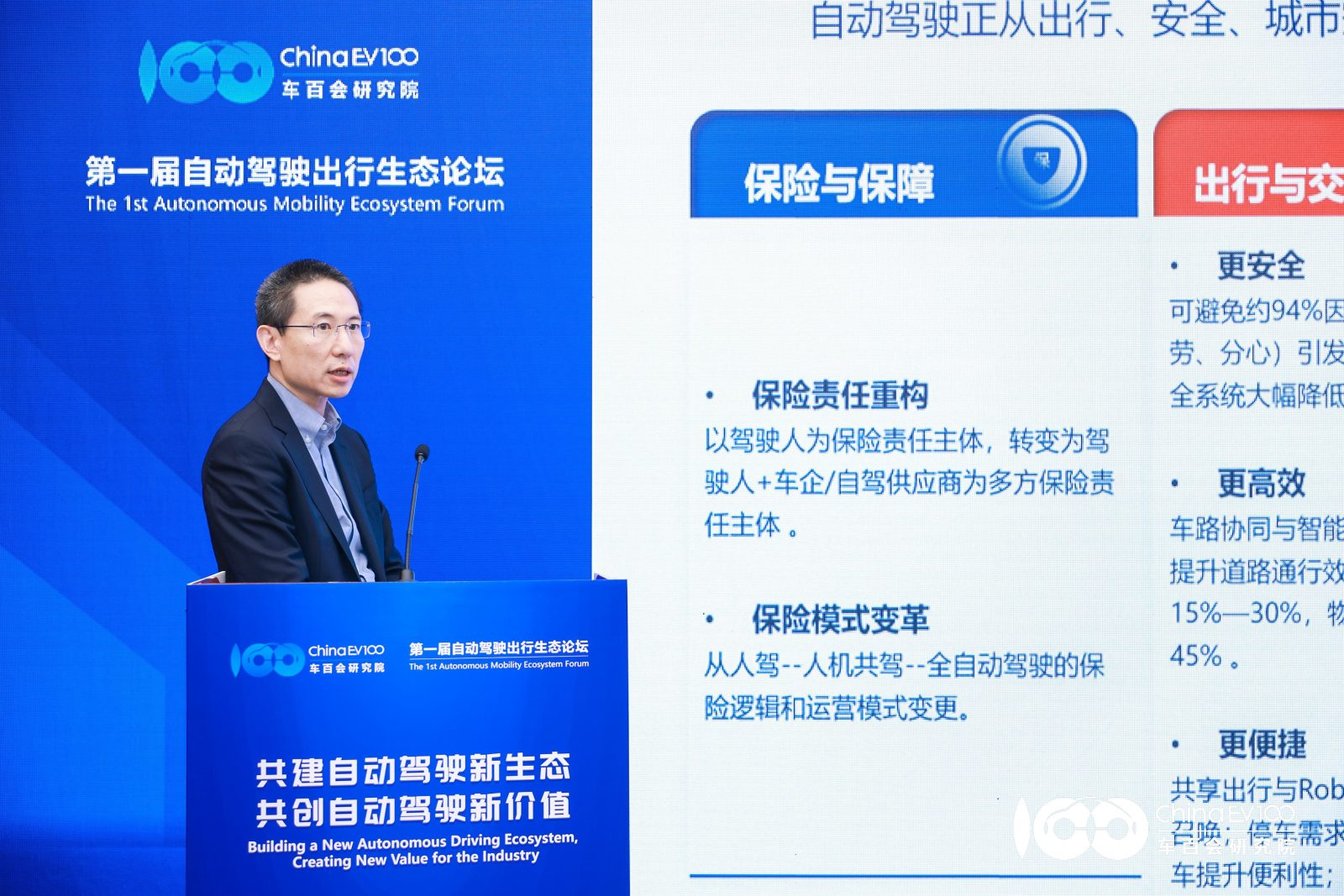
The reform of the insurance system provides a safeguard for autonomous driving safety. Ni Hong, Deputy General Manager of PICC Personal Non-motor Insurance Department, points out that autonomous driving technology is shifting insurance responsibility from “driver-centric” to a multi-party framework involving “drivers + car manufacturers + technology suppliers.”
For scenes like assisted parking and highway navigation, PICC has launched exclusive insurance products, covering five major risk scenarios: accident loss, vehicle replacement, public opinion management, legal fees, among others. In the future, insurance pricing will integrate real-time driving data and system performance data to achieve dynamically accurate pricing, reducing user premium burdens while providing risk protection for industry development.
Multi-party Cooperation to Overcome Implementation Bottlenecks
Building the autonomous driving ecosystem is a systematic project requiring multi-party collaboration of policies, standards, enterprises, and users. During the forum, the “Autonomous Driving Mobility Ecosystem 2025” report was released, systematically reflecting the application value of autonomous driving in various fields, and the launch of the “Autonomous Driving Mobility Ecosystem Co-construction Initiative” marks a substantive advancement in industry collaboration.
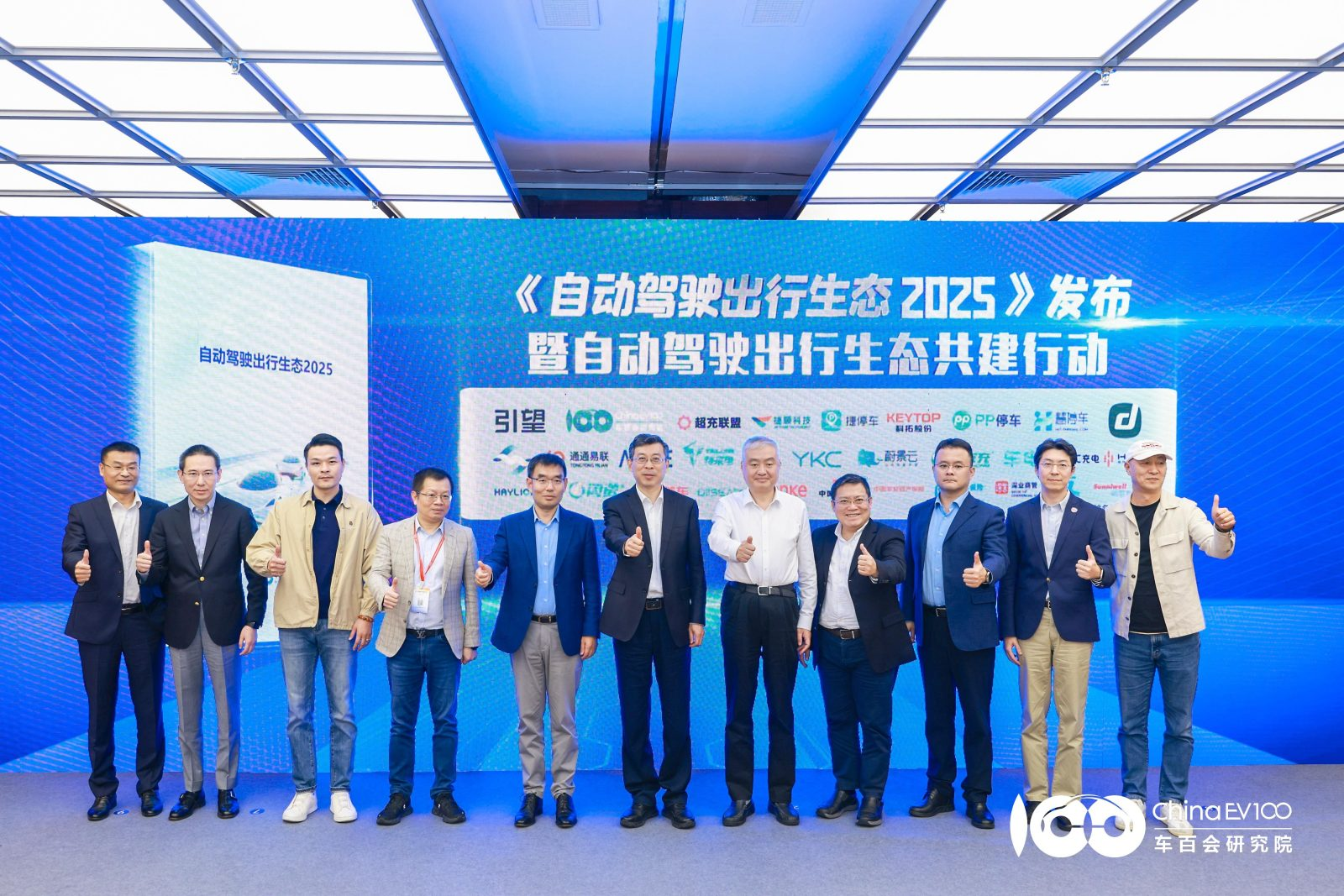
Policy support provides critical security for ecosystem construction. Xu Wei, a member of the Party Group and Deputy Director of Shenzhen Municipal Transportation Bureau, stated that Shenzhen, as a city of innovation, will continuously improve the policy system regarding autonomous driving access, road regulations, and supervision, creating a favorable environment for technology innovation and scenario implementation. Nationally, policies related to intelligent connected vehicles have been increasingly improved in recent years, providing a clear institutional framework for industry development.
Standardization is a key prerequisite for ecological synergy. Differences in technical routes, data formats, and interface specifications among enterprises have become critical bottlenecks hindering ecological integration. Several guests at the forum called for accelerating the establishment of industry standards for autonomous driving scene application, data security, and responsibility division, promoting interconnectivity between vehicles, infrastructure, and service platforms. The Qiankun Intelligent Driving Ecological Open Platform, by introducing open standardized kits, provides a corporate-level practical solution to address this issue.## From Technical Trials to Large-Scale Implementation
The inaugural Autonomous Driving Mobility Ecosystem Forum signifies that China’s autonomous driving industry has shifted from a single technological breakthrough to a new phase of technology and ecosystem dual-driven approach. The implementation of autonomous driving will reshape the mobility ecosystem, offering vast industrial opportunities. When technological innovation and ecosystem co-building join forces, and when policy support and market demands are in harmony, autonomous driving will accelerate from “technical trials” to “large-scale implementation,” progressively reshaping our modes of travel.
From single scenarios to full-chain collaboration, and from enterprise competition to ecosystem co-prosperity, the development path of autonomous driving is becoming increasingly clear. In the future, with continuous enhancements in parking, charging, vehicle maintenance, insurance, and other service ecosystems, autonomous driving will truly integrate into daily life, injecting new momentum into the development of smart transportation and the digital economy. This journey towards a revolutionary future of mobility has already set sail.
This article is a translation by AI of a Chinese report from 42HOW. If you have any questions about it, please email bd@42how.com.