


The Secret Behind Dipingxian's Rise
On May 13, Dipingxian officially announced a project application partnership with Yiqihongqi. Yiqihongqi will use multiple Zhengcheng 5 chips to build intelligent driving domain controllers, providing 384–512 TOPS of AI computing power for its next-generation electronic and electrical architecture.
This is the third recently announced fixed-point cooperation for Dipingxian involving the Zhengcheng 5, following BYD and Niuchuangziyoujia. In fact, this is not the complete list; several automakers had already reached intent partnerships with Dipingxian at the Zhengcheng 5 launch event last year.
Since Dipingxian partnered with Changan in 2019 to supply Journey 2 chips, an increasing number of OEMs and suppliers have taken notice of this domestic AI chip company. The tape-out and release of Zhengcheng 5 further expanded Dipingxian’s influence within and outside the industry.
Clearly, Dipingxian has become an indispensable enterprise in the era of intelligent driving.
According to statistics, Dipingxian has currently reached partnerships with dozens of companies in the industry, including both OEMs and suppliers.
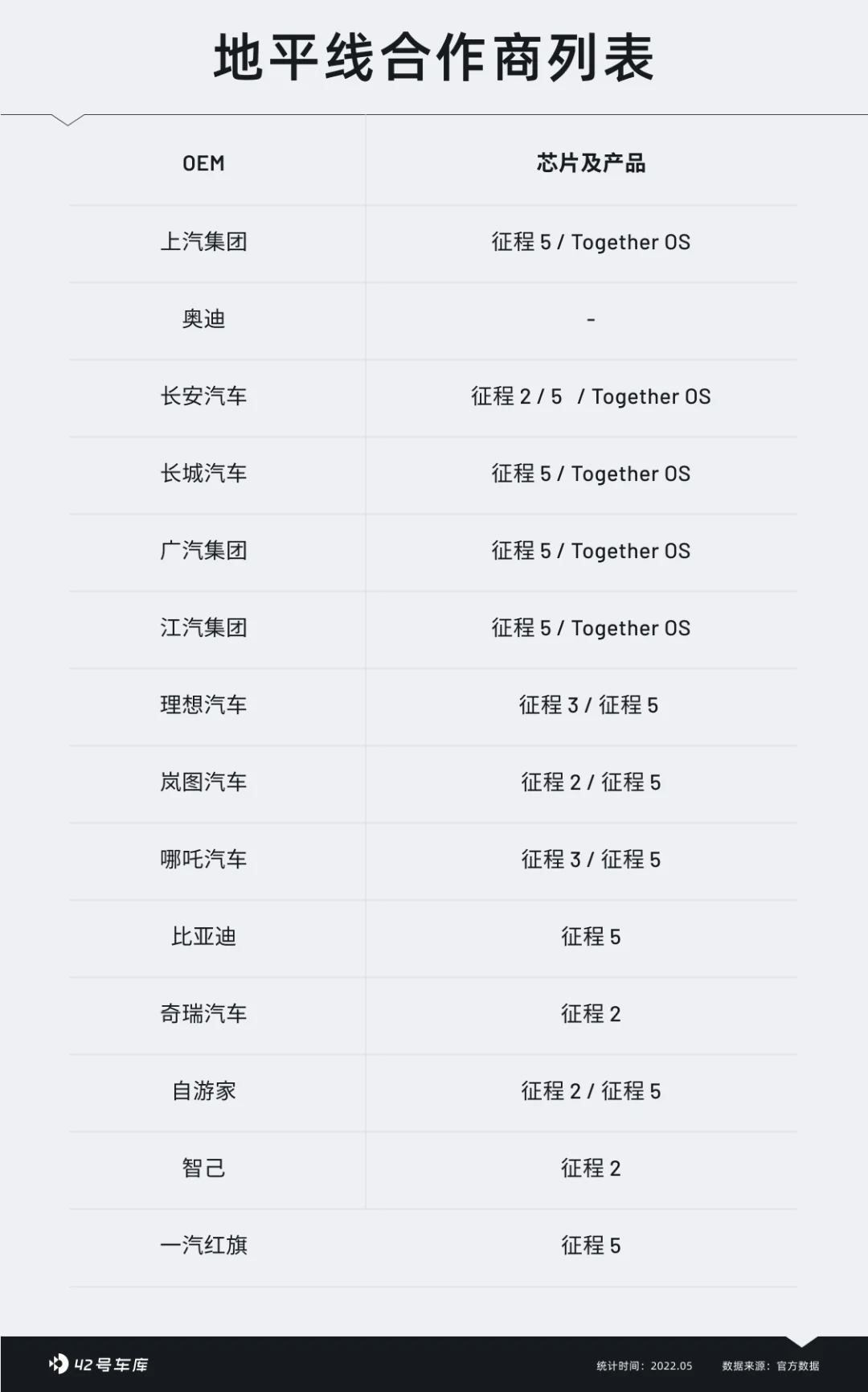
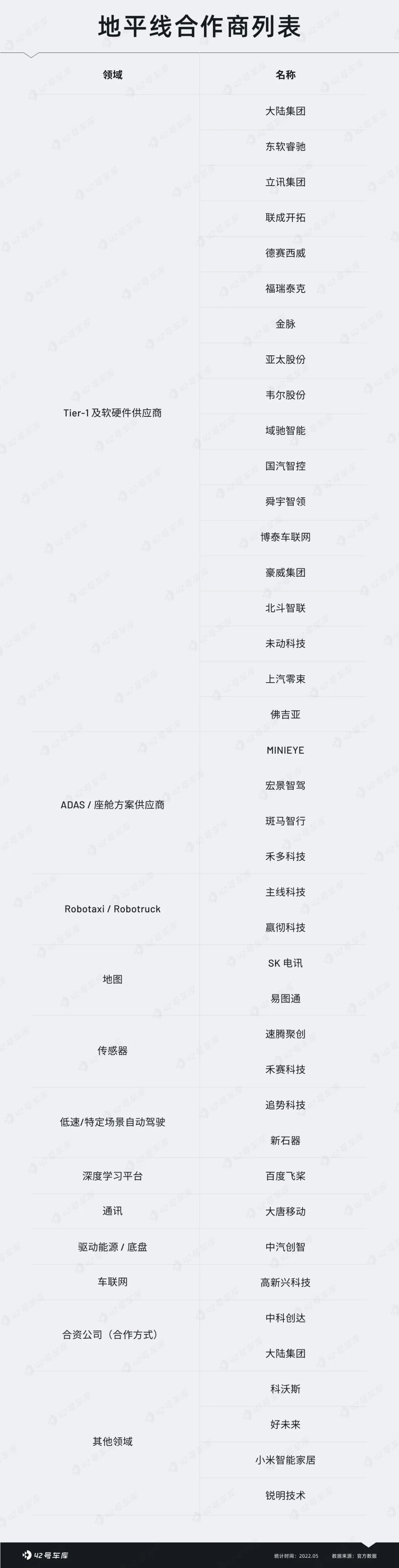
Today, we explore why Dipingxian, whose name was not as well-known as a certain video game company prior to this, has managed to attract so many clients overnight. What is the background of this company, and what value does it bring to its partners?
01Starting with Chips
Dipingxian’s current success is linked to timely adjustments in its own strategy and changes in the market environment. However, the core factor lies in launching the right products at the right time.
Let us take some time to review Dipingxian’s development history alongside industry shifts, to determine whether this company’s success was accidental or inevitable.
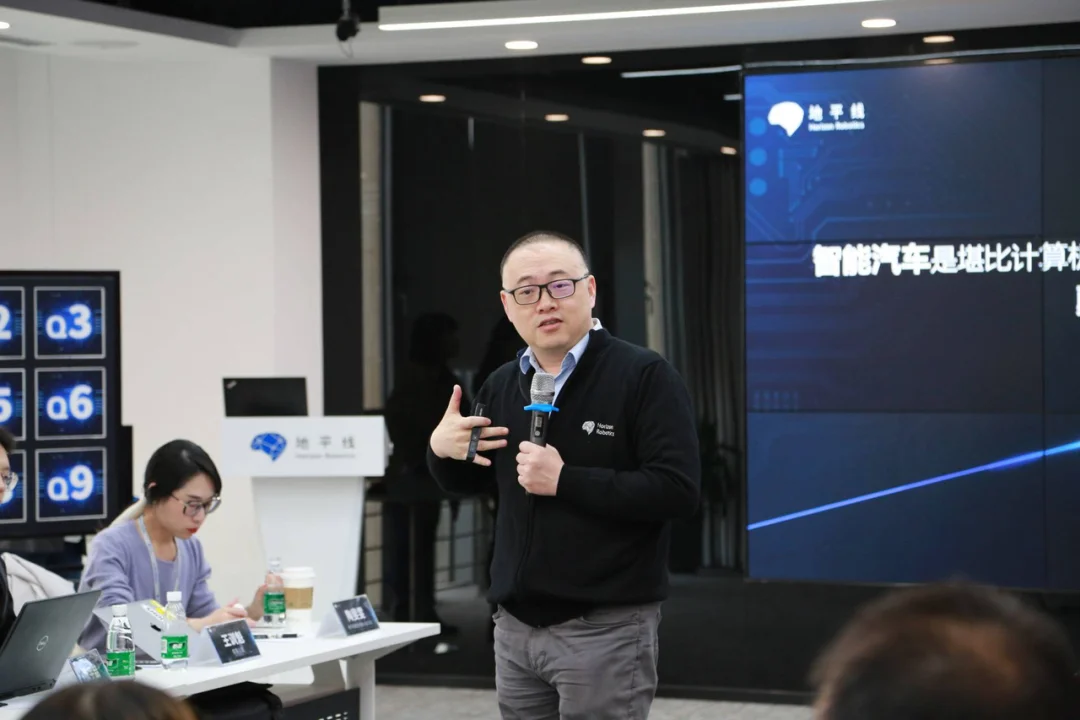
Founded in 2015, Dipingxian’s founder, Yu Kai, previously worked at Baidu, serving as Deputy Dean of the Baidu Research Institute. When he initially founded Dipingxian, Yu Kai had not yet decided that the company would focus on ADAS chips. He believed that robots would become the next smart terminal after computers and mobile phones.
However, as the industry evolved, it became increasingly clear that vehicles would serve as the next mobile smart terminal. In this context, automotive AI chips and operating systems would form the underlying foundation for these AI agents. Dipingxian realized that developing automotive-grade AI chips would be the first entry point toward its vision of becoming the "Intel of the robot era."
Meanwhile, in non-automotive chip segments such as robotic vacuums and delivery robots, Dipingxian also serves as a key supplier.
Simply put, intelligent driving and smart home AIoT are merely the first practical applications the Dipingxian team chose to pursue after looking toward the future. Yu Kai also described his approach as "fighting while strategizing," adjusting in a timely manner, noting that capabilities would only radiate to other fields once market position was secured.
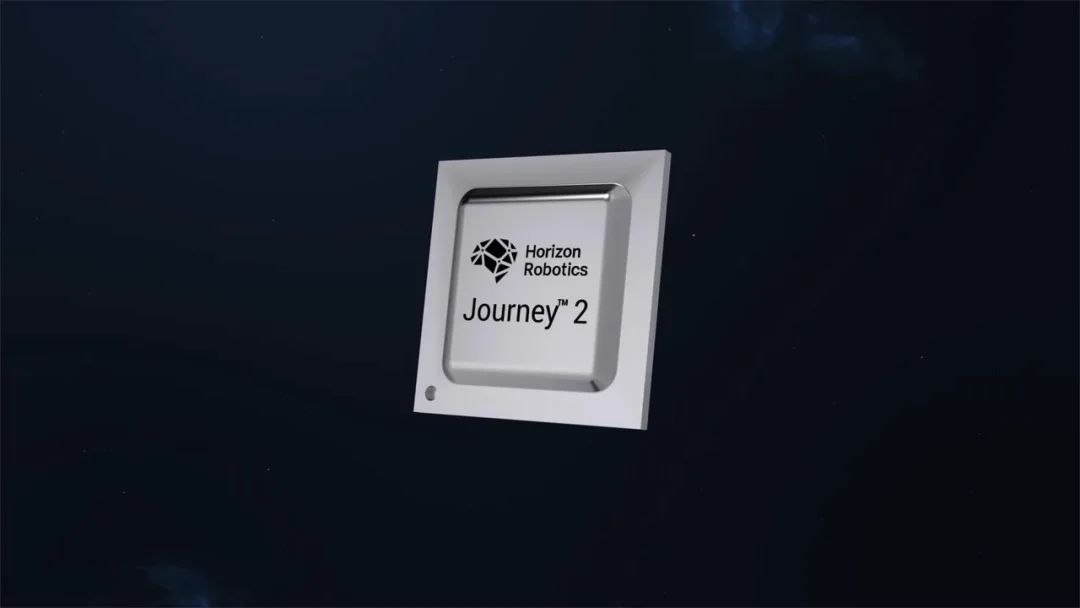
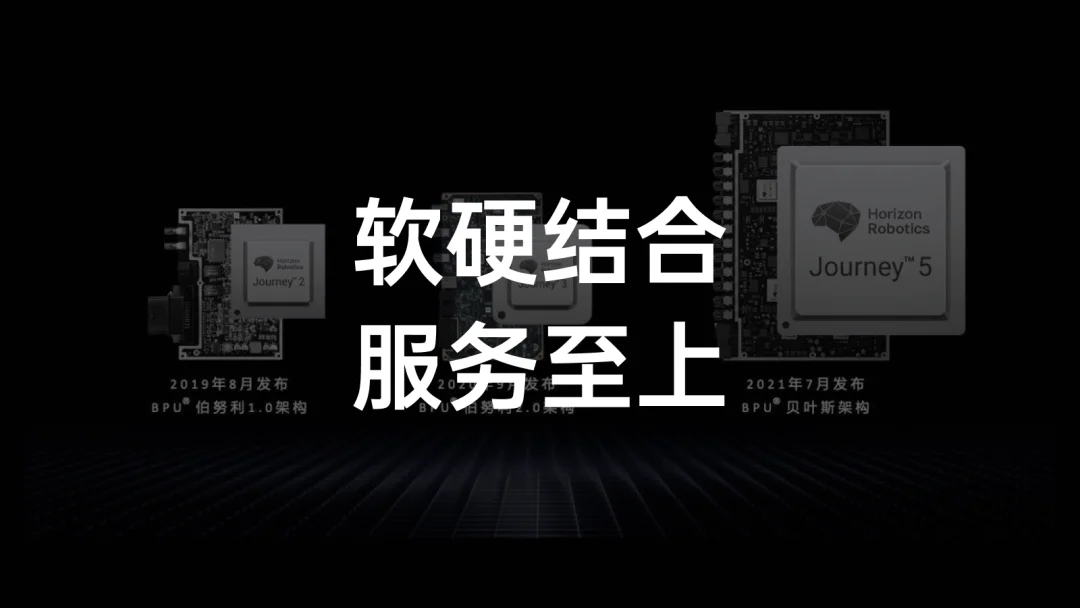
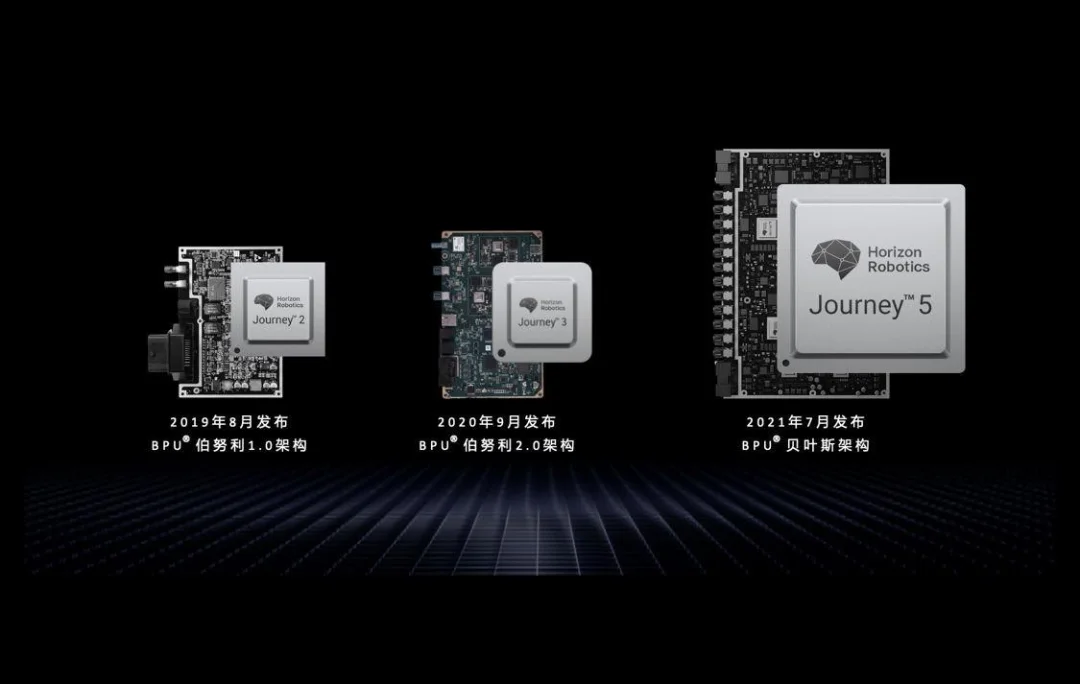
In 2019, at the World Artificial Intelligence Conference, Dipingxian officially released the Journey 2 (Journey 2) chip. The core specifications are as follows:
Typical computing power: 4 TOPS
Typical power consumption: 2 W
Number of accessible cameras: 1
Chip process: TSMC 28+ nm HPC+
This chip supports two functions: DMS (Driver Monitoring System) and ADAS (Advanced Driver Assistance Systems) visual perception information processing.
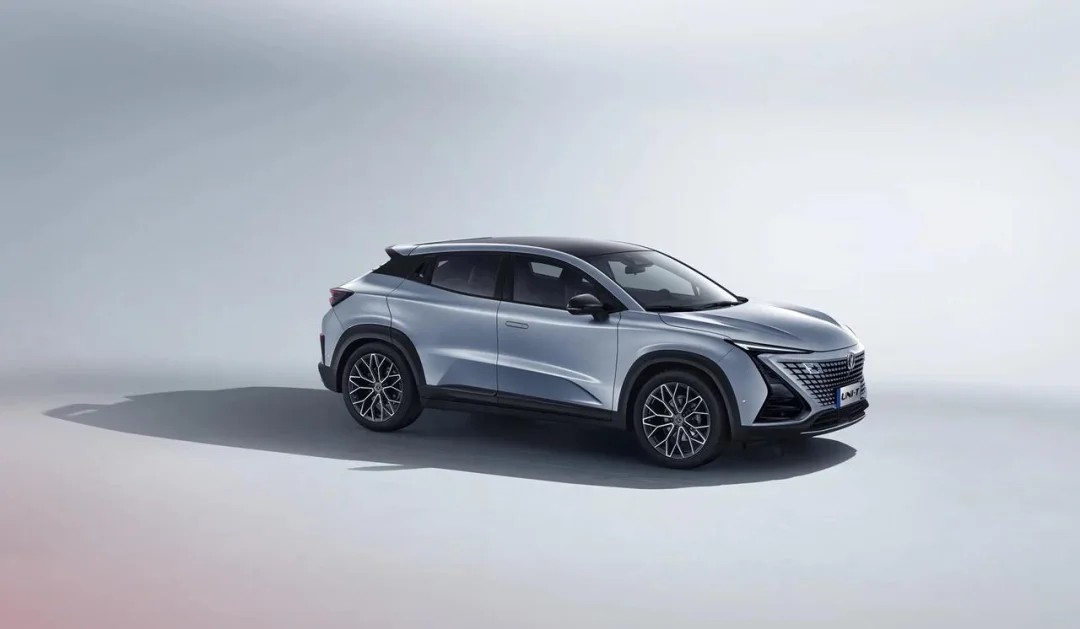
In 2020, Dipingxian partnered with Changan to supply the Journey 2 chip for its flagship UNI-T model, targeting the smart cockpit domain to enable features such as Driver Monitoring System (DMS).
Although this initial collaboration between Dipingxian and automakers did not directly enter the Advanced Driver Assistance Systems (ADAS) sector, it drove Journey 2 shipments to exceed 100,000 units in 2020. This milestone signaled that Dipingxian had gained recognition from original equipment manufacturers (OEMs), validating its investment focus on automotive AI chips.
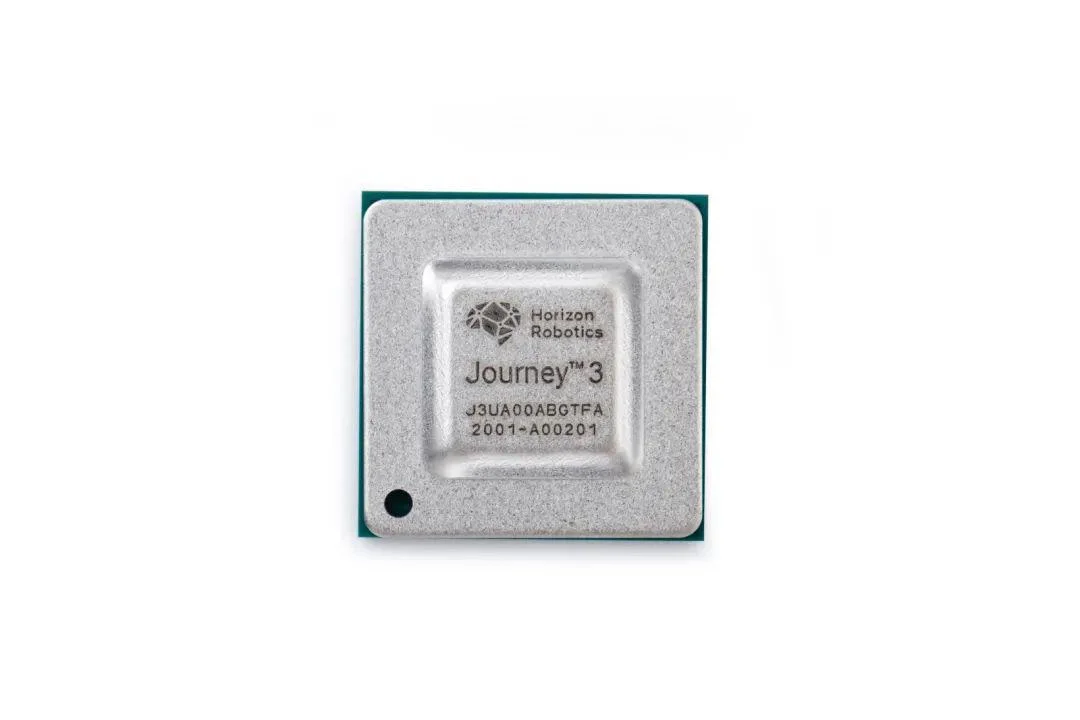
In 2020 at Beijingchezhan, Dipingxian officially released the Journey 3 (Journey 3) chip. The core parameters are as follows:
Typical computing power: 5 TOPS
Typical power consumption: 2.5 W
Maximum camera inputs: 6 channels
Chip Architecture: 16 nm
This is a chip capable of directly competing with Mobileye EyeQ4. After being adopted in the 2021 Li ONE, an increasing number of automakers have approached Dipingxian to seek cooperation.
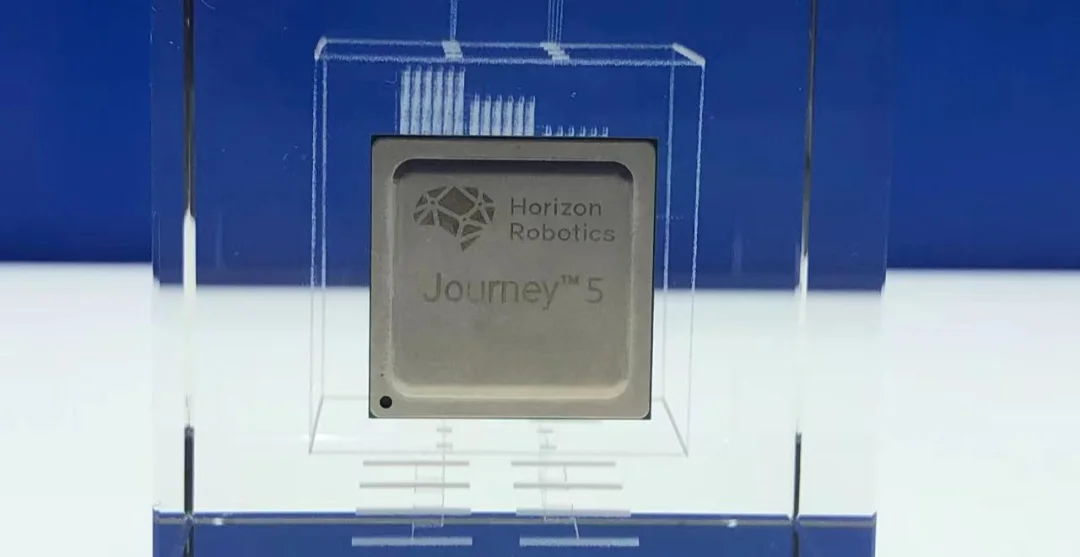
In July 2021, Dipingxian released its third-generation automotive-grade product, Zhengcheng 5. This can be considered a true domestic high-compute chip, offering peak performance of 128 TOPS, supporting 16-camera perception inputs, and meeting the requirements for multi-sensor fusion prediction and planning control needed for higher-level autonomous driving.
If Orin secured the "flagship" market segment first by virtue of its impressive compute performance, then Dipingxian's Zhengcheng 5 is well-positioned to target the market below Orin, even focusing on flagship models from more "accessible" brands.
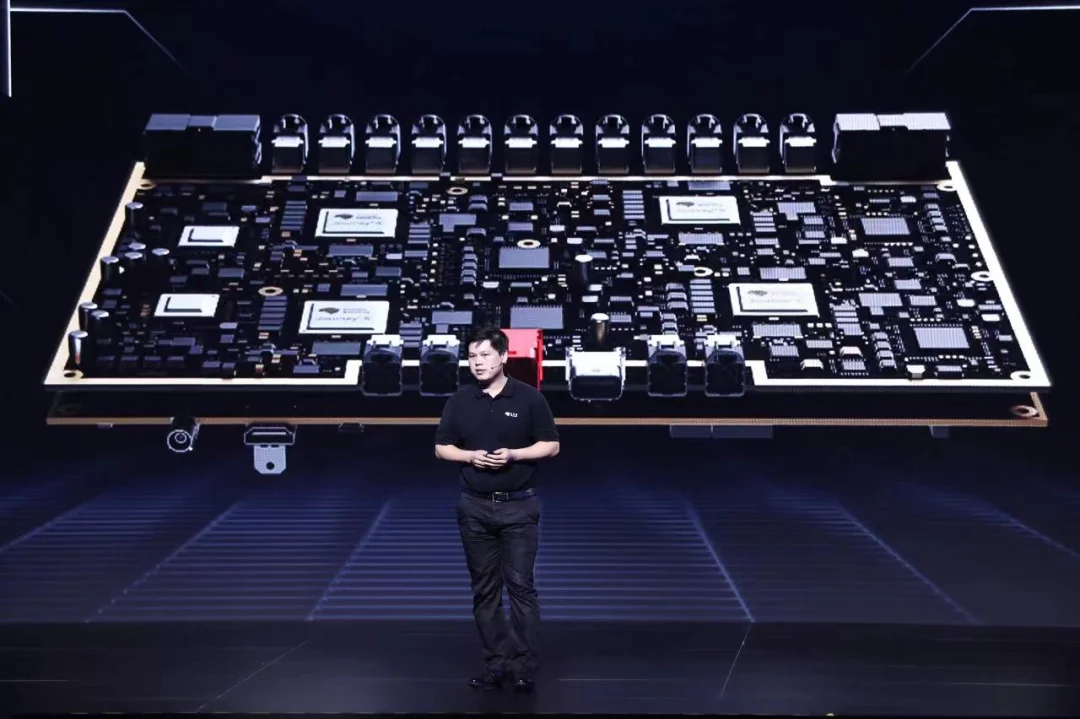
Furthermore, the Matrix 5 computing platform built by Dipingxian based on Zhengcheng 5 achieves single-board compute of 512 TOPS and dual-board combined compute of 1,024 TOPS. The product line covers L2–L4 assisted driving scenarios. In the next one to two years, it is entirely possible that Dipingxian will compete head-to-head with NVIDIA using the Matrix 5 platform.
The powerful performance of three chips—Journey 2, Journey 3, and Zhengcheng 5—has constructed Dipingxian’s robust product matrix. However, securing orders from this large group of automakers based solely on these three chips clearly indicates that making money is not that simple.
02Left Hand Market, Right Hand Service
At the launch event for the 2021 Li ONE, Xiang Li did not hesitate to praise his partner, Dipingxian. Dipingxian not only supplied Ideal with the Journey 3 chip featuring 5 TOPS of computing power but also dispatched a team to provide nanny-style service.
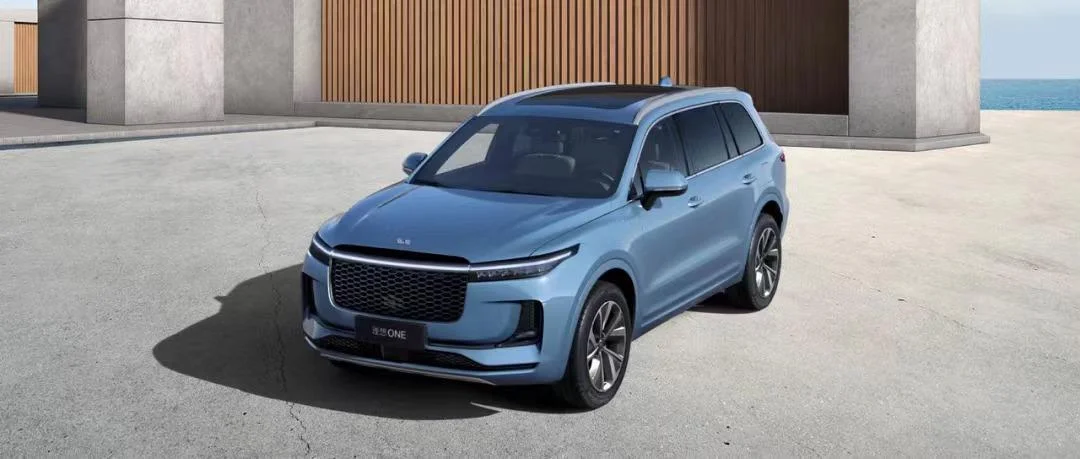
Abandoning Mobileye in favor of Dipingxian, this partnership not only made Dipingxian the first domestic technology company to mass-produce ADAS chips, but more importantly, it brought Dipingxian into the spotlight as it secured business with one of the top three new energy vehicle startups.
However, the market environment changed significantly between Dipingxian’s founding and the mass production of its ADAS chips. To win orders, reliance on internal investment alone was insufficient; external environmental conditions were equally critical.
In 2015, Guowuyuan issued the 'Made in China 2025' plan for intelligent manufacturing. China subsequently introduced a series of policies encouraging the development of intelligent driving and connected vehicles. Among them, the 'Internet of Vehicles (Intelligent Connected Vehicle) Industry Development Action Plan' stipulated that by 2020, the penetration rate of IoV users would exceed 30%, and the adoption rate of L2-level driver assistance systems would reach over 30%.
What level of penetration had intelligent driving achieved during these years of government support and promotion? According to data from Tianfengzhengquan, in 2021, the number of new cars with standard front-mounted ADAS registered in China reached 8.0789 million, with a penetration rate of 30.78%, meeting the set target on paper.
Latest data from Gaogongzhinengqiche shows that from January to March this year, the number of new cars with standard front-mounted driver assistance systems registered in the Chinese market reached 2.1336 million, a year-on-year increase of 18.66%. The front-mounted adoption rate stood at 44.84%, up nearly 10 percentage points year-on-year, maintaining strong momentum. Among these, new cars from joint ventures and foreign wholly-owned enterprises (including Tesla) with standard front-mounted driver assistance systems accounted for 1.4167 million registrations, representing 66.4% of the total.
The market has clearly shown a higher adoption rate of intelligent driving systems in new energy vehicles.
Behind this trend is the relentless pursuit of autonomous driving by new automakers, led by Teliweipeng, which has sparked intense competition. This rivalry has directly weakened the position of traditional suppliers like Bosch.
Bosch, Dalu and other major Tier-1 suppliers have faced significant pressure now that their former glory has faded. Facts prove that making money solely by selling hardware will not work in the future. Since Tesla ushered in the era of 'software-defined vehicles' with its software upgrade model, it has been constantly threatening traditional automakers and their supply chains.
Compared to other Tier-1 suppliers, Bosch actually started its software R&D relatively early. As early as 2012, Bosch began deploying smart vehicle technologies, and in 2014, it partnered with Geely to launch China's first driver assistance system featuring Adaptive Cruise Control (ACC) and Automatic Emergency Braking (AEB).
In 2015, Bosch Automotive Technologies was renamed Intelligent Mobility Solutions, adding an 'intelligent mobility' business segment. In 2017, Bosch's driver assistance business reached its peak, generating over EUR 1 billion in revenue from driver assistance systems alone that year.
However, even at such a large scale, the business could not withstand the impact of new entrants. With Tesla ahead and NIO and XPENG following, the strategies of these new forces have been extremely aggressive.
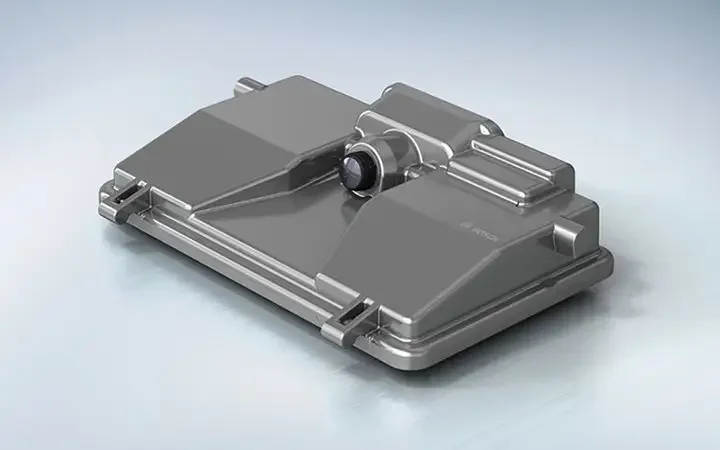
Take XPENG as an example: its first model, the XPENG G3, used Bosch's MPC2 vision perception solution. This integrated device consisted of optical and processing modules, with both hardware and software provided by Bosch.
However, based on experience and real-world testing, the perception quality of this solution is merely average and difficult to compare with Mobileye EyeQ4. As an entry-level vehicle, and considering XPENG's R&D capabilities at the time, the company might have accepted the performance of MPC2. However, it would be difficult to replicate this solution in the flagship P7, which emphasizes intelligent features.
In the era of new automakers, Bosch has been 'shunned.'
Bosch holds no advantages over competitors not only in R&D technology but also in iteration speed and service attitude.
New forces demand not only high performance from driver assistance systems but also rapid software iteration speeds. The same vehicle, with identical hardware configurations, can exhibit different performances within the same year—a phenomenon unique to the software-defined automotive era.
For another example, Jiduqiche highlighted the frequent software iterations of its yet-to-be-launched first model by claiming updates were delivered 'weekly,' a pace unimaginable for any Tier-1 supplier.
Service attitude refers to how a Tier-1 supplier executes cooperation after reaching an agreement with an automaker. Will they dispatch an engineering team to work on-site? Can they provide differentiated services? Do they have the capability, resources, and willingness to handle 'after-sales' support?
The same issues apply to the current industry leader, Mobileye.
Compared to solutions like Bosch's MPC2, Mobileye's EyeQ4, which currently has the largest installed base in China, demonstrates excellent visual perception quality. However, this solution has two drawbacks: first, it is solely a perception solution; second, its closed nature has worn out the patience of new force customers.
Mobileye EyeQ4 was launched in 2018, with overall computing performance nearly ten times that of the previous generation EyeQ3, while power consumption increased by only 0.5 W. The Mobileye EyeQ4 delivers strong perception capabilities, but automakers must develop or integrate another party's decision-making and execution algorithms on this basis to complete the entire driver-assistance system chain.
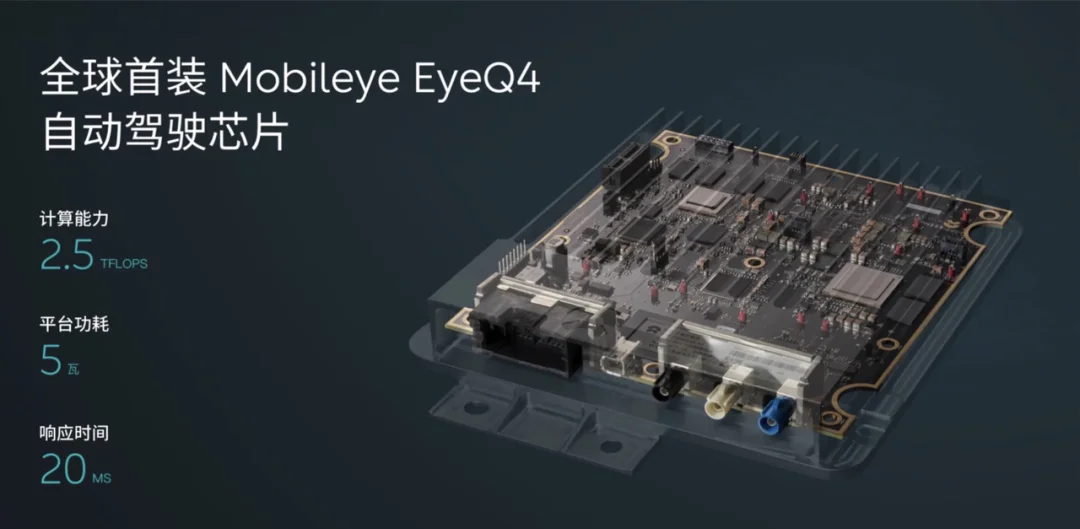
NIO's first-generation products, the 668 three cars, and the 2020 Li ONE all used Mobileye EyeQ4 perception algorithms. The former developed its own decision-making algorithm and wrote this algorithm into the highly open Enzhipu S32V chip, while the perception algorithm for the 2020 Li ONE relied on Yihangzhineng.
Furthermore, new automotive brands that have collaborated with Mobileye have reported a consistent issue: the perception algorithms are too closed. Because the EyeQ4 operates as a "black box," partner automakers struggle to access core algorithms, let alone build upon them. Conversations with R&D personnel at these companies revealed that Mobileye’s expertise in visual perception is formidable; vehicles using the EyeQ4 solution generally perform well in Lane Centering Control (LCC) without significant flaws.
However, the most significant drawback lies in collaboration efficiency. When automakers have new requirements or feedback, they must submit requests via email and wait repeatedly. Mobileye then evaluates these inputs before providing a response. For domestic new-energy vehicle brands requiring rapid updates, this level of convenience is a hindrance. Additionally, the combination of Bosch and Mobileye—characterized by large-scale operations and limited resources—has made some automakers cautious about partnering with them.
These shortcomings exposed by major domestic suppliers are precisely what Dipingxian, a local supplier, does not suffer from.
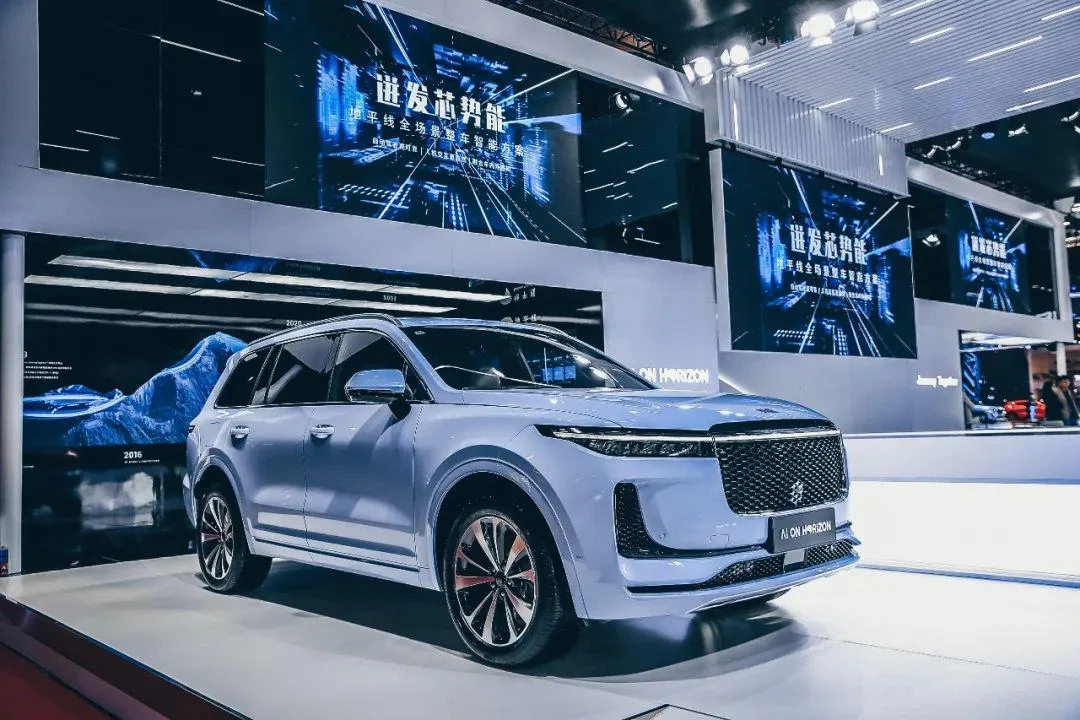
First, as a startup, Dipingxian possesses the "new force" DNA, enabling faster responses to customer needs. Second, its collaboration with Li Auto has demonstrated that Dipingxian offers "nanny-style" support, deploying engineering teams for joint development and providing post-completion "after-sales" services. Third, during the Zhengcheng 5 launch event, Dipingxian stated it firmly refuses to offer closed solutions or engage in "software bundling." Instead, Dipingxian provides automakers with perception algorithms and development toolchains to facilitate their R&D processes.
Reading this, you might think Dipingxian was born for the autonomous driving industry and is flawless compared to large foreign suppliers. In reality, it still has shortcomings.
First, Dipingxian is still positioned as a Tier-2 supplier. While chip development is Dipingxian's strength, there is a gap between chips and functional implementation: domain controller middleware. Such integration work demands high engineering capabilities and hardware design and manufacturing expertise, areas where Dipingxian is clearly not specialized.
Second, 'nanny-style' cooperation is neither sustainable nor replicable. This model consumes excessive company resources. As the number of partner companies grows, Dipingxian will find it increasingly difficult to replicate the Ideal-style partnership model.
Additionally, although Zhengcheng 5 is a high-performance chip with 128 TOPS of AI computing power and 1283 FPS frame rate, its computing power is lower than that of NVIDIA Orin. This makes it difficult for Zhengcheng 5 to be adopted in flagship vehicles. Not only NIO, XPENG, and Li Auto, but even non-top-tier new EV makers would choose Orin when seeking front-page headlines regarding intelligent driving capabilities, investor attention, buzz, and public discourse.
Take Li Auto as an example. Its flagship new vehicle L9 launched this year uses NVIDIA Orin. Rumors suggest that the facelifted Li ONE may be renamed Li L7, at which point its ADAS chip could switch to Zhengcheng 5. If you believe this shift occurred because Zhengcheng 5 had not yet taped out when Li Auto planned the L9, then the fact that later entrants like Jidu still prioritize NVIDIA serves as strong evidence supporting this logic.
03Besides Chips, What Else Does Dipingxian Have?
As the number of cooperating automakers increased, Dipingxian discovered a problem: providing only chips limits what can be achieved. Between chips and functional implementation lies algorithms, precisely what many automakers lack most. Dipingxian chose to take a proactive step forward.
Starting in 2021, Dipingxian built upon its Zhengcheng series chip products to develop solutions such as Mono, Pilot, and Halo, covering scenarios including basic driver assistance, navigation-assisted driving, and smart cockpits.
Mono
The Mono solution, built on the Dipingxian Journey 2 and Journey 3 platforms, is an advanced driver assistance system that relies solely on forward-facing visual perception. The Changan UNI-V, recently launched and delivered to customers, features this intelligent driving system.
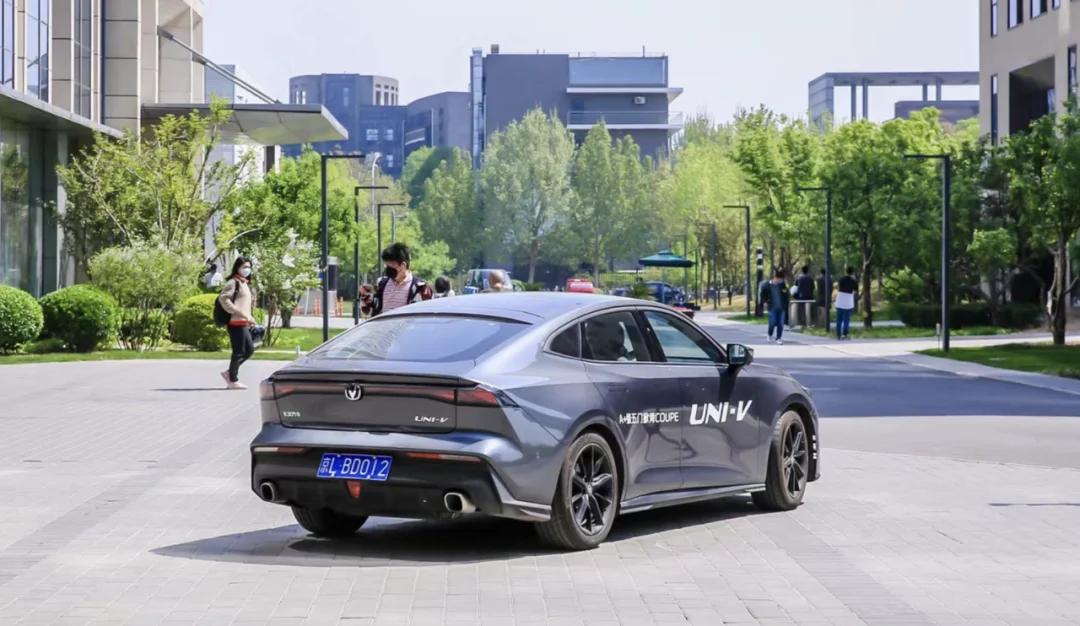
The Changan UNI-V is equipped with one camera, five millimeter-wave radars, and the Journey 2 chip. Functionally, it provides lane departure warning, full-speed adaptive cruise control with lane keeping, and lane-change assistance via turn signals.
The Mono product matrix also includes the Mono 2, designed for L0–L2 automation levels, and the Mono 3 series, tailored for L2+ capabilities.
Mono 2 places greater emphasis on localization. For example, its recognition training has been enhanced specifically for fishbone road markings, traffic cones, and Chinese-style traffic lights and road signs.
The key distinction of Mono 3 is its support for an 8-megapixel forward-facing monocular vision system. The primary advantage of 8-megapixel resolution is the provision of clearer perception images and extended detection range.
The high-resolution cameras also provide stable perception capabilities, allowing the vehicle to maintain consistent perception in complex lighting scenarios such as tunnels. This improves the continuity of system usage. Additionally, compared to Mono 2, Mono 3 has expanded its ability to recognize a richer variety of road markings, such as crosswalks.
This perception solution is akin to spending money in video games: if you are willing to invest, you can acquire better hardware. Hardware determines the performance ceiling, while software capabilities are constrained by hardware configurations. In short, there is no problem that additional investment cannot solve.
By the way, the field of view (FOV) angle of Mono 3’s front-facing 8-megapixel camera has increased from 100° to 120°, providing a wider lateral perception range. The primary benefit is the ability to detect Cut-in vehicles in adjacent lanes earlier. The Mono 3 solution also features on-board visual mapping capabilities, which can support cloud-based map aggregation and reference services. Based on monocular vision, it can be combined with other sensors, such as millimeter-wave radar, to enable NOA (Navigation on Autopilot) functionality.
Pilot
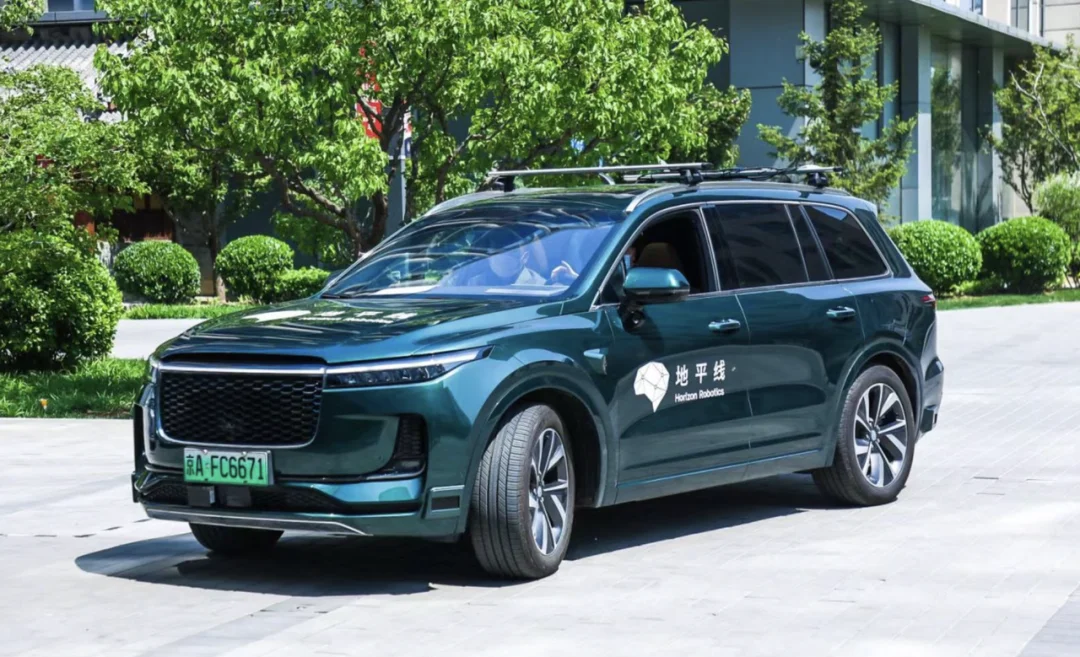
The Mono solution is relatively low-cost, but monocular vision has significant limitations. To achieve higher levels of driver assistance, larger computing power chips and surround-view cameras are essential. Therefore, automakers with substantial financial resources should directly opt for Pilot.
Dipingxian Pilot is built on the Journey 3 platform. The test vehicle was equipped with three Journey 3 chips, delivering a total computing power of 15 TOPS. The test model was modified from a Li ONE. The Pilot system integrates six cameras, covering a 360° view around the vehicle, enabling highway navigation assist functions, i.e., NOA.
Currently, few technology companies have successfully implemented navigation assist driving. Dipingxian is one of them. Unlike tech firms such as Haomo.ai, Dipingxian develops both its chips and software in-house.
SuperDrive
The aforementioned features are high-level driver assistance functions under restricted road conditions. For full-domain intelligent functions targeting more complex scenarios, Dipingxian has a solution: the SuperDrive vehicle intelligence solution based on Martrix 5.
This solution meets the needs for full-scenario vehicle intelligence, including highway driving, urban areas, parking, and intelligent human-machine interaction. Based on the Matrix 5 hardware reference design, it is also compatible with partners' hardware. The SuperDrive urban assisted driving demo will be unveiled this year.
Halo
Dipingxian can provide full-scenario intelligent driving products ranging from basic driver assistance to navigation-assisted driving, but the company first entered our view through design-win collaborations with automakers for smart cockpit systems.
In 2019, Dipingxian partnered with Changan to develop a smart cockpit based on Journey 2. Today, Dipingxian's intelligent interaction solution in the cockpit field, Halo, has evolved to version 3.0.
Leveraging the 5 TOPS computing power and six-camera integration capability provided by Journey 3, Halo 3.0 offers a complete AI solution for front and rear passengers, including Driver Monitoring System (DMS), face detection, behavior detection, gesture recognition, child presence detection, and multimodal voice interaction.
Based on test vehicles of the Changan UNI-K modified by Dipingxian, Halo currently provides features such as always-on wake-up-free operation, continuous dialogue, and gesture recognition.
For automakers lacking in-house R&D capabilities, these solutions are a godsend. While everyone aspires to self-develop, few manufacturers currently possess the capacity to do so; adopting supplier solutions is often the more pragmatic choice. Rather than opting for Orin and failing to deliver convincing performance, it is more realistic to choose a steady, reliable supplier package.
It should be noted that while Dipingxian develops both its chips and perception algorithms in-house, it still entrusts the integration of components to Tier-1 suppliers, which aligns with its positioning as a Tier-2 provider.
04Novel Business Models Force Industry Giants to Lower Their Stance
The Chinese market has distinct characteristics. The emergence of new-energy vehicle OEMs and suppliers like Dipingxian has fundamentally transformed China's automotive industry. Large suppliers that once enjoyed easy profits are now forced to lower their posture and seek transformation.
In early 2021, Bosch merged four separate business units—powertrain control, body control, smart cockpit, and autonomous driving—into a new division: Intelligent Driving and Control. This department employs 17,000 people. Restructuring was only the first step in Bosch’s transformation; simultaneously, the company increased its R&D investment. Xu Daquan, Executive Vice President of Bosch China, stated that in 2021, Bosch invested more than RMB 1 billion in electrification, automation, and connected mobility.
Similarly, Tang En, President of Dalu Group China, announced that the group would transform from a traditional automotive supplier into a modern mobility technology company. Shortly after, in March last year, it established an Autonomous Driving and Mobility Division. During the Shanghai Auto Show last year, Dalu Group partnered with Dipingxian to form a joint venture. This venture will integrate the strengths of both parties to jointly provide advanced driver assistance system (ADAS) solutions for global automakers.
Chinese automakers particularly pursue personalization and customization. Meanwhile, every tier of suppliers hopes to master software capabilities. In plain terms, when automakers take the initiative, how can suppliers not feel anxious? What enables Dipingxian to win so many customers? It relies on product plus service. This sounds similar to the business philosophy of a roadside food stall, but it requires strong R&D capabilities, an open mindset for cooperation, and a deeper understanding of local customer needs. Ultimately, you must proactively embrace change and learn to grow with the times.
In this context, the supplier Dipingxian increasingly resembles a new-energy vehicle manufacturer.
Written by: Bobo Edited by: Liusan