


Zeekr 001: XPENG Pricing, NIO Specs, Li Auto Experience
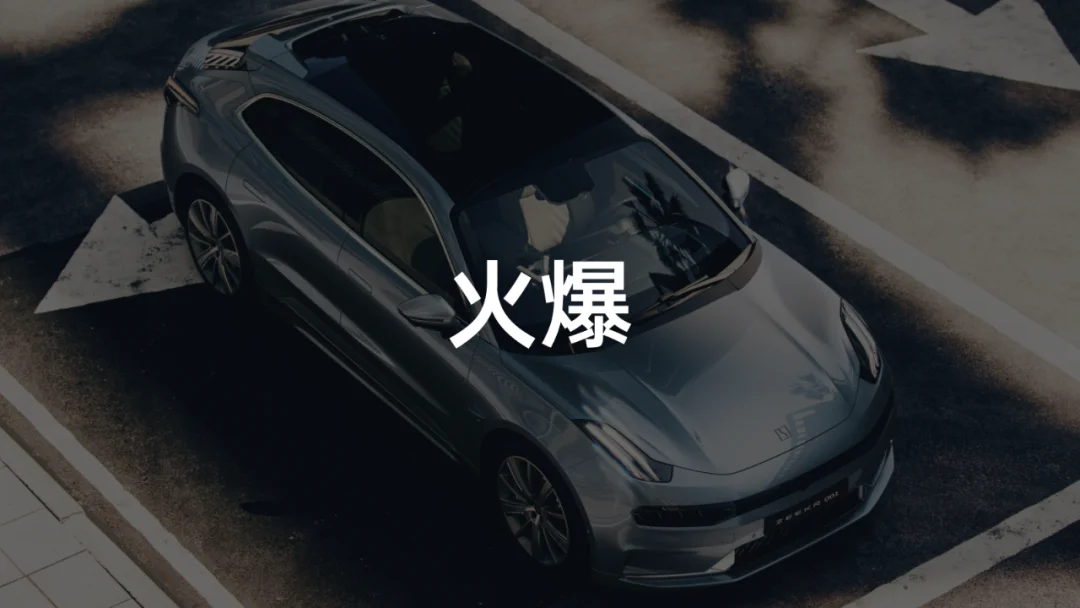
On April 16, the Zeekr 001 launched. Evolving from the earlier Lynk & Co ZERO concept to the first model under Conghui An’s leadership of the independent sub-brand, this vehicle has generated high expectations among many.
Unlike typical product launches, reviews following the Zeekr 001 event were remarkably consistent. The starting price of RMB 266,000 was widely praised as a great value, with comments labeling it a "price butcher," highlighting its cost-effectiveness, and claiming it outperforms the Tesla Model 3 and XPENG P7. No sentiments resembling "disappointment" were observed.
After watching the Zeekr 001 launch event, I made the firm decision for the first time to sell my gasoline-powered car and switch to new energy vehicles. Therefore, what follows is written from the perspective of a prospective owner, detailing the points that convinced me to buy the Zeekr 001.
01Mobileye SuperVision Pure Vision Solution
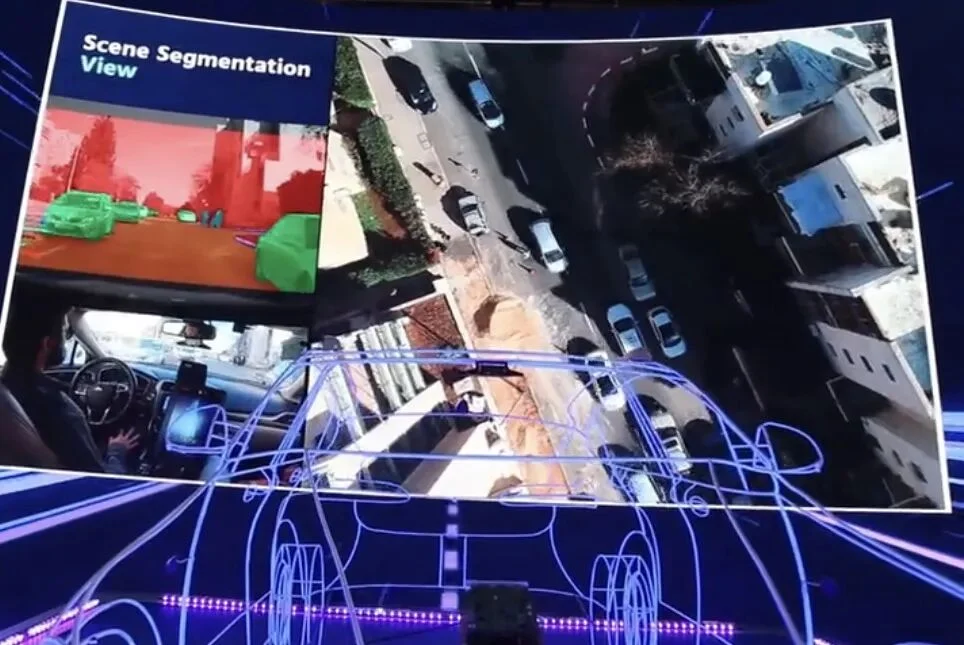
At CES 2020, Mobileye demonstrated an open-road test video in Jerusalem, Israel. The test vehicle, relying solely on 12 cameras and the EyeQ5 chip, successfully executed complex maneuvers such as unprotected left turns, yielding to pedestrians, and borrowing lanes to overtake on Jerusalem's intricate streets, leaving a profound impression.
The Zeekr 001 is the first vehicle to adopt Mobileye’s solution. It is equipped with two Mobileye EyeQ5H chips, seven 8-megapixel long-range HD cameras, four fisheye surround-view cameras, one millimeter-wave radar, and twelve ultrasonic radars. Additionally, the Zeekr 001 incorporates a mature high-definition map and high-precision positioning solution, enabling stable and rapid implementation of navigation-assisted driving on highways within HD map coverage areas.
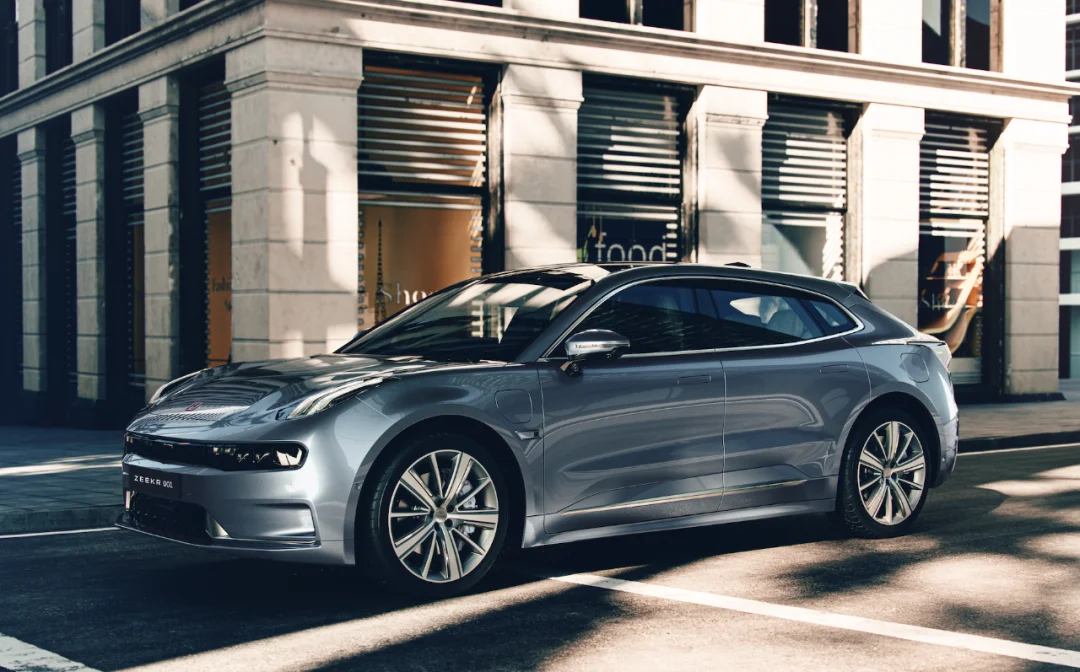
This layout allows the Zeekr 001 to deliver an intelligent experience comparable to current top-tier models, such as the XPENG P7, right from its launch. It also facilitates the localization of Mobileye’s vision-based solution through continuous OTA updates for more advanced autonomous driving features, including highway autonomous driving assistance, leaving significant room for future development.
The appeal of vision-based solutions was demonstrated by Tesla FSD Beta: the high degree of decoupling between hardware and software gives vision algorithms vast potential. While Tesla was previously the only option in the pure vision space, the Mobileye SuperVision system integrated into the Zeekr 001 offers an alternative possibility.
According to prior descriptions from Mobileye, achieving high-level autonomous driving based on vision is similar to Tesla FSD. Both use algorithms to simulate 2D information as 3D data from LiDAR, feeding it into LiDAR perception algorithms. This compensates for visual distortion in long-distance environmental depth information and improves behavior prediction for other road users. The 'skeleton recognition' technology highlighted at the Zeekr 001 launch event is one capability enabled by this algorithm.
To achieve high-level autonomous driving assistance in complex urban scenarios, as demonstrated by Mobileye at CES, sufficient environmental perception is not enough; map and path planning capabilities are also required. For this, Mobileye SuperVision has chosen a crowdsourced high-definition (HD) map route using REM.
This approach is similar to Huawei’s ADS applied to the Arcfox Alpha S. In most urban roads, Huawei’s ADS relies on drivers traversing routes to collect and upload environmental data, creating crowdsourced HD maps. As the same road is repeatedly scanned, the HD map data increasingly mirrors the physical world. Based on this prior map information, point-to-point autonomous path planning becomes possible. The difference with Huawei is that Mobileye’s crowdsourced HD maps rely entirely on visual information collected by vehicle cameras.
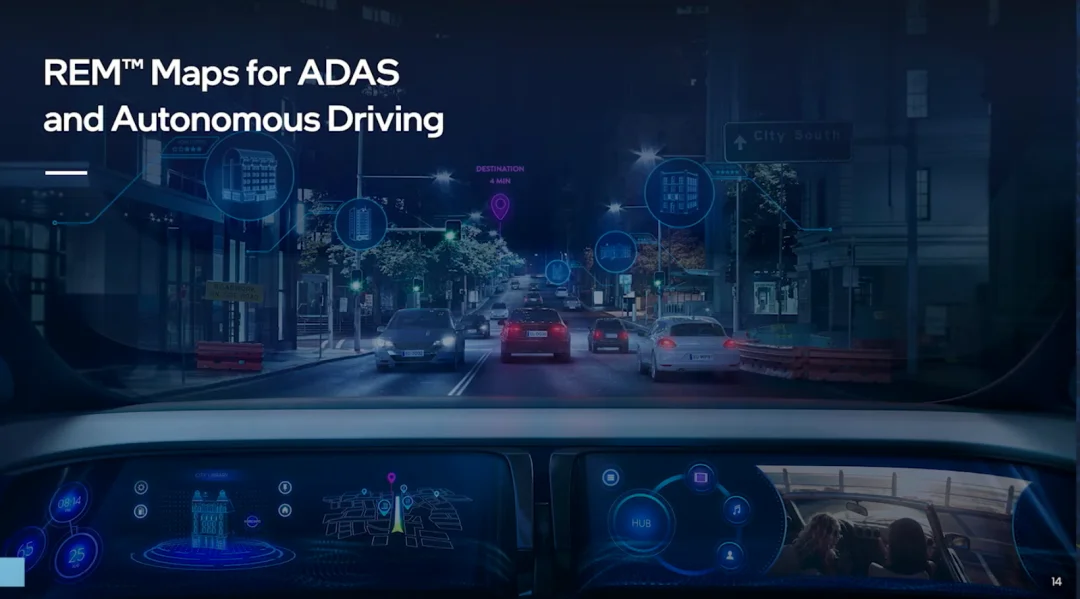
The two approaches, while achieving similar goals, differ in implementation. The first relies on data collected by LiDAR and cameras, resulting in large-scale, richly detailed maps; however, this method is heavily dependent on the number of vehicles equipped with LiDAR currently on the road. For instance, if your city has only a few dozen cars equipped with Huawei ADS, the speed at which high-definition maps can be collected and updated will be very slow. Mobileye, by contrast, constructs maps based solely on camera-captured data, which significantly lowers the barrier to entry and, ideally, allows for faster ecosystem development. However, without LiDAR, the algorithmic demands are higher, and both the richness of the high-definition map data and its reliability tend to be lower.
For example, playing a game like League of Legends: the road environment is like the 'fog of war.' Areas where you haven't placed a ward are invisible; you need crowdsourcing to light up the map. Huawei's solution uses 'true wards' costing 500 each—high cost but effective results. The Mobileye pure vision solution equipped on the Zeekr 001 uses 'regular wards' costing 50 each—less effective than true wards, but cheaper and easier to promote.
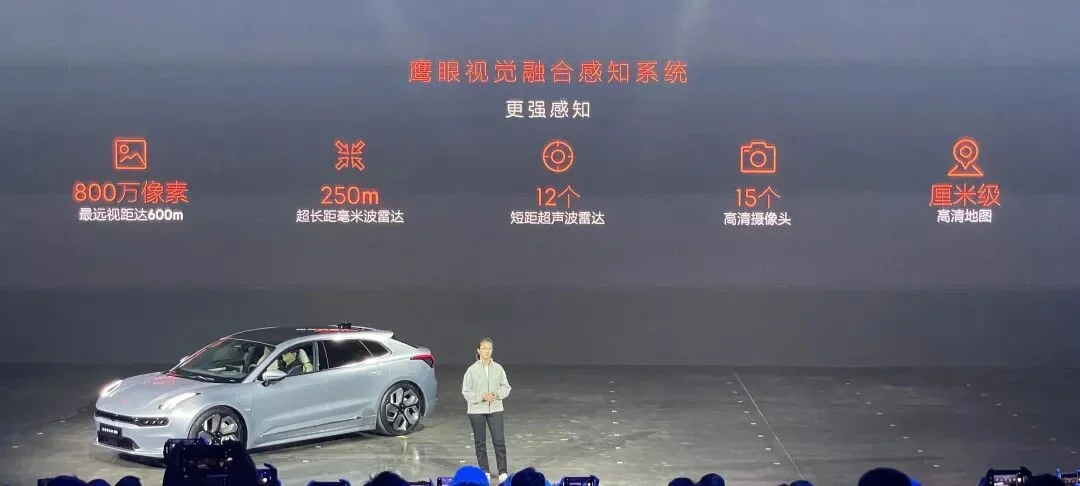
Achieving a similar experience with lower-cost hardware, while leaving ample room for imagination, is the charm of the pure vision approach and also the point that most appeals to me about the Zeekr 001, after all, I have limited funds but high expectations. Of course, given the current public opinion environment in China, I believe the safest strategy for the Zeekr 001 is to walk on two legs: later releasing a higher-priced configuration equipped with both LiDAR and pure vision systems as a flagship model to anchor the lineup, which would be better for marketing and meeting user needs.
02XPENG's pricing, NIO's features, Li Auto's experience
On the path of new-entrant automakers, the Zeekr 001 is currently the most sincere product I have seen. The Zeekr 001 also features configurations found on NIO vehicles that are enviable, such as air suspension, HUD head-up display, intelligent fragrance system, NAPPA leather, Alcantara interior materials, and Microfiber microfiber suede headliners.
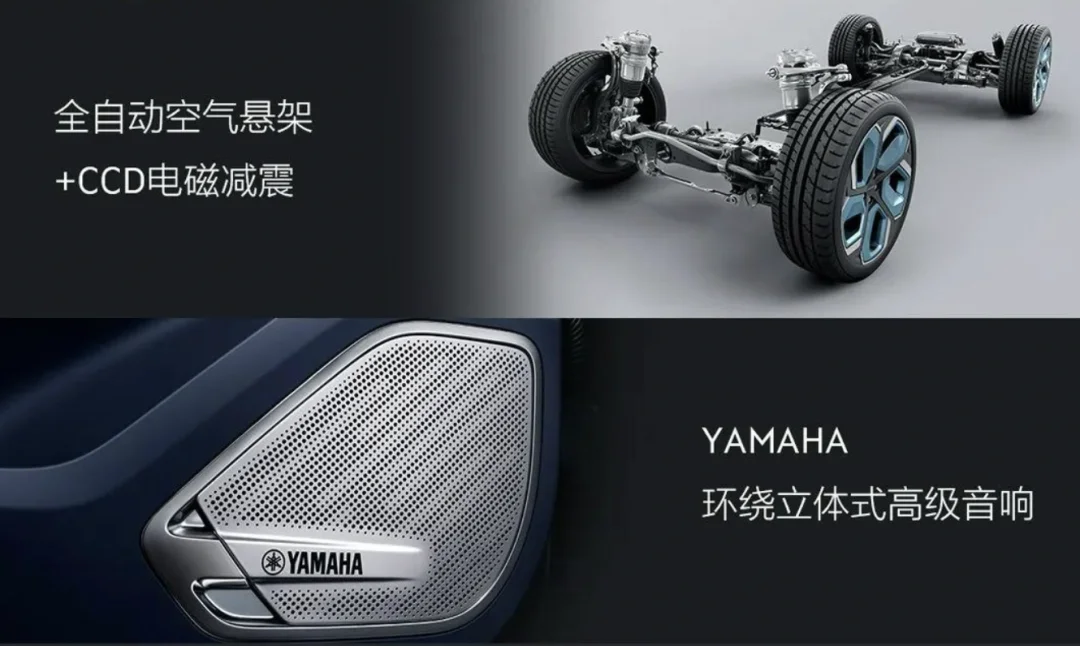
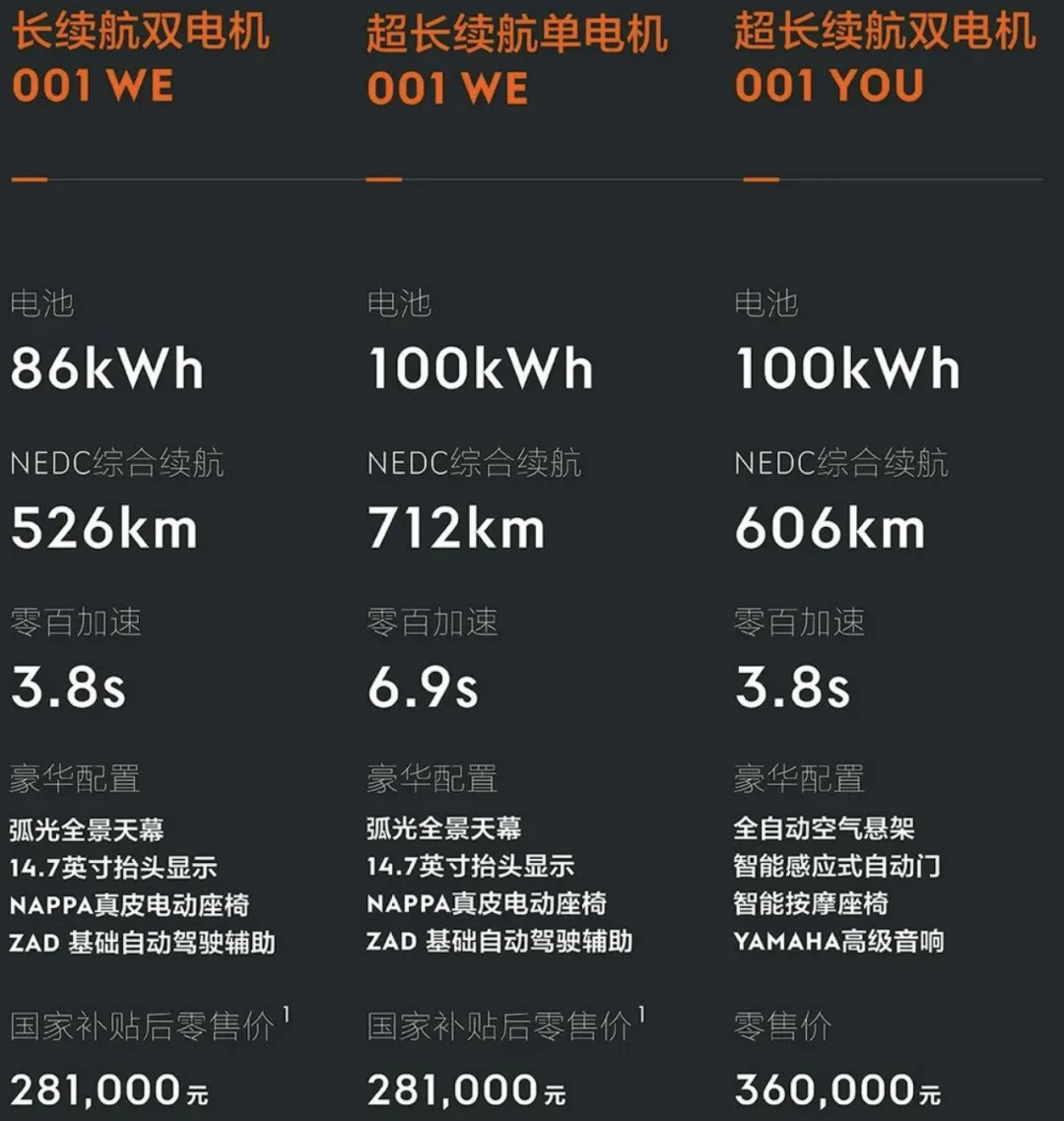
Additionally, practical yet stylish features such as CCD electromagnetic shock absorbers and smart-sensor frameless automatic doors, combined with a 3.8-second zero-to-hundred acceleration time and a braking distance of 34.5 meters from zero to hundred, have become "essential requirements" for buying a car in the new energy era. Based on my preferences, the dual-motor version with an 86 kWh battery, equipped with air suspension plus the CCD electromagnetic shock absorber system and a YAMAHA sound system, costs less than RMB 300,000. Upgrading to the ZAD fully autonomous driving assistance system brings the total to just over RMB 300,000—a price point where I simply cannot find any other model that appeals to me.
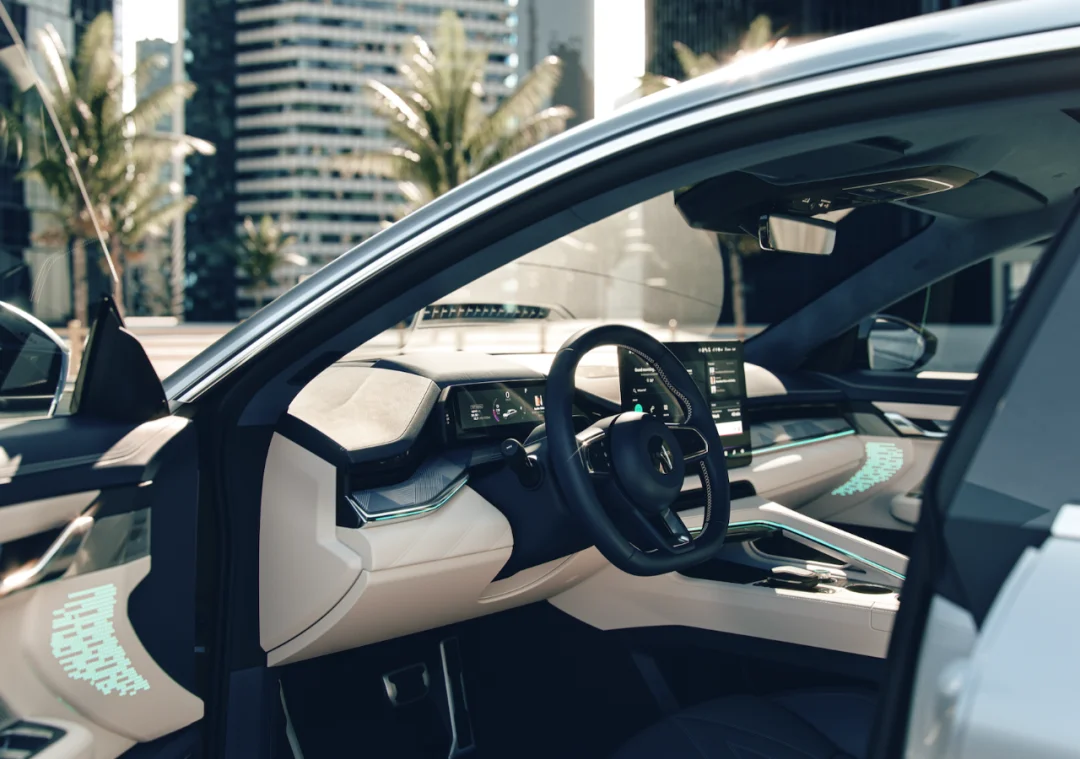
Furthermore, I believe Geely has made a leapfrog advance in the product design of the Zeekr 001. The selection of key modules is centered on addressing users' concerns about purchasing electric vehicles.
For example, regarding the issue most people fear—spontaneous combustion—the Zeekr 001’s battery selects CATL’s current flagship product: a high-energy five-series plus CTP combination. By increasing the voltage of individual cells and utilizing CTP structural innovations, the NCM 523 lithium-ion battery achieves an energy density close to that of NCM 811 batteries, with more stable chemical characteristics and lower risk. Coupled with designs such as the BMS, physical thermal barriers, pressure relief valves, and exhaust channels, it achieves no propagation and no ignition, completely dispelling concerns about spontaneous combustion in new energy vehicles.
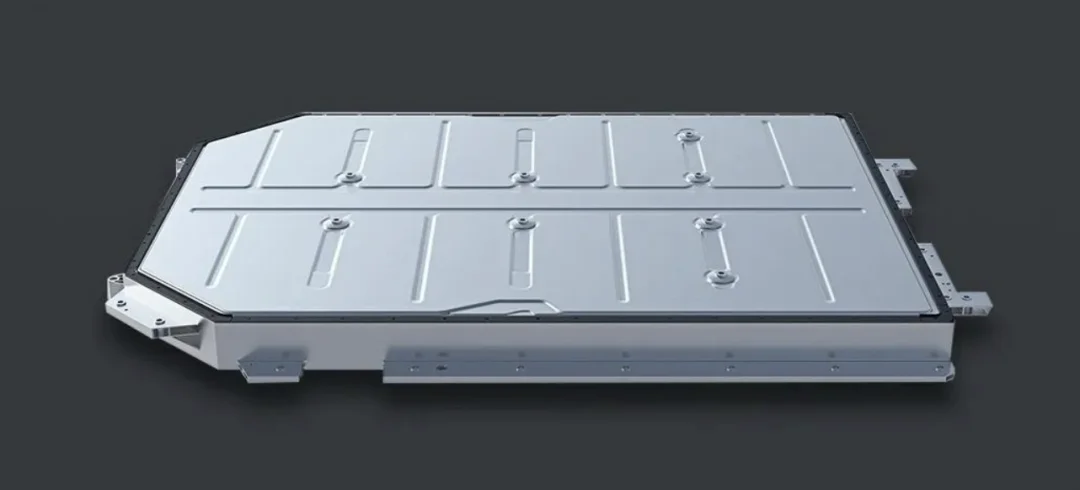
There is also the issue of range anxiety. The Zeekr 001 hands the choice between "prioritizing range" and "prioritizing performance" over to users. At this stage, a real-world driving range of more than 350 km is basically considered the passing grade for the psychological expectation of buying a new energy vehicle. Working backward from an NEDC figure discounted by seven-tenths, this corresponds to approximately 500 km of range. A real-world range that reaches more than 550 km has already caught up with fuel vehicles, representing a satisfactory range requirement for buying a new energy vehicle; working backward, the NEDC figure is roughly 800 km. From this perspective, Zeekr's two versions with 526 km and 712 km indeed just happen to cater to both range-sensitive and price-sensitive groups of audiences.
Zeekr also tackles range anxiety through its intelligent infrastructure. It introduces 800 V high-voltage fast charging, capable of delivering up to 360 kW of power, charging from 30% to 80% in just 25 minutes. Users familiar with Tesla’s V3 Superchargers are likely to have high confidence in Zeekr’s high-power fast-charging system.
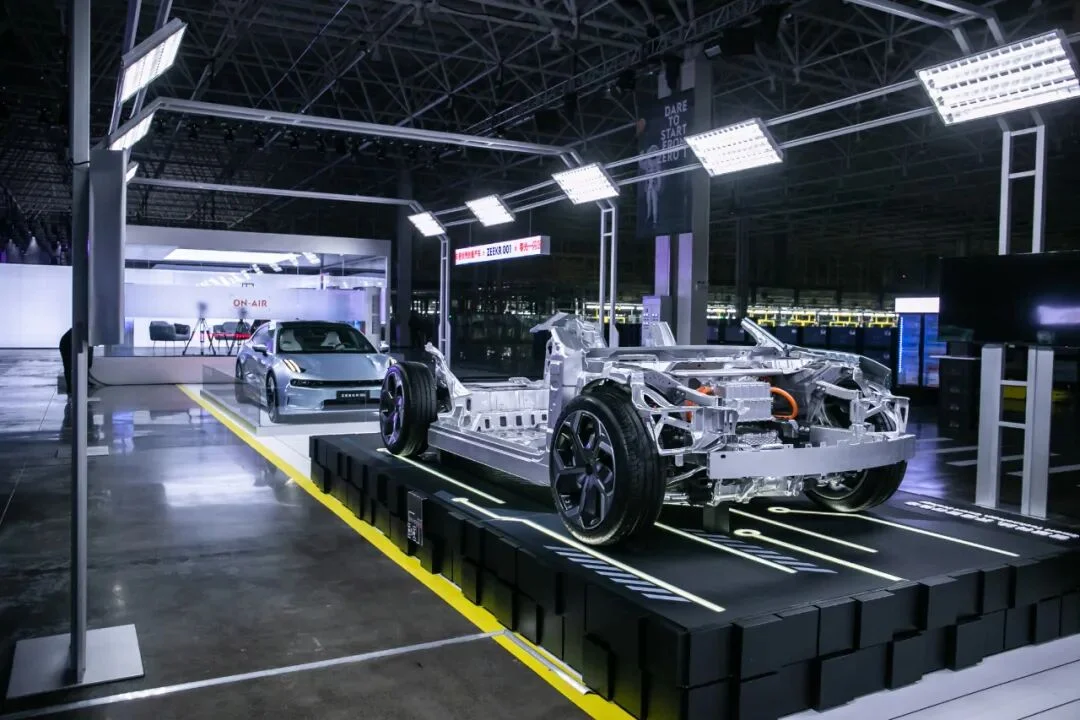
To increase the coverage of supercharging stations, Zeekr plans to complete the construction of 290 charging stations and 2,800 charging piles by 2021. By the end of 2023, it aims to have cumulatively built 2,200 supercharging stations and 20,000 supercharging piles. This deployment pace is clearly aimed at competing directly with Tesla. If this fast-charging network expansion proceeds smoothly, I believe that in cities like Beijing, Shanghai, Guangzhou, and Shenzhen, the convenience of using an electric vehicle will be on par with that of a fuel vehicle.
If these two major concerns regarding new energy vehicles (NEVs) are resolved, the only attributes consumers will see in NEVs are advantages.
Based on the information released at the launch event, the Zeekr 001 clearly demonstrates that Geely is taking electric vehicle development seriously. The cost advantages derived from the SEA architecture and a mature supply chain, the technical benefits of leveraging Mobileye’s open autonomous driving ecosystem, and the thoughtful consideration put into its product design are all highly compelling to consumers. I believe this model has the potential to become a flagship product within the Geely portfolio.
Written by: Bai Yang Edited by: Daji