


NIO Launches Second-Generation Battery Swap Station and Partners with Zhongshihua
On May 20, 2018, NIO built its first battery swap station in the Huanqiushumadasha parking lot, located just one traffic light away from Tencent’s headquarters in Shenzhen.
By May 28, 2020, NIO had completed 131 swap stations, achieving a cumulative total of 500,000 swaps over 739 days. This averaged 676 services per day and 28 per hour.
Looking again at October 5, 2020, the cumulative number of swap stations built reached 155, and the total number of battery swaps hit 1 million. To complete the next 500,000 swaps, NIO took 130 days, averaging 3,846 services per day and 160 per hour.
On March 24, 2021, NIO achieved another milestone: 2 million cumulative swaps. Supported by 193 swap stations, this period saw an average of 5,263 services per day and 219 per hour over 190 days.
Compared to the 869 days it took to complete the first 1 million battery swaps, NIO's second 1 million was achieved in just 190 days.
Behind these rapidly growing figures lies a significant shift in efficiency. Between the 500,000 and 1 million swap marks, while the number of swap stations increased by only 18.3%, the daily service volume surged by 568%. This indicates that NIO’s sales growth during those 130 days eliminated large periods of idle capacity, establishing battery swapping as a vital energy replenishment option for NIO users.
Looking at the phase from 1 million to 2 million battery swaps, NIO’s number of swap stations increased by 24.5%, but the average daily service volume grew by only 36.8%.
The growth rate in service volume experienced a sharp decline. Given NIO’s steadily increasing delivery figures, it is clear that the issue does not lie with demand, but rather with supply.
This indicates that the daily service capacity of NIO’s first-generation swap stations is approaching its 'theoretical bottleneck.' To expand this capacity, NIO has implemented measures such as adding two supercharging piles, extending operating hours, and introducing reverse swapping policies to boost operational efficiency.
However, what NIO clearly needs more is a higher-efficiency swap station to meet its growing user demands.
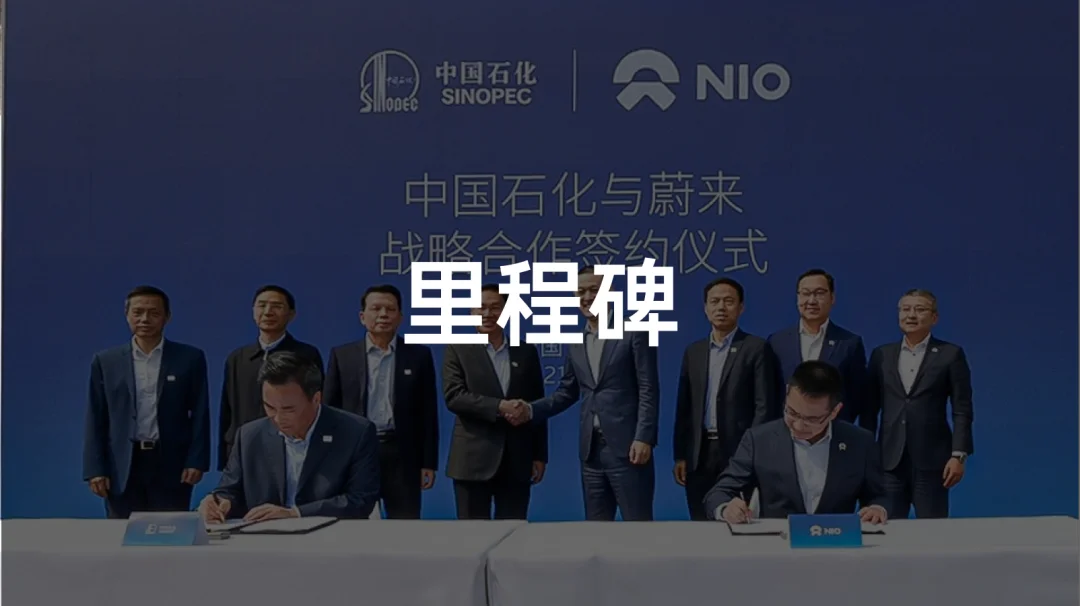
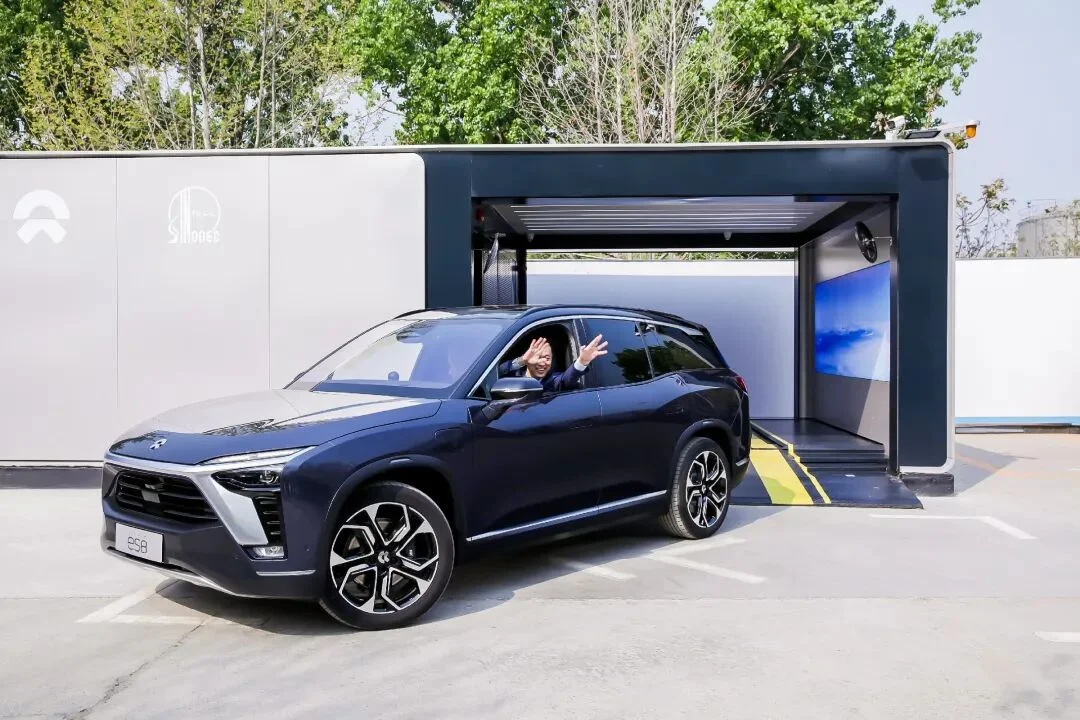
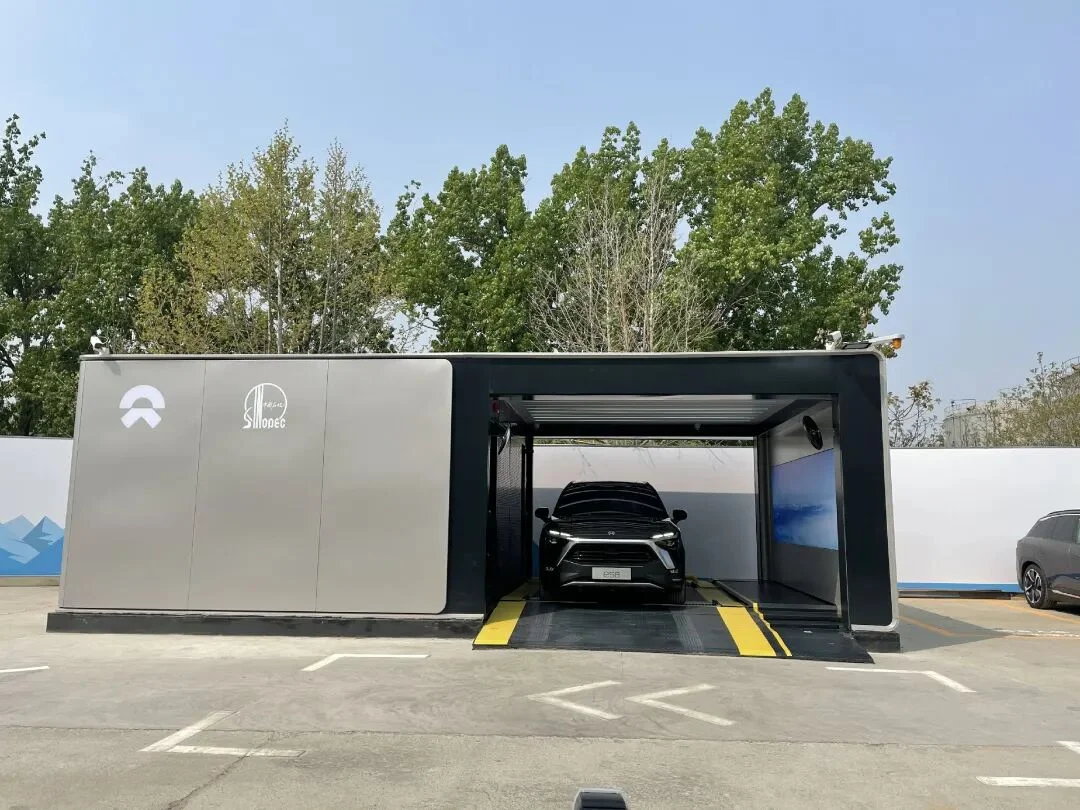
Therefore, NIO officially launched its second-generation swap station today and signed a strategic cooperation agreement with Zhongshihua.
01What Was Iterated?
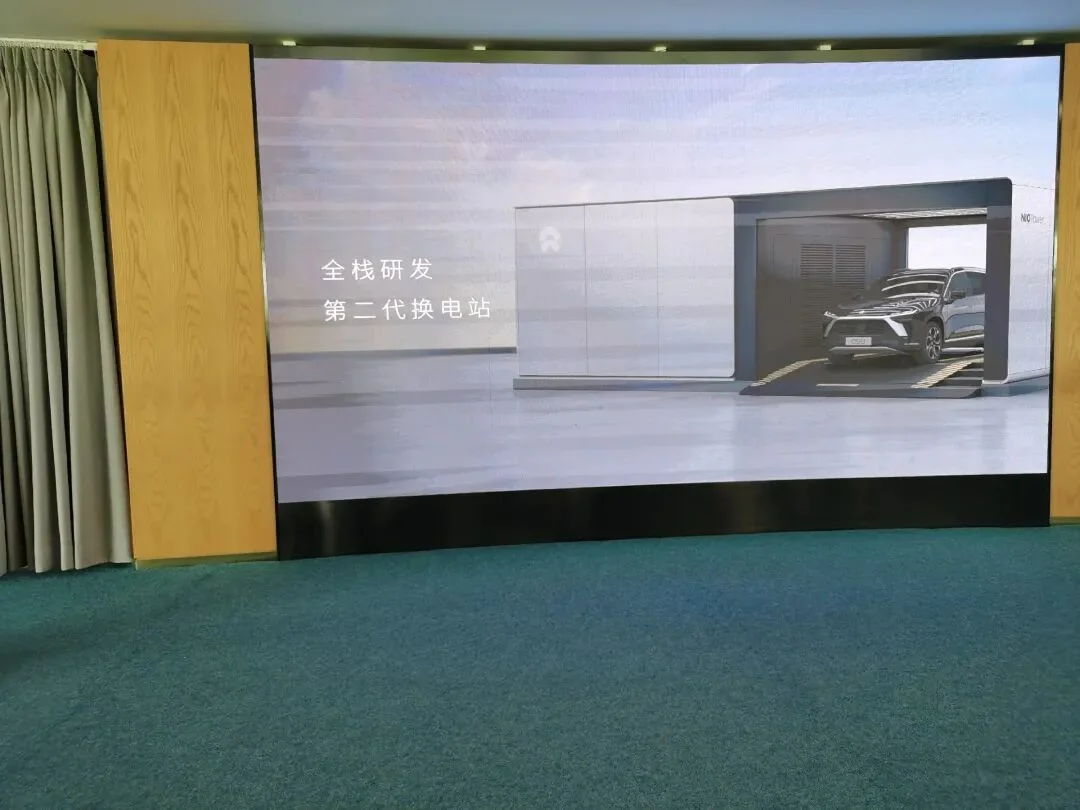
Let’s briefly review the information on NIO’s second-generation battery swap stations. Shen Fei, Vice President of Power Management at NIO, stated that the R&D for these stations was primarily driven by user demand to remain inside the vehicle during the swap. The initial design featured seven batteries, but because early feedback indicated strong user preference for higher capacity, NIO decided to increase the number to 13. This means the second-generation stations currently in operation have undergone multiple internal iterations.
Frankly speaking, it is fortunate that the second-generation station does not have only seven batteries; otherwise, queueing at swap stations would likely remain a significant issue.
Because the second-generation NIO station has a larger footprint, the benefit is that it can support up to 13 batteries at once. It also eliminates the "90-degree rotation mechanism" used in first-generation stations to make the structure more compact, adopting instead a dual-track electronic exchange system. This allows the tracks for empty and full batteries to run simultaneously, speeding up the battery swapping process.
According to official specifications, a single battery swap takes approximately five minutes. Combined with the increased capacity, the second-generation station offers a daily service capability of 312 swaps—a threefold improvement over the first-generation stations after operational optimizations.
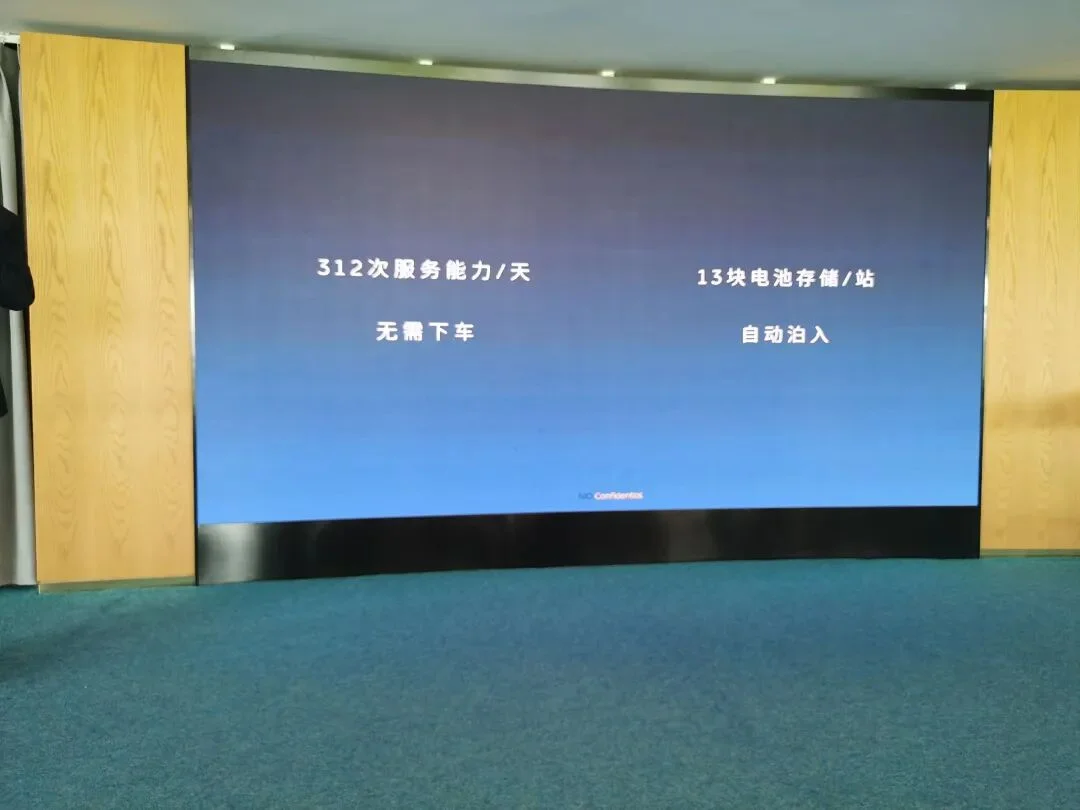
While the second-generation station supports the 'no-exit' feature, individual drivers’ reversing habits vary. To prevent frequent public relations incidents caused by mishandling, NIO has integrated an automatic parking function. Users simply drive into the designated area and press one button to initiate parking. Notably, to ensure redundancy, NIO relies not only on the vehicle’s onboard sensors but also constructs high-precision map models within the station itself.
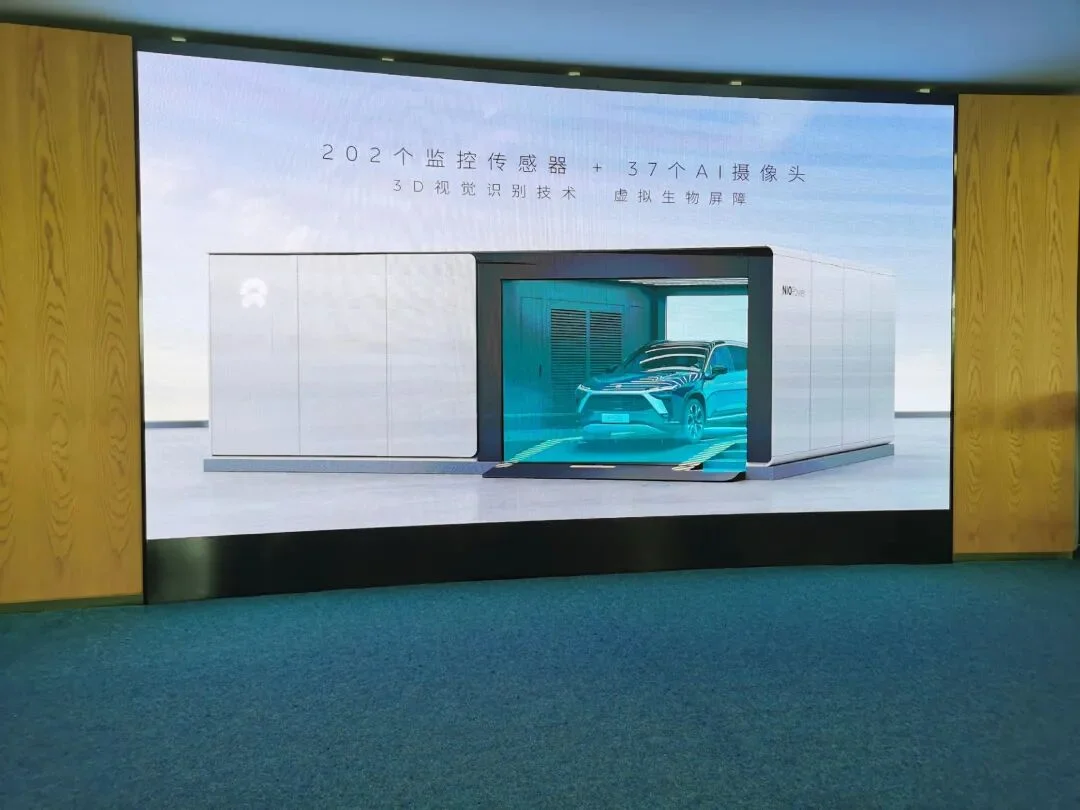
Shen Fei further noted that the second-generation station is equipped with 202 monitoring sensors and 37 AI-powered cameras for safety purposes. These are designed to predict potential failure risks as early as possible, enabling timely repairs. The 37 AI cameras specifically create a 'biological barrier' to prevent accidents or unexpected situations during the battery swap process.
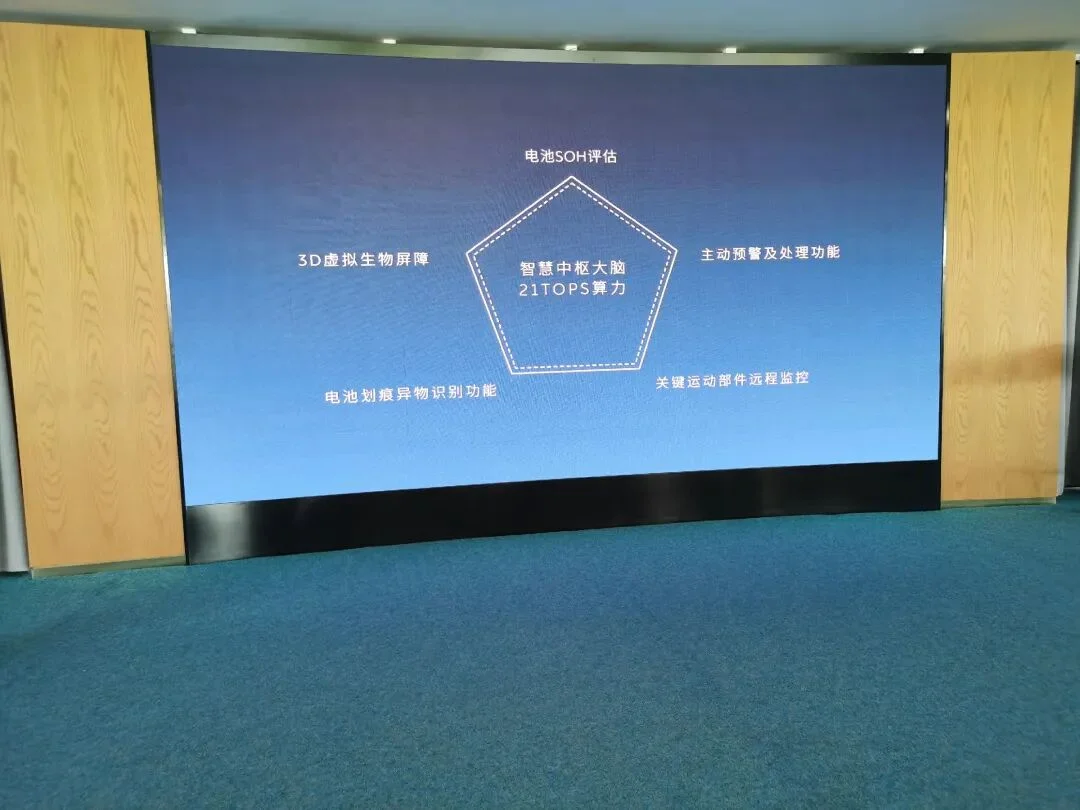
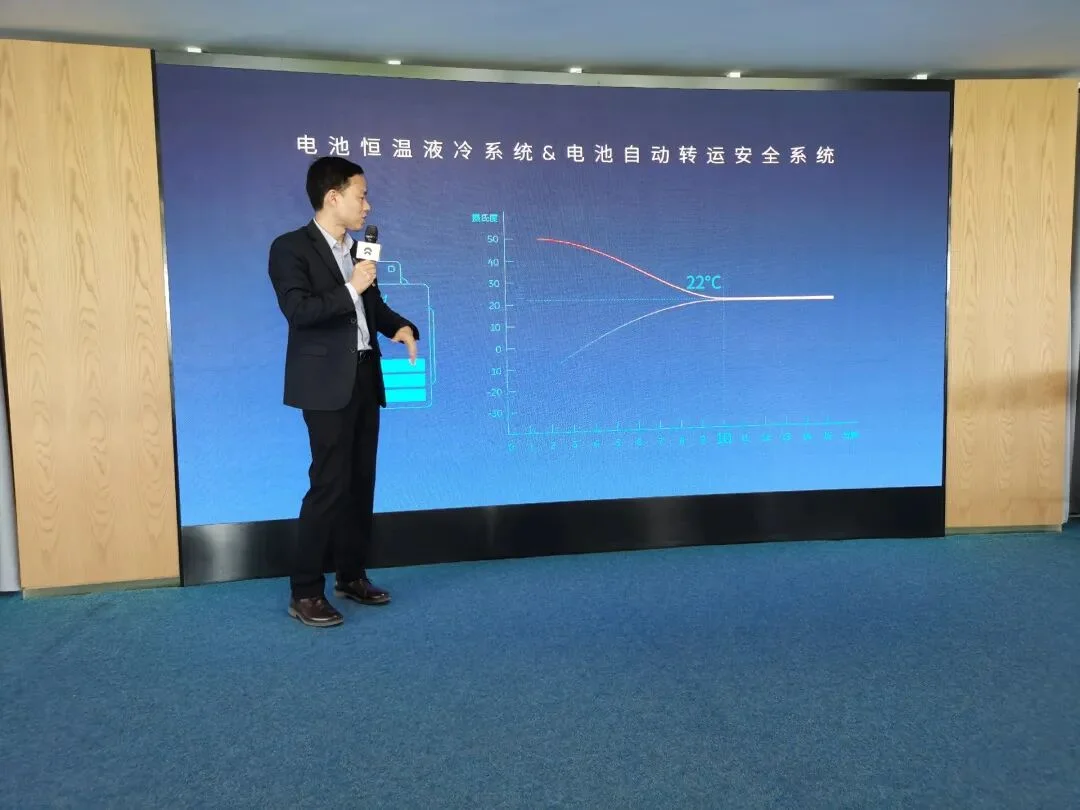
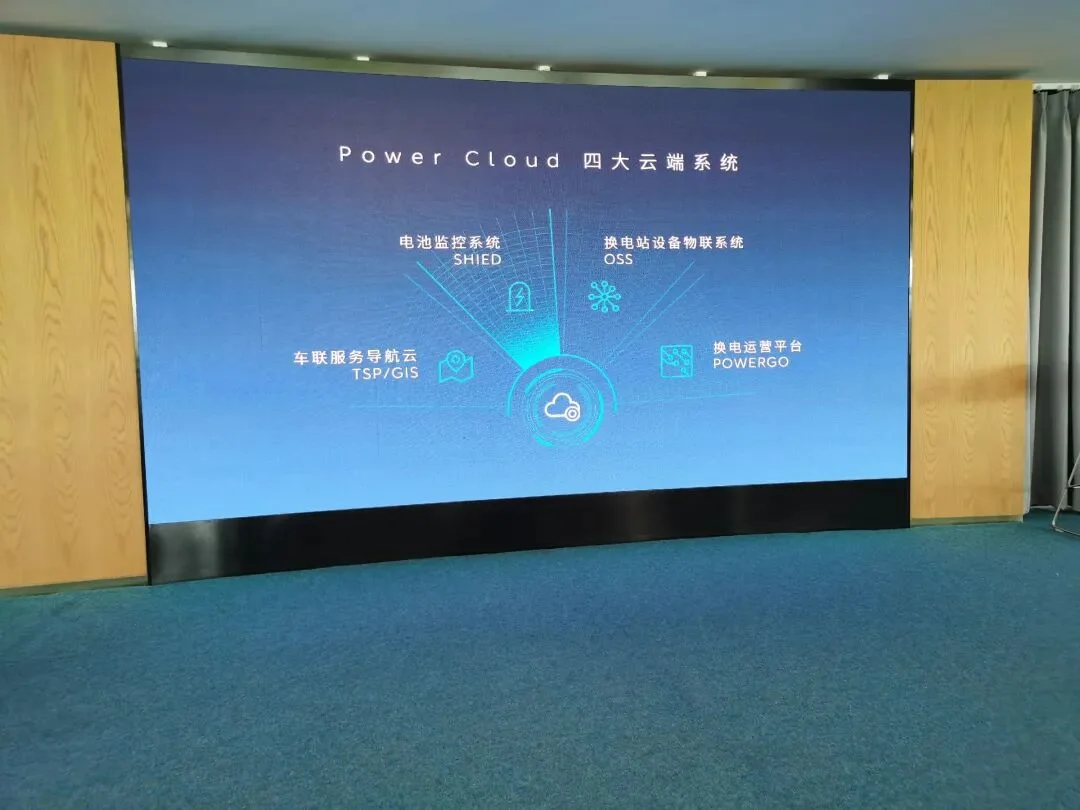
Swap stations also support FOTA (Firmware Over-The-Air) updates. In the future, NIO will optimize the swapping process based on data generated from actual swap scenarios, with the goal of further reducing swap duration. Notably, NIO’s second-generation swap stations possess "reverse power supply" capabilities; however, due to cost constraints, only one battery slot is equipped for this function, meaning they cannot currently supply power back to the grid.
The significance of this "reverse power supply" feature lies in its ability to keep the swap station operational during grid outages. Those who have swapped batteries frequently will appreciate this reliability. Having experienced a car hanging on the machine while waiting nearby twice in my 100 swaps, I can attest to the value of uninterrupted service.
The final slide of the presentation offered a surprise: NIO explicitly referenced the pledge made at NIO Day on January 9 to build 500 swap stations by year-end. William Li stated that if this target is not met, he, Qin Lihong, and Shen Fei may need to find new jobs.
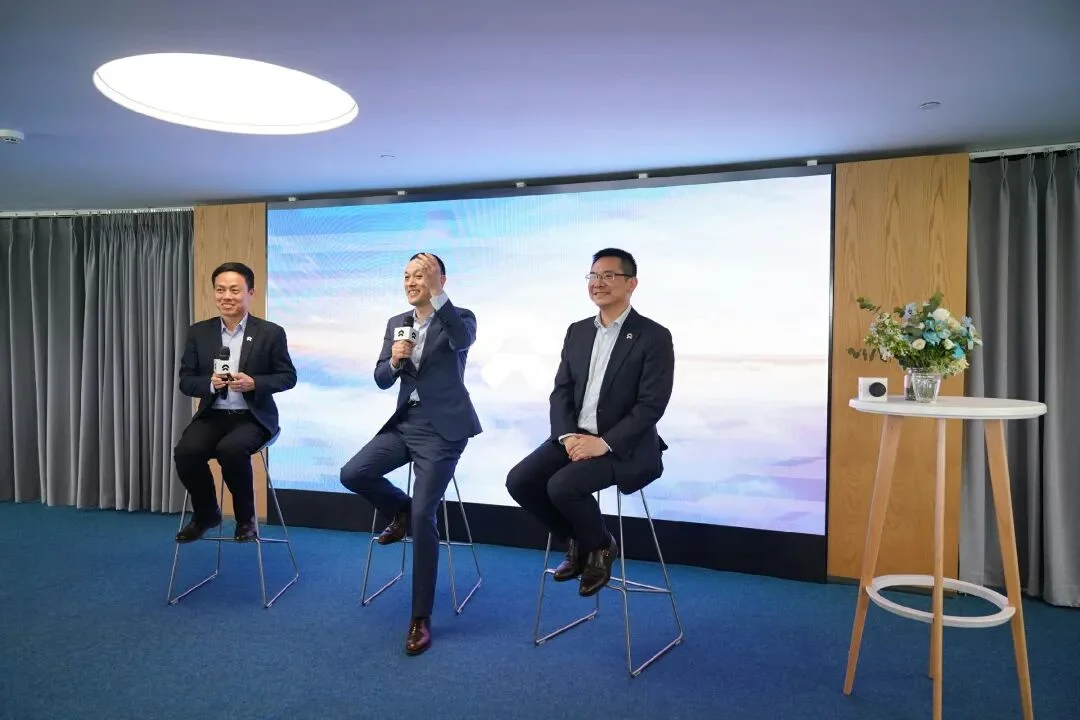
With that, the press conference was drawing to a close in accordance with 'international convention.' But as staff members began rearranging tables and chairs on site, I knew the real show was just beginning.
02The Main Event
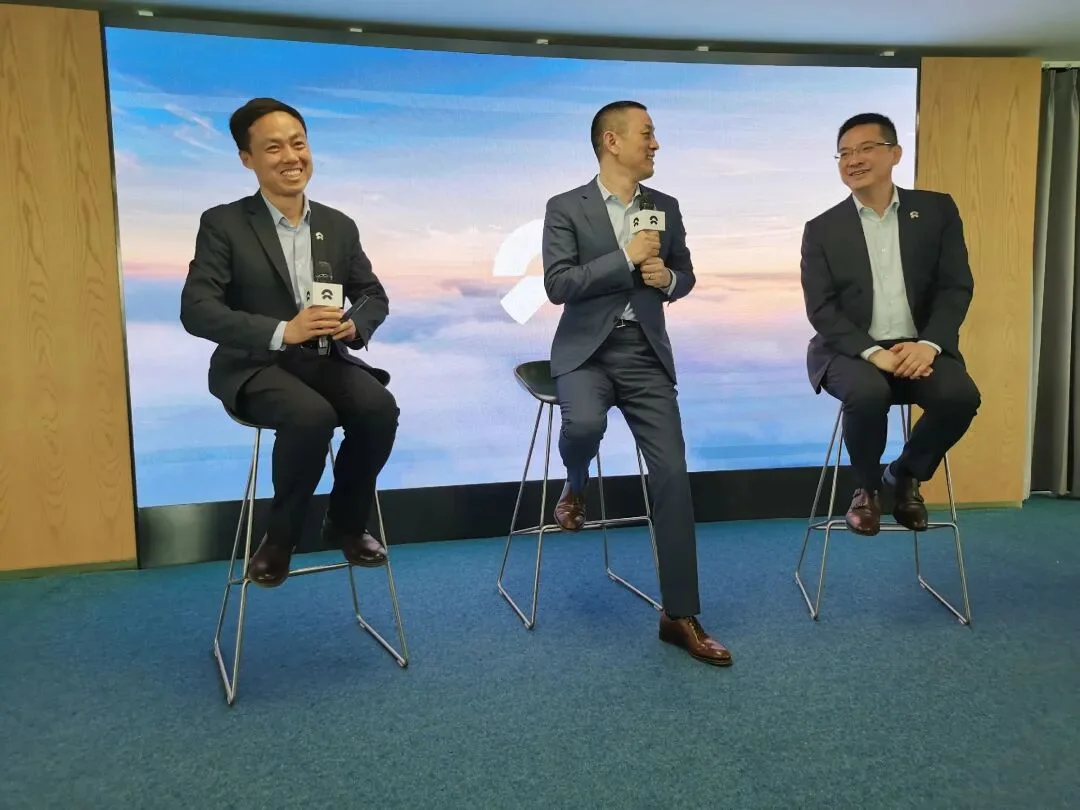
'Can we put up an image with a background?' William Li asked, and the backdrop changed to one featuring the NIO logo. He has always maintained high standards for details, not just for his suits and leather shoes.
So what is the significance of the collaboration between NIO and Zhongshihua? First and foremost, gas stations are far more conspicuous and convenient locations for users than shopping malls, since drivers do not need to enter an office building parking lot and search around.
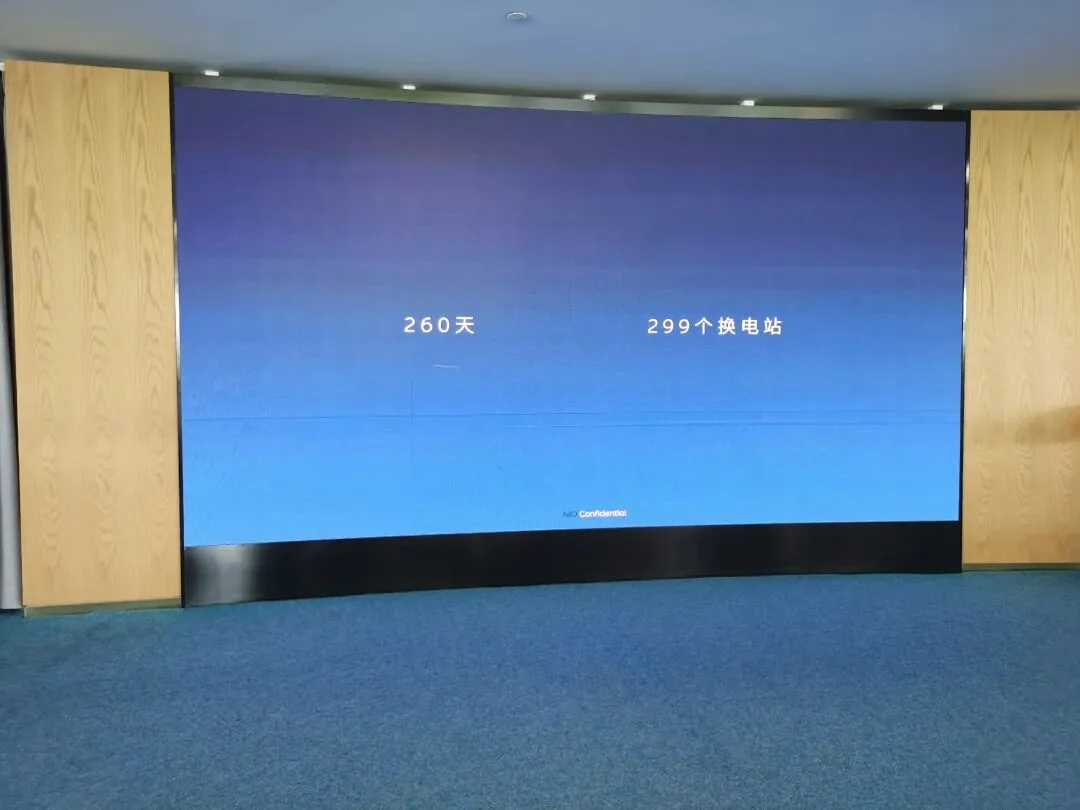
On the other hand, NIO plans to deploy 299 battery swap stations over the next 260 days. Without Zhongshihua's support in terms of venue access, this would be a significant challenge. This involves not only site selection and property management negotiations but also the critical ability to screen from Zhongshihua's 30,700 gas stations for sites with electrical capacity exceeding 900 kW. For charging infrastructure companies, the battle for grid capacity is currently intensifying.
Regarding the deployment strategy for second-generation swap stations, Shen Fei mentioned three main directions: increasing density in first- and tier-two cities; expanding coverage in central and western regions; and targeting service areas or highway entrances/exits with high traffic volumes for highway scenarios.
Compared to the first half of last year, which focused primarily on expanding urban coverage, NIO’s deployment strategy this year has become more "scientific." The main reason behind this shift is that NIO currently has more capital available. However, at this stage, they must still wait for suppliers to ramp up production before they can accelerate the rollout of their second-generation battery swap stations.
In addition, William Li shared a bit of insider information. He noted that NIO’s battery swap stations have always been open to other automakers willing to cooperate, and he expressed strong welcome for such partnerships. In 2016 and 2017, two luxury brands seriously discussed sharing NIO’s swap stations with them, and there are now even more potential partners.
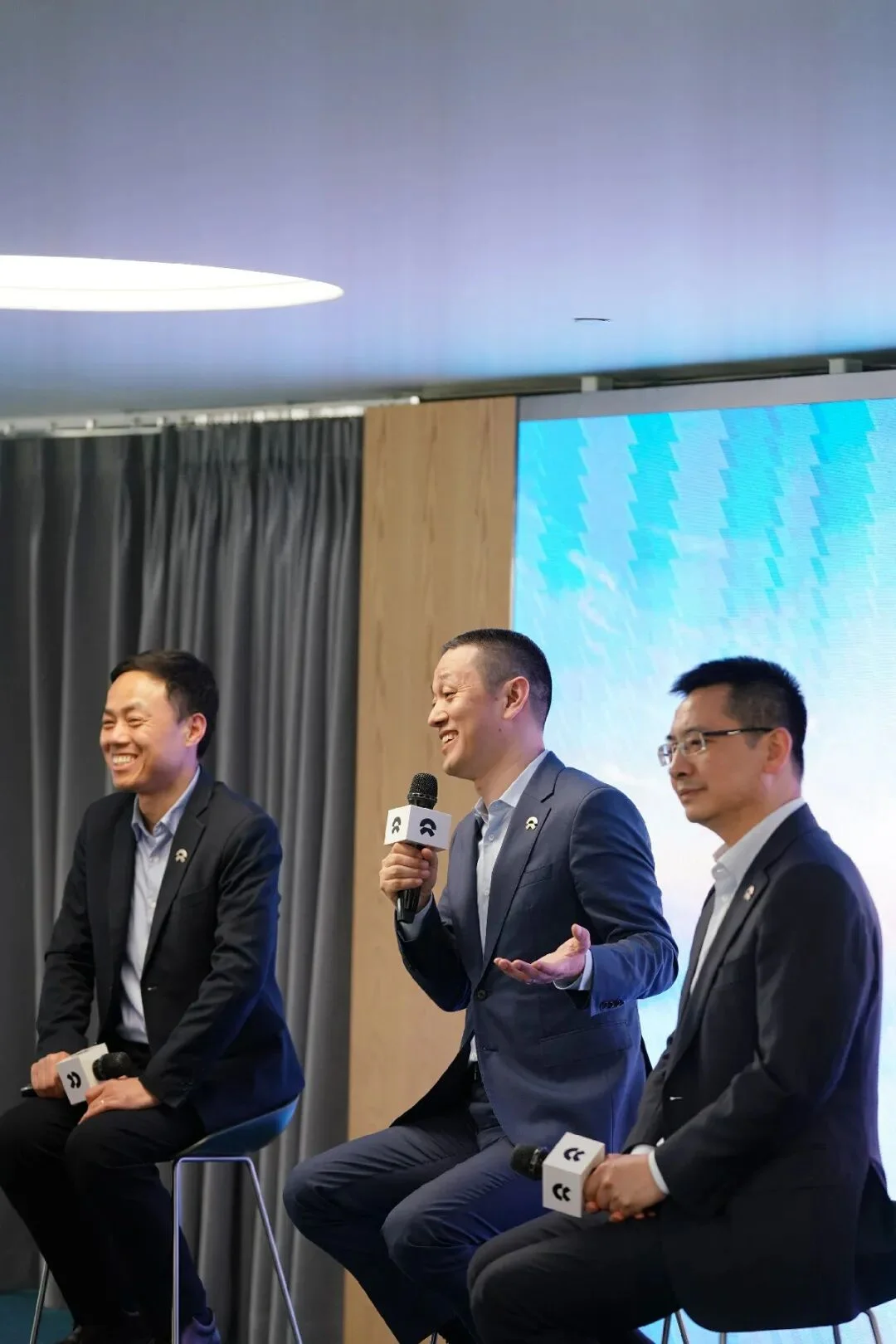
However, we have not yet seen vehicles from other brands using NIO’s swap stations. This is because integrating with NIO’s infrastructure requires automakers to align their vehicle R&D with NIO’s battery pack standards—a decision that is not easy for any car company to make.
This answer prompted further questions. Some media outlets asked how NIO views the issue of losses associated with its battery swap stations and service network.
NIO provided an explanation that might initially sound far-fetched but makes sense upon closer reflection. Essentially, after experiencing the "NIO Moment" in 2019, the company realized that delivering excellent user experience is crucial.
The implication here is that if loyal owners had not rallied together in 2019 to help pull NIO out of near-bankruptcy, the company might now be considered a cautionary tale in the electric vehicle industry. Therefore, Qin Lihong stated, "As long as we still have breath in us, we will continue doing this. If we stop, we might lose our lifeline."
In other words, they view the investment in battery swap stations and the associated service infrastructure as a capital investment. Moreover, this investment has already contributed to an increase in NIO’s sales volume, thereby enhancing the company’s overall profitability.
As for the reasons for sustained losses, Qin Lihong believes this is mainly due to the relatively large upfront investments. However, the current NIO user base is still not very large. Therefore, the economies of scale for the service system have not yet been formed, and operational efficiency has not yet reached reasonable levels.
NIO has publicly stated on multiple occasions that its goal is to achieve break-even for its service system. Conceptually, NIO’s model resembles that of Didi. Looking at Didi’s trajectory, it will be a long road before NIO’s service network can reach break-even.
Finally, William Li noted, 'Profitability must be assessed from the perspective of the enterprise as a whole, rather than dissecting it into countless fragments where each fragment must generate profit. I believe such a scenario does not exist.'
To be frank, William Li’s final remark was quite grounded in business reality. It is similar to how, in many large pharmacies, the blood pressure medication Luo Huoxi from Huirui is sold at a loss or with extremely low margins; the purpose of this approach is to attract traffic from patients with hypertension, thereby driving sales of other medicines in the store, such as Banlangen and Wushicha, and thus increasing overall profits.
Turning to concerns among owners: due to technological iteration, upgrading first-generation swap stations to second-generation ones is unlikely. Site power capacity is a significant factor; many existing first-generation station locations lack sufficient electrical capacity to support upgrades, forcing them to remain as they are.
For current models, during the swap process, low-power screens can remain active, but higher-power systems like air conditioning cannot. Shen Fei indicated that the team can further reduce swap times to minimize the temperature difference between the vehicle interior and exterior.
03A Look at the Future
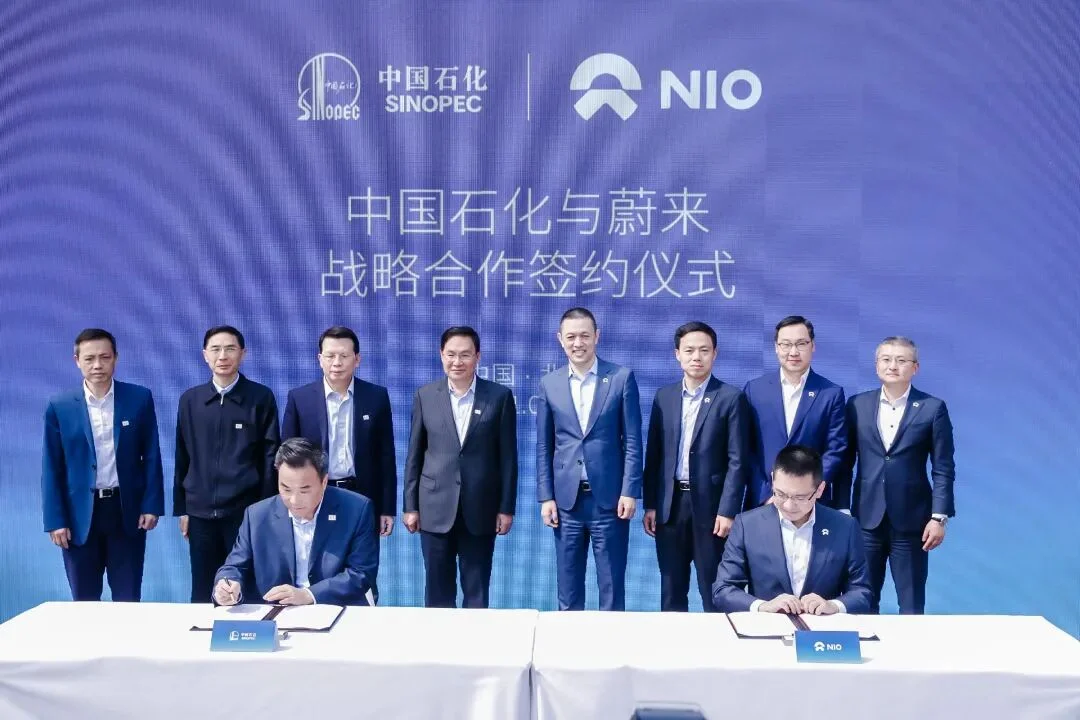
I first heard about NIO’s potential cooperation with Zhongshihua on March 2. My initial impression, as William Li mentioned today, was: "Is NIO hitching a ride on a wealthy partner?"
According to Shiyouqingbaozhoukan, in 2020, Zhongshihua ranked first globally in annual oil refining capacity at 295.9 million tons and fourth in product sales volume at 262 million tons, surpassing Daodaer from the previous year and trailing only Kepai, BP, and Aikesenmeifu among the three major international oil companies.
NIO delivered 43,728 vehicles last year. Frankly, for Zhongshihua to allocate such vast land areas and significant electrical capacity to build exclusive battery swap stations for an EV company of this scale appears less like a business partnership and more like "charity" on the surface.
Since we were unable to interview a representative from Zhongshihua, NIO provided their interpretation of Zhongshihua’s reasoning.
We will not dwell on the consensus that electric vehicles represent industry trends. On this basis, one factor is that non-oil businesses contribute a higher proportion of revenue and profit for oil and energy companies in Europe and the United States compared to domestic enterprises.
Therefore, Zhongshihua needs to expand into non-oil segments, prioritizing electricity, hydrogen, and natural gas.
Furthermore, considering that EVs accounted for approximately 5% of passenger car sales in 2020, rising to nearly 10% by March of this year—and even more aggressively, Shanghai saw EVs reach nearly 30% of sales in March—Zhongshihua’s decision to develop its electricity business becomes understandable under these data points.
Another critical area for gas stations to expand into is non-fuel businesses. Given the natural overlap between gas stations and internal combustion engine vehicle users, effectively leveraging this fragmented time has long been a challenge for oil companies to overcome.
Currently, methods include self-service car washes and fuel additives. Additionally, Yijiebianlidian, the convenience store chain under Zhongshihua with the highest number of stores nationwide, reached 27,699 locations by July last year.
For gas stations, failing to provide electric energy services means losing all traffic from EV owners. This represents a terrifying scenario for an internet company: its user base is quietly slipping away.
But why did Zhongshihua choose NIO battery swap stations instead of installing supercharging piles across the board?
In my view, we must first look at this through the lens of traffic volume. Considering that the second-generation station boasts a service capacity of 312 swaps per day, even if it only serves half that amount—around 150 times.
For Zhongshihua, which allocates the same resource footprint of 'four parking spaces,' choosing supercharging piles would yield less traffic. A single charging pile typically serves about 38 EVs daily, implying that in real-world scenarios, queues are common most of the time. Such congestion is frequent at highway service areas but rare in urban settings.
However, I consistently believe that these factors alone do not constitute a logically 'sufficient' explanation. Here is a bold guess: could there be actual progress on the previously mentioned initiative where other automakers share swap stations?
Finally, I want to discuss another point raised by Qin Lihong regarding their last piece of the commercial puzzle: 'battery cascade utilization.' For batteries, the value of recycling and repurposing is quite substantial.
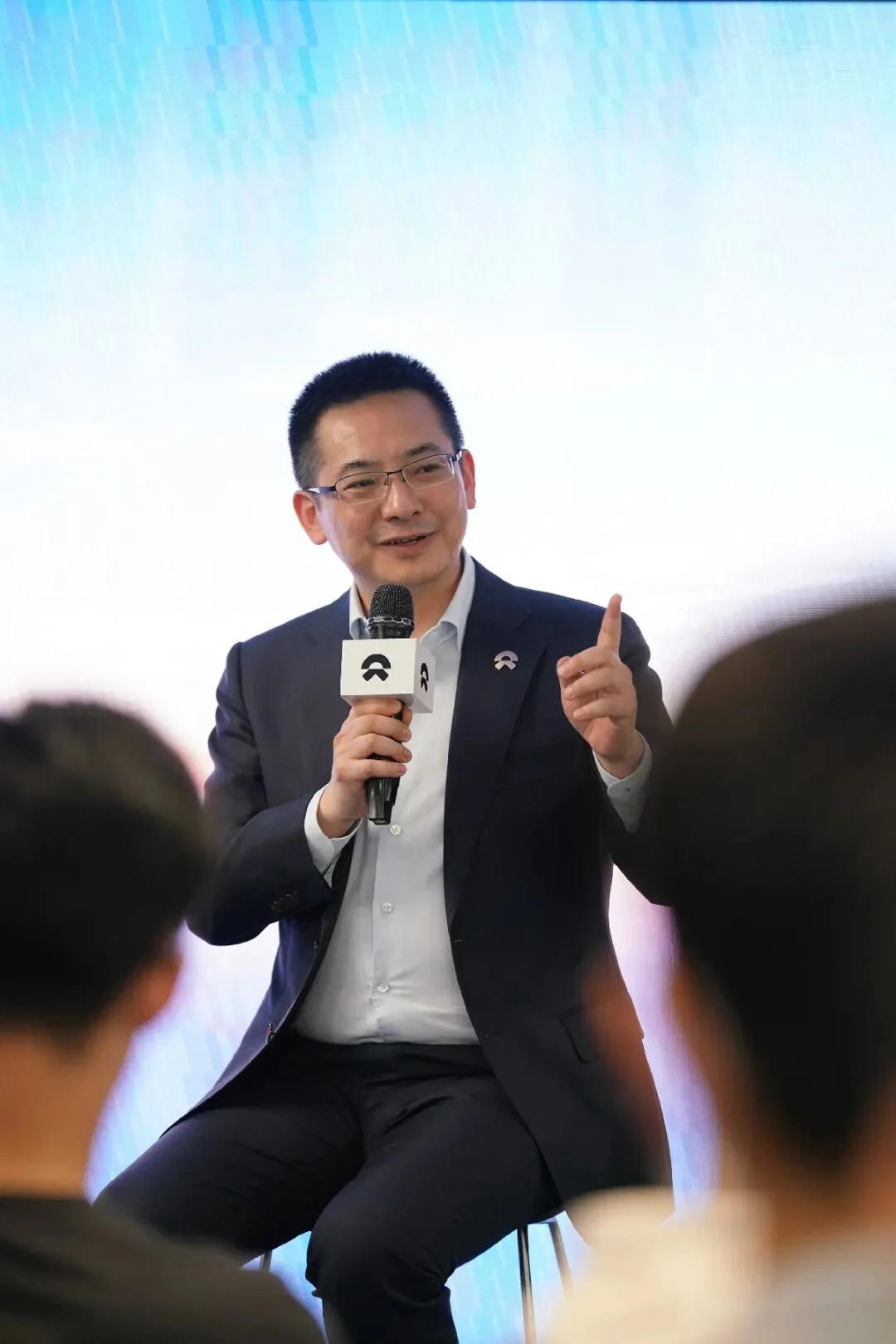
Because NIO’s battery-swap system relies on a unified battery pack specification, that uniformity does constrain the "imagination" available for vehicle development. However, for second-life battery applications, this same standardization provides the foundation for higher recycling efficiency and lower recycling costs.
Furthermore, thanks to the separation of vehicle and battery ownership and the Battery as a Service (BaaS) model, NIO has created conditions where vehicles do not need to be scrapped entirely while battery packs can be retired individually. In my view, more importantly, the swap system means NIO bears the cost of battery degradation itself, compelling the company to invest significant effort into addressing this issue.
Final Thoughts
For the electric vehicle industry, integrating charging infrastructure into gas stations is a milestone event. For NIO, the large-scale deployment of its Generation 2 swap stations will largely alleviate user wait times for swapping. Moreover, the inclusion of "auto-park-in" functionality clearly signals an intent to enter the European market.
Regarding details of NIO’s European expansion, we have previously reported that the Nuoweiaosilu NIO House is currently under renovation. Job postings indicate that, in addition to Roadside Assistance Specialists, NIO plans to transplant its entire domestic operational team to Europe.
After the media briefing, I asked NIO President Qin Lihong about the specific plans for Europe. Qin Lihong stated that due to the resurgence of the pandemic in Europe earlier this year and heavy workloads domestically, NIO would provide a more systematic introduction to its thoughts on the European market at some point during Q2.
Written by: Huang Laobai (The Cabbage-Selling Boss) Edited by: Daji