


XPENG P7 LFP Version Launches March 3; Geely and Volvo Announce Merger Plan
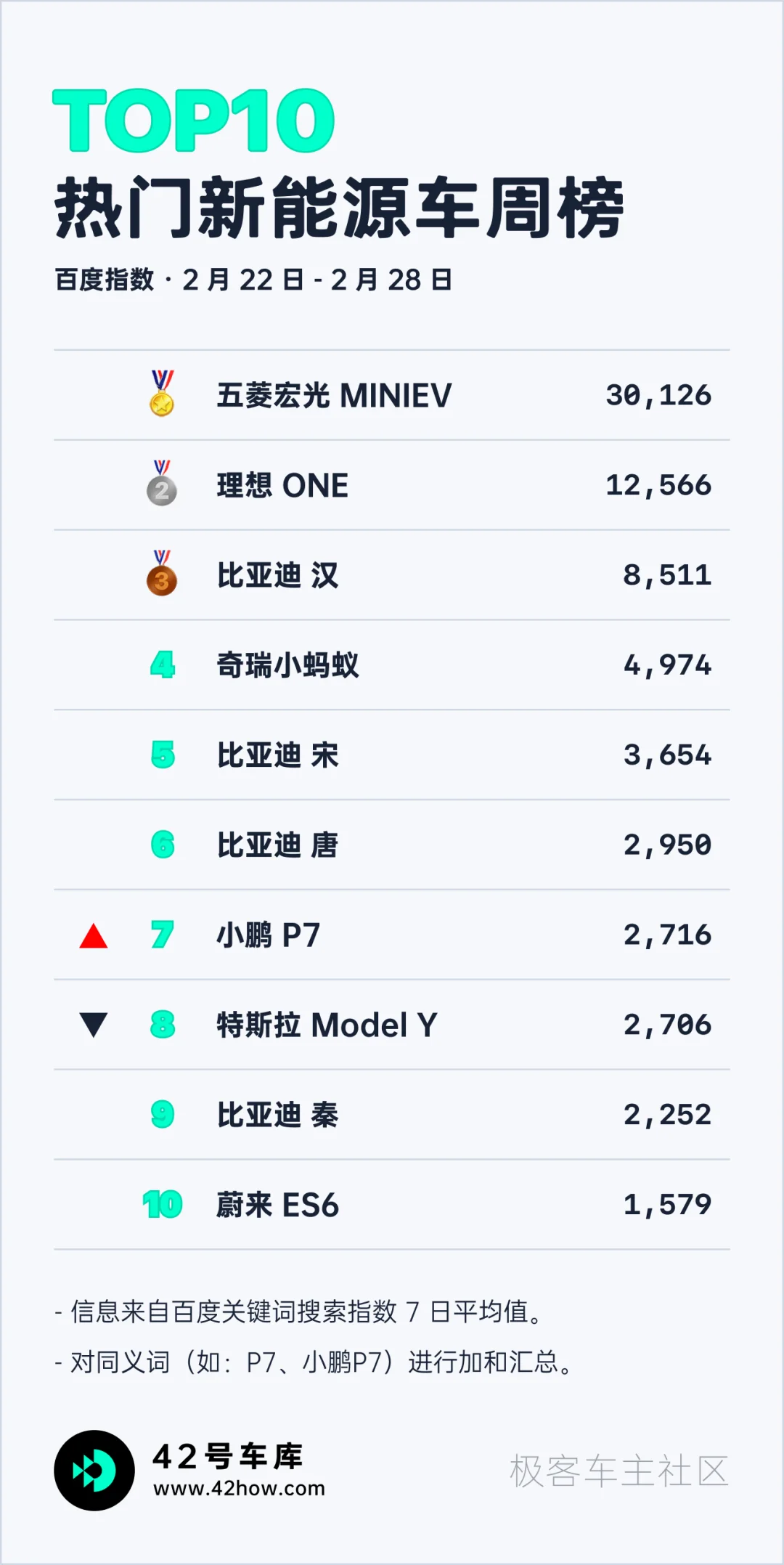
01Weekly Indices
02Weekly Highlights
Shanghai Municipal Government: New Energy Vehicle Annual Output Exceeds 1.2 Million Units
On February 26, Shanghaishirenminzhengfu released an interpretation of the "Shanghai Municipal Plan for Accelerating the Development of the New Energy Vehicle Industry (2021–2025)."
By 2025, the industry scale is targeted to reach:
More than 1.2 million new energy vehicles locally registered
New energy vehicle output value exceeding RMB 350 billion
Accounting for more than 35% of the city’s automotive manufacturing output value
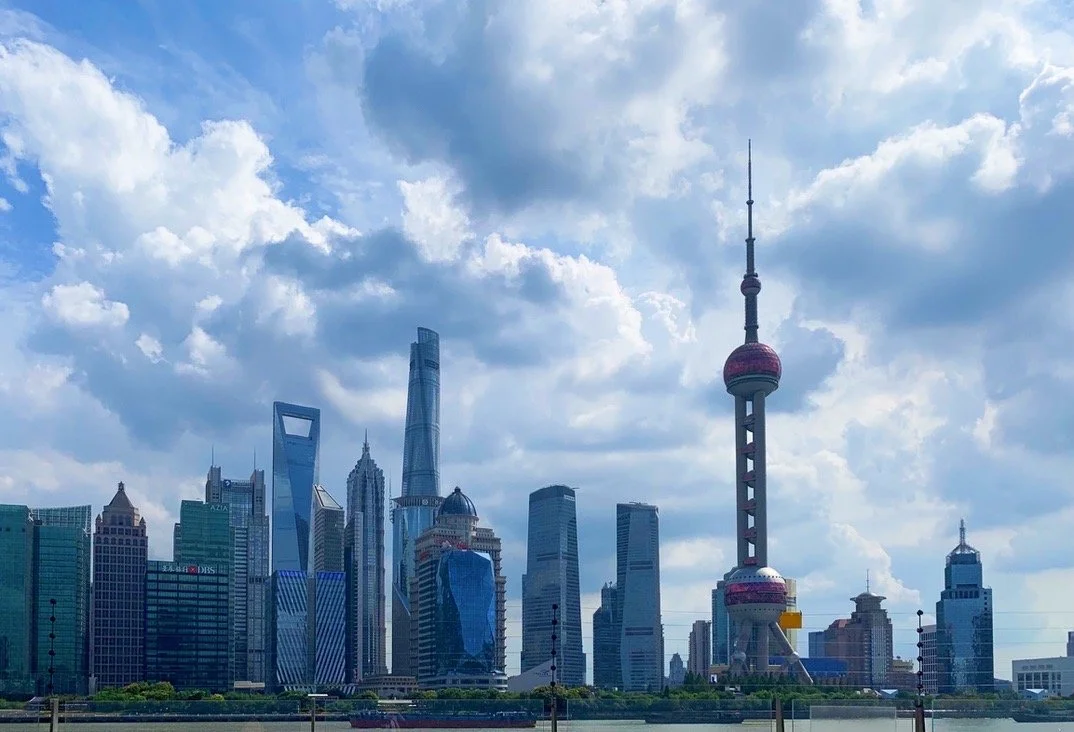
In terms of vehicle application by 2025, the following targets should be met:
Pure electric vehicles will account for more than 50% of newly purchased vehicles by individuals.
New energy vehicles will account for 100% of public buses, cruise taxis, government agency official vehicles, cargo trucks in central urban areas, and postal service vehicles.
State-owned enterprises and public institutions will ensure that new energy vehicles make up more than 80% of their official fleets and sanitation vehicles.
New energy vehicles will account for more than 50% of ride-hailing taxis.
The total number of fuel cell vehicles in application will exceed 10,000 units.
Quick Review:
According to data from the Ministry of Public Security at the end of 2020, China's new energy vehicle stock was approximately 4.92 million units. According to the latest available data from Shanghai as of April 2020, the city's new energy vehicle stock was approximately 300,000 units. Under the new policy, Shanghai aims to quadruple its new energy vehicle stock within five years by 2025.
Currently, Tesla and Shangqi are the main producers of new energy models in Shanghai. These two automakers could be key drivers in pushing the industry's output value beyond RMB 350 billion.
There is a detail in the vehicle application section that may have been overlooked: among 'additional purchases' (vehicles bought in addition to existing ones), pure electric vehicles account for more than 50%.
This is both an area where automakers can study user needs and a potential future target for policy intervention. For second-car buyers, the target models become much clearer.
However, if policies were to explicitly state that pure electric vehicles account for 50% of first-time buyers, that would be truly impressive. By then, infrastructure and products would be in a very mature state.
XPENG P7 LFP Version to Launch on March 3
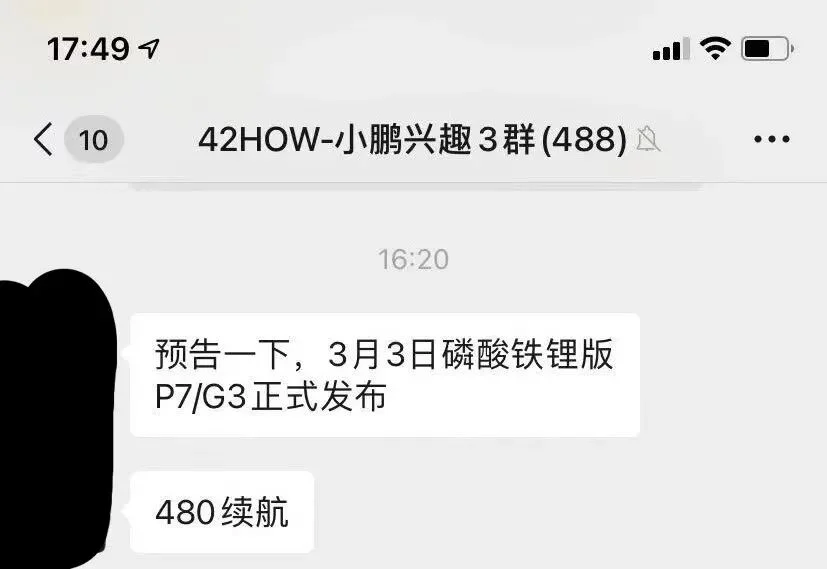
On February 27, a WeChat group for the garage shared that the LFP version of the XPENG P7 will be released on March 3 with a range of 480 km.
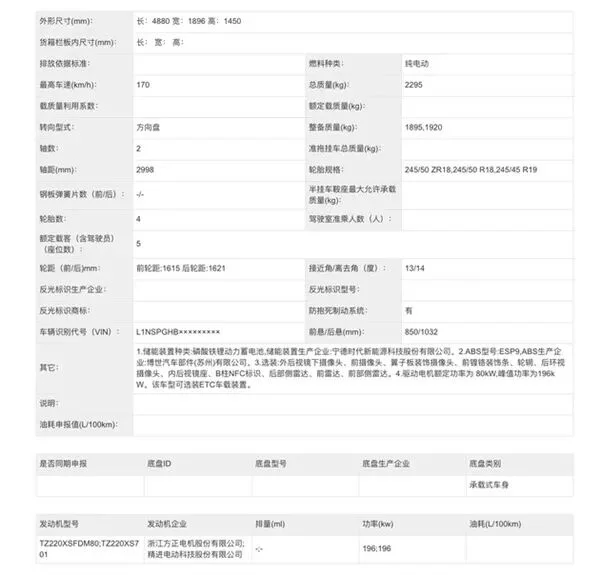
XPENG models equipped with LFP batteries were already listed in the Ministry of Industry and Information Technology’s (Gongxinbu) product announcement in early February, explicitly stating they will use LFP batteries provided by CATL. Based on the images from the declaration, the LFP version also supports the optional XPILOT 3.0 driver assistance system.
Quick Take:
If we look at the price cuts Tesla implemented after switching to lithium iron phosphate batteries, the entry-level XPENG P7 could see its price drop below RMB 200,000, thereby creating a stronger price advantage. After the launch of the lithium iron phosphate battery version, will the long-range version be discontinued? Or will all three battery versions be sold together? These questions will only be revealed when the model officially goes on sale.
Reuters: Huawei to establish its own EV brand, may launch mass-production models this year
On February 26, Reuters reported exclusively that, due to the impact of U.S. stock market sanctions, Huawei is exploring a strategic shift and plans to launch its own brand of electric vehicles, with some models expected to be released this year. Meanwhile, citing sources familiar with the matter, Reuters stated that Huawei is negotiating with Changan Automobile and Beiqilangu regarding contract manufacturing.
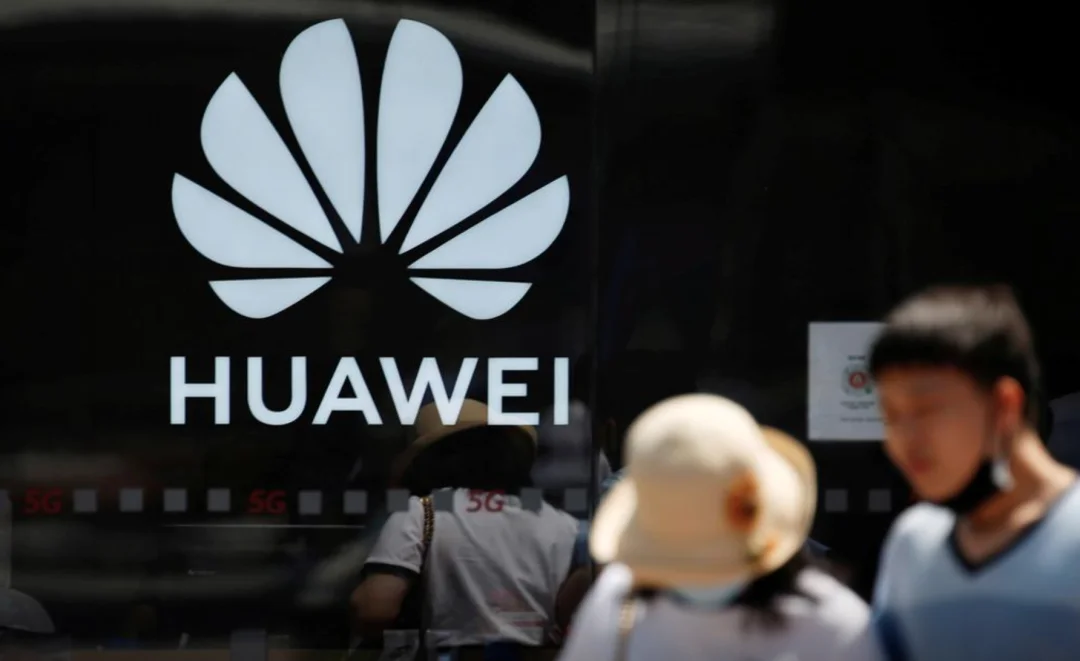
In response, Huawei stated through the Securities Times: "Huawei does not manufacture vehicles. We focus on ICT technologies and serve as a supplier of incremental components for smart cars, helping automakers build better vehicles."
Quick Review:
In 2020, Huawei issued an EMT document stating that anyone who continued to advocate for the company to build cars and interfere with its operations would be transferred from their current position or reassigned to another role. The validity period of this document was three years. While it is possible that Huawei may establish its own automotive brand, particularly after Apple confirmed its plans to build cars, it is unlikely that some models will be launched this year.
Launching a mass-production model this year means the project was initiated internally as early as three years ago. To begin sales this year, the corresponding sales and service system must be laid out in advance; however, we have not observed any relevant signs through any channel to date.
However, reports from Reuters indicating that Huawei is in contact with Changan and BAIC suggest the company is laying groundwork for vehicle manufacturing three years from now.
Pure EVs to Launch in 2023; Li Auto Releases Q4 2020 Financial Results
Li Auto stated that it will launch its next model in 2022, release two models annually after 2022, and its first pure electric vehicle will go on the market in 2023.
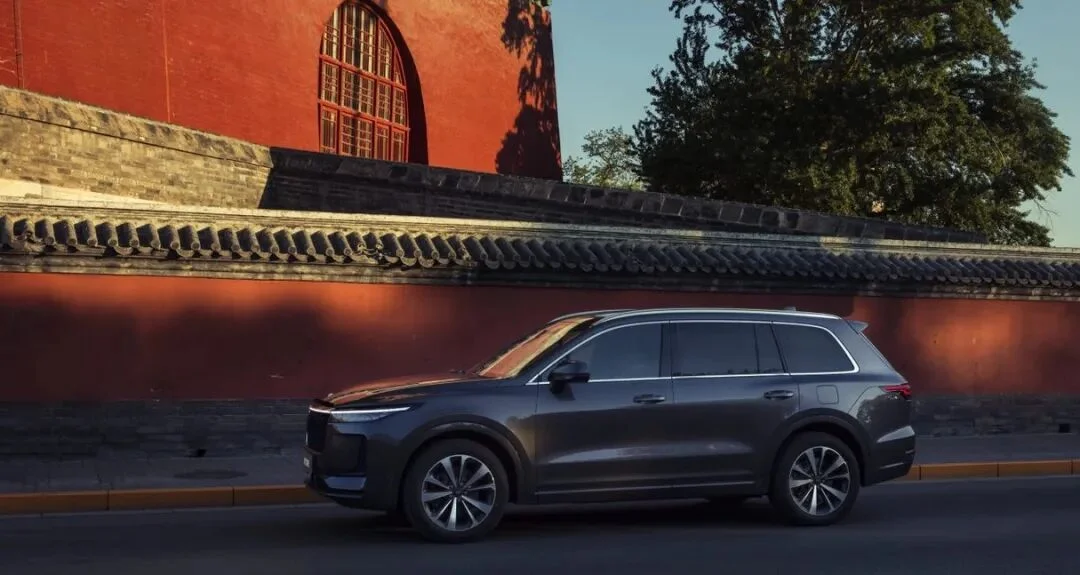
In terms of financial data, automotive sales revenue in 2020Q4 was 4.06 billion RMB, a 64.6% increase from 2.46 billion RMB in 2020Q3; the company's total revenue in 2020Q4 was 4.15 billion RMB, a 65.2% increase from 2.51 billion RMB in 2020Q3.
Editor's Comment:
Regarding models, while Tesla has already introduced LFP versions and XPENG P7 is preparing to do so, Li Auto currently has no plans to incorporate lithium iron phosphate (LFP) batteries into its extended-range vehicles. However, its pure electric models, which are still in the R&D phase, may potentially use LFP batteries.
For earnings, Li Auto reported a net profit of RMB 107.5 million in Q4 2020, compared to a loss of RMB 106.9 million in Q3 2020, marking the company's first profitable quarter.
Shangqi Expands Battery Production Line, Total Investment Not Exceeding RMB 10.5 Billion
On February 25, CATL announced that its holding subsidiary, Shidaishangqidonglidianchiyouxiangongsi, plans to invest in and build the expansion project for the Shangqi battery production line, with an investment amount not exceeding RMB 10.5 billion.
CATL stated that the investment aligns with the company's strategic development plan to further advance its capacity layout, meet customer needs, drive business growth, and consolidate its market position.
Quick Review:
Now, Shangqijituan's lineup of electric vehicles is growing, and battery capacities are increasing. The ER6, which began deliveries last year, and the MARVEL R, which has just started deliveries, both use 70 kWh batteries, representing a significant improvement over previous models. With new models from R Qiche and Zhiji set to launch soon, demand for batteries will continue to rise steadily.
Woerwoqiche and Geely Announce Merger Plan
On February 24, Woerwoqiche Limited and Geely Automobile Holdings Limited jointly announced that the two parties have reached an optimal merger plan. While maintaining their respective existing independent corporate structures, they will deepen cooperation in the new four modernizations of automobiles (electrification, intelligence, connectivity, and sharing).
The two parties will merge their powertrain businesses to establish a new company, focusing on the development of next-generation dual-motor hybrid systems and high-efficiency internal combustion engines. They will jointly develop and utilize a next-generation dedicated pure-electric modular architecture. Leveraging their respective extensive R&D achievements and experience, they will co-develop globally leading highly autonomous driving solutions. They will expand the scope and scale of joint procurement to reduce costs. Lynk & Co vehicles will fully leverage Woerwoqiche's overseas channels and after-sales network to gradually serve global users. Both parties will maintain their existing independent corporate structures.
Quick Review:
In February 2020, Geely issued an announcement stating it was negotiating with Volvo for a business restructuring to bring Volvo into the Geely listing. Now, a new merger plan has emerged. Both sides emphasized that under the existing independent corporate structure, they will merge their powertrain businesses to establish a new company. The focus will shift more toward operational integration and collaboration in areas such as powertrains, battery-electric-motor-electronic-control (three-electric) technologies, and highly autonomous driving, while complementing resources in sales and after-sales services to enhance technology and reduce costs.
Written by: Niki Edited by: Liu San