


BYD Posts April Growth as Industry Slumps; XPENG Bundles ADAS Software; Jihu, Rongwei, and VOYAH Launch New Models
01Weekly Index
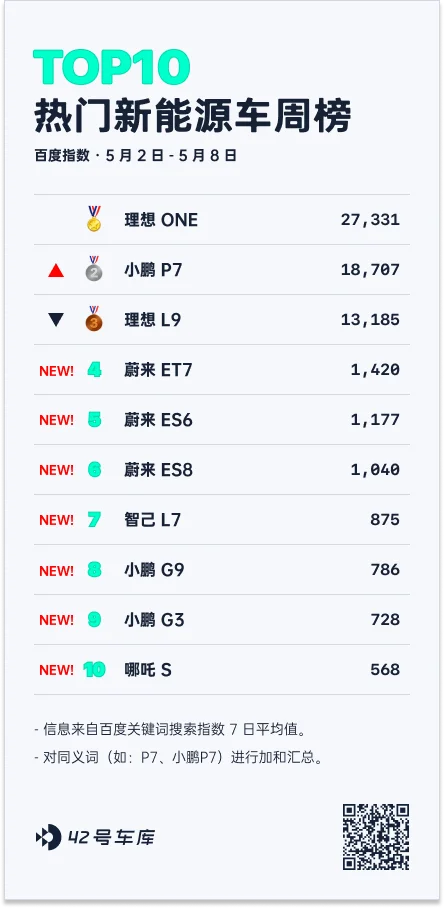
02Weekly News
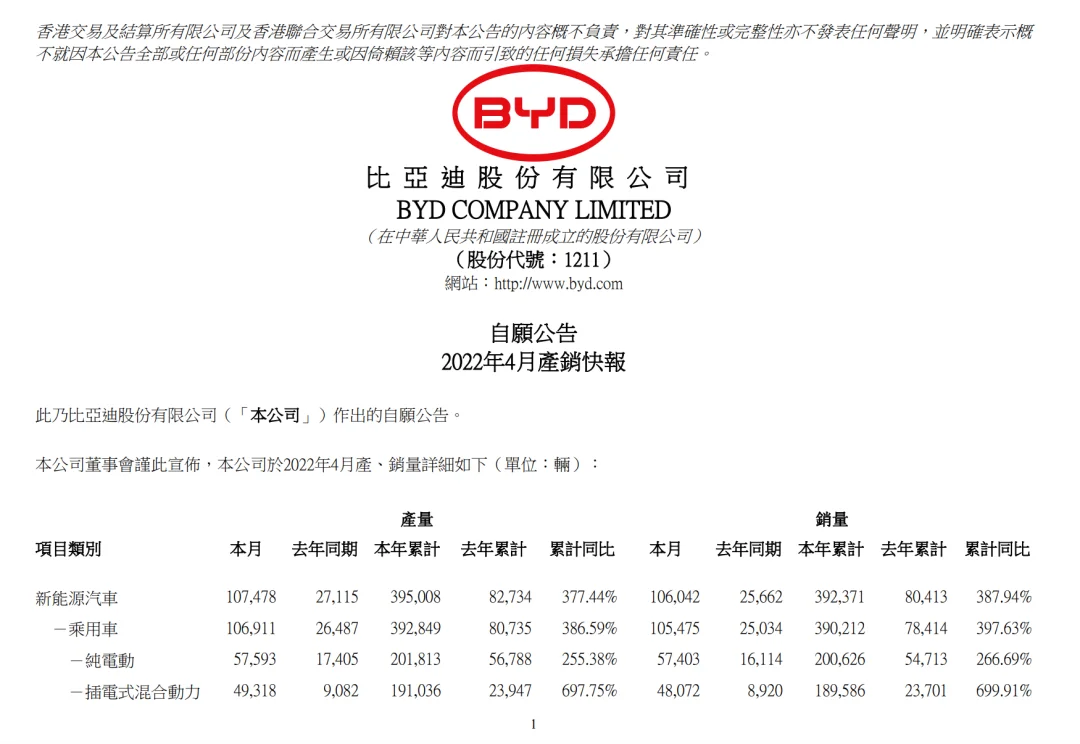
BYD Releases April Production and Sales Report
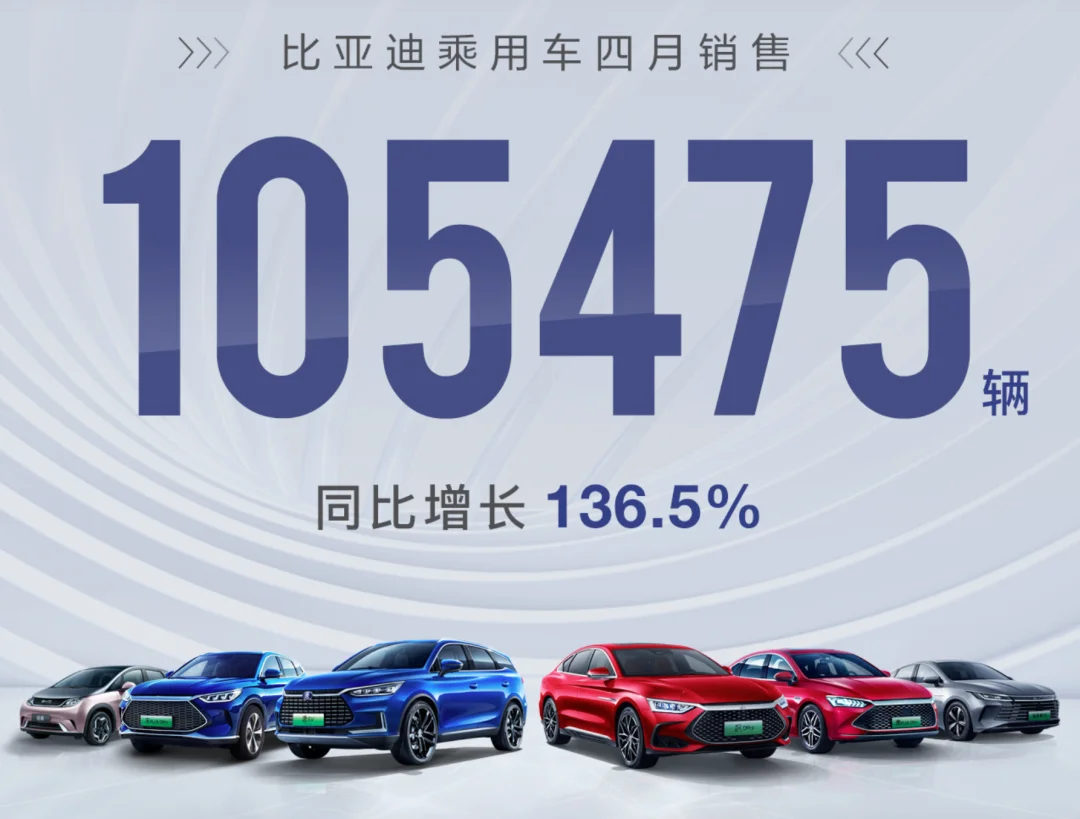
On May 3, BYD released its sales update, reporting that it sold 105,475 passenger vehicles in April. This included 48,072 DM (dual-mode) models and 57,403 EV (electric vehicle) models. Year-over-year sales grew by 136.5%, with a month-over-month increase of 1.1%.
Breakdown by model series:
Hanxilie: 13,421 units, with Han EV sales up 77.9% year-over-year;
Tangxilie: 10,131 units, with Tang EV sales up 263.7% year-over-year;
Songxilie: 25,108 units, with Song DM series sales surging 1,299.5% year-over-year;
Qinxilie: 23,520 units, with Qin PLUS EV sales up 401.4% year-over-year;
Yuanxilie: 15,168 units, up 659.5% year-over-year;
Quzhujian 05: 2,040 units, a month-over-month increase of 38.2%;
Haitun: 12,040 units, a month-over-month increase of 14.7%.
Commentary:
Since mid-March, the pandemic has affected many regions across China. Starting in April, the automotive industry faced significant challenges in both production and sales. Sales operations in areas under lockdown were halted directly, while customer foot traffic to dealerships in other regions was also heavily impacted.
According to Zhongqixie's estimate, the auto industry's sales volume in April is expected to reach 1.171 million units, a month-on-month decrease of 47.6% and a year-on-year decrease of 48.1%. The delivery volumes of new force enterprises in April also mostly saw significant month-on-month declines. However, amidst this widespread gloom, BYD achieving such positive month-on-month growth stands out remarkably.
Another key point to note is that BYD announced the suspension of its internal combustion engine vehicle production on April 3; consequently, its fuel-vehicle production and sales volumes for April were zero.
Rongwei Pure Electric MPV iMAX8 EV Opens for Pre-sale
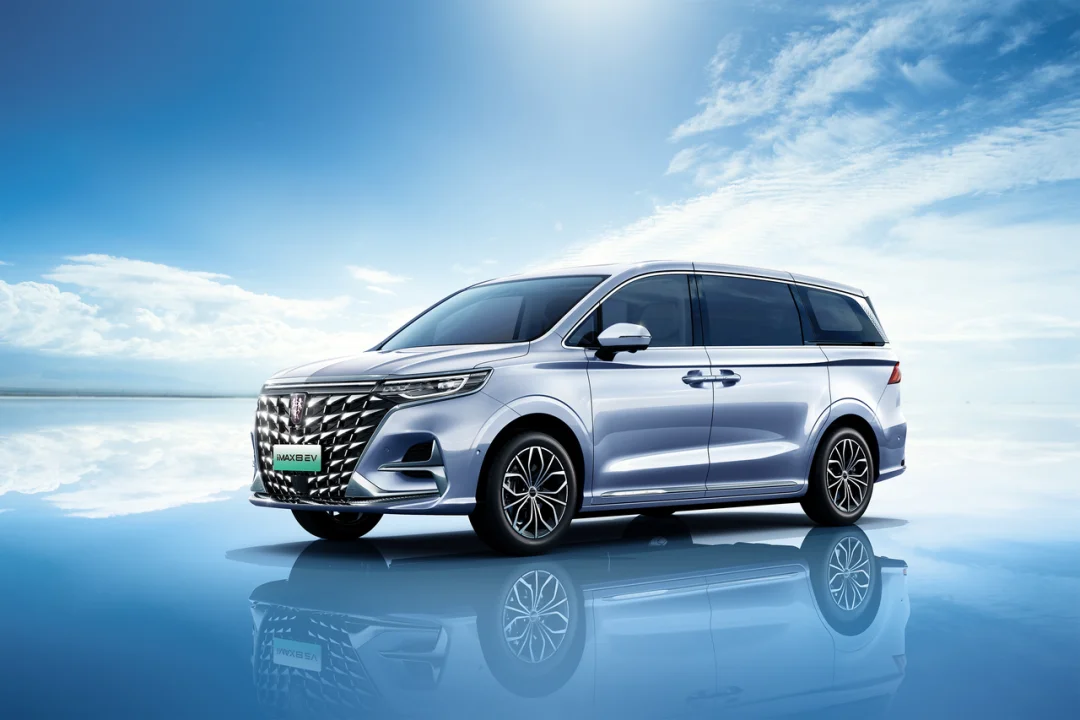
On May 5, the Rongwei iMAX8 EV pure-electric MPV officially opened for pre-sale, with a price range of RMB 279,800 to RMB 329,800. Three trims were launched: Luxury, Aviation, and Intelligent Driving. Four exterior colors are available: Silver Light, Pearl White, Nebula Blue, and Ronglin Grey.
Rongwei stated that placing an order via the Shangqirongwei App during the pre-sale period also entitles buyers to the following benefits:
A RMB 5,000 referral gift for inviting friends to purchase a car;
RMB 5,000 charging subsidy;
Lifetime original-vehicle warranty (including the battery, electric motor and electronic control systems);
Up to RMB 15,000 trade-in subsidy;
Free charging pile included;
Lock in the price upon successful reservation (immune to rising new energy material costs);
Over three years of dedicated VIP butler service;
Two-year 0% interest loan with a 60-month term.
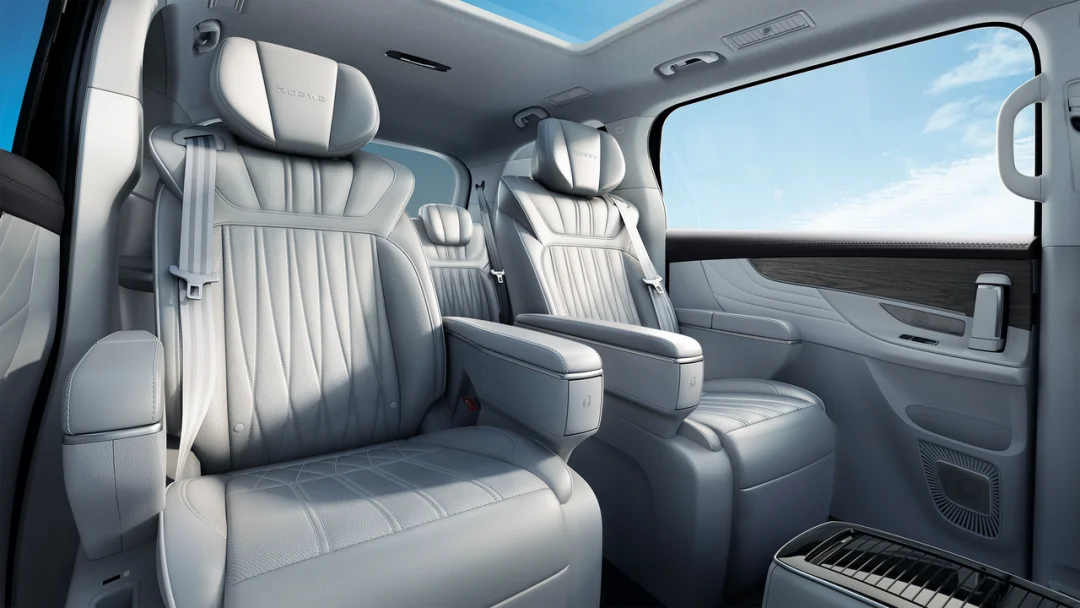
Commentary:
The iMAX8 EV targets the pure-electric MPV segment, featuring a motor with a maximum power output of 180 kW and a 90 kWh battery pack. It supports fast charging from 30% to 80% in 30 minutes and offers a range of 550 km (under an unspecified test cycle), making its pricing relatively competitive.
Additionally, pre-order customers receive six VIP benefits, including self-parking near airports, access to VIP lounges, and designated driver services. For this pre-sale, Shangqirongwei also launched the 'Economic Home Battery Financing Plan,' which requires a minimum 25% down payment for the vehicle body over three years and 0% down payment for the battery over five years. Customers choosing this plan can save RMB 90,000 off the pre-sale guide price.
XPENG Adjusts Configuration: XPILOT 3.0/3.5 Software Included as Standard
On May 6, XPENG announced that starting from May 9, 2022, buyers of XPENG P5 and P7 models equipped with XPILOT 3.5 or 3.0 would receive the corresponding driver assistance software and subsequent updates free of charge with their vehicle purchase.
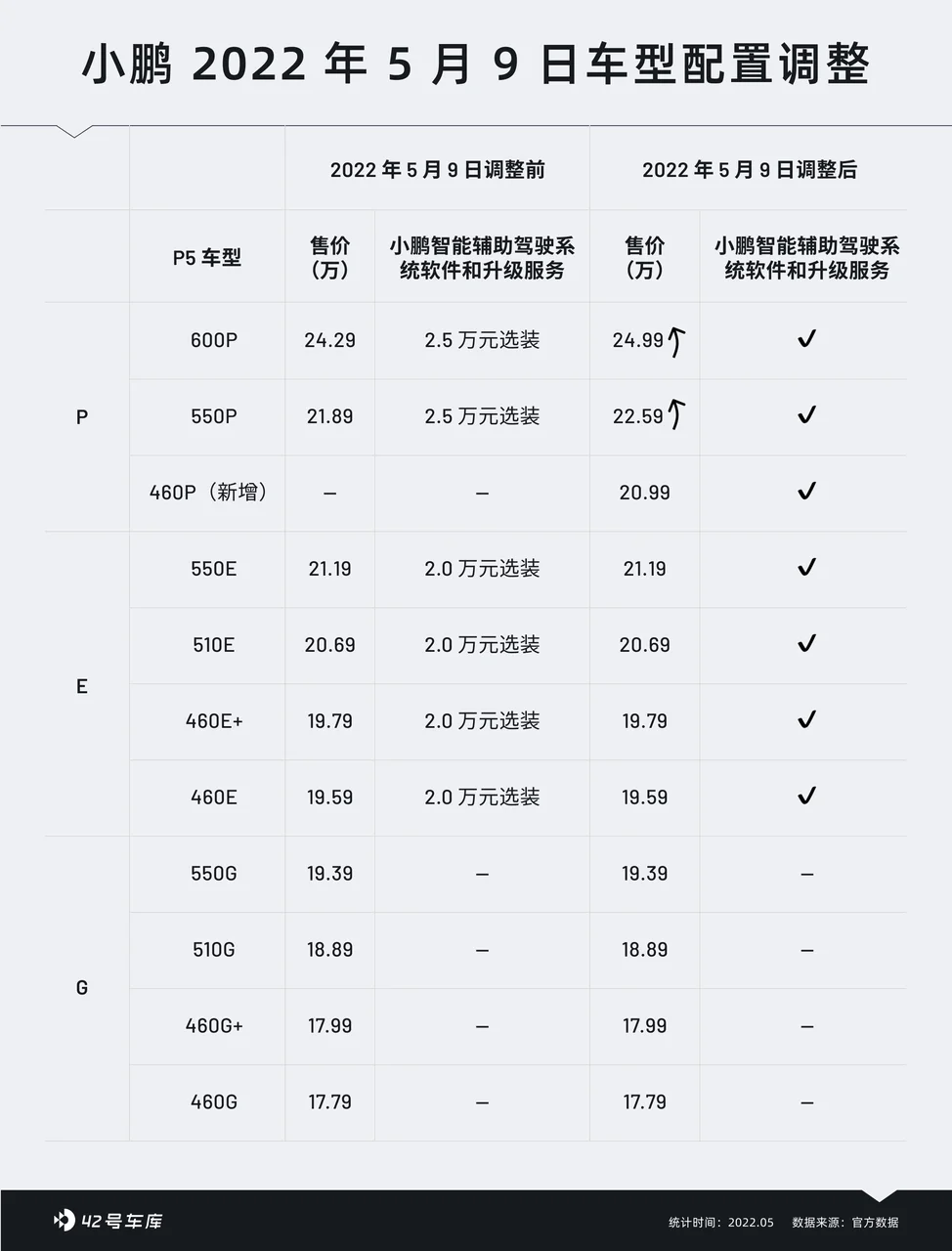
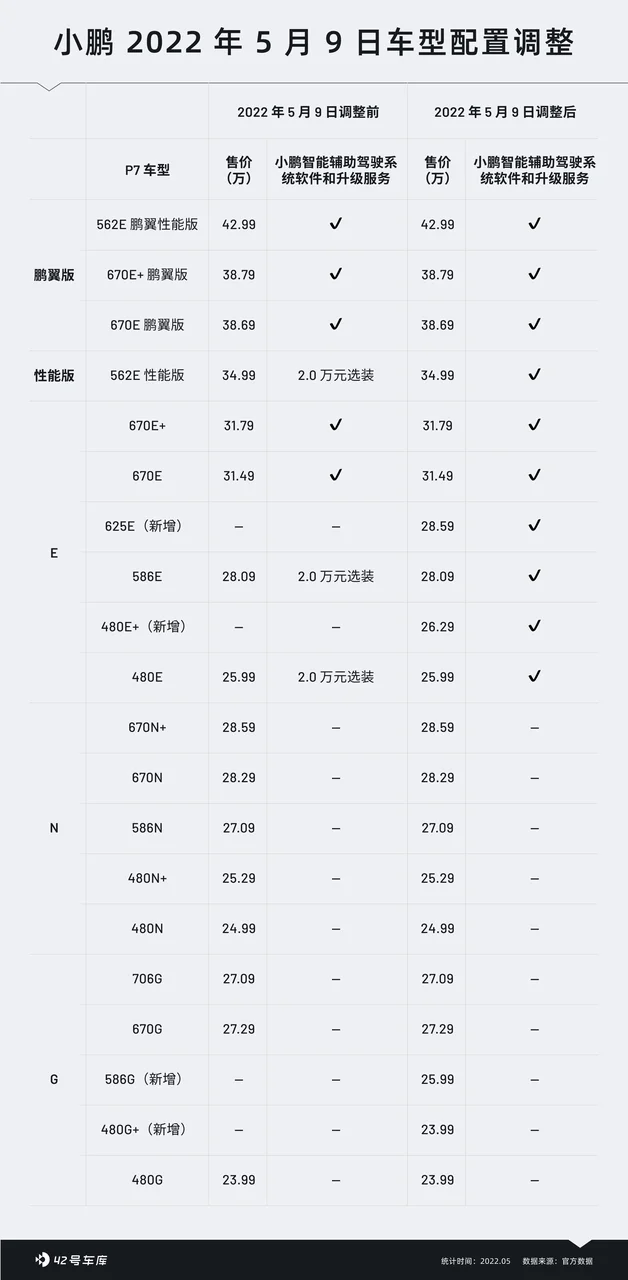
However, there are trade-offs. Also effective from May 9, 2022, new customers purchasing the G3i, P5, and P7 will no longer be eligible for lifetime free charging services, as well as free home charging piles and installation rights.
Commentary:
For potential buyers interested in XPENG’s intelligent features, the adjustment taking effect on May 9 is a definite benefit: driver assistance software no longer requires an additional paid option, and the overall vehicle price remains unchanged (with slight increases for the P5 550P and 600P trims).
The P7’s XPILOT 3.0 is based on the NVIDIA Xavier supercomputing platform, featuring five high-precision millimeter-wave radars, 12 ultrasonic sensors, four surround-view cameras, ten high-sensitivity cameras, and a sub-meter-level high-precision positioning system. The P5 hardware supporting XPILOT 3.5 has one fewer high-sensitivity camera than the P7 but includes two additional LiDAR units.
After activating NGP, both the P5 and P7 support full-speed adaptive cruise control (ACC), lane centering control (LCC), intelligent lane change assistance (ALC), adaptive curve cruise (ATC), collision prevention systems covering forward, side, and rear directions, as well as memory parking in garages and intelligent high-beam assist (IHB) included in software update services. The P5 additionally supports multi-floor memory parking, full-speed adaptive cruise control with stop-and-go functionality, and city NGP intelligent navigation-assisted driving.
Feifan Unveils Interior Design for Flagship R7
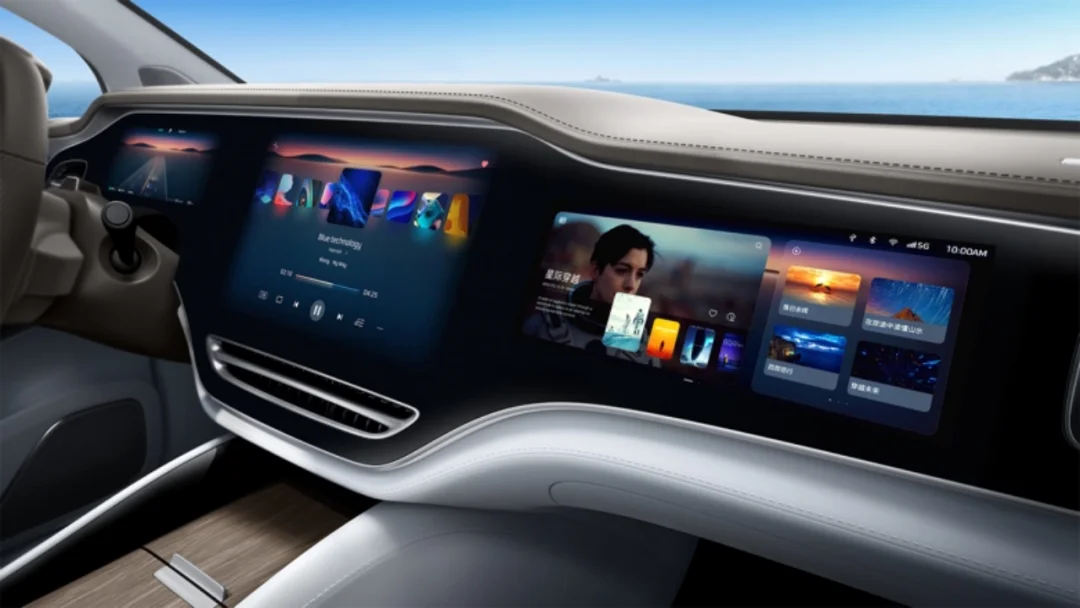
The cabin’s standout feature is a 43-inch wide true-color triple screen, reminiscent of the flagship Mercedes-Benz EQS.
This display on the Feifan R7 is encapsulated in an optical-coated glass panel. It is six times stronger than standard soda-lime glass and offers anti-fingerprint, anti-glare, and reduced reflection properties.
The specifications for the three screens beneath the glass are:
15.05-inch center console screen with 2,560 × 1,600 resolution and OLED flexible material
10.25-inch instrument cluster with 1,920 × 1,080 resolution and Mini LED material
12.3-inch co-driver screen with 1,920 × 1,080 resolution and Mini LED material
The AMOLED flexible screen, with a viewing angle approaching 180 degrees, accommodates viewers in different seats and prevents color shift when viewed from the side. The OLED display has a maximum brightness of 800 nits, while the instrument cluster’s Mini LED screen reaches 1,000 nits—matching the latest iPad Pro. Even under direct sunlight, the displays remain clearly visible.
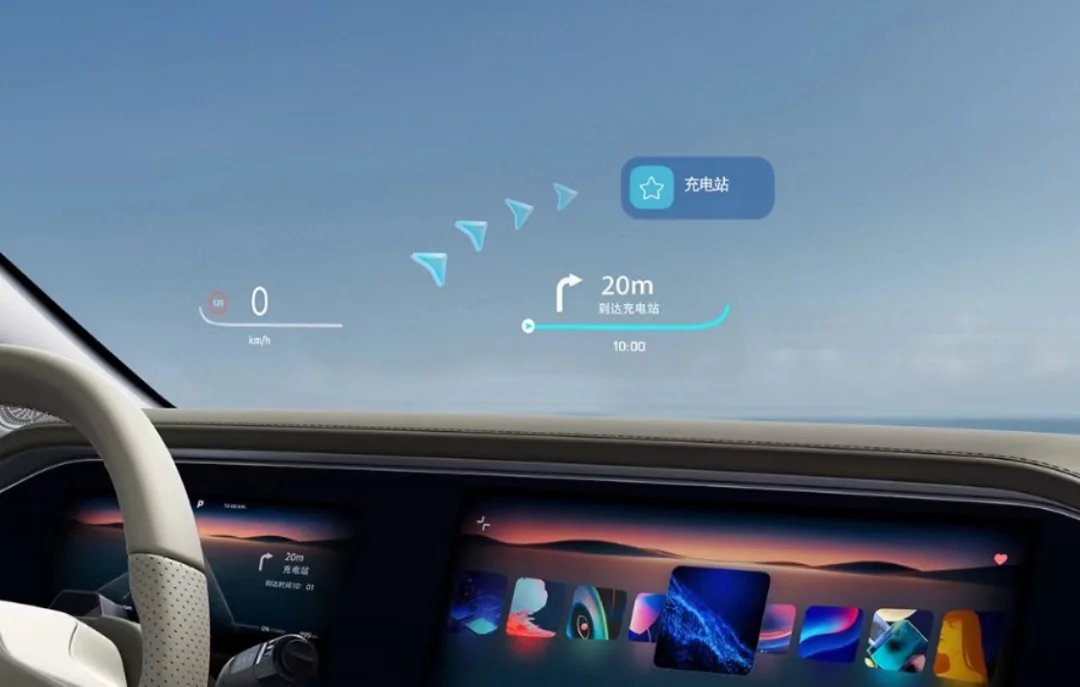
The Feifan R7 also makes no concessions in AR-HUD technology, debuting Huawei’s Visual Enhancement AR-HUD system. As seen in images, the projection area is substantial, displaying speed, speed limits, and driver assistance status, as well as projecting navigation information.
According to Feifan, this HUD supports lane-level augmented reality navigation, overlaying the visual interface onto the road surface. This sounds similar to the system featured on the new Mercedes-Benz S-Class, but no actual demonstration footage has been released yet.
Commentary:
Due to automotive-grade certification requirements and other factors, infotainment screens have typically lagged behind mobile devices by at least one generation. However, the premium specifications disclosed for the Feifan R7’s screens are leading even among mobile devices. The combination of an OLED center console screen and a Mini LED instrument cluster, found in the Feifan R7, also appears in products like the NIO ET7 and is likely to become the mainstream configuration for high-end vehicle infotainment screens this year.
The resolution of the AR-HUD system is also worth anticipating, as Feifan claims the HUD can function as a giant-screen cinema when the vehicle is parked, suggesting adequate preparation for high resolution.
Beyond the cabin, the R7’s driver assistance hardware, announced in March last year, is equally impressive. Featuring a 1,550 nm lidar, 4D imaging millimeter-wave radar, an 8-megapixel camera, and an NVIDIA Orin chip, it holds its own against first-tier new energy vehicle brands.
Jihu Aerfa S New HI Version Launched
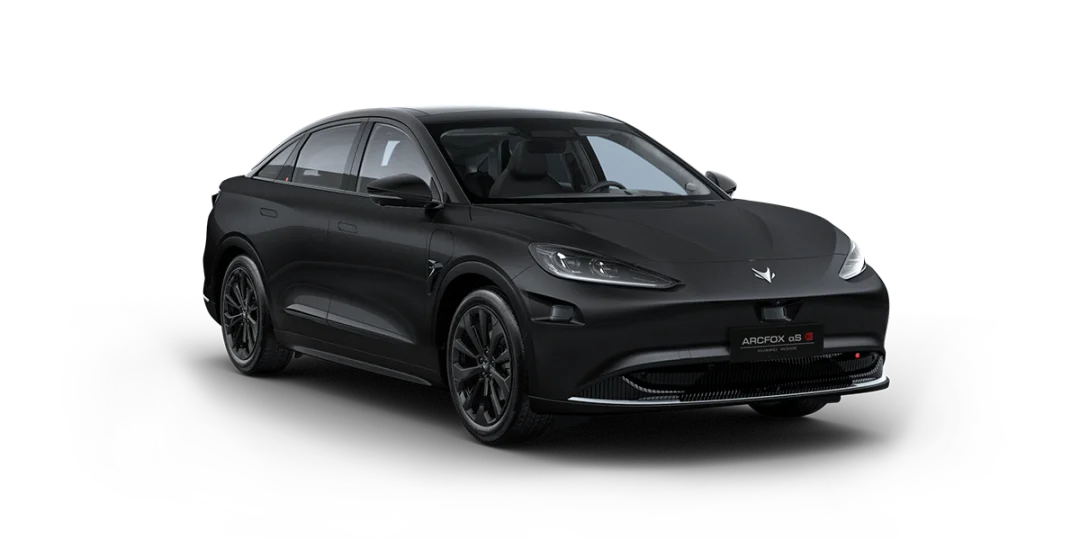
On May 7, the new Jihu Aerfa S HI version was launched. The new car has two trim levels: the Advanced and the High-End, priced at RMB 397,900 and RMB 429,900 respectively. It is the first model to be equipped with Huawei's intelligent automotive solutions.
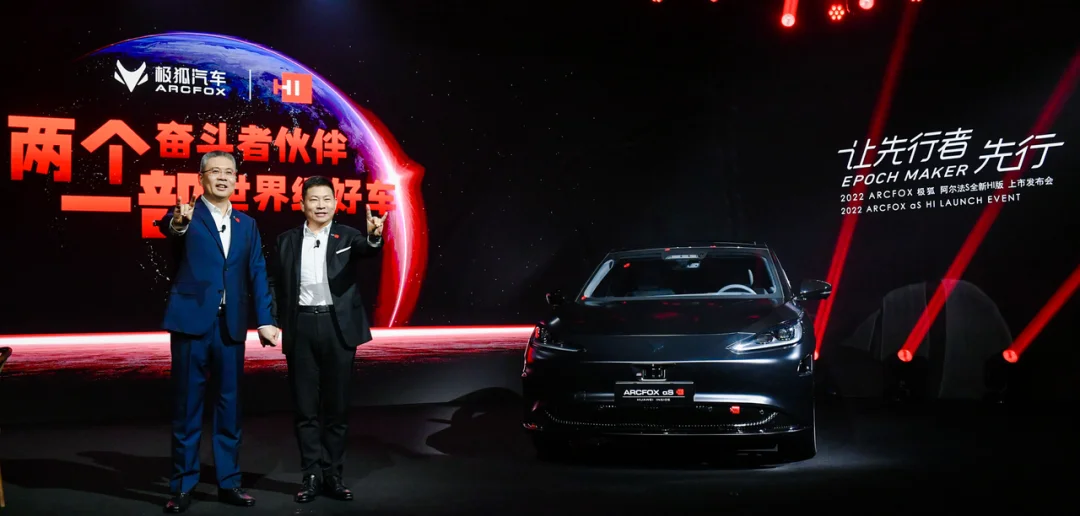
Jihu Aerfa S new HI version body parameters and configurations:
Body length, width, and height are 4,980 × 1,960 × 1,599 mm, with a wheelbase of 2,915 mm;
Trunk volume / rear seats folded volume: 550/1,290 L;
Drag coefficient: 0.246;
0–100 km/h acceleration: 3.5 s (Frenzy/Track mode);
Peak power: 473 kW;
Battery capacity: 74.5 kWh.
The Jihu Aerfa S new HI version’s advanced driver assistance system (ADAS) hardware configuration includes:
Three LiDAR units (Huawei 96-line mid-to-long-range LiDAR);
Nine ADAS cameras;
Four surround-view cameras;
Six millimeter-wave radars;
Twelve ultrasonic radars;
Huawei MDC computing platform (400 TOPS).
The 96-line LiDAR developed by Huawei, equipped on the new Jihu Aerfa S HI version, features a compact size and low cost. At its launch, Huawei stated that the LiDAR's cost was only a few hundred dollars and would be reduced to USD 200 in the future.
The new Jihu Aerfa S HI model will achieve full-scenario point-to-point assisted driving capabilities, including active ramp entry/exit, automatic lane changes, and independent ETC passage. It will also feature the HarmonyOS infotainment system, while high-level AVP valet parking functions will not be absent. However, Richard Yu noted that these features may not be delivered to customers immediately; as software iterates, users can upgrade and experience them via OTA shortly after taking delivery of the vehicle.
Commentary:
The new Jihu Aerfa S HI model has attracted significant attention largely because it integrates Huawei's achievements in the smart automotive field. As Richard Yu, CEO of Huawei's Intelligent Automotive Solution BU, stated at the press conference, although Huawei has partnered with many automakers across domains such as intelligent driving, smart cockpits, and powertrains, the Jihu Aerfa S HI version is unique in terms of cooperation depth, functional comprehensiveness, and engineering complexity. Therefore, the launch of this model holds considerable significance for both parties.
VOYAH Mengxiangjia MPV Launch Price
On May 7, the official launch price for the VOYAH Mengxiangjia was announced at the press conference:
7-seat "Meng" series: RMB 439,900;
7-seat "Xiang" series: RMB 389,900;
7-seat "Jia" series: RMB 369,900;
4-seat private customization version: RMB 639,900.
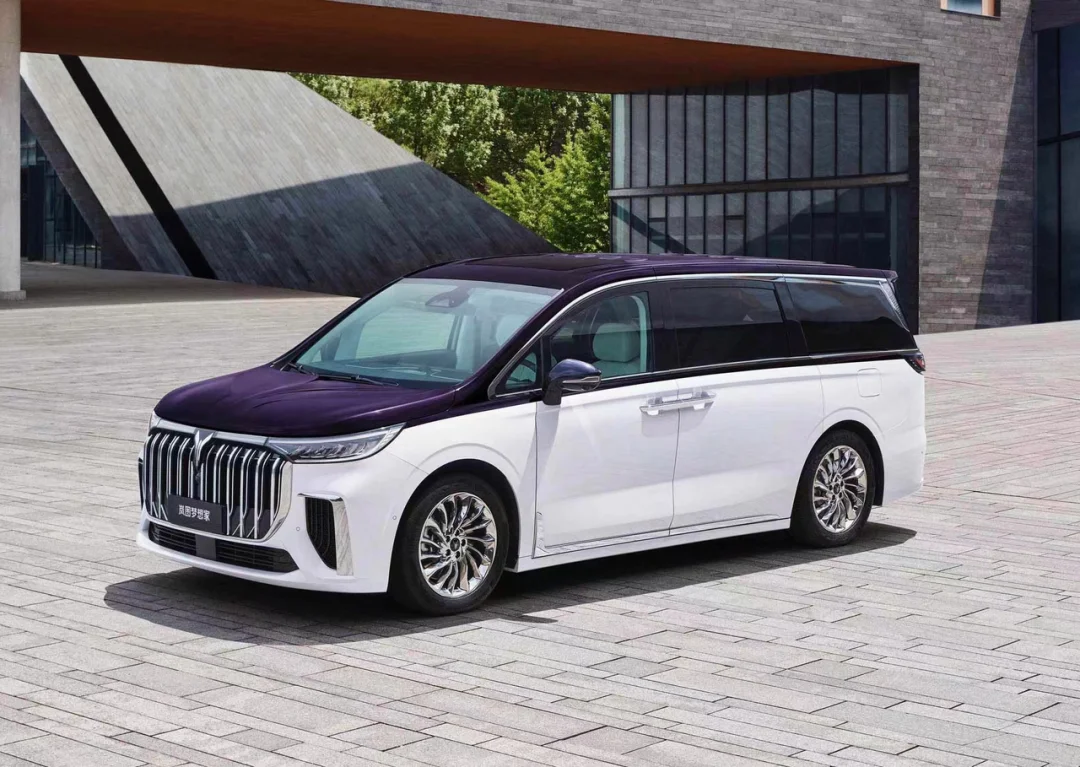
The Mengxiangjia hybrid and pure electric versions with identical configurations are priced the same, allowing buyers to choose between the two powertrains based on their needs. The battery specifications for the pure electric and hybrid versions are as follows:
The pure electric version is equipped with an 82 kWh battery pack, offering a CLTC range of 475 km;
The hybrid version features a 25.57 kWh battery pack paired with a 1.5-liter turbocharged four-cylinder engine, providing a CLTC pure electric range of 82 km and a WLTP combined range of 750 km.
VOYAH Mengxiangjia offers three official optional packages: the "Smart Comfort Package," the "Smart Driving Package," and the "Range Package." The specific details of the additional features in the "Smart Comfort Package" were not disclosed at this launch event. The "Smart Driving Package" provides hardware and functions for driver assistance. The "Range Package" is designed for pure electric models, allowing buyers to upgrade from an 82 kWh battery to a 108.7 kWh battery for RMB 50,000.
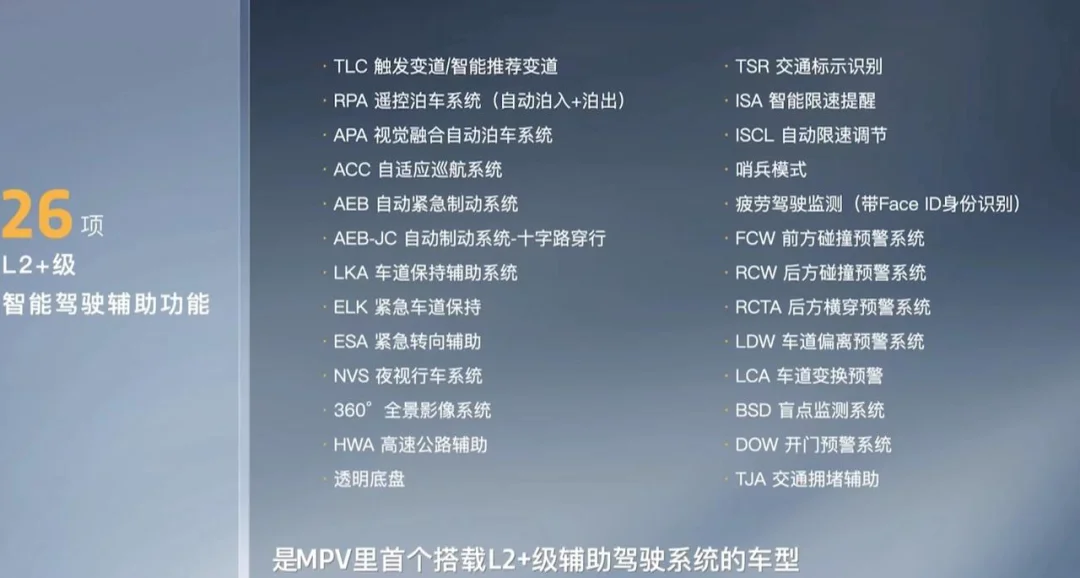
In terms of driver assistance hardware, VOYAH Mengxiangjia uses Mobileye EyeQ4 chips. The vehicle is equipped with a total of 24 sensors, including:
5 millimeter-wave radars
7 cameras
12 ultrasonic radars
Commentary:
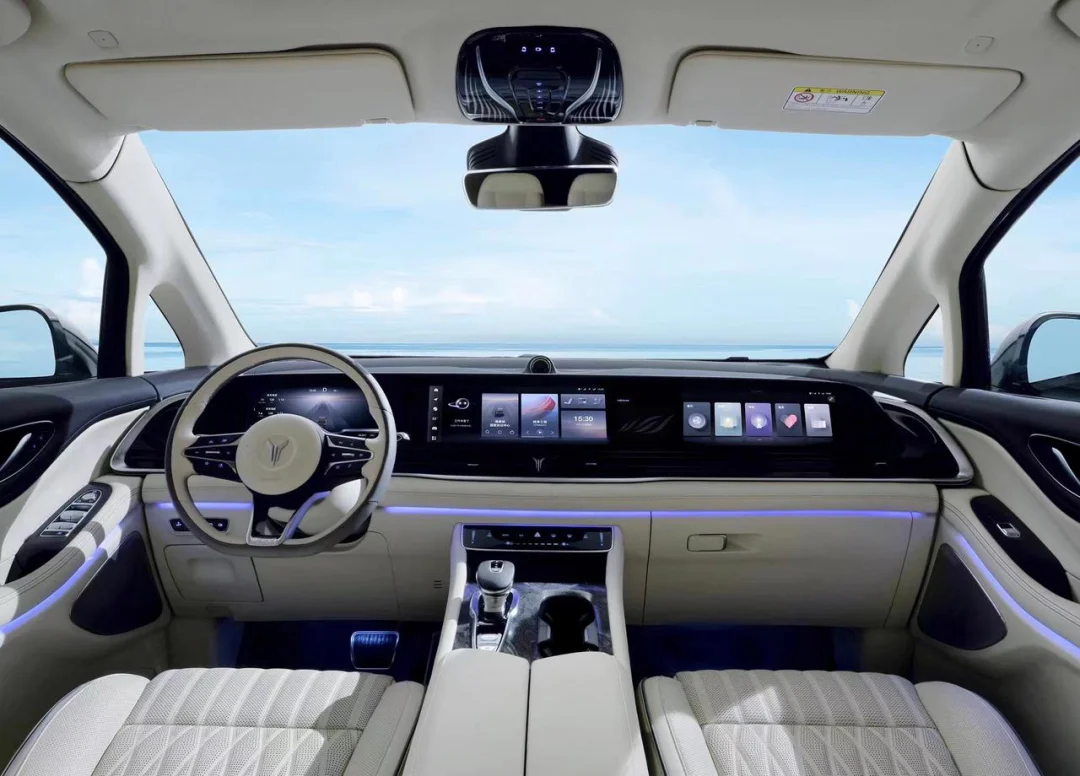
At the hardware level, Mengxiangjia features a chassis, powertrain, and intelligent configuration that are stronger than those of its internal combustion engine rivals. Its interior design also adopts a minimalist yet luxurious style favored by younger demographics.
On the pricing front, even with the addition of the RMB 50,000 range extension package, the sub-RMB 500,000 price tag combined with its premium features offers strong cost-effectiveness for Mengxiangjia. The quietness provided by electric drive and the technological feel from intelligent systems deliver a better experience compared to traditional fuel-powered MPVs.
As for sales performance, only the market can provide the answer.
Written by: 42 Gezi Edited by: Liu Guangding