


BYD, XPENG, Li Auto, NIO Report December Sales; Mercedes-Benz Unveils EQXX Concept; Geely Plans New Battery-Swapping Brand
01Weekly Index
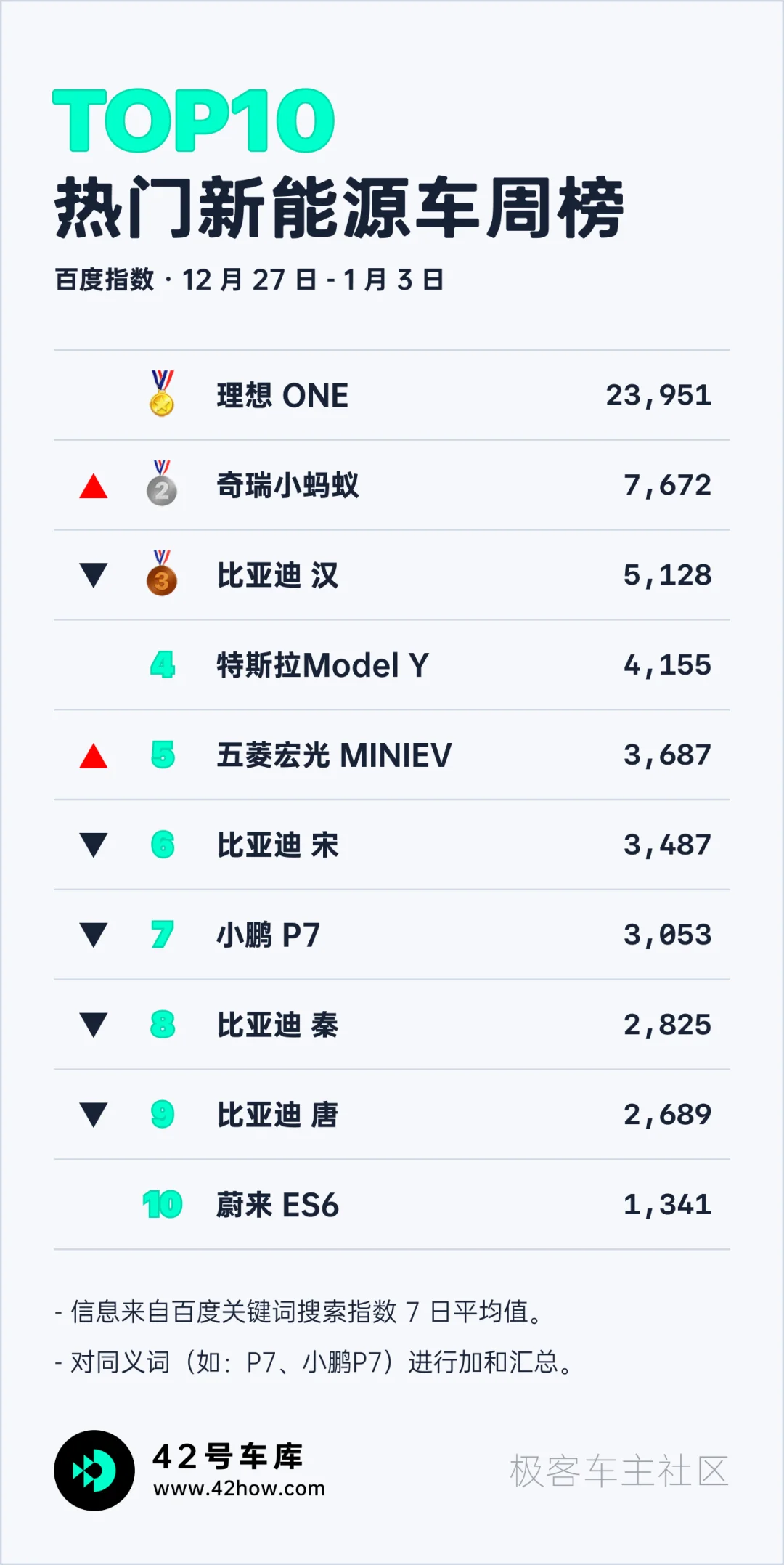
02Weekly Highlights
December Sales Data Released by Automakers: BYD's New Energy Vehicle Annual Sales Near 600,000 Units; Tesla Publishes Global Sales Figures
New energy vehicle manufacturers have been releasing their December sales figures, with the specific data as follows.
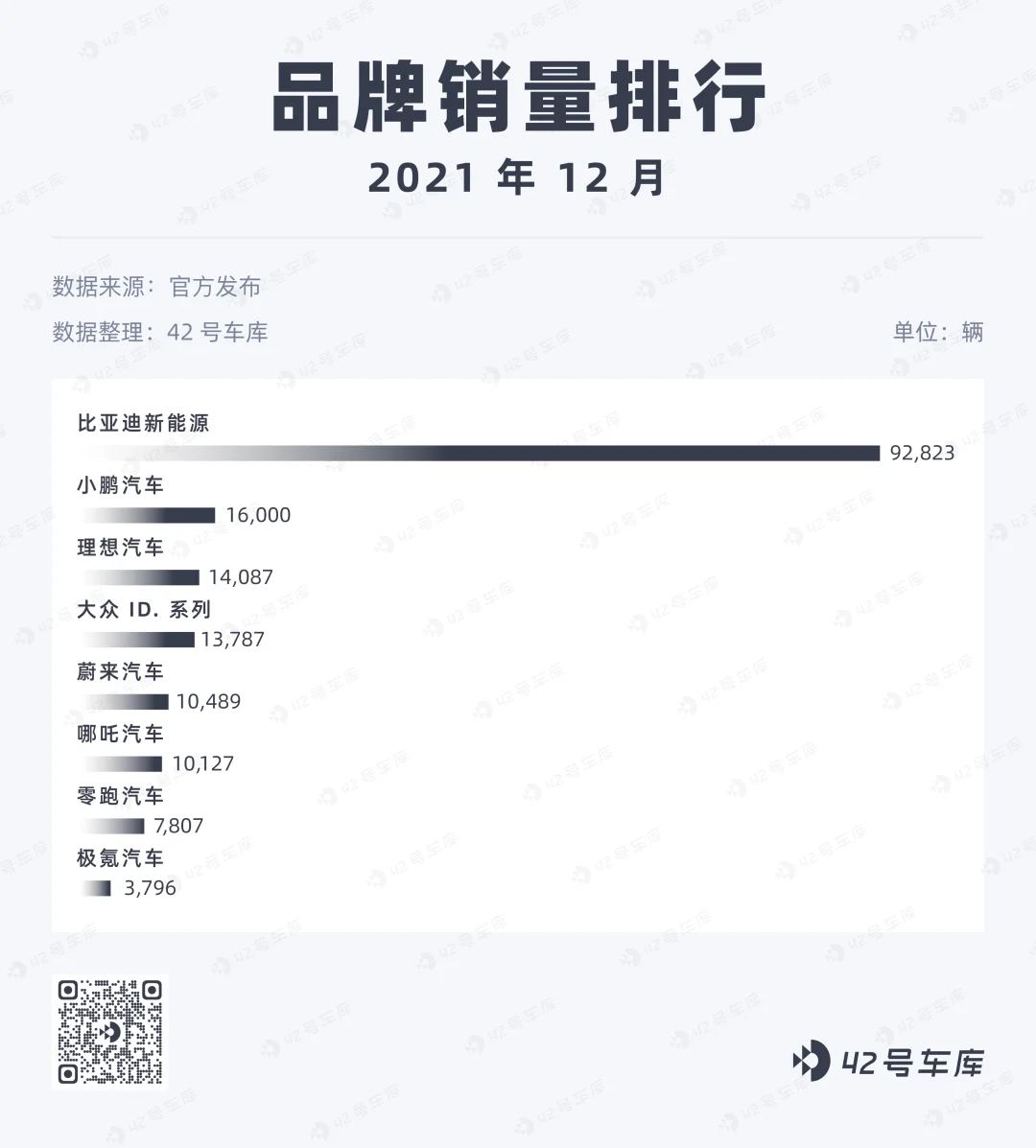
BYD's new energy vehicle series saw a year-over-year sales increase of 236.4% in December, reaching 92,823 units. For the full year of 2021, BYD's new energy vehicle series achieved an annual sales volume of 593,745 units, representing a year-over-year growth of 231.6%.
Among these, pure electric (EV) models accounted for 320,810 units sold over the year, while hybrid models totaled 272,935 units.
XPENG has released its December 2021 sales figures, with total deliveries reaching 16,000 units, setting a new all-time high and making it the brand with the highest delivery volume among the top three new energy startups. The detailed delivery breakdown is as follows:
P7: 7,459 units
P5: 5,030 units
G3i: 3,511 units
XPENG P5 was launched in September and began deliveries in October. Within just three months, its single-model sales exceeded 5,000 units.
In the fourth quarter, XPENG’s cumulative deliveries reached 41,751 units, a 63% increase from the previous quarter and a 222% year-over-year increase.
Total deliveries for XPENG in 2021 amounted to 98,155 units, 3.6 times that of 2020. The P7 delivered 60,569 units, accounting for 62% of total deliveries.
Lixiang delivered 14,087 vehicles in December 2021, setting a new monthly delivery record, with a year-over-year increase of 130.0%, and maintaining consecutive monthly sales above ten thousand units.
Lixiang delivered 35,221 units in Q4 2021, a 40.2% quarter-on-quarter increase, exceeding the delivery guidance of 30,000 to 32,000 units expected for Q3.
Lixiang delivered 90,491 vehicles in 2021, achieving a year-over-year growth of 177.4% thanks to the hit model Li ONE.
NIO delivered 10,489 units in December 2021, a 49.7% year-over-year increase. Breakdowns include ES8 at 2,782 units, ES6 at 4,939 units, and EC6 at 2,768 units.
NIO's Q4 2021 total deliveries were 25,034 units, up 44.3% year-over-year, successfully meeting the Q3 guidance target of 23,500 to 25,500 units.
NIO delivered 91,429 vehicles in 2021, a year-over-year increase of 109.1%. Since the start of deliveries, NIO has cumulatively delivered 167,070 vehicles.
Zeekr delivered 3,796 units in December, a month-over-month increase of 88.7%.
Since deliveries began on October 23, the Zeekr 001 achieved sales of 2,012 units in November. However, due to production capacity constraints, feedback from owner groups indicates that deliveries for users with confirmed orders are now scheduled through May.
The Volkswagen ID. family recorded 13,787 deliveries in December. For comparison, the Volkswagen ID. family delivered 14,167 units in November, showing a slight decline in December. Since its launch in late March, the total cumulative deliveries for the Volkswagen ID. family have reached 70,625 units.
Nezha delivered 10,127 units in December, representing a simultaneous growth of 236%. As a reference, Nezha delivered 10,013 units in November, with individual users accounting for more than 91% of the volume.
Through November 2021, Nezha’s cumulative delivery volume reached 59,547 units, a year-over-year increase of 393%.
Leapmotor delivered 7,807 new vehicles in December, a month-over-month increase of 39% and a year-over-year increase of 368%.
In 2021, Leapmotor’s cumulative new vehicle deliveries totaled 43,121 units. This included 38,463 units of the Leapmotor T03. The Leapmotor C11, which began deliveries in October 2021, had accumulated 4,021 units by the end of the period.
Tesla has not yet released its annual and monthly delivery figures for China, providing only global data.
In the fourth quarter of 2021, total production was 305,840 units with deliveries of 308,600 units; Model 3/Y total production was 292,731 units with deliveries of 296,850 units; Model S/X total production was 13,109 units and deliveries were 11,750 units.
For the full year 2021, total production was 930,422 units with deliveries of 936,172 units; Model 3/Y total production was 906,032 units with deliveries of 911,208 units; Model S/X total production was 24,390 units and deliveries were 24,964 units.
Quick Review:
As the year ends, automakers are still pushing hard to boost sales. BYD is particularly strong, already achieving monthly new energy vehicle sales of nearly 100,000 units. Its sales figures remain significantly higher than those of the domestic "little three".
Let's look at the performance of XPENG, Lixiang, and NIO. The overall ranking shows little difference from the previous month, although NIO's sales figures experienced a slight decline compared to last month, the drop is not significant. Overall, all three brands remain in a stage of steady growth.
As a model just launched and delivered, the Zeekr 001 has seen considerable growth in sales data due to a backlog of orders. Currently, Zeekr is primarily constrained by production capacity issues; perhaps after its production ramp-up, sales figures could see another wave of growth.
Tesla currently only has global sales data. However, according to unofficial reports, Tesla's domestic deliveries for December were 70,500 units. For a company with only two models available for delivery, this is quite an impressive result, trailing BYD's monthly sales by only about 20,000 units. We can look forward to Tesla's official announcement of its domestic sales figures.
Geely to Launch New Battery-Swapping Brand
On December 30, Geely announced that its joint venture with Lifan will launch a new "battery-swapping mobility brand."
According to Geely's promotional materials, the joint venture will develop battery-swapping vehicles based on GBRC (Geely Battery Rapid Change architecture). The platform is designed to accommodate wheelbases ranging from 2,700 mm to 3,100 mm and covers sedans, SUVs, MPVs, logistics vehicles, and light trucks. The new products are initially targeted at commercial operation markets such as ride-hailing, logistics, and taxis, with plans to eventually penetrate the private vehicle market.
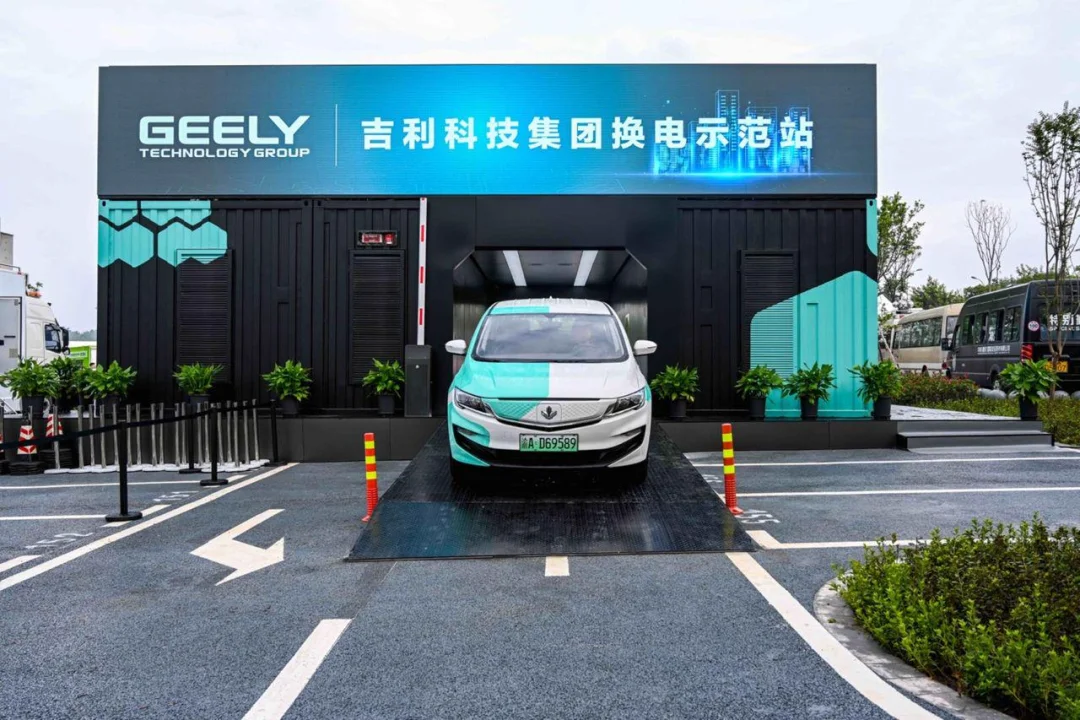
Geely claims it will achieve rapid battery swapping in 60 seconds through the construction of modular battery-swapping stations. The company plans to deploy more than 5,000 stations across over 100 core cities by 2025.
Currently, the joint venture between Geely and Lifan has launched a global naming campaign for its battery-swapping vehicle series titled "Awaken Free Power 2022."
Quick Review:
After NIO established its network of battery-swapping stations, Geely is also preparing to enter the battery-swapping model. Based on Geely's current layout, the battery-swapping strategy appears to focus primarily on the commercial vehicle market, whereas NIO targeted the private vehicle scenario from the outset. In the commercial vehicle sector, higher utilization rates are required, making the battery-swapping model more practical compared to conventional charging.
One notable point is that Geely plans to deploy more than 5,000 battery-swap stations by 2025. Since NIO opened its first swap station in May 2018, the company has built a total of 780 stations. Reaching the target of 5,000 stations will likely present some challenges.
If successfully implemented, however, the high density of swap stations combined with rapid swapping speeds will significantly enhance the convenience of the battery-swap model.
Mercedes-Benz EQXX Concept Car Officially Unveiled
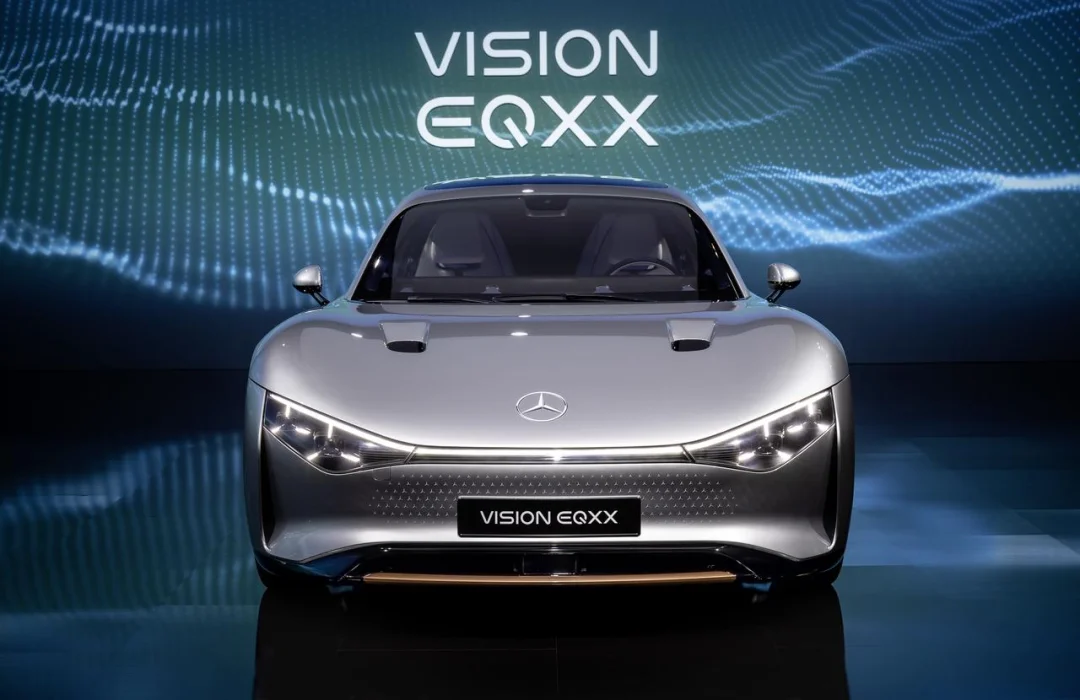
Under Mercedes-Benz’s simulated calculations, the EQXX concept car can achieve a range of 1,000 kilometers. To reach this milestone, the EQXX focused heavily on aerodynamics, lightweight design, and electric drive efficiency.
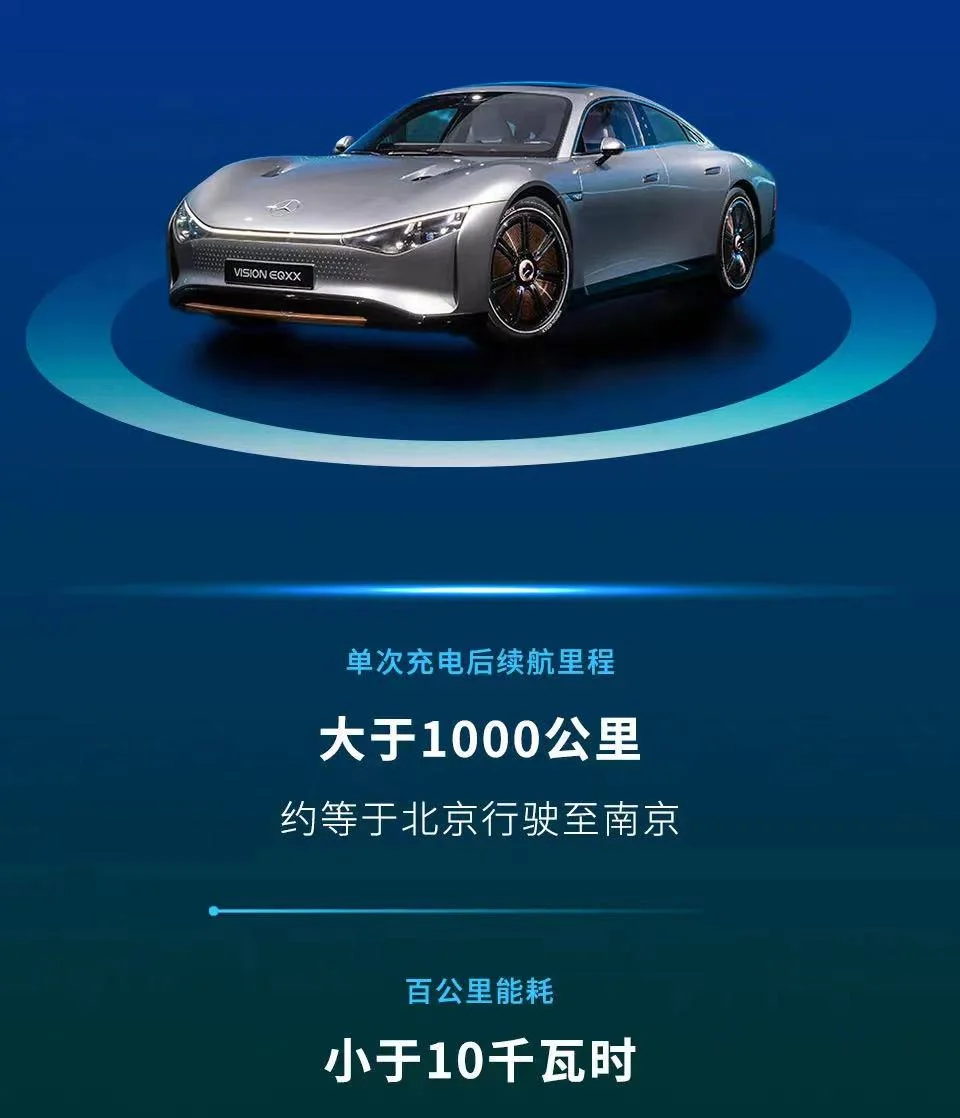
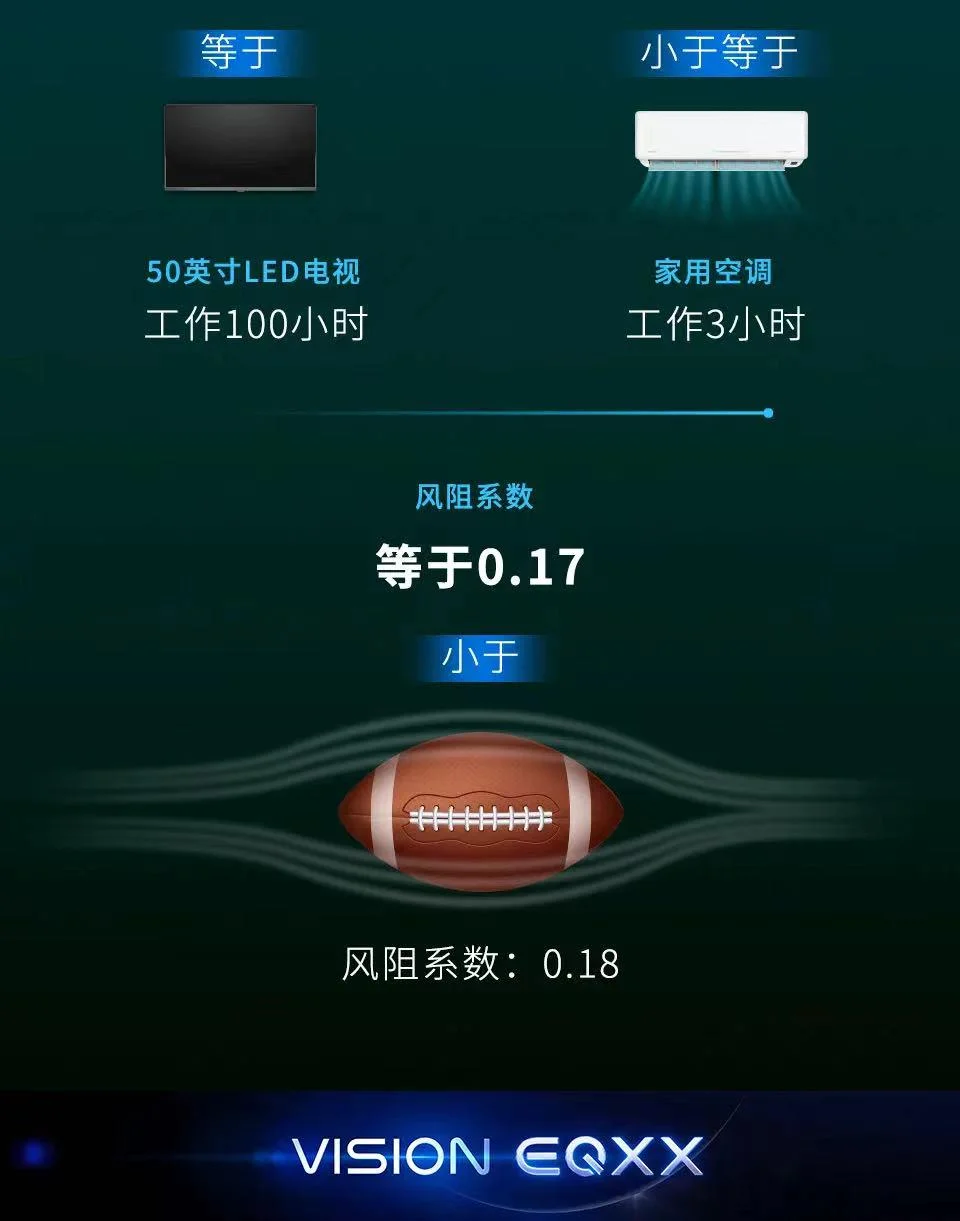
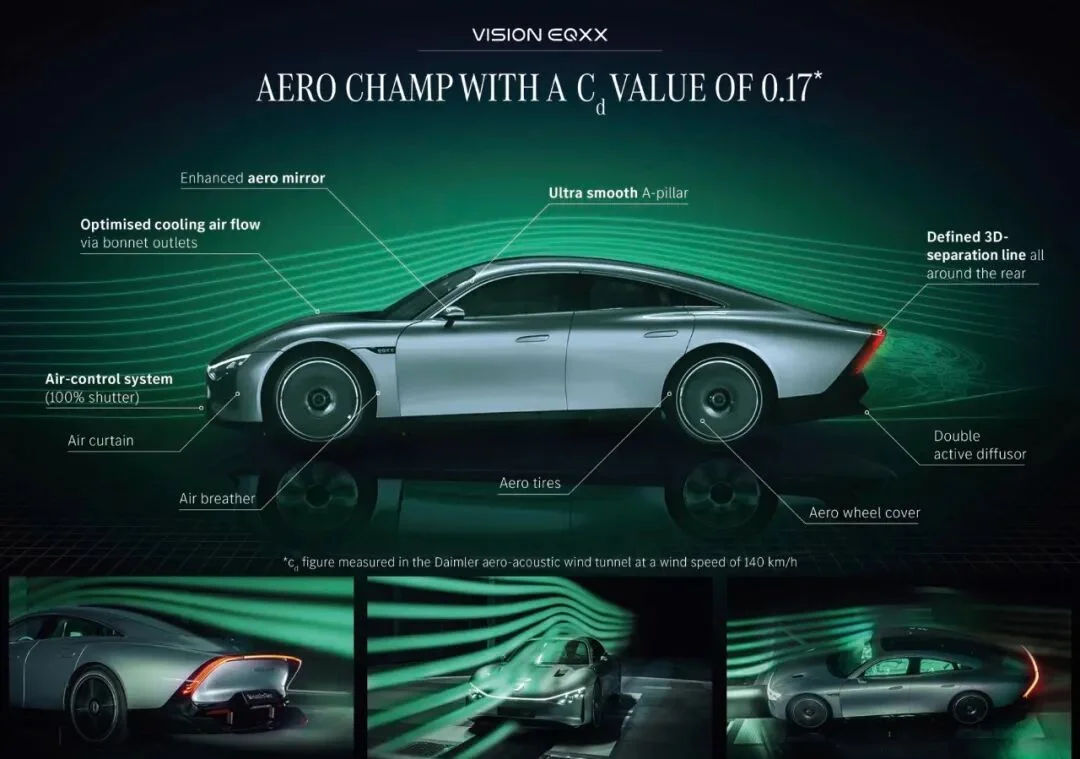
The EQXX boasts a drag coefficient of just 0.17. Its styling features a distinct long tail and extended diffuser, ensuring smooth airflow over the rear. The wheels use fully enclosed low-drag rims to reduce turbulence around the wheel arches and minimize disruption to the side airflow. Additionally, magnesium alloy was used for the rims to further reduce weight and rotational inertia.
The EQXX utilizes a 900 V electrical architecture with a 150 kW motor on the rear axle. The entire powertrain has been specifically optimized for energy efficiency, achieving a drivetrain-to-wheel efficiency of 95 percent.
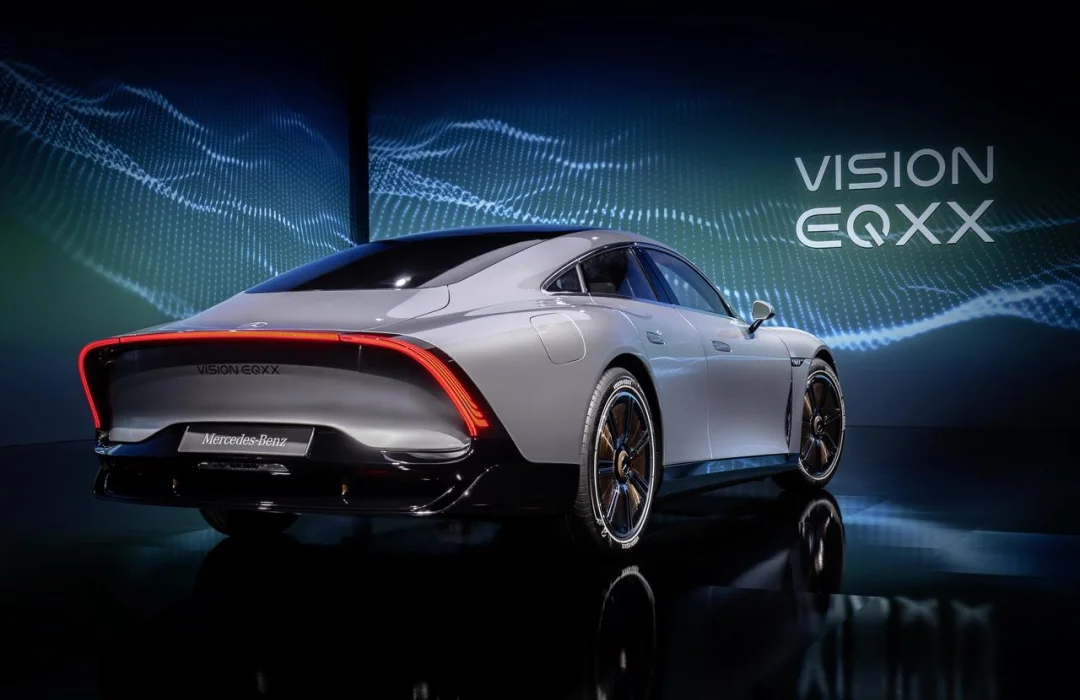
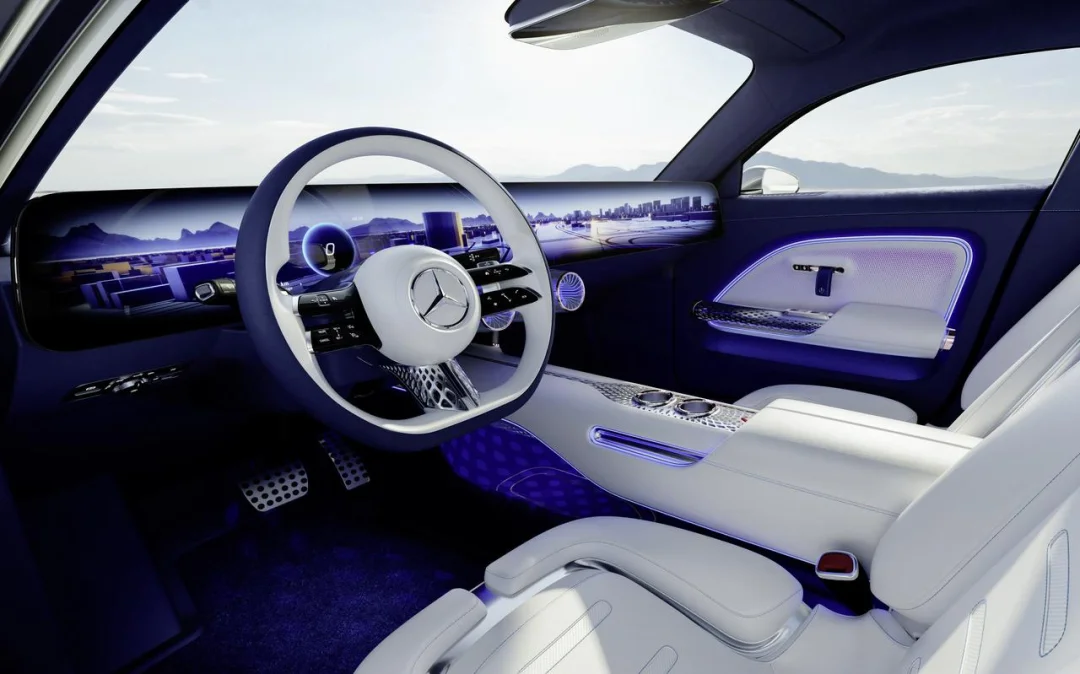
For its battery pack, the EQXX employs a new high-specific-energy chemistry, delivering a volumetric energy density of approximately 400 Wh/L and a capacity nearing 100 kWh. This configuration reduces the battery pack volume by 50 percent and weight by 30 percent compared to the EQS. It achieves an ultra-low energy consumption of 10 kWh per 100 km, enabling a range of over 1,000 km through a design philosophy centered on extreme energy saving.
Quick Review:
A drag coefficient of 0.17 combined with a range of 1,000 km is undeniably impressive on paper. Even as a concept car, Mercedes-Benz used the EQXX to effectively showcase its engineering capabilities.
We will wait to see if Mercedes-Benz proceeds with mass production of this concept vehicle.
New Energy Vehicle Insurance Premiums Rising? NIO Says Service and Insurance Worry-Free, 2021 Unchanged
Following the official launch of the new energy vehicle commercial insurance exclusive clauses by the Insurance Industry Association on December 27, many users who purchased new energy vehicles reported that their vehicle insurance costs have increased significantly compared to before.
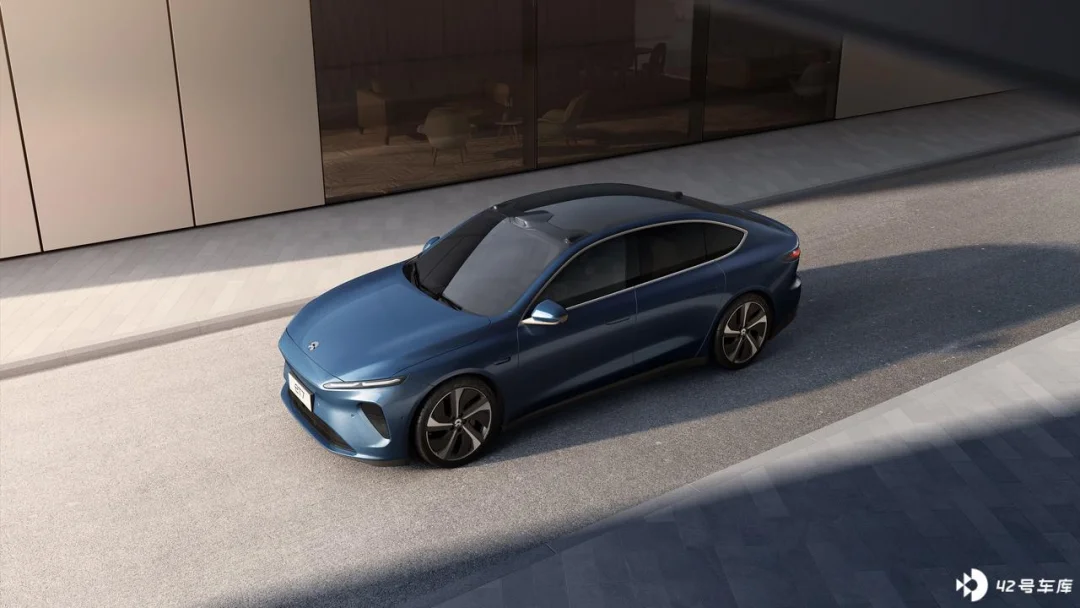
NIO responded on December 29 regarding its service and Worry-Free Insurance offerings:
The price of the newly purchased Worry-Free Service Package remains unchanged, while also covering the protection content corresponding to the three additional insurance policies added by the new clauses (External Power Grid Failure Loss Insurance, Self-Owned Charging Pile Loss Insurance, and Self-Owned Charging Pile Liability Insurance);
Users still within the service period of the Service Worry-Free 2021 edition do not need to purchase the three additional insurance clauses; the current Service Worry-Free plan will include the corresponding coverage.
The pricing for Worry-Free Insurance remains at the insurance premium plus RMB 1,680 for NIO-exclusive services. The RMB 1,680 fee for NIO-exclusive services is unchanged; changes in the overall premium depend on factors such as the user's location, traffic violation record, and past claim history. Current conditions vary by region, but overall, the adjustment in premiums for NIO models is not significant. We will continue to monitor subsequent price changes.
For users still within the coverage period of the 2021 version of the Worry-Free Insurance service, there is no difference in accident claim rights and experience compared to the main insurance under the new terms;
Owners can choose between the Service Worry-Free or Insurance Worry-Free products based on their specific usage needs.
Quick Review:
NIO is currently finalizing the 2022 version of the Service Worry-Free program, with a planned launch in March 2022. Users are encouraged to provide feedback and suggestions throughout the development process.
This means that NIO has not altered its plans for the Service Worry-Free and Insurance Worry-Free offerings prior to March next year. Prices for new purchases remain unchanged, and service terms will include newly added supplementary insurance coverage.
Written by: Jia Ming Edited by: Liu Guangding