


Is Mobileye Really in Trouble?
The rhetoric in China criticizing Mobileye has intensified, driven by a single core reason: from 2020 to 2021, nearly all leading smart EV brands chose NVIDIA Orin as their autonomous driving chip.
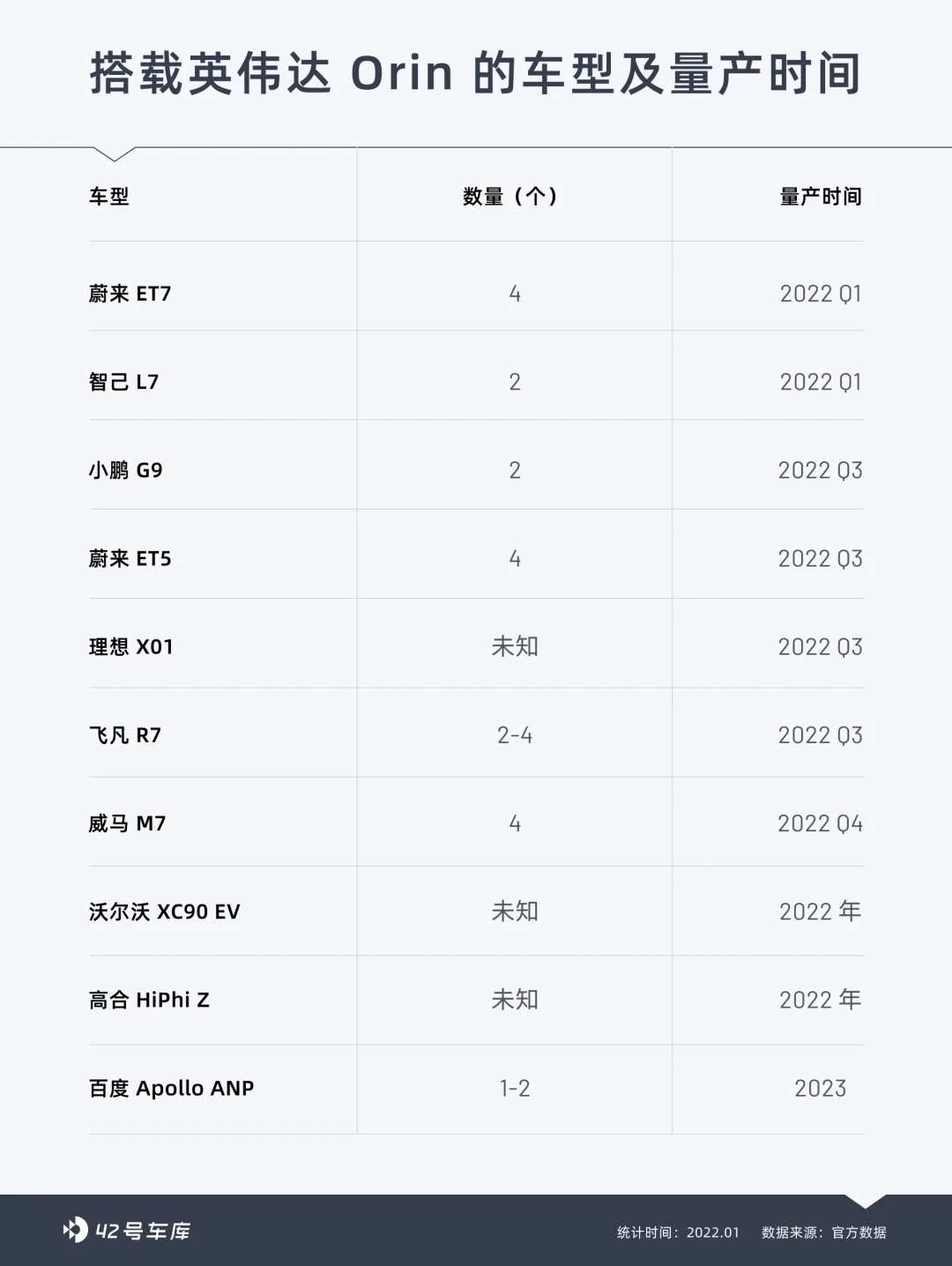
Before 2019, the industry was dominated by Mobileye's EyeQ4. By 2020, only the Zeekr 001 and BMW iX were equipped with the EyeQ5. Reports indicated that Zeekr planned to switch to chips from other brands for its next-generation models, while BMW confirmed it would use the Gaotong Snapdragon Ride platform for autonomous driving by 2025.
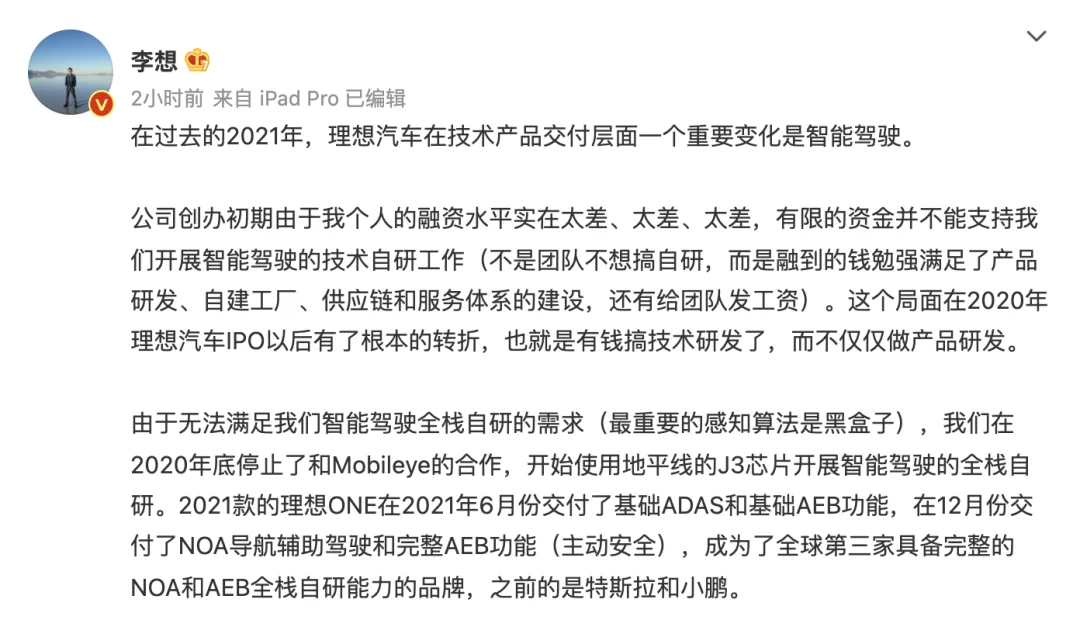
There are two reasons these automakers switched to NVIDIA. On one hand, Mobileye adopted a black-box solution, leaving top-tier automakers pursuing breakthroughs with no room for operation at the software level; they were thus forced to switch to more open platforms like NVIDIA or Dipingxian.
On the other hand, leading automakers hope to achieve autonomous driving as early as possible, so they equip vehicles with as rich a set of perception hardware as possible. Faced with the massive data generated by these sensors, the demand for chip computing power naturally intensifies. Mobileye’s latest EyeQ5H chip offers only 24 TOPS of computing power, making it difficult to meet everyone's needs; consequently, automakers are forced to turn to chips with greater computing power from NVIDIA or Dipingxian.
But is Mobileye’s accumulation since 2007 truly worthless? Can newly emerging autonomous driving chips simply replace Mobileye? Is Mobileye really on its way out?
After watching Mobileye's presentation at this year's CES, I feel it is too early to draw conclusions.
Mobileye's technological lead is undeniable, but it has failed to keep pace with the changing times in its commercialization transition. NVIDIA, on the other hand, hit the mark by aligning with automakers' needs and was born at the right time. However, for vehicles using NVIDIA chips, algorithmic capabilities depend on the automaker's own abilities; so far, no car company has shown off its muscle.
What warrants closer observation, therefore, is whether Mobileye's commercialization strategy will adjust more quickly or whether automakers' in-house algorithm development will accelerate faster.
From the perspective of technological evolution, autonomous driving chip development has entered a phase of rapid growth. Competitors have surged in number, making competition increasingly fierce. Although Mobileye has lost orders from top-tier automakers, it remains the best choice for mid-tier automakers who face a larger market but lack algorithmic capabilities.
At this year's CES, Mobileye unveiled three chips and provided updates on the progress of its three core strategic technologies.
Following the press conference, we had the opportunity to interview Erez Dagan, Executive Vice President of Products and Strategy at Mobileye and Vice President at Intel. During the interview, attendees posed several pointed questions to Erez, such as:
"Given that Mobileye adopts a black-box technology approach, there are doubts and hesitations among domestic manufacturers regarding cooperation with Mobileye. How does Mobileye view this phenomenon?"
"The EyeQ Ultra chip delivers 176 TOPS of computing power, which is not particularly high compared to industry competitors such as NVIDIA. How does Mobileye view the relationship between computing power and L4 or higher levels of autonomous driving?"
(Note: Reply with "2022 CES Mobileye Executive Interview" on the WeChat official account to access the full interview text.)
Before addressing these blunt questions, let’s first review what Mobileye announced at this year’s CES.
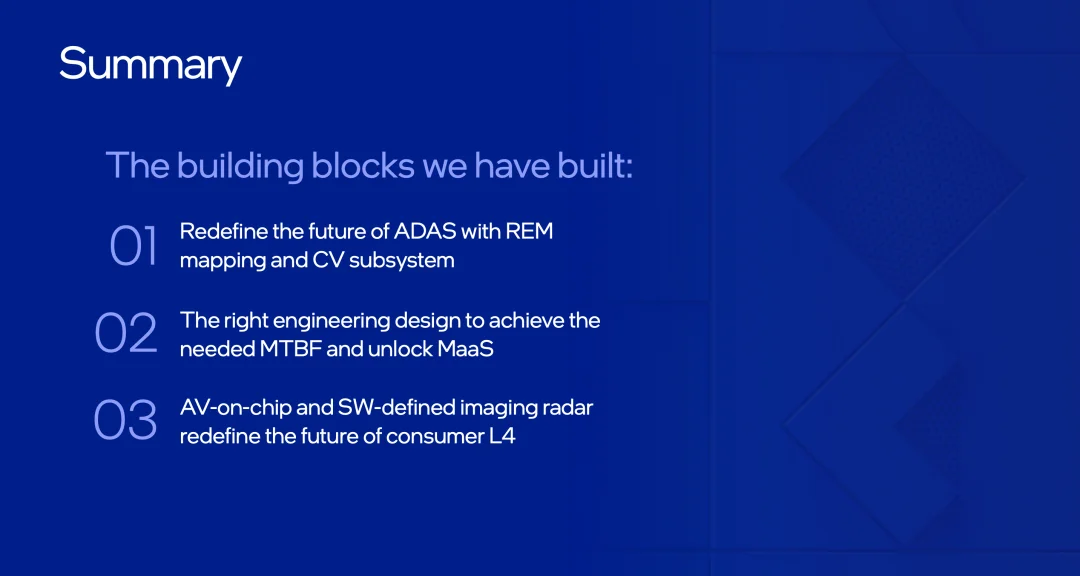
01How Do These Three Chips Stack Up?
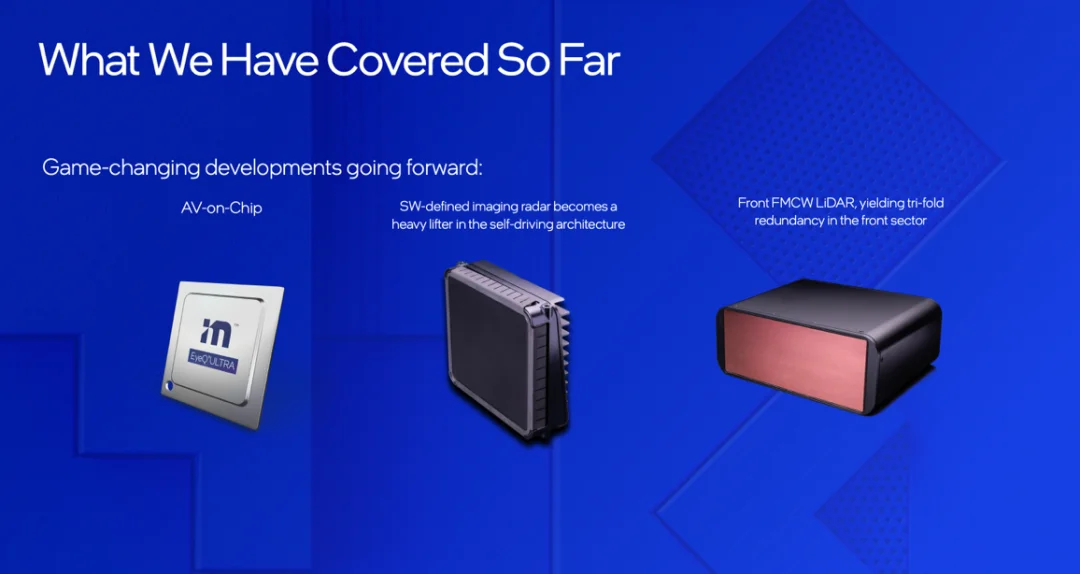
At this year’s CES, Mobileye unveiled three chips: EyeQ Ultra, EyeQ6L, and EyeQ6H. This lineup drew the most attention at the event. Let’s start with the most powerful of the three, the EyeQ Ultra.
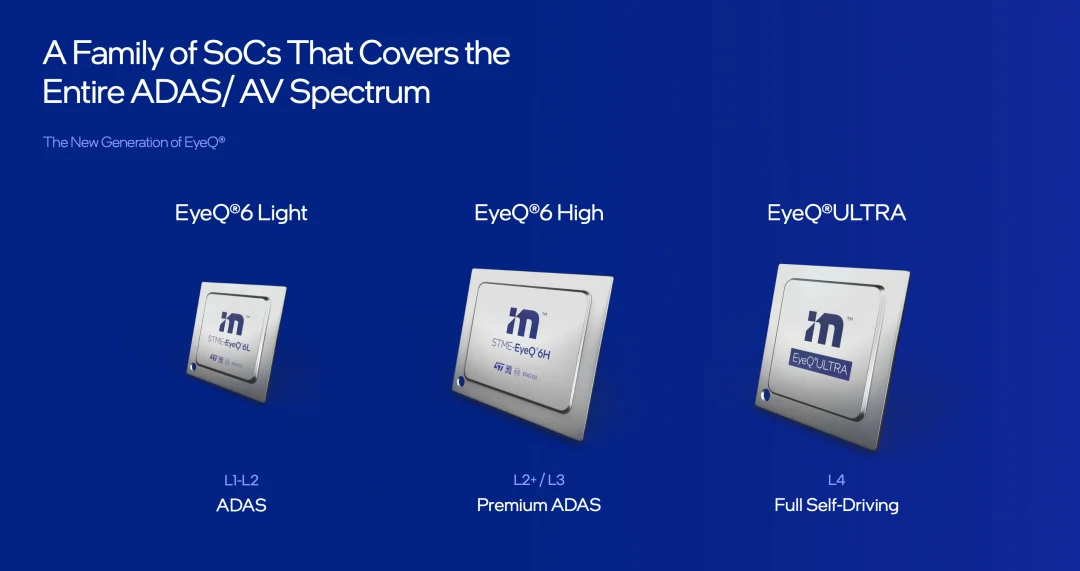
EyeQ Ultra
The EyeQ Ultra delivers 176 TOPS of computing power. It features 12 RISC-V CPUs, each with 24 threads, alongside 64 accelerator cores. Built on a 5-nanometer process, its power consumption is under 100 W.
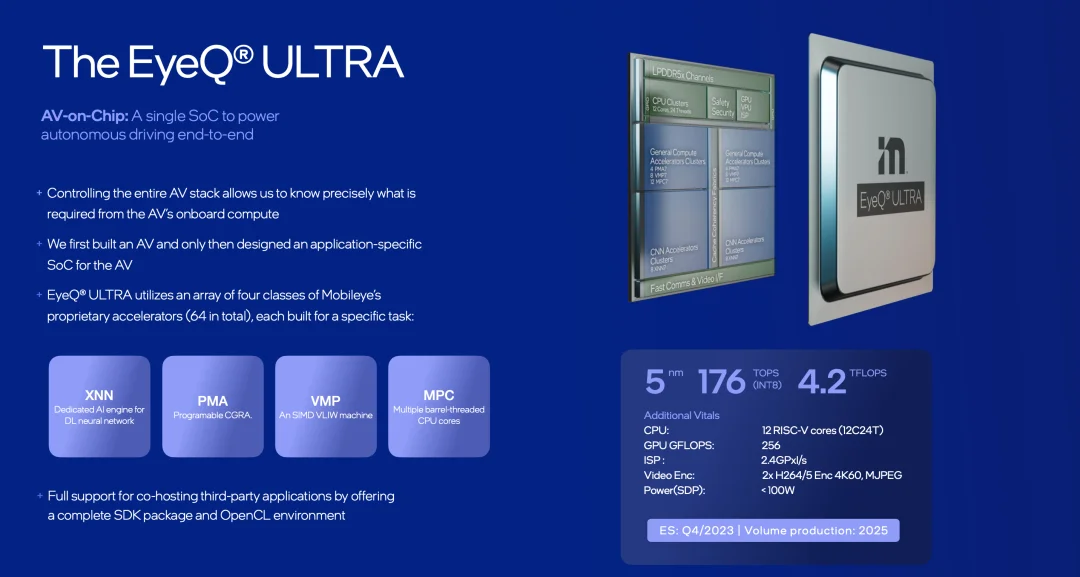
The accelerators mentioned above include four types: one dedicated to pure deep learning computation; a second, an FPGA-like accelerator called DGRA; a third, a long-instruction-set accelerator similar to DASP; and a fourth, a multi-threaded CPU where each core handles different workloads.
Engineering samples of the EyeQ Ultra are expected in the fourth quarter of 2023, with mass production scheduled for 2025.
Mobileye defines this chip as capable of supporting Level 4 autonomous driving on a single chip.
However, following the release of these figures, two main concerns emerged. First, doubts persist about whether 176 TOPS of computing power can achieve L4 autonomous driving, given that NIO ET7 and ET5 models already feature chips with over 1,000 TOPS. Second, with advanced driver assistance systems entering a rapid development phase starting in 2022, many feel that Mobileye’s 2025 mass production timeline is too late.
From a timing perspective, while top automakers have announced faster schedules than Mobileye, some may be exaggerating. For instance, despite the lidar controversy beginning in early 2020, only the XPENG P5 had entered mass production by early 2022.
Regarding computing power, compared to the NVIDIA Orin chip delivered in 2022, the EyeQ Ultra, set for delivery in 2025, indeed lacks an advantage in raw performance numbers. However, Mobileye CEO Shashua seemed to anticipate this criticism and addressed it during the presentation:
"Compared to competitors' figures, 176 sounds like a small number, roughly one-fifth of the claimed computing power of rivals. But the key factor is not just computing power, but efficiency. This requires a deep understanding of the interaction between hardware and software, knowing what is core, and which algorithms support those cores."
Shashua also cited Zeekr’s SuperVision system as an example. The Zeekr 001, equipped with 11 eight-million-pixel cameras, completed the full loop of perception, planning and control, and execution using just two Mobileye EyeQ5 chips, relying on only 48 TOPS of computing power.
We further questioned Erez Dagan, Executive Vice President of Mobileye Products and Strategic Execution and Vice President of Intel Corporation, regarding the debate over computing power, which we will expand on later.
EyeQ6H
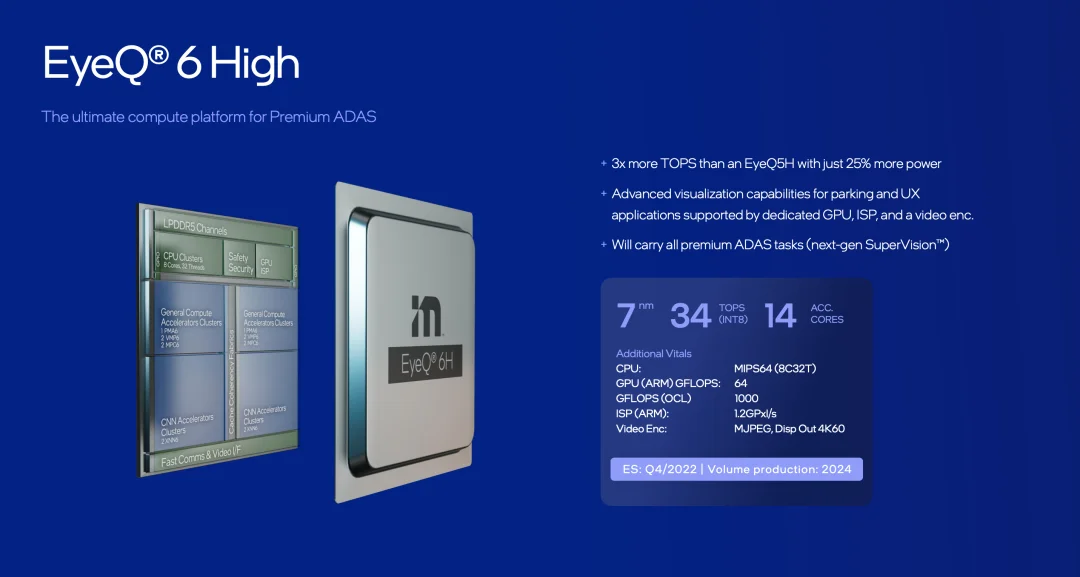
The EyeQ6H is an advanced version of the EyeQ5H, featuring 34 TOPS of computing power and manufactured using a 7-nanometer process. According to official specifications, its computing power is nearly three times that of the EyeQ5, while energy consumption increases by only 25%.
At present, Mobileye implements SuperVision with two EyeQ5 chips. The next-generation SuperVision will be implemented using two EyeQ6H chips, or even one EyeQ6H chip.
Regarding mass production timelines, engineering samples of the EyeQ6 are scheduled for delivery in the fourth quarter of this year, with formal mass production set for 2024.
EyeQ6L
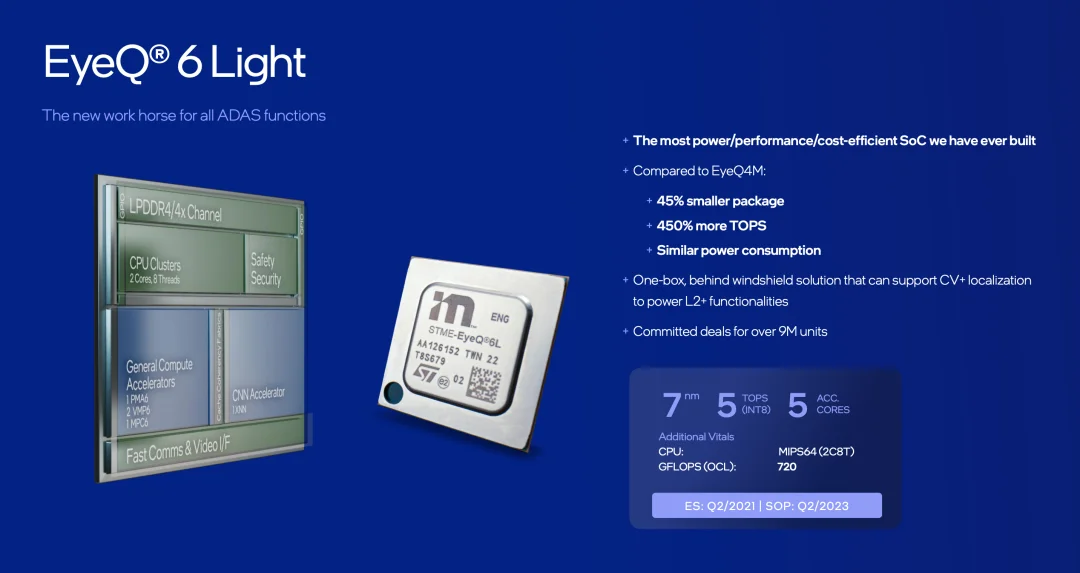
The EyeQ6L can be understood as a lower-specification variant of the EyeQ6. It also utilizes a 7-nanometer process, offers 5 TOPS of computing power, and consumes only 3 watts of power. Engineering samples were delivered half a year ago, with mass production expected in 2023.
Opinions on this chip are mixed, with many netizens arguing that it represents a step backward due to the lack of significant gains in computing power.
Compared to high-performance chips that have already left a deep impression, seeing a chip released in 2022 with only five TOPS of computing power inevitably creates a sense of disappointment. Setting aside the argument that "computing power is not the sole standard," a more compelling data point is that orders for the EyeQ6L have exceeded nine million units.
In an interview at the launch event, Erez Dagan also stated: "The EyeQ6L offers stronger computing capabilities and lower power consumption, designed to meet the needs of the basic ADAS segment. In this market, we need a highly integrated, extremely efficient solution that balances cost and power consumption, and the EyeQ6L fully satisfies market demands in both aspects."
Furthermore, the product also considers the potential for additional cameras, such as driver monitoring systems or AEB. The EyeQ6L is a foundational ADAS chip designed to meet varying global standards.
02Compared to the chip, this is Mobileye's more core competitiveness
In addition to the chip mentioned above, Mobileye also revealed progress on its three strategic pillars during the launch event.
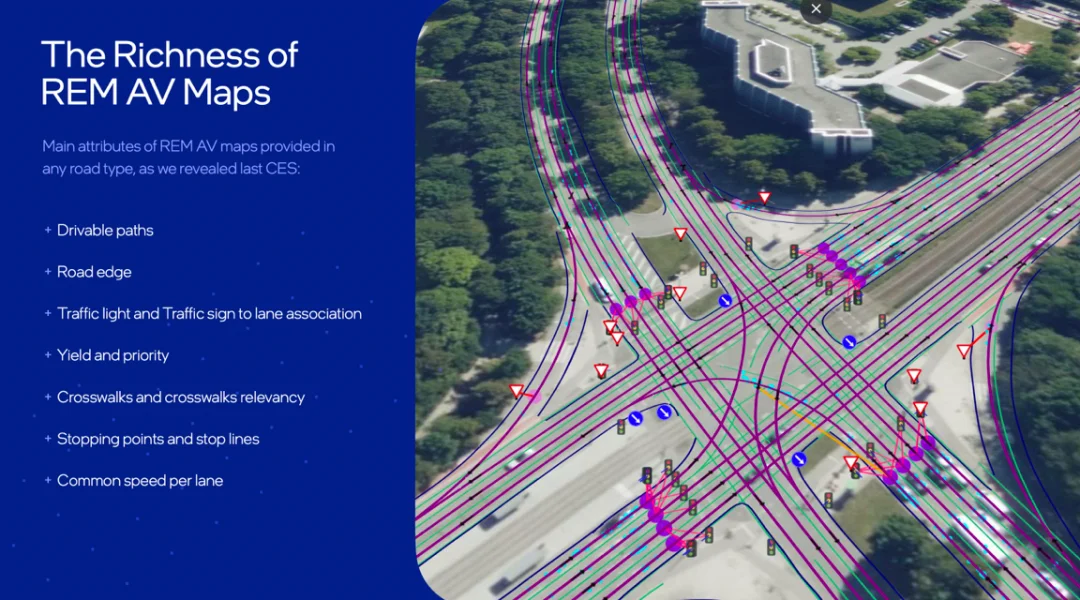
Crowdsourced Mapping REM
At this year's CES, Mobileye announced that its existing crowdsourced fleet collected four billion kilometers of data in 2021. The system now gathers twenty-five million kilometers daily; at this pace, it can collect nine billion kilometers of data in 2022.
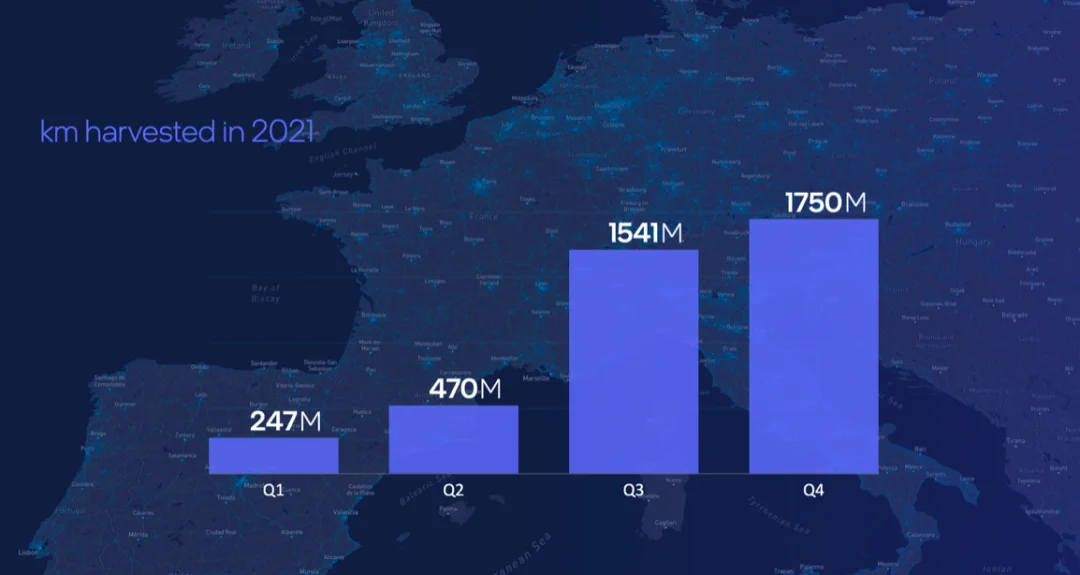
Compared to high-definition maps, REM maps offer higher ease of collection, faster collection speed, lower costs, and greater freshness.
Regrettably, Mobileye did not provide detailed data at the launch event. Additionally, due to restrictions in Chinese road laws and regulations, REM has not officially entered the domestic market, so consumers cannot yet enjoy the advantages brought by REM.
According to 42HOW Auto, the absence of REM has left the launch timeline for Zeekr 001’s navigation-assisted driving features uncertain, with compliance issues relying on Geely to resolve.
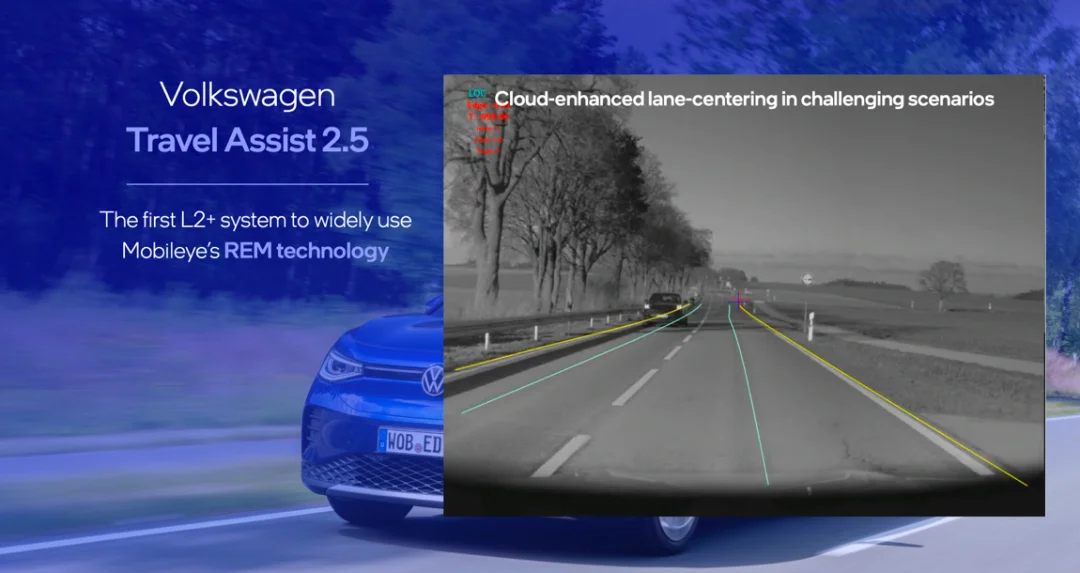
A notable international development is that the Volkswagen ID.4 has already implemented assisted driving on road segments without lane markings, based on REM maps.
Additionally, Ford’s next-generation Blue Cruise and Zeekr models equipped with Mobileye SuperVision will utilize REM maps to enable more advanced intelligent driving capabilities.
Imaging Radar
In most people's understanding, Mobileye follows a pure-vision approach similar to Tesla. This statement is not entirely incorrect, but it lacks precision. Mobileye adopts a vision-centric strategy, yet it has also made significant contributions in both millimeter-wave radar and lidar fields.
Not Just Any Millimeter-Wave Radar
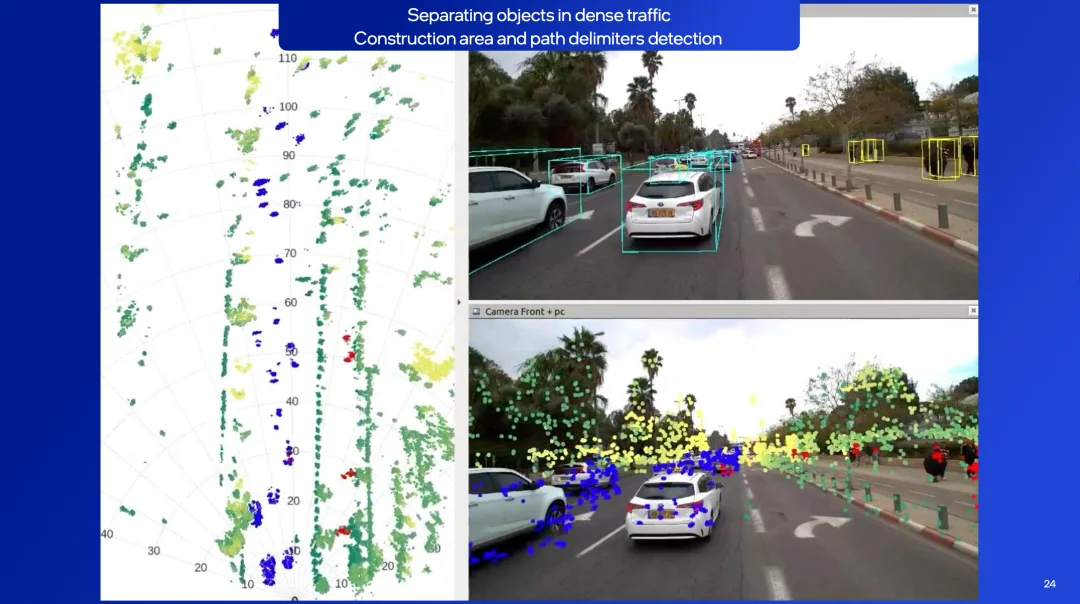
Currently, millimeter-wave radars mass-produced in vehicles only possess distance and speed measurement capabilities, lacking imaging ability. This means that compared to visual cameras, millimeter-wave radars can only know that there is an object at a certain distance, without knowing what that object is or being able to construct a model of the surrounding environment to provide more valuable information for intelligent driving. Their capabilities are even more limited in congested environments.
Shashua bluntly stated at the press conference: "In the past, traditional radars acting as independent sensors were basically meaningless."
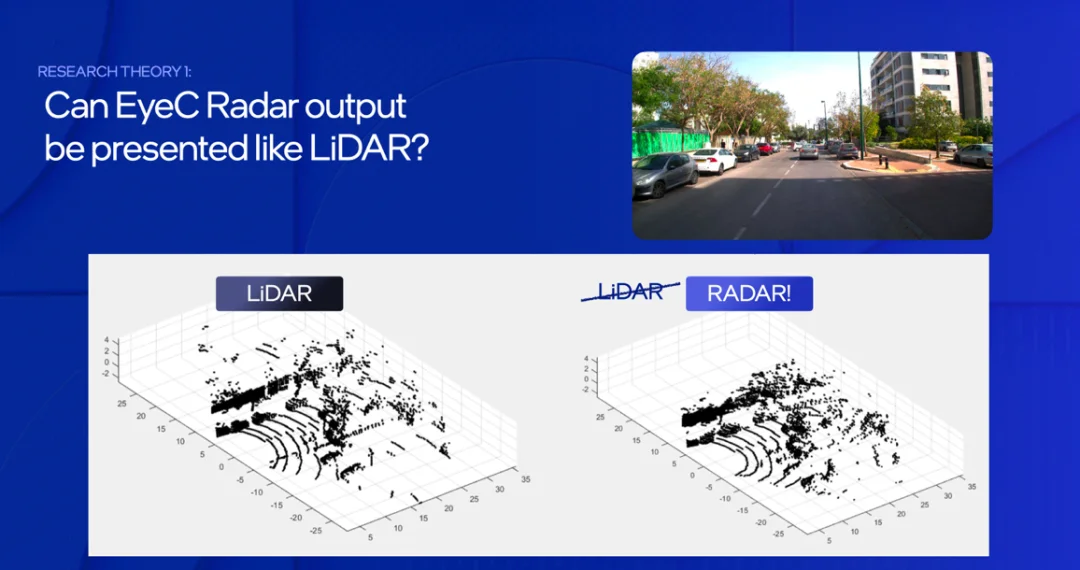
Mobileye’s millimeter-wave radar, as defined by the company, possesses imaging capabilities similar to those of 4D millimeter-wave radars; details of this radar were already released at last year’s CES.
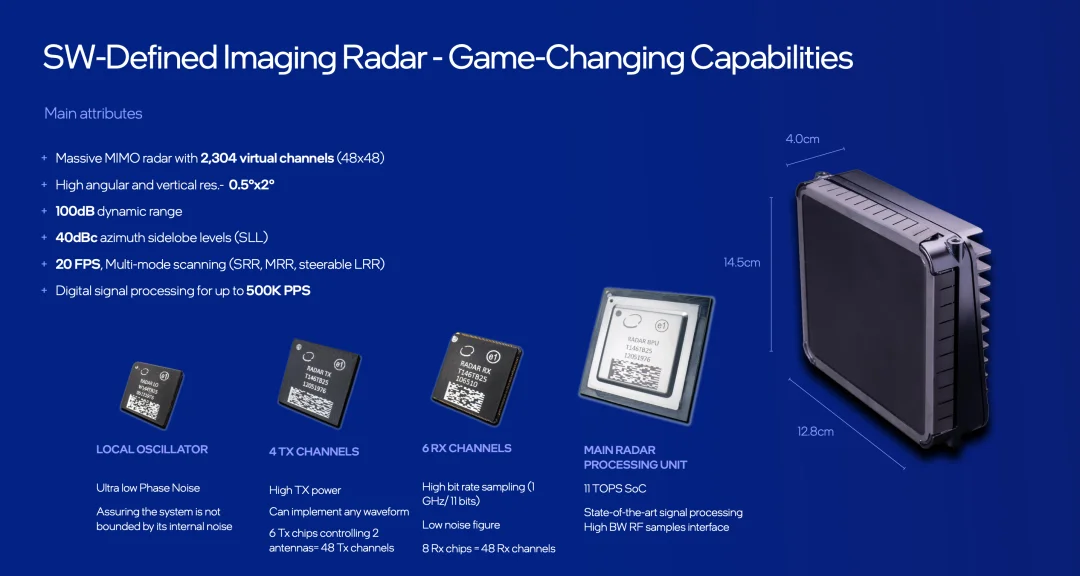
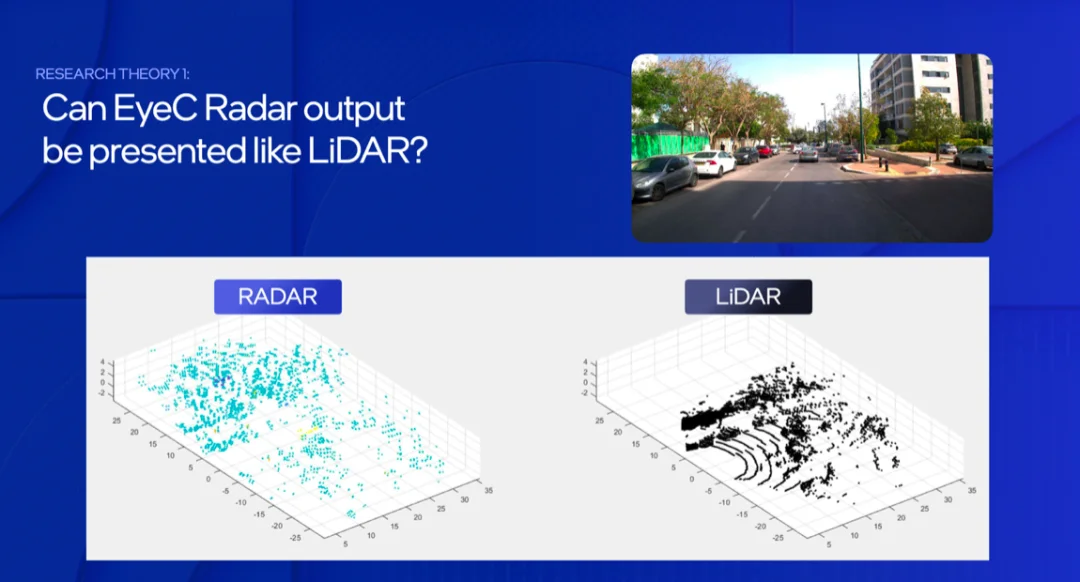
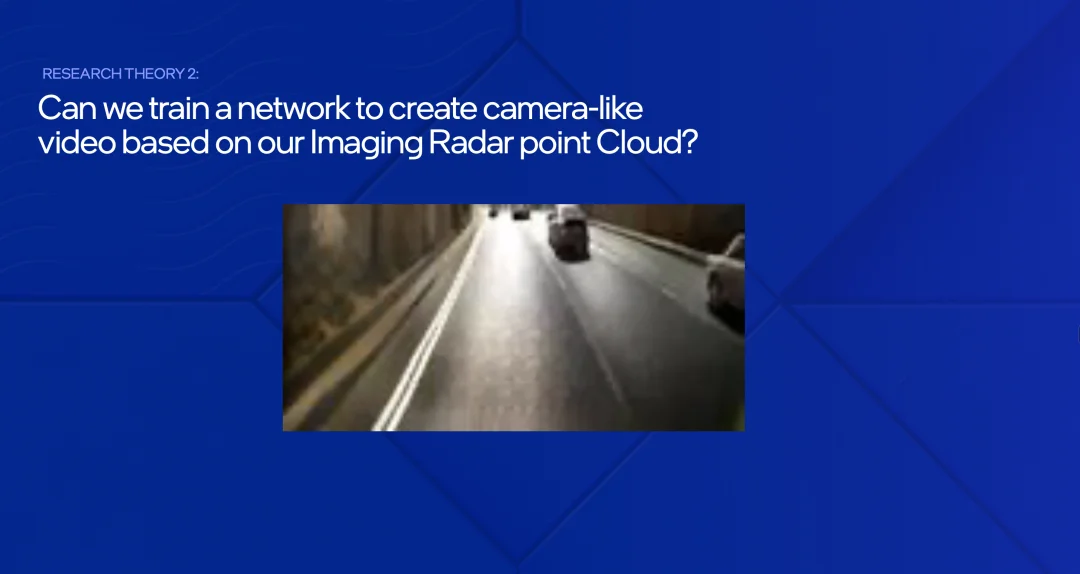
Shashua stated that after processing with deep learning algorithms, the perception results from the millimeter-wave radar can achieve effects comparable to those of a LiDAR.
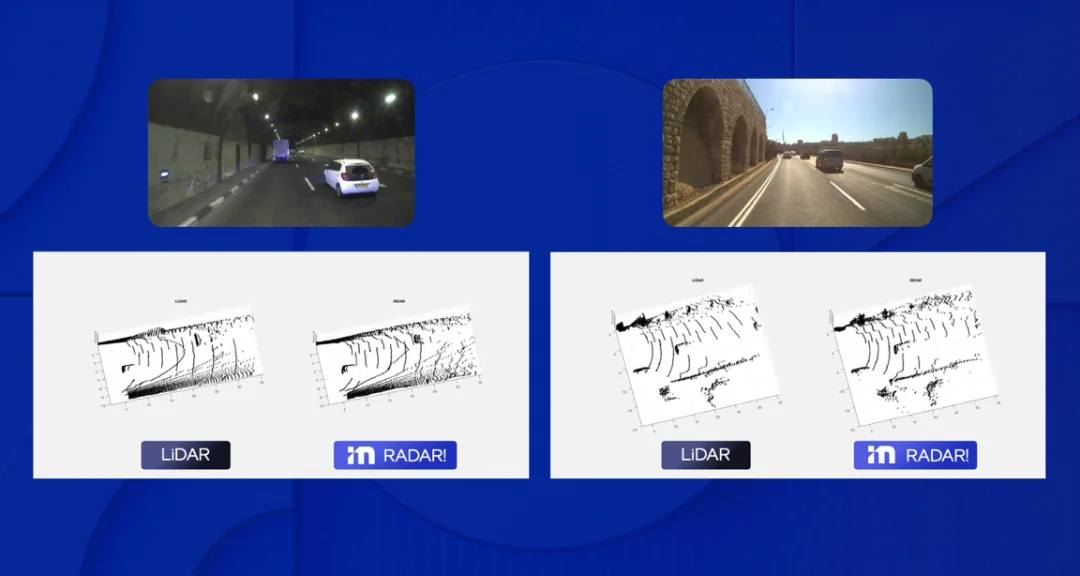
At this year’s CES, the company demonstrated the radar’s detection results. The precision of environmental imaging is now very close to that of LiDAR. Compared to LiDAR, the millimeter-wave radar offers superior performance in harsh weather conditions and lower costs.
Is Mobileye Really in Trouble?
This FMCW LiDAR Is Not Your Typical LiDAR
In addition to the imaging millimeter-wave radar mentioned above, Mobileye established a department last year to develop FMWC LiDAR.
Unlike most Time-of-Flight (ToF) LiDARs currently on the market, FMCW radar measures distance not by the round-trip time of light, but by changes in light frequency. Its advantages include immunity to interference from other light sources and the ability to provide both distance and velocity data for each point cloud, enabling better tracking of surrounding traffic participants. However, these benefits come with higher technical complexity and mass-production costs.
Mobileye’s target price is under USD 1,000.
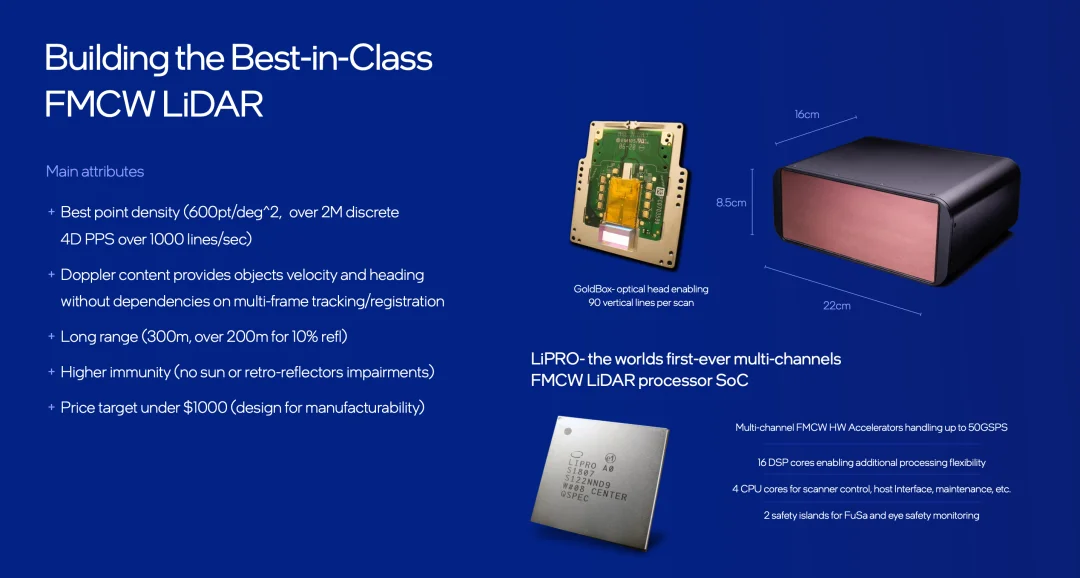
Based on these two types of radar working in tandem with vision, the autonomous driving system achieves triple redundancy. Furthermore, unlike automakers that use sensor fusion between LiDAR and millimeter-wave radar, Mobileye separates its radar, LiDAR, and cameras into two independent subsystems that do not communicate with each other. This architecture creates one end-to-end driving experience using only cameras and another using only radar and LiDAR. Mobileye aims to enhance robustness and achieve safety redundancy through the complementary nature of these two systems.
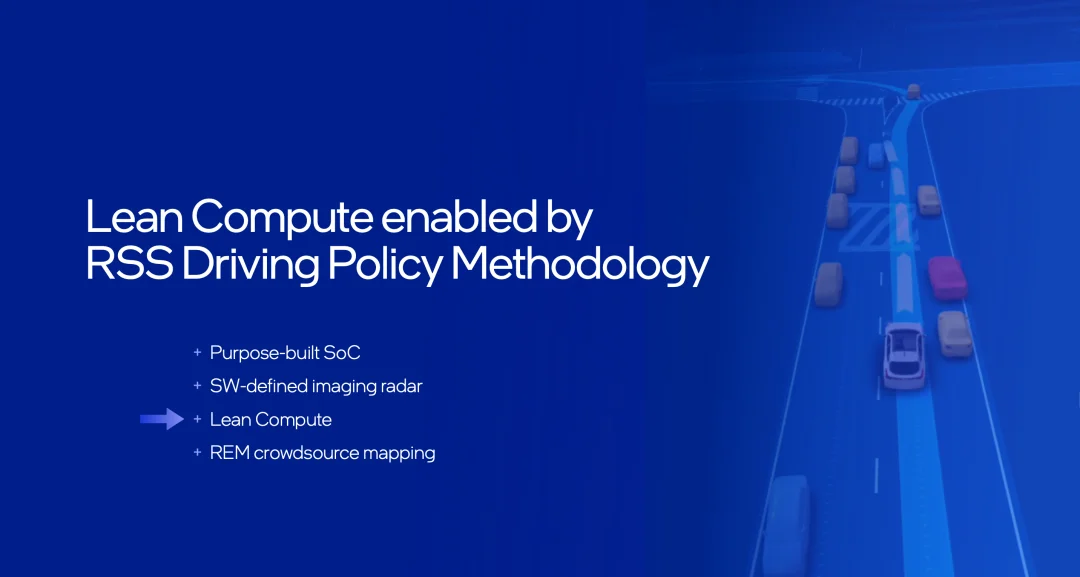
The Key to Efficient Compute Utilization: RSS (Responsibility-Sensitive Safety)
At CES and in post-event interviews, Mobileye repeatedly emphasized that "compute power should not be the sole standard" and that "efficiency and the integration of hardware and software are equally important compared to raw compute." To make this more convincing, Shashua shared some technical details.
Here, I attempt to share my understanding in as concise terms as possible. Corrections are welcome if there are any deviations.
Achieving autonomous driving requires three steps: perception, decision-making, and execution. This complex engineering task sounds as simple as fitting an elephant into a refrigerator.
The two stages that consume the most compute power are "perception" and "decision-making."
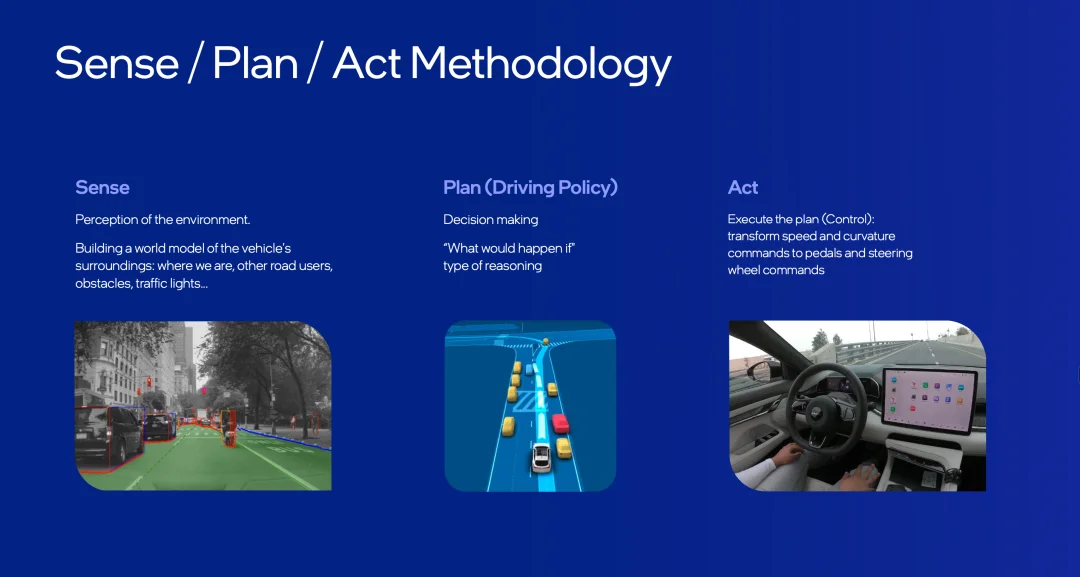
On the perception front, to enhance sensing capabilities, the number of cameras is increasing, their resolution is rising, and the resulting data is growing exponentially.
To utilize computing power more efficiently, Mobileye performs scene segmentation (NSS) after acquiring visual perception data, prioritizing road surface information rather than blindly processing the entire global view.
At the decision-making level, predicting the trajectories of surrounding traffic participants based on perception data is the most computationally intensive task, followed by determining a reasonable and safe route. However, once prediction is involved, the computational demand grows exponentially as the predicted time horizon extends further into the future.
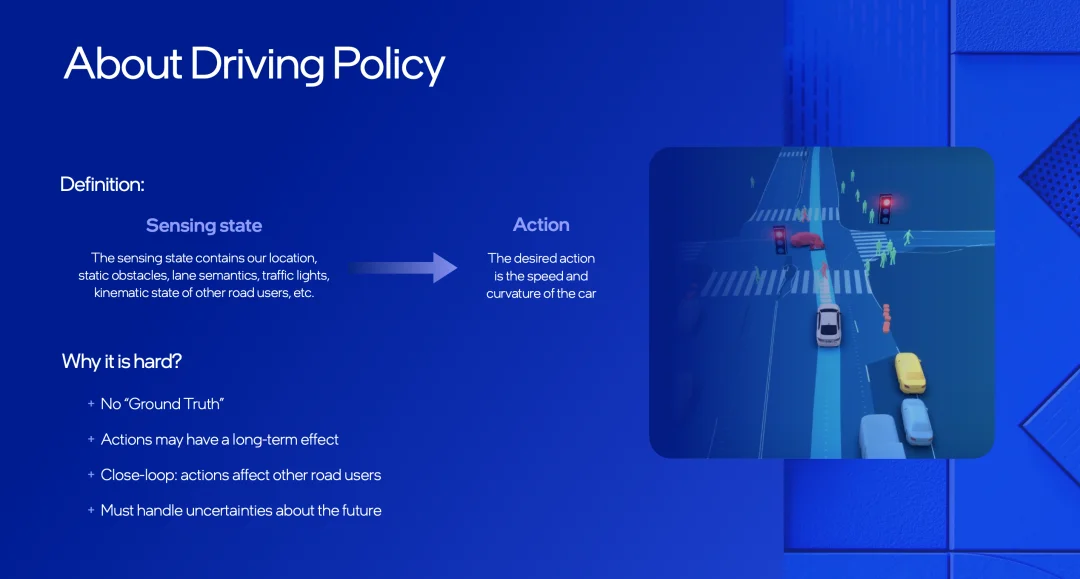
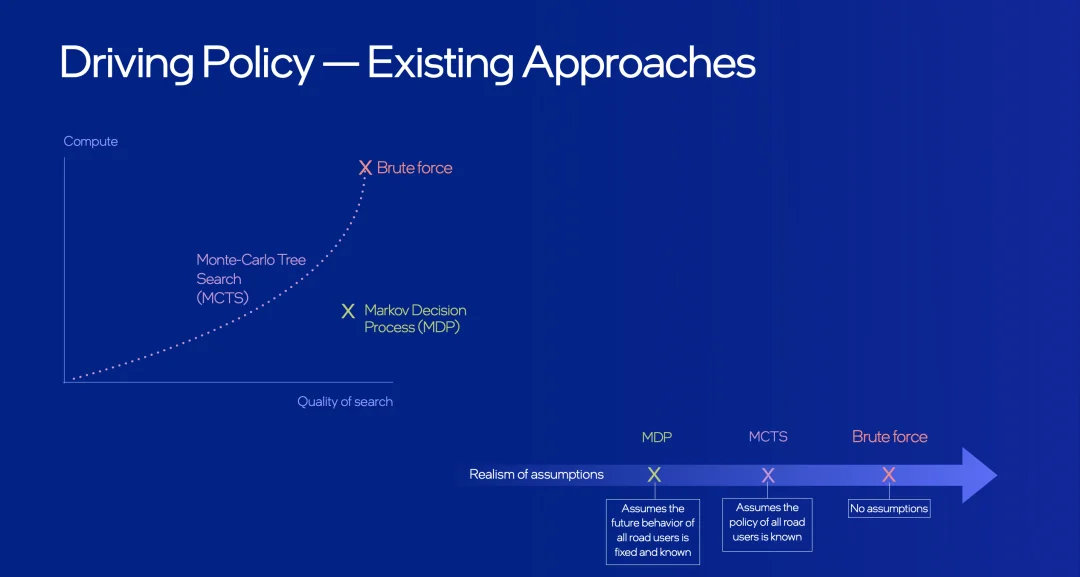
Here, Mobileye introduces the RSS (Responsibility Sensitive Safety) principle, aiming to ensure that autonomous vehicles never actively cause accidents by quantifying several subjective common-sense aspects of human driving, including:
What constitutes a dangerous situation?
What is the correct response in a dangerous situation?
Who is responsible for an accident?
Safe following distances across different driving scenarios.
Mobileye uses the aforementioned driving strategies to derive and calculate outcomes. Therefore, based on RSS (Responsibility-Sensitive Safety), the system only calculates possible futures rather than all conceivable ones; this logic helps Mobileye utilize computing power more efficiently.
These three key technologies will support Mobileye in better addressing L3 and L4 autonomous driving scenarios.
According to information released at CES, Mobileye has already partnered with Bentian and Faleiao at the L3 level, with Mobileye responsible for visual perception.
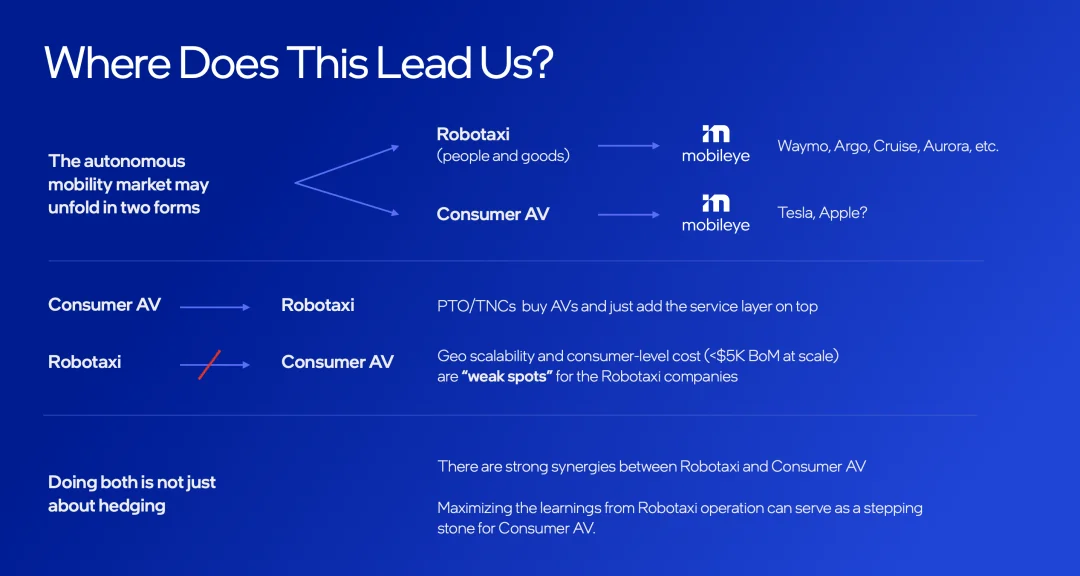
At the L4 level, Mobileye’s Robotaxi service is scheduled to begin road testing in mid-2022. After receiving approval by year-end, it will conduct driverless tests in Germany and Israel, achieving true autonomous driving. The estimated cost per vehicle at that time is USD 150,000.
Consumer-grade L4 systems are expected to launch between 2024 and 2025. Unlike Robotaxis, consumer-grade L4 vehicles can operate in a wider range of areas but rely heavily on REM (Road Experience Management). The retail price is set at USD 10,000, with an estimated production cost below USD 5,000.
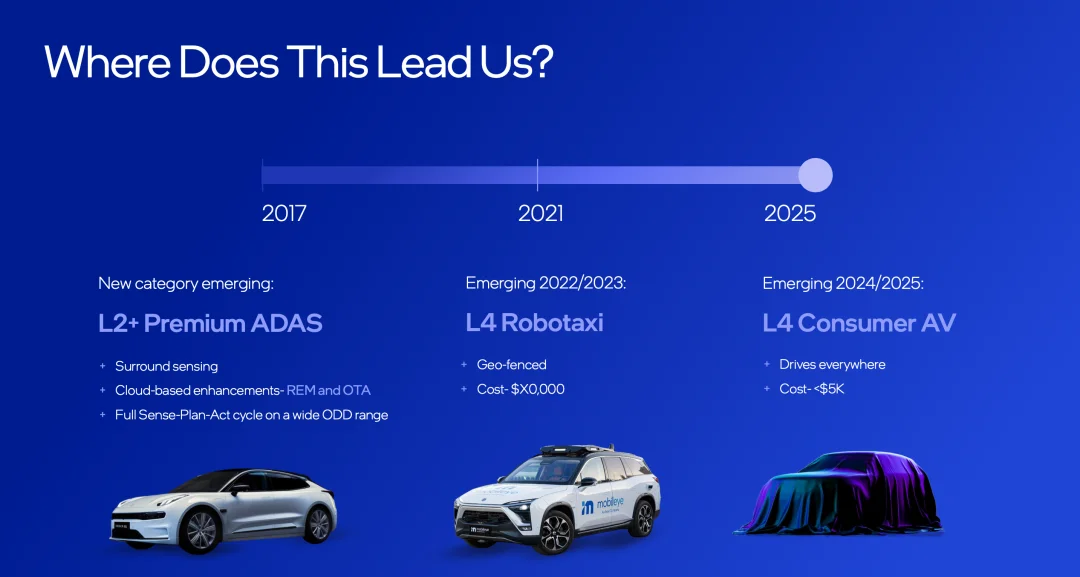
In Mobileye’s view, Robotaxis and consumer-grade L4 systems are not mutually exclusive. Earlier deployment of Robotaxis can help Mobileye accumulate valuable data, while consumer-grade L4 can achieve cost reductions through scale.
03Conclusion
This covers all the information Mobileye revealed at this year’s CES. Undeniably, Mobileye’s years of accumulation still grant it an absolute leading advantage in vision technology. In our 42HOW Auto tests, vehicles equipped with the EyeQ4 chip demonstrated solid foundational capabilities. When we spoke with ADAS heads at various automakers, they admitted that the quality of Mobileye’s perception results is very high.
However, because its perception algorithms are a black box, they fail to meet automakers’ needs for upward integration and self-research. Consequently, Mobileye has lost orders from many top-tier automakers. Industry insiders also told us that, compared to Mobileye, NVIDIA and Dipingxian provide more complete development tools that facilitate algorithm self-research for automakers, along with higher communication efficiency.
Mobileye stated that it will launch an open computing platform with Intel in January. Additionally, technical personnel from Israel visited China last October to support the Zeekr project. Intel has assembled a domestic team of 50 people to assist with the development of Zeekr SuperVision.
Therefore, it is premature to claim that Mobileye is no longer viable. What deserves closer observation is whether Mobileye can adjust its commercialization strategy faster than automakers can accelerate their algorithm self-research.
It is also worth noting that as demand for autonomous driving chips surges, the number of suppliers capable of delivering products continues to grow. The market has gradually shifted from a seller’s market in 2019 to a buyer’s market.
Finally, we must pay highest respect to Mobileye, the company that pioneered the autonomous driving vision technology route and continues to diligently advance industry technology.
Written by Lu San Edited by Daji