


Zhijie S7 Debuts with Huawei Vision-Based ADAS; GAC Showcases Pure-Vision AD and All-Solid-State Batteries; Geely Launches A00-Class 'Xiongmaokading' EV | Weekly Highlights
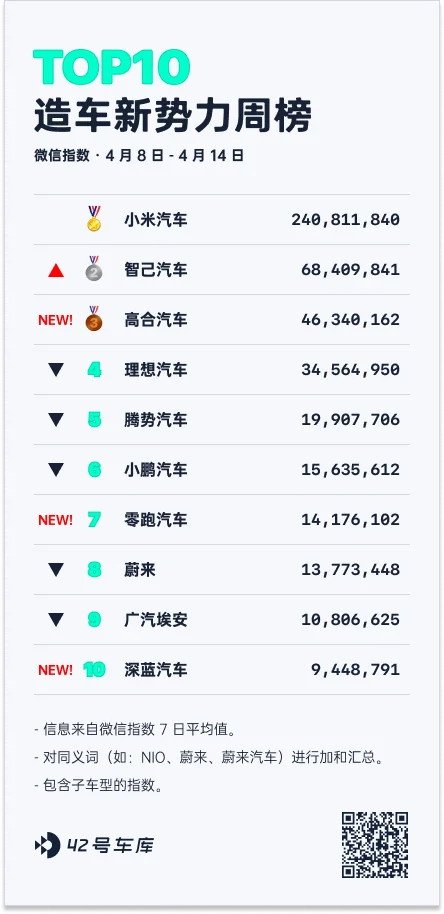
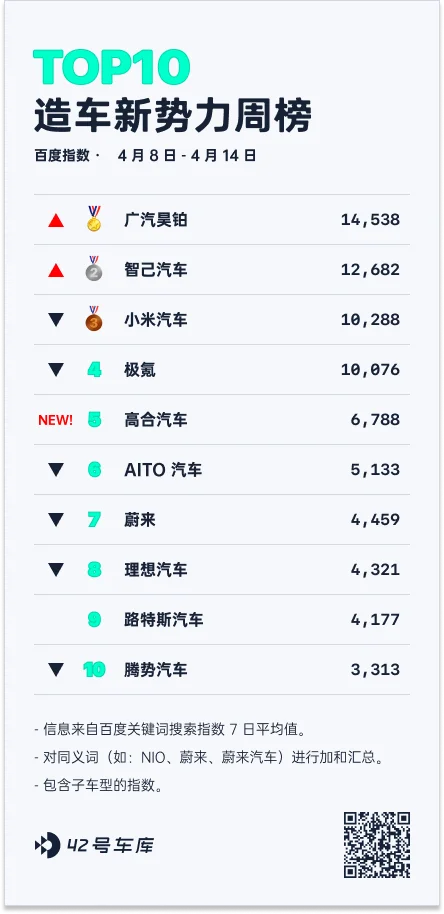
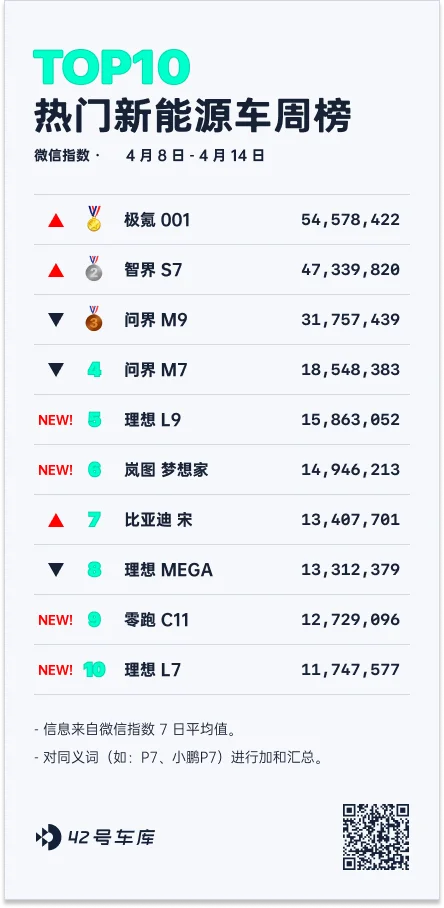
01Weekly Index
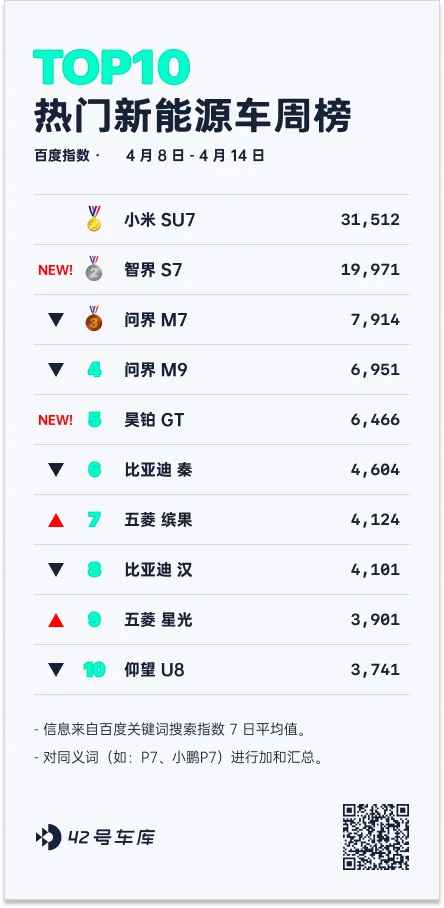
02Weekly News
Zhijie S7 Launches with Huawei’s Vision-Based Autonomous Driving
On April 11, 2024, at the Huawei HarmonyOS Ecosystem Spring Communication Conference, the Zhijie S7 showcased its latest iteration. This intelligent sedan integrates Huawei’s advanced technologies, featuring significant improvements in smart driving and battery performance.
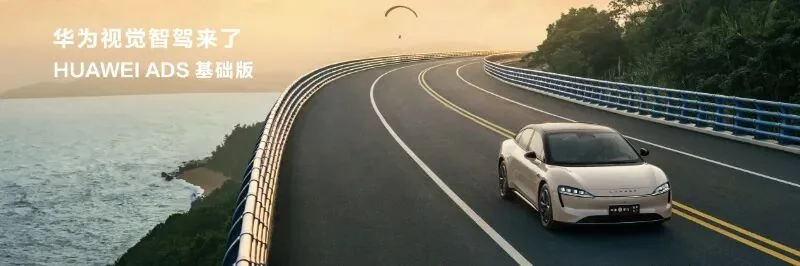
The Zhijie S7 Pro will be equipped with Huawei’s visual autonomous driving system, HUAWEI ADS Basic Edition. This system supports intelligent driving assistance on highways and urban expressways, along with smart parking solutions adaptable to various parking spaces. Additionally, the vehicle’s battery pack has been upgraded to 82 kWh, with an estimated range of 705 kilometers, a substantial improvement designed to meet long-distance driving needs.
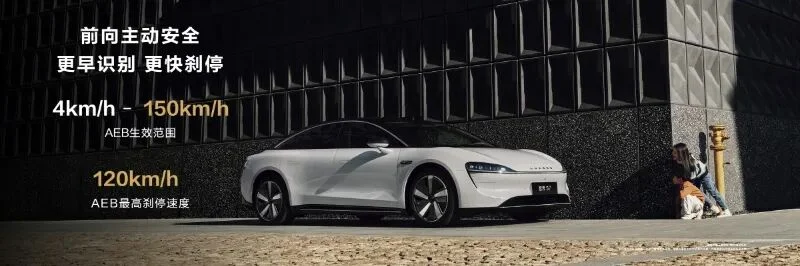
The Zhijie S7’s intelligent driving capabilities now cover nationwide routes, adding features for urban elevated roads and parking. These include valet parking and remote control parking, further enhancing driving convenience and safety. The CAS 2.0 omnidirectional anti-collision system expands active safety functions across multiple speed ranges. Huawei’s extensive simulation testing in AI training aims to further elevate the system’s autonomous driving capabilities.
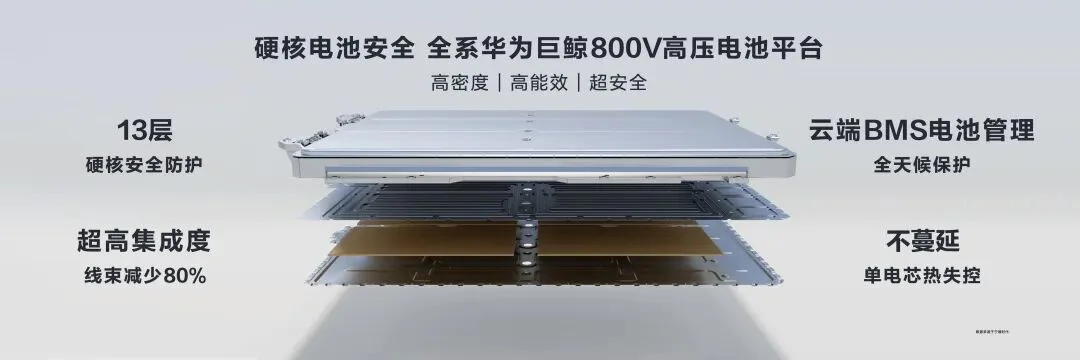
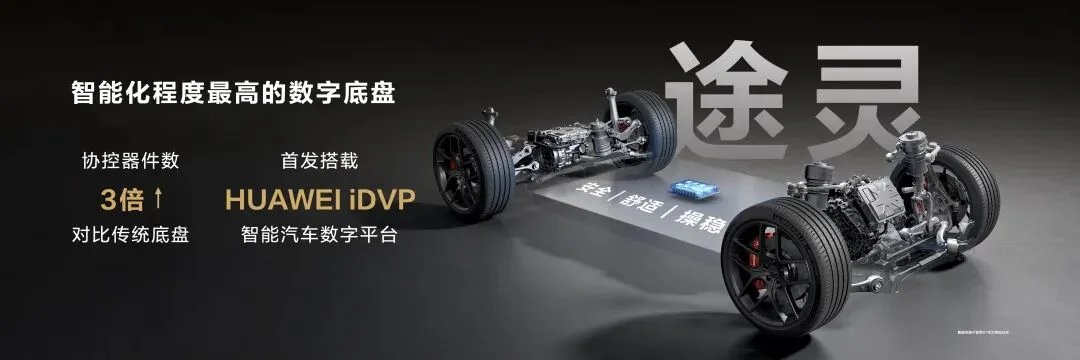
In terms of performance, the Zhijie S7 Ultra variant introduces a 100 kWh battery pack, offering an estimated range of 751 kilometers. This upgrade further solidifies the model’s competitive position in the new energy vehicle market. The vehicle is designed to meet C-NCAP five-star crash safety standards and incorporates multi-layered safety protection measures for the battery pack. Furthermore, the application of the HUAWEI DriveONE 800V high-voltage power platform and the Huawei Tuning intelligent chassis jointly optimize the vehicle’s acceleration and handling performance.
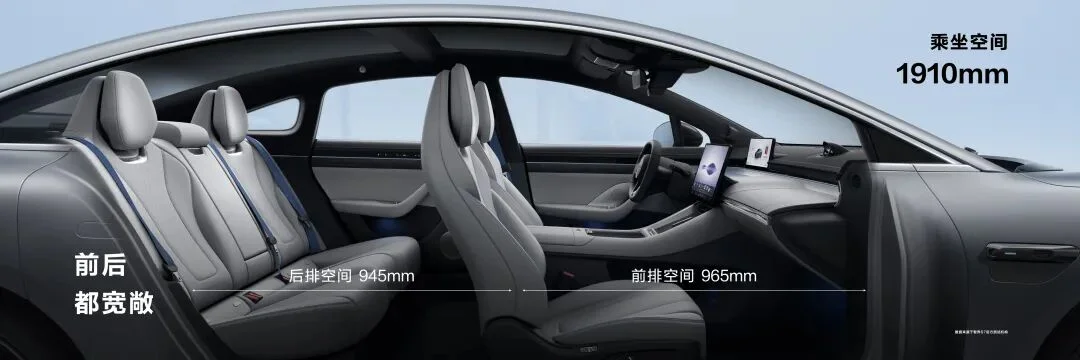
The interior design of the Zhijie S7 also reflects a pursuit of efficiency and comfort, with efficient use of cabin space and the adoption of eco-friendly materials demonstrating a commitment to sustainability. The inclusion of the ICAS intelligent clean cabin system enhances the in-cabin air quality. The vehicle further reduces internal radiation exposure to improve the passenger experience.
Equipped with HarmonyOS 4, the Zhijie S7 supports smartphone app synchronization and data security features, which are particularly important given growing user expectations for smart in-vehicle systems. In May, the integration of Huawei’s Pangu large model into the in-car AI assistant Xiaoyi signaled continued progress in the Zhijie S7’s smart connectivity capabilities.
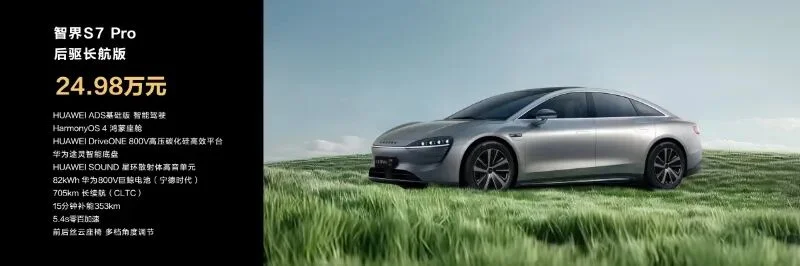
The Zhijie S7 Pro was released again at a price of RMB 249,800. It is equipped with an 82 kWh Huawei 800V Giant Whale battery (CATL) and features Huawei ADS Advanced Edition.
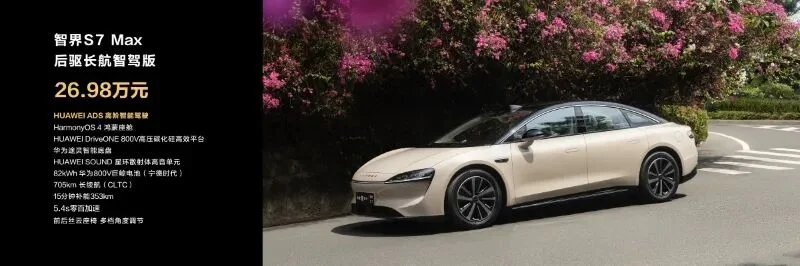
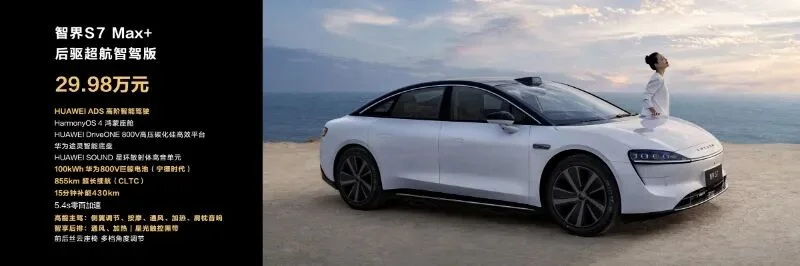
For an additional RMB 20,000, buyers can upgrade to the Zhijie S7 Max Rear-Wheel Drive Long-Range Intelligent Driving version, priced at RMB 269,800. The larger-battery Zhijie S7 Max+ Rear-Wheel Drive Ultra-Range Intelligent Driving version adds numerous seat comfort configurations and is priced at RMB 299,800.
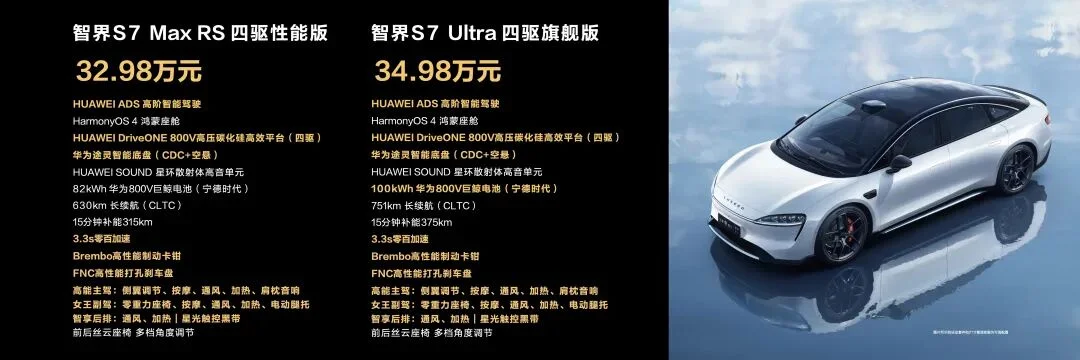
The lineup also includes two top-tier quad-motor variants: the Zhijie S7 Max RS Quad-Motor Performance Edition and the Zhijie S7 Ultra Quad-Motor Flagship Edition, priced at RMB 329,800 and RMB 349,800, respectively.
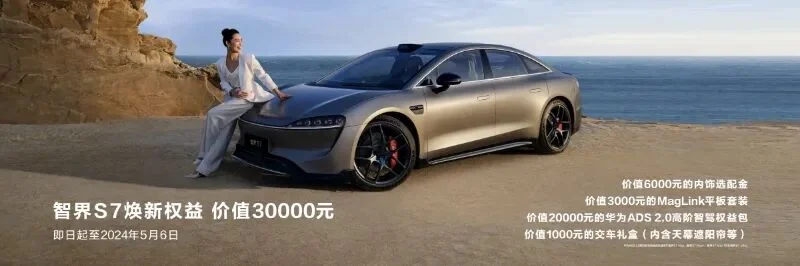
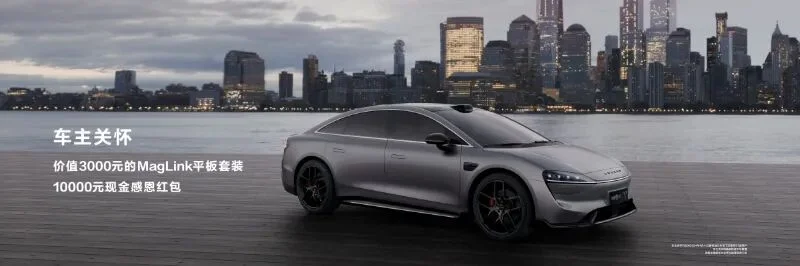
For existing owners, the company offers a MagLink tablet accessory package valued at RMB 3,000 and a cash gratitude red envelope of RMB 10,000.
Editor's Comment:
The relaunch of the Zhijie S7 can be viewed as Huawei’s rapid response to the influx of new models and intense price competition in the current mid-to-large pure electric sedan market. Huawei has not only adjusted the configuration across the board—equipping all trims with 800 V architecture and large batteries even in the entry-level model—but has also made advanced autonomous driving standard from the second-lowest trim upwards. Additionally, the company is offering value packages worth tens of thousands of yuan for both new buyers and existing owners, which enhances the Zhijie S7’s price competitiveness and may further boost its sales volume.
GAC Showcases Pure Vision Autonomous Driving and All-Solid-State Battery in 2026
On April 12, 2024, Guangqijituan held a technology day at its research institute under the theme "Technology Vision," showcasing its latest advancements in new energy vehicles. Key technologies presented include a map-free pure vision intelligent driving system and high-safety, large-capacity all-solid-state batteries, both expected to be mass-produced and integrated into Guangqijituan's vehicle lineup by 2026.
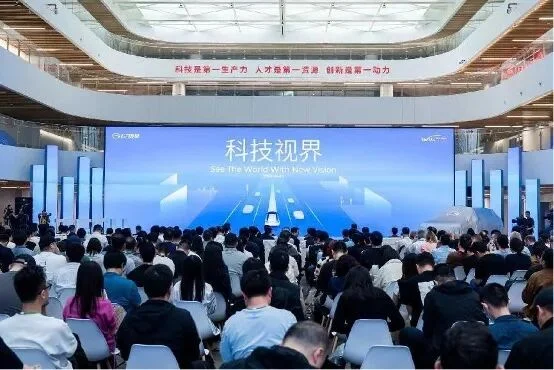
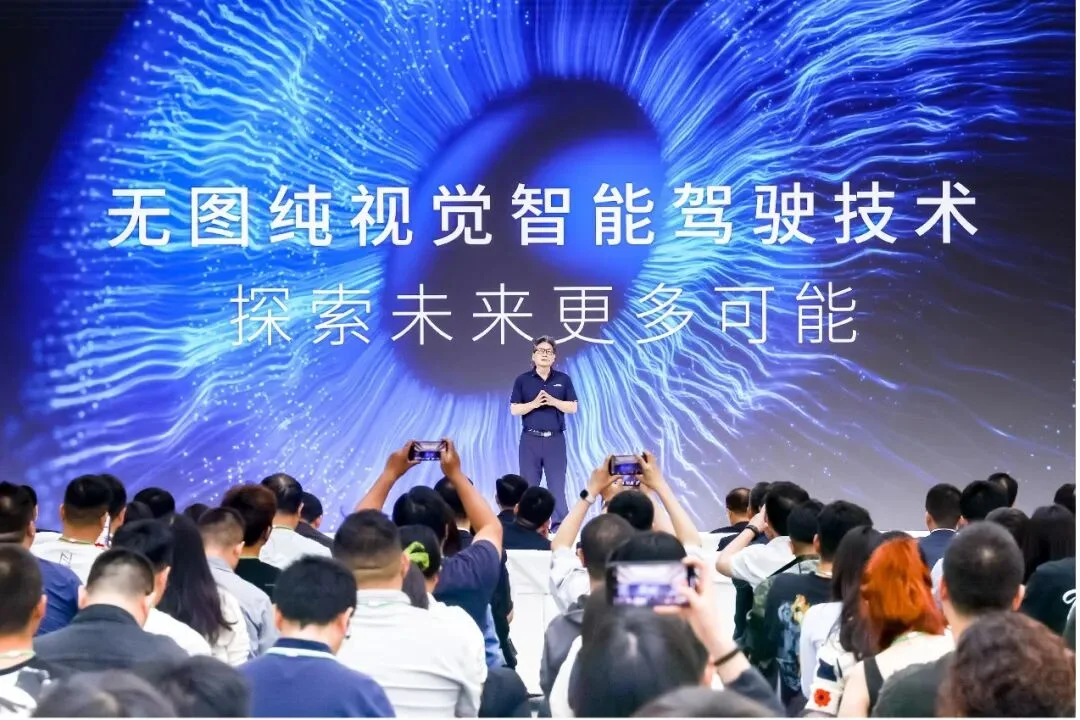
During the event, Guangqijituan Chairman Zeng Qinghong and General Manager Feng Xingya personally attended and outlined the company’s dual-track strategy for autonomous driving: "multi-sensor fusion" and "map-free pure vision." The map-free pure vision system eliminates reliance on high-definition maps and LiDAR, instead combining visual sensors with AI algorithms to achieve autonomous driving capabilities in complex scenarios. This approach demonstrates superior visual recognition, decision-making, and execution, while retaining potential for continuous learning and evolution.
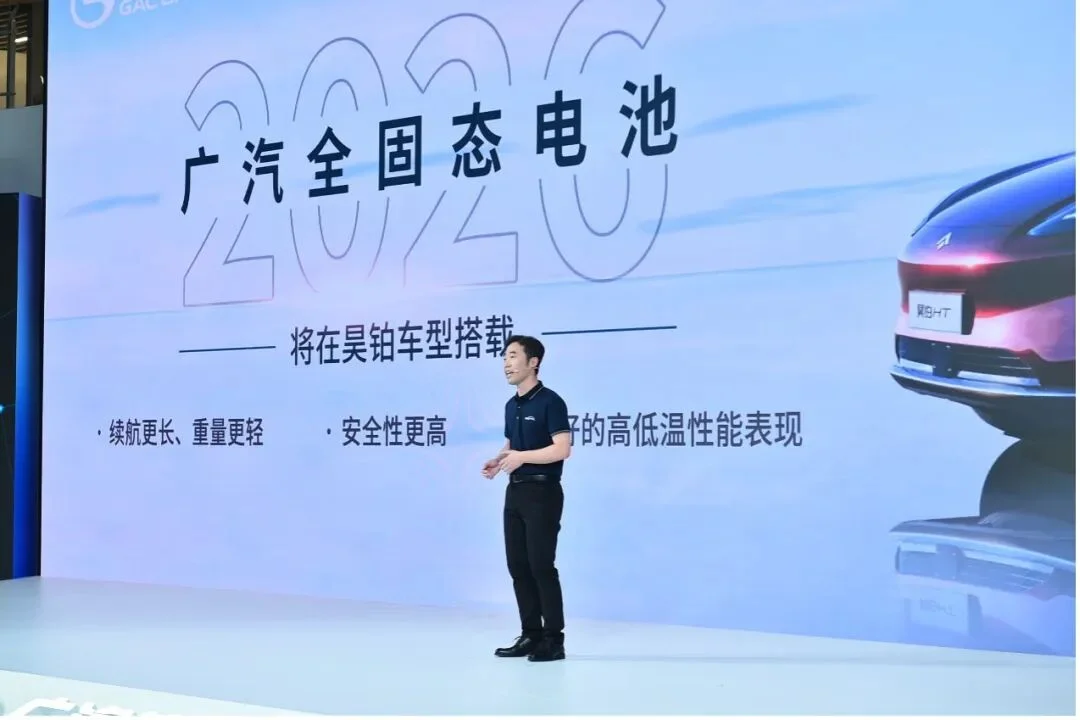
The all-solid-state battery emerged as another major highlight, signaling progress in Guangqijituan’s battery technology. Featuring high energy density, enhanced safety, and large capacity, the battery demonstrated excellent safety performance during testing. With a capacity of 30 Ah, it is planned for use in Haobo models.
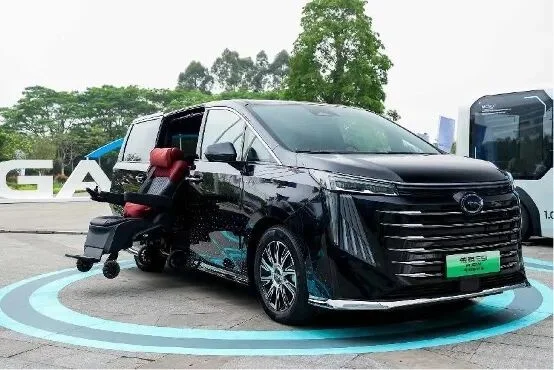
In addition, Guangqijituan showcased frontier technologies at the event, including electromagnetic suspension, MLounge Qi Ji First Class Cabin, and the MBoard2.0 Qi Ji Xin Zhi chassis. The MBoard2.0 chassis adopts innovative "software-defined chassis technology," signaling the trend toward intelligent automotive chassis development. Meanwhile, the debut of the Chuanqixinnengyuan E9 Fuzhiche highlighted Guangqijituan's efforts in social responsibility; equipped with detachable electric wheelchair-accessible seats, the model provides greater convenience for passengers with disabilities.
According to official data, Guangqijituan invested nearly RMB 8.4 billion in independent research and development in 2023, filing nearly 3,200 new patent applications, with invention patents accounting for approximately 50% of the total. These figures reflect Guangqijituan's sustained investment in technological innovation and its accumulation of patent achievements. Overall, Guangqijituan's Technology Day showcased its latest results and future vision in intelligent driving and new energy vehicles, marking the company's determination and capability to drive high-quality development in the automotive industry.
Commentary:
GAC Group's recent Technology Day was primarily a demonstration of its technical strength in the new energy sector. The unveiling of 'mapless' intelligent driving and solid-state batteries highlights the significant investments Guangqijituan has made in technology, as well as its resolve and capacity for innovation. However, Guangqijituan's intelligent driving systems still require continued effort in practical application, given that the competitive landscape for autonomous driving has shifted from highways to urban environments.
Geely Launches A00-Class Xiongmaokading Electric Vehicle
The Panda family under Geely recently announced the launch of its latest A00-class micro electric vehicle, the 'Xiongmaokading.' Inspired by go-karts, the model aims to provide more flexible mobility solutions in urban traffic.
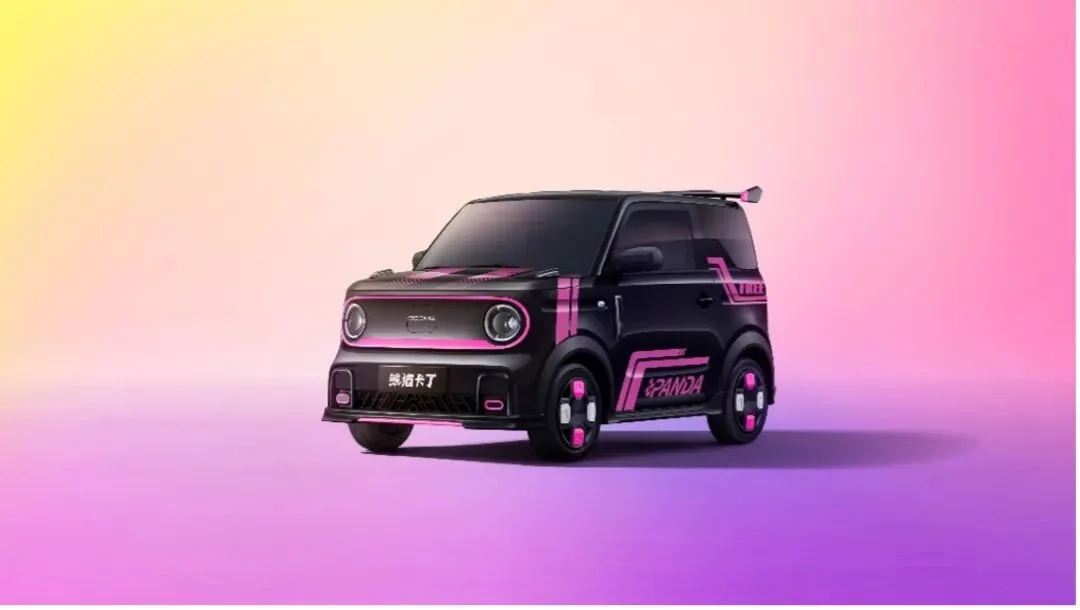
With compact dimensions measuring 3,150 × 1,540 × 1,685 mm and a wheelbase of 2,015 mm, the Xiongmaokading offers an expanded cargo space of up to 800 liters. It is optimized for the daily usage scenarios of city residents. The interior features a 9.2-inch instrument cluster and an 8-inch central control screen, supporting various modern functions to enhance the driving and riding experience.
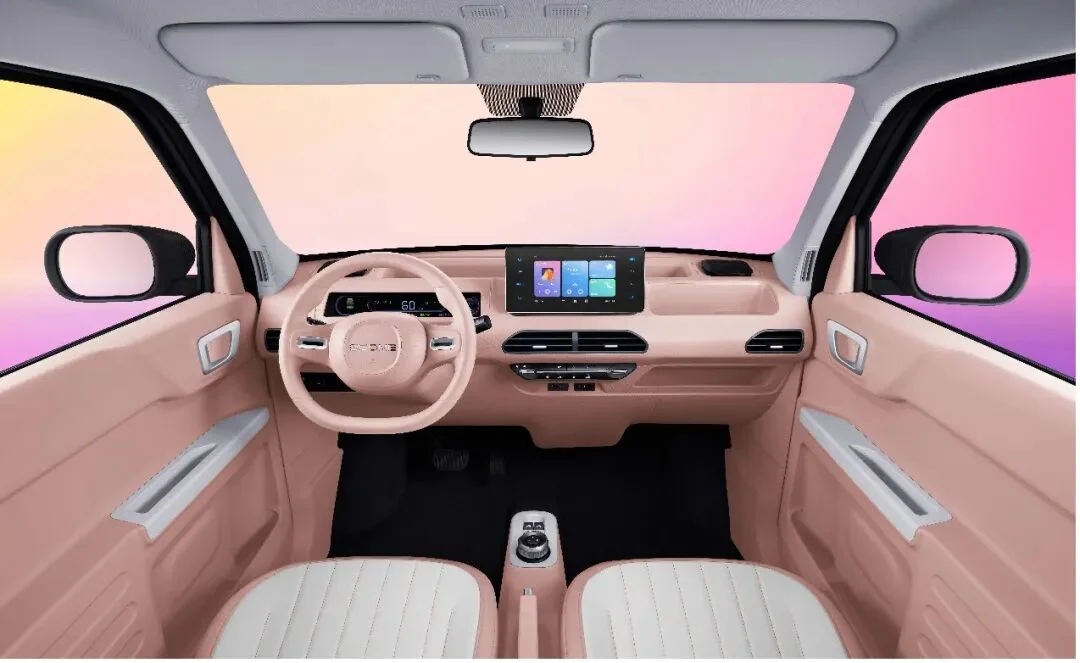
Powertrain and Dynamics: The Xiongmaokading features a rear-wheel-drive layout with a front MacPherson independent suspension and a rear multi-link non-independent suspension. The electric motor delivers 30 kW of power and 110 N·m of torque. It offers Normal and Sport driving modes, along with three levels of adjustable regenerative braking to suit various driving preferences.

Charging Capabilities: The vehicle supports 22 kW DC fast charging and 3.3 kW AC slow charging. It can charge from 30% to 80% in just 30 minutes, meeting the efficiency demands of fast-paced urban lifestyles.
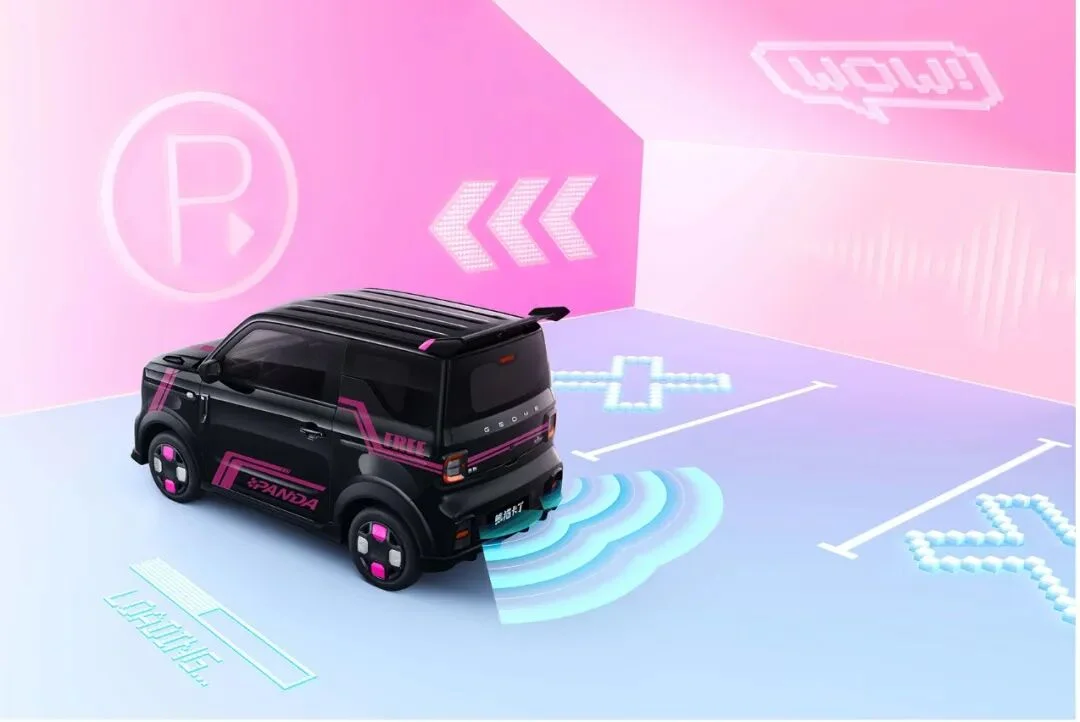
Safety and Connectivity: Safety is a key design focus for the Xiongmaokading, which utilizes a cage-style body structure, side anti-collision beams, laser-welded roof panels, and has passed more than 50 battery system tests. Additional safety features include hill-start assist, rearview camera and radar, electronic stability systems, airbags, and tire pressure monitoring. The Panda family connects via a mobile app for remote functions such as status checks, vehicle location, lock control, and climate control, alongside Bluetooth key functionality and passive entry/start. Since its launch in February 2023, sales of the Geely Panda family have exceeded 130,000 units. The Xiongmaokading aims to attract younger consumers and expand the Panda family’s market share.
Editorial Commentary:
The introduction of the Xiongmaokading marks another attempt by Geely in the A00-class pure electric market. Its compact dimensions and fresh interior design make it a suitable city EV. However, market reception remains to be seen. Competition in the A00-class segment is fierce, making pricing a critical factor; the next step is to see how Xiongmaokading leverages its pricing strategy.
By: Wentao Edited by: Wentao