


CATL Unveils EVOGO Modular Battery-Swapping Solution
On the afternoon of January 18, CATL launched its battery-swap service brand EVOGO Lexinghuandian and its integrated battery-swap solution. The entire online press conference lasted just ten minutes, with the concept of "chocolate" running throughout.
This was Shidaidianfu's first press conference, presented by General Manager Chen Weifeng. Starting from three main factors—driving range, charging convenience, and purchase and usage costs—and combining them with sharing and service-oriented models, as well as vehicle-battery separation, he proposed the "integrated battery-swap solution."
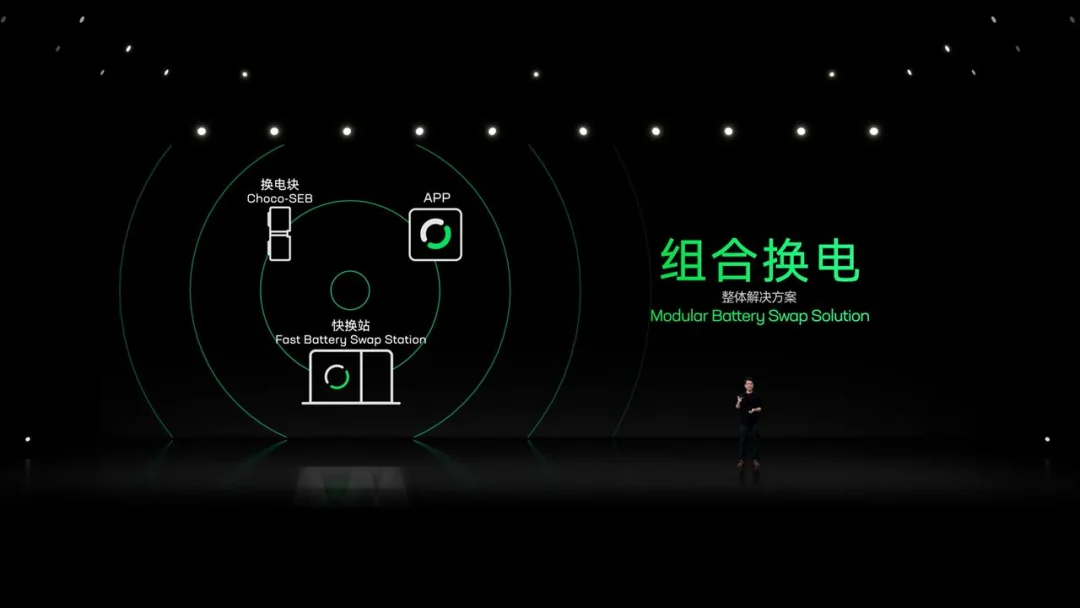
01A Chocolate Press Conference Without Chocolate
The overall solution consists of three core components, including three major products:
Chocolate swap blocks
Quick-swap stations
App
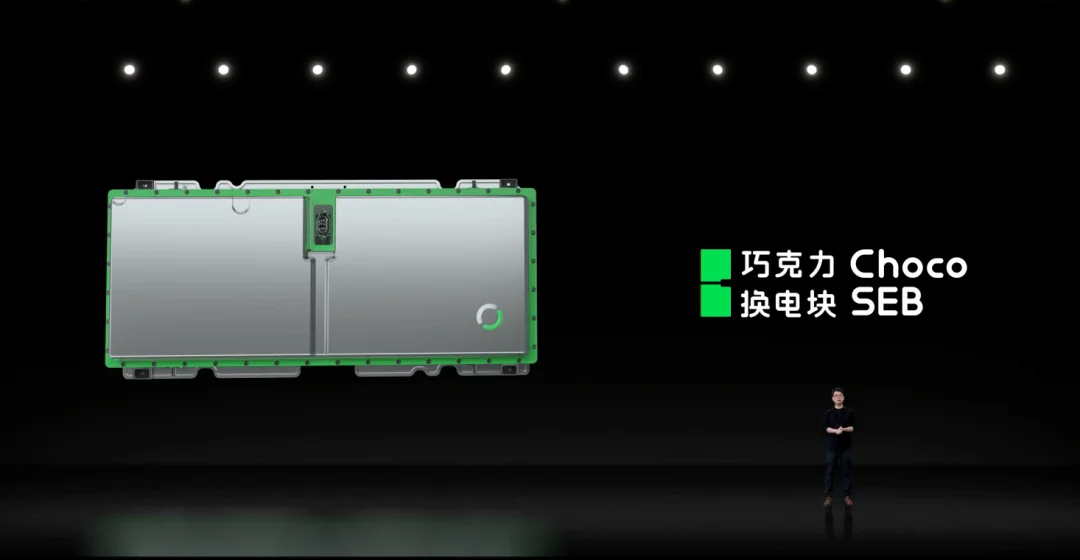
Key features can be summarized as follows:
The design splits the monolithic battery packs used in current mainstream battery-swap models into modular blocks, resembling chocolate pieces. Each block provides a range of approximately 200 kilometers. Users can select one to three blocks based on mileage needs, enabling compatibility with vehicles ranging from A00-class to C-class. This system is also adaptable to 80% of pure electric platforms that are already on the market or will be launched within the next three years.
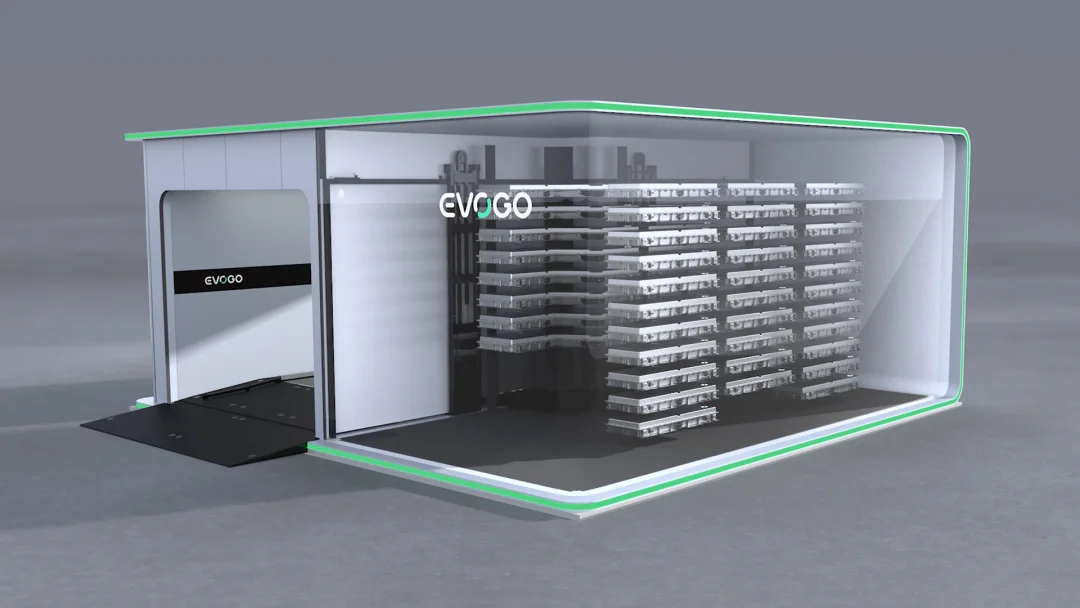
A single standard station occupies an area roughly equivalent to three parking spaces and can store 48 swap blocks. Each block takes about one minute to replace. The stations can be adjusted for specific regional climate conditions. Connections between people, vehicles, stations, and battery blocks are managed via an app.
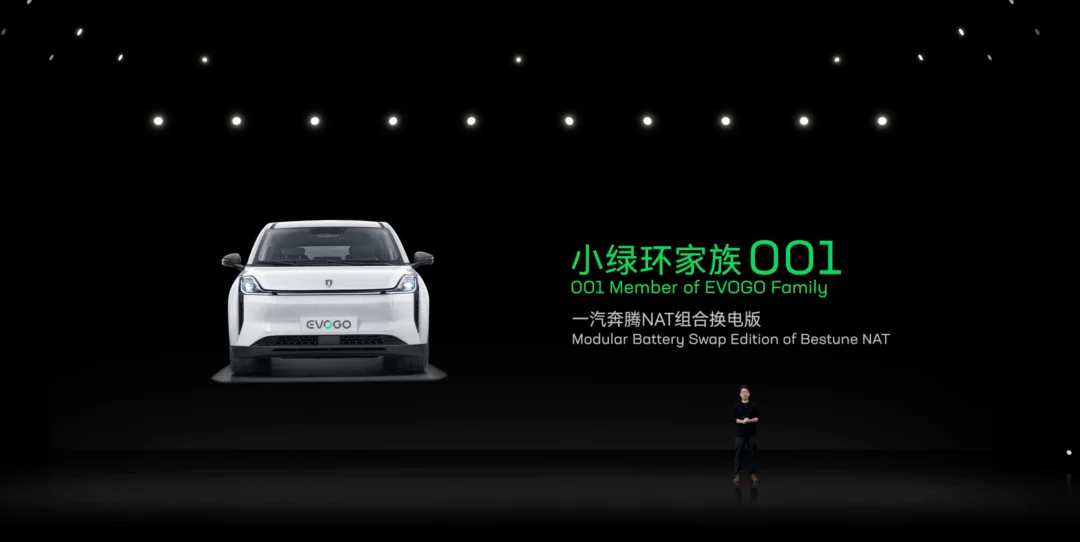
The launch event also showcased the first vehicle supporting EVOGO battery swapping: the Yiqibenteng NAT Combo Swap Edition. Shidaidianfu will initially roll out swap services in 10 cities.
Shidaidianfu stated that its battery-swap service is open to all automakers and will invite more partners to join in building an energy ecosystem.
02Small in Size Only
The modular chocolate-style design was the standout feature of CATL’s latest battery-swap solution.
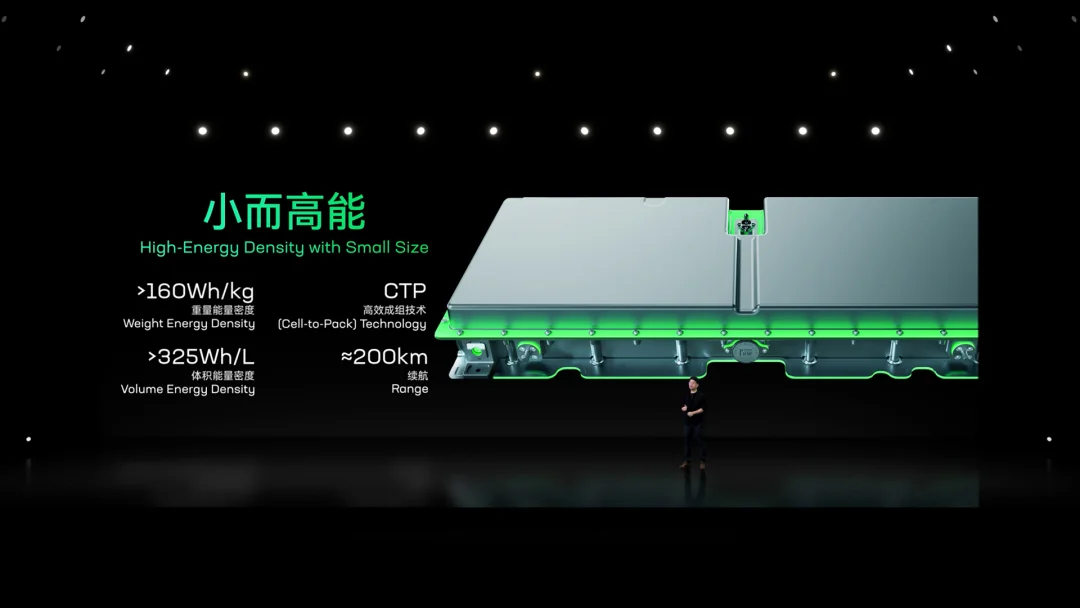
In terms of battery technology, the swap modules utilize CATL’s latest Cell-to-Pack (CTP) technology. Each chocolate swap module has a capacity of 26.5 kWh, with a gravimetric energy density exceeding 160 Wh/kg and a volumetric energy density surpassing 325 Wh/L. A single module provides approximately 200 kilometers of range and is compatible with most pure electric vehicle platforms developed by automakers.
According to individuals familiar with the matter, the swap modules do not include an internal liquid cooling system; instead, temperature rise is managed directly through the cells. Since charging occurs at the swap station, thermal management primarily involves controlling cell temperatures during the charging process, with the thermal control system integrated into the station itself.
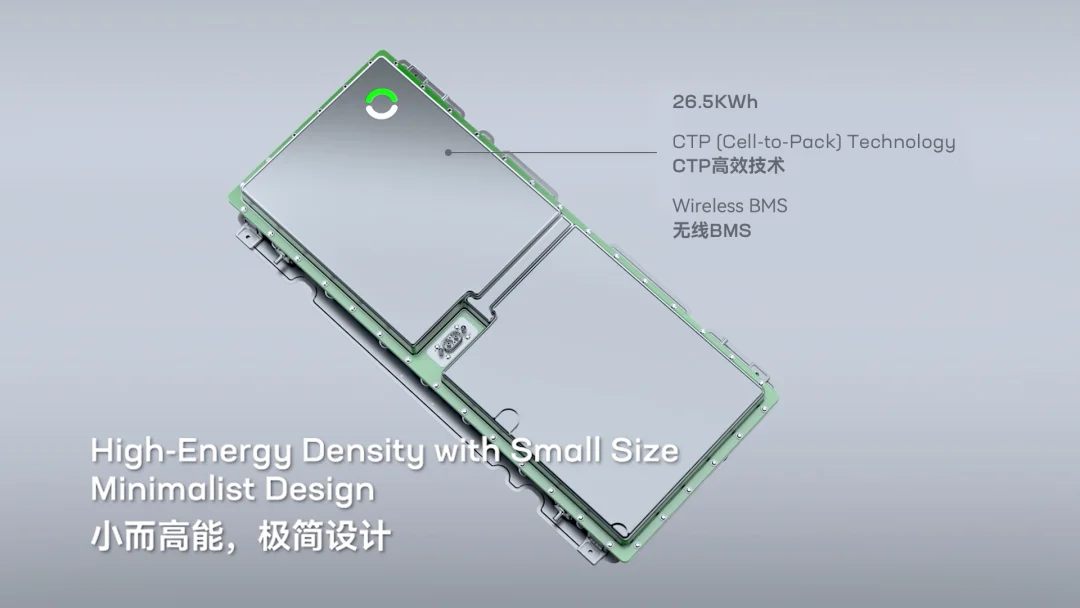
To improve the reliability of plug-and-play components, the swap modules were the first to adopt wireless Battery Management System (BMS) technology. The exterior of each module features only high-voltage positive and negative terminals, eliminating the need for BMS connector ports. Because BMS communication requires high precision, traditional swap models involve complex wiring harnesses and numerous connector interfaces, posing challenges to reliability and durability due to frequent plugging and unplugging. Wireless communication technology simplifies these connections significantly.
03Battery Swapping: The Focus Is on "Swapping"
So, compared with existing battery-swapping technologies, what advantages does the modular swapping model bring?
Overall, the modular swapping approach balances the relationship between driving range, charging convenience, and purchase and usage costs. Its main advantages lie in adapting to more vehicle models, reducing usage costs, and improving the operational efficiency of swapping stations.
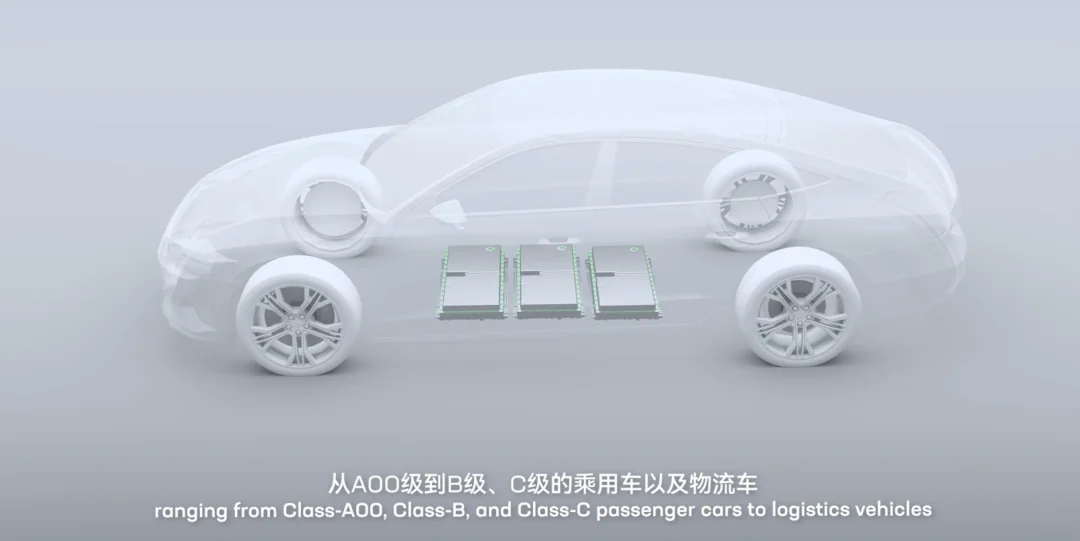
First, modular batteries can better adapt to vehicles of different sizes. By adjusting the number of Chocolate Swap Blocks, a more flexible battery pack size is achieved. This results in smaller spatial constraints, broader coverage, lower marginal system costs, and effectively solves space-adaptation issues for different vehicle models, achieving full compatibility from A00-class to C-class vehicles.
At the same time, modular batteries also improve the universality and utilization rate of individual swap blocks. Compared with the uniform large-size battery packs in current mainstream swapping stations, they offer prominent advantages in flexibility and adaptability. Broader vehicle compatibility means more car owners can access EVOGO's swapping services.
Second, for users, the Chocolate Swap Block brings a more economical experience, with the biggest benefit being cost savings. Most EV owners only use 10%–20% of their battery pack's total capacity in daily driving. However, to handle low-frequency long-distance trips and alleviate range anxiety, EV users are forced to buy larger-capacity battery packs, paying significant sunk costs.
The modular swapping block format may bring a new car-buying and usage experience.

During the purchase phase, users can opt for a small-capacity battery pack configuration that includes only one 'Chocolate' swap block, providing 200 km of range sufficient for daily commuting. This approach saves one-third to two-thirds of battery costs at the point of sale, significantly lowering the barrier to entry for vehicle ownership.
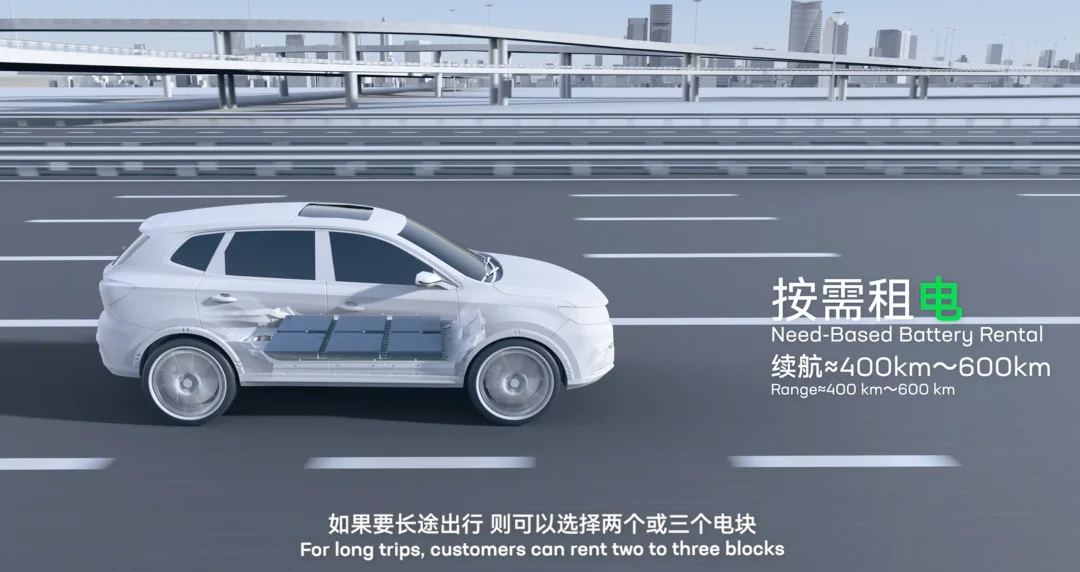
In the usage phase, users can flexibly choose the number of swap blocks based on their travel needs. With a minimum of one and a maximum of three blocks, the vehicle offers a range of approximately 200–600 km. For daily commuting, using just one block reduces operating costs and vehicle mass, thereby lowering energy consumption per unit distance. For long-distance trips, users can load all three blocks and swap back to a single block upon return, demonstrating high flexibility.
In contrast, current mainstream battery-swap models rely on whole-pack swapping. Some companies categorize battery packs into various specifications by capacity; however, due to operational efficiency considerations, if a user needs to temporarily switch from a small-capacity pack to a large-capacity pack for a long trip, the rental period may start in months, resulting in poor flexibility.
Third, this model greatly improves the operational efficiency of swap stations. By separating the vehicle from the battery, the 'Chocolate' swap block further divides the original battery pack into three units, refining granularity and significantly enhancing battery circulation efficiency.
Users might envision scenarios where they need a large-capacity battery pack, but nearby swap stations only stock small-capacity ones, forcing them to drive to more distant stations that hold larger packs. Conversely, if a station stocks large-capacity packs that are rarely selected, those packs remain effectively idle, leading to low efficiency.
The standardized, freely combinable swap blocks eliminate this issue. Each standard quick-swap station can store 48 swap blocks. Since every block has identical specifications, there is no need to distinguish between vehicle models or block types during the swap process, enabling rapid matching and significantly boosting the circulation efficiency of the battery blocks.
Based on a replacement time of 1 to 1.5 minutes per battery swap block, the battery at a quick-swap station can be cycled through in about one hour. The removed Chocolate Battery blocks can charge simultaneously, with each taking approximately one hour to fully charge.
04Timing the Group Buy Is Critical
In fact, the currently popular battery swap stations are not a new concept. Since 2006, the battery swap industry has gone through three stages.
Emerging phase: 2006–2013
Better Place pioneered the battery-swap model and established rapid automatic charging and swapping stations with Xiandai in 2007. However, due to a market for battery swapping that was too small, it announced bankruptcy in May 2013. Guojiadianwang organized a series of R&D and practical work on electric vehicle charging and swapping facilities as early as 2006, and launched standard-box battery-swap technology in 2010, but it was not successful.
Integration phase: 2014–2019
In 2015, Tesla abandoned the battery-swap model due to high costs and cumbersome processes. In 2014, Guojiadianwang opened the charging and battery-swap facility market to social capital. From 2013 to 2016, national policies continuously encouraged and promoted the construction of new energy vehicle charging infrastructure, but did not include support for battery-swap models, leaving the battery-swap model dormant at the policy level.
Burst phase: After 2020
The inflection point for the industry has arrived. Policy guidance supports the construction of battery-swapping infrastructure, and the prosperity of the new energy vehicle (NEV) sector continues to rise. Multiple factors across the supply chain are driving high-speed development of the battery-swap model. Battery-swapping companies are growing rapidly, and the market has validated this approach as a feasible solution.
CATL has been tracking the pulse of the era of battery swapping, waiting for the right moment to act.
On August 20, 2020, CATL, NIO, Guotaijunan, and Hubeiketou formed a joint venture: Wuhanweinengdianchizichanyouxiangongsi. On this basis, they launched the BaaS (Battery as a Service) battery rental service business.
On September 9, 2020, Zhongguoqichegongyexiehui, Zhongguodiyiqichejituanyouxiangongsi, CATL, Huadingguolian, and other entities totaling 20 signed the Joint Declaration on Building an Ecosystem for the 'Vehicle-Battery Separation' Model in New Energy Vehicles.
On December 24, 2021, CATL signed a cooperation agreement with Guizhoushengrenminzhengfu to build a battery-swapping network. The collaboration will focus on facility construction and enhancing swapping capabilities.
Now, CATL is ready to enter the arena directly, moving from the behind-the-scenes role of a power battery supplier to the center stage as a battery operator. The timing is impeccable, leveraging favorable conditions, location, and human harmony.
Regarding 'favorable timing,' in 2021, the NEV penetration rate in China's passenger car market reached 22%, with NEV sales exceeding 3.5 million units. The NEV market entered a window of explosive growth.
Regarding 'favorable location,' since 2020, the NEV battery-swap model has received support from multiple departments, including Gongyehexinxihuabu. In May 2020, swap stations were included for the first time in the Government Work Report as an important component of new infrastructure. On October 28, 2021, Gongyehexinxihuabu issued a notice to launch pilot work for NEV battery-swap model applications, which the industry views as a policy signal that the battery-swap sector is about to boom.
In terms of "human harmony," there is a sufficient user base. The existing battery swap stations have laid a good foundation for cultivating user habits, and the battery swap experience far exceeds that of traditional charging piles, with new energy vehicle owners showing a high acceptance of battery swap stations.
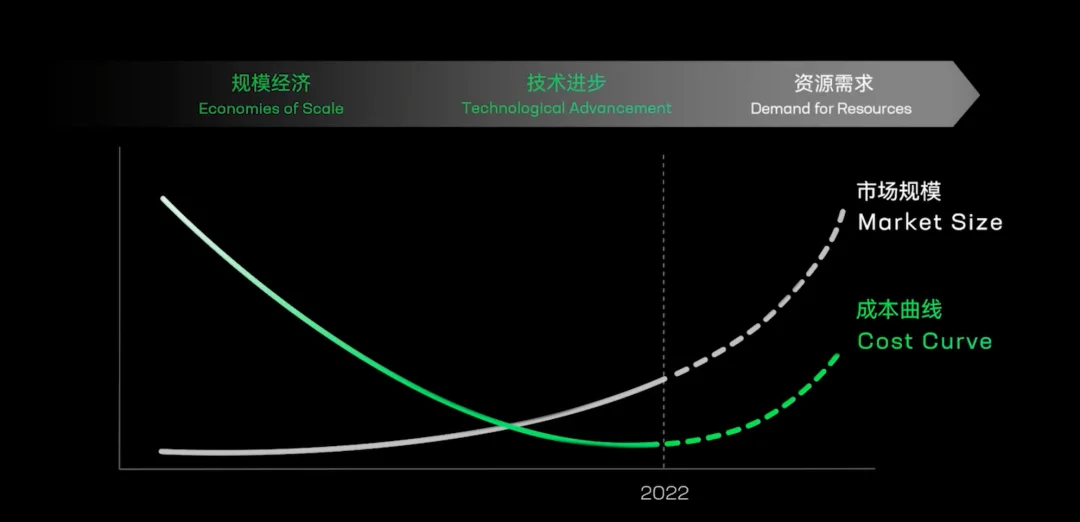
Furthermore, the battery cost curve is turning upward, and the cost advantages of shared battery swapping are becoming more prominent. In recent years, the decline in battery costs driven by technological progress and economies of scale offset the resource costs associated with increased energy capacity. However, since 2021, the global new energy vehicle market has entered a new stage of explosive growth. The surge in demand for power batteries, acting on the leverage of supply and demand dynamics, has caused significant price increases in raw materials for power batteries. Consequently, battery costs have risen markedly, and at one point, price inversion even occurred within the battery recycling industry.
CATL's decision to enter the market at this moment and keep its battery assets within its own system is clearly a strategic consideration, one that can hardly be called anything but shrewd.
05Beyond Battery Swapping
As a leader in the power battery sector, CATL's entry into the battery swapping service track seems like a natural progression.
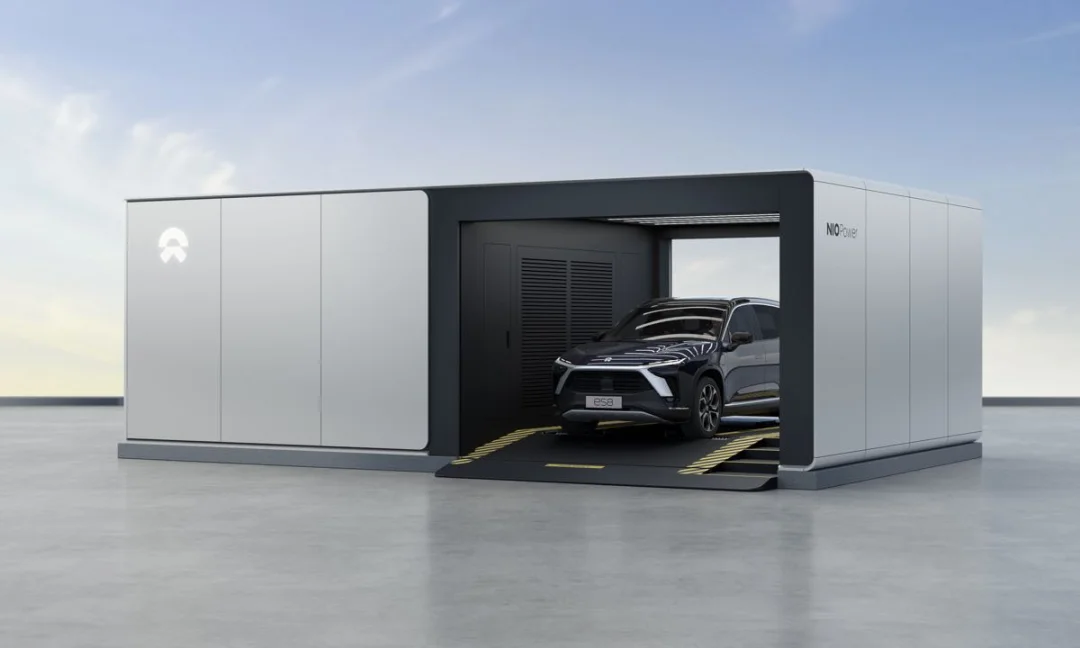
In China's battery-swap sector, Aodongxinnengyuan and NIO are well-known. In its partnership with Beiqi, Aodongxinnengyuan's swap business primarily targets the taxi and ride-hailing markets. NIO, meanwhile, has built a brand-specific swap system based on its own swap-capable models.
Unlike automakers that rely on their own manufacturing resources, CATL, as a battery supplier, has more room to maneuver within the entire battery industry chain. In fact, CATL is no longer limited to the power battery supply sector. Energy storage and recycling are also important components of its industrial layout. The launch of battery swapping services now better connects these three business segments, completing the final piece of the closed-loop puzzle.
From a broader perspective, CATL's decision to manage battery assets independently at this juncture may be part of a larger "battery-swapping ecosystem strategy."
CATL is more likely to become the "Android ecosystem builder" of the electric era, creating an open battery-swapping infrastructure platform for automotive manufacturers. Leveraging its leading position in the power battery field to establish partnerships with automakers, it aims to integrate most EV makers into a shared ecosystem through swapping operations.
This is similar to how Guge provides the Android operating system. All manufacturers using Android build their ecosystems around it, maximizing resource sharing. Smartphone makers can focus their strengths on hardware and software optimization while leveraging the Android ecosystem at the OS level, avoiding redundant development. Both sides leverage their comparative advantages to achieve a win-win outcome.
The question now facing automakers is: why join CATL's battery-swapping system?
In one word, the answer is "platform dividends."
Although the EV market is growing rapidly, scaling up remains the biggest challenge for battery-swapping systems. Different vehicle body designs result in different battery pack structures, and the specific structural requirements of swapping stations create a "reproductive isolation" between brands, making cross-brand swapping difficult.
For automakers, implementing battery swapping requires technical preparation in the following areas:
A Dedicated Swapping Structure
A Battery Pack Designed Specifically for Swapping
Dedicated Swapping Stations
Beyond this, a specialized battery operation system must be established. If vehicle-battery separation is implemented, a battery asset company is required. Daily swapping operations demand personnel investment, while full lifecycle management and end-of-life processing require significant effort.
The numerous restrictions, heavy investments, and extensive systems deter many companies from pursuing this path.
Now, CATL has taken on these tasks as a platform and ecosystem operator. For automakers, swapping is no longer a make-or-break choice for energy replenishment; it has become a new business area that can expand product coverage. This significantly reduces risks in corporate development, whether regarding comprehensive cost pressures or model planning.
For example, consider the competitiveness of sub-RMB 100,000 micro commuter EVs if they join EVOGO to implement swapping plus vehicle-battery separation. Removing battery costs would make their pricing highly competitive and significantly boost sales volumes. However, without an existing platform, developing a swapping system from scratch for an A00-class product line is clearly impossible.
Looking ahead, once CATL’s swapping system matures into an industry-leading advantage, users who prefer swapping will prioritize vehicles supporting EVOGO, naturally generating 'platform traffic.' Automakers looking to boost sales on this foundation can launch models compatible with EVOGO, enhancing market competitiveness while offering consumers lower usage costs—a win-win scenario.
For a company aspiring to become the Apple of the automotive industry, EVOGO may not be the ultimate choice. However, the new energy vehicle market is a rapidly expanding, massive sector large enough to accommodate diverse charging and swapping systems. The final landscape among these different systems will not become clear overnight.
With EVOGO, we see significant feasibility. Features such as modular battery swapping directly address consumer needs. Adapting to unmet consumer demands often marks the beginning of major opportunities.
Regardless of the outcome, CATL’s entry into the battery-swapping industry is undoubtedly good news for consumers.
Written by: Geshaor Edited by: Reinhardt