


Chenglianhui Releases December 2021 Sales Data; NIO Pushes Aspen 3.1.0 Infotainment Update | E-Week Highlights
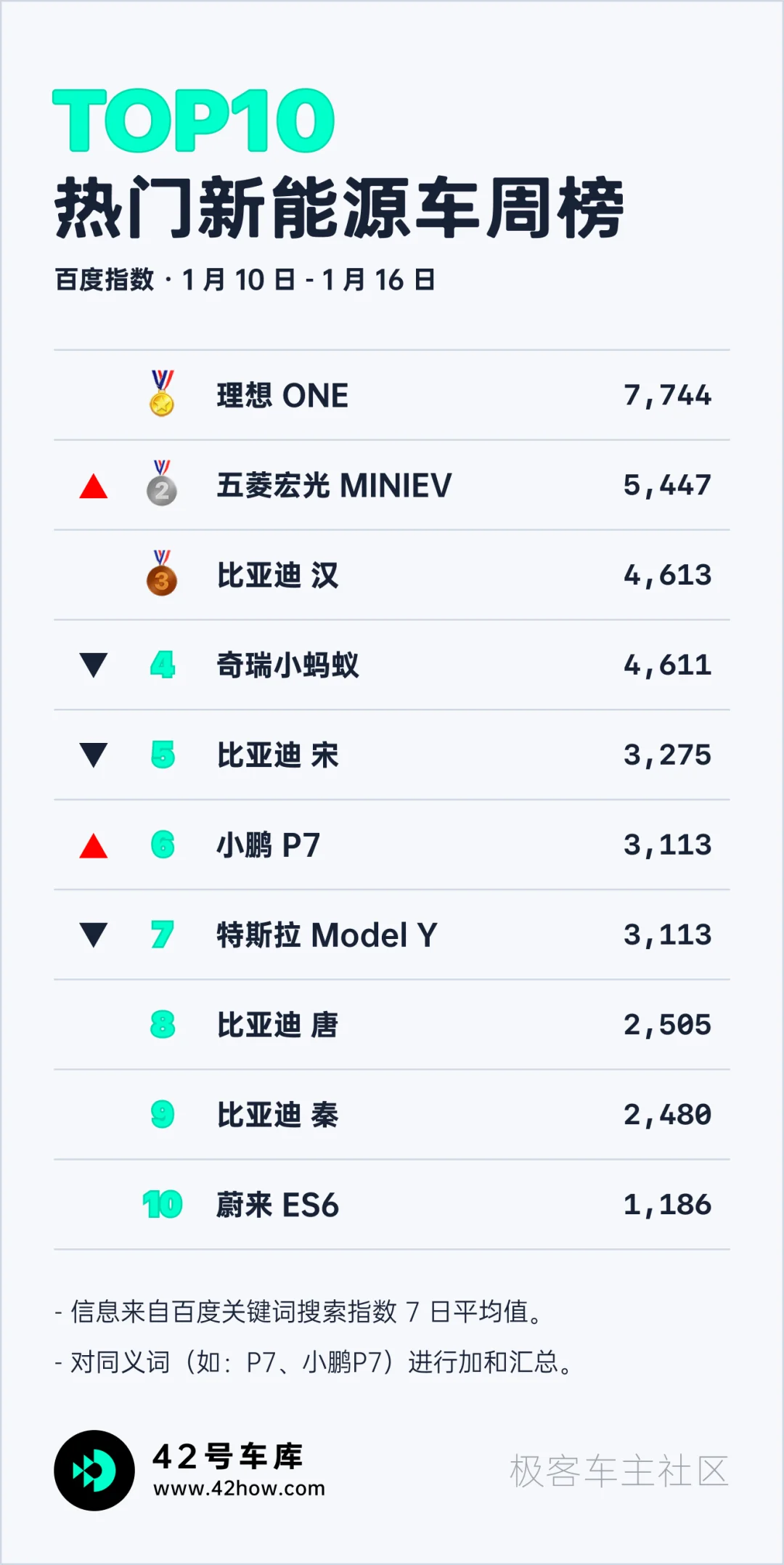
01Weekly Index
02Weekly Highlights
Chenglianhui Releases December 2021 Sales Data
On January 11, Chenglianhui announced the sales figures for December 2021. The domestic new energy wholesale sales for the entire month of December reached 505,000 units, representing a year-on-year increase of 138.9% and a month-on-month increase of 17.8%. The full-year new energy passenger car wholesale sales totaled 3,312,000 units, an 181% increase compared to 2020, with a full-year wholesale penetration rate of 15.7%.
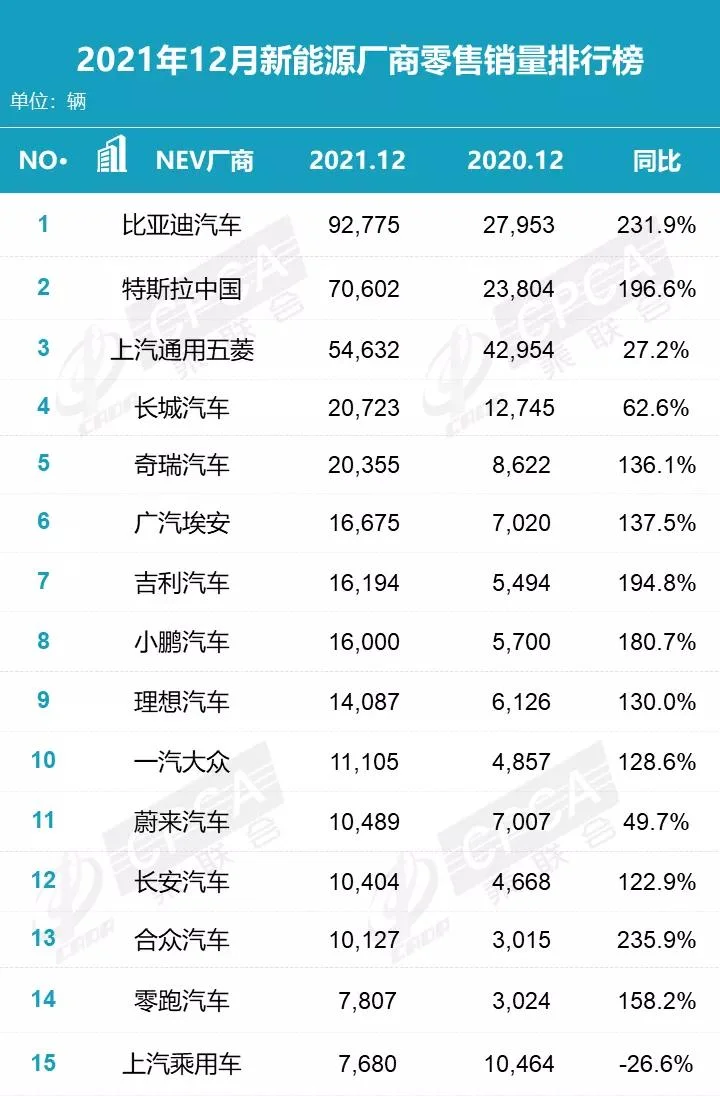
In December, 14 companies achieved monthly new energy vehicle sales exceeding ten thousand units, with the top five being:
BYD 93,338 units
70,847 Tesla vehicles
Shangqitongyongwuling 60,372 units
Changcheng 20,926 units
Chery 20,501 units
New energy vehicle retail penetration reached 22.6% in December, with independent brand penetration at 35.2%.
At the Tesla Shanghai Gigafactory, 484,100 vehicles were delivered in 2021, a year-over-year increase of 235%. December’s monthly sales of over 70,000 units even exceeded the originally planned production capacity cap. In 2021, more than 160,000 vehicles delivered from the Tesla Shanghai factory went overseas, with Model 3 accounting for over 130,000 of those units.
Quick Review:
The domestic new energy vehicle market in China remained hot from the beginning to the end of 2021, with record highs set every month in the second half of the year. The annual penetration rate reached 15%, with single-month penetration exceeding 20%, marking a stunning growth rate compared to 2020.
China’s new energy vehicle market is likely to maintain high-speed growth in 2022. Chenglianhui expects total new energy vehicle sales for the full year 2022 to exceed 5.5 million units. Additionally, according to the latest policy, 2022 is the final year for national subsidies for new energy vehicles. The subsidy scale has been adjusted from the previously expected 2 million units to having no upper limit, which will promote market development.
NIO Pushes Aspen 3.1.0 Infotainment System Update
On January 15, 2022, NIO released the Aspen 3.1.0 infotainment system update, with the following key changes and improvements:
Light mode interface design enhancements, including improved iconography and text readability; dark mode optimizations, such as increased map interface contrast.
Redesigned instrument cluster UI, featuring a new energy consumption curve on the right side that can also display the previous trip's energy usage data.
Improved HUD display quality: enlarged left-side icons, repositioned the Autohold icon upward, standardized line widths, and adjusted font weights and progress bars.
Overall system optimization: added an English language interface (currently excluding third-party applications and NOMI voice); the quick control screen now supports a second page with swipe-to-sort functionality; added a 'Task Manager' for rapid app switching; and introduced a dynamic battery swap information widget.
Bluetooth unlocking and vehicle start via smartphone are now supported, though seamless entry is not yet available; manual unlocking via the smartphone app remains required.
NOMI now supports continuous conversation without waiting for a response before issuing the next command. Additionally, NOMI supports more commands, new emojis, and slight improvements in response and wake-up speeds.
Optimized 360-degree surround view by reducing the vehicle model size to maintain a 20–30 cm safety buffer in the display; refined the radar visualization interface; and added a dynamic transparent chassis feature.
Optimizing NOP performance. Under NOP, drivers can adjust speed to the limit with one click; when following a stopped vehicle, speed adjustment is allowed; smoothness of automatic deceleration above the speed limit is improved; speed is adjusted in high-curvature curves to avoid deviation from the centerline; automated parking reduces tire scrubbing and parking space search speed allows up to 21 km/h; smoothness of deceleration when entering toll stations under NOP is improved; ability to change lanes across solid and dashed lines is enhanced.
Other updates include: improved wireless charging compatibility; optimization of air suspension, among others.
Quick Review:
NIO revealed that more apps will be added to the infotainment system in Q2 2022, along with upgrades to smart cockpit features, such as adding a dashcam. Additionally, NIO will introduce external power supply functionality and a camping mode in Q2, which is worth looking forward to.
Investigation into Tesla Heat Pump AC Failure in Extreme Cold Abroad
According to Canadian media reports, many Tesla owners have complained that the heat pump air conditioning fails in extremely cold weather. Earlier last year, Tesla replaced the heat pump sensors on Model 3 and Model Y vehicles from 2020 to 2021 to address this issue.
Jianadaqicheanquanjianguanjigou has launched an investigation into the heating and cooling systems of Tesla Model 3 and Model Y, following sixteen consumer complaints regarding the heating performance of the heat pump air conditioning in cold weather.

The National Highway Traffic Safety Administration (NHTSA) also stated: "We are aware of the issue, continuing to collect information, discussing it with Tesla, and assessing potential safety hazards."
Quick Review:
Through software integration, Tesla coordinates the low-voltage PTC heater, electric motor, and heat pump air conditioning system, aiming to balance energy consumption and heating performance. Based on complaints from users in cold regions such as the United States and Canada, this coordinated heating approach may still have room for improvement.
Additionally, reduced battery activity in cold weather is a significant factor affecting the winter range of electric vehicles. Currently, the experience of using EVs in cold conditions does not yet satisfy all users.
Former Jihuqiche President Yu Liguo Joins Xiaomi Auto
Yu Liguo, former president of Jihuqiche, has been officially appointed by Xiaomi as Vice President of Xiaomi Auto and Political Commissar of the Beijing Headquarters.
According to reports, Yu will be responsible for coordinating comprehensive management work at Xiaomi Auto, advancing special business initiatives, and building the organization and talent structure of the Beijing headquarters, reporting directly to Lei Jun, CEO of Xiaomi Auto.
Quick Review:
Yu Liguo previously served as the head of the strategic planning department at Beiqijituan, a member of the Party Committee and executive vice president at Beiqixinnengyuan, and concurrently held positions as chairman of Languzhihuinengyuan and president of the Jihuqiche business unit.
In March 2021, Yu Liguo, then president of the Jihuqiche business unit, drew significant attention after posting inappropriate remarks on the Jihu App community.
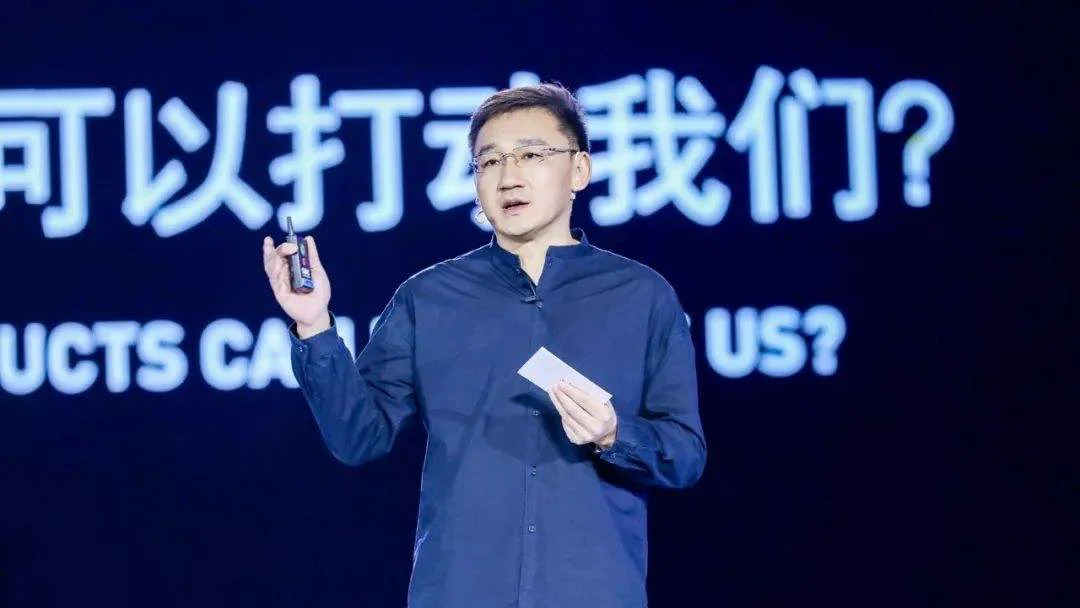
Yu Liguo holds a Doctor of Engineering degree from Beijingligongdaxue and possesses extensive experience and connections within the automotive industry. His work experience at Beiqixinnengyuan and Jihuqiche could be of significant help to Xiaomi in establishing its brand and managing overall operations.
LG Energy Solution IPO Financing to Exceed USD 10.8 Billion
LGES (LG Energy Solution) has been quite active this year. Recently, LGES launched its IPO in South Korea, with a maximum fundraising amount of USD 10.8 billion. This move is set to break the South Korean stock market fundraising record previously held by Samsung Life Insurance during its 2010 IPO. Currently, LGES's corporate valuation exceeds USD 50 billion.
While preparing for an IPO, LGES is steadily expanding its power battery production capacity and developing its LFP product line. Executives have publicly stated that the company has opportunities to surpass competitor CATL. LGES's CEO indicated that the company currently holds a larger order backlog (totaling approximately USD 217 billion) and possesses advantages in intellectual property reserves, along with a broader global customer base.
LG Energy Solution (LGES) has confirmed it will produce lithium iron phosphate batteries for electric vehicles and energy storage systems. The funds raised in this IPO will primarily be used to expand its factory in Michigan, USA (increasing annual capacity from 5 GWh to 40 GWh) and its battery plant in Poland, Europe.
Quick Review:
Previously, LG’s pouch batteries were involved in fire incidents in the Xiandai Kona EV and Xuefolan Bolt models. These serious battery safety issues have placed significant pressure on LG. After CATL secured orders from Tesla, LG’s market share was overshadowed by the latter. This year, LGES is clearly accelerating its pace. As the new energy market continues to grow, competition in the international power battery sector is bound to intensify.
Written by: Mingming Edited by: Liu Guangding