


60 Photos: A Deep Dive into the XPENG P5
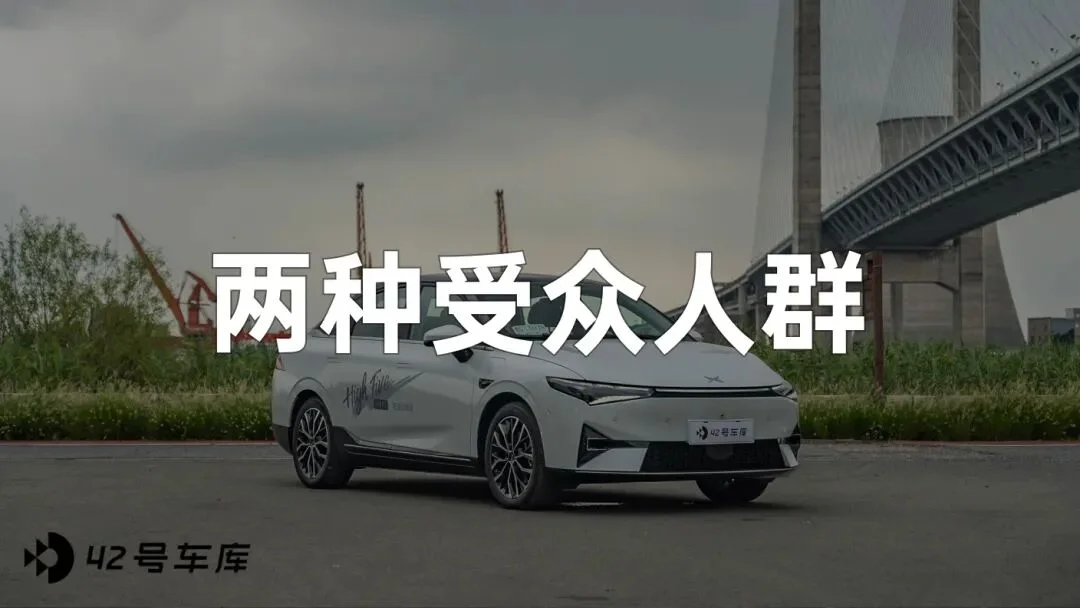
For a family sedan, space and comfort are undoubtedly the key metrics consumers care about most. That’s why I took to the rear seat as soon as the test drive began.
The words 'spacious' and 'comfortable' were my first impressions of the P5’s rear cabin. But after three days behind the wheel, I uncovered some of its more hidden capabilities.
The P5 can serve as a practical family sedan or a large toy for young drivers.
Our test drive focused on the top-spec P5 600P model. We evaluated it across Shanghai’s highways, urban streets, expressways, elevated roads, and during evening rush hour.
If you prefer video content, check out 63’s in-depth unboxing review of the P5.
Here, we’ll dive into how the XPENG P5 earned our favor in these scenarios—and just how capable it truly is.
01Which Attributes Must Be Maxed Out?
First, the data and comparisons
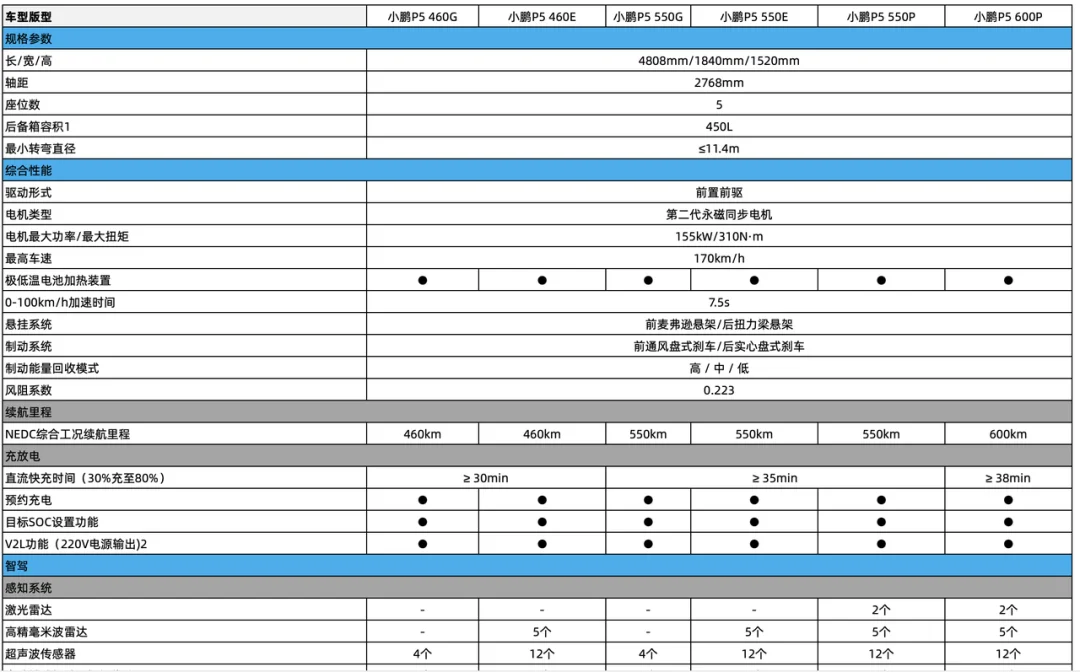
As a family-oriented pure electric sedan, let’s first look at the P5’s range and configuration versions.
The XPENG P5 offers three range variants—460 km, 550 km, and 600 km—across six trim levels. In terms of positioning, the P trim is the highest, followed by E, with G being the lowest.
Here are the three range options:
The 460 km variant is equipped with a 55.9 kWh lithium iron phosphate (LFP) battery, featuring an energy density of 140 Wh/kg.
The 550 km variant uses a 66.2 kWh ternary lithium battery.
The 600 km variant comes with a 71.4 kWh ternary lithium battery.
In terms of configuration, the G trim is the base model. Compared to other versions, it lacks most of XPENG’s driver assistance features, retaining only cruise control. It also cannot be equipped with the smart sleep space package, which was a highlight of this launch.
The E trim serves as the mid-level option and includes significantly more driver assistance features than the G trim, featuring the XPILOT 3.0 system.
The top-tier P trim builds on the E trim by adding two additional LiDAR units and comes standard with the XPILOT 3.5 driver assistance system.
Since the P5 and G3 share the same platform, both utilize a front-engine, front-wheel-drive layout. Across the entire lineup, the electric motor offers a single power output: 155 kW (310 Nm).
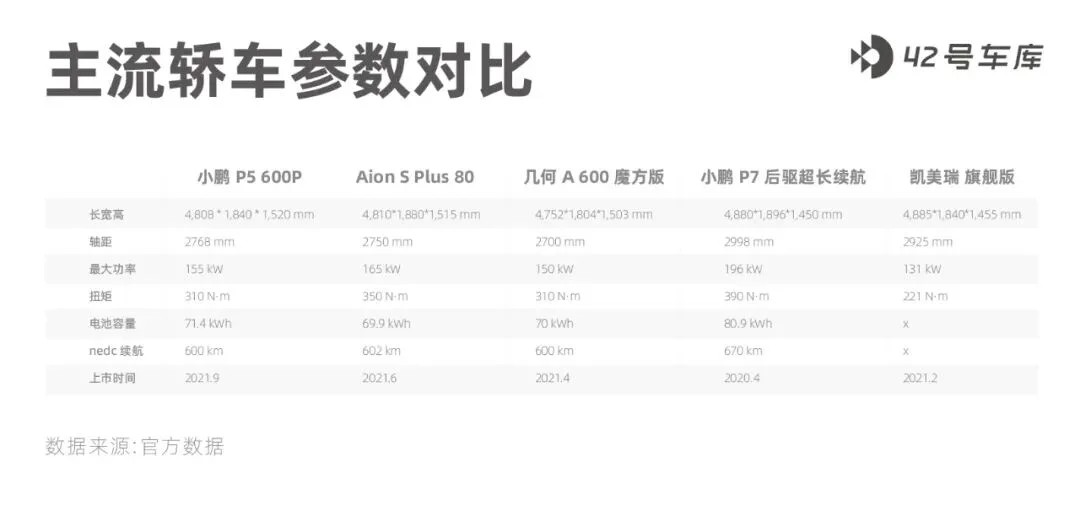
We use the top-spec P5 600P as a reference point to compare data against competitors in the same class.
Although 155 kW may not seem substantial compared to today’s high-performance premium EVs, it remains competitive within its class. Particularly when compared to traditional family gasoline vehicles, combined with the immediate torque response typical of electric motors, the power delivery is more than sufficient for daily driving.
Due to the relatively traditional suspension configuration of a front MacPherson strut and rear torsion beam, the damping feel at high speeds is quite comfortable. When traversing some high-speed potholes or road joints, the suspension's damping remains effective, preventing any excessive vibration.
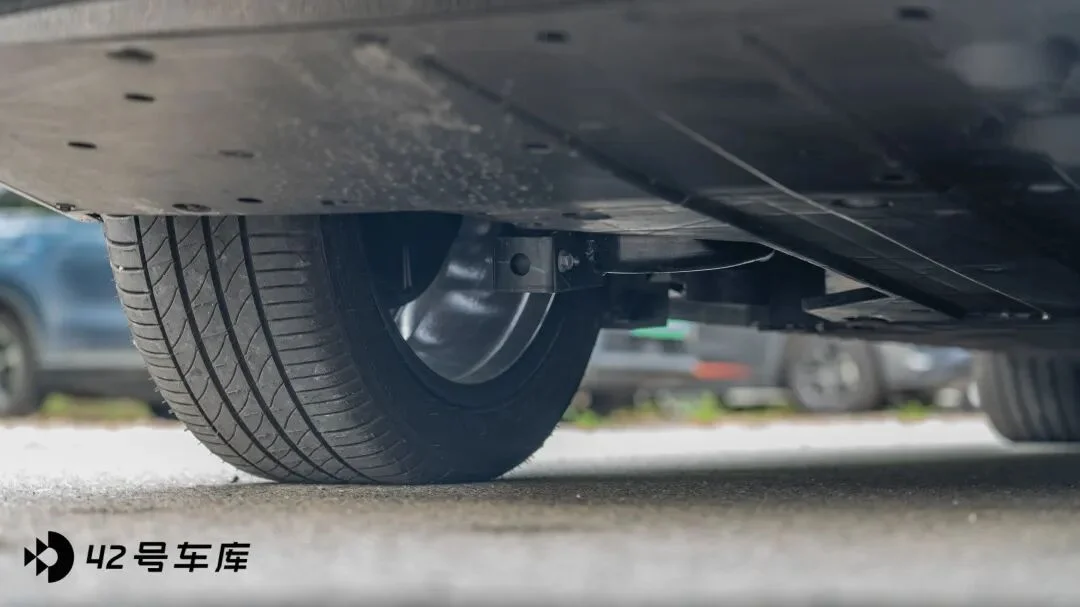
However, when navigating low-speed potholes or speed bumps, the rear suspension struggles noticeably, resulting in multiple residual vibrations and compromised comfort. Overall, the P5’s suspension performance is average compared to competitors.
Since we are discussing driving dynamics, I will add one more critique: the steering feel of the P5 is not outstanding. The first half of the steering wheel’s rotation is very light, then suddenly becomes heavy, with non-linear damping gain.
As a family-oriented vehicle, driving enjoyment is secondary to practicality for most buyers who are unlikely to seek sporty handling from the P5. Therefore, I will now discuss where the P5 truly excels in terms of practicality.
"Excellent Passenger Comfort"
Many people feel that as the younger sibling of the P7, its photos look a bit like compact A-segment sedans such as the Nissan Sylphy or Toyota Corolla.
In fact, data shows the P5 approaches B-segment dimensions. Its overall body measurements are 4,808 mm in length, 1,840 mm in width, and 1,520 mm in height, with a wheelbase of 2,768 mm.
In terms of dimensions, the P5 is not much different from its "big brother," the P7. However, constrained by its front-wheel-drive platform, the P5 has a significantly shorter wheelbase than the P7, yet the interior space remains virtually identical, with rear-seat comfort actually surpassing that of the P7.
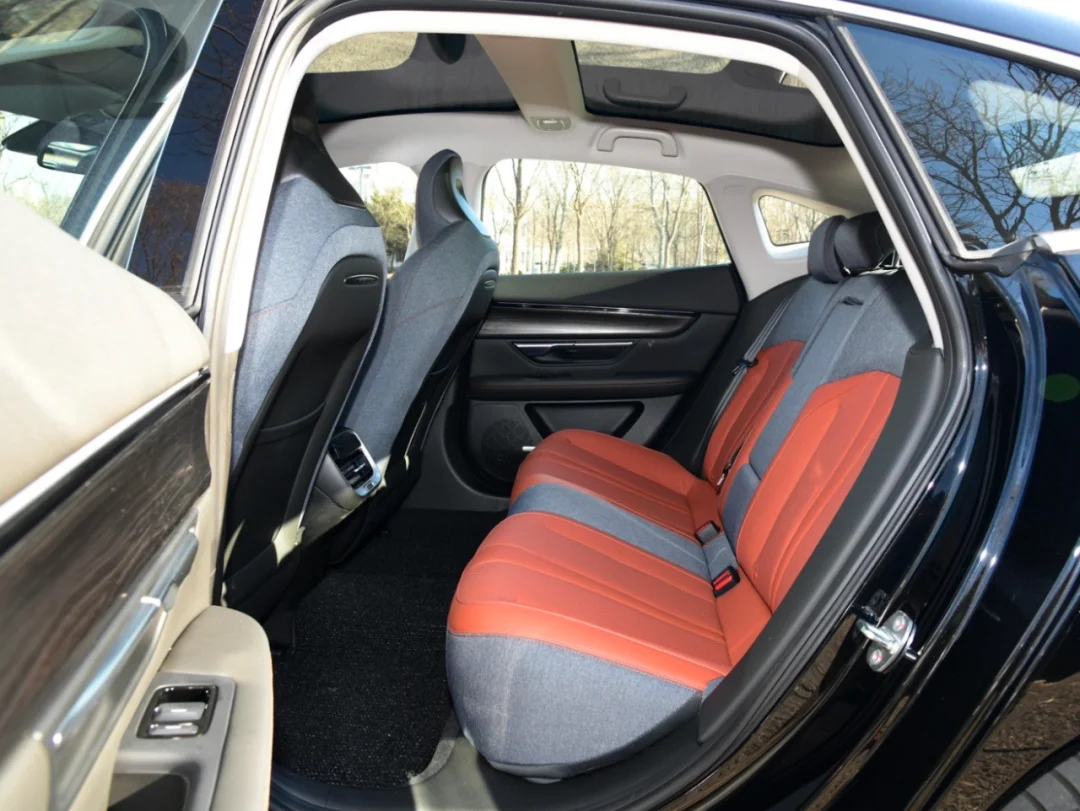
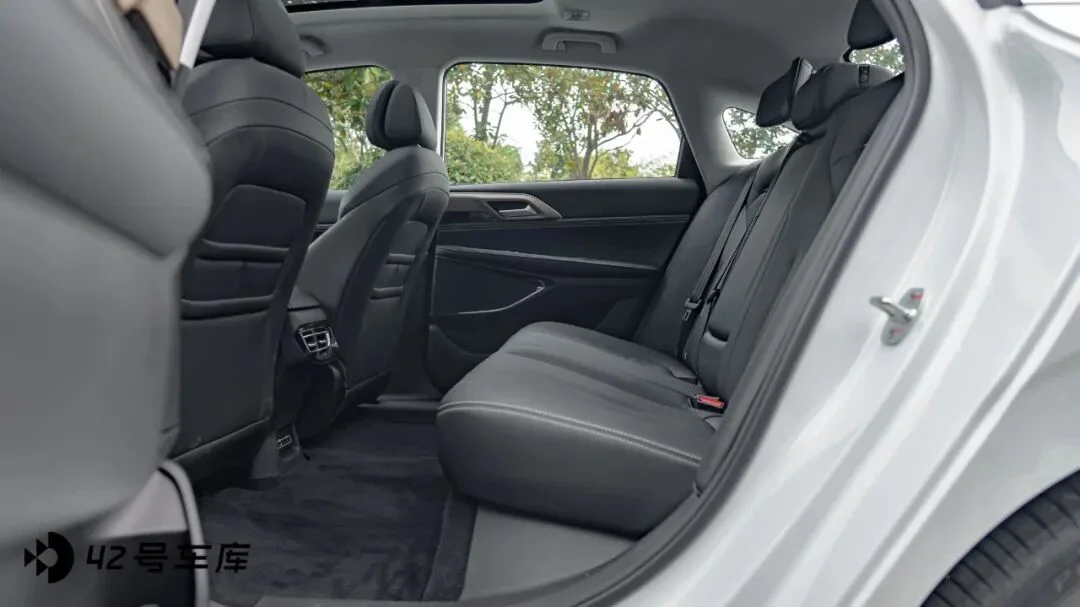
The P5 offers ample rear-seat space; even when the front seats are adjusted to normal driving positions, there is still about one forearm's length of legroom in the back, totaling 991 mm.
Headroom for passengers is also approximately one fist's width. Overall, the space is generously proportioned.
However, the P5's rear seat still suffers from the "stool" effect, providing insufficient support for the thighs.
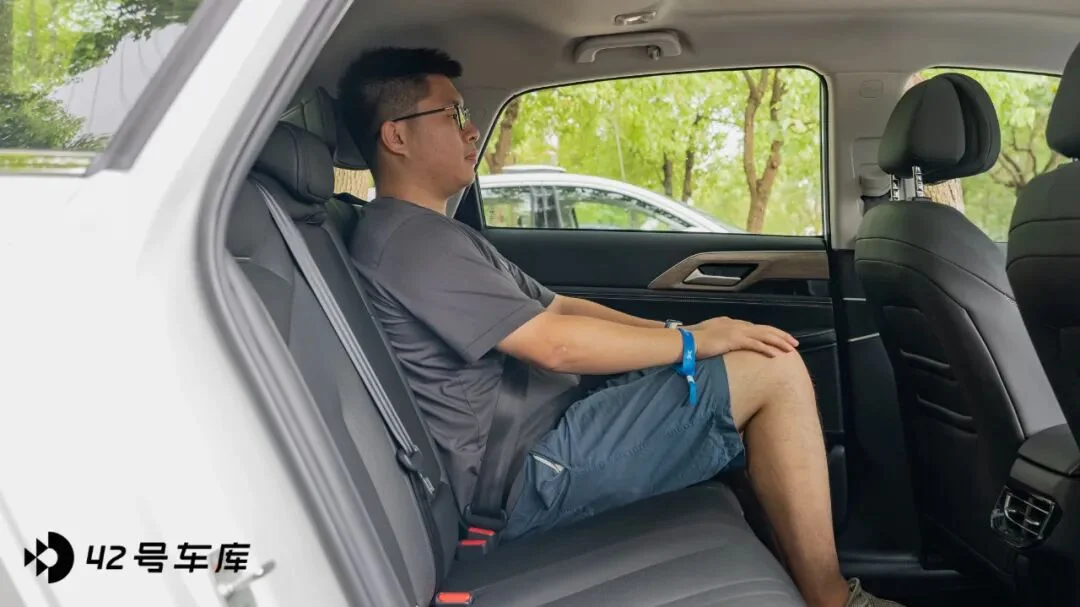


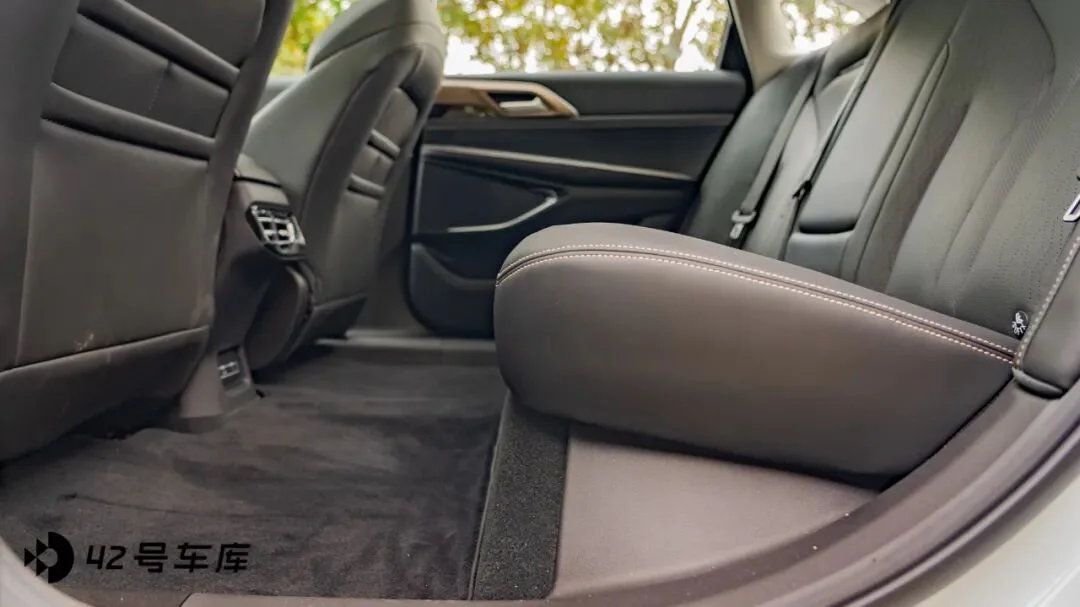
The rear-seat space in the P5 may not be class-defyingly superior, but it is certainly among the best in its segment.
Similarly, in terms of visual feel, the panoramic sunroof combined with large rear windows and a small window carefully cut into the C-pillar to enhance visual openness ensures that passengers in the P5's back seat will never feel cramped.
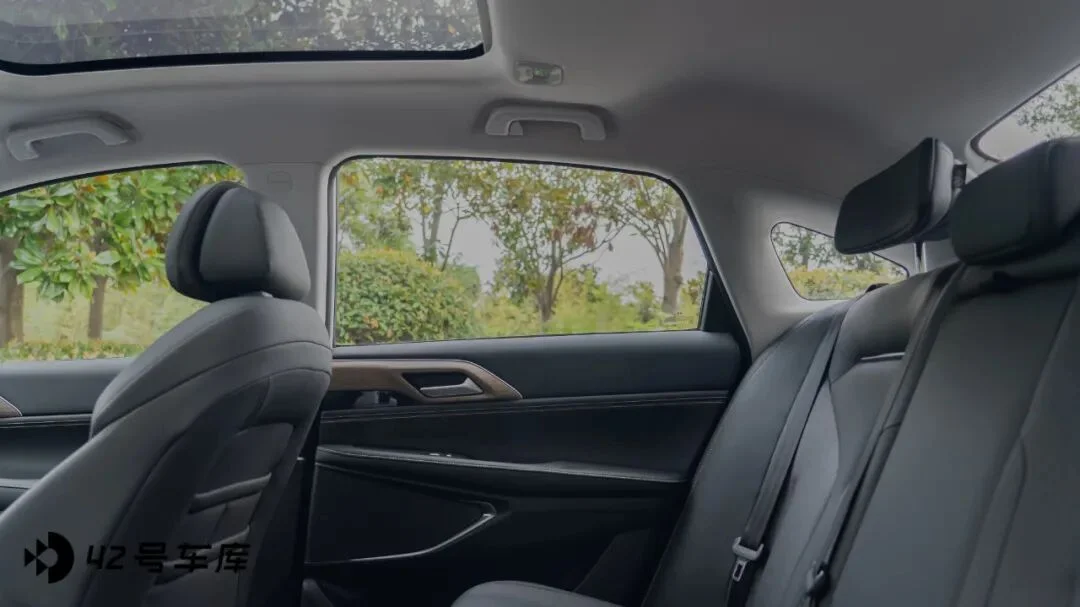
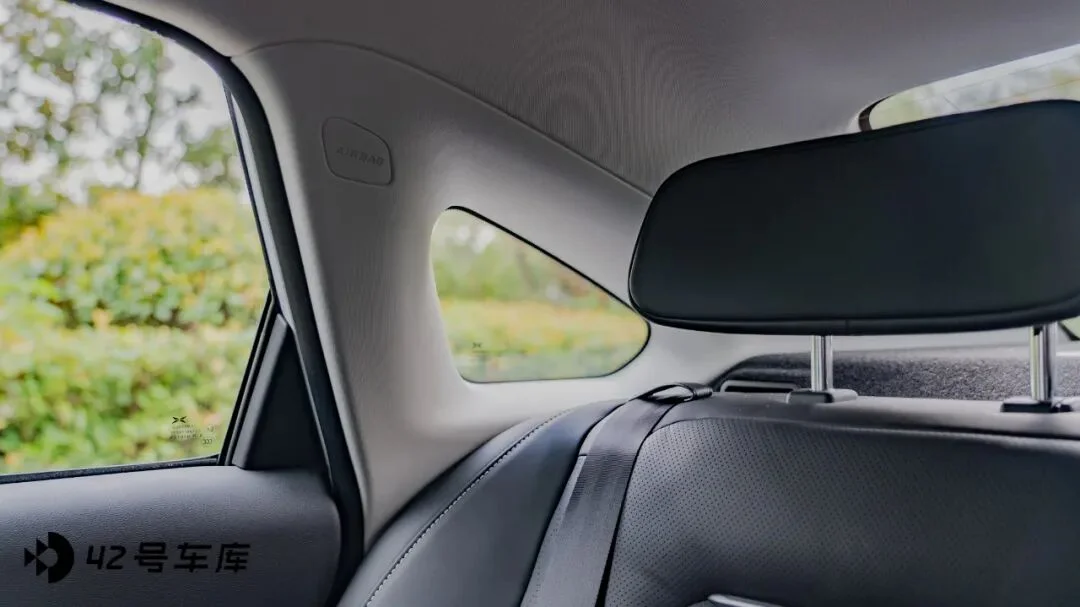
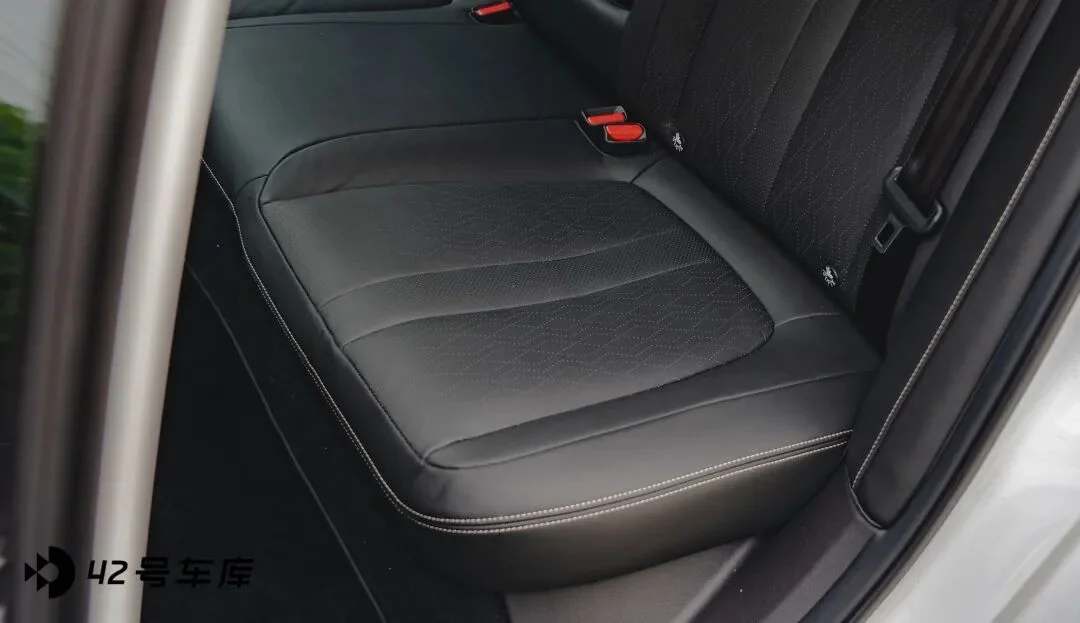
The vehicle features the softest carpet and Nappa leather seats in its class, with supple leather and thickly padded seat cushions. Unfortunately, the seat cushioning is slightly less plush than that of 'sofa-style' seats.
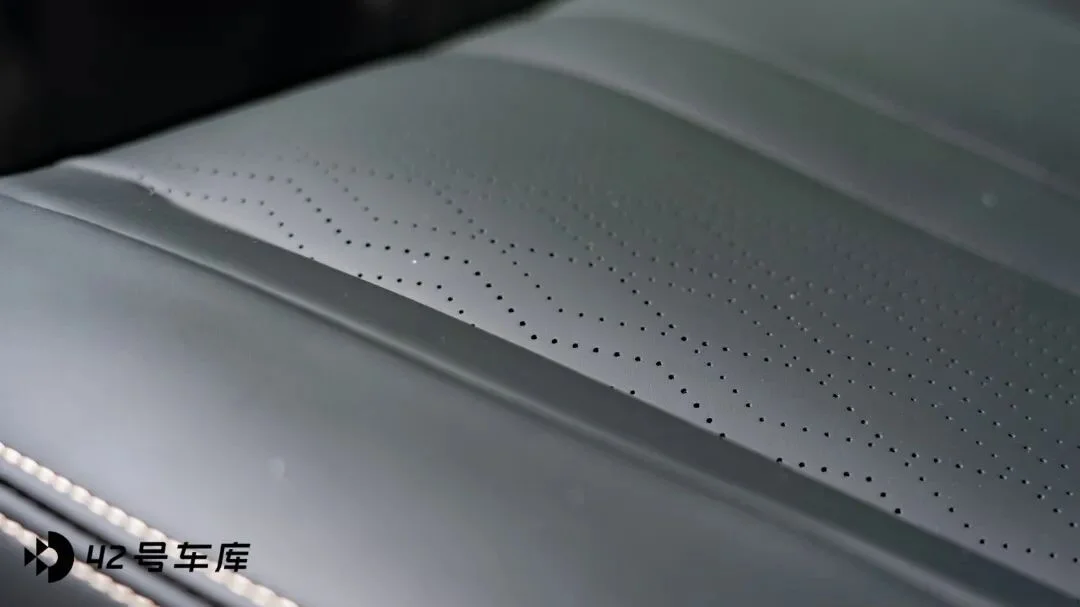
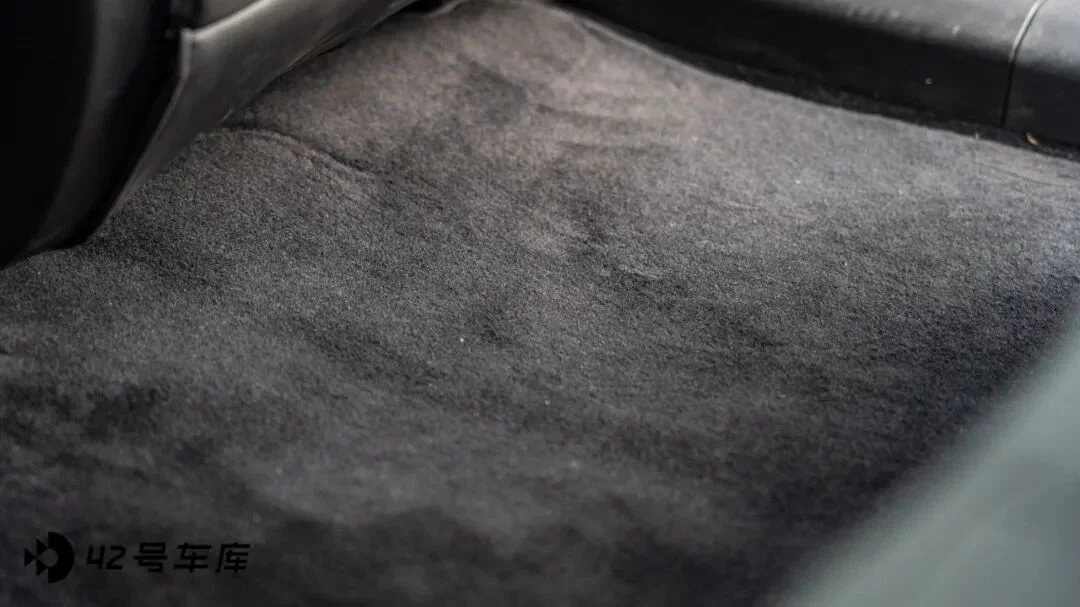
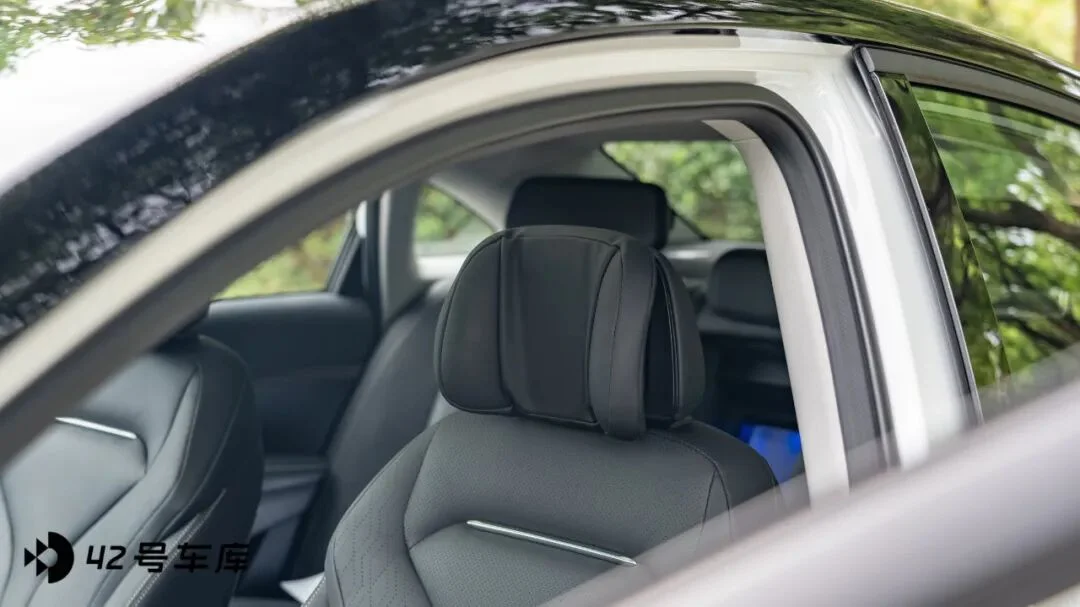
Moving to the front row, the seats feature comfortable and spacious Nappa leather upholstery, complemented by adjustable aviation headrests on both sides, ensuring excellent comfort for the driver.
The adjustable aviation headrests deserve special praise; they provide a strong sense of "enclosure" for the head, preventing it from shifting freely during driving and significantly enhancing a feeling of security.
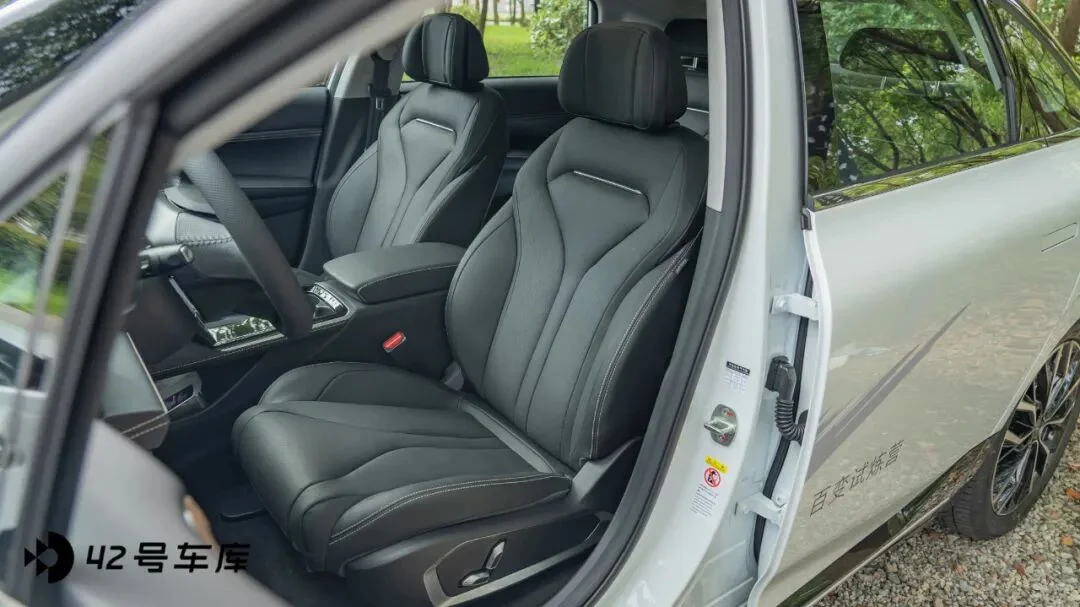
Furthermore, the front-row ventilation finally makes its presence felt, although it is limited to the seat cushions, with no ventilation provided for the seatbacks.
Practical Features Are Abundant
The P5 offers several pleasant surprises in terms of interior storage. The front and rear door pockets are both long and deep, providing superior storage capacity for its class. Their neat design makes it easy to stow everyday items like cleaning cloths and miscellaneous objects.
A particularly well-received feature is the dedicated bottle holder cut into the front door panel. This allows water bottles stored in the door to be retrieved easily without rattling around.
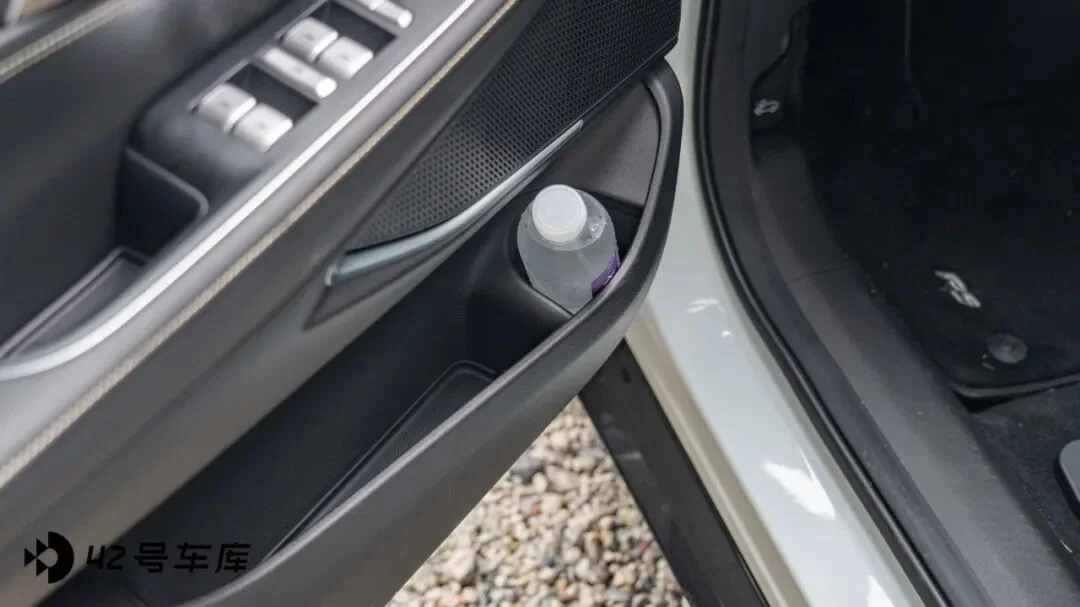
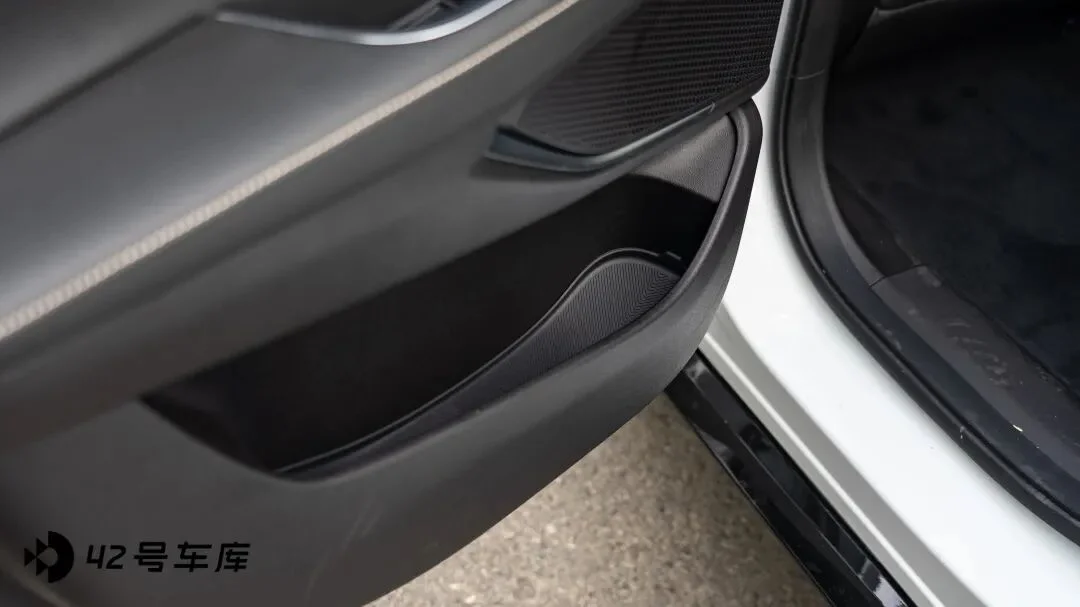
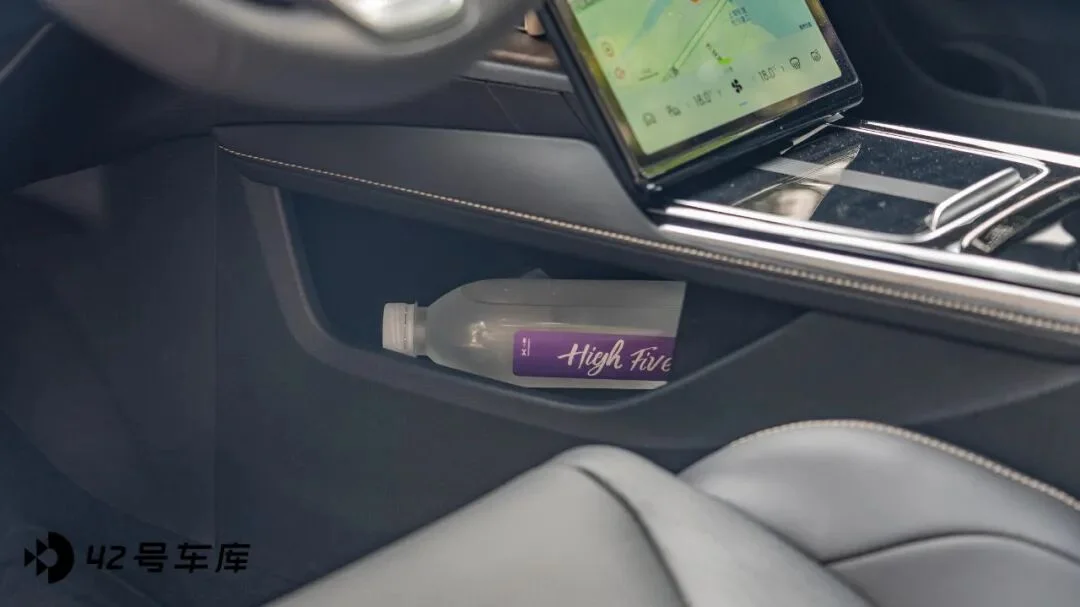
Back inside the cabin, there is a storage compartment below the center console. However, due to size and height constraints, it can essentially only hold a single water bottle laid horizontally or small items such as keys and tissues.
The two cup holders on the center console are standard for this class. Lifting the cover reveals a wireless charging area that fits a smartphone perfectly.
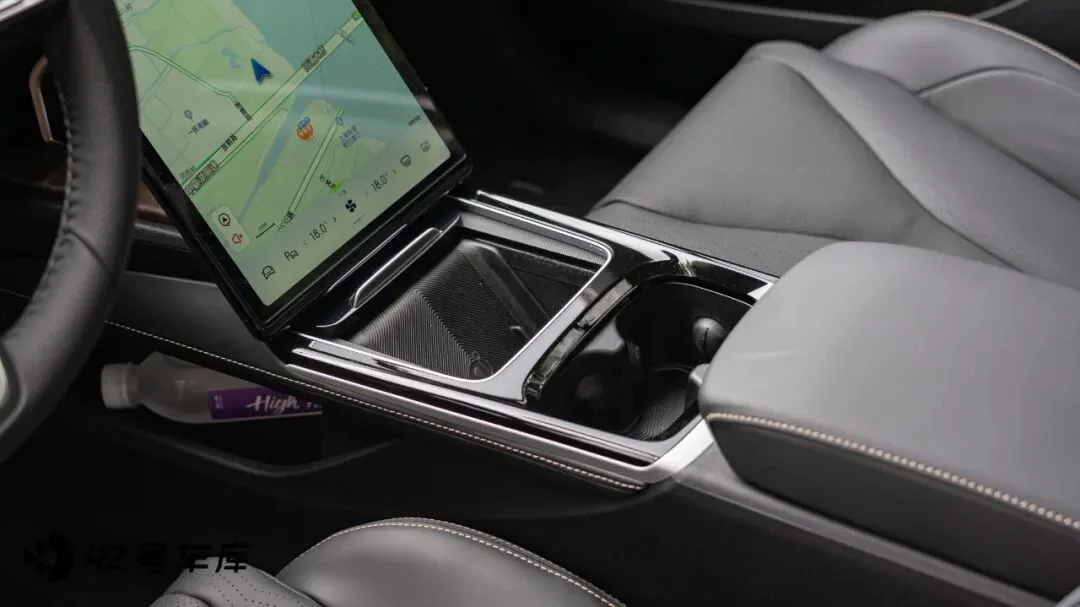
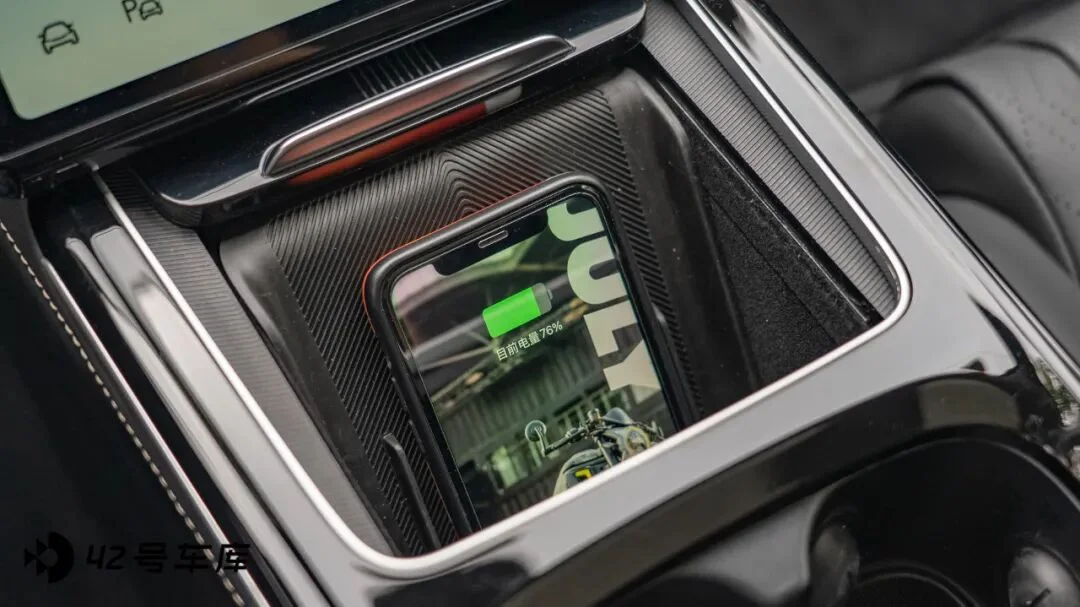
Placing the wireless charger here makes it very convenient to pick up and put down your phone, but the space is slanted. Although there appears to be ample room, once a phone is placed inside, virtually no other items can fit.
To store small everyday items, you must use the cup holders or the storage area under the center console.
The center armrest box features a deep storage compartment that can easily accommodate a water bottle standing upright, making it suitable for stowing most infrequently used items.
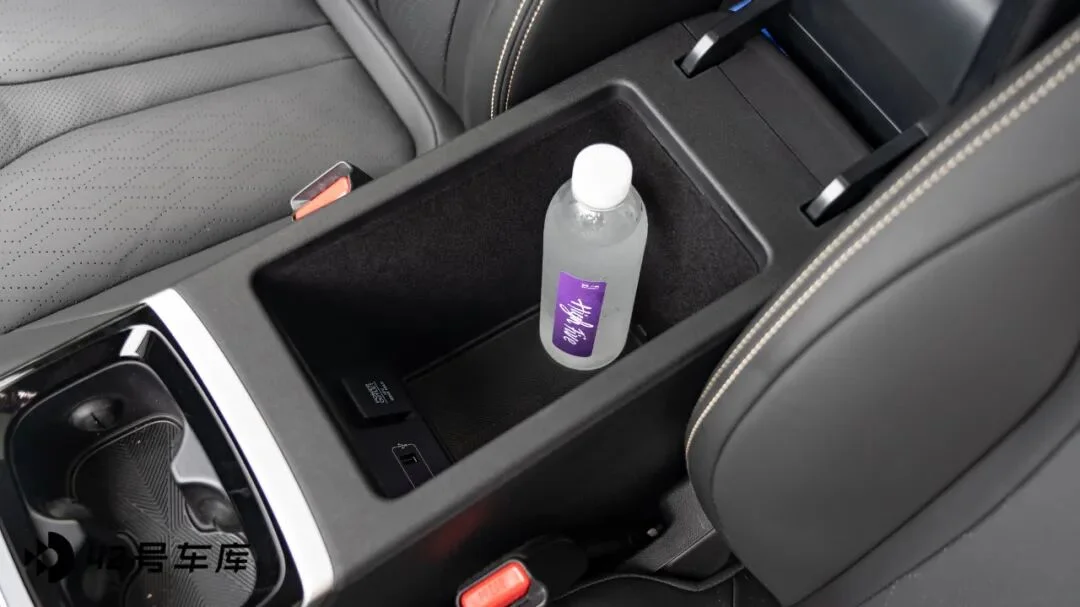
However, unlike Tesla, this area lacks internal dividers. Items such as documents, receipts, and chargers stored casually will mix together, making them somewhat difficult to locate later.
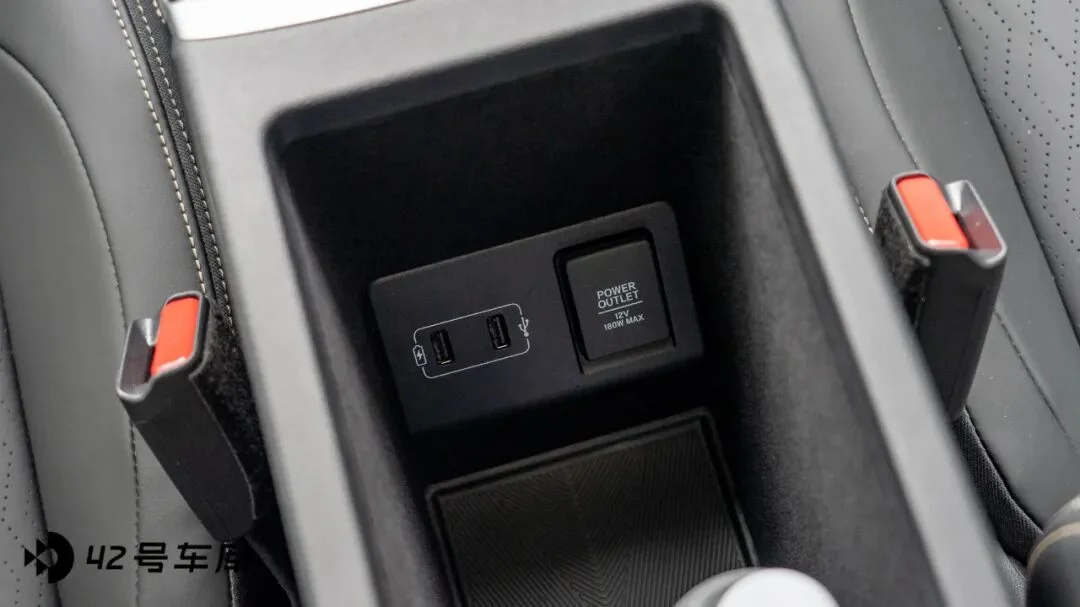
Regarding power outlets, in addition to the wireless charging pad mentioned above, the front armrest box includes two USB ports and a 12V cigarette lighter socket—standard configuration.
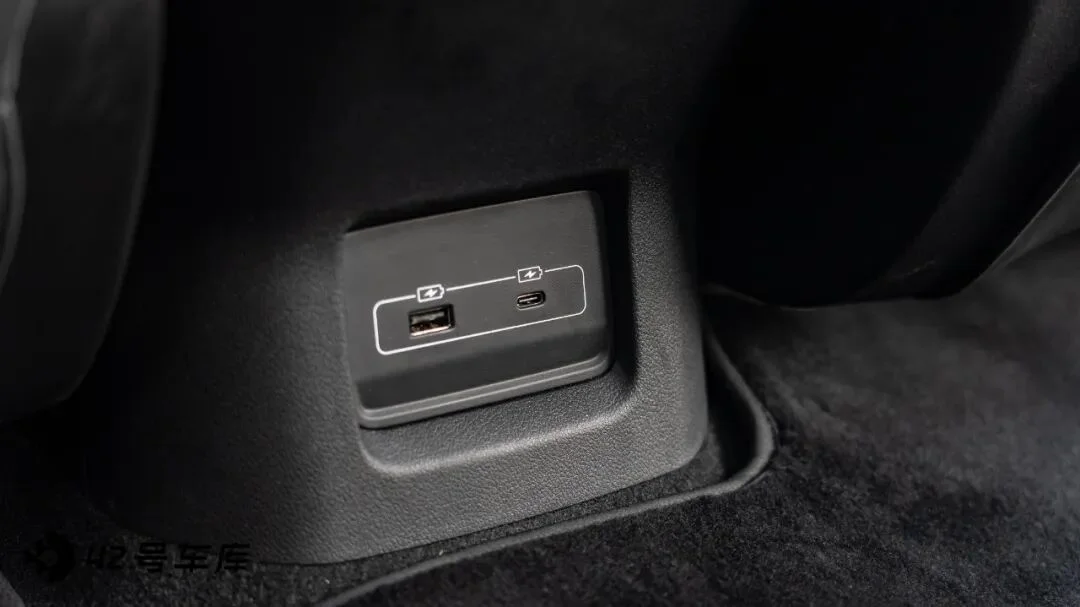
A notable highlight is the 60W Type-C port in the rear row, which receives high praise. It supports fast charging for smartphones and can also charge laptops and other devices, reducing concerns about power availability when working on the go.
Regarding trunk space, the test vehicle was equipped with an optional onboard refrigerator, which occupies part of the cargo area. As a result, the depth is merely average, but the large opening and well-shaped interior make loading luggage relatively convenient.
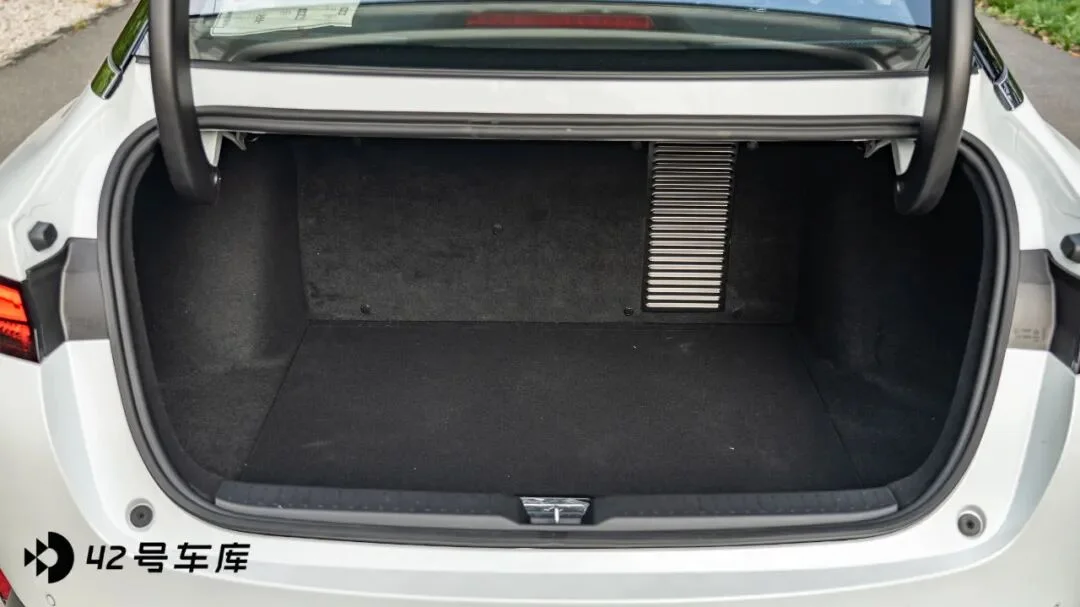
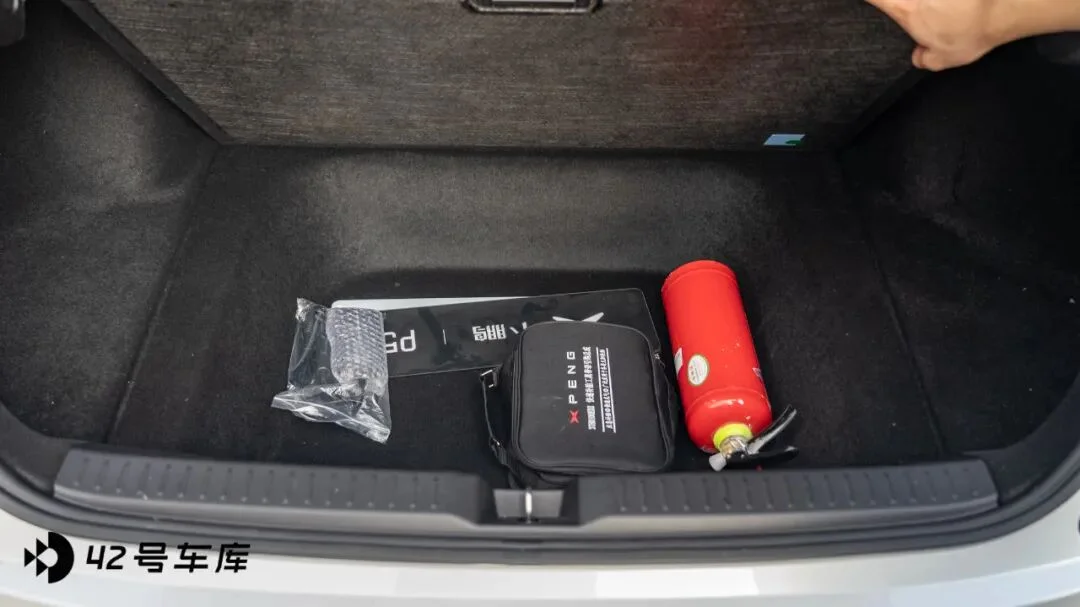
Beneath the trunk divider lies a deep compartment capable of easily accommodating a small fire extinguisher. This space also houses the XPENG-branded tool kit and portable charger included with the vehicle.
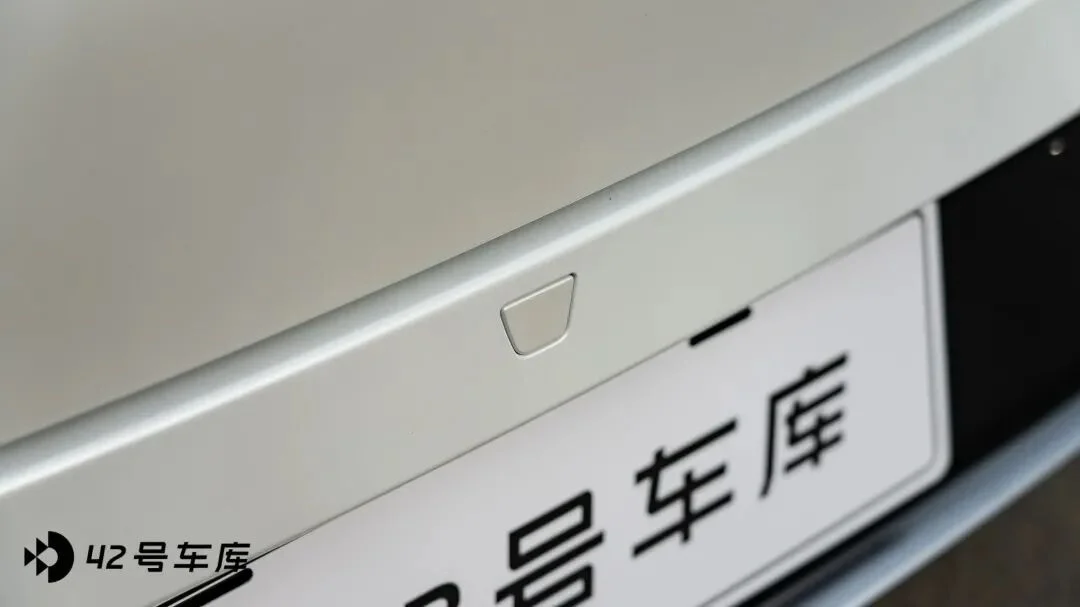
Notably, the P5 finally features an external button to open the trunk.
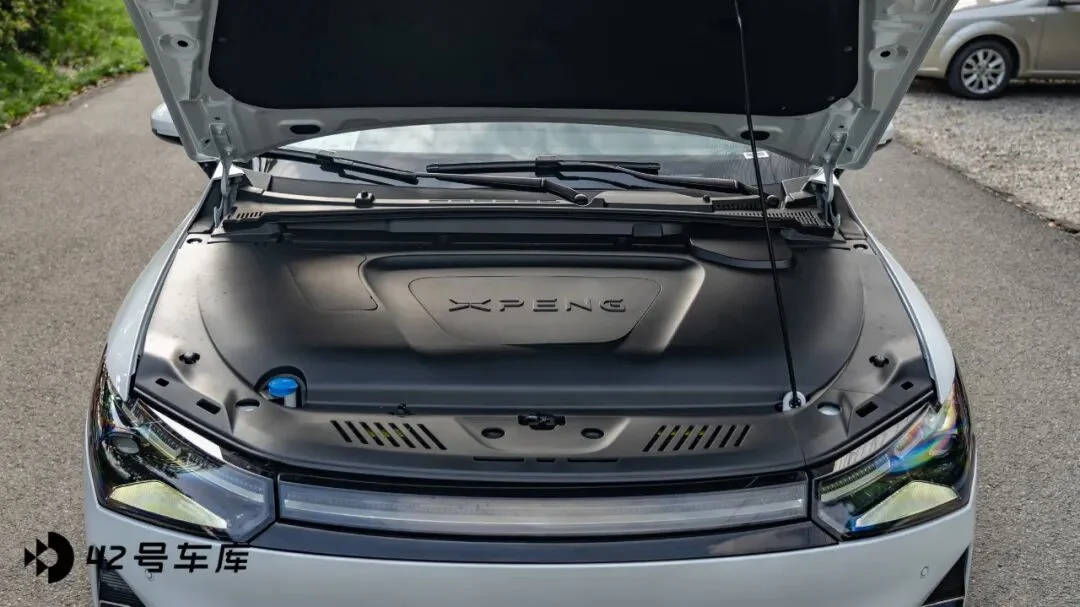
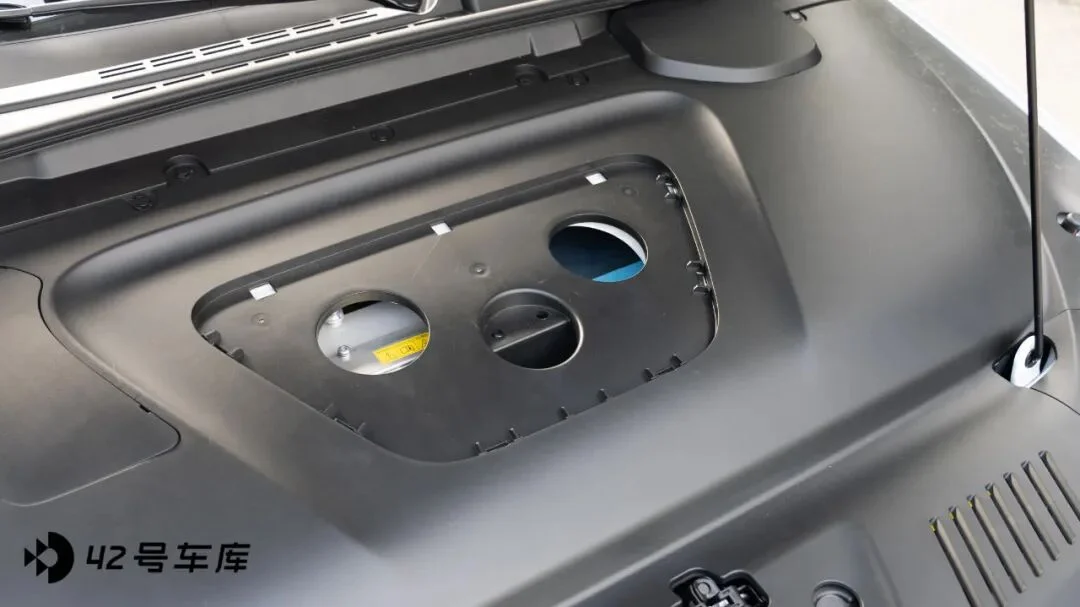
Walk to the front of the car and open the hood. Unfortunately, this XPENG model does not have a frunk; instead, it is covered by a panel that reveals no usable storage space when opened.
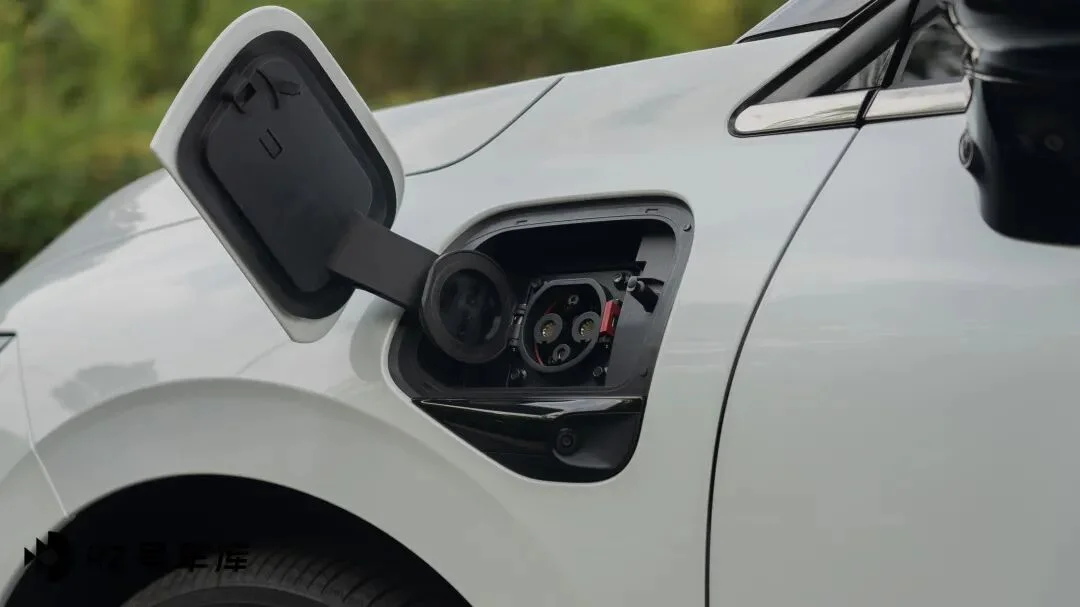
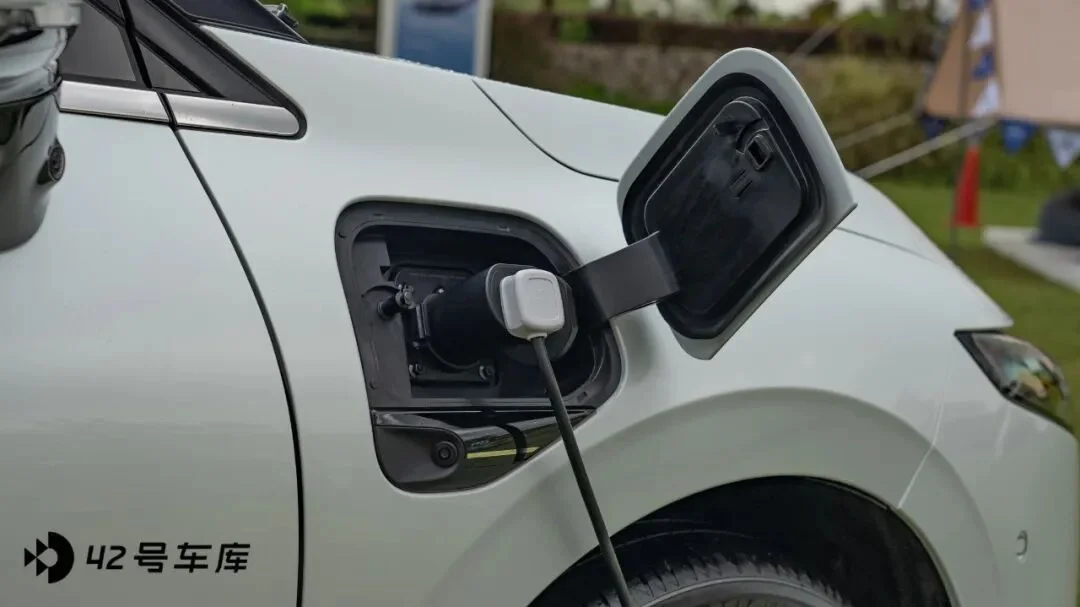
The external charging port is still located at the front of the vehicle, which may make charging slightly inconvenient. The charging port cover features a button for opening.
Regarding tires, our test P5 was equipped with relatively narrow 215/50 R18 Michelin Primacy 3 ST tires on both axles, underscoring its positioning as a comfortable, energy-efficient family car.
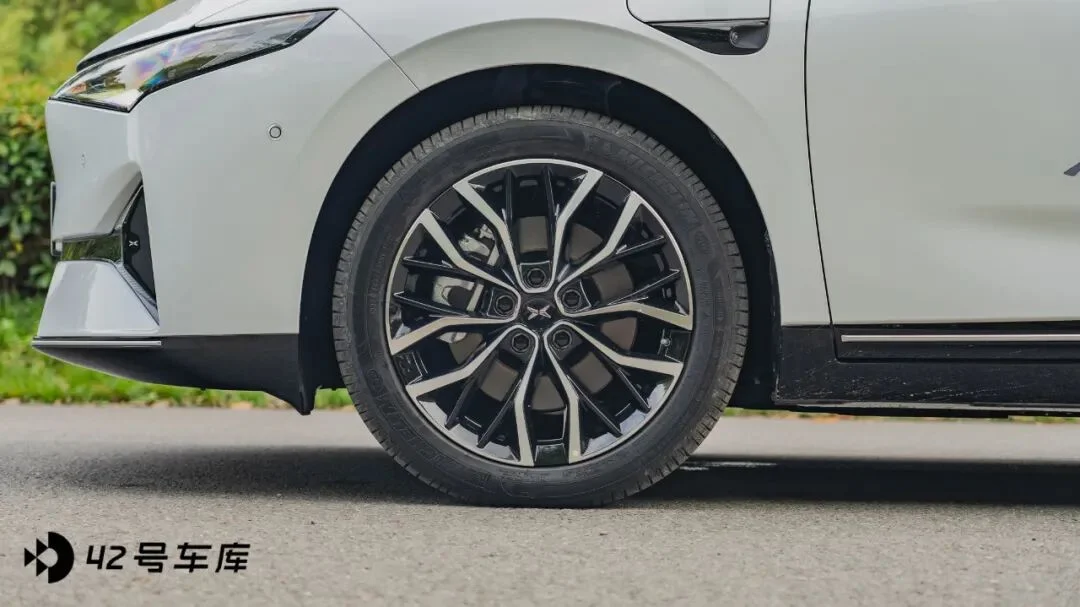
In terms of tire performance, comfort and noise insulation are good at low speeds, but road noise becomes quite noticeable at higher speeds, especially on highways.
However, the tires and wheels on our test vehicle were optional extras. Without selecting these options, the wheel size would be limited to 17 inches, and only Bridgestone tires would be available.
"Interior with a Touch of Luxury"
After meeting daily practical needs, the pursuit of quality remains essential. Let's first take a look at the P5's interior design.
The P5 delivers solid interior texture, confidently aiming to challenge the luxury feel of higher-tier models despite being positioned in the 200,000 RMB segment. Compared to XPENG's previous two models, the P5 shows significantly more attention to detail.
The steering wheel, which catches the eye first, returns to the design language of the G3. However, unlike the G3, the buttons on the P5's steering wheel are finished in silver, offering a noticeably higher-quality feel. The steering wheel also features perforated leather, providing a grip that holds its own against the P7.
Additionally, it includes the same pop-up audio system as found in the P7, developed by Dynaudio.
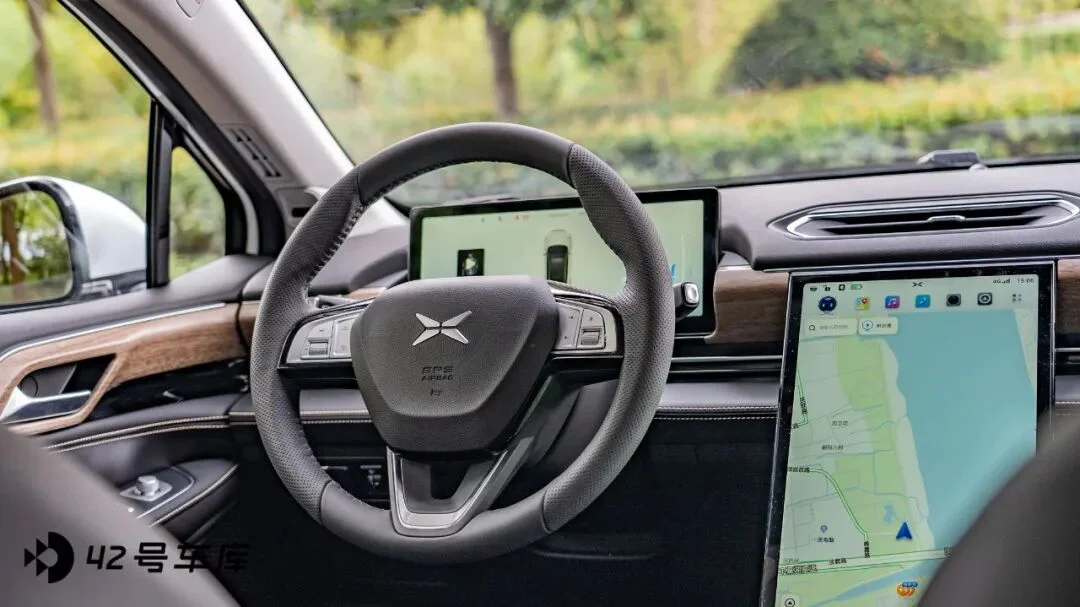
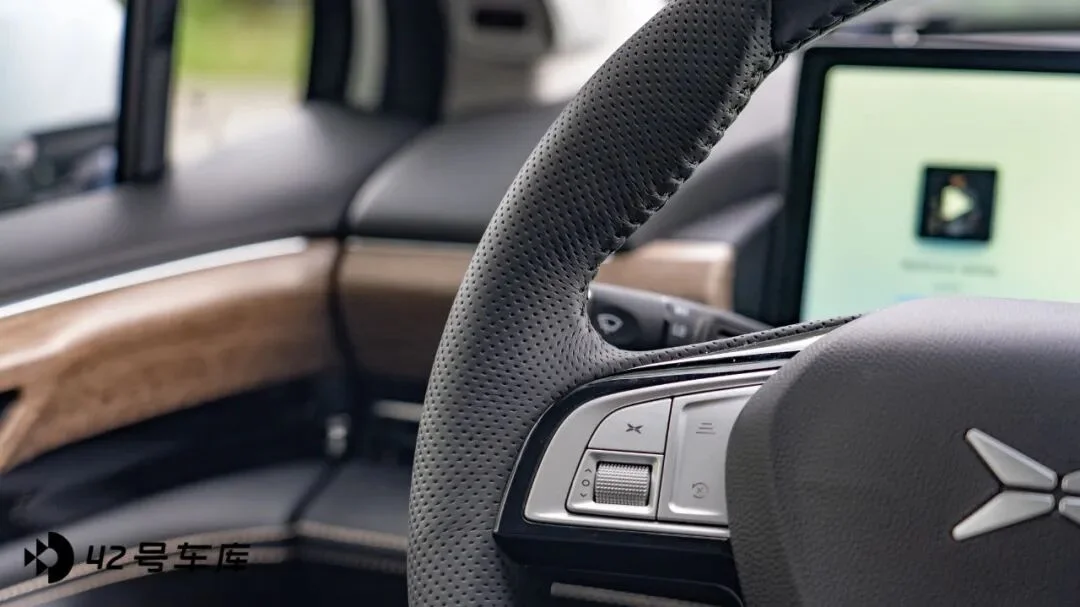
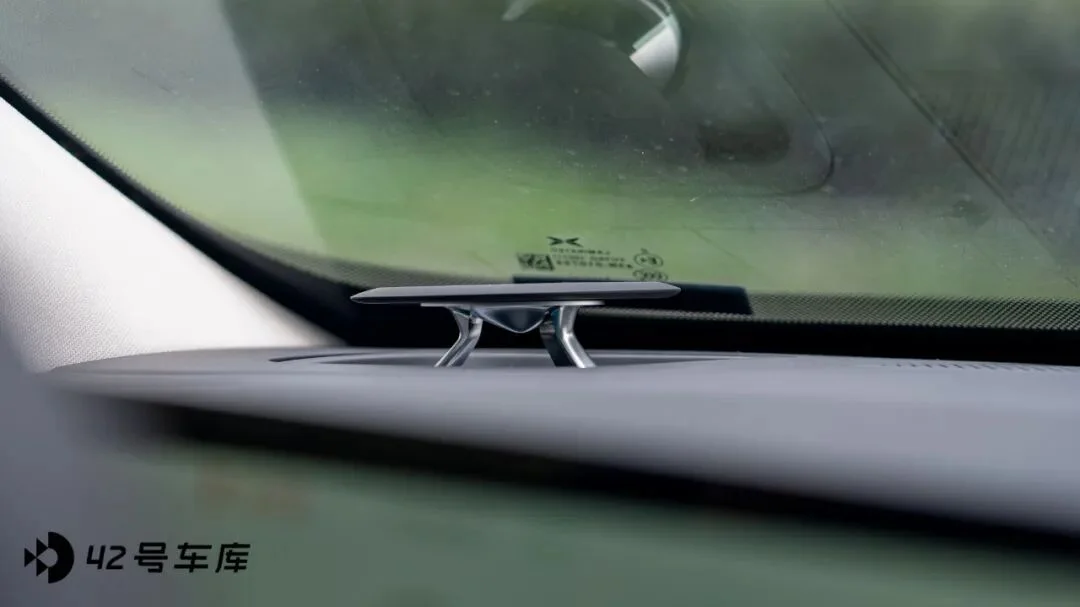
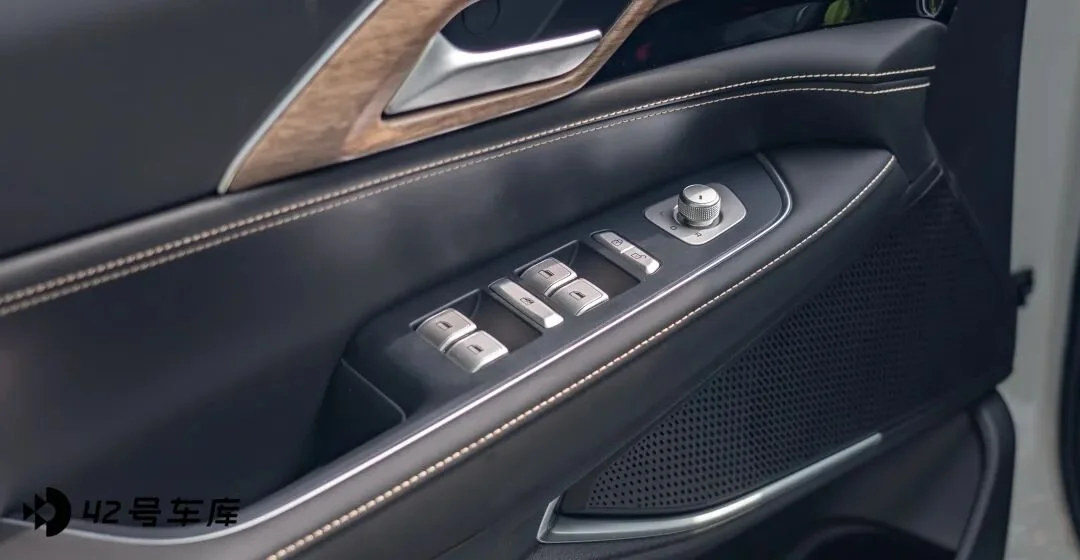
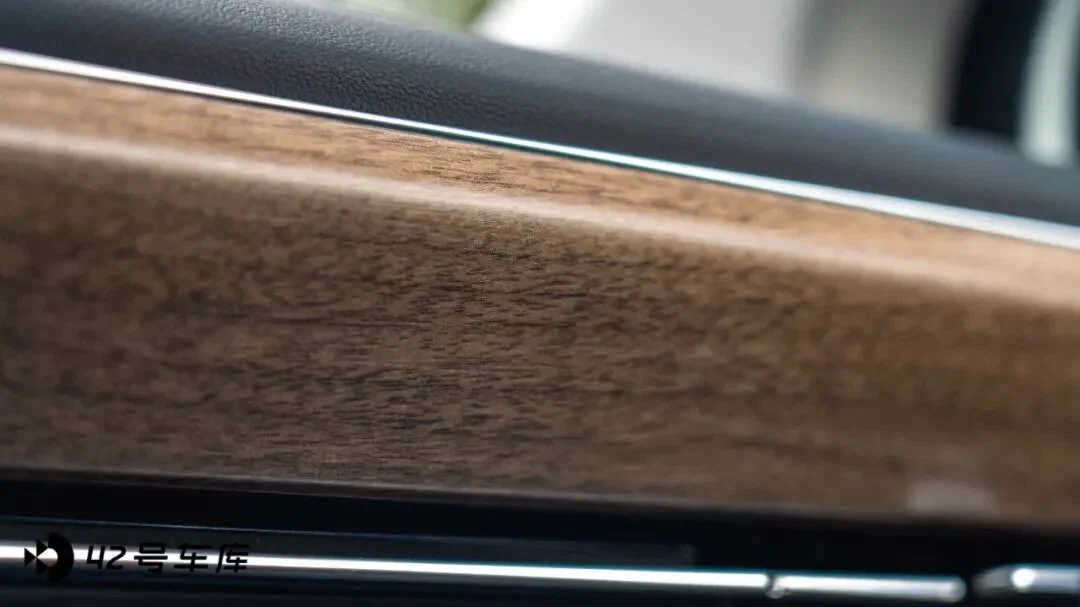
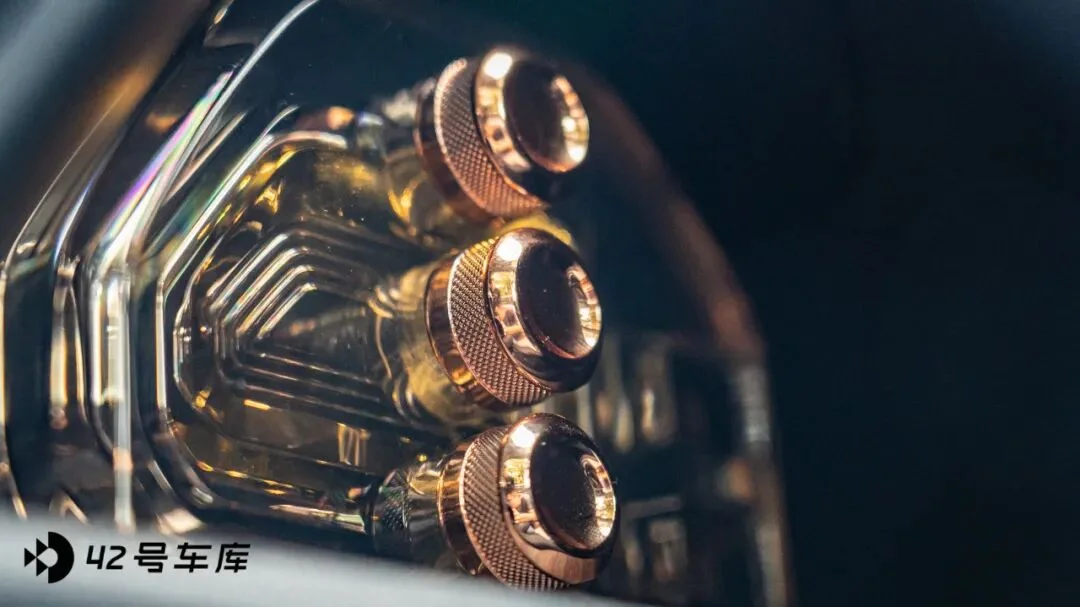
Wood-grain trim on the front console, precise leather stitching, silver buttons on the door panels, hidden air vents, the design of the aromatherapy system, and various chrome accents add a sense of luxury to the details. Almost every surface you see or touch is covered in leather or soft-touch plastic. Whether operating buttons or levers, the feel is comparable to that of a luxury vehicle.
Of course, merely piling up interior materials is not enough for a smart car. XPENG also delivers impressive quality for the two infotainment screens facing the driver.
The screens offer clear displays, sufficient brightness, and a large viewing area. The previously criticized issue of uneven rounded corners has been resolved.
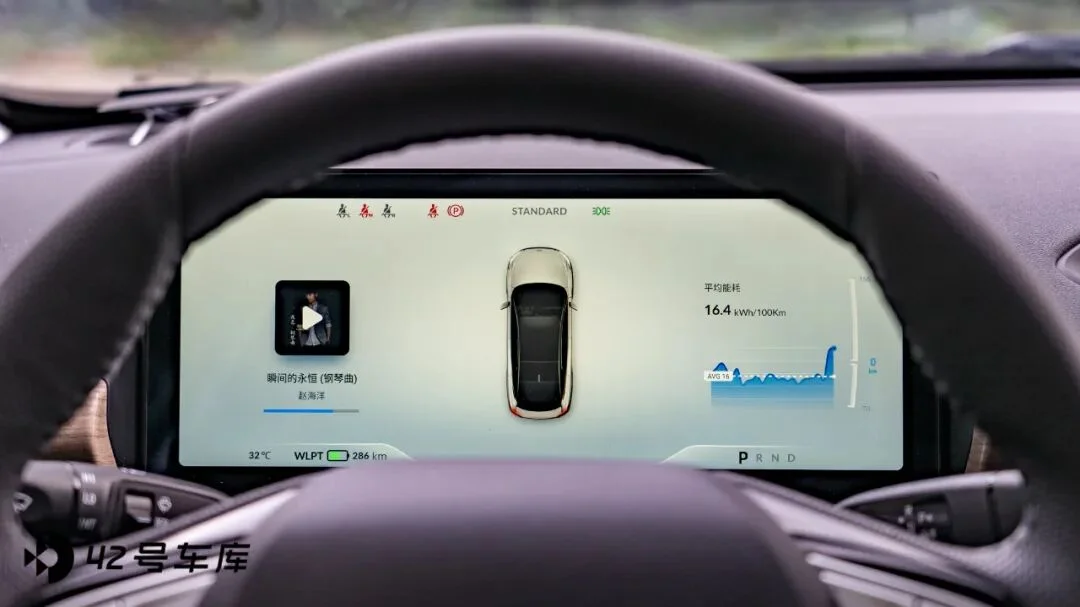
Viewing the driver’s instrument screen from the side reveals it is very thin and meticulously crafted, with no corner-cutting on edges that are typically out of the driver’s direct line of sight.
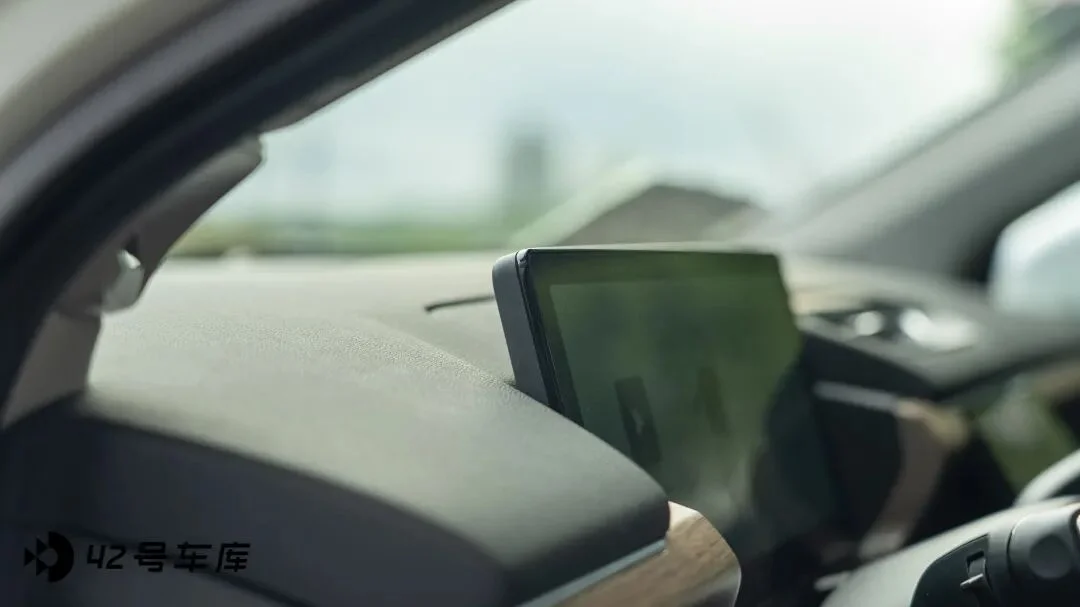
Compared to its competitors' consistent minimalist aesthetic, the P5 creates an atmosphere for the driver that blends luxury and technology—a distinct advantage over rival models.
"Does the Exterior Design Have Many Flaws?"
Regarding the P5's exterior, many people might think it looks unattractive. Indeed, compared to its flagship sibling, the P7, the P5 is certainly not a visually striking vehicle.
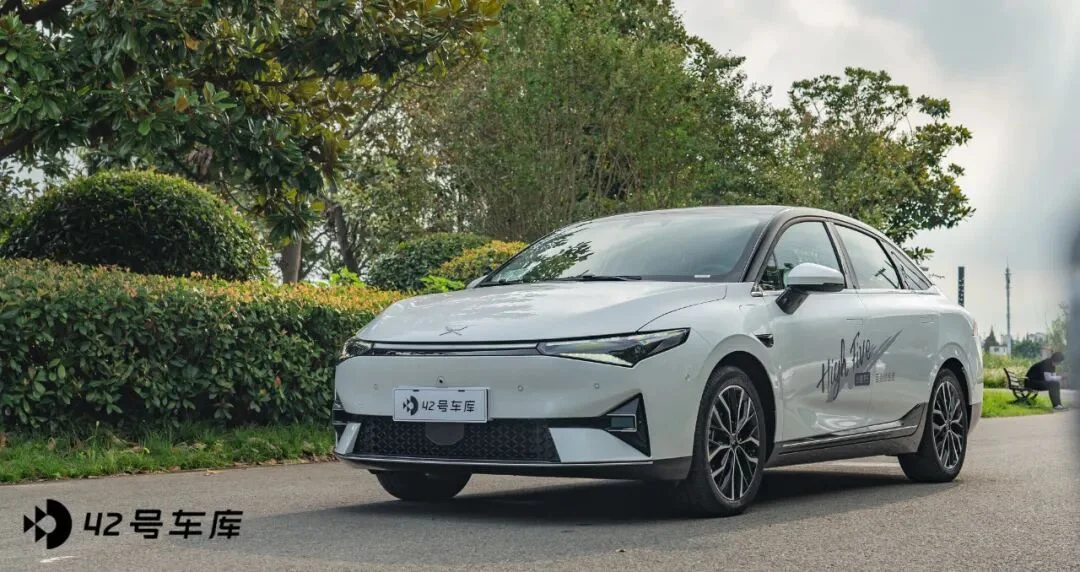
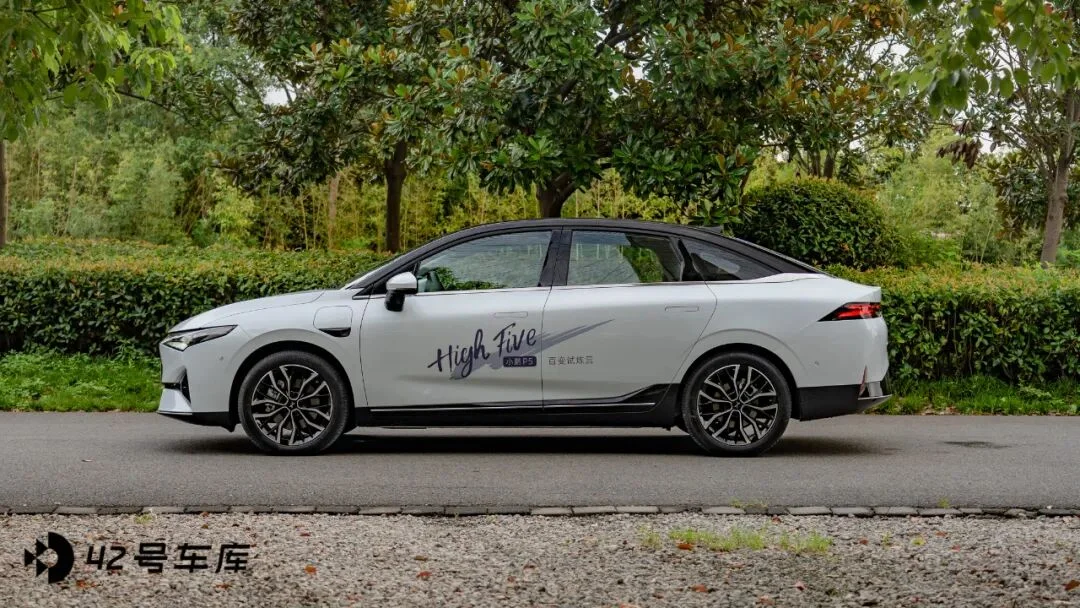
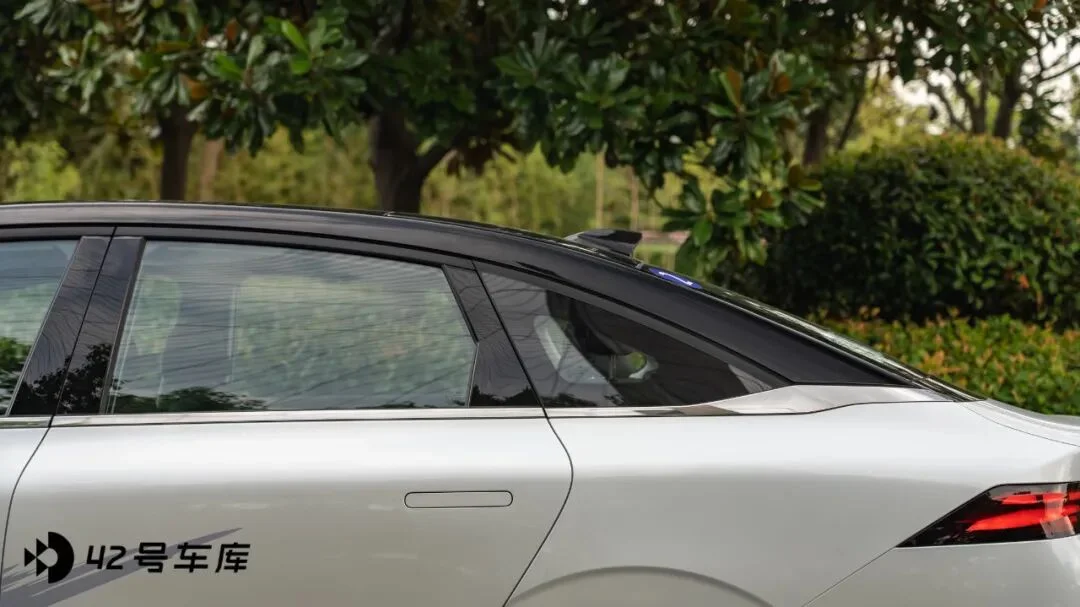
Viewed from the side, the car appears somewhat bulky. The roofline transitions toward the C-pillar very late, with the pillar extending almost to the rear of the vehicle. This makes the overall side profile look somewhat bloated. Combined with the black-and-white color scheme of our test drive unit, the car reminded me of an animal seen in marine documentaries—the killer whale (orca).
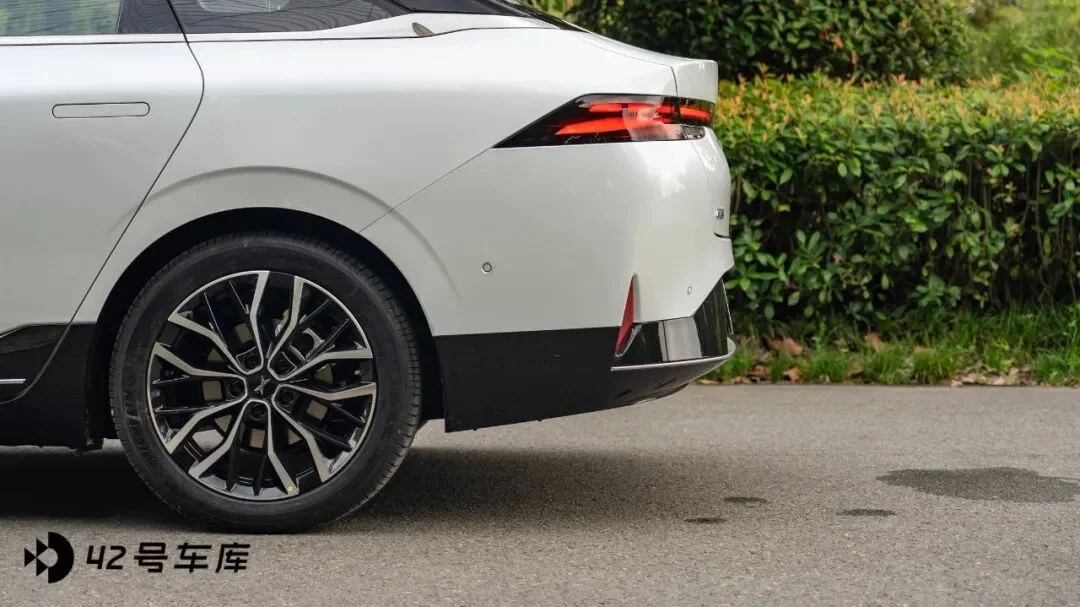
At the same time, the trunk design is positioned quite far from the rear wheels, creating a visual disconnect with the rest of the vehicle and giving the impression that it protrudes awkwardly.
But is the exterior really as daunting as netizens claim? Actually, not at all.
The P5’s lighting design is by no means subpar. Both the front and rear feature full-width light bars, with the side units connecting to form an XPENG X-shaped logo. These subtle details create a pleasing aesthetic, and they truly look great.
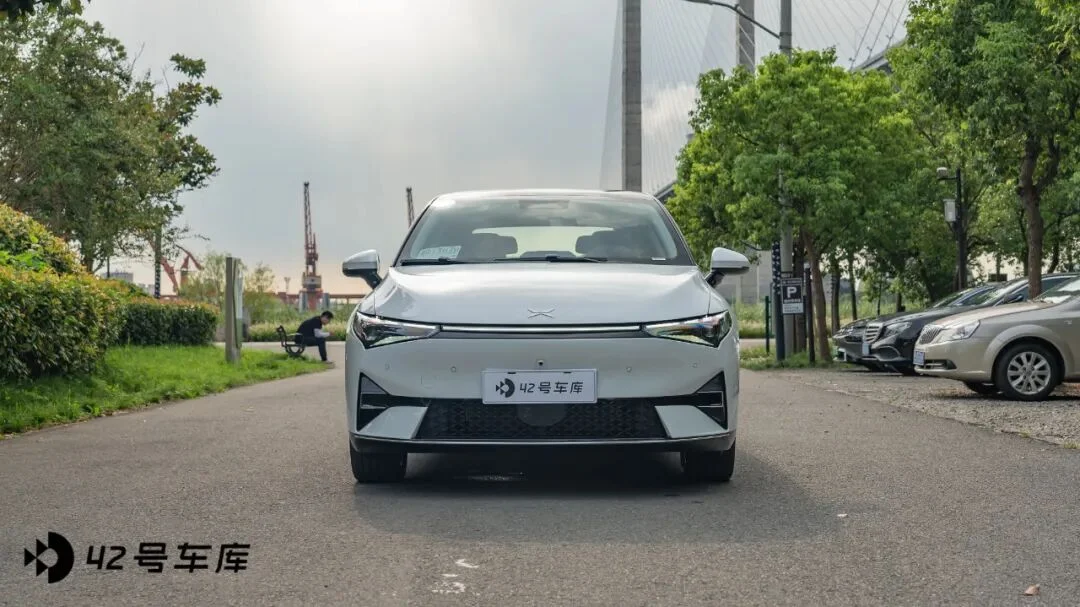
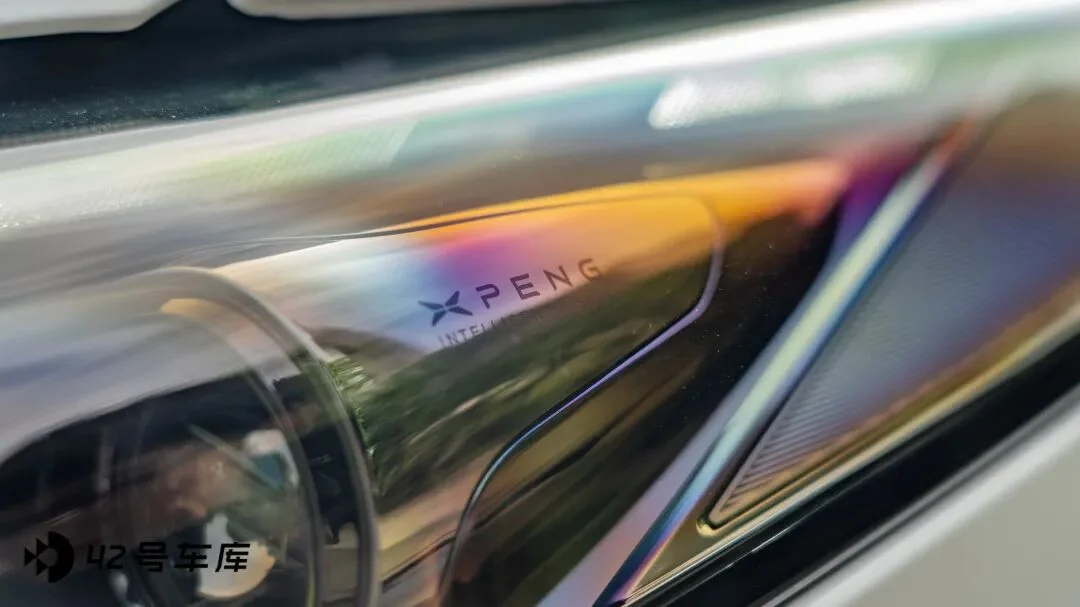
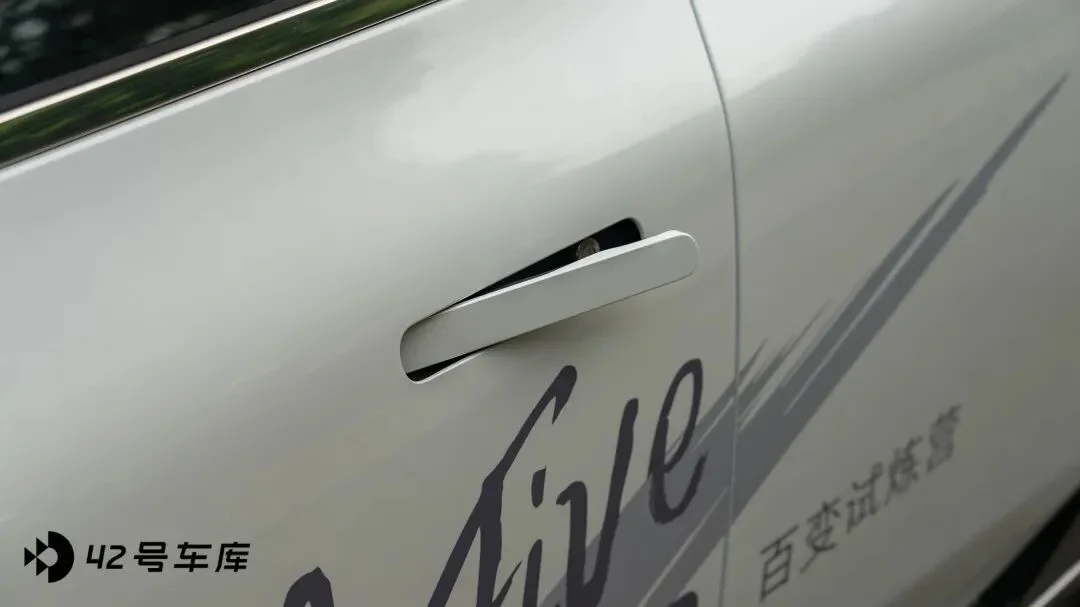
The flush door handles may no longer be considered a cutting-edge design element, but they do enhance the body’s cohesive appearance and contribute to aerodynamic efficiency.
At the end of the day, the P5 is a family car. Family cars must compromise on design for practicality.
The P5 indeed sacrificed some aesthetic appeal in its body design, but in return, it gained a spacious interior, a convenient and easy-to-use trunk, and an energy-efficient drag coefficient of 0.223.
It’s true that the P5 isn’t as visually striking as its older sibling, the P7. However, the P7 features a coupe design that prioritizes a low-slung stance at the expense of practicality. As a family sedan, the P5 fulfills daily household needs while still incorporating thoughtful design details in its lighting system. I cannot call the P5 an ugly car.
On the contrary, if you really compare the P5 to common family cars on the road, such as Richan Sylphy and Toyota Corolla, do you think the P5 still has so many flaws?
02Where Is the Ambition?
"Wait, aren't these points quite conventional? The vision doesn't seem particularly grand. What exactly sets the XPENG P5 apart from the mass-market family sedans everywhere?"
A significant part of the answer lies in a trait ingrained in XPENG's DNA since its founding: intelligence.
"Giving You Everything We Can"
Vehicle hardware serves as the skeleton for intelligent features. In terms of intelligent hardware, XPENG has packed nearly everything it could offer into the P5.
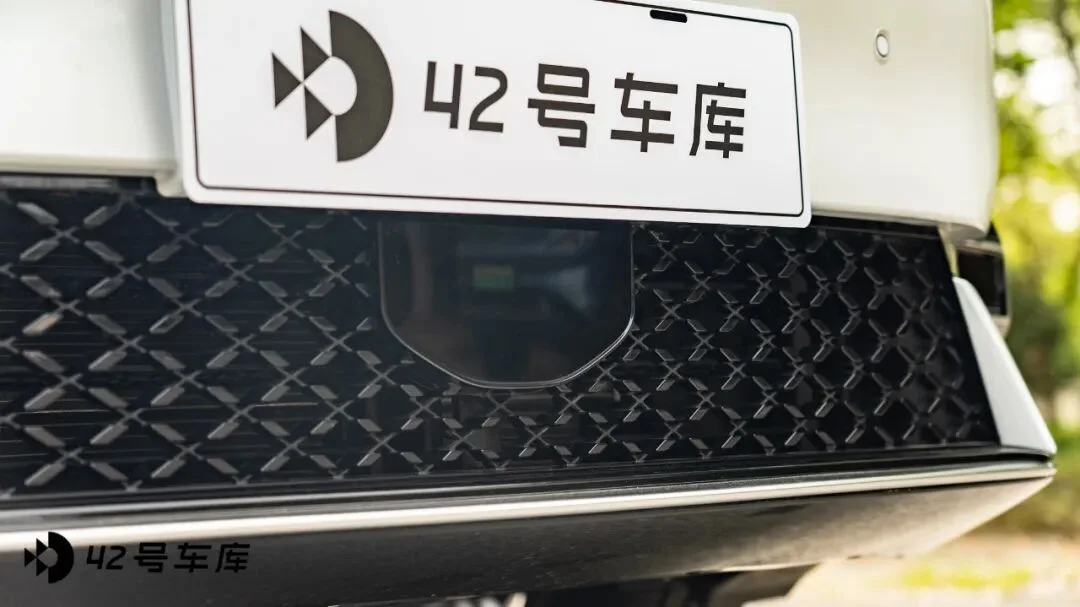
First, look at the exterior. Two Livox LiDAR units provided by DJI are mounted on either side of the lower front bumper, with a 905 nm wavelength capable of detecting objects up to 150 meters away.
The point cloud data scanned by the LiDAR allows for clearer identification of road objects and is unaffected by lighting conditions, thereby enhancing the safety of driver assistance systems.
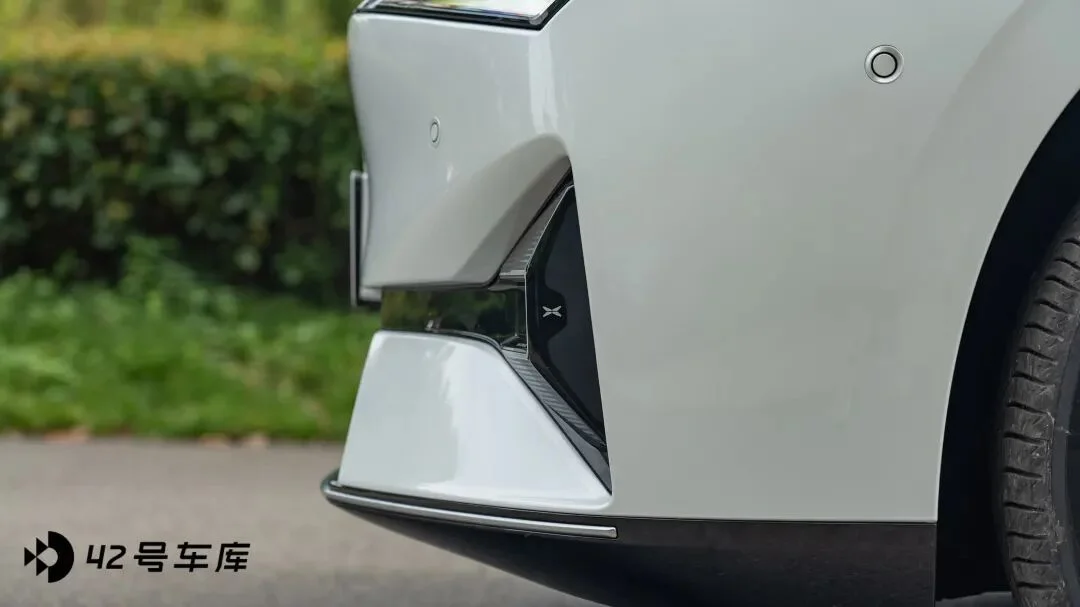
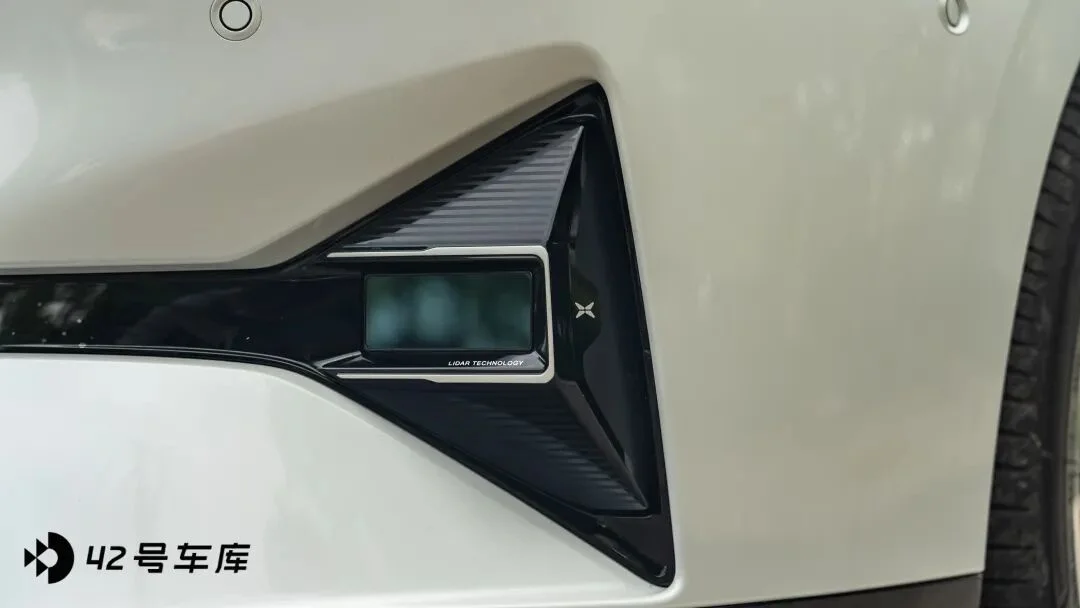
Around the vehicle, there are 12 ultrasonic sensors, 5 millimeter-wave radars, and 13 high-resolution cameras, including a triple-camera setup on the windshield, along with one set of sub-meter-level high-precision positioning unit, enabling NGP (Navigation Guided Pilot) assisted driving on trial roads.
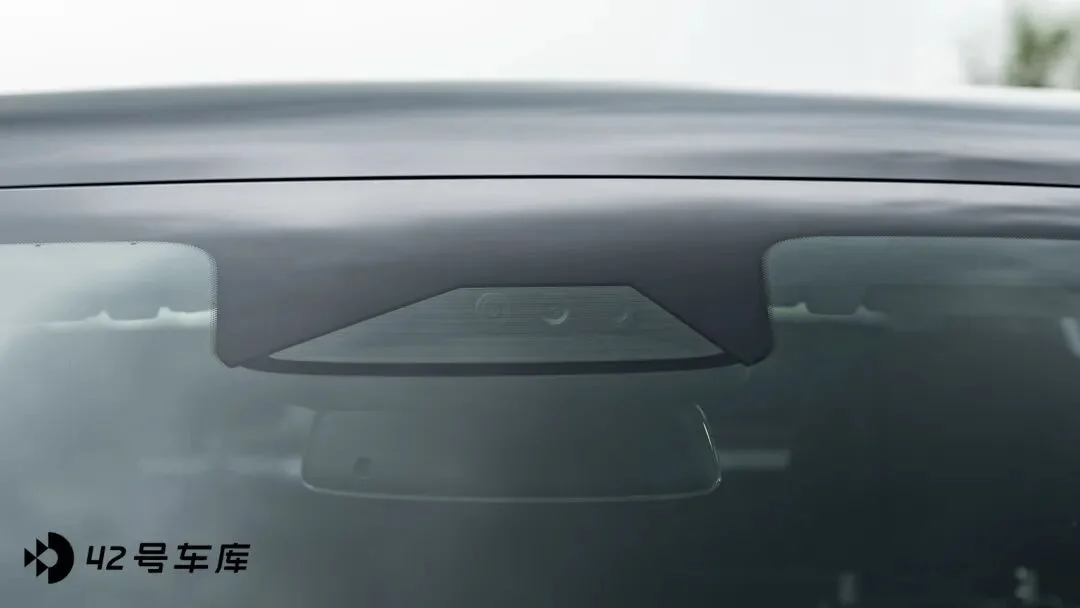
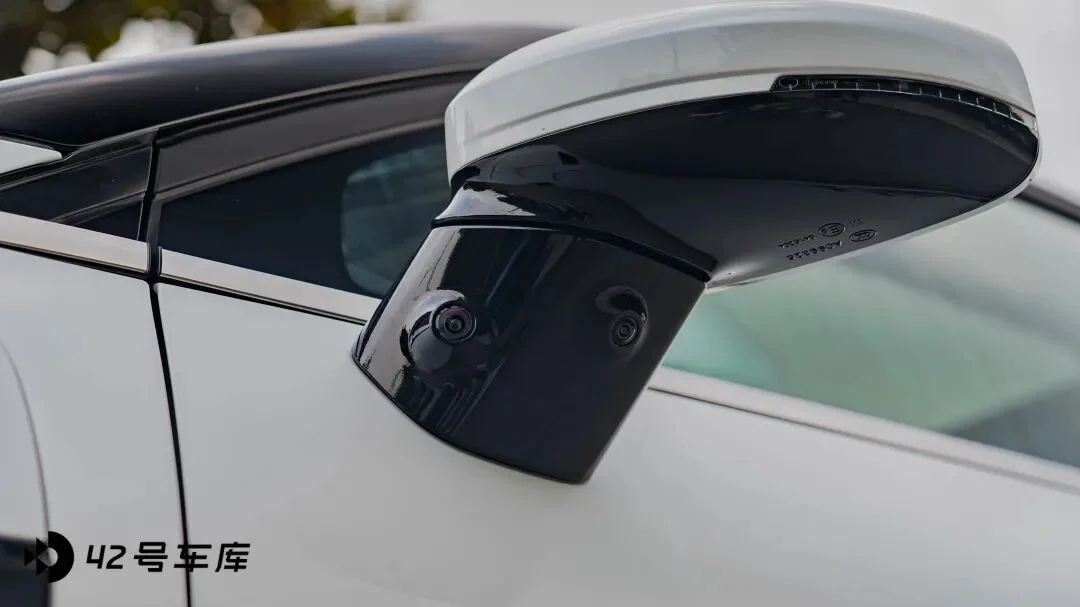
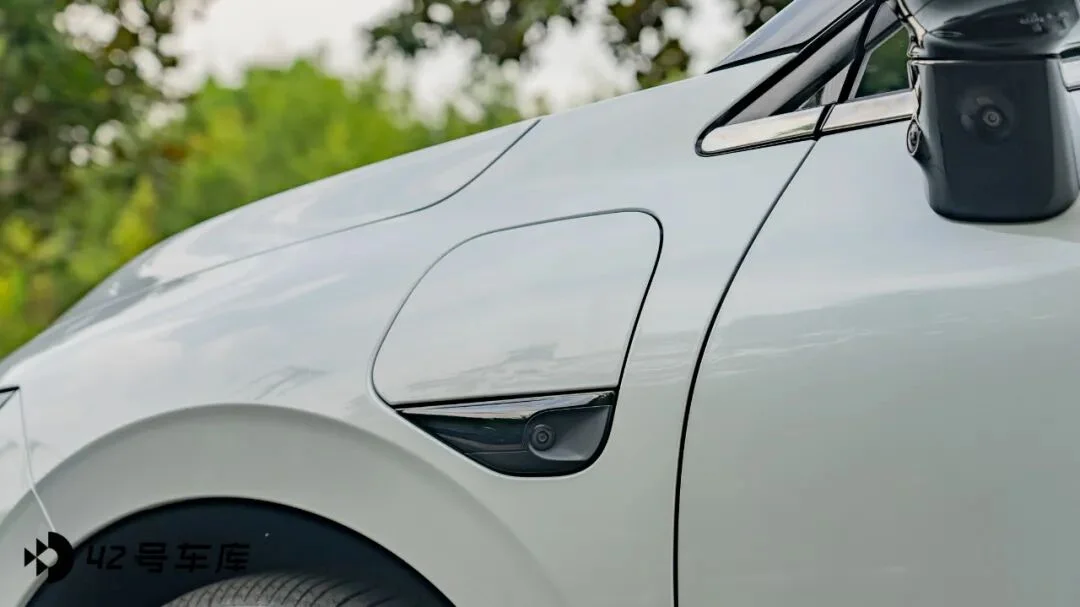
For the driver-assistance hardware, the test P5 was fully equipped. The top-tier 600P XPILOT 3.5 version features NVIDIA’s Xavier supercomputing platform, delivering 30 TOPS of performance with a power consumption of just 20 watts.
Xavier’s high-speed I/O connects to the LiDAR, millimeter-wave radar, and camera sensors, allowing it to process information from the vehicle’s surroundings with ease.
Unfortunately, the test vehicle did not have NGP enabled; only the most basic driver-assistance functions were available. As a result, the full capabilities of this chip remain unknown for now.
As for the highly anticipated urban NGP feature, stay tuned for the 1024 XPENG Intelligent Day event this year.
Regarding the infotainment system’s hardware and software, the Qualcomm Snapdragon 8155 chip provides 3 TOPS of computing power, significantly outperforming its predecessor, the 820A. This single chip handles calculations for both the central touchscreen and the instrument cluster, supported by additional interfaces.
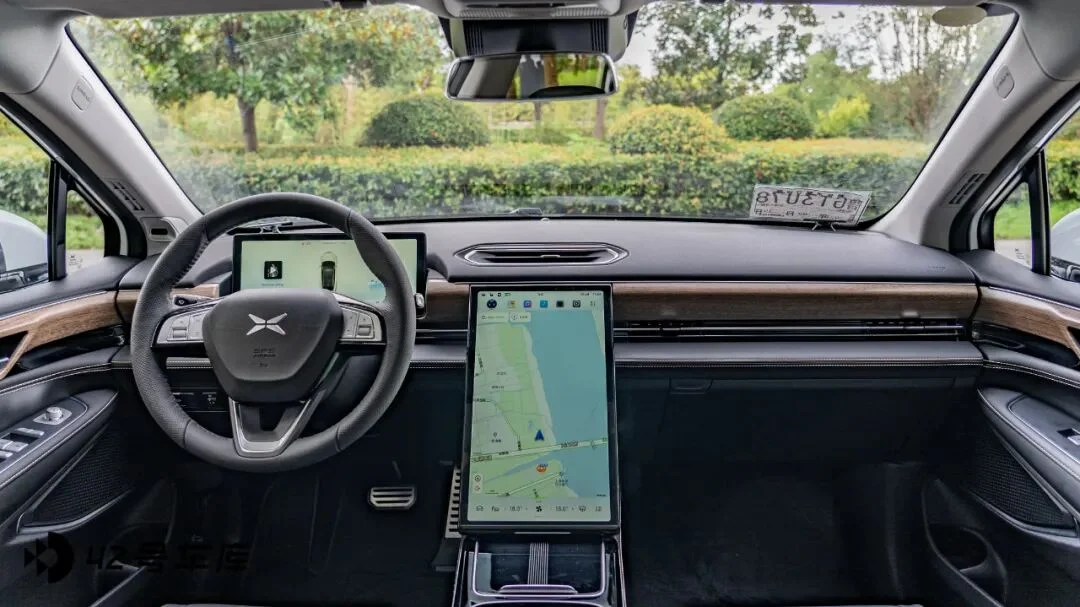
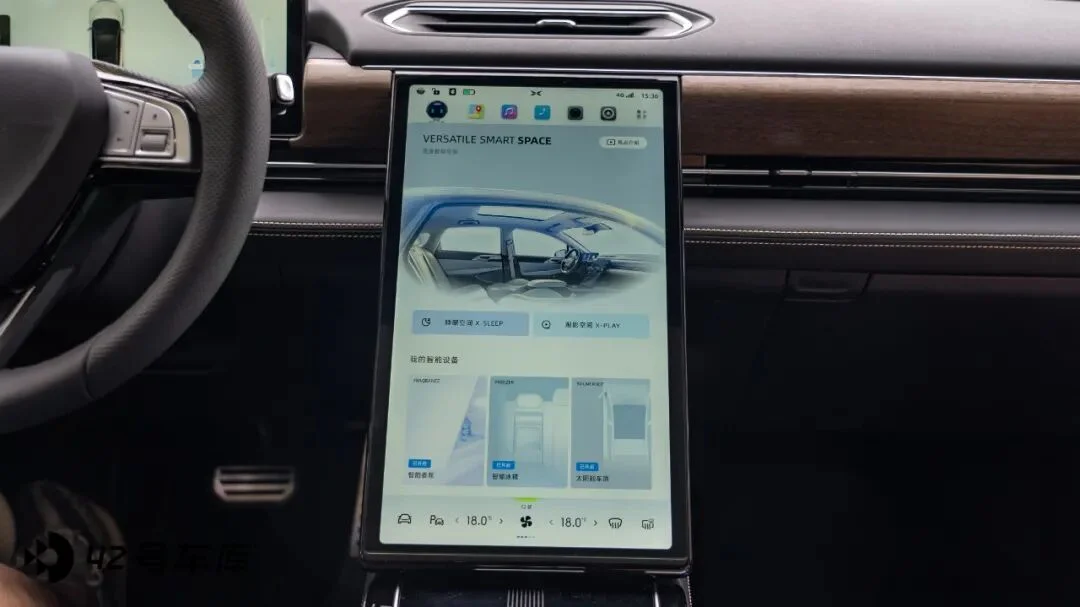
After extensive use, the system is incredibly smooth—truly capable of completely replacing a smartphone.
To those netizens who mistakenly believe that 'any car infotainment system without CarPlay is garbage,' I can only say: once you start using the XPENG infotainment system, you’ll forget your phone even exists.
The ultra-responsive, lag-free infotainment system offers an experience identical to Amap on mobile devices, while also integrating XPENG’s built-in charging map with precise charger locations and multimedia features like QQ Music and radio. The Dock bar places frequently used functions clearly at the top of the screen for easy visibility and touch access.
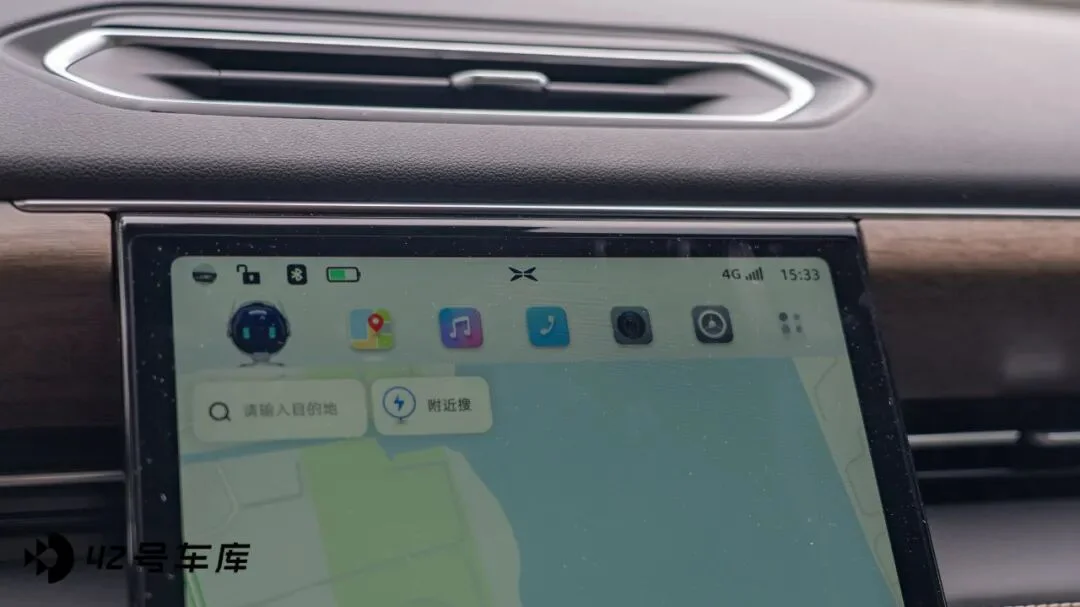
Not satisfied yet? XPENG boasts what is currently the industry’s most advanced full-scenario voice assistant, capable of recognizing every function visible on the infotainment screen via voice commands.
In our practical testing, Xiao P understood almost all vehicle control commands accurately, rarely requiring rephrasing or failing to execute instructions altogether.
During my test drive, the entire usage scenario involved placing my phone on the wireless charging pad and operating everything through the vehicle's infotainment system and voice commands, making CarPlay unnecessary.
"Adults don't make choices; I want it all." XPENG appears to follow this same philosophy.
In terms of intelligent technology, XPENG essentially provides all the devices and software available at this stage, which aligns with the common sentiment: "I may not use it, but you can't be without it."
Focusing its strengths in the intelligent domain is something most family sedans on the market today have failed to achieve, and it is the biggest differentiator between the P5 and its competitors.
"These features are also quite interesting"
Beyond intelligent technology, the P5 introduces several distinctive highlight features.
First, we must discuss the car's fragrance function, which is indeed rare for vehicles in this class.
Sitting in the spacious rear seat and enjoying a comfortable journey, a sudden burst of perfume scent hit me. The familiar aroma made me feel as if I were in a high-end shopping mall. Oh, so this car has a fragrance system!
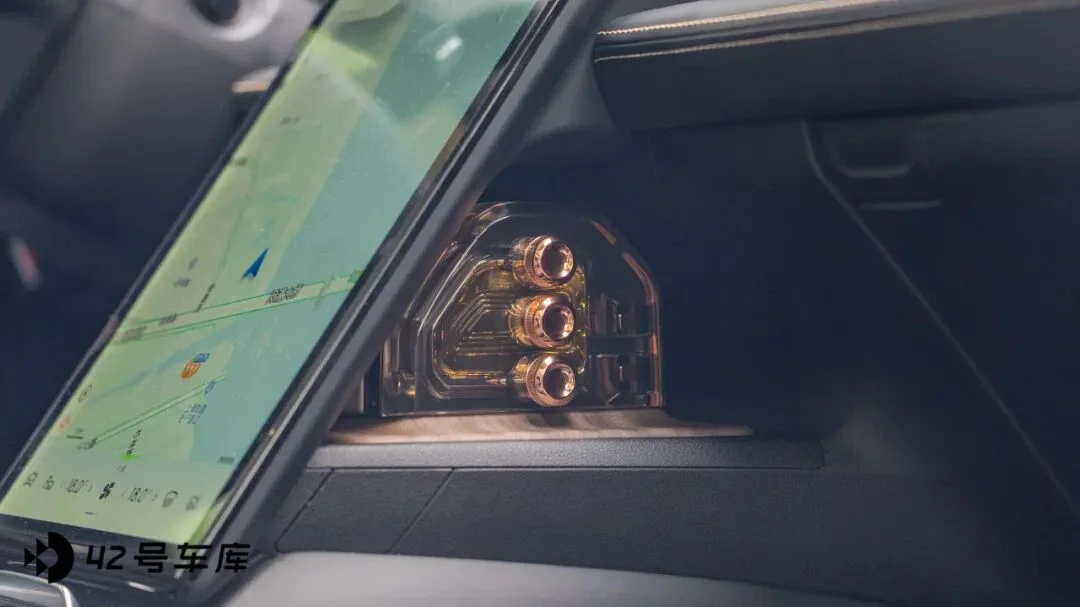
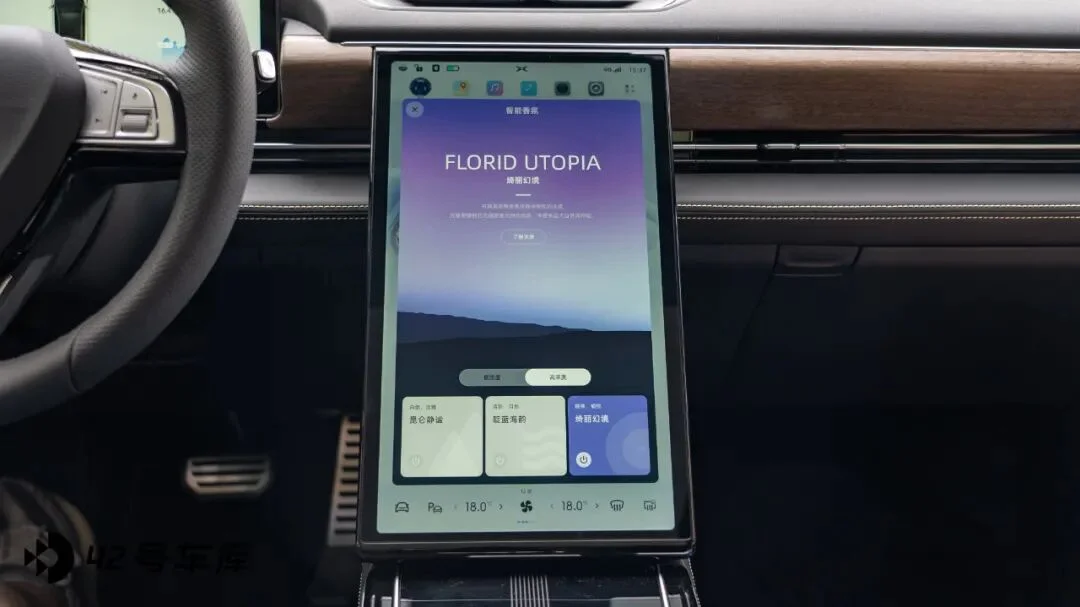
During monotonous journeys, ambient scents can significantly enhance the experience. While a fragrance system is not a strict necessity, it adds considerable luxury and comfort to the ride.
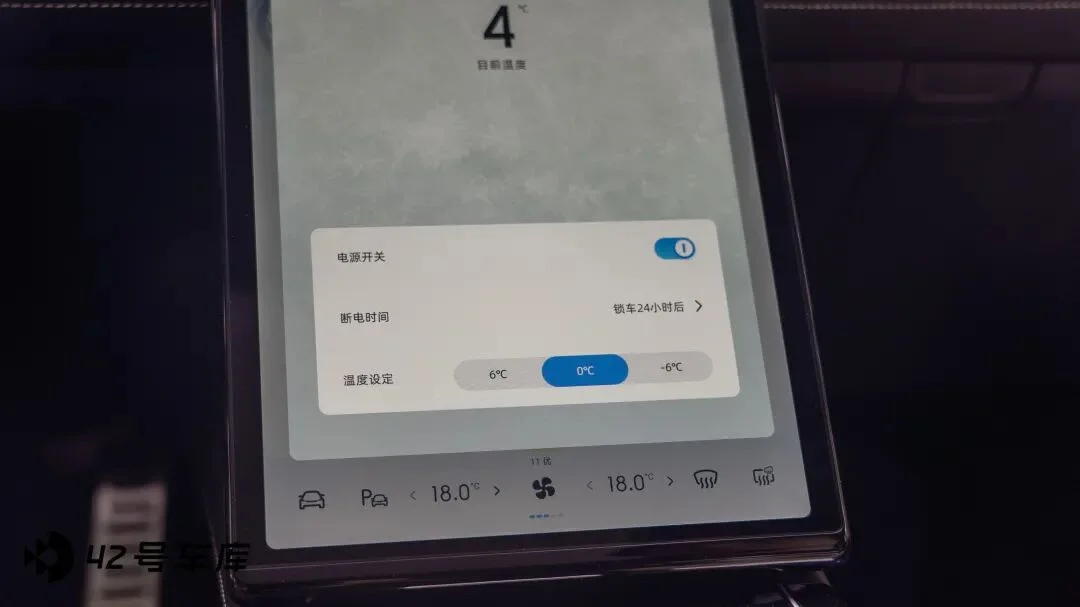
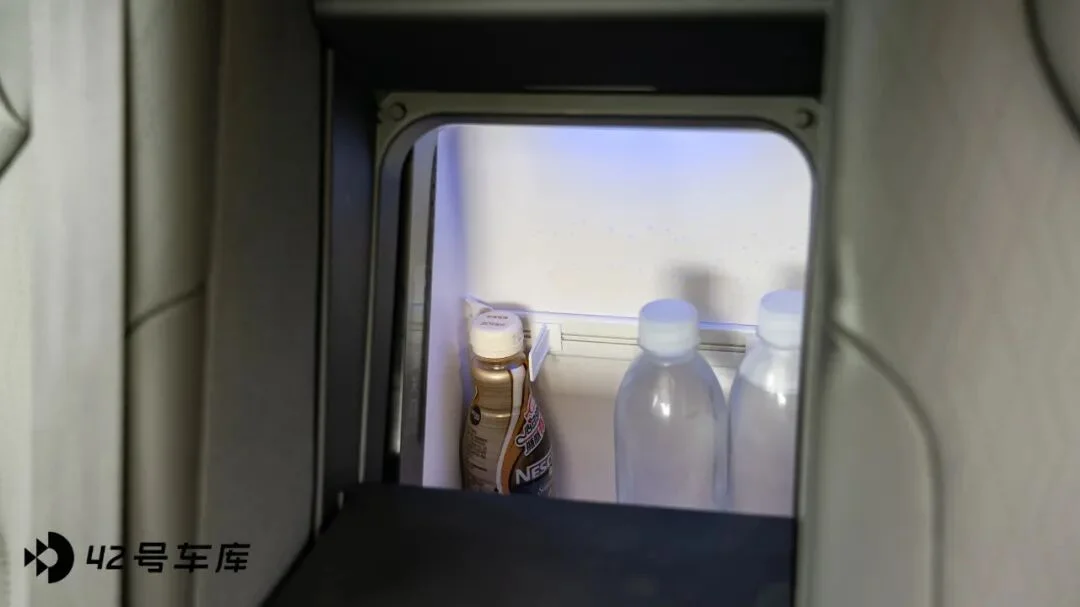
Additionally, the P5 features an onboard refrigerator.
Previously, I never understood the practical value of a car fridge; its large footprint in the trunk often yielded disappointing results, leaving it unused most of the time.
But after experiencing the shoot under 37°C sun exposure just yesterday, I realized that retrieving a chilled beverage from the car on a blazing day delivers unmatched satisfaction.
Moreover, this is a capable onboard refrigerator: even under intense heat, it chills drinks enough to make them ice-cold.
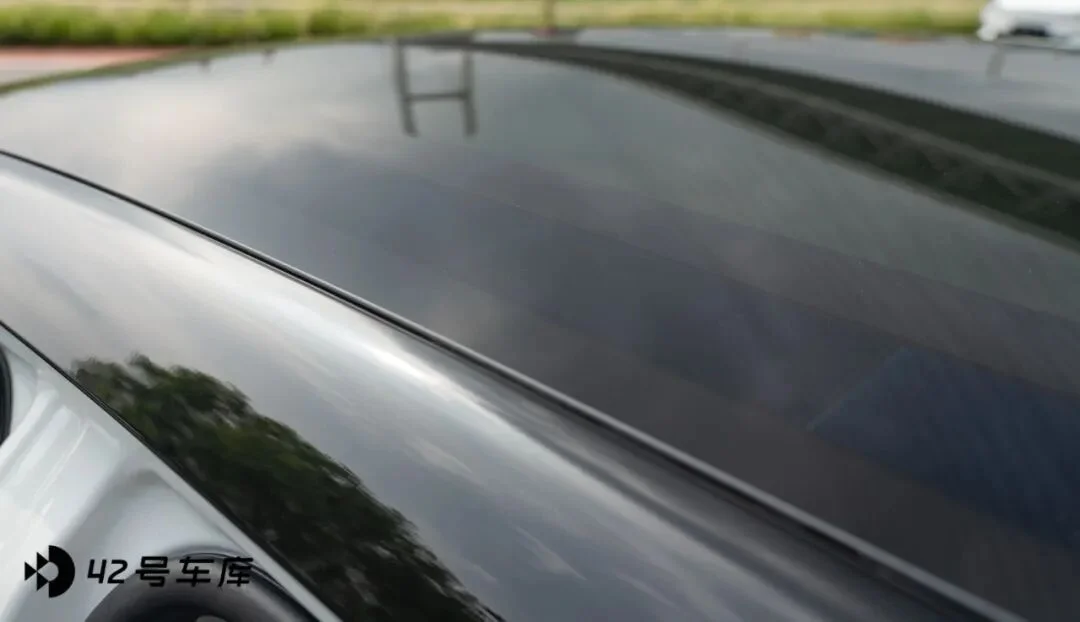
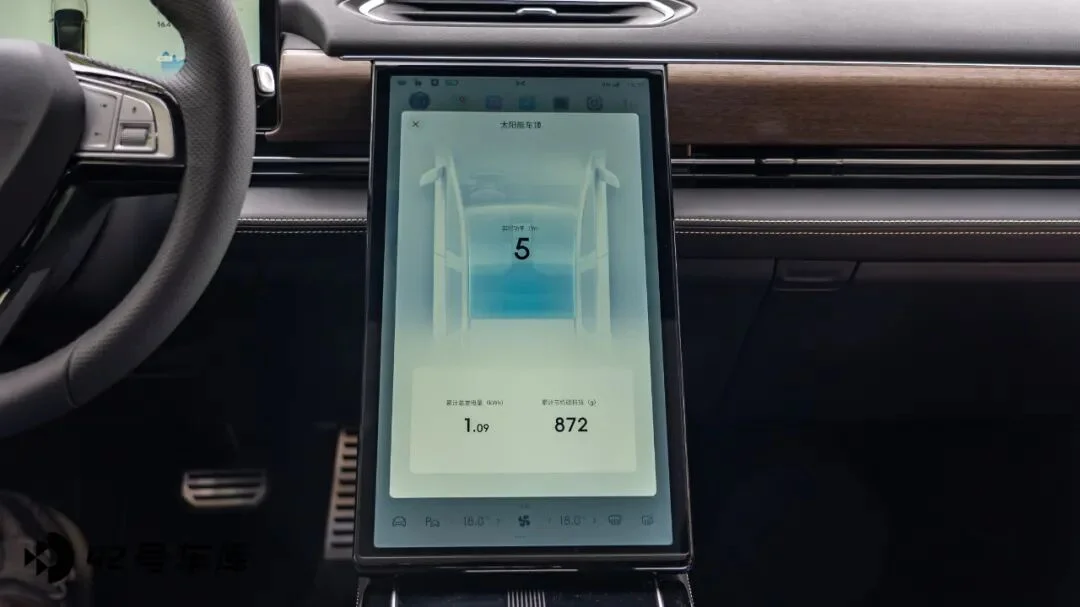
On the roof, the P5 features a creative solar charging panel that generates power from sunlight when used outdoors.
Additionally, the P5 supports external power discharge. It can use an AC-DC converter to transform battery energy into household alternating current, allowing campers to simply plug in a power strip for outdoor use.
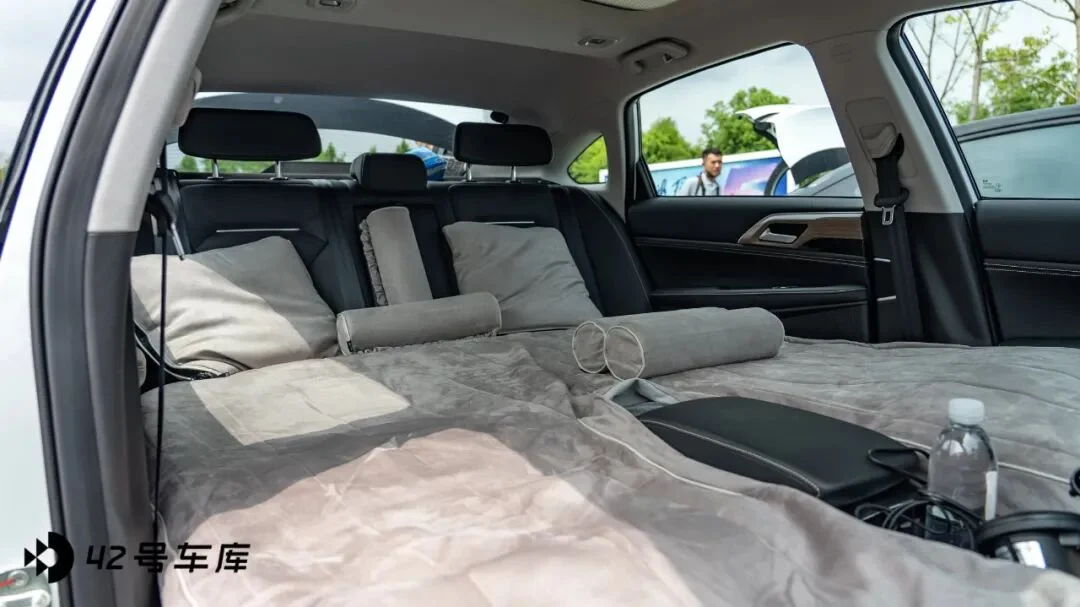
Finally, there is the 23-hour intelligent sleep space.
With the front seats folded down and the portable mattress from the trunk laid out, it forms a double bed. Combined with the rear charging ports, it truly simulates a home-like environment.
At first glance, the XPENG P5 seems to feature many novel and creative design elements. But are these features truly as useful as they appear?
The solar panel, while innovative, delivers a peak instantaneous power of only 30W under intense 37°C sunlight. From its August production date to now, it has generated just over 1 kWh of electricity—a negligible impact on the vehicle’s overall energy consumption.
The sleep mode is genuinely comfortable upon lying down, and voice commands make reclining the seats convenient. However, the setup process is cumbersome and physically demanding.
Making a bed at home is not easy; doing so in the confined space of a car is even more challenging.
Moreover, carrying the sleep kit requires a large bag that consumes significant trunk space. For actual travel, luggage arrangement becomes another minor issue.
03Looking Ahead
During the test drive, my opinion of the P5 fluctuated. I often felt it was expensive, yet there were moments when it seemed incredibly good value for money.
After writing this article, I realized that the target audience for the P5 actually consists of two completely different groups.
Vehicles priced under RMB 200,000 offer class-leading space and intelligent driving experiences, while their range performance is comparable to rivals in the same segment; however, their driving dynamics are slightly inferior to those competitors.
For top-trim models priced above RMB 200,000, adding XPENG’s advertised suite of optional configurations could push the final price close to RMB 250,000. At first glance, this enters the pricing territory of the P7 or Model 3, which indeed seems expensive. But looking back, the P5 may represent the lowest price point at which one can simultaneously own a LiDAR sensor, a refrigerator, a sleep-oriented cabin layout, solar panels, and an aromatherapy system.
Written by: Jia Ming | Edited by: Liu San