


The Domestic Car with the Orin + Luminar Dream Team Nears Mass Production
01No-Man's-Land Rose, a Bit of Swagger
At the end of last month, Chengduchezhan, which had been postponed due to pandemic risks, overcame numerous difficulties and successfully opened. The mass-produced ES33 showcased at the Shangqi R Qiche booth featured a high degree of design fidelity compared to the previously released concept car, with even more realistic details.
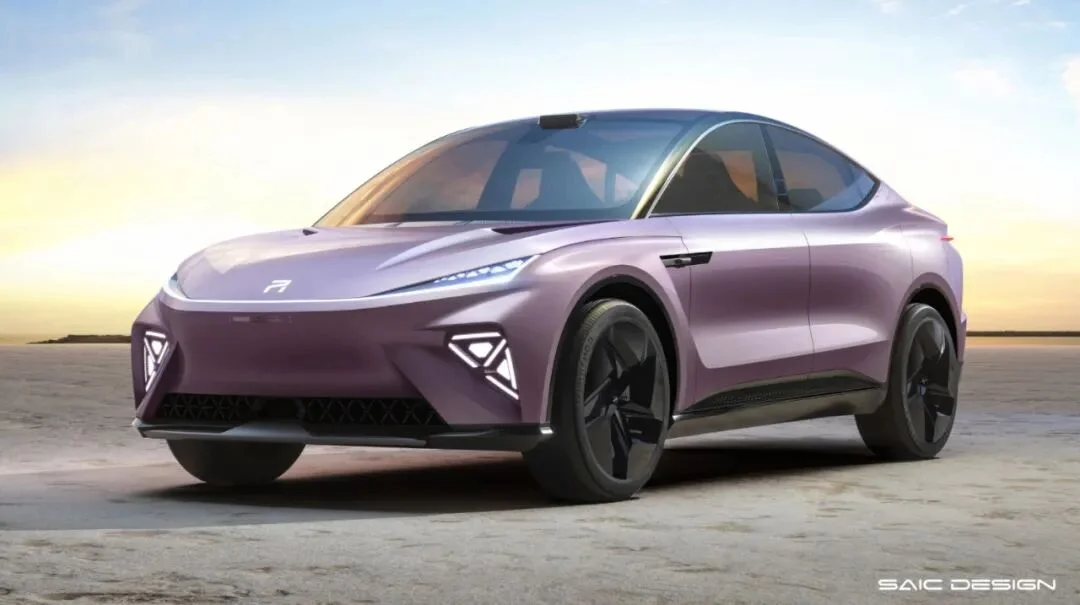
Concept Lin Zhiling
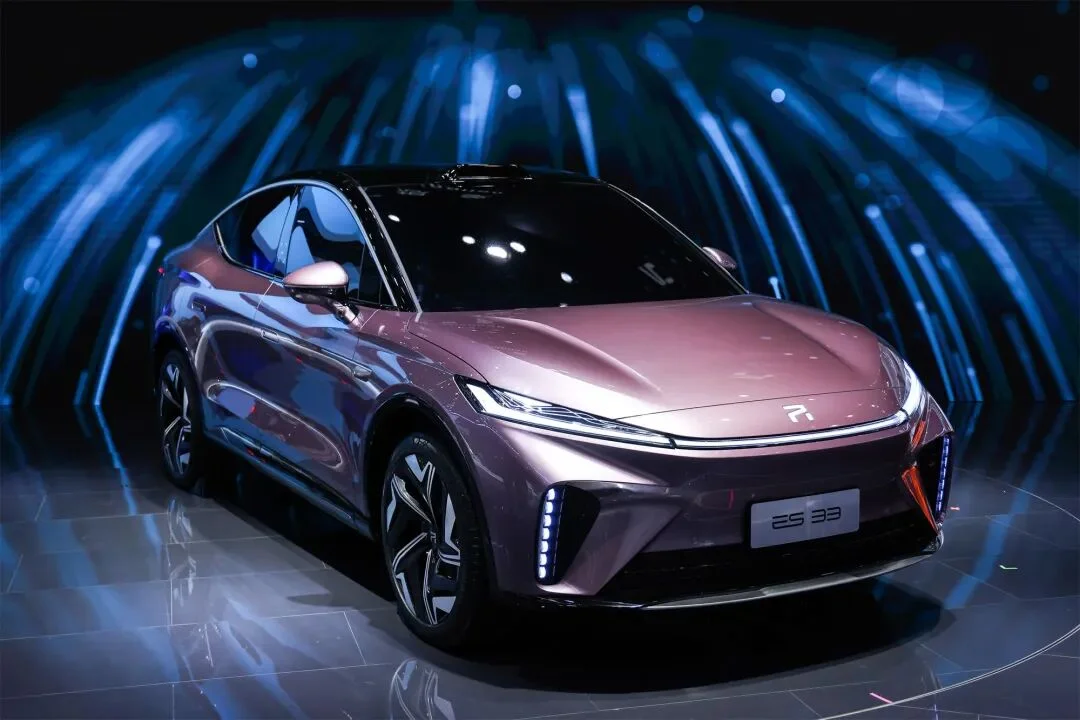
Mass production still features Lin Zhi Ling A top-to-bottom comparison reveals that the overall silhouette of the production car differs little from the concept car, with the side body lines remaining virtually unchanged. The striking triangular combined daytime running lights have been replaced by vertically arranged LED light sources. However, the production version's front bumper features air curtains on both sides—a design trend in recent years—to better reduce turbulence around the front wheels.
For instance, the production version's design has been appropriately optimized to address issues such as electronic side mirrors, which are not currently supported by regulations, and openings at the rear of the fenders and hood that can complicate cleaning.
In the production version, the headlights are slightly larger and flush with the bodywork. The hood lines have also been adjusted to suit reality, softening the sharpness seen in the concept car. However, this minor compromise is immediately offset when you move to the rear.
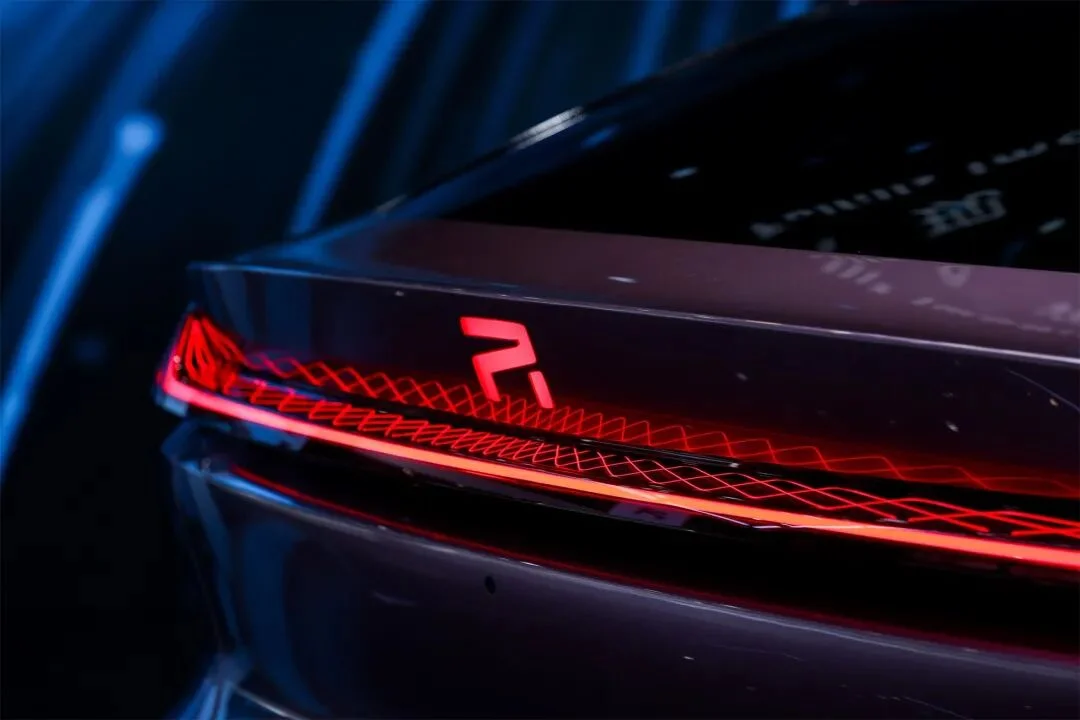
A full-width taillight bar has become standard on many recent models, particularly electric vehicles. Yet, a design relying solely on a single light strip connecting the left and right clusters can feel dated. To address this aesthetic challenge, the designers of the ES 33 offered a creative solution.
First, the full-width light strip features a three-dimensional structure that protrudes from the body. This creates a more impactful visual experience as viewing angles change and the relationship between light and body surfaces shifts. Within this integrated taillight assembly, fiber-optic-like light elements add detail, visually echoing the 'R' letter in the brand logo.
Specifics such as body dimensions, performance figures, and detailed configurations were not disclosed at Chengduchezhan. However, the vehicle's potential in autonomous driving remains noteworthy for review.
02PP-CEM: Quite Powerful
Backed by Industry Giants
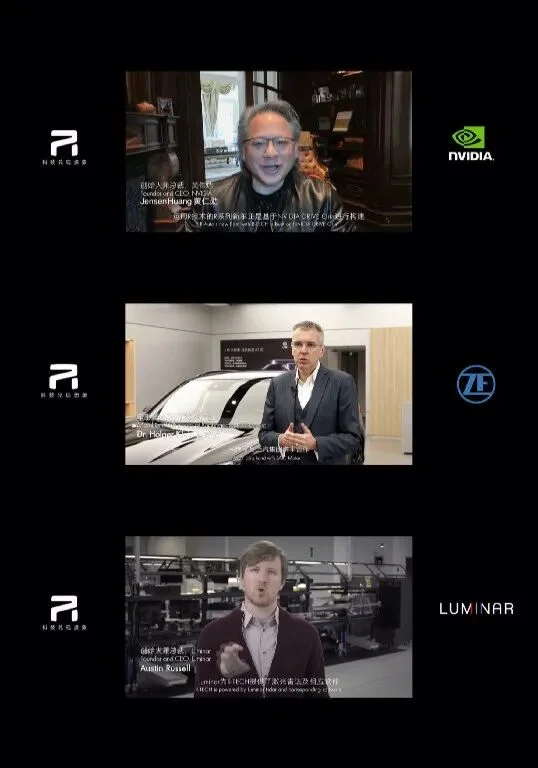
Looking back at the R-TECH launch event held in Shenzhen on March 18 this year, you will notice that while the ES 33 debuted in its concept form, its backing was formidable.
The person who announced the integration of NVIDIA’s autonomous driving chip, Orin, was Huang Jiaozhu himself.
Dr. Holger Klein, a member of the board of directors at Caiaifujituan, also appeared on screen to promote the company’s own 4D radar.
Austin Russel, a prodigy born in 1995, is the founder and CEO of Luminar, a leading American lidar manufacturer. He announced that the ES 33 will be the first vehicle in China to feature the company’s top-tier 'Iris' semi-solid-state lidar, which boasts 300 lines and a wavelength of 1,550 nm.
These hardware components, combined with fully in-house developed technology, constitute the PP-CEM intelligent driving perception system under R Automobile’s R-TECH technology platform, which cost RMB 20 billion to develop.
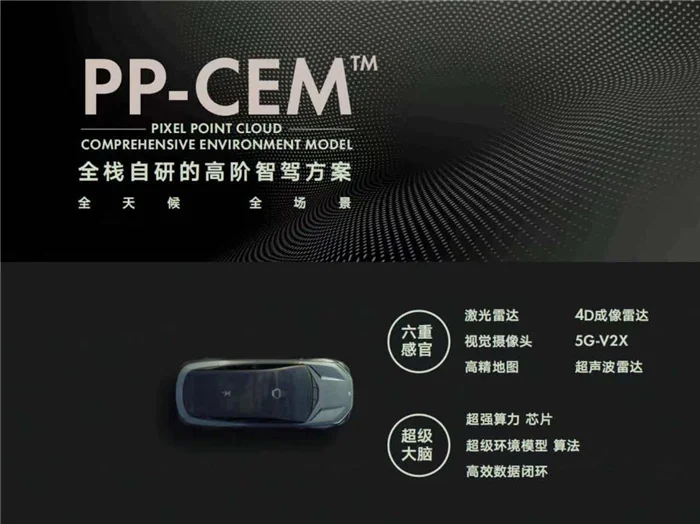
As for what this acronym stands for, let me break it down for you:
Pixel Point Cloud - Comprehensive Environment Model
The general idea is a full-scenario environmental model at the pixel point-cloud level, and the six senses are:
Luminar LiDAR;
Visual cameras;
High-precision maps;
ZF 4D imaging radar;
5G-V2X;
Ultrasonic sensors.
Beyond these hardware components, the computing platform is handled by NVIDIA Orin chips, each capable of 254 TOPS, with a plan to install two to four units. In short, Shangqi R Qiche has secured the most top-tier products available on the market to empower itself.
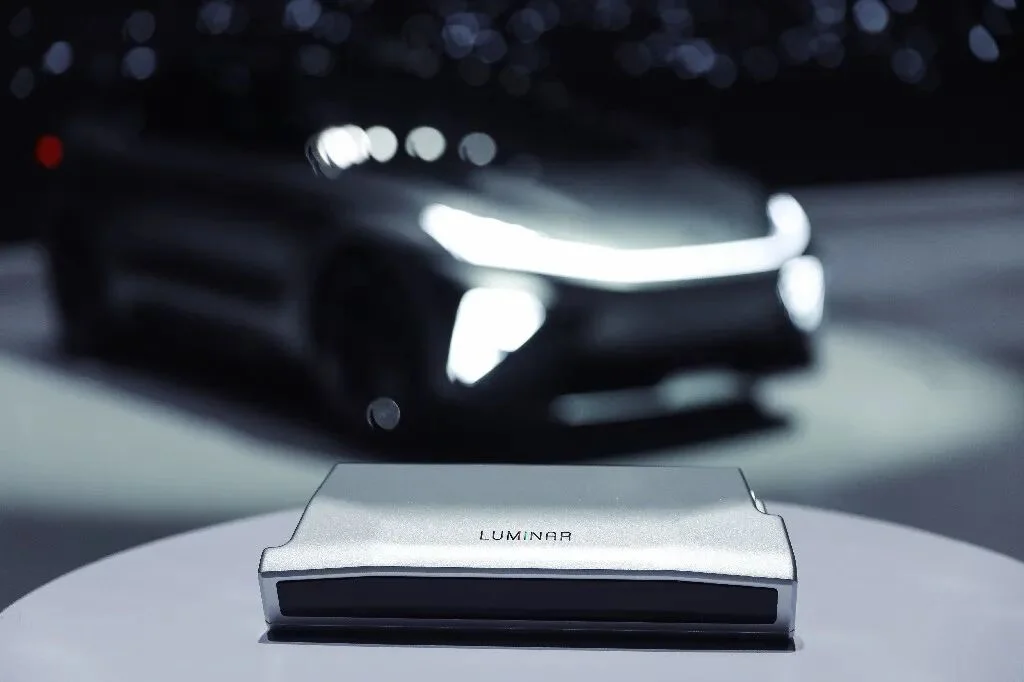
Luminar Iris

So, what exactly makes the LiDAR from this post-95s genius who achieved financial freedom so impressive?
The answer is that it features a 120° × 26° field of view and a detection range of 250 meters at 10% reflectivity. Aside from its likely high price, Iris holds an undisputed dominant position among LiDARs currently aimed at mass production or nearing it.
Moreover, it is remarkably flat:
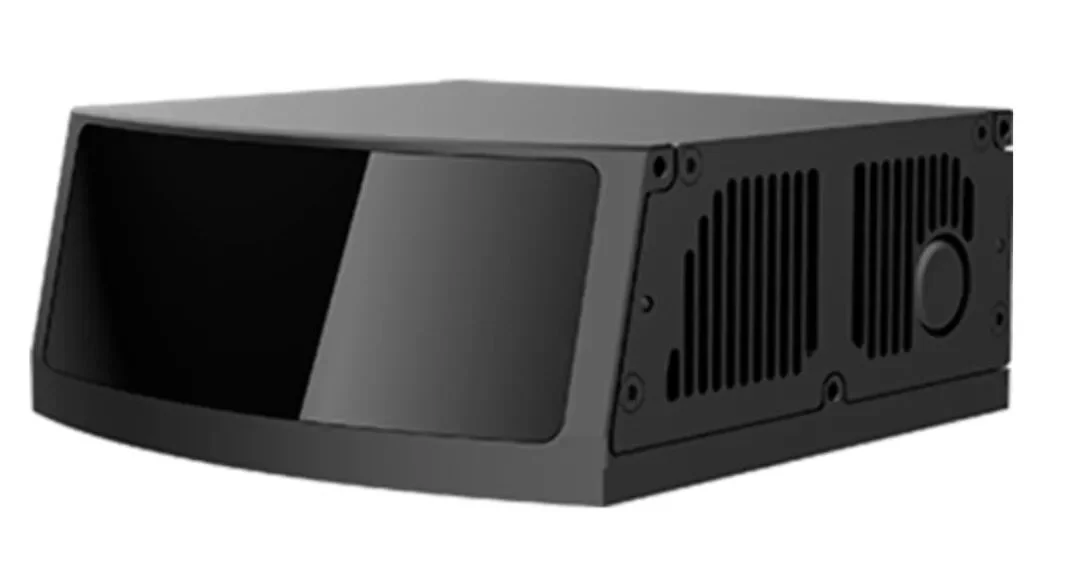
Consider that many competing products typically look like this:
Such high resolution and long detection range mean this LiDAR can capture imagery like this:
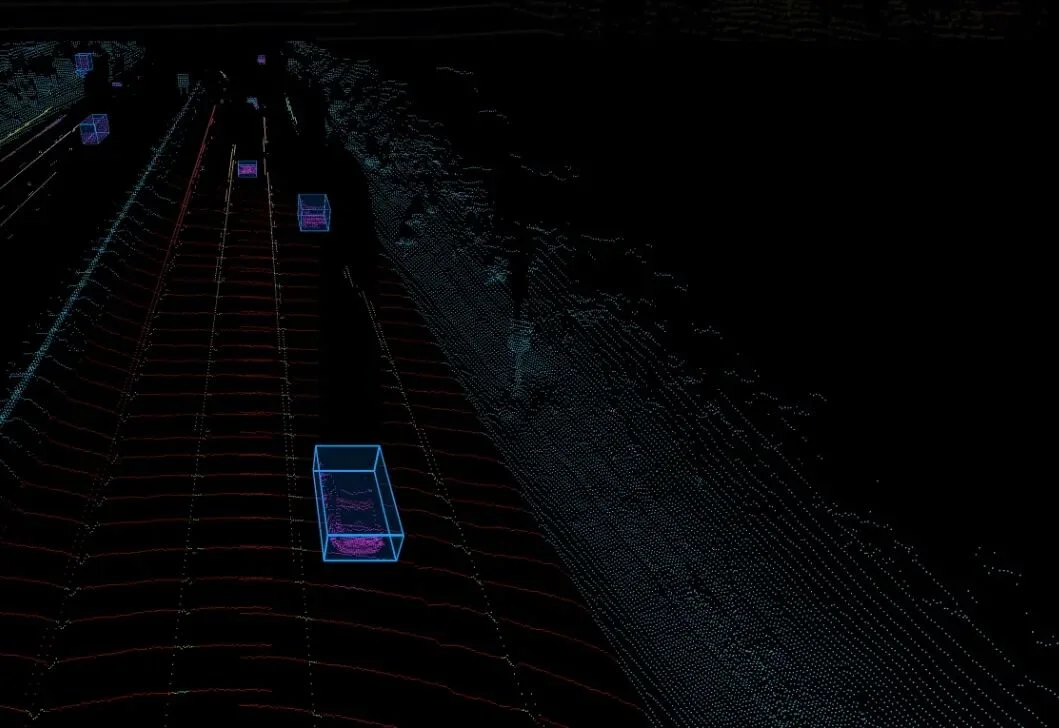
The LiDAR’s ranging capability and native 3D scanning ability provide an excellent complement to camera-based visual perception. Moreover, this performance remains unaffected by lighting conditions, whether during the day or night, with the sun behind or in front of the vehicle. However, under heavy rain, snow, or even sandstorms, LiDAR can become nearly ineffective due to excessive noise in the data.
4D Millimeter-Wave Radar
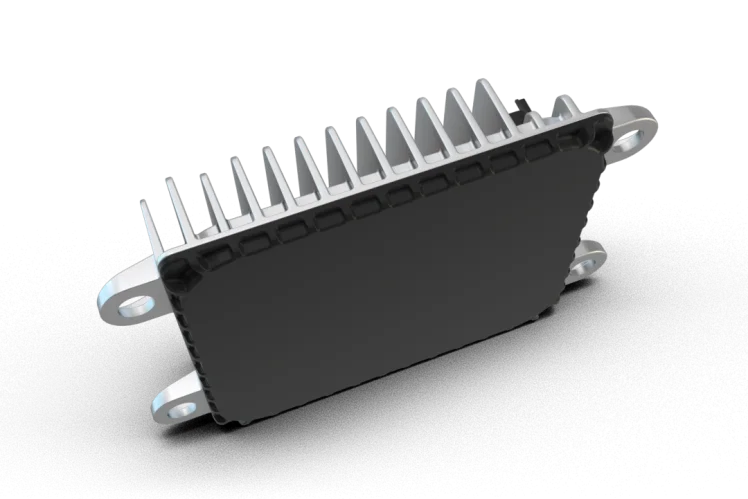
Therefore, despite the presence of LiDAR, millimeter-wave radar with stronger all-weather capabilities is still necessary. Traditional millimeter-wave radars, while offering the best all-weather performance, suffer from severe limitations: they lack height-dimension perception, have low horizontal angular resolution, and struggle to detect cross-traffic targets and stationary objects.
The primary characteristic of 4D imaging radar is its exceptionally high angular resolution. When such radars are deployed, the reflection points for vehicles and pedestrians will no longer appear as indistinct blobs but as clearer contours.
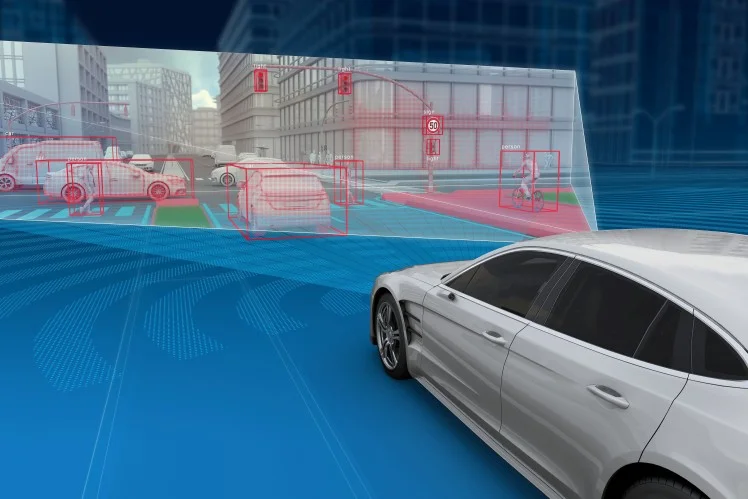
ZF Group’s 4D radar features 192 channels, which is 16 times that of traditional radars. It achieves a detection range of 350 meters. While previous radars could only register one or two points for a pedestrian, the 4D radar captures more than ten points, allowing for preliminary assessment of human limb movements and subsequent prediction of travel direction.
03This Lineup Is Quite Comprehensive
The ES33 would be a perfect and highly anticipated addition to R Automotive’s product lineup. Currently, R Automotive offers two models—the ER6 and the Marvel R—priced between approximately RMB 150,000 and RMB 260,000.
The Practical ER6
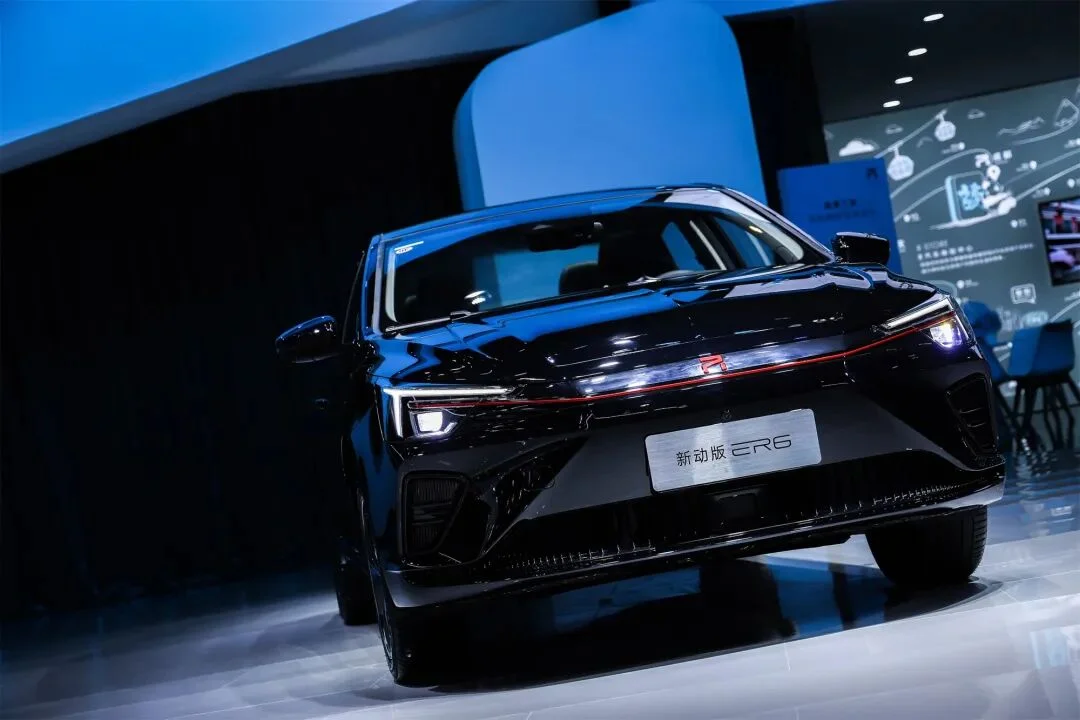
As a front-wheel-drive sedan, the ER6 does not offer anything particularly striking in terms of mechanical architecture. Its interior packaging is also not exceptional; specifically, the vertical legroom in the front row is somewhat compromised, limiting driving posture flexibility. However, it has one killer feature: an ultra-long range of 620 km.
Moreover, the retail price corresponding to this driving range is RMB 162,800, which is truly very cost-effective for groups who drive mainly for commuting and grocery shopping. The architecture shared within the group is not particularly advanced, but the ER6 offers a tangible range-to-price ratio, or "range-price ratio," making this car, which does not stand out in other aspects, still attractive.
The Highly Notable Marvel R
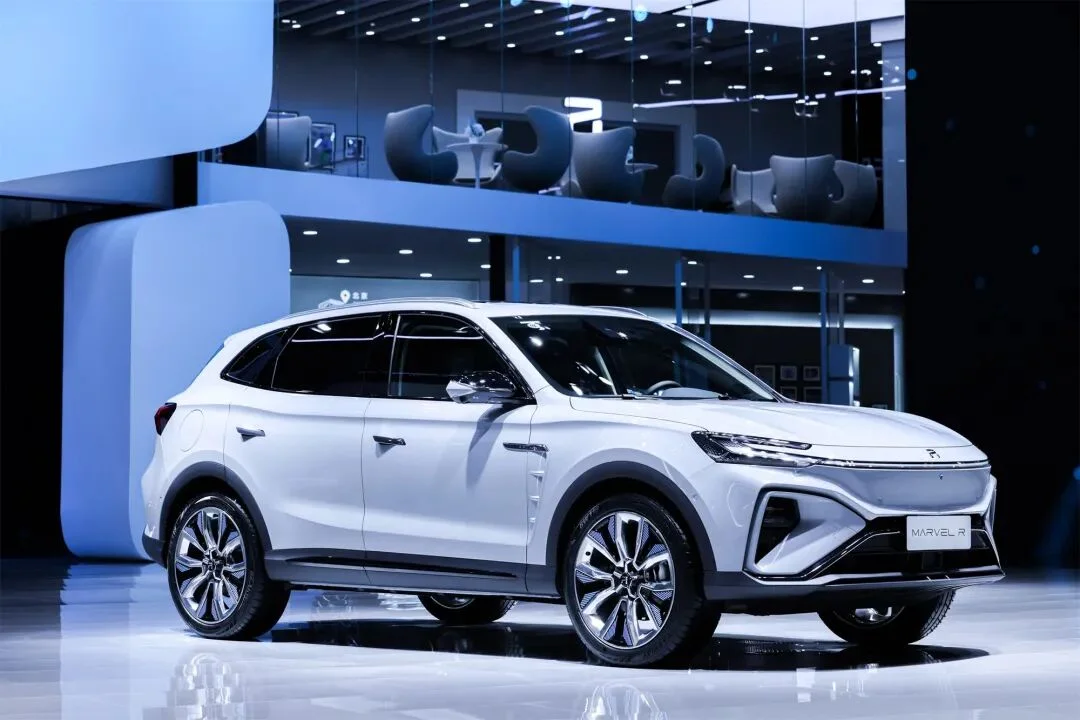
The ER6 is one of the most affordable models with a range exceeding 600 km, and the Marvel R has strong credentials for dominating its segment. It is one of the fastest-accelerating vehicles under RMB 300,000.
The four-wheel-drive version of the Marvel R, which boasts the quickest acceleration, is priced at RMB 259,800. If you view this car as merely an internal combustion engine platform converted to electric, you are overlooking key details.
First, its powertrain is powerful and highly distinctive. It is also currently the most affordable three-motor vehicle on the market. The dual motors on the rear axle do not follow the conventional layout of separate left and right drives; instead, a large motor and a small motor combine their power through a unified transmission mechanism. With 222 kW of power and 665 Nm of torque, it delivers class-defying performance in just 4.8 seconds.
Beyond acceleration, the unique dual-motor layout offers cost advantages. When strong power demand is not required, one of the rear motors can be disengaged to improve energy efficiency. Additionally, this design eliminates the need for two identical reduction gear sets, further reducing costs. This is one of the core reasons why R Auto can offer a 4.8-second acceleration product for less than RMB 260,000.
The two-wheel-drive versions of the Marvel R, priced at RMB 219,800 and RMB 239,800 respectively, omit the front motor but retain the dual-motor system on the rear axle. Thus, even without being the top trim, the Marvel R shows considerable sincerity compared to common EV conversions from ICE platforms. Although the front axle uses the MacPherson suspension typical for its class, the chassis commitment is evident in the substantial aluminum lower control arms on the rear axle and the trapezoidal link rear suspension structure, which is the same type used in German luxury sedans. SAIC has enlisted Porsche Engineering to calibrate the handling characteristics, demonstrating significant dedication.
Finally, it is worth highlighting that the Marvel R, equipped with the Mobileye Q4H intelligent driving chip, performed exceptionally well in 42HOW Auto’s real-world automated parking tests.
The Role of the ES 33 Is Very Clear
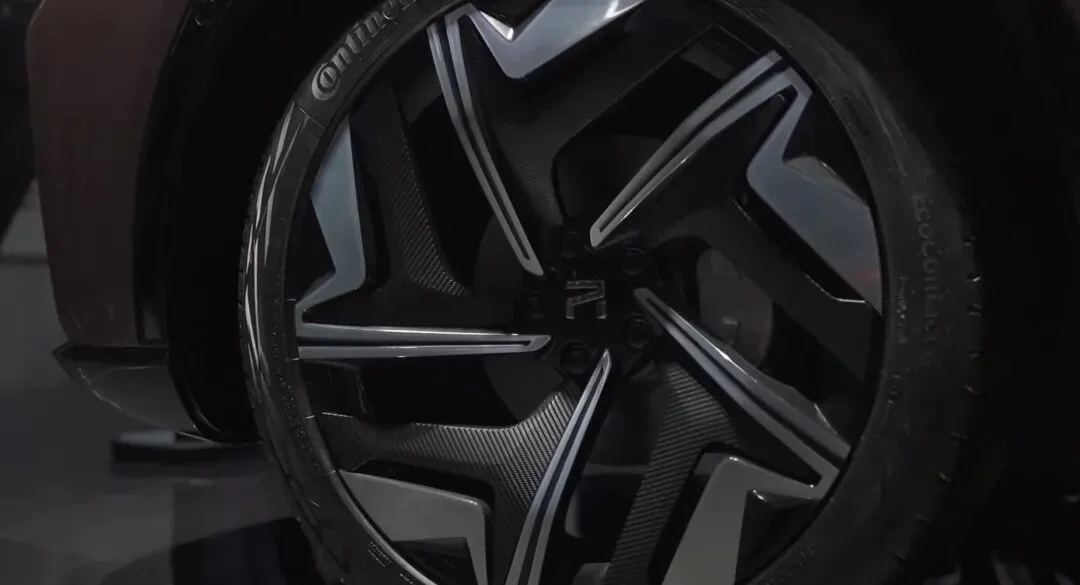
Within this lineup, the ES 33 is clearly positioned as a more premium offering, particularly in intelligent driving capabilities and smart cockpit experience, serving to elevate the brand's image.
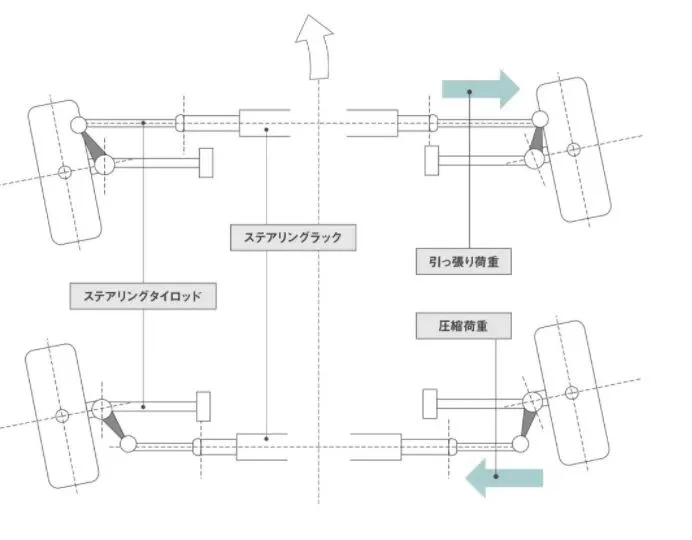
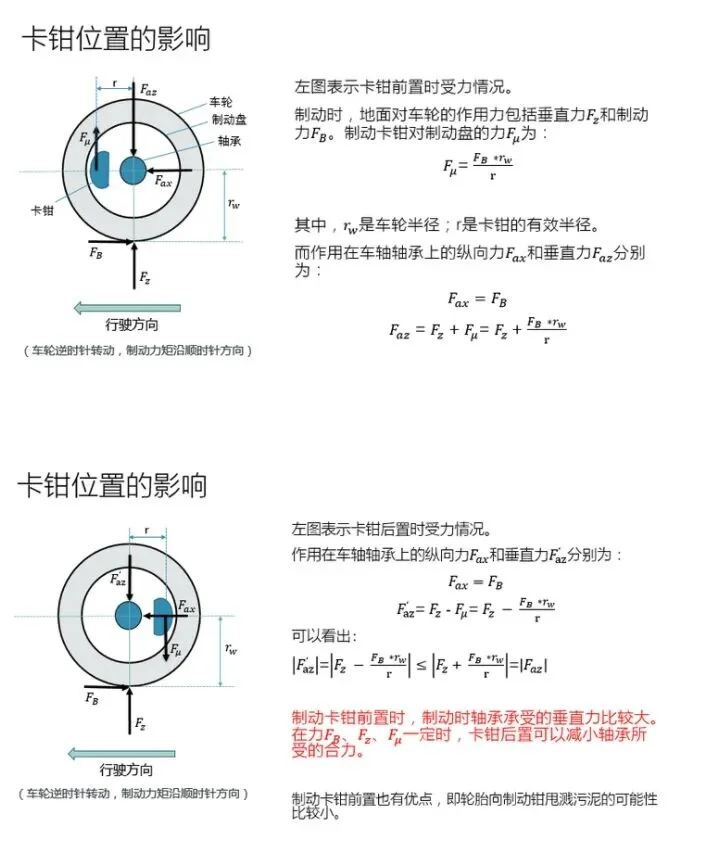
Similarly, the ES 33, with its 'higher' pedigree, also subverts previous brand perceptions on the mechanical level. The front brake calipers mounted behind the axle are an installation method adopted by most high-end models, as it is significantly more rational than mounting them ahead of the axle, for two reasons.
https://car.motor-fan.jp/article/10017215
When calipers are mounted behind the axle, the tie rods are located ahead of the axle. When a vehicle corners, the suspension bushings of the outer wheel compress inward under lateral force, causing the outer wheel to have a tendency to steer outward. With rear-mounted tie rods, the greater the force applied, the more the steering angle tends to increase, leading to oversteer and insufficient stability.
https://www.zhihu.com/question/39297964
Mounting the calipers behind the axle can offset some of the vertical force exerted on the wheel hub bearings due to gravity, thereby reducing stress on the bearings.
04Legao and Zhou Jielun's Bold Moves
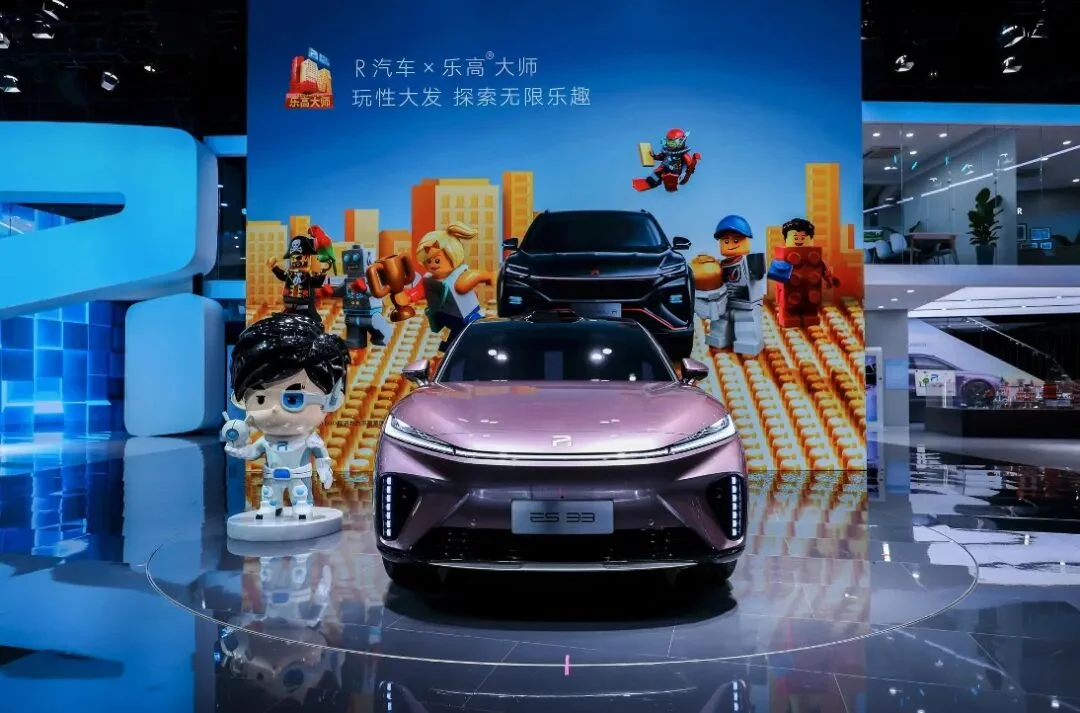

R Auto will collaborate with Shenzhenweishi and Legao-certified brick-building masters to create a 1:1 scale, fully movable full-size Legao model of the ES 33, marking it as China’s first dynamic full-size Legao car model. While such cross-industry collaborations are not novel, the underlying intent goes beyond the partnership itself—you need to understand the deeper meaning. Under the SAIC group, there is a company called Shangqilingshu, which is primarily responsible for providing SOA (Service-Oriented Architecture) empowerment within the group.
SOA refers to a Service-Oriented Architecture, a design approach that decouples hardware and software to allow independent interfaces and communication specifications for various vehicle functions. Empowered by a cloud-edge-terminal full-stack solution, the ES 33 can achieve comprehensive integration across the 'cloud, mobile phone, vehicle, and smart hardware' domains, evolving into a 'modular intelligent space' that connects everything and continuously evolves.
By introducing the AIoT (Artificial Intelligence of Things) concept into the vehicle, the ES 33 aims to realize the ambitious goal of 'data determines experience, software defines the car.' The hardware and software of the ES 33’s body are designed like individual Legao modules, empowering users with customization options and increased freedom to meet the 'thousand faces for a thousand people' user demands.
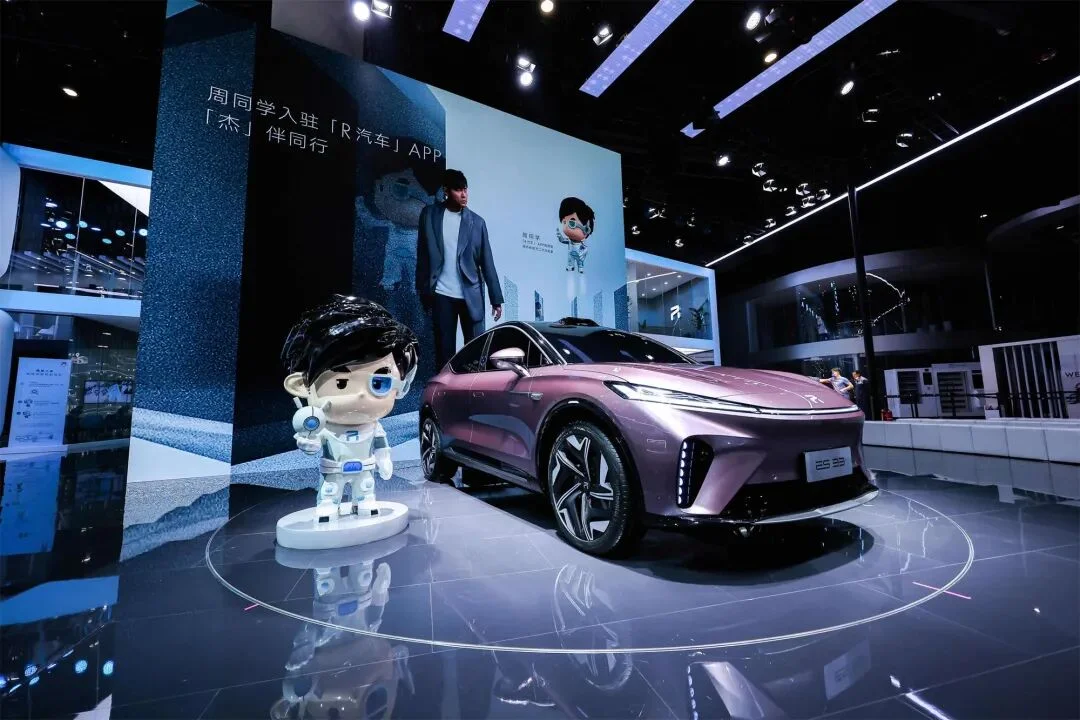
Actually, I was somewhat disappointed when Zhou Jielun did not appear at the R Auto booth during the Shanghai Auto Show. For his appearance via video link, I simply couldn’t bring myself to shout the slogan 'R, not bad!' However, at this auto show, not only was the production version of the ES 33 unveiled, but also the 'production version' of Zhou Jielun—Xiao Zhou.
Deploying a celebrity’s virtual avatar in an app may seem like a flashy move, but it aligns closely with social media trends in the post-pandemic era and represents one of the inevitable strategies automakers are adopting to acquire user traffic and data.
The virtual avatar, Xiao Zhou, is deeply anchored to the identity of Zhou Jielun in the real world. While Zhou Jielun himself cannot appear and participate deeply at every communication node for R Auto, Xiao Zhou serves as R Auto’s own IP. Leveraging public recognition of his identity, he acts as both a brand enhancer and a productivity tool for community operations within the R Auto app.
05This Layout Is Quite Stable
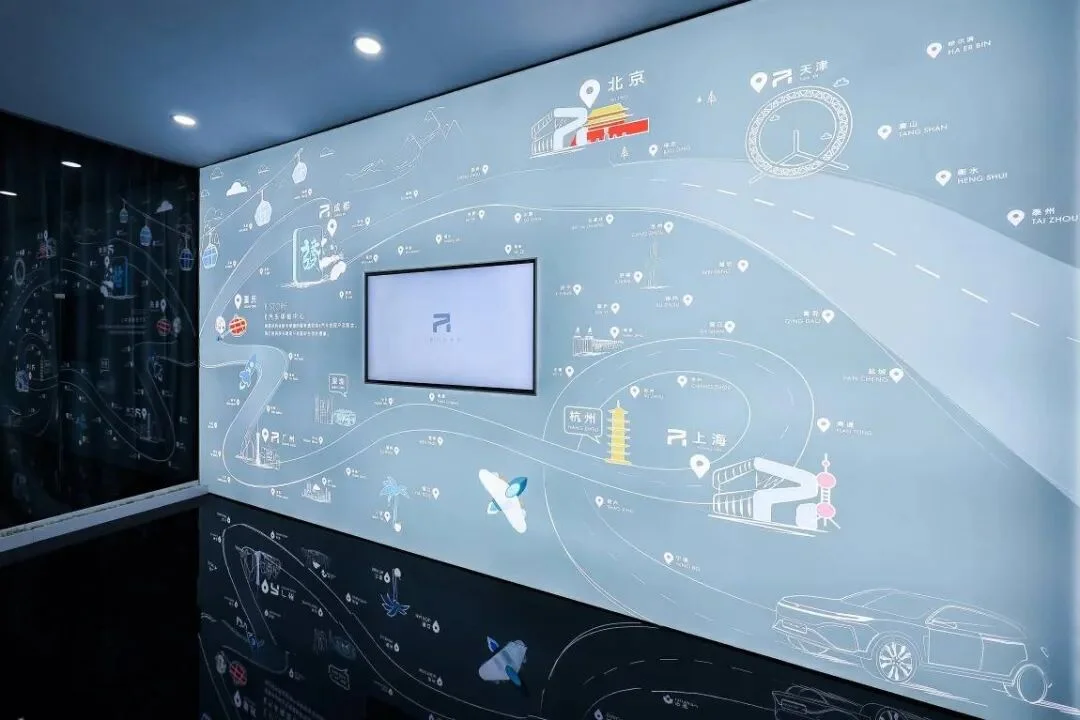
R Auto’s offline store architecture consists of three functional components: R STORE experience centers, R DELIVERY CENTER delivery centers, and R STATION service centers. There are currently 137 R STORE experience centers nationwide, with plans to expand this number beyond 200 by the end of this year.
For maintenance, R Auto has launched the 'One-Click Arrival' service, allowing users to enjoy convenient and efficient repair and maintenance services without leaving home. Regarding charging infrastructure, R Auto has established 100 branded charging stations and helped users access 380,000 third-party charging piles.
Traditional automaker-backed independent brands that are gradually shifting toward consumer-facing (2C) operations and services are making this market increasingly interesting. R Auto will kick off its user co-creation efforts in technology, design, product, and service with the ES 33.
Written by: Avatar Edited by: Avatar