


Xiaomi Deploys 'Shadow Factory' Team to Oversee Longjia Battery Manufacturing
As automakers like Xiaomi and Li Auto seek greater control over battery product definition, Xiaomi has embedded its engineering team within Sunwoda Power's Nanchang plant to oversee the full-link manufacturing and quality control of its Longjia battery pack.
In 2026, automakers such as Xiaomi and Li Auto are competing for greater definition rights over battery products.
This goes beyond mere cost reduction; automakers want to participate more deeply in how batteries are integrated into the vehicle, what standards are met for fast charging, lifespan, and safety, and how the manufacturing process is managed.
Li Auto chose to independently develop the chemical system and structure of its battery cells before handing them over to partners for manufacturing. Xiaomi, on the other hand, launched the Xiaomi Longjia battery, where Xiaomi handles product definition, leads battery pack design and development, participates in cell design and development, and manages full-process quality control. The core philosophy is "Xiaomi sets the standards, Xiaomi oversees the process, and Xiaomi takes responsibility for quality," meaning "Xiaomi takes full end-to-end responsibility."
Coincidentally, Sunwoda Power and CALB have become the shared choices for both automakers.
In this new cooperative model, the role of battery manufacturers has expanded beyond that of traditional automotive suppliers. In fact, both Li Auto and Xiaomi have become shareholders in Sunwoda Power. But after securing greater definition rights, can automakers truly build better batteries? And what exactly changes when automakers involve themselves in the full-process manufacturing of batteries?
Early on the morning of November 13, 42HOW Auto visited the Sunwoda Power Nanchang plant, the birthplace of the Xiaomi Longjia battery. The 52 kWh lithium iron phosphate battery pack used in the Xiaomi Pengcheng N70 Pro is produced at this very facility.

You Hailong, head of batteries for the Xiaomi Auto SIE team, explained that the plant operates under a "shadow factory" mechanism, with the Xiaomi SIE (Simultaneous Engineering and Industrialization) team participating in on-site management. Team members work one-on-one with their counterparts in process engineering, equipment, quality, and production operations at the partner facility. The scope of this collaboration extends even to how morning meetings are conducted and how employees are trained.
From the battery cells to the final battery pack rolling off the line, Xiaomi has established over 8,000 quality control points, with key processes subjected to 100% full inspection.
Clearly, having moved beyond the simple buyer-seller relationship between automakers and battery manufacturers, Xiaomi has now deeply integrated into every stage of power battery manufacturing.
100% Inspection for Key Processes
Cell manufacturing begins with the materials. According to Xiaomi, the positive and negative electrode materials, separator, electrolyte, structural components, and auxiliary materials for the Xiaomi Longjia Battery must undergo more than 400 raw material tests.
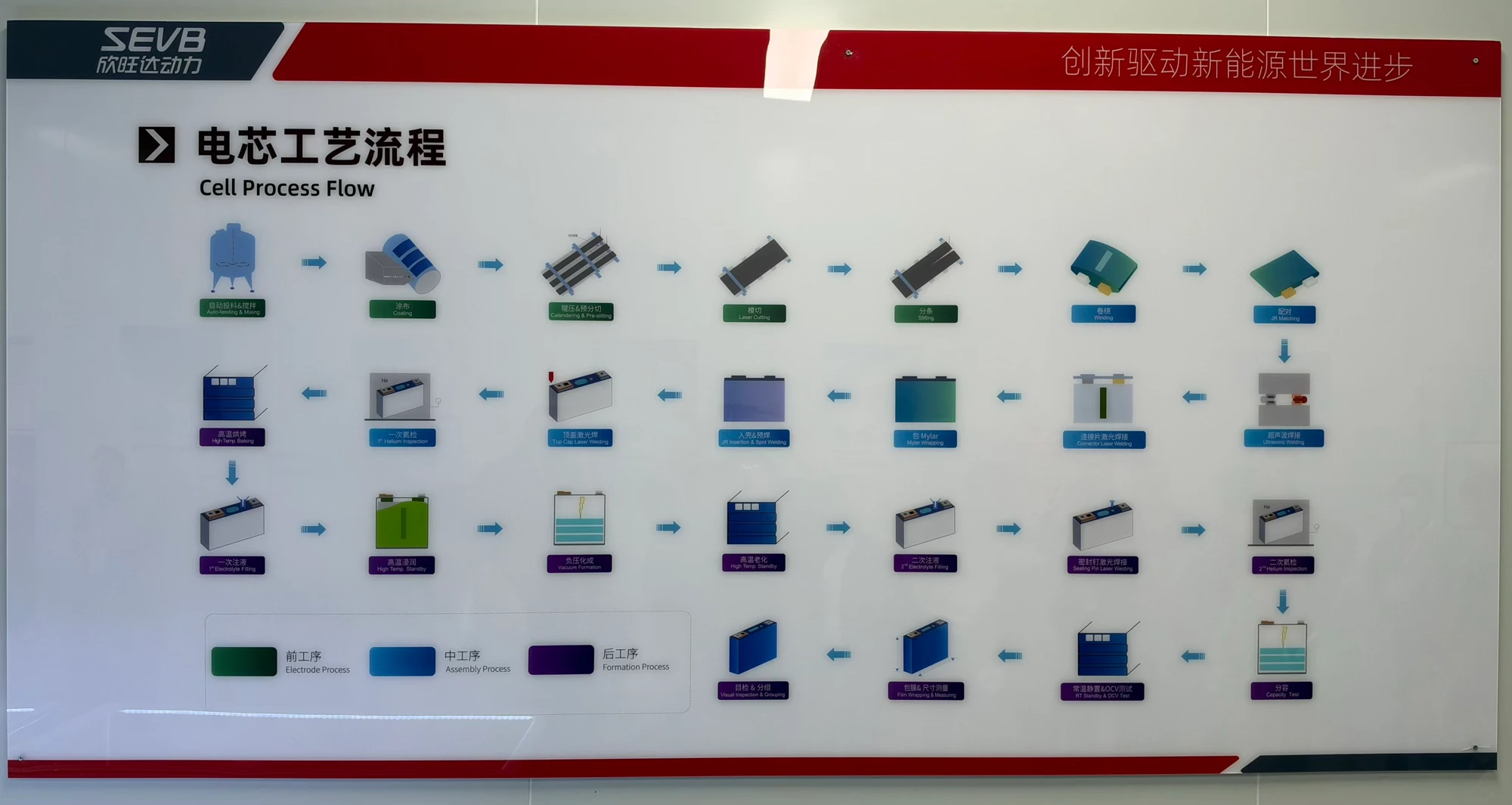
For example, copper and aluminum foils serve as the metal substrates for the positive and negative electrode materials. With thicknesses measured in microns, they are as thin as cicada wings. During manufacturing, they must undergo coating, rolling, and winding processes. Therefore, their tensile strength and elongation are tested first to ensure they do not easily break or tear during processing. Meanwhile, the positive electrode material must be tested for specific capacity to verify it meets design requirements.
An even greater challenge lies in foreign object control.
Taking magnetic removal as an example, the factory performs five stages of demagnetization—from raw material feeding and slurry mixing to coating—to progressively eliminate magnetic foreign objects, whereas the industry standard is typically two to three stages. These magnetic particles are highly dangerous; if they enter the cell, they can damage the separator and ultimately cause a short circuit.
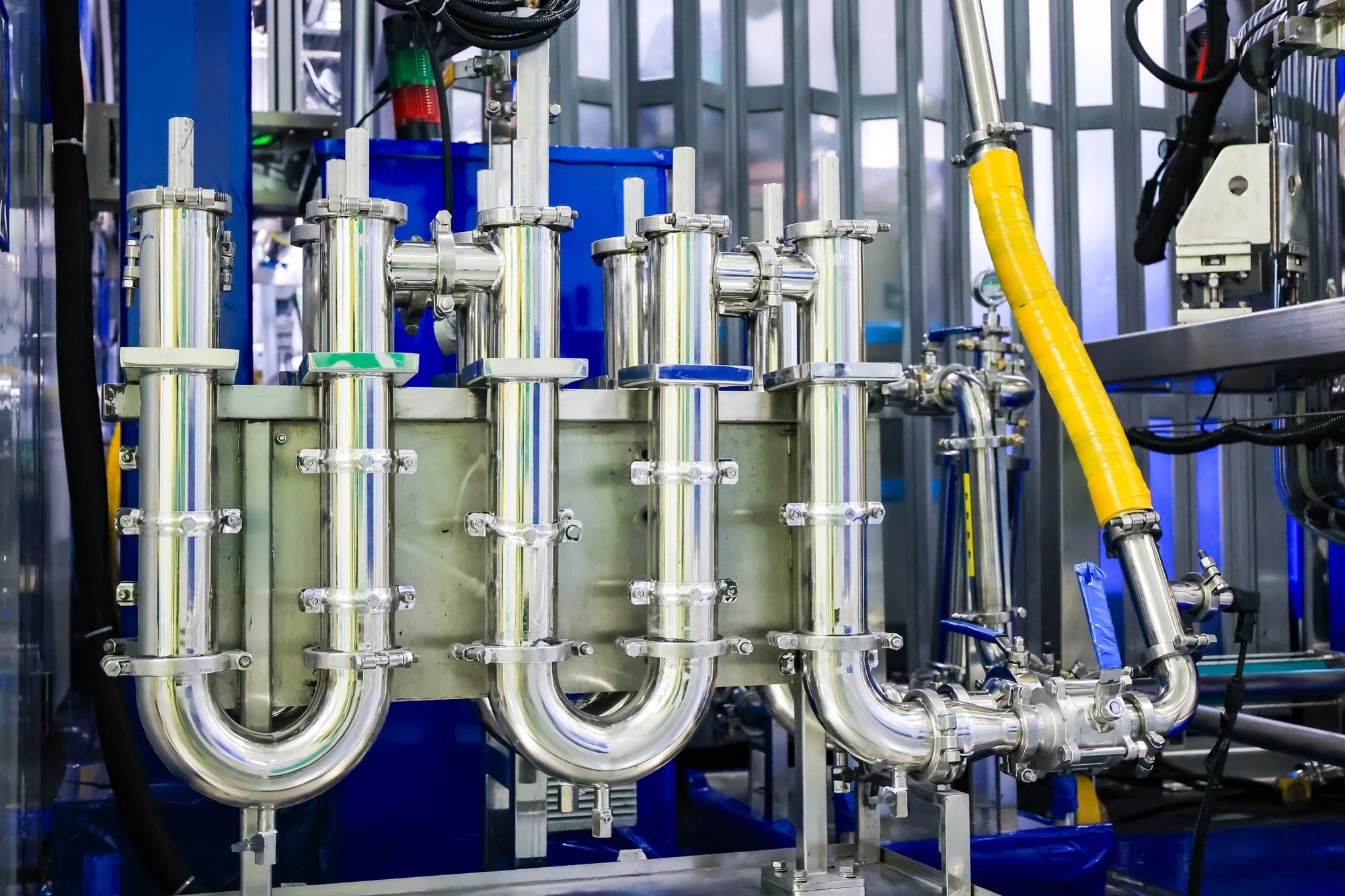
In the subsequent coating process, the slurries made from the positive and negative electrode materials are applied to the aluminum and copper foils, respectively. The production line enforces even stricter controls on coating uniformity and foreign object management. This is because the uniformity of the coating on an electrode sheet directly impacts cell capacity consistency and can even lead to short circuits.
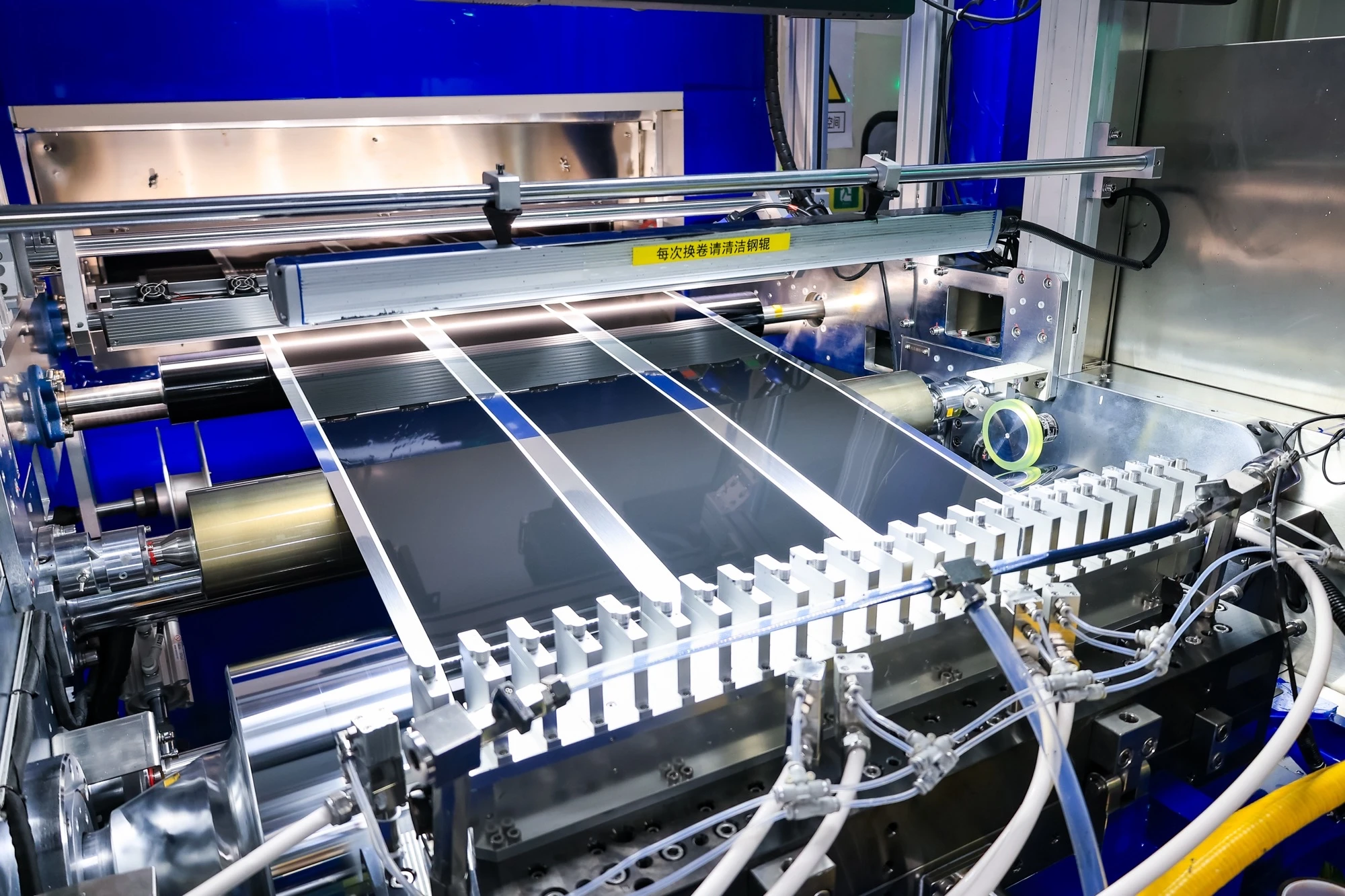
Therefore, the production line conducts 100% inspection of coating areal density, coating dimensions, and visual defects. In addition to manual visual checks and camera-based inspections, X-ray machines are also used. Dimensional inspections specifically focus on controlling deviations in coating width and the uncoated margins on both sides.
After the coated materials are dried, the process moves on to the calendering stage. Calendering compresses the active materials, but the pressure applied requires careful control: if it is too loose, it will affect the energy density; if it is too dense, it will hinder electrolyte wetting and ion transport. According to Xiaomi, this production line can control the electrode thickness deviation within ±2 micrometers during the calendering stage. As a reference for scale, the diameter of a human hair is typically about 50 to 100 micrometers.
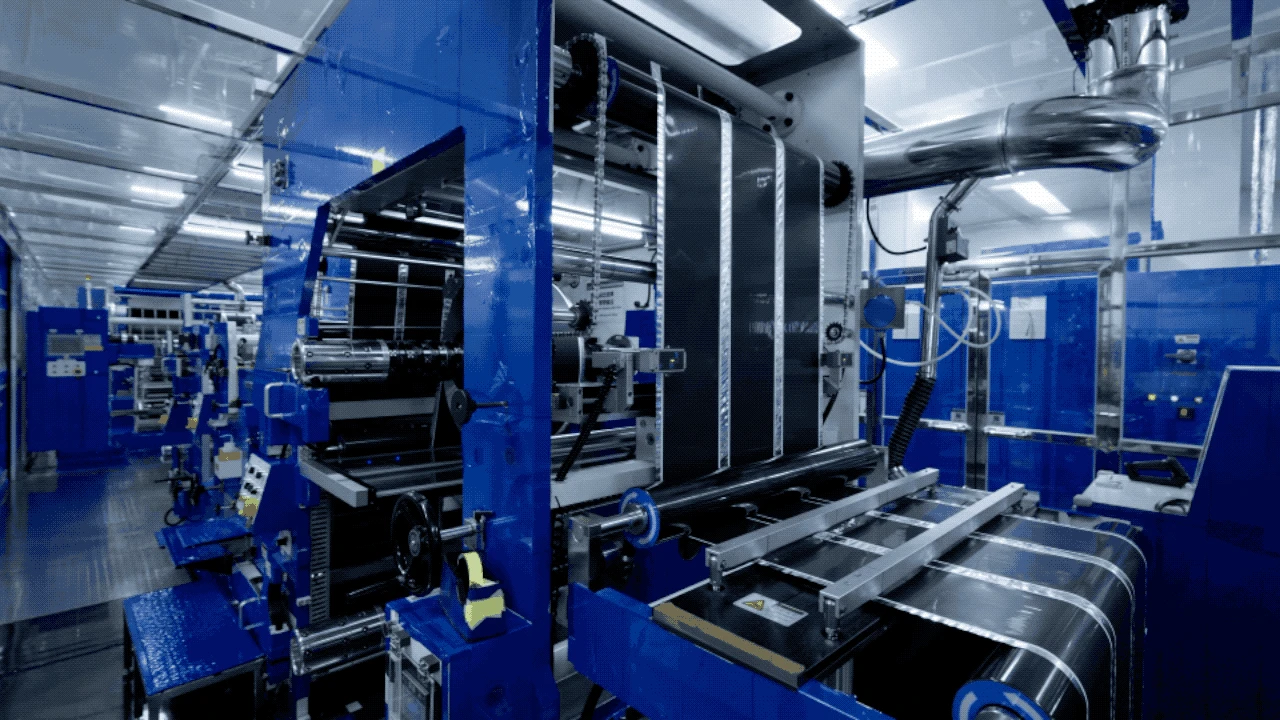
To control the thickness, the production line uses laser thickness measurement equipment during the calendering stage to continuously monitor the electrode thickness online. You Hailong introduced that upon detecting thickness fluctuations, the system will automatically adjust the calendering parameters. At the same time, the edges of the electrodes must also be inspected to identify localized thick edges and uneven compaction caused by slurry accumulation.
After calendering, the process enters the winding stage. Before winding, die-cutting and slitting must be performed first, with the purpose of processing the electrodes into the required shape and width. This step also requires strict foreign object control; if burrs on the cut edges enter the cell during winding, they could pierce the separator, leaving a risk of internal short circuits. Therefore, both of these stages are equipped with 100% burr inspection.

During the winding process, the die-cut positive electrode, negative electrode, and separator are wound together in a spiral form around a winding pin, forming a cell structure with the positive electrode, negative electrode, and separator arranged alternately.

On a single winding machine, a total of 4 CCD cameras monitor alignment, checking the relative positions of the separator wrapping the negative electrode and the negative electrode wrapping the positive electrode. In addition, there are 4 other CCD cameras that perform appearance defect detection on the positive and negative electrodes, ensuring that no damaged or folded defective electrodes are wound into the cell. After winding is completed, there are also 2 CCD cameras with a detection accuracy of 0.1 mm to monitor issues such as tab misalignment and poor surface appearance of the cell, ensuring the product meets specifications.
The semi-finished product after winding, which resembles a roll of toilet paper, must also undergo hot pressing. The purpose is to make the internal electrodes and separator fit together more tightly, and also to prepare for the subsequent insertion into the aluminum shell.
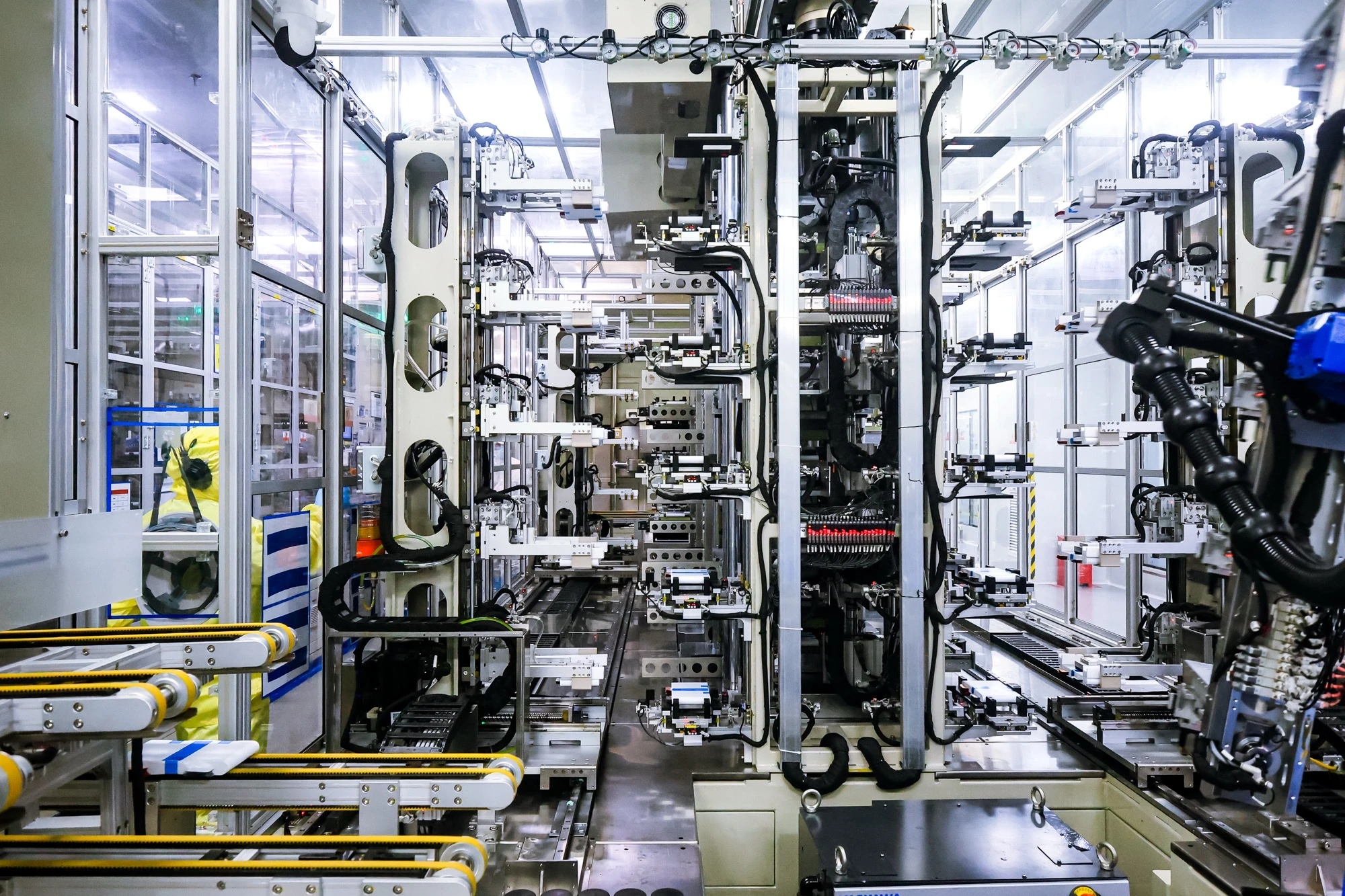
As the final process before being loaded into the aluminum shell, the production line sets up X-ray inspection after hot pressing to check the internal wrapping structure, as well as whether there are issues such as gaps or folding.
The subsequent jelly roll insertion into the shell and tab welding must also undergo pre-welding, in-welding, and post-welding inspections. After the outer shell is installed, internal issues become harder to judge from the surface. At this point, the production line introduces X-ray CT inspection.
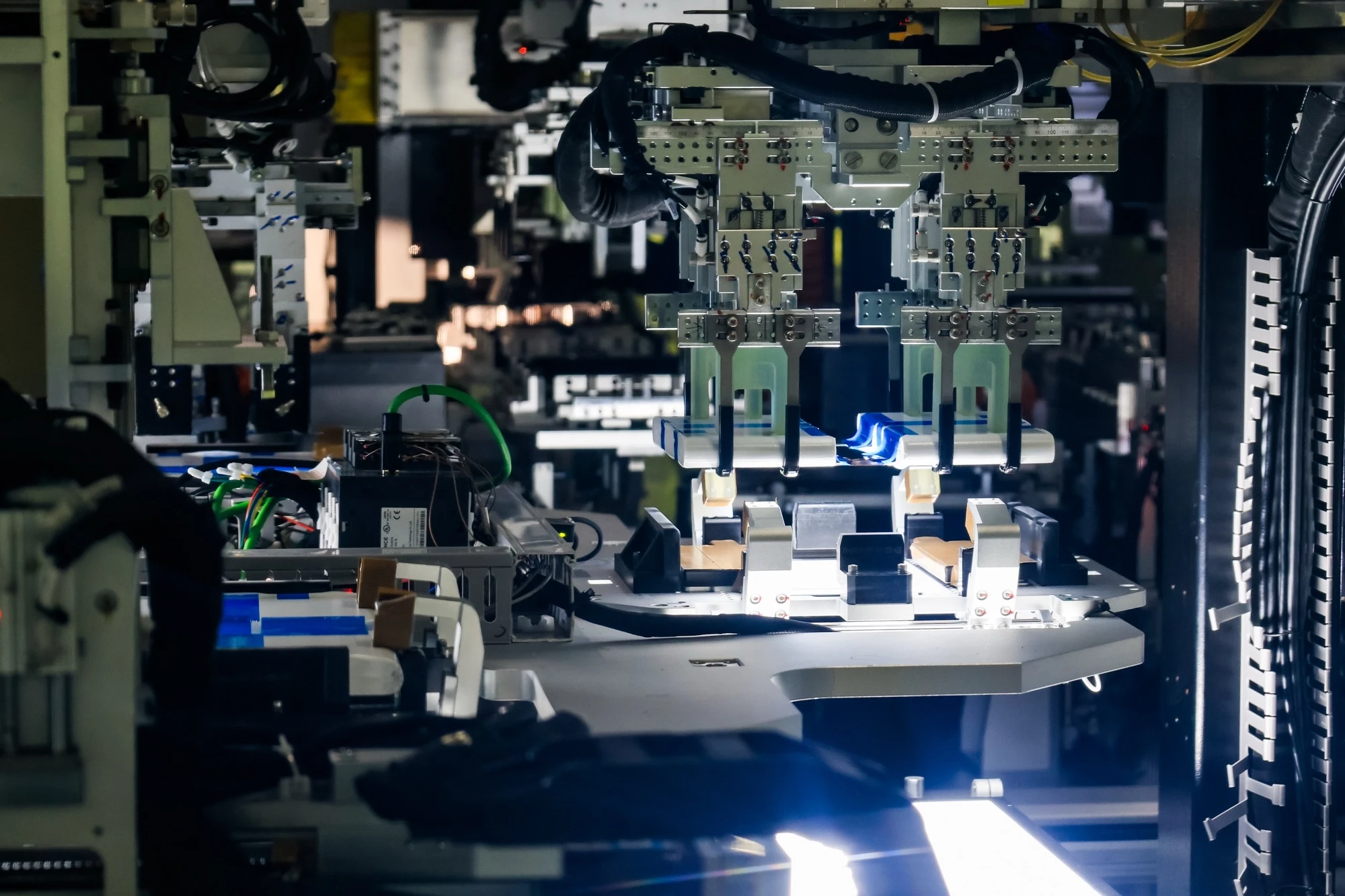
According to reports, X-ray inspection is used to check for internal issues such as electrode damage and tab folding; CT scanning, on the other hand, uses 3D tomographic images to further observe the internal structure. Afterward, these inspections are also supplemented by manual re-inspection.

In addition, the cell manufacturing process includes steps such as baking, electrolyte filling, formation, aging, and capacity grading. Before leaving the factory, the cells are charged to a high SOC, left to rest, and then tested for voltage drop. After passing quality inspection, they leave the factory and enter the pack production line.
During cell production, so many manufacturing steps inevitably result in defective products. While some factories may allow certain defective items to be reworked into qualified products, Xiaomi does not allow this on the Longjia battery production line. Any defective product is eliminated and destroyed.

The battery pack for Xiaomi's 52 kWh Longjia battery is also manufactured at Sunwoda Power's Nanchang factory. According to the introduction, pack assembly first requires matching cells by capacity, internal resistance, and voltage to reduce the impact of individual differences on overall pack performance.
During assembly, aerogel is added between the cells to achieve thermal insulation between them, while thermal conductive adhesive is applied to the bottom of the cells to direct the heat generated by the cells to the water cooling plate. After the modules are placed in the enclosure, busbar welding, electronic control component installation, and top cover sealing are completed.
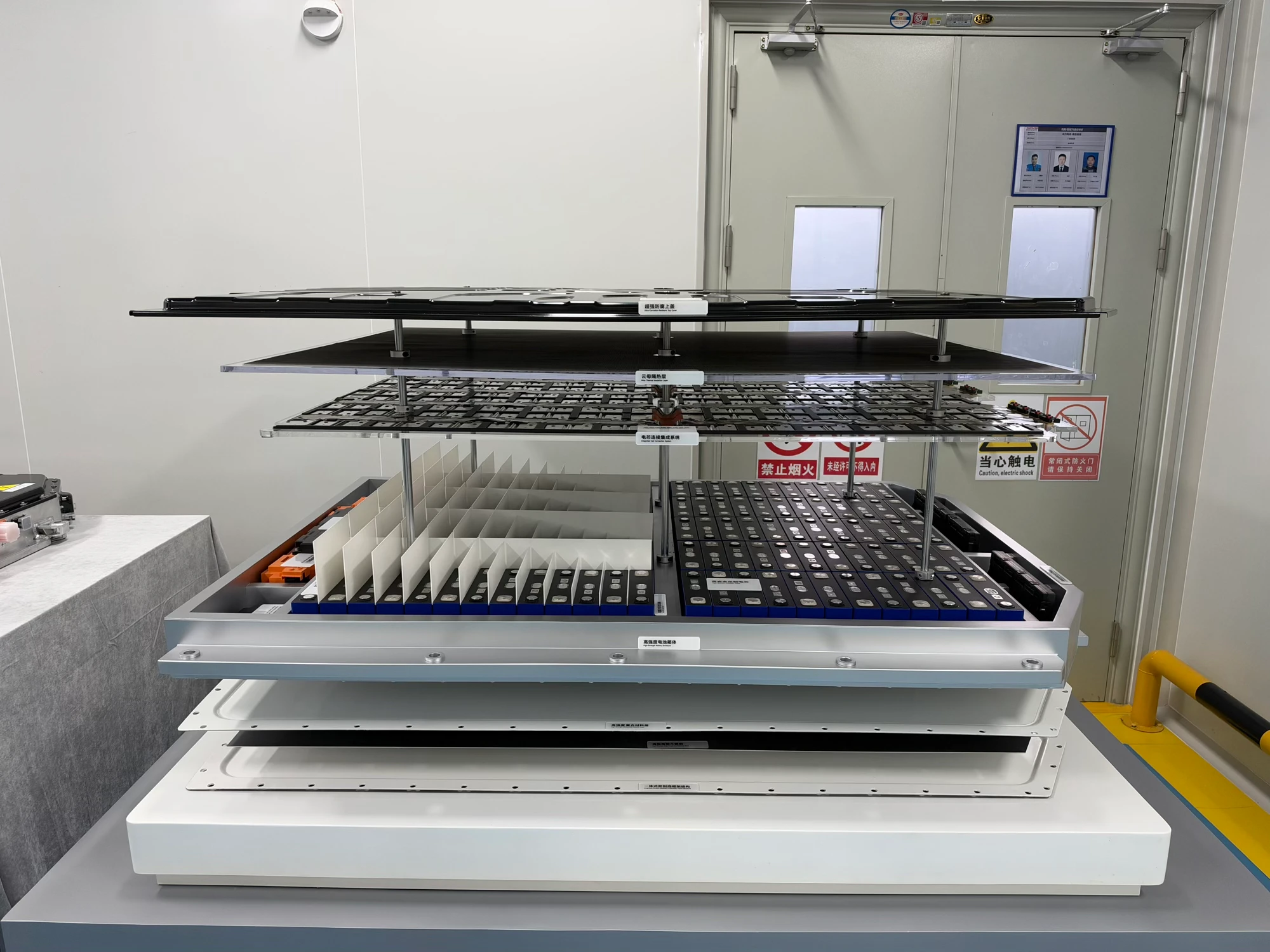
After the battery pack is sealed, blue light inspection is used to verify the overall dimensions and assembly datums of the pack; before leaving the factory, over 400 tests, including electrical performance and insulation, are completed.
Only then is a Xiaomi Longjia battery born, weighing 380 kg, with a rated voltage of 403 V, a rated capacity of 129.1 Ah, and a rated energy of 52 kWh.
How far Xiaomi engineers oversee the process
Producing a safe battery cell and a qualified battery pack is not particularly difficult, but ensuring that over a million batteries are all equally good is a mass production challenge facing the engineers at Xiaomi and Sunwoda Power.
On the production line, maintaining process parameters, training personnel, and handling issues discovered each day all require continuous follow-up. This is the 'shadow factory' established by Xiaomi within the Sunwoda Power plant.
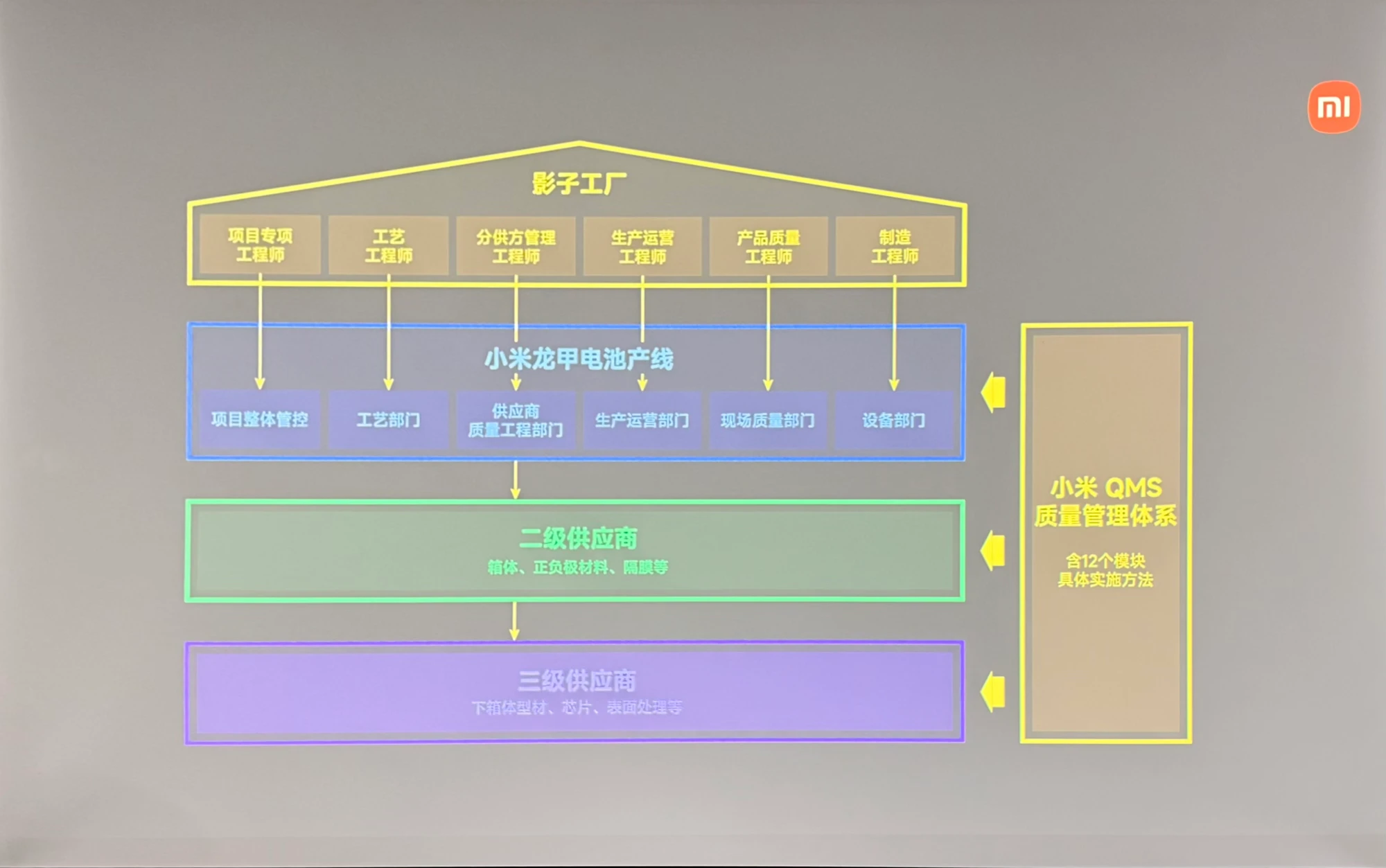
According to You Hailong, Xiaomi's SIE team interfaces directly with the production functions of its partners. Dedicated personnel are involved in managing process, equipment, quality, and production operations.
He noted that production operations personnel must ensure that on-site staffing and skill levels consistently meet the production line's long-term needs and that daily issues are addressed promptly. Process engineers liaise with the production line's process department to track manufacturing parameters, result consistency, and process maintenance. Equipment engineers focus on equipment planning, maintenance, and stable operation. Quality personnel manage process quality and non-conforming products, among other tasks.
When Xiaomi's SIE team 'monitors the production line,' they are focusing on the granular details of how the factory operates on a daily basis.
Furthermore, the management scope of Xiaomi's SIE team extends upstream into the supply chain.
Beyond the battery plant itself, there are tier-two and tier-three suppliers providing enclosures, positive and negative electrode materials, and electrolyte. To manage this, Xiaomi has assigned sub-supplier management personnel to interface with the battery plant's supplier quality department, ensuring continued oversight of these tier-two and tier-three suppliers. Overarching this is Xiaomi's Quality Management System (QMS), which comprises 12 modules covering standardized operations, personnel training, subcontractor management, and on-site equipment maintenance.
From the product design phase onward, the SIE team gets involved, collaborating with R&D, procurement, and partners on joint development, and ultimately ensuring the stable mass production of the battery pack at the plant.
After the Battery Rolls Off the Line
During the production of each Longjia battery, over 10,000 data points are generated. After the battery leaves the factory, this full dataset is archived for 15 years. Once the battery is installed in a vehicle and delivered to the consumer, the vehicle continuously monitors safety-related signals, reporting any anomalies, and the production records can be used for subsequent traceability.
Xiaomi Auto is highly confident in the Xiaomi Longjia battery.
In September this year, Xiaomi launched the "Xiaomi Longjia Battery Peace-of-Mind Protection Plan," introducing two core benefits for eligible first owners of non-commercial vehicles:
- Lifetime guarantee against battery self-ignition. If self-ignition is caused by a defect in the original battery and the vehicle reaches the condition for scrapping, a new vehicle of the same specification will be provided as compensation.
- Lifetime guarantee against fire following a collision. If a battery fire is caused by a collision involving the battery or scraping of the underbody, and the vehicle reaches the condition for scrapping, the difference between the vehicle damage insurance policy limit and the actual insurance payout will be compensated.

The capital ties between Xiaomi and Sunwoda Power are also progressing. On October 30, Sunwoda announced that Hanxing Venture Capital Co., Ltd., a wholly-owned subsidiary of Xiaomi Technology, plans to invest 1.7 billion yuan to increase the capital of Sunwoda Power. Following the capital increase, Xiaomi will hold a 5.34% equity stake in Sunwoda Power.

Clearly, automakers' deeper involvement in battery manufacturing is not the same as the narrative of "de-CATL-ization." Simply switching suppliers does not alter a basic buyer-seller relationship, nor does it grant product definition rights or automatically integrate manufacturing data with quality management. For automakers to manage batteries more profoundly, they must rely on R&D investment, a deep understanding of the production process, and the continuous ability to solve problems.
In Nanchang, Xiaomi is carrying out this work alongside Sunwoda Power through its "shadow factory." Xiaomi brings whole-vehicle requirements into the battery plant, while Sunwoda Power contributes cell technology and manufacturing expertise, with both parties working together to translate these requirements into mass production. For automakers, the significance of deep involvement in manufacturing lies in having a clearer understanding of exactly what kind of battery they are delivering, and being better equipped to take responsibility for it.