


Lynk & Co 08 Review: How Flyme Auto and Ambient Lighting Redefine Cabin Atmosphere
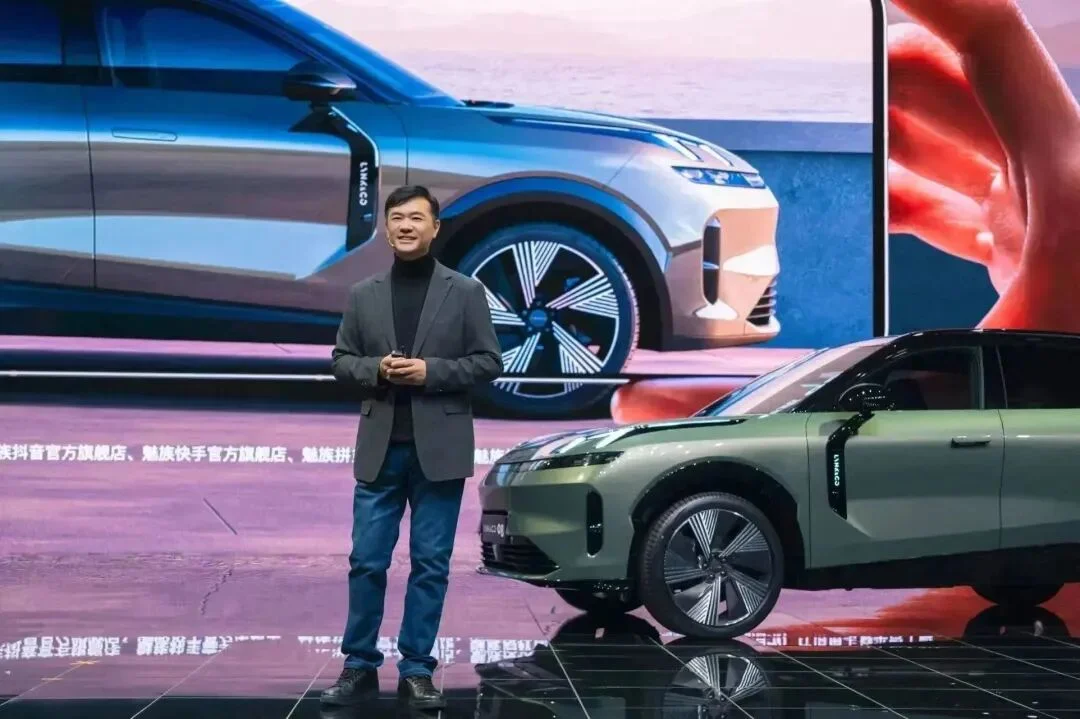
Before this launch event, I asked the tech enthusiasts in my office—many of whom were former Meizu smartphone users—a question:
"What is the most appealing aspect of Meizu?"
Without hesitation, everyone answered that it was "good-looking design and sophisticated aesthetics."
During the wild growth years of the smartphone industry, Meizu captured many young consumers with its clean and elegant Flyme interface. The phrase 'small yet beautiful' reflected how much people liked Meizu at the time; 'Meiyou' (Meizu fans) often shared a sense of camaraderie.
Back then, no one could have imagined that the 'small yet beautiful' Meizu would eventually 'pull off something big,' or that Flyme would evolve into Flyme Auto.
As Lynk & Co's first product in its comprehensive plug-in hybrid push, we found in earlier tests that the Lynk & Co 08 is a vehicle that pays meticulous attention to detail in both exterior and interior design. The long-awaited Flyme Auto is also set to make its debut on the Lynk & Co 08.
So, the question arises: What kind of sparks will this collision create for the cabin experience of the Lynk & Co 08?
01Cabin Ambiance: A New Way to Play?
"Ambiance" refers to a specific atmosphere or feeling, typically created by the combined effect of space, lighting, sound, materials, and interaction.
In a car cabin, excellent "smart features" alone are far from enough to deliver this kind of experience. The combination of Flyme Auto and the Lynk & Co 08 cabin design redefines "ambiance," pioneering the integration of interior ambient lighting, the center console screen, and audio systems.
Let’s first look at how Lynk & Co 08, in conjunction with Flyme Auto, approaches ambiance design. Taking the "Rest Mode," "Time Engine," and "Ranran Experience" modules as examples, Flyme Auto adds dynamic effects and scene transitions on top of its aesthetic foundation. This allows the infotainment system to blend seamlessly into the entire Lynk & Co 08 cabin environment, creating a deeper sense of immersion.
In the "Time Engine," as natural light changes throughout the day, the background visuals shift accordingly, and the rendered vehicle model of the Lynk & Co 08 adjusts its lighting and shadows in sync.

Under the "Ranran Engine," dynamic visual effects change in response to adjustments in the air conditioning temperature.
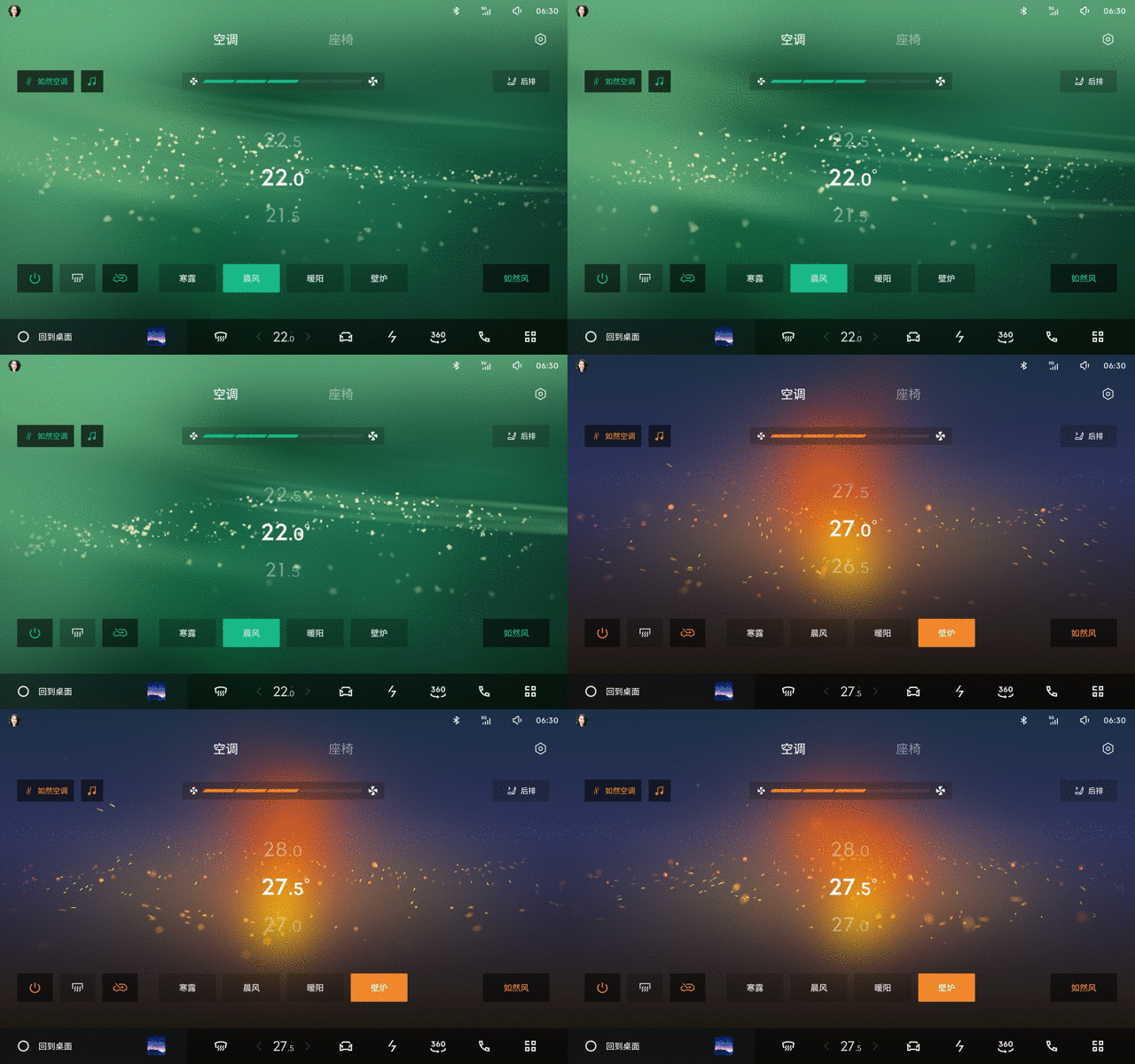
The most engaging feature is the "Rest Mode." In this mode, fireflies on the infotainment screen interact with the ambient lighting, which flickers in sync. Achieving this effect requires seamless interaction between the Lynk & Co 08, the interior ambient lighting, the audio system, and the display, representing the result of deep collaboration between the two parties.
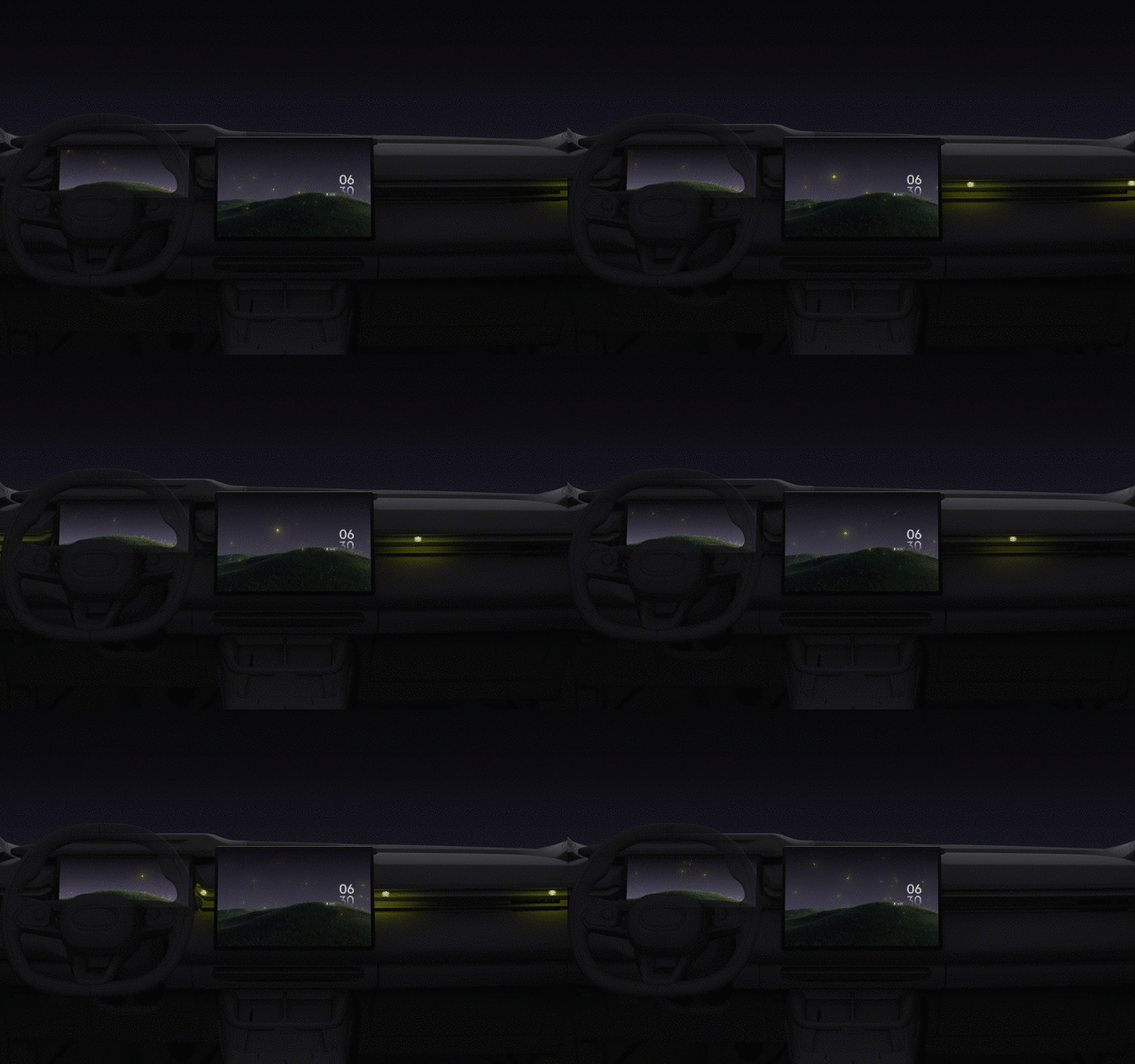
This magical sensation of breaking down the boundaries between all independent cabin components is something I searched for a long time without finding a suitable adjective. Ultimately, I found that "Alive Design" fits best.
Returning to the cabin itself, many design elements of the Lynk & Co 08 were conceived from the outset to cultivate this "atmosphere." For instance, a partnership was signed with Hamankadun early in the vehicle development phase. The system features 23 speakers with a maximum power output of 1,600 W, and its styling is fully integrated into the overall cabin ambiance. Subtle light sources are embedded beneath the covers, working in tandem with the audio to create breathing, color-changing, and rhythmic effects.
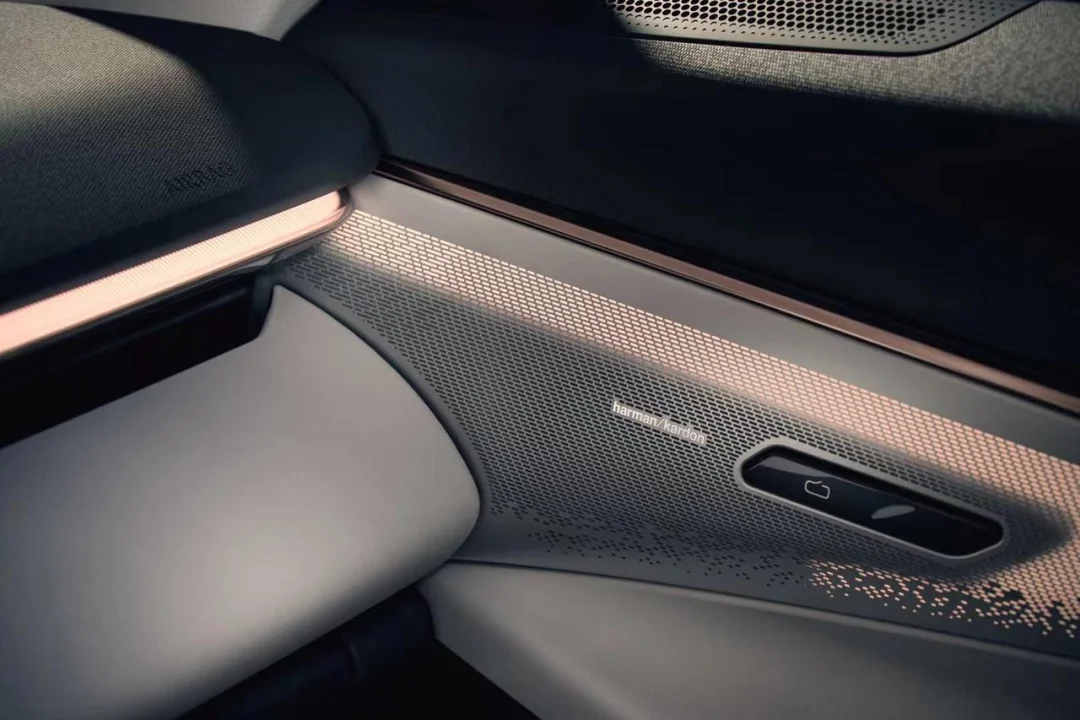
The 92-inch AR-HUD achieves a resolution of 2K and supports AR navigation and ADAS driving assistance information. Traditional HUD modules require cutting holes in the dashboard, which detracts from aesthetics. On the Lynk & Co 08, the AR-HUD and front speakers are designed as a "floating island," resembling a sci-fi-inspired artistic installation that does not disrupt the overall ambiance.
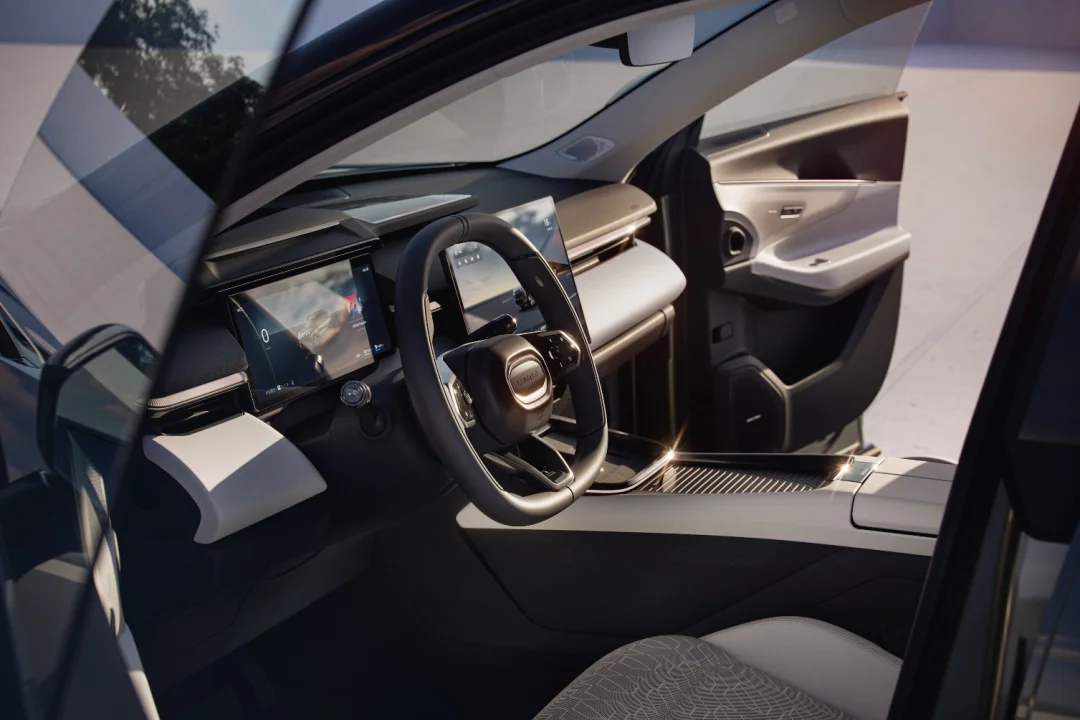
This is also the interpretation of "Boundless" presented at this launch event:
It is not merely the 'boundless' collaboration between Meizu and Lynk & Co, but rather the 'boundless' integration of individual elements within the cabin.
Renowned designer Dieter Rams once stated that good design should be simple, functional, and aesthetically pleasing, while harmoniously blending with its environment. Designers should achieve better results by simplifying designs and eliminating unnecessary elements—what he termed 'good design is environmental design.'
Therefore, if one were to summarize the interior design of the Lynk & Co 08, 'the fusion of technology and design sensibility' would be the most fitting annotation. There are no arrogant design elements shouting for attention, nor are there superfluous details that weigh down the aesthetic. Under the embellishment of space, light, sound, materials, and interaction, 'atmosphere' has become the optimal descriptor for the Lynk & Co 08 cabin.
The foundation of all this is Yikatong’s Antuola 1000 Pro computing platform. It features two Longyingyihao chips, with a combined NPU compute power of 16 TOPS and GPU compute power of up to 1,800 GFLOPS.
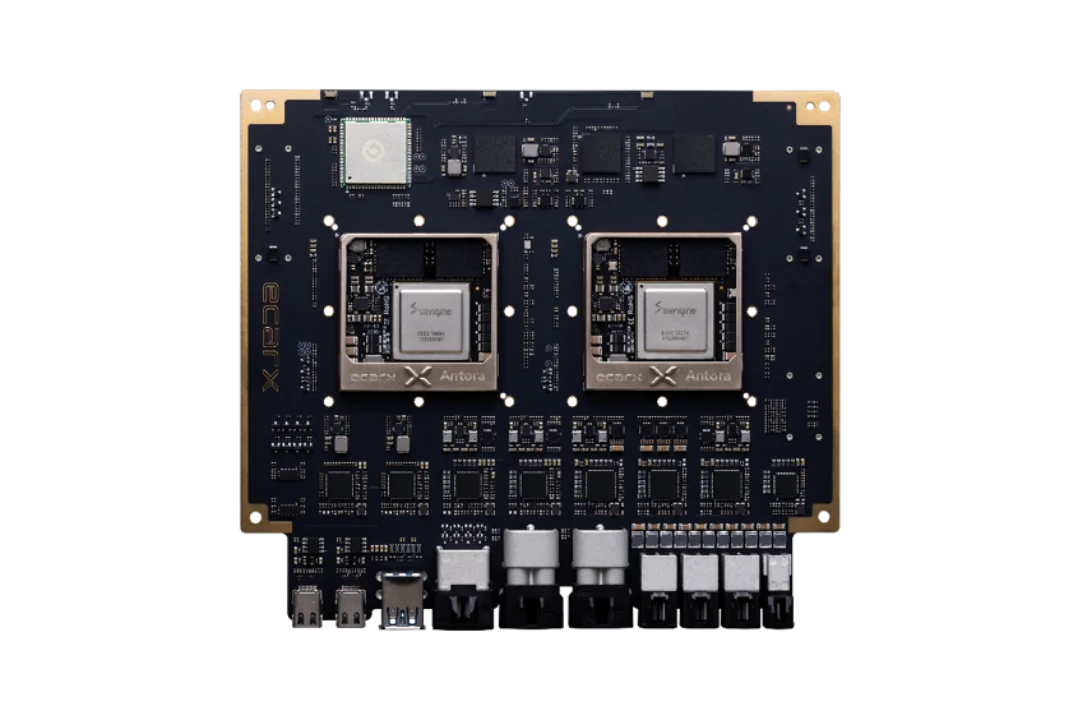
This is also why the Lynk & Co 08 dares to be so bold in dynamic effects and model rendering: with sufficient compute power, anything is possible.
02Lynk & Co 08: Is the Infotainment System Already in the First Tier?
Without a smartphone, how does the Lynk & Co 08 infotainment system perform on its own?
This is likely the question that most people care about.
After watching the launch event, I can say with confidence: leveraging Meizu’s over a decade of accumulation in the smartphone sector, the Lynk & Co 08 equipped with Flyme Auto achieves first-tier industry status in information layout, interaction logic, UI and animation design, and spatial experience.

This also reflects the confidence behind Meizu’s slogan, 'No smartphone needed, still a dimensional strike,' displayed at the launch event.
Starting from three aspects—'human-machine interaction,' 'UI/animation design,' and 'scene/atmosphere'—we explore where the 'Alive Design' philosophy of the Lynk & Co 08 equipped with Flyme Auto ultimately points in cabin design.
Human-Machine Interaction: A Highly Customizable Space
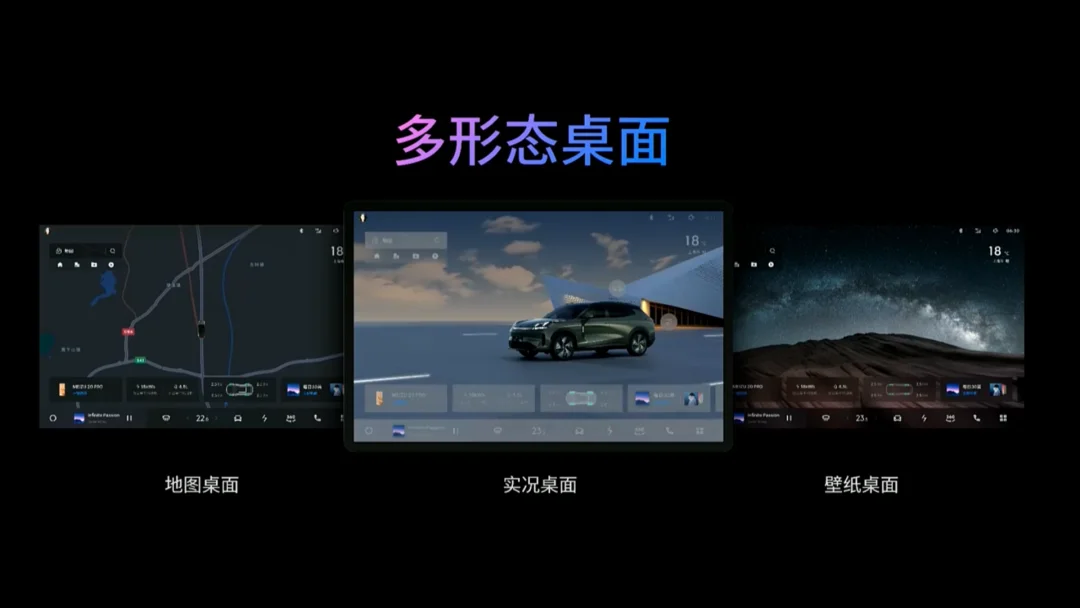
The main interface of the Lynk & Co 08 infotainment system supports switching between three display modes: Wallpaper, Garage, and Map. For aesthetics, you can use the Wallpaper mode; for a high-tech feel, choose the Garage mode with its extremely detailed rendering; for route information, select the Map mode. Compared to the monotonous design of cramming a map onto the main interface, this offers significantly more space and options for personalized customization.
The main interface’s cards, Dock bar, and Smart Bar all support a high degree of customization. Starting with the cards, you can choose to arrange information such as energy consumption, tire pressure, music, and seat settings into the four positions above the Dock bar according to your usage habits.
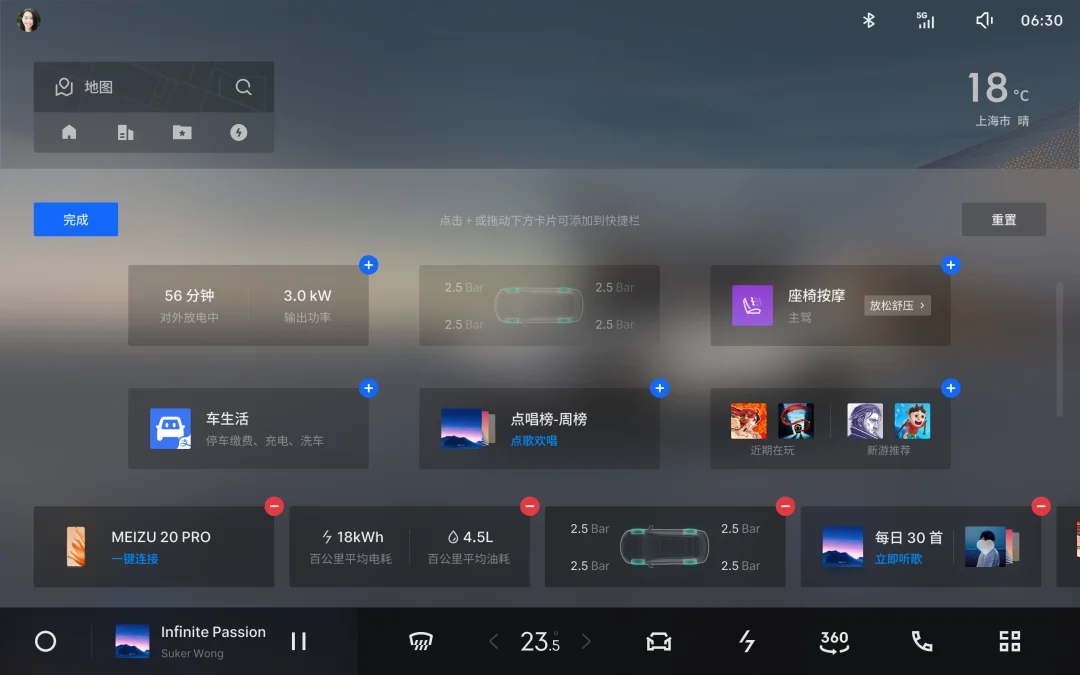
You can even customize the Dock bar in the Lynk & Co 08. Based on your usage habits, you can arrange high-frequency function entries from left to right. Meizu clearly understands the importance of 'personalization' in cabin design; through these customizable combinations of functions, everyone can find a layout logic that suits them best.
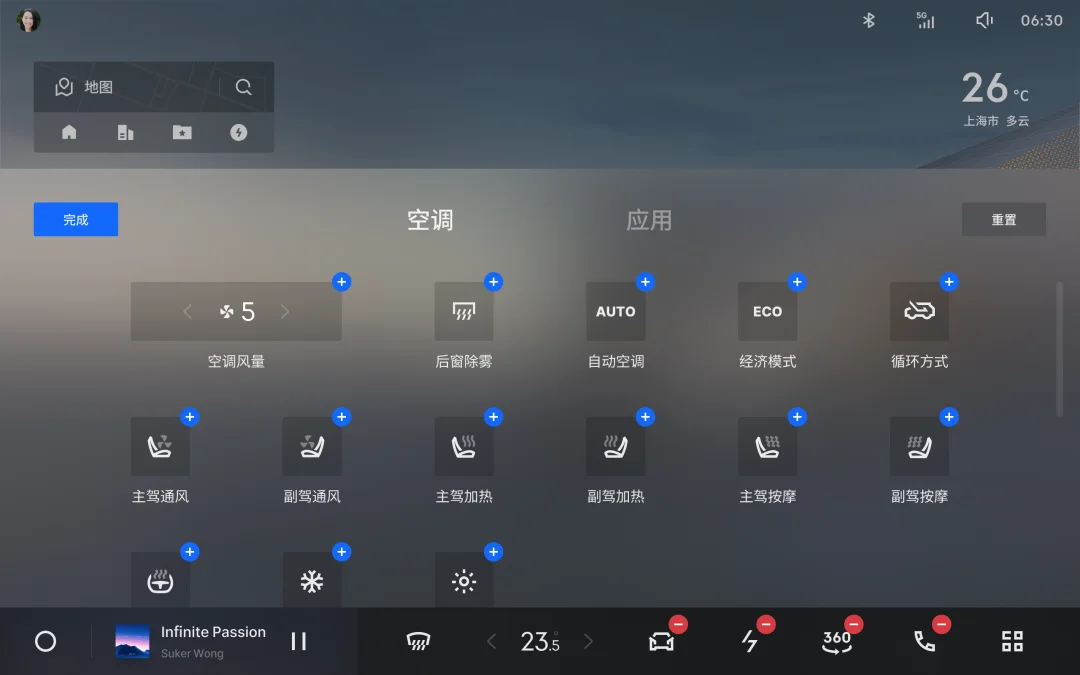
The Smart Bar is also an innovation by Lynk & Co 08 in its infotainment system. Within the relatively fixed Dock bar, the Smart Bar acts like the Dynamic Island on the iPhone 14 Pro, allowing light switching between charging, navigation, music, and other information, providing a window for displaying and interacting with background information in the foreground.
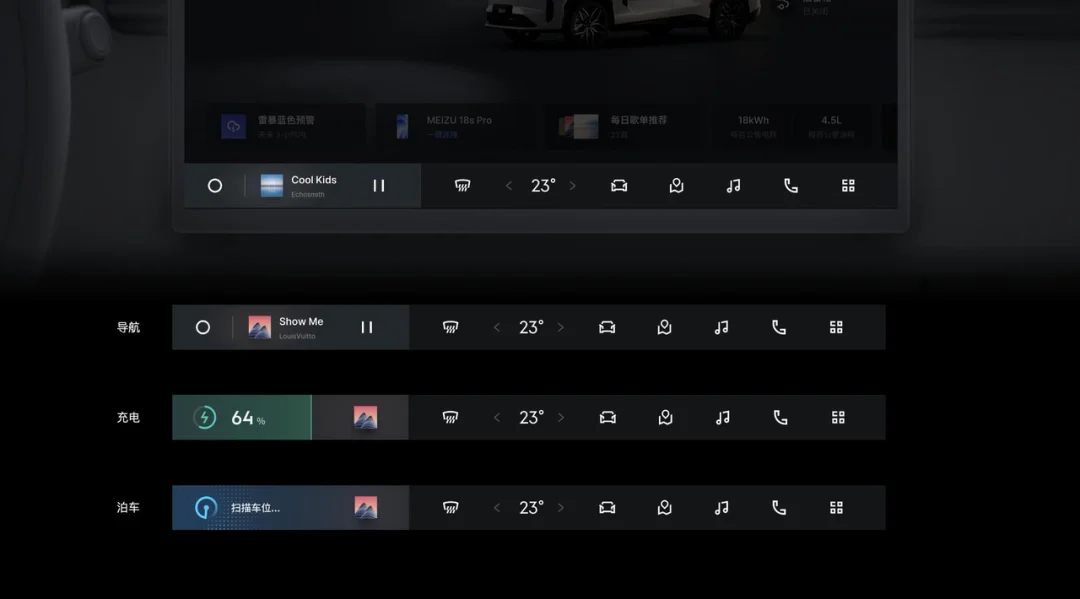
Lynk & Co 08’s interaction also adheres to the principle of 'flatness'. Looking at the 'Settings' menu, opening it leads directly to the functional operation interface in one step. Vehicle controls, lighting, driving, and driver assistance information are arranged in descending order of priority.
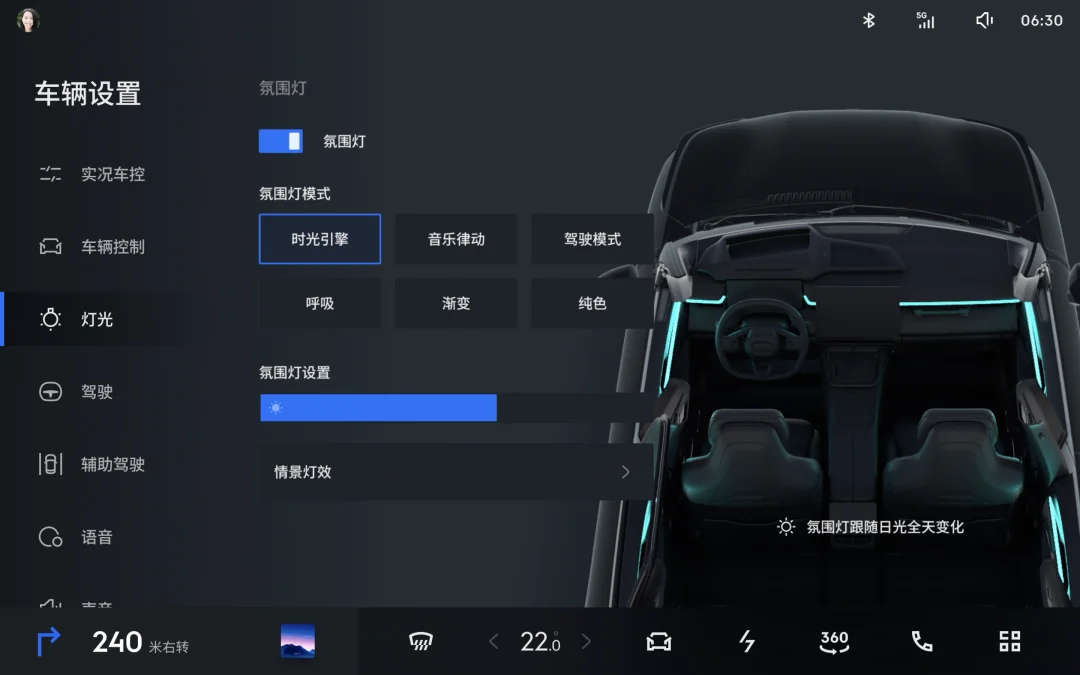
However, whether the functional zoning in each area is reasonable and whether high-frequency features are aggregated in 'Live Car Control' will be key focus areas for future user experience.
Finally, the Lynk & Co 08 equipped with Flyme Auto maintains interaction logic consistent with smartphones: swiping left returns to the previous screen, pulling down enters the negative-first screen, and pinching returns to the home screen. This significantly reduces the adaptation cost when moving from smartphones and tablets to the vehicle's infotainment system.
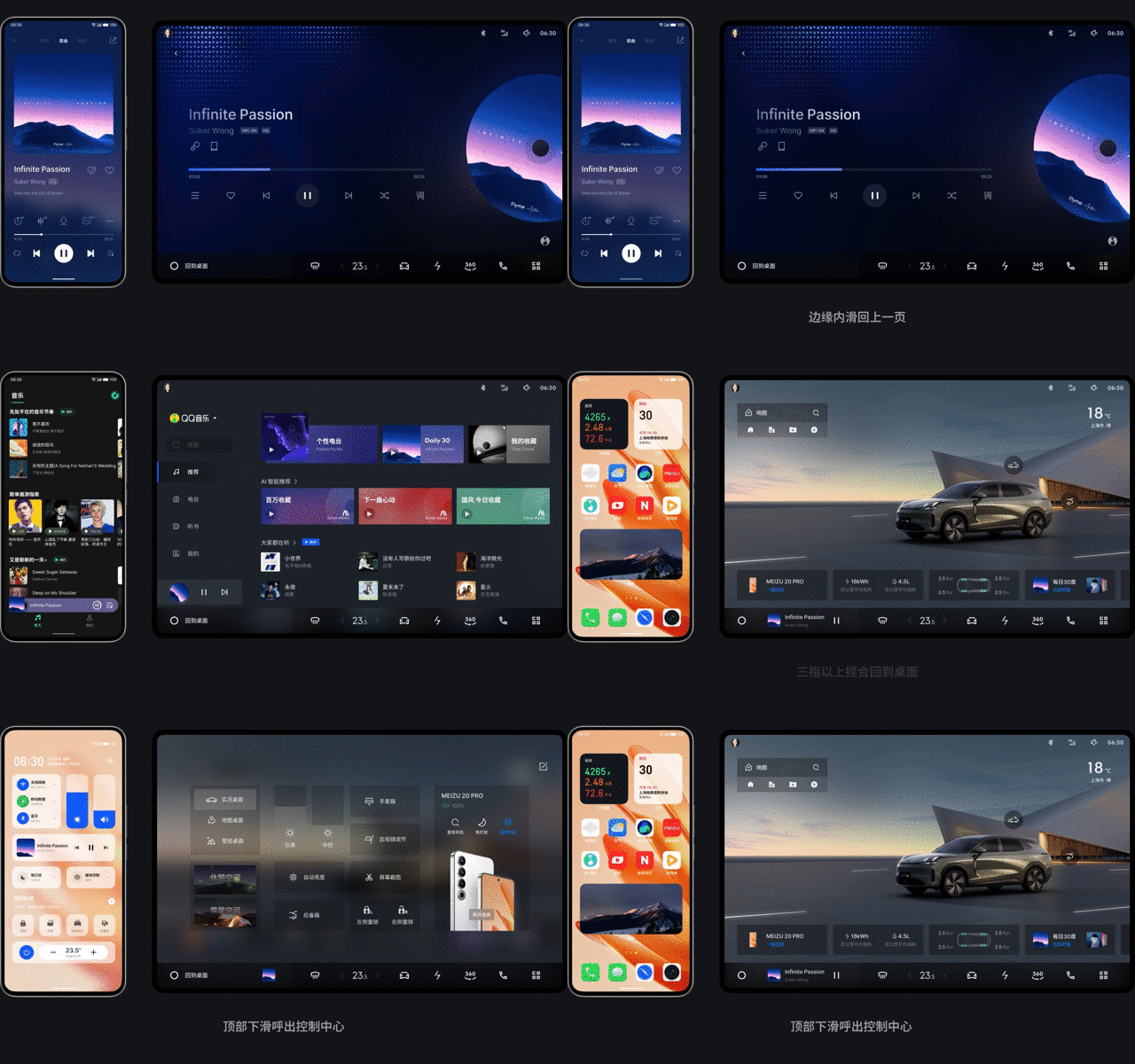
The accumulation of experience by smartphone manufacturers in interaction logic has indeed created a 'dimensional reduction' advantage when applied to vehicles.
UI and Animations: Agile and Silky
The UI details, color scheme, and backgrounds of Flyme Auto on the Lynk & Co 08 are customized, making every detail we see appear agile, concise, and design-forward.
More impressively, Meizu, known as a 'detail-oriented' brand, designed 'micro-animations' for the Lynk & Co 08's UI. Menu icons for volume, vehicle settings, etc., provide feedback to the operator through subtle changes.
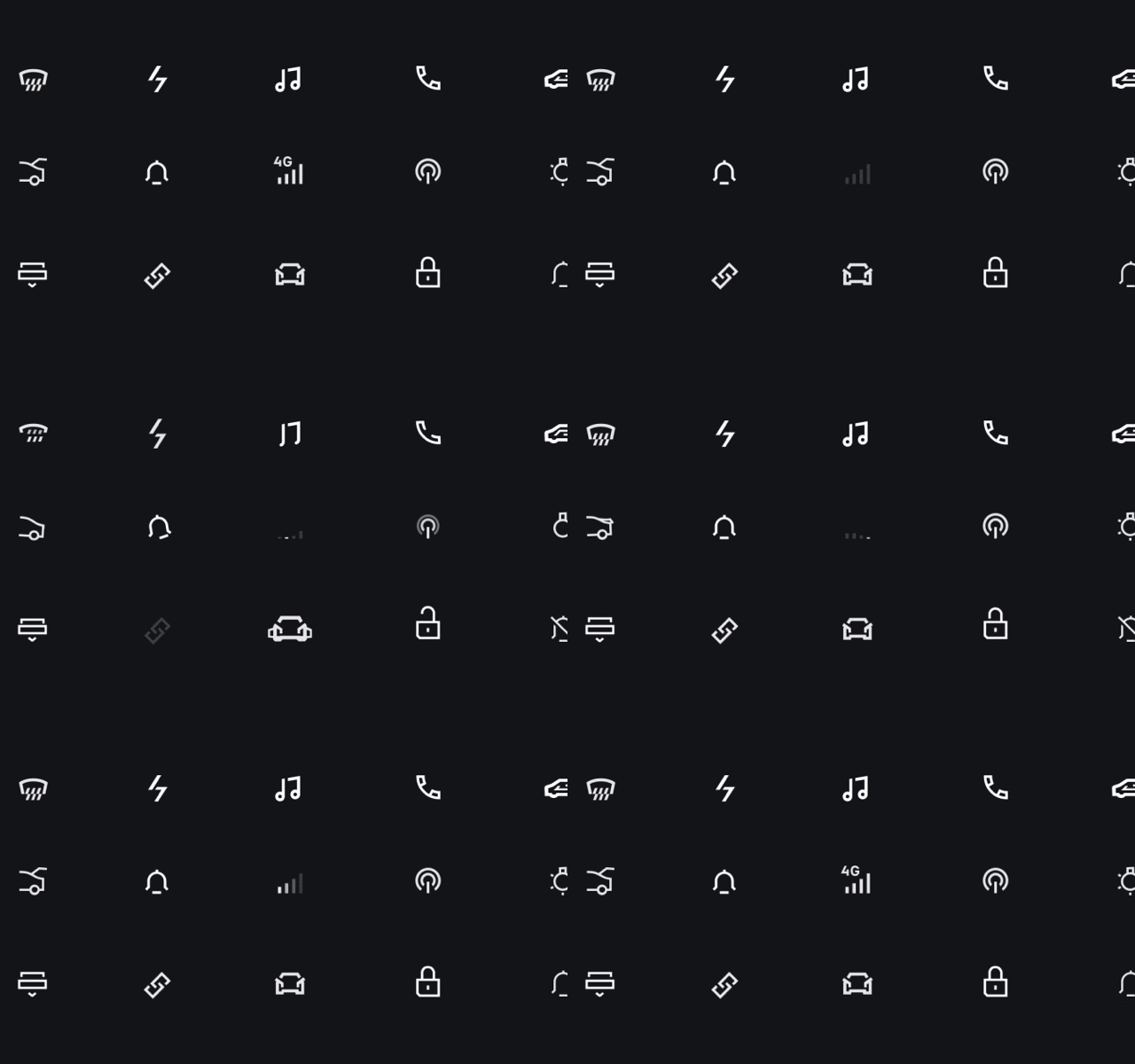
From a small icon to the weather and detailed car models rendered in the background, to the consistent style of icons across menu levels and font design. Now, do you understand the true meaning of 'Alive Design'?
The transition animations on the Lynk & Co 08 equipped with Flyme Auto are nothing short of exceptional.
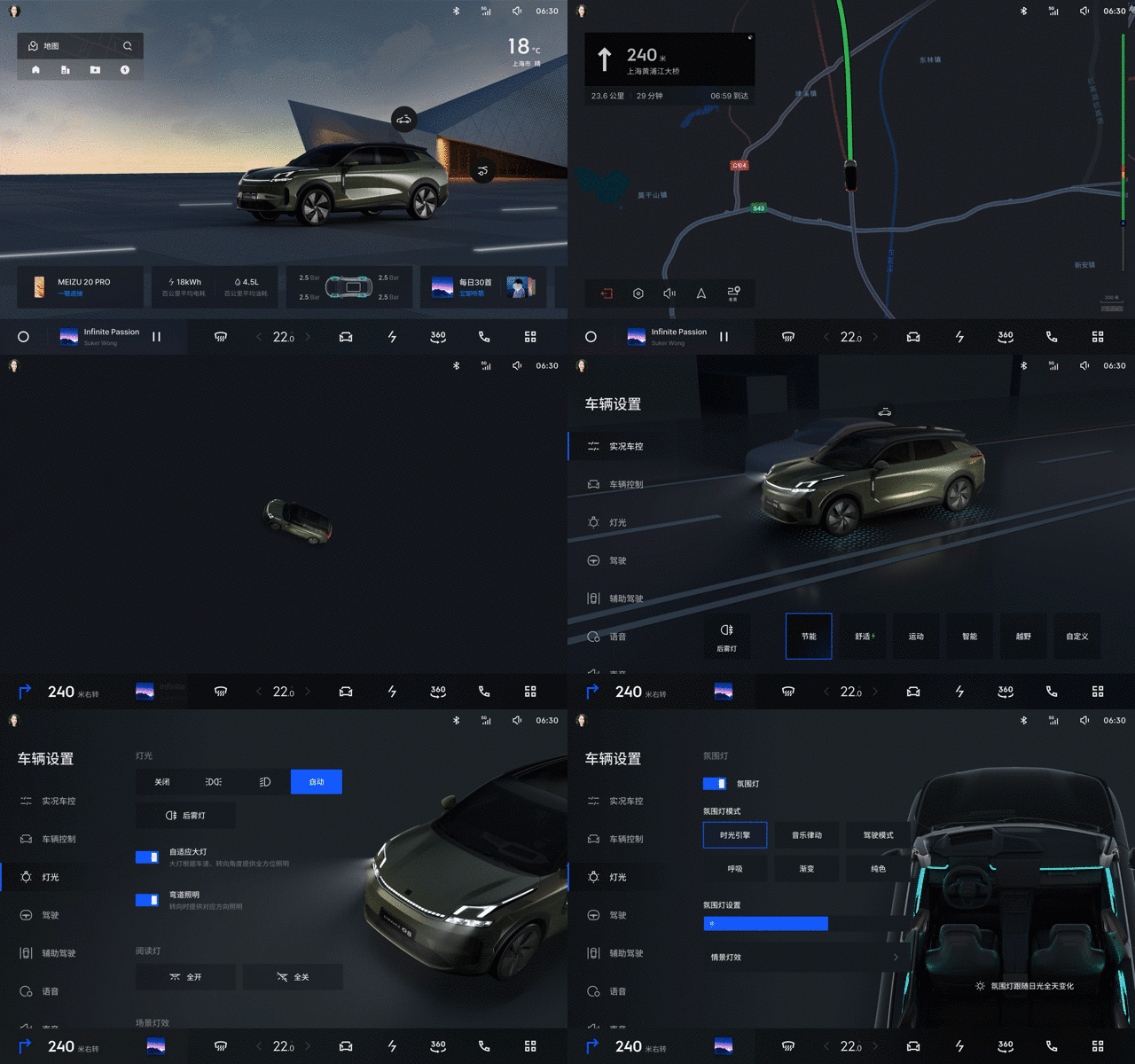
Before this, I had never seen such smooth and fluid transition animations in any vehicle: from the Lynk & Co 08 main interface’s car model to the navigation screen; from navigation to settings; switching between different levels within the settings menu. Through depth-based parallax and changes in the car model’s size during rendering, it creates a satisfying 'one-take' cinematic feel.
03What is the 'Phone Domain'?
At the launch event, Shen Ziyu introduced the concept of the 'Phone Domain'.
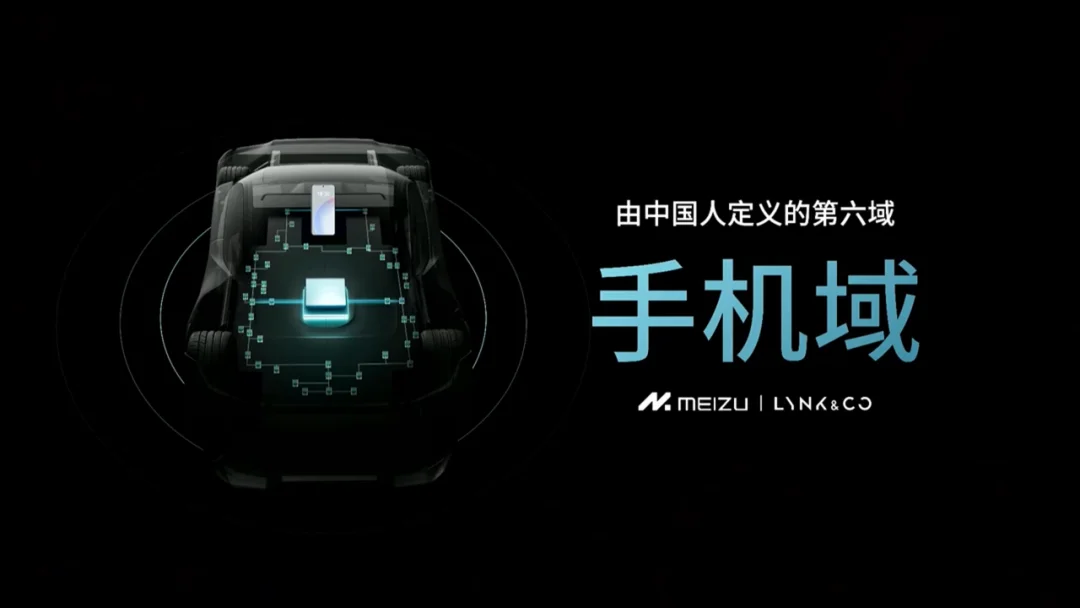
The traditional five domains include the powertrain domain, chassis domain, cockpit domain, autonomous driving domain, and body domain. Each represents an electronic/electrical architecture that controls a major functional module of the vehicle. So, what can the so-called 'Phone Domain' achieve?
Answer: Before connecting to the vehicle, the phone pre-processes application computation and rendering, then directly maps it to the car’s infotainment system.
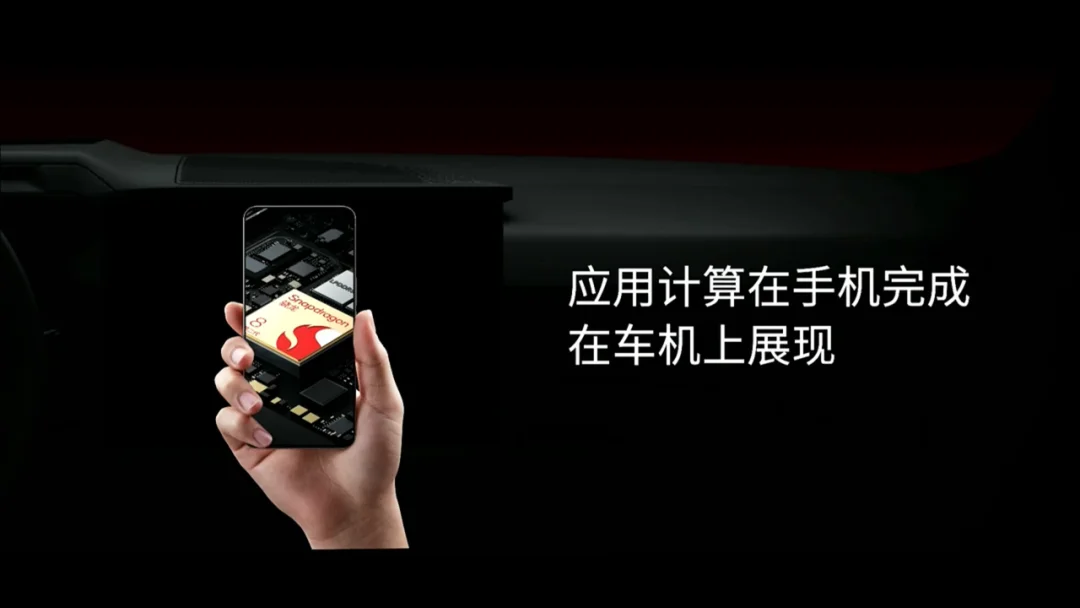
Most consumers replace their phones more frequently and with greater convenience than they upgrade their in-vehicle chips, which alleviates anxiety about their cars having "outdated hardware." Through ecosystem expansion via smartphones, tens of millions of mobile apps can be brought into the car directly, eliminating the need for cumbersome custom development and optimization on the infotainment side.
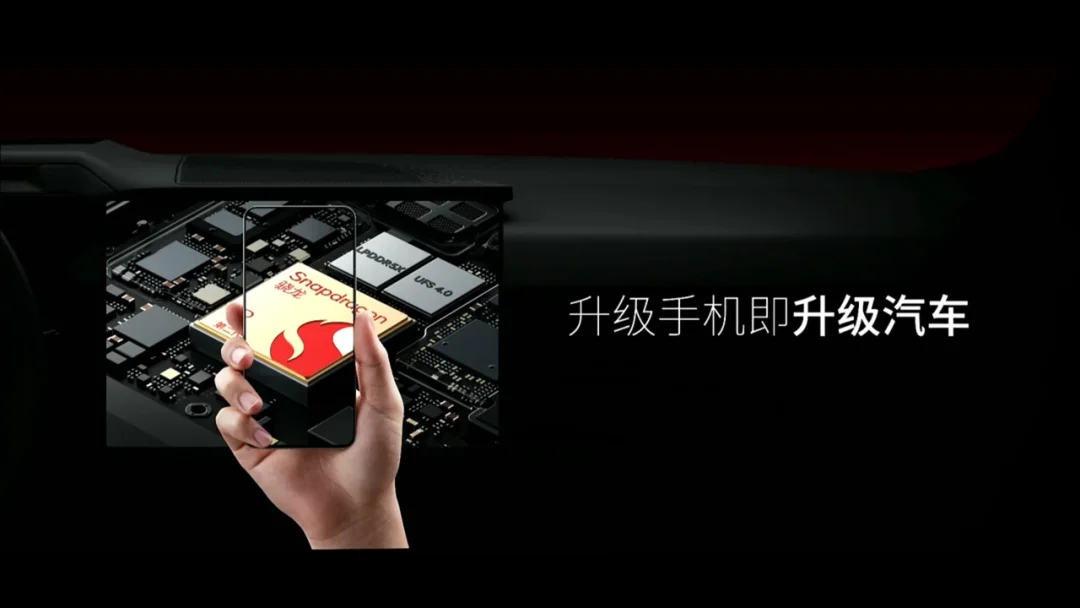
Another key dimension of this "boundless" expansion is "seamlessness"—how to achieve a seamless connection between the smartphone and the car’s infotainment system?
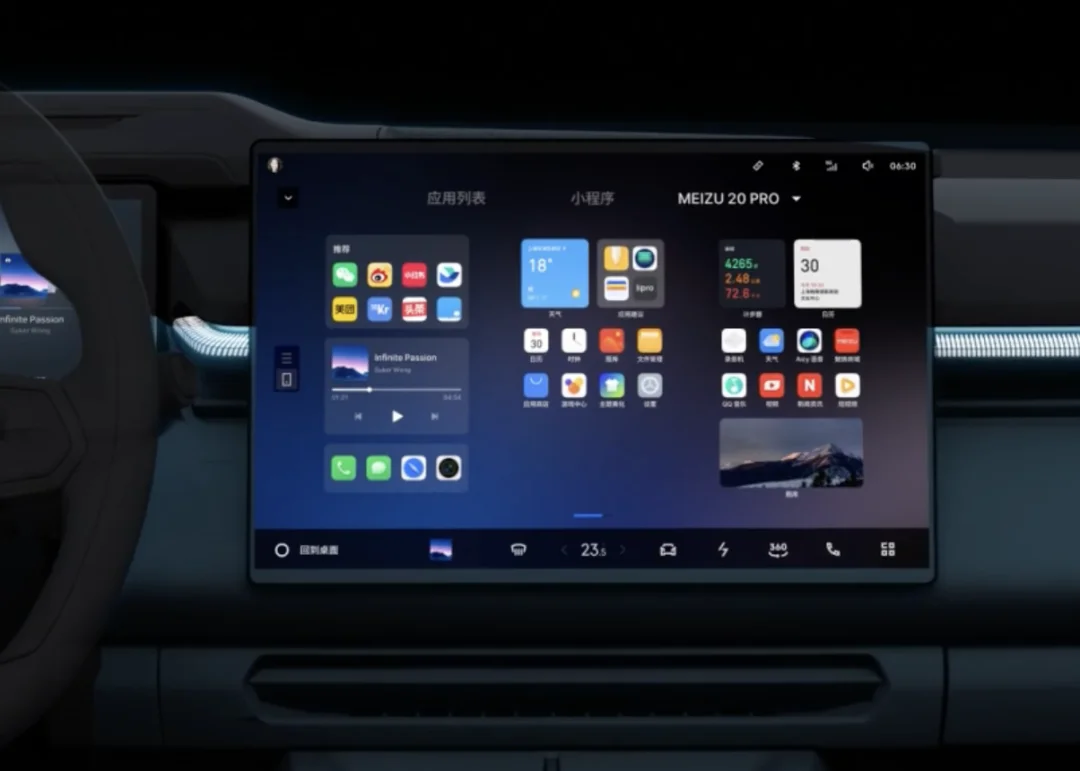
We use the collaboration between the Meizu 20 Pro and the Lynk & Co 08 as an example. From the moment you enter the vehicle, the Lynk & Co 08 achieves a "seamless connection" with your phone, removing the steps of searching, clicking, and waiting. What is particularly impressive is that, by linking with the ambient lighting, the Lynk & Co 08 adds highly ceremonial animations to the connection process.

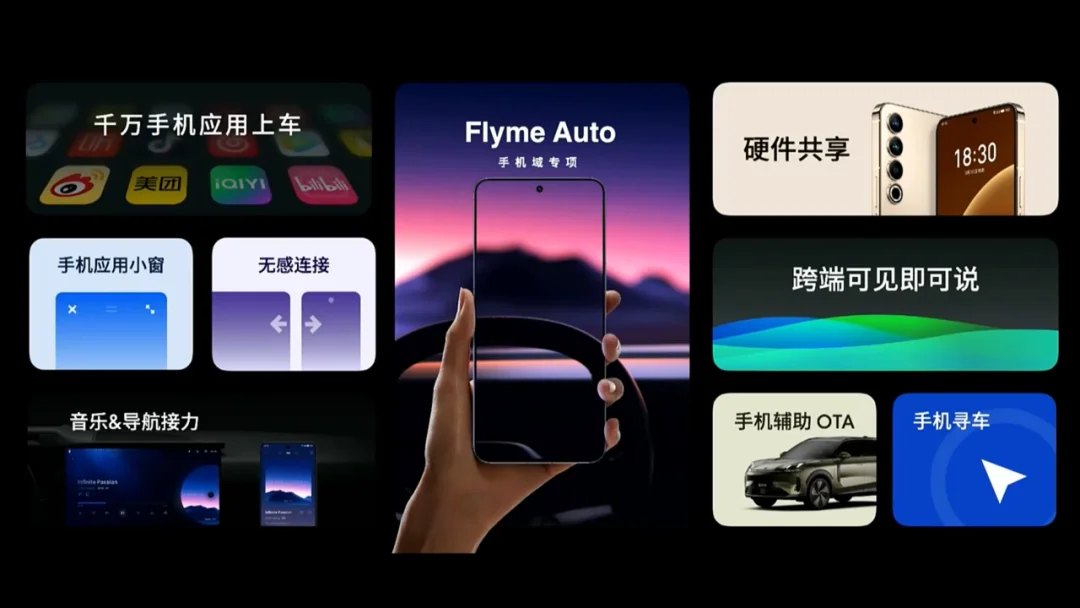
After considering how smartphones can better support the in-car ecosystem, the Lynk & Co 08 equipped with Flyme Auto offers its answer: 'Small Window Display,' 'Cross-Device Voice Control for Visible Items,' 'App Continuity,' and 'Hardware Sharing.'
Under 'Small Window Display,' smartphone apps transition to the Lynk & Co 08's infotainment interface. To avoid obstructing the display and reading of core vehicle information, these transitioning apps appear as independent floating windows on the left side.
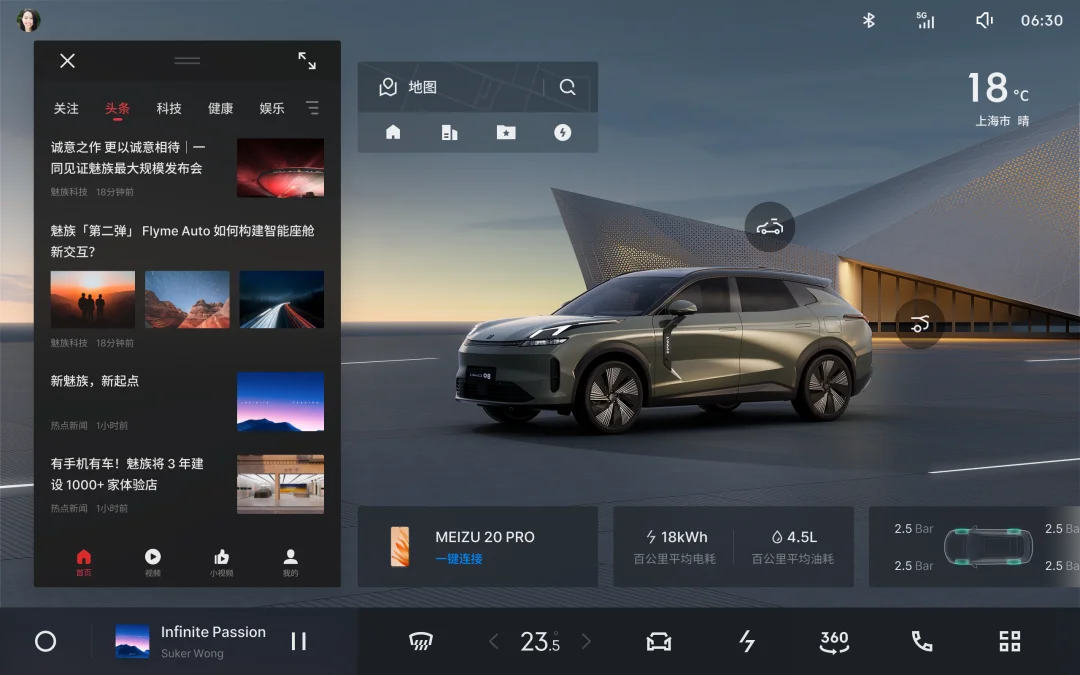
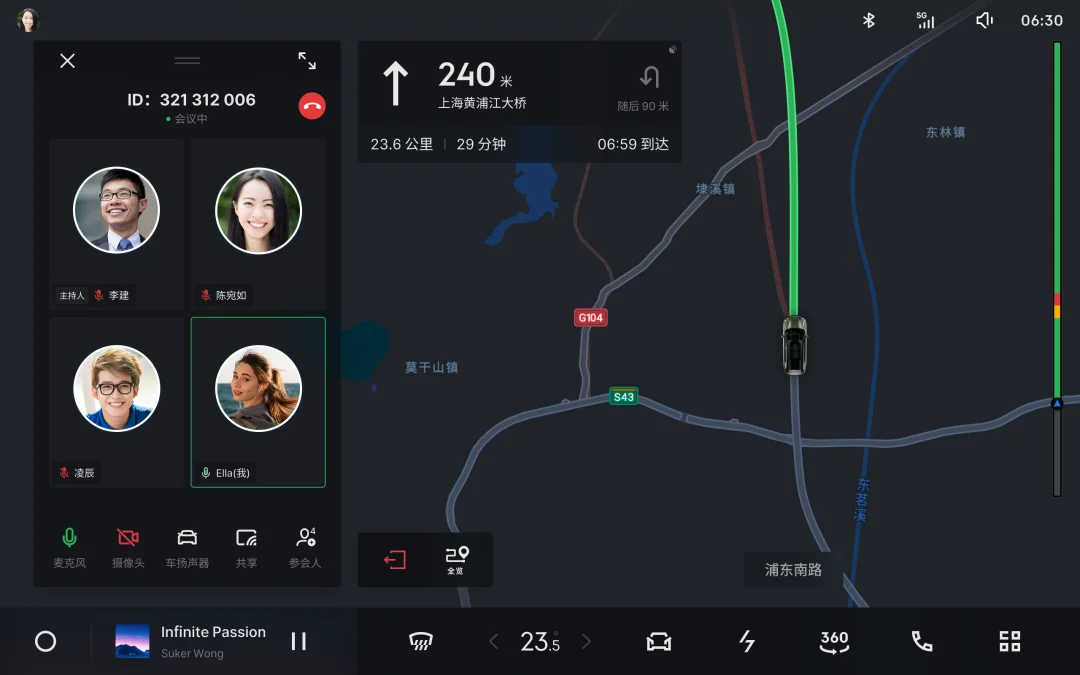
The voice assistant Aicy is not limited to supporting only infotainment applications. Under the 'Cross-Device Voice Control for Visible Items' feature, small windows streamed from a smartphone can also be controlled via voice commands on the Lynk & Co 08. Whether it is the native ecosystem of the Lynk & Co 08 infotainment system equipped with Flyme Auto, or the extended mobile ecosystem, the voice experience maintains strong consistency, avoiding any sense of discontinuity.
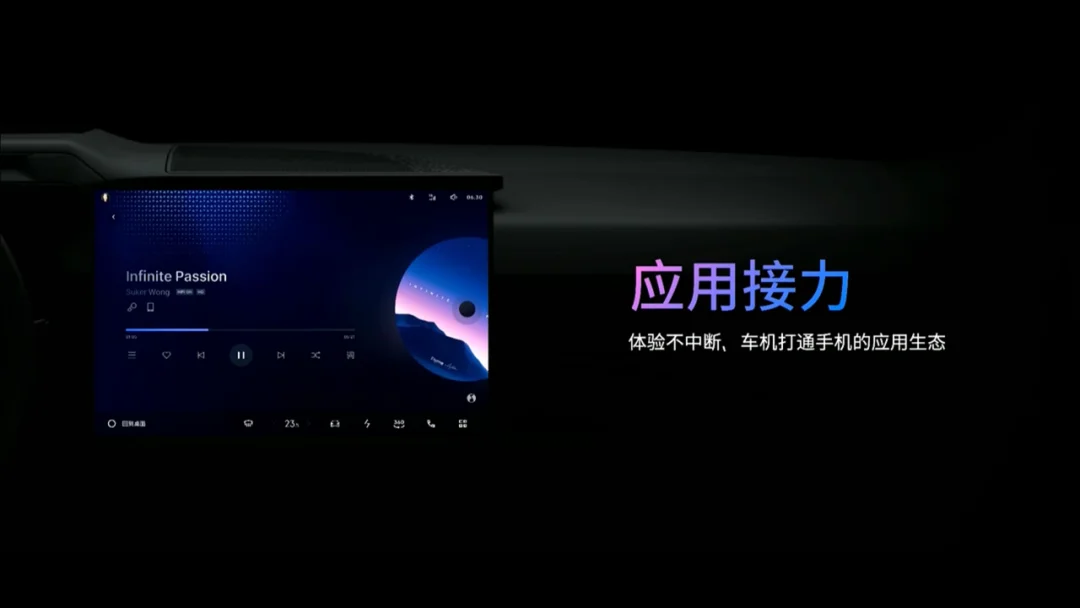
With 'App Continuity,' music playback and navigation details from a smartphone automatically transfer to the car system upon entry. The progress of currently playing music or active navigation transitions imperceptibly from phone to car. 'Boundless' and 'Seamless' remain the core principles behind integrating smartphone and vehicle ecosystems.
What makes Lynk & Co 08’s collaboration with Meizu truly exceptional is that it goes beyond merely breaking down software boundaries between the phone and the car; it achieves hardware sharing with the vehicle’s infotainment system. During the launch event, we saw three scenarios demonstrated: using the phone to call up a floating-window conference view via the vehicle cabin camera, using the phone as a game controller for games running on the car’s screen, and using the phone directly as a microphone for karaoke. We look forward to experiencing these features on the Lynk & Co 08 soon.
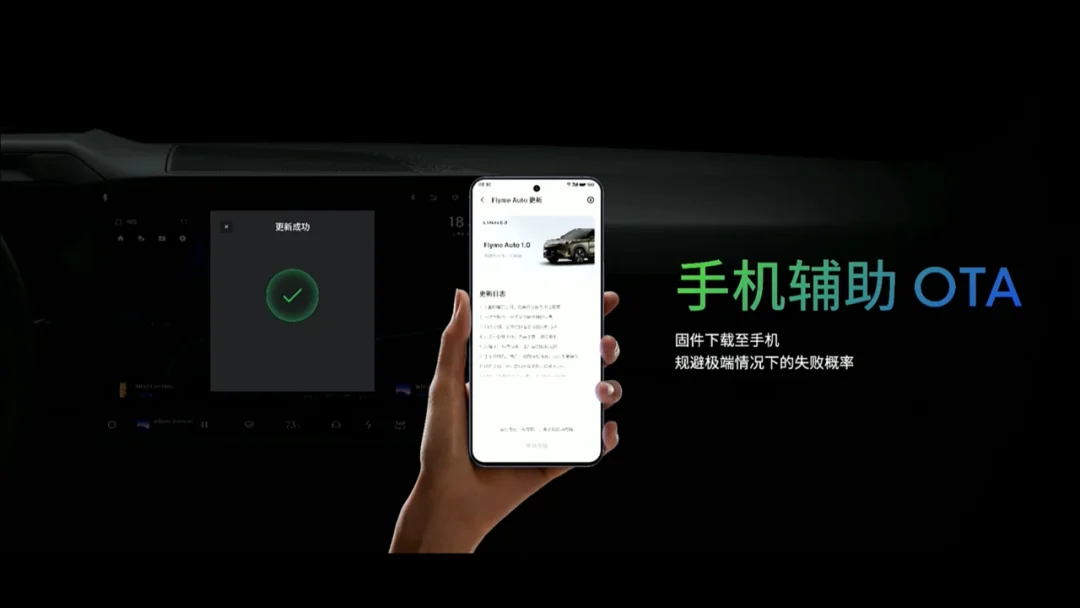
The UWB digital key powered by CCC 3.0 also made its debut on the Lynk & Co 08. Additionally, Flyme Auto firmware updates can be downloaded to the phone, creating a dual-redundancy system with the device to prevent update failures in extreme situations.
The observable result of bridging the gap between the infotainment system and the smartphone is that the upper limits of Lynk & Co 08’s cabin intelligence and convenience have increased by an order of magnitude. From the moment you approach the car to when you leave, the user experience is no longer fragmented, and there is no distinct boundary between life scenarios and in-car scenarios.
On smart cars where the phone and infotainment system are not integrated, I have become accustomed to these inconveniences: switching from a music app on my phone to one on the car’s screen upon entering, having navigation re-search on the car’s display after starting from my phone, and waiting for OTA updates to push dedicated in-vehicle apps out bit by bit.
A line appeared on the screen at the launch event: "Automakers without mobile software empowerment will gradually fall behind."
However, I would also add: "Without excellent cabin design by automakers, relying solely on mobile software empowerment is futile."
From the collaboration between Lynk & Co 08 and Flyme Auto, it is clear that both parties leverage their respective strengths in a mutually indispensable manner. This synergy spans from deep cooperation on UI, color, and theme design to the integration of Lynk & Co 08’s ambient lighting and audio systems with Flyme Auto’s functionalities.
Finally, I carefully observed a detail: inside the Meizuwuhanchuhehanjieqijiandian, which opened on April 2, a display vehicle was prominently placed.
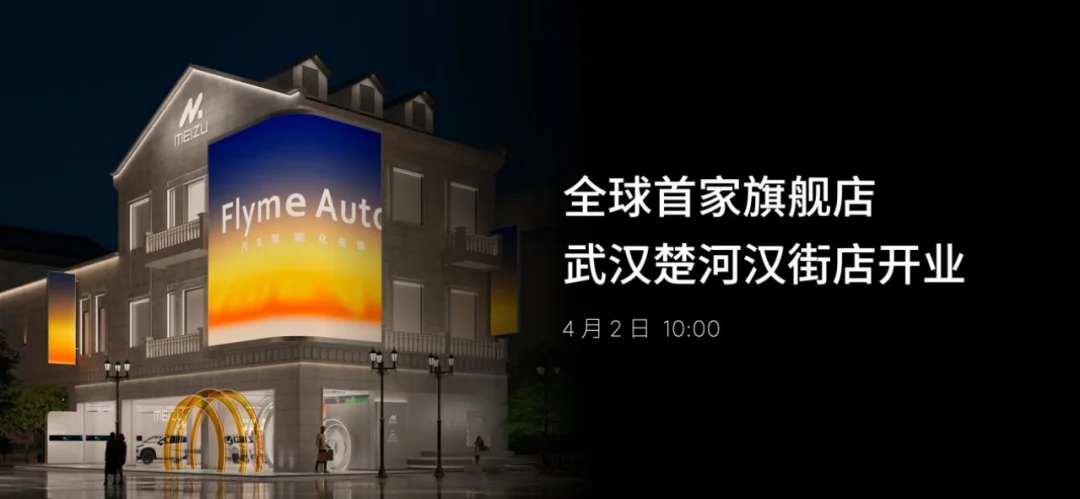
Meizu also announced that the Meizu 20 Xilie would jointly launch its first sales alongside 'Lynk & Co Selected.' This hints at a high probability of further channel cooperation between Lynk & Co and Meizu in the future, such as Lynk & Co entering Meizu stores and Meizu entering Lynk & Co stores.
04Geely's Ecosystem
In recent years, Geely has been strategically expanding its influence across various industries through alliances and investments. At this press conference, I was surprised more than once to see how these previously obscure investments and partnerships have blossomed into tangible forms.
For instance, Meizu partnered with Shikongdaoyu, a commercial satellite company under Geely, to custom-develop the Tianwen S1 satellite communication chip. In the future, this will not only enable users to send and receive custom long text messages but also support voice transmission.
For example, the Lynk & Co 08’s infotainment system uses the Antuola 1000 Pro computing platform and the Longyingyihao chip from Yikatong. Eric (Li Shufu) is also a co-founder of Yikatong.
The Flyme Auto system, which pleasantly surprised us, is a prime example of this strategic alliance—Meizu and Lynk & Co leveraged each other’s strengths, achieving significant advancements in their respective domains.
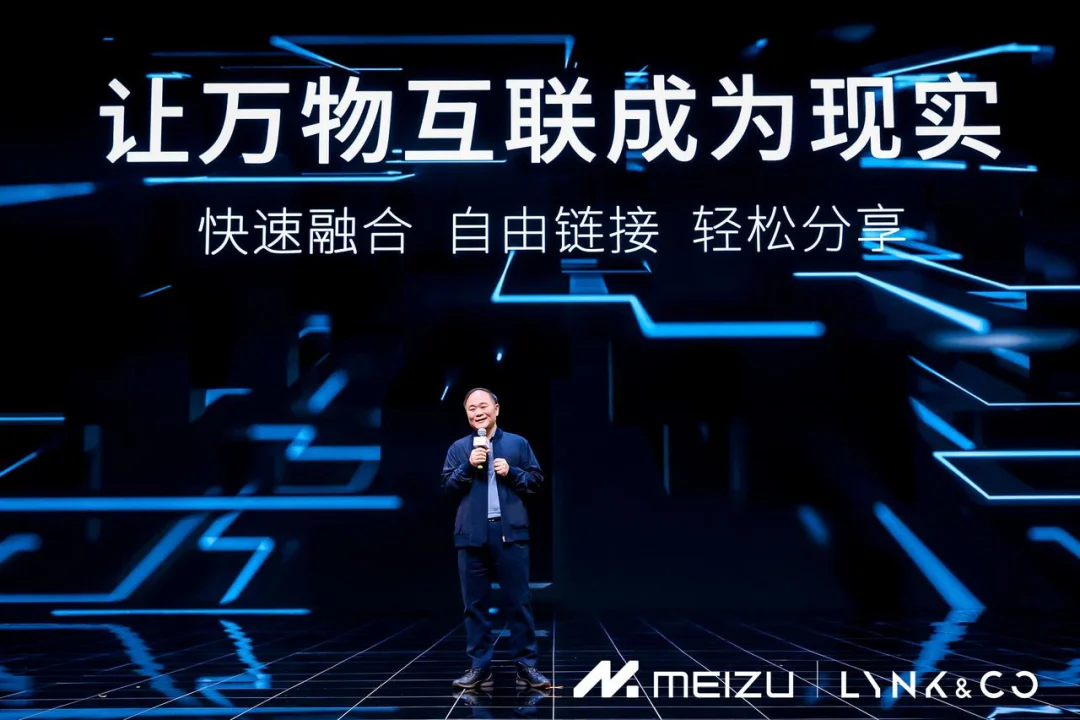
Five years ago, Li Shufu stated, 'The car of the future will be an intelligent mobile space terminal, not merely a simple means of transportation.' Consequently, Geely’s layout over recent years reveals a clear logic behind its vast ecosystem, which spans automakers, mobility service providers, chip manufacturers, autonomous driving firms, smartphone companies, and commercial aerospace enterprises.
The collaboration between Meizu and Lynk & Co serves as a model and benchmark, demonstrating that the branches of Geely’s ecosystem have quietly interconnected.
Written by: Ming Ming Edited by: Ming Ming