


NIO: System Competitiveness Is the Ticket to Enter the Auto Industry in 2022
On December 5, NIO held a briefing on flexible battery upgrades, during which Dr. Shen Fei announced the official launch of "monthly flexible upgrades."
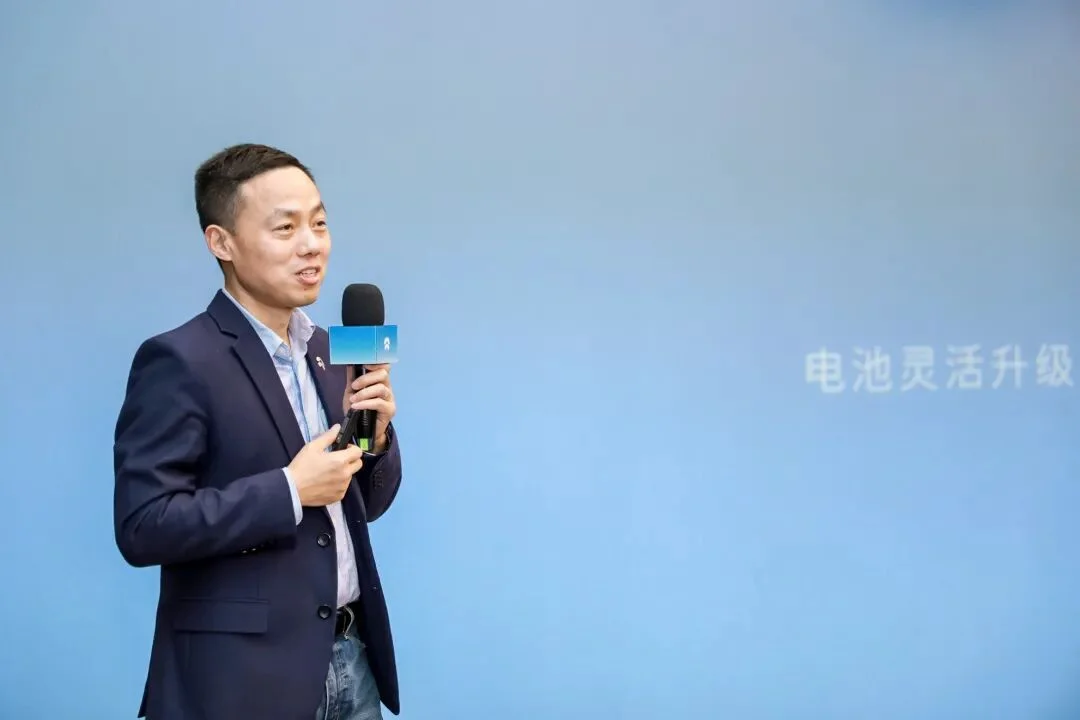
The attendees at this seemingly ordinary briefing, branded as a flexible battery upgrade event, rose to the level of Shen Fei, NIO’s Vice President in charge of energy, and Qin Lihong, NIO’s co-founder and president.
With the full rollout of "monthly flexible battery upgrades," Shen Fei and Qin Lihong laid bare NIO Power and NIO’s underlying strategic logic at the briefing. This logic has guided NIO’s development over the past seven years and laid the foundation for its current achievements.
This was the main theme of the briefing: NIO’s systemic competitiveness.
In 2021, the new energy vehicle market was booming. Driven by a survival instinct, the top three new automakers with rising sales became subjects of study for more and more people, while traditional automakers whose sales were slowly declining also attracted attention.
Everyone wanted to know what the former did right and what the latter did wrong.
But unfortunately, each brand has a very strong personality. We’ve seen XPENG’s exceptional intelligent technology capabilities, NIO’s excellent service experience, and Lixiang’s powerful product definition skills. But can a brand become popular by doing just these things well?
The answer is no. Focusing too heavily on what each brand did right often blinds us to the power of their underlying systems. It leads to copying the form without capturing the spirit.
Since we can’t fully decode it ourselves, why not let NIO explain how they do it?
It’s nearly impossible to cover all this in a single article, but I’ll try to share my understanding. Let’s start with “flexible battery upgrades by month.”
01Battery Swapping vs. NIO Power
First, let’s review the timeline for flexible battery upgrades.
In November 2020, NIO launched its 100 kWh battery pack. At the same time, NIO introduced a permanent battery upgrade service. This allowed owners of vehicles originally equipped with 70 kWh batteries to pay for an upgrade to the 100 kWh pack.
Non-BaaS users pay a one-time fee of RMB 58,000;
BaaS users see their monthly rental fees increase by RMB 500.
In April 2021, NIO launched an annual flexible upgrade service for RMB 7,980 per year. This allows owners to choose larger batteries on an annual basis according to their needs.
Clearly, the one-year rental period in this policy is still too long. Owners with strong demand can simply opt for a permanent upgrade, while those with short-term needs upgrading for a full year may find it not cost-effective.
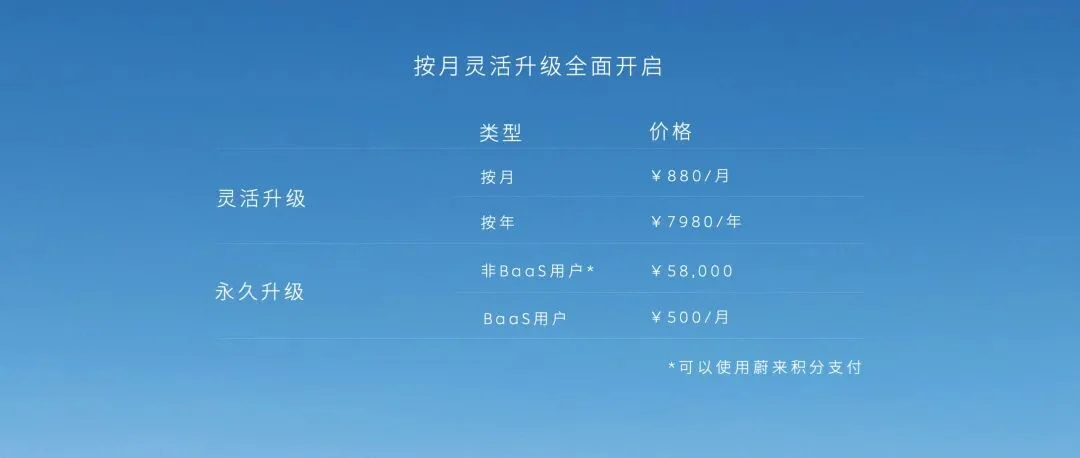
In July 2021, some regions began offering "monthly" flexible battery upgrades at RMB 880 per month. For example, if an owner travels frequently in a given month, they can upgrade to a 100 kWh large battery for that single month to reduce range anxiety and the inconvenience of frequent long-distance trips.
However, shorter timeframes place greater demands on NIO's battery allocation capabilities. Therefore, in July, NIO only rolled out this policy in remote areas as a trial run.
In December 2021, the monthly flexible upgrade was fully launched.
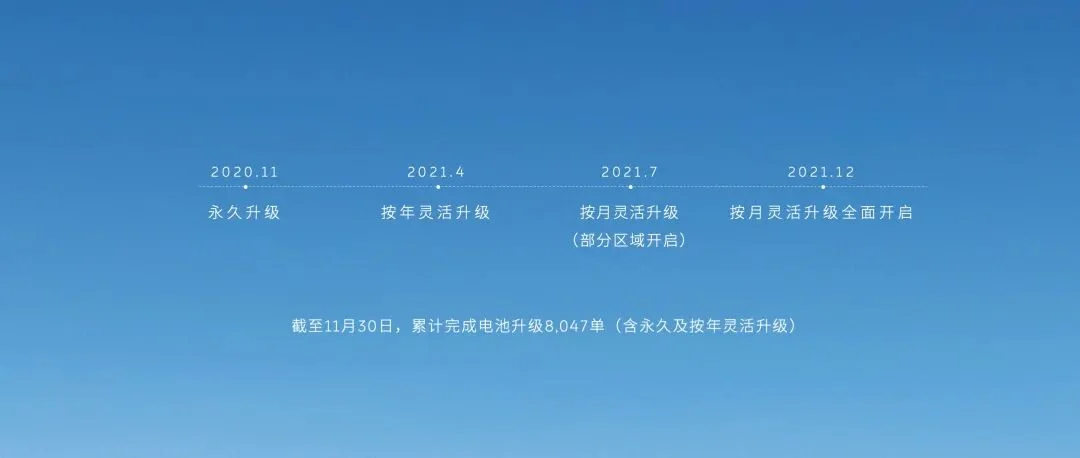
From April 2020 to November 2021, up to the release of the battery upgrade policy, a total of 8,047 battery upgrades have been completed.
Behind this policy, which seems to require only 'battery swapping' capability, NIO demonstrates two key capabilities.
Strong Infrastructure Capability
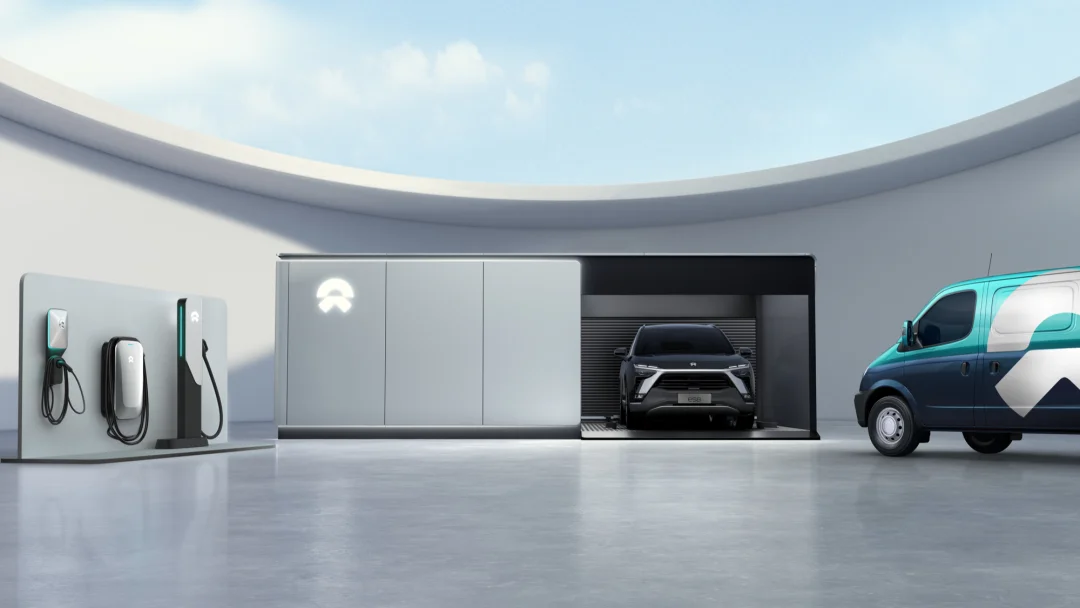
As of December 9, 2021, NIO's self-built battery swap stations reached 699.
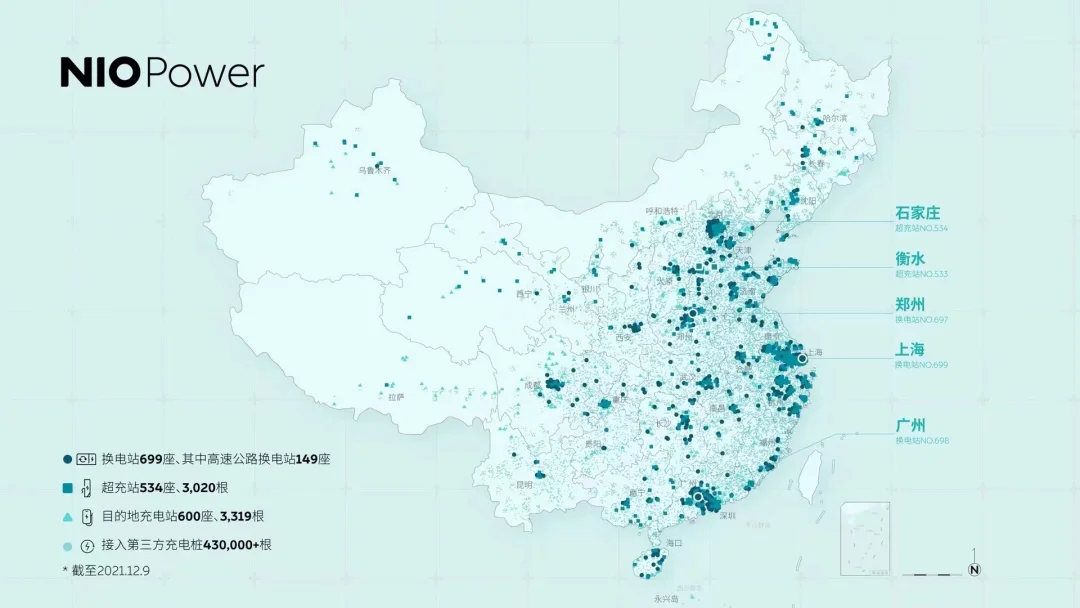
If we go back to June 30, 2021, NIO had just announced that its number of battery swap stations had broken through 300.
In just five months, the number of NIO battery swap stations more than doubled. The network covers high-speed routes along five vertical and three horizontal corridors and four major metropolitan areas, while urban swap stations are springing up like mushrooms after rain, with growth rates significantly outpacing current sales volumes.
This infrastructure speed solidifies the foundational value of battery swapping.
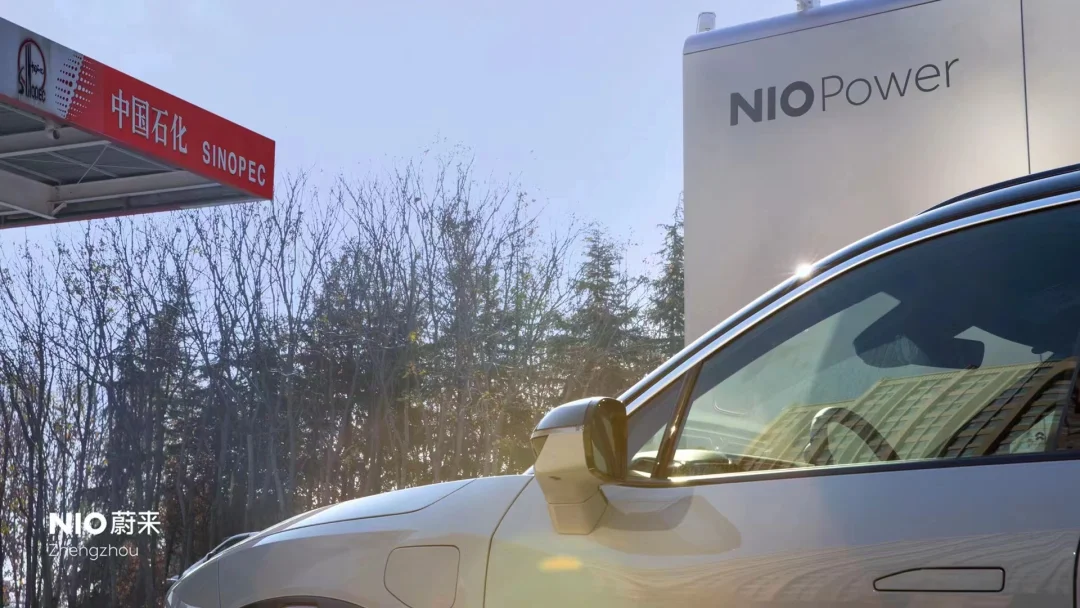
Extremely Strong Battery Dispatch Capability
At the briefing, Shen Fei cited two examples.
The first example: shortly after launching the flexible battery upgrade plan, the first wave of owners upgraded to 100 kWh batteries. However, constrained by 100 kWh battery production capacity and the dispatch capability of batteries at swap stations, these early adopters often encountered situations on highways where they wanted to swap for a 100 kWh battery but only a 70 kWh battery was available.
The second example: after NIO launched monthly flexible upgrades in Northeast China this July, it was found that demand for monthly flexible upgrades among users in Shenyang during winter was relatively low. This is because, in winter, people tend not to travel long distances. Conversely, demand becomes stronger in summer when everyone drives out for trips, yet charging pile availability in the Northeast remains limited.
It was assumed that greater range degradation in winter would drive higher demand for large-capacity batteries, but actual demand proved weaker than in summer.
Therefore, to efficiently and comprehensively meet user needs as much as possible, Shen Fei stated that swap stations require three categories of intelligent algorithms. This represents the technical support behind NIO Power compared to other vehicles 'capable' of battery swapping.

The first is demand forecasting.
If the analysis is conducted by region, user numbers in each area change over time. The system must forecast user growth for each region, as well as annual and monthly upgrade requirements, to determine whether the current reserve of 100 kWh batteries is sufficient and whether 70 kWh batteries can meet rotation needs.
The second is intelligent recommendation.
Intelligent recommendations use the current status of battery swap stations and existing demand to reasonably guide users to select appropriate stations for flexible upgrades.
The final element is random recommendation.
As the available time window for flexible upgrades shortens, the randomness of user upgrades increases. Combined with objective factors such as holidays and weather, swap stations must possess strong capabilities for random recommendations.
In plain terms, this random recommendation addresses a specific scenario: what happens if users in a given area have a need that the local swap station cannot fulfill?
Shen Fei’s answer is to dispatch a battery. Of course, there are various ways to do this: users can be incentivized to bring batteries in through point subsidies, or batteries can be transported via engineering vehicles or test cars already on the road, thereby meeting user needs.
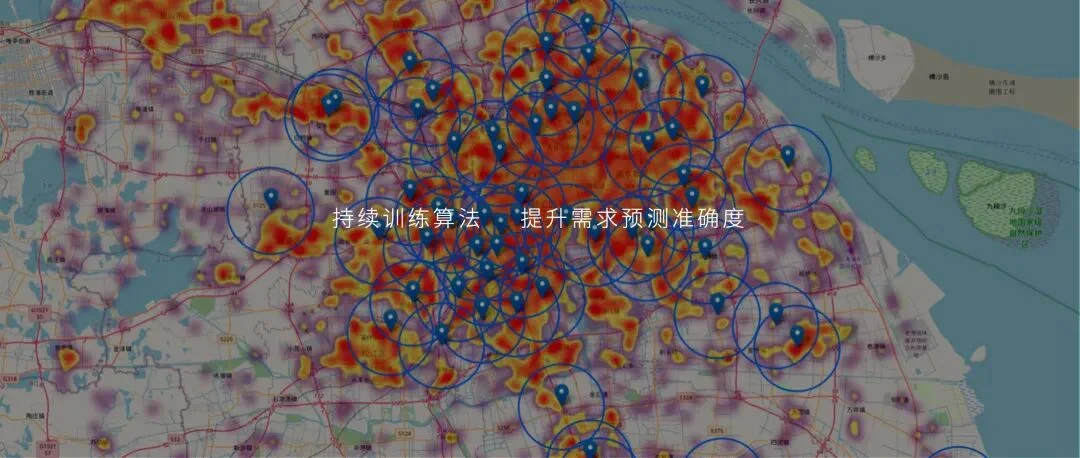
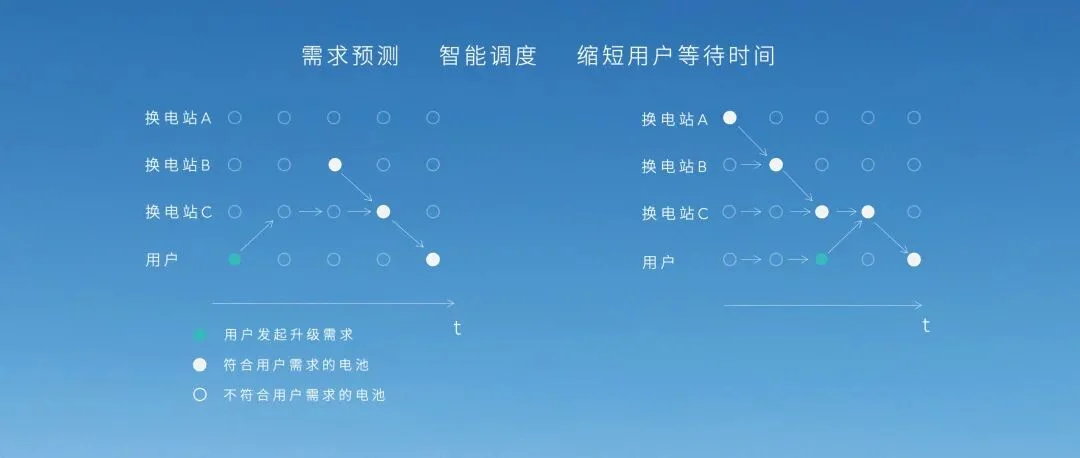
Although the diversity of battery types, upgrade policies, and user group demands will inevitably place higher requirements on NIO’s swap station dispatch algorithms.
Here is a detail for your post-meal conversation: the computing power at the station end of second-generation swap stations currently exceeds 20 TOPS; each station is an intelligent hardware device.
At this point, theoretically, the final piece of the NIO BaaS puzzle should be perfectly in place, but this is not what NIO considers the 'endgame' of battery swapping.

This is the second-to-last slide of Shen Fei’s shared PPT. Fearing that media might miss the details of this slide, Qin Lihong brought it up again when he took the stage. Those who were attentive may have already noticed.
Although the theme of this briefing was "flexible battery upgrades," the wording on the slides has shifted to "flexible battery swapping."
Currently, battery swapping only supports upgrading from a smaller battery to a larger one. Qin Lihong believes that NIO Power should achieve the ability to "swap freely, swap across tiers, both upwards and downwards."
However, during the briefing, Qin Lihong also admitted: "Whether we allow users to swap down to smaller batteries has a huge impact on our dispatching capabilities, resource reserves, and network layout."
Therefore, the final piece of the puzzle in the true sense will be launched at the earliest next year, and no later than the second half of next year.
The full rollout of this policy reflects the phased success of NIO's battery-swapping system and its effort to maximize the utility of its "swapping capability."
Having briefly outlined NIO's layout in NIO Power in nearly 2,500 words, we can finally turn to discuss NIO's overall system.
02Understand the Industry, Clarify Goals
At the beginning of this article, I mentioned a viewpoint: learning from each automaker's strengths individually does not play a decisive role in sales. In today's era, one must cast a wide net from a systemic perspective. But a new question arises: How to build a system that fits this era?
First, clarify the goal.
Look
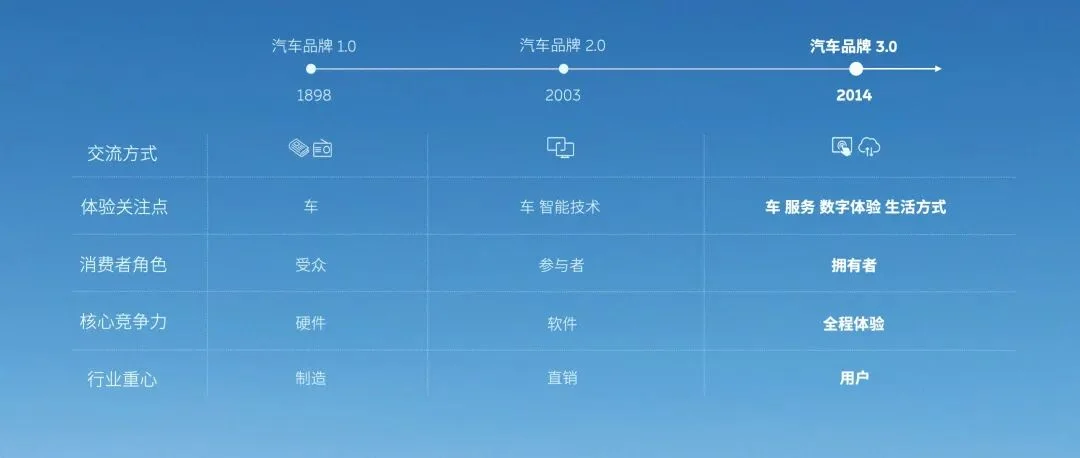
This chart was originally created in 2015 by William Li, Zhou Xin, and Qin Lihong. It appeared as one of eight slides in NIO’s A+ round financing presentation, reflecting the founding team’s fundamental assessment of the industry landscape.
Remarkably, this slide has remained unchanged since the A+ financing round.
Qin Lihong stated: "This chart helped us identify the driving forces behind changes in the industry and explained why NIO, as a new brand, chose to undertake so many initiatives."
Based on the brand's attributes, Qin Lihong divided automotive development into three stages.
In Stage 1.0, consumers played the role of an audience, passively receiving information. In other words, communication between users and manufacturers was one-way: users could only "listen" but not "speak." The industry's focus was on manufacturing.
This phase resembles the industry's 'popularization' stage, moving from 0 to 1.
In Phase 2.0, consumers act as participants; their feedback is beginning to influence automakers, with the industry focus on direct sales.
Qin Lihong identifies Tesla as the standout company of the 2.0 era. He admires not Tesla and Elon Musk’s Mars ambitions, but the courage and investment demonstrated in establishing direct sales. Direct sales underpin the relationship between brand and user.
Unlike traditional dealership models, automakers can reach users directly, creating a channel for communication.
This phase represents the automotive industry’s expansion from 10 to 100, proactively meeting users’ needs for vehicles.
In Phase 3.0, consumers assume the role of owners. They care not only about the vehicle experience itself but also about all related experiences stemming from car ownership, making 'the user' the industry’s center.
Qin Lihong considers NIO to belong to this phase.
This phase goes beyond merely satisfying users’ needs for vehicles; it addresses the entire ecosystem of experiences connected to car ownership.
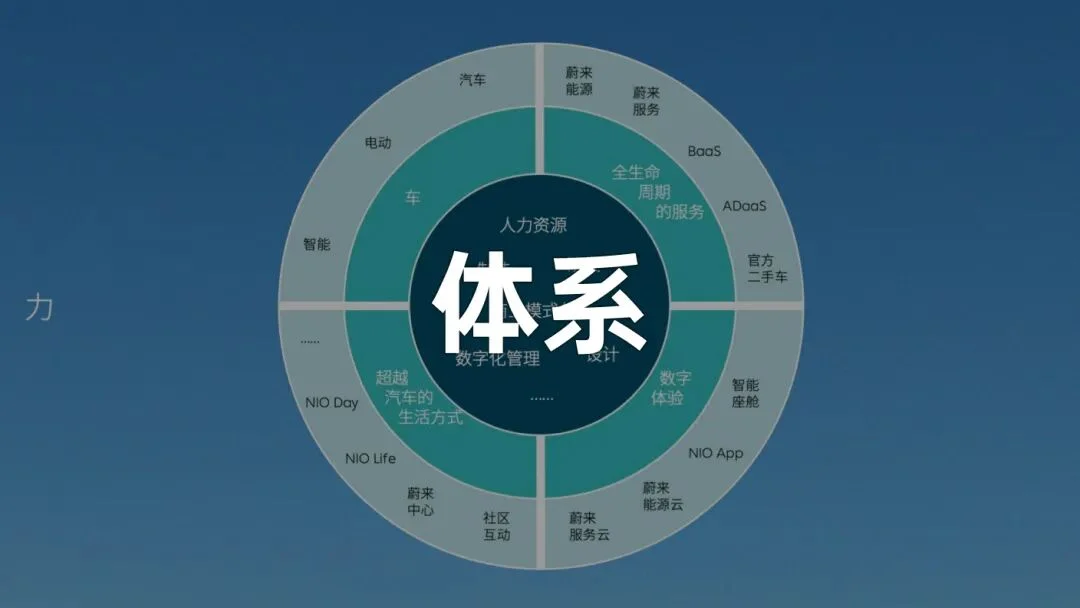
Based on market demand in Phase 3, NIO has its own compass.
Setting Goals
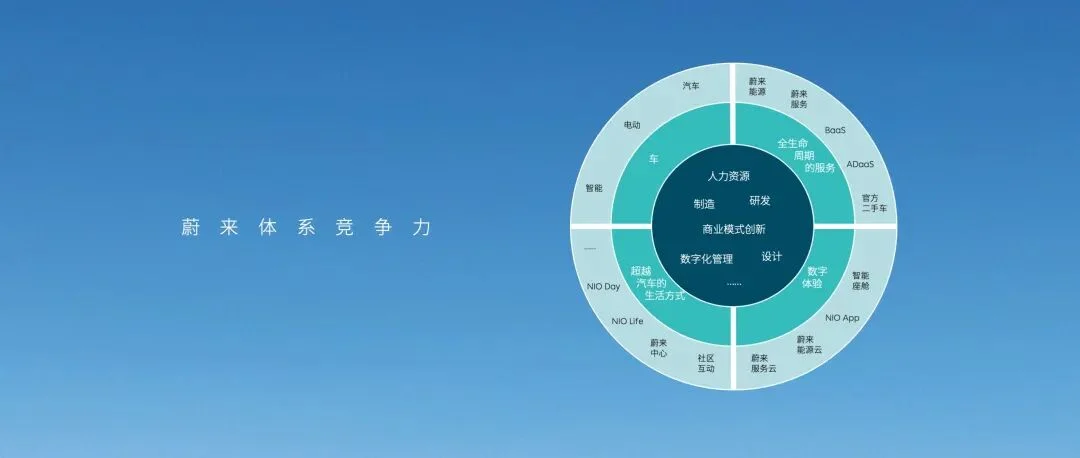
The compass is divided into three layers and four quadrants.
The four quadrants represent the four major goals set by NIO. From the outside in, tasks can be continuously broken down and refined.
Moving toward the center, human resources, manufacturing, R&D, business model innovation, digital management, and design serve as the soil supporting NIO’s four major goals, forming the underlying foundation.
At this stage of breakdown, I began to understand two things.
The first is why so many automakers want to imitate NIO but only copy the form, not the spirit. Seeing NIO release flowers for users upon delivery, others would also release flowers; seeing NIO host user events, others would organize similar events; seeing NIO use volunteers for deliveries, others would do the same.
However, this approach did not achieve the same effect as NIO. The core reason is that NIO does not focus on isolated points; instead, it starts from a foundational concept and expands from points to lines, and from lines to planes, comprehensively covering and satisfying user needs.
The second question is: why does NIO, whose intelligent features and vehicles are not top-tier, manage to win over so many owners solely through good service?
Because of NIO’s systematic approach, its products did not reach a 90-point standard, but they achieved 70 points. Similarly, NIO’s intelligent driving capabilities did not reach 90 points, but they also achieved 70 points.
A moat does not require extreme depth at any single point; rather, it must completely surround the city to serve its defensive purpose.
Execution
Finally, let us discuss execution, another aspect often overlooked.
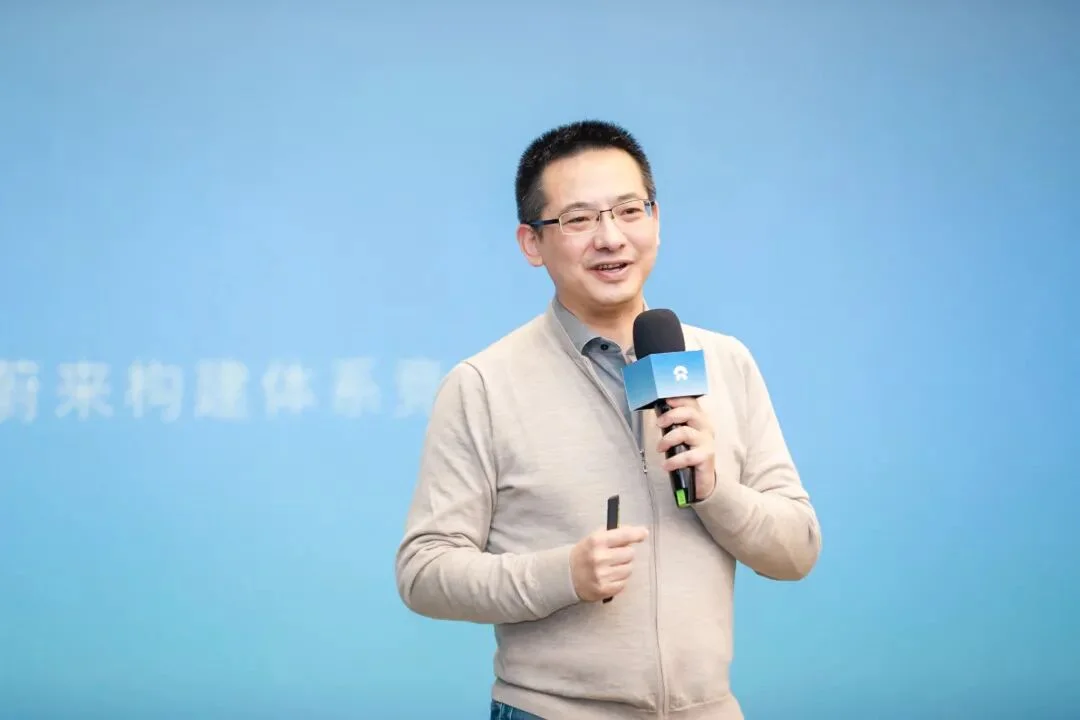
In the Q&A session of the briefing, an attendee asked: NIO’s services are divided into hard services and soft services. Hard services, such as battery swapping, can be expanded and iterated to continuously meet user needs. Soft services, like William Li’s relationship with users, are different. As NIO continues to grow larger, there will only ever be one William Li and one Qin Lihong. The bottleneck for soft services will arrive quickly. How will NIO face this challenge in the future?
In Qin Lihong's view, brands ultimately compete on soft power, which can be analyzed across two levels.
First, at the individual level, it comes down to sincerity.
Second, at the organizational level, it relies on values. NIO aims to build a team driven by these values, but it cannot guarantee that value alignment and inheritance will be 100% consistent.
Qin Lihong shared a small story here: "Recently, we conducted different pilots in two or three regional companies. In one region, we launched a new project called '24k Fellow'—meaning pure gold. These are the Fellows who best embody our ideal standards. We set their sales targets at zero, but imposed a strict requirement: we regularly conduct follow-up calls with users, asking them to describe their Fellow: Are they a friend, a salesperson, or a consultant? The proportion of users answering 'My Fellow is my friend' must reach a certain percentage. We've been running this for about half a year. It's a small-scale test field, and we found it's growing well; they basically meet our goals and put genuine effort into it."
This is what drives a values-based organization.
03Conclusion
As the title suggests: "System — The Ticket to Enter the Game in 2022".
During editorial discussions over tea, a recurring topic is whether Xiaomi still has a chance after entering the EV sector, with its first model scheduled for release in 2024.
Many other brands, like Xiaomi, are targeting the automotive industry. Their questions are essentially the same: Do these later entrants still have a chance?
From a product perspective, the entire industry will advance rapidly from 2022 to 2024, with all technologies iterating quickly. For later entrants, this naturally means access to more cutting-edge technology, enabling longer range, faster charging speeds, and stronger autonomous driving hardware.
If viewed solely through this lens, it might seem that entering later offers an advantage. What many overlook is the 'system'.
In the 2022 automotive market, relying on cars alone is likely insufficient.
Of course, if the car itself is inadequate, that is absolutely unacceptable.
Written by: Lu San Edited by: Daji