


NIO Unveils 800 V Supercharger, Gen-3 Swap Station, EC7 and ES8; Zhiji LS7 Pre-Sales Begin at RMB 350,000
01Weekly Index
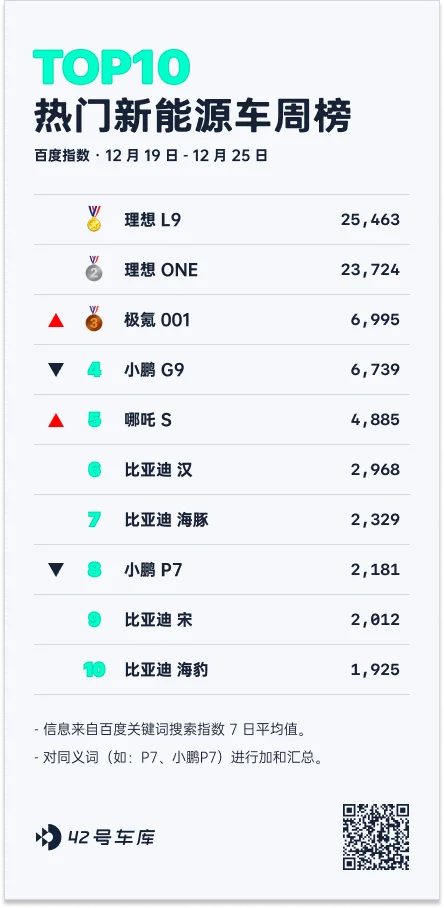
02Weekly Highlights
NIO Day 2022 Recap: 800 V Fast Chargers, Third-Generation Battery Swap Stations, EC7 and New ES8 Revealed
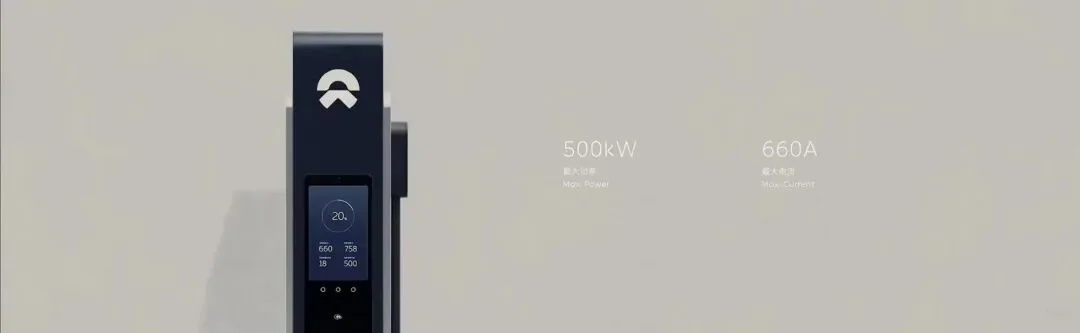
800 V fast-charging station
Its specifications are a 500 kW fast-charging pile with a maximum current of 660 A. For the ET7 with a 100 kWh battery, charging for twenty minutes can replenish four hundred km of CLTC range. If supercharging piles are deployed alongside swap stations, the energy replenishment speed of 500 kW superchargers may even surpass that of battery swapping in situations where queues form. This will also help reduce congestion on some swap station resources.
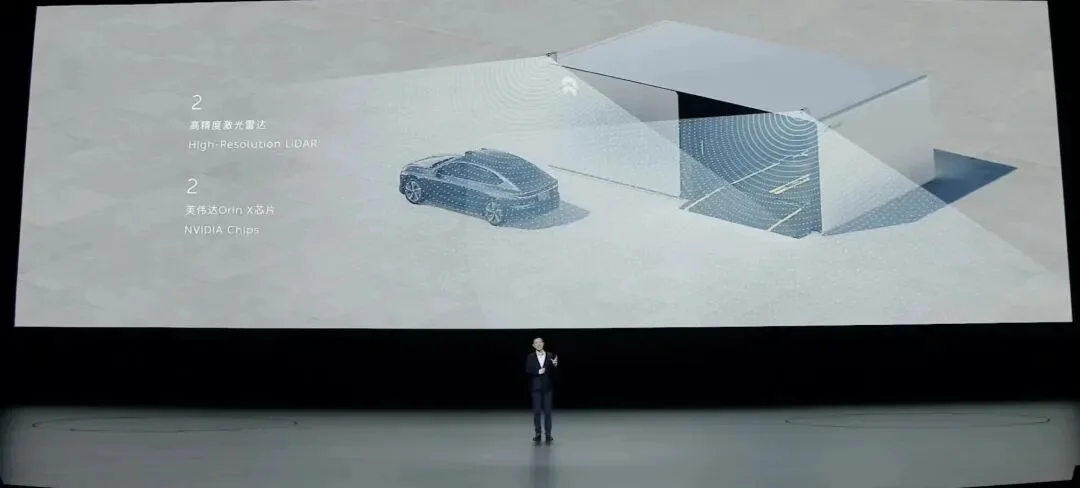
Third-generation battery swap station
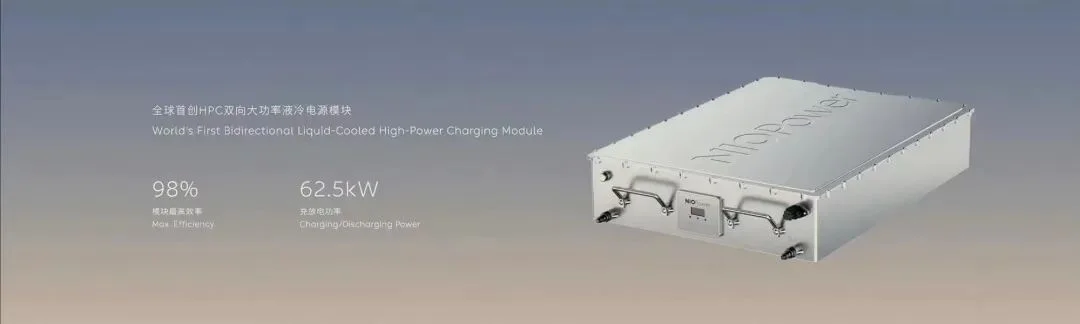
NIO's third-generation battery swap station houses two LiDAR units and two Orin X chips, delivering a total of 508 TOPS. The enhancements in computing power and perception capabilities bring two key benefits: first, it raises the intelligence level of station-based battery swapping; second, it further bolsters NIO's 'Energy Cloud' system.
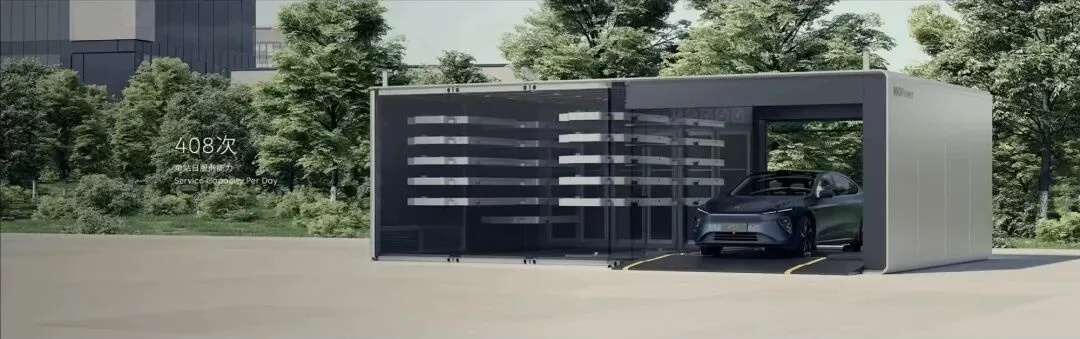
In terms of basic capacity, the third-generation swap station can hold 21 batteries, far exceeding the 13 batteries of the second generation. The daily service count for the third-generation station reaches 408 times, an improvement of 30% over the second-generation station.
Additionally, NIO unveiled a demonstration of its pilot battery swap service, designed to allow the vehicle’s highway navigation assist to guide it directly to a swap station, thereby maintaining continuity with the highway navigation assist feature.
EC7 and the New ES8
We have already provided a detailed analysis of these models; readers can refer to our previous articles for more information. Here is a brief summary.
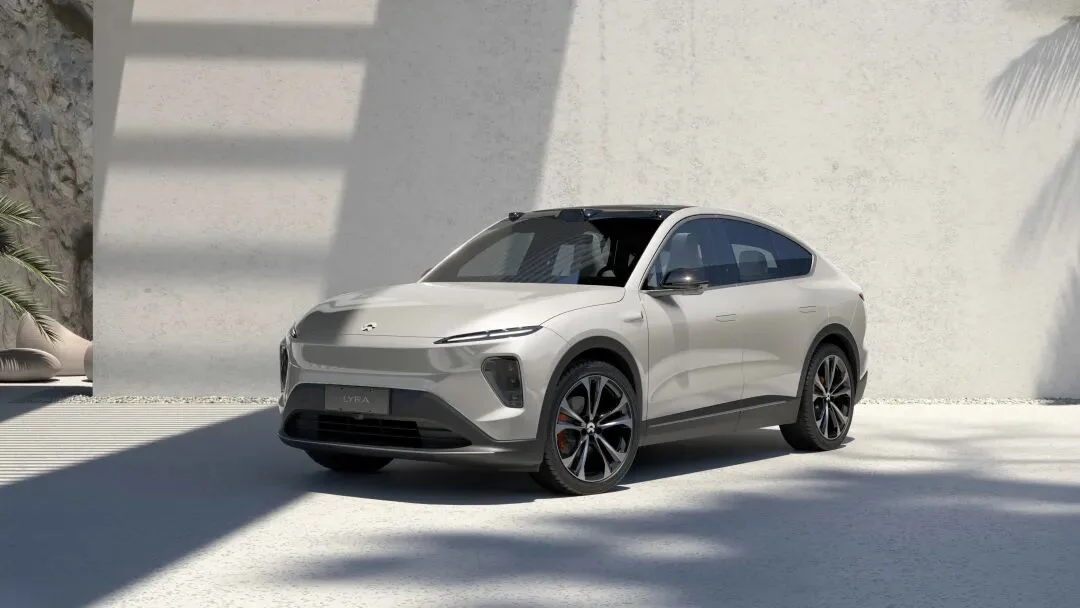
Regarding pricing for the EC7:
The 75 kWh version is priced at RMB 488,000, or RMB 418,000 under the Battery as a Service (BaaS) model, with a monthly rental fee of RMB 980;
The 100 kWh version is priced at RMB 546,000, or RMB 418,000 under BaaS, with a monthly rental fee of RMB 1,680;
The First Edition is priced at RMB 578,000; with Battery as a Service (BaaS), the price drops to RMB 450,000, plus a monthly battery rental fee of RMB 1,680.
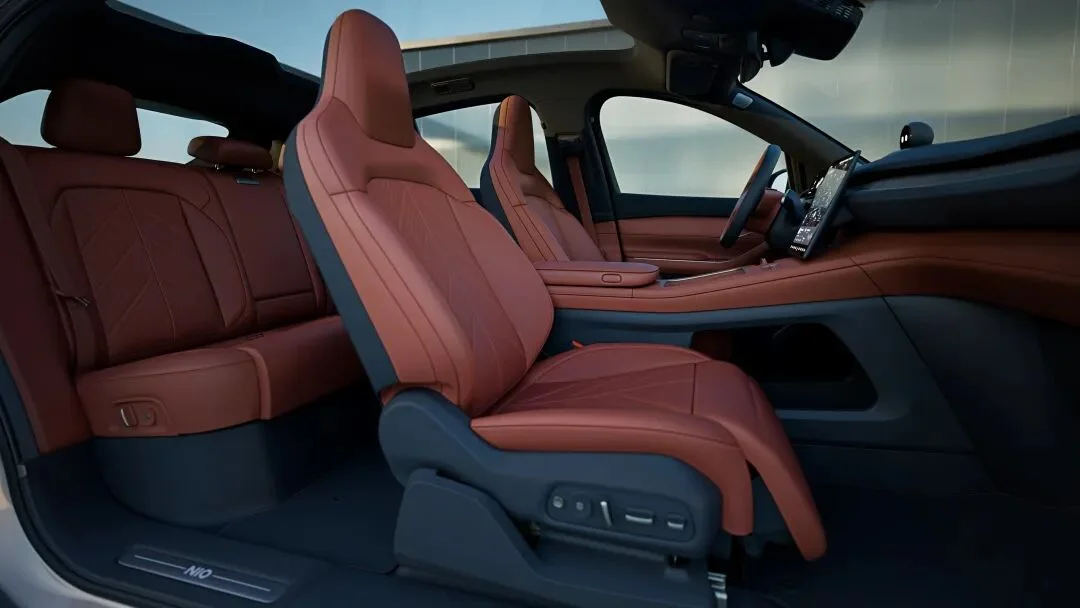
Overall dimensions are 4,968 x 1,974 x 1,714 mm, with a wheelbase of 2,960 mm.
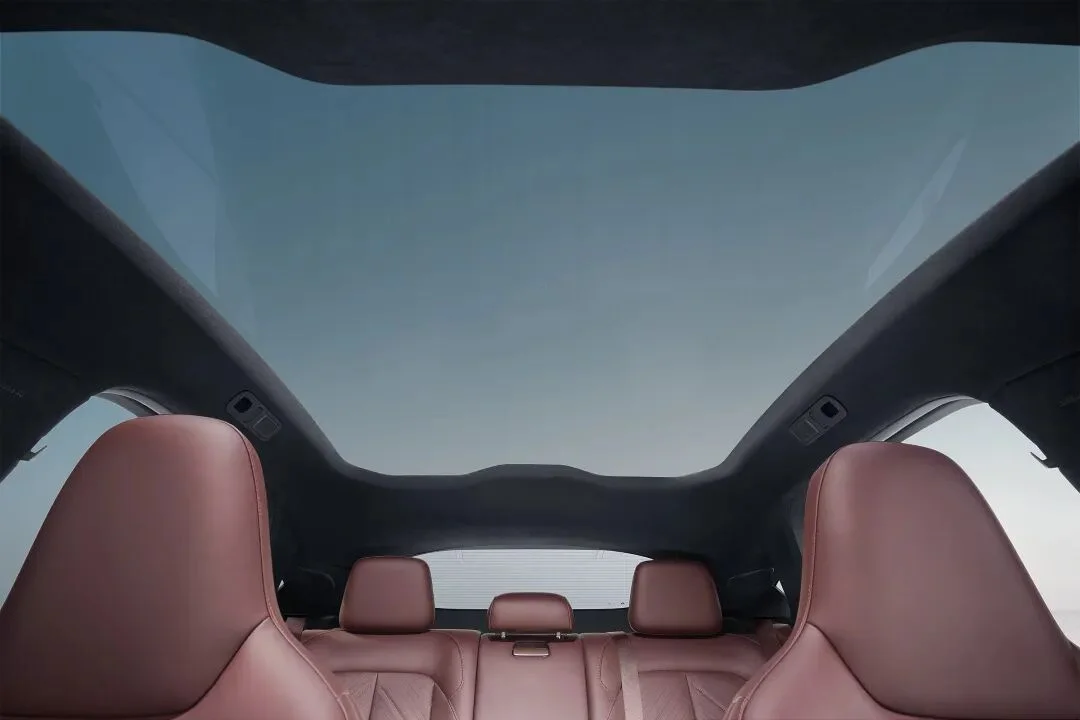
Dual motors deliver a combined peak power of 480 kW, accelerating from zero to 100 km/h in 3.8 seconds and stopping from 100 km/h in 33.9 meters.
Range figures under the CLTC cycle: 490 km for the 75 kWh version, 635 km for the 100 kWh version, and 940 km for the 150 kWh version.
For the new ES8, pricing is as follows:
The standard 75 kWh version is priced at RMB 528,000; with BaaS, it is RMB 458,000, plus a monthly rental fee of RMB 980.
The 75 kWh Executive version is priced at RMB 548,000; with Battery as a Service (BaaS), the price drops to RMB 478,000, with a monthly battery rental fee of RMB 980.
The 100 kWh Standard version is priced at RMB 586,000; with BaaS, the price is RMB 458,000, with a monthly battery rental fee of RMB 1,680.
The 100 kWh Executive version is priced at RMB 606,000; with BaaS, the price drops to RMB 478,000, with a monthly battery rental fee of RMB 1,680.
The Signature Edition is priced at RMB 638,000; with BaaS, the price is RMB 510,000, with a monthly battery rental fee of RMB 1,680.
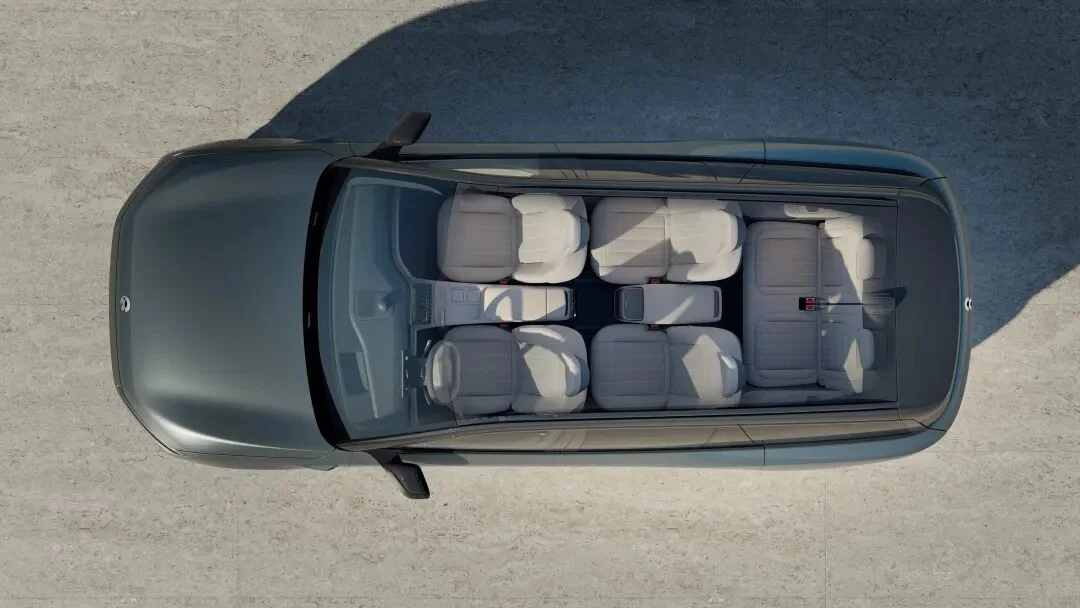
The vehicle dimensions are 5,099 mm in length, 1,989 mm in width, and 1,750 mm in height, with a wheelbase of 3,070 mm.
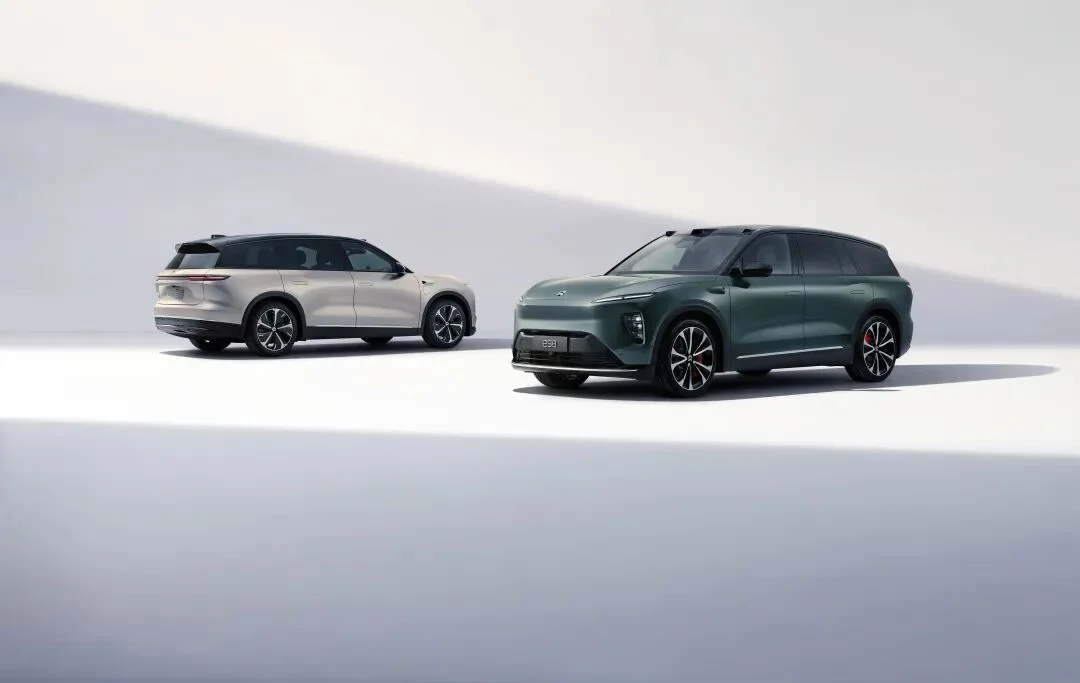
Regarding range, the CLTC-rated range for the 75 kWh version is 465 km; for the 100 kWh version, it is 605 km; and for the 150 kWh version, it reaches 900 km.
Quick Review:
NIO Day, the annual celebration for NIO users, delivered plenty of surprises in 2022. From user co-creation to upgrades in the charging network and the launch of new products, NIO’s strategic "route" remains clear. Although anticipated items such as the Alpine brand, a NIO-branded smartphone, and NAD (NIO Autonomous Driving) did not appear at this year’s event, progress in services, energy replenishment, and lifestyle offerings beyond vehicles has shifted from skepticism to tangible growth. We look forward to seeing what other surprises NIO brings in 2023.
Tesla Accelerates Cybertruck Mass Production
According to Twitter user @gregtruck, 66 Kuka robots recently arrived in Houston. These robots will be deployed on the Tesla Cybertruck production line.
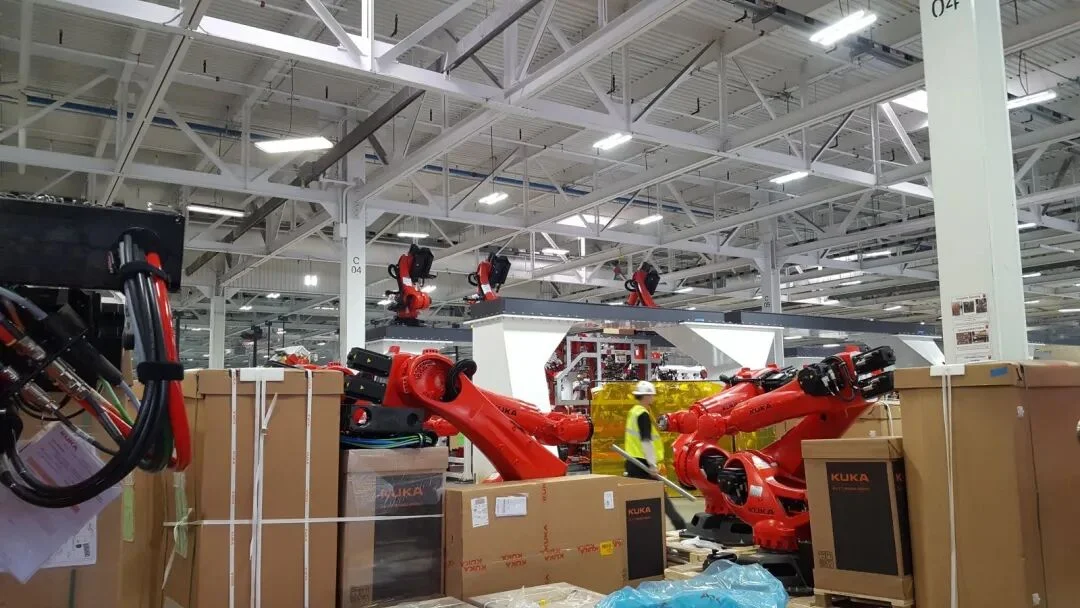
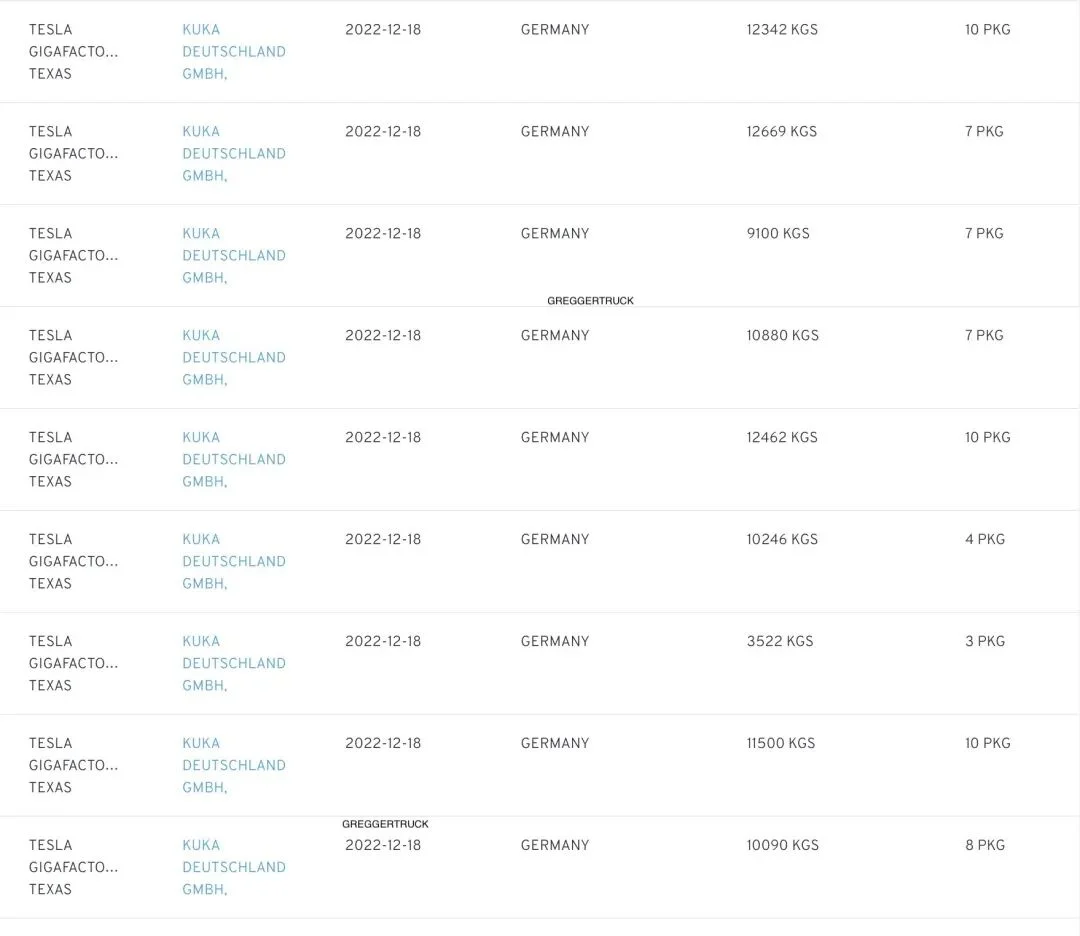
Eletreck also reported on this news. Although 66 units may seem like a large number, it is still far from enough for an automotive production line. Meanwhile, based on landing orders shared by netizens, Tesla has another large batch of Kuka robots that have not yet arrived.
The timing of this delivery aligns with Tesla’s Cybertruck production schedule, suggesting the robots are likely intended to boost pickup truck output.
Quick Review:
Tesla recently announced that its Gigafactory Texas achieved a weekly Model Y production of 3,000 units. While this is a solid result, it still falls short of the initial target of 5,000 units per week. To boost output, Tesla has dispatched China President Tom Zhu to Texas to take full charge of operations at the Texas factory. In addition to Zhu himself, Tesla transferred approximately 200 engineers from its Shanghai facility to help improve production efficiency at the Austin plant. This move suggests that the Cybertruck may be getting closer to reality, though specific details regarding the vehicle will require further confirmation from Tesla.
November 300,000–500,000 RMB SUV Insurance Registrations Released: Li Auto and AITO Both Appear on the List
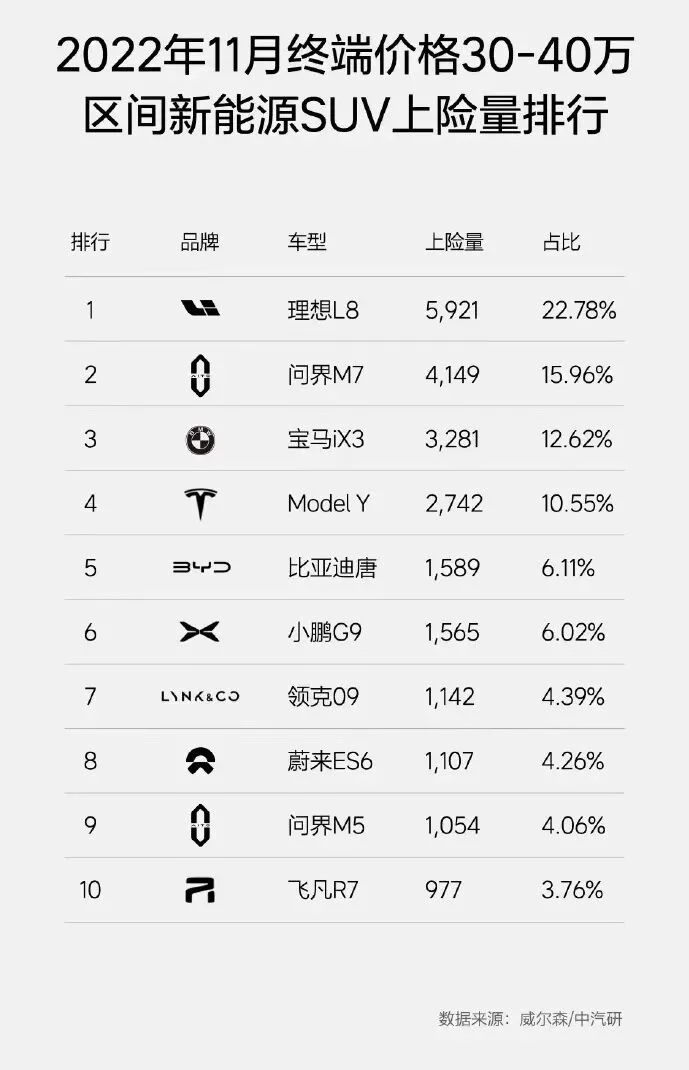
Let’s first look at insurance registrations for new energy SUVs priced between RMB 300,000 and 400,000, a segment covering both pure electric and hybrid models. The Li L8 registered 5,921 units in November, accounting for 22.78% of the segment. Currently in a volume-growth phase, the L8 faces little direct competition at this price point. Meanwhile, despite earlier negative publicity, the AITO M7 still managed to register 4,149 units, representing 15.96% of the market share. The Model Y, which drives significant volume through its entry-level trims priced below RMB 300,000, does not appear in this chart due to its lower price bracket.
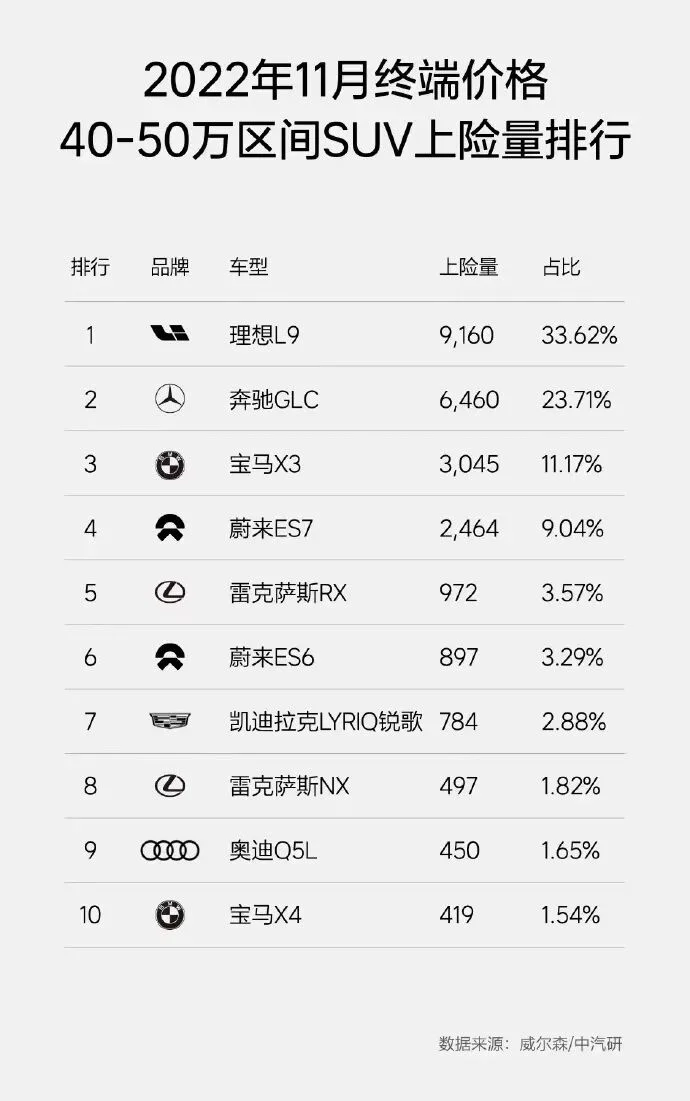
Turning to the RMB 400,000–500,000 SUV segment, the Li L9 surpassed the Mercedes-Benz GLC with 9,160 registrations in November, capturing a 33.62% share within this price range. This segment conveniently excludes NIO ES7 sales, which exceed RMB 500,000; even if combined, the ES7’s volume of around 4,000 units would still trail the L9.
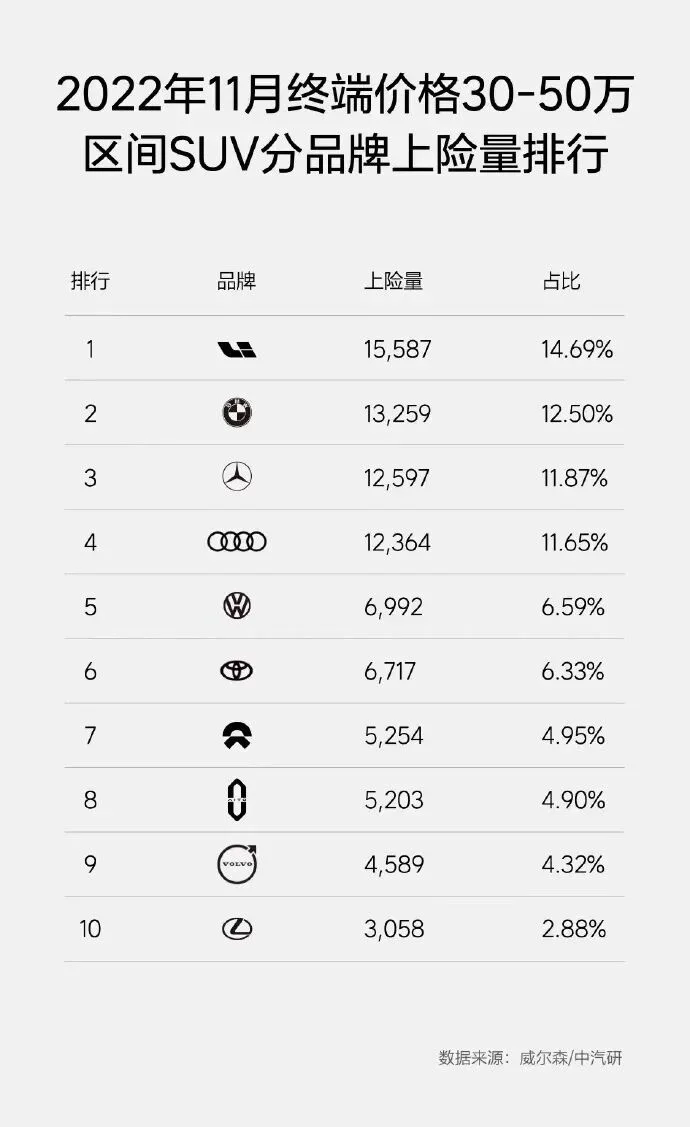
Finally, looking at brand-level performance across the RMB 300,000–500,000 SUV segment reveals the significant impact Li Auto’s entry has had on traditional automakers. In the internal combustion engine (ICE) space, BMW’s X3, Audi’s Q5L, and Mercedes-Benz’s GLC dominate this range. However, competing solely with the L8 and L9, Li Auto has already overtaken the traditional BBA trio in total volume. With the upcoming launch of the Li L7, this gap is expected to widen further.
Quick Review:
Looking especially at the final table, the premium pricing power of luxury brands is gradually waning; brand premium ultimately cannot withstand product strength. However, if sedans are included, Li Auto still cannot match BBA in the RMB 300,000–500,000 segment. Moreover, BMW has effectively boosted sales of the i3 and iX3 through price cuts, a factor not fully reflected in this table. Objectively speaking, Li Auto’s success in the new energy SUV category serves as a reassuring milestone. On the other side, ET5 insurance registrations in first-tier cities like Shanghai have already surpassed those of the BMW 3 Series, marking the official start of the ‘10 to 100’ phase for new forces.
Zhiji LS7 Debuts, With Prices Starting at RMB 350,000
On December 20, Zhiji unveiled its first mid-size luxury SUV, the Zhiji LS7, in Shanghai, simultaneously launching nationwide pre-sales with a price range of RMB 350,000 to 500,000.
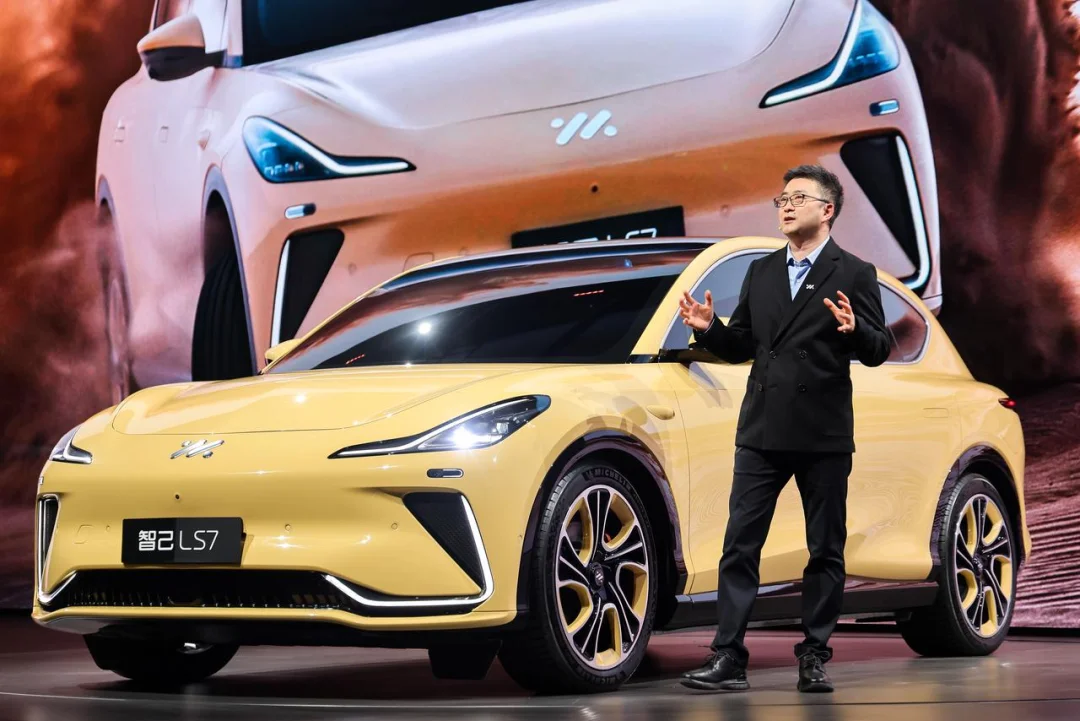
In terms of exterior design, the vehicle largely inherits styling elements from the Zhiji L7. However, unlike the L7’s continuous bracket-style front fascia, the LS7 separates the brackets on both sides, consistent with previously exposed uncamouflaged test mules.
The Zhiji LS7 measures 5,049 × 2,002 × 1,731 mm in length, width, and height, with a wheelbase of 3,060 mm.
The vehicle offers three powertrain combinations, available in rear-wheel drive and all-wheel drive configurations. Battery options supplied by Shangqishidai include 90 kWh and 100 kWh variants. The all-wheel-drive version equipped with the 100 kWh battery delivers a peak power of 425 kW and 725 N·m of torque, enabling a zero-to-100 km/h acceleration time of 4.5 seconds.
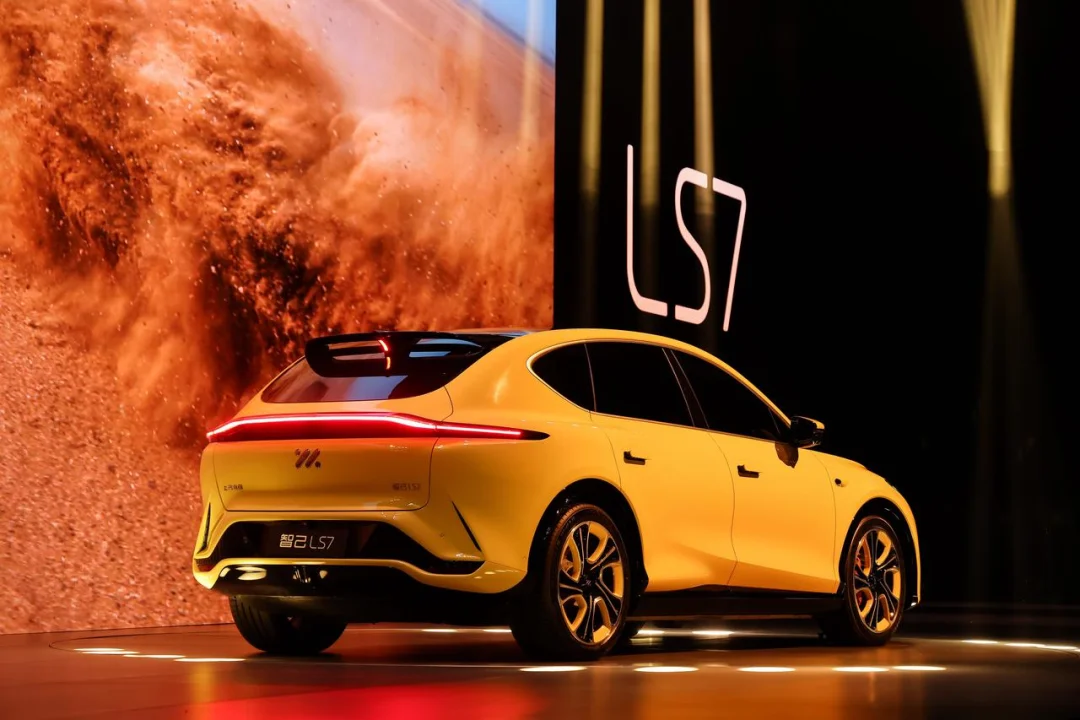
The rear-wheel-drive model features a maximum power output of 250 kW and a CLTC range of 660 kilometers. Like its all-wheel-drive counterpart, it is powered by a permanent magnet synchronous motor.
Quick Review:
The RMB 300,000 to 500,000 segment represents the most fiercely competitive market for new automotive brands. From a specifications standpoint, the Zhiji LS7 does not immediately stand out. Its actual market performance will depend on delivery capabilities over the coming months. Readers are invited to share their predictions in the comments section.
Team Threatening NIO with Extortion After Allegedly Stealing Personal Information via NIO App
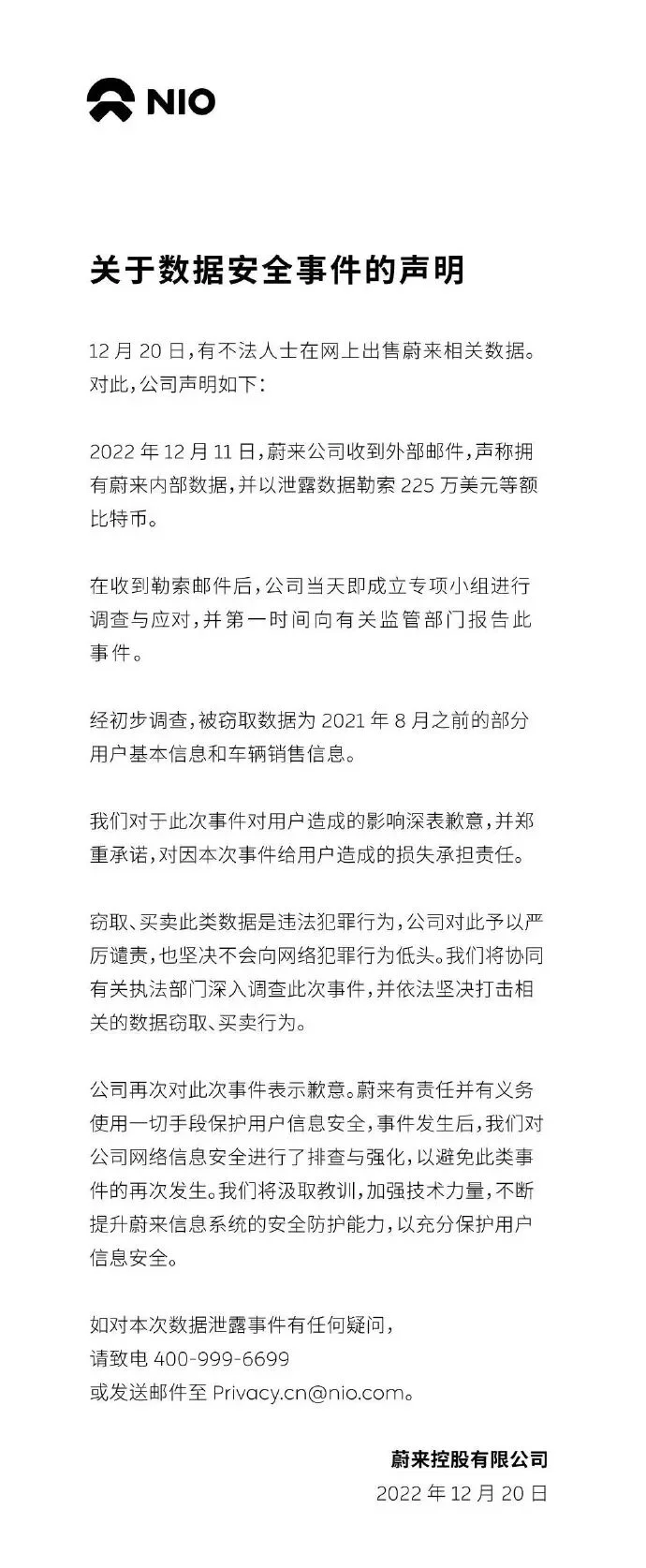
Recently, a group claiming to have stolen user personal information from the NIO App has attempted to extort ransom from NIO for the return of this private data. In response, NIO issued an official statement confirming that it is conducting an in-depth investigation with relevant law enforcement authorities while simultaneously strengthening its personal privacy protection measures.
Quick Review:
This ransomware-style attack, which involves stealing personal information and demanding ransoms from the brand's official channels, is extremely malicious. We hope the law will punish those responsible as soon as possible. However, there are currently no detailed updates on the specific incident; please wait patiently for further developments.
Written by: Jia Ming Edited by: Liu Guangding