


China's 2020 NEV Sales Hit Record High as Tesla Begins Domestic Model Y Deliveries
01Weekly Index
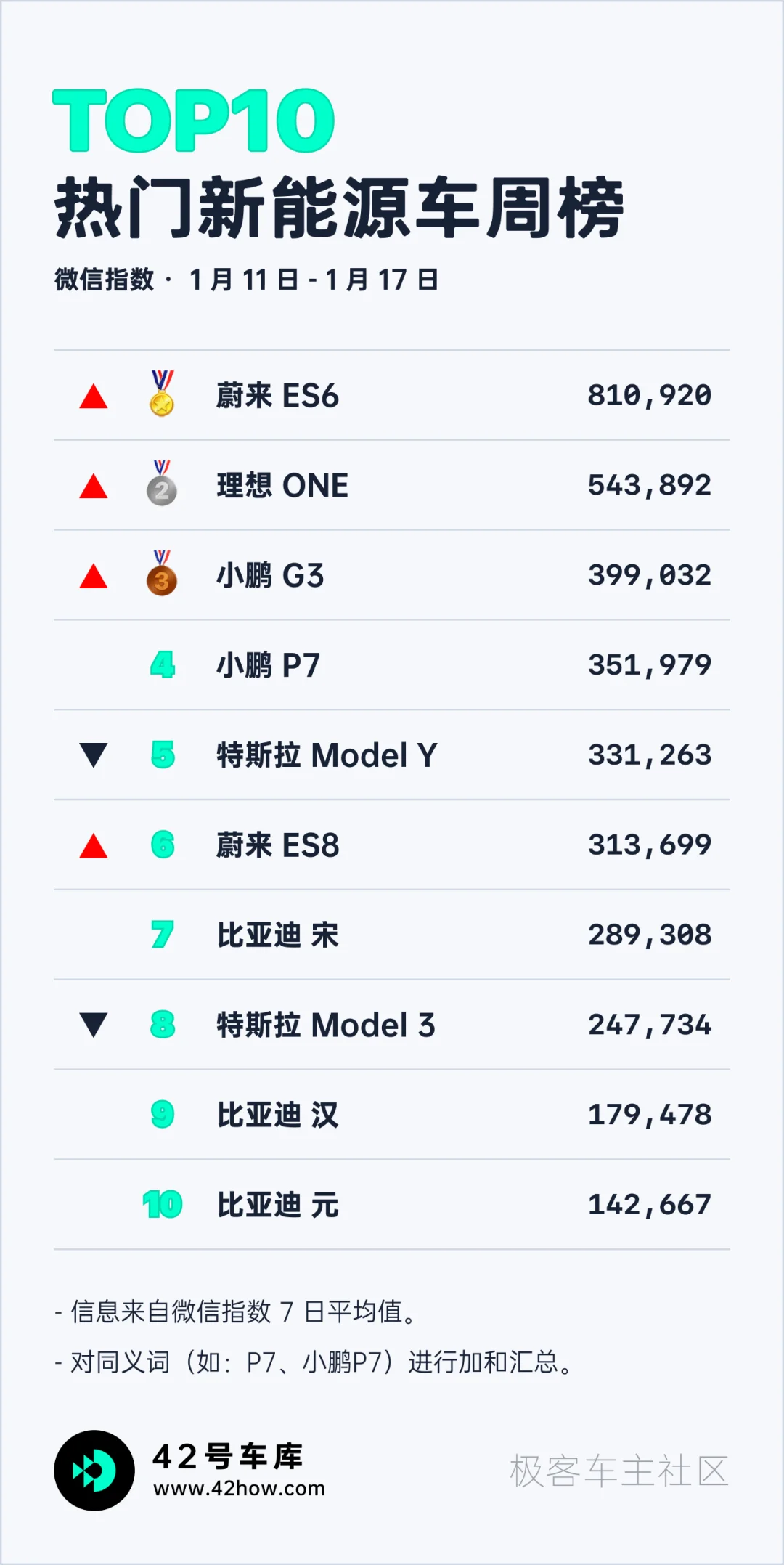
02Weekly News
1.367 Million Units: 2020 Domestic New Energy Vehicle Sales Data Released
On January 14, Gongxinweibao published data from the Qichegongyexiehui showing that China's new energy vehicle (NEV) sales reached a record high in 2020, with December sales increasing by 49.5% year on year.
In December, NEV production and sales were 235,000 and 248,000 units respectively, representing year-on-year increases of 55.7% and 49.5%. By model type, pure electric vehicles (BEVs) saw production and sales of 203,000 and 211,000 units, up 55.2% and 47.5% year on year; plug-in hybrid electric vehicles (PHEVs) recorded 32,000 and 37,000 units, rising 69.2% and 71.6%; fuel cell vehicles accounted for 264 and 229 units, down 81.3% and 83.7% respectively.
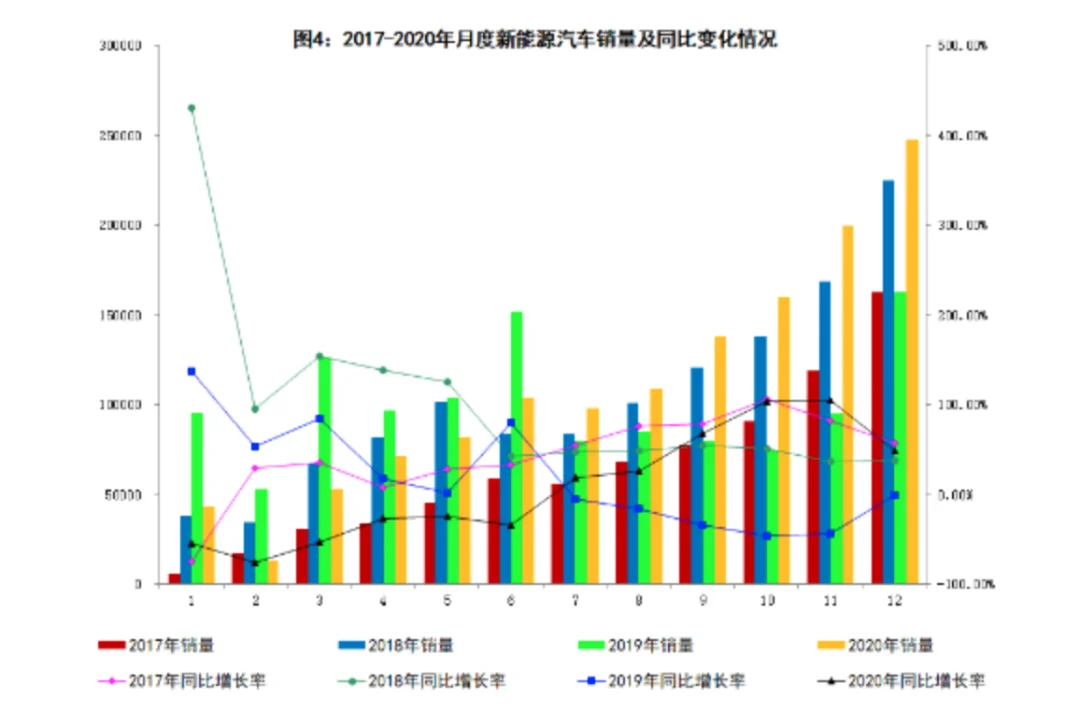
For the full year of 2020, NEV production and sales totaled 1.366 million and 1.367 million units, growing 7.5% and 10.9% year on year. BEV production and sales were 1.105 million and 1.115 million units, up 5.4% and 11.6%; PHEV figures stood at 260,000 and 251,000 units, increasing 18.5% and 8.4%; fuel cell vehicle production and sales were both approximately 1,000 units, declining 57.5% and 56.8% respectively.
Commentary:
China’s auto industry maintained its position as the world’s largest producer and seller for the 12th consecutive year in 2020, with NEV sales reaching a record 1.367 million units. The pandemic significantly impacted the sector in the first quarter, but recovery began in the second quarter, followed by a strong rebound and sustained rapid growth in the third and fourth quarters.
The sales figures demonstrate strong market demand and consumer acceptance for NEVs. With economic recovery in the post-pandemic era, the NEV market holds substantial potential. According to forecasts by the Qichegongyexiehui, next year’s NEV sales are expected to reach 1.8 million units, a 40% year-on-year increase.
Domestic Model Y deliveries begin in Shanghai
On January 18, the locally produced Model Y began deliveries at the Shanghai Senlan Delivery Center, the Shanghai Expo Tesla Center, and the Shanghai Xiangyang Tesla Center, with deliveries to other cities to follow.
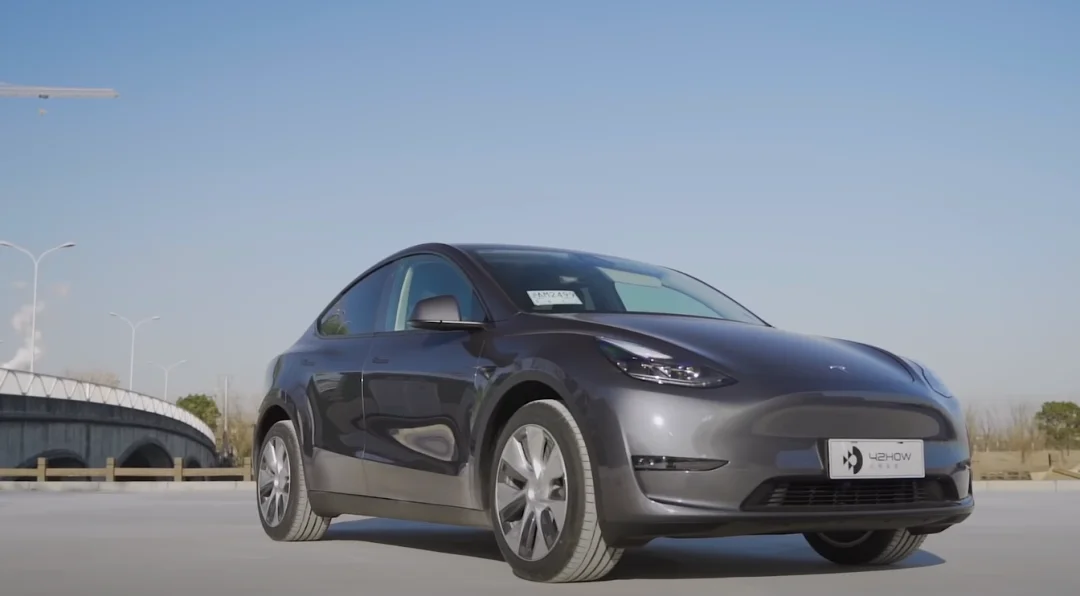
The Tesla Model Y is the second model produced by Tesla’s Shanghai Gigafactory for the Chinese market, following the Model 3, and the final member of Tesla’s “SEXY” lineup.
Commentary:
Elon Musk unveiled the Tesla Model Y in California on March 15, 2019. Production started at the Shanghai Gigafactory in January 2020, with deliveries commencing in January 2021—a pace that was notably rapid.
The expansion of the Shanghai Gigafactory will help Tesla increase production capacity and further boost delivery volumes. In terms of charging infrastructure, Tesla built more than 700 Supercharger stations in China in 2020, and a Supercharger station manufacturing plant invested in by Tesla in Shanghai is also set to go into operation, further accelerating its development.
Zhongguodiandongqichebairenhui Opens in Beijing
From January 15 to 17, the 2021 Zhongguodiandongqichebairenhui convened in Beijing. With the theme “New Development Paradigm and Automotive Industry Transformation,” the conference featured one international forum, one high-level forum, and seven thematic sub-forums.
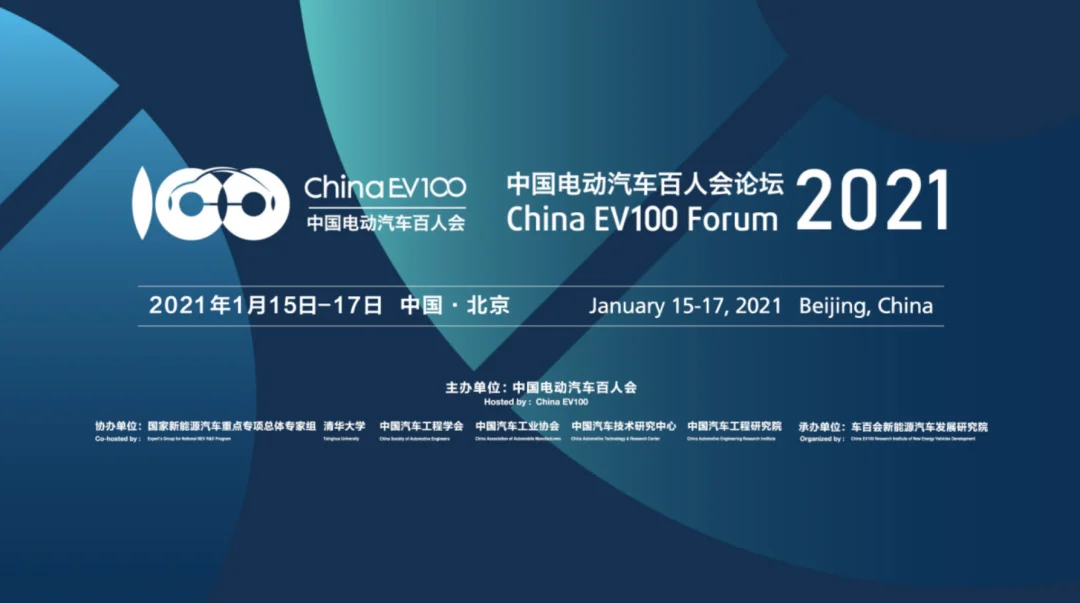
For the specific keynote speech content of the forum, please visit the 42HOW Auto official website.
Quick Review:
As a highly anticipated forum in the industry, this session of Zhongguodiandongqichebairenhui was held through a combination of online and offline methods. Nearly one hundred guests discussed hot topics related to the development of new energy vehicles from the perspectives of policy, academia, and enterprises.
CES 2021: Mobileye Shares New Developments in LiDAR and HD Maps
On January 11, the annual Consumer Electronics Show (CES) kicked off in an online format. Mobileye CEO Shashua shared the company's layout in areas such as lidar and high-definition maps.
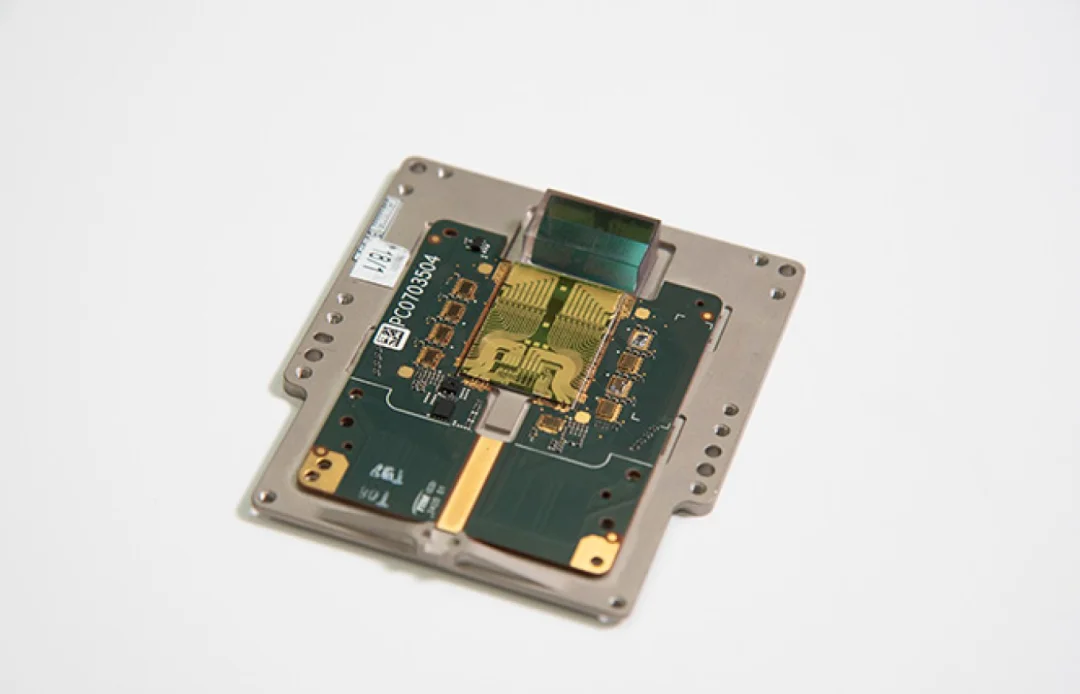
As a subsidiary of Intel, Mobileye will leverage Intel's expertise in silicon photonics to develop a system-on-chip (SoC) for LiDAR integration, expected to be operational by 2025. The company also plans to develop a dedicated "software-defined radar" specifically for autonomous vehicles.
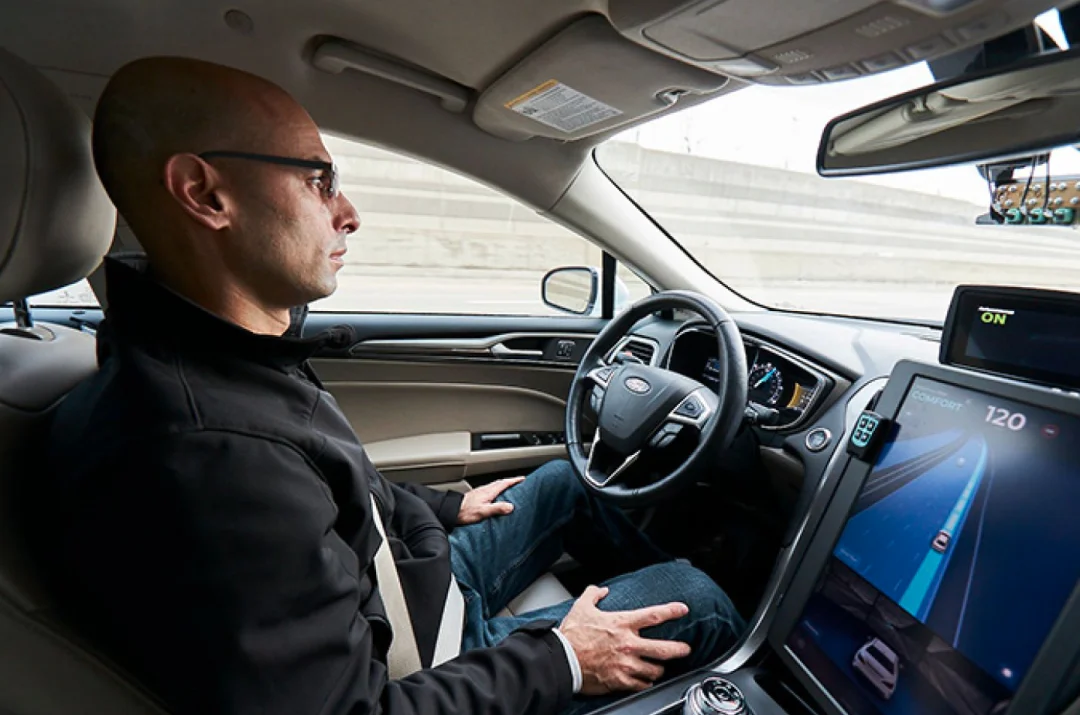
On the mapping front, Mobileye’s global automated high-definition map will support the expansion of its autonomous driving test fleet. If regulatory approval is granted, the new fleet could begin testing as early as this year in Detroit, Tokyo, Shanghai, Paris, and New York.
Editorial Commentary:
With the development of electric vehicles (EVs) and smart cars, the importance of autonomous driving capabilities has become increasingly prominent. More original equipment manufacturers (OEMs) are now positioning themselves in autonomous driving, focusing on data, computing power, and algorithms.
Previously, reports suggested that chip shortages might severely threaten the production capacity of major automakers. Chips are critical for developing autonomous driving. Currently, Mobileye has partnered with Ford, Geely, and Shangqi, casting a wide net in the global L2 driver assistance market.
Tesla Model Y Earns Five-Star Crash Test Rating from National Highway Traffic Safety Administration
On January 13 local time, the National Highway Traffic Safety Administration (NHTSA) released crash test results for the Tesla Model Y. The Model Y received five-star ratings across all subcategories.
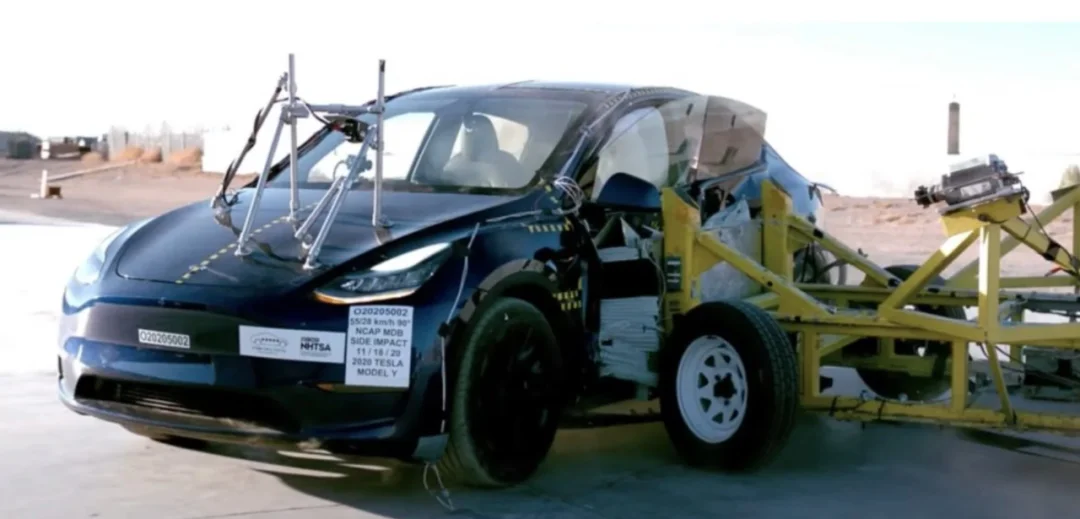
The National Highway Traffic Safety Administration's testing covers frontal impacts, side impacts, and rollover risk. The Model Y has a rollover risk coefficient of 7.9%.
Quick Review:
Prior to the Model Y, Tesla's Model 3, Model X, and Model S all received overall five-star ratings. The Model S and Model X also earned five-star ratings from the European New Car Assessment Programme (ENCAP), while the Model 3 achieved the Insurance Institute for Highway Safety (IIHS) Top Safety Pick+ award in addition to those results.
Although these ratings apply to the U.S. market, they offer reference value for China as well.
Zhijiqiche Launches Two Mass-Production Pure-Electric Models: A Sedan and an SUV
On January 13, Zhijiqiche unveiled its smart pure-electric vehicle brand "IM Zhiji" and launched two mass-production models: a pure-electric sedan and a pure-electric SUV. Both models feature dual-motor all-wheel drive with a dual-axis configuration, where the rear axle serves as the primary drive unit, delivering 400 kW of power and 700 N·m of torque, with a zero-to-100 km/h acceleration time of 3.9 seconds. They are equipped with an all-aluminum chassis featuring front double-wishbone and rear five-link suspensions, brake-by-wire systems, AKC rear-wheel steering by wire, and CDC intelligent electronic control suspension.
All trims come standard with a 93 kWh battery, while higher-spec versions use a 115 kWh battery. The manufacturer states that the cells achieve an energy density of 300 Wh/kg and zero degradation over 200,000 kilometers. The new architecture supports a maximum range of nearly 1,000 km within its bandwidth.
Under the plan, the mass-produced version of IM Motors' pure-electric sedan will accept reservations during the Shanghai Auto Show in April this year, launch by the end of the year, and begin deliveries in 2022. The pure-electric SUV is scheduled for a formal market launch in 2022.
Editor's Comment:
Zhijiqiche announced its establishment in late November last year, completed registration in late December, and unveiled its new vehicle in mid-January—a remarkably rapid pace.
The announcement that Zhijiqiche would adopt CATL's 'silicon-doped lithium' technology, enabling a range of up to 1,000 km, has become a focal point. In addition to Zhijiqiche, NIO ET7 and Guangqiaian have also claimed targets of 1,000 km range.
National Highway Traffic Safety Administration Orders Tesla Recall of 158,000 Model S/X Units
On January 13 local time, the National Highway Traffic Safety Administration (NHTSA) ordered Tesla to recall certain Model S and Model X vehicles, totaling 158,000 units. The recall is due to potential touchscreen failures caused by the MCU (Media Control Unit), which poses a safety risk.
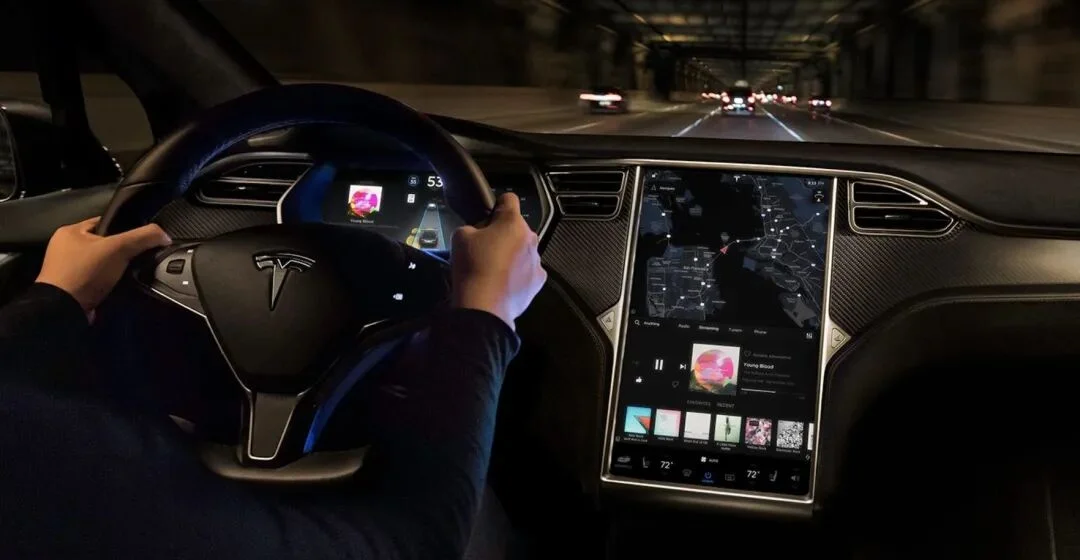
The NHTSA determined that Model S vehicles produced between 2012 and 2018, and Model X vehicles produced between 2016 and 2018, contain defects related to vehicle safety. Tesla must respond by January 27.
Quick Take:
In June 2020, the National Highway Traffic Safety Administration conducted a preliminary assessment of Tesla’s touchscreen malfunction, stating that the issue did not affect vehicle control systems. While the failure rate may increase over time, OTA updates can reduce the likelihood of MCU failures.
In November, the National Highway Traffic Safety Administration expanded its investigation into Model S and Model X vehicles, involving approximately 159,000 units. This move was widely viewed as a precursor to Tesla being required to recall these vehicles.
Written by Niki Edited by Liu San