


Autonomy or Driving? Audi Wants Both.

01Sphere
Concept Cars: Do You Really Get the Concept?
I’ve always loved cars, but I never cared much for concept cars. They felt impractical; illogical; designed solely to show off technical prowess.
No intention of forcing a rhyme here—I genuinely used to think that way.
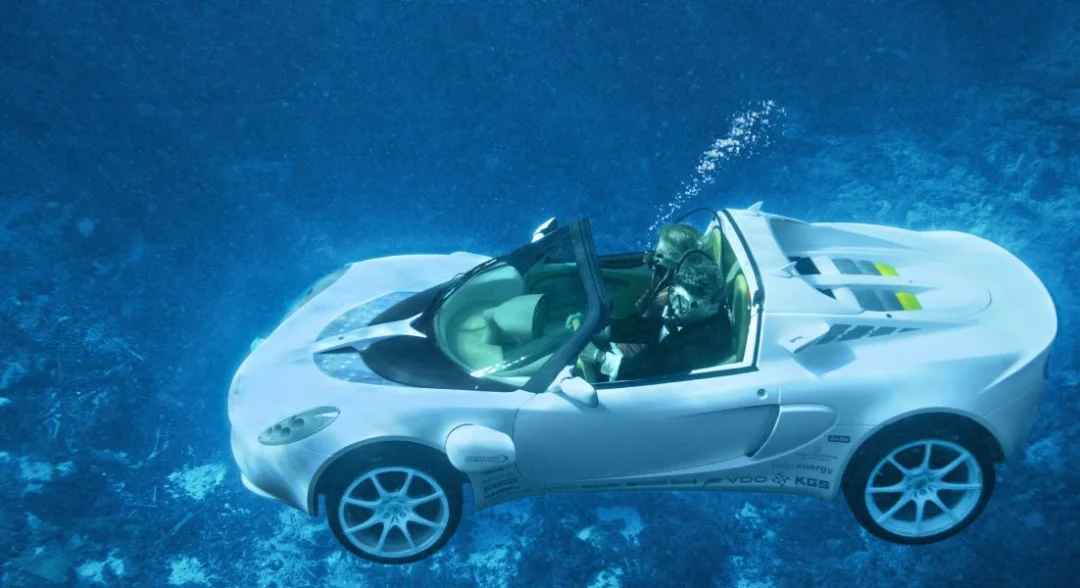
Rinspeed sQuba Gen Z readers might not know Rinspeed, but it once held a top-tier status in my mind as the king of concept cars. Especially this zero-emission Lotus Elise capable of diving underwater—it completely opened up my youthful imagination regarding cars as a mode of transportation.
Oh! So cars can actually drive like that! I could just drive straight to Hainan for a vacation!
But treating a convertible as a submarine is obviously foolish. Until the early 2010s, such ostentatious concept cars never ceased to appear. It may be because automobiles have not undergone major technological transformations for too long; the concepts embodied by concept cars are merely performance art in automotive design, lacking any clear focus.
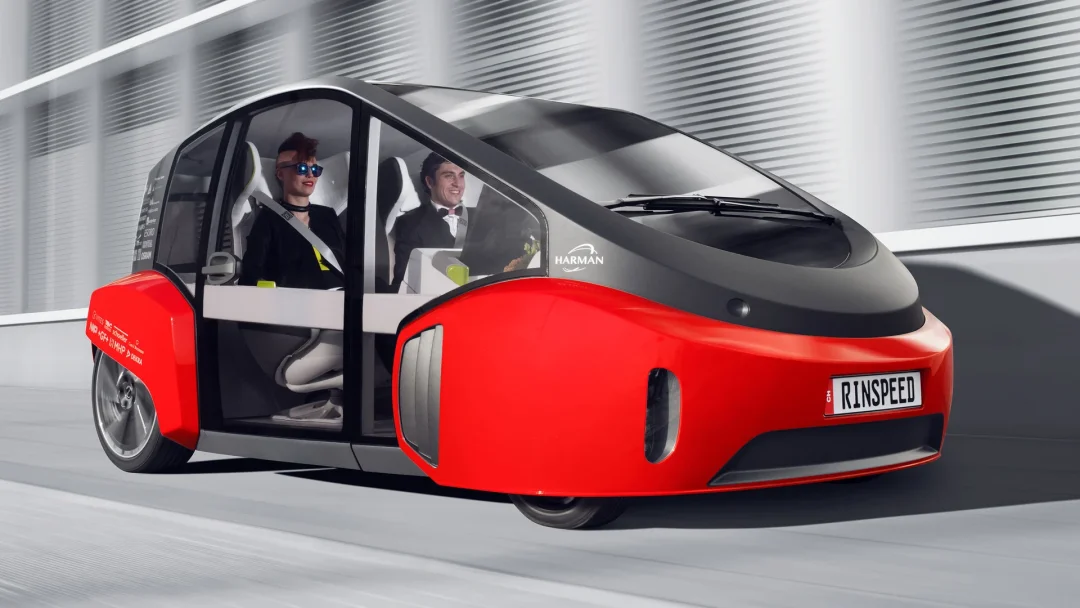
Rinspeed Oasis But by 2017, Rinspeed, always known for its unconventional approach, had come up with the thing shown above. Isn't this exactly an autonomous taxi? Isn't it what's called a robotaxi?
It is evident that within the past two years, market perception of automobiles has gradually shifted from viewing them as mechanically defined transportation tools to regarding them as internet-enabled intelligent mobile terminals.
So, the concept of autonomous driving seems to have suddenly given direction to concept cars.
Autonomous Driving and the Third Space
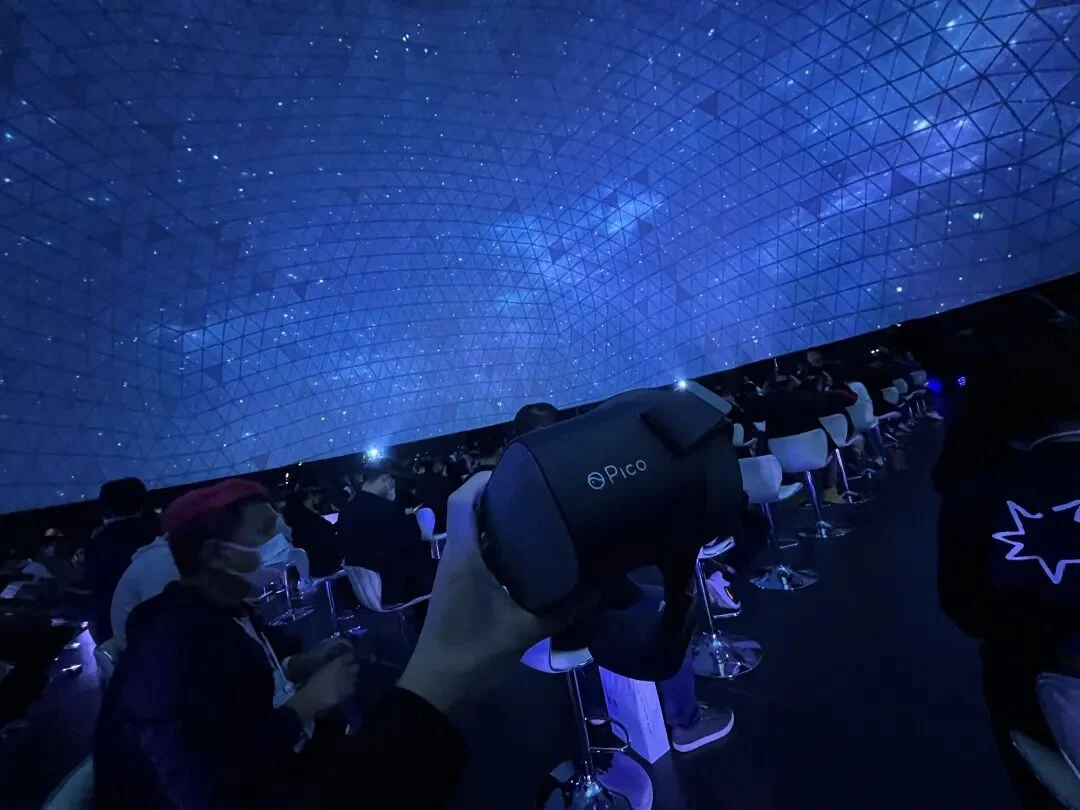
One segment of Audi's "Future Gala" launch event involved watching a video using VR glasses. This experience made a significant impact on me. Although current VR devices may not match ordinary screens in terms of portability, resolution, and other performance metrics, they provide an immersive viewing experience independent of the surrounding environment.

So, I firmly believe that if a car is autonomous driving, the in-car smart interaction should be immersive. But until such an interaction method appears, the vehicle's own experience remains important.
Moreover, the application of new technologies should not be merely for showing off or enhancing a company's value in the capital markets; rather, it should create a broader, boundless, and freer world for customers, much like the atmosphere. This world is not called a '3rd space,' but a 'sphere.' Audi attempts to reinterpret 'technological luxury' through two L4-level autonomous driving concept vehicles.
02Skysphere
Variable Wheelbase
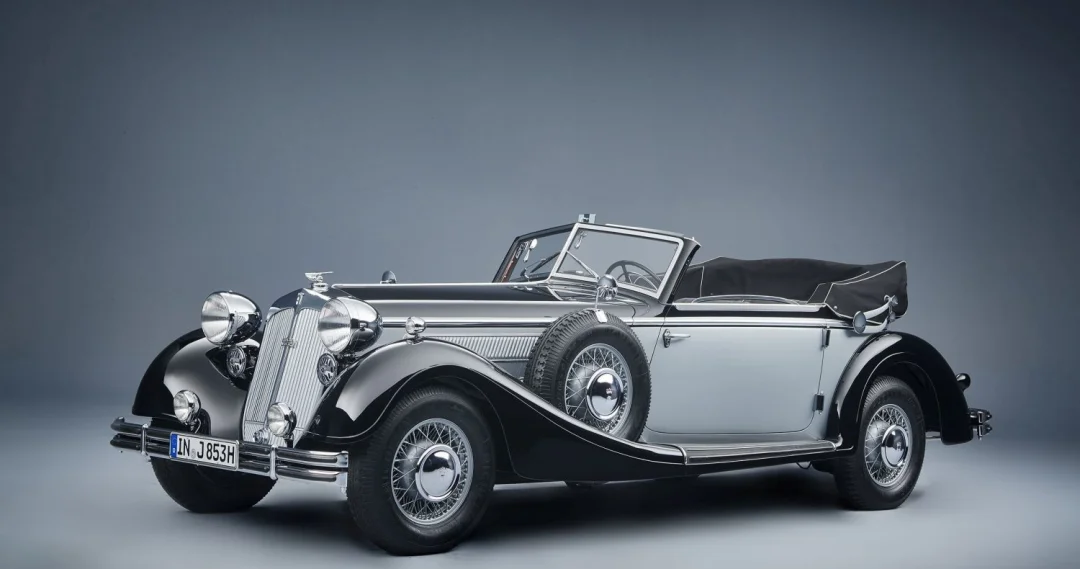
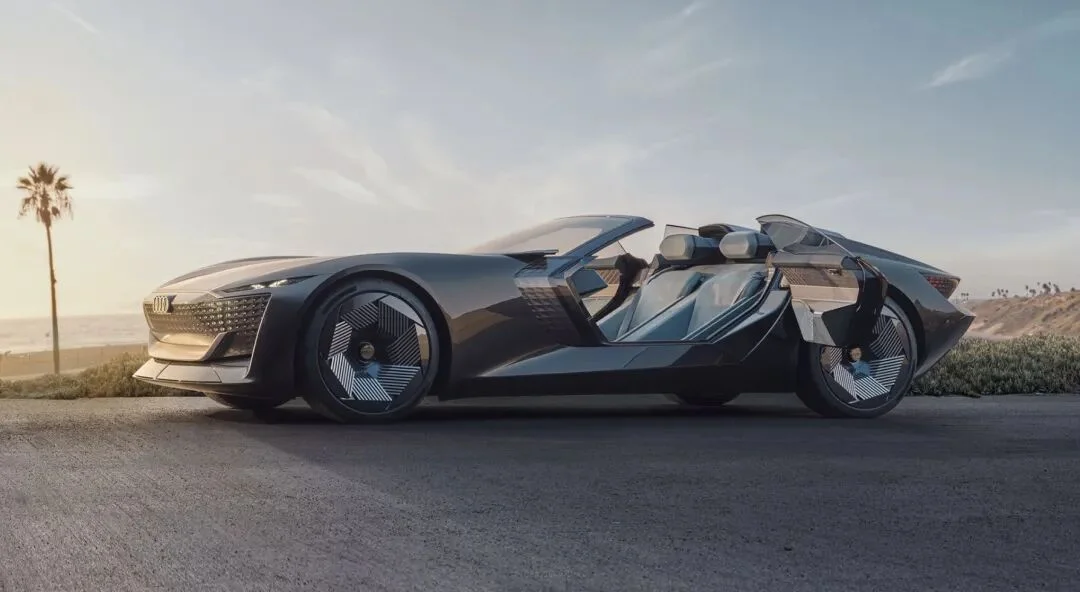
As a futuristic all-electric convertible GT sports car, the Audi skysphere pays homage in its styling to the iconic luxury vehicle of the 1930s—the Huoxi 853. Back then, the exceptionally long hood of the Huoxi 853 was a symbol of luxury. A larger hood meant more engine cylinders, and more cylinders signified better performance and smoother operation.
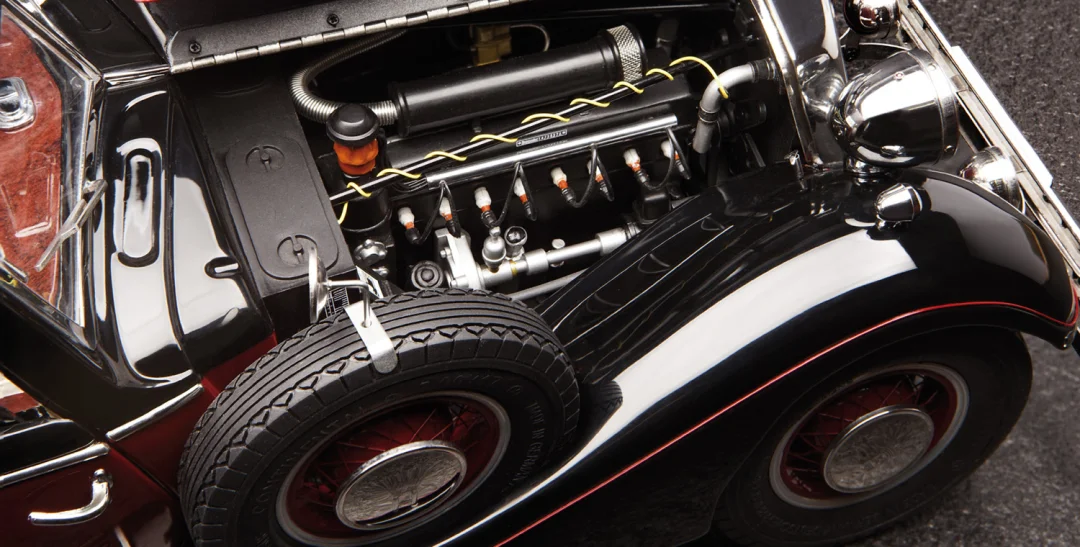
The Huoxi 853 of that era was equipped with a 5.0-liter inline-eight engine. This type of powerplant, now extinct in the passenger car market, offered ride smoothness comparable to that of a V12.
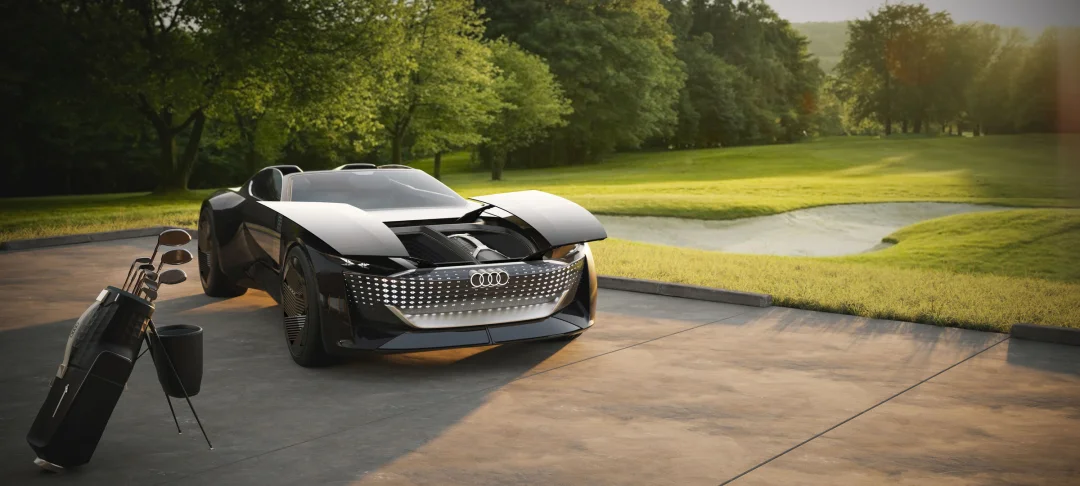
As a pure electric vehicle, it does not have an oversized engine or a driveshaft running through the body, yet skysphere still inherits the Huoxi 853’s extra-long hood. Besides, its battery pack is located behind the cabin and at the central tunnel.
The spatial layout freedom brought by electric drive has not only freed up a front trunk capable of accommodating two golf bags, but also endowed the skysphere with a highly distinctive feature: a variable wheelbase.
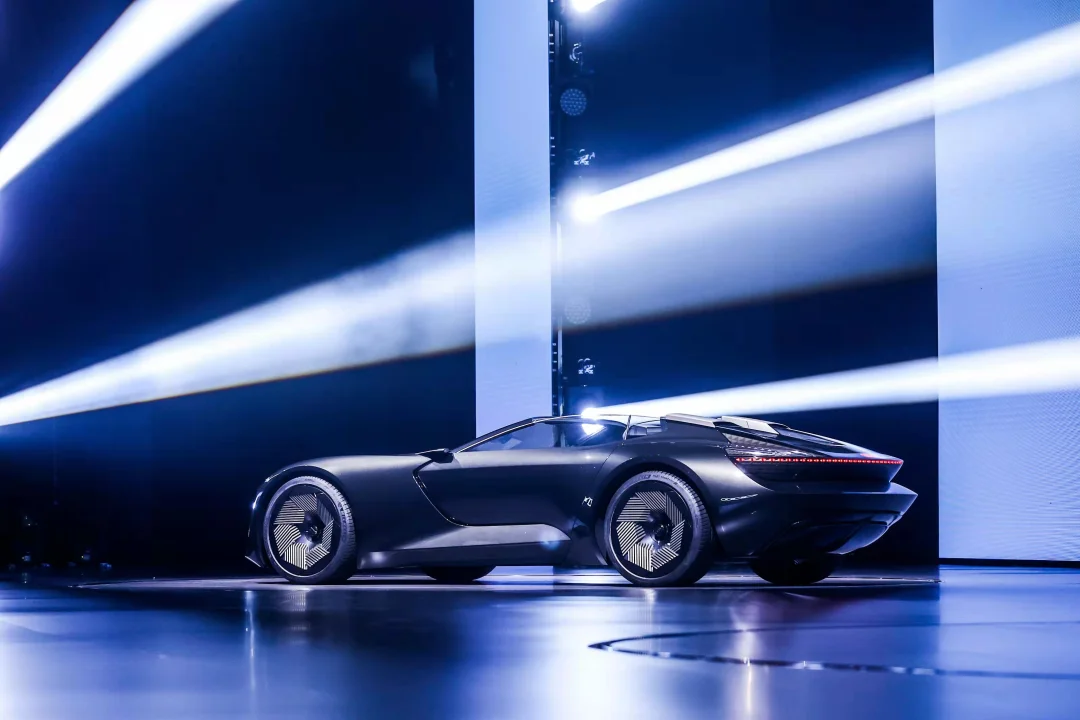
The extendable front end allows for a 250 mm change in wheelbase. The skysphere concept offers two modes: Grand Touring and Sports. In Sports mode, it functions as a 4,940 mm electric sports car.
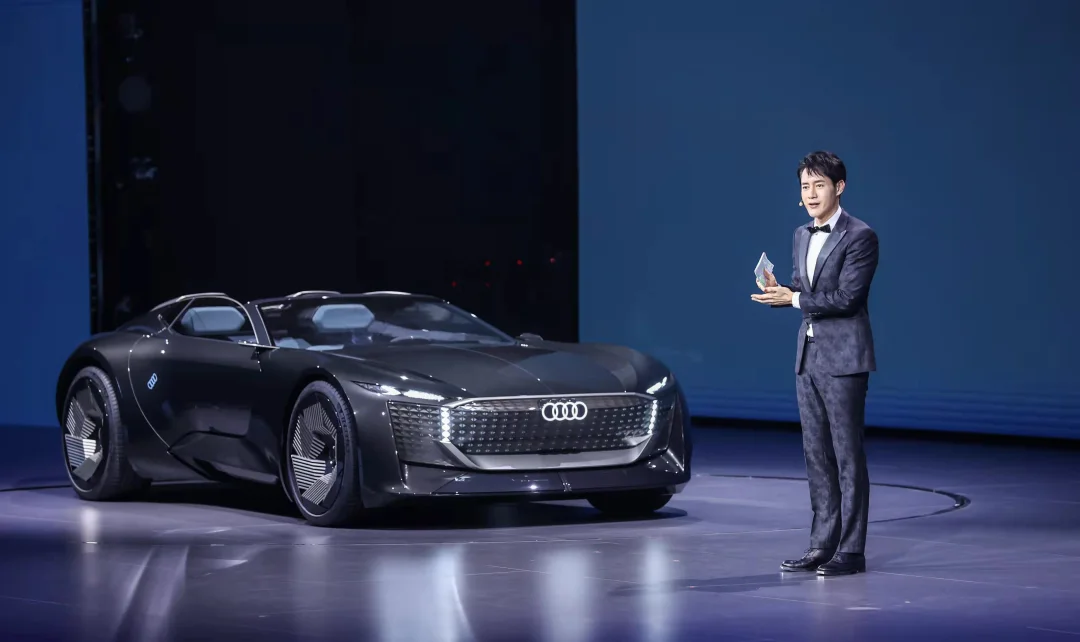
When Grand Touring mode is selected, the body extends to a length of 5,190 mm, transforming into a GT configuration. This is the vehicle’s autonomous driving mode; utilizing steer-by-wire technology, the steering wheel and pedals retract to create a more comfortable environment for occupants.
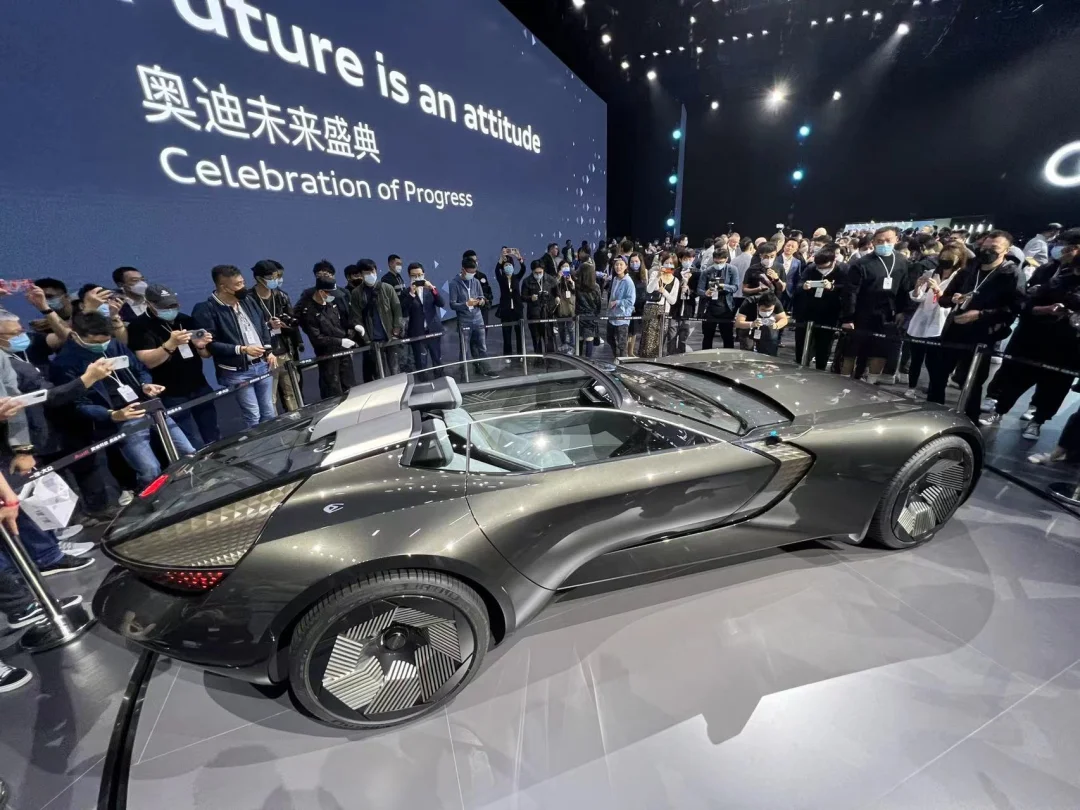
Performance on Display
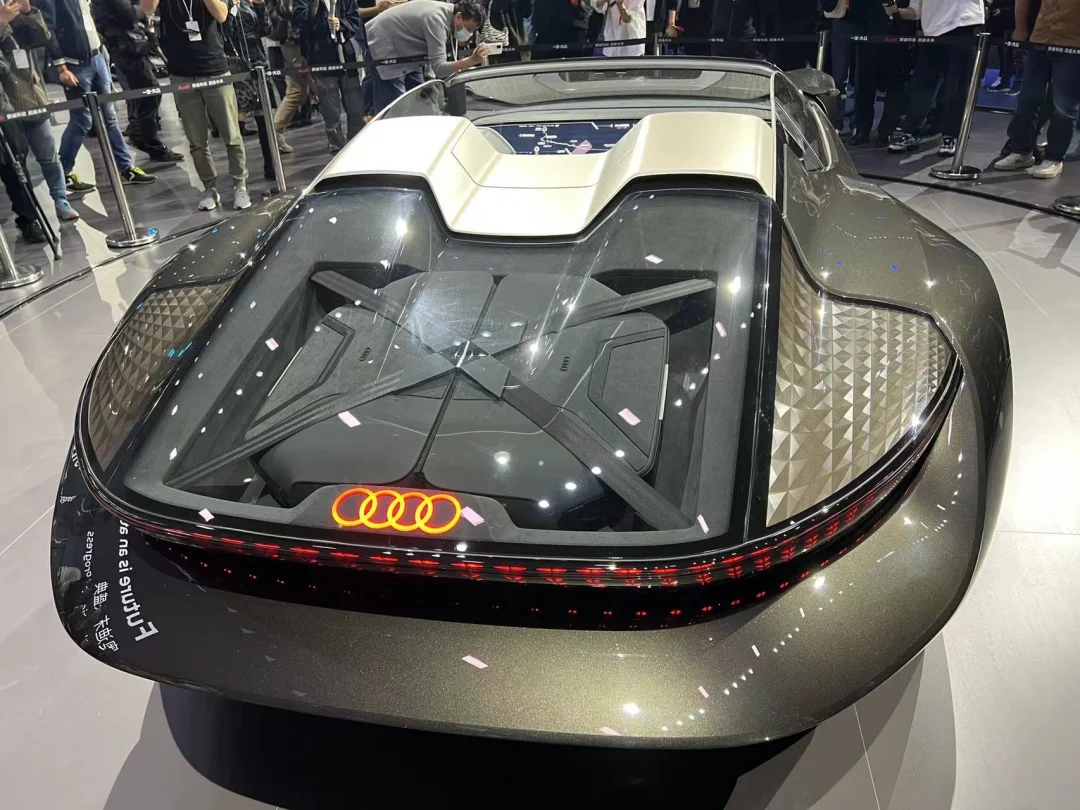
The Audi skysphere concept car weighs 1.8 tons, achieved through material optimization, while equipped with a battery pack exceeding 80 kWh capacity and delivering a WLTP range of 500 km.
Unlike traditional Audi models, the skysphere features a rear-wheel-drive layout with a front-to-rear weight distribution of 40:60. A rear axle motor producing 465 kW and 750 N·m enables acceleration from zero to 100 km/h in just four seconds.
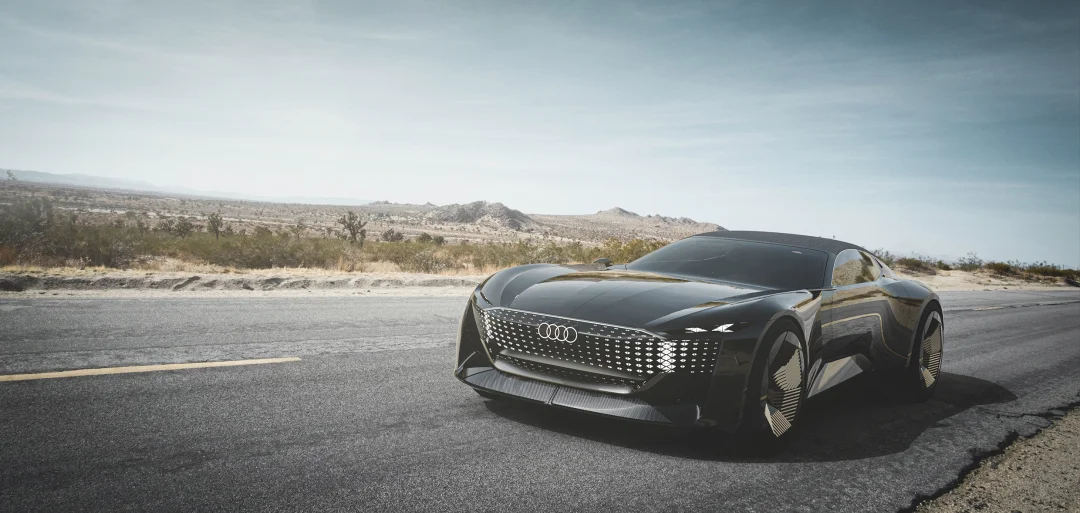
The skysphere concept car features double wishbone suspension at both the front and rear, along with rear-wheel steering. It is also equipped with air springs featuring three independent chambers.
In addition to lowering the body by 10 mm to reduce drag, this approach allows certain air chambers to be independently closed during rapid acceleration to minimize pitch motion. It also enables spring stiffness to be adjusted independently of ride height, creating a wider gap between comfort and sporty driving dimensions.
The 23-inch aerodynamic aluminum wheels paired with 285/30 low-profile tires visually enhance the car's low-slung stance.
Digitalization
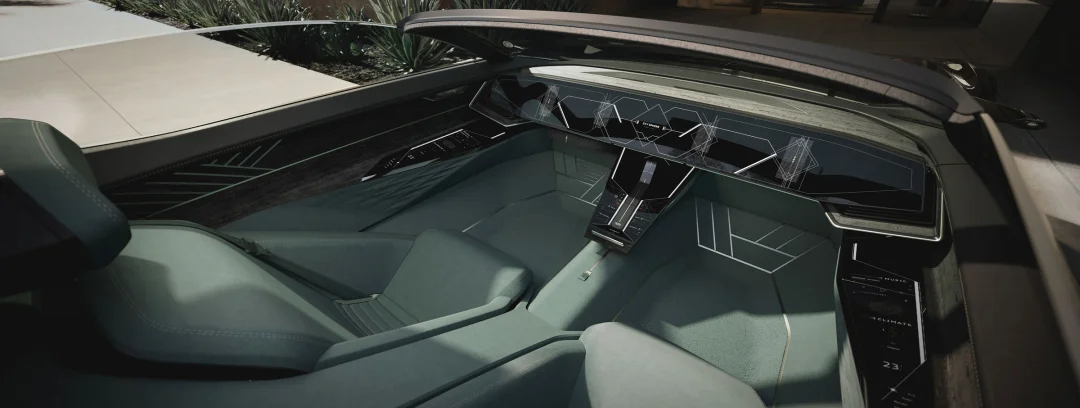
Stepping into the Art Deco-inspired cabin, you'll find that the touchscreen spanning the entire dashboard serves as the core of the vehicle's smart cockpit interface. In this interaction concept, users can upload photos taken inside and around the car via social media while driving to share their travel experiences with friends. Regarding L4 autonomous driving applications, the skysphere is capable of automatically picking up passengers and independently completing pain-point functions such as parking and charging.
03Grandsphere
More Realistic
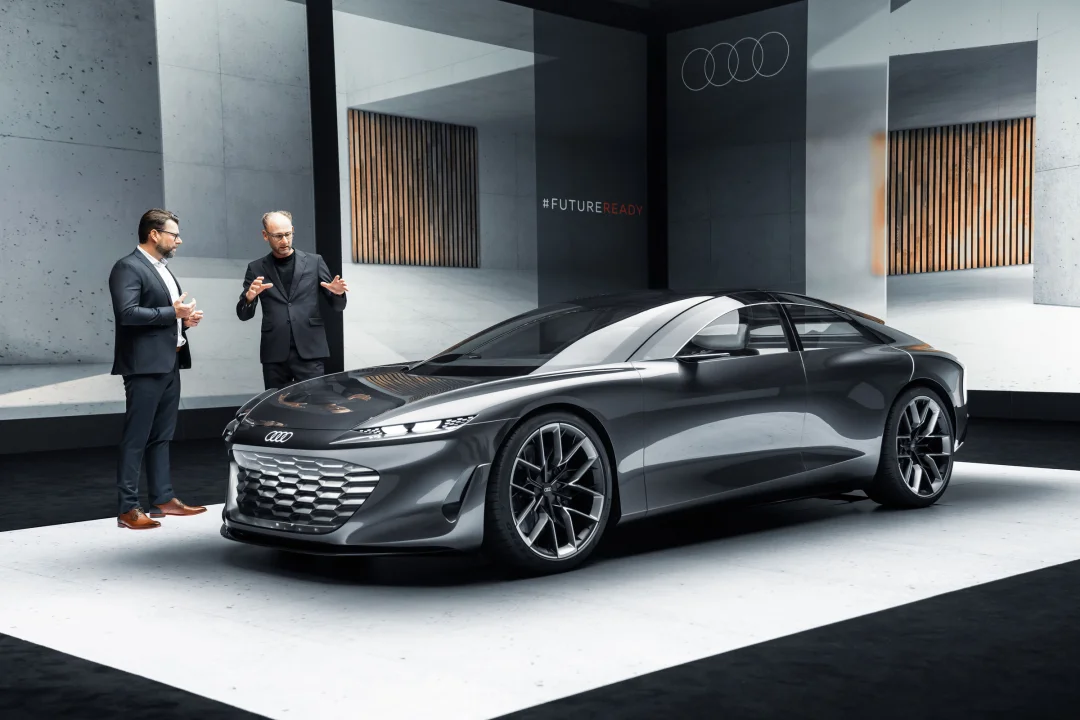
Compared to the wildly imaginative skysphere, the grandsphere is a more pragmatic concept car from Audi.
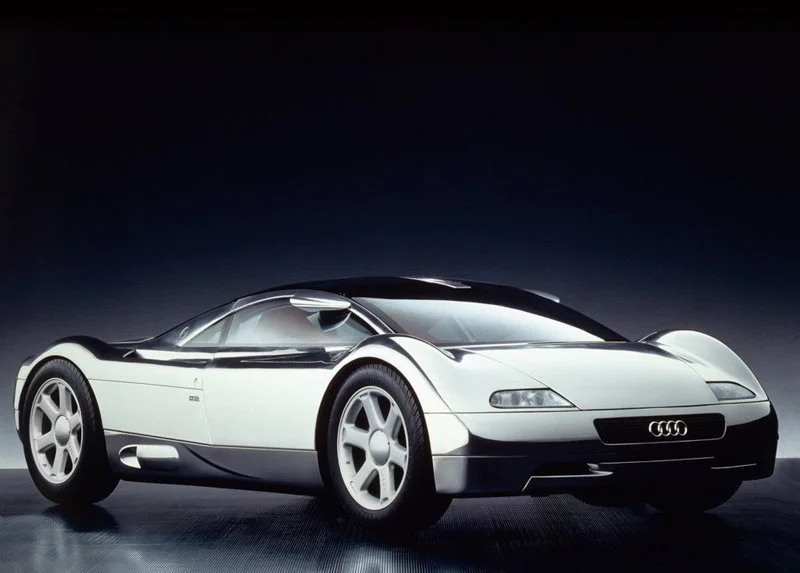
With lines paying homage to the Avus concept car, the predecessor of the R8, the grandsphere avoids excessive showmanship. However, official data indicates that the acronym PPE significantly increases the likelihood of the grandsphere and its technical specifications reaching production. This may represent Audi AG’s bold prediction for the next five to ten years, positioning this vehicle as a more "realistic step" toward the future.
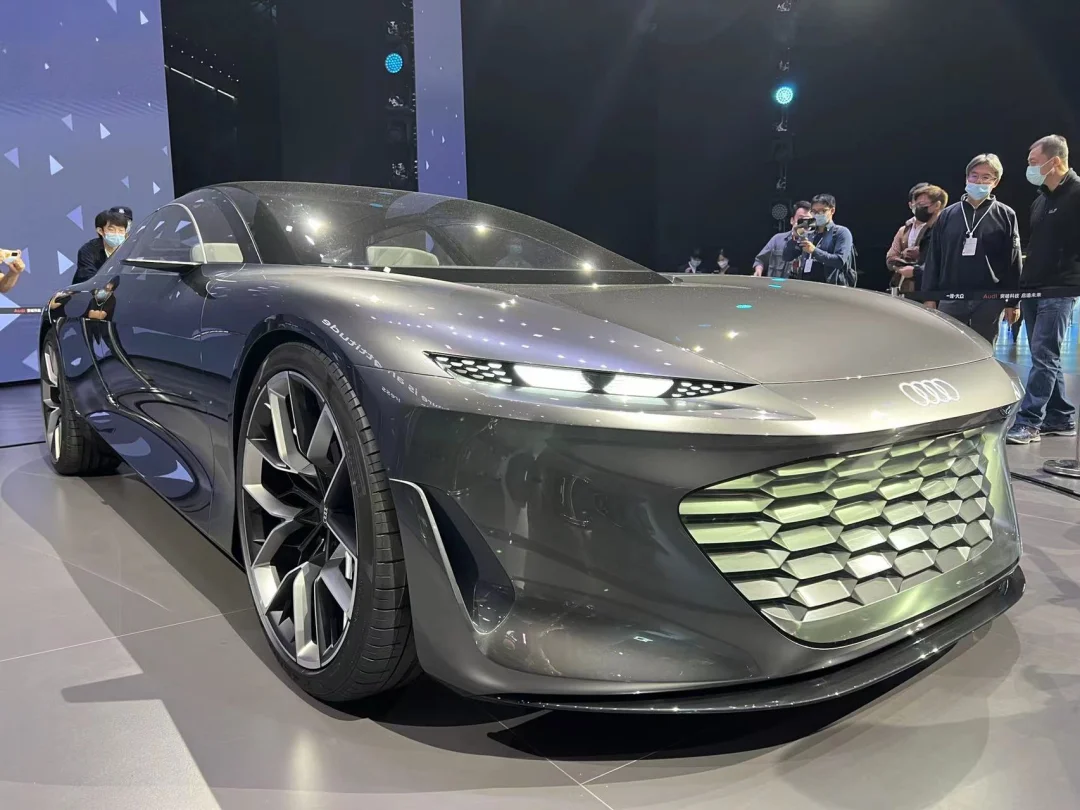
The battery modules in the Audi grandsphere are arranged in a flat layout with a capacity of up to 120 kWh. In the electric era, quattro all-wheel drive is achieved by equipping one motor on each axle. Electronic control allows the system to engage all-wheel drive based on driving demands.
The two motors in the grandsphere concept car deliver a combined output power of 530 kW and torque of 960 N·m, enabling acceleration from zero to 100 km/h in just over four seconds. The front and rear five-link air suspension features active electromechanical leveling. It can assess the need for active compression or rebound of each shock absorber within milliseconds, ensuring tires remain firmly planted on the road and enhancing body stability.
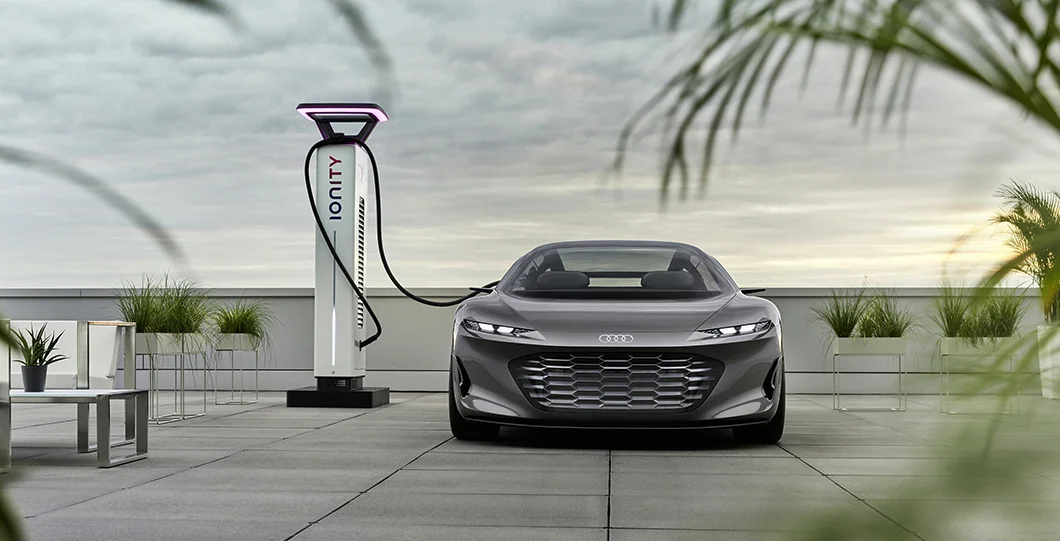
The 800-volt charging technology based on the PPE platform supports a maximum DC charging power of 270 kW. This means that charging for just ten minutes can add more than 300 kilometers of range. Combined with a range exceeding 750 kilometers, the Audi grandsphere concept car is undoubtedly an excellent choice for long-distance travel.
Highlights Within
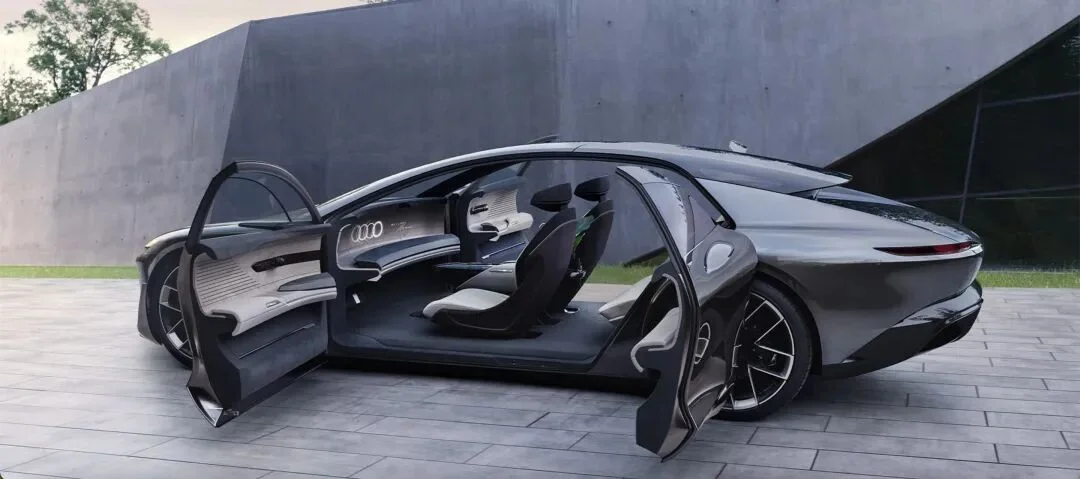
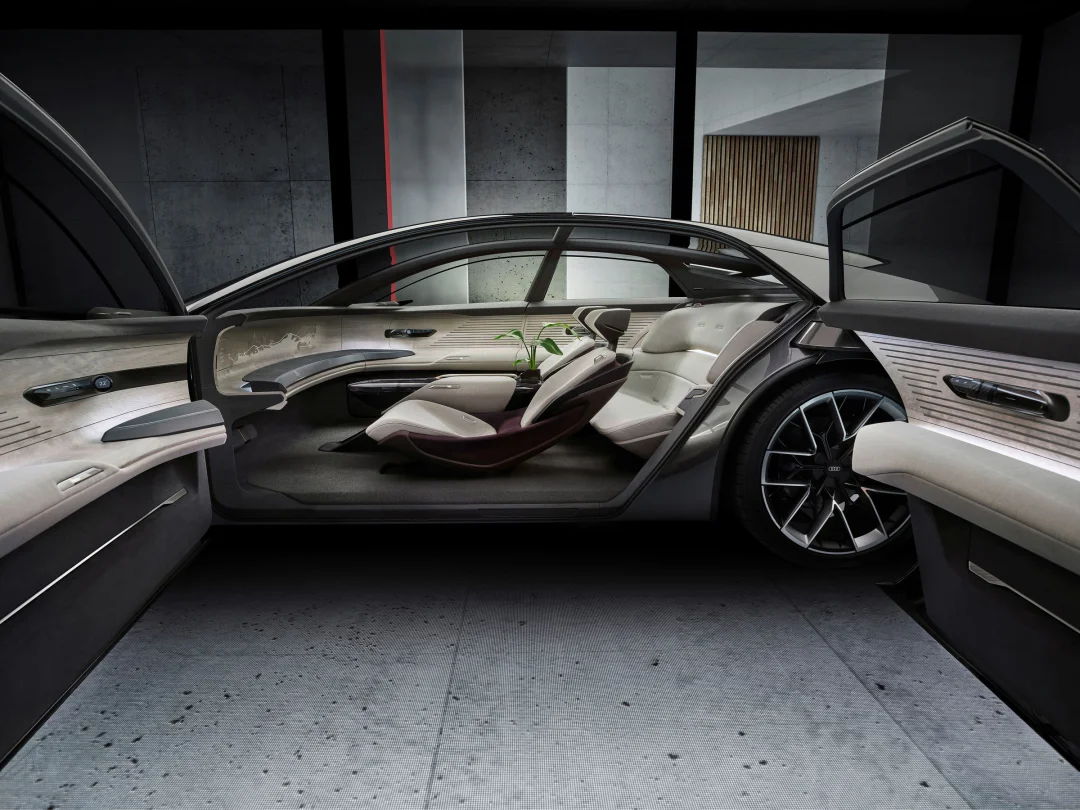
This angle offers the most perfect vantage point for appreciating the grandsphere. The suicide doors, B-pillar-free design, dashboard, and rear end are all clearly visible.
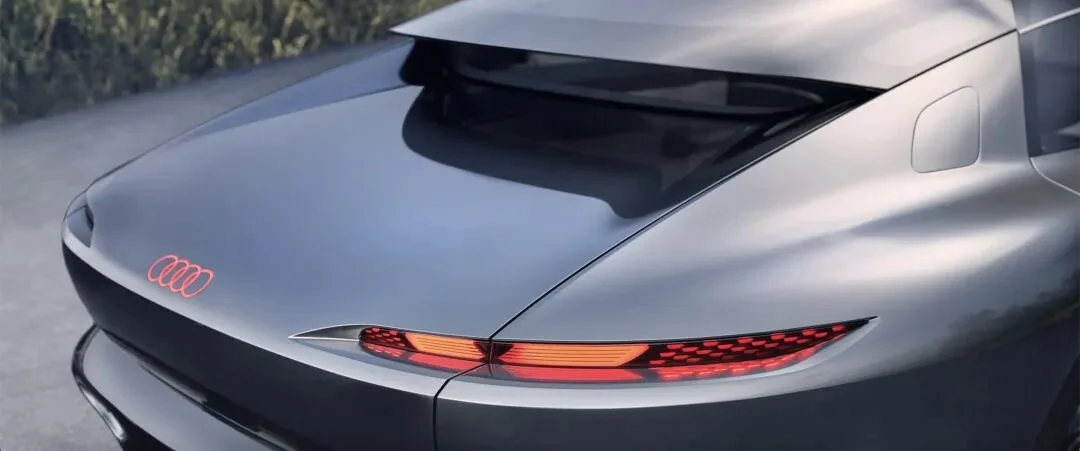
The rear of the vehicle provides a unique interpretation of Audi’s classic Sportback styling, balancing innovation with elegance while potentially enhancing rear visibility in rainy conditions.
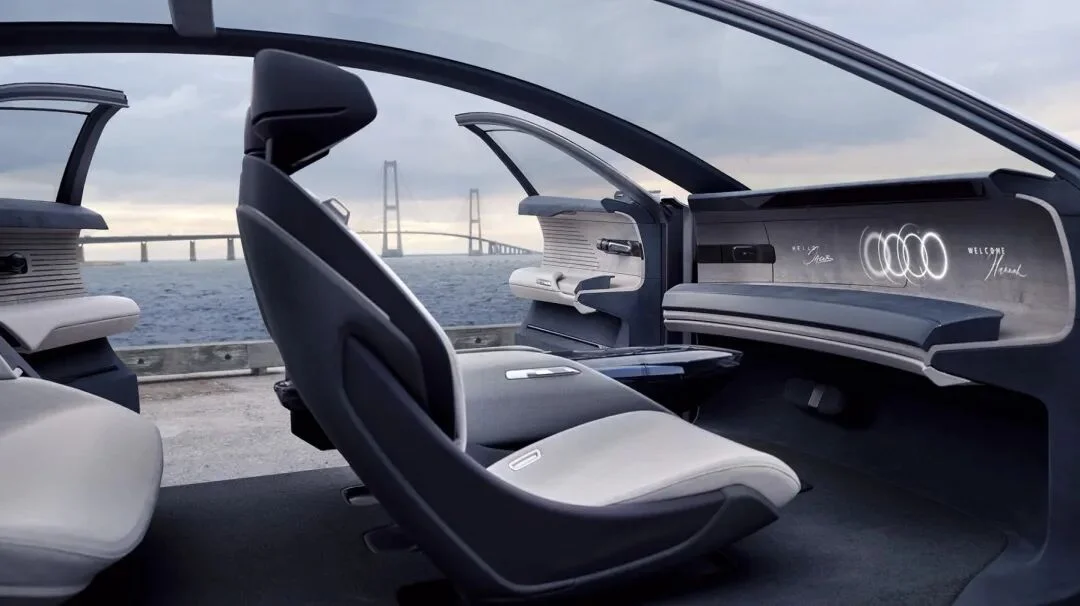
The B-pillar-free suicide door design, combined with extensive glass coverage, makes the interior of the grandsphere exceptionally airy, resembling a bright lounge rather than a vehicle cockpit. True to its low-carbon, eco-friendly ethos, the car uses no animal leather.
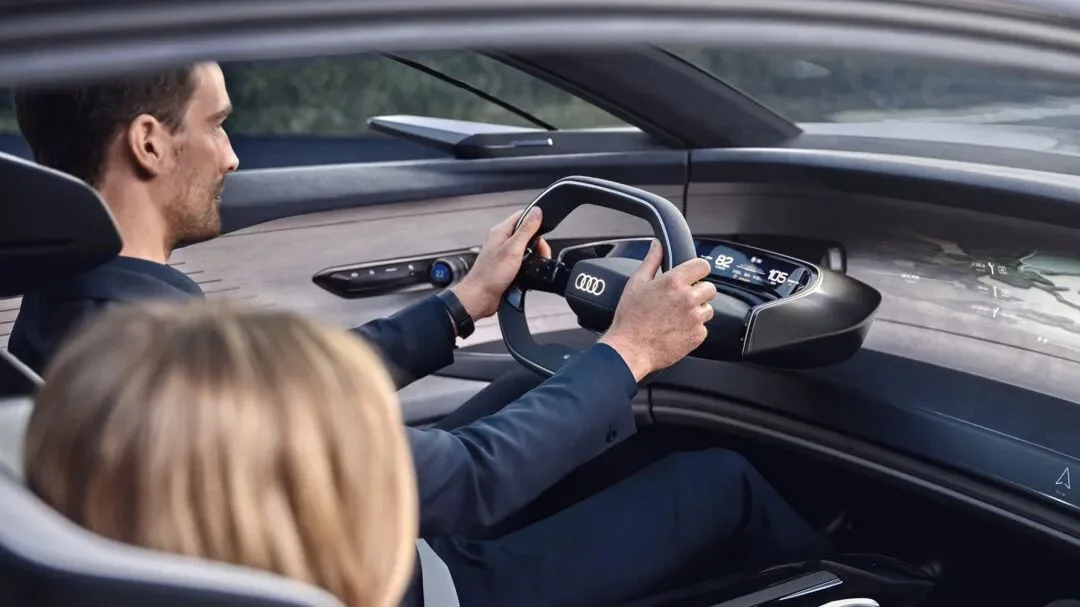
Like its predecessor, the foundational premise of this vehicle is L4 autonomy. Similar to the skysphere, the grandsphere features a folding steering wheel and pedals. With the vast majority of driving tasks removed and the cabin space further expanded, what else must this car achieve? At this point, defining the cabin's function becomes critical.
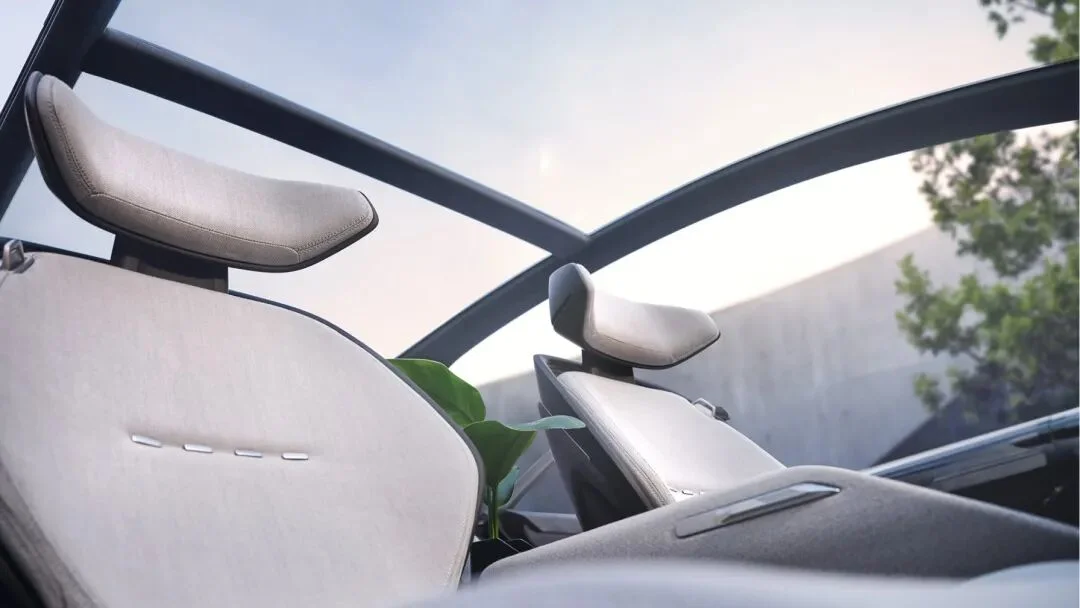
The answer has already been provided by this concept. The vehicle serves as a mobile sunroom, complete with complimentary beverages.
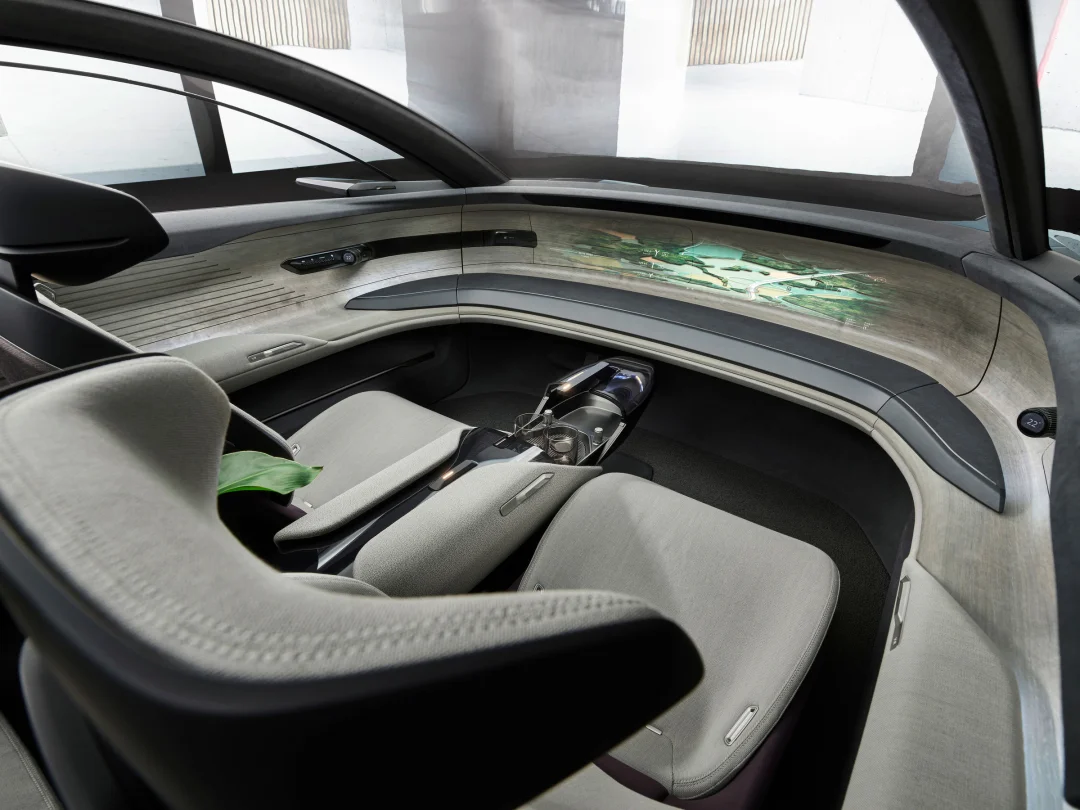
Even the infotainment display is projected onto wood panels that surround the interior. When the screen is off, the entire car resembles high-end designer furniture more than an automobile.
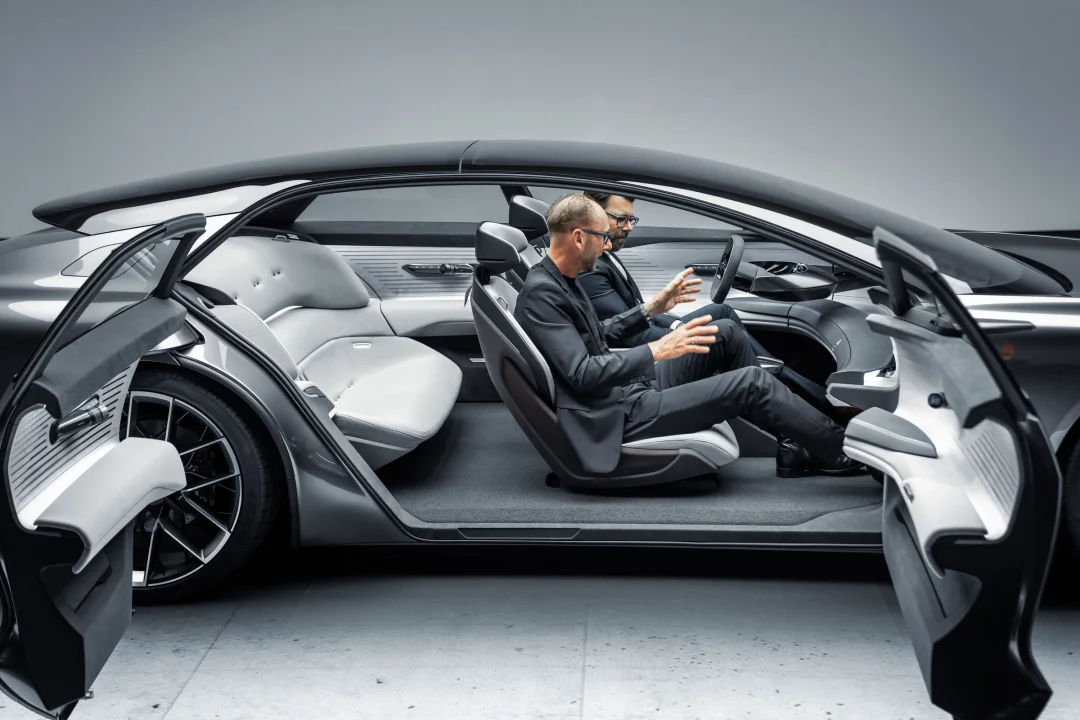
Once the driver enters, the grandsphere concept automatically detects the positions of the driver and passengers, independently adjusting seat comfort for each occupant. Users can also quickly switch between music, navigation, and other functions via touch-sensitive areas on the display screens.
With L4 autonomy, passengers will increasingly enjoy a hands-free ride. To support this, Audi has equipped the grandsphere with eye-tracking and gesture control, enabling most cabin operations to be performed without physical contact.
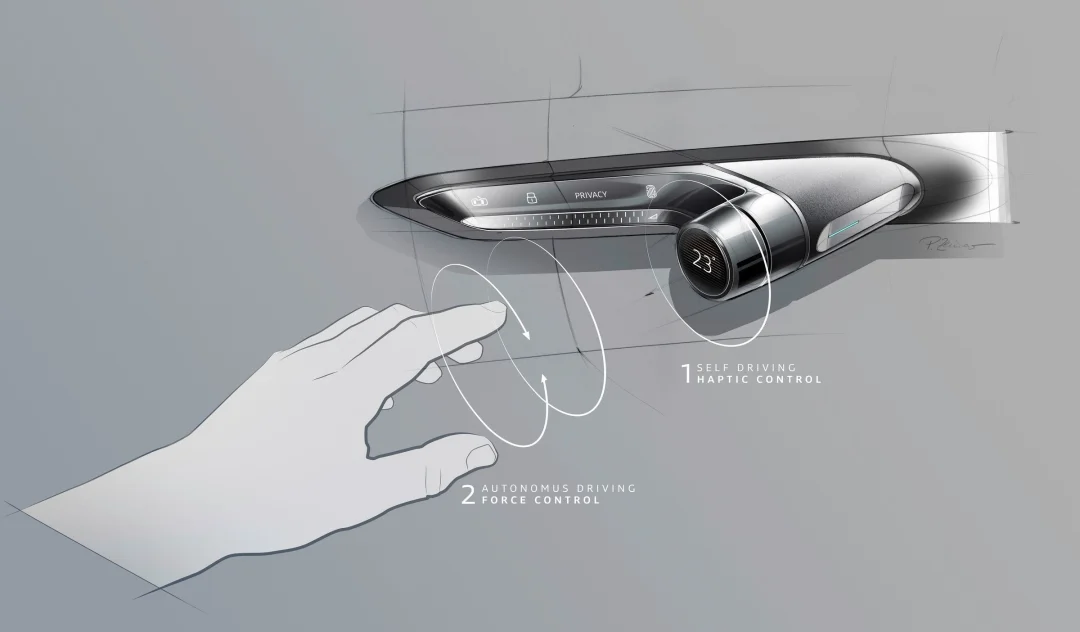
The system also learns user preferences and frequently used menus, offering customized suggestions alongside basic commands.
04One more thing...
Urbansphere
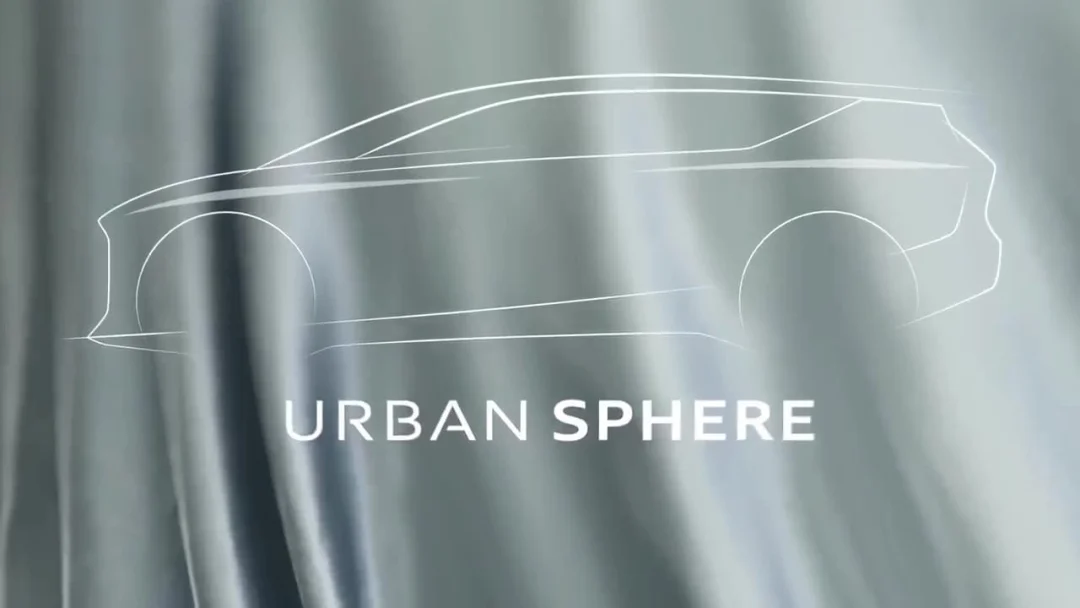
It is now confirmed that Audi’s third sphere concept car, the urbansphere, will debut at the Beijing Auto Show in April next year. Its name and design lines suggest it is a city MPV.
What Experience Does L4 Bring?
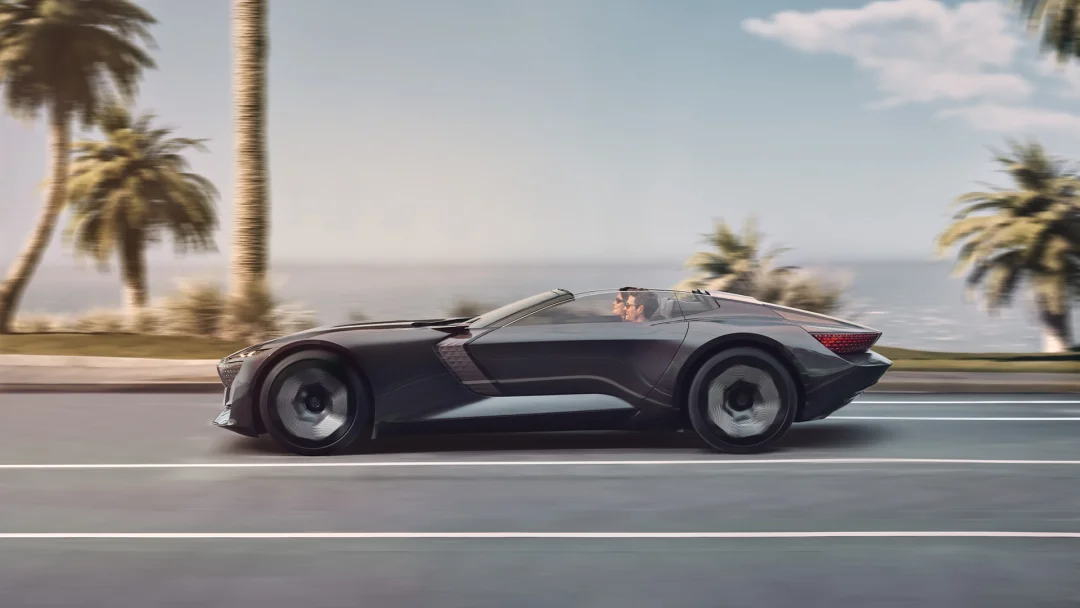
"Skysphere" is a well-chosen name. The prefix "sky" represents the heavens, and the suffix "sphere" denotes space. For this convertible, that space extends to the entire atmosphere—literally, the sky is the limit.
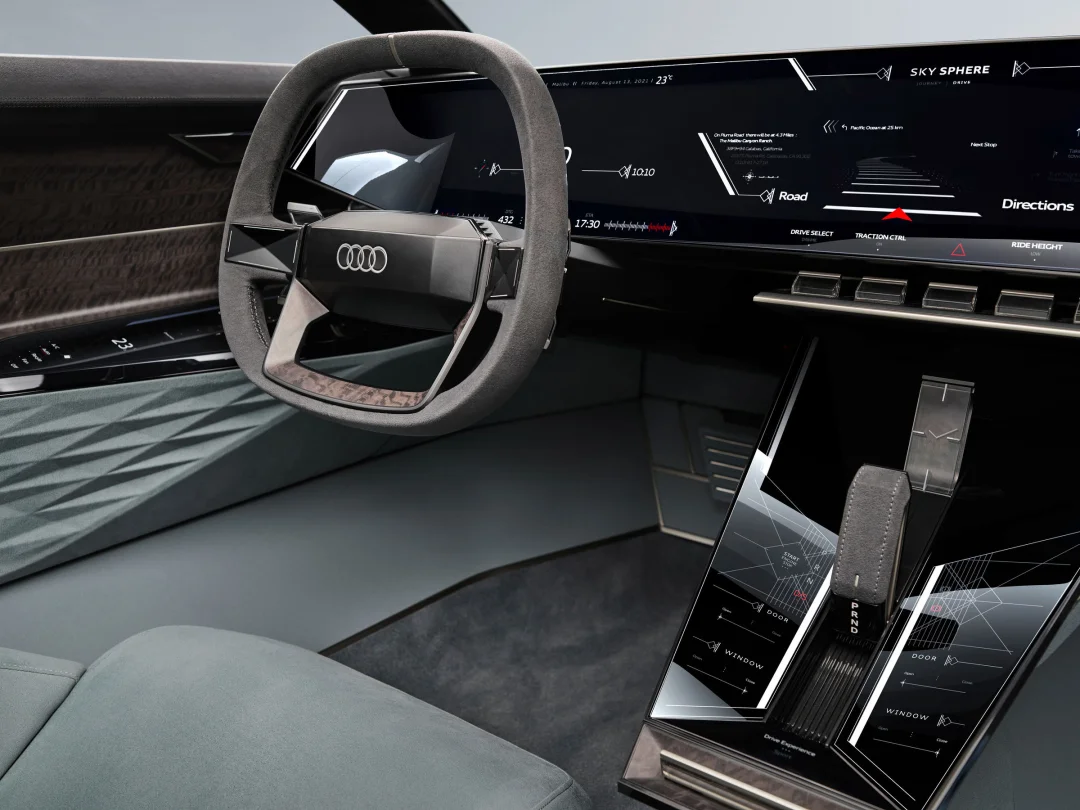
Many believe sports cars do not need intelligent features because they are meant for driving. But even in a supercar, who can guarantee that situations will arise where being driven is more important than driving yourself? This is a car that drives you when you are tired; one that allows you to flirt with your passenger; one that lets you enjoy the scenery; and one that still delivers an exhilarating driving experience when you want to take the wheel.
Such needs exist, but have rarely been realized effectively. While extending the wheelbase may present technical challenges, Audi aims to make the driving experience of its sports cars closer to nature and more human-centric—one of the goals of Audi in the era of electric luxury.
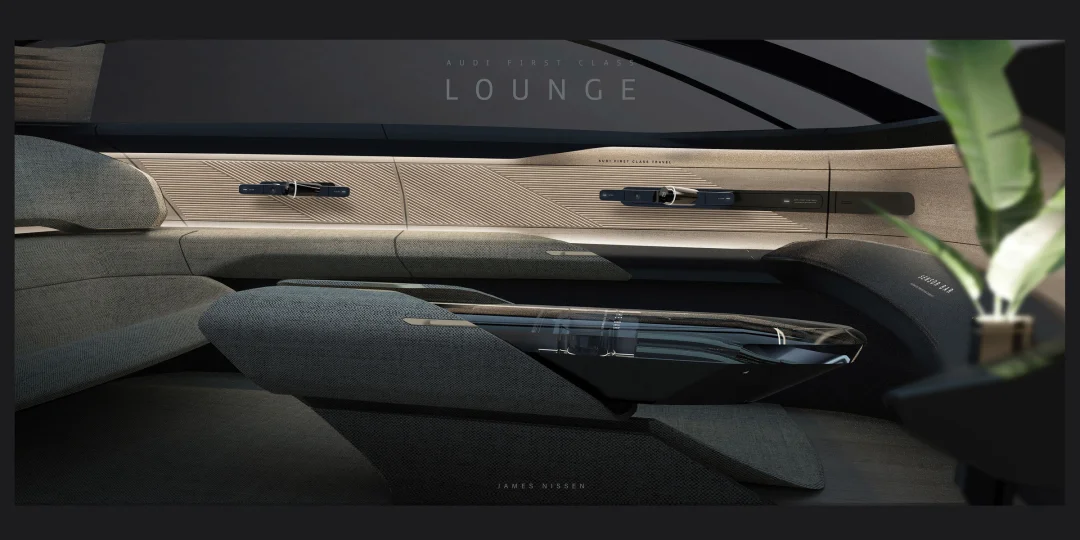
As for the Grandsphere, isn't it a reasonable vision of a luxurious personal mobility space on land, designed for a time when the act of driving becomes less significant?
Thus, today's concept cars are becoming increasingly interesting. Manufacturers no longer compete on eccentricity; instead, they compete on their understanding of scenarios enabled by autonomous driving and their ability to uncover hidden pain points.
By Avatar Edited by Avatar