


Li L9 Interior Officially Revealed, Part 2: Pixel-Perfect Detail Breakdown
At 12:00 noon today, Li Auto officially unveiled the interior of the Li L9. A closer look reveals a wealth of information in the images; this article provides a detailed analysis of the star family SUV based on the official photos.
01Li L9 Official Information
First, here are the official images from Li Auto:
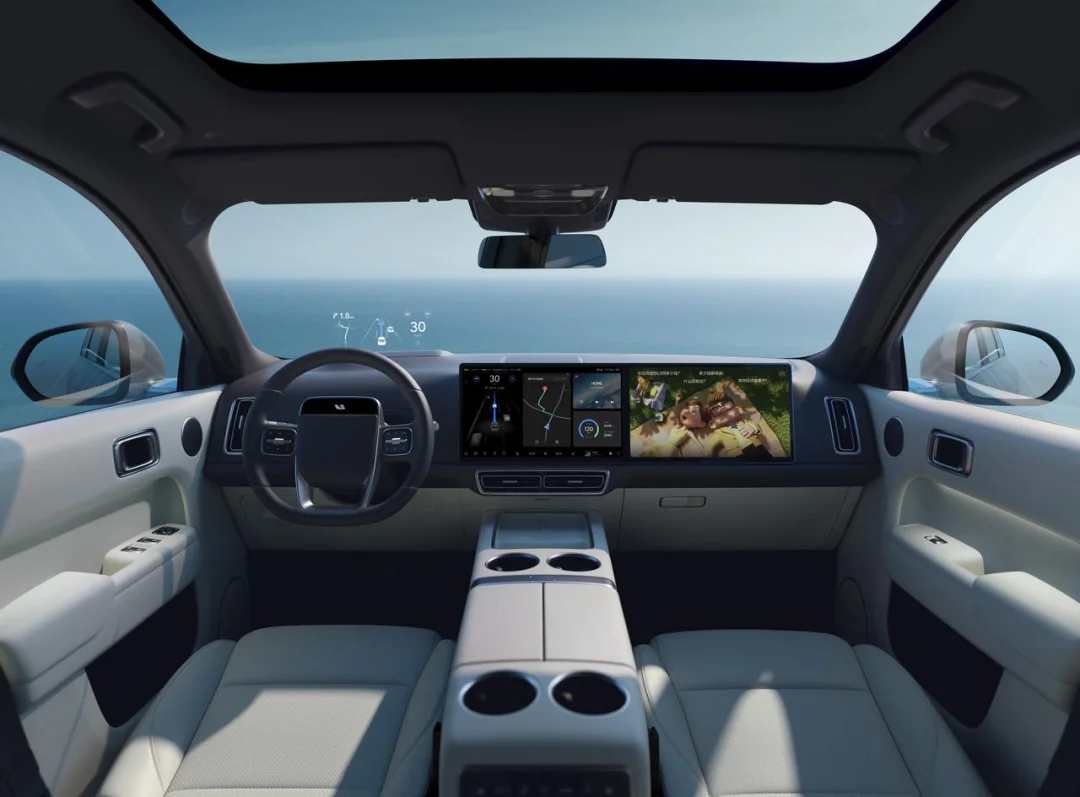
Front-row view
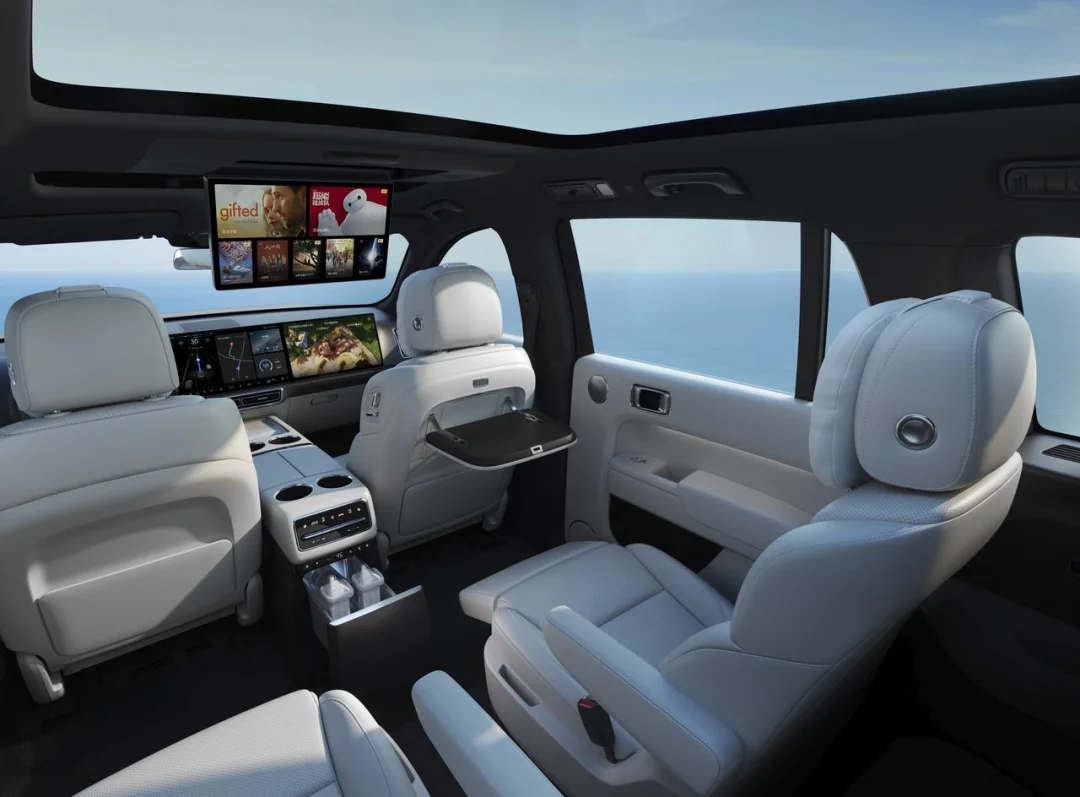
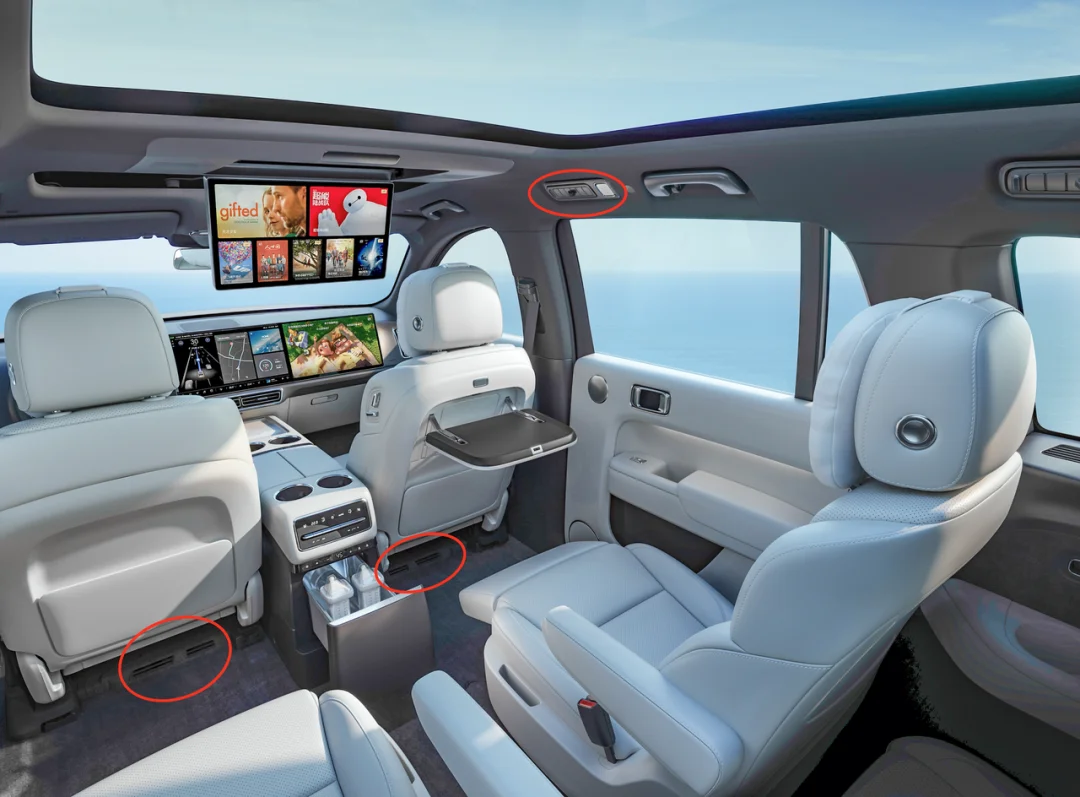
Second-row view A quick glance at these two images reveals the following key points:
The Li L9 has no instrument cluster screen, with a large HUD for the driver;
The central control and front passenger screens are integrated into a dual-screen setup, replacing the previous dedicated vehicle control screen;
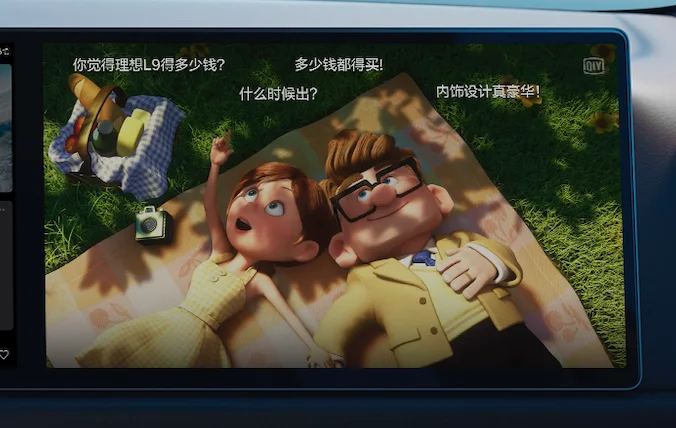
The roof features a flip-up audio-visual entertainment screen;
A small table is mounted behind the front passenger seat;
The second-row seats feature electric leg rests;
The second row features cold and warm storage compartments.
At the same time as the release of today's render images, Li Auto also dropped a major bombshell:
6-microphone voice + 3D ToF multimodal interaction
3 × 15.7-inch 3K OLED screens
Dual Qualcomm Snapdragon 8155 chips
24 GB of RAM and 256 GB of storage for the infotainment system
Dual 5G carrier networks
This round of official leaks is truly refreshing. Before Li Auto released the official images today, several batches of spy shots of the L9's front interior had already circulated online. However, under heavy camouflage, there wasn't much to see, and the image quality was poor; looking back, many rumors were baseless.
With that context established, let’s officially dive into a pixel-level exploration of the L9’s interior details.
02Front Row: Tesla’s Missed Opportunity Finally Filled
The Li L9 features a five-screen interaction design. Excluding the rear entertainment screen, the four front-row screens are particularly distinctive:
15.7-inch central control screen
15.7-inch passenger screen
And the screens that are less "screen-like":
Driver's HUD
Auxiliary driving interaction screen (the rumored "Touch Bar")
It can be said that the main changes in the Li L9's front cabin stem from these displays.
The instrument cluster is optional; the HUD is mandatory
What caught people off guard was that the Li L9 has directly eliminated the instrument cluster, replacing it with a sizable HUD.
The most famous example of removing the instrument cluster is Tesla's 2016 Model 3. By integrating instrument information into the central touchscreen, this design provided the Model 3 with an excellent driving field of view, eliminated a component, and improved parts interchangeability between left- and right-hand drive models' dashboards, effectively reducing overall vehicle costs—a move that achieved multiple benefits.
However, this approach raised concerns among some drivers who found accessing driving information in the Model 3 cumbersome. Compared to looking straight ahead at a traditional steering-wheel-mounted cluster, glancing at the central screen requires a larger head-turning motion.
Objectively speaking, significant optimization has been made regarding the size of the central screens in the Model 3 and Y and the display of driving information. After a period of adaptation, most users can accept using the central screen as their primary instrument display.
But as vehicle dimensions increase, so does the cabin's lateral space, which in turn requires a greater head-turning angle to view the center console. Therefore, designing the central screen to serve as the instrument cluster is clearly less suitable for larger cars; Tesla's decision to retain an instrument cluster in the facelifted Model S/X validates this logic.
The solution has long been a topic of discussion among Li Auto owners: removing the instrument cluster is acceptable, provided it is paired with a Head-Up Display (HUD). Finally, after years of such calls, Li Auto put this concept into practice with the L9.
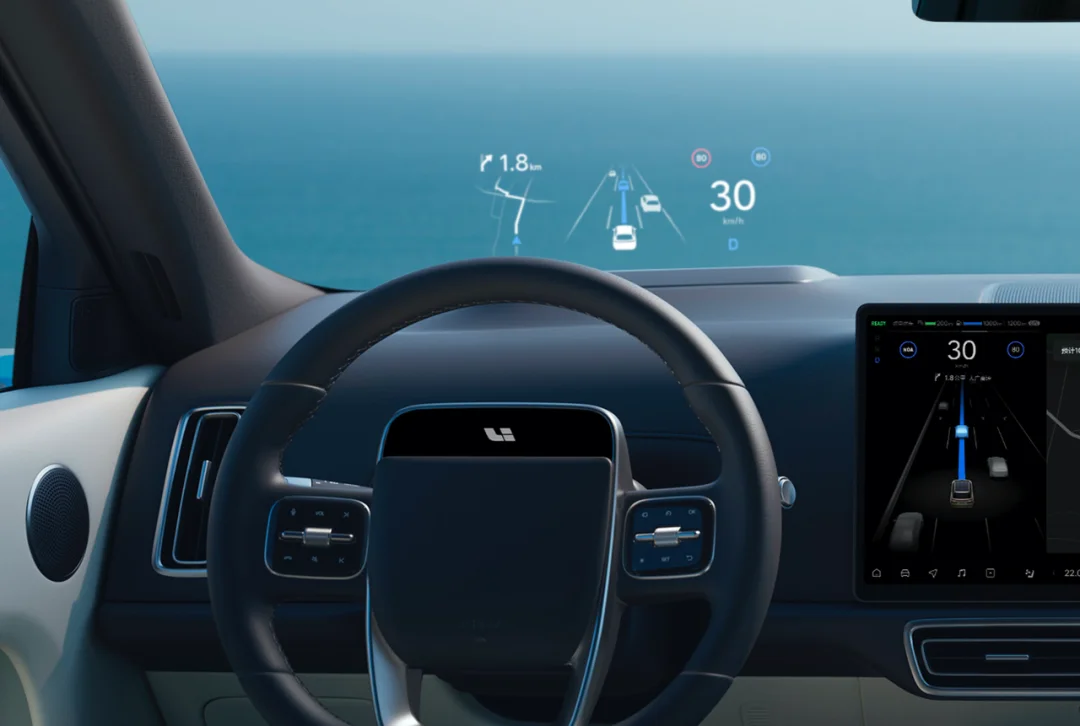
The official images show that the HUD displays a wealth of information. The layout of information across the left, center, and right zones inherits the instrument display logic of the Li ONE. As seen in these official images:
Left side: Navigation information
Central: Visualized ADAS Information
Right: Driving Status Information
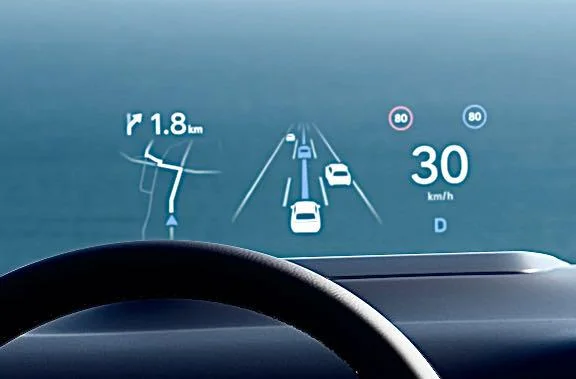
The official specifications do not disclose the HUD's dimensions. However, based on the density of information and the space occupied by the projection mechanism on the dashboard, the HUD size is likely comparable to that of the current Mercedes-Benz S-Class.
Based on previous HUD experiences, the display often shifts vertically while driving. Excessive HUD information can distract drivers and cause dizziness, particularly when visualizations are projected directly onto the HUD. The actual effect remains uncertain. Additionally, brightness significantly impacts usability under intense sunlight; the L9's HUD faces considerable challenges in this regard.
Steering Wheel Interactive Screen
The L9 features a distinctive steering wheel design. The familiar Li Auto logo has been replaced by a small screen at the center. Informally referred to as the steering wheel 'Touch Bar,' its more formal designation is the 'Safety Driving Interactive Screen.'
With the removal of the traditional vehicle control screen in the Li L9, we speculate this small screen assumes some related control functions. Isolating frequently used controls here enables one-touch operation, eliminating the need for drivers to look down as required by the previous control panel.
Based on previously leaked online renderings, shortcut touch buttons for frequently used functions—such as the driver assistance toggle, charging controls, and 360-degree surround-view camera—could be placed here.
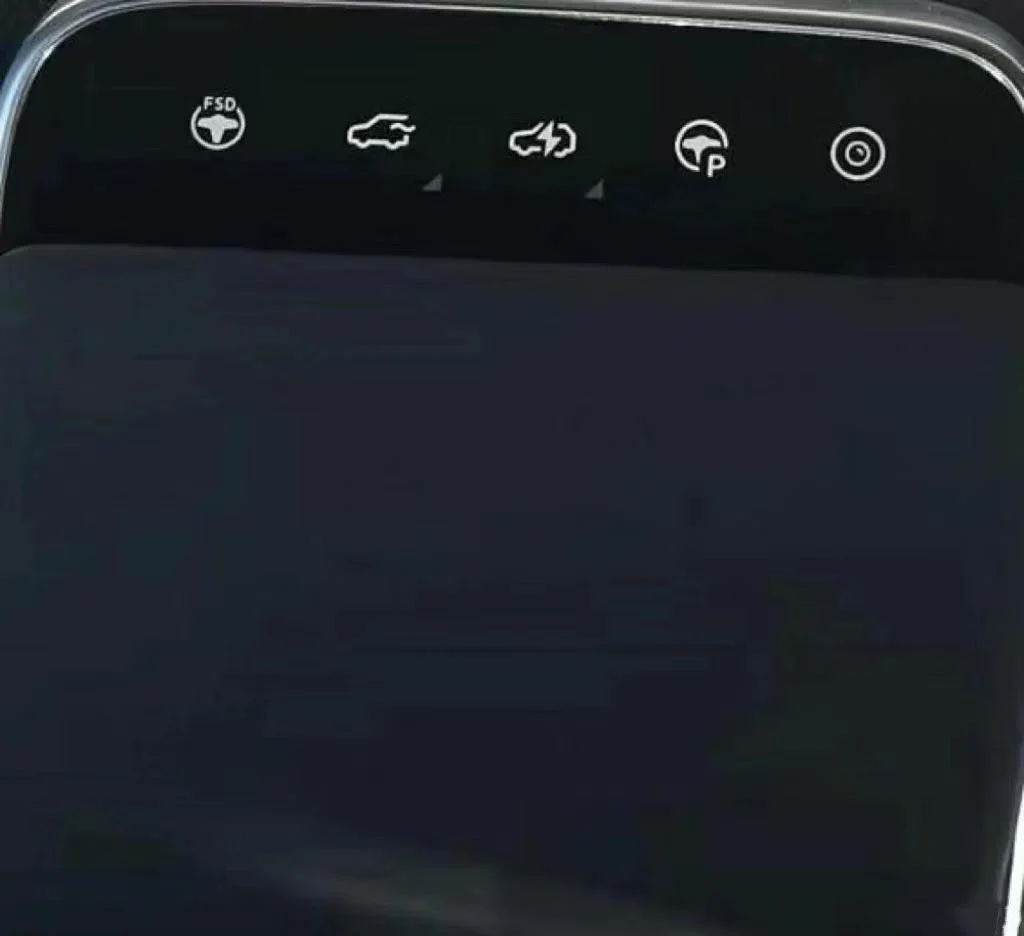
A question that arises when viewing the image is that this screen is fixed to the steering wheel, requiring the hand to move to the center area of the wheel for operation. This approach also means one hand must leave the steering wheel, so the actual user experience remains to be verified. Regarding aesthetics, a large portion of the center of the current steering wheel lacks any markings, creating a visually abrupt appearance; we hope for some improvement before delivery.
Dual Screens Without an Instrument Cluster
The Li L9 features two floating screens: 15.7-inch automotive-grade OLED displays. Li Auto has disclosed a resolution of 3K, with an expected actual display resolution of 2,560 × 1,600 pixels.
OLED displays are self-emissive, meaning they do not require full-screen backlighting like LCD screens. In pure black backgrounds, the pixels in OLED screens simply remain unlit, significantly improving the 'light leakage' issues common in LCDs when displaying black. Additionally, the wide color gamut of OLED screens enhances visual quality. This is why previous models such as the Mercedes-Benz S-Class and NIO ET7 have adopted OLED screens.
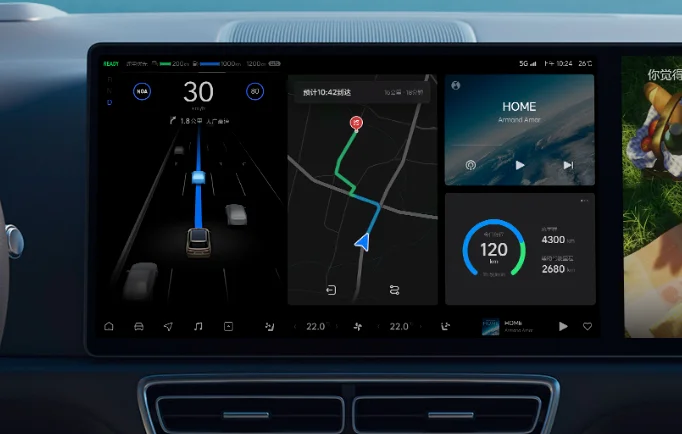
The UI design of the L9’s screens is flatter compared to the Li ONE, offering a cleaner and more intuitive visual experience. The upper-left area of the central console and the visualization zone clearly borrow from Tesla’s display logic. It must be said that Tesla’s interaction design in this regard is excellent; other manufacturers’ attempts at differentiation in recent years have not been particularly effective, and there will undoubtedly be more imitators in the future.
The vehicle control screen found on the Li ONE has been removed from the Li L9. Functions such as vehicle controls, climate settings, multimedia management, and seat ventilation adjustments are now integrated into a Dock bar at the bottom of the central infotainment screen.

The status bar at the top is divided into left and right sections. Zooming in on the range information in the upper-left corner reveals that the Li L9 offers an electric-only range of 200 km, a fuel-based range of 1,000 km, and a combined CLTC range of 1,200 km. The upper-right corner displays 5G signal strength, time, and temperature. It is worth noting that although the Li L9’s electric range reaches 200 km, the displayed test cycle has switched to CLTC; therefore, the actual increase in real-world range compared to the 21 Li ONE model is likely modest.
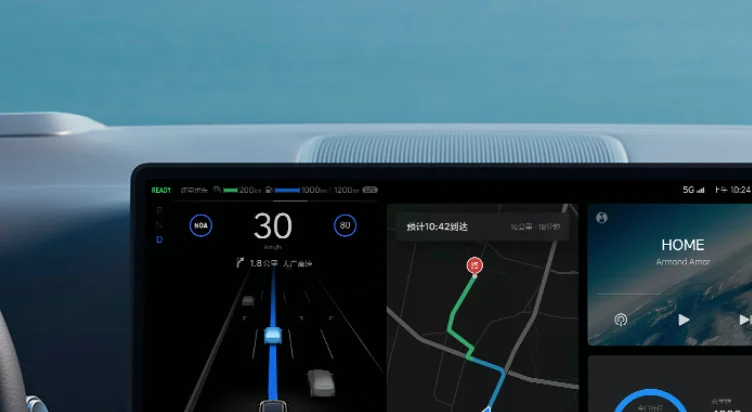
According to official information, the Li L9’s smart cockpit comes standard with two Gaotongxiaolong 8155 chips. Paired with a computing platform featuring 24 GB of RAM and 256 GB of high-speed storage, it supports switching between dual 5G carriers. This represents a significant hardware upgrade over the Snapdragon 820A used in the Li ONE.
Regarding the cockpit team at Li Auto, one might imagine their sentiment to be:

A small detail on the passenger display screen is the dual-screen setup, which features rounded corners—a definite relief for those with obsessive-compulsive tendencies.
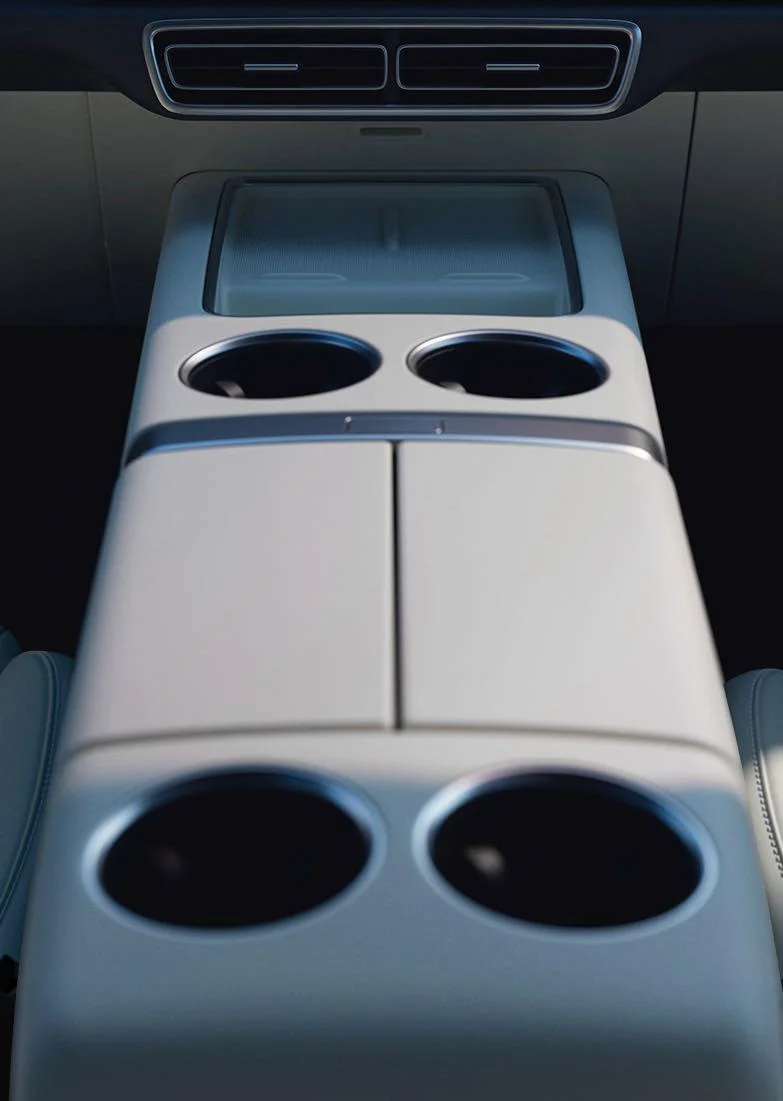
Looking further down, two wireless charging pads are positioned below the Li L9's center console screen, allowing both the driver and front passenger to charge their phones simultaneously. The absence of a traditional gear lever suggests that gear selection has been moved to a column-mounted shifter. The previously occupied central area now features two cup holders at the front and rear, along with a large, split-opening center armrest.
Other Details
Although the official exterior design of the Li L9 has not yet been revealed, some exterior details can be inferred from today's interior images.
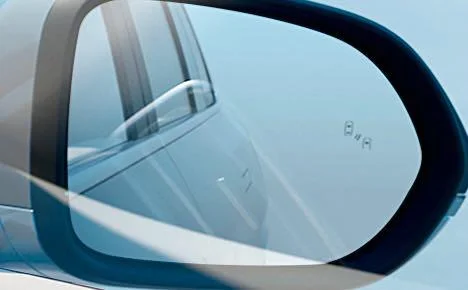
First, reflections in the side mirrors within the released interior photos clearly show that the Li L9 uses flush door handles.
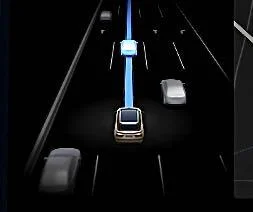
Additionally, the vehicle model displayed on the infotainment screen's driver assistance visualization interface faintly reveals the color scheme of the Li L9's floating roof design.
Additionally, three black protrusions are visible on the front section of the roof, arranged in a triangular pattern. The central black bump is slightly larger than those on either side.
Based on previously obtained information, the Li L9 may be equipped with Hesai’s AT 128 long-range hybrid solid-state LiDAR and two front-facing 8-megapixel cameras. Spy shots released earlier show that the ‘forehead’ area of the Li L9 camouflage test vehicle features a distinct bulge.

That covers the main details for the front row. Let us now move on to the rear seats.
03Rear Seats: Family Vehicles for the 2.0 Era
Entertainment Screen: Now Available for Rear Passengers
We start with the screens in the rear section of the Li L9. According to official descriptions from Li Auto, the screen installed in the second row is a 15.7-inch OLED display with 3K resolution, identical to the one in the front row. Therefore, its basic performance quality should be excellent.
One notable aspect of the Li L9's screen is its mounting method: it is suspended from the roof and features a folding mechanism similar to that of a laptop. This design allows for two immediate conclusions.
The screen can be adjusted according to seat position and passenger height.
When not in use, the screen retracts into the vehicle's headliner.
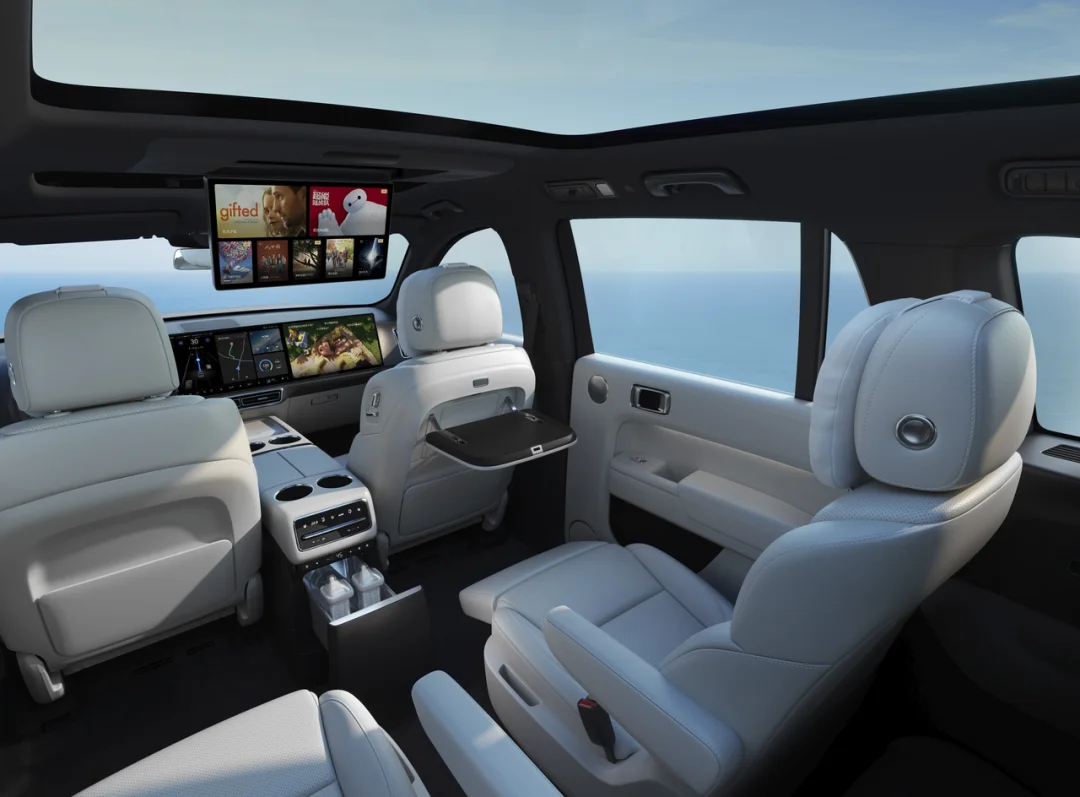
I believe Li Auto has given systematic thought to the role of this screen in the Li L9. Since we are discussing rear-seat screens, I will also bring up the Mercedes-Benz S-Class, which is perhaps best known for its implementation of this feature.
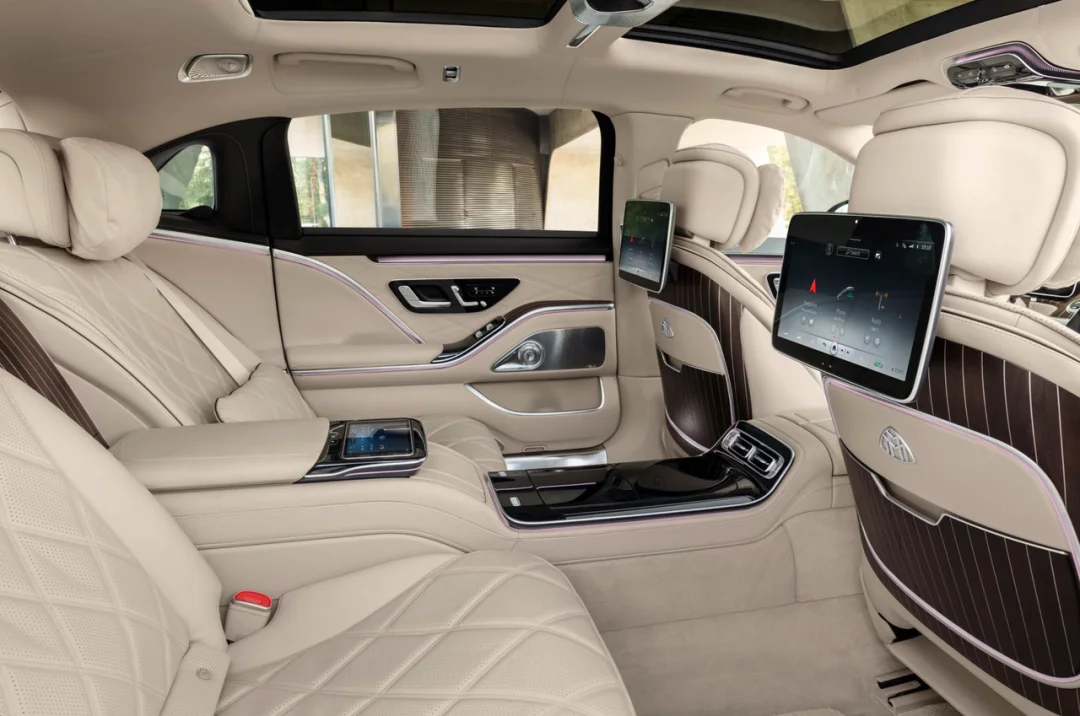
First, let us examine the difference between having two screens versus one.
Mercedes-Benz's philosophy was that the back seat is reserved for executives. Therefore, the rear screens serve as both vehicle information displays and entertainment units for passengers. As an executive-class sedan, it makes sense to provide one screen per occupant. To facilitate touch control, the screens are mounted directly on the rear seats.
This layout indeed creates a strong impression of high-end trim at first glance, with rear-seat passengers almost immediately drawn to the feature upon entering.
However, after experiencing it, several issues with this kind of rear-screen setup—such as that found in the Mercedes-Benz S-Class—become apparent:
The screen’s position and distance are linked to the front seats, making adjustments inconvenient;
When not in use, the screen remains somewhat conspicuous and doesn’t quite blend with the vehicle’s overall interior ambiance;
And when the front seats recline, the screen can interfere with rear-seat movement.
Moreover, due to shortcomings in the infotainment system’s overall experience, these two screens fail to stand out in either "entertainment" or "control" functions.
The screen Li L9 has installed in the second row clearly has a more focused purpose: it serves as an entertainment display for second- and third-row passengers.
That's right, I mentioned the third row here. Given the screen's centrally mounted overhead position combined with the second-row independent seats, it is reasonable to infer that Li L9 third-row passengers can also view the screen through the gaps between the second-row seats.
Additionally, since this screen is dedicated to entertainment, it does not need to support touch interaction. On the Li L9, it is positioned further from passengers for a comfortable viewing angle. Its laptop-style folding design facilitates easier angle adjustments without affecting first-row passengers. The streaming content on this screen will likely be similar to that of the front passenger display, supporting major domestic video platforms.
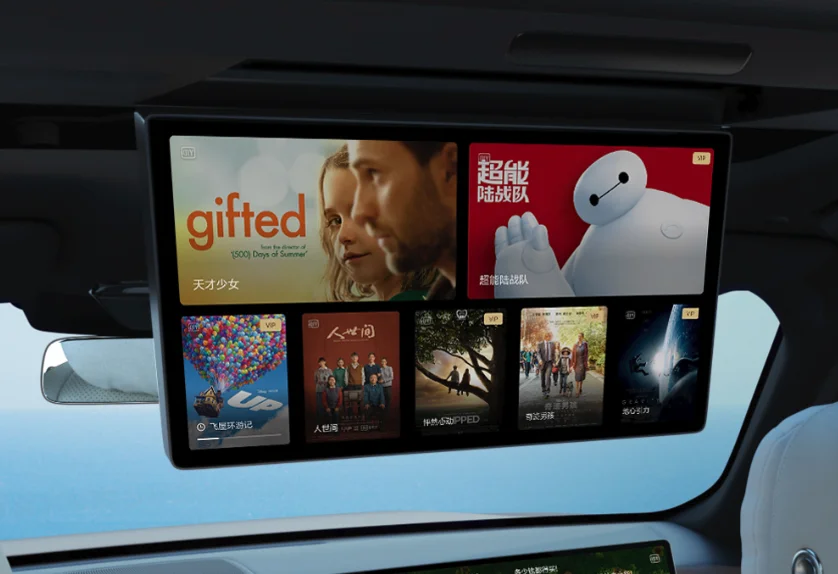
We previously speculated that this screen likely lacks touch capability; therefore, its interaction logic is expected to resemble that of a television, controlled via a remote or gestures.
However, there is more: by increasing the brightness of the image, a long sensor area can be seen in front of the rear screen.
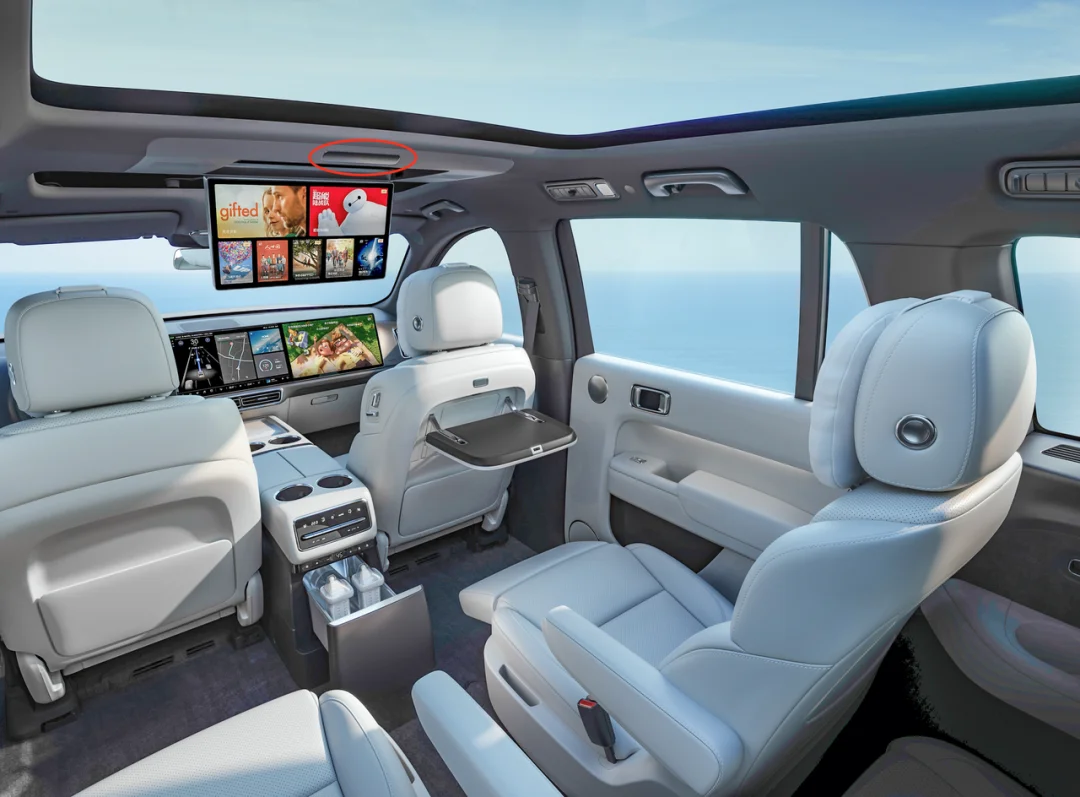
Observing the size and area of this sensor suggests it is likely not just a receiver for remote signals. Combined with Li Auto’s official description:
The cabin features six microphones and 3D Time-of-Flight (ToF) sensors, working with Li Auto’s proprietary multi-modal 3D spatial interaction technology based on deep learning.
We can reasonably guess that this is the location of the 3D ToF sensor. For simplicity, you can understand this sensor as a 3D motion capture device. Below is an image we found online demonstrating the effect of a ToF sensor.

With the support of such sensors, what new interactions will be available in the L9's rear seats? The possibilities are open to imagination. Li Auto has always pursued maximizing the utilization of its infotainment system's computing power, even pushing the 820A chip to its limits. This time, however, it is unprecedentedly equipping the vehicle with dual 8155 chips, a decision that likely stems from this very consideration.
One particularly interesting detail is the faint "VR" marking next to the rear Type-C port. This suggests that the L9's second row may support VR content output. If this feature indeed exists, everything falls into place.
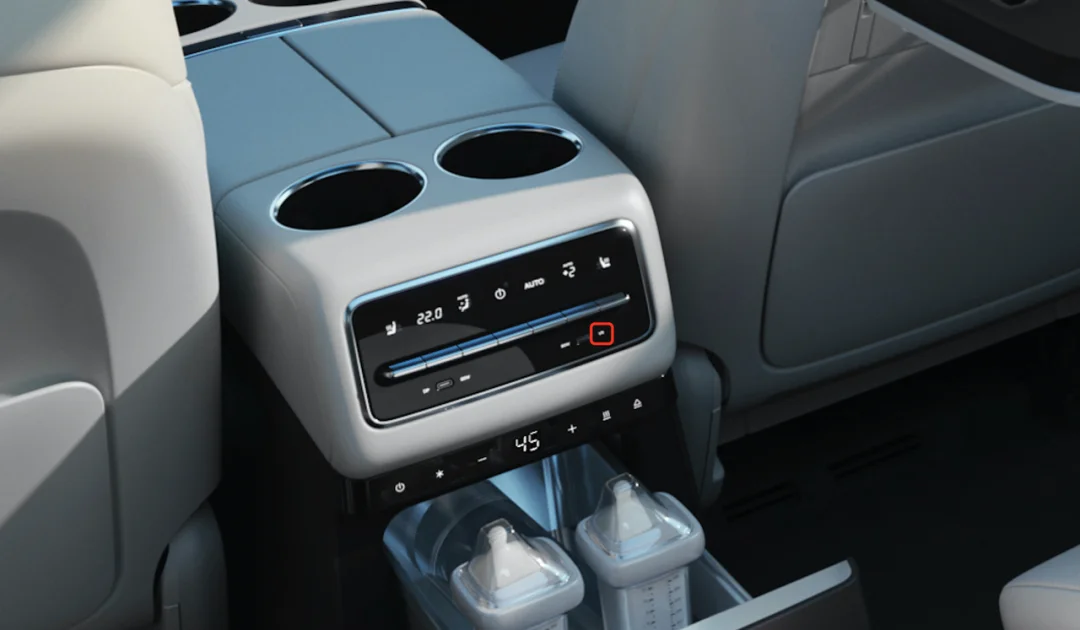
Since It’s a Home, Why No Fridge?
Another highlight of the L9's rear cabin is the multifunctional center armrest area. The positioning of the vehicle as a family-oriented car is vividly reflected in the two baby bottles depicted in the renderings. Upon closer inspection of the touch panel's content, yes, it is a refrigerator.
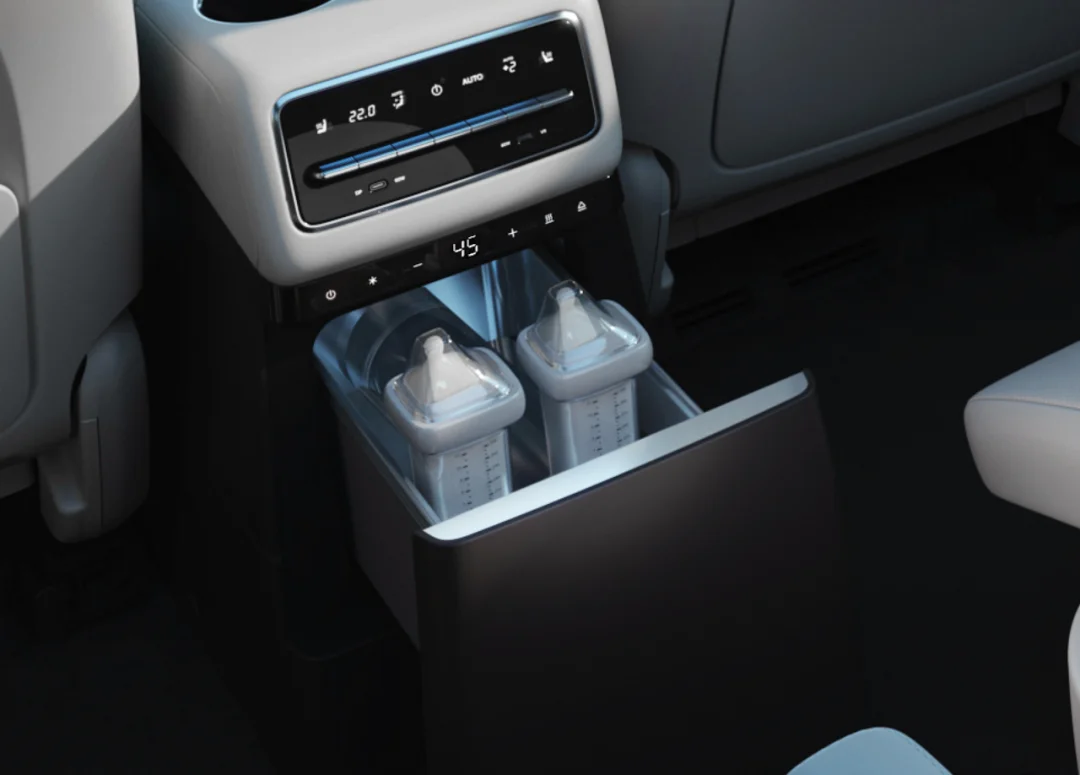
To be precise, it is not just a refrigerator, as it can both cool and heat. Therefore, calling it a "cooling and heating box" might be more appropriate.
Compared to the refrigerator, the applicable scenarios for this "cooling and heating box" have undoubtedly been broadened. Small items can now be heated, cooled, or kept warm, meaning it is suitable for almost all four seasons.
However, there are still a few questions regarding the "cooling and heating box":
What is its heating/cooling power?
What is the actual capacity size, and can it accommodate a 1.5-liter mineral water bottle?
What is the operating noise level, and what is the logic for operation after the engine is turned off?
Although this feature is highly anticipated, if the mass-produced version has significant shortcomings in power, cabin noise, or storage space, the user experience may be considerably diminished.
Above the "cooling and heating box" is the rear air conditioning control area. The Li L9 no longer continues the rotary knob design found on the Li ONE; instead, it features a row of neat bidirectional buttons. The control area also includes two Type-C USB charging ports. Although official parameters have not yet been released, it is expected that both C-ports will support high-power fast charging for mobile phones.
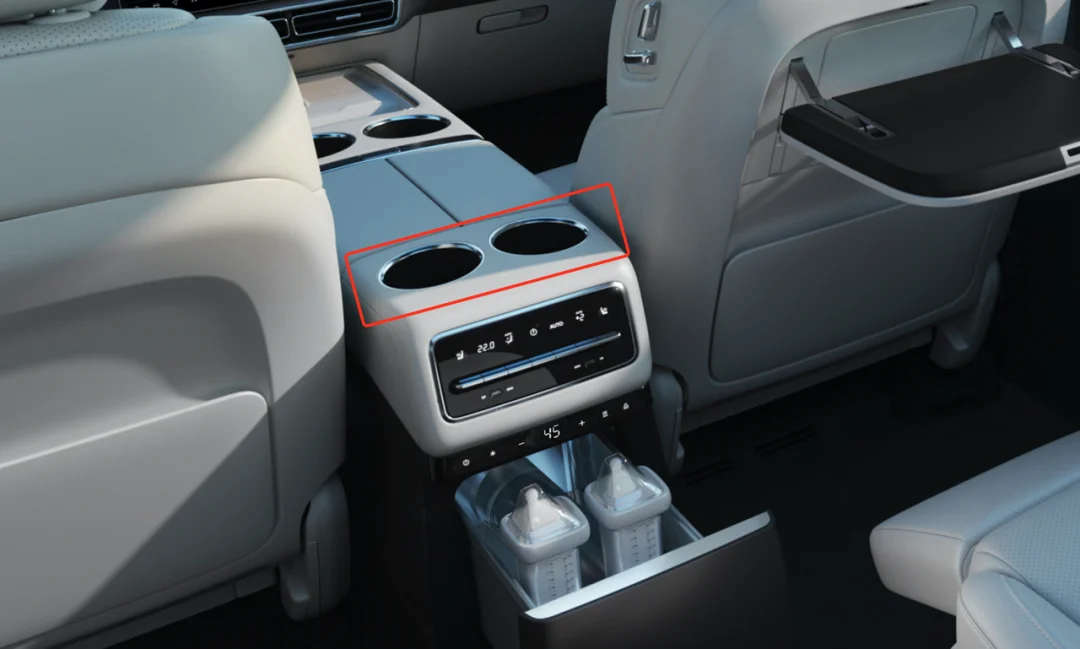
Additionally, the location of the Li L9's "cooling and heating box" corresponds to the fixed position of the retractable cup holders in the Li ONE. Therefore, the rear cup holders have been moved to above the rear control area. Considering that the "cooling and heating box" is directly below this position, it is possible that these cup holders may also feature temperature control capabilities.
Zooming in on the rear seat control area, the leftmost seat button features a faint, translucent white illuminated section, which is likely an indicator for the second stage of seat ventilation.
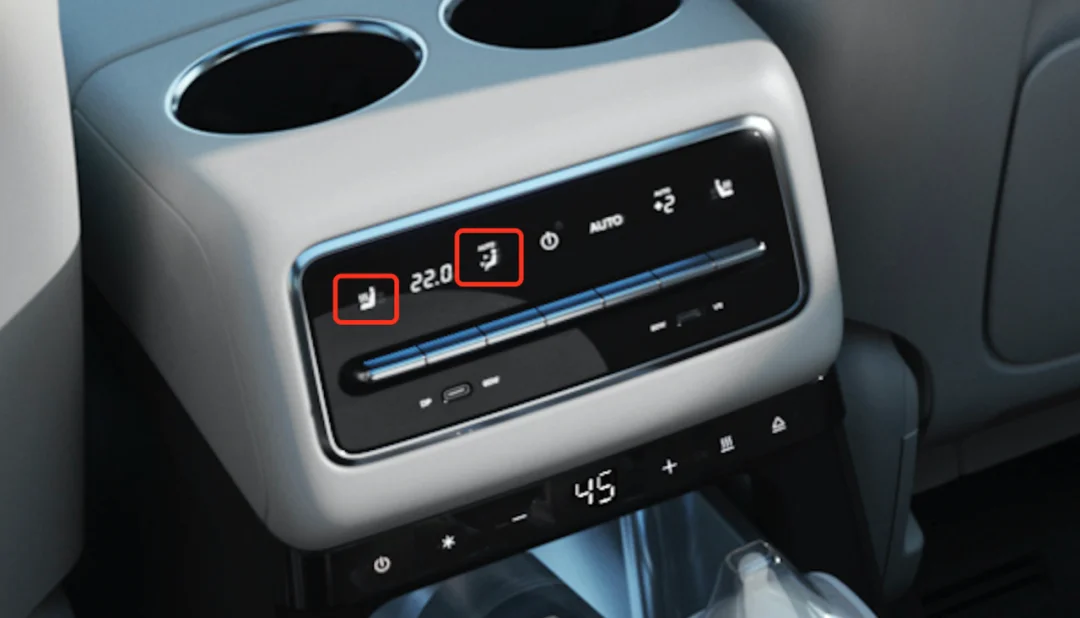
Additionally, the third button from the left in the control area features very small lettering; judging by its outline, it appears to read "Auto" and is likely the button for zone-specific climate control adjustments. Following these modifications to the central armrest area, the Li L9 now has a total of four second-row air vents, positioned as shown above.
Leg rests and tray tables are here too
We'll briefly touch on the most obvious changes. For this L9, Li Auto has added a foldable small tray table to the back of the front passenger seat. It appears similar in design to those used on high-speed trains, though it is relatively compact; it can barely accommodate items and laptop-based office work.
As you can see, there is only one tray table in this setup; it is not installed behind the driver's seat. This configuration leaves some questions unanswered. It may be that the design considers the fact that children typically sit on the left side of the second row, raising certain safety concerns regarding the tray table?
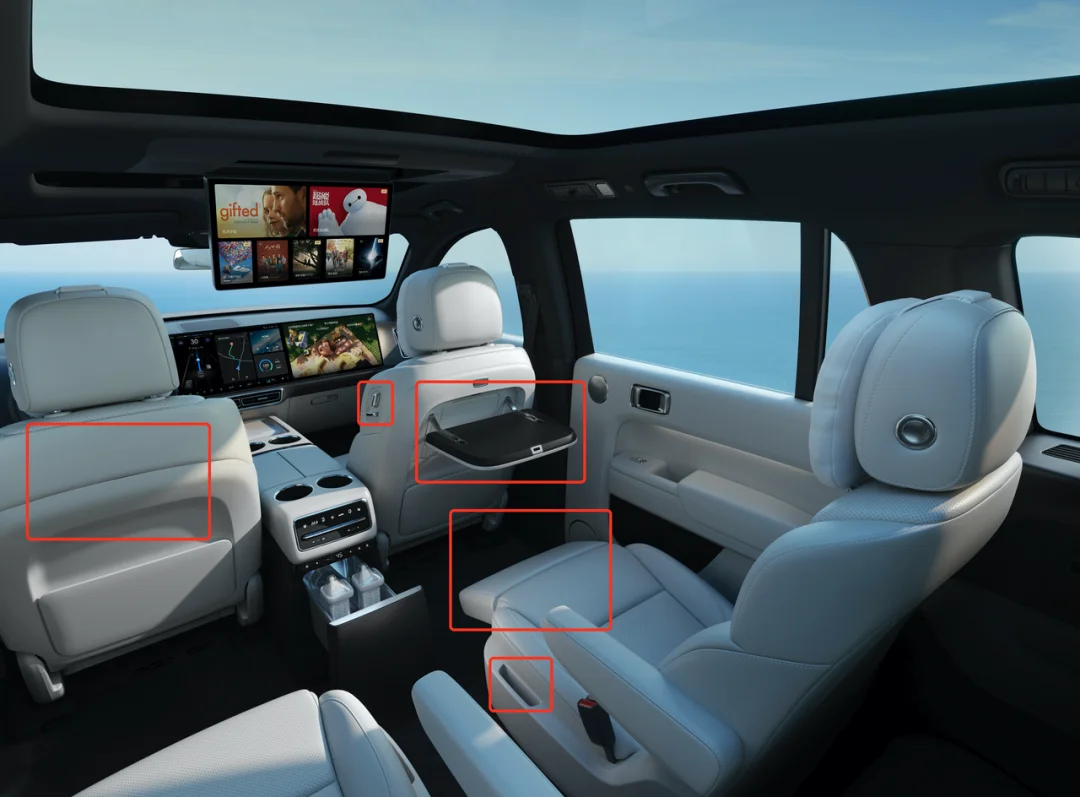
The L9 also retains the "boss key" found on the Li ONE, adds an electric leg rest for the second row, and includes a dedicated storage slot for mobile phones on the inner side of the seats. These features address several key complaints from previous Li Auto owners regarding the second-row experience.
Partially Revealed Third Row
Finally, the brighter images reveal some details about the third row. We have highlighted two specific points.
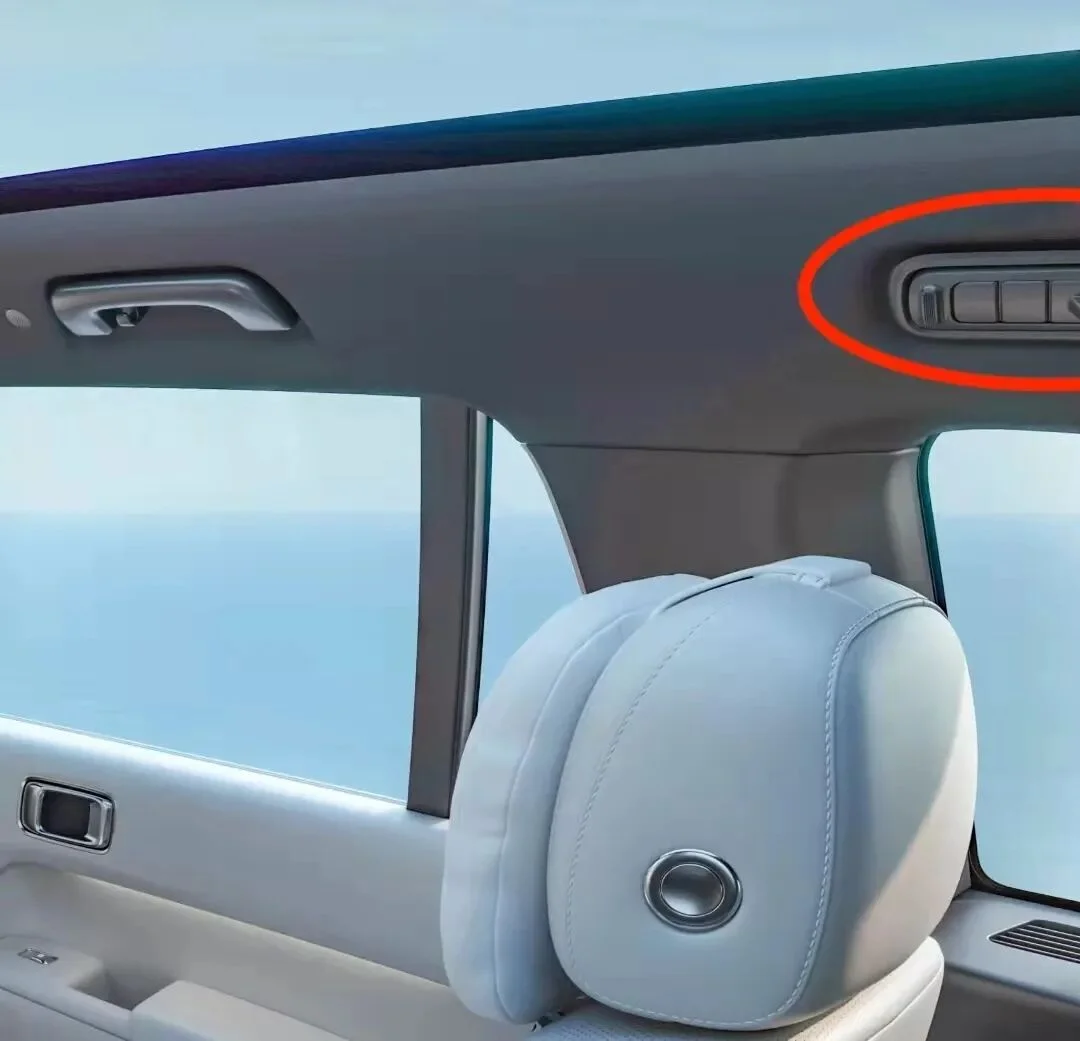
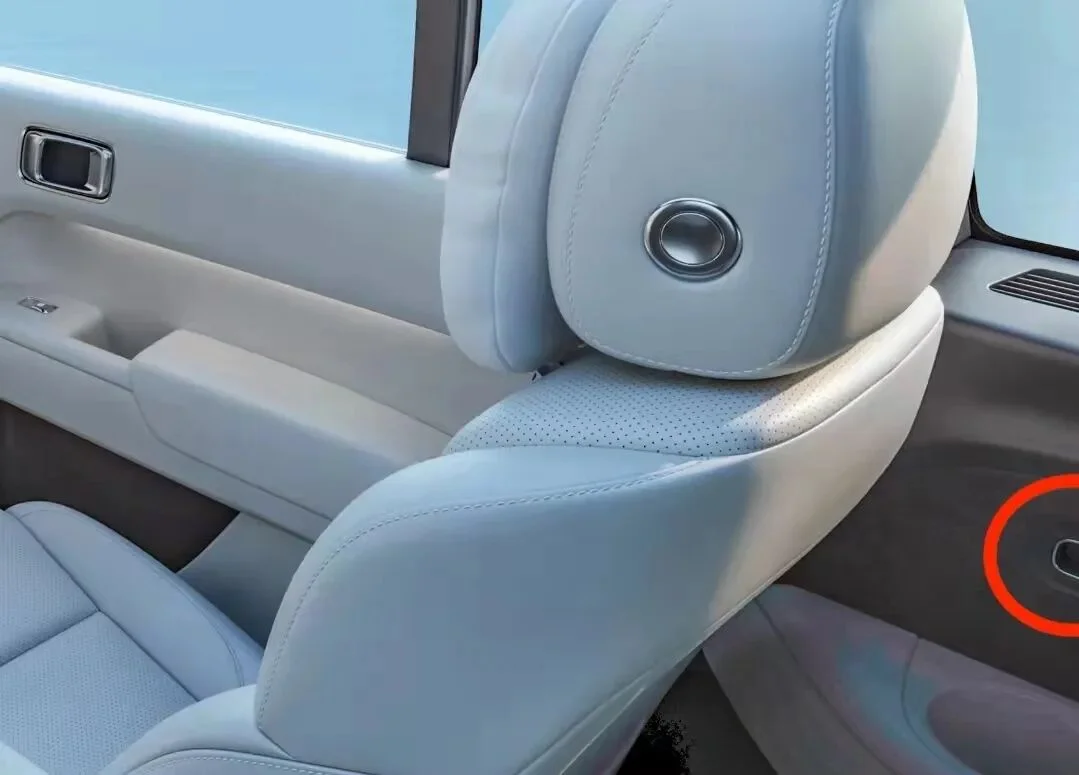
The top circle indicates the third-row air vents. Additionally, although not visible in the image, there is a voice microphone for the third row. Li Auto announced via its Weibo today that the vehicle will feature a six-microphone voice interaction system, meaning passengers in the third row can now activate the "Li Xiang Tongxue" (Ideal Companion) assistant.
We believe the addition of a third-row microphone could enable a feature seen in Xiandaiqiya models: an interior public address system. In large vehicles, communication between the first and third rows can be difficult, especially with elderly passengers or children. By capturing audio through the microphones and amplifying it through the respective zone speakers, conversation within the cabin would become significantly easier.
Of course, the above is just speculation; whether it holds true will depend on what happens after the actual vehicle is unveiled.
The second-row seating position in this render is clearly adjusted significantly rearward. It is difficult to determine how much the actual third-row space has improved compared to Li ONE. We will conduct further analysis once Li L9 releases more definitive official materials.
The remaining area is the circled section in the middle. Due to the lack of a complete view, visible information is limited. However, based on our recollection of button layouts in that position for large vehicles we have driven previously, we speculate it may be the electric folding button for the third-row seats. Its forward placement likely caters to scenarios where passengers inside the cabin operate the third-row seats.
05Final Thoughts
That concludes our complete analysis of the official interior images for the Li L9. Li Auto will continue to release more information, and we will provide further content analyzing this vehicle. We welcome you to join the discussion in our community.
Written by Reinhardt and Mingming Edited by Reinhardt