


Nezha U Pro Launches with RMB 40,000 Price Cut to Target Fuel Car Market
At the recent Shanghaichezhan, various new energy vehicle brands unveiled their flagship models, keen to avoid being overshadowed by "competitors." Despite elaborate booth setups and promotional preparations for their vehicles, they were unable to capture the spotlight. Tesla's "brake issue" dominated the traffic, effectively monopolizing the screen.
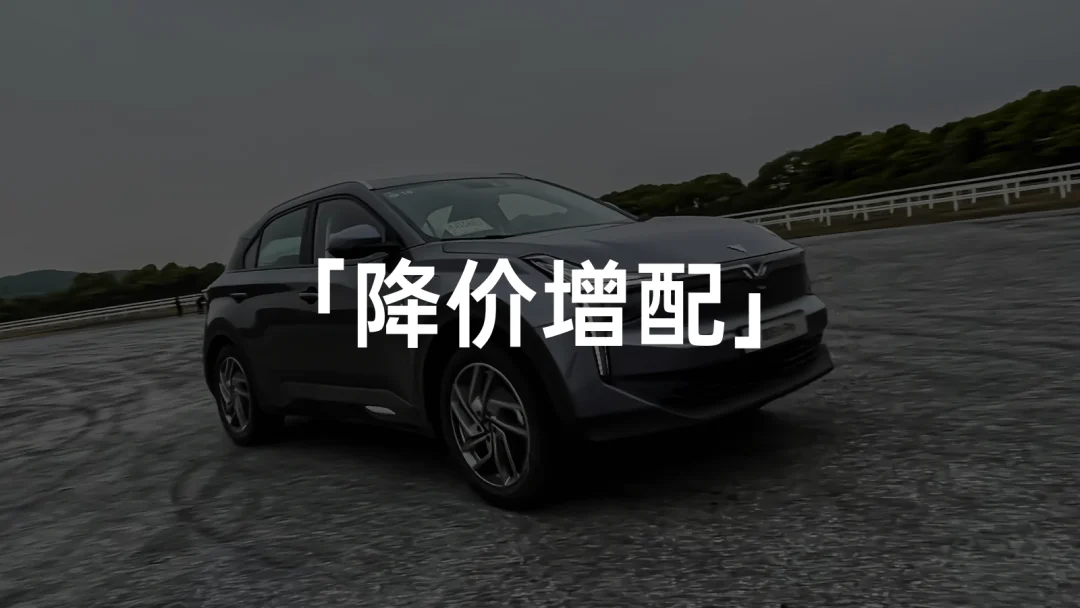
The pricing for the Nezha U Pro was officially announced at this auto show, ranging from RMB 99,800 to RMB 159,800. This gave me "two surprises." First, in this price segment, the HAVAL H6 SUV had sales of around 30,000 units in February, and the Xuanyi was close to 27,000 units. It is clear that the 100,000 to 150,000 yuan range is the main battlefield for fuel vehicle sales, yet the Nezha U Pro chose to charge directly into this "red ocean" belonging to fuel cars.
Another "surprise" is that the new "Pro" model offers more features at a lower price! Its price is about RMB 40,000 lower than that of the Nezha U released in March last year (priced from RMB 139,800 to RMB 199,800).
With two surprises, I attended the Nezha U Pro test drive event to try and find out why Nezha dares to enter this market.
01On Cost-Effectiveness
Compared with its predecessor, Nezha U, the Nezha U Pro simplifies and refines the model lineup by straightforwardly incorporating the NEDC range into the model names. It categorizes the four variants into three range versions for clear visibility.
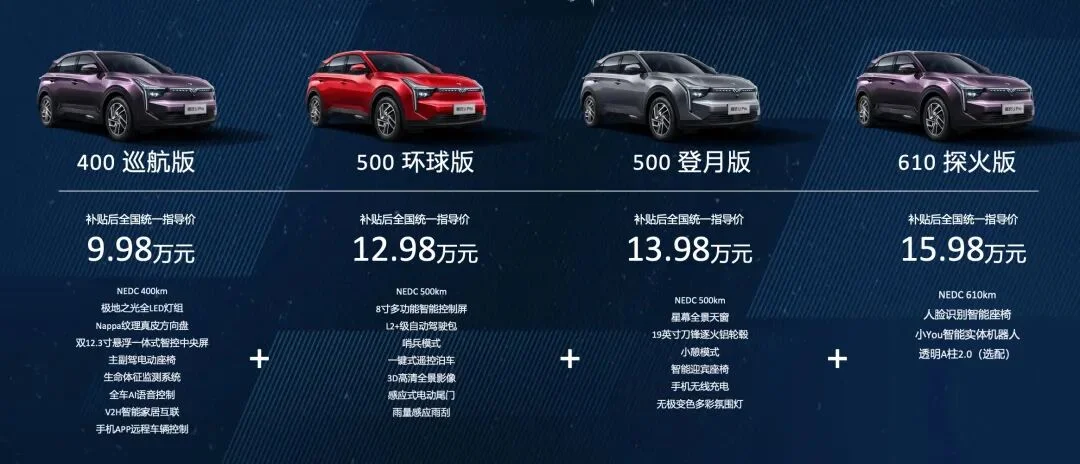
The entry-level model with a 400-kilometer range is priced below RMB 100,000. Keep in mind that this is an SUV with a wheelbase of 2,770 mm. The version equipped with the smaller motor (120 kW, 210 N·m) offers range options of 400 and 500 kilometers, along with different configuration levels.
The top trim features a larger battery, extending the range to 610 kilometers. It is paired with a more powerful motor (150 kW, 310 N·m), enabling a 0-100 km/h acceleration time of 7 seconds, alongside visible fun features like Xiao You Jiqiren. This highlights the 'all-inclusive' value proposition.
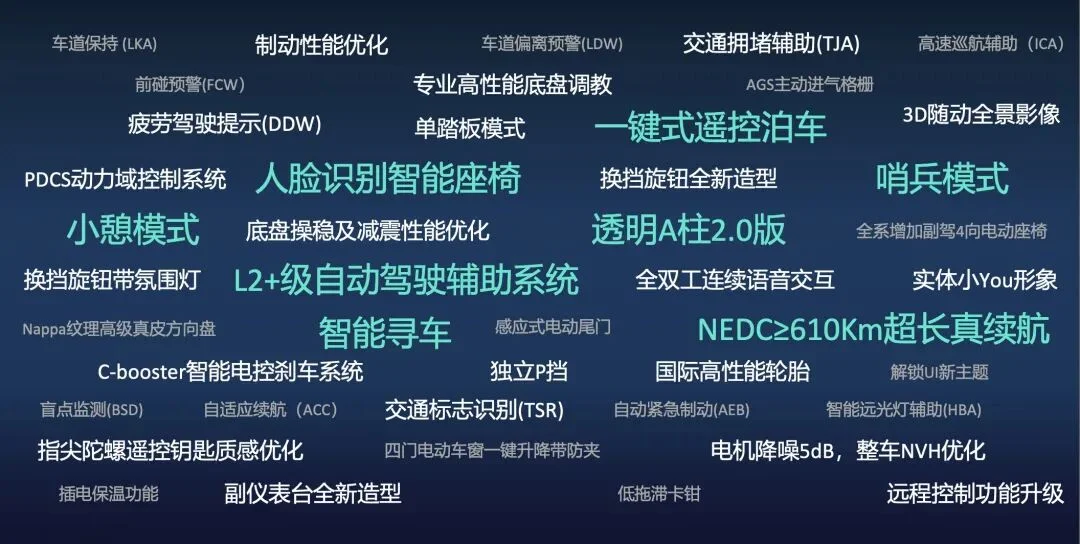
Here is an official Nezha U Pro advantage and configuration table. Aside from the optional transparent A-pillar feature, all other functions are available for under RMB 160,000. In terms of equipment at this price point, the Nezha U Pro is highly competitive.
02Family Driving Style Meets Expectations
Since this is a test drive, we must discuss the driving and riding experience. Over the two-day test period, I drove for about four hundred kilometers, covering urban streets, highways, and rural roads, which provided a relatively comprehensive impression.
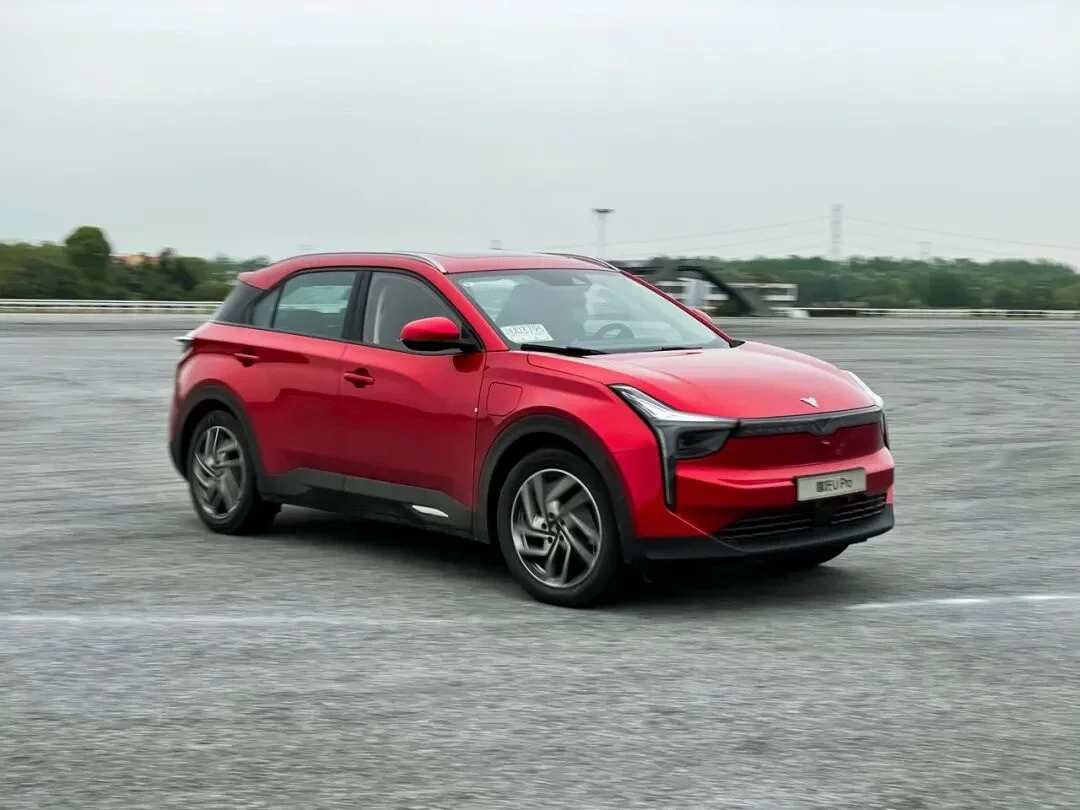
I drive the second-highest trim, the 500 Moon Landing Edition, with a 0-100 km/h acceleration time of 9.5 seconds. The actual feel is indeed in the 'family use' category, but thanks to the zero-delay acceleration response characteristic of pure electric vehicles, the initial acceleration perception remains strong.
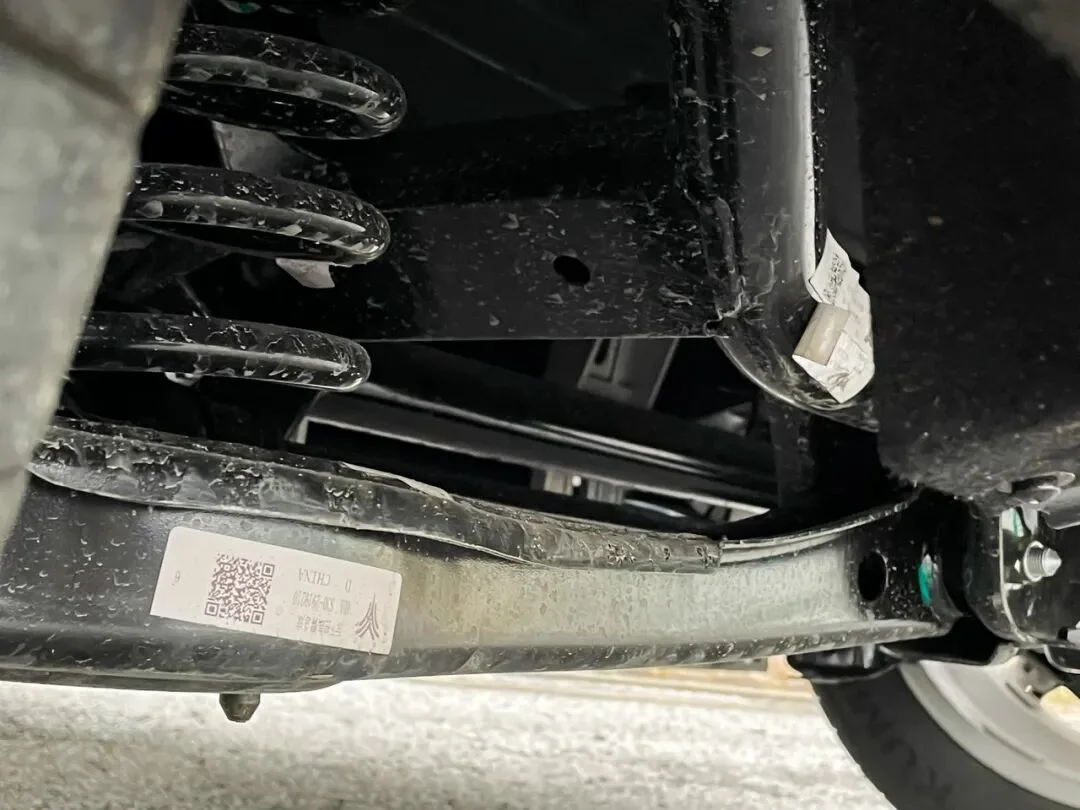
The Nezha U Pro is equipped with hardware for independent four-wheel suspension, but the damping tuning remains in a "family-oriented" style, feeling relatively soft. It handles speed bumps and potholes with ease. However, when facing rapid undulations on highways, the suspension appears somewhat overwhelmed, exhibiting excessive body movement after rebounding from impacts.
By double-tapping the touch-sensitive buttons, I switched between several driving modes. Eco mode delivers sluggish acceleration but offers very light steering, making it suitable for female drivers. In Comfortable and Sport modes, steering becomes heavier and acceleration quicker. Additionally, steering feel can be customized independently.
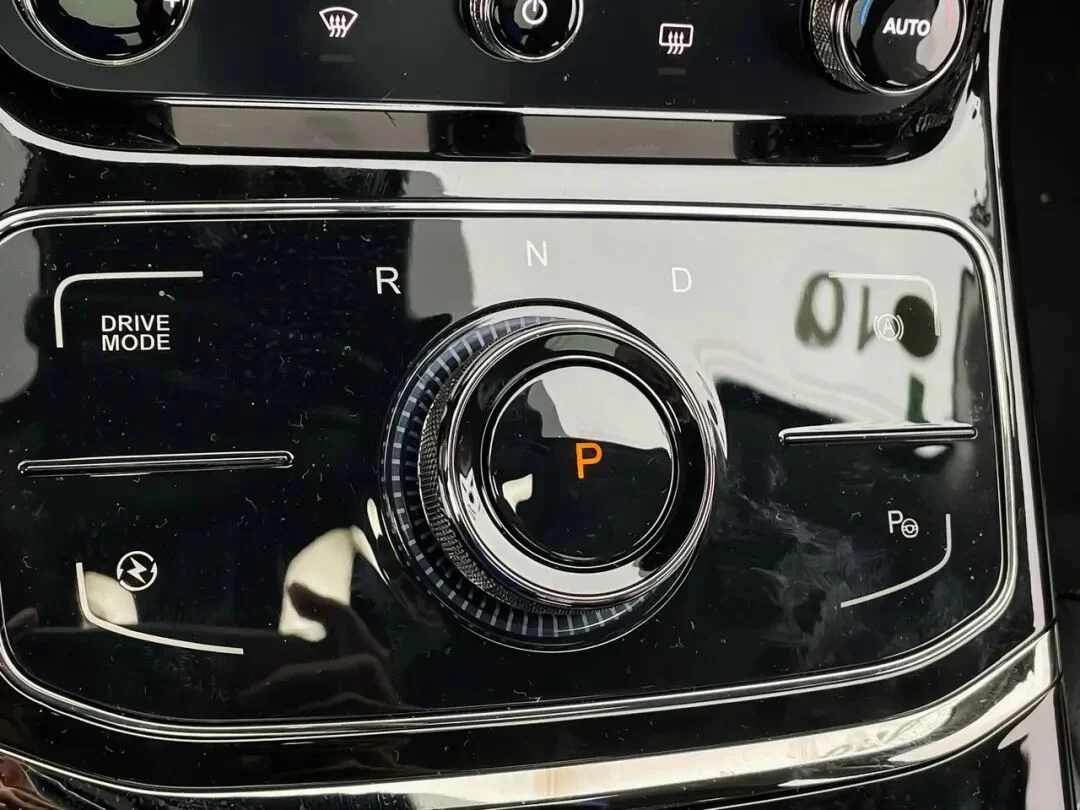
After experimenting with the infotainment system, I discovered the one-pedal driving mode, which also provides three adjustable levels of regenerative braking intensity. At the lowest regeneration setting, the drag felt upon releasing the accelerator pedal is minimal, aligning well with the habits of internal combustion engine drivers.
In one-pedal mode, the regenerative braking force is stronger, capable of bringing the vehicle to a complete stop solely through deceleration. A product manager stated that this feature was added at the request of some customers, aiming to satisfy diverse driving preferences while maximizing range extension.
At this point, I have a clear understanding of the car's calibrated character: unaggressive acceleration, soft and comfortable suspension, and steering that caters to both male and female drivers. Overall, the Nezha U Pro exhibits a typical family-oriented driving demeanor. Compared to comparable internal combustion engine vehicles, its lower center of gravity may offer slight advantages in terms of reduced body roll.
03About Driver Assistance
The Nezha U Pro is equipped with Mobileye’s EyeQ 4 computing platform, enabling basic driver assistance features such as adaptive cruise control (ACC), lane keeping assist, and automatic emergency braking (AEB). It also supports advanced functions including automated parking assist (APA), traffic jam assist, and highway cruise assist.
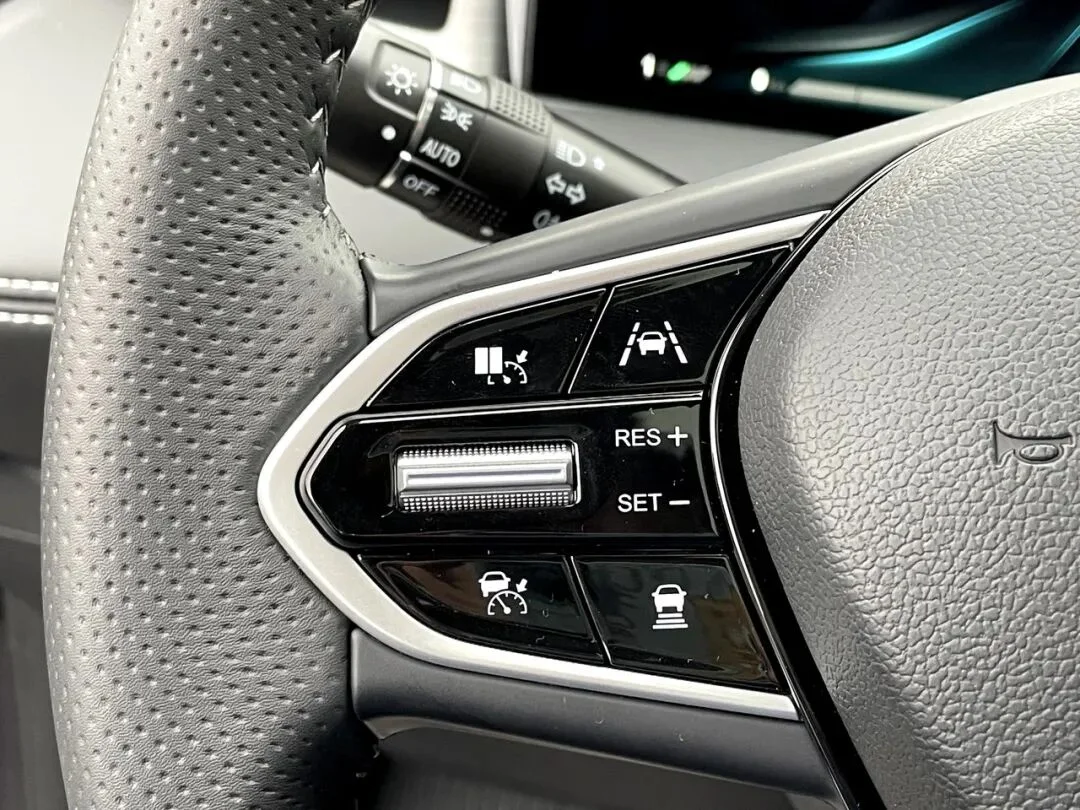
During real-world testing, activating the full suite of driver assistance features on the Nezha U Pro is not a one-touch process, which feels less characteristic of new EV startups. Drivers must use the steering wheel controls to first enable lane departure warning, then activate lane keeping, followed by turning on adaptive cruise control, and finally setting the desired speed.
This sequence felt cumbersome at first glance. When I asked the product manager about it without hesitation, the explanation was that user feedback indicated frequent standalone use of lane keeping and lane departure warning during driving. Therefore, the company designed these separate activation steps to better meet specific user needs.
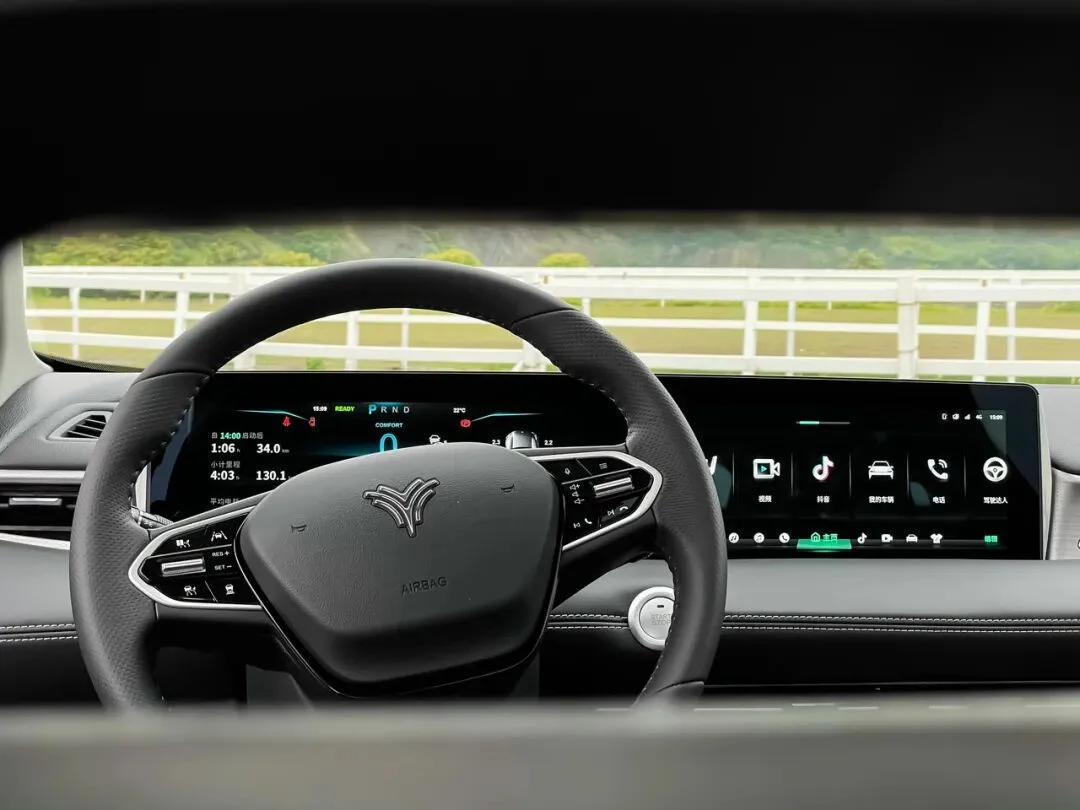
After enabling the full driver assistance suite, the maximum hands-off time is divided into two tiers: approximately 15 seconds for the first tier and around 30 seconds for the second. The system will disengage after this period. However, I did not have the opportunity to test exactly how the system disengages in a controlled environment during these days. This will be tested in the upcoming version of 42Mark when possible.
Additionally, I have a poor driving habit: after setting the cruise speed, I sometimes press the accelerator pedal to force the vehicle to accelerate. The Nezha U Pro responds with a prominent alert, clearly indicating that I am pushing the limits of vehicle control. I appreciate this feature.
L2-level driver assistance capabilities are standard across all trims of the Nezha U Pro except for the base model. Although the Nezha U Pro claims to compete directly with internal combustion engine vehicles, users who pay attention to the Nezha brand already possess considerable knowledge of electric vehicles and driver assistance systems.
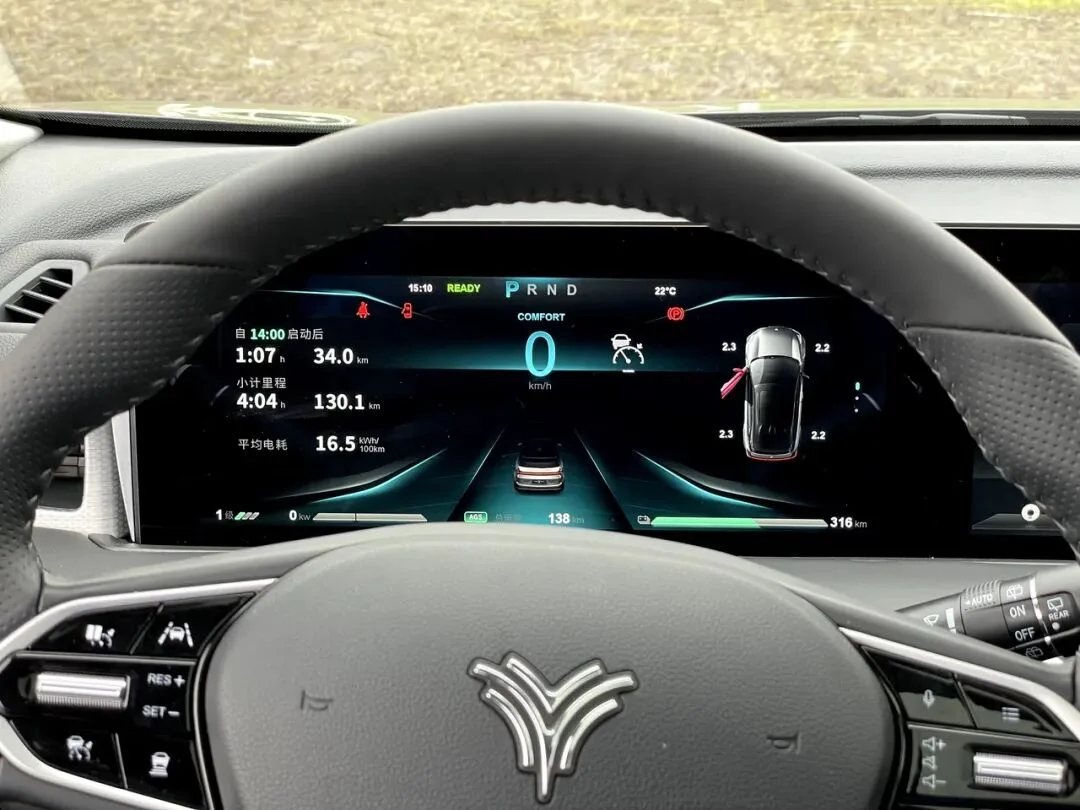
The driver assistance interface on the Nezha U Pro appears relatively old-fashioned, lacking clear visual feedback. When driver assistance is activated, only the instrument cluster displays illuminated icons to alert the driver—a behavior more typical of conventional internal combustion engine vehicles.
A well-designed visual interface helps build trust between the vehicle and the driver. Therefore, I suggest that Nezha improve the clarity and simplicity of both the driver assistance visualization and the instrument cluster UI on the Nezha U Pro.
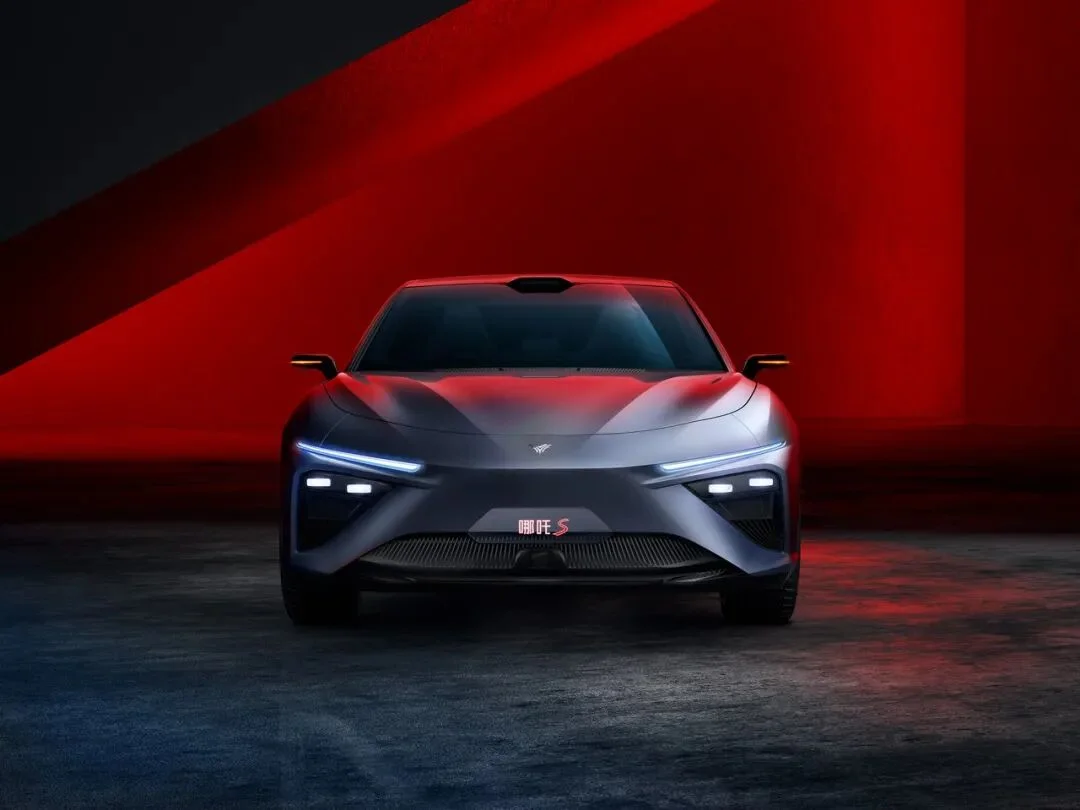
At this auto show, Nezha revealed that the Nezha S will match competitors' autonomous driving perception hardware with:
3 LiDARs
5 millimeter-wave radars
6 cameras
Although specific specifications and the computing platform have not been disclosed, the types and quantities of sensors clearly indicate a move toward higher levels of autonomous driving. Reports also suggest the price will be "relatively" affordable, sparking speculation.
04About Nezha's Energy Replenishment System
What surprised me most during this test drive was not the Nezha U Pro itself, but rather what Nezha shared about its energy replenishment system—"Nezha Charging"—during the morning workshop.
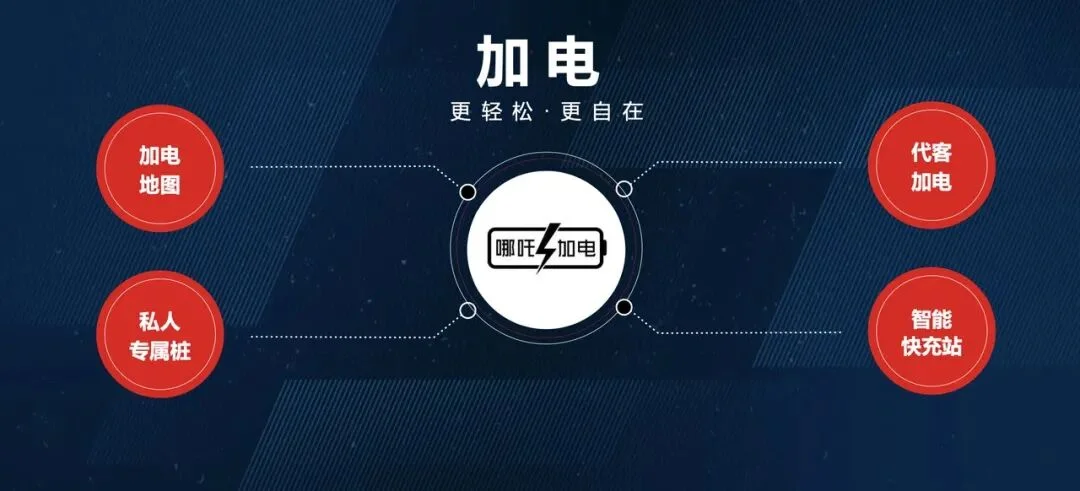
In building its charging network, Nezha has partnered with established providers such as Xingxingchongdian, Telaidian, Xiaojuchongdian, and Guojiadianwang to expand coverage and deliver a plug-and-charge experience.
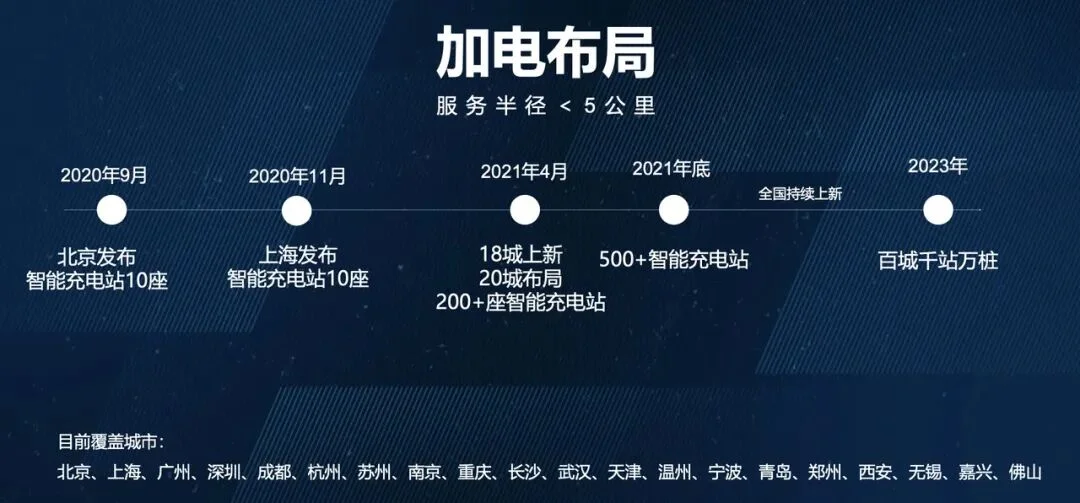
Also at the event workshop, Nezha announced plans to expand its charging infrastructure, aiming to deploy more than 500 charging stations this year.
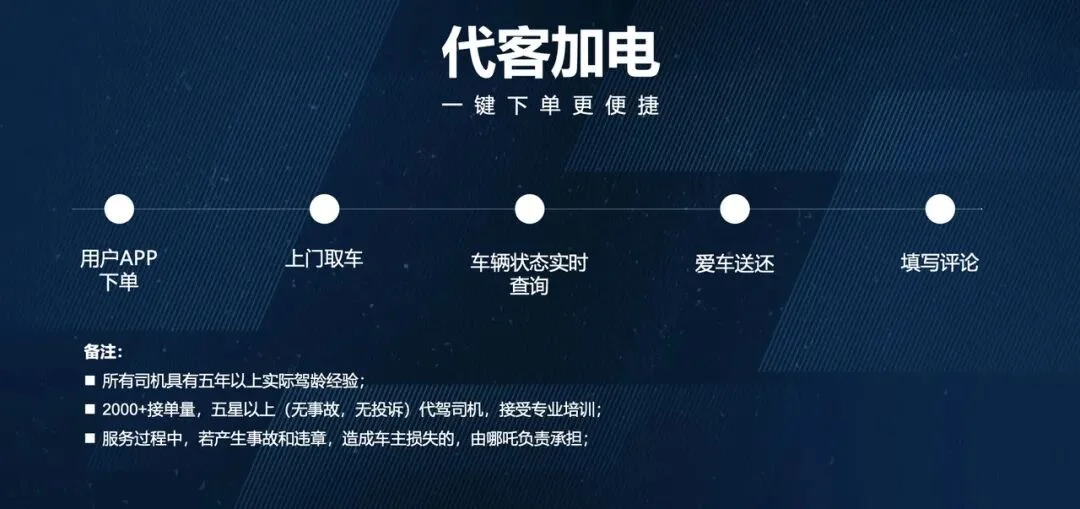
Nezha has also launched a "valet charging" service. This is similar to a "basic version" of NIO's Worry-Free Service. During the event, I personally observed staff demonstrations; the operation can be performed via the Nezha Auto app on a mobile phone. However, the most cumbersome aspect is that you must have physical contact with the staff for handover, and the same applies when returning the vehicle. I hope an OTA update will later introduce a seamless valet mode using cloud-based positioning for unlocking, which would provide a better experience.
Constrained by operating costs and the need to quickly establish service, Nezha chose to partner with E Daijia. However, this outsourcing approach means that if the results prove successful, other brands will likely follow suit rapidly.
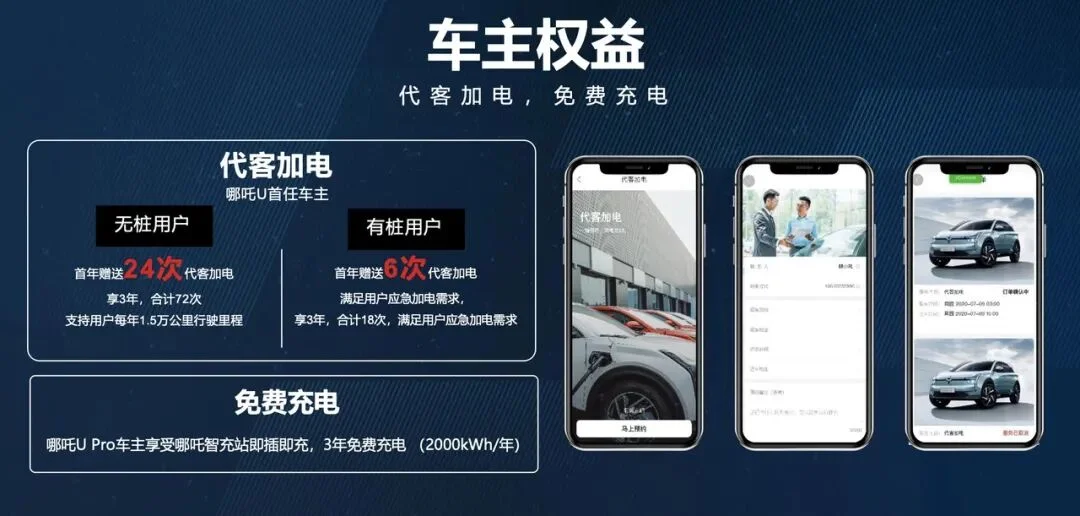
The valet charging and charging services mentioned earlier are free. The valet charging service provides 24 sessions per year, totaling 72 sessions over three years; free charging offers 2,000 kilowatt-hours per year, also for three years.
After seeing Nezha's charging infrastructure, I began to understand the ultimate logic behind the "more features, lower price" strategy of the Nezha U Pro. The charging network and vehicle sales are inextricably linked and mutually reinforcing; only when vehicle sales reach a certain level does the construction of the charging network have practical significance and achieve cost minimization. This is why Nezha made the firm decision to "exchange price for volume."
05About Nezha's Product Planning and Factories
Currently, the Nezha official website features three models: Nezha U Pro, Nezha V, and Nezha S.
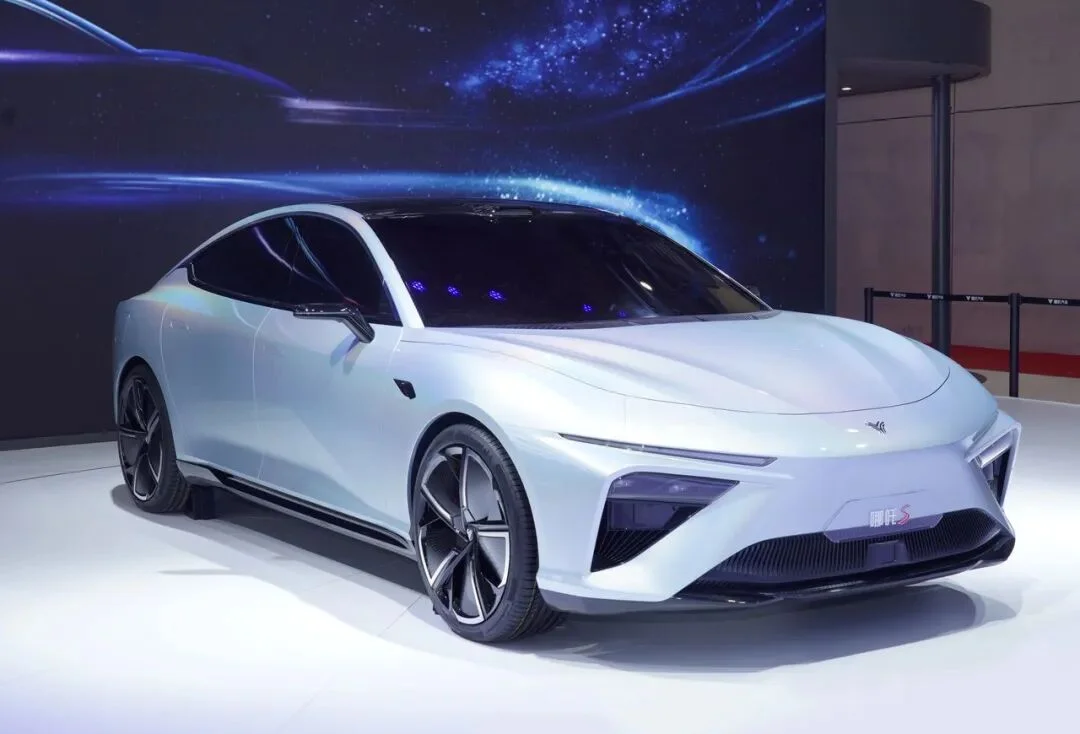
At the auto show, Nezha provided a preview of its new model, the Nezha S. As a B-class coupe with a length exceeding 5 meters, it features perception hardware and offers two powertrain options: range-extended (1,100 km) and pure electric (800 km). It achieves zero-to-100 km/h acceleration in 3.9 seconds and supports 240 kW high-power fast charging. The vehicle is scheduled to launch as early as the end of next year.
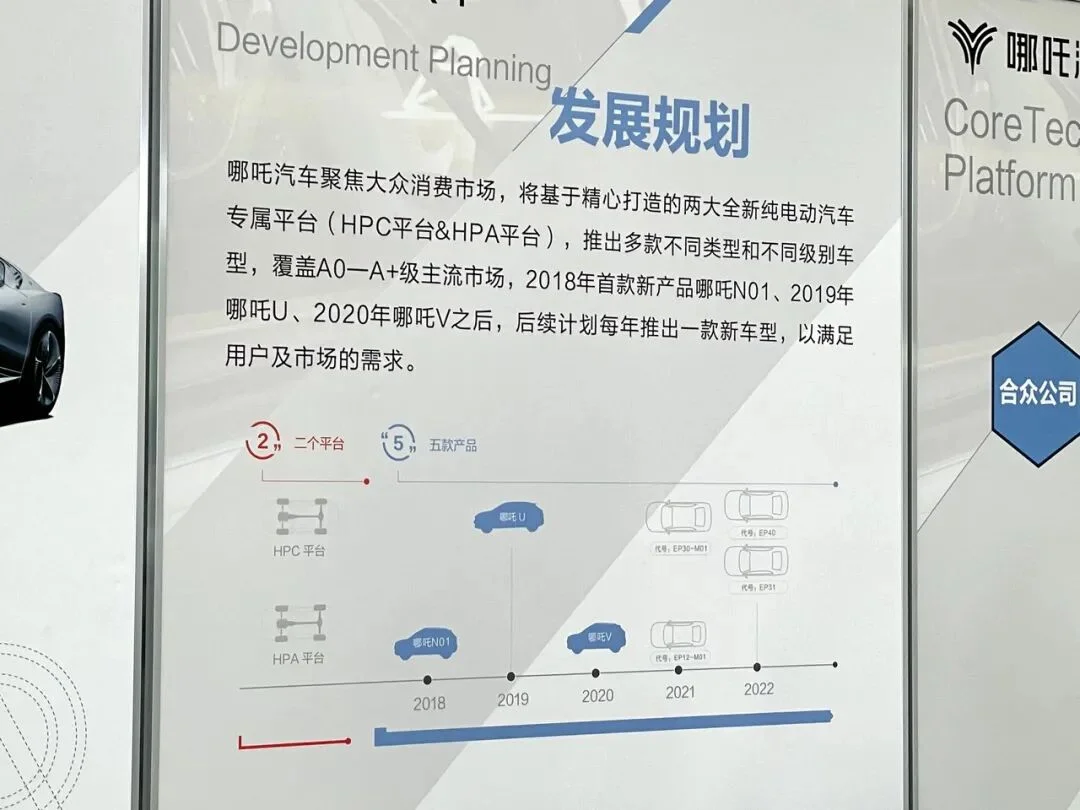
Nezha currently has two pure electric platforms: HPC and HPA.
The HPA platform targets the mid-to-low-end market, featuring the Nezha N 01 (discontinued) and Nezha V. This year, it will also introduce a model codenamed EP12-M01 as a facelifted version of the Nezha V.
The HPC platform is positioned for the mid-to-high-end segment. Products include the Nezha U, Nezha U Pro, and the upcoming Nezha S (codenamed EP40). Currently, this platform can produce models ranging from compact SUVs to B-class sedans. Additionally, a new car codenamed EP 31 will be launched next year; judging by its codename, it appears to be an A-class sedan.
Nezha currently has two factories, one in Tongxianggongchang and another in Yichun. And this time I also visited Nezha's Tongxianggongchang on site.
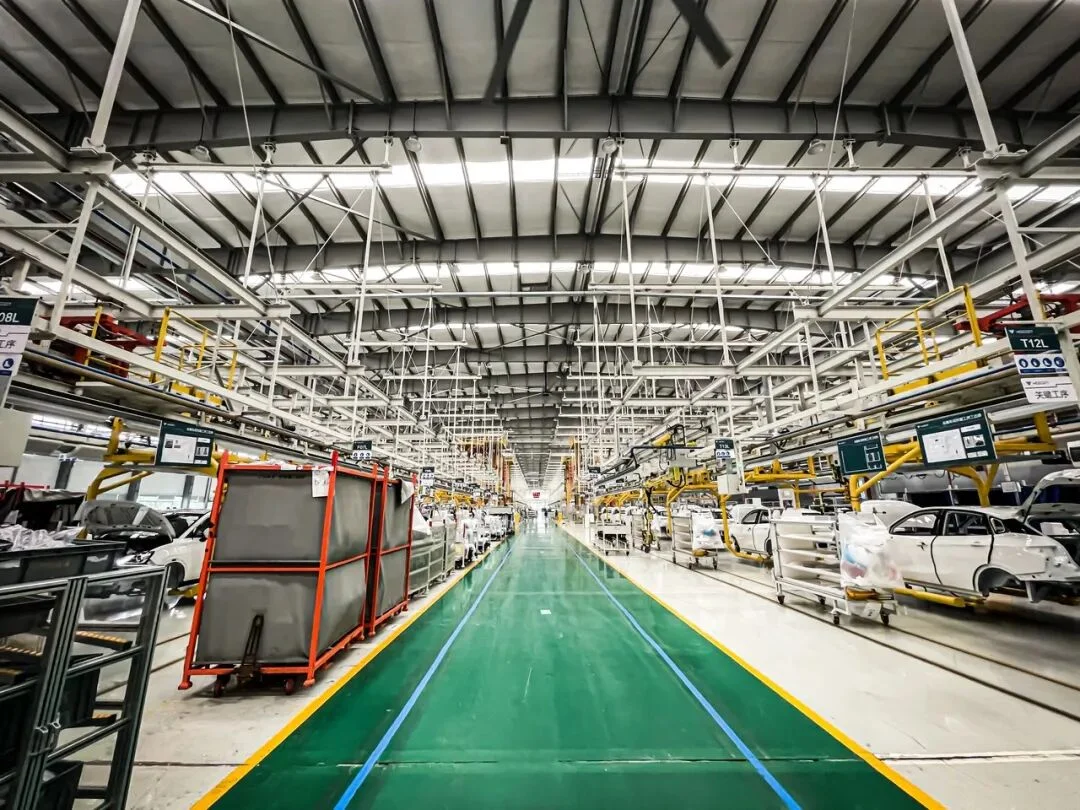
Staff repeatedly noted that the Tongxianggongchang, as Hezhong’s factory built from 0 to 1, is not particularly "smart" in many aspects. At the Tongxianggongchang, production of the Nezha V takes approximately 40 hours per unit. With two shifts operating at full capacity, the monthly output reaches around 8,000 units; with a single shift, it is approximately 5,000 units. This already far exceeds the initial annual production target of 50,000 units.
At the battery pack workshop of Tongxianggongchang, which had low efficiency, the space has been directly converted into a warehouse for storing completed battery modules. Nezha obtains cells from CATL, outsources the pack assembly to secondary suppliers, and then brings the packs back to assemble them directly onto vehicles at the workshop.
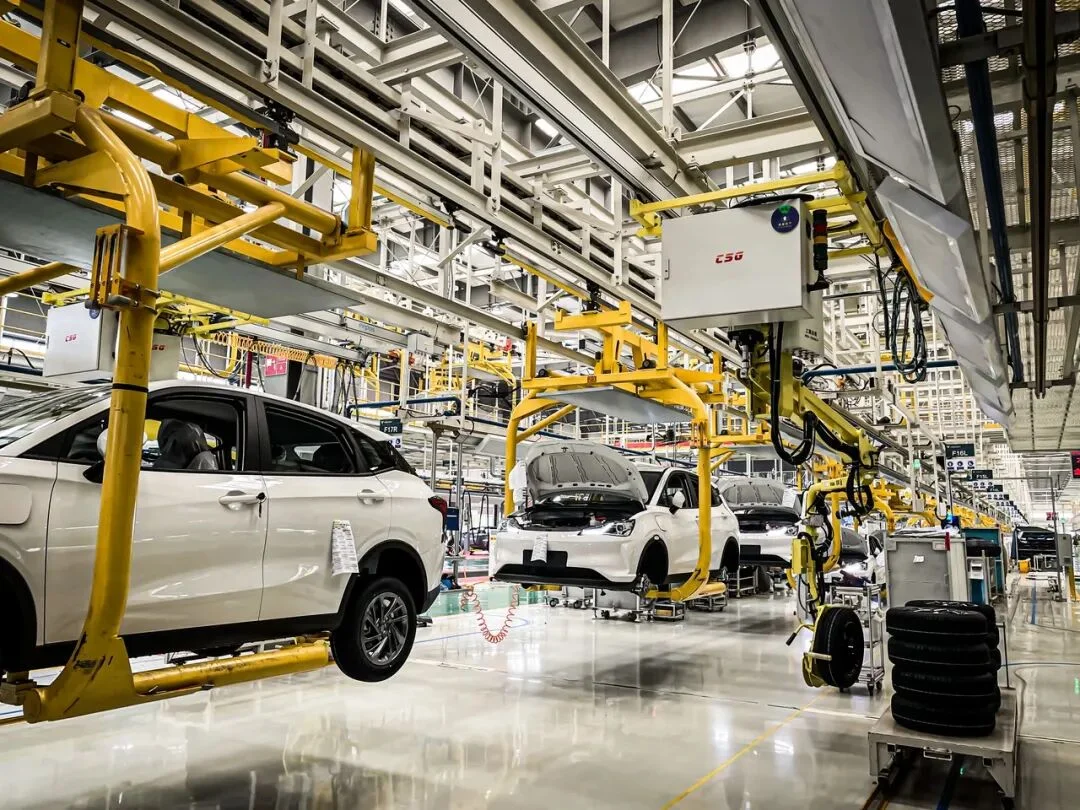
Nezha's new factory is in Yichun, Jiangxi. Investment is nearly RMB 3.2 billion. The facility is not yet completed. Initial planned annual capacity is 100,000 units. This can basically meet Nezha's production needs for the next few years. In the future, HPC's Nezha S will be produced at the Yichun factory.
06About the 'Two Surprises'
The first surprise is that the Nezha U Pro has directly entered the red ocean of the internal combustion engine market. As a fully electric product, it offers a balanced combination of affordability, features, driving feel, and range; the only thing remaining to deter ICE owners is 'charging anxiety.' The Nezha charging ecosystem showcased at the event—featuring free charging, free valet charging, and expanded grid coverage—may have the potential to become the 'superstructure' that truly wins over ICE vehicle users.
Although the Nezha U Pro offers exceptional value for money in its price segment and has no obvious shortcomings—making it a key driver of sales volume—the most attractive feature for users is the charging infrastructure network that Nezha is currently rolling out. In my view, relying solely on product-level cost-effectiveness as the core selling point is not a sustainable strategy, as other manufacturers can replicate this approach. Therefore, I look forward to Nezha offering more distinctive advantages beyond mere value-for-money to serve as unique product selling points.
The second surprise concerns the strategy behind the Nezha U Pro, which offers more features at a lower price—a "double-edged sword." From the perspective of consumers who have not yet purchased a car, the Nezha U Pro is more affordable and offers stronger product capabilities compared to its predecessor. At the same time, this approach does indeed harm some earlier buyers; however, it is understood that Nezha will offer incentives for existing owners trading in their vehicles.
But I think the product managers at Nezha, as well as the people who made the final pricing decision, understand this better than I do. There must have been intense internal debate at Nezha regarding this pricing strategy. Clearly, Nezha is pursuing a "price-for-volume" approach to further expand its market share. Currently, what Nezha lacks most is "visibility." They need consumers to learn about and recognize the brand, and to know that there is a model with extremely high cost-performance, an affordable price, and a more convenient charging system.
Written by: M83 Nebula Iced Watermelon Edited by: Reinhardt's Troubles