


After 3 Months and 8,000 km in the P7, This Matters More Than Range
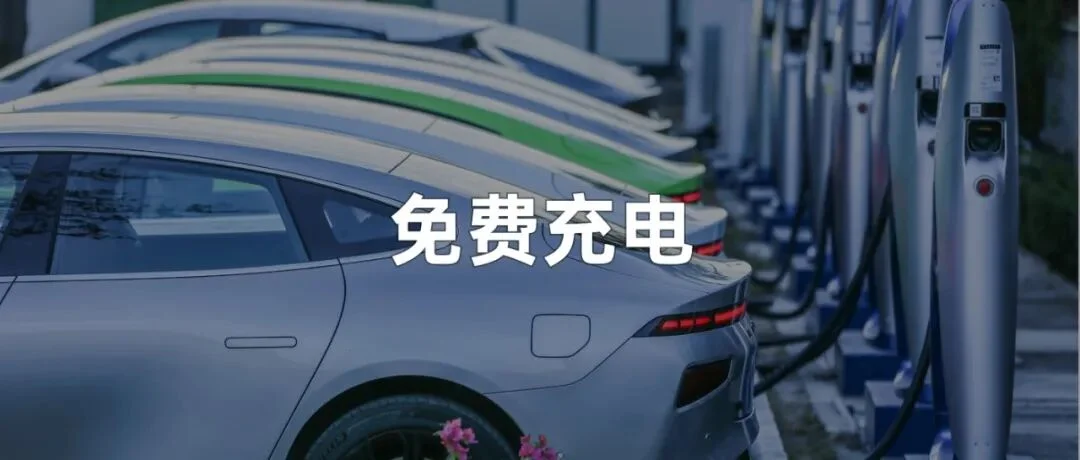
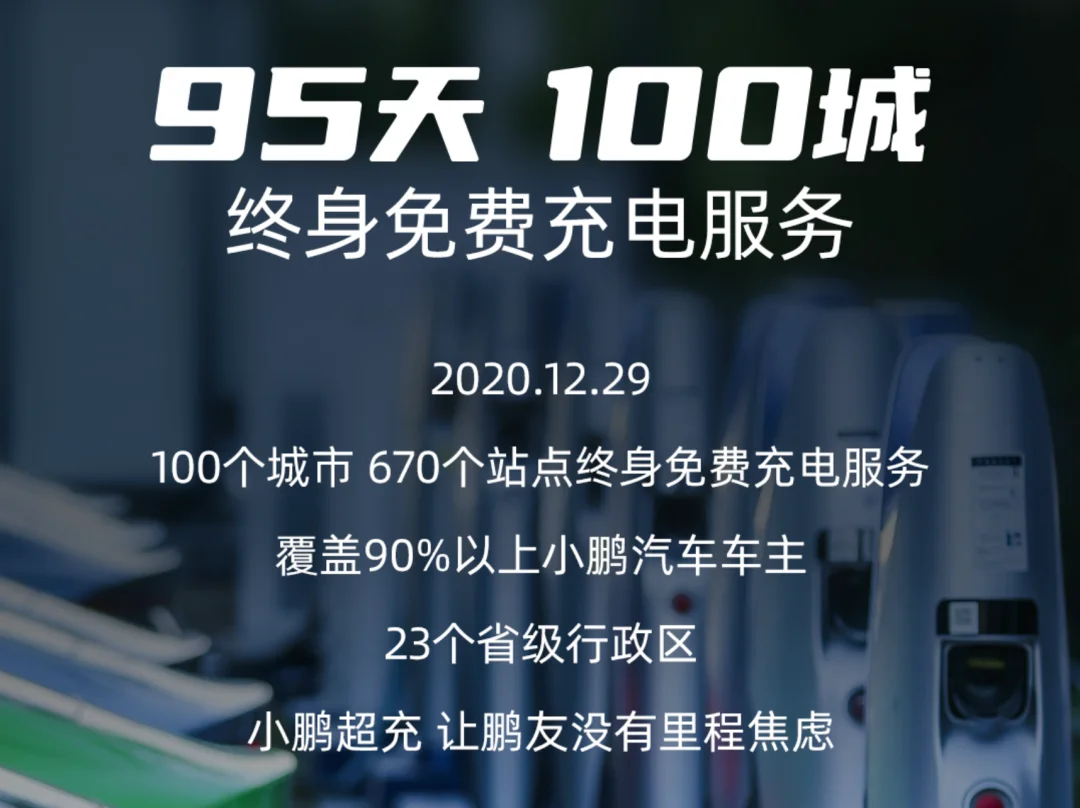
On December 29, 2020, XPENG officially announced that its network of lifetime free charging stations had reached 670 locations across 100 cities.
XPENG also stated that it expected to extend lifetime free charging services to 200 cities by mid-2021, with plans to install XPENG Superchargers at highway service areas, airports, and other venues.

As an XPENG P7 owner, after driving nearly 8,000 km over three months, I believe the significance of this development is comparable to achieving a 700 km range for a vehicle.
01What Is the Real Pain Point for Electric Vehicles?
In 2018, the leading models in the electric vehicle sector generally achieved ranges of around 400 km.
In 2019, the range for most electric vehicles reached 500 km, with several standout models exceeding 600 km.
By 2020, a NEDC range of 600 km had gradually become the baseline. Many new models scheduled for launch in 2021 pushed their NEDC ranges to over 700 km.
Over these three years, the range of pure electric vehicles increased significantly, by more than 70%. Some long-range versions even achieved actual ranges comparable to certain internal combustion engine vehicles.
According to statistics from the National Energy Administration, by the end of June this year, the total number of charging piles nationwide reached 1.322 million. This included 558,000 public charging piles. Assuming an average of six piles per station, the number of stations approached 100,000.
If this figure is difficult to visualize, consider another data point.
Data compiled by Qianzhan Industry Research Institute shows that in 2019, China had 106,600 gas stations.
This means that, excluding home charging piles, the number of public charging stations was already very close to the number of gas stations.
However, at present, the ownership of electric vehicles accounts for only 1.2% of the total social vehicle fleet.
With longer range and more charging stations, electric vehicles still fall short of internal combustion engine vehicles in terms of convenience. The quantitative increase in range and charging infrastructure has not led to a qualitative improvement in user experience. What is the problem?
Charging experience.
To give everyone a more tangible sense of this, I’ll talk about the charging issues I’ve encountered while driving the P7, using scenarios you’re likely to come across in daily use, and explain how those details can make energy replenishment for pure electric vehicles nearly as convenient as for fuel-powered cars.
Long-Distance Travel
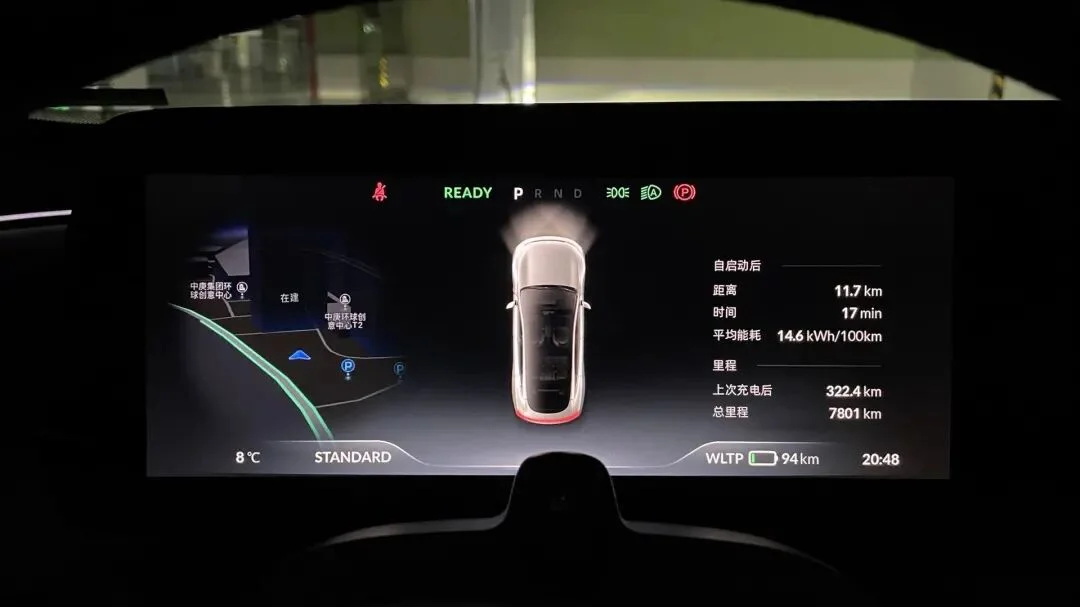
In my nearly 8,000 km of driving mileage, including about 2,000 km of highway travel, the longest single trip in these 2,000 km was 400 km and the shortest was 100 km. There are 2 iconic trips worth sharing with everyone.
Single-charge range is the foundation of the user experience
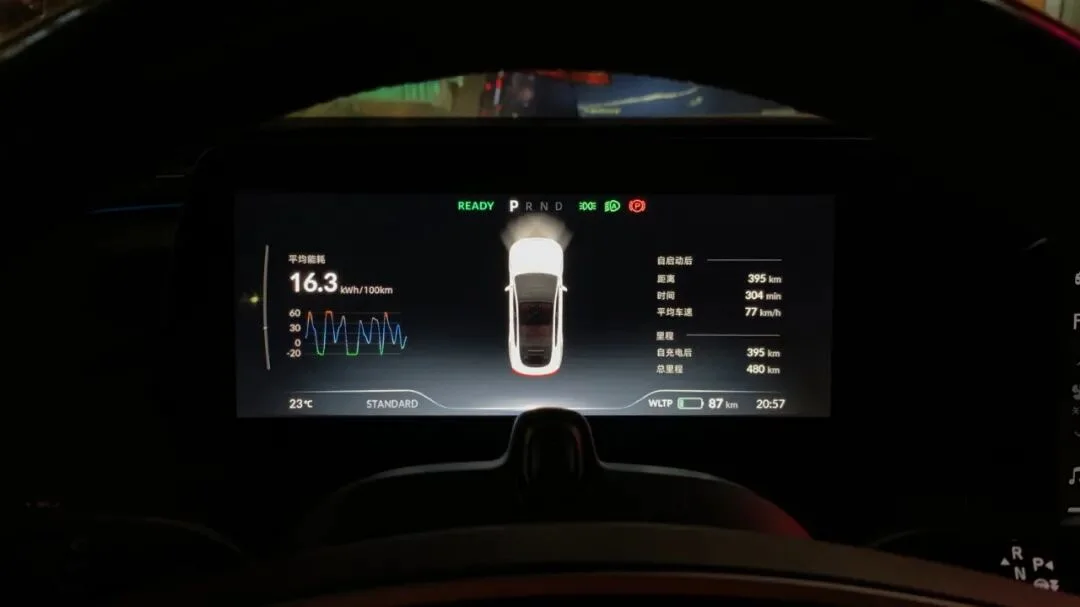
On October 1, I drove home for the holiday, starting from Shanghai with a full charge (WLTP range: 576 km). After driving 395 km straight through to my destination, I had 87 km of remaining range, with no charging stops along the way.
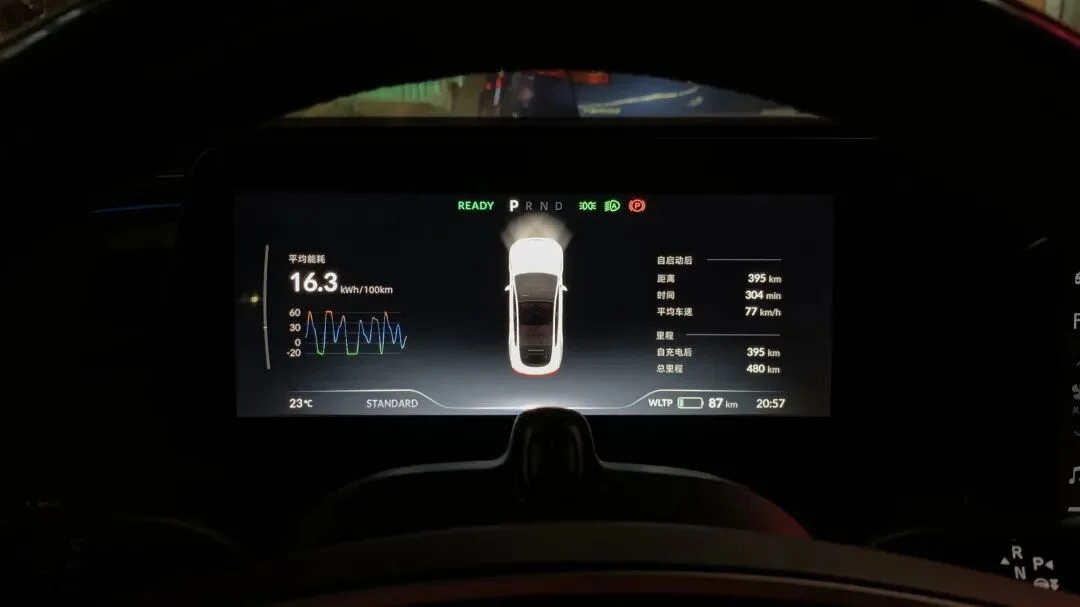
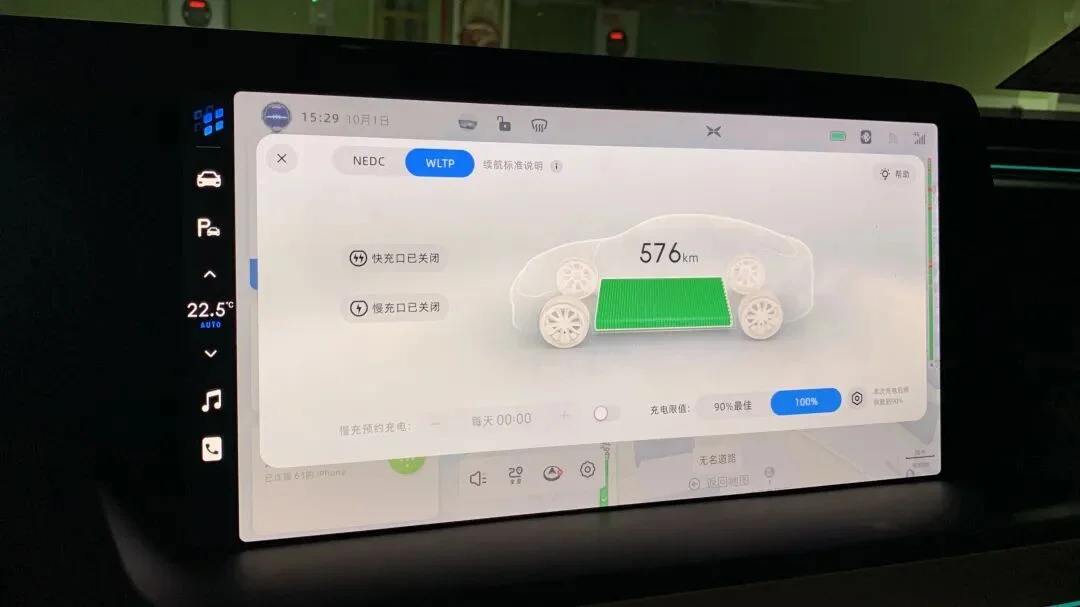
In other words, during the summer, the P7 can drive on the highway for at least five hours straight, covering more than 400 km. Although drivers need to rest every two to three hours, this does not mean you must stop to charge each time; charging is no longer a prerequisite for breaks, giving drivers significantly more control.
More importantly, you are not forced to rely on a single service area for charging. If the chargers at one service area are out of order, the remaining range is still sufficient to reach the next charging point.
Therefore, sufficient single-charge range is the most fundamental guarantee of the electric vehicle ownership experience. This capability means that even with significant winter range reduction, EVs can handle long-distance trips within a 200–300 km radius with an experience comparable to fuel vehicles.
However, I still hesitate to drive an electric vehicle for long-distance trips exceeding 1,000 km.
The Schrödinger’s Service Area
Before the National Day holiday return traffic in October, I did not fully charge before setting off. Instead, I chose to replenish energy at highway service areas along the route.
It was precisely this refueling experience that highlighted the gap between electric and fuel vehicles.
I thought I could quickly recharge my Jinhuafuwu charging pile at 90 kW, but the highway service area on October 7 was a little different from what I imagined.
There are not only long queues at charging stations, but when four cars are charging simultaneously, the power allocated to my vehicle is less than 14 kW. The originally planned 30-minute energy replenishment time was forced to extend to 90 minutes, significantly reducing efficiency.
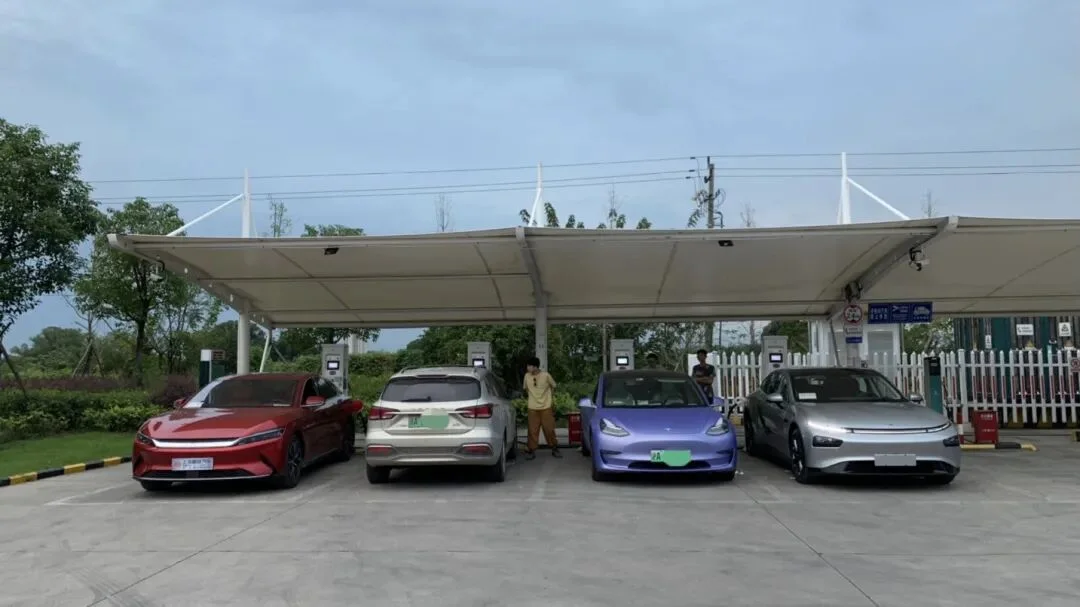
Of course, in our multiple high-speed range tests, we have also encountered the following issues:
Charging requires repeatedly plugging in the connector to proceed smoothly;
All 2 charging piles were out of service;
ICE vehicle placeholder;
Slow charging speeds.
Compared to reliable gas stations, the unpredictable nature of EV charging stations means every trip requires meticulous route planning and a backup Plan B for charging stops.
City Commuting
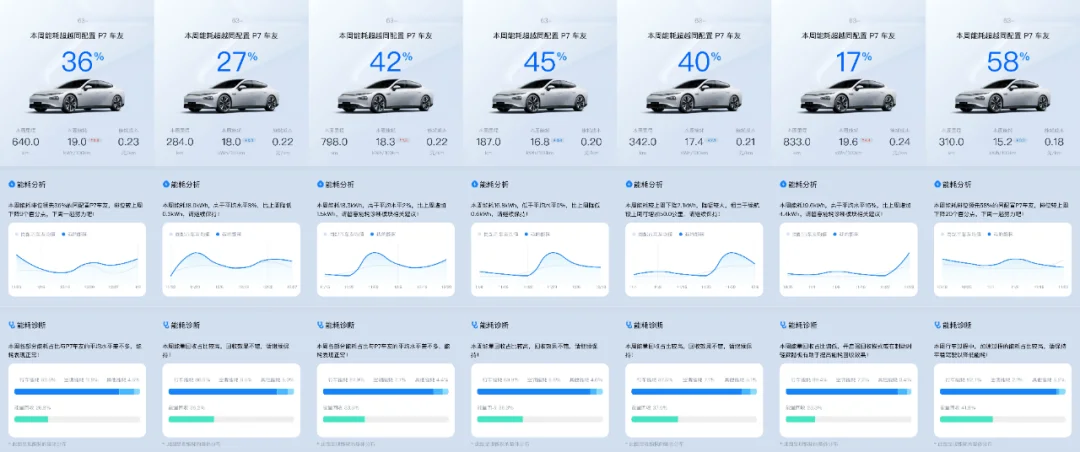
This is my energy report from November to the present, covering seven weeks.
My driving style isn't particularly energy-efficient; in fact, most reports show I consume more electricity than 60% of other owners.
In the relatively warm weather of November, based on my driving habits, my energy consumption was 15–16 kWh per 100 km.
In the colder weather of December, and during scenarios with more highway driving, my energy consumption rose to 17–19 kWh per 100 km.
In most cases, my weekly commute covers about 300–400 km. Even in winter, when air conditioning usage is high, I can typically charge the car just once a week.
Charging the P7 at a high-quality charging station takes only 40 minutes to add 400 km of WLTP range, which is highly efficient.
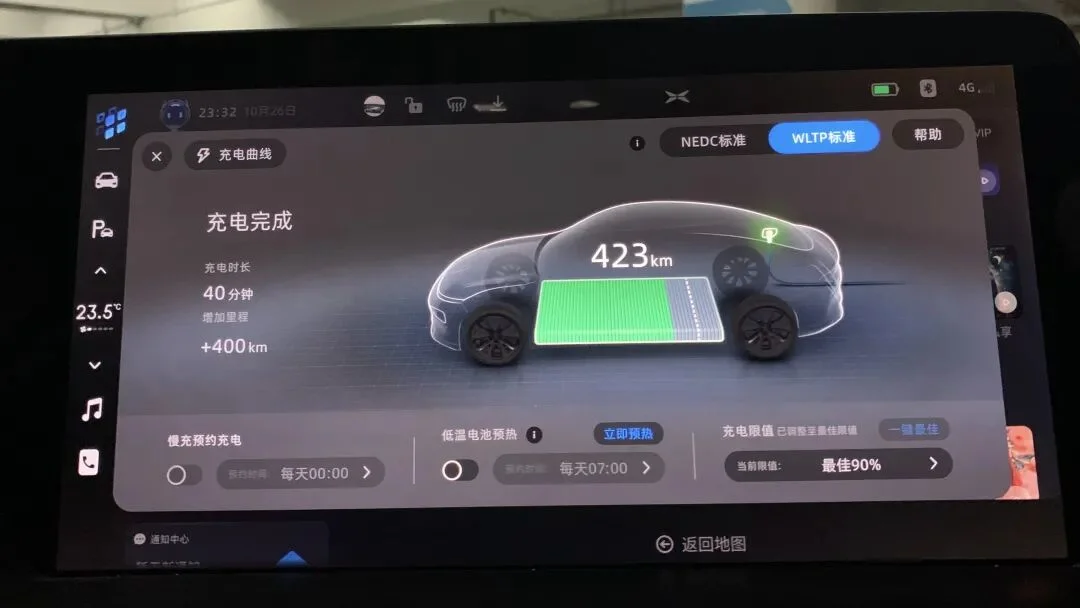
The extended range significantly alleviates charging anxiety, making the user experience very similar to that of a gasoline vehicle.
However, there are still differences in user experience compared to gasoline vehicles in extreme scenarios, a gap that is particularly evident in models with shorter ranges.
Choosing a charging station is difficult.
If every charging session relies on third-party charging piles, the first hurdle you face is finding a fast-charging station from among numerous third-party brands that is both nearby and capable of high-speed charging.
Unlike gas stations, most charging piles on the market today have power outputs of only 30–50 kW, with varying quality. Therefore, locating a high-power charging pile requires technical know-how.
Charging stations are hidden in inconvenient locations.
I believe every EV owner has experienced navigating to a charging point, only to circle around for several rounds without finding the charger.
Compared to gas stations with large signs on the roadside, charging stations tucked away in obscure corners are indeed very unfriendly.
The quality of charging stations is unpredictable.
Even if you carefully select a high-power charging station, it is inevitable that issues such as charger malfunctions or ICE vehicles occupying the spot may arise.
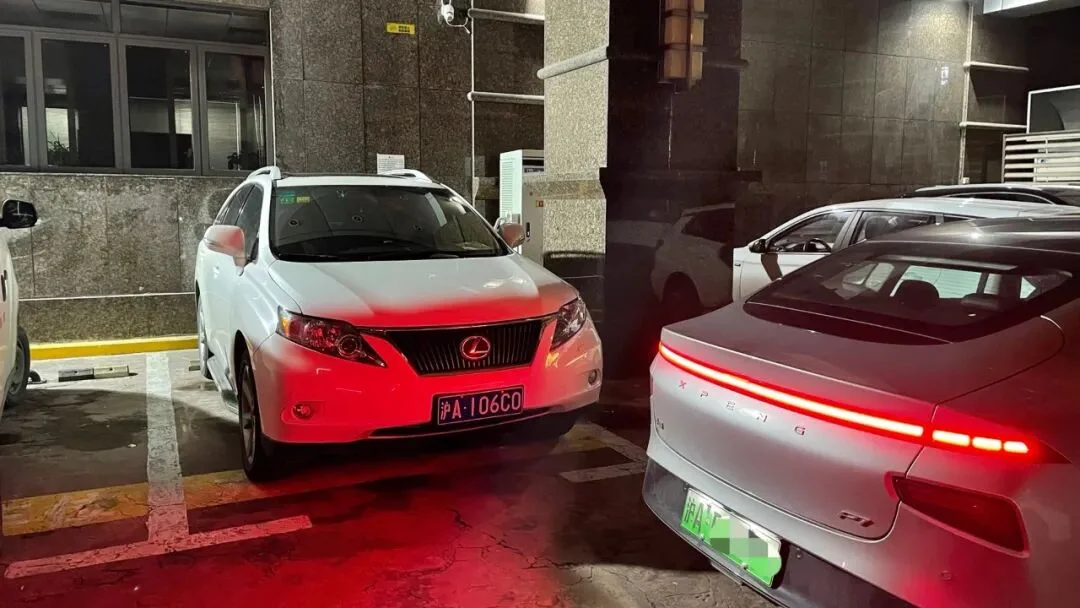
Based on the problems I encountered during charging, a clear conclusion can be drawn: at this stage, range anxiety for EVs is largely not caused by short range, but by the inconvenience of refueling.
This is why, as I mentioned at the beginning, what XPENG is doing now is no less important than pushing a car's range to 700 km.
02What XPENG Has Done
Step 1: Build a proprietary supercharging network.
Compared with third-party charging stations, automakers' self-built energy replenishment systems have three advantages.
The charging station environment is guaranteed.
Unlike third-party charging stations that are left largely unmanaged, automakers invest significant effort in maintaining their own chargers. As a result, even if a charger is tucked away in a remote corner of an underground garage, the manufacturer will typically place directional signage at the parking lot entrance to guide anxious drivers to the station immediately.
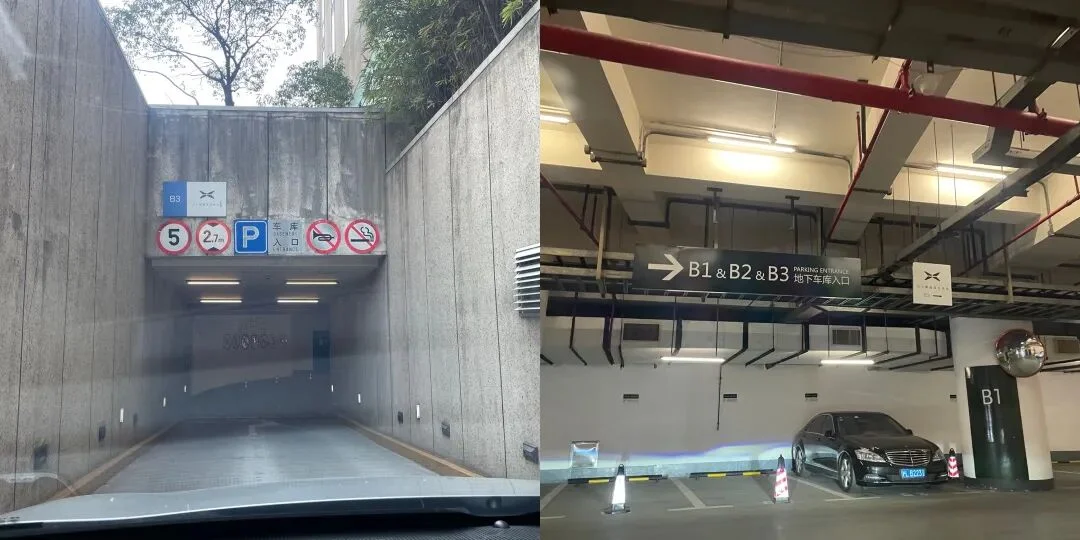
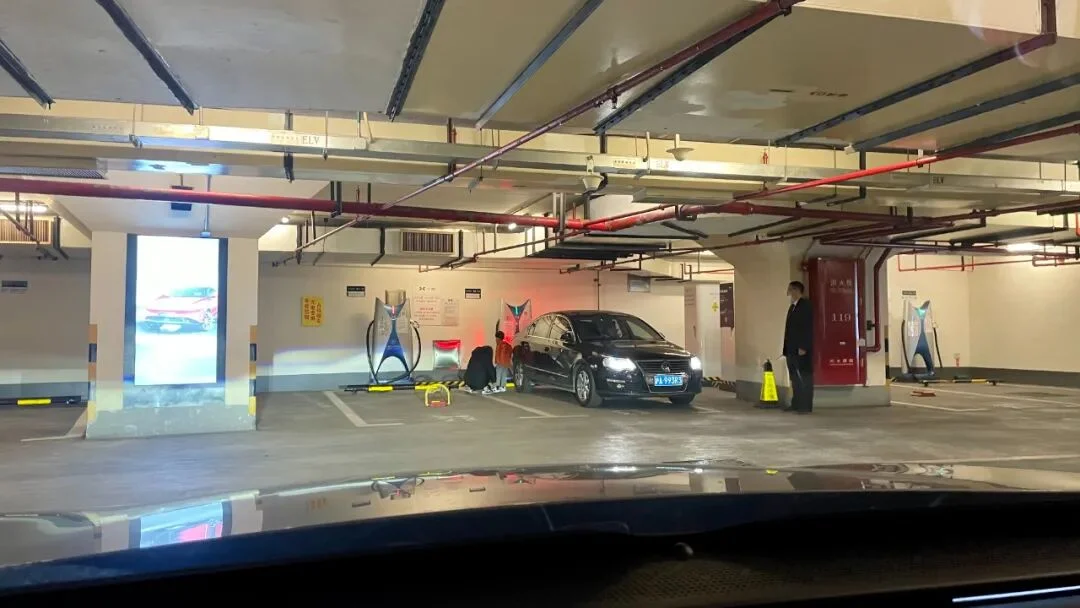
More importantly, self-built supercharging stations with dedicated maintenance staff rarely experience broken chargers or ICE vehicles occupying the spots, which significantly alleviates owners' "range anxiety."
At least at the "Shanghaixinmaodashazhan" I frequent, as soon as a fuel vehicle takes up a spot, an attendant immediately comes to ask them to leave.
Let’s expand on why maintaining third-party charging stations is difficult.
Shen Yanan, President of Li Auto, stated in an interview with 36 kr that peak usage of charging piles generally concentrates around three time windows: lunchtime, dinnertime, and after 9 p.m. Even at a rate of RMB 2 per kWh (covering electricity and service fees), hourly revenue amounts to only about RMB 100. This efficiency is far lower than that of gas stations or even breakfast stalls, making it difficult for third-party charging operators to turn a profit.
If the business model isn’t profitable to begin with, how can companies justify the high labor costs required to manage these stations? Without proper management, the charging experience deteriorates, creating a vicious cycle.
In contrast, charging networks built by automakers are different. Automakers can subsidize the construction of their charging infrastructure using profits from vehicle sales. A superior charging ecosystem can influence more consumers’ purchasing decisions, leading to increased car sales. The revenue from those sales can then be reinvested into building more superchargers, establishing a virtuous cycle.
Simplified charging process.
Thanks to interoperability between vehicles and charging stations, XPENG users do not need to use their phones to scan QR codes, top up balances, or initiate sessions when using XPENG’s self-built superchargers. They simply plug in the charging gun to start charging, significantly streamlining the process.
This largely avoids issues such as iPhone users losing signal in underground garages.
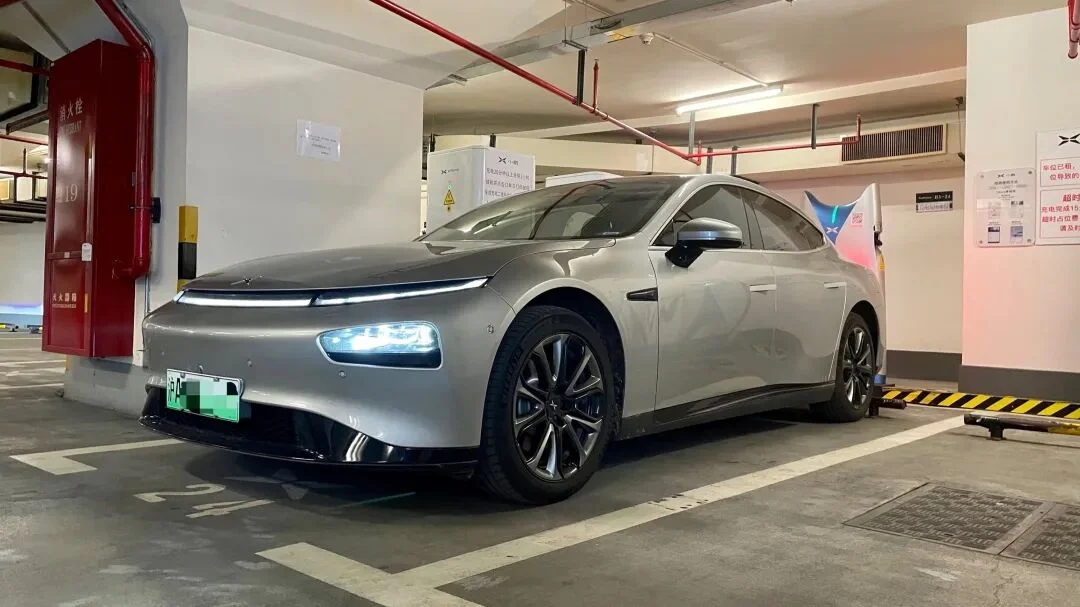
Charging speed is reliable.
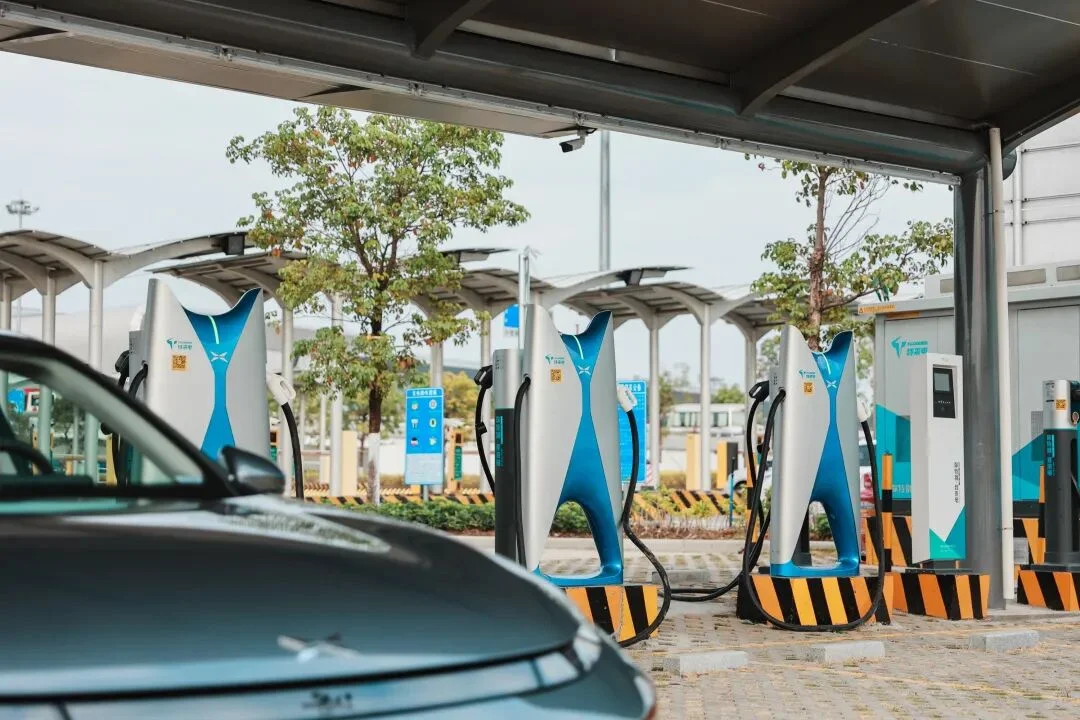
Automakers design their proprietary supercharging networks in tandem with their vehicle products to deliver the best possible charging experience. As a result, charging stations from Tesla, NIO, and XPENG all support power outputs exceeding 90 kW.
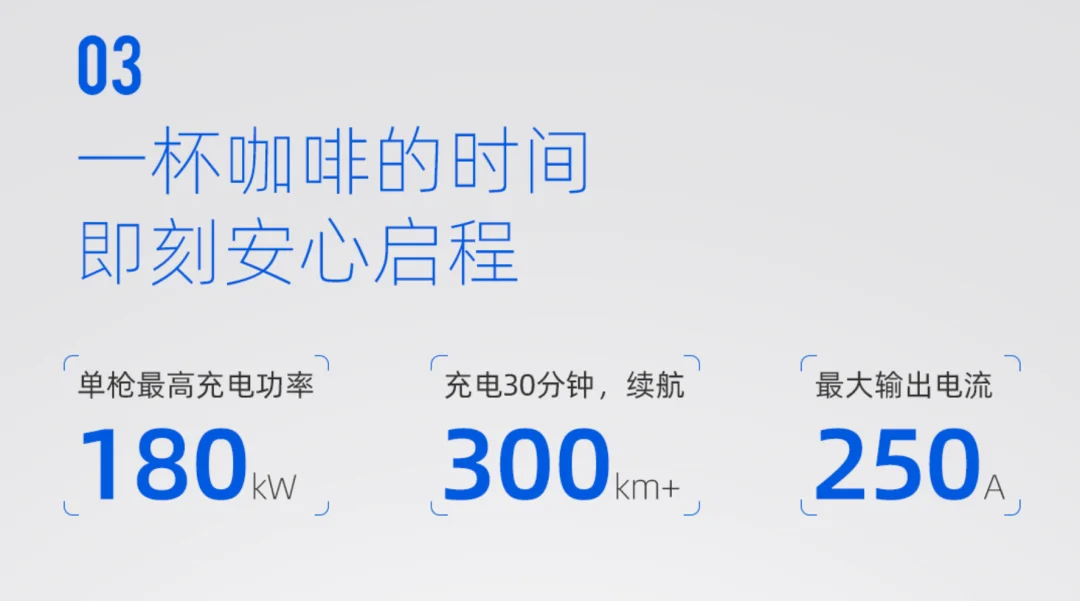
This significantly reduces the difficulty for users in selecting charging stations. For instance, when I see a charging station bearing its own brand logo, I know that 40 minutes is more than enough to add 400 km of WLTP range.
Once these three points are addressed, combined with a long-range model, the convenience of using an EV at this stage approaches that of a gasoline car.
However, proprietary supercharging networks also have two major drawbacks.
High infrastructure costs.
Charging stations are certainly better when there are more of them and they cover a wider area. However, in the early stages, before XPENG’s sales volume reaches a high level, providing superior service to users inevitably entails significant sunk costs.
What happens with rapid technological updates?
Although the charging stations currently deployed by XPENG meet present-day needs with high specifications, what will happen to these existing stations five years from now when charging technology has iterated and upgraded?
Tesla, which also relies on self-built supercharging infrastructure, determined its technical route early on, allowing its charging station technology to stay ahead.
The V3 Chaochong stations currently being deployed at scale can deliver a maximum charging power of 250 kW. While this is of limited significance for vehicles available today, it ensures that if future models support higher speeds, the existing stations remain valuable and the investment is not wasted.
Faced with these two issues, XPENG took the second step.
Step 2: Partnering with high-quality charging stations.
For the first two months after taking delivery of my car, I wanted to complain about the lack of XPENG’s self-built Superchargers near my home and workplace. However, while casually refreshing the XPENG App, I noticed that a significant number of "partner" charging stations were being added at regular intervals.
Most of these partner stations are high-quality clusters with guaranteed charging environments and speeds. Most importantly, like XPENG’s self-built Superchargers, they are free.
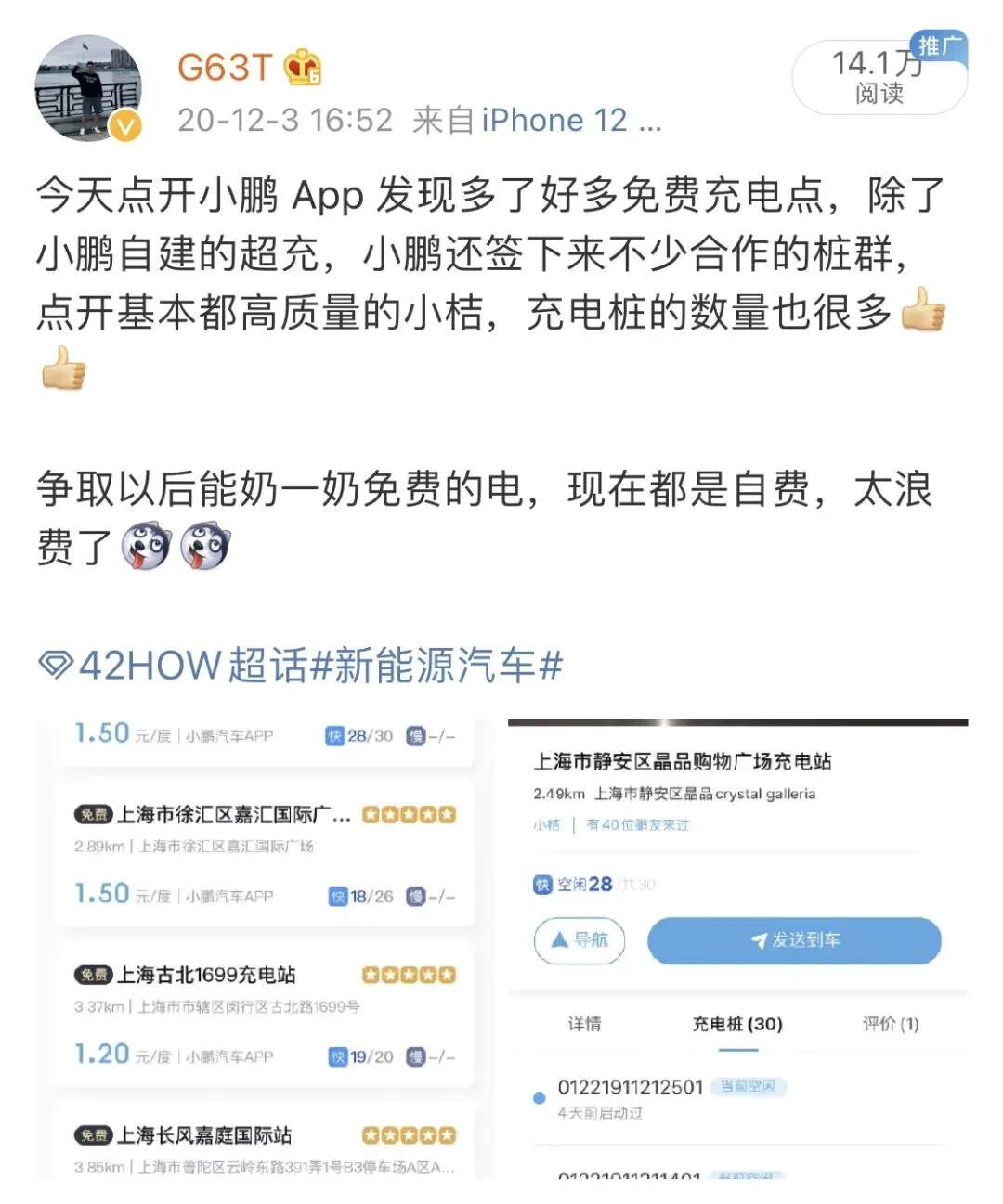
This is a highly cost-effective strategy for XPENG: in areas dense with charging infrastructure, it helps owners locate high-quality partner stations to deliver an experience comparable to its own Superchargers; in areas lacking quality infrastructure, such as airports and highways, it builds its own premium stations.
These two measures ensured that during my 8,000 km over three months, I never experienced range anxiety or charging anxiety. This reliability, alongside the P7’s product strength, was another key reason I chose to buy from XPENG.
03Free Driving for 20,000 km Annually?
Having discussed the differences between self-built Superchargers and third-party stations, there is one additional advantage to XPENG’s Supercharger network: lifetime free access.
Although this may be the most compelling point, I have placed it last because the free policy shines brightest only after the quality of the charging infrastructure meets the standards outlined above.
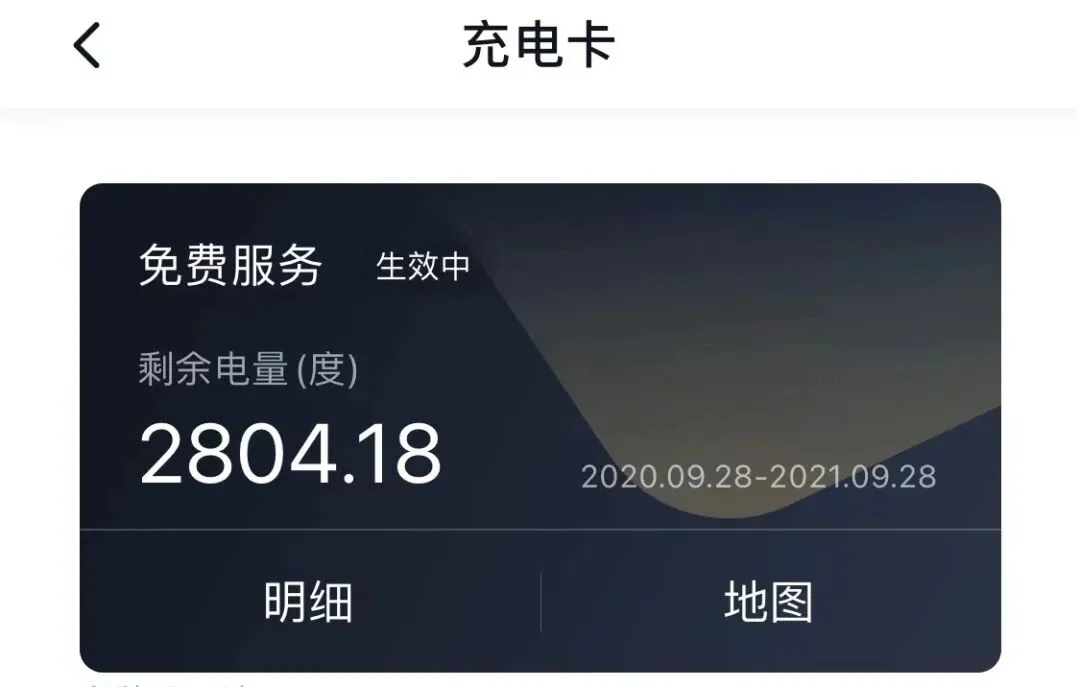
According to XPENG's published policy, each XPENG owner receives an annual free electricity allowance of 3,000 kWh.
If calculated at 15 kWh per 100 km, 3,000 kWh means each XPENG owner can drive 20,000 km for free, a distance that far exceeds the commuting distance of most owners in one year.
Valued at RMB 1.5 per kWh, the 3,000 kWh allowance saves each owner RMB 4,500 annually on charging costs.
Taking my own experience as an example, the money I spend on charging has decreased since purchasing the car, and the free-charging policy makes me more inclined to take trips with the vehicle.
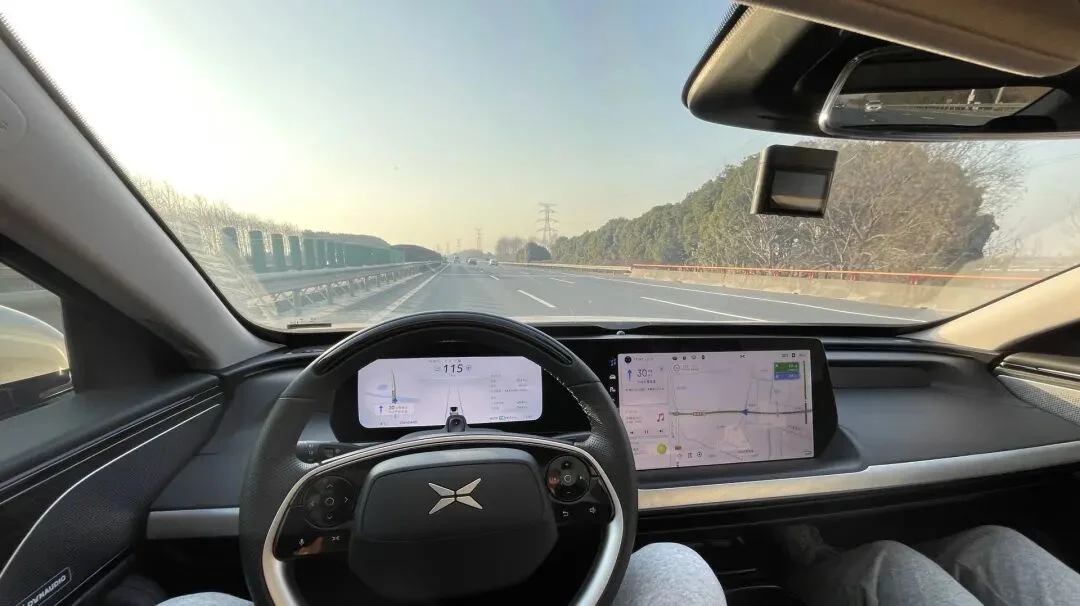
During the New Year holiday, I drove to Taihu Lake in Suzhou with friends. Thanks to the extended range, I did not need to fully charge before departing, nor did I need to seek out charging stations during the trip. With XPilot handling the highway driving seamlessly, I could simply sit back and let the system drive. And thanks to the free-charging policy, aside from tolls, there were no additional expenses for the journey.

Final Thoughts
For those with home charging capabilities, the aforementioned concerns are clearly moot. Home charging remains the optimal way to replenish electric vehicles (EVs), offering an experience that has long surpassed that of internal combustion engine vehicles.
However, China’s population density and parking space constraints mean that most people lack home charging facilities. Therefore, for pure EVs to thrive in China, charging infrastructure is indispensable.
Sales data from 2020 also illustrates this: Tesla, NIO, Li Auto, and XPENG, which achieved the best consumer sales, not only possessed outstanding product strength but also solved users’ range anxiety through supercharging, battery swapping, or extended-range technology.
The transition to electrification is not solely the responsibility of automakers. We hope that while addressing range anxiety, greater attention is paid to the convenience of recharging.
As a P7 owner, my biggest expectation for 2021 is that XPENG will expand its charging network to highway service areas, replacing those unreliable 'Schrödinger’s chargers,' thereby providing a more seamless travel experience.
By Lu San Edited by Daji