


Tesla Builds Data Center in China; Huawei and BAIC Deepen Cooperation; ES33 Design Breakdown | E-Week Highlights
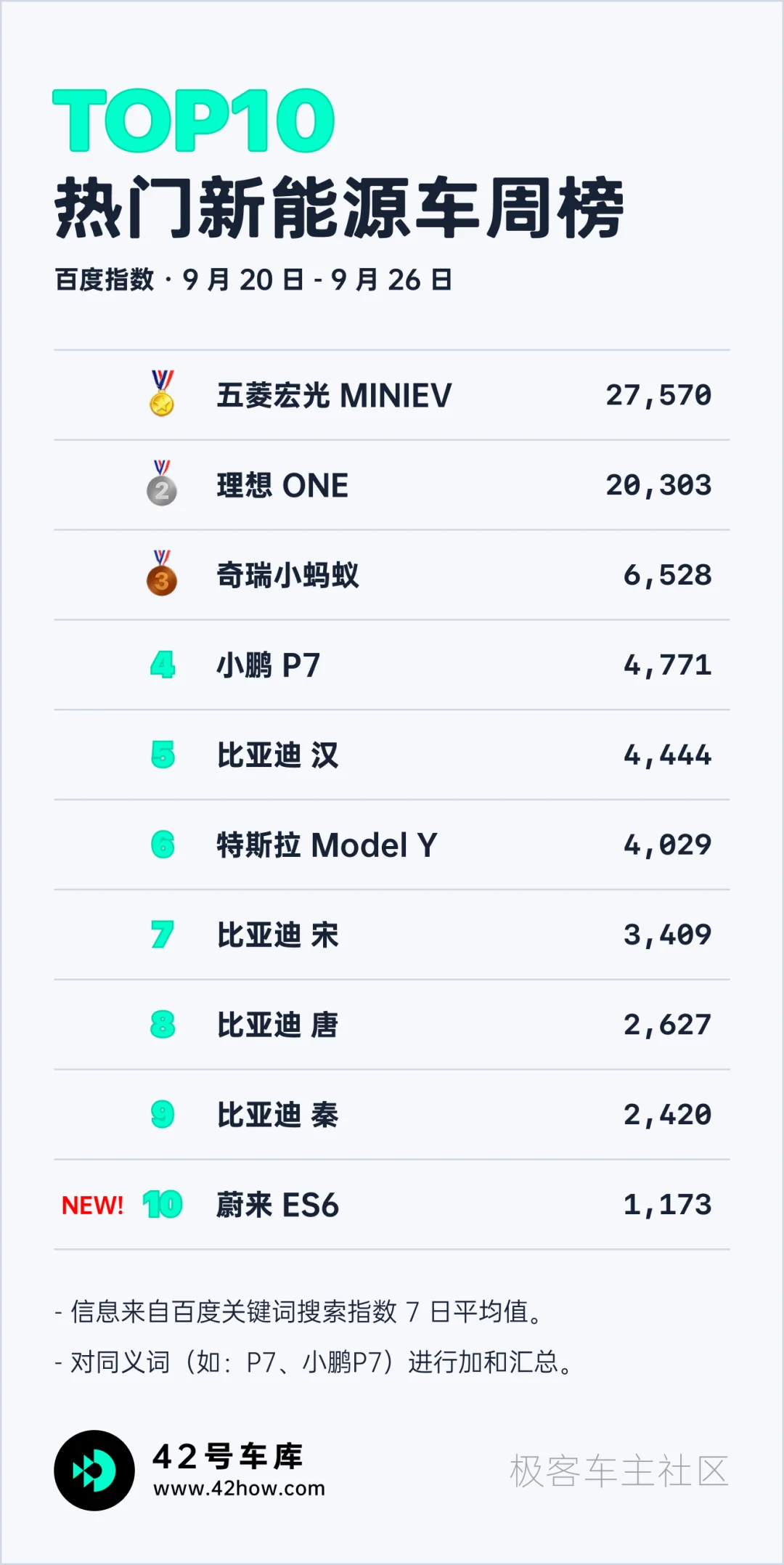
01Weekly Indices
02Weekly News
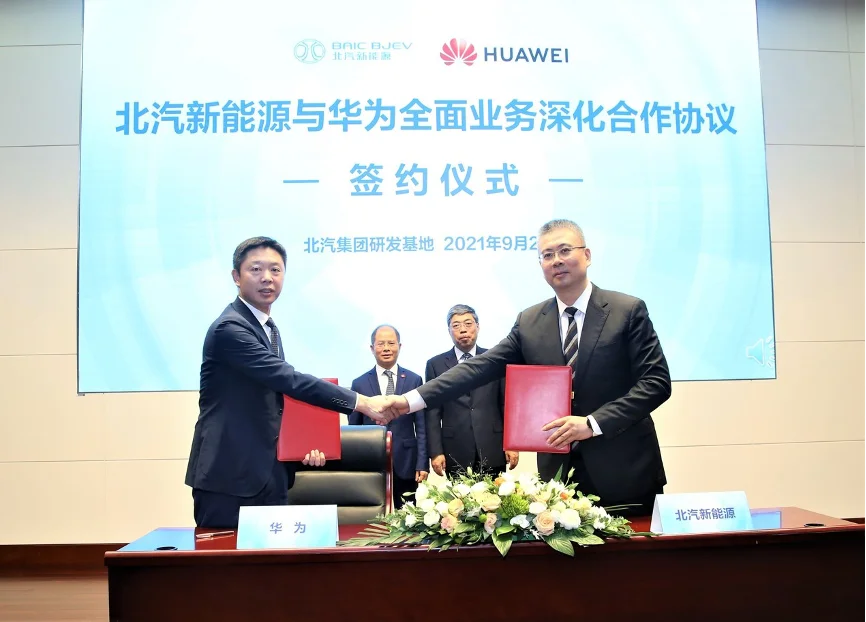
Huawei and BAIC Sign Agreement to Deepen Cooperation
On September 26, Beiqixinnengyuan and Huawei signed a comprehensive business deepening cooperation agreement in Beijing. The two parties will expand their collaboration across multiple areas, including improving the cooperation management mechanism, strengthening product research and development, and joint brand marketing. This agreement represents an important decision by BAIC and Huawei amidst the current wave of intelligent electric vehicle development.
Editor's Comment:
This marks another round of cooperation between Huawei and BAIC. The two parties will jointly develop products for the HBT project, using intelligence as a breakthrough point, and work together to build the ARCFOX Jihu and "HI" joint brands. Over the past four years, the ARCFOX Jihu brand and Huawei have collaborated to launch the Alpha S Huawei HI Edition earlier this year—the world's first mass-produced vehicle equipped with three LiDARs. This new cooperation further integrates sales channels. As various automakers adopt new retail sales models, the Alpha S Huawei HI Edition will be sold through Huawei’s online and offline channels by the end of this year.
Tesla Has Established Data Centers in China
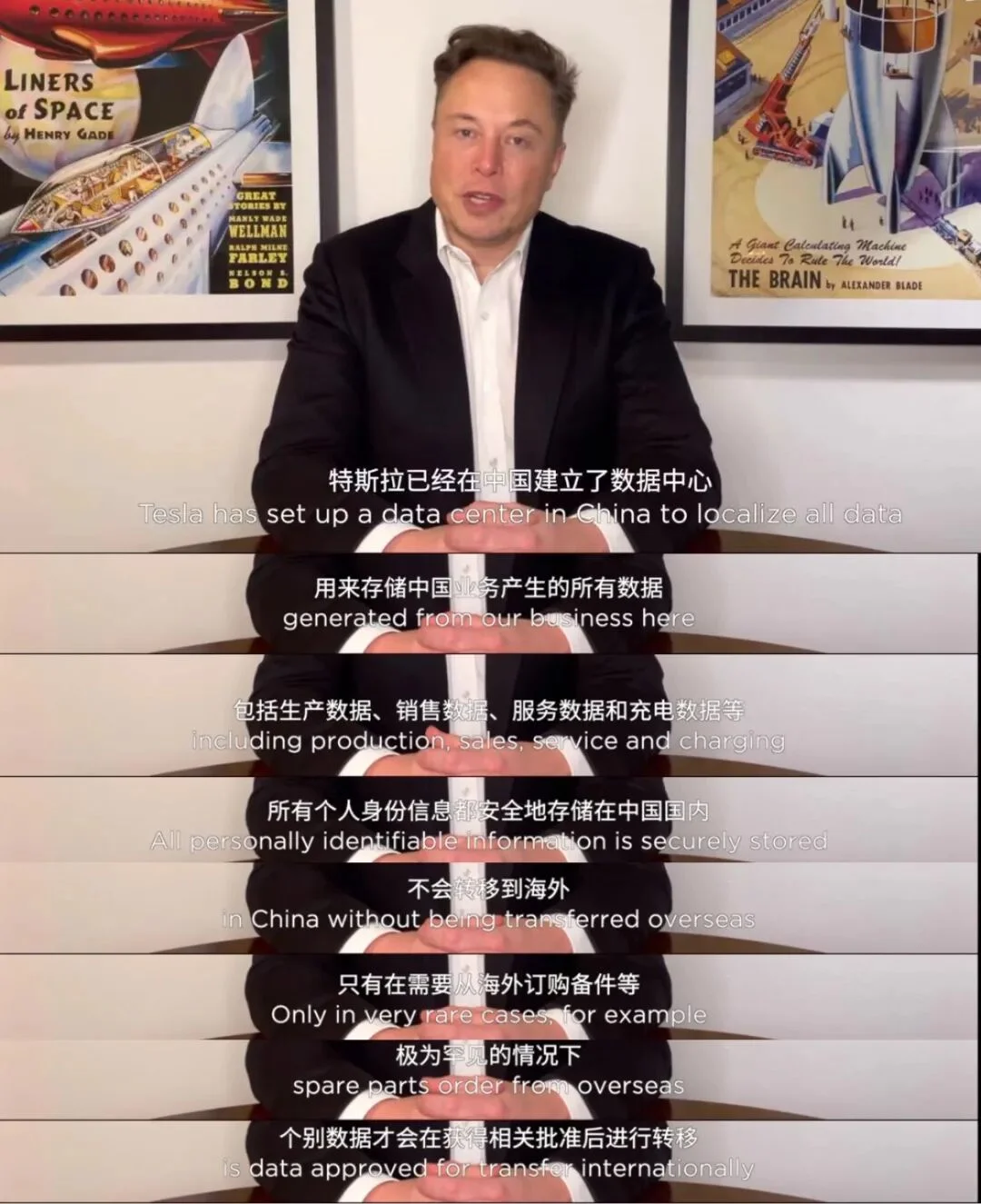
On September 26, at the opening ceremony of the 2021 World Internet Conference, Elon Musk stated that Tesla has established data centers in China. All data, including personal information, will be stored within China. Transfers are permitted only in extremely rare cases, such as when ordering overseas spare parts, and only after approval.
Editor's Comment:
Affected by data security requirements, following Apple's "Cloud on Guizhou," Tesla's "Cloud on Lingang" will also be activated. Previously, Chinese authorities had already drafted a standard for the management of intelligent connected vehicle data; Tesla's establishment of its China data center is a response to this regulation.
ES33 Design Analysis
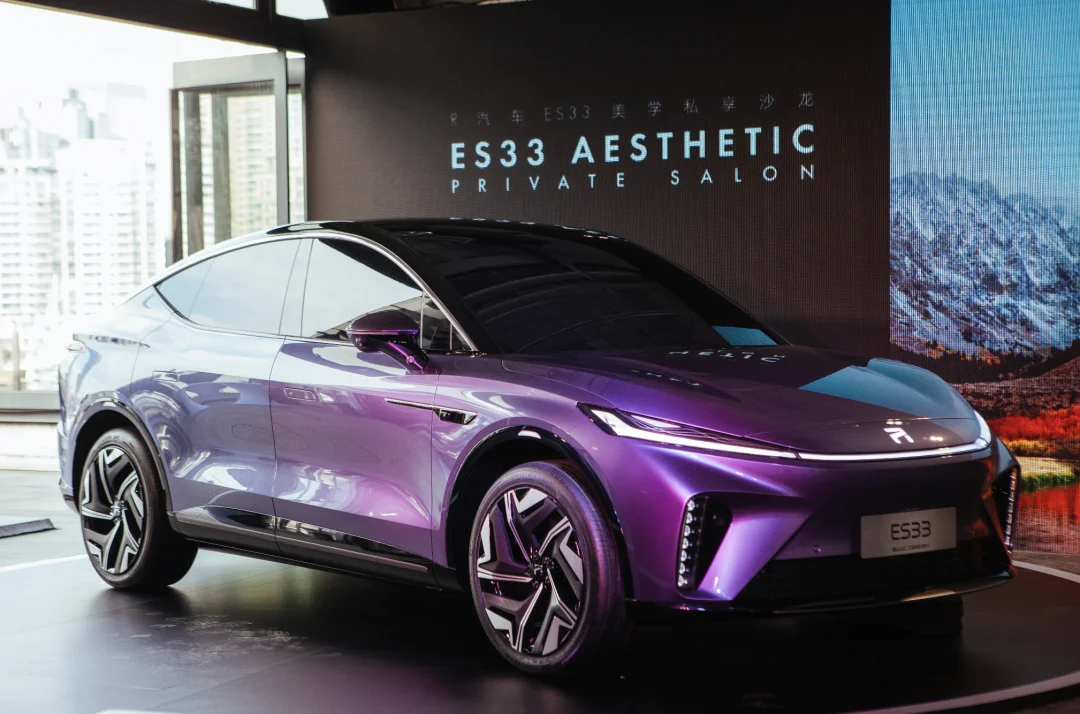
On September 26, on the banks of the Huangpu River in autumn, R Qiche provided an in-depth interpretation of the design secrets behind ES33. Regarding "premium feel," Shao Jingfeng believes that the true core consists of three levels: the visceral level, the behavioral level, and the reflective level. The highest form for Chinese people is completeness, symbolized by family reunion. Shao Jingfeng translates this concept of prosperous fullness into specific design, termed "jin cang rou ying" (muscles concealed, flesh luminous).
The ES33 features a highly voluminous surface design that also conveys a sense of power. Additionally, the ES33 is the world's first mass-produced pure electric vehicle equipped with laser headlights, which increases high-beam illumination by 40 percent.
In terms of intelligence, the increasing number of perception sensors on smart electric vehicles in recent years also affects specific vehicle design. The newly added cameras can serve as breathing indicator lights, which alert passersby to the vehicle's current status through light signals while driving with assisted automation.
Quick Review:
Like a pipa held half in front of the face, from the ES33's debut at the end of August to today's interpretation and the interior reveal at this year's Guangzhou Auto Show, Shangqi R Qiche will gradually unveil the ES33.
NIO’s Ternary-Lithium-Iron Phosphate Battery Unveiled
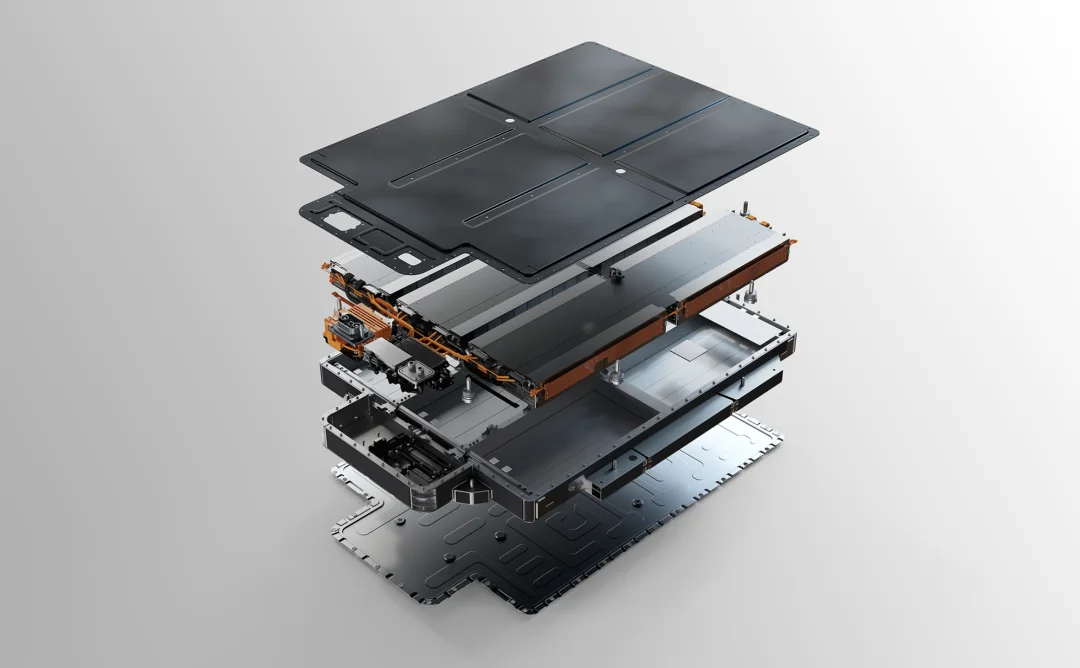
On September 24, NIO officially launched a 75 kWh ternary-lithium-iron phosphate battery pack.
According to official information, new buyers can choose between the ternary-lithium-iron phosphate standard-range battery pack (75 kWh) or the ternary-lithium long-range battery pack (100 kWh). Vehicles equipped with the 75 kWh pack maintain the same pricing and BaaS (Battery as a Service) costs as previous models featuring the 70 kWh ternary-lithium battery. This effectively signals the discontinuation of the 70 kWh ternary-lithium battery, though it will continue to serve in swap stations under the "standard-range" designation.
Editorial Comment:
The switch to a ternary-lithium-iron phosphate chemistry adds 5 kWh of capacity, yielding an estimated range increase of 30–35 km. While this gain may appear modest, the pack represents the first ternary-lithium-iron phosphate battery available on the market.
To ensure low-temperature performance in mixed-chemistry packs, NIO utilizes waste heat from the ternary-lithium cells within the pack for radiative thermal compensation. In extreme cold conditions over 12 hours, the new 75 kWh pack improves temperature uniformity by 60% and raises the minimum cell temperature by 40% compared to previous products.
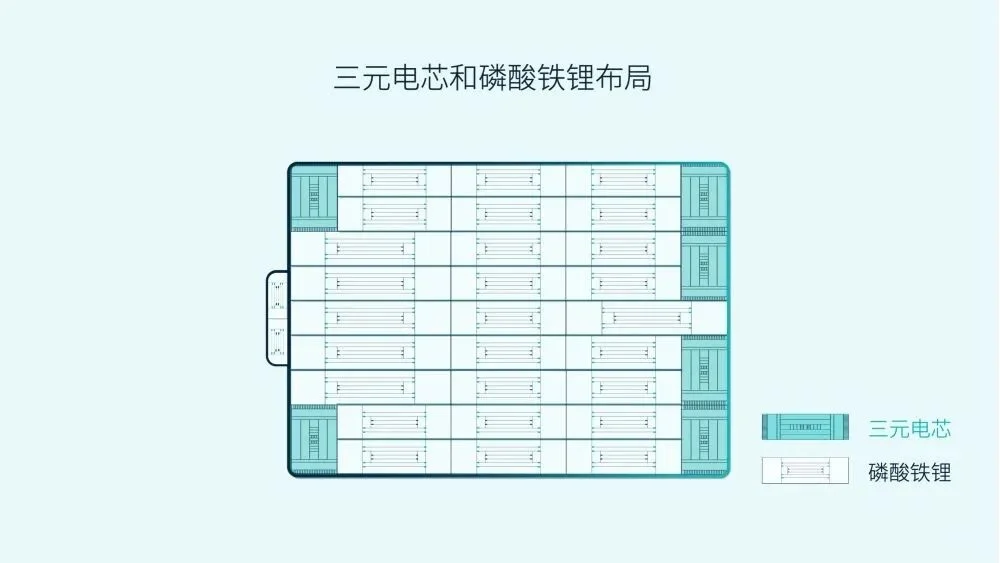
NIO’s 75 kWh battery pack, which employs Cell-to-Pack (CTP) technology, has seen a 10% simplification in manufacturing and assembly. Volume utilization has increased by 5%, and energy density has risen by 14% to reach 142 Wh/kg. In terms of weight, the battery pack—predominantly lithium iron phosphate (LFP)—has only increased by approximately 15 kg, eliminating the need for recalibration of suspension tuning.
This self-developed approach reflects both NIO’s pursuit as a user-centric enterprise and its strategy to maintain competitive barriers as a leading new-energy vehicle brand. The winter performance of its ternary lithium-iron phosphate batteries will also be worth watching.
Volkswagen ID. Series August Deliveries Exceed 7,000
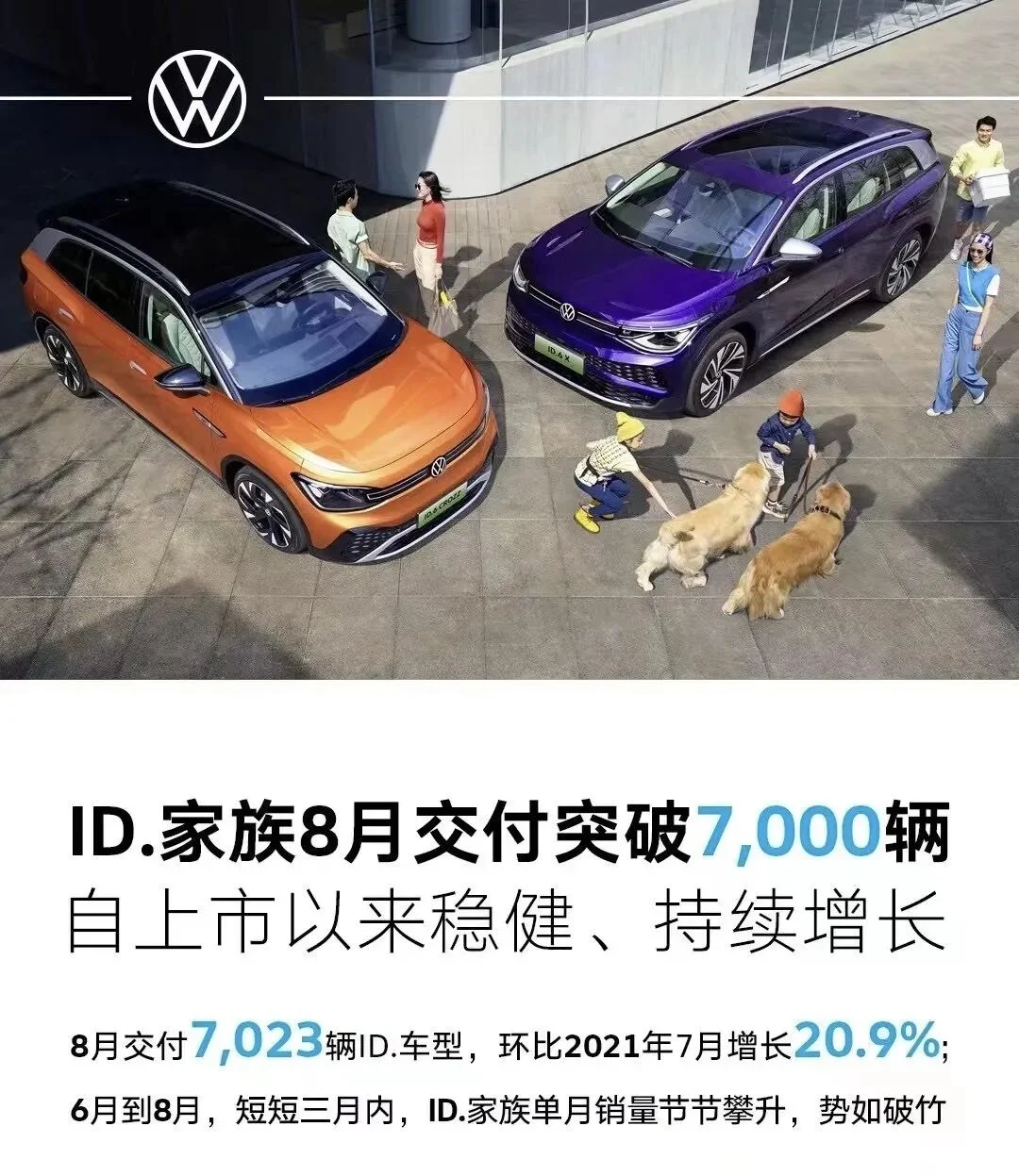
The ID. series delivered more than 7,000 units in August. This figure indicates consumer acceptance; with the arrival of the ID. 3, the product lineup has expanded further, suggesting that monthly delivery numbers could rise even higher.
Editorial Comment:
As Volkswagen North and South China increase promotion of the ID. series and expand their dealership and charging infrastructure layouts, the ID. family’s monthly deliveries are growing steadily. This growth is driven not only by consumer recognition of Volkswagen’s electric vehicle capabilities but also by trust in the legacy automaker. Additionally, the ID. 3 is set to enter the market soon, further expanding the ID. series lineup. However, compared to Volkswagen’s internal combustion engine sales, which often exceed tens of thousands of units per month, the scale of its EV sales in China still has considerable room for growth.
NIO ET7 Drag Coefficient Revealed
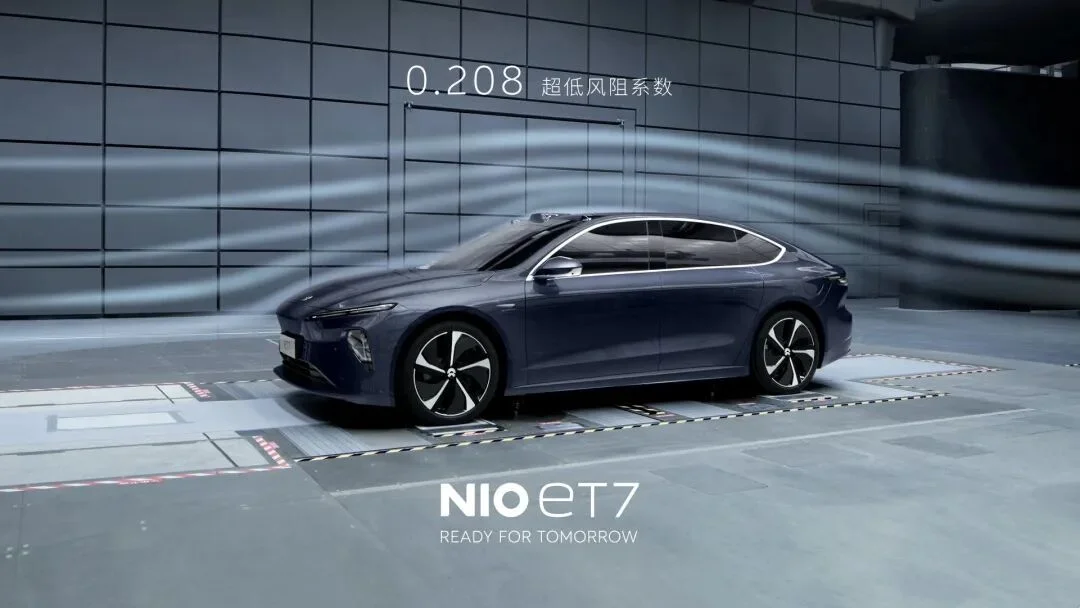
On the afternoon of September 24 in Chongqing, China, NIO announced the latest drag coefficient for its first sedan, the ET7: 0.208. This figure represents a reduction of approximately 10% from the 0.23 value promoted during NIO Day in January this year.
Commentary:
This data places the NIO ET7’s drag coefficient second only to the Mercedes-Benz EQS, tying with the Tesla Model S Plaid for third place among global production vehicles. The Zhiji L7, which received a CATARC-certified drag coefficient of 0.21 just three weeks ago, ranks second among domestic models by a margin of 1%, while the Aion S Plus from Guangqiaian takes third place. The presence of three Chinese brands on this list demonstrates that domestic manufacturers’ pursuit of aerodynamics and their technical capabilities in this area have caught up with world-leading standards.
To ensure a smooth battery swap process, NIO’s body-in-white must be stronger than that of other electric vehicles to minimize distortion and deformation. Combined with the space occupied by the battery due to the swap mechanism, the ET7 is significantly heavier and more robustly shaped compared to similar-class electric vehicles. Achieving a drag coefficient of 0.208 under these conditions is quite an achievement. For electric vehicles, which generally have lower energy replenishment efficiency and higher energy consumption at high speeds, a low drag coefficient is crucial as it has a key impact on range.
Samsung to Manufacture Tesla HW 4.0 Chips
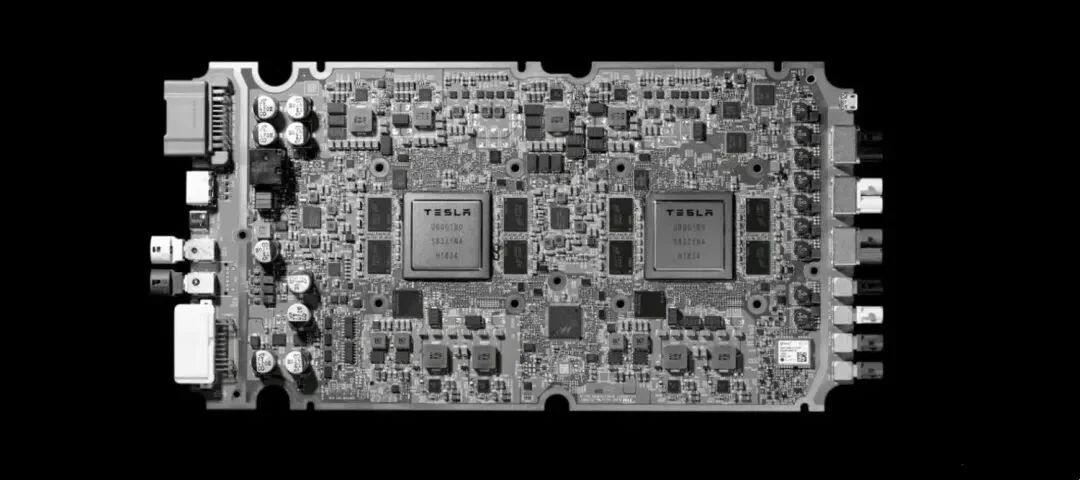
According to a report from Korea’s Economic Daily on September 23, Samsung will manufacture Tesla’s HW 4.0 chips. Sources indicate that production of the HW 4.0 chip is expected to begin at Samsung’s Hwaseong factory in South Korea as early as the fourth quarter of this year. Previously, the HW 3.0 chip was also manufactured by Samsung.
Commentary:
Earlier reports suggested that Tesla was considering Samsung and TSMC for the manufacturing of its HW 4.0 chips, but it has now been confirmed that Samsung will handle production.
Many are curious why Tesla opted for a 7 nm process node for the HW 4.0 chip instead of a more advanced 5 nm node. Sources indicate this decision was primarily driven by the need for greater stability. During Tesla’s recent AI Day event, Elon Musk stated that HW 4.0 (also referred to as FSD Computer 2) would be launched alongside the Cybertruck in 2022.
Lixiang Lowers Q3 Delivery Expectations
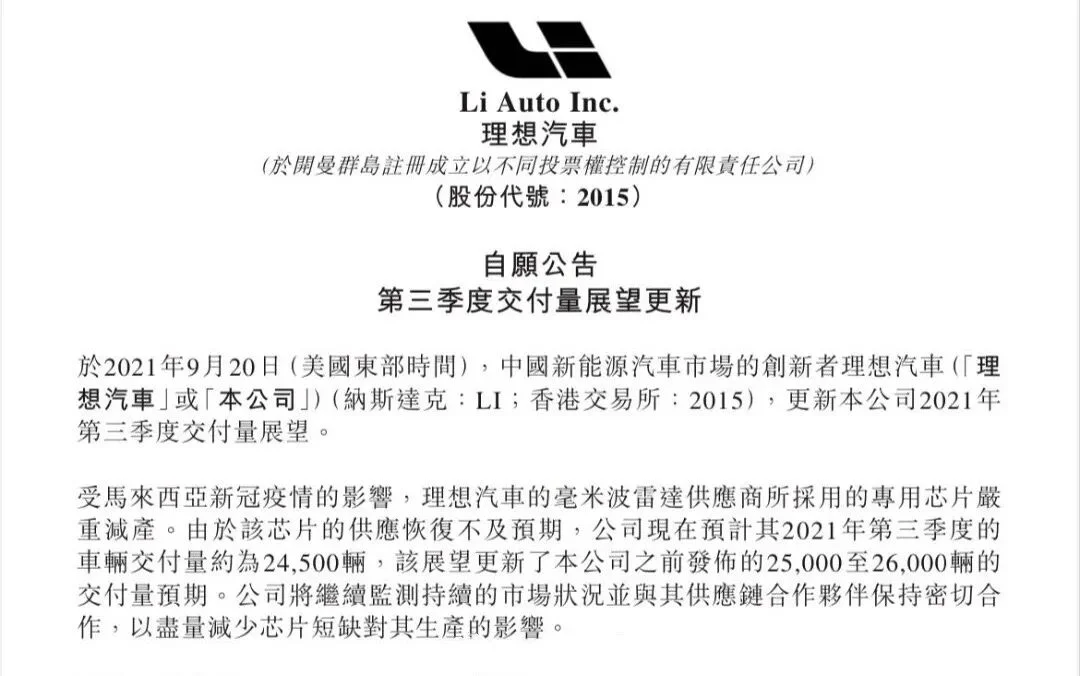
Lixiang has lowered its Q3 delivery forecast from the previous range of 25,000 to 26,000 units to 24,500 units. The core reason for this adjustment is the delayed resumption of production at its Malaysia factory by Yifabandaoti, which has constrained the supply of fifth-generation millimeter-wave radar chips used in the 2021 Li ONE.
Commentary:
Based on the delivery volumes for July and August already completed in Lixiang Q3, combined with the quarterly delivery guidance of 24,500 units, it is estimated that September deliveries of the Li ONE should be around 6,500 units. Previously, during the Q2 2021 earnings conference call, Lixiang had expected to achieve monthly sales exceeding 10,000 units by September.
Written by: Jiang Xiaohei Edited by: Reinhardt